I Refused to Provide Dinner for My Sister After Warning Her, Then She Fumed and Demanded I Buy Pizza
Most people recognize that family members enjoy a unique level of informality when it comes to social norms. They can show up without much warning, help themselves to whatever’s in the fridge, and settle in with an ease that would be unthinkable for any other visitor. There’s an inherent warmth and mutual understanding that strict formalities can be relaxed among those closest to you.
But where exactly does that relaxed family dynamic cross over into expectation—or worse, outright entitlement? A man recently posted a story online that has sparked a massive conversation about the razor-thin boundary between familial generosity and being flat-out exploited. And honestly, it serves as a masterclass in how not to behave when you’re visiting someone else’s home—even if that someone is your own sibling.
The Incident
The whole thing starts with what sounds like a perfectly lovely family tradition. The man described how his younger sister regularly visits his house to watch a television series she doesn’t have access to at her own place. It’s a genuinely nice setup, made all the better because his wife happens to be an excellent cook and always prepares a hearty, homemade dinner for his sister during these visits.
One particular week, the sister sent a text letting him know she’d be stopping by the following night. Her brother said that was fine but made one thing absolutely crystal clear: his wife had other plans that evening, meaning dinner would not be on the table.
He told her, “you need to bring your own dinner.” He had only intended to heat up a simple can of soup for himself, since his wife is the household cook and their kitchen isn’t exactly stocked with quick, ready-made options.
What came next was entirely predictable. His sister arrived the following evening without bringing a single thing to eat. When her brother asked what she planned to have for dinner, she appeared genuinely stunned. As he recounted it, “She said she thought I was joking and its terrible hosting manners to have someone over and not provide any food.”

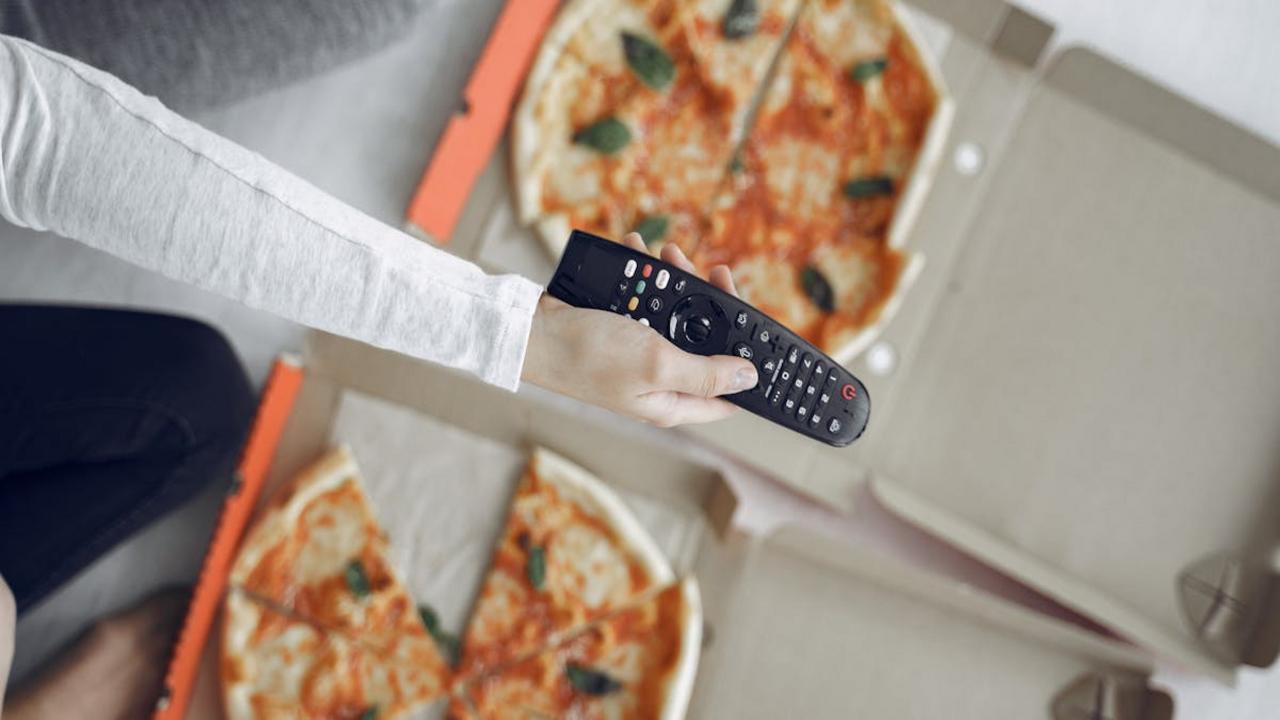
The sheer nerve is absolutely staggering. She went on to suggest that he’d had the entire day to run to the grocery store or that he “could have just ordered pizzas.” Rather than owning up to her own lack of preparation, she sat there all evening, hungry and visibly irritated. Making matters even worse, the man’s other sister phoned him the next day to lecture him about his supposed lack of manners. Apparently, the entitlement is a family trait.
The Internet Reacts
After the man posted his account, the online community came down squarely in his favor, and they certainly didn’t sugarcoat their thoughts on his sister’s conduct. The responses quickly sorted themselves into a few clear categories.
Camp 1: The “Absolutely Not” Crowd
The vast majority of people were stunned by the sister’s gall. They stressed that she wasn’t a “guest” in any conventional meaning of the word—she was essentially a freeloader who had become far too accustomed to her brother and sister-in-law’s kindness. Many emphasized the crucial difference between being formally invited and simply showing up of your own accord.
One commenter nailed it: “Your sister is not exhibiting ‘guest’ behaviour. She’s exhibiting ‘close family’ behaviour, which means you don’t need to follow formalities either.” Someone else was blunter still, writing, “Calling your sister who invites herself over to use your TV and enjoy a home cooked meal a ‘guest’ is generous.” The overwhelming verdict was unmistakable: she was exploiting their goodwill, and it needed to end.
Camp 2: The “Devil’s Advocate”
Although virtually nobody took the sister’s side, a handful of commenters attempted to find some justification—however thin—for her behavior, or at least raised questions about the brother’s own choices. One reader speculated that there might be a deeper issue at play. “Is there any chance your sister is having financial trouble?” they asked. “She keeps inviting herself over at mealtimes and expecting to be fed.” It’s a compassionate interpretation, though it still doesn’t excuse her rudeness.
Another commenter mildly criticized the brother for his own inability in the kitchen, even while acknowledging he wasn’t the one at fault. “OP can you really not cook at all?? If so then learn. Pasta is super easy to make.” That’s a valid observation; throwing together a basic pasta dish might have sidestepped the entire confrontation, but it wouldn’t have solved the underlying problem of the sister’s sense of entitlement.
Camp 3: The “Practical Advice” Crowd
A good number of readers offered genuinely useful—and slightly sharp—recommendations for how the man should deal with his sister moving forward. They believed it was high time she started giving back rather than simply taking. One widely endorsed idea was to completely restructure the arrangement: “why don’t you tell sis that from now on you will rotate who provides meals? Give your wife the night off and let her bring the food every other time she visits.”
A different commenter drew attention to how completely one-sided the relationship had become, pointing out that the sister never returns the favor. In fact, the original poster revealed that he’s never even set foot in her condo because it’s too cluttered. This prompted one reader to declare, “It’s about time she returned all these free dinner and provided a meal or two for you and your wife!”
The Etiquette Verdict
Let’s not mince words: the sister was entirely in the wrong here. The principles of hospitality work in both directions. While it’s certainly gracious for a host to take care of their guests, that expectation shifts significantly when someone repeatedly invites themselves over for their own convenience and personal enjoyment. This young woman had been treating her brother’s home as though it were her own private screening room and dining establishment—all without ever volunteering to contribute, bring along a treat, or even express genuine gratitude.
Her brother provided her with ample notice. A considerate person would have replied with something like, “No worries! Want me to grab a pizza for both of us?” Instead, she opted to disregard his message entirely and then play the victim. That’s not the behavior of a guest—that’s the behavior of a moocher.
Your Take
This whole ordeal has genuinely torn a family apart. So where do you land? Was the brother justified in holding firm and showing his sister that entitlement has consequences, or should he have simply ordered a pizza and avoided the drama altogether?