10 Shocking Secrets That Make Junk Food So Addictive
Ever wonder why you can’t stop at just one potato chip or why that chocolate bar calls your name late at night? The big food companies know exactly what makes you reach for more – and they’ve perfected their recipes to keep you coming back for seconds, thirds, and maybe the whole bag.
I’ve spent years researching what goes into our favorite snacks and fast foods, uncovering the scientific tricks manufacturers use to make their products irresistible. From carefully calculated sugar-to-fat ratios to specially designed textures that hit all your pleasure points, these foods trigger powerful cravings in your brain.
The truth about junk food goes far beyond just calories and convenience. Hidden behind those bright packages and mouthwatering aromas lies a sophisticated blend of psychology, chemistry, and marketing. Here are 10 shocking ways manufacturers create and maintain your cravings for these ultra-processed treats.
Brain Chemistry
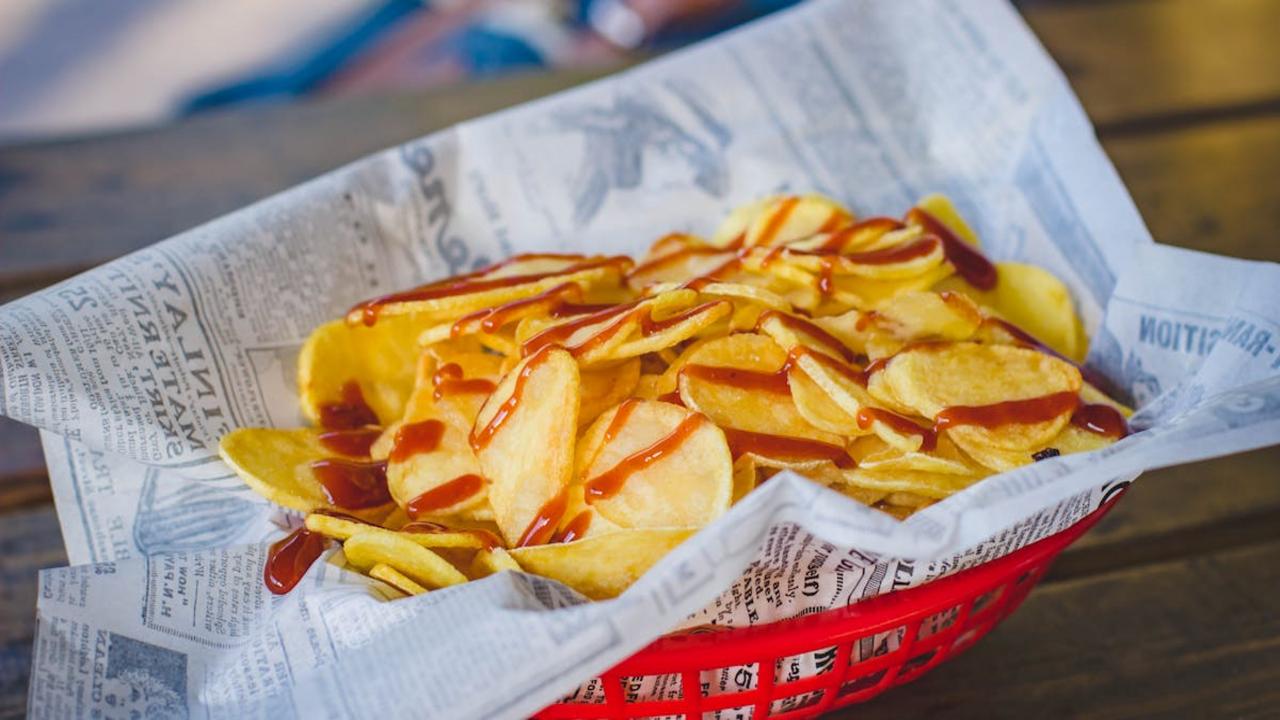
Your brain’s reward system lights up like a Christmas tree when you eat junk food – and food companies know this all too well. The perfect blend of sugar, salt, and fat triggers a massive release of dopamine, the “feel-good” chemical that makes you want more and more. Think about those times you’ve grabbed “just one more” potato chip or couldn’t stop at a single cookie. That’s your brain chemistry working against you, creating powerful cravings that can feel almost impossible to resist.
What makes this even trickier is how processed foods can actually change your brain’s wiring over time. The more junk food you eat, the more your brain adapts to need higher amounts of these stimulating ingredients to feel satisfied. It’s similar to how caffeine works – you need more and more to get the same effect. Food manufacturers have spent millions studying this exact science, fine-tuning their recipes to hit that “sweet spot” that keeps you coming back for more. They’ve created what scientists call “hyperpalatable” foods that override your natural fullness signals.
Emotional Comfort
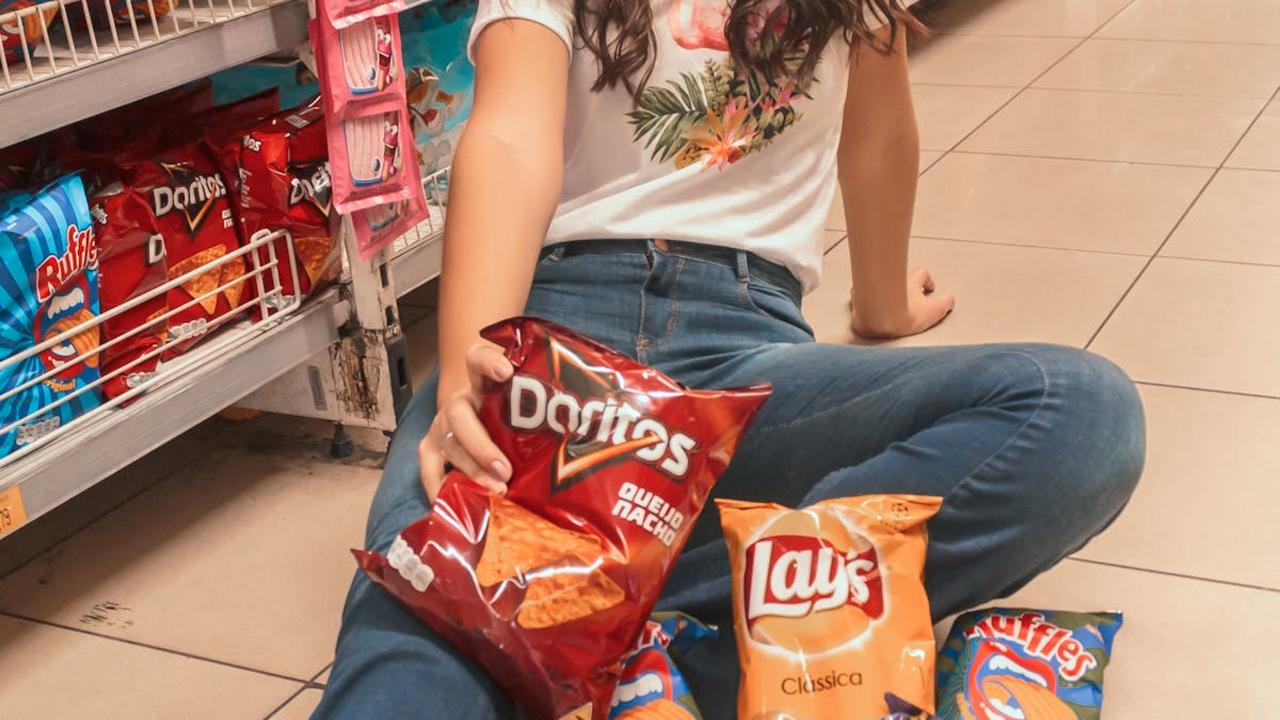
I know how much comfort food can soothe your feelings during tough times – it’s no coincidence! Food companies design their products to trigger happy memories and positive emotions. They add specific combinations of sugar, fat, and salt that your brain links to childhood treats, family gatherings, and carefree moments. This emotional connection makes you reach for that bag of chips or cookies whenever you feel stressed, sad, or anxious, creating a cycle of seeking these foods for emotional relief.
Your brain releases dopamine, the “feel-good” chemical, when you eat these comforting junk foods. The instant reward makes you associate these snacks with feeling better, just like a warm hug or kind words from a friend. The food industry understands this psychology deeply and markets their products to emphasize nostalgia and good feelings. They use bright colors, fun packaging, and advertisements showing happy people enjoying their snacks. This emotional manipulation makes junk food particularly hard to resist when you’re going through difficult times.
Colors and Packaging

Food companies know exactly what they’re doing with those bright, eye-catching packages lining the grocery store shelves. The vibrant reds, yellows, and oranges on chip bags and candy wrappers trigger your brain to feel excited and hungry. Research shows these bold colors make you want to grab the products and eat them right away. The packaging designers pick specific color combinations to catch your attention and create immediate cravings – it’s no accident that many junk foods share similar color schemes.
The actual package shapes and materials play mind games too. Those satisfying crinkly sounds when you open a bag of chips? That’s intentional – the noise adds to your anticipation and enjoyment. Food companies spend millions studying how different packaging textures and designs influence your buying choices. They know shiny, metallic materials make products look premium while matte finishes feel more natural. Even the way packages feel in your hands can make you more likely to pick them up and take them home. Next time you’re shopping, notice how the colors and packaging pull you toward certain products without you realizing it.
Convenience Factor
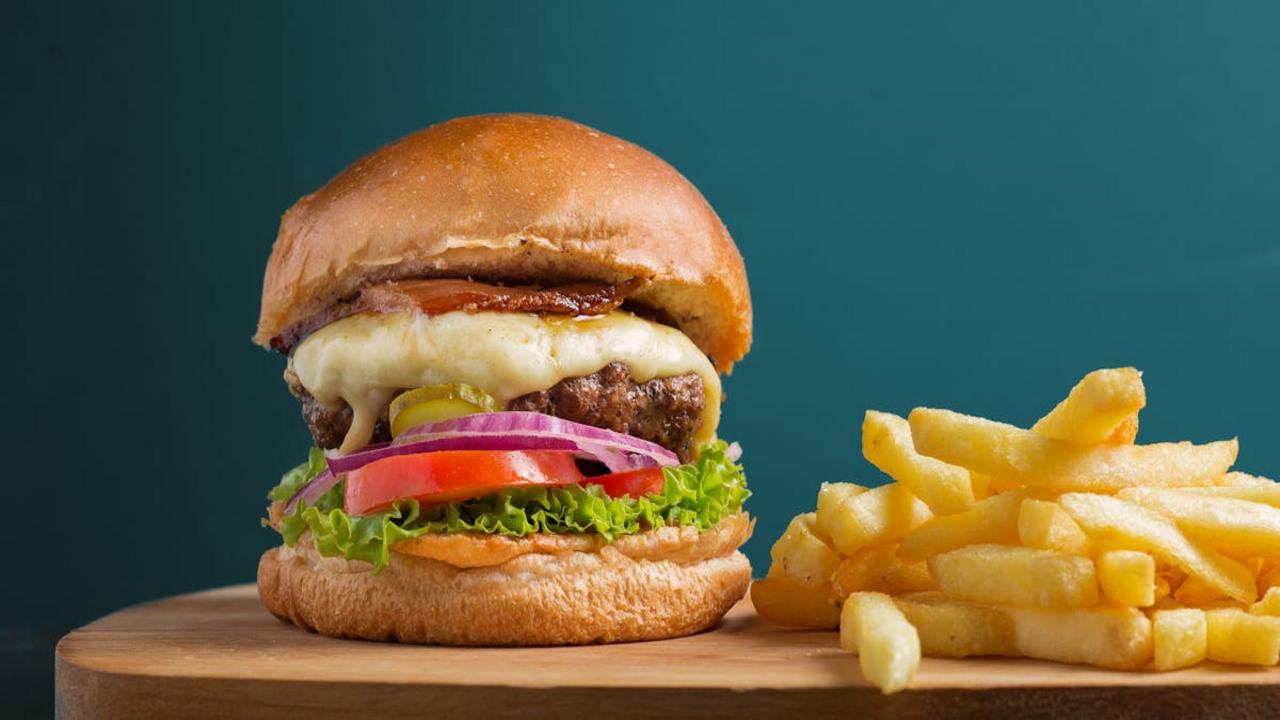
I’ve noticed how the food industry has mastered the art of making junk food incredibly easy to get and eat. Think about it – you can grab chips or candy bars from vending machines, gas stations, and corner stores practically anywhere. Unlike cooking a proper meal that takes planning and prep time, you just need to tear open a wrapper or pop open a bag. This “grab and go” design makes it so simple to mindlessly snack throughout your day.
The convenience goes beyond just availability – most junk foods require zero preparation, utensils, or cleanup. You can eat them while driving, working at your desk, or watching TV. Many manufacturers also package these foods in resealable containers or single-serve portions that fit perfectly in cup holders and bags. This intentional engineering of accessibility plays right into our busy lifestyles where we often prioritize speed over nutrition. The easier something is to eat, the more likely you’ll reach for it when hunger strikes.
Hunger Stimulants

I’ve discovered something wild about the junk food industry that will make your jaw drop – they actually add chemicals that make you feel hungrier! These sneaky additives trick your brain into wanting more food even when you’re full. Companies mix in artificial flavor enhancers like MSG (monosodium glutamate) and high-fructose corn syrup that not only boost taste but also mess with your body’s natural hunger signals. Your brain gets fooled into thinking it needs more calories, creating a vicious cycle of constant snacking.
The worst part? These hunger-inducing chemicals work together with the perfect blend of salt, sugar, and fat to keep you reaching for more. Studies show that certain artificial ingredients in processed foods can block your body’s “I’m full” hormones like leptin, while ramping up “I’m hungry” signals from ghrelin. This explains why you can’t stop at just one chip or cookie – your body is being chemically manipulated to crave more. By knowing these tricks, you can make smarter choices about which foods you buy and eat. Next time those intense junk food cravings hit, remember it’s not just willpower – it’s chemistry working against you!
Texture Combinations

Have you noticed how a bag of chips or your favorite candy bar gives you multiple textures in one bite? Food manufacturers design their products with specific texture combinations to keep you wanting more. Think about how M&Ms combine smooth chocolate with a crunchy shell, or how your favorite chocolate bar mixes creamy filling with crispy wafers. Your brain loves this mix of textures and releases dopamine – the feel-good chemical – making you reach for another bite. The science behind this shows that varied textures create a more engaging eating experience that hooks your brain’s reward system.
Food companies spend millions on research to perfect these texture combinations. They know exactly how to blend smooth, creamy, and crunchy elements to create what scientists call “dynamic contrast.” Take Oreos for example – the crispy cookie exterior with the soft, smooth filling creates a perfect texture party in your mouth. Your brain actually processes these different textures as new experiences with each bite, which prevents you from getting bored of the food. This keeps you munching away long after you’re full, making texture combinations one of the most powerful tools in making processed foods hard to resist.
Artificial Flavors
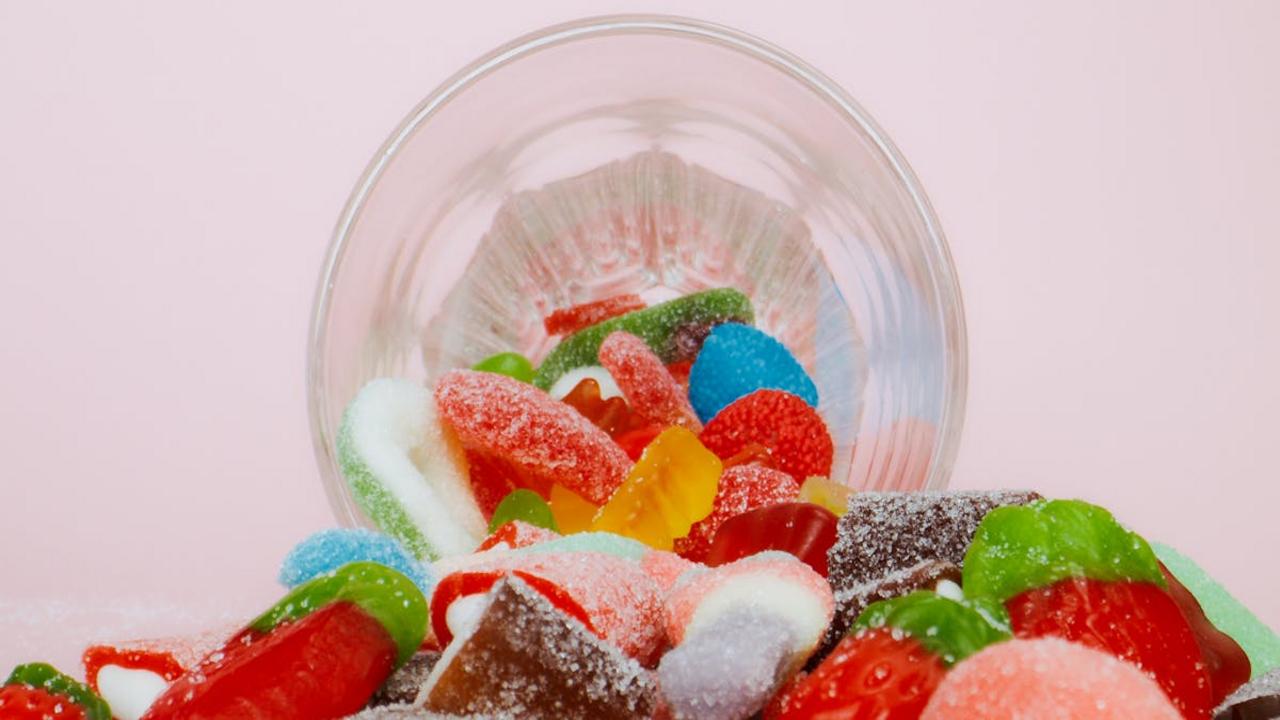
Food companies spend millions creating artificial flavors that will hook you from the first bite. These lab-made compounds go way beyond just mimicking natural tastes – they’re scientifically designed to hit your brain’s pleasure centers harder than anything found in nature. Think about your favorite ranch-flavored chips or fruit snacks – those intense, bold flavors don’t exist anywhere in the real world. The food scientists behind them carefully mix specific chemicals to make you crave more.
I’ve noticed how my clients often struggle to stop eating certain processed snacks, and artificial flavors play a huge role in this addiction. These synthetic flavors work alongside sugar and salt to create what food manufacturers call the “bliss point” – that perfect combination that keeps you reaching for more. The flavors are so powerful that they can override your body’s natural fullness signals, making you eat more than you planned. This explains why you might polish off an entire bag of cheese-flavored crackers without realizing it, even though you weren’t particularly hungry to begin with.
Fat Content
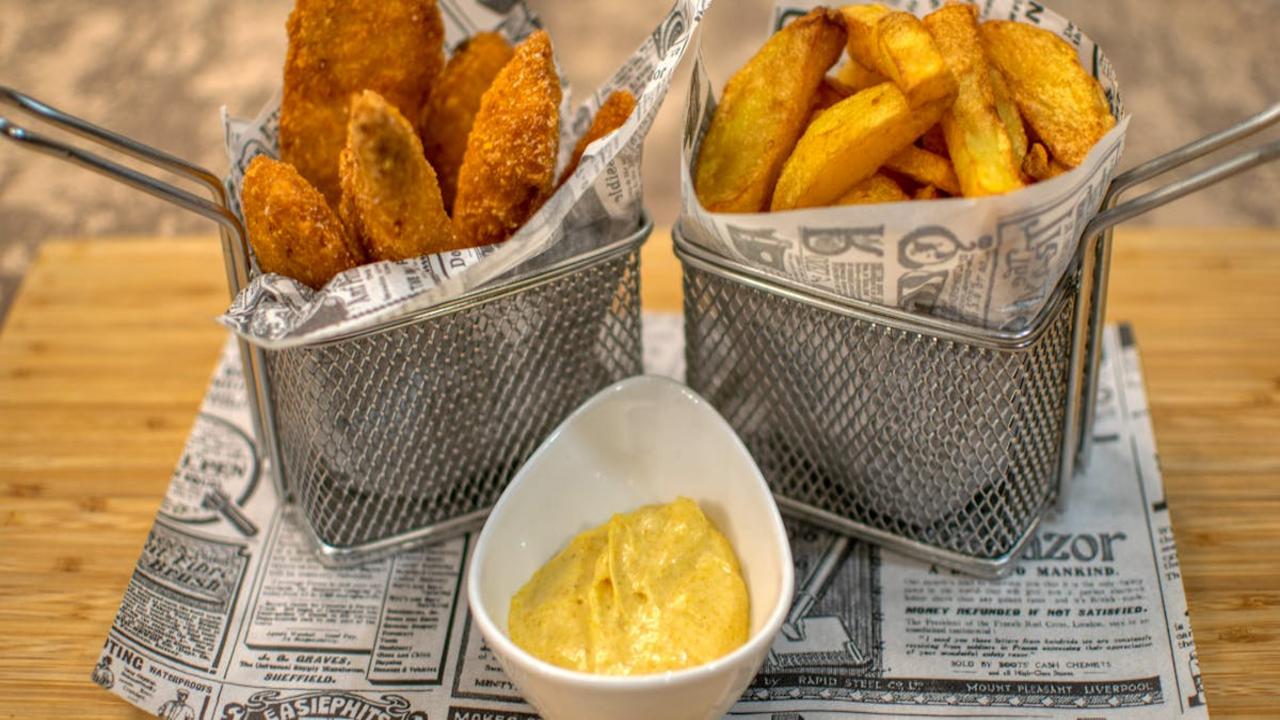
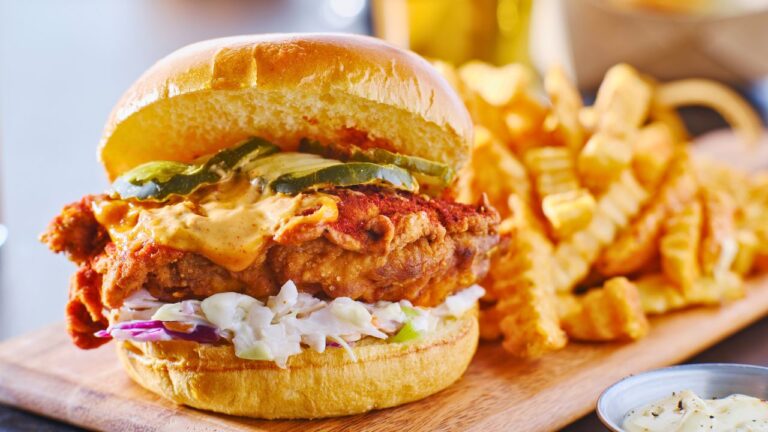
You know how you can’t stop eating those french fries or potato chips once you start? The high fat content in junk food makes it extremely hard to resist. Your brain releases dopamine – the feel-good chemical – when you eat fatty foods, creating an instant reward system that keeps you coming back for more. Food manufacturers have perfected the ratio of fat in their products to hit that sweet spot that makes you crave more, often combining it with sugar and salt to create an irresistible combination.
The type of fat used in most junk foods adds another layer to their addictive nature. Many companies use cheaper vegetable oils that your body processes differently than natural fats found in whole foods. These processed fats can trigger inflammation and mess with your hunger signals, making it harder for you to know when you’re actually full. Plus, they pack a huge caloric punch – just a small serving of fatty junk food can contain more calories than a full, healthy meal, yet leave you wanting more within hours.
Salt Cravings

Your brain goes wild for salt, and food companies know this all too well! They add the perfect amount of sodium to make you want more and more of their snacks. The science behind this is simple – your body needs salt to function, but manufacturers add much more than you need. This creates an intense desire for these salty treats that can feel almost impossible to resist. Think about how many times you’ve found yourself reaching for “just one more” chip or pretzel.
I’ve noticed in my research that many popular snack brands use specific salt crystal sizes to hit your tongue just right. The smaller crystals dissolve faster, giving you an immediate salt rush that triggers pleasure signals in your brain. Companies spend millions studying the exact measurements needed to create this effect. And here’s something that might shock you – they often pair salt with sugar or fat to amplify the addictive quality. Next time you grab your favorite chips, check the sodium content – you’ll likely find it’s way higher than your body actually needs!
Sugar Rush
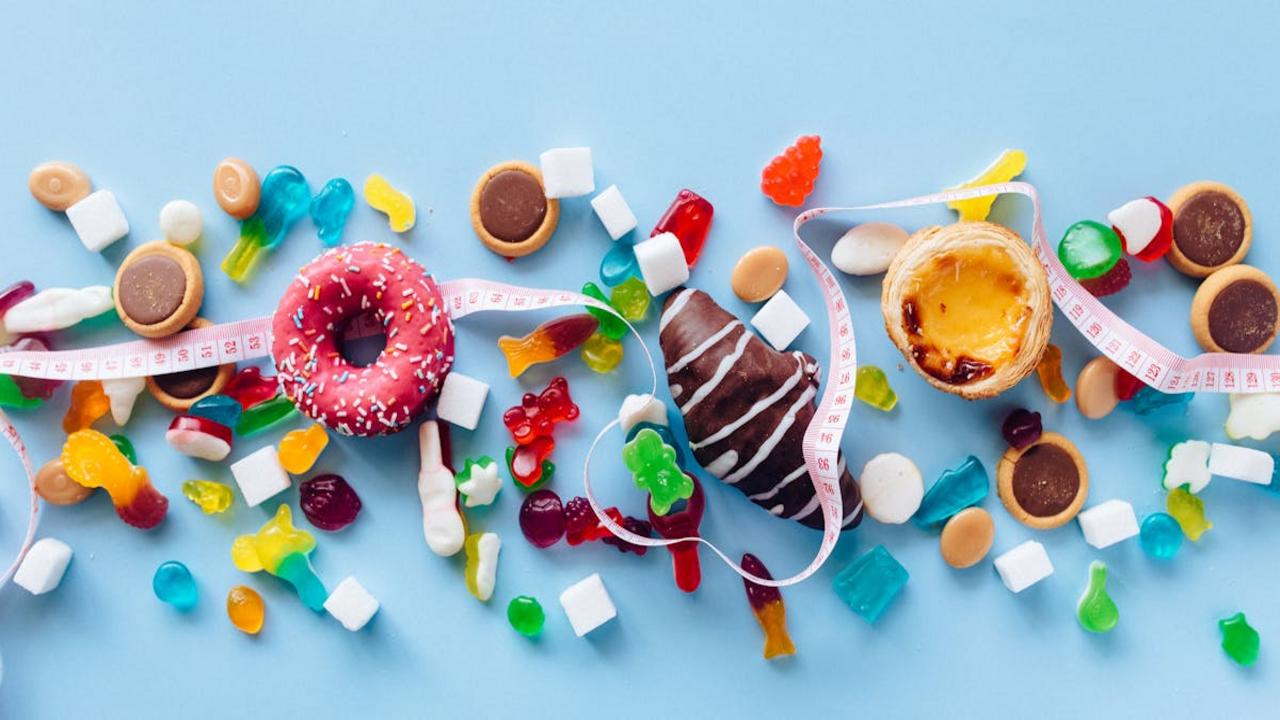
You know that intense craving for sugary snacks that hits you hard in the afternoon? That’s no accident – food companies carefully calculate the exact amount of sugar to add to their products to trigger your brain’s reward center. The sugar content in most junk foods sits at what scientists call the “bliss point” – the perfect amount that makes you want more without being overwhelmingly sweet. Your brain releases dopamine when you eat these perfectly sweetened treats, creating a natural high that keeps you coming back for more.
This calculated sugar rush works similarly to addictive substances, making it incredibly difficult to resist reaching for another cookie or candy bar. Food manufacturers blend different types of sugars – from high fructose corn syrup to dextrose – to create layered sweetness that hits your brain in waves. They’ve discovered that combining these sugars with salt and fat creates an even more powerful effect, making their products nearly impossible to eat in moderation. The next time you grab that candy bar, remember: those cravings aren’t just random – they’re scientifically engineered to keep you hooked.