14 Jaw-Dropping American Foods Banned Worldwide
Have you noticed certain American foods that fill our grocery stores can’t be found in other countries? The truth behind these bans will shock you. From farm-raised salmon to hormone-treated meat, many everyday products we consume freely in the US face strict restrictions or outright bans internationally.
I’ve discovered that artificial preservatives, food dyes, and chemical additives common in American foods raise serious health concerns worldwide. Countries like Japan, Australia, and across the EU take a much stricter stance on food safety, banning ingredients that American manufacturers still regularly use.
My research into these 14 banned foods reveals a striking contrast between US food regulations and international standards. While these products remain legal here, understanding why other nations prohibit them can help you make more informed choices about what goes into your shopping cart.
Bleached Flour
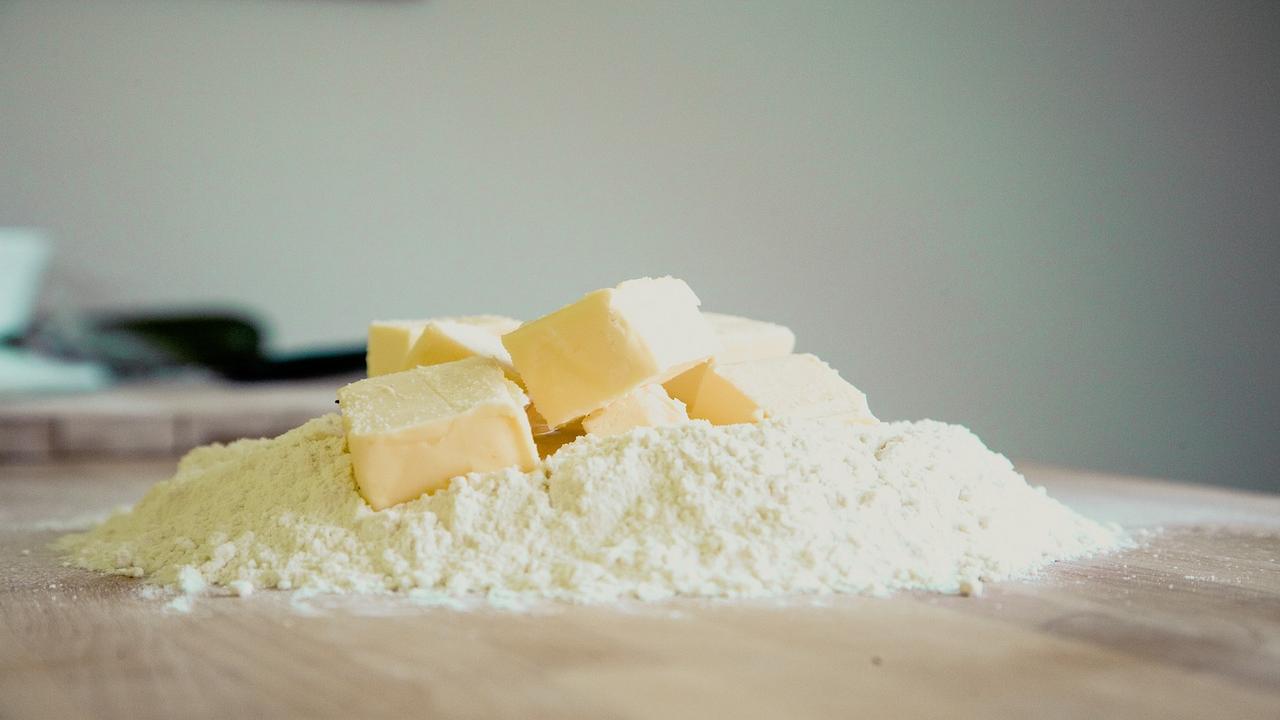
I was shocked to learn that many European countries, including the UK, have banned bleached flour due to its potential health risks. The bleaching process uses chemicals like benzoyl peroxide and chlorine gas to speed up flour aging artificially, making it whiter and more shelf-stable. These chemicals can strip away nutrients and create harmful compounds. Countries outside the US worry about the long-term effects of consuming these processed ingredients regularly.
You can find much healthier alternatives to bleached flour in your kitchen. I recommend switching to unbleached all-purpose flour, which naturally whitens through aging, or trying whole wheat flour that keeps all its natural nutrients intact. My baked goods turn out just as delicious with these unprocessed options – from fluffy cakes to crusty breads. The slight cream color of unbleached flour doesn’t affect the final results, and your body will thank you for choosing a more natural ingredient that hasn’t been chemically treated.
Chlorine Washed Chicken
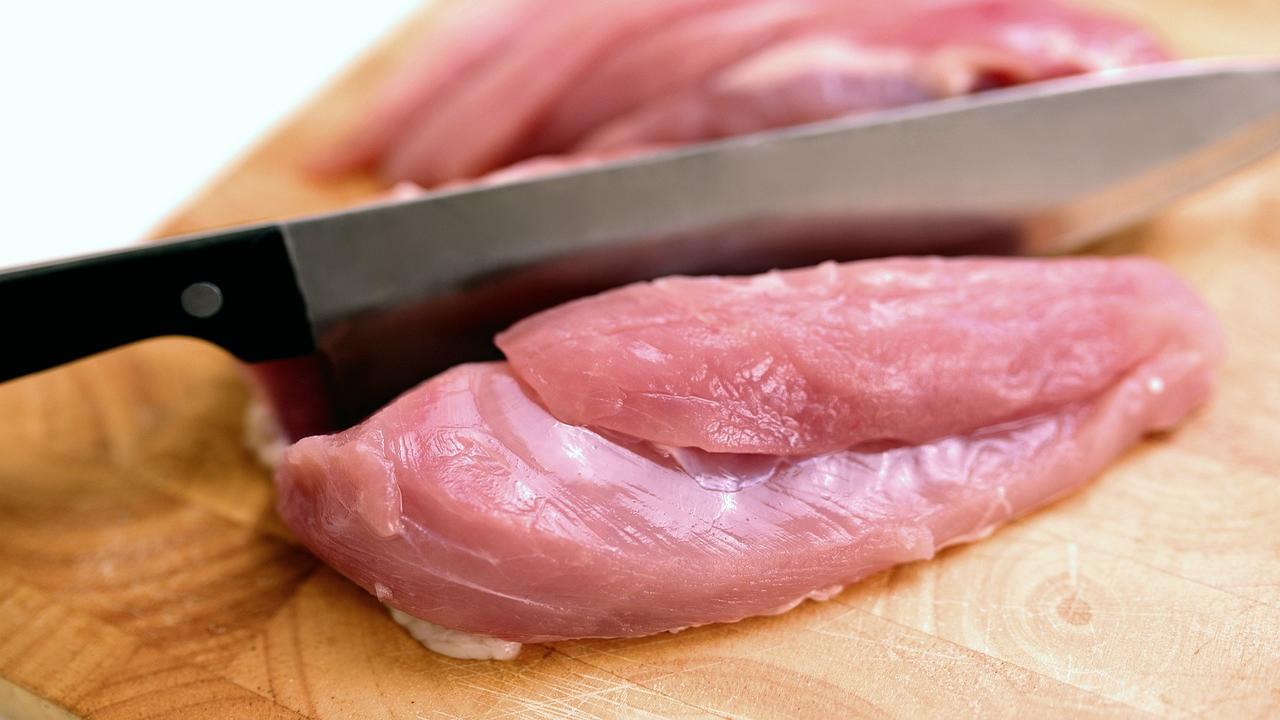
You’ll find chlorine-washed chicken in many American supermarkets, but this controversial practice has sparked bans across Europe and other regions. The process involves dipping raw chicken in chlorinated water to kill harmful bacteria and pathogens. While the US food industry maintains this method keeps chicken safe for consumption, many countries reject it because they believe it masks poor hygiene standards during earlier stages of production and processing.
I’ve noticed more Americans asking questions about why their chicken gets this chemical bath while other nations prohibit it. The European Union banned chlorine-washed chicken imports in 1997, requiring producers to focus on preventing contamination throughout the entire farming and processing chain instead of relying on chemical treatments at the end. This approach puts food safety first by addressing problems at the source rather than using chlorine as a quick fix. If you want to avoid chlorine-washed chicken, look for organic or specifically labeled “air-chilled” options at your local store.
Growth Hormone in Cattle
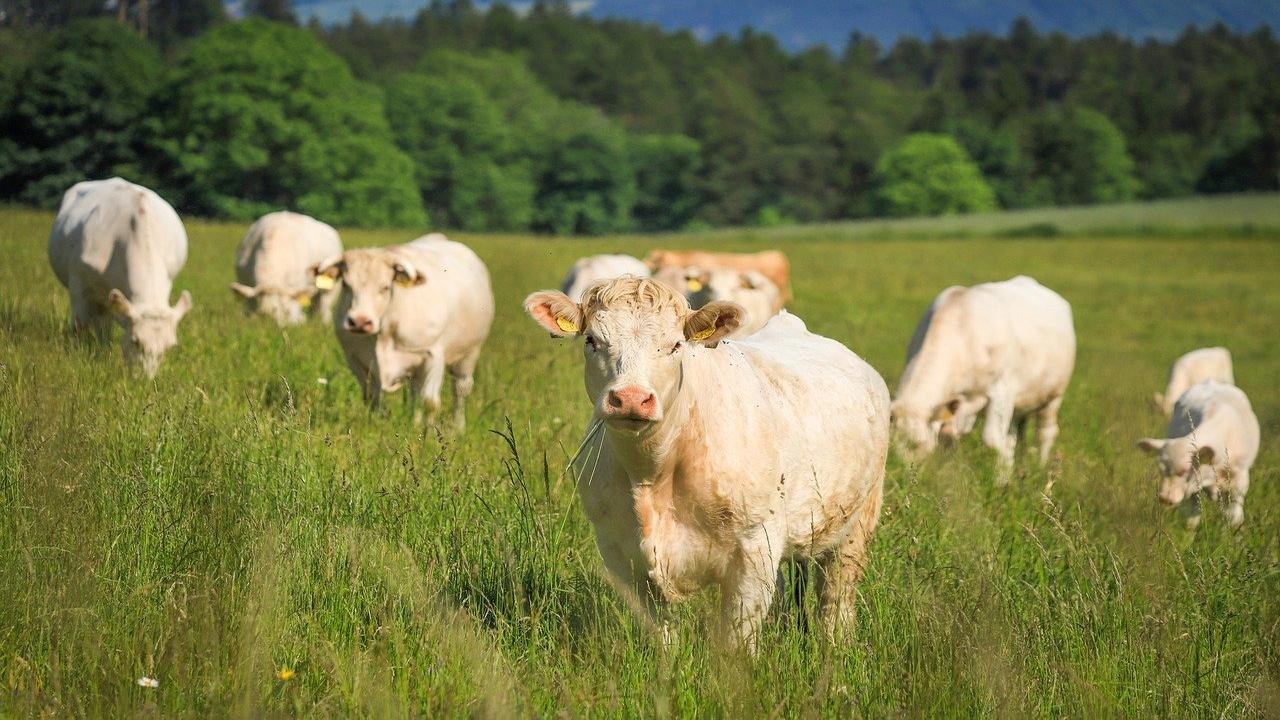
You might be shocked to learn that growth hormones commonly used in American cattle farming face strict bans across many countries worldwide, including the entire European Union, Canada, and Japan. These synthetic hormones, specifically rBGH (recombinant bovine growth hormone), speed up cattle growth and increase milk production, but international research links them to serious health concerns in humans who consume the meat or dairy products. The artificial hormones can potentially disrupt our endocrine systems and may increase risks of certain cancers.
I find it deeply concerning that while other nations prioritize consumer safety through comprehensive bans, the US continues to allow these hormones in our food supply. The FDA approved rBGH use in 1993, yet mounting evidence suggests this hormone-treated beef could be particularly dangerous for children and pregnant women. Studies indicate that hormone residues in meat products can lead to early puberty in children and various reproductive issues. This stark contrast in food safety standards between the US and other developed nations raises important questions about our agricultural practices.
BHA and BHT Preservatives
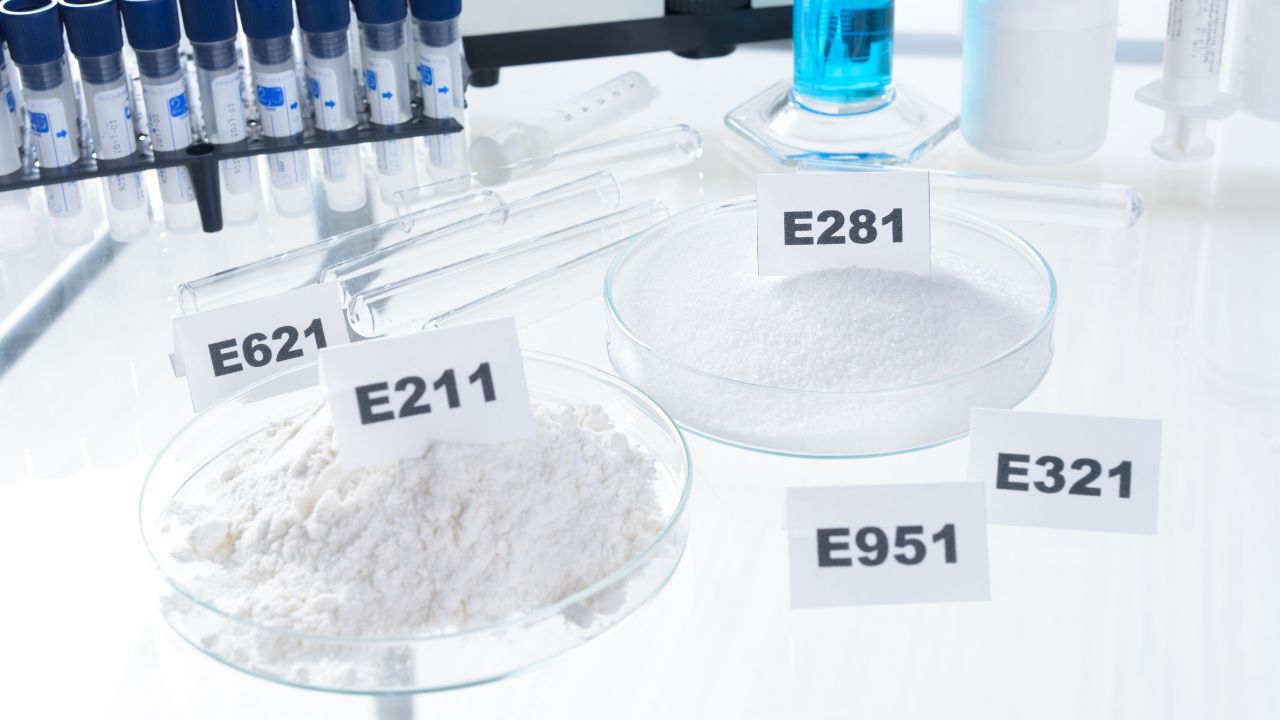
I’ve made it my mission to help you understand why BHA (butylated hydroxyanisole) and BHT (butylated hydroxytoluene) face bans across Europe, Japan, and other nations. These synthetic preservatives extend shelf life in processed foods like cereals, chips, and oils by preventing them from going rancid. However, research links both compounds to potential health risks, including cancer and hormone disruption. Many countries took swift action to protect their citizens, while the FDA still permits these additives in American foods.
You’ll find these preservatives lurking in many packaged foods at your local grocery store, often hidden in plain sight on ingredient labels. As someone who cooks from scratch, I recommend checking your pantry for these additives and opting for fresh, whole ingredients instead. Natural alternatives like vitamin E, rosemary extract, and citric acid work wonderfully to keep foods fresh without concerning side effects. Making informed choices about what goes into your body starts with understanding which ingredients deserve a spot in your kitchen.
Artificial Food Dyes
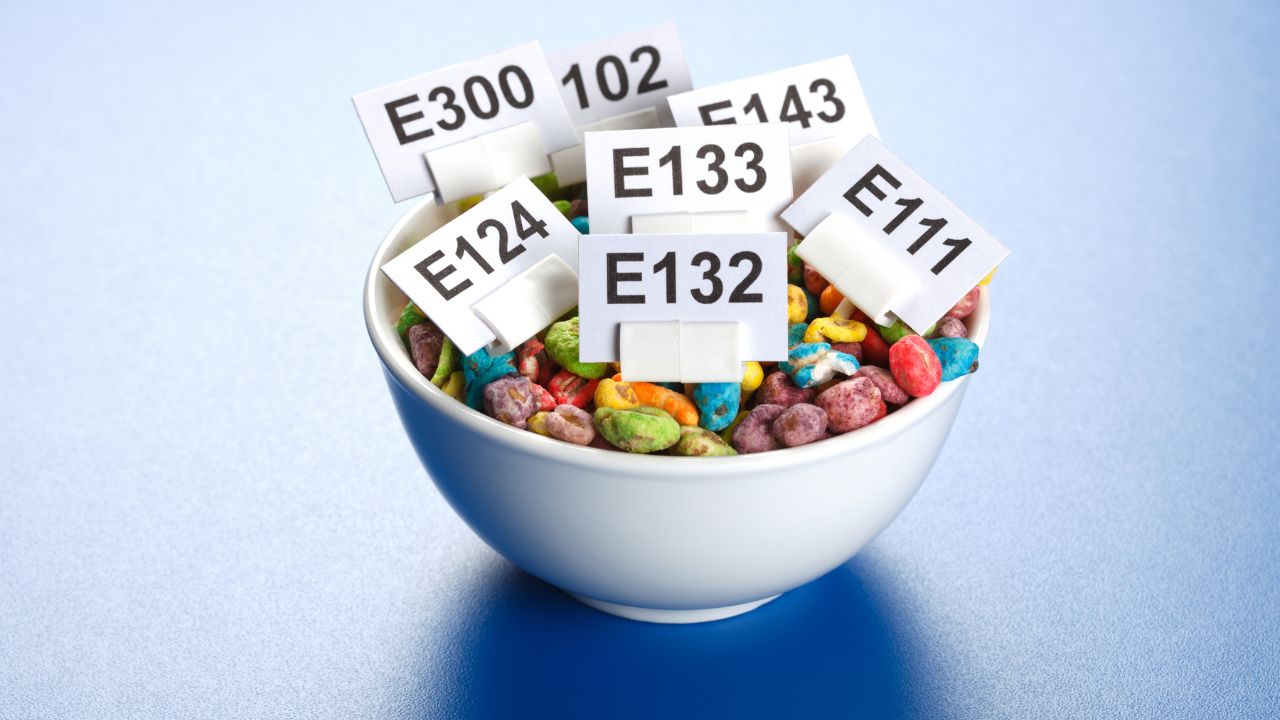
I’ve noticed artificial food dyes lurking in everything from candy to breakfast cereals in American supermarkets, but many countries have strict bans on these synthetic colors. The European Union prohibits artificial dyes like Red 40, Yellow 5, and Blue 1 because research links them to hyperactivity in children and potential cancer risks. Instead, European manufacturers use natural alternatives like beetroot, turmeric, and spirulina to add vibrant colors to their foods – ingredients you can actually pronounce!
You’ll see warning labels on products containing artificial dyes in countries like Norway, Austria, and France, while the UK has completely eliminated them from children’s foods. The FDA still allows these synthetic dyes in American products despite mounting evidence of their harmful effects. I recommend checking ingredient labels carefully and choosing foods colored with natural sources. Your kids can still enjoy colorful treats – just opt for smoothies with bright berries, golden mango popsicles, or homemade sprinkles using plant-based powders.
Olestra/Olean Fat Substitute
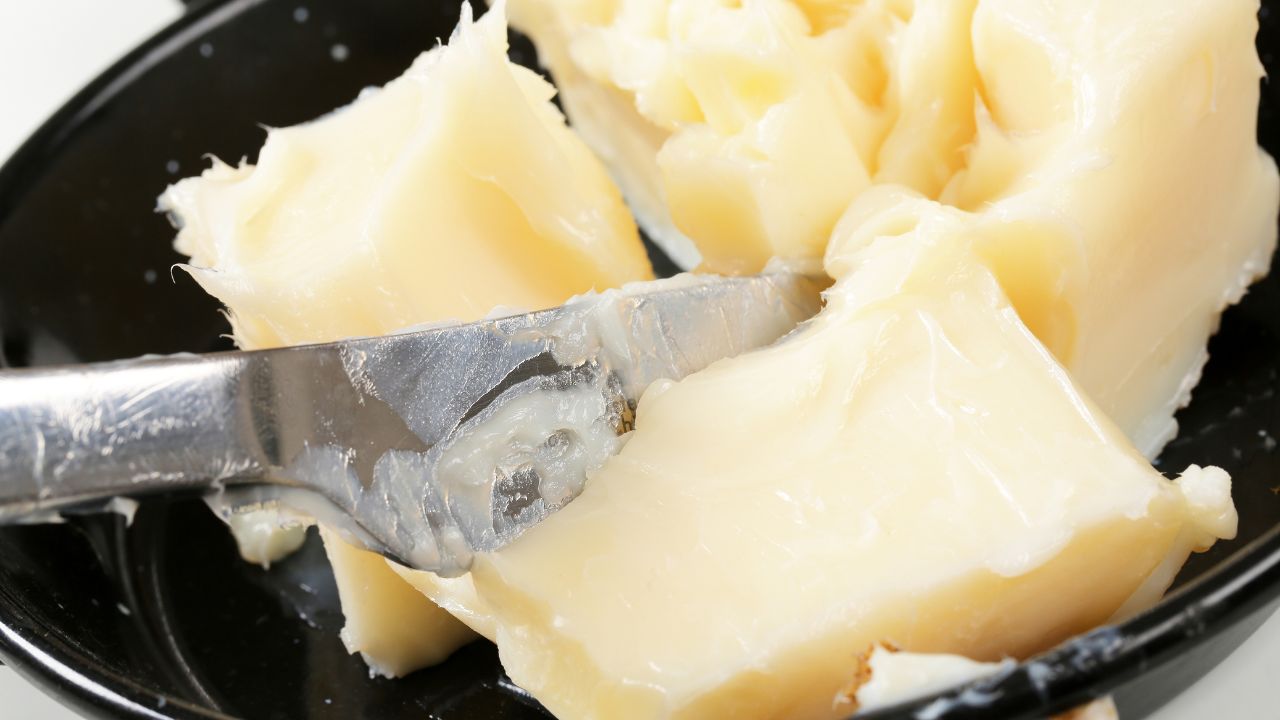
I’ve always been wary of fat substitutes like Olestra (also known as Olean), and for good reason. While this synthetic fat substitute promised guilt-free snacking in the 1990s, many countries quickly banned it due to its concerning side effects. The FDA requires warning labels on products containing Olestra because it blocks your body’s absorption of essential vitamins and can cause severe digestive issues including cramping and loose stools. You’ll still find it in some U.S. snack foods, particularly certain brands of potato chips, but the European Union, Canada, and the United Kingdom have outright prohibited its use.
As someone deeply passionate about cooking from scratch, I recommend skipping products with Olestra entirely. Instead of reaching for “fat-free” processed snacks, try roasting thinly sliced sweet potatoes or kale with a light coating of heart-healthy olive oil. Your body needs natural fats to function properly and absorb nutrients. The trick is choosing quality ingredients in reasonable portions rather than opting for artificial substitutes that could harm your health. Natural fats bring flavor and satisfaction to your meals – something no lab-created substitute can match.
Azodicarbonamide Bread Additive

I can’t believe we ever allowed azodicarbonamide in our bread here in America! This controversial additive, commonly found in yoga mats and rubber products, still shows up in many US commercial bread products as a bleaching agent and dough conditioner. While the FDA considers it “safe,” over 40 countries including the UK, European Union nations, and Australia have completely banned it. Studies link this chemical compound to respiratory issues, allergies, and other health concerns – which makes total sense given its industrial origins.
You’ll want to check your bread labels carefully for this ingredient, often listed as “ADA” or E927. The good news? Many major US bakeries and restaurants have removed it after public pressure. I always recommend baking your own bread or buying from local bakeries that use simple, natural ingredients. The difference in taste and texture between real, additive-free bread and commercial loaves containing azodicarbonamide will amaze you. Your body will thank you for choosing clean, wholesome bread without industrial chemicals.
Genetically Modified Papaya
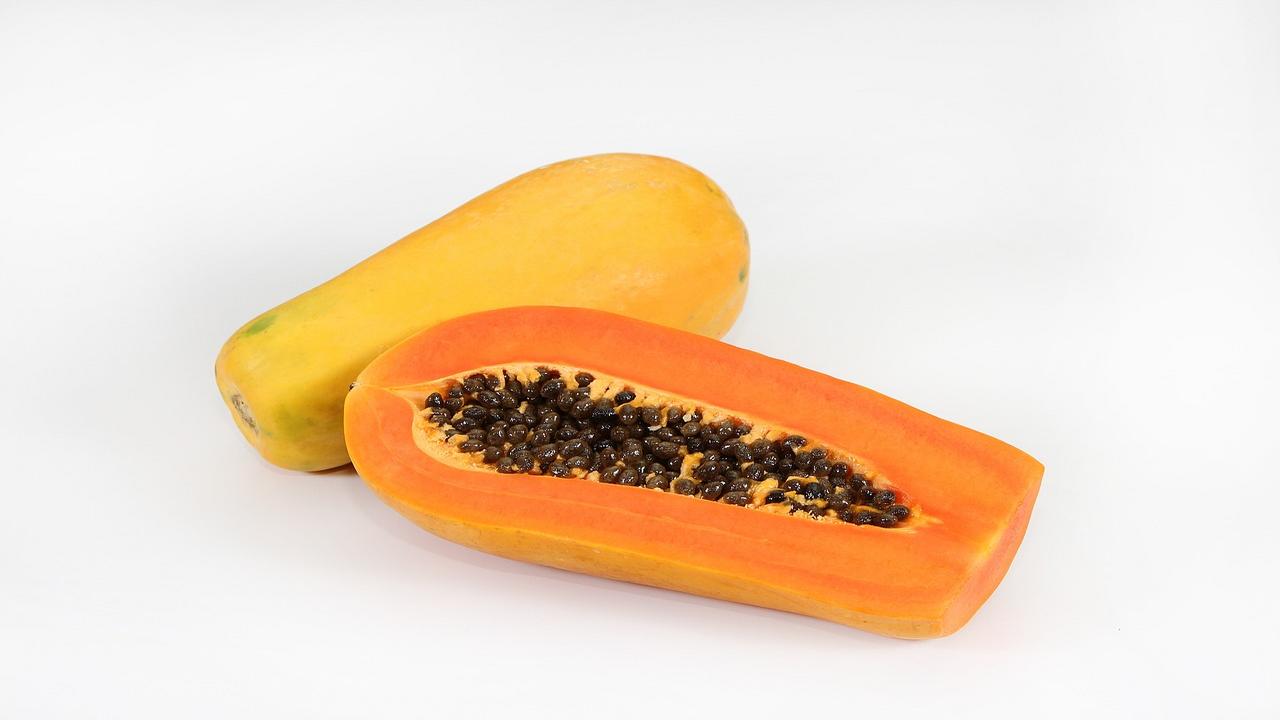
I’ve discovered many countries outside the US have completely banned genetically modified (GM) papayas, including the European Union, Japan, and South Korea. While these modified papayas helped save Hawaii’s papaya industry from the ringspot virus in the 1990s, concerns remain about their long-term effects on human health and the environment. The genetic modification process involves inserting DNA from the ringspot virus into papaya DNA, making the fruit resistant to the disease but raising questions about unintended consequences.
As someone who loves cooking with fresh tropical fruits, I make sure to check labels carefully since many countries require clear labeling of GM foods. If you want to avoid GM papayas, look for organic varieties or those labeled “non-GMO.” Mexican and Caribbean papayas offer great non-modified alternatives with the same sweet, tropical flavor profile. The debate continues about whether GM papayas pose genuine risks, but understanding their status globally helps make informed choices about what goes into your kitchen.
Arsenic Laced Chicken
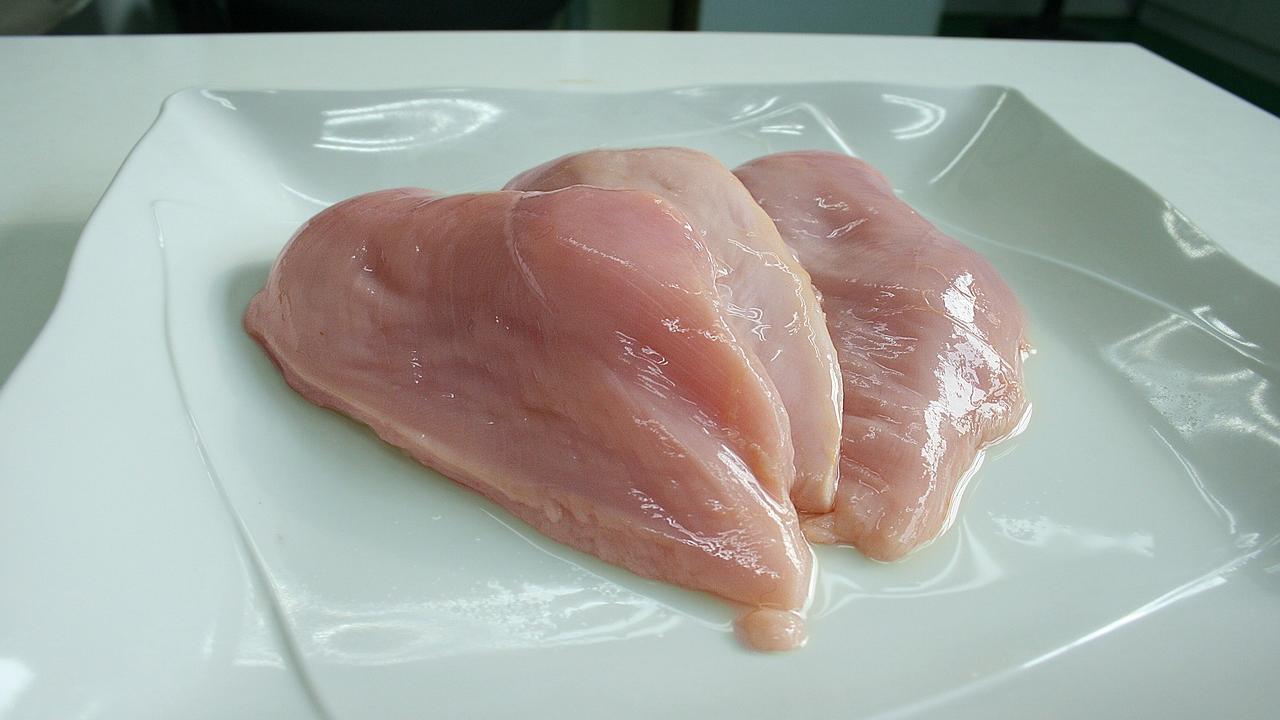
I need to talk to you about something scary happening in American poultry farming – the use of roxarsone, an arsenic-based drug fed to chickens. Many US producers add this compound to chicken feed to make the meat look pinker and help birds gain weight faster. While the FDA has claimed the arsenic levels are safe, over 130 other countries have banned this practice completely. The European Union, China, and Russia won’t accept any US chicken treated with arsenic compounds because research links it to various cancers, cardiovascular disease, and neurological problems.
As someone passionate about clean eating, I recommend buying organic chicken or from local farms that don’t use arsenic additives. The natural color of chicken can vary slightly – that rosy pink hue isn’t worth the health risks. I’ve built relationships with small poultry farmers who raise their birds without artificial growth promoters or dangerous compounds. Your best bet? Ask questions about how your chicken was raised and what it was fed. The extra cost of arsenic-free chicken pays off in food safety and peace of mind for your family’s health.
RBGH and RBST Milk
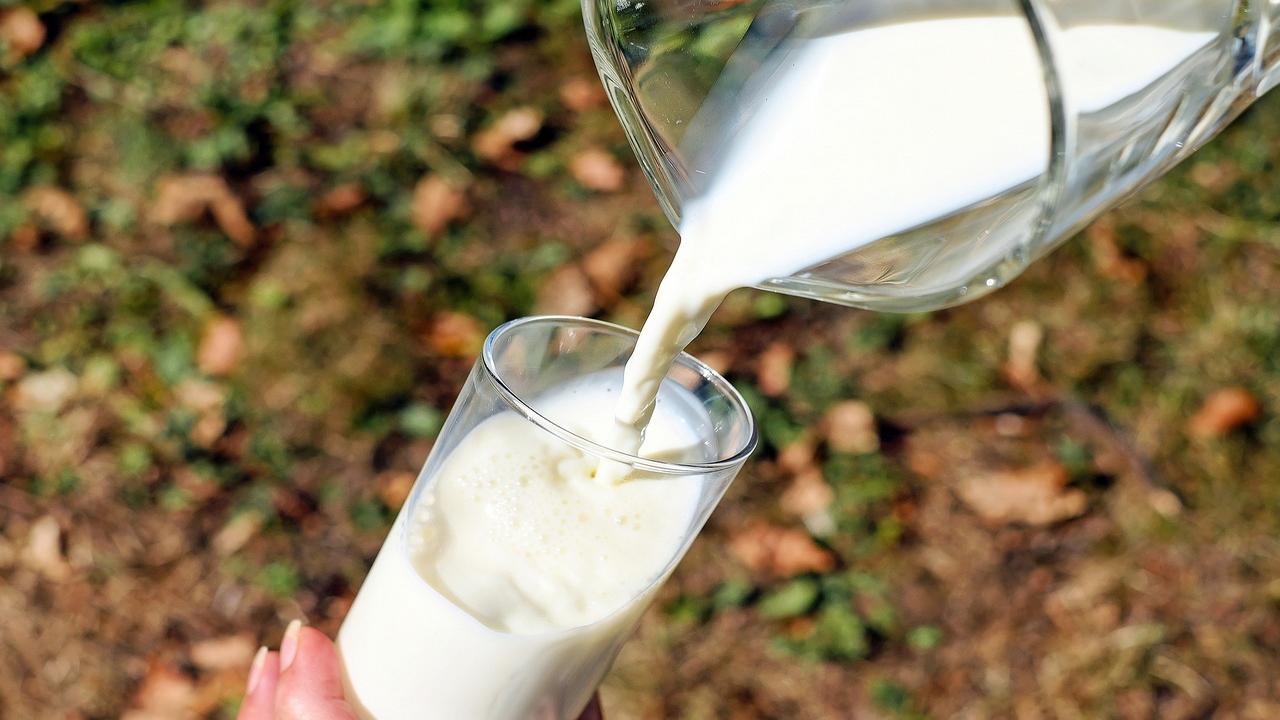
You won’t find RBGH (recombinant bovine growth hormone) or RBST (recombinant bovine somatotropin) milk in countries like Canada, New Zealand, Japan, Australia, or the European Union – they’ve completely banned it. These synthetic hormones, which farmers inject into cows to boost milk production by 10-15%, remain legal and common in the US dairy industry. Many doctors and researchers have raised red flags about potential health risks, including links to cancer and early puberty in children. The FDA approved these hormones in 1993, but growing evidence suggests they may increase another hormone called IGF-1 in milk, which could speed up cancer cell growth.
I always check my milk labels carefully since US companies can still use these controversial hormones. Look for “No rBGH” or “rBST-free” on the packaging if you want to avoid them. The good news? Many major US retailers and dairy producers have started moving away from these synthetic hormones due to consumer demand. Some studies show these hormone-treated cows face higher rates of mastitis (udder infections), leading to increased antibiotic use that can potentially pass through to the milk. Your safest bet? Go for organic milk, which by law must come from cows never treated with these synthetic growth hormones.
Potassium Bromate in Bread
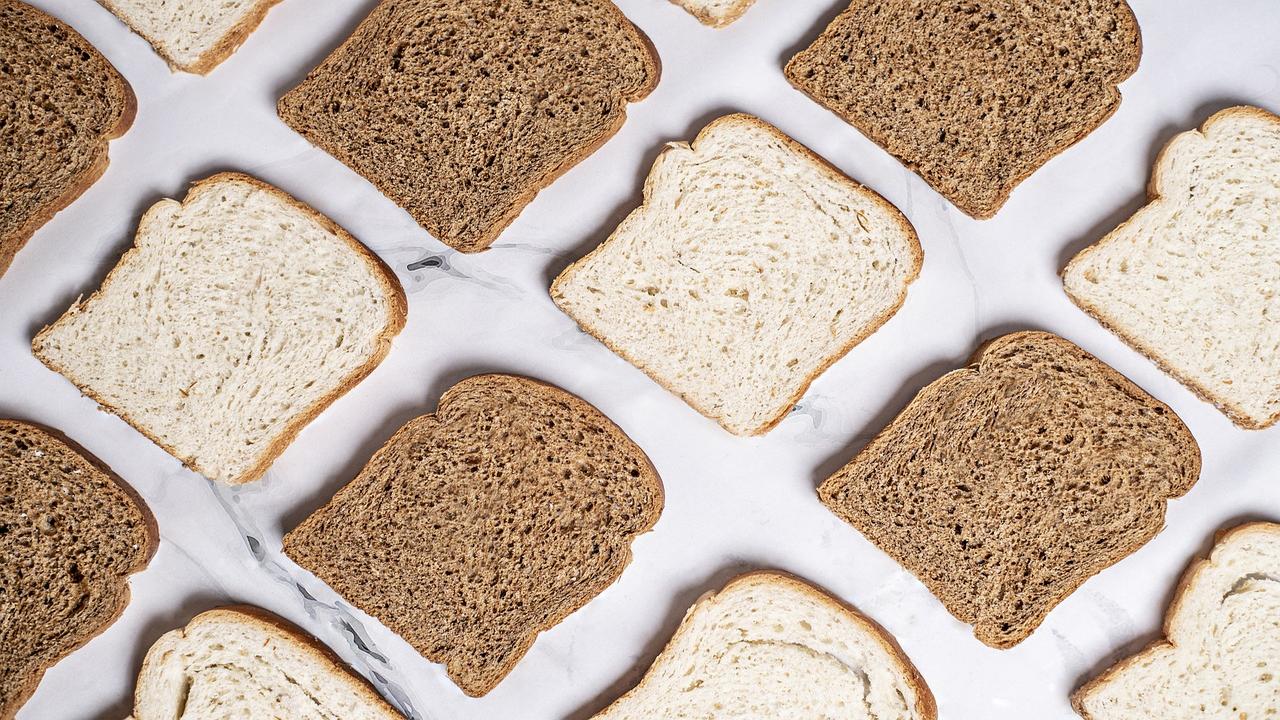
I was shocked to learn that potassium bromate, a chemical compound many U.S. bread manufacturers still add to flour, faces strict bans across the European Union, China, Brazil, Canada, and other countries. This additive strengthens dough and makes bread manufacturing cheaper and faster – but multiple studies link it to kidney damage, nervous system disorders, and several forms of cancer. Yet the FDA continues to allow American companies to use it, though California requires warning labels on products containing this ingredient.
You’ll find potassium bromate listed as an ingredient in many popular breads, rolls, and even pizza dough across America. I recommend checking your bread labels carefully and opting for brands that use safer alternatives. Many quality bread makers now use ascorbic acid (vitamin C) or natural enzymes instead. I make most of my bread from scratch at home using simple, clean ingredients – it takes more time but gives me peace of mind knowing exactly what goes into my family’s food. The taste and texture are incomparably better too!
Flame Retardant Drinks (BVO)
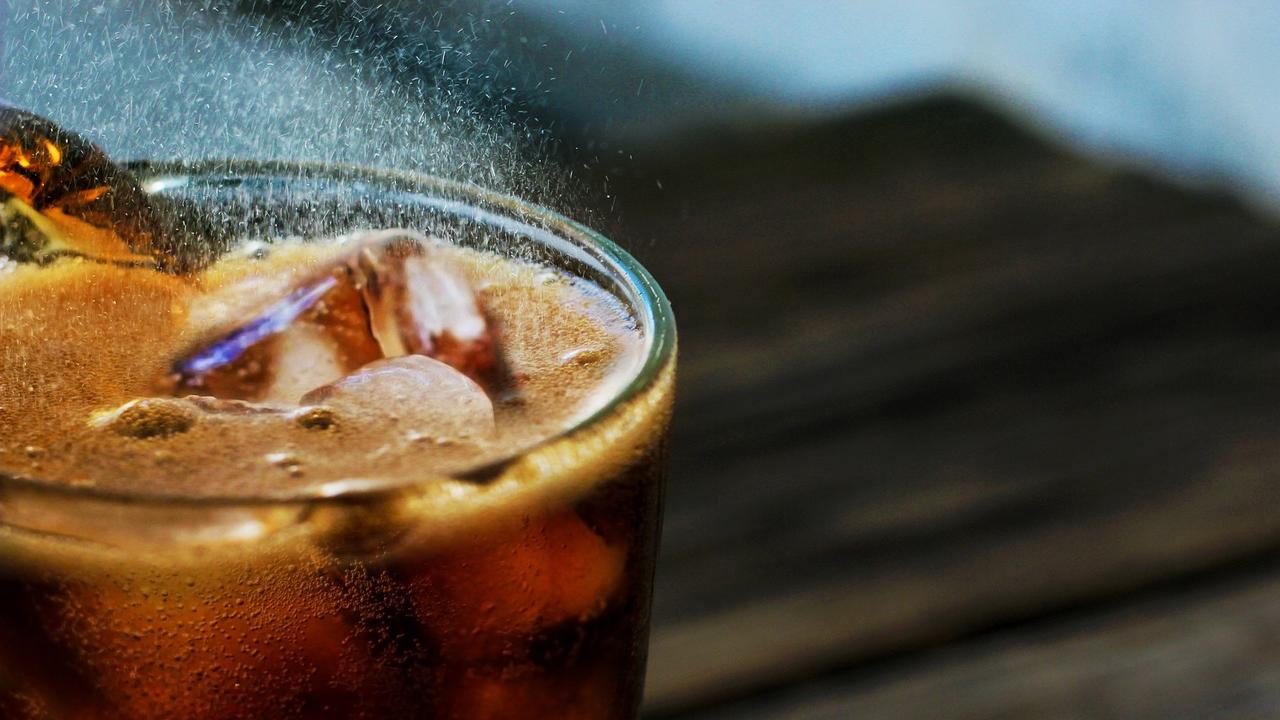
I couldn’t believe my eyes when I discovered that many citrus-flavored sodas and sports drinks in the US contain brominated vegetable oil (BVO) – a chemical also used as a flame retardant in plastics and furniture. The European Union, Japan, and over 100 other countries have banned BVO due to its potential health risks, including memory loss, skin problems, and nerve disorders. The chemical helps keep citrus flavoring evenly distributed throughout beverages, preventing separation, but at what cost to our health?
After learning about BVO, I immediately checked my pantry and fridge for any drinks containing this ingredient. You’ll find it listed as “brominated vegetable oil” on ingredient labels of popular beverages like Mountain Dew and some Gatorade varieties. Many companies have started phasing out BVO due to consumer pressure, switching to safer alternatives like glycerol ester of wood rosin. Yet BVO remains legal in the US, where the FDA still considers it “generally recognized as safe” despite mounting evidence suggesting otherwise.
Ractopamine Treated Meat
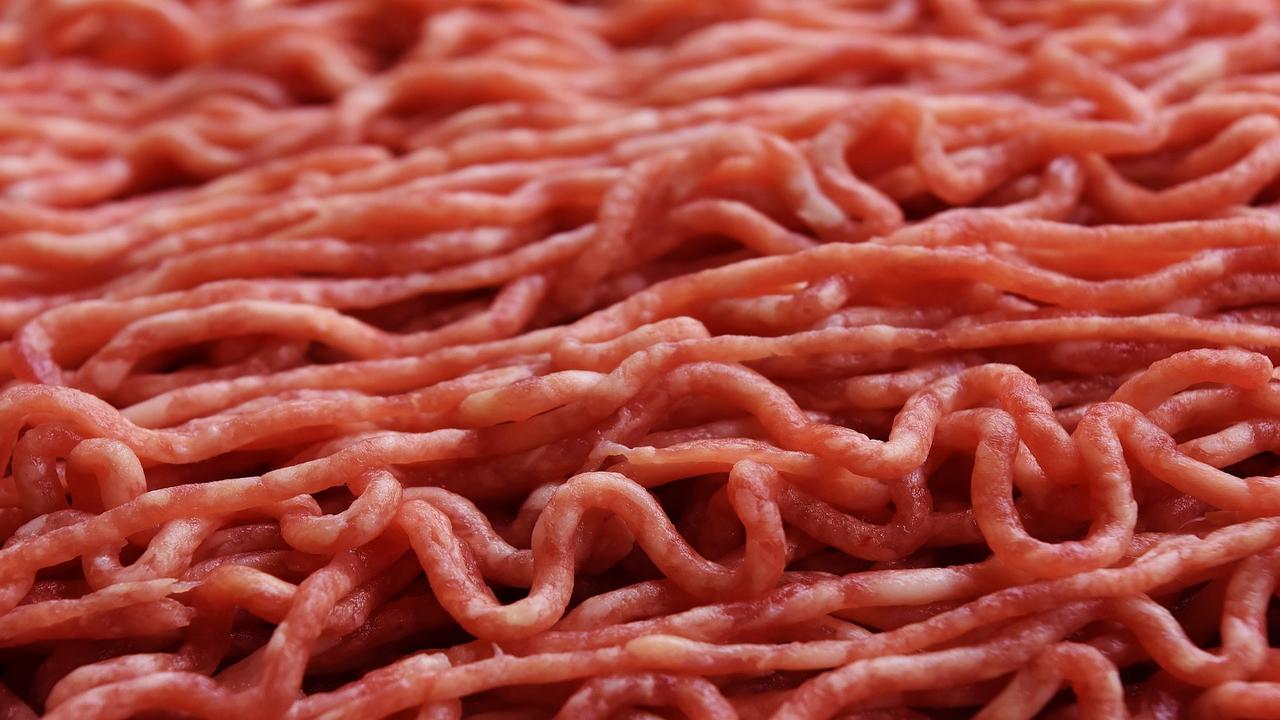
You won’t find ractopamine-treated meat on dinner plates across China, Russia, or the European Union – they’ve completely banned this controversial growth drug that many American farmers give to pigs, cattle, and turkeys. This synthetic drug makes animals build muscle faster while using less feed, which increases profits for meat producers. But here’s what concerns me as someone who cooks for my family daily: studies link ractopamine to anxiety, rapid heart rate, and muscle tremors in both animals and humans who consume this treated meat.
I always read meat labels carefully at my local grocery store and opt for “ractopamine-free” options when available. Many American meat producers now offer ractopamine-free products due to growing consumer demand and export restrictions. If you want to avoid this drug completely, consider buying organic meat, which prohibits ractopamine use, or look for specific labels stating “Never fed beta-agonists” or “No ractopamine.” Your body will thank you for making this mindful choice at the meat counter.
Farm Raised Salmon
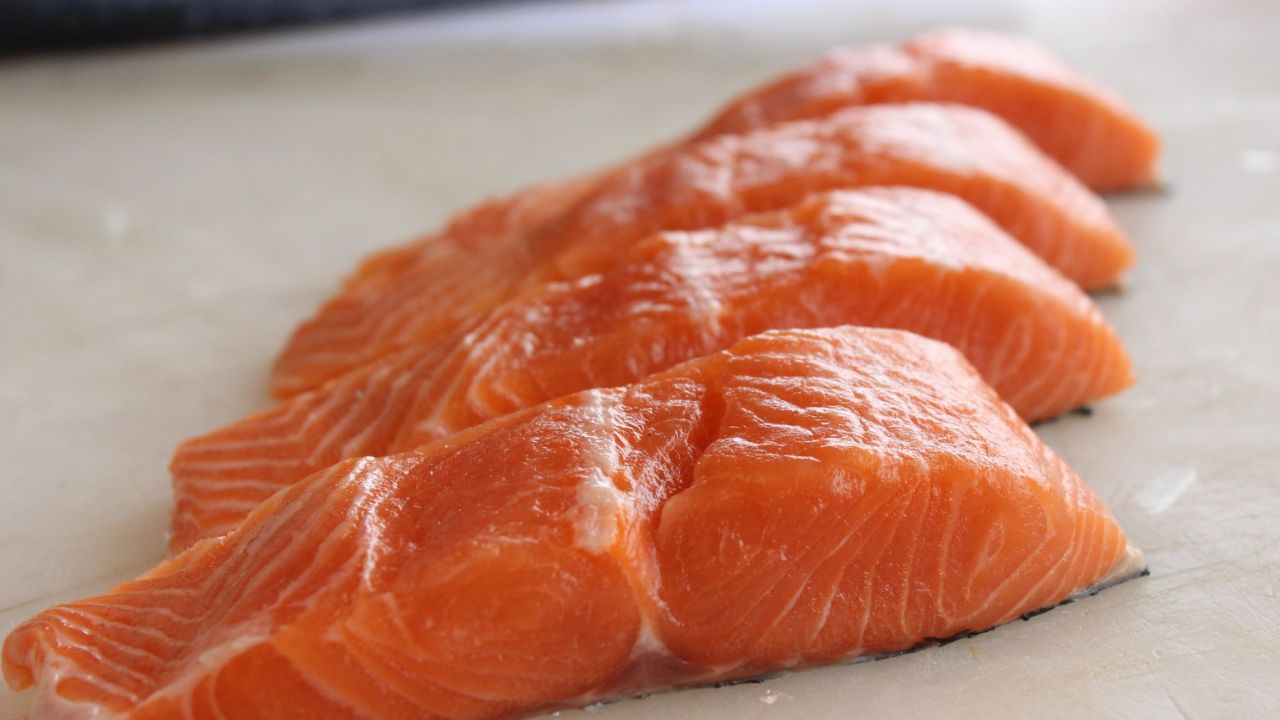
I had no idea that farm-raised salmon could be so different from its wild counterpart until I researched deeper into why many countries ban this American food product. The pink color you see in farm-raised salmon often comes from artificial coloring since these fish don’t eat their natural diet of krill and small fish. Instead, they consume pellets containing synthetic astaxanthin, antibiotics, and other chemicals that would make the flesh appear gray otherwise.
You’ll find farm-raised salmon from the US banned in Australia, New Zealand, and Russia due to concerns about the high levels of contaminants and chemicals. These fish live in crowded pens where diseases spread quickly, leading farmers to use strong antibiotics and pesticides to keep them alive. The FDA allows higher levels of these substances compared to other countries, which makes American farm-raised salmon a no-go internationally. I recommend choosing wild-caught salmon instead – it costs more but gives you clean protein without the chemical cocktail.