14 Iconic Dishes From Around the World Every Food Lover Needs to Try
Food connects us across borders through a universal language of flavor, tradition, and satisfaction. From the crispy exterior of Southern Fried Chicken to the delicate layers of a Classic French Croissant, these 14 dishes represent the pinnacle of what humans cook when they pour their hearts into a recipe.
I’ve tracked down the most legendary plates from kitchens worldwide—dishes that make you close your eyes and sigh with that first perfect bite. The Mediterranean Sea Bass with its simple, clean flavors sits comfortably alongside the complex, smoky notes of Slow Cooked Beef Brisket in this international food hall of fame.
Consider this your bucket list for truly transcendent eating experiences. Whether you crave the umami punch of Japanese Style Ramen or the sweet-tart balance of Traditional Apple Pie, each dish offers a window into another culture’s soul—all while making your stomach incredibly happy.
Fresh California Sushi Roll
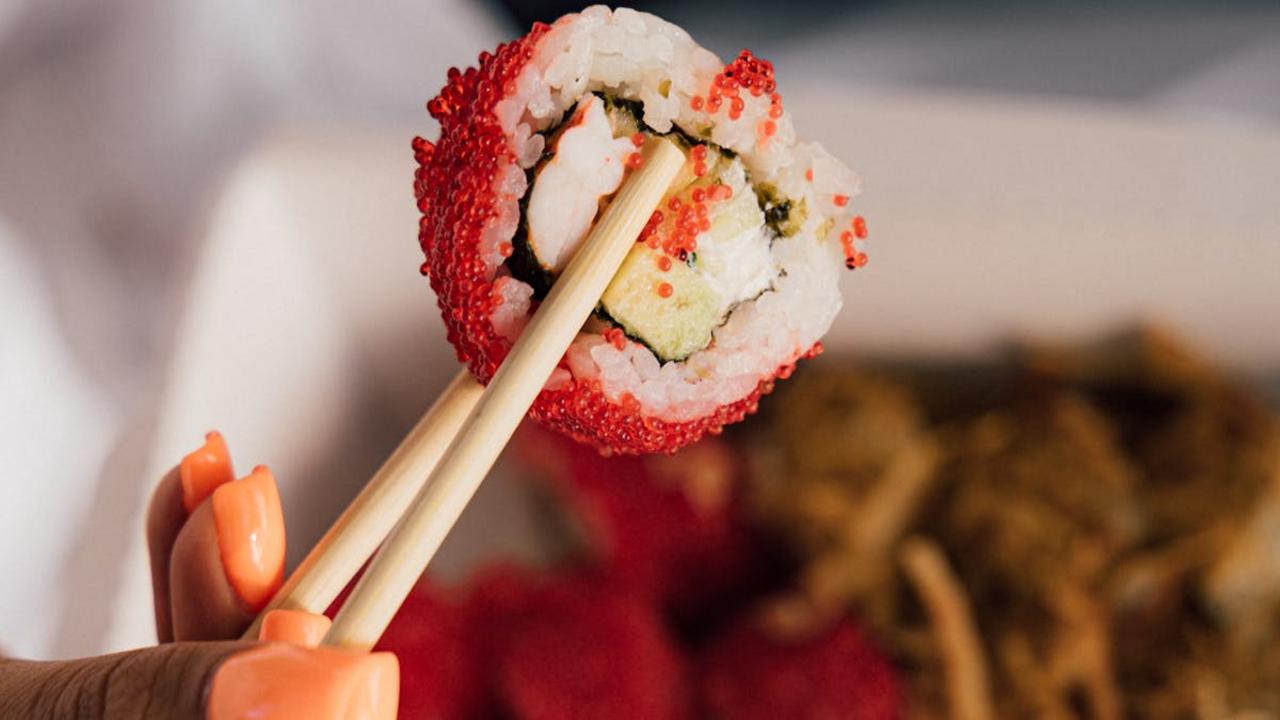
Picture this: you’re sitting at a sushi bar in the 1960s when some genius chef in Los Angeles decides to flip the sushi world upside down by putting the rice on the outside and hiding the nori within. That’s exactly how the California roll came to life, and honestly, it was probably the best cultural fusion accident ever! This inside-out masterpiece stuffed with imitation crab, creamy avocado, and crisp cucumber became the gateway drug for countless Americans who were initially terrified of raw fish. The chef who invented it? Ichiro Mashita at Tokyo Kaikan restaurant, who basically became the unofficial ambassador of making sushi less intimidating for Western palates.
What makes this roll absolutely brilliant is how it tricks your brain into thinking you’re eating something exotic while keeping everything familiar and safe. The fake crab gives you that sweet, oceanic flavor without any fishiness, the avocado adds that buttery richness that makes everything better, and the cucumber provides the perfect crunch factor. Fun fact: this roll contains zero actual sushi-grade fish, yet it’s responsible for converting millions of people into sushi fanatics! You can find California rolls everywhere from gas station coolers to high-end Japanese restaurants, and each one tells the story of how food evolves when cultures collide in the most delicious way possible.
Slow Cooked Beef Brisket
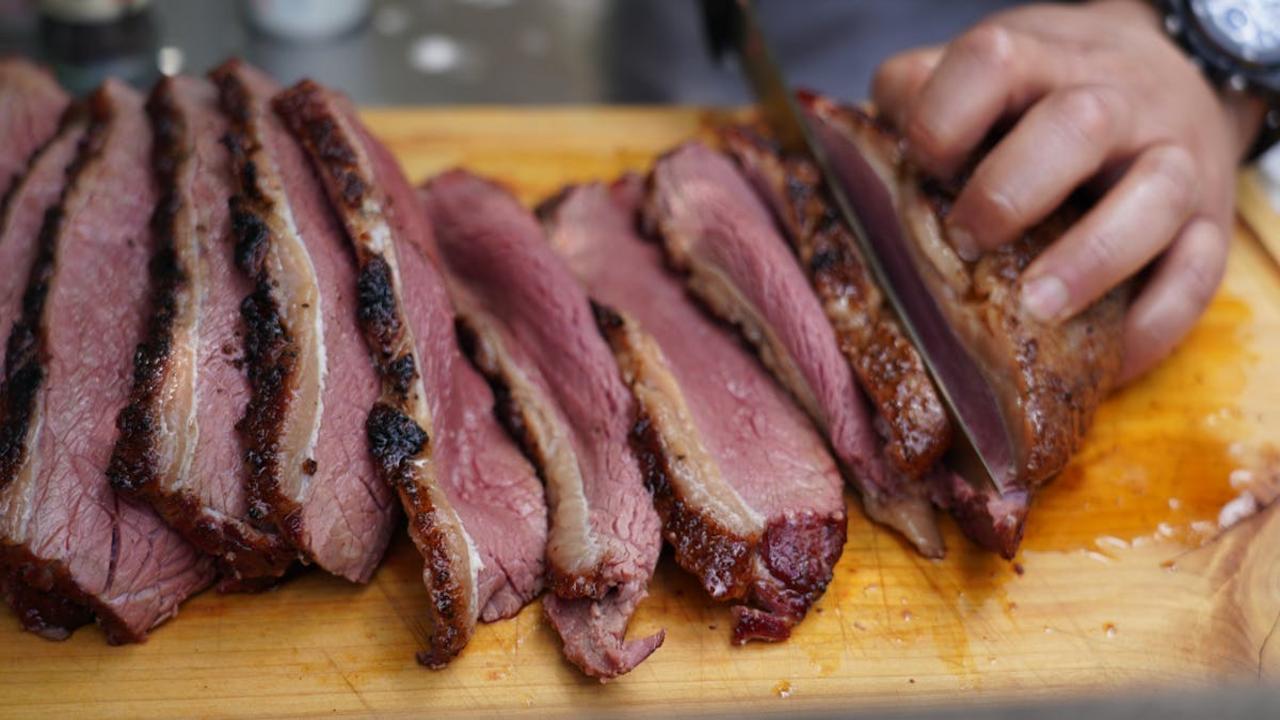
Picture this: a massive hunk of beef that looks like it could feed a small army, sitting in your smoker for what feels like an eternity while your neighbors peer over the fence wondering if you’ve lost your mind. That’s beef brisket for you – the ultimate test of patience that rewards you with meat so tender it practically falls apart when you look at it sideways. This Texas barbecue legend transforms from a tough, chewy cut into pure magic through the ancient ritual of low-and-slow cooking, typically taking anywhere from 12 to 16 hours to reach perfection. Fun fact: competitive pitmasters have been known to wake up at 3 AM just to tend their brisket fires, proving that some people take their meat very seriously indeed.
The secret lies in that beautiful bark – the dark, crusty exterior that forms like edible armor around the tender interior. You’ll know it’s ready when the internal temperature hits 203°F and a probe slides through like butter, though seasoned pitmasters swear by the “poke test” over any thermometer. Traditional rubs feature coarse salt, black pepper, and maybe some garlic powder, though modern barbecue enthusiasts have created rubs with more ingredients than a chemistry experiment. Slice against the grain, and watch grown adults weep tears of joy as they bite into smoky, juicy perfection that melts on their tongue. Pro tip: if you’re not prepared to camp out by your smoker all day, maybe stick to chicken wings for your first rodeo.
Handmade Ice Cream
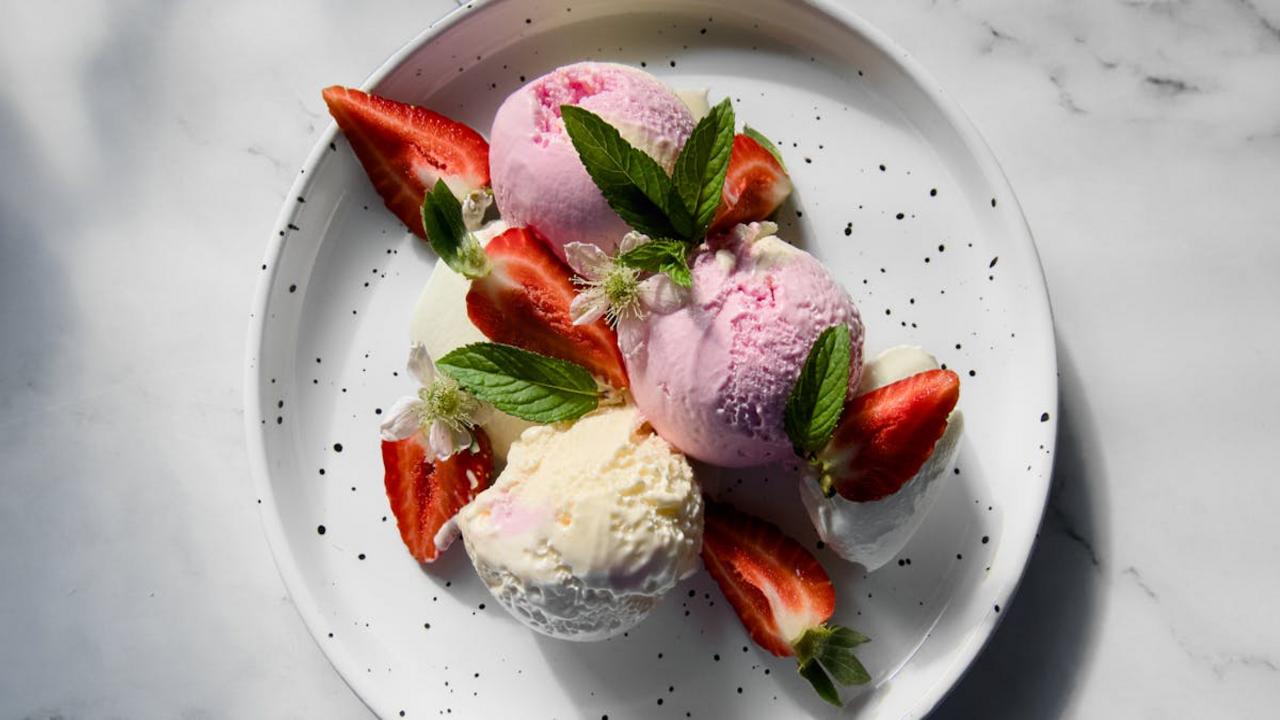
Picture this: you’re standing in front of a gleaming machine that looks like it belongs in a mad scientist’s laboratory, watching cream and sugar transform into frozen magic right before your eyes. That’s the beauty of handmade ice cream – it’s theater, chemistry, and pure indulgence rolled into one creamy performance. Unlike the mass-produced stuff that sits in freezers for months, handmade ice cream gets churned fresh, often while you wait, creating those perfect ice crystals that make each spoonful feel like a cloud made of happiness. The French perfected this technique centuries ago, and honestly, they knew what they were doing because there’s nothing quite like watching liquid ingredients become your next obsession.
What makes handmade ice cream so ridiculously good? It’s all about control, my friend. Small-batch makers can experiment with wild flavors like lavender honey or brown butter sage (yes, that’s a real thing and yes, it’s incredible), while maintaining the perfect fat content that gives you that rich, velvety texture. The churning process incorporates just enough air to make it light without turning it into frozen foam, and because it’s made fresh, the flavors stay bright and punchy. Pro tip: if you ever spot someone hand-cranking ice cream at a farmers market, drop everything and get in line. These dedicated souls are creating frozen poetry, one scoop at a time, and trust me, your regular grocery store pint will never taste the same again.
Classic Fish and Chips
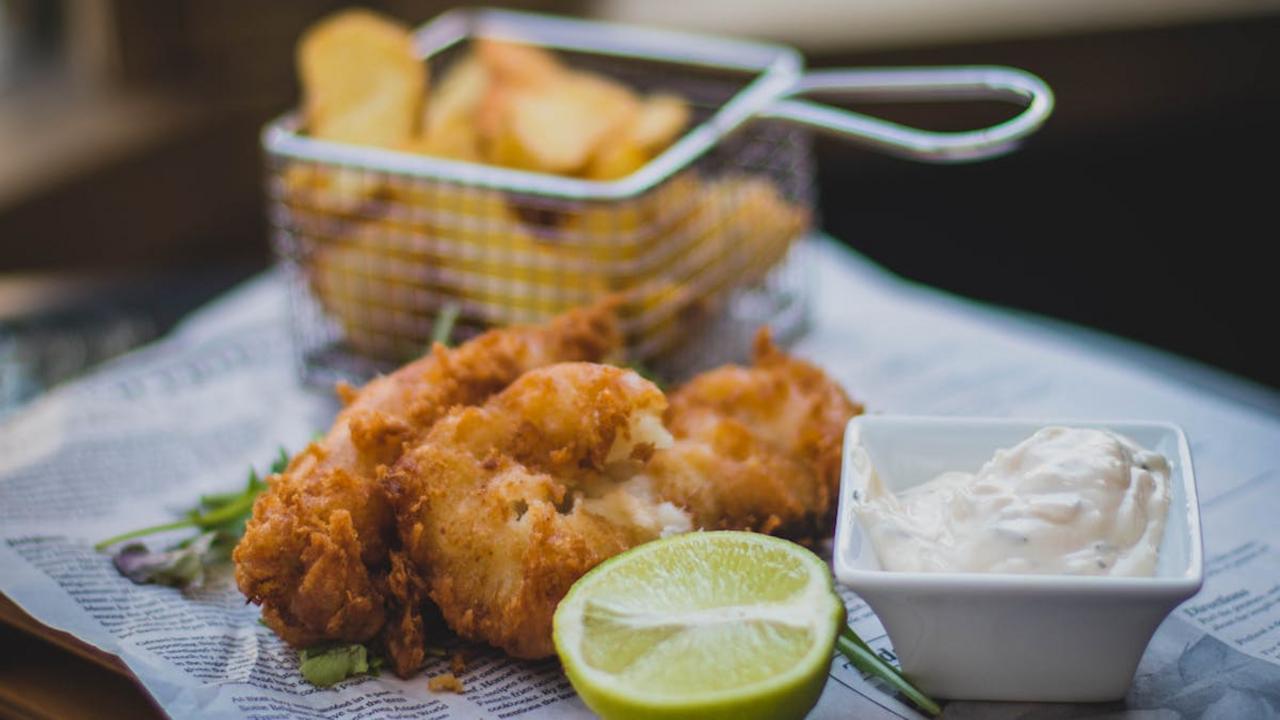
Picture this: you’re wandering through a British seaside town, and suddenly the most glorious aroma hits you—crispy battered cod mingling with perfectly golden chips, all wrapped in yesterday’s newspaper like a edible present. Fish and chips isn’t just food; it’s a national institution that survived two world wars, countless economic downturns, and even the rise of McDonald’s. The dish actually started as street food for the working class in the 1860s, when Jewish immigrants brought fried fish traditions and merged them with thick-cut potato chips. Here’s a fun fact that’ll make you smile: during WWII, fish and chips was one of the few foods never rationed because Winston Churchill called it “good for morale.”
The magic happens in the batter—a simple mix of flour, beer, and bubbles that creates that signature light, crispy coating that shatters beautifully when you bite into it. Real fish and chips shops (or “chippies” as locals call them) use beef dripping for frying, which gives everything that rich, savory flavor that vegetable oil just can’t match. Don’t even think about eating this with a fork—grab that newspaper bundle, douse everything in malt vinegar and a generous sprinkle of salt, then eat with your fingers while standing on the street corner. Pro tip: mushy peas on the side aren’t just tradition; they’re the perfect creamy contrast to all that crispy goodness. Trust me, once you’ve had proper fish and chips from a British chippy, every other version will feel like a pale imitation.
New York Cheesecake
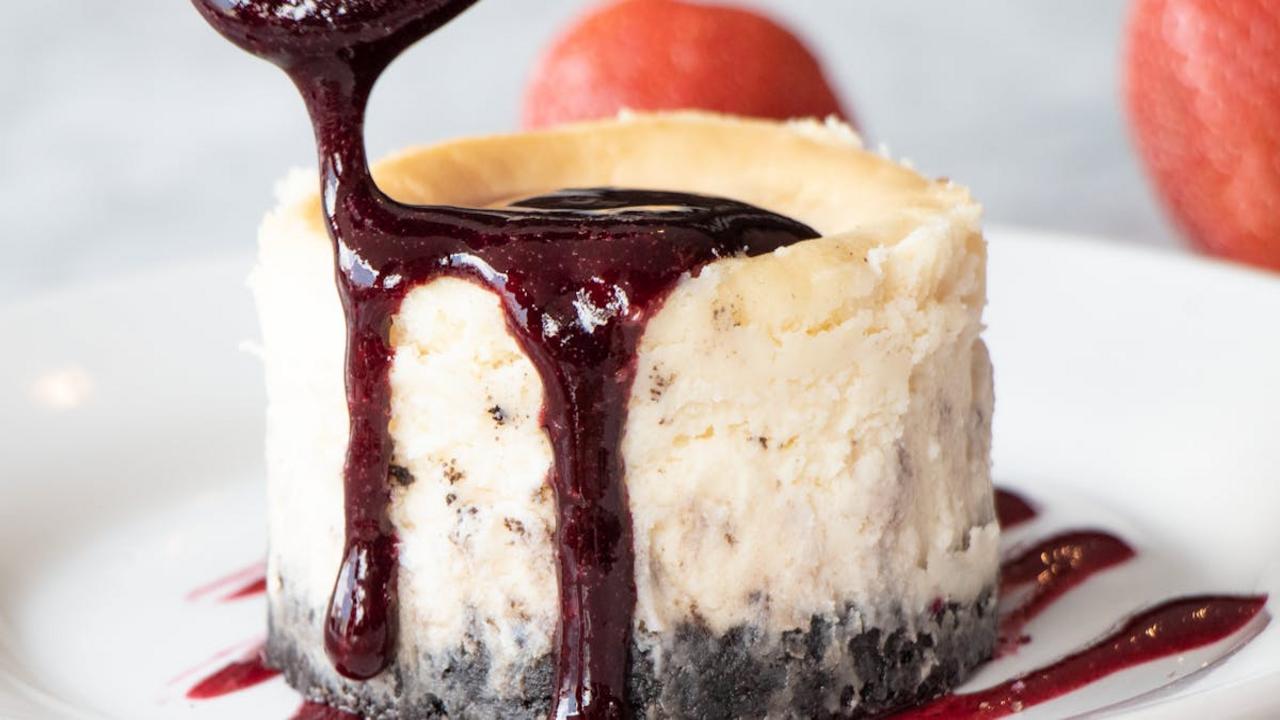
You think you know cheesecake? Think again! New York cheesecake isn’t just dessert—it’s a full-contact sport disguised as a slice of heaven. This towering monument to dairy decadence stands tall and proud, refusing to apologize for its rich, dense texture that could probably stop a bullet. Unlike its lighter, fluffier cousins from other regions, New York cheesecake doesn’t mess around with whipped cream or airy ingredients. We’re talking pure cream cheese, eggs, and sugar creating a texture so dense it has its own gravitational pull. The secret lies in the slow baking process and that iconic graham cracker crust that provides the perfect textural contrast to the silky interior.
Here’s a fun fact that’ll make you appreciate this dessert even more: the original New York cheesecake recipe calls for an entire pound of cream cheese per cake. That’s roughly 1,600 calories worth of cream cheese alone, before you even add the other ingredients! Junior’s restaurant in Brooklyn has been serving their legendary version since 1950, and they still use the same recipe that made grown adults weep tears of joy. Pro tip: never attempt to eat a full slice in one sitting unless you want to slip into a dairy-induced coma. The proper way to enjoy New York cheesecake is slowly, savoring each forkful while contemplating life’s greatest mysteries—like how something so simple can taste so incredibly perfect.
Grilled Ribeye Steak
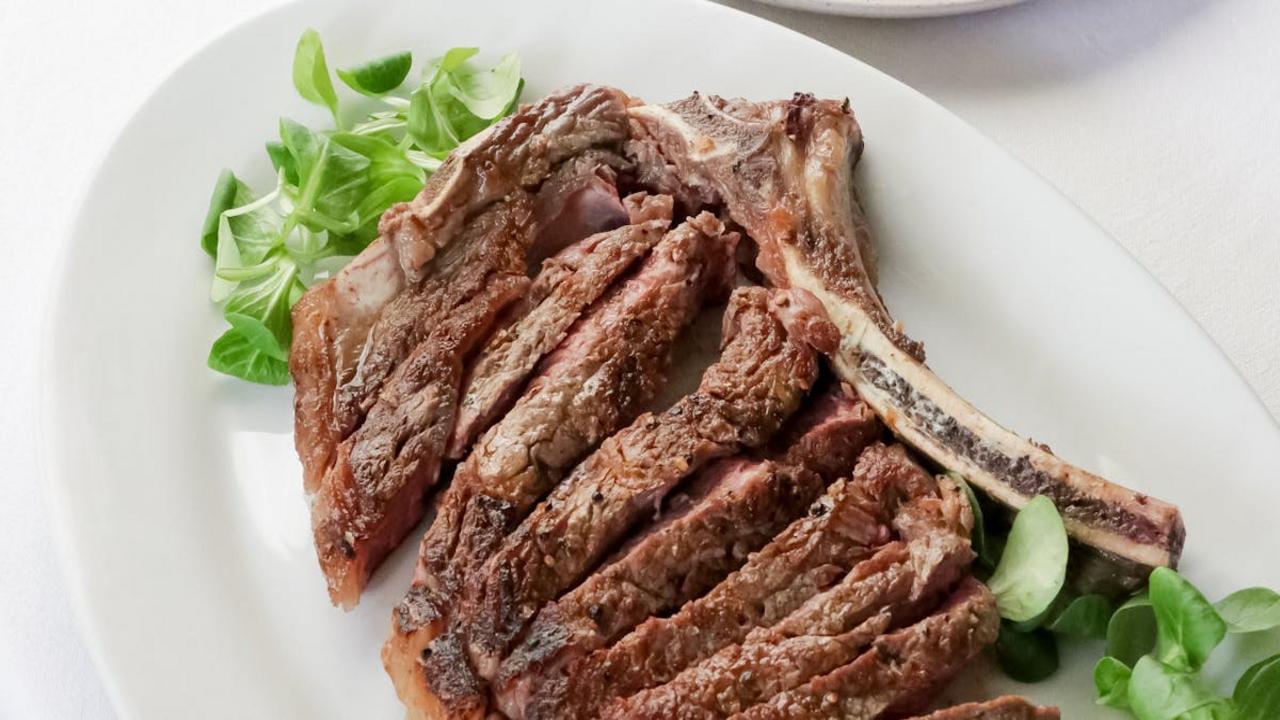
Picture this: you’re standing over a blazing grill, wielding tongs like a medieval knight with a sword, and before you lies the crown jewel of beef—a gorgeous ribeye steak. This marbled masterpiece literally sizzles with promise, its fat content creating those beautiful white streaks that make your mouth water before you even take a bite. The ribeye comes from the cow’s rib section (hence the name, genius!), and all that marbling means you’re getting maximum flavor and tenderness. Fun fact: a single ribeye can contain up to 37 grams of fat, which might sound scary until you realize that’s exactly what makes it so ridiculously delicious.
Now, here’s where things get interesting—grilling a ribeye properly requires the patience of a monk and the timing of a Swiss watch. You want that beautiful crust on the outside while keeping the inside perfectly pink and juicy. The secret? Let your steak come to room temperature first (about 30 minutes), then season generously with salt and pepper. Grill over high heat for about 4-6 minutes per side for medium-rare, depending on thickness. The internal temperature should hit 130°F if you want to join the ranks of steak perfection. Rest that beauty for 5 minutes after cooking—I know it’s torture, but trust me, those juices need time to redistribute throughout the meat.
Traditional Apple Pie
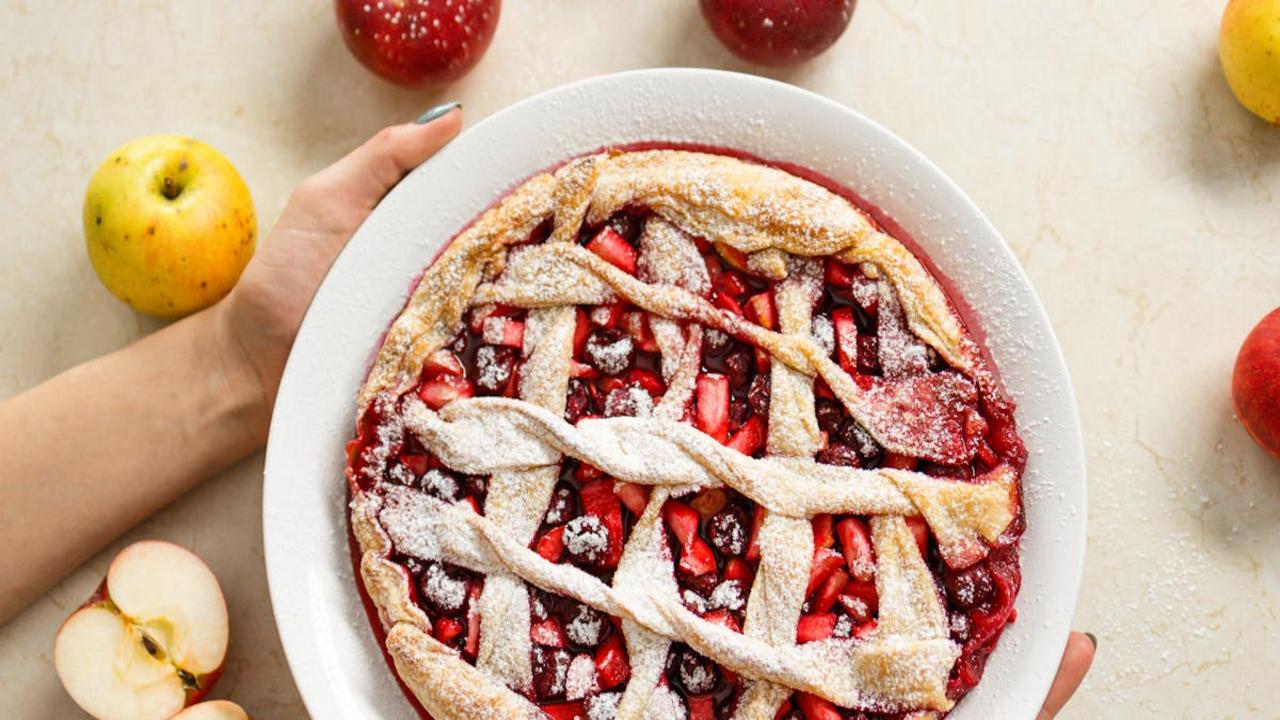
Nothing screams “comfort food” quite like traditional apple pie, and honestly, I’m convinced this dessert possesses some sort of magical properties. You know that moment when the golden, flaky crust gives way to tender, cinnamon-kissed apples that practically melt on your tongue? That’s pure culinary wizardry right there. The best part? Apple pie has been making people ridiculously happy since the 14th century, though back then they probably didn’t have the luxury of vanilla ice cream melting alongside each heavenly bite. Fun fact: the phrase “as American as apple pie” is actually hilarious because apples aren’t even native to America – they hitched a ride with European colonists who clearly knew what they were doing.
Here’s the thing about making the perfect apple pie: you need the right apples, and I’m talking about varieties that won’t turn to mush faster than your diet resolutions in January. Granny Smith apples are your best friends here – they’re tart, they hold their shape, and they won’t judge you for eating pie for breakfast (which I absolutely recommend). Mix them with a touch of Honeycrisp for sweetness, toss with cinnamon, nutmeg, and just enough sugar to make your dentist raise an eyebrow, then wrap it all in buttery pastry that crumbles like autumn leaves. The secret ingredient? A pinch of salt in your crust and maybe a splash of lemon juice to keep those apples from browning faster than your enthusiasm for Monday mornings.
Japanese Style Ramen
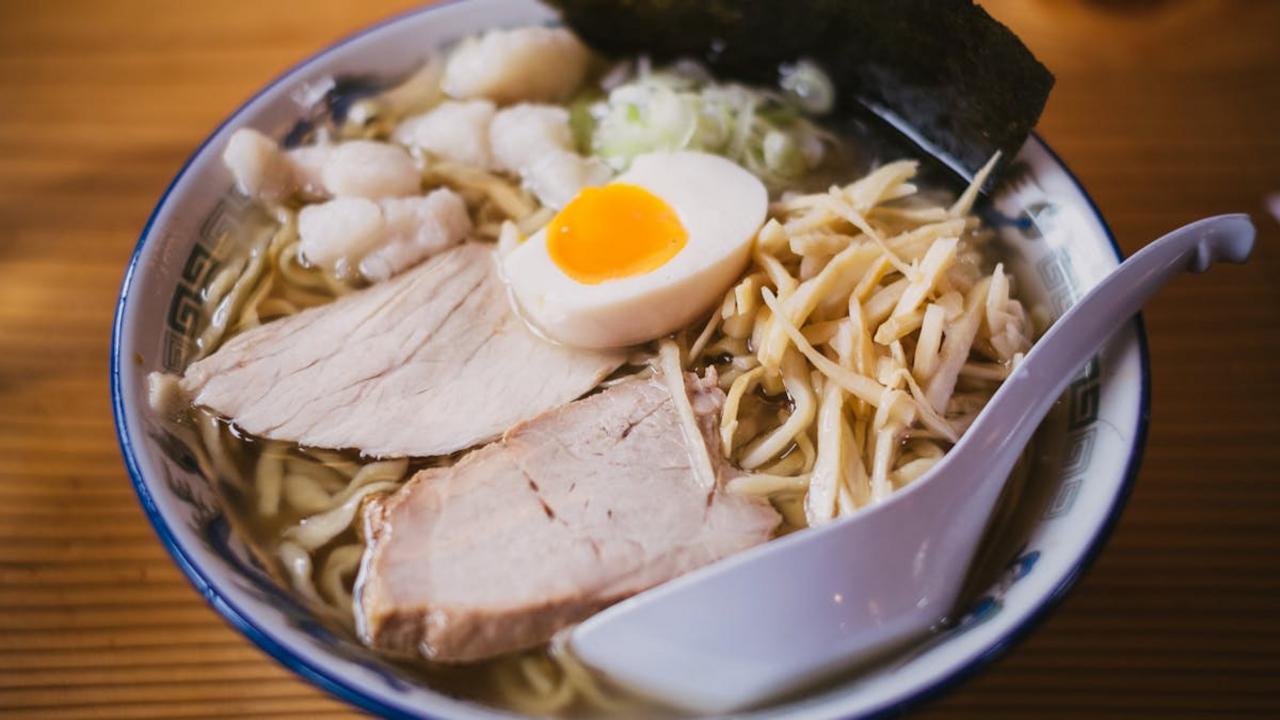
Listen, I’ve slurped my way through countless bowls of ramen across three continents, and I’m here to tell you that authentic Japanese ramen isn’t just noodles in broth—it’s a symphony of umami that’ll make you question every instant packet you’ve ever microwaved. The real deal starts with a bone broth that’s been simmering for anywhere from 12 to 24 hours, creating a liquid so rich and complex it practically has its own personality. Whether you’re diving into a tonkotsu with its creamy pork bone base or a lighter shoyu version dancing with soy sauce, each regional style tells its own delicious story. Fun fact: ramen masters train for years just to perfect their noodle-pulling technique, and some shops guard their broth recipes more fiercely than state secrets.
The beauty of ramen lies in its perfect balance of textures and temperatures—springy noodles that have just the right amount of chew, a soft-boiled egg with a jammy yolk that oozes golden goodness, and toppings like char siu pork that’s been braised until it falls apart at first touch. Don’t even get me started on the ritual of eating it: the enthusiastic slurping isn’t just acceptable, it’s practically mandatory for aerating the broth and showing respect to the chef. I once spent an entire afternoon in a tiny Tokyo shop watching the owner meticulously arrange each bowl like a piece of edible architecture, and honestly, I’ve never felt more reverent about soup in my entire life. Trust me, once you’ve experienced real ramen, those college dorm room packets will never look the same again.
Fresh Maine Lobster
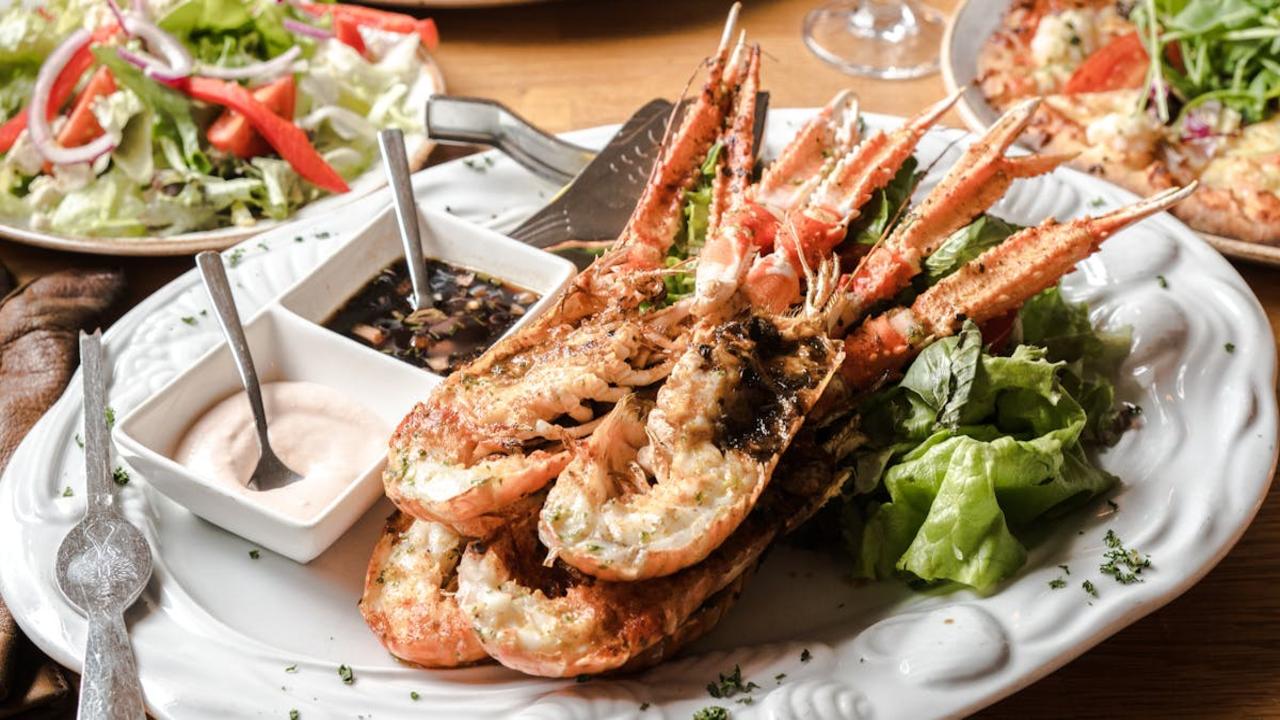
Picture this: you’re sitting at a weathered picnic table overlooking the rocky Maine coast, wearing a plastic bib that makes you look like a giant toddler, and wielding a nutcracker like it’s Excalibur. That’s the Maine lobster experience, and honestly, there’s no other way to do it. These crimson crustaceans aren’t just food—they’re a full-contact sport that requires dedication, patience, and zero concern for your manicure. The sweet, tender meat hiding inside those intimidating claws tastes like the ocean decided to throw a party in your mouth, with notes so pure and briny that you’ll understand why Mainers get genuinely offended when people drown it in butter.
Here’s a fun fact that’ll blow your mind: lobsters were once considered prison food, so terrible that feeding them to inmates more than three times a week was deemed cruel and unusual punishment. How times change! Now these bottom-dwelling beauties command premium prices and star in Instagram posts worldwide. The key to perfect lobster lies in the cooking—drop them into boiling seawater (or heavily salted water) for exactly 12-15 minutes for a pound-and-a-half specimen. Pro tip from someone who’s wrestled with more lobsters than she cares to admit: twist off the claws first, crack the knuckles, and save the tail for last. It’s like unwrapping the world’s most delicious, slightly intimidating present.
Italian Wood Fired Pizza
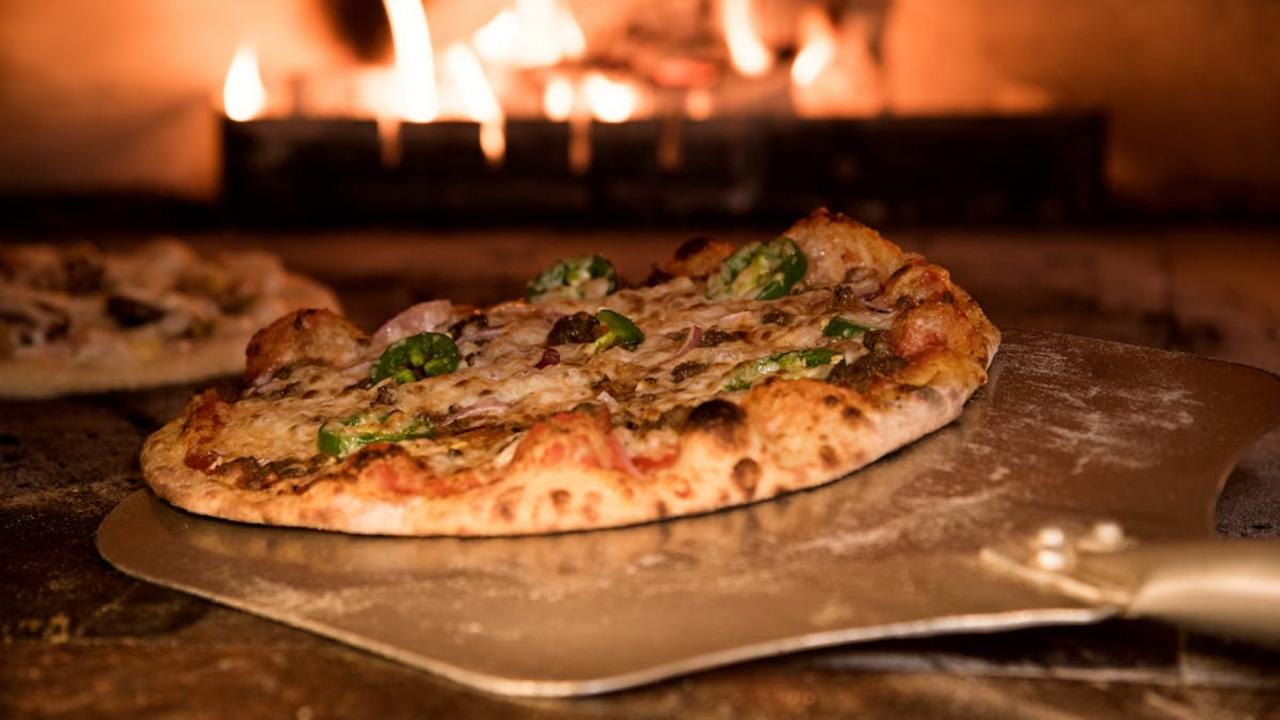
Picture this: you’re standing in front of a massive stone oven that’s been blazing at 900°F for hours, watching a pizza master slide your Margherita onto a wooden peel with the confidence of someone who’s done this dance ten thousand times. The dough bubbles and chars in exactly ninety seconds—yes, ninety seconds!—while the mozzarella di bufala melts into creamy puddles and the San Marzano tomatoes caramelize into something that can only be described as edible sunshine. This isn’t just pizza; this is what happens when four simple ingredients meet fire and fury in the most beautiful way possible.
Here’s something that’ll make you appreciate your next wood-fired slice even more: authentic Neapolitan pizza dough contains only flour, water, salt, and yeast—no oil, no sugar, no shortcuts. The magic happens during the 24-hour fermentation process, which creates those gorgeous leopard spots on the crust and gives you that perfect chew. Fun fact: Naples takes this so seriously that they actually have an official association (the Associazione Verace Pizza Napoletana) that certifies whether your pizza meets their ancient standards. So next time you bite into that slightly charred, impossibly tender crust while the cheese burns your tongue just right, remember you’re eating something that’s basically a UNESCO World Heritage food—because yes, Neapolitan pizza-making officially made that list in 2017!
American BBQ Ribs
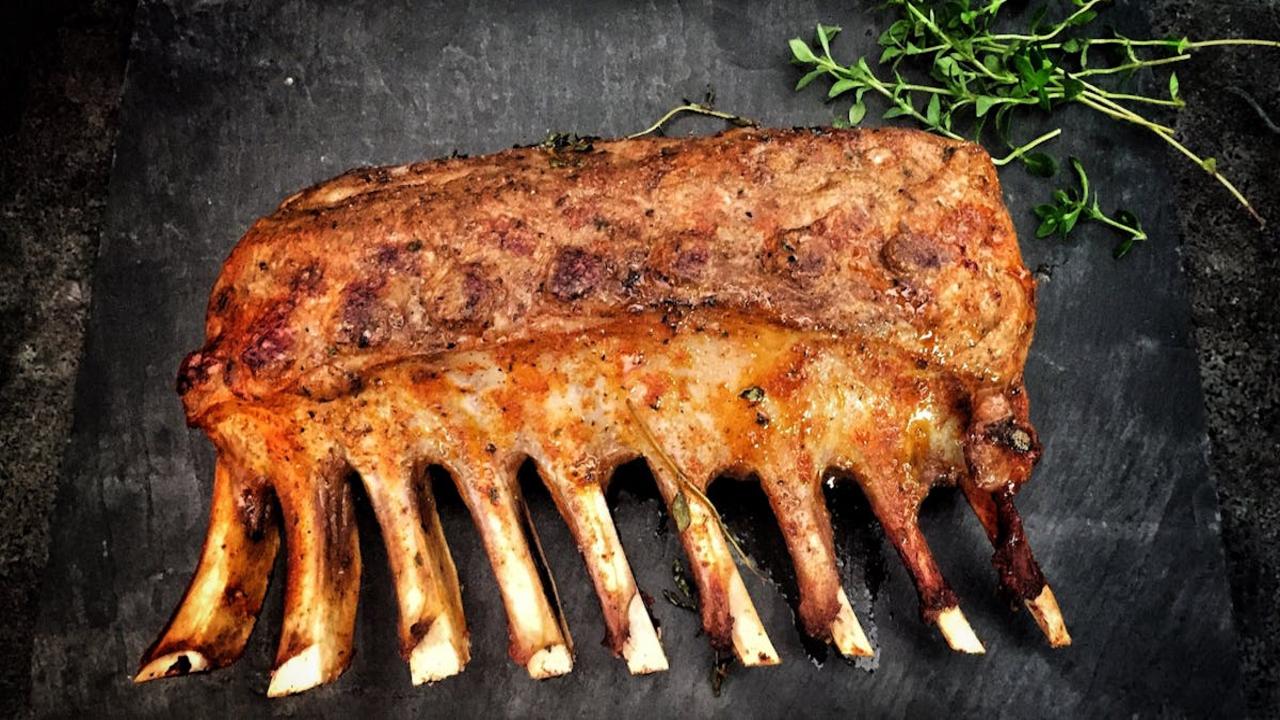
Picture this: you’re sitting at a picnic table, napkins tucked into your shirt collar like some kind of dignified food warrior, and in front of you lies a rack of ribs so tender the meat practically falls off the bone at first glance. American BBQ ribs aren’t just food – they’re a full-contact sport disguised as dinner. These smoky, sauce-slathered beauties have been making people abandon their table manners since the early 1900s, and honestly, good riddance to those manners anyway. The secret lies in the low-and-slow cooking method that transforms tough pork ribs into something so divine you’ll question every life choice that led you away from a BBQ joint.
Now here’s where things get wonderfully complicated: every region in America swears their ribs are the best, and they’re all simultaneously right and wrong. Kansas City drowns theirs in thick, molasses-heavy sauce that could double as furniture polish, while Carolina keeps it simple with vinegar-based concoctions that’ll wake up your sinuses faster than morning coffee. Texas? They go dry rub and let the smoke do the talking – because apparently even their food has that independent streak. The real magic happens during those 6-12 hours of smoking, where pitmasters become part chef, part therapist, and part wizard, coaxing maximum flavor from wood, fire, and time. Pro tip: if you can eat ribs without getting sauce under your fingernails, you’re doing it wrong.
Classic French Croissant
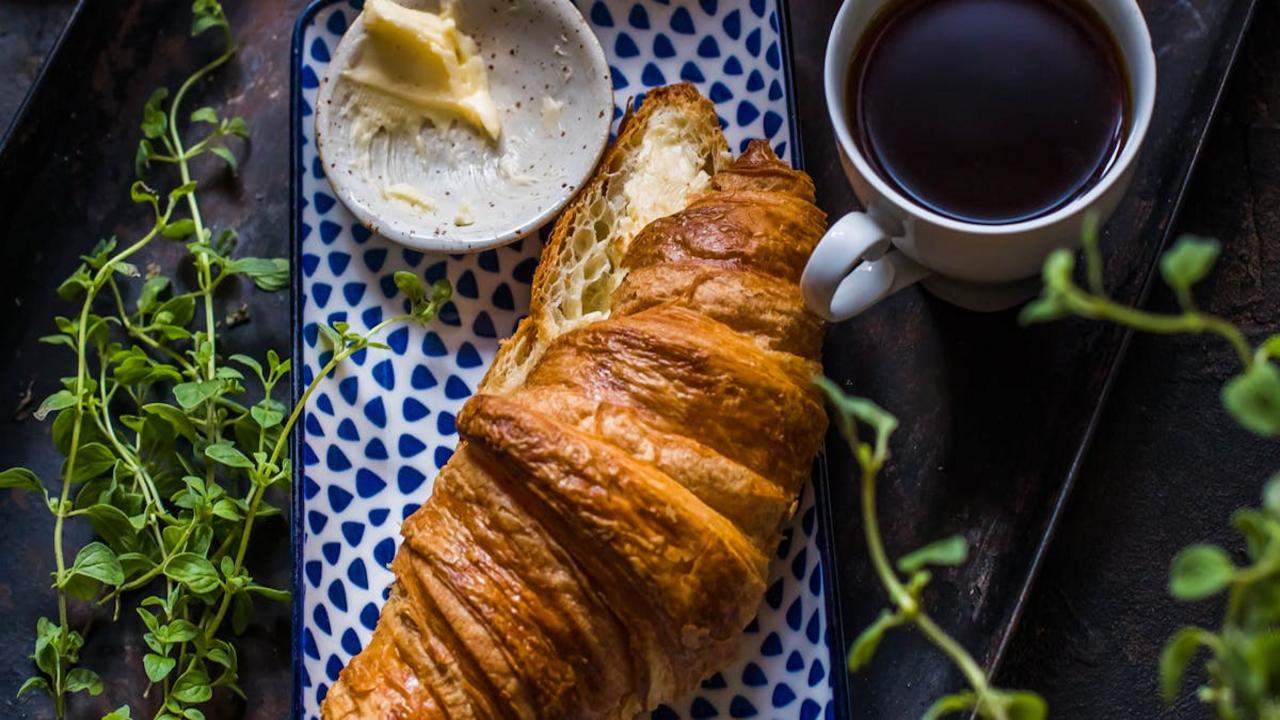
Picture this: you’re strolling down a cobblestone street in Paris at 7 AM, and suddenly you’re hit with the most intoxicating aroma known to humanity—buttery, yeasty perfection wafting from a tiny boulangerie. That, my friend, is the siren call of the croissant, and resistance is futile. This golden, crescent-shaped miracle takes three days to make properly (yes, THREE DAYS), involving a meditation-level process of folding butter into dough over and over again. The French call this technique “lamination,” and it creates those gorgeous, flaky layers that shatter at first bite, sending buttery shards cascading onto your shirt like the world’s most delicious confetti.
Here’s a fun fact that’ll make you appreciate your morning pastry even more: a proper croissant should have exactly 81 layers of dough and butter. Count them if you’re feeling particularly nerdy, or just trust the process and dive in. The croissant actually has Austrian roots (plot twist!), but the French perfected it into the masterpiece we worship today. You know you’ve found a good one when it’s crispy on the outside, pillowy on the inside, and makes that satisfying crunch when you tear it apart. Pro tip: never, EVER microwave a croissant—that’s a crime against pastry humanity. Instead, pop it in a 350°F oven for two minutes to revive yesterday’s purchase, though honestly, day-old croissants rarely exist in my house.
Southern Fried Chicken
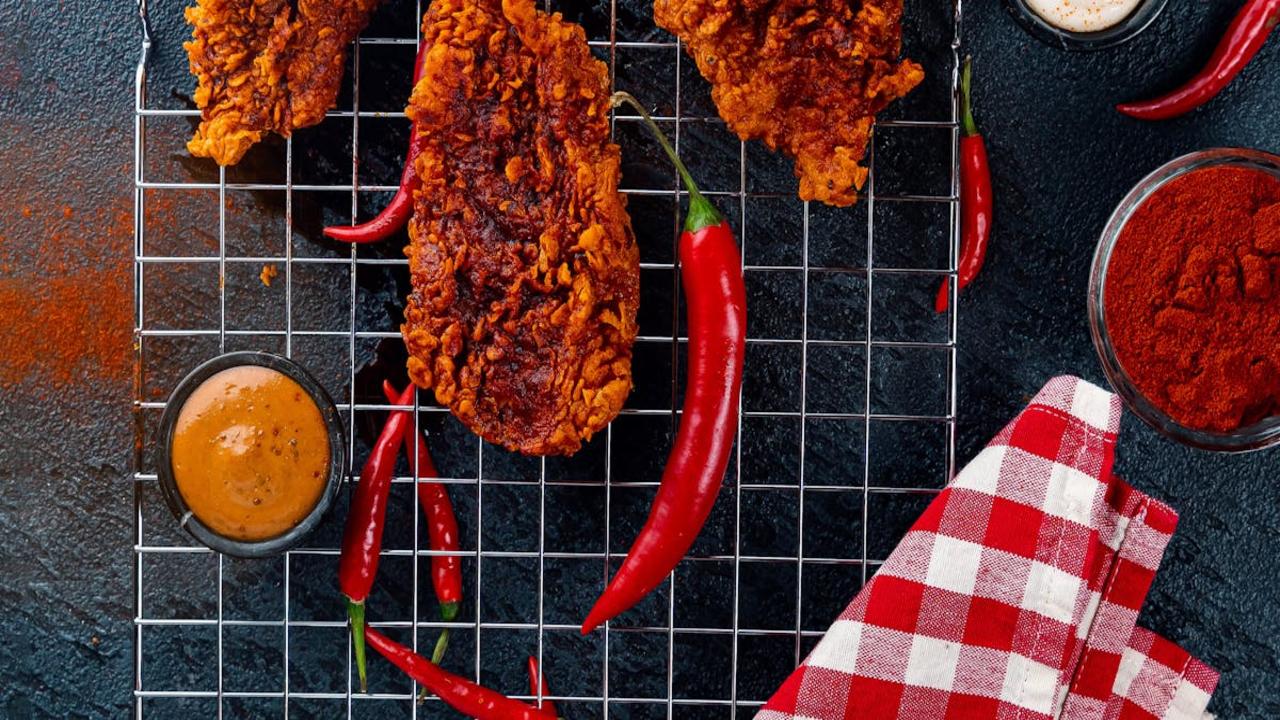
Picture this: you bite through a golden, crackling crust that shatters like the most beautiful music, revealing juicy, tender meat that practically falls off the bone. That’s Southern fried chicken, and honestly, whoever invented this masterpiece deserves a statue made entirely of drumsticks. The secret lies in that magical buttermilk bath – yes, the chicken literally gets a spa day before its hot oil adventure! This isn’t just any old fried chicken; we’re talking about a technique perfected in the American South where they take their time, season with love, and never rush the process. Fun fact: the double-dredging method (flour, buttermilk, flour again) creates those gorgeous, craggy peaks that hold onto all that seasoning like tiny flavor mountains.
Now, here’s where things get interesting – authentic Southern fried chicken requires patience that would make a monk jealous. You can’t just toss that bird in scorching oil and call it a day. The temperature needs to hover around 325°F, low enough to cook the chicken through without turning the outside into charcoal. My grandmother used to say you know it’s ready when it “sounds like bacon singing in the pan,” and trust me, that woman knew her way around a cast iron skillet. The real magic happens when you let it rest on a wire rack – none of that paper towel business that turns your crispy coating soggy. Serve it with buttermilk biscuits, mac and cheese, and maybe some hot sauce if you’re feeling adventurous, and you’ve got yourself a meal that’ll make you believe in happiness again.
Mediterranean Sea Bass
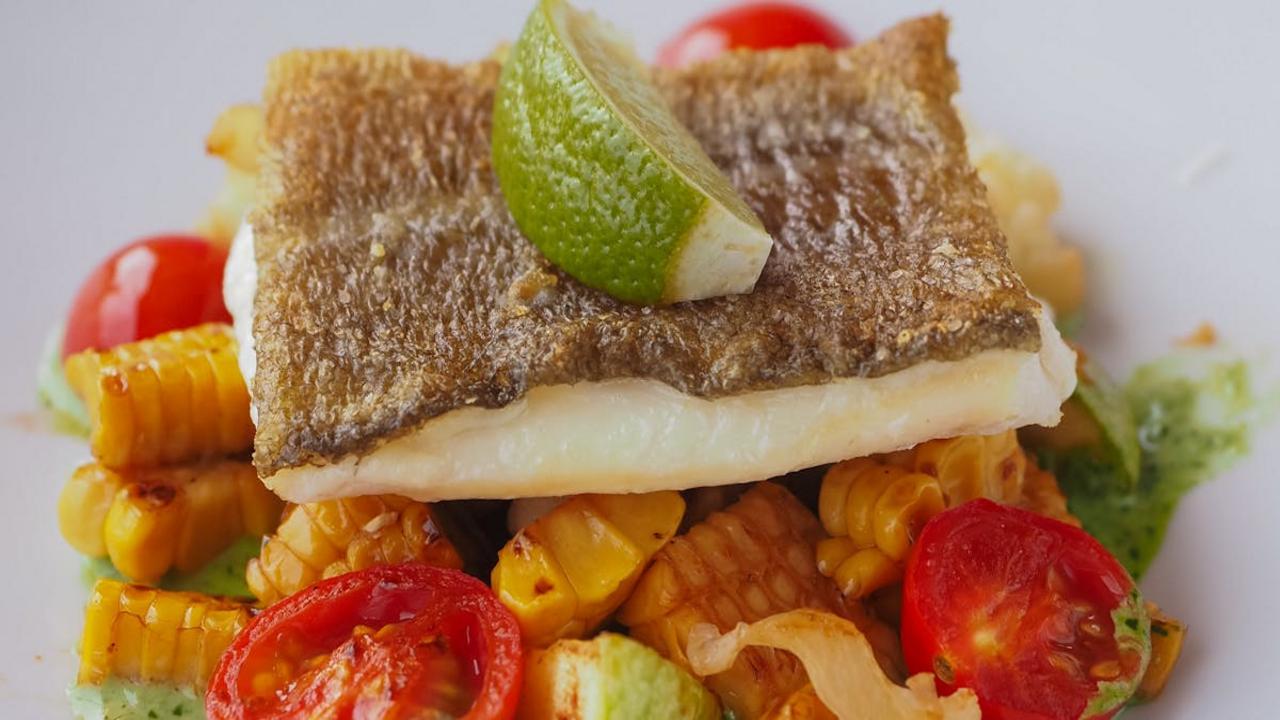
Picture this: you’re sitting at a seaside taverna in Greece, the sun is setting over azure waters, and a whole sea bass arrives at your table looking like it just had a spa day with olive oil and herbs. Mediterranean sea bass isn’t just fish—it’s a love letter written in lemon juice and oregano. The Greeks have been perfecting this dish since Poseidon was just a minnow, and honestly, they’ve nailed it. The fish gets stuffed with fresh herbs, doused in Greece’s liquid gold (that’s olive oil, folks), and roasted until the skin crackles like autumn leaves. Fun fact: sea bass can live up to 30 years, which means the one on your plate might have been around longer than your last relationship!
What makes this dish absolutely magical is its beautiful simplicity—no fancy sauces or complicated techniques, just pure Mediterranean sunshine on a plate. The flesh flakes away in perfect, buttery chunks that practically melt in your mouth, while the crispy skin provides that satisfying crunch we all secretly crave. Greeks traditionally serve it whole because, according to local superstition, cutting the fish beforehand brings bad luck (though I suspect this tradition started because whole fish just looks more impressive). Pair it with some roasted potatoes that have absorbed all those glorious pan juices, a simple village salad, and a glass of crisp Assyrtiko wine, and you’ve got yourself a meal that’ll make you question why you ever bothered with anything else.