15 Luxury Foods the Wealthiest Eat Every Day That Most People Can’t Afford
You know how I always say cooking should be accessible to everyone? Well, today we’re peeking into a completely different world – one where single ingredients cost more than most people’s monthly grocery budgets. These aren’t just expensive foods; they’re edible status symbols that the ultra-wealthy consume daily without batting an eye.
I spend my time creating wholesome meals from simple, affordable ingredients, but I can’t help being fascinated by these luxury items. Some require years of aging, others come from the most remote corners of our planet. Each carries a story of rarity, tradition, and craftsmanship that justifies price tags reaching thousands per pound.
While we won’t be adding these to our weekly meal prep, understanding what makes food truly luxurious gives us perspective on value, quality, and the incredible diversity of global cuisine. Ready to discover what the wealthiest tables look like?
Pearl Lobster
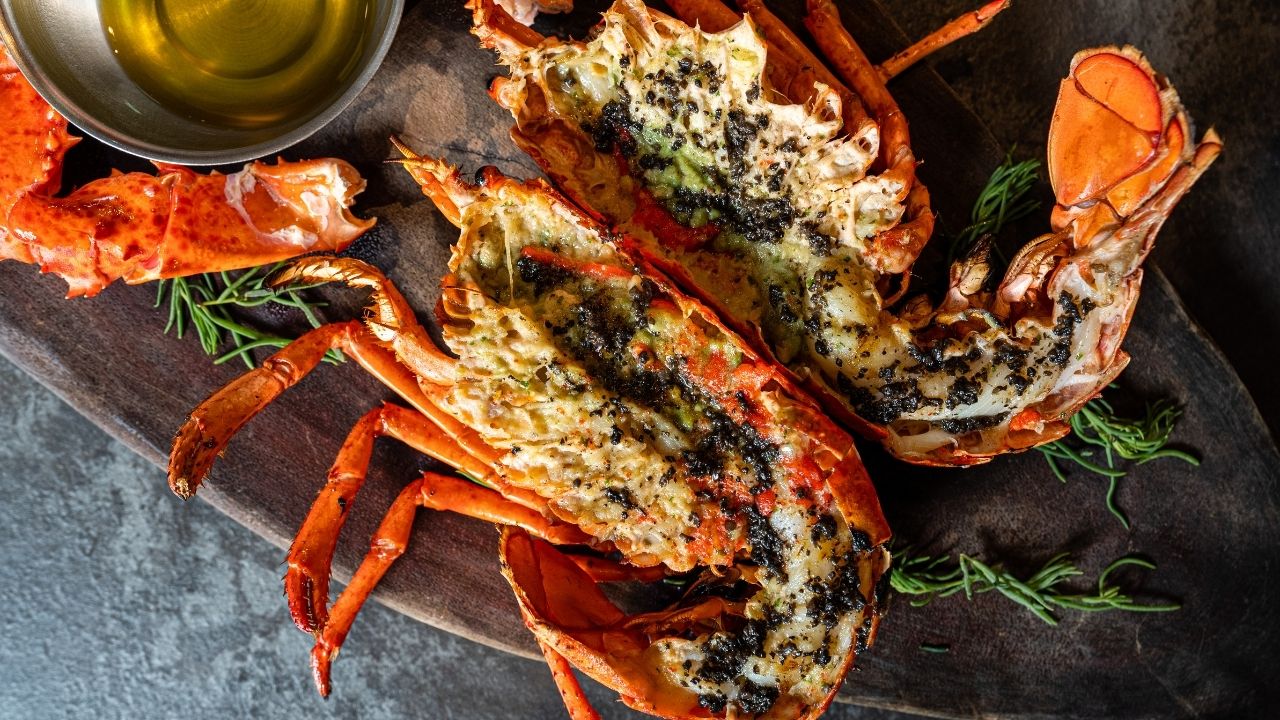
You know how I always talk about cooking with intention and understanding your ingredients? Well, Pearl Lobster takes that philosophy to an entirely different stratosphere. This isn’t your regular Maine lobster from the grocery store – we’re talking about rare European lobsters, often from pristine waters off Scotland or Norway, that can cost upwards of $200 per pound. These magnificent creatures get their name from their pearl-white shells and incredibly sweet, delicate meat that practically melts on your tongue. The wealthy don’t just order these for special occasions; they incorporate them into their weekly meal rotations like you and I might use chicken thighs.
What makes Pearl Lobster so extraordinary goes beyond the price tag – it’s about the terroir of the ocean, just like wine has terroir of the land. These lobsters live in deeper, colder waters where they grow slower and develop more complex flavors. When I think about cooking something this precious, I imagine the simplest preparation possible – maybe just steamed with a touch of sea salt and finished with good butter infused with fresh herbs from my garden. The ultra-wealthy have chefs who understand that with ingredients this perfect, you don’t mask the natural sweetness with heavy sauces or elaborate techniques. It’s pure, unadulterated ocean flavor that most of us will never experience.
Bird’s Nest Soup
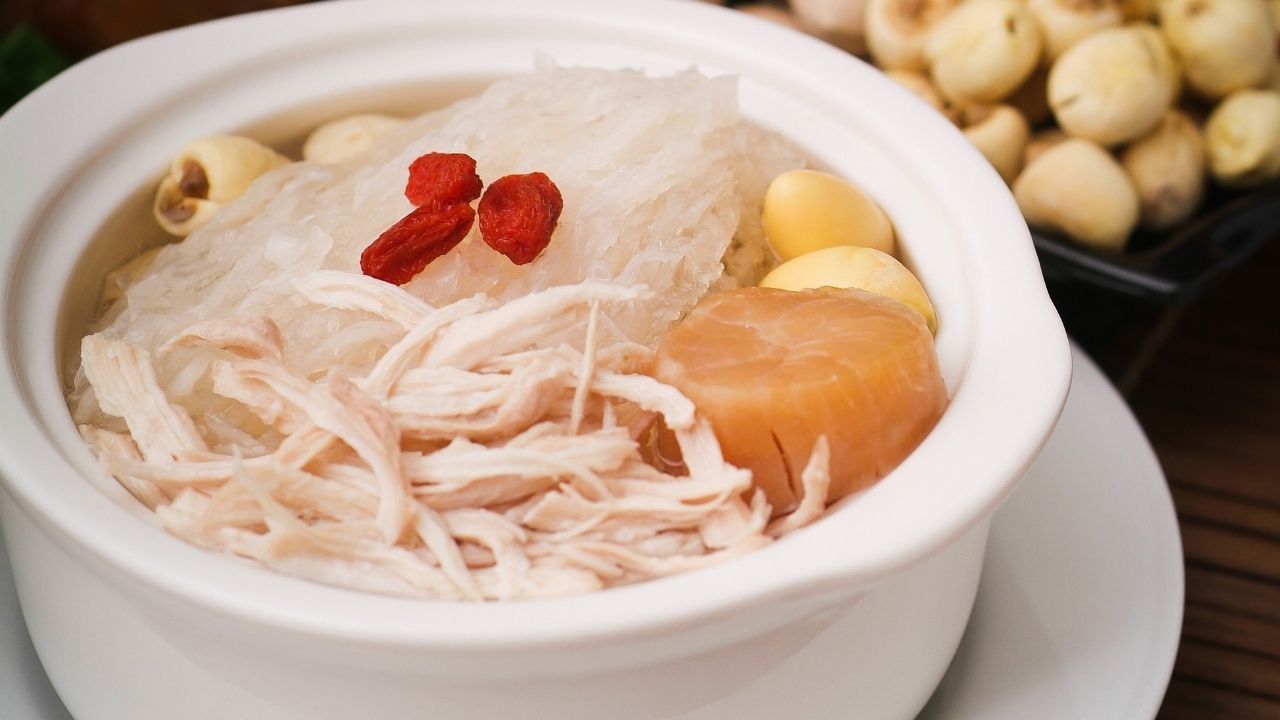
You know that moment when someone mentions an ingredient so rare and expensive that your jaw drops? That’s exactly what happens when I think about bird’s nest soup. These aren’t your typical backyard bird nests – we’re talking about edible nests created by swiftlets using their own saliva, harvested from dangerous cave walls in Southeast Asia. The harvesting process requires skilled climbers who risk their lives scaling treacherous cliffs, making each nest incredibly precious. I’ve always been fascinated by how different cultures transform the most unexpected ingredients into treasured delicacies, and this Chinese soup represents centuries of tradition wrapped in luxury.
The preparation process amazes me because it mirrors my own philosophy about transforming simple ingredients into something extraordinary. The dried nests get soaked for hours until they become gelatinous, then carefully cleaned to remove any feathers or debris – it’s pure mindfulness in the kitchen. When cooked into soup, often sweetened with rock sugar or combined with other premium ingredients, the texture becomes silky and almost ethereal. The wealthy consume this daily not just for its status symbol, but for believed anti-aging properties and skin benefits. While most of us will never afford the $2,000-per-bowl price tag, I find inspiration in how dedication to quality ingredients – no matter how unconventional – can create something truly special.
Wagyu Beef
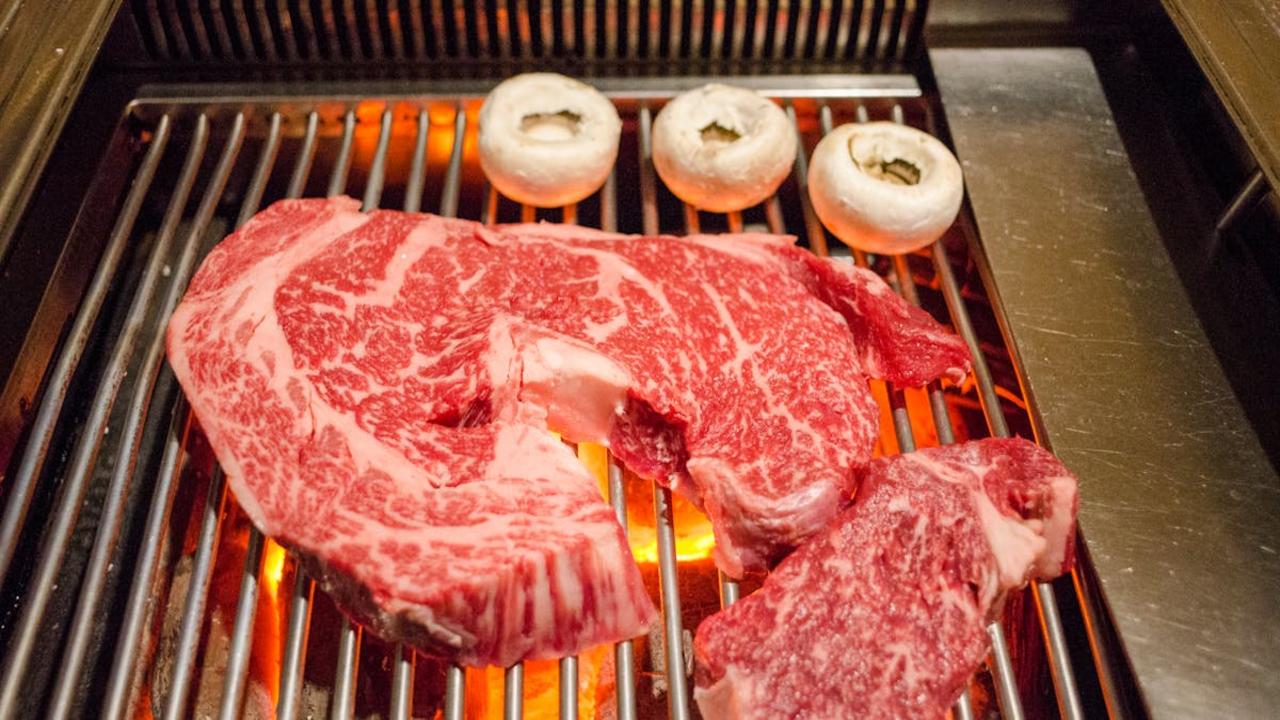
You know that moment when you bite into something so extraordinary that it completely redefines your understanding of what food can be? That’s exactly what happens with authentic Wagyu beef. This isn’t just premium meat – it’s a completely different experience altogether. The marbling runs through each cut like delicate rivers of fat, creating an almost buttery texture that literally melts in your mouth. I’ve had the privilege of cooking with real Japanese A5 Wagyu once, and honestly, it made me question everything I thought I knew about beef. The richness is so intense that a small portion feels incredibly satisfying, almost like eating pure luxury.
What makes Wagyu so expensive isn’t just the hype – these cattle receive treatment that most humans would envy. We’re talking daily massages, premium feed, and living conditions that prioritize their comfort and stress levels. The result? Meat that can cost anywhere from $200 to $500 per pound for the highest grades. While most of us might splurge on this once in a lifetime, the ultra-wealthy incorporate it into their regular meal rotation. They’re not just buying dinner; they’re investing in an experience that connects them to centuries of Japanese tradition and meticulous craftsmanship. For them, serving Wagyu at home is as routine as us reaching for ground chuck at the grocery store.
Edible Gold
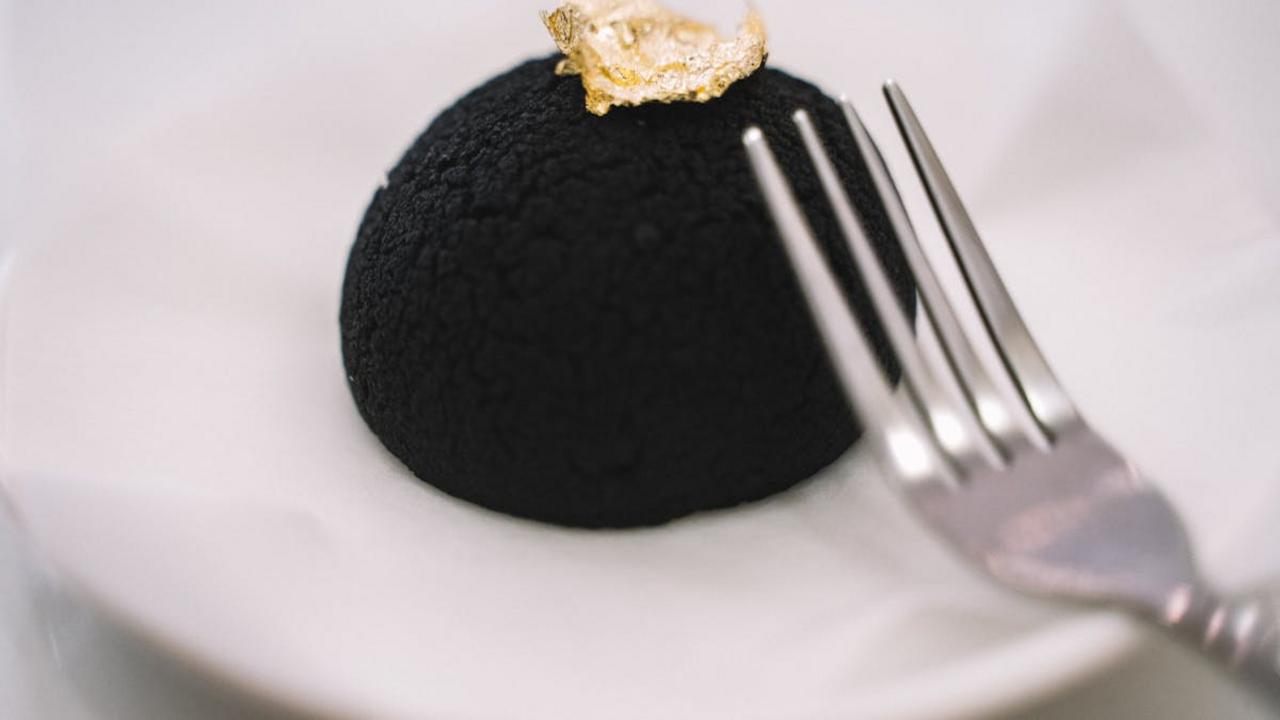
You know, when I first encountered edible gold leaf in a high-end restaurant, I couldn’t help but wonder who thought “let me eat some metal today.” This shimmering addition costs anywhere from $100 to $300 per gram, making it one of the most expensive ingredients you can sprinkle on your plate. The ultra-wealthy treat it like seasoning, adding those delicate flakes to everything from champagne cocktails to chocolate desserts. What fascinates me is that gold has zero flavor – absolutely none – yet people pay astronomical prices for the visual drama it creates.
I’ve experimented with edible gold in my own kitchen, and honestly, it feels like putting jewelry on your food. The paper-thin sheets require tweezers and steady hands, dissolving instantly on your tongue without adding any nutritional value or taste. Rich families often serve gold-dusted sushi, gold-flaked ice cream, or even gold-topped steaks at their dinner parties, turning meals into Instagram-worthy spectacles. While I appreciate the theatrical element it brings to special occasions, I can’t shake the feeling that those hundreds of dollars could buy ingredients that actually enhance your meal’s flavor and nourishment instead of just making it sparkle.
Fugu Fish
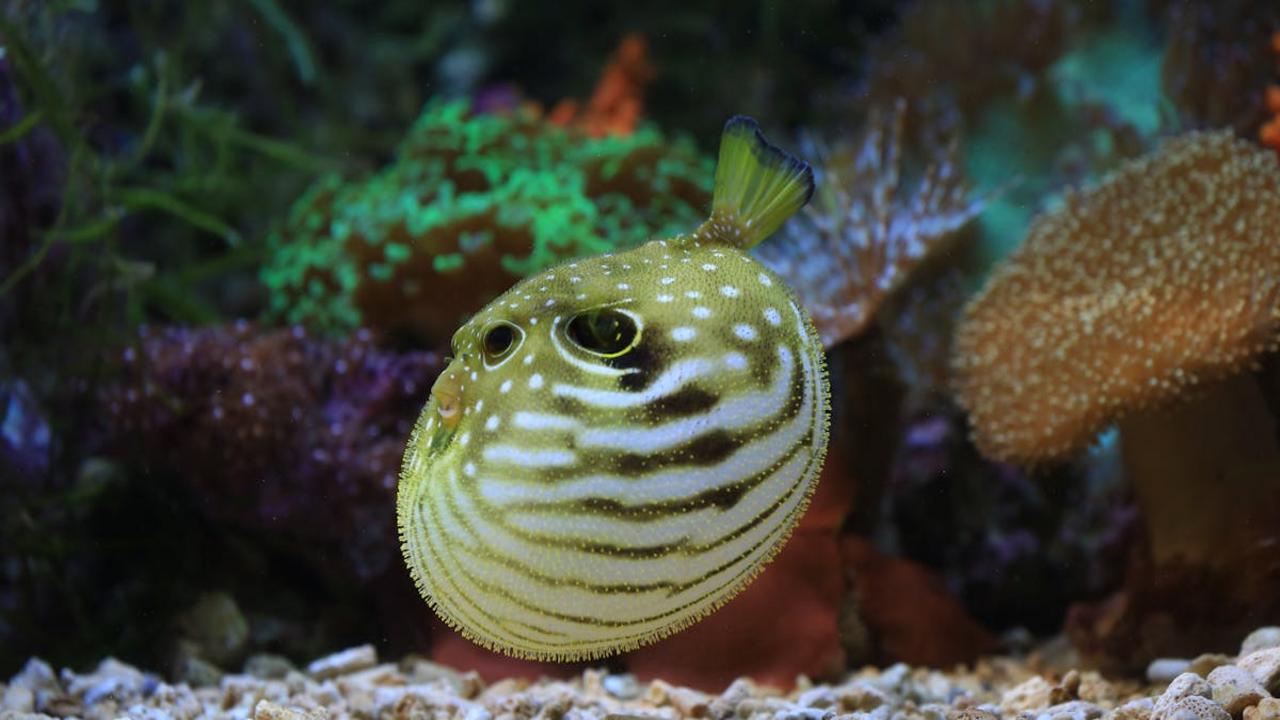
You know, when I think about foods that represent the absolute pinnacle of luxury and danger combined, fugu fish immediately comes to mind. This Japanese delicacy costs anywhere from $200 to $500 per dish, and honestly, the price reflects both its rarity and the incredible skill required to prepare it safely. The pufferfish contains tetrodotoxin, a neurotoxin that’s 1,200 times more potent than cyanide, which means one wrong cut during preparation could be fatal. Only licensed chefs who’ve undergone years of rigorous training can legally serve fugu in Japan.
What fascinates me most about fugu isn’t just the thrill-seeking aspect – it’s the extraordinary precision and respect for ingredients that this dish demands. The flesh itself is described as having a subtle, clean flavor with a unique texture that’s slightly chewy yet tender. Many wealthy diners pay these astronomical prices not just for the taste, but for the complete experience of trusting a master chef with their life. The preparation process is almost meditative, requiring the chef to remove the toxic organs with surgical precision while preserving the delicate meat. It’s a perfect example of how luxury food often represents far more than just sustenance – it’s about tradition, skill, and the ultimate expression of culinary mastery.
Geisha Coffee
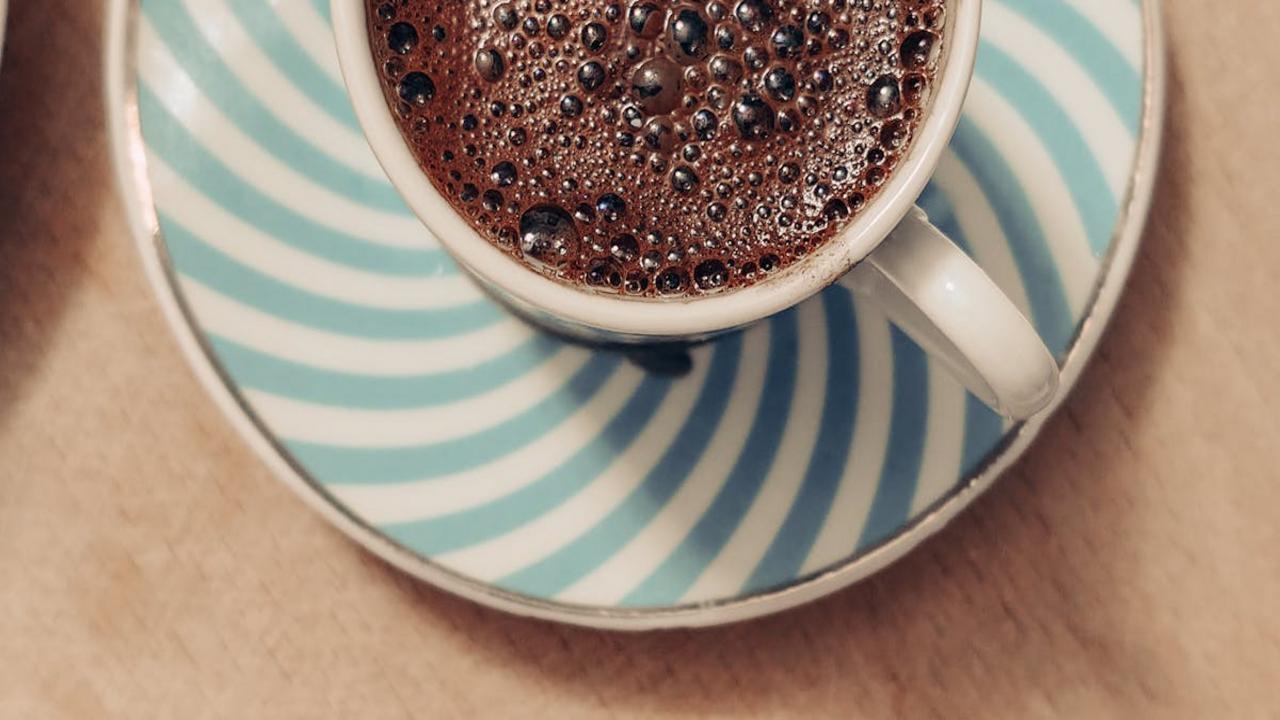
You know how I’m always hunting for ingredients that tell a story? Geisha coffee beans do exactly that, and their price tag—sometimes reaching $600 per pound—reflects their incredible rarity. These beans originally came from Ethiopia but found their perfect home in the high-altitude regions of Panama, where volcanic soil and misty mountain conditions create something truly magical. The flavor profile hits you with jasmine-like floral notes, bright citrus acidity, and a silky body that makes you understand why coffee enthusiasts treat this like liquid gold.
What fascinates me most about Geisha coffee is how it represents pure terroir—the way environment shapes flavor in ways you can’t replicate anywhere else. Small-batch roasters handle these beans with the same care I give to my most precious spices, often roasting just a few pounds at a time. The wealthy don’t just drink this coffee; they experience it as a daily ritual, much like how I approach my morning tea ceremony. While most of us reach for our regular brew, they’re savoring what many consider the pinnacle of coffee perfection, where every sip connects them to specific farms, specific harvests, and the meticulous craft of producers who’ve dedicated their lives to this extraordinary bean.
Bluefin Tuna
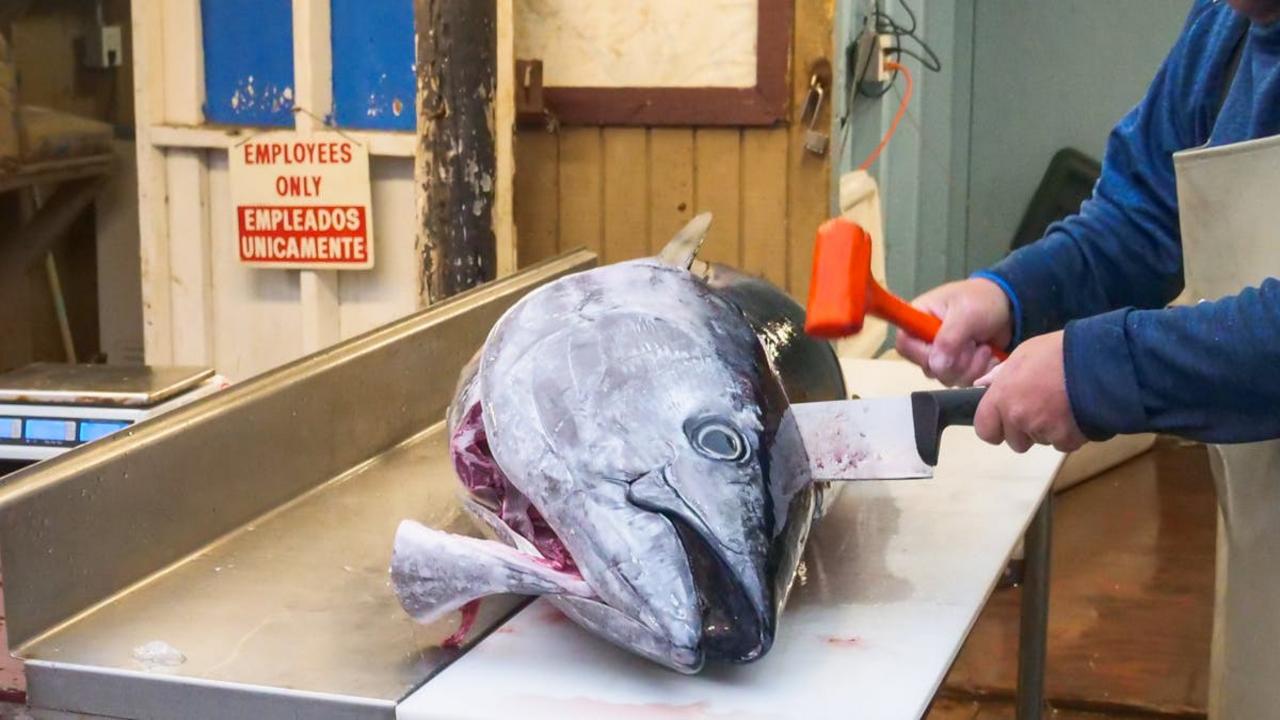
You know that moment when you see those jaw-dropping auction prices for bluefin tuna at Tokyo’s fish markets? We’re talking about fish that can sell for hundreds of thousands of dollars—sometimes even breaking the million-dollar mark. This isn’t just any fish; it’s the Ferrari of the ocean, prized for its incredibly rich, buttery flesh that melts on your tongue like the finest butter. The wealthy don’t just buy bluefin tuna; they build entire dining experiences around it, flying in sashimi-grade cuts from Japan or hiring private chefs who specialize in the precise knife work this magnificent fish demands.
What makes bluefin so special goes beyond its astronomical price tag. The marbling in prime bluefin rivals the best wagyu beef, with layers of fat that create this incredible depth of flavor you simply can’t find in regular tuna. I’ve watched master sushi chefs work with this fish, and they treat each piece like a precious gem, understanding exactly how to slice it to showcase those gorgeous fat lines. The ultra-wealthy often have standing orders with specialty fishmongers, ensuring they get first pick of the finest specimens. While most of us might splurge on a nice piece of ahi once in a while, the wealthy make bluefin a regular part of their rotation, whether it’s for intimate dinner parties or those show-stopping omakase experiences at home.
Black Truffle
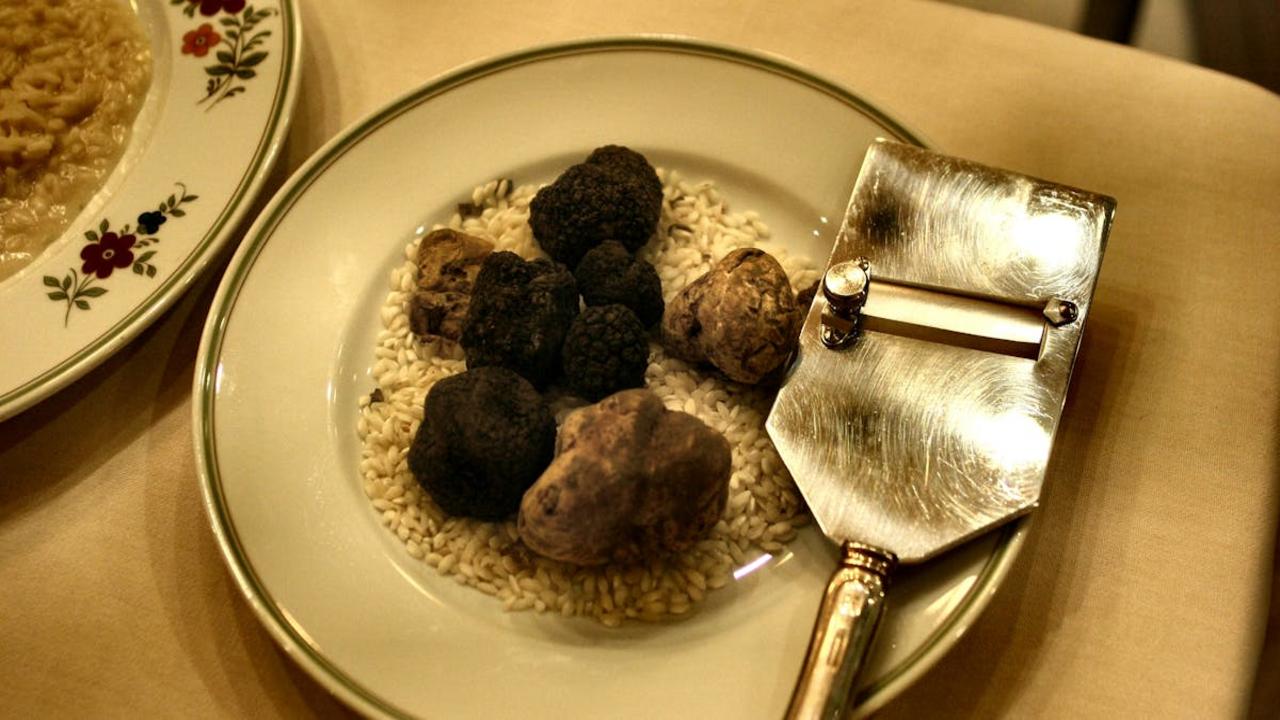
You know, I’ve been lucky enough to work with black truffles a handful of times, and each experience taught me something profound about how food connects us to place and season. These underground fungi grow wild in specific regions of France, Italy, and other parts of Europe, forming mysterious partnerships with oak and hazelnut tree roots. What makes them so expensive—we’re talking $800 to $3,000 per pound—isn’t just their rarity, but the fact that trained dogs or pigs must hunt them down in the wild. No one has successfully cultivated them on a commercial scale, which means every single truffle represents a treasure hunt.
The wealthy don’t just sprinkle these on pasta for Instagram photos; they understand that black truffles transform simple, wholesome ingredients into something transcendent. I’ve watched chefs shave paper-thin slices over fresh egg pasta with nothing but good butter and Parmigiano-Reggiano, and the aroma alone fills the entire room with this earthy, almost intoxicating scent. The flavor is complex—mushroomy, garlicky, with hints of chocolate and nuts—and it pairs beautifully with eggs, risotto, or even a simple piece of toast with quality olive oil. For most of us, a small jar of truffle oil (though often synthetic) can give us a taste of this luxury, but nothing truly compares to the real thing shaved fresh at your table.
Iberico Ham
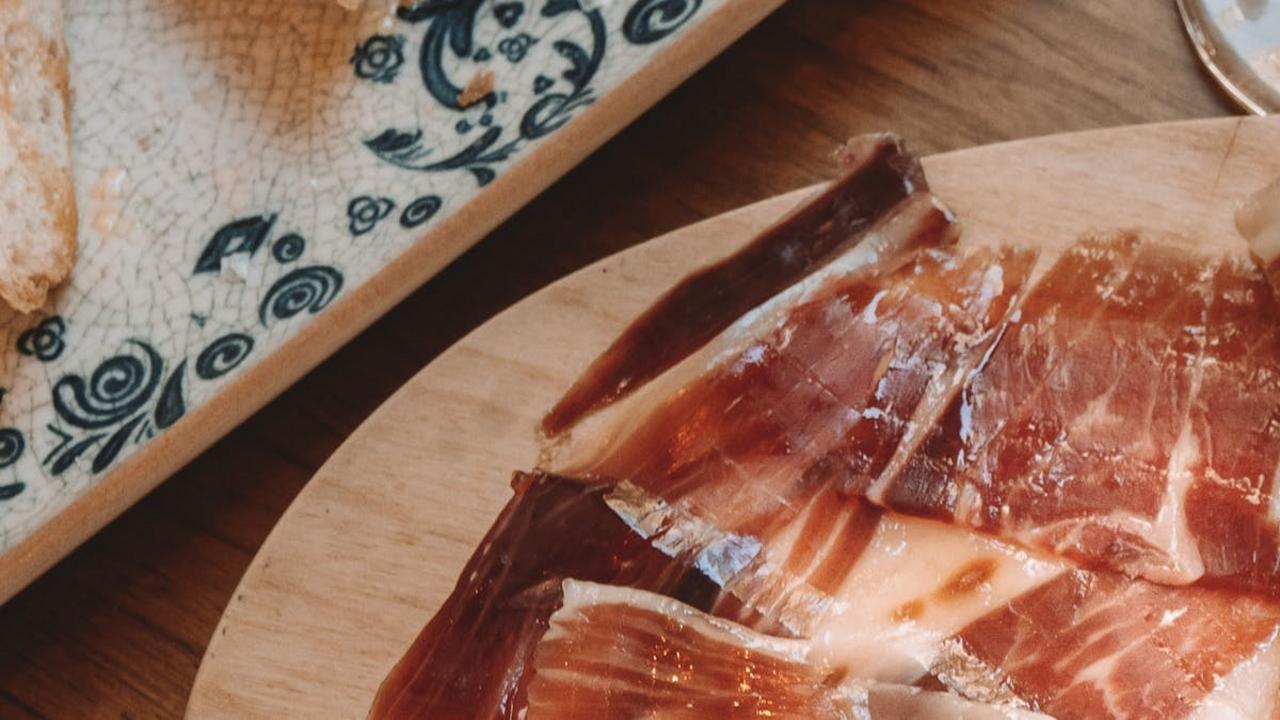
You know that moment when you taste something so extraordinary it stops you mid-bite? That’s exactly what happens with authentic Iberico ham from Spain. This isn’t your everyday deli meat – we’re talking about paper-thin slices of pure magic that can cost upwards of $100 per pound. The black Iberian pigs roam oak forests, feasting on acorns that give their meat an incredibly rich, nutty flavor profile unlike anything you’ve experienced. The curing process takes years, not months, and master ham makers guard their techniques like family secrets.
What makes this ham so special goes beyond just the price tag. These pigs live freely in Spanish dehesas, developing marbled fat that melts on your tongue at body temperature. The acorn diet creates a complex flavor that shifts from sweet to savory with hints of hazelnut and grass. I’ve watched wealthy food lovers serve this ham simply – no bread, no cheese, just thin slices on a warm plate so the fat glistens perfectly. The finest grade, “bellota,” comes from pigs that eat only acorns during their final months, creating meat so buttery and complex that a small portion becomes a complete sensory experience worth every penny of its astronomical cost.
Almas Caviar
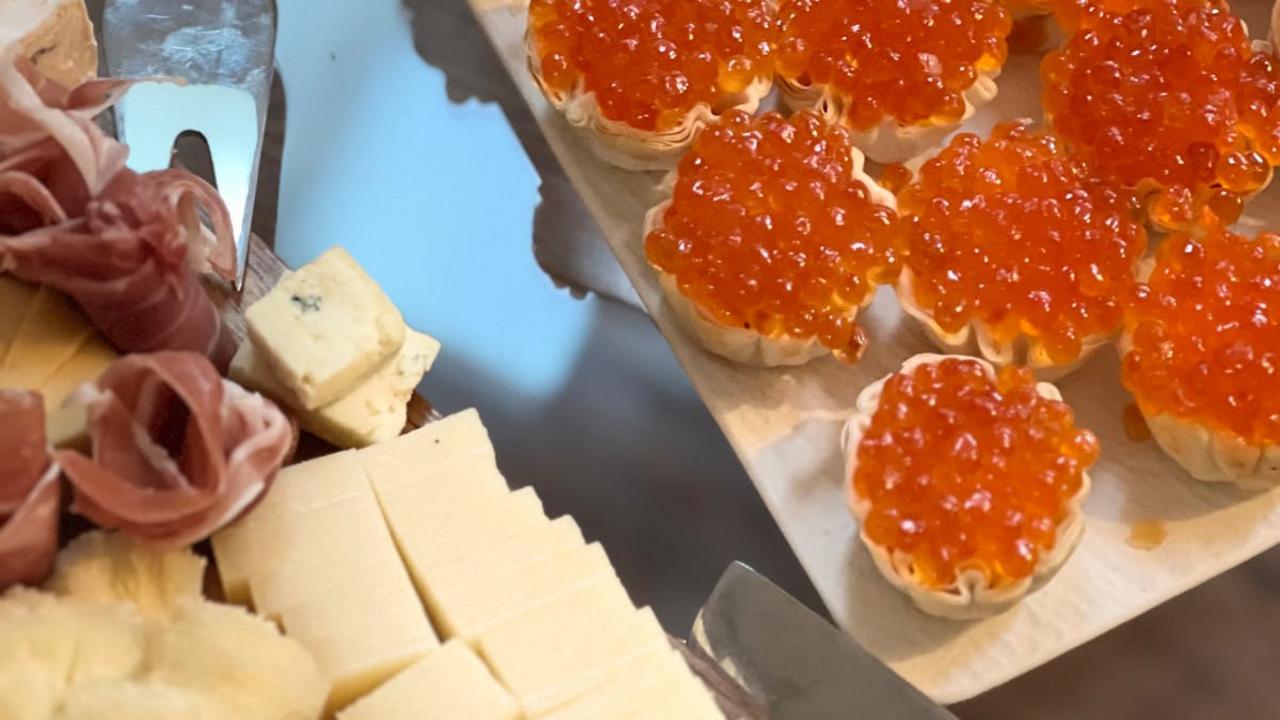
You know, I’ve spent years creating recipes from scratch, turning simple ingredients into something magical, but Almas caviar sits in a completely different universe from anything I work with in my kitchen. This isn’t your typical sturgeon roe – we’re talking about eggs from albino beluga sturgeon that can live over 100 years, sourced exclusively from the Caspian Sea. The price? Around $25,000 per kilogram, making it more expensive than gold by weight. The wealthy don’t just eat this occasionally; some incorporate it into their daily dining rituals, treating these pearl-like spheres as casually as I might sprinkle sea salt on my homemade sourdough.
What fascinates me most about Almas caviar is how it represents the ultimate in unprocessed, natural luxury – something I deeply respect even if I can’t afford it. These golden-white eggs burst with a creamy, buttery flavor that’s reportedly so pure and clean, it needs no accompaniment beyond a mother-of-pearl spoon. While I focus on making wholesome meals accessible to everyone, I appreciate how this ingredient showcases nature’s own perfection without any human interference. For the ultra-wealthy, a small spoonful becomes their daily indulgence, a moment of pure gastronomy that connects them to centuries-old traditions of preserving and celebrating the ocean’s finest offerings.
Matsutake Mushrooms

You know how I’m always talking about finding those special ingredients that transform a simple dish into something extraordinary? Well, matsutake mushrooms are exactly that kind of treasure, though they’ll cost you more than your monthly grocery budget. These aromatic Japanese fungi can run anywhere from $1,000 to $2,000 per pound during peak season, making them one of the most expensive mushrooms in the world. What makes them so precious isn’t just their scarcity – they grow wild in specific forest conditions and can’t be commercially cultivated – but their incredibly distinctive spicy, piney fragrance that’s absolutely intoxicating.
I’ve been lucky enough to cook with matsutake a few times, and trust me, the experience stays with you forever. The wealthy eat these beauties simply – often just grilled with a touch of salt or incorporated into traditional Japanese dishes like matsutake gohan (rice with mushrooms). Their flavor is complex and earthy, with notes that remind me of cinnamon and autumn forests. What I love most about cooking with premium ingredients like these is how they teach you restraint; when something costs this much and tastes this incredible, you learn to let the ingredient shine without overwhelming it with too many competing flavors. For most of us home cooks, we can capture some of that magic with more affordable wild mushrooms, but matsutake remains the holy grail of the mushroom world.
Saffron
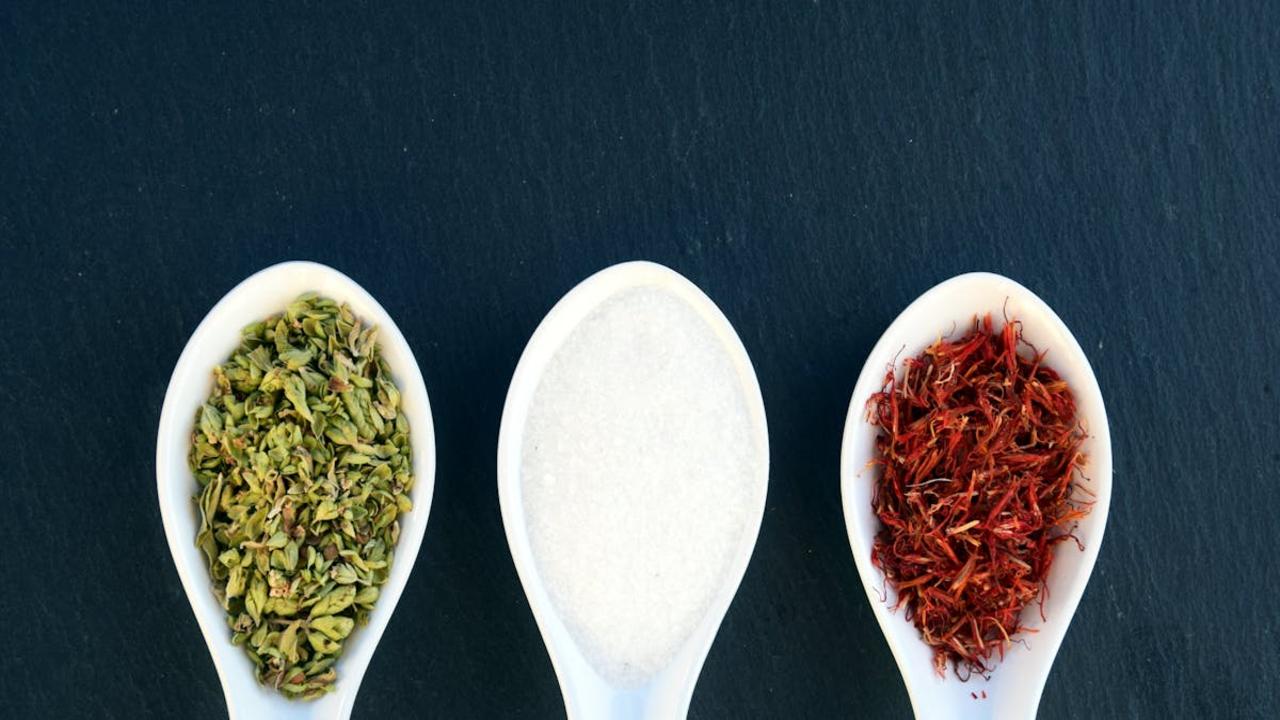
You know that moment when you open a small tin of saffron and catch that intoxicating aroma? Those crimson threads cost more than gold by weight, and honestly, I understand why wealthy food lovers keep this spice stocked in their pantries daily. Real saffron comes from the Crocus flower, and each bloom produces just three precious stigmas that must be hand-picked at dawn. It takes around 150 flowers to yield a single gram, which explains why authentic saffron can run you $5,000 per pound.
I’ve learned to treat saffron like liquid gold in my kitchen, blooming just a pinch in warm milk or broth before adding it to my dishes. The wealthy sprinkle this treasure into everything from their morning rice pudding to evening bouillabaisse, creating that distinctive golden hue and complex flavor that screams luxury. While most of us save saffron for special occasions, the ultra-rich use it daily in simple dishes like scrambled eggs or roasted vegetables, transforming ordinary ingredients into something extraordinary. The difference between real saffron and those cheap imitations is astronomical – authentic threads give you that honey-like sweetness with metallic notes that no substitute can match.
Foie Gras
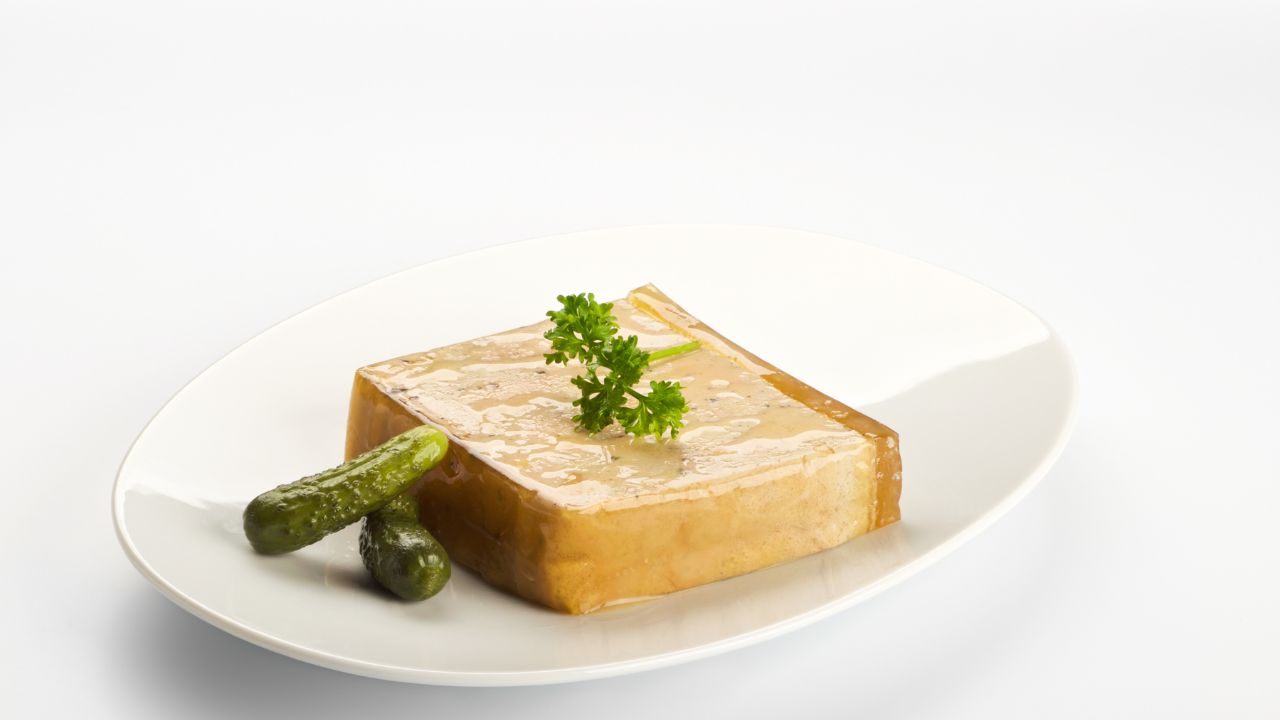
You know, when I first encountered foie gras at a high-end restaurant years ago, I was struck by how this controversial delicacy represents the ultimate luxury food divide. This buttery, rich liver from specially fed ducks or geese can cost upwards of $50 per pound – and that’s just for the raw product. The wealthy don’t just order it occasionally; they keep it stocked in their kitchens like we might keep regular chicken liver. What makes it so expensive? The labor-intensive feeding process and strict regulations mean supply stays limited while demand from exclusive restaurants and affluent households keeps prices sky-high.
From a cook’s perspective, foie gras requires zero seasoning – its natural richness speaks for itself when simply seared. But here’s what fascinates me: while the wealthy enjoy this daily, most of us can create incredibly satisfying dishes using regular chicken livers with similar techniques. I’ve developed recipes using everyday ingredients that capture that same luxurious mouthfeel through proper cooking methods and thoughtful flavor layering. The real difference isn’t always the ingredient itself – sometimes it’s about understanding how to coax maximum flavor from what you have access to, creating your own version of luxury at home.
Kobe Beef
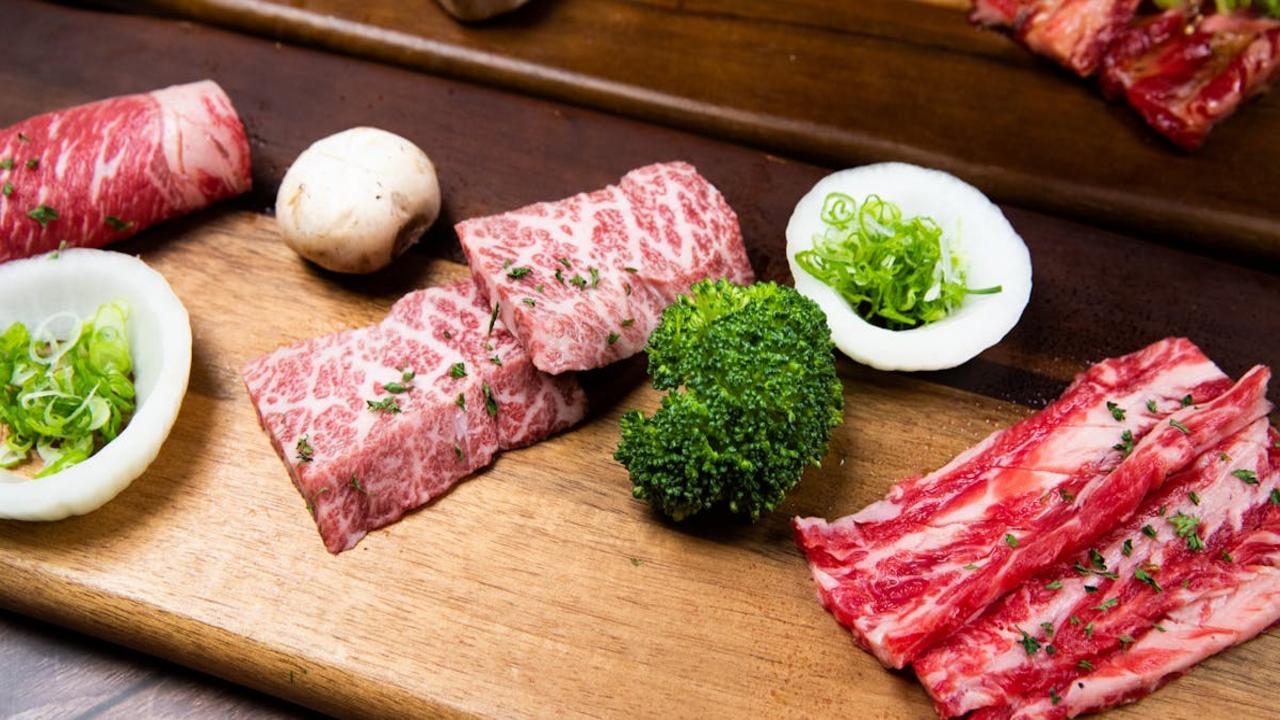
You know how some ingredients make you pause and wonder if they’re worth the astronomical price? Kobe beef sits at the very top of that list, commanding prices that can reach $300 per pound or more. This Japanese delicacy comes from Tajima-gyu cattle raised in Japan’s Hyogo Prefecture, where farmers follow centuries-old traditions that include feeding cattle beer and providing regular massages. The result creates marbling so intricate it looks like edible artwork, with fat distribution that melts at body temperature and delivers an incredibly rich, buttery flavor that’s unlike any other beef you’ve experienced.
What makes Kobe beef so special goes beyond just marketing hype – the strict regulations mean only a tiny fraction of cattle meet the grade requirements each year. I’ve watched wealthy food enthusiasts describe their first Kobe experience with genuine reverence, and honestly, I understand why. The texture dissolves on your tongue with minimal chewing, releasing waves of umami that make regular steaks seem ordinary by comparison. While most of us might splurge on prime ribeye for special occasions, the ultra-wealthy treat authentic Kobe beef as their regular protein choice, often paying more for a single serving than many families spend on groceries in a week.
Caviar
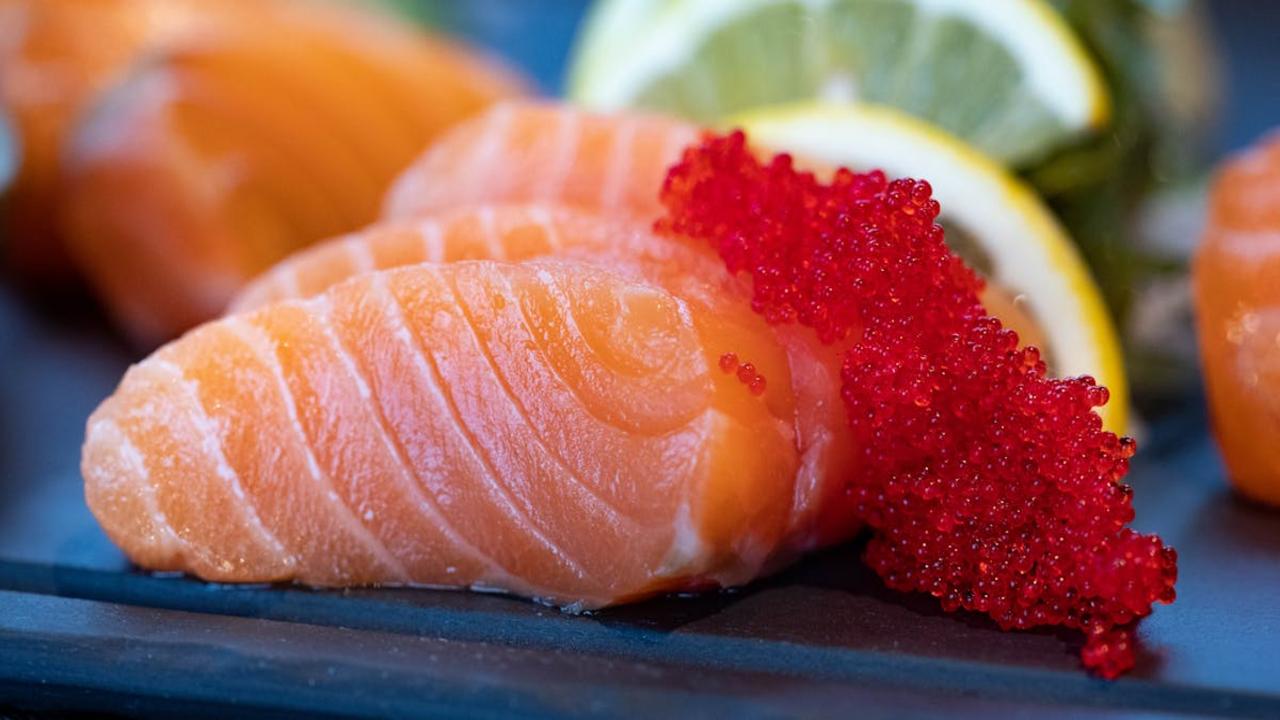
You know those tiny, glistening pearls that seem to whisper luxury with every bite? Caviar has always fascinated me as someone who believes in understanding where our food comes from. These salt-cured fish eggs, traditionally from sturgeon swimming in the Caspian Sea, represent one of nature’s most concentrated flavor experiences. The wealthy don’t just sprinkle this on special occasions – they enjoy it regularly, sometimes daily, spooning it directly onto mother-of-pearl spoons or pairing it with simple blinis and crème fraîche.
What strikes me most about caviar is how it connects to my philosophy of letting ingredients speak for themselves. The best caviar needs nothing more than a gentle touch – no heavy seasonings or complicated preparations that would mask its pure, oceanic essence. While most of us might save up for a small tin during celebrations, the ultra-wealthy treat premium varieties like Beluga or Ossetra as daily indulgences. They understand that real caviar offers something beyond mere status – it provides an intense burst of umami that transforms even the simplest meal into something memorable. The price reflects not just rarity, but the decades it takes for sturgeon to mature and produce these precious eggs.