12 Irresistible Foods You Need to Taste Before You Hit 50
You know that thrill of finding hidden food gems? I’ve tracked down 12 incredible ingredients that’ll make your mouth water and your friends ask “Where have these been all my life?” From the sweet-meat magic of jackfruit to the caviar-like burst of finger limes, these foods pack serious wow-factor.
Think black garlic’s deep umami notes, the nutty crunch of lupin beans, and the earthy sweetness of sunchokes. Some might sound strange at first – like natto’s sticky-strong personality or perilla’s minty-basil kick – but trust me, each one brings something special to your plate.
Ready to shake up your shopping list? These 12 ingredients will transform your kitchen into a playground of new flavors and textures. Whether you’re a seasoned cook or just starting out, each food opens up a world of mouthwatering possibilities.
Black Sapote
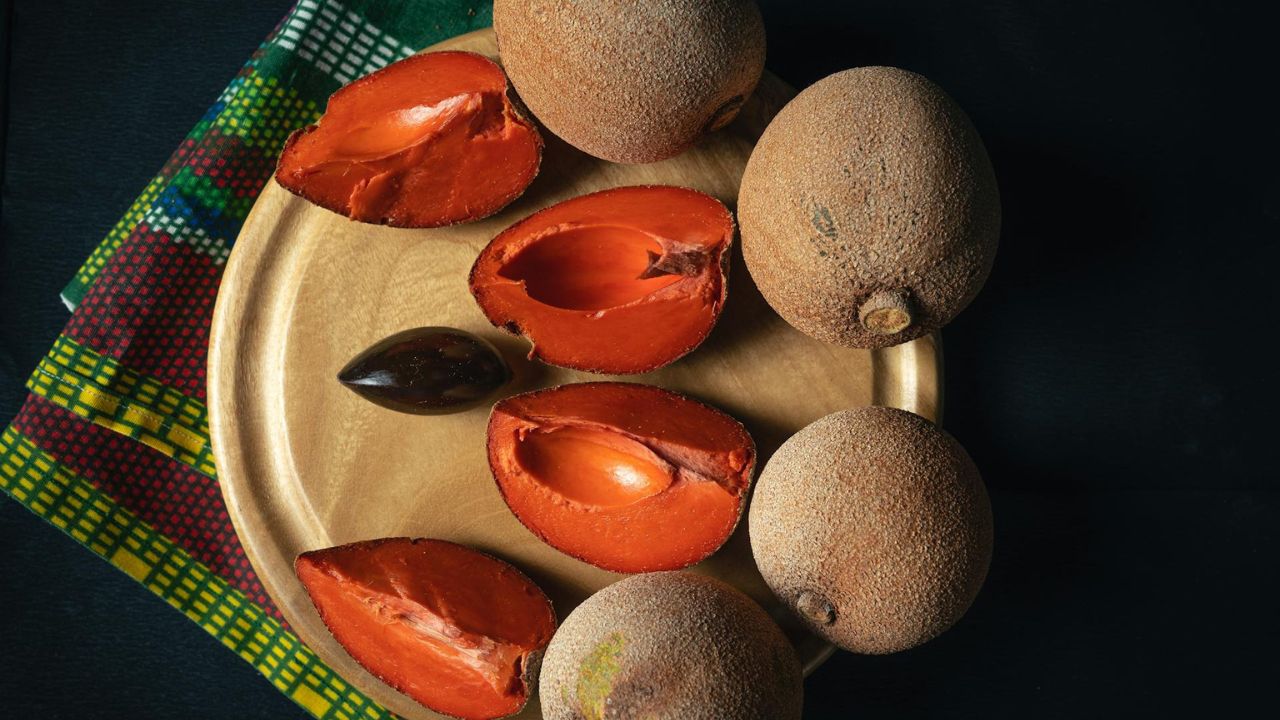
I bet you’ve never heard anyone call chocolate pudding “the fruit of the gods,” but that’s exactly what you’ll think when you bite into a black sapote! This funky fruit, native to Mexico and Central America, looks like a regular persimmon on the outside, but slice it open when it’s perfectly ripe and – BAM! – you’ll find a rich, dark brown flesh that tastes just like chocolate mousse. No kidding! The best part? You get all that decadent chocolate flavor without the guilt since black sapotes pack loads of vitamin C and calcium.
Want to level up your dessert game? Wait until your black sapote turns super soft (almost mushy) and the skin becomes a deep olive-brown color. Then scoop out that creamy goodness and blend it with vanilla ice cream or whip it into a smoothie. My favorite trick? Mix the pulp with a dash of coffee liqueur and spread it on toast – instant chocolate breakfast! Just remember, if you eat it before it’s fully ripe, you’ll pucker up faster than if you’d eaten a whole lemon – the unripe fruit is super astringent. Trust me, I learned that one the hard way!
Pomelo
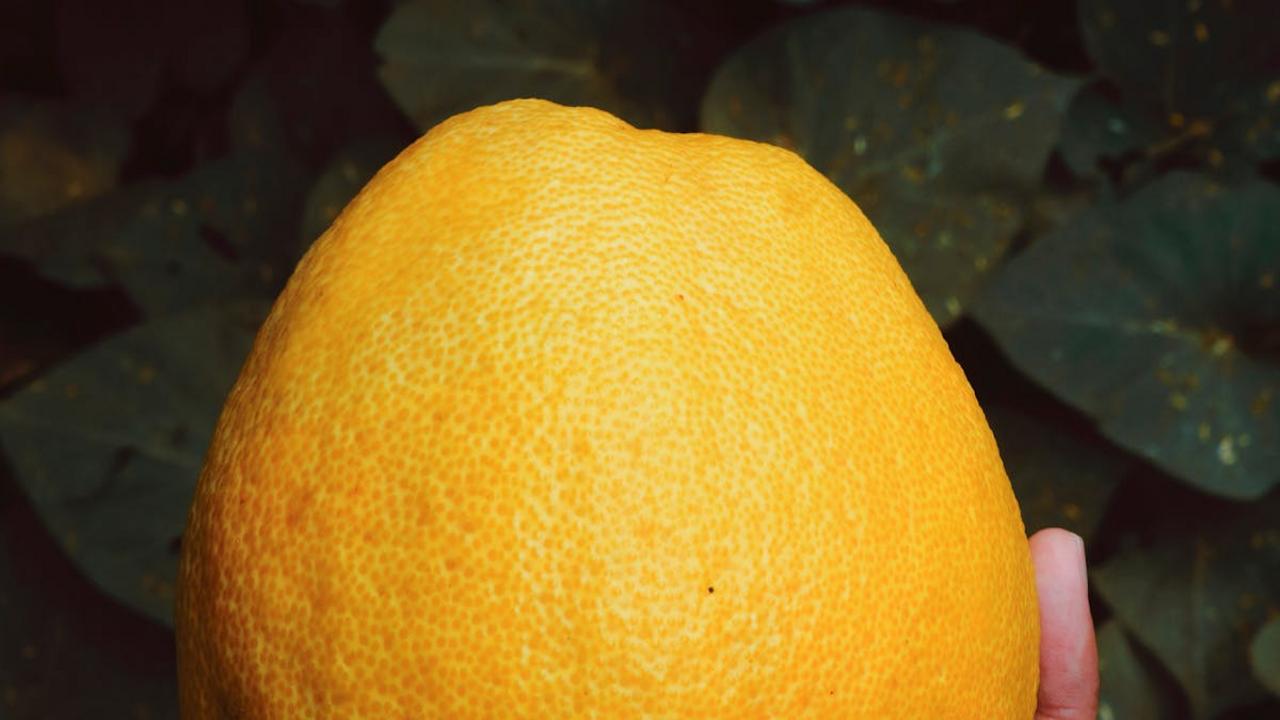
Think of a grapefruit’s cool older cousin who spent a gap year backpacking through Southeast Asia – that’s a pomelo for you! This giant citrus fruit, often weighing up to 2 pounds, packs a sweet-tart punch without the bitter bite you’d expect from its grapefruit relatives. I discovered these beauties at a Thai market where the vendor showed me the proper way to peel one: score the thick, spongy rind into sections and pull it away like you’re unwrapping the world’s most delicious present. The segments inside shine like little jewels, ranging from pale yellow to rosy pink.
Raw pomelo segments make an incredible snack, but you haven’t lived until you’ve tossed them into a spicy Thai salad with shrimp and peanuts. The fruit’s mild sweetness and firm texture hold up beautifully against bold flavors, and it doesn’t turn mushy like other citrus fruits might. Fun fact: pomelos are actually one of the original citrus species from which many others evolved – including grapefruits, which are actually a hybrid between pomelos and oranges. Next time you spot these green-yellow giants at your local Asian market, grab one and prepare for a citrus adventure that’ll make regular grapefruits seem downright boring!
Chayote
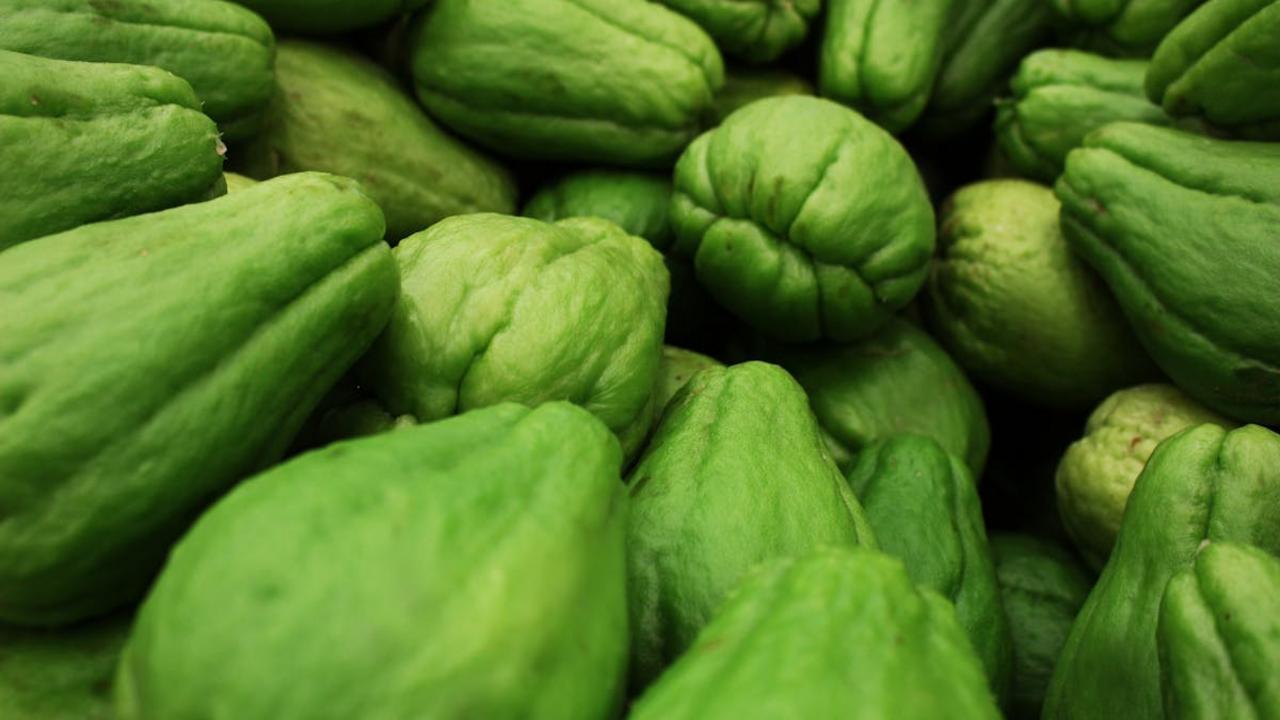
You’ll find this pear-shaped green squash hiding in Mexican and Central American markets, looking like a wrinkly avocado that got lost at the gym. Chayote brings a refreshing crunch and subtle sweetness that’ll make your regular vegetables seem boring in comparison. I love tossing raw chayote into salads for that water chestnut-like bite, or stuffing it with cheese and popping it in the oven until it gets all melty and amazing. The best part? You can eat every single part of this quirky veggie – skin, seed, shoots, leaves, and all!
Want to jazz up your dinner rotation? Slice your chayote into matchsticks and stir-fry them with ginger and garlic – they’ll stay crisp and absorb all those gorgeous flavors. Or do what my Mexican grandmother-in-law taught me: simmer them in chicken broth with corn and poblano peppers for a cozy soup that’ll warm your soul. Just remember to handle these babies with care – some varieties have tiny spines that can make your hands tingle. Trust me, I learned that one the hard way during my first chayote chopping adventure!
Teff
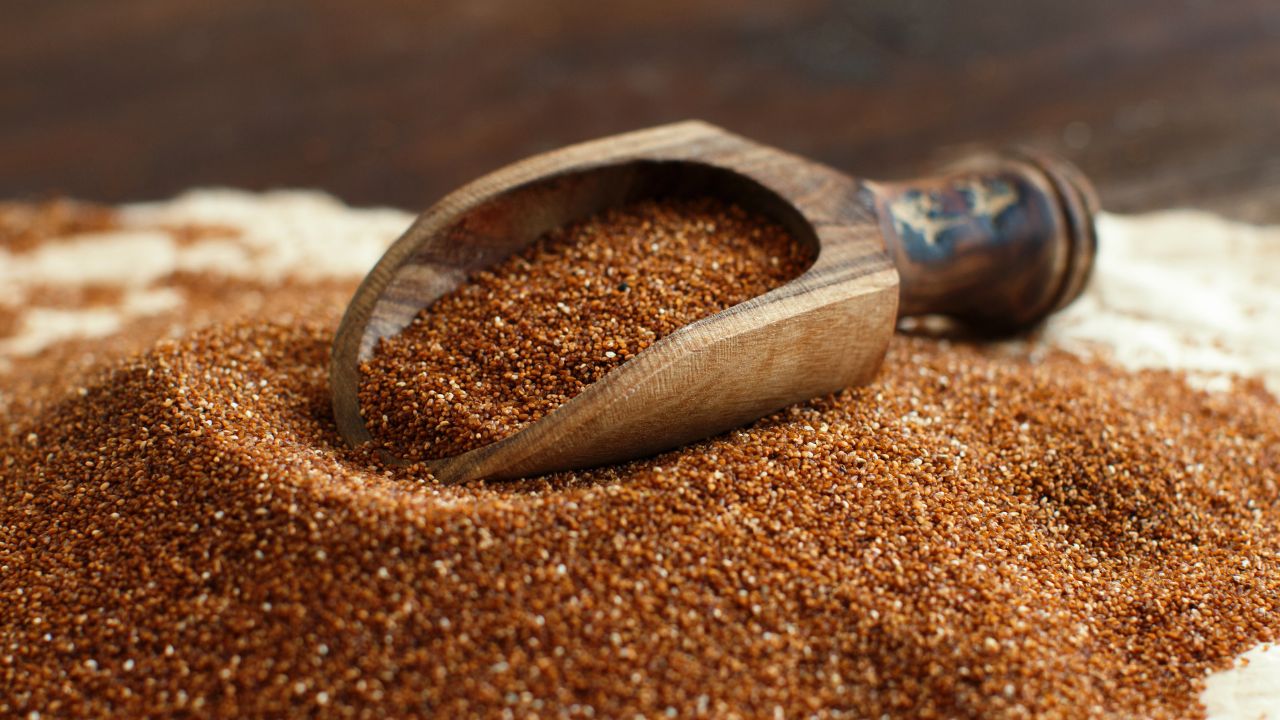
Hey, did you know there’s a tiny grain that packs more calcium than any other grain in the world? Meet teff, the minuscule powerhouse from Ethiopia that’s smaller than a poppy seed but brings mega nutrition to your plate! I discovered this ancient grain during a cooking class, and now I can’t stop adding it to everything from breakfast porridge to chocolate cakes. The nutty, slightly sweet flavor reminds me of hazelnuts mixed with a hint of molasses – it’s absolutely divine when you toast it first!
If you’ve never cooked with teff, you’re missing out on some serious kitchen magic. Mix it into your pancake batter for a protein boost that’ll keep you full until lunch, or simmer it with almond milk and cinnamon for a creamy breakfast that’ll make oatmeal jealous. My favorite trick? Use teff flour to make injera, the spongy Ethiopian flatbread that’s perfect for scooping up spicy stews. The fermentation process gives it this amazing sourdough tang that’ll make your regular bread look boring. Plus, it’s gluten-free, so your gluten-sensitive friends can finally join the bread party!
Perilla Leaves
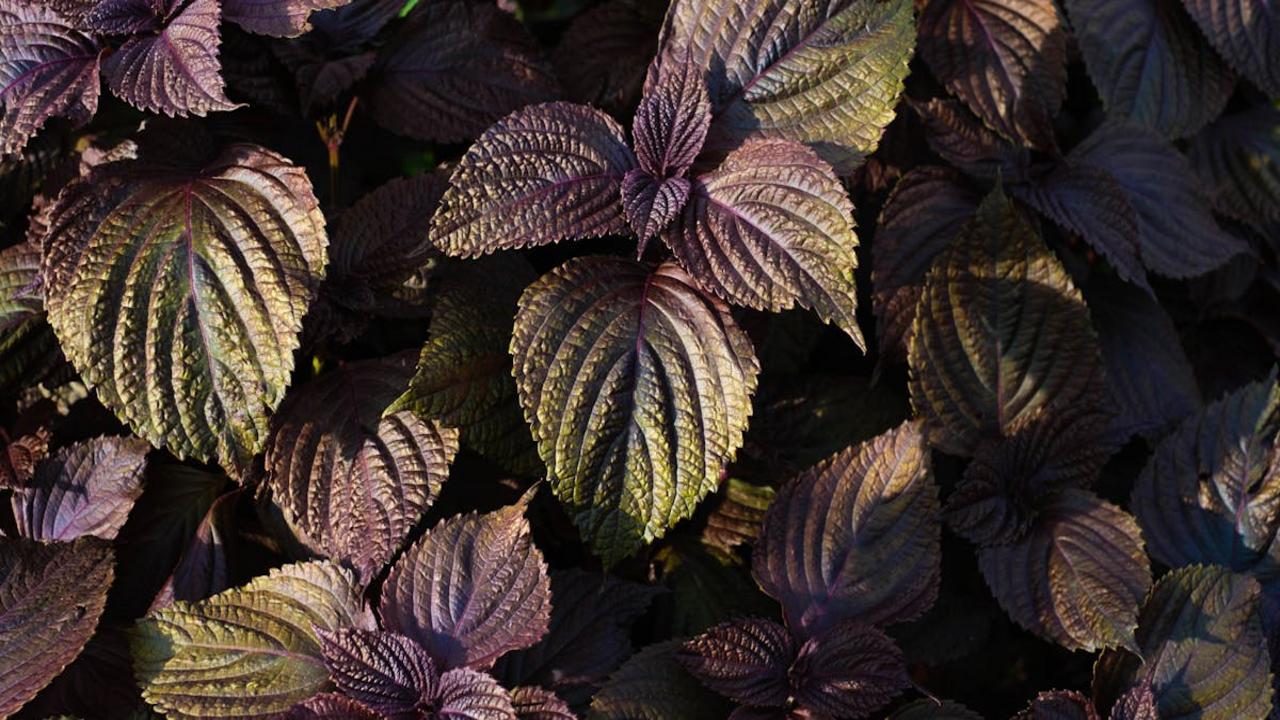
Think mint leaves had a wild night out with sesame and came back with a totally new attitude – that’s perilla for you! These gorgeous purple-green leaves pack such a unique punch that I had to double-check I wasn’t eating some magical herb from a fantasy novel. Popular in Korean, Japanese, and Vietnamese cooking, perilla brings a distinctive nutty, minty, and slightly licorice-like flavor that’ll make your regular basil jealous. I love wrapping grilled meat in these babies or chopping them up into my summer rolls for an instant flavor upgrade.
You’ll find perilla leaves (also called shiso in Japan) dancing through everything from pickles to tempura. My favorite way to enjoy them? Grab a fresh leaf, add a little rice, some grilled pork belly, and a dab of ssamjang sauce – roll it up and boom! You’ve got yourself a perfect bite of heaven. Just a heads up – once you start cooking with perilla, your kitchen herbs will never be the same. These leaves aren’t just garnish; they’re the life of the party, bringing both flavor and flair to any dish they grace.
Natto
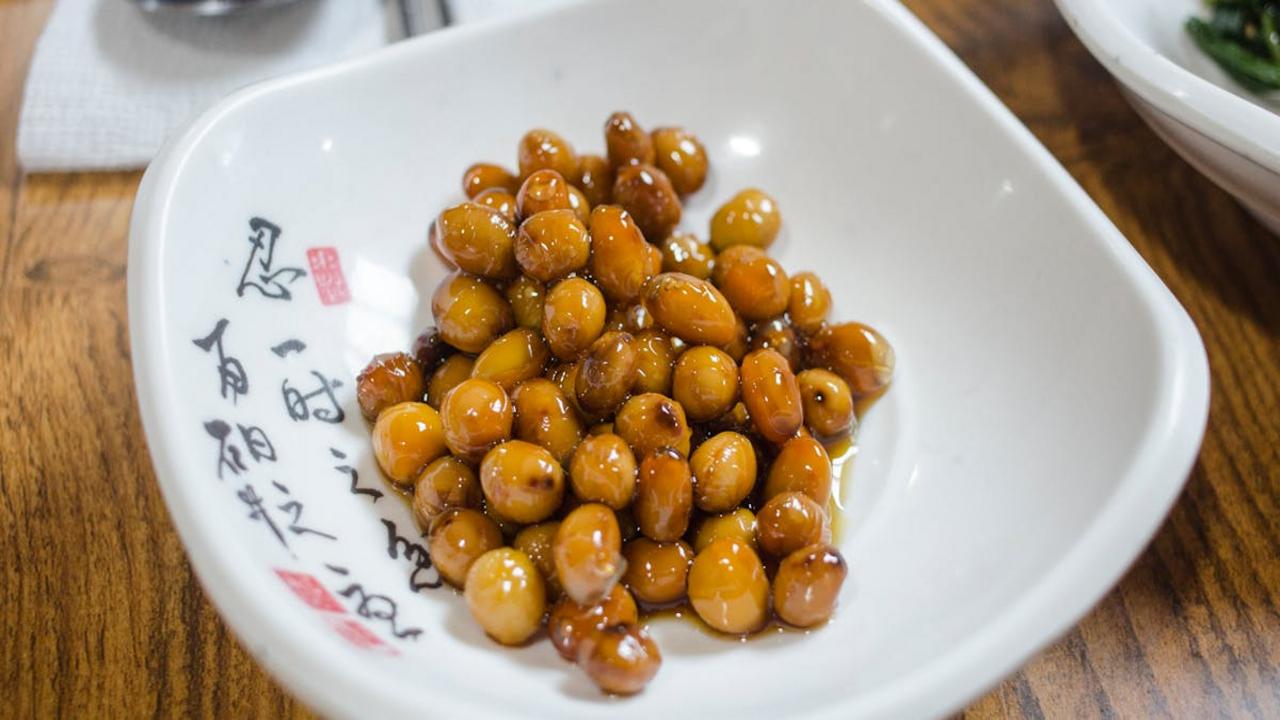
Get ready to meet Japan’s most notorious breakfast buddy – natto! These sticky, stringy fermented soybeans pack a funky punch that’ll make your nose do a double-take. Think spider web meets beans, with strings that stretch like melted mozzarella on steroids. But don’t let its unusual appearance fool you – this humble superfood bursts with protein, probiotics, and vitamin K2. Japanese grandmas have sworn by natto’s health benefits for centuries, claiming it keeps their bones strong and their hearts happy.
I won’t sugarcoat it – your first bite of natto might feel like a challenge. The texture bounces between slimy and chewy, while the aroma reminds some folks of aged cheese having a party with coffee grounds. But mix it with spicy mustard, chopped green onions, and a dash of soy sauce over hot rice, and you’ll discover why millions of Japanese people start their day with this peculiar powerhouse. Plus, watching your friends’ faces when they try it for the first time? Pure entertainment gold! Just remember – the longer you chew, the more the nutty, savory flavors shine through.
Finger Limes
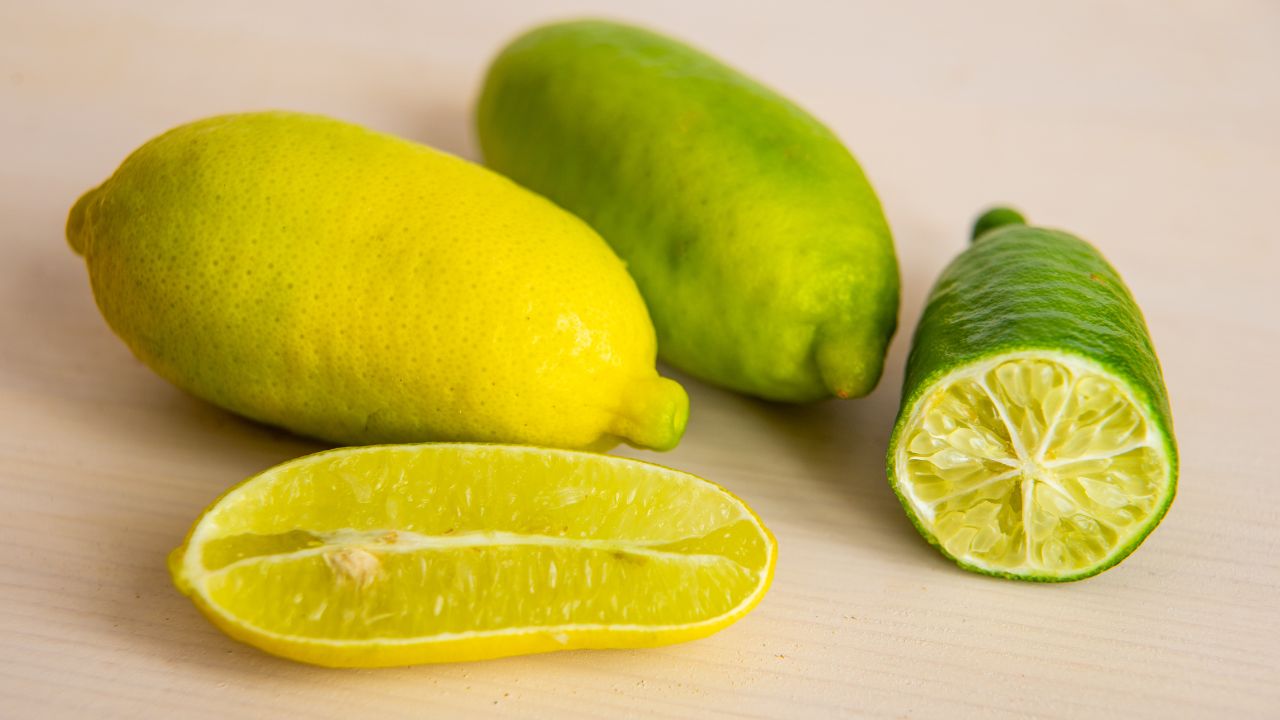
Picture this: you’re slicing into what looks like a tiny cucumber, but instead of seeds, luminous pearls burst out like citrus caviar! That’s the magic of finger limes, those quirky Australian natives that’ll make you wonder why you hadn’t discovered them sooner. Each pearl pops with a zingy lime flavor that’ll send your taste buds into a happy dance. I’ve sprinkled these gems on everything from oysters to ice cream, and they never fail to make my guests gasp with delight at their first bite.
The best part about finger limes? They’re not just a pretty garnish – they pack a serious vitamin C punch and add an incredible textural element to any dish. You can find them at specialty markets between November and May, though they might cost you a pretty penny. My favorite way to use them? Roll one between your palms to loosen up those pearls, slice it lengthwise, and squeeze the caviar onto grilled fish tacos. The tiny bursts of citrus create such an amazing contrast with the smoky fish that you’ll wonder how you ever ate tacos without them!
Black Garlic
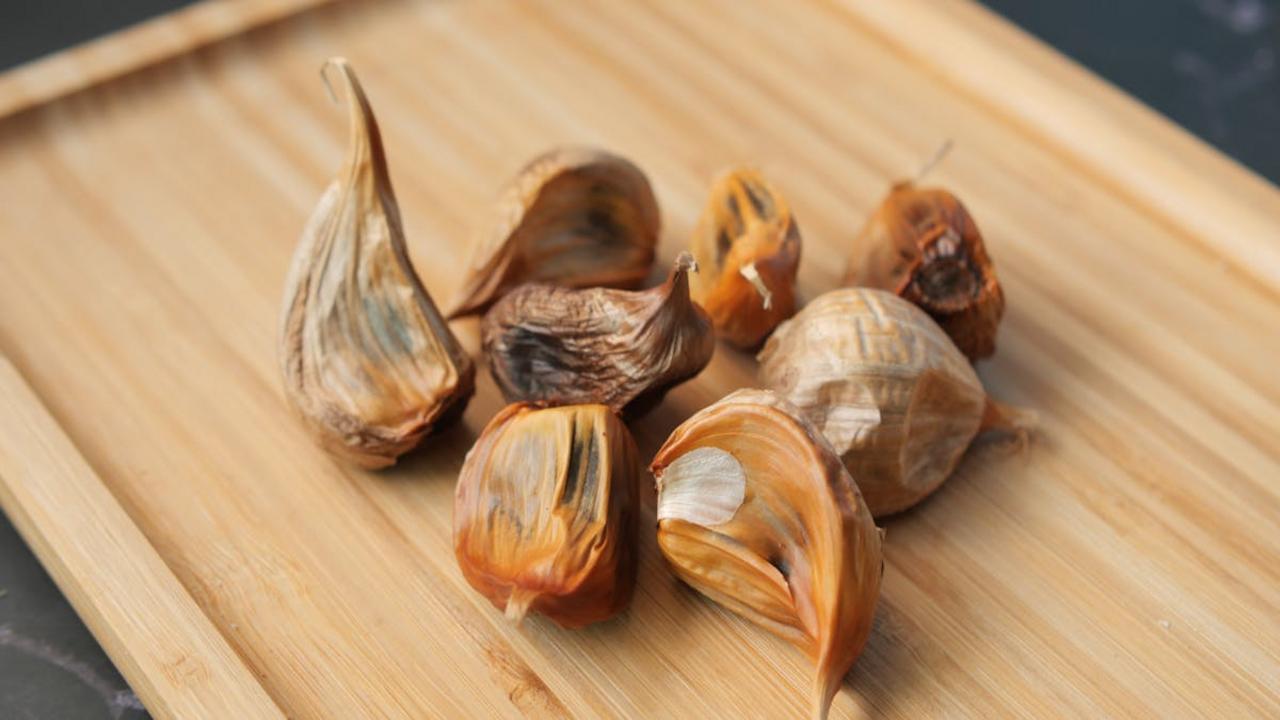
If regular garlic had a mysterious, brooding cousin who spent a month at a spa, you’d get black garlic! Through a slow heating process that takes several weeks, ordinary garlic transforms into something extraordinary – jet-black cloves with a sweet, tangy flavor reminiscent of balsamic vinegar and tamarind. I swear, the first time I tasted it, I couldn’t believe this umami bomb started life as plain old garlic. The texture becomes soft and chewy, like a dried fruit, while the harsh garlicky bite mellows into something almost caramel-like.
You’ll find black garlic stealing the show in high-end restaurants, but you can totally rock it at home too. Mash it into butter for the most incredible garlic bread ever, blend it into aioli for next-level sandwiches, or do what I do – sneak the cloves straight from the jar when nobody’s looking! Korean cooks have been hip to black garlic for centuries, using it both as food and medicine. Some say it packs even more antioxidants than regular garlic, but honestly, I’m just here for that mind-blowing flavor that makes everything from pasta to roasted veggies taste like they came from a fancy restaurant.
Watercress
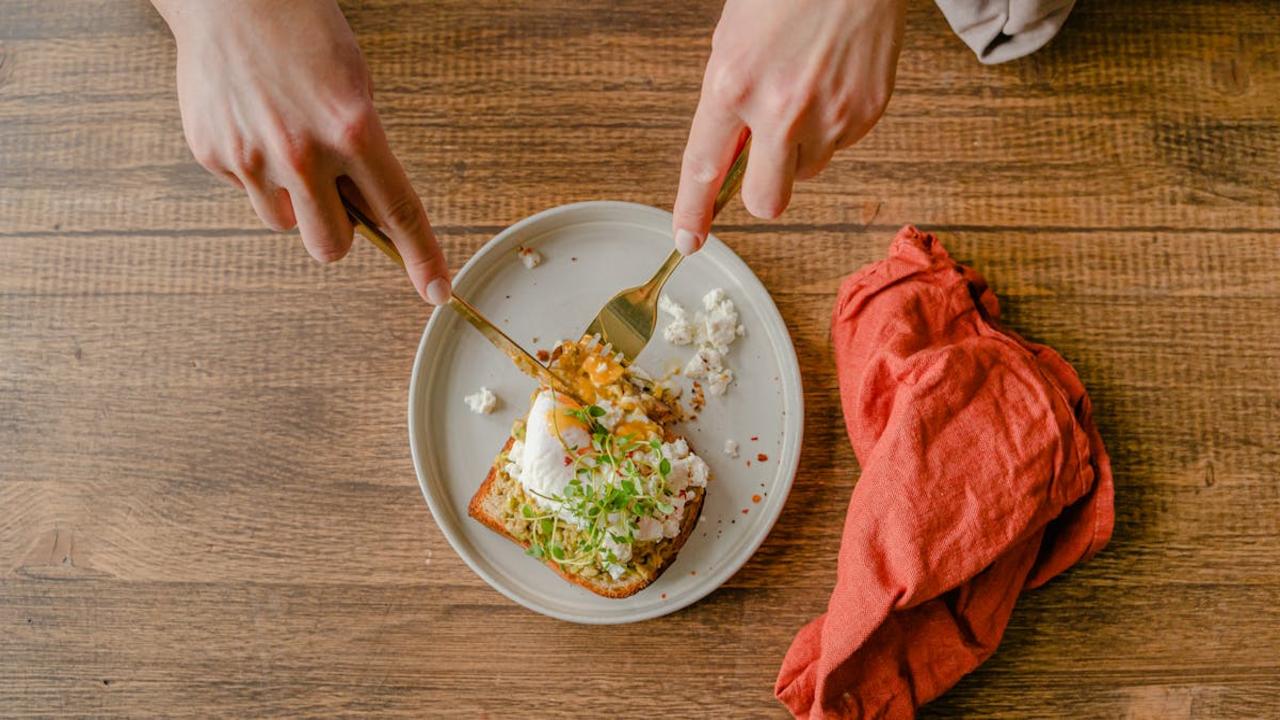
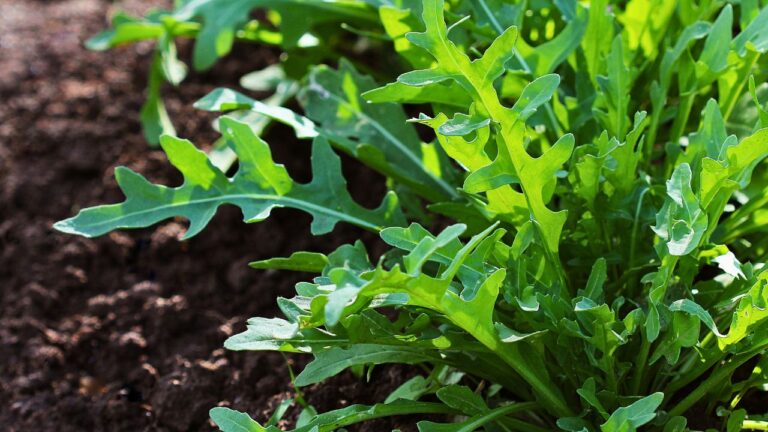
I can’t believe how many people overlook watercress! This peppery little green powerhouse packs more vitamin C than oranges and more calcium than milk. You’ll find it hiding in the produce section, looking all innocent with its tiny leaves, but don’t be fooled – it delivers a punch of flavor that’ll wake up your whole mouth. My grandmother used to grow it wild by her stream in Vermont, and she’d snip fresh bunches for her legendary egg salad sandwiches that made every family picnic unforgettable.
Want to make watercress your new favorite green? Toss it raw into salads for an instant zip, blend it into smoothies with apple and ginger, or wilt it slightly in hot soup right before serving. The British have been onto something for centuries with their watercress tea sandwiches – just butter two slices of white bread, pile on fresh watercress, and prepare for the most refreshing sandwich of your life. Plus, this mighty green helps detox your body and gives you glowing skin. Who knew such a small plant could do so much heavy lifting?
Sunchokes
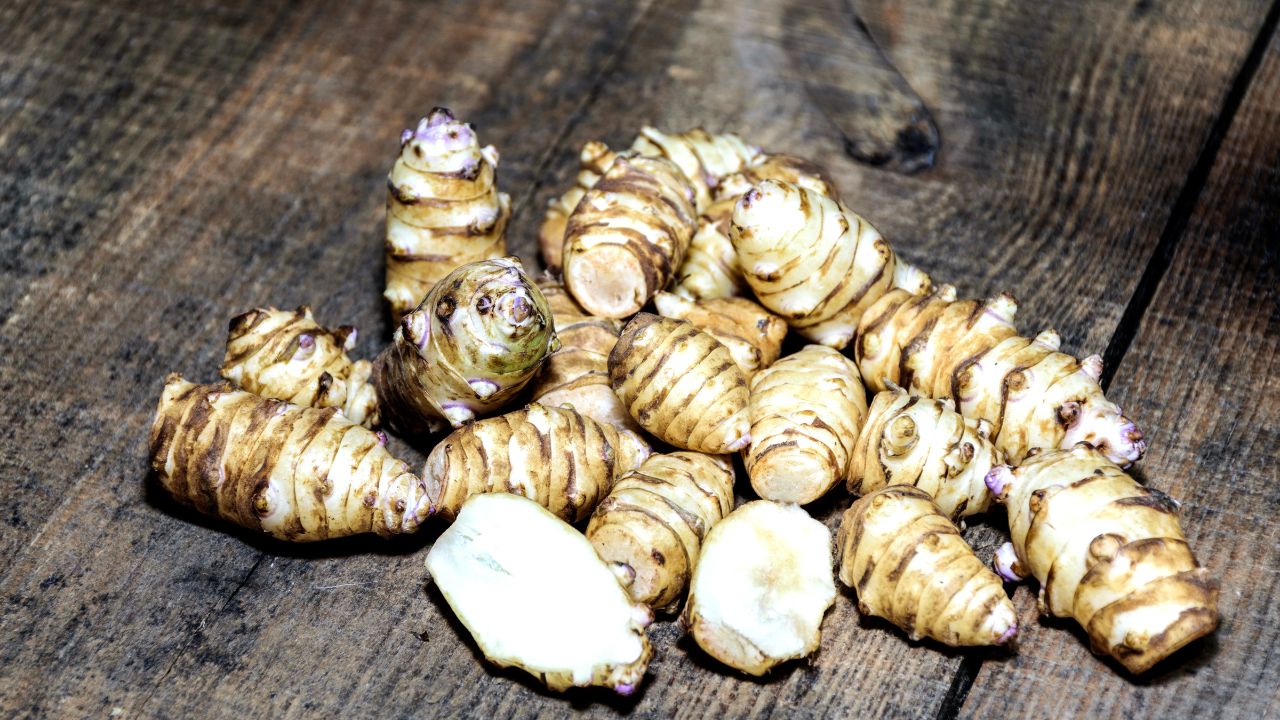
Oh my goodness, why don’t more people know about sunchokes? These knobby little tubers might look like ginger’s weird cousin, but they pack a flavor that’ll make your regular potato feel jealous. Also known as Jerusalem artichokes (though they’re neither from Jerusalem nor artichokes), these sweet and nutty root vegetables have a distinct crunch when raw and turn wonderfully creamy when roasted. I love throwing them into my winter soups or slicing them paper-thin for salads – their subtle sweetness reminds me of water chestnuts mixed with the earthiness of fresh mushrooms.
Here’s a fun fact that’ll win you points at dinner parties: sunchokes contain inulin, a type of fiber that acts as a prebiotic for your gut bacteria. But fair warning – they didn’t nickname them “fartichokes” for nothing! Start small with these beauties. Try roasting them with olive oil, sea salt, and fresh thyme until they turn golden brown and tender. The natural sugars caramelize beautifully, creating crispy edges that’ll have you wondering why you waited so long to give these underground treasures a chance. Just remember to scrub them well – those nooks and crannies can hide quite a bit of dirt!
Lupin Beans
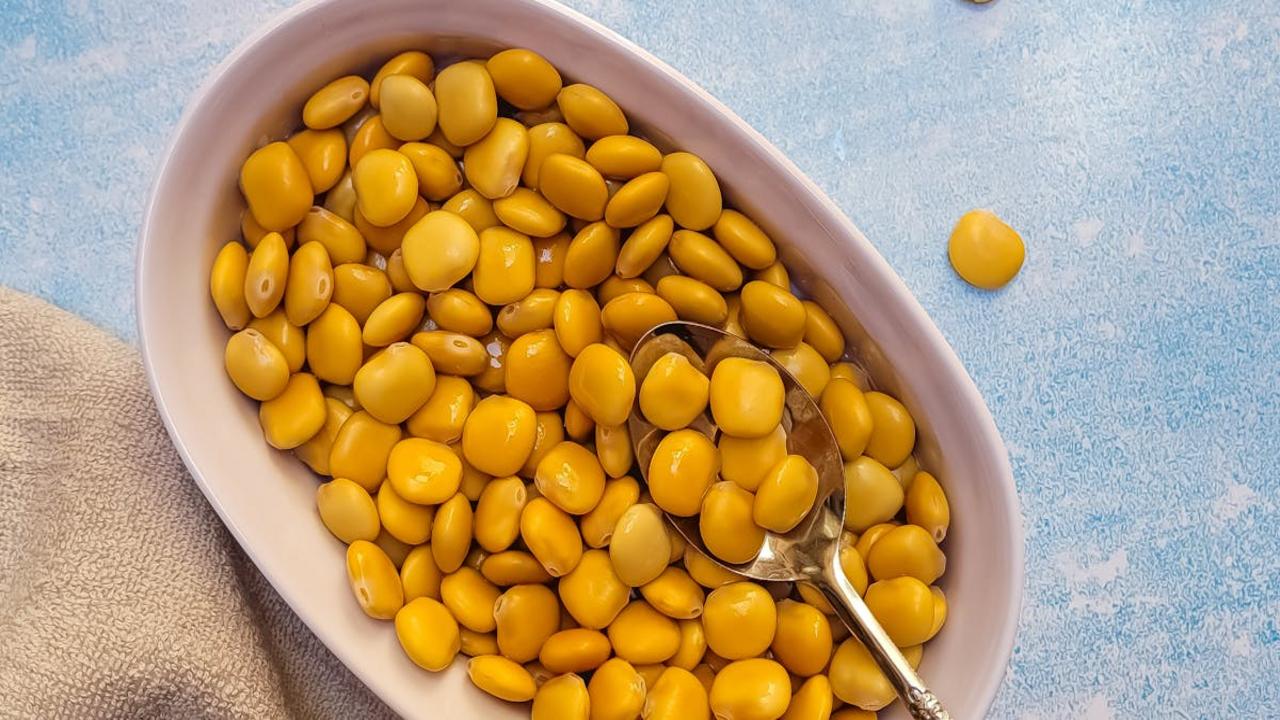
I stumbled upon lupin beans at a tiny Mediterranean deli, and oh my goodness, where had these golden nuggets been all my life? These yellow legumes pack a serious protein punch – even more than soybeans! You’ll find them swimming in salty brine at antipasto bars or dried in bags at specialty stores. Think of them as the Mediterranean’s answer to edamame, but with a buttery, nutty kick that’ll make you wonder why they’re not more popular in the US. Fun fact: Italians munch on these during festivals and celebrations, treating them like beer nuts!
Want to try these protein-packed powerhouses? Just grab some from the brine, pop them out of their outer skin (it’s oddly satisfying, trust me), and snack away! But here’s a pro tip: if you buy them dried, soak them properly and change the water several times – they need this treatment to remove their natural bitterness. My favorite way to enjoy lupins? Toss them in a salad with cherry tomatoes, red onions, and a splash of olive oil. They’re like tiny pearls of sunshine that’ll brighten up any dish while keeping you full for hours!
Jackfruit
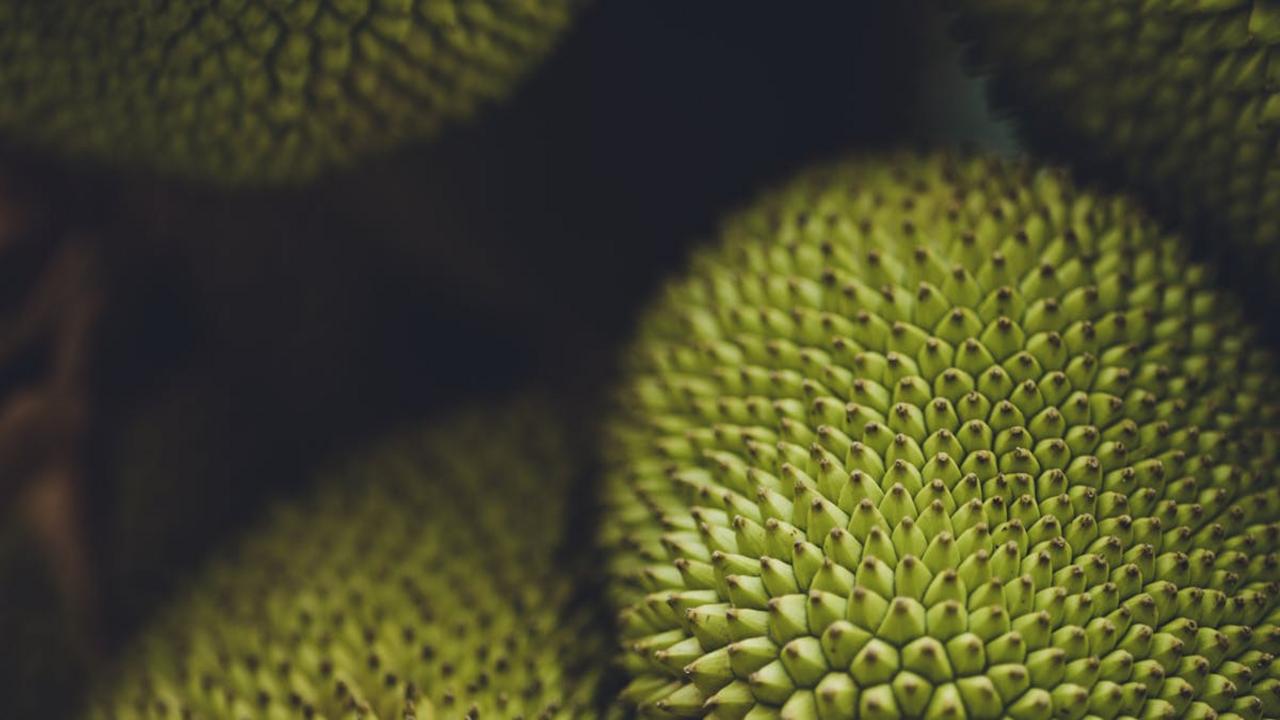
Think of jackfruit as nature’s miracle meat substitute that will make you question everything you know about fruit. This giant, spiky wonder can grow up to 100 pounds and holds hundreds of fleshy yellow pods inside its intimidating exterior. Raw, it gives off sweet notes of banana and pineapple, but cook it up young, and you’ll swear you’re eating pulled pork! I’ve watched countless meat-lovers do a double-take after learning their “BBQ sandwich” was actually this versatile tropical fruit.
Native to South India, jackfruit has become the darling of plant-based cooking, and for good reason. The fruit soaks up flavors like a sponge, making it perfect for tacos, curry, or any dish where you want that meaty texture without the meat. Plus, it’s packed with fiber, potassium, and vitamin C. My favorite way to enjoy it? Tossed in smoky BBQ sauce with crispy coleslaw on a toasted bun. Just remember to wear gloves when cutting fresh jackfruit – that sticky sap means business, and it won’t let go of your kitchen knife without a fight!