14 Smart Kitchen Hacks for Greener Cooking and Less Food Waste
Your kitchen probably produces more waste than a toddler’s art project, but here’s the good news: transforming your cooking space into an eco-friendly powerhouse doesn’t require a PhD in environmental science. Most households throw away roughly 30% of their food purchases—that’s like tossing $1,500 straight into the garbage annually!
These fourteen brilliant hacks will turn you into a green kitchen ninja, saving money while Mother Earth gives you a standing ovation. From smart storage tricks that keep produce fresh longer to clever ways of repurposing vegetable scraps, each tip works double duty.
You’ll discover how simple swaps and mindful habits create ripple effects throughout your entire cooking routine. Ready to cook smarter, waste less, and maybe even impress your neighbors with your newfound eco-wisdom? Your wallet and the planet will thank you.
Keep a Well Organized Refrigerator
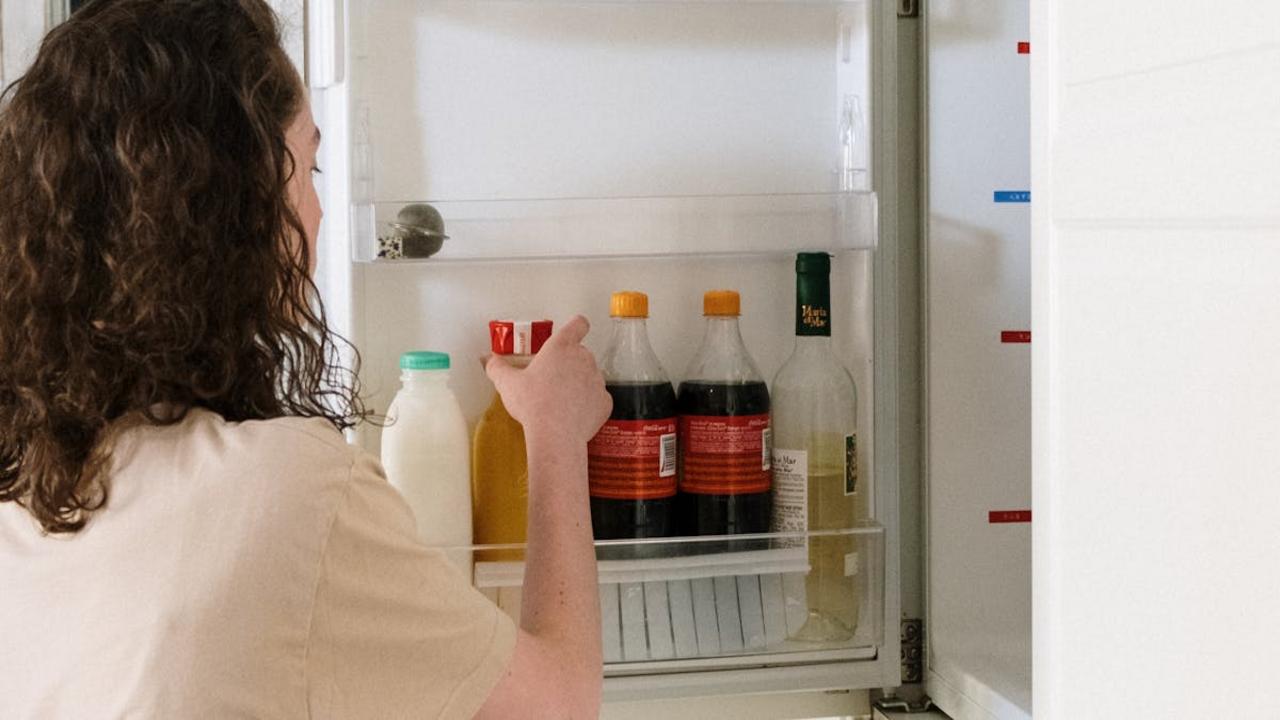
Your fridge shouldn’t look like a crime scene where leftovers go to die! I learned this lesson the hard way when I discovered a container of what I thought was leftover soup but turned out to be a science experiment that could probably cure diseases. A well-organized refrigerator is your secret weapon against food waste, and trust me, it’s more satisfying than solving a jigsaw puzzle. Keep your produce in clear containers so you can actually see what you have – out of sight truly means out of mind when it comes to that bag of spinach hiding behind the pickle jar. Store herbs like fresh flowers in water, and they’ll stay perky for weeks instead of turning into expensive compost.
The magic happens when you designate specific zones: dairy products get the middle shelves where temperatures stay most consistent, while your produce drawer becomes a humidity-controlled paradise for vegetables. Here’s a fun fact that’ll blow your mind – storing apples separately from other fruits can prevent premature ripening because they release ethylene gas (basically fruit’s version of peer pressure). Rotate older items to the front like you’re running a tiny grocery store, and suddenly you’ll find yourself actually using that expensive goat cheese before it grows a fuzzy sweater. Your future self will thank you when you can grab ingredients without playing refrigerator Tetris at dinner time!
Use Glass Storage Containers
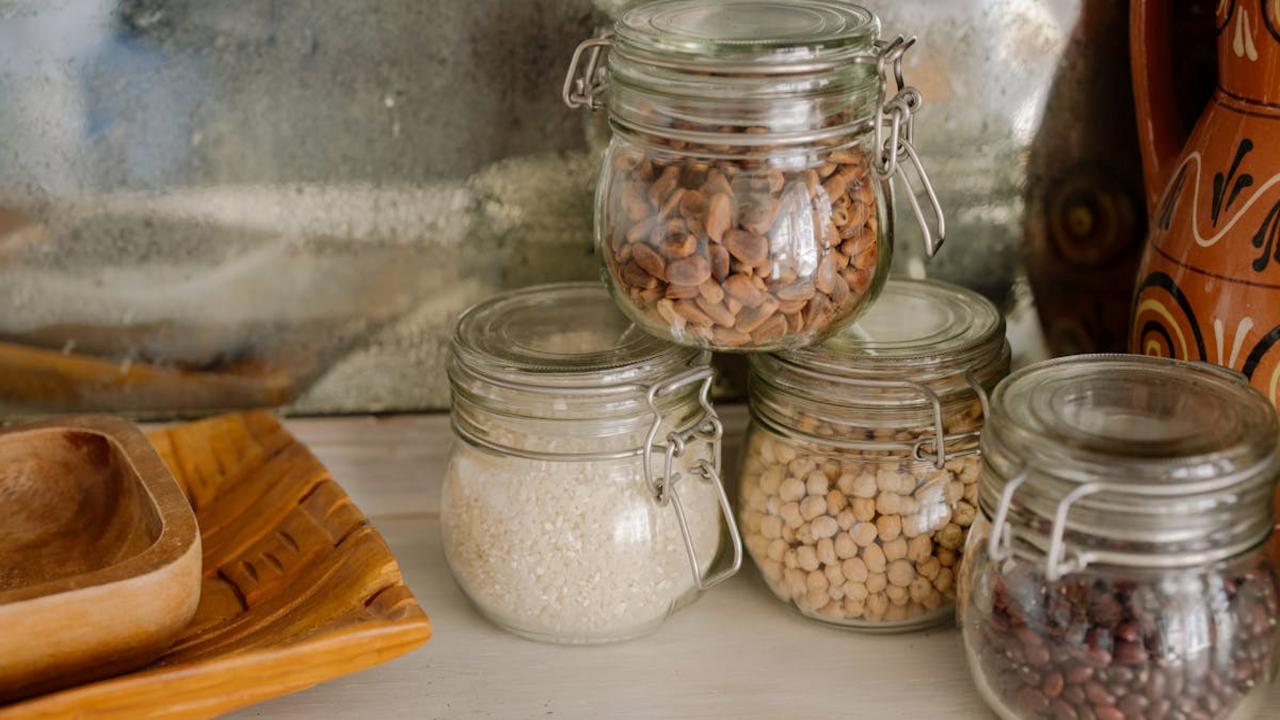
Your plastic containers are staging a rebellion in your fridge right now. You know the ones—those mysterious Tupperware pieces that somehow multiply overnight, creating a chaotic tower of mismatched lids and bottoms that topple over every time you open the door. Meanwhile, that leftover curry has turned your “premium” plastic container into a permanent orange monument to last Tuesday’s dinner disaster. Glass containers laugh at such drama. They don’t absorb odors, colors, or judgmental stares from your mother-in-law when she opens your fridge. Plus, here’s a fun fact: glass containers can go from freezer to oven to dishwasher without having an existential crisis about their molecular structure.
Making the switch to glass storage feels like upgrading from a flip phone to a smartphone—suddenly everything just works better. You can actually see what’s lurking inside each container (goodbye, mystery mold science experiments!), which means you’ll actually eat those leftovers instead of playing food roulette two weeks later. Glass containers stack beautifully, creating Instagram-worthy fridge organization that’ll make your friends weep with envy. They also help your food stay fresh longer because they create better seals and don’t harbor bacteria in tiny plastic scratches. Your wallet will thank you too—these bad boys last forever, unlike their plastic cousins who crack under pressure faster than my resolve during a donut sale.
Properly Maintain Kitchen Equipment
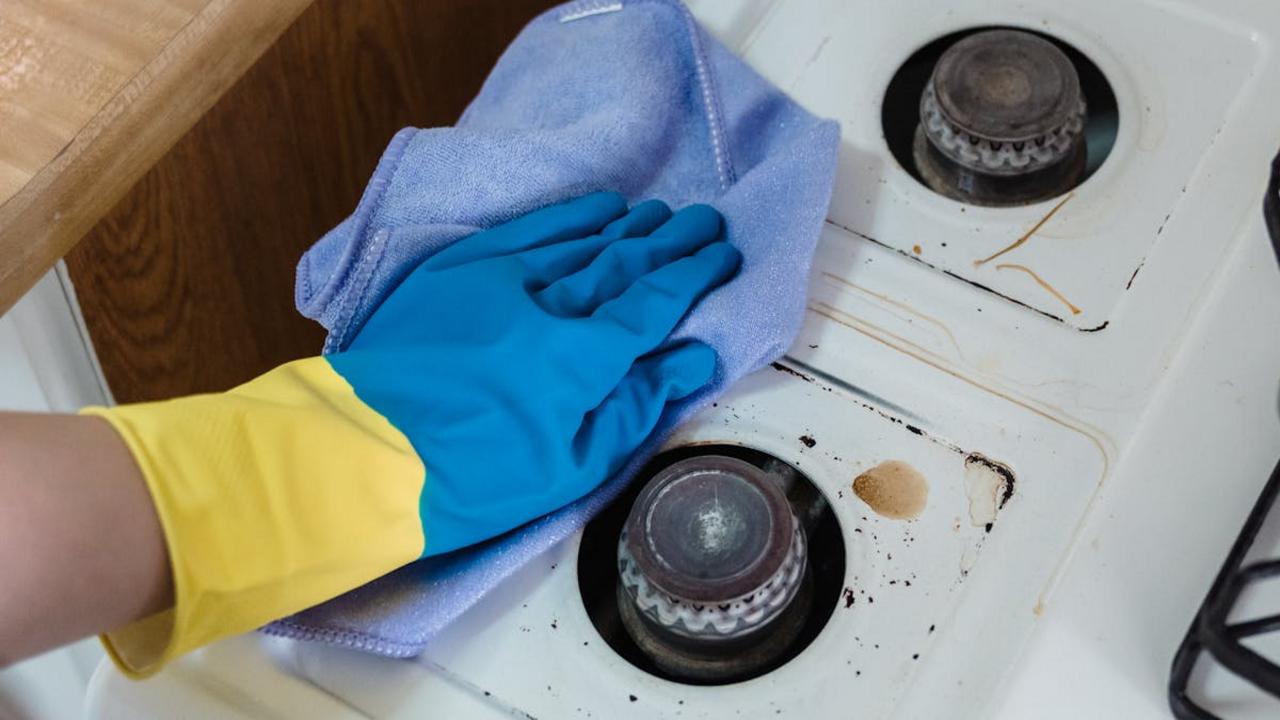
Your kitchen gadgets work harder than a single parent during school pickup time, and just like that frazzled parent, they need some TLC to keep functioning at their best. A well-maintained blender won’t suddenly decide to throw spinach chunks at your ceiling (trust me, I learned this the hard way), and a clean oven actually heats evenly instead of creating those mysterious hot spots that turn your cookies into a game of culinary Russian roulette. Regular maintenance means your equipment lasts longer, uses energy more efficiently, and doesn’t break down right when you’re hosting your mother-in-law for dinner.
Here’s the kicker: dirty equipment wastes more energy than my neighbor’s ancient AC unit. A grimy oven has to work overtime to reach the right temperature, your refrigerator’s coils collect dust like a magnet and then struggle to keep things cool, and that coffee maker you haven’t descaled since the Bush administration? It’s probably using twice the energy it should while producing coffee that tastes like regret. Clean your appliances monthly, sharpen your knives regularly (dull blades make you press harder and waste more food through sloppy cuts), and replace worn-out parts before they turn your kitchen into an energy-guzzling monster. Your utility bill will thank you, and so will the planet.
Save Vegetable Scraps for Stock
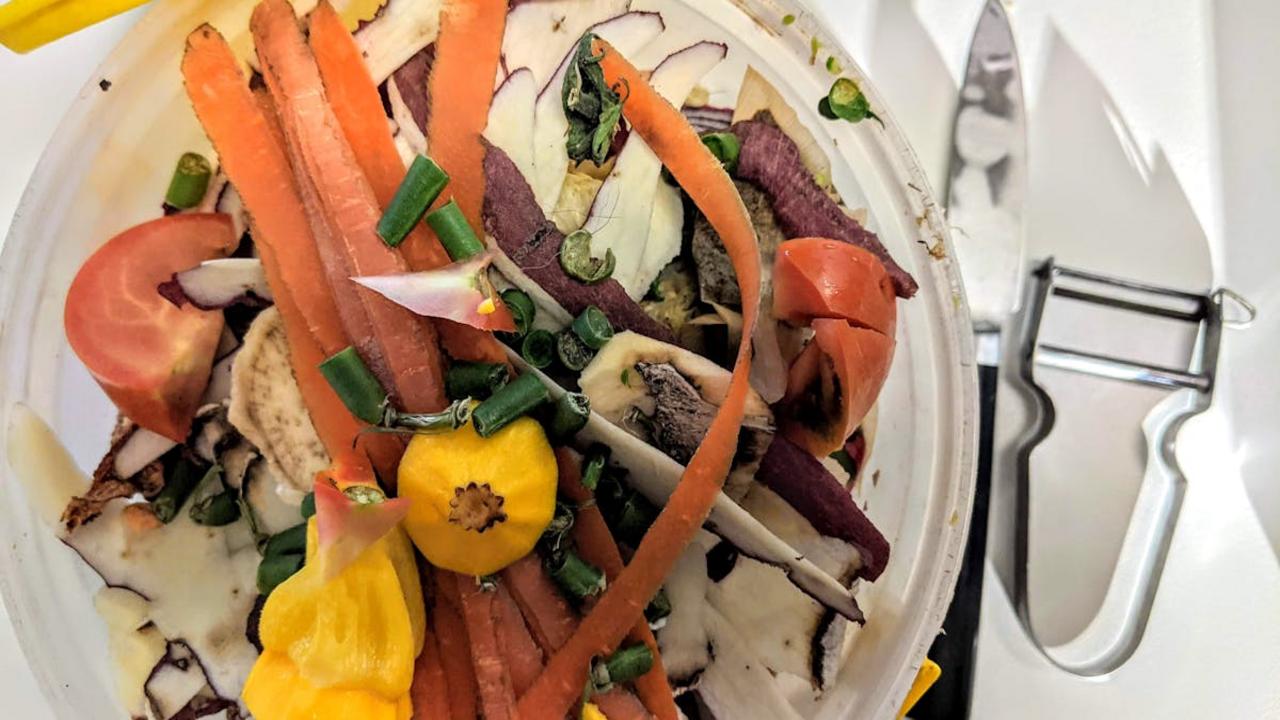
Your kitchen trash can is basically a goldmine disguised as garbage, and I’m about to blow your mind with this revelation. Those onion peels, carrot tops, celery leaves, and herb stems you’ve been tossing? They’re secretly stock-making superstars waiting for their moment to shine! I keep a freezer bag specifically for these veggie scraps – it’s like a culinary time capsule that grows more valuable with each addition. Mushroom stems add earthy depth, parmesan rinds bring umami magic, and even that slightly wilted parsley can contribute its green goodness to your future soup base.
Here’s where it gets really fun: making stock from scraps is basically kitchen alchemy at its finest. Simply dump your frozen collection into a pot, cover with water, add some salt and maybe a bay leaf, then let everything bubble away for about an hour. The result? Liquid gold that costs practically nothing and tastes infinitely better than store-bought versions. Plus, you’ll feel smugly superior knowing you’ve transformed what would have been compost into something that makes your risotto sing opera. Pro tip: strain out the solids and freeze your homemade stock in ice cube trays – instant flavor bombs ready whenever you need them!
Plan Meals in Advance
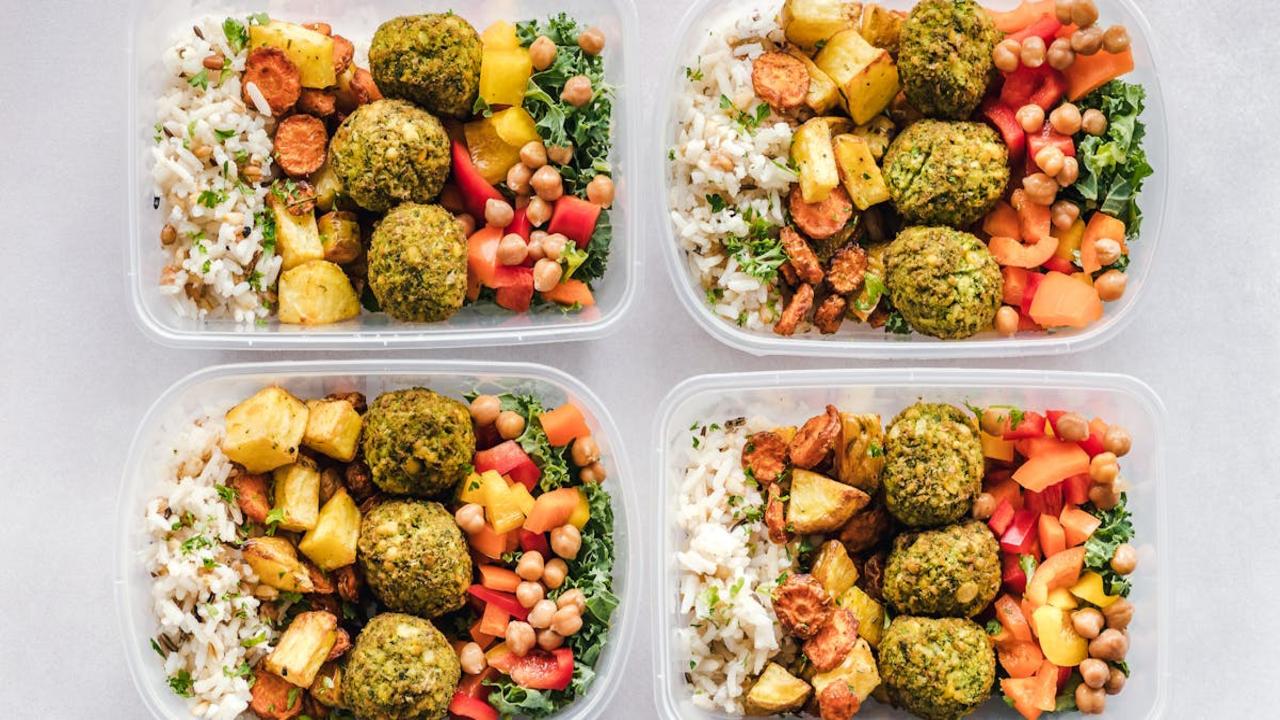
Picture this: you’re standing in your kitchen at 6 PM on a Tuesday, stomach growling like an angry bear, staring into a fridge that somehow contains three different mustards, half a wilted cucumber, and what might have once been lettuce but now resembles a science experiment. Sound familiar? That’s exactly what happens when you live life on the culinary edge without a meal plan. Smart meal planning isn’t just for those Pinterest-perfect families who color-code their grocery lists – it’s your secret weapon against food waste and those panic-induced takeout orders that make your wallet weep. When you map out your week’s worth of meals, you’re basically becoming a food fortune teller, predicting exactly what you’ll want to eat and buying only what you need.
Here’s where meal planning gets really clever: you can design your weekly menu around ingredients that play well together across multiple dishes. Buy a bunch of cilantro for Monday’s tacos, and suddenly Wednesday’s curry and Friday’s salad have their garnish sorted too. That massive butternut squash transforms from intimidating orange boulder into soup starter, roasted side dish, and pasta sauce base throughout the week. The best part? You’ll actually use up everything you buy instead of discovering mysterious containers in your fridge that have evolved into their own ecosystem. Start small with planning just three days ahead, and soon you’ll be the meal-planning mastermind who never runs out of ideas or ingredients.
Reduce Water Consumption

Your kitchen faucet might seem like an endless fountain of possibility, but every drop counts when you’re cooking with environmental consciousness. Start by collecting that cold water that runs while you wait for it to heat up – instead of watching it swirl down the drain like your weekend plans, capture it in a pitcher for watering plants or filling your coffee maker later. When washing vegetables, use a large bowl instead of running water continuously over each carrot and potato. You’ll be amazed how much water you save, plus you can use that veggie-washing water for your garden (your tomatoes will thank you for the extra nutrients from those potato skins!).
Steam cooking becomes your new best friend when you want to slash water usage while keeping flavors locked in tight. Use just an inch of water in your pot with a steamer basket – you’ll cook faster, retain more vitamins, and use about 75% less water than traditional boiling methods. Here’s a fun trick: save your pasta cooking water! That starchy, salty liquid works magic as a base for soups, bread dough, or even watering acid-loving plants like blueberries. One pot of pasta water can live three different lives in your kitchen before it finally heads down the drain, and honestly, that kind of multitasking deserves a standing ovation.
Use Natural Cleaning Products
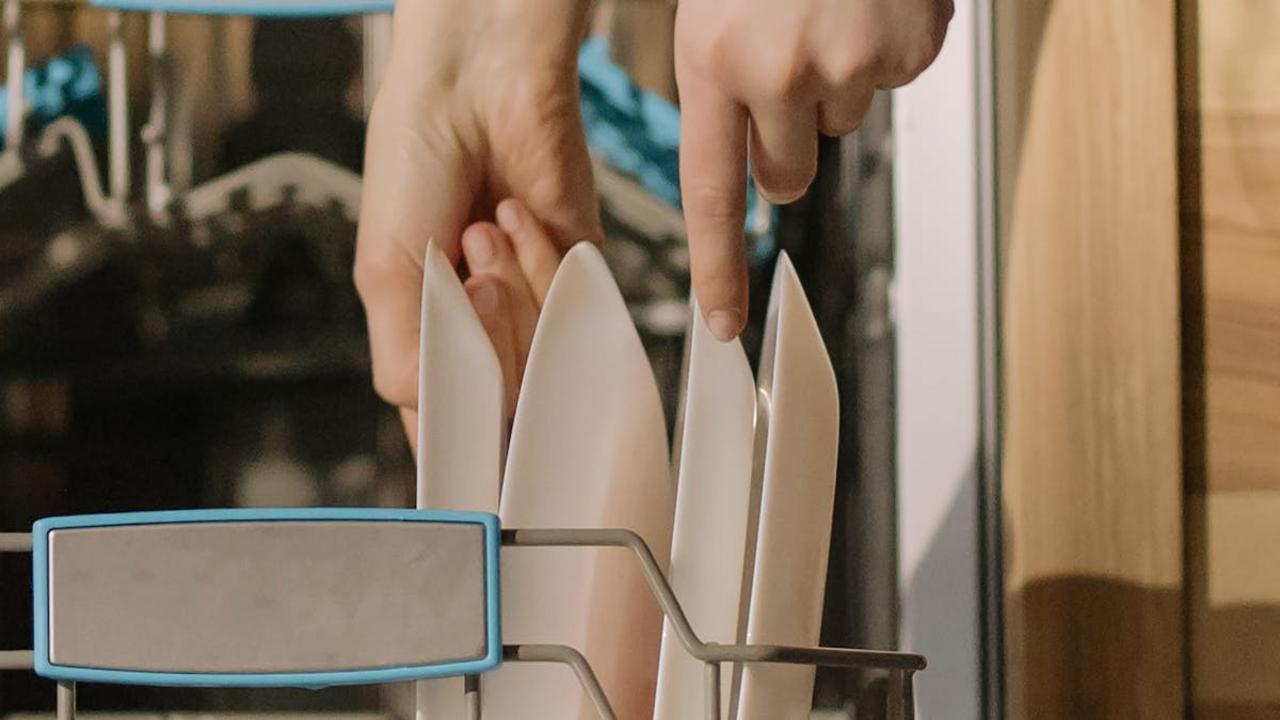
Your kitchen deserves better than harsh chemicals that could make your spinach taste like Pine-Sol! Natural cleaning products aren’t just trendy—they’re brilliant for keeping your cooking space fresh without leaving behind mystery residues that might sneak into your next batch of homemade pasta. Lemon juice works magic on cutting boards (bonus: it makes your kitchen smell like a citrus grove), while white vinegar tackles grease better than most commercial degreasers. Baking soda becomes your scrubbing superhero, gentle enough for delicate surfaces but tough enough to handle that mysterious burnt cheese situation from last Tuesday’s pizza experiment.
Here’s something wild: most commercial kitchen cleaners contain ingredients you definitely wouldn’t want in your morning smoothie, yet they linger on surfaces where you prep food daily. Natural alternatives cost pennies compared to fancy branded cleaners, and you probably already have them hiding in your pantry right now. Mix equal parts water and vinegar for an all-purpose spray that cuts through grime like nobody’s business, or create a paste with baking soda and water for stubborn stains. Your wallet stays happy, your family breathes easier, and your vegetables won’t absorb weird chemical flavors—that’s what I call a win-win-win situation that would make any eco-conscious home cook do a little happy dance!
Grow Your Own Herbs
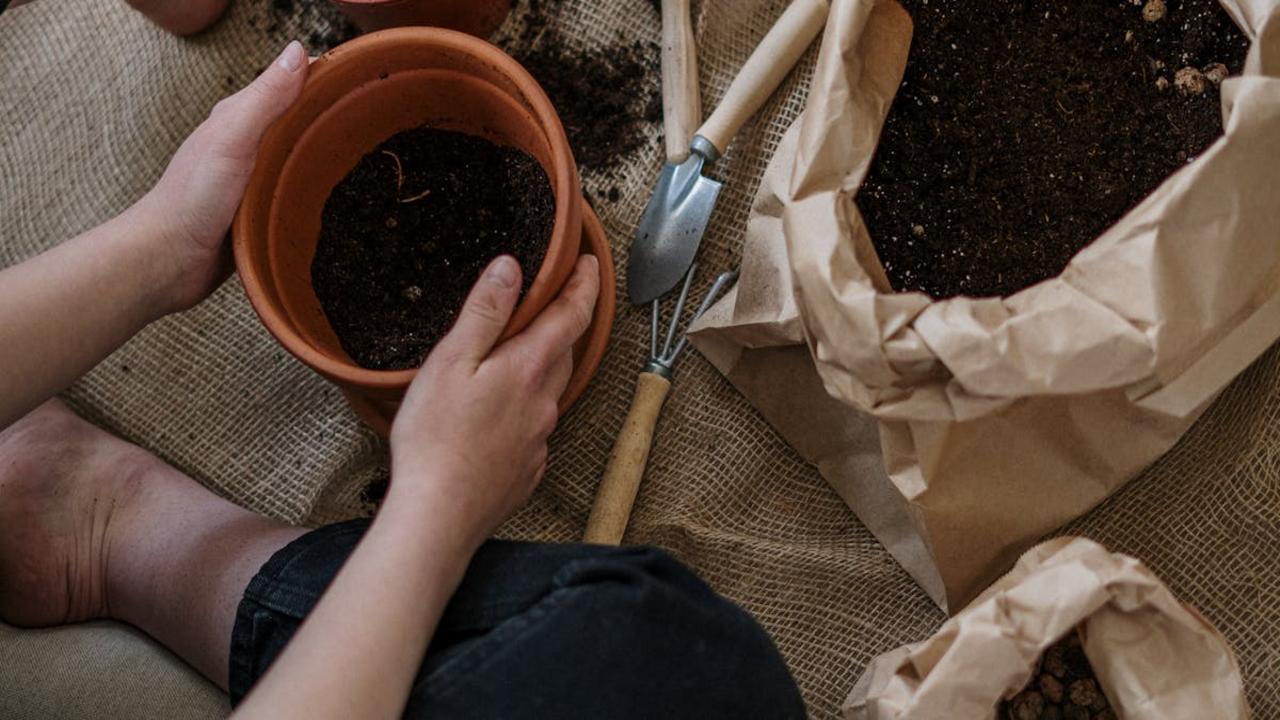
Picture this: you’re standing in your kitchen, frantically searching through wilted herb packages that cost more than your morning coffee, only to find sad, brown basil leaves that look like they’ve given up on life. Here’s a wild idea – why not grow your own green goldmine right on your windowsill? Fresh herbs are basically the fairy godmothers of cooking, transforming bland dishes into restaurant-worthy masterpieces with just a sprinkle of magic. Plus, did you know that fresh basil contains compounds that can actually help reduce stress? Talk about therapeutic gardening with benefits!
Starting your herb empire requires nothing more than some small pots, decent potting soil, and a sunny spot that gets at least six hours of light daily. Basil, mint, parsley, and chives are practically bulletproof for beginners – they grow faster than gossip spreads in a small town and forgive your occasional watering mishaps. You’ll save money (store-bought herbs can cost $3-4 per tiny package), reduce plastic waste from those frustrating clamshells, and never again will you buy a whole bunch of cilantro just to use two sprigs. Your pasta dishes will thank you, your wallet will celebrate, and you’ll feel like a proper kitchen wizard every time you snip fresh oregano for your homemade pizza.
Choose Package Free or Bulk Shopping
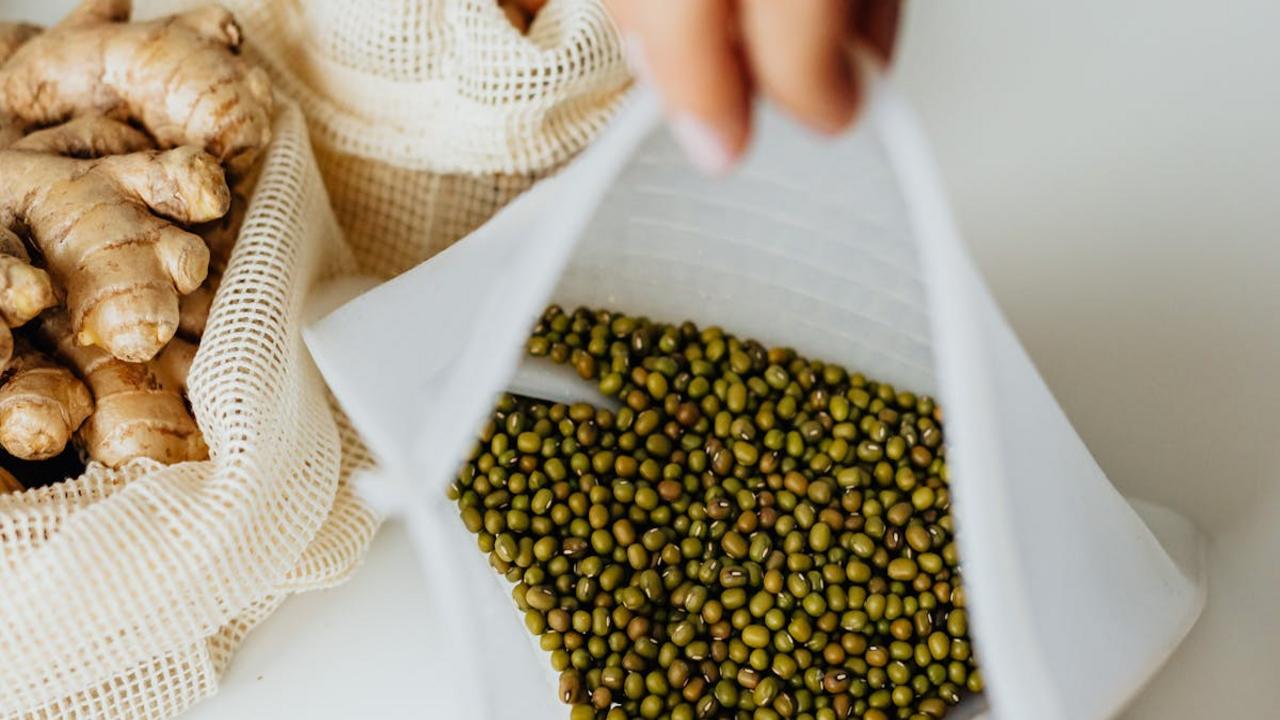
Picture this: you walk into the grocery store armed with your collection of mason jars and reusable bags, looking like some sort of zero-waste warrior ready to conquer the bulk bins. While other shoppers grab pre-packaged everything, you’re scooping quinoa like a grain-dispensing ninja, measuring out exactly what you need for that week’s meal plan. Bulk shopping transforms you into a precision chef who buys two cups of lentils instead of a giant bag that’ll mock you from the pantry for months. Plus, you get to feel smugly superior while dramatically reducing plastic waste – it’s a win-win that makes Mother Earth do a little happy dance.
The real magic happens when you realize bulk shopping forces you to become a planning genius. No more impulse buying three bags of pasta because they were “on sale” (we’ve all been there, pasta hoarders anonymous). You buy exactly what your recipes demand, which means less food rotting in forgotten corners of your kitchen. Did you know that bulk bins can save you up to 50% on certain items compared to packaged versions? That’s more money for fancy cheese or that artisanal hot sauce you’ve been eyeing. Your grocery trips become strategic missions where every scoop counts, and your kitchen stays organized because you’re not drowning in a sea of crinkly packages.
Buy Local and Seasonal Produce

Your supermarket’s produce section might look like a United Nations summit with strawberries from Chile in December and asparagus from Peru year-round, but here’s the thing: Mother Nature actually knows what she’s doing. Shopping local and seasonal means you get fruits and vegetables at their peak flavor while dramatically reducing the carbon footprint of your dinner. That tomato from three states over has traveled more miles than most people’s vacation plans, burning fossil fuels and losing nutrients along the way. Meanwhile, the farmer down the road has tomatoes so fresh they practically burst with sunshine when you bite into them.
Seasonal shopping also forces you to become more creative in the kitchen – and trust me, boredom is the enemy of good cooking. When you work with what’s naturally available, you start planning meals around what looks gorgeous at the market rather than what sounds good from a recipe you found online. Plus, seasonal produce costs less because there’s more of it around, which means your wallet stays happy while you reduce food waste. Fun fact: foods eaten in season contain higher levels of antioxidants and vitamins because they haven’t spent weeks traveling in refrigerated trucks. Your local farmer’s market becomes your weekly treasure hunt, where you might discover purple carrots or discover that Brussels sprouts on the stalk look like tiny alien trees.
Store Food Properly to Reduce Waste
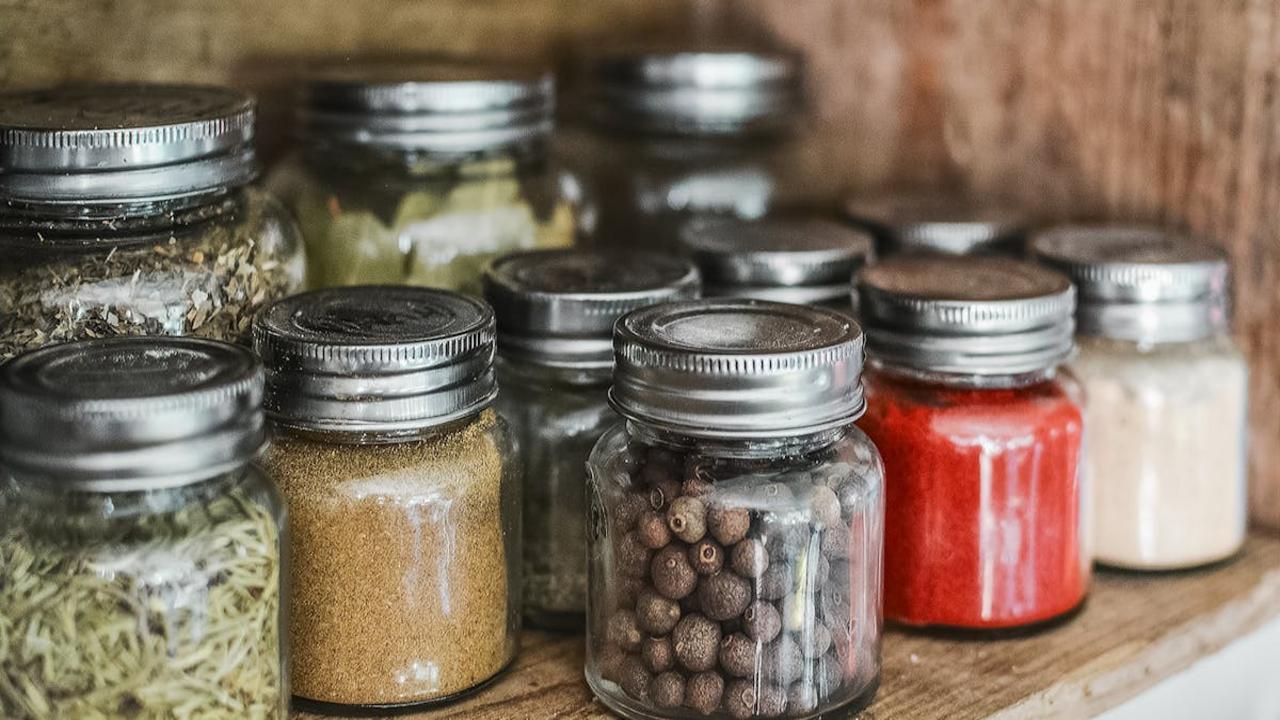
Your fridge is basically a food preservation battleground, and spoiler alert: most of us are losing spectacularly. I once discovered a cucumber that had transformed into what I can only describe as a green, slimy sock in my crisper drawer – a tragic reminder that proper storage can mean the difference between crisp vegetables and science experiments. The secret lies in understanding that different foods have different needs: leafy greens want humidity but not suffocation, potatoes prefer dark, cool spaces (never the fridge!), and onions should stay far away from potatoes because they release gases that make each other spoil faster. It’s like a produce soap opera in your kitchen!
Here’s where it gets fun: bananas are the drama queens of the fruit world, releasing ethylene gas that speeds up ripening in nearby fruits. Keep them isolated or use this superpower to your advantage – toss a banana in a paper bag with an unripe avocado for next-day guacamole magic. Glass containers beat plastic bags for storing cut vegetables because they prevent moisture buildup that leads to that dreaded slime factor. Pro tip from my grandmother’s playbook: wrap celery in aluminum foil instead of keeping it in that plastic bag, and watch it stay crispy for weeks. Your wallet will thank you when you stop throwing money into the compost bin every week!
Use Energy Efficient Appliances

Your kitchen appliances are secretly plotting against your electricity bill – and Mother Earth isn’t too happy about it either! That ancient refrigerator humming louder than your neighbor’s karaoke nights? It’s probably guzzling more energy than a teenager scrolls through TikTok. Modern energy-efficient appliances use up to 50% less electricity than their older counterparts, which means you can cook guilt-free while your wallet stays plump. Look for the Energy Star label when shopping – it’s like a superhero badge for appliances that actually care about the planet.
Induction cooktops are the ninjas of the kitchen world: they heat up faster, waste less energy, and cool down quicker than traditional electric or gas stoves. Plus, they only heat the pan, not your entire kitchen, so you won’t feel like you’re cooking inside a sauna during summer. Smart ovens with convection settings cook food faster and more evenly, reducing cooking time by about 25%. Even your humble microwave deserves credit – it uses roughly 80% less energy than conventional ovens for reheating tasks. Your grandmother might raise an eyebrow at all this modern wizardry, but she’d definitely approve of the lower utility bills!
Start a Compost System

Your kitchen scraps don’t have to meet their doom in a smelly trash bag! Creating a compost system transforms your food waste into black gold for your garden, and honestly, it’s easier than keeping a houseplant alive (which, if you’re like me, might not be saying much). Banana peels, coffee grounds, eggshells, and vegetable trimmings all become part of this magical decomposition party. Did you know that food waste makes up about 30% of what we toss in the trash? That’s like throwing away every third grocery bag you bring home! Your future tomatoes will thank you for feeding them last week’s salad remnants.
Starting small works perfectly fine – even a simple countertop bin with a tight lid keeps things tidy while you collect scraps throughout the week. Skip the meat, dairy, and oils (they’ll attract unwanted critters and create odors that’ll have your neighbors questioning your life choices), but almost everything else can join the decomposition dance. If you live in an apartment, worm composting or bokashi fermentation systems work like tiny miracles in small spaces. Within a few months, you’ll have rich, dark compost that makes store-bought fertilizer look like expensive disappointment. Plus, you get to tell people you’re basically a soil wizard, which never gets old at dinner parties.
Swap Single Use Items for Reusable Alternatives

Your kitchen probably harbors more single-use villains than a B-grade superhero movie, and they’re quietly plotting against both your wallet and the planet. Those flimsy plastic bags that tear the moment you look at them sideways? The aluminum foil that somehow always rips in the wrong direction? The parchment paper that costs more per square inch than designer wallpaper? Time to show them the door! Beeswax wraps have become my personal heroes – they’re like clingy plastic wrap’s cooler, more sustainable cousin who actually stays put and doesn’t require you to wrestle with a roll that’s clearly possessed. Glass containers with tight-fitting lids will store your leftovers without that weird chemical smell, and silicone food covers stretch over bowls like they were custom-made, minus the environmental guilt trip.
Here’s a fun fact that’ll make you rethink your disposable habits: the average American family tosses about 185 pounds of plastic packaging annually, and a shocking chunk of that comes from kitchen single-use items. Switching to reusable alternatives isn’t just good karma for Mother Earth – it’s surprisingly satisfying for your inner control freak. Mesh produce bags eliminate those frustrating moments when you’re trying to open a flimsy plastic bag at the grocery store while other shoppers judge your lack of bag-opening skills. Stainless steel straws won’t disintegrate in your smoothie like their paper counterparts, and they make every drink feel slightly more sophisticated. The best part? Most reusable kitchen swaps pay for themselves within months, leaving you with more money for the important things in life, like fancy cheese or that stand mixer you’ve been eyeing.