15 Epic Food Cities Worth Planning a Trip Around
Food has always driven my travel decisions. I’ll pick a country just to hunt down a dish, stroll through bustling markets for hours, or cross town for that perfect street food. These 15 cities have become destinations that food-obsessed travelers like us need on our maps.
Each city on this list offers something unique – Tokyo’s precision and tradition, Paris’s bakeries, or Bangkok’s explosive street food scene. You don’t just eat in these places; you experience their culture, history and soul through every bite. The memories you’ll make around these tables will stay with you longer than any tourist attraction.
Pack your appetite and an open mind. Whether you’re slurping noodles in Seoul, sampling tapas in Barcelona, or biting into a po’boy in New Orleans, these food destinations transform ordinary trips into extraordinary adventures. The world’s most exciting flavors are waiting for you to discover them.
Seoul
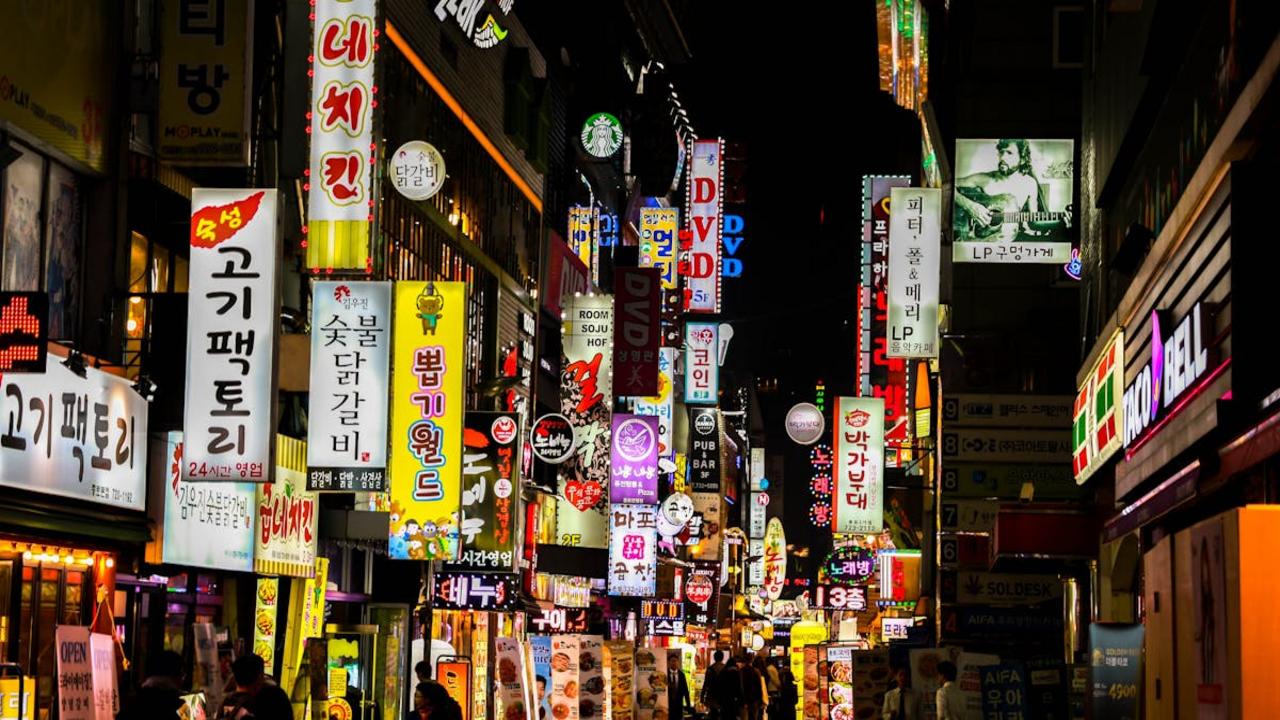
Seoul hits you like a flavor explosion the moment you step off the plane – this city doesn’t just serve food, it creates edible theater on every corner. You can’t walk five minutes without stumbling into a night market where vendors flip pajeon (scallion pancakes) on sizzling griddles, or discovering a hole-in-the-wall serving the most soul-warming bowls of kimchi jjigae you’ve ever tasted. The Korean approach to fermentation fascinates me as someone who believes in the magic of transforming simple ingredients into something extraordinary – their kimchi alone represents months of patient fermentation that turns humble cabbage into probiotic gold.
What makes Seoul incredible for home cooks like us is how accessible the techniques become once you see them in action. Street vendors show you that perfect Korean fried chicken starts with a double-fry technique, while market ajummas (aunties) demonstrate how to fold mandu dumplings with lightning speed. You’ll find yourself sketching notes about gochujang marinades and learning that Korean cooking relies heavily on building layers of umami through natural fermentation – no shortcuts or processed flavor enhancers needed. The city teaches you that some of the world’s most satisfying comfort foods come from patient, traditional methods that honor the ingredients’ natural transformation process.
Copenhagen
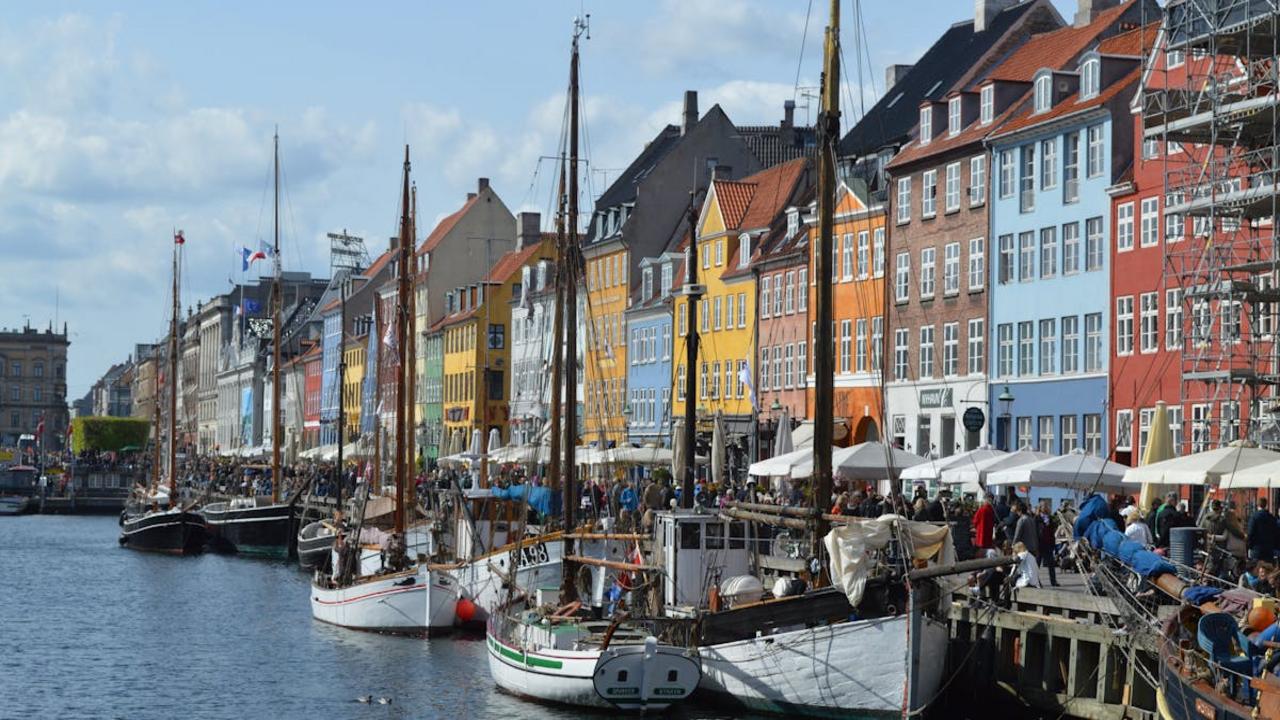
Copenhagen transforms the simple act of eating into something magical, and I can’t help but get excited thinking about this Nordic food paradise. The city pulses with innovation while staying deeply rooted in seasonal traditions that speak to my soul as someone who believes in cooking with what nature provides. Walking through Torvehallerne market feels like discovering a treasure chest – vendors offer the most pristine vegetables, wild mushrooms that smell like forest floors, and fish so fresh they practically shimmer. Danish chefs have mastered the balance between technique and simplicity, creating dishes that celebrate ingredients rather than masking them with unnecessary complexity.
What captivates me most about Copenhagen’s food scene is how restaurants like Noma revolutionized our understanding of local ingredients, proving that you don’t need exotic imports to create extraordinary flavors. The city’s commitment to sustainability mirrors my own kitchen philosophy – waste nothing, respect everything, and let ingredients shine in their purest form. You’ll find yourself savoring smørrebrød that elevates humble rye bread into canvases for seasonal toppings, or discovering how Danish cooks transform root vegetables into dishes that make you rethink everything you knew about comfort food. Copenhagen teaches us that great cooking starts with great ingredients and ends with genuine respect for the land that provides them.
San Francisco

San Francisco transforms you into a more adventurous cook just by walking through its neighborhoods. The city’s Chinatown teaches you about proper wok hei—that magical breath of the wok that makes stir-fries sing—while the Mission District shows you how to build layers of flavor in authentic Mexican dishes. I love how each micro-climate here creates distinct food cultures: you can start your morning with dim sum in one neighborhood, grab fresh sourdough from a century-old bakery at lunch, and end with farm-to-table dining that celebrates California’s incredible produce. The farmers markets here don’t just sell ingredients; they connect you directly with growers who share their passion for sustainable, seasonal cooking.
What makes San Francisco special for home cooks like us is how the city pushes you to think beyond traditional boundaries while respecting authentic techniques. The Japanese influence shows you how to treat fish with reverence, the Italian North Beach community demonstrates pasta-making traditions, and the innovative restaurant scene inspires you to experiment with fermentation and preservation methods. I find myself coming home from San Francisco trips with my notebook full of new flavor combinations and techniques that transform my everyday cooking. The city’s commitment to local sourcing means you understand how proximity to ingredients—whether it’s Dungeness crab from the bay or Meyer lemons from nearby orchards—creates dishes that taste like nowhere else on earth.
London

London transforms your relationship with food in ways you never expect. Walk through Borough Market on a Saturday morning, and you’ll discover vendors selling everything from aged cheeses that crumble perfectly on fresh sourdough to spice blends that transport you straight to Mumbai’s street corners. I love how this city doesn’t just offer international food—it reimagines it. The Nigerian jollof rice gets elevated with locally sourced vegetables, while traditional fish and chips now comes wrapped in newspaper made from recycled materials, served alongside mushy peas that actually taste vibrant and fresh.
What strikes me most about London’s food scene is how home cooks and professional chefs alike prioritize ingredients over flashy techniques. You’ll find yourself in tiny restaurants where the chef grows herbs on the windowsill, or browsing farmers’ markets where vendors explain exactly how their vegetables were grown. The city teaches you that good food doesn’t need complicated processes—just honest ingredients treated with respect. Whether you’re grabbing a proper curry from Brick Lane or discovering how to make your own sourdough starter from a local baker, London shows you that food connects us all, no matter where we originally call home.
New Orleans
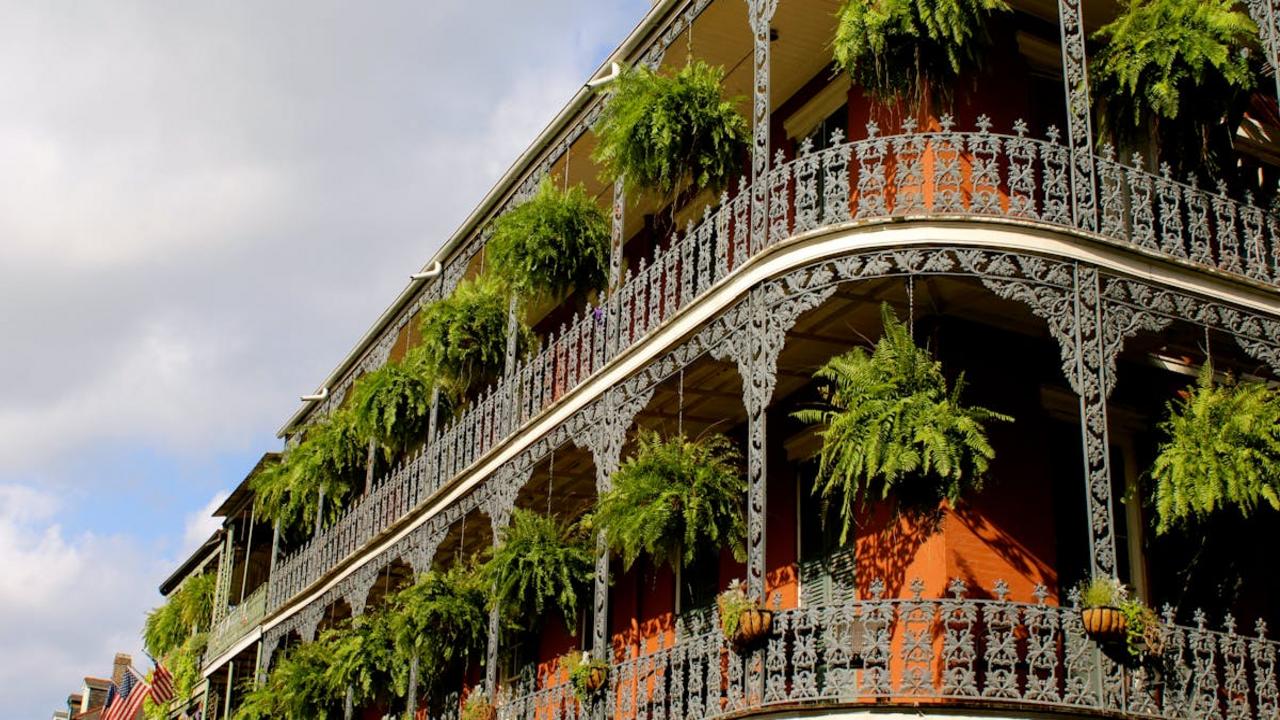
New Orleans hits you like a warm hug from your favorite auntie—the kind who always has something simmering on the stove and stories that make your soul sing. This city doesn’t just feed you; it transforms how you think about food entirely. Walk through the French Quarter and you’ll smell that holy trinity of celery, bell peppers, and onions dancing with garlic, creating the foundation for dishes that have been perfected over centuries. The Creole and Cajun traditions here teach you that great cooking starts with building layers of flavor from the ground up, something I carry into my own kitchen every single day.
What makes New Orleans truly special is how it shows you that fusion cooking isn’t trendy—it’s tradition. French techniques meet African spices, Spanish influences blend with Native American ingredients, and somehow it all makes perfect sense on your plate. You’ll find yourself at a corner spot eating perfect gumbo where the roux has been stirred with patience and love, or biting into a po’ boy that redefines what a sandwich can be. This city taught me that authenticity doesn’t mean rigid rules; it means cooking with respect for ingredients and the stories they carry. Every meal here feels like a celebration, reminding you why gathering around good food creates the strongest bonds between people.
Hong Kong

Hong Kong hits different when you’re someone who cooks from the heart. This city operates like a perfectly organized kitchen where every ingredient knows its place, and every technique serves a purpose. I spend hours wandering through wet markets, watching vendors select the freshest fish with the same precision I use when choosing tomatoes at home. The dim sum culture here teaches you something profound about cooking – small, intentional bites that pack maximum flavor without overwhelming your palate. Street food stalls become my classroom, where I learn how a simple wonton can carry generations of technique in its delicate folds.
What draws me back to Hong Kong repeatedly is how effortlessly it blends tradition with innovation, much like how I approach my own cooking. You’ll find century-old tea houses serving steamed buns that taste exactly like they did decades ago, right next to modern establishments creating plant-based versions that honor the original while pushing boundaries. The city’s approach to fresh, minimal processing aligns perfectly with my cooking philosophy – ingredients speak loudest when you don’t mask them with unnecessary additions. Every meal becomes a lesson in balance, whether you’re savoring silky congee for breakfast or sharing hot pot with friends late into the night.
Mexico City
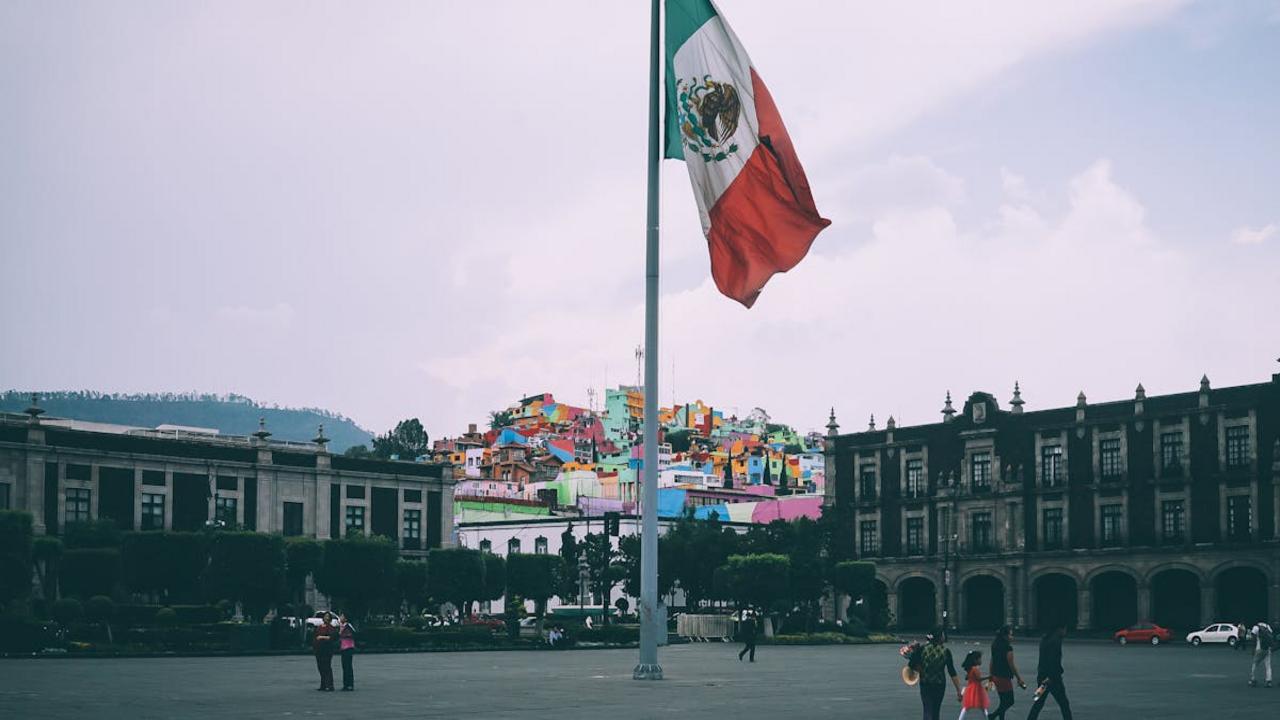
Mexico City hits differently when you’re standing in a bustling mercado at sunrise, watching vendors arrange pyramids of crimson tomatoes and jade-green tomatillos while the aroma of fresh masa fills the air. This sprawling metropolis serves up some of the most authentic and diverse Mexican cuisine you’ll find anywhere on the planet. From street-corner taquerías slinging perfect al pastor to high-end restaurants reimagining pre-Hispanic ingredients, the city offers food experiences that will completely reshape how you think about Mexican cooking. The markets alone deserve days of exploration – Mercado de San Juan showcases exotic ingredients you’ve never seen, while Mercado Roma brings together vendors creating modern takes on traditional dishes.
What makes Mexico City special goes beyond the famous street food (though those tlayudas and elote will haunt your dreams). The city’s chefs work with ingredients that have been cultivated here for thousands of years – huitlacoche, quelites, and dozens of chile varieties that most home cooks have never encountered. You’ll discover that real Mexican mole contains no shortcuts, that proper nixtamalized corn creates tortillas with depth you can’t achieve with regular masa harina, and that chocolate originated here as a savory drink, not dessert. Every meal teaches you something new about building complex flavors from simple, whole ingredients – exactly the kind of cooking philosophy that transforms how you approach food at home.
Istanbul
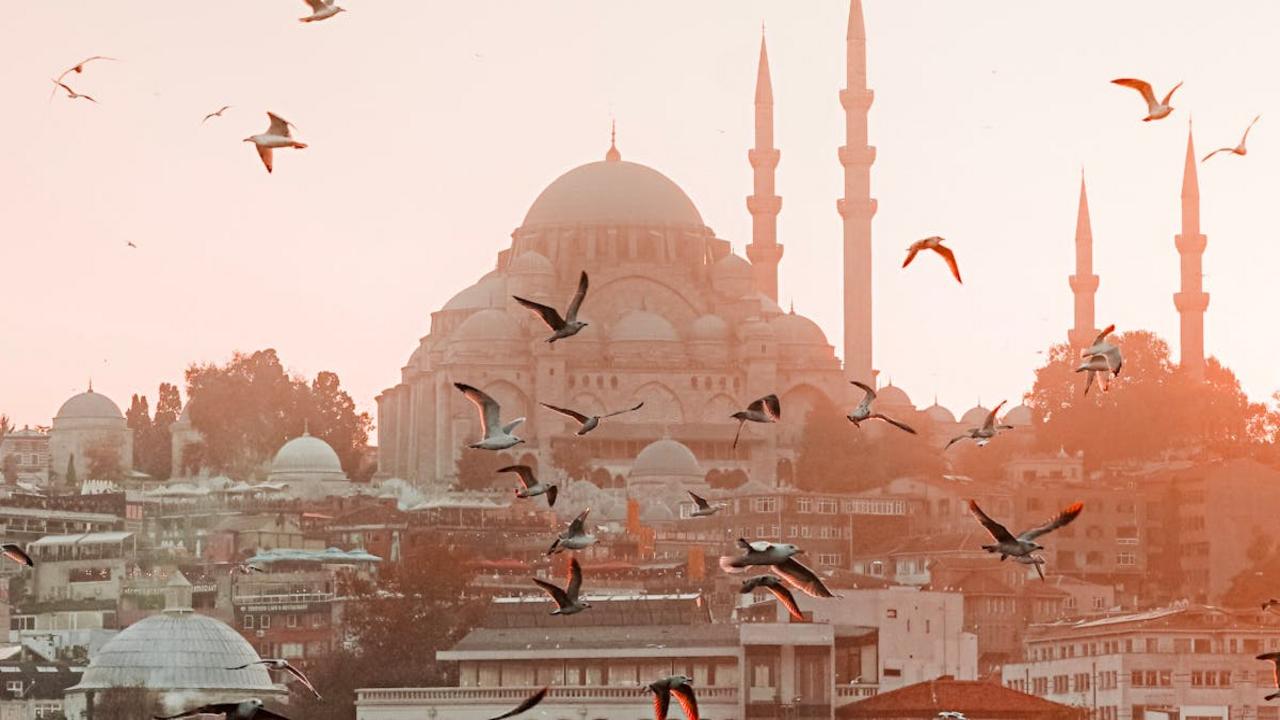
Istanbul pulls you into its vibrant food scene the moment you step off the plane, with aromas of grilled meats and fresh bread floating through the air. This city straddles two continents, and its cuisine reflects that beautiful duality – you’ll find Ottoman palace dishes sitting alongside street food that’s been perfected over centuries. The spice markets alone will make you rethink everything you thought you knew about seasoning. I love how Turkish cooks layer flavors without overwhelming the palate, using techniques I’ve borrowed countless times in my own kitchen.
Start your morning with a proper Turkish breakfast spread – think fresh tomatoes, cucumbers, olives, cheese, and that incredible honey drizzled over thick cream. Then spend your afternoon hunting down the best döner kebab or sampling meze plates that showcase the country’s incredible produce. The way they prepare vegetables here changed how I approach plant-forward cooking at home. Don’t miss the Turkish breakfast culture either – it’s a leisurely affair that celebrates fresh, unprocessed ingredients in their purest form, something I try to recreate whenever I can.
Rome
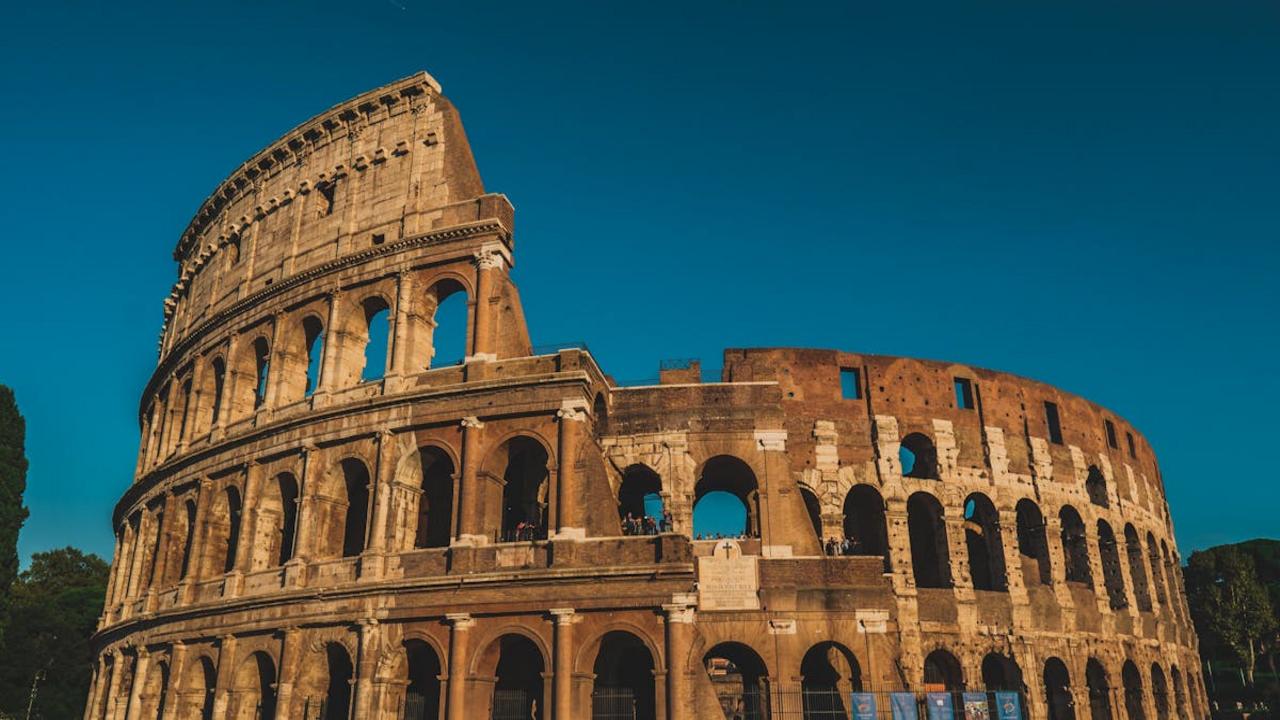
Rome hits differently when you’re standing in a tiny trattoria at 2 PM, watching nonna roll fresh pasta while her grandson shouts orders in rapid-fire Italian. This city taught me that the best meals happen when you throw your itinerary out the window and follow your nose instead. You’ll find me ducking into hole-in-the-wall spots in Trastevere, where the menu changes based on what’s fresh at the market that morning. The carbonara here isn’t just a dish—it’s a masterclass in restraint, showing how four simple ingredients can create something transcendent when treated with respect.
What I adore about Roman cooking is how it mirrors my own philosophy in the kitchen: less is more, but every single component matters. The cacio e pepe I learned from a street-side chef uses only aged Pecorino Romano, black pepper, and pasta water—yet achieving that silky, glossy sauce took me months of practice back home. Roman markets like Campo de’ Fiori become your classroom, where vendors hand you sun-warmed tomatoes and tell stories about their farms. You’ll leave Rome with a deeper understanding of how proper ingredients and time-honored techniques can transform the simplest meals into something extraordinary.
Singapore
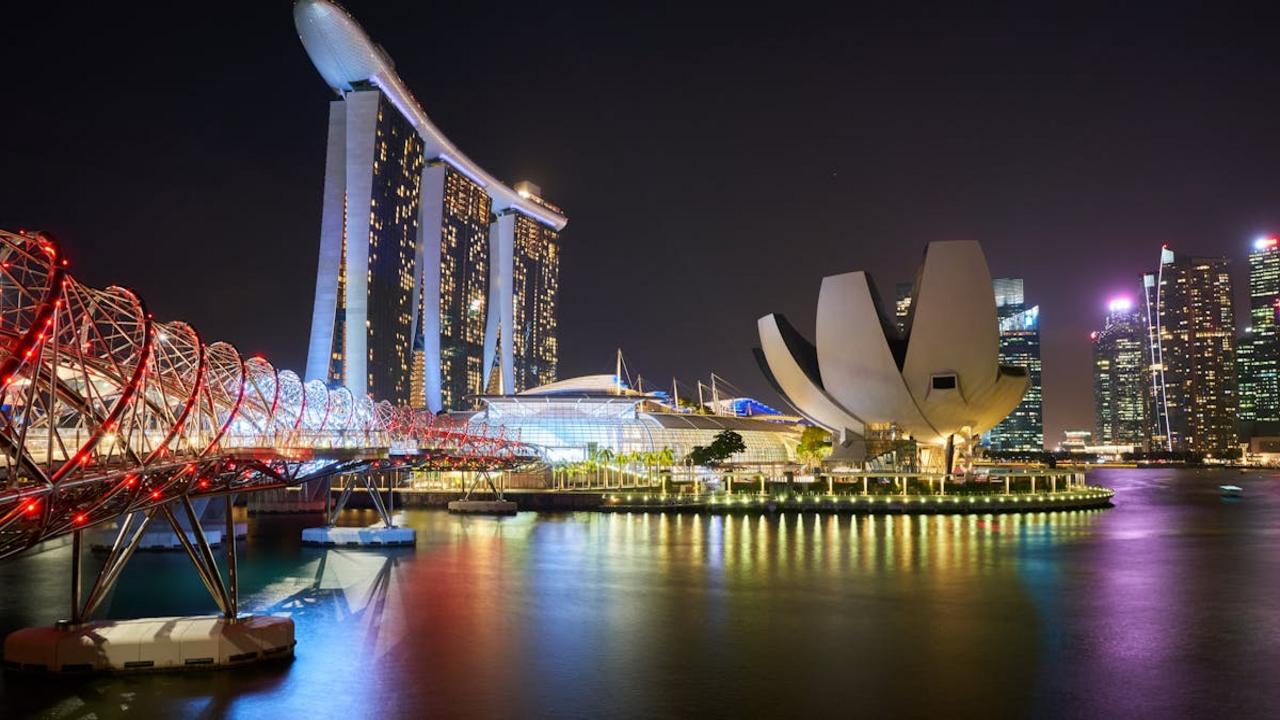
Singapore’s food scene hits different, and I mean that in the best possible way. Walking through the hawker centers feels like stepping into my dream kitchen where every grandmother from across Asia decided to set up shop together. You’ll find Chinese char kway teow sizzling next to Indian dosas, while Malay rendang perfumes the air nearby. I love how these spaces prove that the most incredible food doesn’t need fancy presentation – just honest ingredients treated with respect. The laksa here taught me something profound about building layers of flavor, where coconut milk meets chili oil and fresh herbs in perfect harmony.
What really gets me excited about Singapore’s food culture is how it mirrors my own approach to cooking – taking influences from everywhere and making them work together beautifully. The satay sauce combines peanuts, palm sugar, and spices in a way that makes me rethink how I balance sweet and savory in my own kitchen. And don’t get me started on the chicken rice – it’s deceptively simple but shows how technique can transform basic ingredients into something magical. Every meal here feels like a masterclass in intuitive cooking, where tradition meets innovation without losing soul.
Bangkok
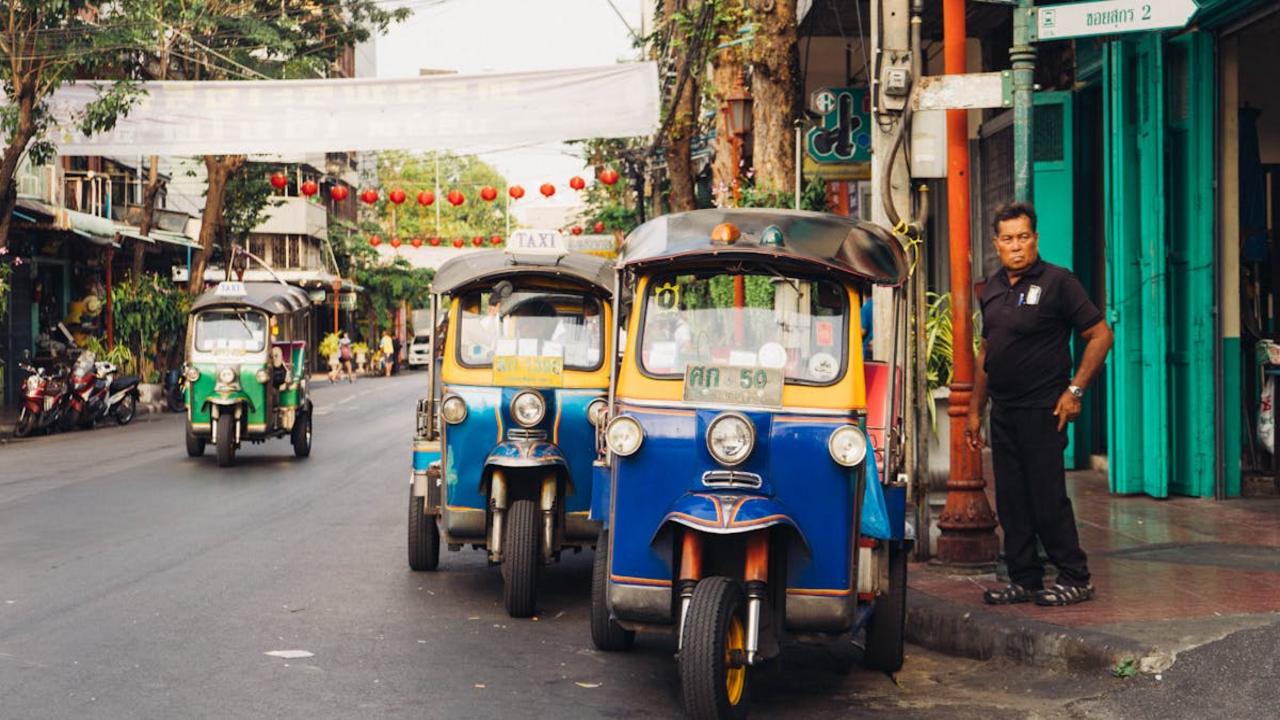
Bangkok hits different when you’re wandering through its bustling streets at dawn, watching vendors fire up their woks and prep fresh herbs that’ll transform into the most incredible bowls of boat noodles and som tam you’ve ever experienced. This city taught me that the best meals happen when you follow your nose to a plastic stool setup on the sidewalk, where a grandmother has been perfecting her pad thai recipe for decades. The markets here are pure inspiration – imagine walking through Chatuchak or floating through Damnoen Saduak, surrounded by pyramids of dragon fruit, bundles of Thai basil that smell like heaven, and chilies so fresh they practically glow.
What really gets me excited about Bangkok’s food scene is how it celebrates the beauty of simple, whole ingredients transformed through technique and love. You’ll watch street food masters turn a handful of rice noodles, fresh vegetables, and a perfect balance of sweet, sour, salty, and spicy into something that makes you completely rethink everything you thought you knew about flavor. The vendors here understand that real cooking magic happens when you respect your ingredients and cook from the heart – no fancy equipment needed, just fire, fresh produce, and generations of knowledge passed down through families who’ve been feeding their communities with pride and passion.
New York City

New York City hits differently when you’re a food lover who appreciates both street-side authenticity and kitchen creativity. I’ve wandered through this concrete jungle countless times, and what strikes me most is how every neighborhood tells its own food story. From the hand-pulled noodles in Chinatown that remind me of my grandmother’s patient techniques to the Ethiopian injera bread in Harlem that sparked my own experiments with fermented batters, this city teaches you that great food doesn’t need fancy presentations—it needs soul and intention.
The beauty of NYC lies in its honest approach to global cooking. You’ll find Dominican women rolling plantain empanadas with the same care I put into my own dumplings, and Syrian bakers crafting za’atar flatbreads that inspire my weekend bread-making sessions. The city’s food scene thrives on that beautiful chaos where a $2 taco from a cart can teach you more about balance and flavor than any expensive restaurant. Every corner deli, every food truck, every hole-in-the-wall spot represents someone’s heritage translated into nourishing, real food that feeds both body and community.
Barcelona

Barcelona hits different when you’re walking through La Boquería market at sunrise, watching vendors arrange their pyramids of perfect tomatoes and glossy eggplants. This city taught me that great food doesn’t need fancy presentations—it needs soul, tradition, and ingredients that speak for themselves. You’ll find me there most mornings, chatting with fishmongers about the day’s catch or learning from grandmothers who’ve been making romesco sauce the same way for decades. The way Catalans approach food mirrors my own philosophy: respect the ingredient, keep it simple, and let natural flavors shine through without unnecessary interference.
What makes Barcelona magical for home cooks like us is how seamlessly it blends Mediterranean wholesomeness with bold, unexpected combinations. I’ve recreated their pan con tomate countless times in my kitchen—just good bread, ripe tomatoes, olive oil, and salt—but somehow it never tastes quite the same as when you’re sitting at a tiny tapas bar watching the chef work. The city’s approach to seafood, particularly their grilled octopus with smoked paprika, has completely changed how I think about cooking proteins. Barcelona doesn’t just feed you; it rewrites your understanding of how simple, quality ingredients can create extraordinary moments around a table.
Paris

You know that feeling when you step into a Parisian market and see rows of pristine vegetables, wheels of aged cheese, and crusty baguettes still warm from the oven? That’s exactly what makes Paris such an incredible food destination. I’ve spent countless mornings wandering through Marché Saint-Germain, filling my basket with seasonal produce that inspires me to create something beautiful in my tiny Airbnb kitchen. The French approach to food mirrors everything I believe about cooking—they prioritize quality ingredients, respect for seasonality, and the magic that happens when you keep things simple yet intentional.
What strikes me most about Parisian food culture is how they’ve mastered the balance between tradition and accessibility. You can grab a perfect jambon-beurre sandwich from any corner boulangerie, then spend your evening at a neighborhood bistro savoring coq au vin made with techniques passed down through generations. I love how Parisians shop daily for fresh ingredients, building meals around what looks best that day rather than following rigid meal plans. This intuitive approach to cooking resonates deeply with me—whether you’re recreating a classic French onion soup at home or adapting their technique of slow-braising vegetables with herbs, Paris teaches you that great food comes from understanding your ingredients and treating them with respect.
Tokyo
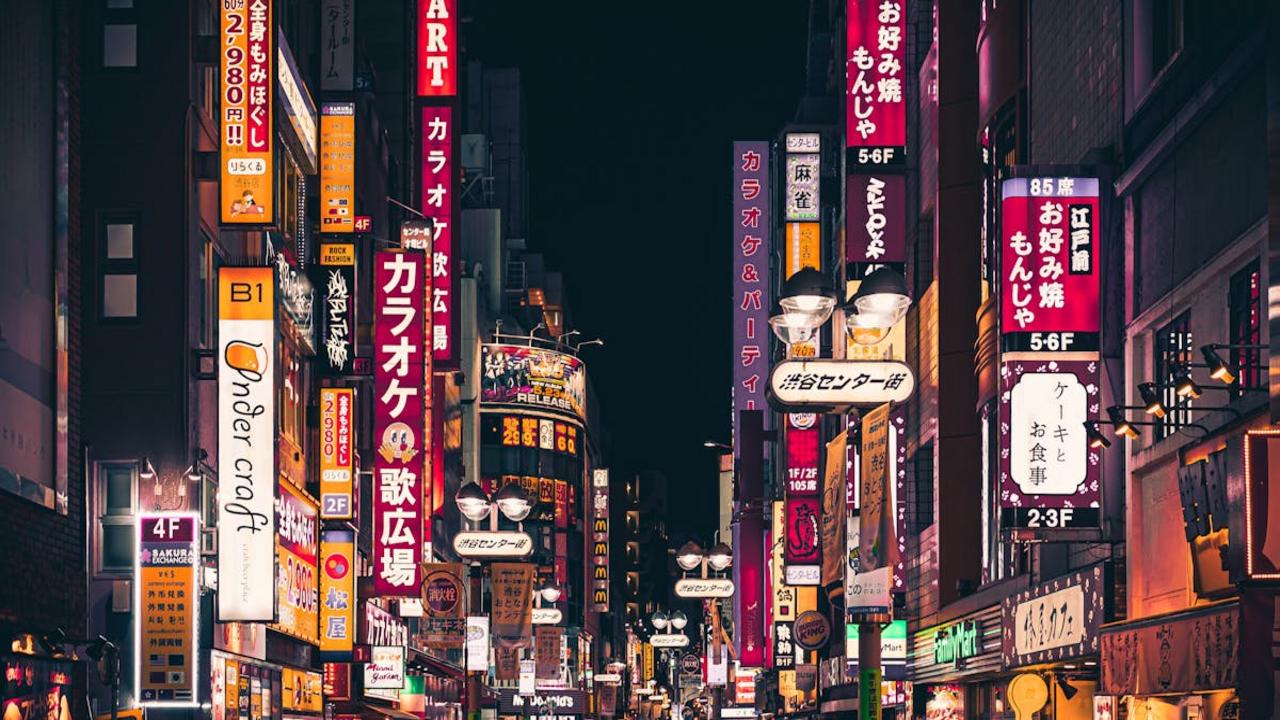
Tokyo hits differently when you’re hunting for authentic flavors that stretch far beyond what most people expect from Japanese cuisine. Sure, you’ll find incredible sushi at Tsukiji Outer Market, but what gets me excited are the tiny ramen shops tucked into subway stations where the broth simmers for hours, creating liquid gold that warms you from the inside out. I love how Tokyo chefs treat seasonal ingredients with such reverence – watching them transform simple daikon radishes or just-picked mushrooms into something that makes you pause mid-bite and really pay attention to what you’re eating.
What draws me back to Tokyo repeatedly is how the city balances tradition with wild creativity in ways that make perfect sense once you taste the results. You might stumble into a basement izakaya where the chef serves fermented vegetables alongside grilled fish that’s been aged for weeks, or discover a convenience store selling onigiri that’s better than most restaurant meals back home. The beauty of Tokyo’s food scene lies in how every meal teaches you something new about respecting ingredients and building flavors layer by layer – lessons that completely changed how I approach cooking in my own kitchen.