13 Surprising Reasons We Can’t Resist Junk Food
Ever wonder why you can’t walk past those potato chips without grabbing a bag? Or why that chocolate bar calls your name from the checkout line? Your brain and body work together in fascinating ways that make junk food nearly impossible to resist.
From the instant dopamine hit your brain gets from that first bite of a burger to the comforting memories of childhood ice cream treats, your relationship with junk food runs deeper than just hunger. The food industry knows this and creates products that hit all your physical and emotional triggers.
Understanding why you crave these foods helps you make better choices. Think of this as your behind-the-scenes look at the science, psychology, and clever marketing that keeps you coming back for more. Ready to uncover what makes that bag of chips so irresistible?
Habit Formation
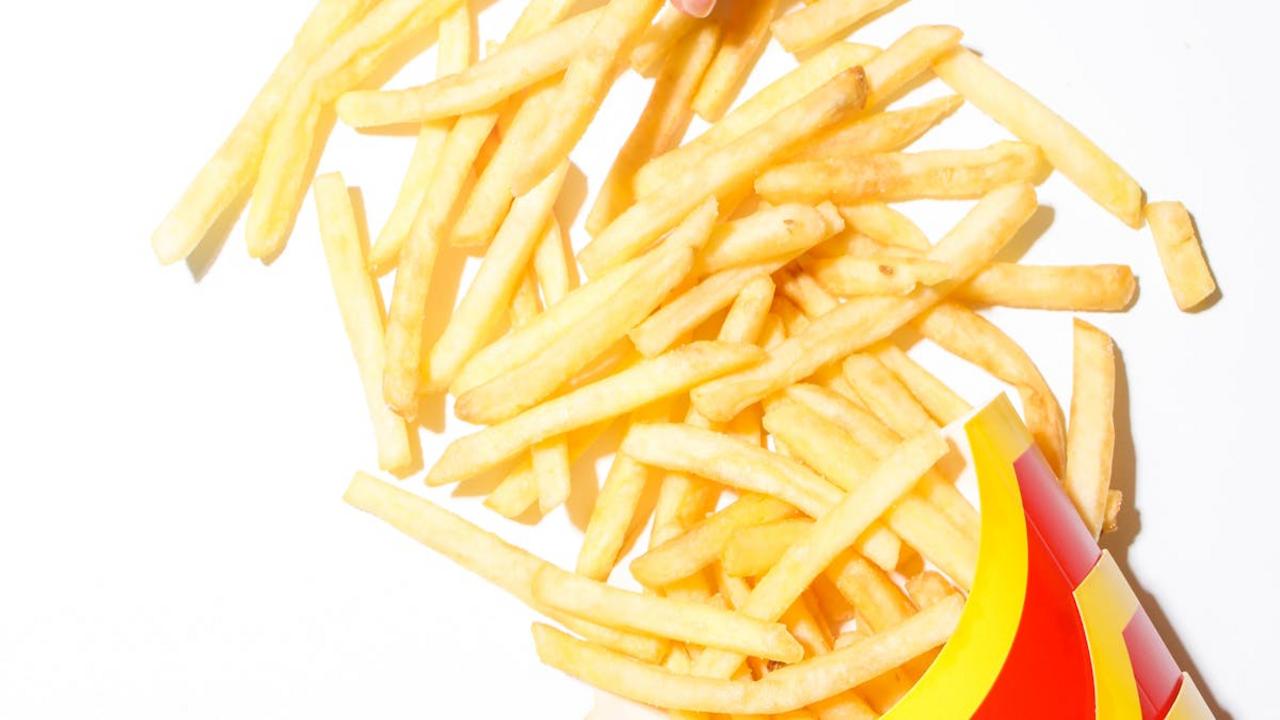
Fast Energy Fix
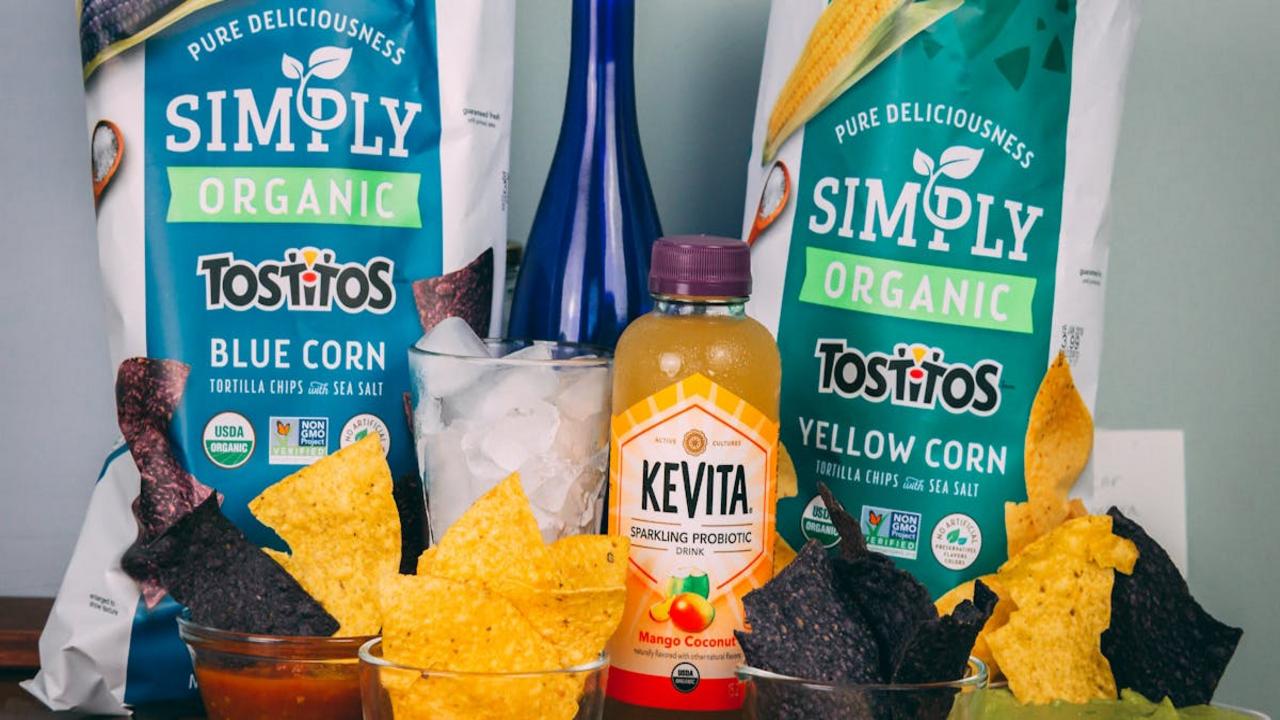
Artificial Flavoring
Marketing Tactics
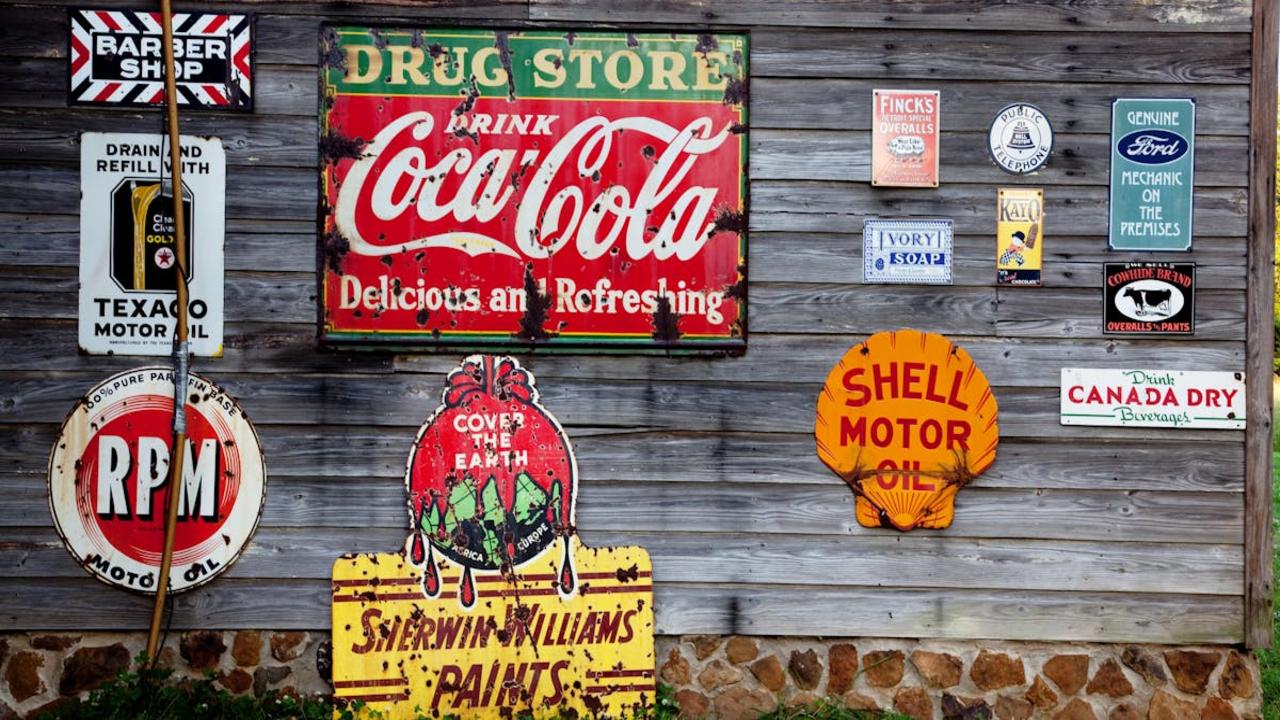
You’ve probably noticed how junk food companies pull out all the stops to catch your attention. From bright, eye-catching packaging to catchy jingles that stick in your head, these marketing wizards know exactly how to make their products impossible to ignore. They cleverly place their items at eye level in stores and near checkout counters where you’re most likely to grab them on impulse. Big food companies also spend billions on social media campaigns and TV ads that show people having fun and living their best lives while enjoying these treats.
The psychology behind these tactics runs deep – they create positive associations between their products and happy memories or good times. Think about those commercials showing friends sharing chips at a party or families bonding over ice cream. Kids are particularly vulnerable to these strategies, which is why you’ll see cartoon characters on cereal boxes and toys included in meal deals. The companies time their ads perfectly too – running snack commercials during prime-time TV shows or late at night when your willpower might be lower and cravings kick in. These calculated moves make it extra tough to resist reaching for that bag of chips or candy bar.
Social Pressure

You’ve probably noticed how your snack choices change when you’re with friends or family. It’s natural – we’re social beings who want to fit in! I see this all the time at parties and gatherings where everyone’s reaching for chips, cookies, and other processed treats. The pressure to join in can feel overwhelming, especially when others encourage you to “live a little” or “just have one more.” Your brain releases dopamine not just from eating these foods, but from the social bonding that happens when you share them with others.
Think about your last office party or family celebration – chances are there was a table loaded with sugary, salty snacks. Research shows you’re more likely to overindulge when eating with others compared to eating alone. This happens because your attention shifts from your body’s fullness signals to the social experience. Plus, sharing junk food has become deeply woven into how we celebrate and connect. From pizza at sleepovers to popcorn at movies, these foods play a big role in our social bonds, making them extra hard to resist.
Stress Eating

We’ve all been there – a tough day at work sends you straight to the pantry for those cookies or chips. Your brain actually makes you crave junk food during stressful times because these foods trigger the release of dopamine, a feel-good chemical that helps you cope with anxiety. This connection between stress and junk food creates a problematic cycle – the more stressed you get, the more your body wants those sugary, fatty, or salty snacks that give you quick comfort.
Your body’s stress response plays a big role in this behavior. When you’re under pressure, your body releases cortisol, a hormone that increases your appetite and specifically makes you want high-calorie foods. Think about how many times you’ve reached for a chocolate bar during a hectic afternoon rather than choosing an apple or carrots. The good news? You can break this pattern by finding other ways to manage stress, like taking short walks, practicing deep breathing, or calling a friend. These healthy alternatives can help you avoid turning to junk food when life gets overwhelming.
Convenience Factor

Let’s be real – most of us reach for junk food because it’s just so darn easy! You’ll find processed snacks and fast food at every corner, in vending machines, and even at your local gas station. These quick bites require zero prep time, making them incredibly tempting when you’re running between meetings or trying to grab a quick lunch. The packaging makes it even more appealing – those single-serve bags of chips or candy bars slip right into your bag or car cupholder, ready whenever hunger strikes.
The food industry has mastered the art of making junk food ultra-convenient, and they know exactly what they’re doing. They’ve created products that stay fresh for months, need no refrigeration, and open with a simple tear or twist. Compare that to preparing a healthy meal, which often involves shopping for fresh ingredients, washing, chopping, cooking, and cleaning up afterward. It’s no wonder many of us default to these easy options, especially during busy days when time feels like a luxury we don’t have. The immediate gratification of grabbing that bag of cookies or ordering from the drive-thru can feel almost impossible to resist.
Affordable Prices
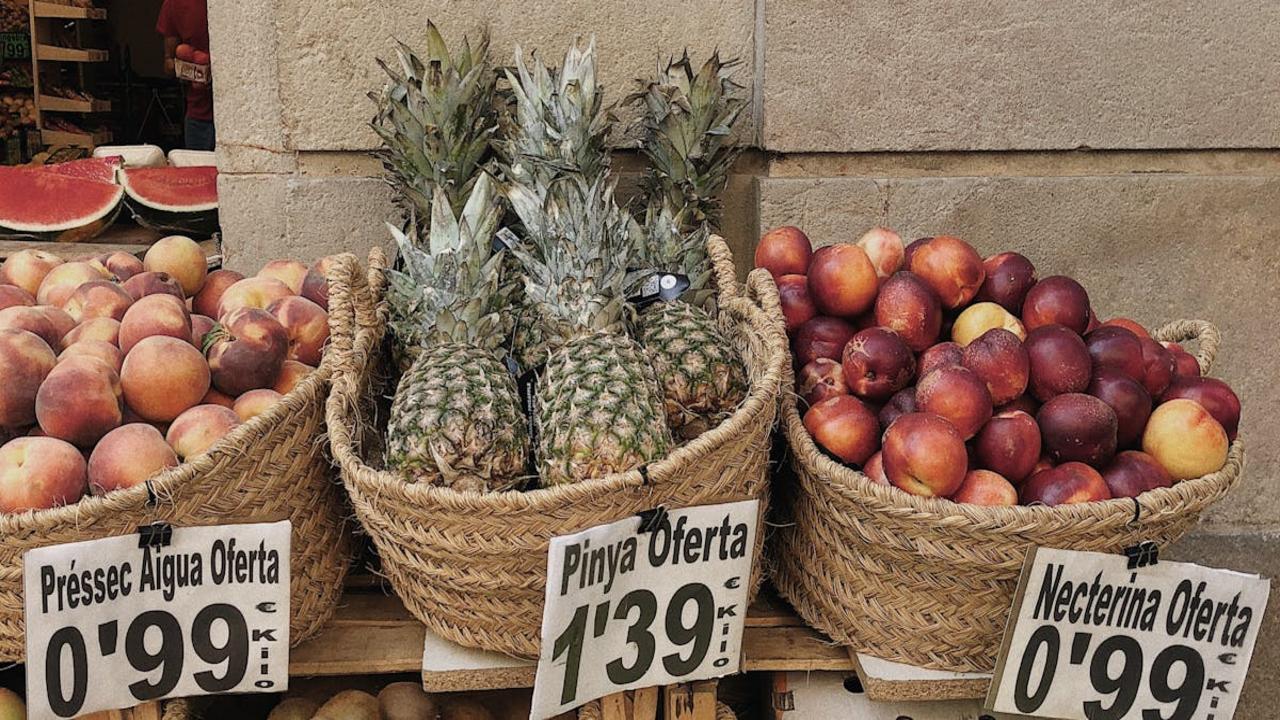
Let’s be real – junk food’s low prices make it hard to resist! I’ve noticed how a bag of chips costs way less than a bunch of fresh vegetables, and fast food restaurants hook you with those tempting dollar menus. Food companies know exactly what they’re doing by keeping processed snacks cheap and accessible. You’ll find vending machines stocked with $1 treats everywhere you go, while healthier options often carry premium price tags that can strain your wallet.
The cost difference between junk food and nutritious alternatives creates a genuine dilemma for many families. I’ve talked to countless readers who want to eat better but struggle with budget constraints. A pack of cookies might feed your family for days at just a few dollars, while fresh produce and lean proteins demand more spending. This pricing strategy makes junk food particularly appealing during tough economic times, creating a cycle that’s tough to break without conscious effort and careful meal planning.
Easy Accessibility

I get it – junk food is everywhere you turn! From the countless drive-thrus dotting your daily commute to the candy displays greeting you at every checkout counter, these tempting treats are just waiting to catch your eye. Your local convenience store stocks rows of chips, cookies, and sugary drinks right at arm’s reach. The sheer convenience makes it so simple to grab that bag of chips instead of planning and preparing a nutritious meal at home.
The food industry knows exactly what they’re doing by making these items readily available 24/7. They’ve created a perfect system where you can satisfy your cravings instantly – whether through food delivery apps, vending machines in offices and schools, or those irresistible snack aisles at the supermarket. This constant exposure combined with minimal effort required to obtain these foods creates a powerful pull that’s hard to resist. Think about it: would you eat as much junk food if you had to drive 30 minutes to find it? The ease of access plays a huge role in our consumption patterns.
Childhood Memories

Remember those special treats your mom or dad would give you after a tough day at school? That warm chocolate chip cookie or those crispy potato chips created deep emotional connections that still influence your food choices today. Your brain links these comfort foods to happy moments, safety, and love from childhood, making them almost impossible to resist when you’re feeling down or stressed. These early food experiences leave such a strong mark that many of us reach for the same snacks our parents gave us decades ago.
The food industry knows exactly how to tap into these childhood memories through packaging designs, flavors, and marketing that remind you of your favorite childhood treats. Those bright colors, familiar mascots, and classic snack combinations trigger an instant emotional response, making you more likely to grab that bag of cheese puffs or candy bar at the checkout counter. Your brain releases dopamine – the feel-good chemical – when you eat these familiar comfort foods, creating a powerful cycle of craving and reward that started way back in your childhood kitchen.
Salt Cravings

Your body naturally craves salt, and food manufacturers know this all too well! Salt makes everything more flavorful, and it’s a key reason you keep reaching for those potato chips and pretzels. I’ve noticed how my own cravings for salty snacks skyrocket during stressful times or after a workout. The reason? Your body needs sodium to maintain proper fluid balance and nerve function, making salt-rich foods particularly appealing when you’re dehydrated or have been sweating.
Here’s something that might interest you – your ancestors had limited access to salt, which made it a precious commodity. Today, food companies add extra salt to processed foods, making them super appealing to your primitive brain that still thinks salt is scarce. This explains why you can’t stop at just one chip! The combination of salt with fat or sugar in junk foods creates an even more powerful attraction. Next time you’re craving something salty, try munching on lightly salted nuts or homemade popcorn instead – you’ll satisfy that salt craving while getting some good nutrition too!
Sugar High
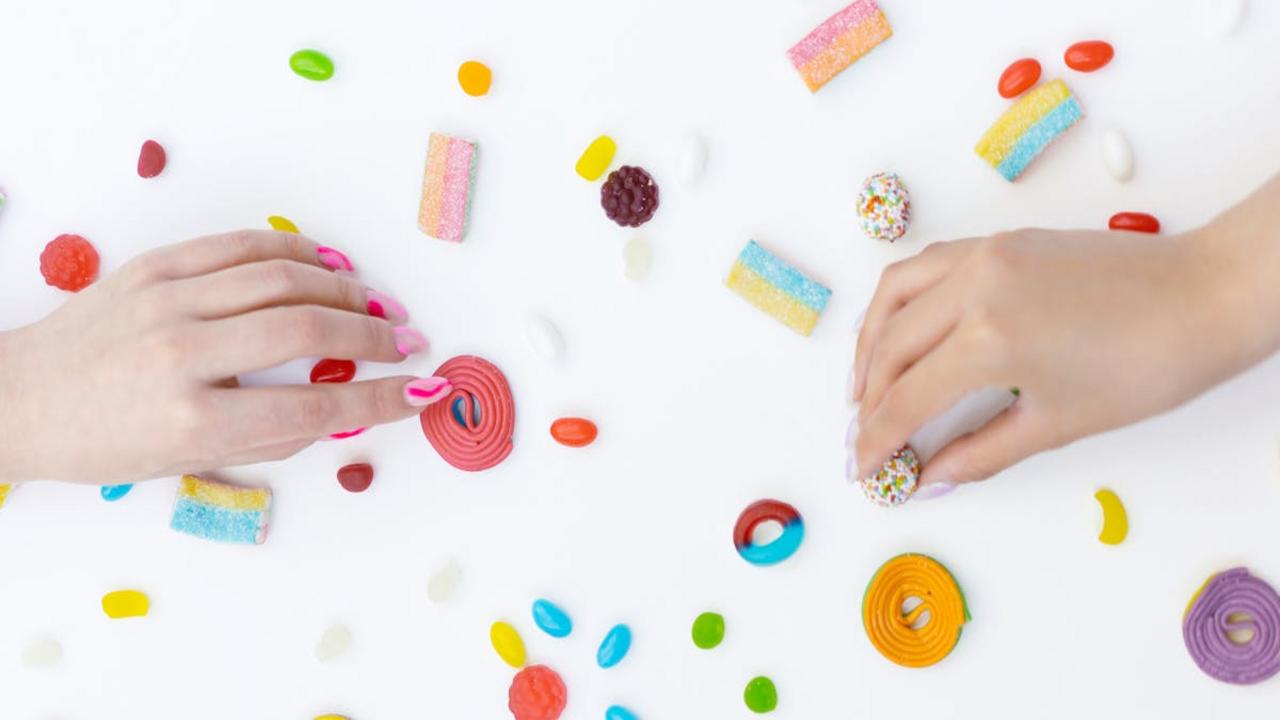
Your brain lights up like Times Square on New Year’s Eve when you eat sugar – and that’s not just a metaphor! Research shows sugar triggers the release of dopamine, the feel-good chemical that makes you want more and more. Think about how many times you’ve reached for “just one more” cookie or candy, only to find yourself demolishing the entire package. This powerful reaction happens because your brain recognizes sugar as a quick energy source and rewards you with intense pleasure signals.
The sugar high doesn’t stop at simple satisfaction – it creates a complex cycle of cravings and rewards that keeps you coming back for more. Your body has evolved to seek out sweet foods since they’re high in calories, which historically meant better survival chances. Today, food manufacturers know this biological drive all too well and pack their products with added sugars to keep you wanting more. Next time you notice yourself automatically reaching for sugary snacks, remember: your brain is running an ancient program that worked great for survival but needs some modern updates for your health.
Dopamine Rush

Your brain lights up with pleasure every time you eat junk food, triggering a flood of dopamine – the “feel good” chemical that makes you want more. This reaction happens almost instantly when you bite into a chocolate bar or munch on some crispy chips. The combination of sugar, salt, and fat creates an immediate reward system in your brain that’s similar to what happens with addictive substances. No wonder you keep reaching for that bag of cookies!
Food manufacturers know exactly how to create products that hit this dopamine sweet spot. They carefully balance ingredients to give you maximum pleasure with each bite, making it really hard to stop eating once you start. Your brain quickly learns to connect junk food with feeling good, forming habits that keep you coming back for more. Think about how much better those salty french fries make you feel after a rough day – that’s your brain’s dopamine system working overtime to give you a quick mood boost.