My Niece Called The Pizza I Ordered “Junk,” So I Gave Her Leftover Chicken Pasta Instead
From an early age, most of us are taught to appreciate whatever meal is placed in front of us, particularly when someone else is hosting. The familiar phrase, “You get what you get and you don’t get upset,” exists as a guiding principle precisely because it instills humility and thankfulness. It’s one of the cornerstones of proper etiquette.
Yet, a man recently posted a story on the internet that shows not everybody subscribes to these time-honored principles. After his nine-year-old niece melted down over dinner, he stood firm on his decision, and now his sister-in-law is labeling him “cruel” for how he handled things.
The Incident
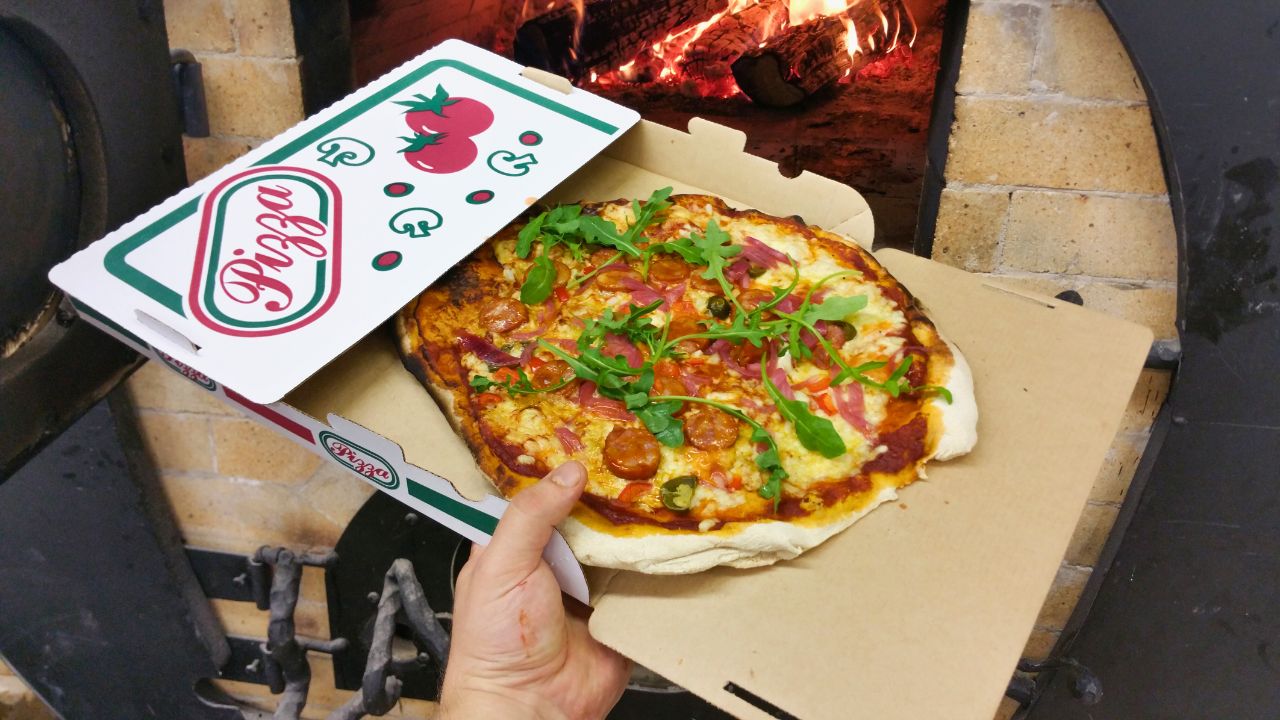
It all started with a generous offer. A 39-year-old man stepped up to watch a small army of kids—six altogether, his own included—so that his wife, sister-in-law, and cousin could head out for a bachelorette celebration. To turn the night into something fun, he planned to treat them all to pizza.
Sadly, trouble started almost immediately. The order from the children’s go-to pizza spot was severely delayed, and after an agonizing hour and a half, the uncle was forced to cancel and place a new order elsewhere. Most of the kids took it in stride, but his nine-year-old niece, “Tammy,” did not. She launched into a full-blown “crying fit.”
Even once she settled down, her sour attitude cast a shadow over the entire evening. She was irritable and rude to the other children. When her uncle and cousins attempted to lift her spirits, she told them to “shut up” or “leave her alone.” While they all waited for the replacement pizza, the uncle made it clear to every child, Tammy included, that bad behavior would mean no pizza at all.
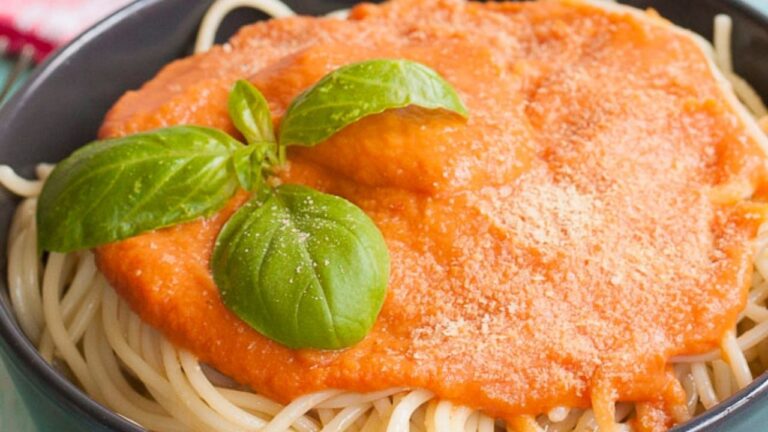
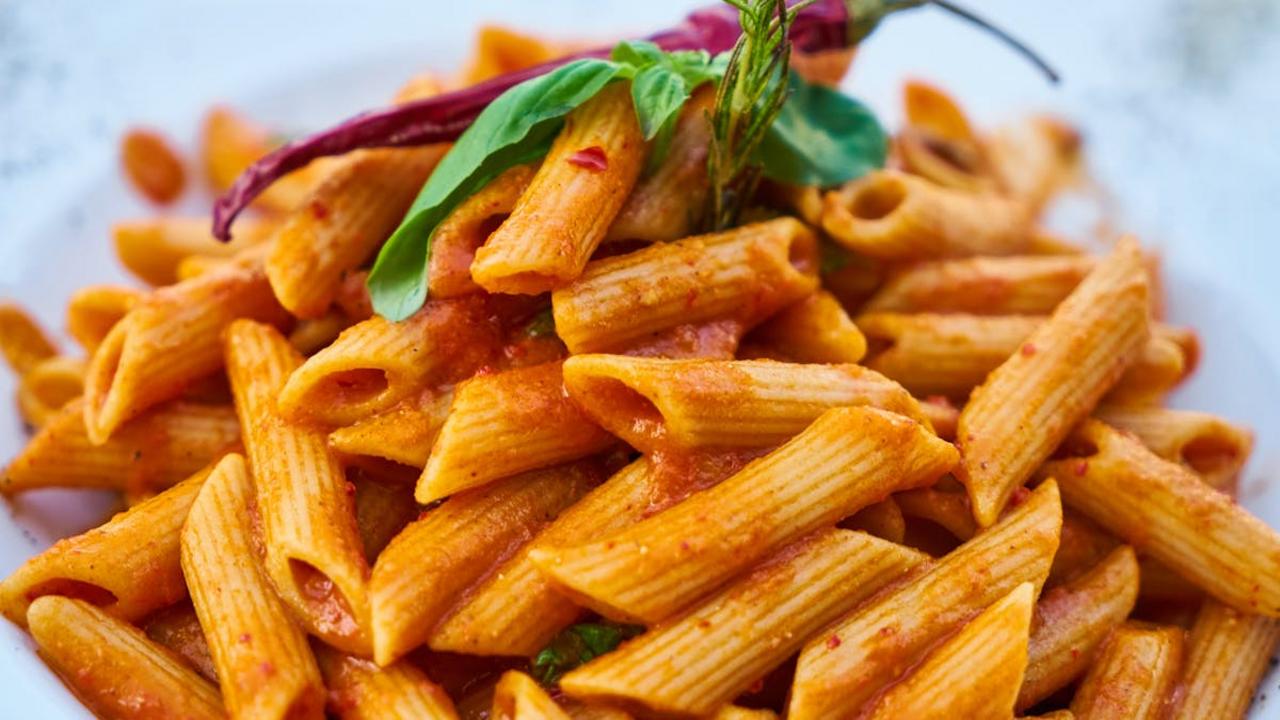
The breaking point arrived when the second pizza finally showed up. Tammy glanced at the open box and declared in front of everyone, including a two-year-old, “I’m not eating that junk.” That was it for the uncle. He quietly heated up some leftover chicken pasta in the microwave and informed her that would be her meal instead. Predictably, she burst into tears again and swore she’d behave, but he refused to back down.

When his sister-in-law came to collect Tammy, she was livid. She charged him with being unjust and heartless for singling out her daughter while the other five kids got to eat pizza. She maintained he was playing favorites and should have dealt with the situation differently.
The Internet Reacts
After the uncle posted his account online to ask whether he’d overreacted, the response was overwhelming. Commenters quickly sorted themselves into a handful of groups, though the overwhelming consensus was that the uncle had done nothing wrong.
Camp 1: The “Absolutely Not” Crowd
The majority of readers were shocked by the niece’s conduct and praised the uncle for delivering a lesson she clearly needed. They viewed his response not as a punishment but as the natural outcome of her disrespectful behavior. As one user summarized, it was a textbook example of “play silly games, win silly prizes.”
Another commenter highlighted the straightforward reasoning at play: “Don’t refer to food as junk and expect to be served it—especially in front of younger kids.” A different person concurred, observing that tolerating that sort of remark creates a terrible precedent. “The danger with allowing one child to say ‘I’m not eating that junk’ is that it tempts the others to also get on the bandwagon. You nipped it in the bud.”
Camp 2: The “Devil’s Advocate”
Although very few people excused the nine-year-old’s outburst, some tried to understand what was driving it. Attention swiftly turned toward her mother. Tammy’s mom suggested the uncle should have simply informed her about the misbehavior afterward and let her determine an appropriate punishment—a stance many interpreted as textbook enabling.
One commenter expressed sympathy for the girl, though not for the obvious reasons. “I feel kind of bad. Her mom enables this. And blames [the uncle],” they wrote. “I knew kids that ‘bad’ but when I’m an adult I blame the parents 100%. It’s a good thing she got consequences. Maybe she got parented for the first time in her life.”
Camp 3: The “Tougher Lessons” Crowd
Then came the parents who described how they would have responded, and their approaches were frequently even more severe. They were convinced that unwavering boundaries are the sole remedy for such deep-seated disrespect.
One mother recounted a compelling experience of her own: “My daughter once shouted, ‘I’m not eating that SLOP!’ My reply was, ‘You’re right. For the next three nights you are cooking your own dinner and may not eat anything anyone else makes or purchases, even if it’s your favorite meal.’ She has yet to repeat that mistake.” For these commenters, the uncle’s consequence was not only justified but arguably on the lenient side.
The Etiquette Verdict
Let’s make one thing abundantly clear: this uncle was not being cruel. He was acting as a responsible caregiver. With six children under his watch, he had an obligation to keep things under control and model respectful behavior. When one child’s attitude threatened to derail the entire evening for the group, he stepped in with a direct and fair response.
He didn’t leave her without a meal. He simply delivered the consequence her own actions had warranted. She announced she wouldn’t eat the pizza, and he honored that declaration by offering her an alternative dinner. The deeper takeaway had nothing to do with pizza—it was about appreciation, respect, and understanding that the world doesn’t always bend to your preferences.
Your Take
This is the kind of scenario that could unfold in any household. So, where do you stand? Was the uncle’s consequence a reasonable lesson in manners, or did it cross the line for a nine-year-old?