14 Food Brands You Forgot Existed—Until Now
Remember those snacks that made your childhood extra special? The ones you’d beg your parents for at the grocery store or trade with friends during lunch break? I’ve gathered 14 iconic food brands that vanished from store shelves but still hold a special place in our memories.
From the quirky Giggles Cookies to the mesmerizing swirls of Orbitz drinks, these discontinued treats defined snacking in the 90s and early 2000s. Some, like Dunkaroos and New York Seltzer, have made triumphant comebacks, while others remain locked in the vault of nostalgia.
Ready for a trip down memory lane? These forgotten brands will transport you back to simpler times – when lunch boxes contained Butterfinger BB’s and weekends started with a bowl of Oreo O’s cereal. Some might look different now, but they still pack the same punch of childhood joy.
Giggles Cookies
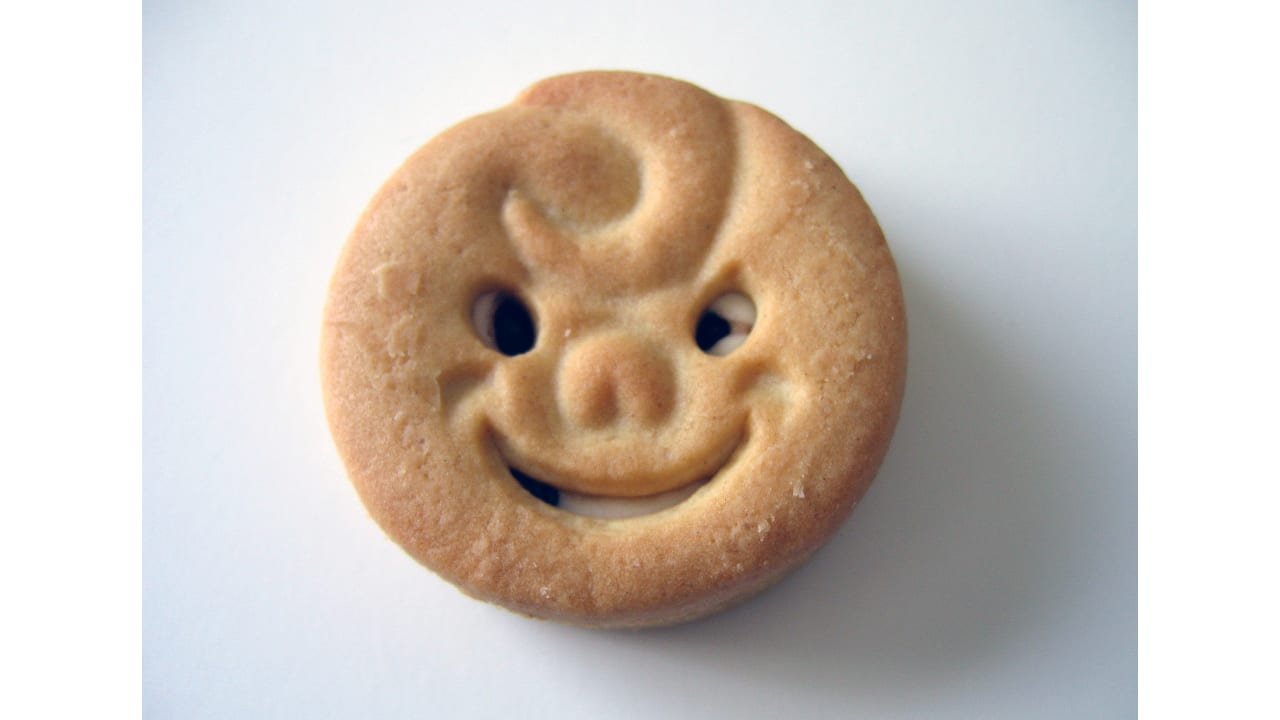
Remember those magical moments in grocery aisles when you’d spot a package of Giggles Cookies and feel that instant spark of childhood joy? These weren’t just cookies—they were tiny celebrations wrapped in crinkly packages, each bite delivering a satisfying crunch that somehow made everything better. I always admired how these simple treats managed to capture pure happiness in such an uncomplicated form. While most commercial cookies relied on artificial flavors and preservatives, Giggles had this honest sweetness that reminded you why homemade treats matter so much.
Looking back, Giggles Cookies taught me something valuable about creating food that brings genuine smiles. They proved that you don’t need fancy ingredients or complicated techniques to make people happy—just authentic flavors and that perfect balance between sweet and satisfying. Now, when I bake cookies from scratch, I think about that same principle: keeping things simple, using real butter instead of shortcuts, and focusing on textures that create those memorable moments. Those little packages of joy showed me that the best foods are often the ones that make you giggle with pure delight, exactly like their name promised.
Squeezit
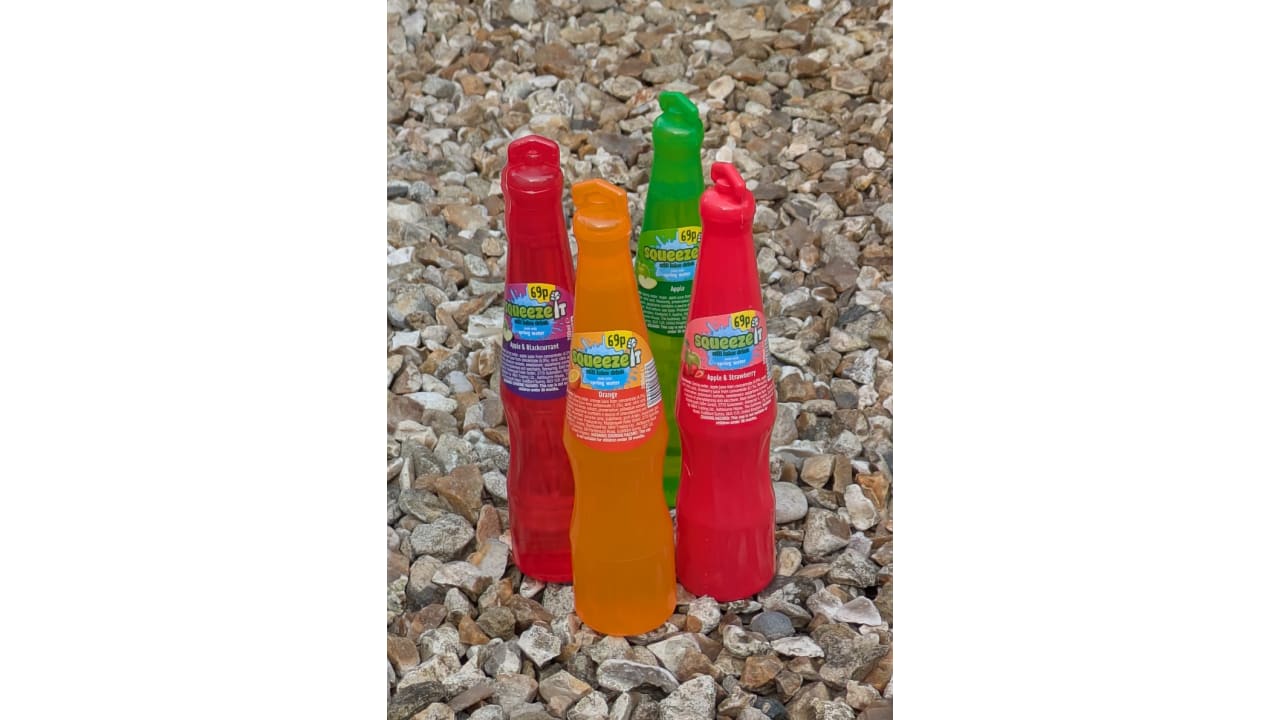
Remember those neon-bright plastic bottles you could squeeze until they turned into crumpled accordion shapes? Squeezit dominated lunch boxes and after-school snacking in the ’90s with flavors that had absolutely nothing to do with actual fruit. Cherry, grape, and tropical punch came in colors so vivid they practically glowed—a far cry from the natural fruit juices I make at home now. As someone who spends most of my time creating wholesome drinks from fresh ingredients, I can’t help but marvel at how these artificial concoctions once seemed like the pinnacle of refreshment.
Looking back, Squeezit represents everything I’ve moved away from in my cooking philosophy. Those bottles contained more sugar and artificial additives than any growing body needed, yet they felt so exciting compared to plain water or milk. Now I create my own “squeezable” drinks for my family using fresh fruit purees, a touch of honey, and sparkling water in reusable squeeze bottles. The kids get that same fun factor of squeezing their drink, but with ingredients I can actually pronounce. Sometimes the most processed memories from our childhood become the best inspiration for creating healthier versions that still capture that sense of playful enjoyment.
Crystal Pepsi
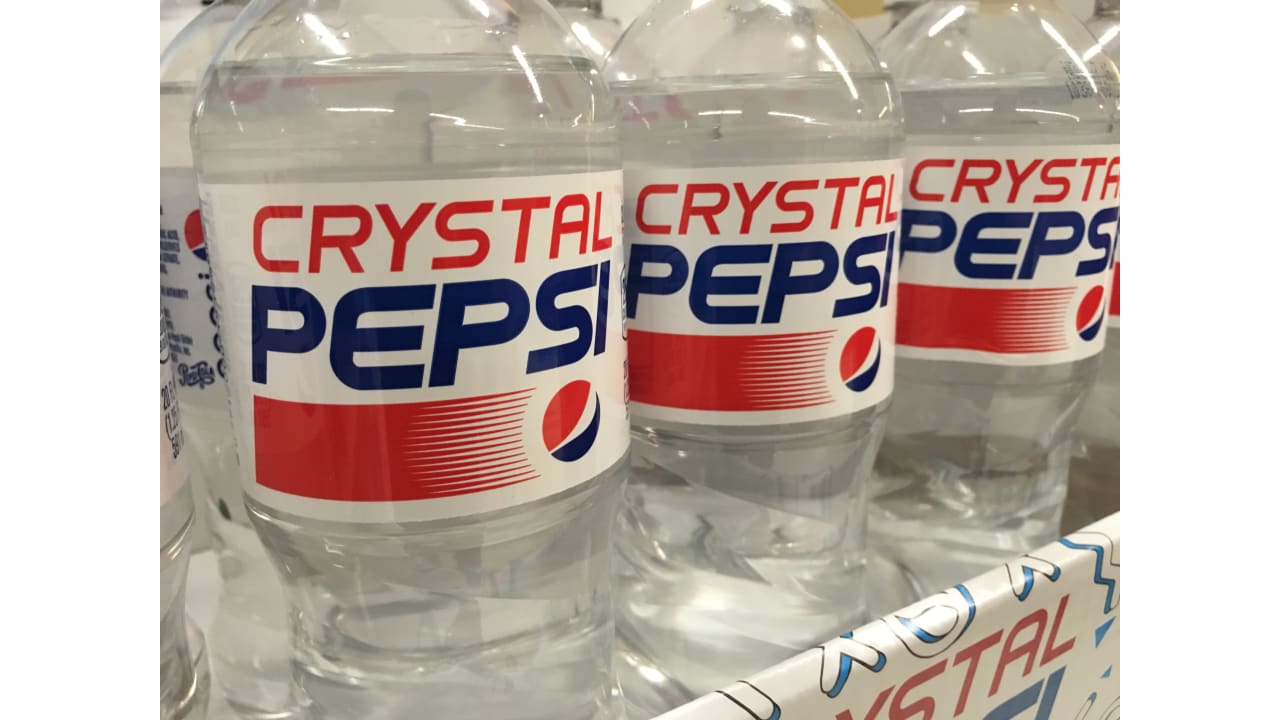
Remember that clear cola that had everyone doing double-takes in the early ’90s? Crystal Pepsi made us question everything we thought we knew about soda. This transparent version of the classic cola promised the same familiar taste without the caramel coloring, and honestly, it felt like drinking liquid magic. The whole concept fascinated me because it challenged our preconceived notions about how food should look – something I think about constantly when I’m experimenting with natural ingredients in my own kitchen.
What strikes me most about Crystal Pepsi is how it represented this brief moment when major brands tried to capitalize on the “pure” and “natural” movement, even though it was still very much a processed beverage. These days, I find myself creating my own clear, refreshing drinks using sparkling water, fresh citrus, and herbs from my garden – giving me that same visual surprise without all the artificial ingredients. Sometimes the most memorable food experiences come from breaking our expectations, whether that’s a transparent cola or adding unexpected spices to transform a simple dish into something extraordinary.
Dunkaroos
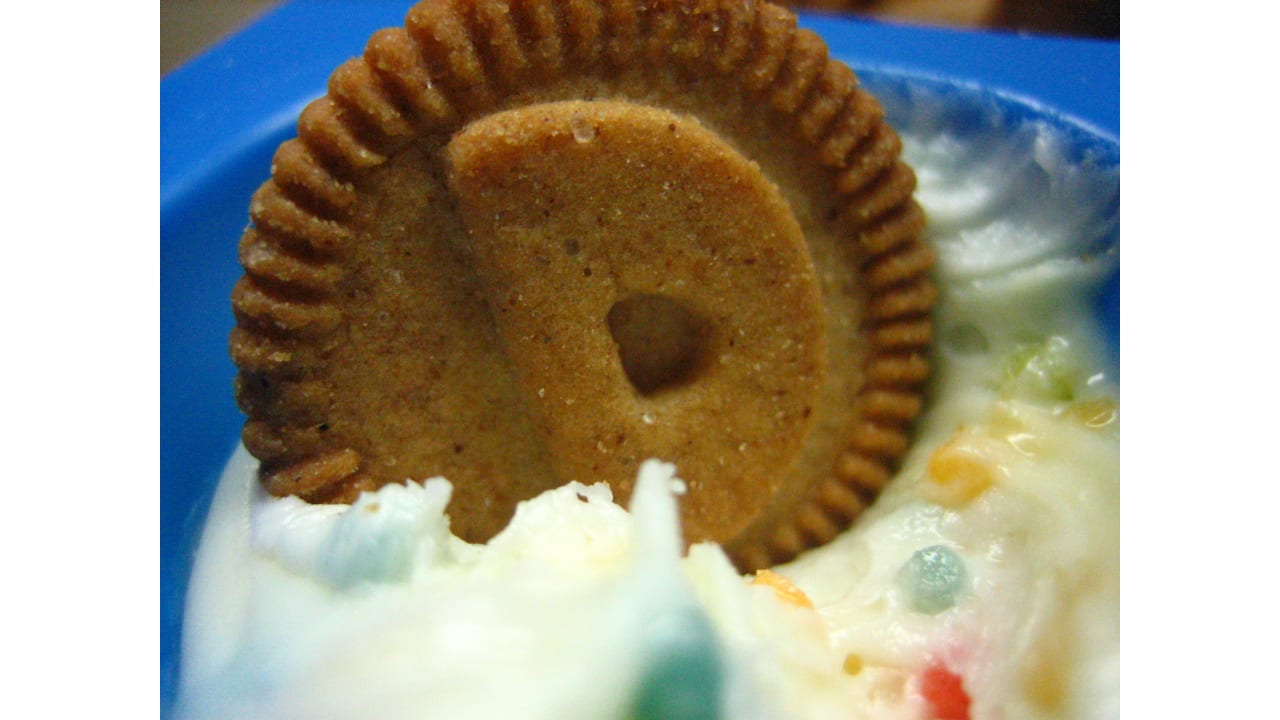
Remember those afternoons when you’d tear open that familiar blue package and find those perfectly crispy cookies alongside that rainbow-sprinkled frosting? Dunkaroos disappeared from store shelves for years, leaving many of us wondering if we’d imagined their existence. I spent countless childhood moments perfecting the cookie-to-frosting ratio, always running out of cookies first because that vanilla icing was just too good to resist.
Now that they’re back, I can’t help but think about how we can recreate that same nostalgic magic at home with better ingredients. Instead of reaching for the processed version, try making your own with whole wheat graham crackers and a simple cream cheese frosting sweetened with pure maple syrup. Add some natural vanilla extract and a pinch of cinnamon, then let your kids (or your inner child) go wild with natural sprinkles. You get that same satisfying dunk-and-munch experience, but with ingredients you actually recognize and can pronounce.
New York Seltzer
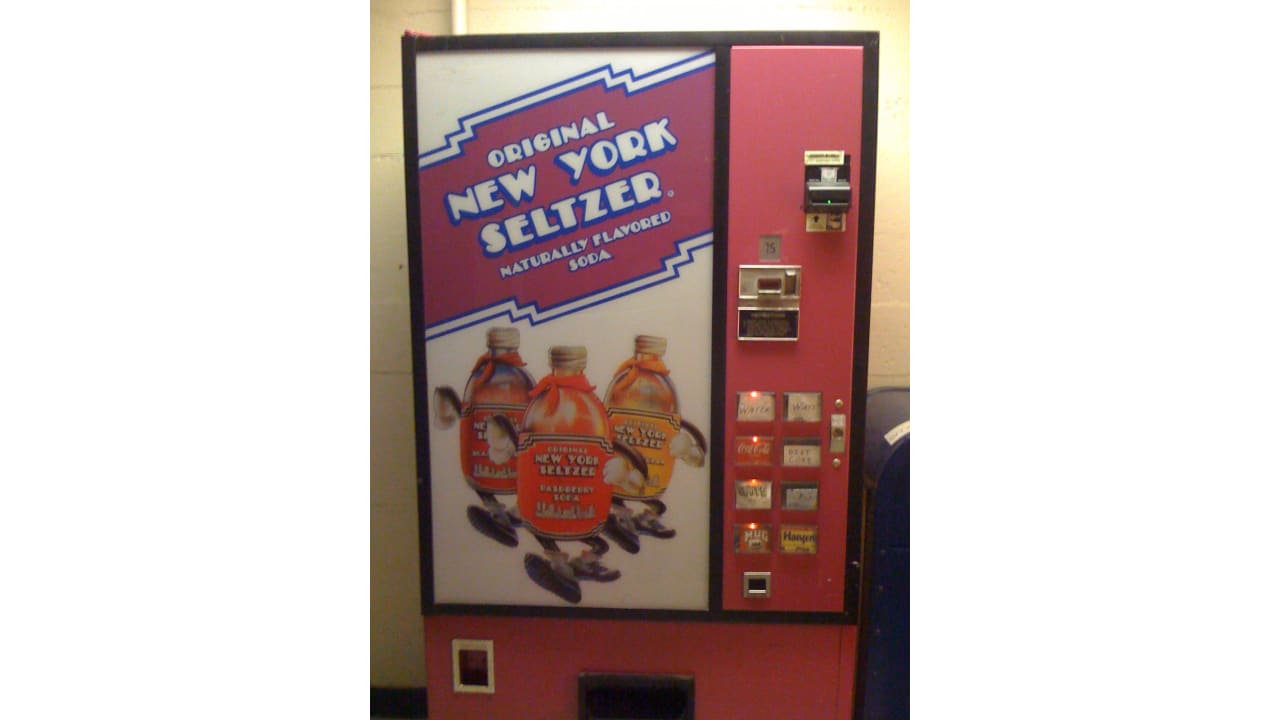
Remember those clear glass bottles with the colorful caps that lined grocery store shelves in the ’80s and ’90s? New York Seltzer brought something special to the beverage world—pure, crisp seltzer water infused with natural fruit flavors that actually tasted like real fruit. Their raspberry, black cherry, and vanilla cream varieties became staples for those of us seeking refreshment without the artificial sweeteners that dominated other sodas. What made this brand stand out was their commitment to simplicity: just carbonated water and natural flavors, no sugar, no caffeine, and definitely no mysterious additives that required a chemistry degree to pronounce.
As someone who constantly seeks clean ingredients in everything I consume, I appreciated how New York Seltzer kept things straightforward long before “clean eating” became trendy. You could grab a bottle knowing exactly what you were drinking—something I wish more beverage companies would remember today. While the brand eventually disappeared from mainstream markets, its legacy lives on in my kitchen philosophy: sometimes the best things are the simplest ones. These days, when I make homemade fruit-infused sparkling water, I think back to those satisfying bottles that proved you don’t need artificial anything to create something genuinely refreshing and delicious.
Butterfinger BB’s
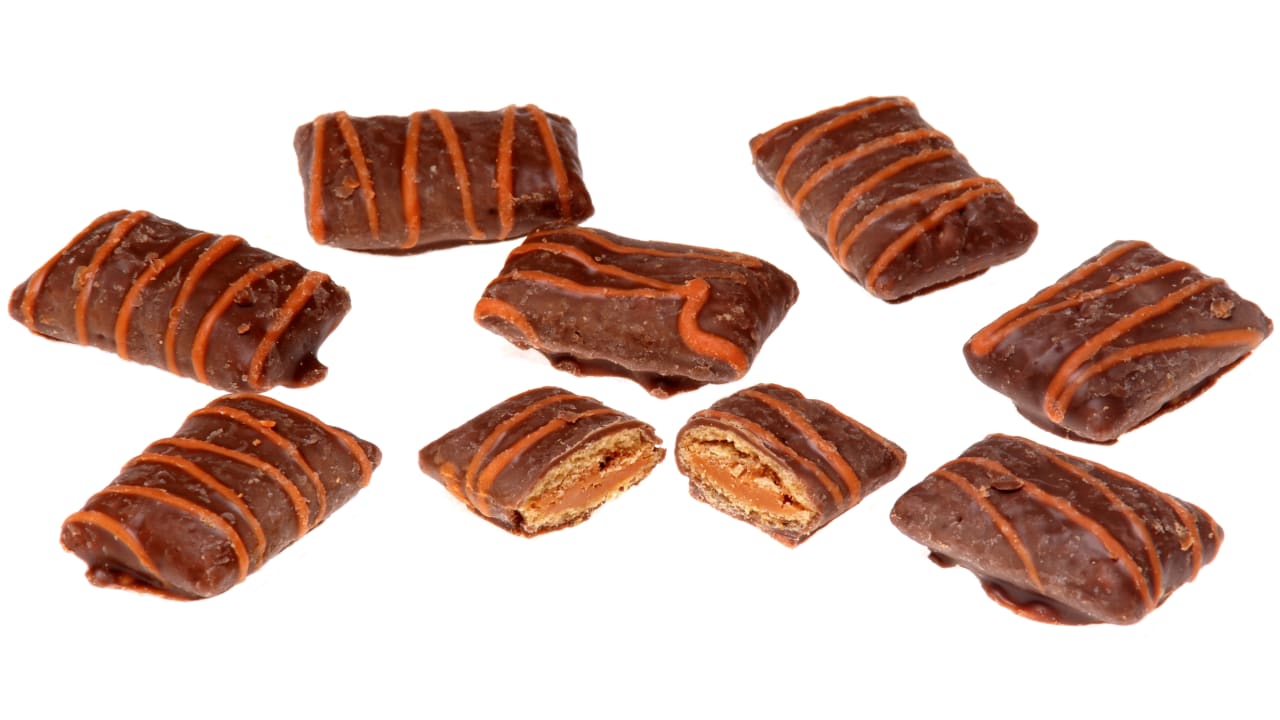
Remember when you could grab a handful of tiny, crunchy Butterfinger BB’s and pop them in your mouth like candy-coated peanuts? These bite-sized versions of the classic Butterfinger bar disappeared from shelves in the early 2000s, leaving behind a generation of snackers who still miss that perfect ratio of crispy peanut butter center to chocolate coating. I used to keep a bag in my pantry for those moments when regular candy bars felt too committed—sometimes you just wanted that familiar butterscotch-peanut flavor in a more manageable, snackable form.
What made Butterfinger BB’s special was how they transformed the original bar’s texture into something completely different. Instead of that chewy, stick-to-your-teeth experience, these little spheres gave you quick bursts of flavor that actually worked better for sharing and portion control. As someone who now focuses on whole food ingredients and minimal processing, I can appreciate why these disappeared—they were definitely peak processed candy. But there’s something to be said for their portion-controlled format that could inspire homemade versions using natural peanut butter, honey, and dark chocolate. Sometimes the best discontinued foods teach us what we actually loved about certain flavor combinations.
Orbitz
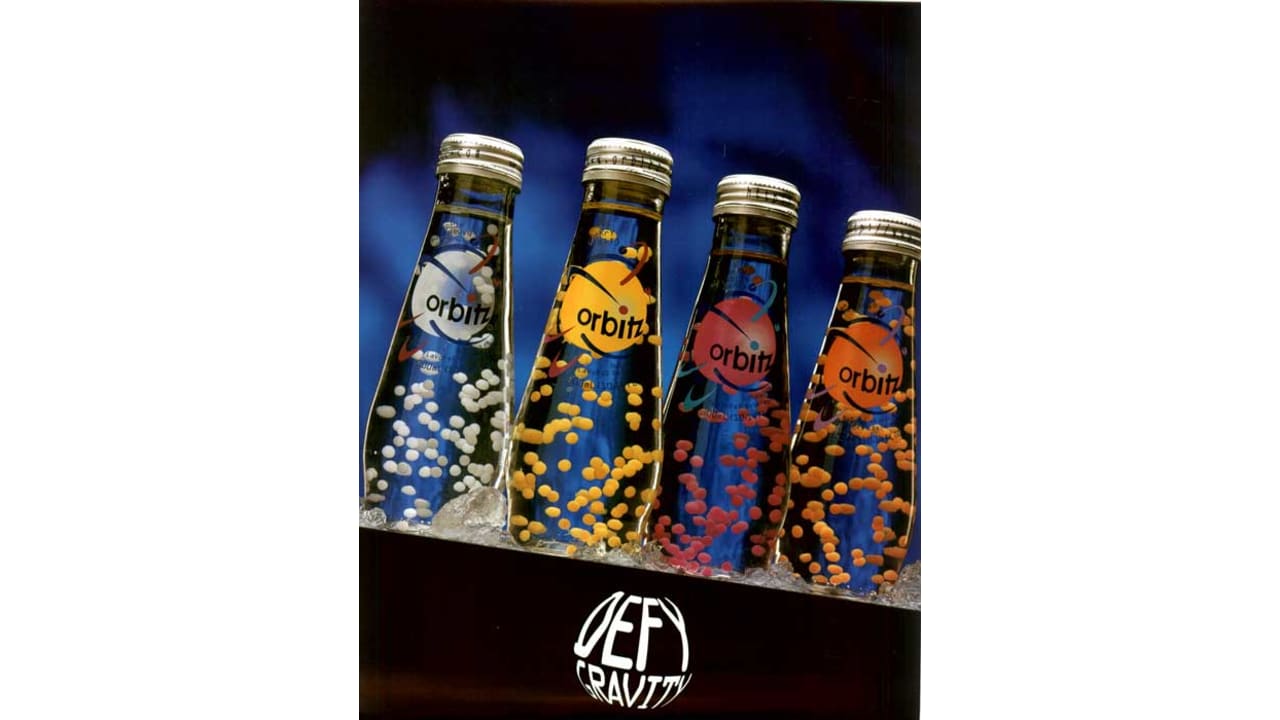
Remember Orbitz? That bizarre drink from the late ’90s that looked like a lava lamp you could actually consume? I still can’t wrap my head around whoever thought floating gel balls in flavored liquid would be the next big beverage sensation. The marketing team pitched it as “texturally enhanced alternative beverage” – fancy words for “chunky drink that nobody asked for.” Those little gelatin spheres suspended in clear liquid created this otherworldly experience that felt more like drinking a science experiment than refreshing yourself.
Looking back as someone who champions whole foods and natural ingredients, Orbitz represents everything I avoid in my kitchen today. Those mysterious floating bits contained artificial colors, flavors, and enough preservatives to survive a nuclear winter. The drink disappeared from shelves faster than it appeared, proving that sometimes food innovation goes too far from what our bodies actually crave. Give me fresh fruit-infused water with real berries floating inside any day – now that’s texture with purpose! The whole Orbitz phenomenon reminds me why I stick to ingredients I can pronounce and understand.
Pepsi Blue
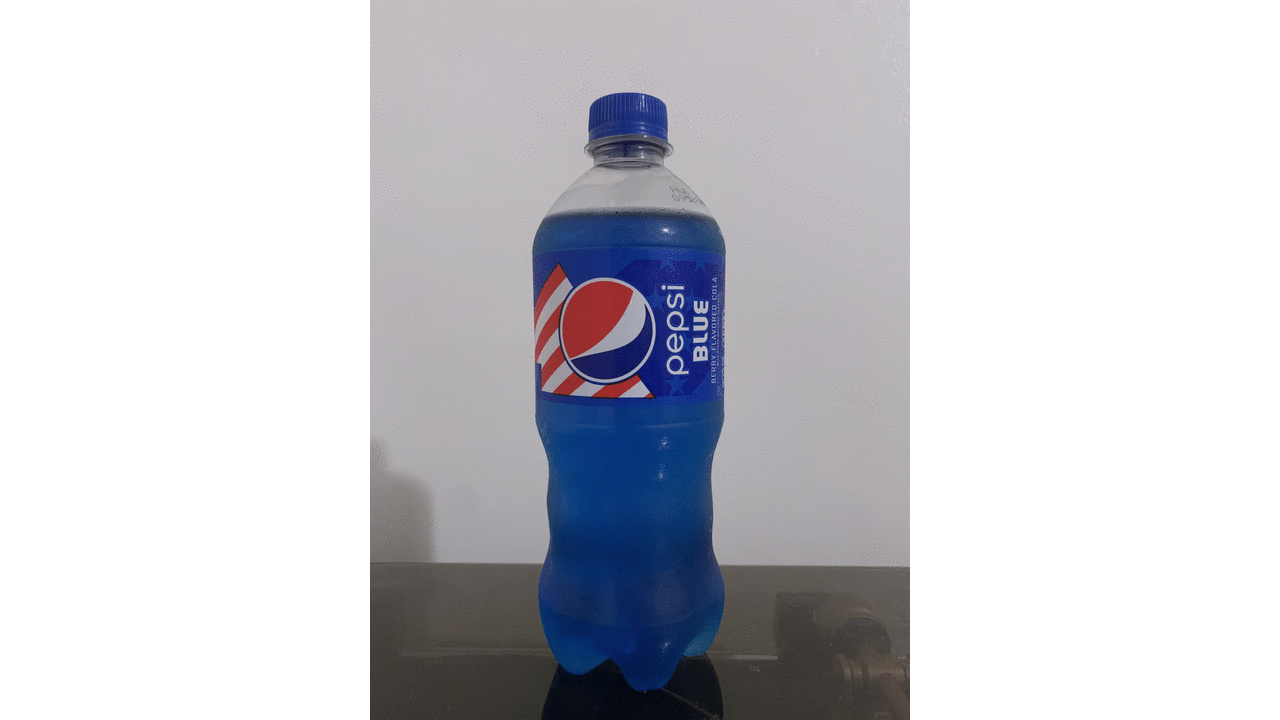
Remember when Pepsi decided to turn your favorite cola into something that looked like antifreeze? Pepsi Blue hit the market in 2002, and honestly, I still can’t figure out what they were thinking. This berry-flavored cola came in the most unnatural shade of blue you could imagine—the kind of color that made you question whether you were drinking soda or cleaning solution. As someone who champions whole foods and natural ingredients, this drink represented everything I stand against in the kitchen: artificial colors, synthetic flavors, and a complete disconnect from anything remotely resembling real food.
The flavor itself was supposedly berry-inspired, but it tasted more like someone mixed regular Pepsi with blue raspberry slush. I remember trying it once out of pure curiosity and immediately regretting that decision. The artificial sweetness hit you first, followed by this strange chemical aftertaste that lingered way too long. It’s no wonder this neon experiment only lasted about two years before Pepsi quietly pulled it from shelves. These days, when I want berry flavor in my drinks, I muddle fresh blueberries into sparkling water or create my own natural fruit sodas with real ingredients—no mysterious blue dye required.
Oreo O’s Cereal
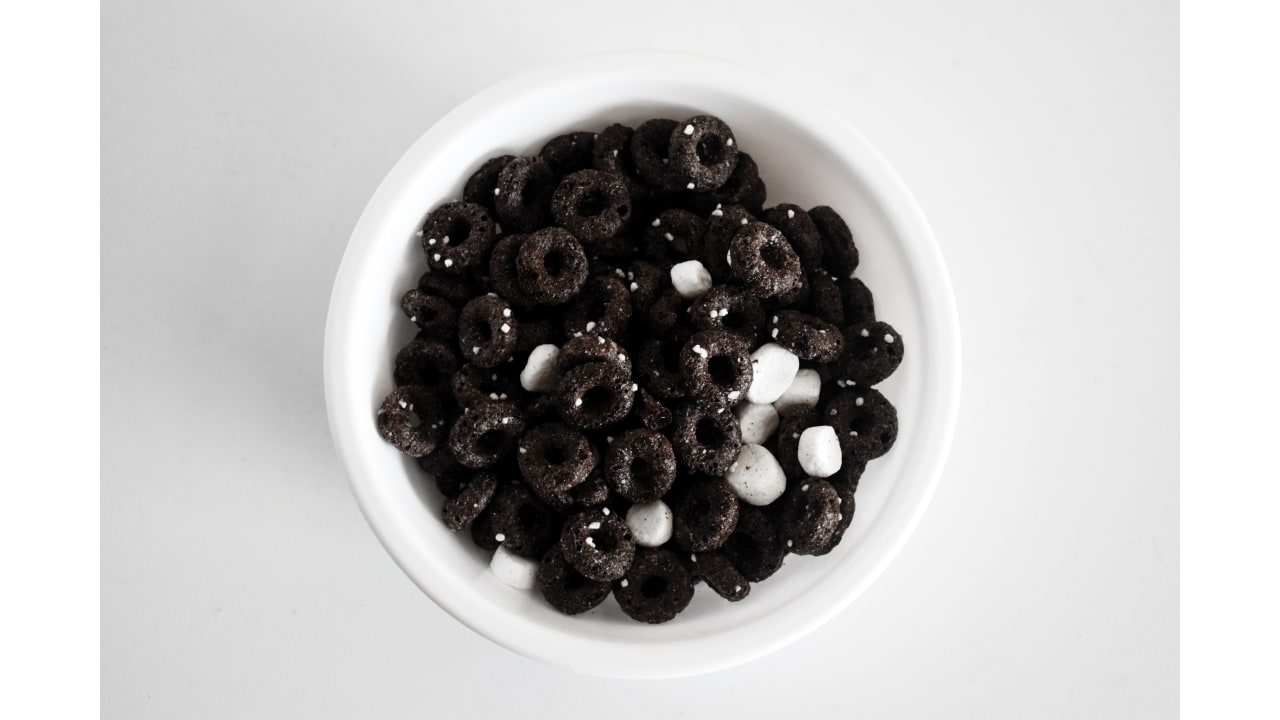
Remember when breakfast meant pouring a bowl of cookies disguised as cereal? Oreo O’s made mornings feel like pure rebellion – chocolate cookie pieces floating in milk, turning your breakfast bowl into what looked suspiciously like dessert. I remember sneaking extra spoonfuls while my parents weren’t watching, convinced I was getting away with something magical. The cereal disappeared from shelves for years, leaving many of us wondering if we’d imagined this chocolatey breakfast dream.
Now that Oreo O’s has made its comeback, I find myself torn between nostalgia and my current approach to morning meals. While I typically start my day with homemade granola packed with nuts, seeds, and dried fruit, there’s something beautifully honest about a cereal that never pretended to be anything other than cookies for breakfast. Sometimes the best recipes are the ones that make you smile first – even if that means occasionally trading your usual wholesome oats for a bowl of chocolate-coated nostalgia that tastes exactly like childhood Saturday mornings.
Sprite Remix
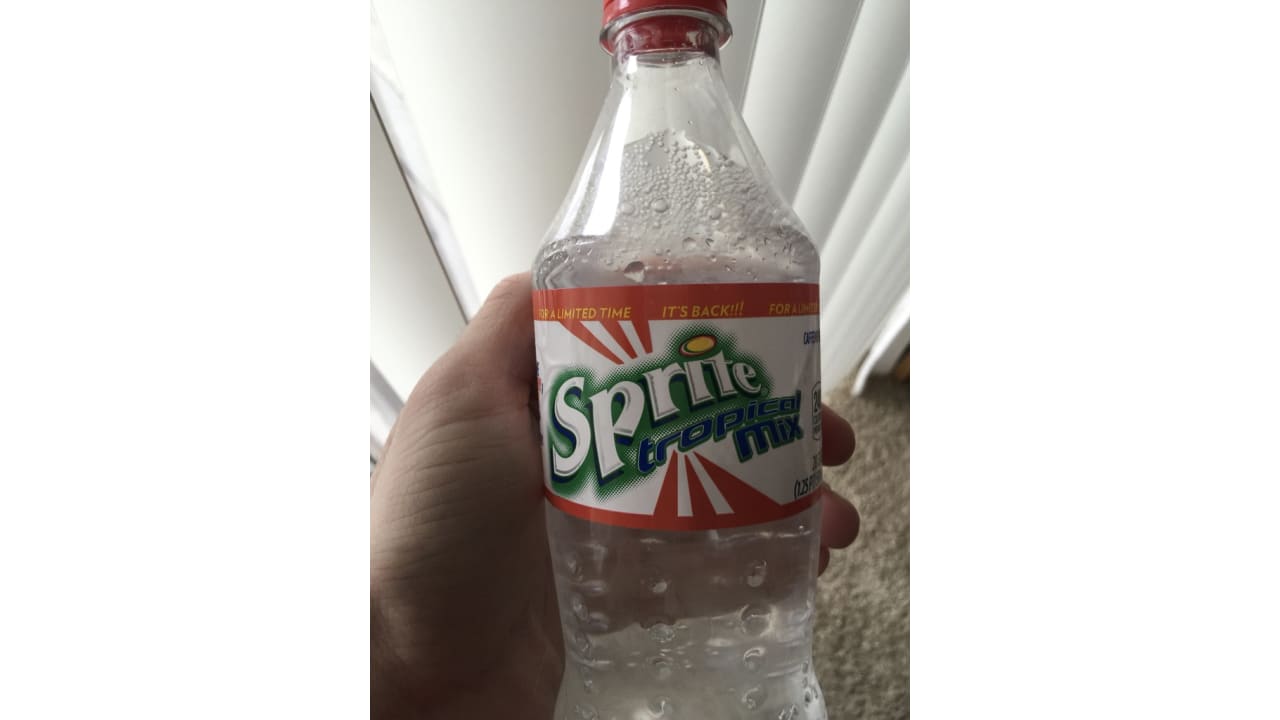
Remember when Coca-Cola decided to give their classic lemon-lime soda a complete makeover? Sprite Remix hit the shelves in 2003 with tropical fruit flavors that turned the familiar fizzy drink into something entirely different. I watched friends grab bottles of the Tropical and Berryclear varieties, curious about how these bold new flavors would taste compared to the original we all knew. The brand positioned itself as a hipper, more adventurous version of regular Sprite, targeting younger consumers who wanted something fresh and unexpected in their soda choices.
Looking back now, Sprite Remix represented a fascinating moment when major beverage companies experimented with flavor combinations that seemed almost exotic for mainstream American palates. The tropical blend reminded me of the fresh fruit juices I love making at home—pineapple, mango, and citrus dancing together in perfect harmony. While the commercial version disappeared after just a few years, it sparked my interest in creating my own naturally flavored sparkling waters using real fruit purees and herbs. Sometimes the best inspiration comes from products that push boundaries, even if they don’t stick around long enough to become permanent fixtures in our pantries.
Altoids Sours
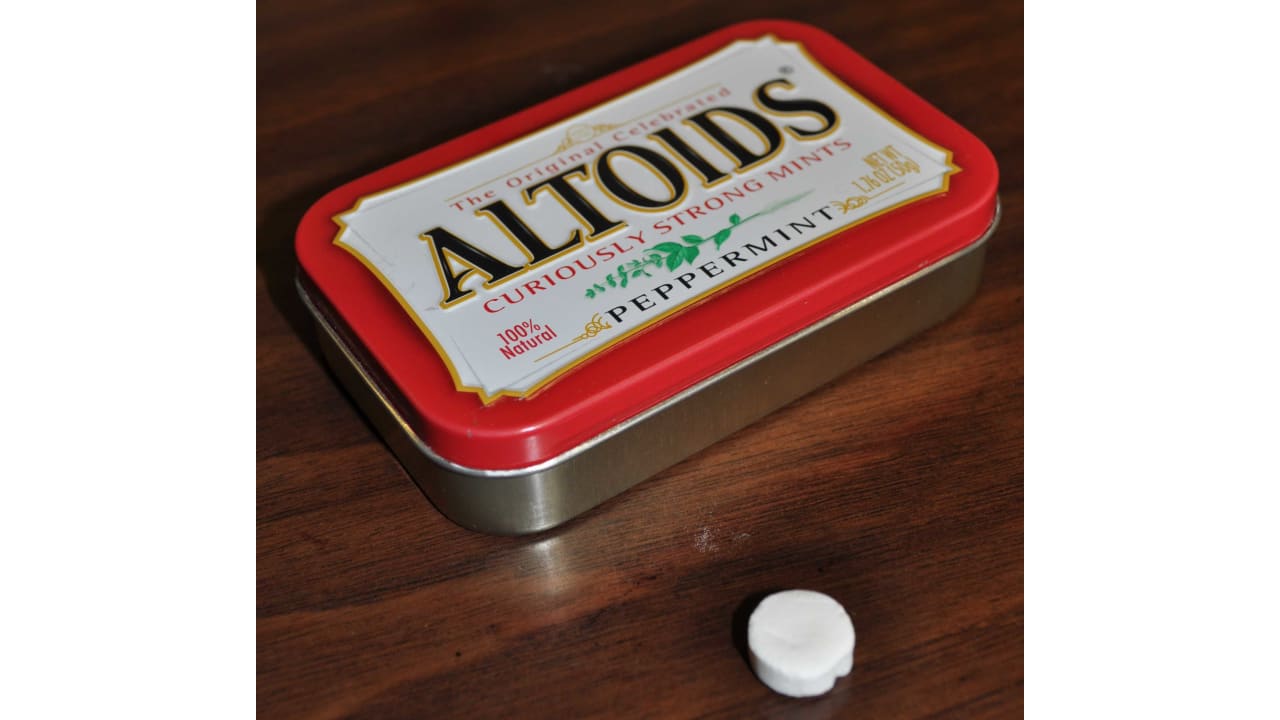
Remember those tiny tins that packed an electric punch? Altoids Sours disappeared from shelves years ago, but they left behind a legion of devoted fans who still reminisce about that perfect balance of sweet and sour. These weren’t your ordinary mints—they were flavor bombs that made your mouth water just thinking about them. The tangerine, apple, and raspberry varieties each delivered that signature pucker followed by a sweet finish that kept you reaching for more.
What I loved most about Altoids Sours was their honesty—no artificial flavors masquerading as real fruit. They reminded me why I appreciate bold, clean tastes in my own cooking. Just like how I build layers of flavor with fresh citrus and real ingredients, these little candies understood that intensity doesn’t require complexity. When I’m creating a new recipe, I think about that same principle: sometimes the most memorable experiences come from simple ingredients that aren’t afraid to make a statement. Those distinctive tins might be collector’s items now, but they taught us something valuable about fearless flavor.
Waffle Crisp
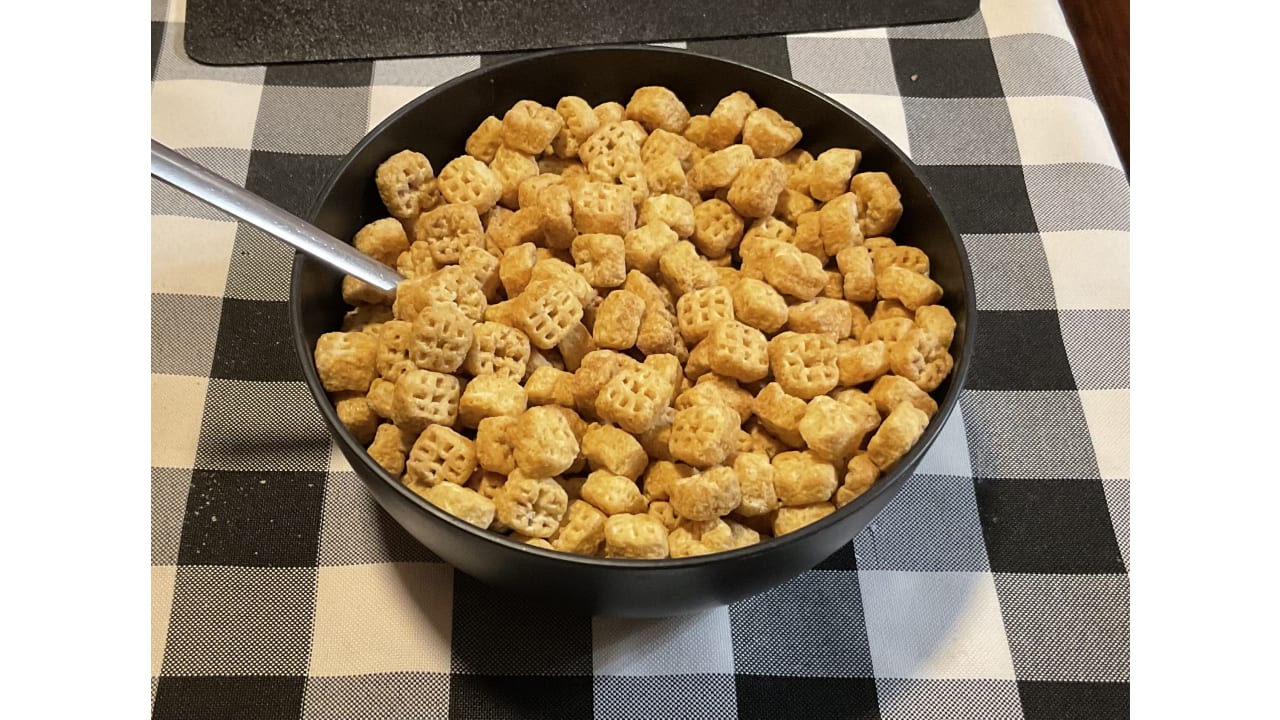
You know that moment when you’re walking down the cereal aisle and suddenly spot something that makes you do a double-take? That’s exactly what happens when Waffle Crisp makes one of its rare appearances on store shelves. This Post cereal from the late ’90s captured something magical – imagine tiny maple syrup-infused waffle pieces that stayed crispy in milk while delivering that perfect breakfast-in-a-bowl experience. I remember being fascinated by how they managed to pack such authentic waffle flavor into those golden squares, complete with that distinctive grid pattern that made each piece look like a miniature waffle fresh off the iron.
What strikes me most about Waffle Crisp is how it represented a time when cereal makers weren’t afraid to get creative with texture and flavor combinations. While I typically advocate for whole grain breakfasts and homemade granola, there’s something to be said for the innovation behind this cereal. The way it maintained its crunch while absorbing just enough milk to soften slightly reminded me of the perfect waffle – crispy exterior, tender interior. If you’re lucky enough to find a box today, you’ll taste nostalgia mixed with maple sweetness, though I’d recommend balancing it with fresh berries and maybe some chopped nuts to add nutritional value and natural sweetness to complement that syrupy crunch.
Viennetta
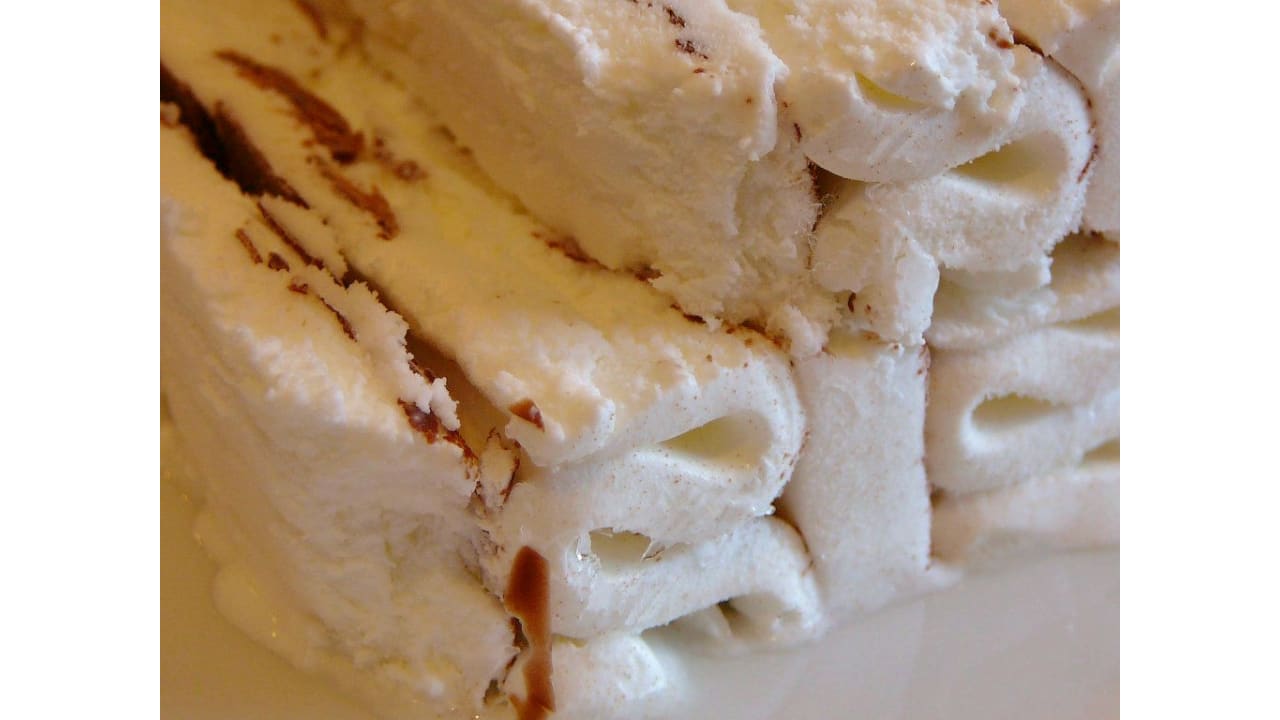
Remember when dinner parties meant pulling that elegant, rippled ice cream cake from the freezer? Viennetta was the dessert that made every home cook feel like a five-star chef without lifting a finger. Those distinctive vanilla and chocolate layers, frozen into waves that looked impossibly sophisticated, turned ordinary family meals into special occasions. I watched my neighbors serve this beauty at birthday parties and holiday gatherings, always wondering how something so simple could look so fancy.
What strikes me now is how Viennetta represented everything I’ve moved away from in my cooking philosophy—processed, artificial, yet undeniably magical in its own way. While I champion making desserts from scratch using real cream and natural ingredients, I can’t deny the nostalgic pull of this frozen masterpiece. Perhaps there’s room in our modern kitchens for creating our own version: homemade vanilla ice cream layered with dark chocolate shavings, frozen in waves that rival the original. Sometimes the best recipes come from reimagining the foods that once brought us joy, transforming them into something more wholesome while keeping that same sense of wonder.
Rice Krispies Treats Cereal
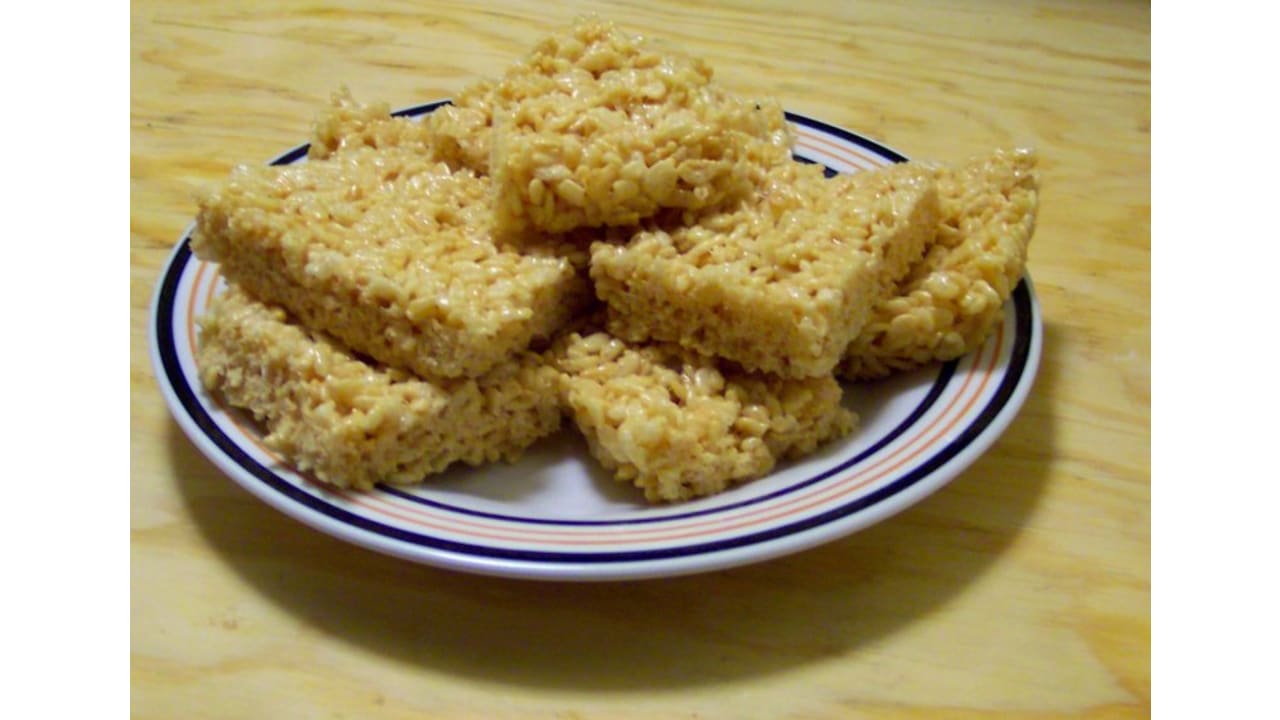
You know that moment when you bite into a fresh Rice Krispies treat and get that perfect balance of marshmallow sweetness and crispy rice texture? Well, back in the ’90s, Kellogg’s decided to bottle that magic in cereal form, and honestly, it was pure genius. Rice Krispies Treats Cereal brought all those nostalgic flavors straight to your breakfast bowl, complete with marshmallow pieces that would soften just enough in milk to create this dreamy, sweet experience that made Saturday mornings feel extra special.
Now, as someone who believes in cooking from scratch and keeping processed foods to a minimum, I have to admit this cereal was my childhood weakness. But you know what? It taught me something valuable about flavor balance that I still use today when I’m creating recipes. That combination of textures – the crunch meeting the chew – inspired me to experiment with adding toasted rice to homemade granola or incorporating crispy elements into my breakfast bowls. Sometimes the most processed foods can spark the most creative ideas for wholesome alternatives. These days, I make my own version using puffed brown rice, a touch of natural marshmallow root powder, and maple syrup – giving my kids that same joy without all the artificial ingredients.