10 Sneaky Ways Junk Food Is Engineered to Be Addictive
Ever wonder why you can’t stop at just one potato chip? That’s no accident. Food scientists work around the clock designing junk food to hit your brain’s pleasure centers like a bull’s-eye. They mix precise ratios of sugar, salt, and fat to create what industry insiders call the “bliss point” – that magical formula that keeps you reaching for more.
Your favorite snacks undergo rigorous testing to nail the perfect crunch, melt-in-your-mouth sensation, and flavor intensity that triggers cravings. Companies spend millions studying which combinations make your brain light up like a Christmas tree on an MRI. They’re not just making food; they’re engineering experiences your body can’t resist.
The rabbit hole goes deeper than taste alone. From the bright packaging that catches your eye to the convenience factor that makes junk food available 24/7, every aspect serves one purpose: keeping you hooked. I’m pulling back the curtain on these sneaky tactics so you can make more informed choices about what goes into your shopping cart.
Brain Chemistry
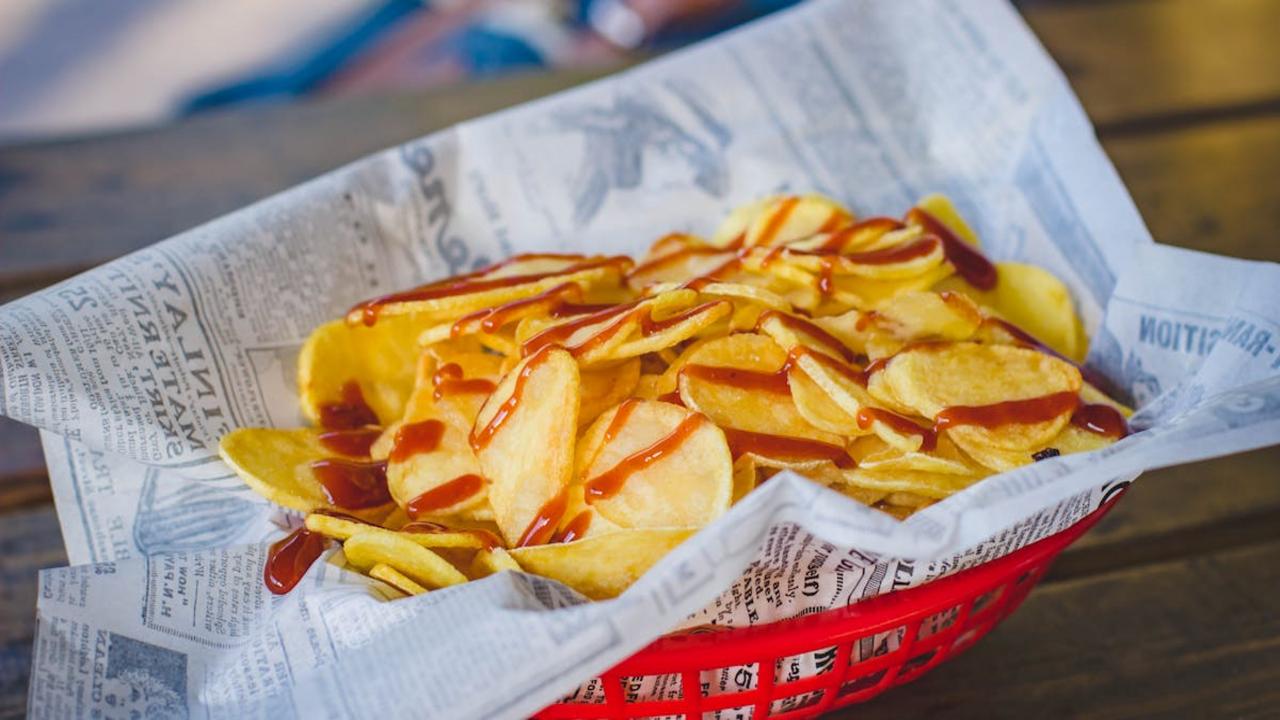
Picture your brain as a sophisticated reward center that gets absolutely giddy when certain foods hit your system. Junk food companies have basically figured out how to throw the ultimate neurochemical party in your head! When you bite into that perfectly engineered potato chip or cookie, your brain releases a flood of dopamine – the same “feel good” chemical that gets triggered by winning the lottery or falling head-over-heels for someone new. Food scientists spend years perfecting combinations of sugar, salt, and fat that create what they call the “bliss point” – that magical moment when your neurons practically do a happy dance and immediately start craving more.
Here’s where things get sneaky: processed foods trigger dopamine release much faster and more intensely than whole foods ever could. Think of it like comparing a gentle campfire (an apple) to a fireworks display (a bag of cheese puffs). Your poor brain, which evolved to get excited about finding berries or honey, suddenly gets bombarded with hyperpalatable combinations that never existed in nature. The more you eat these engineered foods, the more your brain adapts by requiring bigger hits to feel satisfied – just like building tolerance to any other substance. Scientists have discovered that heavily processed snacks light up the same brain regions associated with addictive substances, which explains why you can demolish an entire sleeve of cookies while barely registering you’re eating!
Emotional Comfort
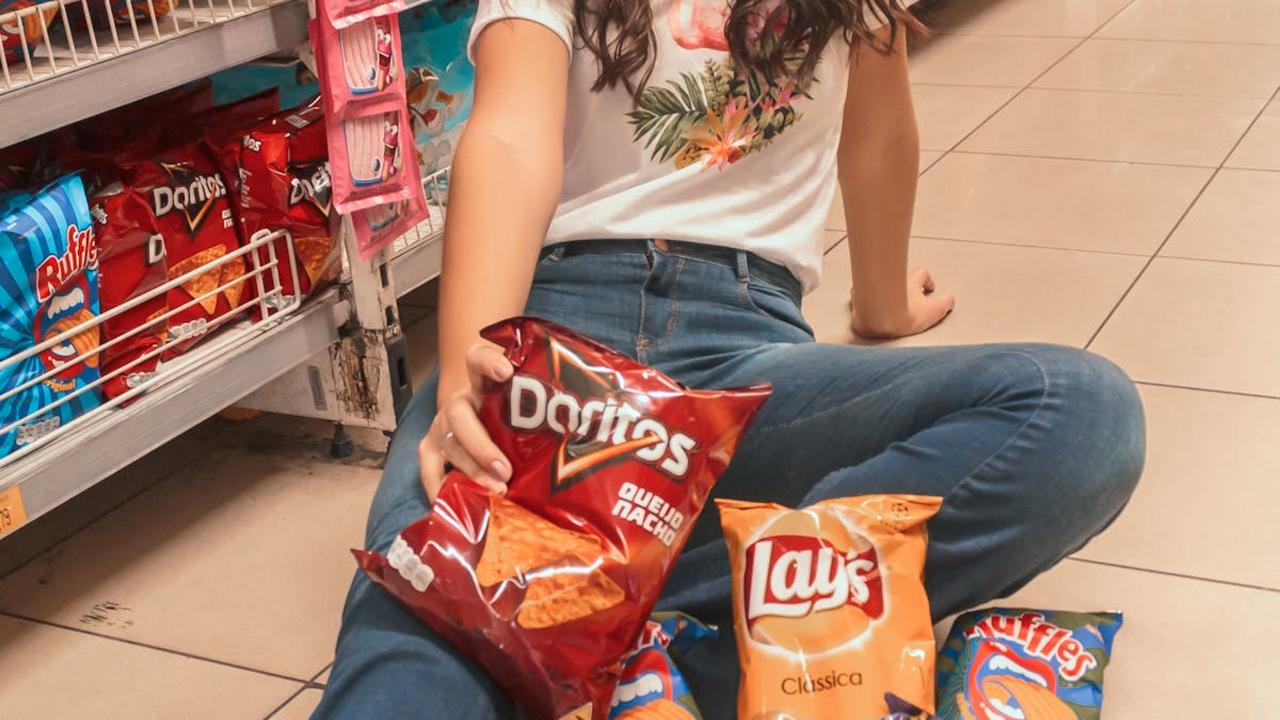
Food companies know exactly how to hit you right in the feelings, and they’ve turned your childhood memories into their secret weapon. Remember how your mom’s cookies made everything better after a rough day at school? Well, those sneaky food scientists studied that exact phenomenon and decided to bottle it up in processed packages. They’ve figured out that certain flavors can trigger powerful emotional responses, transporting you back to simpler times when your biggest worry was whether you’d get the toy you wanted in your cereal box. Companies literally hire teams of psychologists to understand which flavors make you feel safe, loved, and nostalgic.
The result? Your local grocery store becomes an emotional minefield where every aisle whispers sweet promises of comfort. That bag of chips doesn’t just offer crunch – it offers a warm hug after your terrible Tuesday meeting. Those cookies aren’t just sugar and flour – they’re edible therapy sessions disguised as snacks. Food manufacturers have mastered the art of creating “comfort food” that triggers the same brain chemicals as actual emotional support, except their version comes with a barcode and an expiration date. They know you’re more likely to reach for familiar flavors during stressful moments, so they’ve engineered their products to be the equivalent of a security blanket you can eat.
Colors and Packaging

Ever wonder why you can spot a bag of Cheetos from three aisles away? That blazing orange isn’t an accident—it’s a carefully calculated assault on your visual cortex! Food scientists spend millions studying which colors trigger our “must have now” response, and surprise: red and yellow combinations win every single time. McDonald’s figured this out decades ago with their golden arches and red packaging, creating what psychologists call the “ketchup and mustard effect.” Your brain literally associates these colors with immediate gratification and hunger, even if you just finished dinner five minutes ago.
The packaging itself tells an even sneakier story, with shapes and textures designed to make you feel like you’re holding pure happiness. Those crinkly, shiny surfaces create what marketers call “anticipatory pleasure”—your brain starts releasing dopamine just from hearing that familiar rustle. Companies test thousands of package prototypes to find the perfect combination of visual pop and tactile satisfaction. Fun fact: studies show that people eat 45% more chips from loud, crinkly bags compared to quiet ones, because the sound literally tricks your brain into thinking the food tastes fresher and crunchier. Next time you’re standing in the snack aisle mesmerized by a rainbow of packages, remember—they’re not just containers, they’re psychological weapons wrapped in cellophane!
Convenience Factor
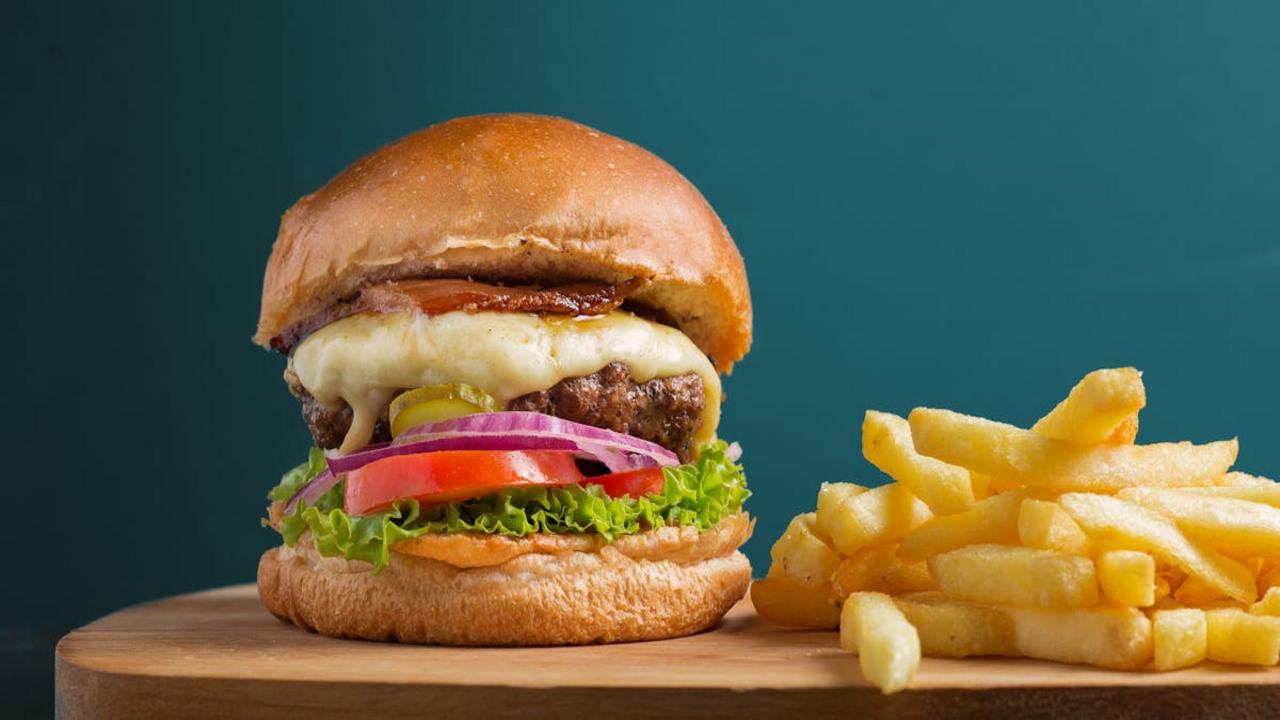
You know what food scientists figured out decades ago? That we’re basically lazy creatures who want instant gratification, and they’ve weaponized our desire for convenience into pure profit. Think about it – when did you last see someone carefully peeling an orange when there’s a bag of chips within arm’s reach? Junk food companies have made their products so ridiculously accessible that you can grab a sleeve of cookies from a gas station at 2 AM, unwrap it with one hand while driving, and demolish half the package before you even realize what happened. They’ve eliminated every possible barrier between you and their products, from easy-tear packaging that practically opens itself to individually wrapped portions that scream “just one more won’t hurt!”
The genius lies in how they’ve made healthy food seem like a massive undertaking while positioning their processed goodies as the path of least resistance. Want an apple? Better hope you have time to wash it, maybe slice it if you’re fancy. Want Oreos? Boom, twist and lick – you’re in business. They’ve created products that require zero preparation, zero cleanup, and zero thought, which is exactly what your brain craves after a long day of making decisions. The convenience factor isn’t just about saving time; it’s about removing the mental energy required to make better choices, leaving you with the easiest option that also happens to trigger the most pleasure receptors in your brain.
Hunger Stimulants

Picture this: you just polished off an entire bag of chips, and somehow your stomach is sending mixed signals that sound suspiciously like “more, please!” That’s not your imagination running wild—it’s the sneaky work of hunger stimulants that food scientists slip into your favorite snacks. These chemical puppeteers include compounds like MSG (monosodium glutamate) and certain artificial flavors that literally trick your brain’s satiety signals. Your hypothalamus, the little control center that usually whispers “hey, we’re full now,” gets overwhelmed by these flavor enhancers and basically throws its hands up in defeat. It’s like having a GPS that keeps recalculating your route to Snackville.
The most diabolical part? These stimulants work by blocking the production of leptin, your body’s natural “I’m satisfied” hormone, while simultaneously boosting ghrelin, the hormone that screams “FEED ME!” Scientists have discovered that some processed foods contain compounds that can increase ghrelin levels by up to 28% within just 30 minutes of eating. That explains why you can demolish a family-size bag of cheese puffs and still eye the leftover pizza with genuine interest. Your body genuinely believes it’s starving, even though you just consumed enough calories to fuel a small village. Food manufacturers know exactly what they’re doing—they’ve turned your natural hunger cues into their personal profit machine, one artificially enhanced crunch at a time.
Texture Combinations

Picture this: you’re munching on a bag of chips, and suddenly your mouth experiences a symphony of sensations. That satisfying crunch gives way to a creamy coating, followed by a slight chewiness that keeps your jaw working overtime. Food scientists spend countless hours perfecting these texture combinations because they know something fascinating about how our brains work – we’re hardwired to crave variety, and when multiple textures hit our palate simultaneously, our neural reward system goes absolutely bonkers. Think about your favorite candy bar: the smooth chocolate exterior yields to crunchy nuts, chewy caramel, and maybe some crispy wafer bits. Each bite delivers a different textural experience, keeping your brain guessing and your hand reaching for more.
The magic happens because contrasting textures trigger different pleasure centers in your brain at the same time. When you bite into a donut with its soft, pillowy interior and slightly crispy exterior, followed by that sugary glaze that melts on your tongue, you’re experiencing what food engineers call “dynamic contrast.” Your mouth sends multiple signals to your brain – crunch from the outside, squish from the middle, and smooth sweetness from the coating. This sensory overload creates what researchers call “phantom aromas” and enhanced flavor perception, making that donut taste even more incredible than the sum of its parts. No wonder you can’t stop at just one bite – your brain is basically throwing a texture party, and everyone’s invited!
Artificial Flavors
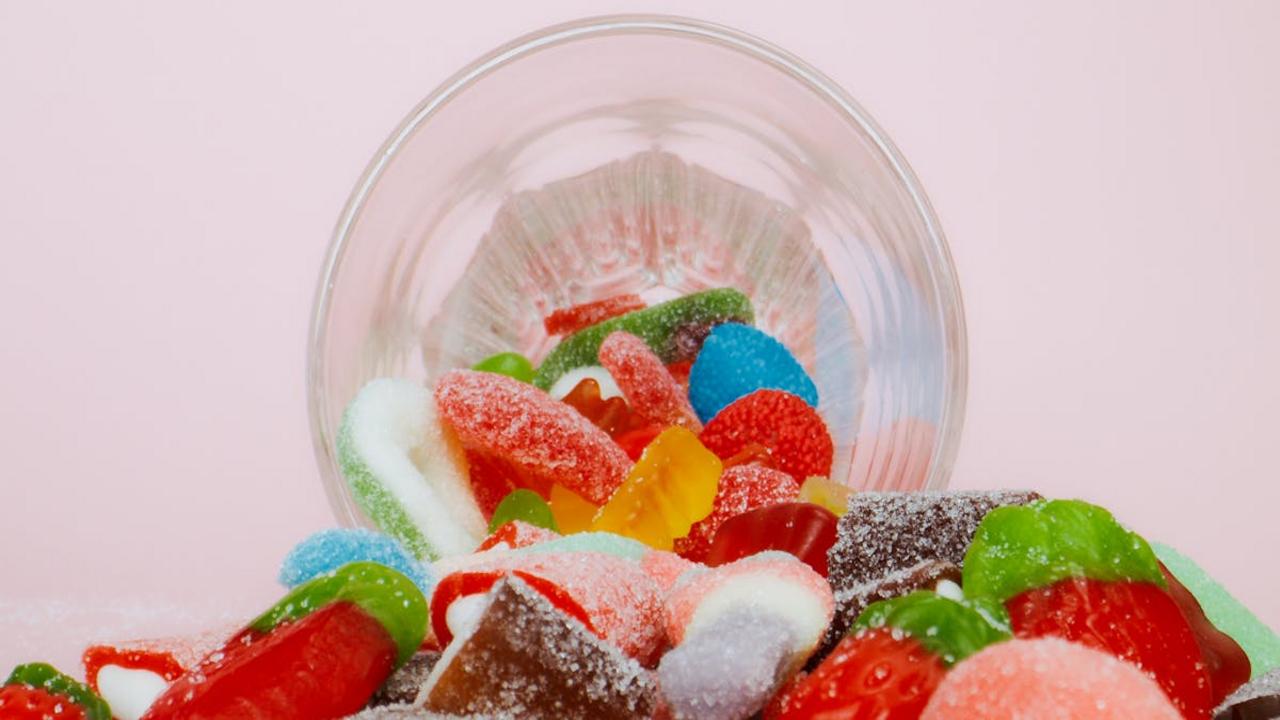
Picture this: you’re munching on a bag of strawberry-flavored gummies, and your brain is convinced you’re eating actual strawberries. Plot twist – those gummies have never been within a mile of a strawberry farm! Food scientists have become masters of molecular mimicry, creating artificial flavors that trick your brain into thinking it’s experiencing the real deal. They isolate specific chemical compounds that create familiar tastes, then synthesize them in labs using ingredients that would make your high school chemistry teacher weep with pride. The kicker? Sometimes these artificial versions taste more “strawberry-like” than actual strawberries because they concentrate only the most appealing flavor molecules.
Here’s where things get sneaky: artificial flavors don’t just mimic natural tastes – they amplify them beyond what nature intended. Your brain remembers these super-concentrated flavor experiences and starts craving that intensity. Real strawberries suddenly seem bland compared to the nuclear-powered strawberry explosion in your candy. Food manufacturers know this psychological hack works like a charm, which is why your favorite chips pack more “cheese” flavor than a wheel of aged cheddar ever could. They’ve essentially created a flavor arms race, where each product needs to be more intense than the last to capture your attention in the snack aisle.
Fat Content
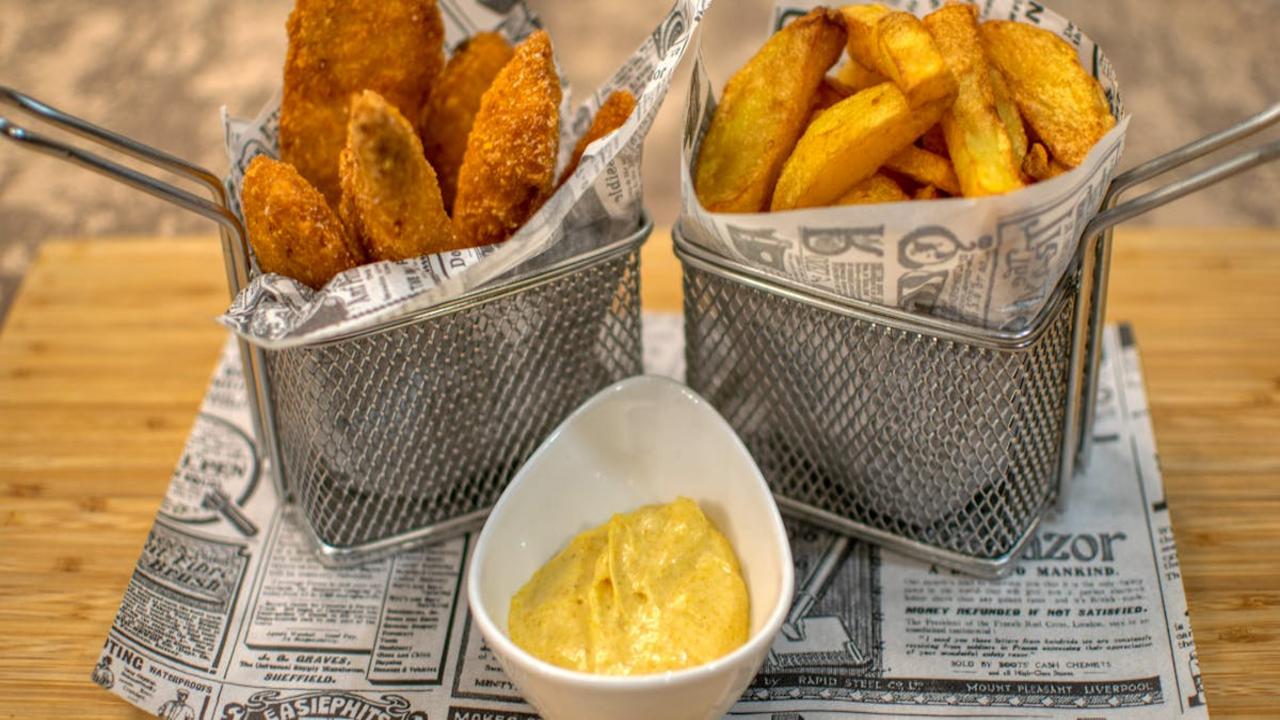
You know that moment when you bite into a perfectly crispy potato chip and your brain basically throws a parade? That’s not an accident, my friend—that’s the fat talking. Food scientists discovered long ago that fat triggers our brain’s reward system harder than a slot machine jackpot. They’ve engineered junk foods to contain just the right amount of fat to make your neurons do a happy dance, typically hitting that magical sweet spot of 35-40% fat content. Your brain literally remembers this blissful experience and starts craving it again before you’ve even finished chewing. It’s like having a tiny food-obsessed dictator living in your head, and it’s absolutely relentless.
The sneaky part? They don’t just dump fat randomly into everything. These food wizards carefully balance different types of fats—saturated, unsaturated, and trans fats—to create what they call the “bliss point.” Think about how Oreos practically melt on your tongue, or how that first bite of a McDonald’s french fry sends you straight to flavor heaven. That’s engineered fat content working its magic on your dopamine receptors. They’ve figured out that certain fat combinations literally make foods irresistible by triggering multiple pleasure pathways simultaneously. Your poor willpower never stood a chance against this kind of scientific manipulation!
Salt Cravings

You know that moment when you’re mindlessly munching on potato chips and suddenly realize you’ve demolished an entire bag? That’s not a lack of willpower—that’s food science working its magic on your brain! Salt doesn’t just make things taste better; it triggers a biological response that keeps you reaching for more. Your body needs sodium to function, but junk food companies have figured out the exact sweet spot (or should I say, salty spot?) that makes your brain scream “MORE!” before you’ve even finished chewing. They call it the “bliss point,” and it’s basically the sodium equivalent of finding the perfect parking spot—rare, exciting, and impossible to ignore.
Here’s where things get sneaky: manufacturers don’t just sprinkle salt on top and call it a day. They layer different types of sodium throughout their products like a salty symphony. You’ve got regular table salt for that immediate hit, then MSG for that savory umami punch, plus sodium citrate for tang, and sodium phosphate to keep everything fresh. It’s like they’re conducting an orchestra where every instrument plays the same addictive tune! Your poor brain doesn’t stand a chance against this multi-layered assault. Plus, salt makes you thirsty, which conveniently leads you straight to their sugary sodas—talk about a perfect crime partnership!
Sugar Rush
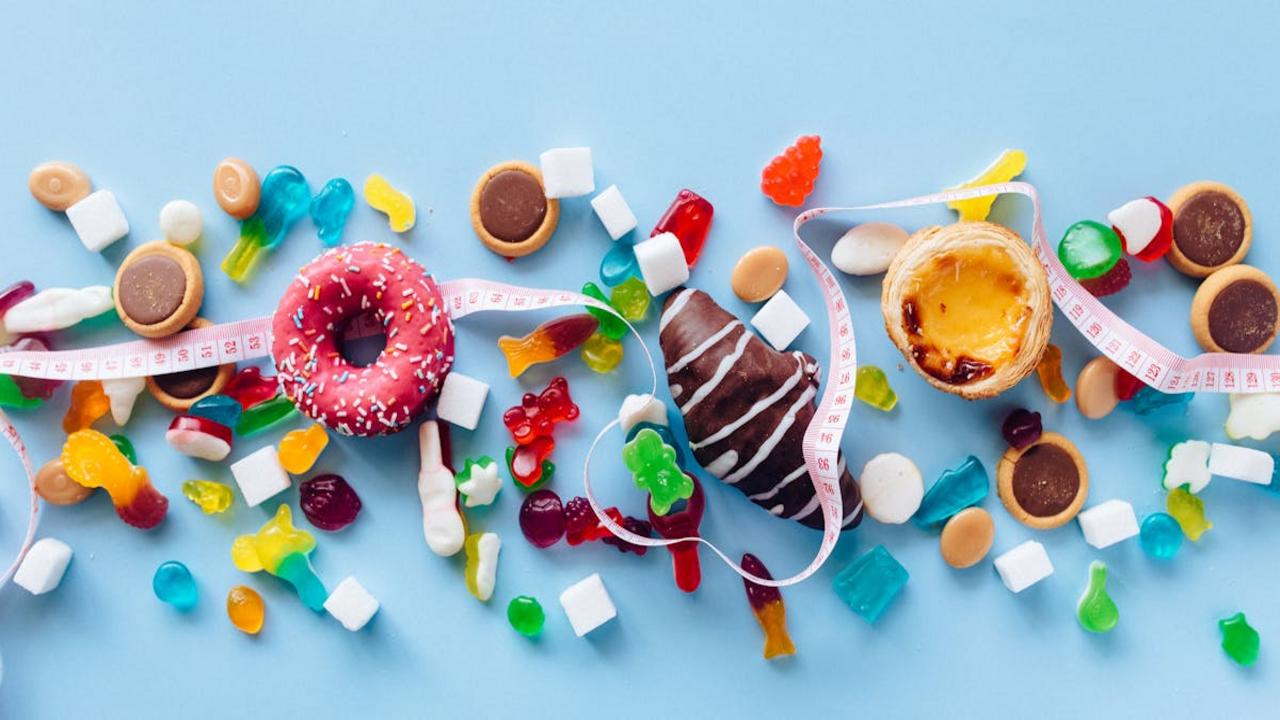
Picture this: you’re innocently munching on your favorite candy bar, and suddenly your brain lights up like a Christmas tree at a power plant convention. That’s the sugar rush in action, folks! Food scientists have discovered that sugar hits your brain’s reward center faster than you can say “glucose spike,” flooding it with dopamine – the same feel-good chemical that gets released during other, shall we say, more adult activities. Your brain basically throws a little party every time sugar shows up, and like any good party, it always wants more guests. Companies know this biological loophole and exploit it mercilessly, creating products that deliver sugar in precisely calculated amounts to keep you coming back for another hit.
But here’s where it gets sneaky – they don’t just dump sugar in willy-nilly like your grandmother adding extra brown sugar to her cookies (bless her heart). These corporate masterminds have figured out the exact “bliss point” – that magical sweet spot where your brain screams “MORE!” without your conscious mind catching on. They layer different types of sugars, from high fructose corn syrup to fancy-sounding alternatives, creating complex flavor profiles that hit multiple receptors simultaneously. It’s like having a sugar symphony playing directly on your neurons, complete with crescendos timed to keep you reaching for the next bite. No wonder you can polish off an entire bag of gummy bears while binge-watching your favorite show – your brain is basically being held hostage by tiny, chewy sugar bandits!