15 Mild, Easy-to-Digest Foods for a Soothing, Simple Menu
Sometimes your stomach needs a gentle reset, and I’ve learned that the most healing foods are often the simplest ones. After years of experimenting in my kitchen, I discovered that when digestive troubles strike, going back to basics works wonders. These aren’t fancy ingredients—they’re pantry staples that have nourished families across cultures for generations.
What makes these foods special is their natural ability to calm your system while providing real nutrition. I pick ingredients that won’t irritate sensitive stomachs but still deliver the nutrients your body craves during recovery. Each option brings its own healing properties, from soothing inflammation to restoring beneficial bacteria.
You’ll find these foods incredibly versatile too. Mix and match them to create comforting meals that feel satisfying rather than bland. I believe even the gentlest diet can spark joy in your kitchen, turning recovery time into an opportunity to reconnect with wholesome, nourishing ingredients that truly support your wellbeing.
Gelatin

You know, gelatin gets overlooked far too often in our kitchens, but this simple ingredient becomes your best friend when you need something incredibly gentle on your digestive system. I’ve discovered that pure, unflavored gelatin mixed with warm bone broth or herbal tea creates the most soothing, protein-rich treat that slides down effortlessly. The beauty of gelatin lies in its simplicity—it requires minimal effort from your digestive tract while providing amino acids that actually help heal your gut lining. I love making small batches when someone in my family feels under the weather, adding just a touch of ginger or mint for extra comfort.
What makes gelatin so remarkable for sensitive stomachs is its unique ability to coat and protect your digestive tract while being completely free of fiber, fat, or complex sugars that might cause irritation. I often prepare gelatin treats by dissolving one packet in warm chamomile tea with a spoonful of honey, then chilling it into soft, jiggly squares that feel like a gentle hug for your insides. The texture might seem unusual at first, but trust me—your stomach will thank you for choosing this traditional healing food that our grandmothers knew was medicine in disguise.
Apple Cider Vinegar (diluted)

Apple cider vinegar might seem like an odd addition to your gentle-eating repertoire, but trust me on this one. When you dilute just one tablespoon in a full glass of water, this fermented wonder becomes incredibly soothing for your digestive system. I discovered this trick during a particularly rough patch with my stomach, and it’s been my go-to ever since. The acetic acid in apple cider vinegar helps stimulate digestive juices naturally, making it easier for your body to break down foods without overwhelming your system. Think of it as giving your digestion a gentle nudge rather than a harsh push.
What I love most about this simple remedy is how versatile it becomes once you start experimenting. You can add a touch of raw honey to make it more palatable, or mix it with warm water and a pinch of ginger for extra comfort. I often prepare a large pitcher in the morning and sip it throughout the day, especially before meals. The key word here is diluted – never drink it straight, as the acidity can be too harsh for sensitive stomachs. Start with just half a tablespoon if you’re new to this, and gradually work your way up as your body adjusts.
Crackers

Plain saltine crackers become your gentle companion during those moments when your stomach needs the simplest nourishment possible. I keep a sleeve of these unassuming squares in my pantry at all times, knowing they offer the perfect bland canvas when richer foods feel overwhelming. Their neutral flavor and light, crispy texture make them incredibly easy for your digestive system to process, while their mild saltiness helps replace what your body might have lost during illness. You can nibble them slowly, letting each bite dissolve gently on your tongue, or pair them with equally mild companions like a thin slice of banana or a small spoonful of plain rice.
What I love most about crackers is their versatility in building back your appetite gradually. Start with just one or two plain crackers, then slowly add gentle toppings as your stomach begins to feel more settled. A light spread of smooth peanut butter, a few drops of honey, or even a small piece of cooked chicken breast can transform these simple crackers into a more substantial snack. Their portability makes them perfect for keeping beside your bed or in your bag when you’re recovering, and unlike many processed snacks, quality saltines contain minimal ingredients that won’t irritate sensitive stomachs.
Herbal Tea

When your stomach feels unsettled, herbal tea becomes your gentle companion in the kitchen. I keep a collection of chamomile, ginger, and peppermint teas in my pantry because they work magic on sensitive digestive systems. Chamomile soothes inflammation naturally, while ginger calms nausea and promotes healthy digestion. Peppermint tea relaxes your stomach muscles and reduces bloating – something I learned from my grandmother who always brewed fresh mint leaves after heavy meals.
You can create your own healing blends by combining dried herbs or steeping fresh ingredients. I love adding a thin slice of fresh ginger root to chamomile tea with a touch of honey for sweetness. Fennel tea works wonderfully for gas and bloating, and lemon balm brings a calming citrus note that settles your entire system. Brew these teas weak rather than strong when your stomach needs extra care – steep for just 3-5 minutes and sip slowly while warm. Keep several varieties on hand so you can choose what your body craves in the moment.
Carrots
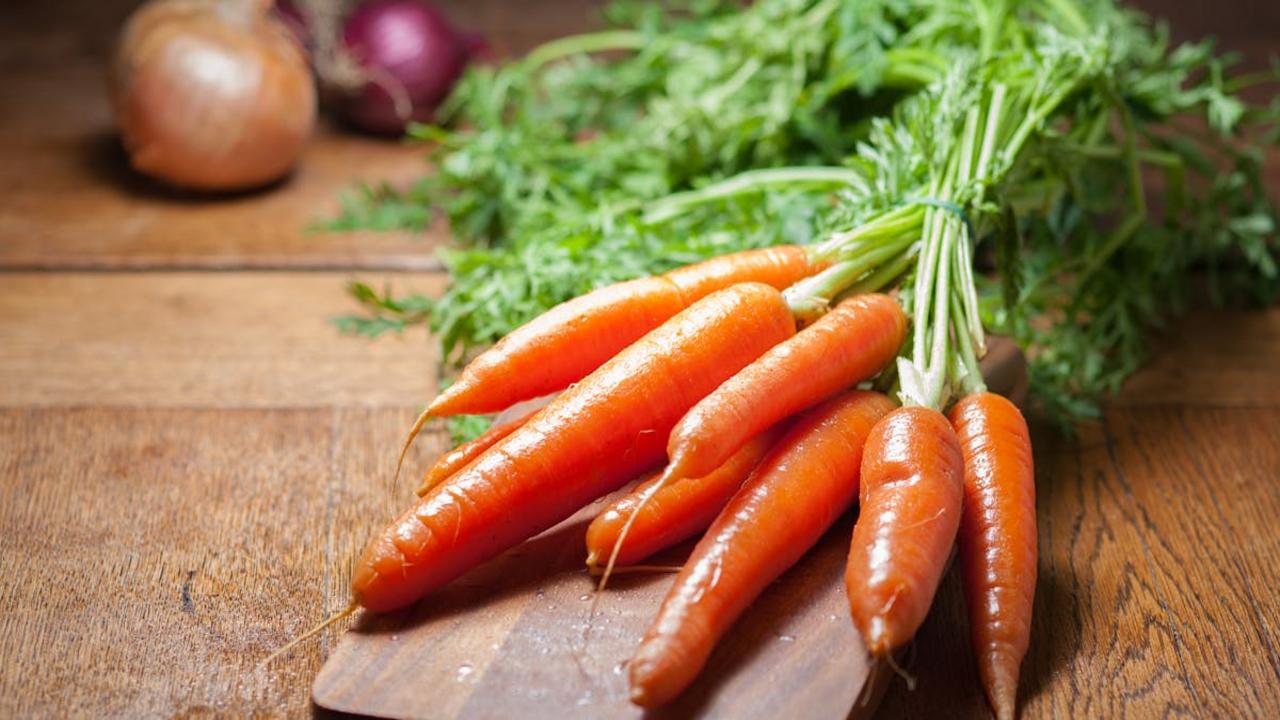
Carrots hold a special place in my kitchen because they transform any dish into something both nourishing and comforting. When your stomach needs gentle care, these vibrant orange beauties become your best friend. Their natural sweetness makes them incredibly easy on your digestive system, while their soft texture after cooking provides the perfect foundation for soups, stews, or simple steamed sides. I love how carrots break down beautifully when simmered, creating a creamy base without needing any dairy or heavy ingredients.
The magic happens when you cook carrots slowly – they release their natural sugars and become incredibly tender. I often start by sautéing them with a touch of ginger or fresh herbs, then add a splash of vegetable broth to create an instant healing broth. You can puree cooked carrots into silky smooth soups, grate them raw into gentle salads, or roast them until caramelized for a naturally sweet side dish. Their beta-carotene content supports your body’s healing while their fiber helps regulate digestion without causing irritation. Whether you’re making a simple carrot-ginger soup or adding diced carrots to rice porridge, these humble roots bring both nutrition and comfort to every bowl.
Oatmeal
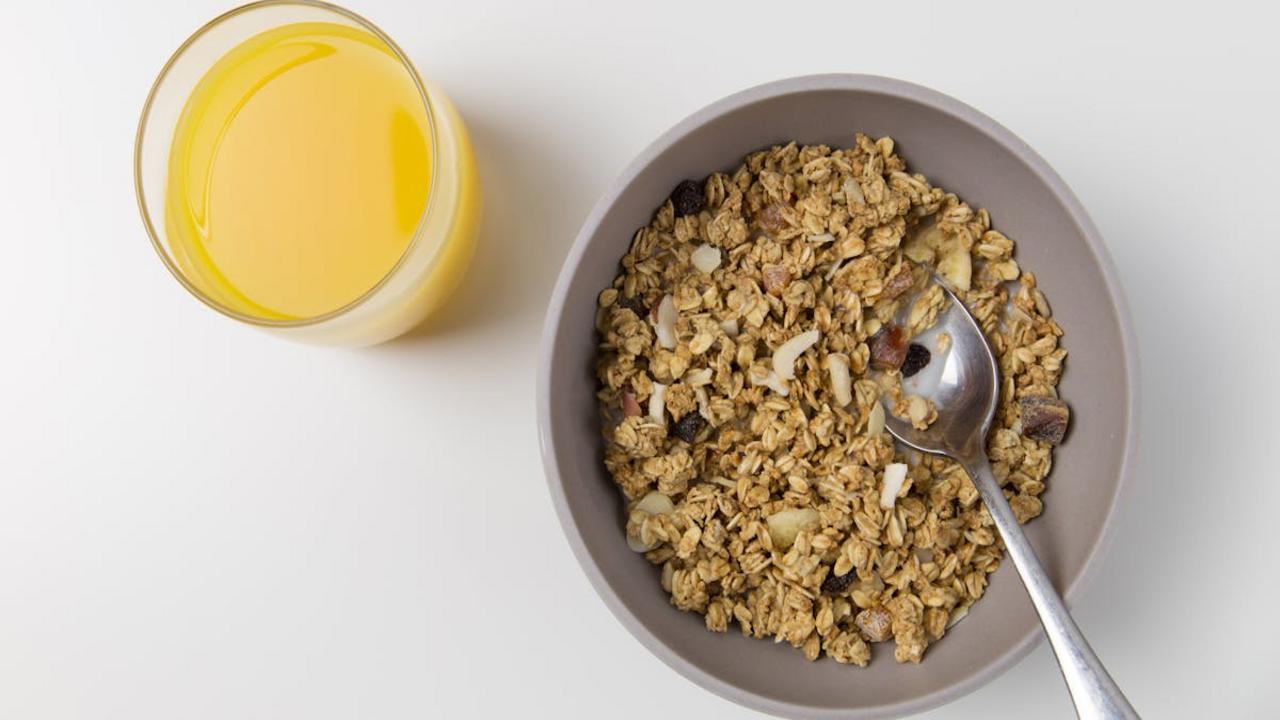
Oatmeal has become my go-to morning companion whenever my stomach needs gentle comfort. This humble grain transforms into creamy perfection with just a splash of water or milk, creating a canvas for endless flavor possibilities. I love how oats naturally contain beta-glucan, a soluble fiber that coats your digestive system like a protective blanket, making them incredibly soothing for sensitive stomachs. The beauty lies in their simplicity – no fancy ingredients required, just pure, wholesome nutrition that your body readily accepts.
What excites me most about oatmeal is how you can customize it to match your mood and dietary needs. I often add a drizzle of honey and cinnamon for warmth, or fold in mashed banana for natural sweetness and extra potassium. Steel-cut oats give you that satisfying chew, while rolled oats cook quickly for busy mornings. The fiber content keeps you satisfied for hours without overwhelming your system, and the complex carbohydrates provide steady energy release. Plus, making overnight oats with yogurt creates probiotics that support gut health – it’s like giving your digestive system a gentle hug from the inside out.
Broth-Based Soups

When your stomach needs gentle care, nothing beats a warm bowl of broth-based soup. I always keep homemade bone broth in my freezer because it transforms into healing comfort food within minutes. The clear, nutrient-rich liquid provides hydration while delivering minerals that your body craves during recovery. You can start with store-bought broth if needed, but I promise you’ll taste the difference when you make your own—those long, slow simmers pull out every bit of goodness from bones and aromatics.
My go-to gentle soup combines chicken broth with finely diced carrots, celery, and a handful of rice or small pasta. The vegetables cook until they’re soft and sweet, creating a soothing texture that won’t overwhelm sensitive digestion. I often add fresh ginger for its anti-inflammatory properties and a pinch of turmeric for both color and healing benefits. Keep the seasoning light with just salt and maybe some fresh herbs like parsley or dill. This simple combination creates a nourishing meal that feels like a warm hug from the inside out, perfect for those days when you need food that loves you back.
Tapioca

I grew up watching my grandmother make tapioca pudding from scratch, and there’s something deeply comforting about those translucent pearls that transform into silky, digestible goodness. Tapioca comes from the cassava root, and when you’re dealing with an upset stomach or need something incredibly gentle, this starch becomes your best friend. The beauty of tapioca lies in its neutral flavor and incredibly smooth texture – it practically melts on your tongue without requiring much digestive effort from your body.
You can prepare tapioca in so many soothing ways beyond the classic pudding. I love making a simple tapioca porridge with coconut milk and a touch of honey, or even cooking the pearls in clear broth for a comforting soup base. The starch releases slowly, giving you sustained energy without shocking your system. What makes tapioca particularly wonderful for sensitive stomachs is that it’s naturally gluten-free and contains virtually no fiber or fat – just pure, easily absorbed carbohydrates that your digestive system can handle with ease. Keep some tapioca pearls in your pantry, and you’ll always have a gentle meal option ready.
Kefir

I discovered kefir during one of my kitchen experiments when I was searching for gut-friendly alternatives to regular yogurt. This tangy, creamy fermented milk drink became my secret weapon for digestive wellness, especially during those times when my stomach needed extra care. What makes kefir so special is its incredible probiotic power – it contains multiple strains of beneficial bacteria that work wonders for your digestive system. The texture sits somewhere between yogurt and milk, with a pleasant tartness that reminds me of buttermilk but with a more complex flavor profile.
You can drink kefir straight from the glass, but I love incorporating it into my daily cooking routine. I blend it into smoothies with gentle fruits like banana and mango, or use it as a base for creamy salad dressings that won’t upset sensitive stomachs. Sometimes I’ll pour it over granola for breakfast, or mix it with a touch of honey and vanilla for a simple dessert that feels indulgent yet nourishing. The beauty of kefir lies in its versatility – it adapts to both sweet and savory applications while delivering those precious probiotics your gut craves for optimal digestion.
Mashed Potatoes

Nothing quite compares to a bowl of perfectly smooth, creamy mashed potatoes when your stomach needs gentle comfort. I reach for this classic whenever I’m feeling under the weather or simply want something that feels like a warm hug from the inside out. The beauty of mashed potatoes lies in their simplicity—just potatoes, a splash of milk or broth, and a pat of butter create magic that soothes both body and soul. You can easily customize the texture to your liking, making them ultra-smooth for sensitive digestion or leaving them slightly chunky for more substance.
What I love most about making mashed potatoes from scratch is how forgiving they are, even when you’re not feeling your best. Start with starchy potatoes like Russets, boil them until fork-tender, then mash with warm liquid gradually until you reach your perfect consistency. Skip the heavy cream if your stomach is sensitive—plain milk or even vegetable broth works beautifully. I often add a pinch of salt and sometimes fresh herbs like chives when I’m feeling adventurous, but honestly, plain mashed potatoes taste incredible on their own and provide exactly the kind of gentle nourishment your digestive system appreciates.
Skinless Chicken

You know what I absolutely adore about skinless chicken? It’s like having a blank canvas that welcomes every flavor you want to paint with. When your stomach needs something gentle yet satisfying, this lean protein becomes your best friend. I’ve discovered through years of cooking for family members with sensitive stomachs that removing the skin eliminates much of the fat that can cause digestive upset, while still delivering all that high-quality protein your body craves. The beauty lies in how effortlessly it absorbs marinades and spices from around the world – whether you’re dreaming of Mediterranean herbs, warming Indian turmeric, or simple garlic and lemon.
My go-to method involves poaching the chicken in a fragrant broth made with ginger, a bay leaf, and just a whisper of salt. This technique keeps the meat incredibly tender while infusing it with subtle flavors that won’t overwhelm a recovering digestive system. What I love most is how versatile this protein becomes once cooked – you can shred it into soups, slice it for grain bowls, or simply serve it alongside steamed vegetables. The key is cooking it gently and never rushing the process, because stressed chicken equals tough chicken, and we’re aiming for that melt-in-your-mouth texture that makes every bite a comfort.
Plain Yogurt

Plain yogurt becomes your gentle companion when your stomach needs comfort and care. I reach for this creamy treasure whenever my digestive system feels unsettled, knowing its live probiotics work quietly to restore balance in my gut. The smooth, mild texture slides down easily without causing irritation, making it perfect for those moments when even simple foods feel overwhelming. You can enjoy it straight from the container or use it as a versatile base that adapts to your needs throughout the day.
Transform plain yogurt into countless soothing combinations that support your healing process. I love stirring in a drizzle of honey and a pinch of ground ginger for warmth, or mixing it with mashed banana for natural sweetness that won’t upset sensitive stomachs. You can also blend it into smoothies with mild fruits like pear or melon, creating nourishing drinks that deliver protein and probiotics in every sip. Choose full-fat varieties over low-fat options – the richness provides more satisfaction and helps your body absorb nutrients more effectively during recovery.
Bananas
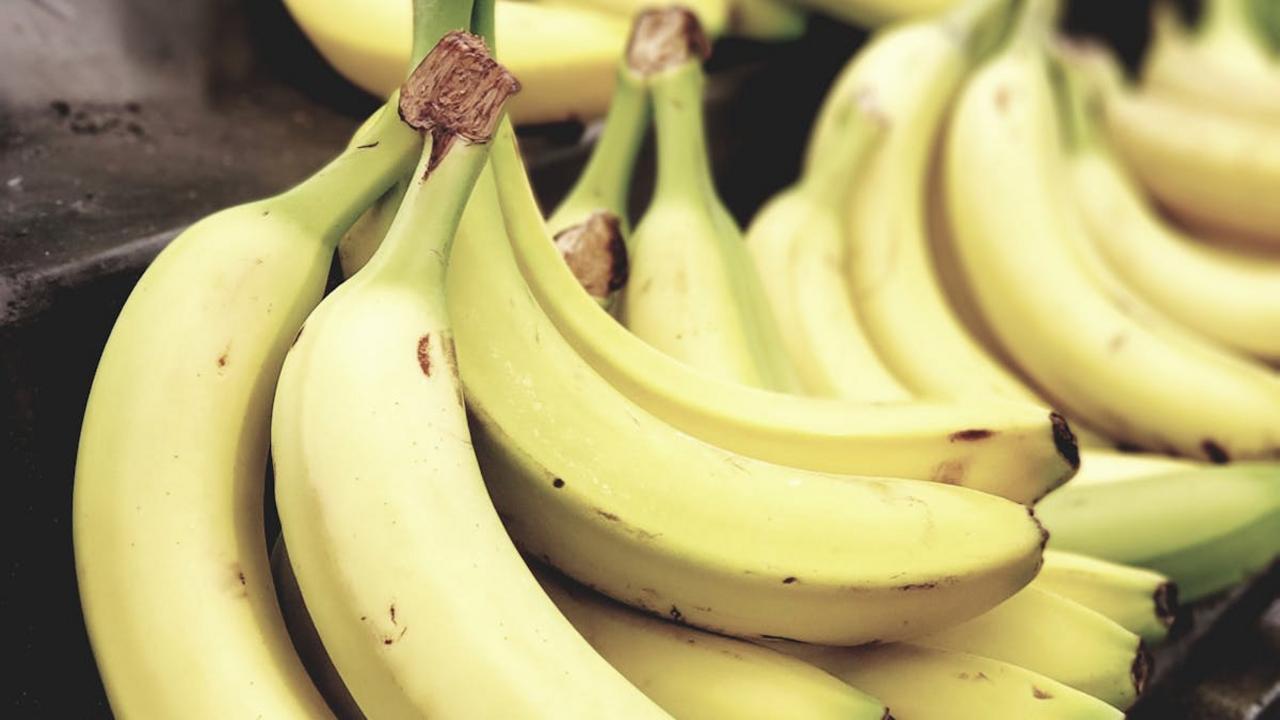
I always keep bananas on my kitchen counter because they’re nature’s perfect comfort food when your stomach needs a gentle reset. These creamy, naturally sweet fruits contain pectin, a soluble fiber that helps firm up loose stools and soothes irritated digestive tracts. The natural sugars in bananas provide quick energy without overwhelming your system, while their soft texture requires minimal chewing and digestion. I love how bananas ripen right before your eyes, and the more spotted they become, the sweeter and easier they are on sensitive stomachs.
What makes bananas truly special for digestive wellness is their potassium content, which helps maintain proper fluid balance and supports healthy muscle function throughout your digestive system. I often mash ripe bananas into a simple puree for those days when solid foods feel too challenging, or slice them thin over plain rice for a nourishing meal. You can blend them into smoothies with a touch of ginger, bake them into gentle muffins, or simply eat them as they are. Their natural sweetness satisfies cravings without adding processed sugars, and they pair beautifully with other mild foods like oatmeal or yogurt for a complete, soothing meal.
White Rice
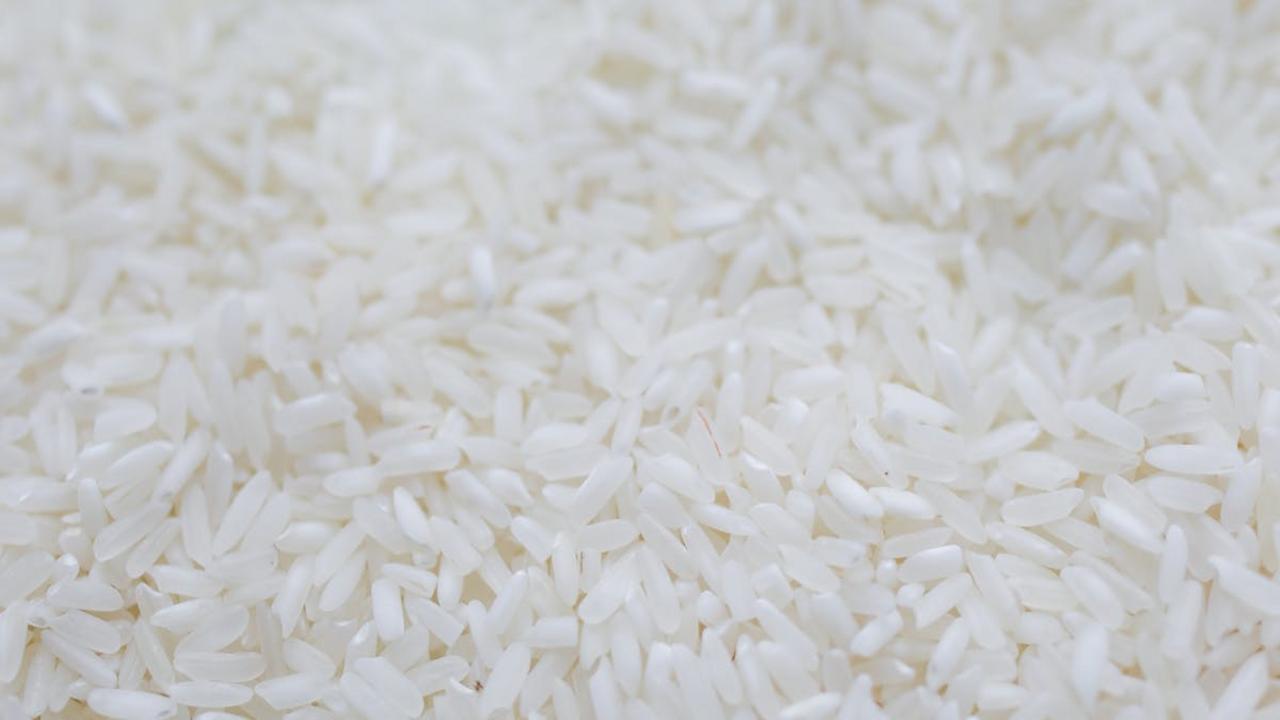
When your stomach feels unsettled or you’re recovering from illness, white rice becomes your gentle ally in the kitchen. I always keep this pantry staple on hand because it’s incredibly forgiving and requires minimal effort to transform into something comforting. Unlike brown rice, white rice has had its bran and germ removed, making it easier for your digestive system to process while still providing the energy your body needs. You can prepare it simply with just water and a pinch of salt, or elevate it with a splash of bone broth for added minerals and flavor.
What I love about white rice is how it adapts to whatever your body can handle. On gentle days, I’ll cook it with coconut milk and a touch of ginger for a soothing base that pairs beautifully with steamed vegetables or plain chicken. You can also create a nourishing rice porridge by adding extra liquid and cooking it longer until it reaches a creamy consistency – perfect when even regular textures feel too challenging. The beauty lies in its simplicity: white rice never competes with other flavors, instead creating a neutral canvas that allows your digestive system to rest while still providing sustenance.
Apple sauce
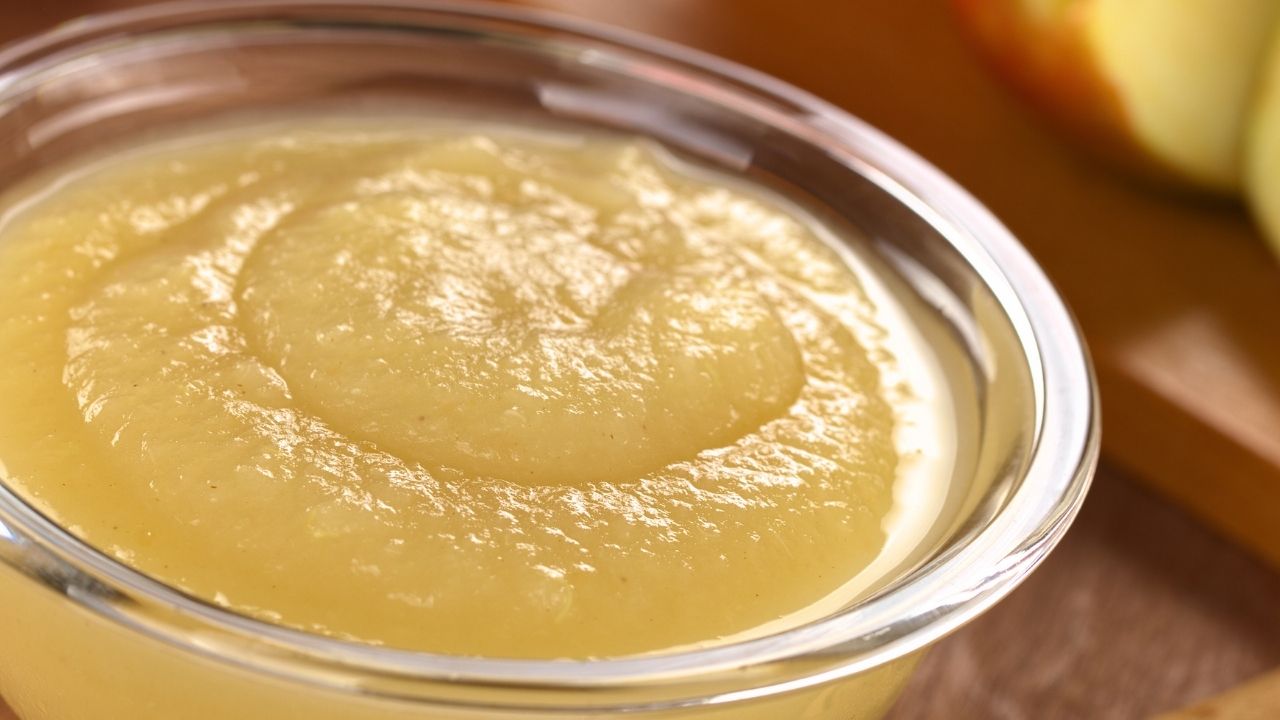
I keep jars of homemade applesauce in my pantry because this golden treasure works magic on sensitive stomachs. When you’re feeling under the weather or dealing with digestive issues, applesauce becomes your gentle companion—naturally sweet, smooth, and incredibly soothing. The pectin in apples helps regulate digestion, while the natural sugars provide quick energy without overwhelming your system. I love making mine from scratch with just apples, a touch of cinnamon, and maybe a squeeze of lemon juice. The beauty lies in its simplicity and how it coats your stomach with comfort.
What makes applesauce so brilliant for gentle eating is its versatility beyond the spoon. I often serve it alongside bland rice or mix it into plain yogurt for added sweetness without processed sugars. You can warm it slightly for extra comfort on cold days, or keep it chilled for a refreshing treat. The smooth texture means no chewing stress for those recovering from illness or dental procedures. Making your own allows you to control the sweetness and avoid unnecessary additives that store-bought versions often contain. This humble fruit puree proves that sometimes the most basic foods offer the most profound healing.