14 Affordable Pantry All-Stars for Flavor-Packed Everyday Meals
Your wallet doesn’t need to weep every time you want to cook something spectacular. These fourteen budget-friendly powerhouses prove that cheap doesn’t mean boring—each one packs more personality than that overpriced truffle oil gathering dust in your cabinet.
From humble lentils that transform into creamy soups to chia seeds that gel into pudding magic overnight, these ingredients work harder than a line cook on Friday night. They’re the reliable friends who show up ready to party, whether you’re throwing together a quick weeknight dinner or impressing guests with minimal effort.
Stock up on these champions and watch your meals go from “meh” to magnificent without breaking the bank. Your future self will thank you when hunger strikes and inspiration flows freely.
Kale
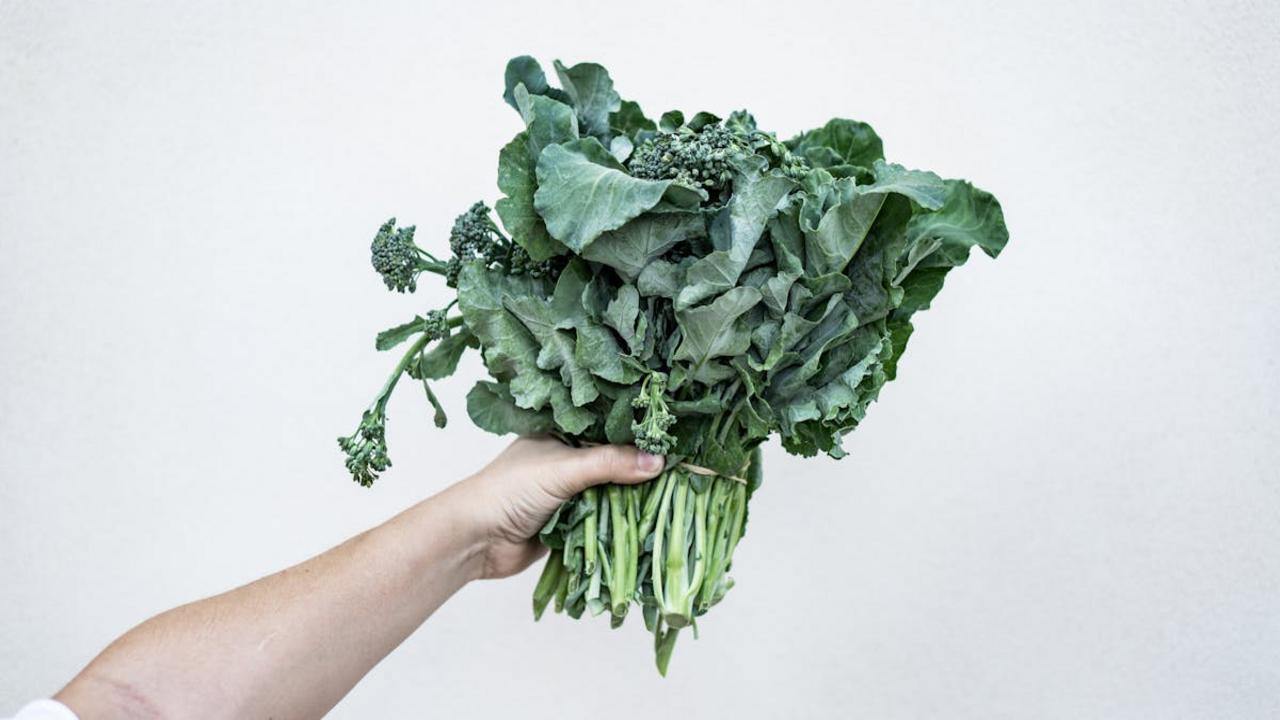
Ah, kale – the leafy green that somehow convinced an entire generation to believe they were making healthy choices while secretly plotting world domination from supermarket produce sections everywhere. This curly-haired diva of the vegetable kingdom went from being mostly pig food to gracing Instagram feeds faster than you can say “superfood smoothie.” But here’s what your wellness-obsessed neighbor won’t tell you: kale is actually one of the most budget-friendly powerhouses you can toss in your cart. A single bunch costs less than your morning coffee and packs more vitamins than a pharmacy shelf.
Don’t let kale’s reputation as a health nut’s obsession fool you – this green machine brings serious flavor game to your everyday cooking arsenal. Massage those tough leaves with olive oil and salt (yes, you literally massage your vegetables now, welcome to adulthood), and they transform into tender ribbons perfect for salads that won’t leave you feeling like a sad rabbit. Throw kale into soups during the last five minutes of cooking, and it adds a gorgeous pop of color plus earthy depth that makes even the simplest broth taste gourmet. Pro tip: the stems are completely edible when chopped finely, so stop throwing away perfectly good food and toss them into stir-fries for extra crunch!
Beets
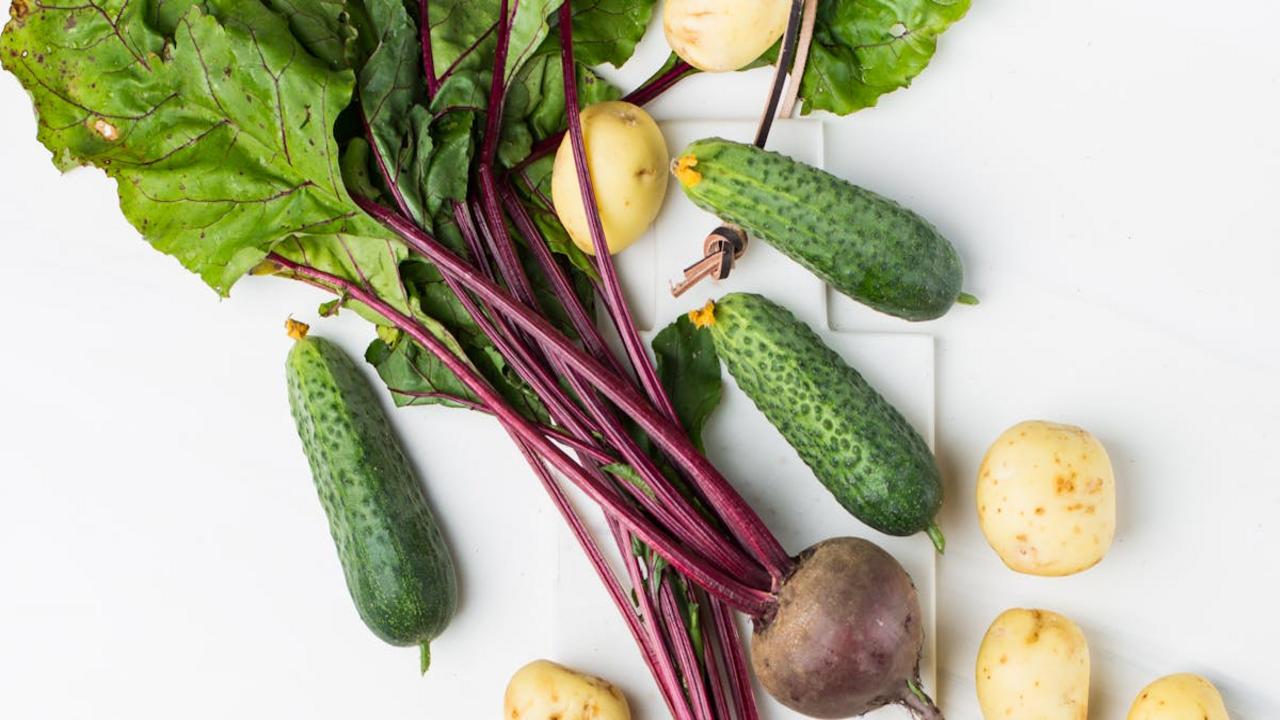
You know that awkward moment when you accidentally turn your entire kitchen pink? That’s beets for you – the crimson rebels of the produce aisle that stain everything they touch and somehow make you feel fancy doing it. These ruby-red root vegetables have been around since Roman times, when they were considered an aphrodisiac (talk about ancient pickup lines). But here’s the thing about beets: they’re ridiculously cheap, store forever, and pack more earthy sweetness than you’d expect from something that looks like it belongs in a horror movie. I once bought a bag of beets for two dollars and stretched them across five different meals, from roasted beet salads to chocolate beet brownies that fooled my neighbors into thinking I was some sort of domestic goddess.
The beauty of beets lies in their versatility – you can roast them until they’re candy-sweet, pickle them for that perfect tangy crunch, or grate them raw into salads for a peppery bite that wakes up your mouth. My favorite trick is roasting a bunch on Sunday and eating them throughout the week: tossed with goat cheese and walnuts, blended into smoothies for that Instagram-worthy magenta color, or simply drizzled with balsamic and called dinner. Pro tip: wear gloves unless you want your hands looking like you’ve been finger-painting with vampire blood for the next three days. And don’t panic if your bathroom visits turn colorful – that’s just the betalains doing their thing, completely harmless and oddly entertaining.
Sardines
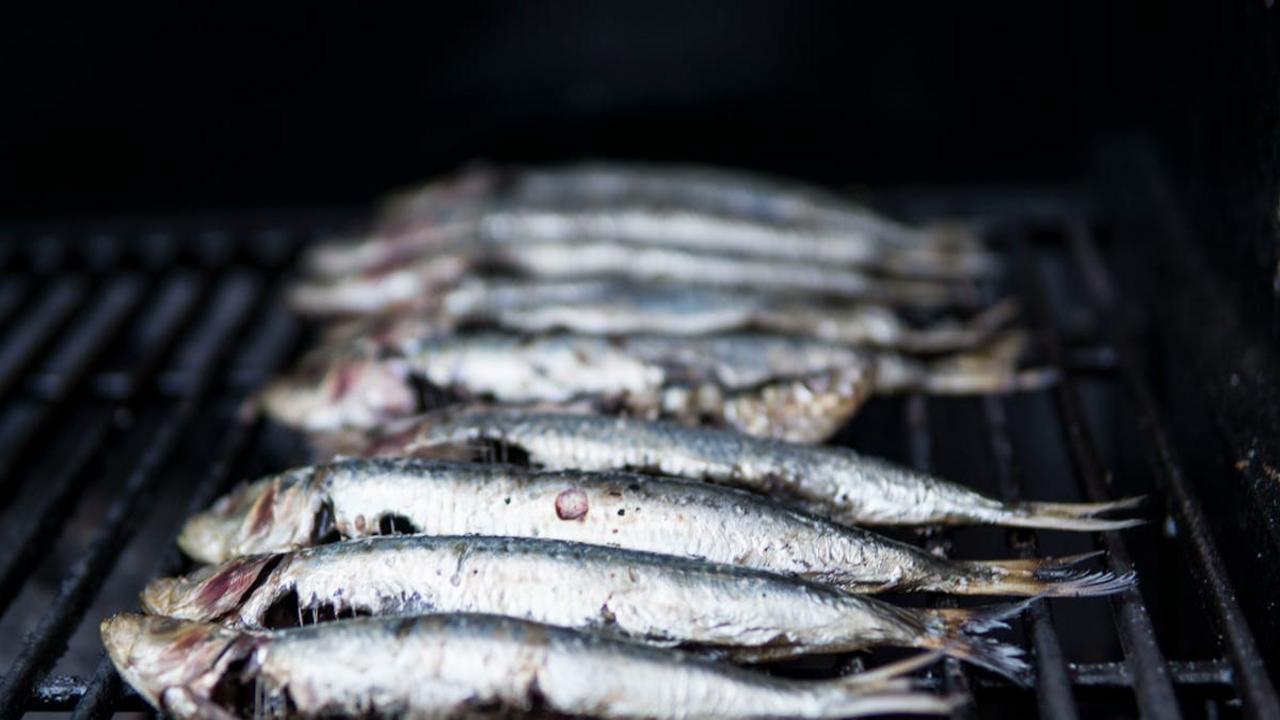
Listen, I get it – sardines aren’t exactly the poster child for Instagram-worthy meals. But hear me out before you wrinkle your nose! These tiny silver fish pack more punch than a heavyweight boxer and cost less than your morning coffee. Rich in omega-3s, protein, and calcium, sardines are basically swimming multivitamins that happen to taste incredible when you know what to do with them. Portugal consumes more sardines per capita than anywhere else on earth, and those folks know their fish – they’ve been perfecting sardine recipes since the 15th century.
The beauty of canned sardines lies in their versatility and convenience. Mash them with lemon juice, capers, and good olive oil for an instant pasta sauce that beats anything from a jar. Toss them on toast with avocado and hot sauce for a protein-packed breakfast that keeps you full until dinner. My favorite trick? Mixing chopped sardines into scrambled eggs with fresh herbs – it sounds weird but tastes like a fancy brunch dish. Pro tip: buy sardines packed in olive oil rather than water; the oil adds flavor and prevents that dry, chalky texture that gives canned fish a bad reputation. Once you start treating sardines like the flavor bombs they are instead of sad desk lunch fodder, you’ll wonder why you waited so long to give them a chance.
Chickpeas
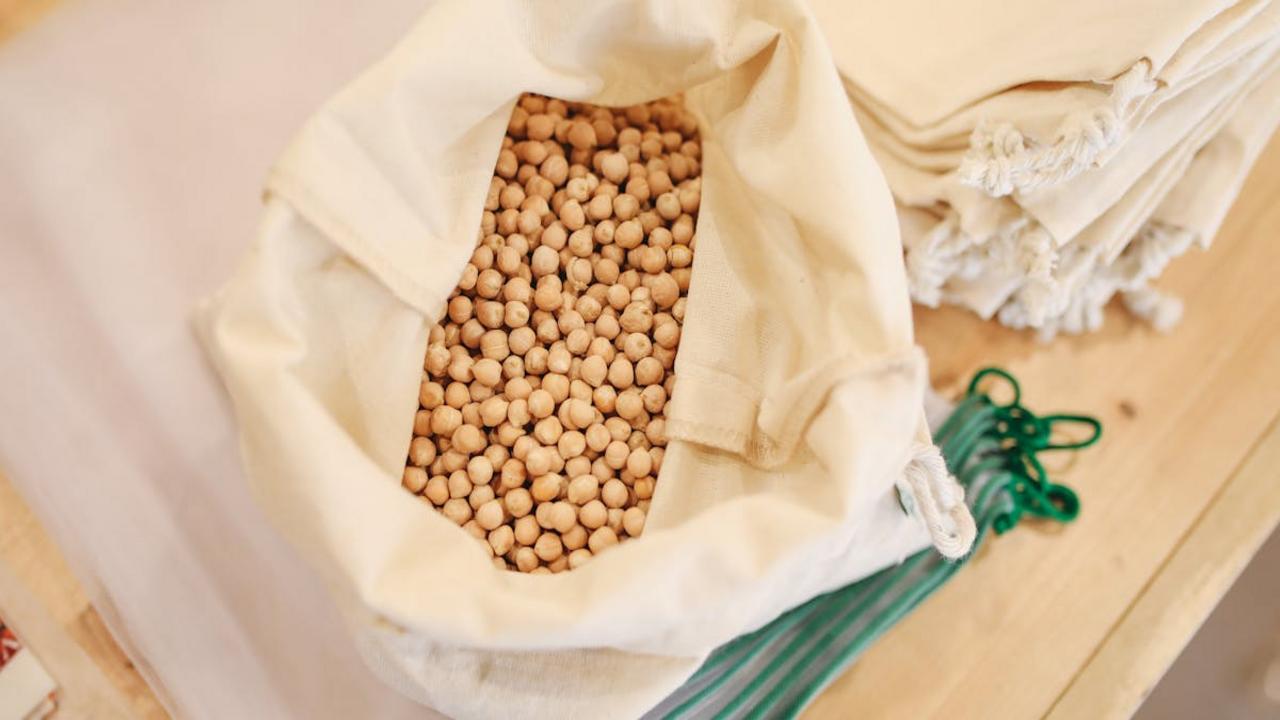
Meet the humble chickpea – that wrinkled, beige little powerhouse that’s been quietly revolutionizing pantries worldwide while masquerading as the most unassuming legume in the grocery store. These protein-packed gems cost pennies per serving, yet they transform into everything from crispy roasted snacks to silky hummus faster than you can say “garbanzo bean.” Fun fact: chickpeas have been feeding civilizations for over 7,000 years, which means they’ve literally survived longer than most empires. Ancient Romans considered them so precious they named wealthy families after them – the famous Cicero family got their name from “cicer,” Latin for chickpea!
What makes chickpeas absolute pantry royalty is their chameleon-like ability to absorb whatever flavors you throw at them. Toss them with curry spices for a quick Indian-inspired dinner, mash them into Mediterranean falafel, or roast them with paprika for a crunchy movie-night snack that puts chips to shame. They’re basically edible sponges with serious nutritional credentials – packed with fiber, folate, and plant-based protein that keeps you satisfied for hours. Plus, the liquid from canned chickpeas (called aquafaba) whips up like egg whites, making it the secret weapon for vegan meringues and mayonnaise. Who knew such magic could come from bean juice?
Brown rice
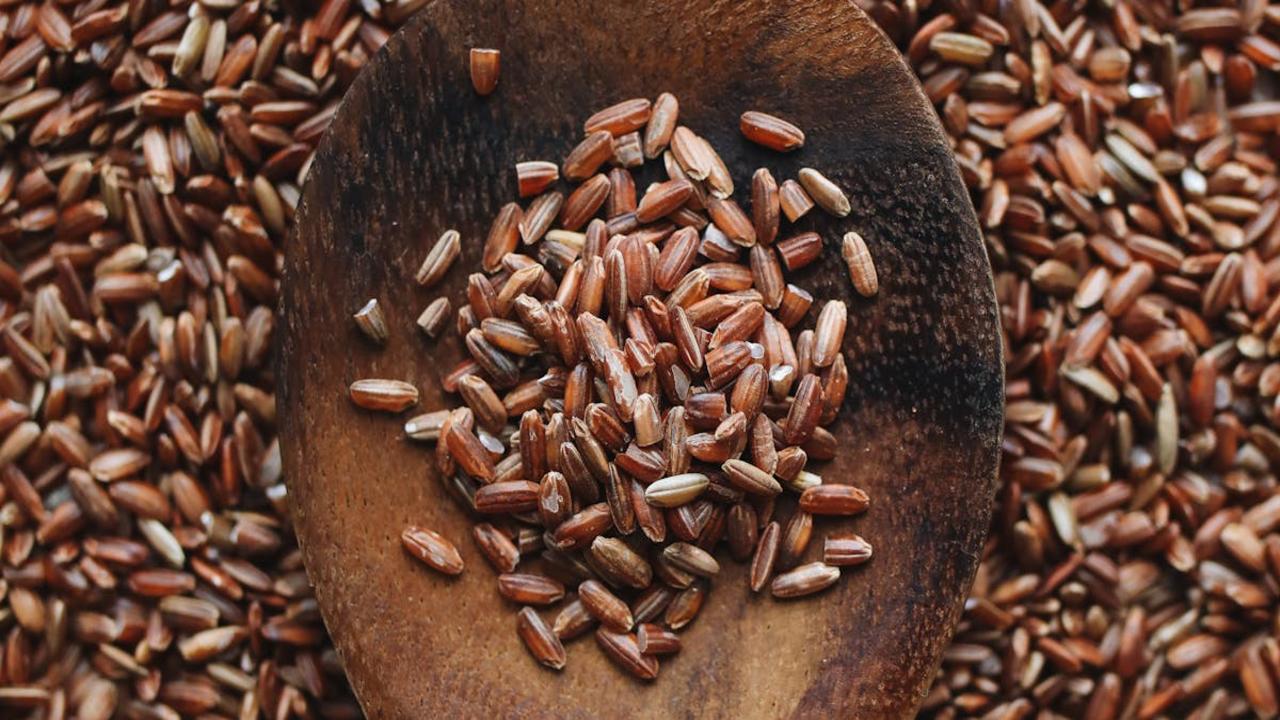
Brown rice gets a bad rap for being the “healthy but boring” cousin of white rice, but honestly, that reputation is completely unfair! This nutty, chewy grain packs more personality than people give it credit for. Unlike its stripped-down white counterpart, brown rice keeps its bran and germ intact, which means you get fiber, B vitamins, and a satisfying texture that actually fills you up. I love how it transforms from those humble little grains into fluffy, separate kernels that have this wonderful toothsome bite. Plus, here’s something that might shock you: brown rice actually freezes beautifully! Cook a big batch on Sunday, portion it out, and you’ve got instant side dishes ready to rescue any weeknight dinner disaster.
The secret to perfect brown rice isn’t complicated – just treat it like pasta water and use way more liquid than you think you need, then drain off the excess. This method prevents that dreaded mushy texture that turns people off. Brown rice plays well with literally everything: toss it with soy sauce and scrambled eggs for quick fried rice, mix it into soups for extra heartiness, or stuff it into bell peppers with some ground turkey and herbs. One of my favorite tricks is cooking it in coconut milk instead of water – suddenly you have this creamy, tropical base that pairs amazingly with curry or even just some sautéed vegetables. At around a dollar per pound, this pantry superstar gives you dozens of meals and never complains about sitting in your cupboard for months.
Spinach
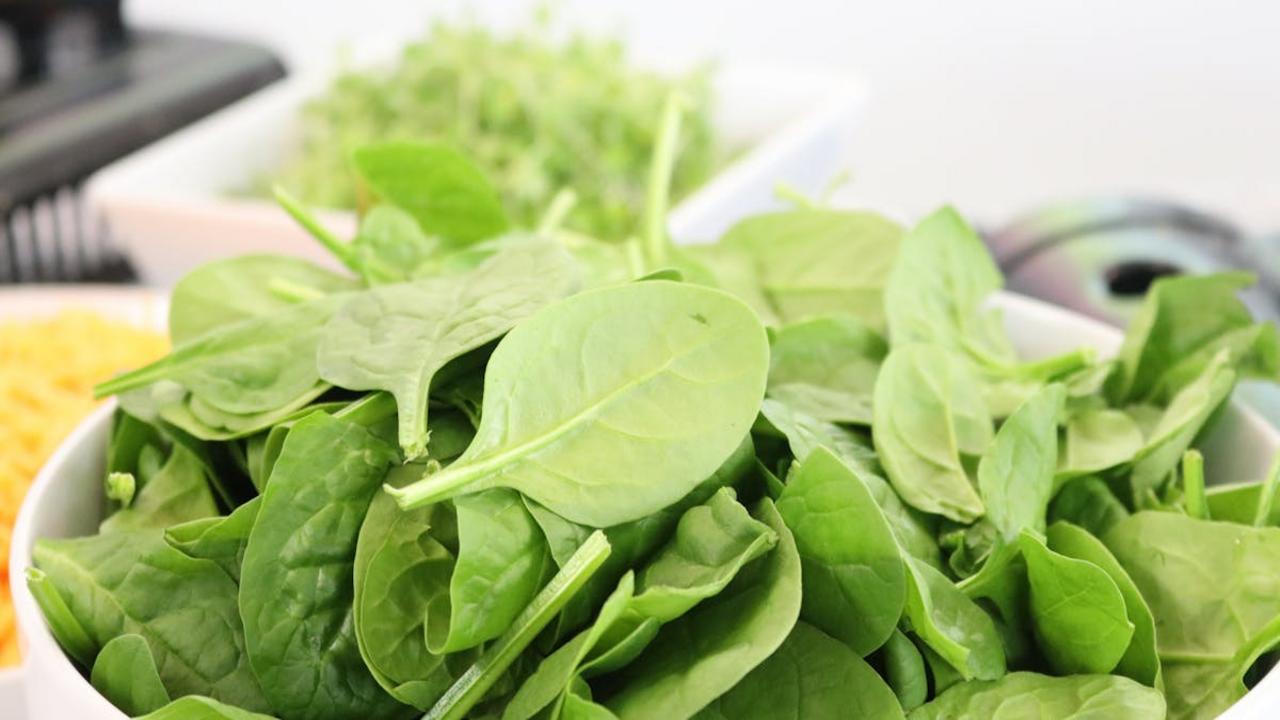
Listen, I know what you’re thinking—spinach gets a bad rap thanks to every cartoon character who ever gagged at the sight of those wilted green leaves. But hear me out: this leafy powerhouse is basically the Clark Kent of vegetables, hiding superhero strength behind that mild-mannered exterior. Fresh baby spinach costs practically nothing, lasts surprisingly long in your fridge, and transforms faster than you can say “Popeye” into something magical. Toss a handful into scrambled eggs, and suddenly you’ve got a gourmet breakfast that screams “I have my life together” (even if you’re eating it in yesterday’s pajamas).
The beauty of spinach lies in its chameleon-like personality—it disappears into smoothies without a trace, wilts down to practically nothing in pasta sauces, and adds instant sophistication to pizza night. I once watched an entire bag of spinach shrink to about two tablespoons in a hot pan, which honestly felt like witnessing some kind of vegetable magic trick. Pro tip: buy the big containers of baby spinach because you’ll use way more than you think, and frozen spinach works brilliantly for soups, quiches, and dips where texture isn’t the star. Trust me, your wallet and your body will thank you for befriending this green goddess.
Quinoa
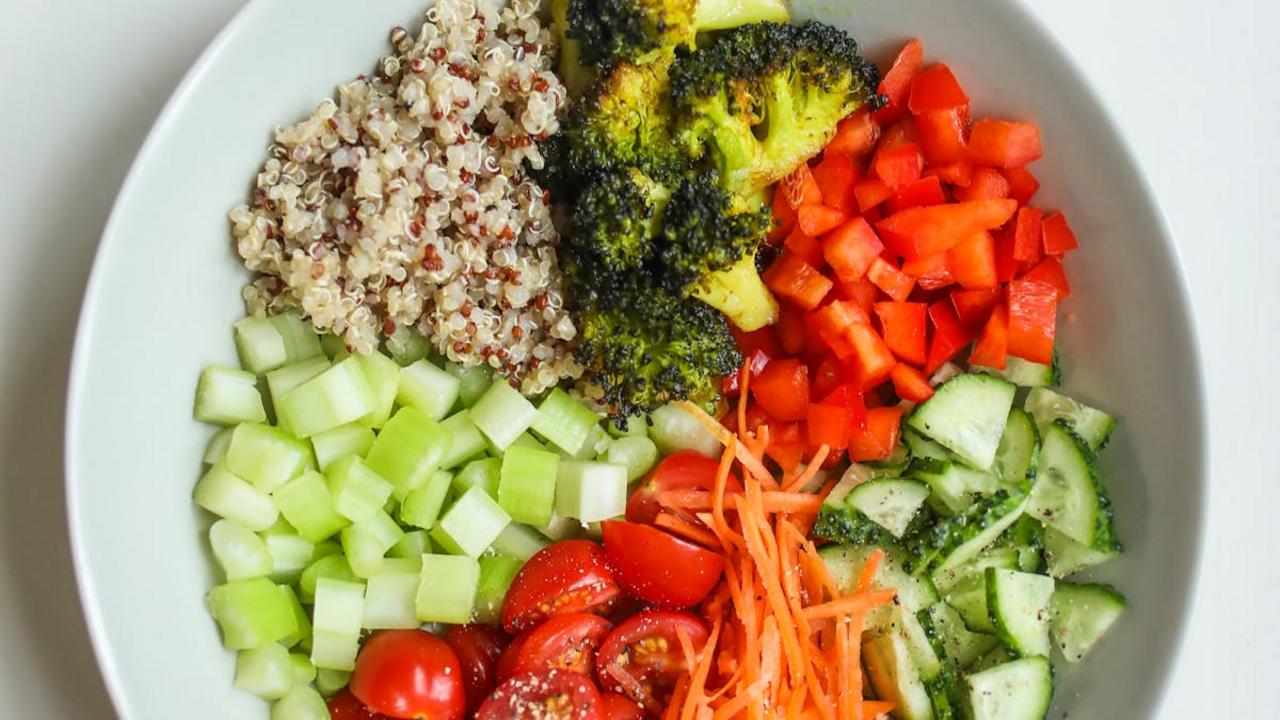
Picture this: you’re standing in the grain aisle, overwhelmed by endless boxes of rice and pasta, when suddenly you spot those tiny, pearl-like seeds that look like they could double as hamster food. That’s quinoa, pronounced “KEEN-wah” (not “kwin-OH-ah” like I embarrassingly called it for years), and this little powerhouse from the Andes Mountains is about to become your new kitchen superhero. The Incas called it “chisaya mama” or “mother of all grains,” though technically quinoa isn’t even a grain – it’s a seed that just likes to pretend it’s cereal. With more protein than a gym enthusiast’s smoothie and all nine amino acids your body craves, quinoa laughs in the face of boring carbs while doing nutritional backflips.
Here’s where quinoa gets really fun: you can treat it like rice, but it cooks faster, fluffs up beautifully, and has this satisfying little pop when you bite it. Toss it with roasted vegetables and feta for a Mediterranean bowl that’ll make your coworkers jealous, or cook it in coconut milk with cinnamon for breakfast porridge that tastes like dessert. The secret trick? Always rinse quinoa before cooking to wash away its natural bitter coating called saponin – nature’s way of protecting the seeds from birds, but not so great for human palates. At around $3-4 per pound, quinoa stretches further than you’d think, expanding to triple its dry volume and keeping you full for hours with its fiber-rich goodness.
Frozen berries
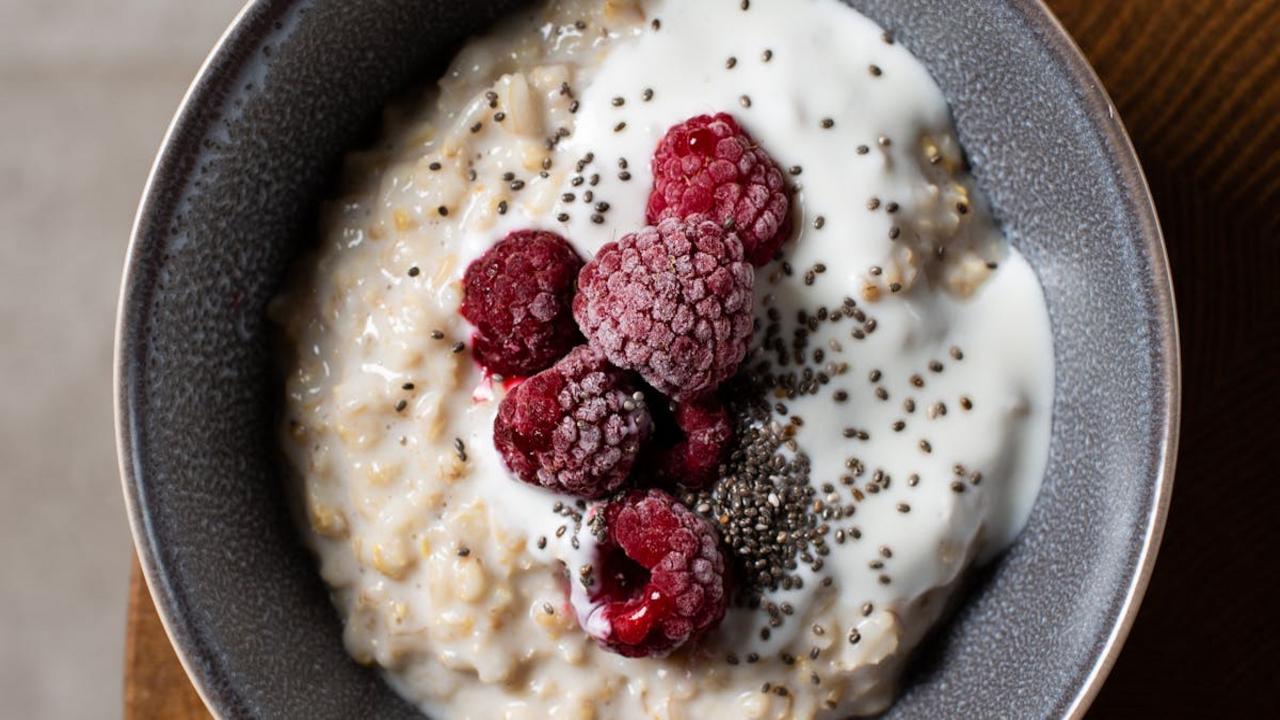
Your freezer’s most underrated superhero isn’t that ice cream you’ve been hoarding – it’s that bag of frozen berries you grabbed on sale three months ago! These little purple, red, and blue gems pack more nutritional punch than fresh berries that have traveled cross-country in a truck for days. Here’s the kicker: frozen berries often contain higher levels of antioxidants because they’re flash-frozen at peak ripeness, while those “fresh” ones at the grocery store might have been picked weeks ago. I keep at least three varieties in my freezer because you never know when you’ll need to transform a boring Tuesday into something magical.
Toss them straight from the freezer into your morning smoothie for instant thickness and natural sweetness, or heat them up with a splash of lemon juice and honey to create a gorgeous sauce that makes pancakes feel fancy. My favorite lazy dinner trick? Throw frozen blueberries into a grain bowl with warm quinoa – they’ll partially thaw and burst with flavor while cooling down your meal to the perfect temperature. Pro tip: buy them when they’re on sale because frozen berries have the shelf life of a cockroach (in the best way possible), and you’ll always have backup for those moments when you realize your fresh fruit has turned into a science experiment.
Pumpkin seeds
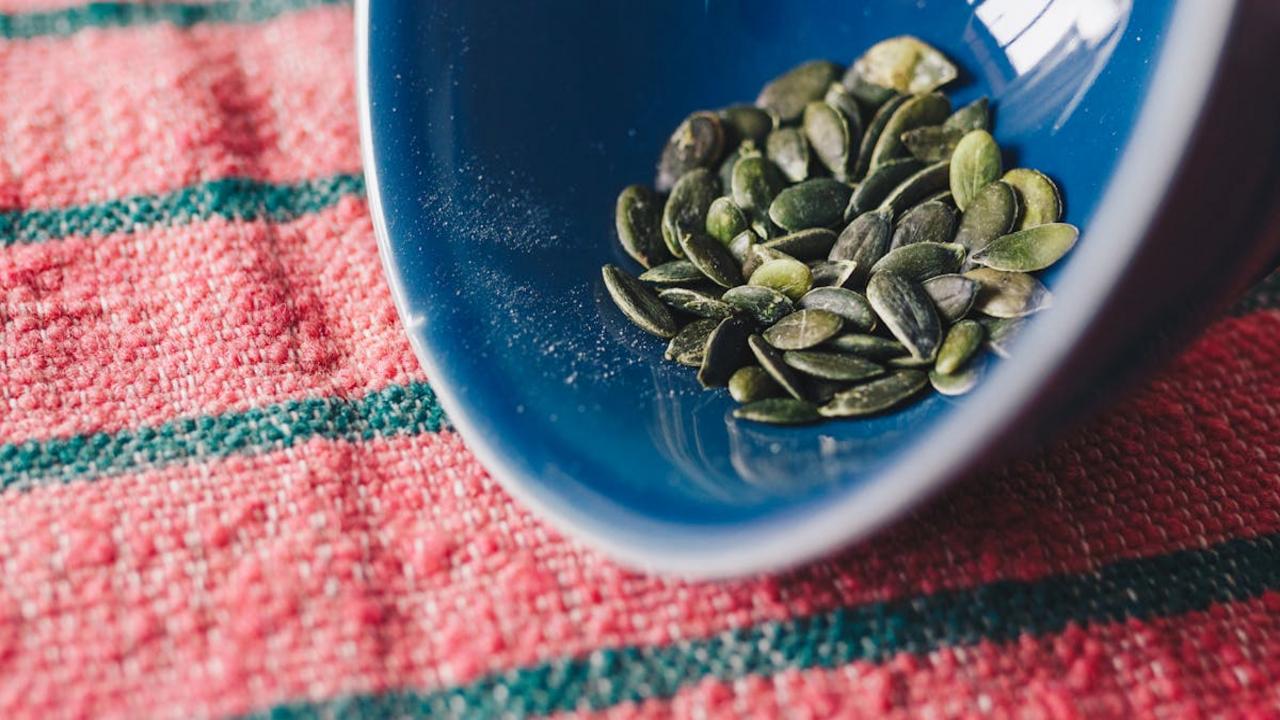
Those slimy little gems you scraped out of your jack-o’-lantern last Halloween? Stop tossing them in the trash like some kind of culinary criminal! Pumpkin seeds—or pepitas, if you want to sound fancy at dinner parties—pack more nutritional punch than a superhero smoothie. These green powerhouses contain magnesium, zinc, and healthy fats that’ll make your body thank you. Plus, here’s a fun fact that’ll blow your mind: ancient Aztecs valued pumpkin seeds so highly they used them as currency. Imagine paying your rent with a handful of roasted seeds!
Transform these budget-friendly beauties into crunchy gold by roasting them with olive oil, salt, and whatever spices tickle your fancy. I once made a batch with curry powder and honey that disappeared faster than my willpower around chocolate cake. Sprinkle roasted pumpkin seeds on salads for instant texture magic, blend them into pestos for nutty depth, or eat them straight from the pan while binge-watching your favorite show. Raw seeds work brilliantly in granola, smoothie bowls, or homemade energy bars. At roughly three dollars per pound, these versatile little warriors prove that great flavor doesn’t require breaking the bank—just breaking open a pumpkin!
Sweet potatoes
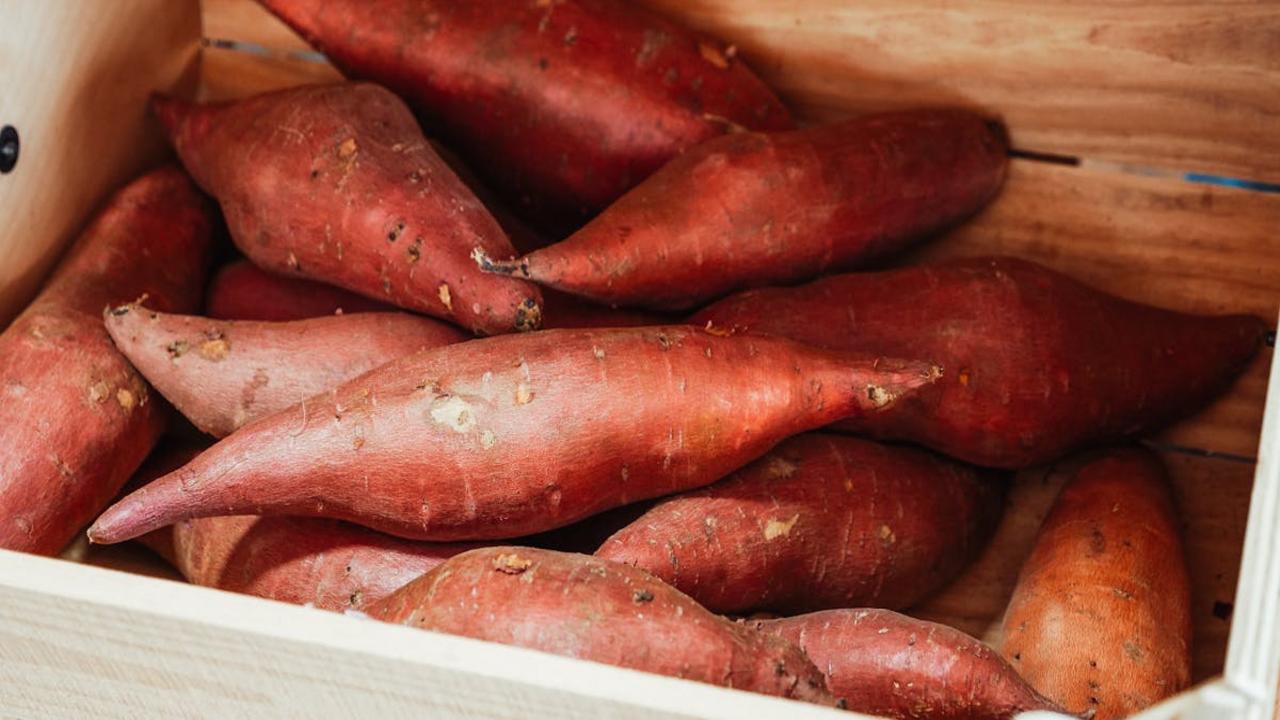
Listen up, because I’m about to blow your mind with the most underestimated superstar hiding in your produce section. Sweet potatoes are basically the Swiss Army knife of vegetables, disguised as humble orange tubers that cost pennies but deliver flavors worth their weight in gold. These beauties pack more beta-carotene than a carrot convention and enough natural sweetness to make your dessert jealous. Fun fact: despite their name, sweet potatoes aren’t actually related to regular potatoes at all – they’re morning glory relatives who decided to grow underground and become absolutely magnificent.
You can roast these orange gems whole and stuff them with everything from black beans to goat cheese, or slice them into fries that’ll make you forget about their pale potato cousins. I’ve turned them into soups that taste like autumn in a bowl, mashed them into silky sides that steal the show from turkey, and even spiralized them into “noodles” that actually taste good (shocking, I know). The best part? They store for weeks in a cool, dark place, making them your reliable kitchen companion when inspiration strikes and your wallet needs a break. Pro tip: pierce the skin and microwave for 6-8 minutes for the fastest baked sweet potato ever.
Cabbage
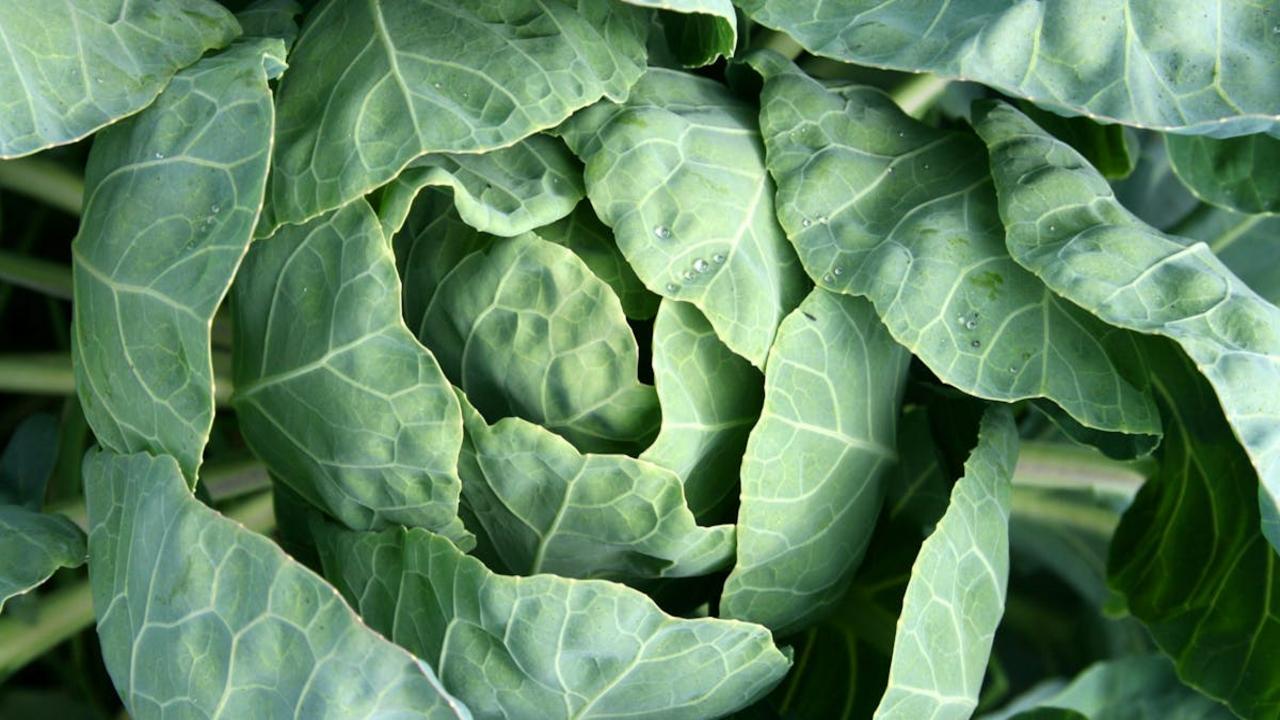
Meet cabbage – the unsung hero of the produce aisle that deserves way more street cred than it gets! This humble, leafy globe has been feeding families for centuries, and honestly, it’s about time we gave it the respect it deserves. You can snag a whole head for under two bucks, and that bad boy will stretch across multiple meals like a culinary magician. From crispy coleslaw that adds crunch to your tacos to comforting cabbage rolls that hug your soul on chilly nights, this versatile veggie transforms into whatever you need it to be. Fun fact: ancient Romans considered cabbage so powerful they ate it before drinking wine to prevent hangovers – now that’s what I call meal planning!
The beauty of cabbage lies in its chameleon-like personality – it plays well with practically everything in your kitchen. Shred it raw for that satisfying crunch in salads, sauté it with garlic until it becomes sweet and tender, or throw it into soups where it soaks up all those gorgeous flavors like a sponge. My personal favorite trick? Quickly charring wedges in a hot pan until the edges get all crispy and caramelized – suddenly this budget-friendly vegetable tastes like it belongs in a fancy restaurant. Plus, cabbage keeps for weeks in your fridge, making it the ultimate backup plan for those nights when your meal planning falls apart and you’re staring into an empty kitchen wondering what magic you can conjure up.
Chia seeds
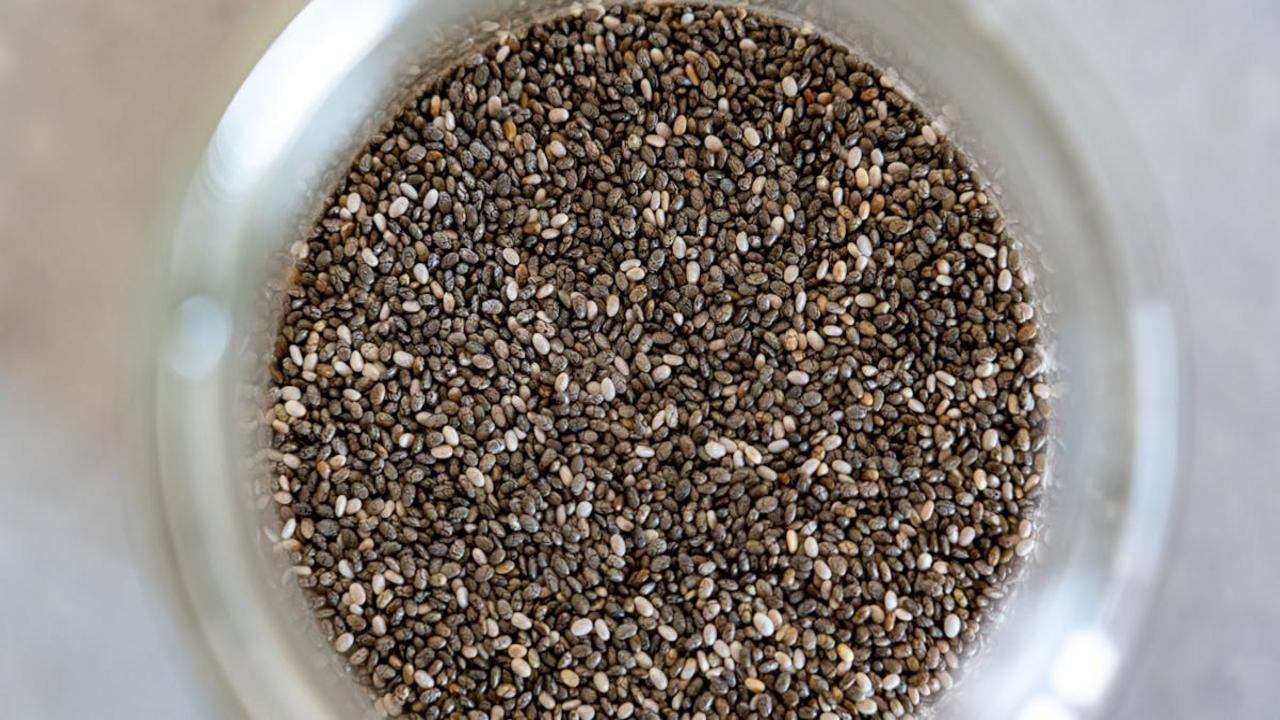
You know those tiny black specks that ancient Aztec warriors supposedly carried into battle for superhuman endurance? Yeah, those are chia seeds, and they’re sitting in your pantry right now, probably wondering why you only remember them when you’re feeling particularly virtuous about your breakfast choices. These microscopic powerhouses pack more omega-3s than salmon, more fiber than your judgmental aunt’s lectures, and enough protein to make your muscles do a little happy dance. The best part? They’re basically the ultimate food chameleons—flavorless on their own, they’ll absorb whatever personality you throw at them, from vanilla pudding vibes to savory everything-bagel energy.
Here’s where chia seeds get wonderfully weird: drop them in liquid for fifteen minutes, and they transform into these gelatinous little pearls that look like tiny alien eggs but taste like whatever you’ve mixed them with. I like to call them “bubble tea for breakfast people.” Stir two tablespoons into your morning smoothie, overnight oats, or even just a glass of water with lemon and honey for an instant energy boost that won’t leave you crashing harder than a toddler past naptime. Pro tip: sprinkle them on top of yogurt, blend them into homemade salad dressings, or throw them into muffin batter for that satisfying crunch that makes people ask, “What’s that interesting texture?” They’re like edible confetti for your mouth, except way more nutritious.
Oats
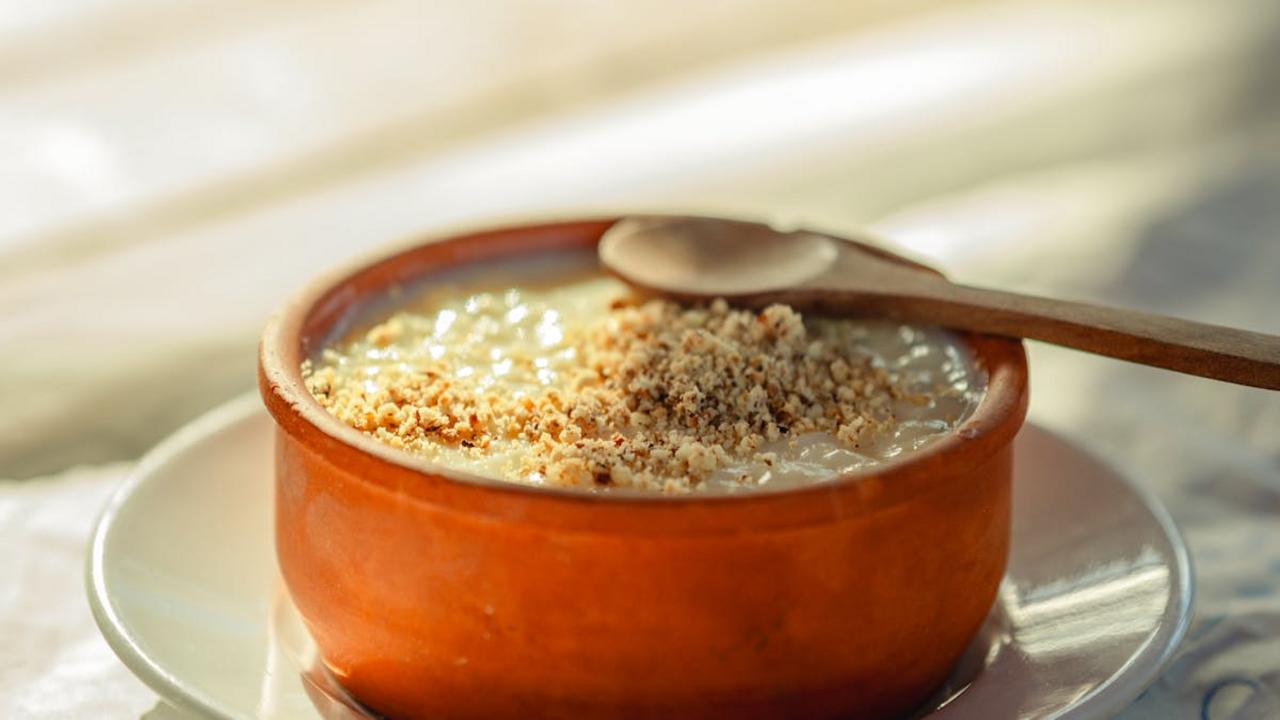
Listen, I get it – oats have about as much sex appeal as beige wallpaper, but hear me out! These humble little grains are basically the Swiss Army knife of your pantry, ready to transform from creamy breakfast porridge to crispy coating for chicken in the blink of an eye. The ancient Greeks fed oats to their horses because they thought it gave them strength and endurance, which honestly explains why my morning oatmeal makes me feel like I could conquer the world (or at least my inbox). You can buy a massive container of rolled oats for less than the price of a fancy coffee drink, and it’ll last you months while delivering fiber, protein, and that satisfying stick-to-your-ribs feeling that keeps hangry monsters at bay.
The beauty of oats lies in their chameleon-like personality – they’ll take on whatever flavors you throw at them with enthusiasm. Blend them into flour for pancakes that actually have some nutritional backbone, pulse them into breadcrumbs for the crunchiest baked fish you’ve ever made, or go full comfort-food mode and simmer them with cinnamon and maple syrup until they’re creamy enough to make you weep with joy. I’ve even stirred oats into meatballs for extra texture and heartiness, because apparently I’m that person who sneaks healthy ingredients into everything. Pro tip: toast your oats in a dry skillet for a few minutes before cooking – it brings out this incredible nutty flavor that’ll make you wonder why you ever settled for bland, mushy breakfast mush.
Lentils
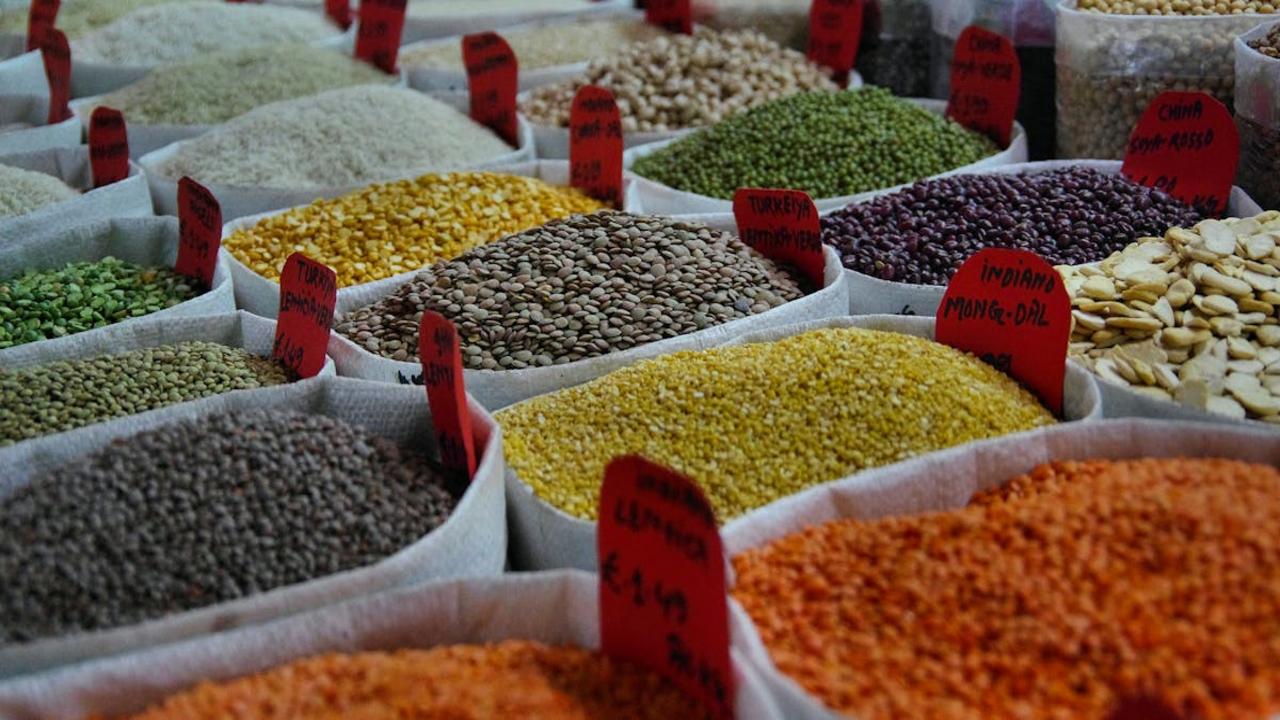
You know what’s absolutely wild? Lentils have been feeding humans for over 13,000 years, making them one of our oldest buddies in the kitchen. These little disc-shaped powerhouses come in more colors than a crayon box – red, green, brown, black, yellow – and each one has its own personality. Red lentils turn into creamy mush faster than you can say “weeknight dinner,” while green lentils hold their shape like tiny soldiers marching through your soup. I once made a red lentil curry that was so good, my neighbor started “accidentally” showing up at dinnertime with increasingly transparent excuses about needing to borrow sugar.
Here’s the beautiful thing about lentils: they cook in 15-30 minutes (no soaking required, unlike their diva cousin, the kidney bean), they’re packed with protein and fiber, and they cost about as much as a fancy coffee. Toss them into soups, blend them into dal, mix them with rice for a complete protein, or my personal favorite – make lentil “bolognese” that’ll fool even the most devoted carnivore. Pro tip: buy them in bulk because once you discover how ridiculously versatile they are, you’ll want to put them in everything. They’re like the Swiss Army knife of legumes, ready to transform any boring meal into something spectacular.