14 Delicious Foods That Work Hard Behind the Scenes
What if I told you some of the most common foods in your kitchen are secretly nutritional powerhouses? I’ve discovered that many everyday ingredients pack incredible benefits while quietly supporting your health. From boosting your immune system to improving your mood, these foods work overtime without demanding attention.
In my years of recipe creation, I’ve learned to appreciate these humble heroes. They shine in simple meals but also transform complex dishes with their natural goodness. You don’t need fancy superfoods or expensive supplements when these accessible options bring so much to your table.
My cooking philosophy centers on making the most of these hardworking ingredients. By understanding what each food brings to your body, you can create meals that nourish and satisfy. Let’s look at 14 incredible foods that deserve recognition for their behind-the-scenes work in supporting your wellbeing.
Olive Oil
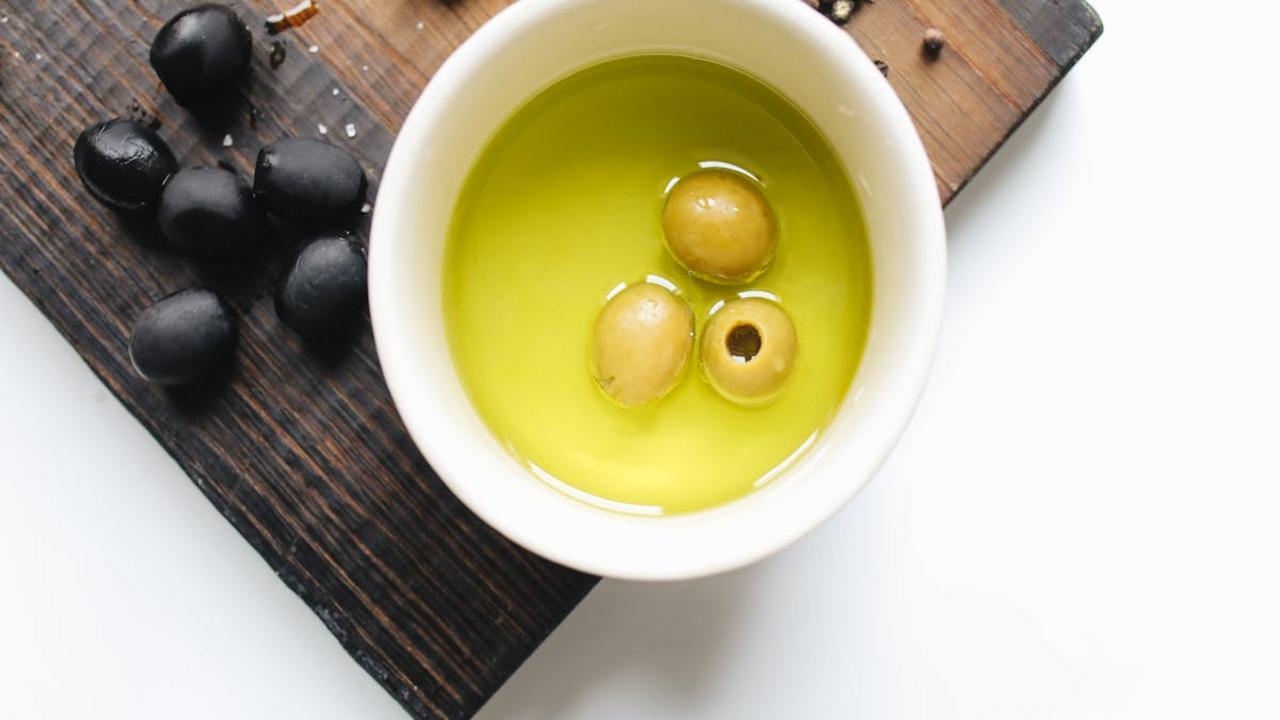
I keep at least three types of olive oil in my kitchen at all times, and each one serves a completely different purpose in my cooking. My everyday extra virgin olive oil gets the heavy lifting done – I use it for sautéing vegetables, making salad dressings, and drizzling over finished dishes. Then there’s my special bottle of premium extra virgin that I reserve for finishing touches, like a final drizzle over roasted tomatoes or fresh bread. And don’t overlook regular olive oil for high-heat cooking; it has a higher smoke point than extra virgin, making it perfect for roasting vegetables at 425°F or pan-searing proteins.
What many home cooks don’t realize is that olive oil acts as more than just a cooking fat – it’s a flavor enhancer that ties ingredients together. When I make my Mediterranean-inspired grain bowls, a good olive oil doesn’t just prevent sticking; it carries the flavors of garlic and herbs throughout every grain of quinoa or farro. I’ve learned that investing in quality olive oil transforms even the simplest meals. A drizzle of fruity, peppery extra virgin can turn a basic tomato and cucumber salad into something restaurant-worthy. Store your bottles away from light and heat, and taste them regularly – fresh olive oil should have a bright, almost grassy flavor that makes you want to cook immediately.
Beets
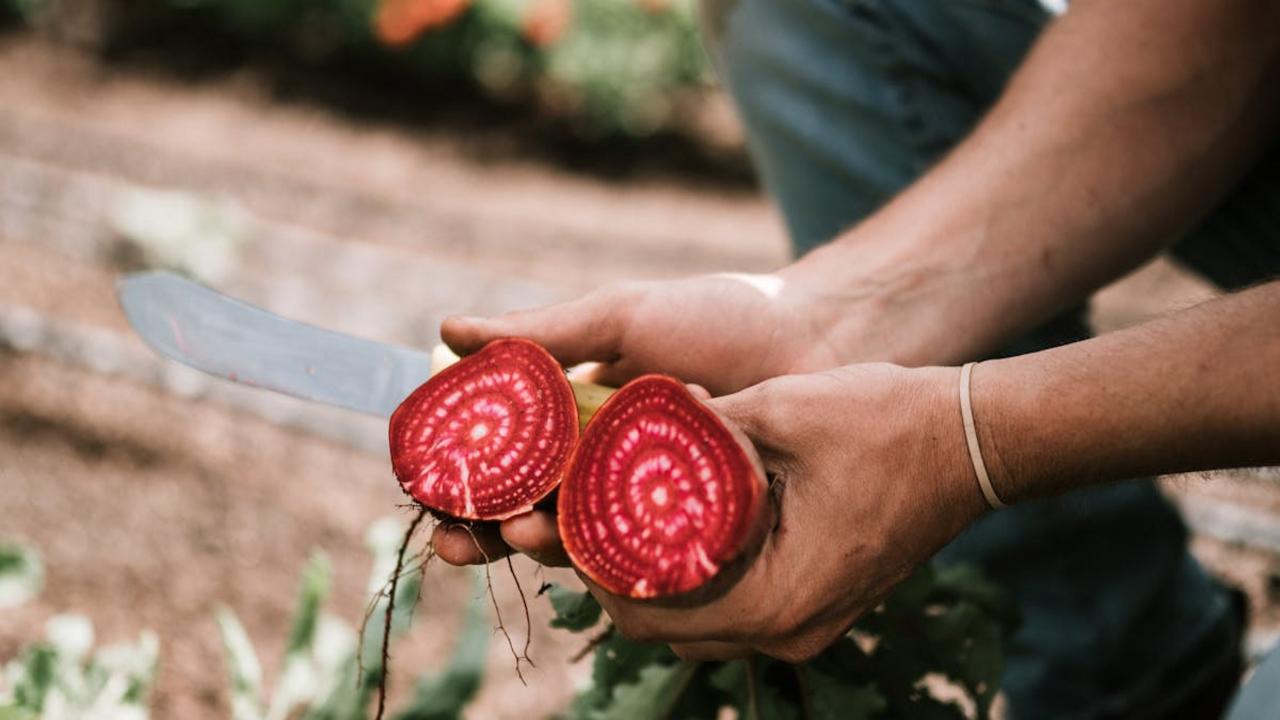
I remember the first time I properly cooked with beets—my kitchen looked like a crime scene, but the earthy sweetness that emerged from my oven made every purple-stained surface worth it. These ruby gems work overtime in your body, packed with nitrates that boost blood flow and athletic performance, while their betalains fight inflammation like nature’s own pharmacy. You can roast them whole until tender, grate them raw into salads for a peppery crunch, or blend them into smoothies for that gorgeous magenta color that makes your morning feel special.
What I love most about beets is how they bridge sweet and savory worlds effortlessly. I’ll pickle baby beets with cardamom and orange zest for a Middle Eastern twist, or fold roasted chunks into warm grain bowls with goat cheese and toasted walnuts. The greens deserve equal attention—sauté them with garlic like you would spinach, because wasting those nutrient-dense leaves feels criminal. From their liver-supporting properties to their ability to naturally lower blood pressure, beets prove that the most humble vegetables often pack the most powerful punch for our health.
Pomegranate
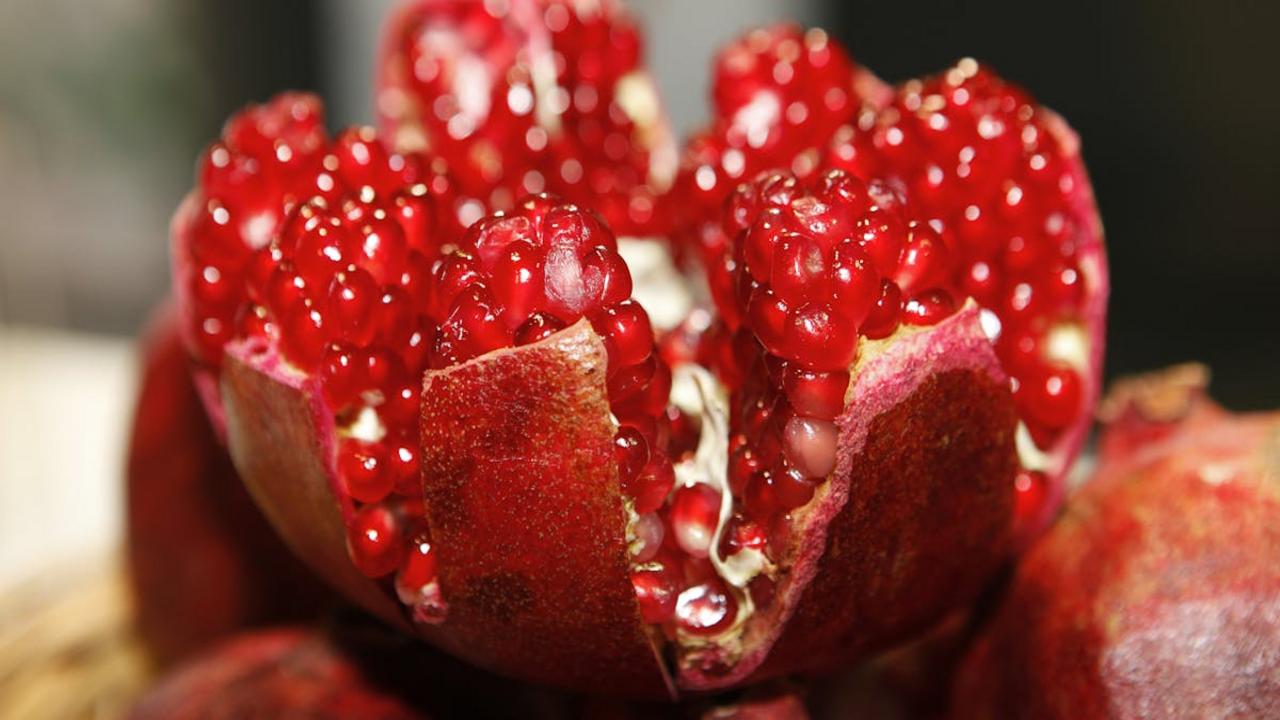
You know that moment when you crack open a pomegranate and those ruby-red arils spill out like tiny jewels? That’s your body’s inflammation-fighting army right there, working overtime while you simply enjoy the sweet-tart burst of flavor. I’ve been incorporating these powerful little seeds into my morning yogurt bowls and grain salads for years, not just because they add that perfect pop of color and crunch, but because they’re quietly protecting my cells from oxidative damage. The antioxidants in pomegranates—particularly punicalagins and anthocyanins—are some of the most potent you’ll find in nature, and they’re busy neutralizing free radicals long after you’ve finished eating.
What I love most about pomegranates is how they transform ordinary dishes into something special while doing the heavy lifting for your cardiovascular health. I’ll scatter those beautiful arils over roasted vegetables, blend them into smoothies with ginger and lime, or even reduce the juice into a glaze for grilled chicken. Behind every sweet, tangy bite, compounds are working to support healthy blood pressure and improve circulation. The natural nitrates help your blood vessels stay flexible, while the polyphenols support your heart’s daily marathon. It’s incredible how something so delicious can be working so hard to keep your entire cardiovascular system running smoothly—no processed supplements needed, just whole food magic.
Garlic
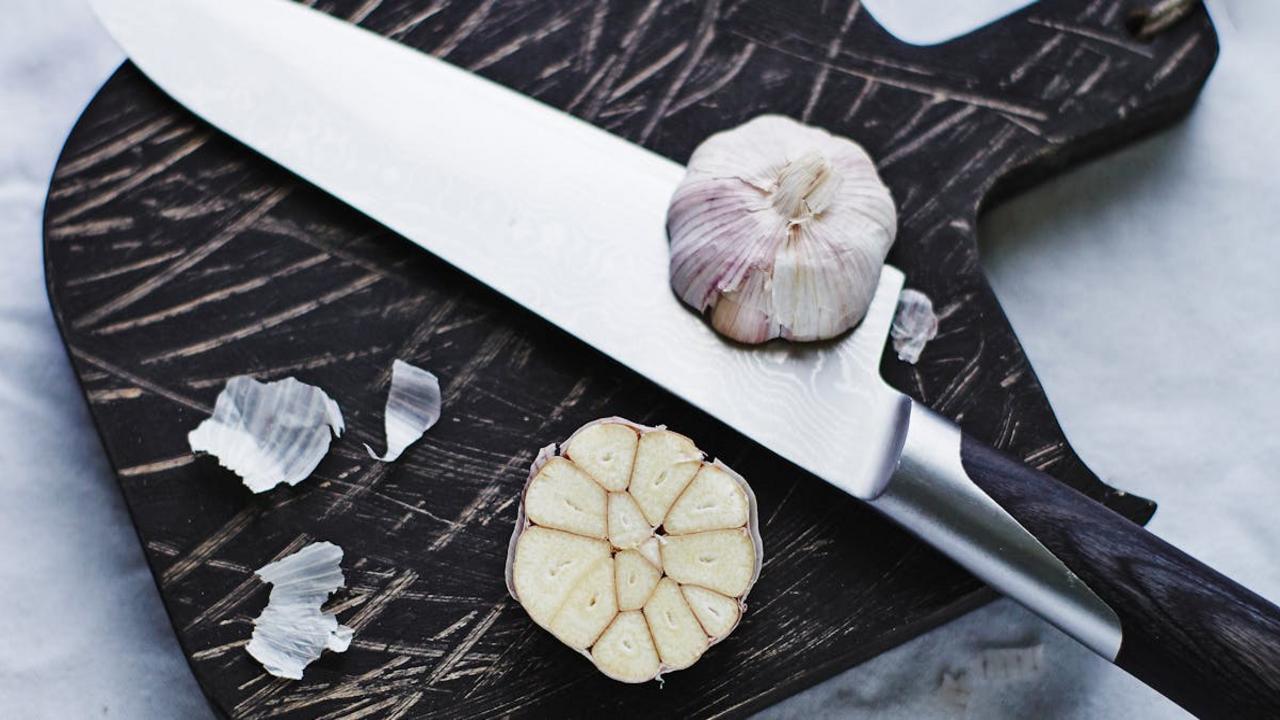
You know that moment when you walk into someone’s kitchen and immediately smell garlic sizzling in oil? That’s pure magic right there. Garlic doesn’t just add flavor to your dishes—it’s working overtime to boost your immune system, fight inflammation, and support heart health. I keep fresh bulbs on my counter year-round because this little powerhouse transforms everything it touches. Whether I’m making a simple aglio e olio or adding it to a Moroccan tagine, garlic brings depth and warmth that makes people lean in closer to their plates.
The beauty of garlic lies in its versatility and how it changes personality depending on how you treat it. Raw garlic brings sharp, fiery heat that clears your sinuses and adds punch to marinades. Roasted whole, it becomes sweet and mellow, perfect for spreading on crusty bread. I love how it works behind the scenes in almost every cuisine—from Korean kimchi to Italian soffritto to Indian tadka. My secret? Always smash your cloves with the flat side of your knife first. This releases more of those beneficial compounds and makes peeling effortless. Trust me, your taste buds and your body will thank you for making garlic a daily habit.
Pistachios
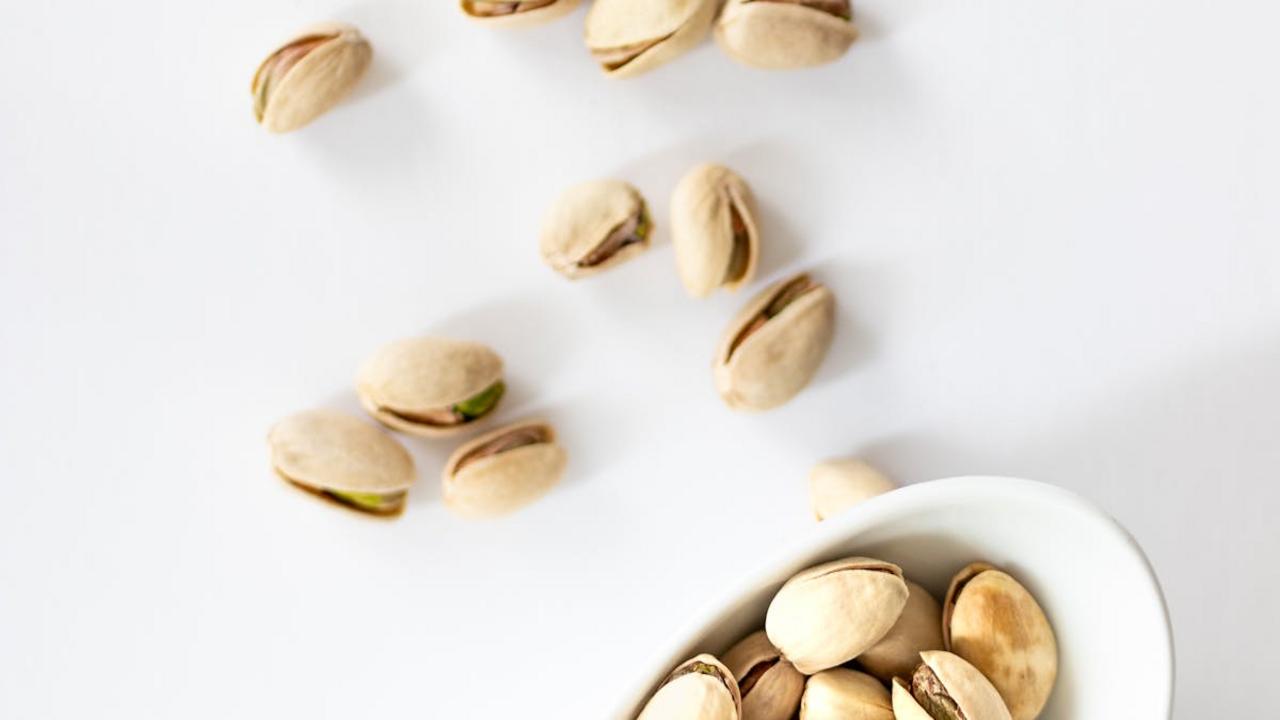
You know what I absolutely adore about pistachios? They’re working double duty in your pantry without you even realizing it. While you’re cracking them open for a quick snack, these little green gems are secretly packed with protein, healthy fats, and fiber that keep your energy stable throughout the day. I started adding crushed pistachios to my morning yogurt bowls, and suddenly I wasn’t reaching for that mid-morning snack anymore. They’re also naturally rich in potassium and magnesium, which your muscles thank you for after those long cooking sessions in the kitchen.
What really excites me about pistachios is how they transform ordinary dishes into something special. I sprinkle chopped pistachios over roasted vegetables for an unexpected crunch, or blend them into a creamy sauce for pasta that rivals any store-bought version. My favorite trick? Making pistachio dukkah by toasting them with cumin and coriander – it turns simple grilled fish or chicken into a restaurant-worthy meal. The natural oils in pistachios also help your body absorb fat-soluble vitamins from other foods, so they’re literally making your entire meal more nutritious while adding that gorgeous pop of color and rich, buttery flavor we all crave.
Dark Chocolate

I keep a bar of high-quality dark chocolate in my kitchen at all times—not just for dessert, but because it’s one of nature’s most generous multitaskers. While you’re savoring those rich, complex notes, your body receives a treasure trove of antioxidants called flavonoids that support heart health and cognitive function. The magnesium content helps regulate blood pressure, while the natural compounds can actually improve your mood and reduce stress hormones. I love incorporating dark chocolate into unexpected savory dishes too—a small square melted into my homemade chili adds incredible depth, and I often grate it over roasted vegetables for an earthy sweetness that transforms the entire plate.
What really excites me about cooking with dark chocolate is how it bridges cultures and cuisines. Mexican mole sauces have taught me that chocolate belongs in complex, spiced dishes, while Middle Eastern preparations show how beautifully it pairs with cardamom and rose. I always choose chocolate with at least 70% cacao content—the higher percentage means more beneficial compounds and less added sugar. Try melting a piece into your morning oatmeal with cinnamon, or whisking some cocoa powder into a savory marinade for lamb. Your taste receptors will thank you for the complexity, and your body will appreciate all the hardworking antioxidants doing their magic behind the scenes.
Avocados
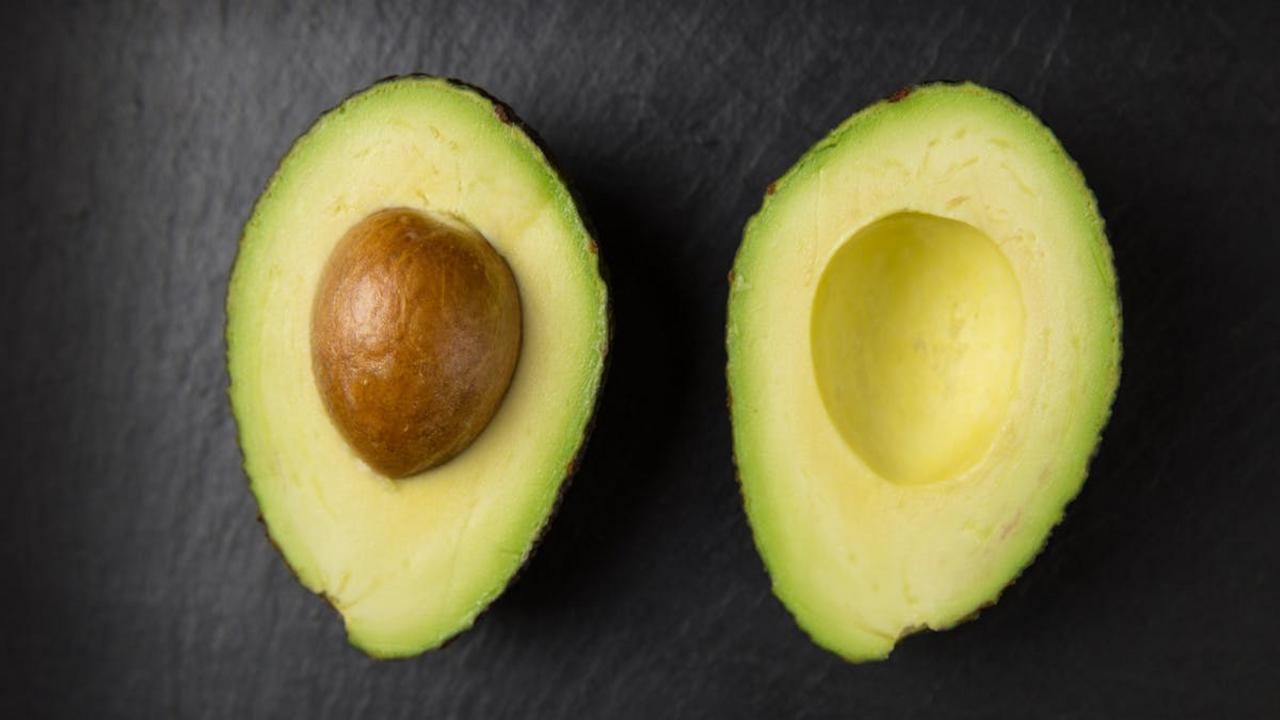
You know how avocados seem to make everything better? That creamy, buttery texture transforms simple toast into breakfast magic, but these green gems work much harder than you might think. Beyond their obvious starring roles in guacamole and smoothie bowls, avocados quietly enhance so many dishes with their unique ability to bind ingredients naturally. I love mashing them into my homemade salad dressings – they create this silky consistency that coats greens perfectly while adding healthy fats that help your body absorb all those colorful vitamins from vegetables.
What really excites me about cooking with avocados is their incredible versatility across different cuisines. In my kitchen, I use them to replace butter in chocolate brownies (trust me on this one), blend them into creamy pasta sauces with herbs and lemon, and even incorporate them into my morning smoothies for that perfect thick texture without any dairy. The monounsaturated fats in avocados don’t just make your meals more satisfying – they actually help reduce inflammation and support heart health. Next time you’re making a curry or soup, try stirring in half an avocado right before serving. It adds richness and helps mellow out spicy heat while boosting the nutritional value of your whole meal.
Salmon
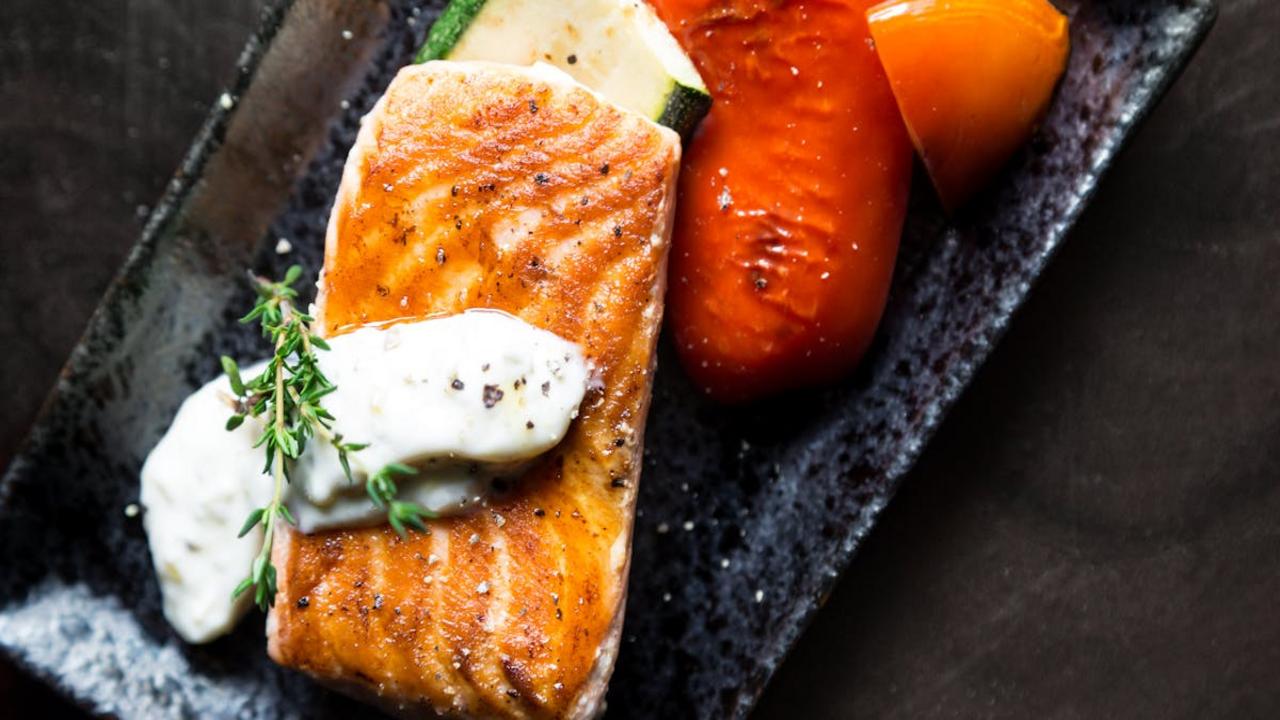
You know how some fish just taste like, well, fish? Salmon breaks that rule completely. This gorgeous pink-fleshed beauty brings so much more to your plate than you might expect. Behind those omega-3 fatty acids everyone talks about, salmon works overtime to support your brain function, reduce inflammation, and keep your heart pumping strong. I love how this fish adapts to whatever cooking method you throw at it—whether you’re pan-searing it with a crispy skin, gently poaching it in aromatic broth, or wrapping it in parchment with herbs from your garden.
What really gets me excited about salmon is how it bridges cultures on your dinner table. You can glaze it with miso and ginger for Japanese-inspired flavors, rub it with berbere spice for an Ethiopian twist, or simply season it with lemon and dill for that classic Scandinavian approach. The natural oils in salmon create this incredible richness that pairs beautifully with bright, acidic elements like citrus or fermented ingredients. Plus, those healthy fats help your body absorb all the fat-soluble vitamins from whatever vegetables you serve alongside it—making your entire meal work harder for your health.
Oatmeal
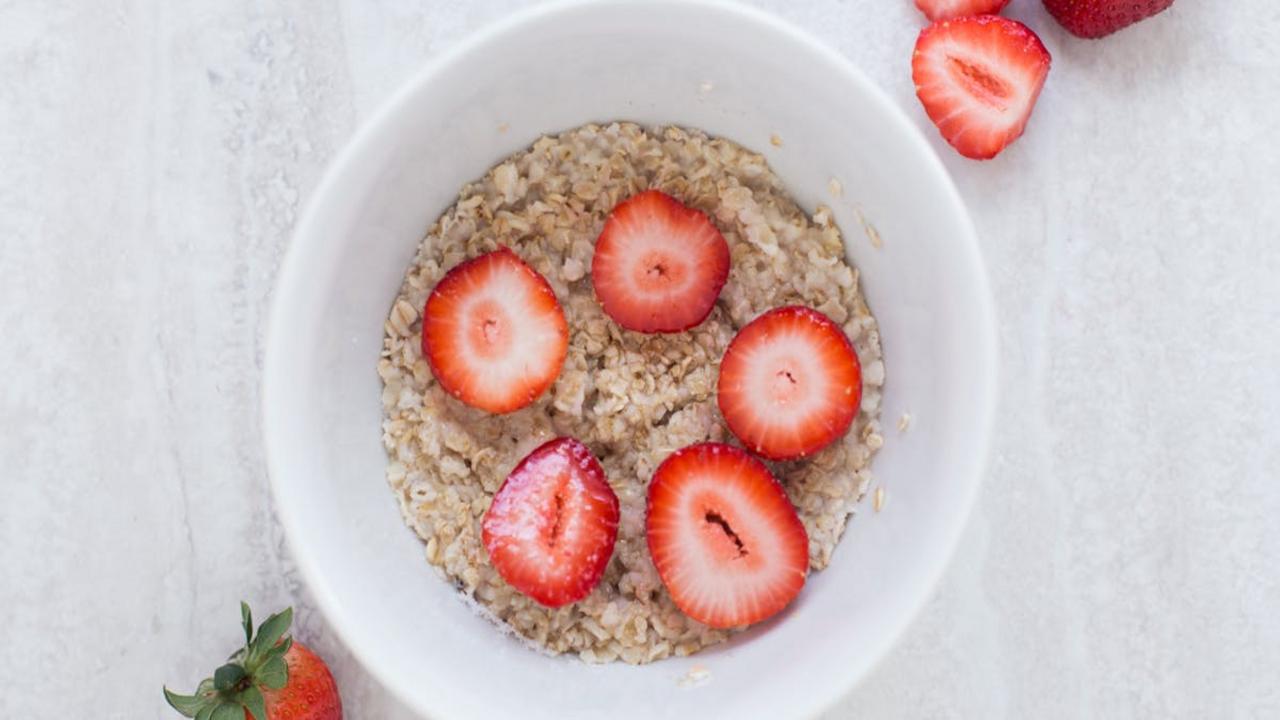
You know what I absolutely adore about oatmeal? It’s this humble grain that quietly transforms into whatever your morning needs. I start with steel-cut oats—they have this incredible nutty flavor that instant versions simply can’t match. When I cook them low and slow, stirring occasionally while the kitchen fills with that warm, comforting aroma, I’m reminded why our grandmothers swore by this simple breakfast. The texture becomes creamy yet maintains just enough bite to make each spoonful satisfying.
But here’s where oatmeal becomes your secret weapon: it’s working overtime to keep you healthy while you go about your day. Those beta-glucan fibers are busy lowering your cholesterol and keeping your blood sugar steady for hours. I love adding a pinch of cinnamon and cardamom while cooking—these spices bring warmth and actually help regulate blood sugar too. Then I top mine with fresh berries, a drizzle of raw honey, and toasted nuts. This combination gives you sustained energy that carries you through your morning without that mid-morning crash. It’s wholesome fuel that tastes like a warm hug in a bowl.
Berries
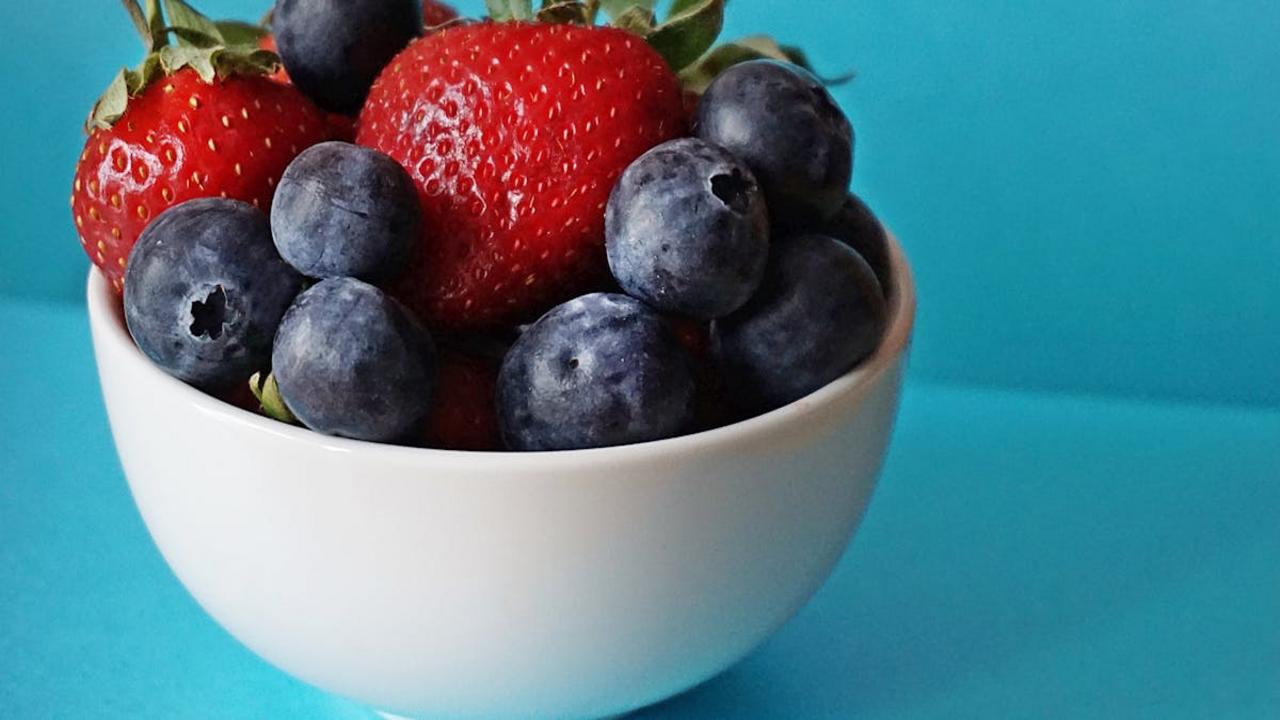
You know that moment when you bite into a perfectly ripe strawberry and the juice runs down your chin? That sweetness doesn’t just happen by accident. Berries are nature’s tiny powerhouses, working overtime to deliver concentrated nutrition in every bite. I always keep frozen berries in my freezer because they’re picked at peak ripeness and flash-frozen, which means they retain all those beautiful antioxidants and vitamins that fresh berries sometimes lose during transport. Whether I’m tossing blueberries into my morning oats or creating a quick compote with mixed berries for yogurt, these little gems transform simple ingredients into something special.
What I love most about berries is how they bridge the gap between dessert and health food without any guilt. They’re naturally sweet enough to satisfy sugar cravings while delivering fiber, vitamin C, and those anthocyanins that give them their gorgeous colors. In my kitchen, I use berries as natural sweeteners in smoothies, fold them into whole grain muffins, or simmer them down with a touch of honey and fresh thyme for a sauce that pairs beautifully with everything from grilled chicken to vanilla ice cream. They’re proof that the most nutritious foods often taste the most incredible when you let their natural flavors shine.
Leafy Greens
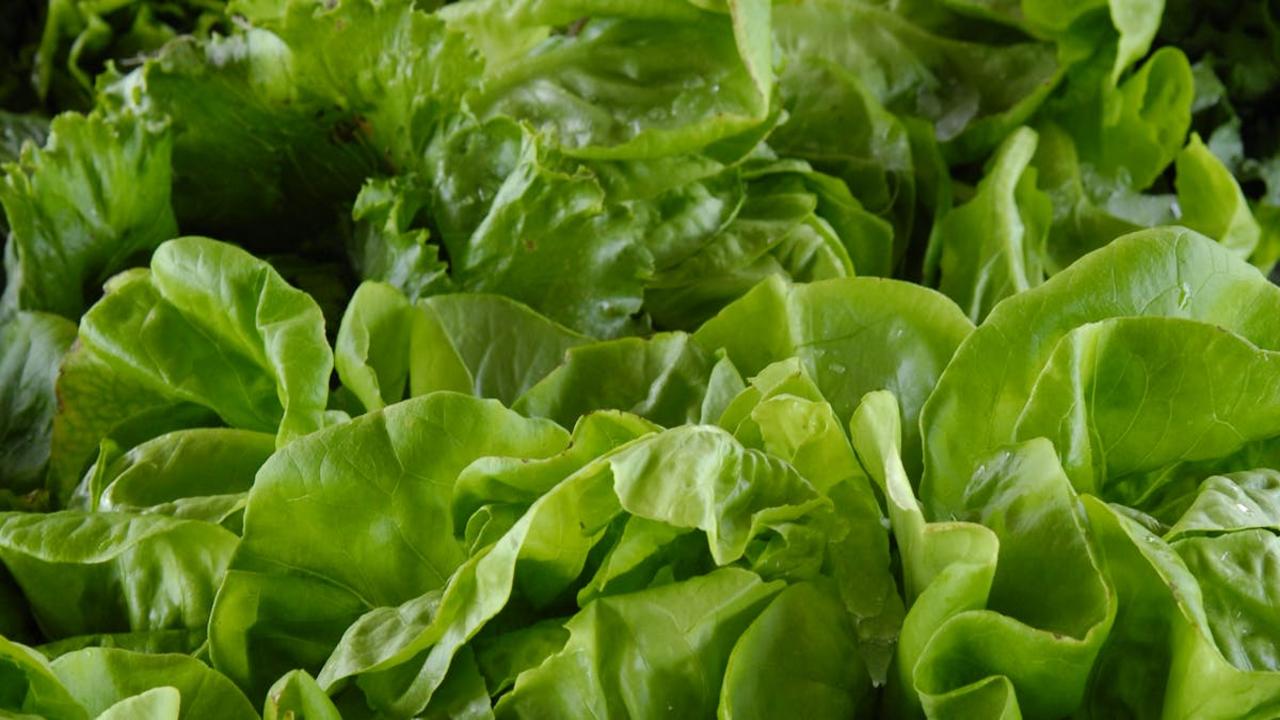
You know that satisfying crunch when you bite into fresh spinach or the earthy sweetness of sautéed kale? Those leafy greens sitting quietly in your crisper drawer pack more nutritional power than most people realize. Every single leaf contains folate, iron, and vitamins A, C, and K—nutrients that support everything from your immune system to bone health. I love how versatile these greens become once you stop thinking of them as just salad base. Swiss chard transforms into silky ribbons when quickly wilted with garlic, while collard greens become tender and flavorful after a slow braise with onions and a splash of vinegar.
The beauty of cooking with leafy greens lies in their adaptability to different flavor profiles. I often throw handfuls of spinach into my morning scrambled eggs or blend them into smoothies where their mild taste disappears completely. Arugula brings a peppery bite to grain bowls, while baby kale massaged with olive oil and lemon juice becomes the perfect foundation for heartier salads. These greens work behind the scenes, quietly boosting the nutritional value of your meals while adding color, texture, and fresh flavor that makes every dish more satisfying and complete.
Greek Yogurt
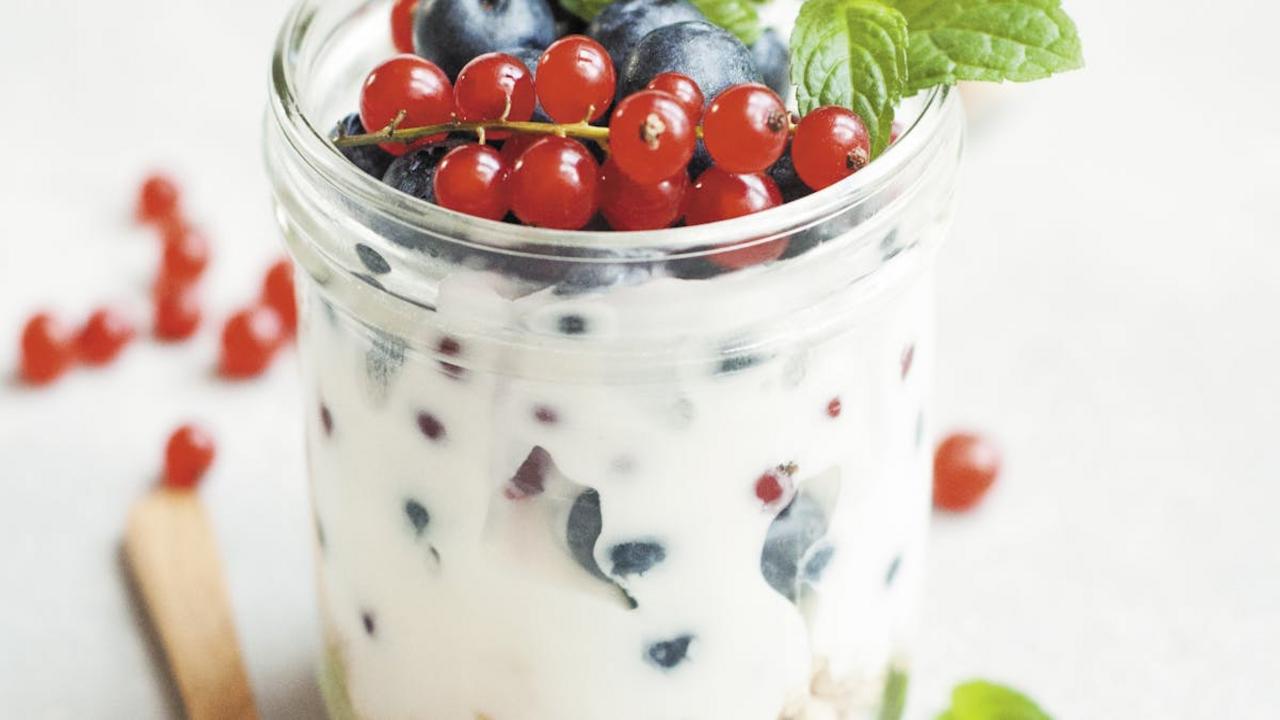
You know that thick, creamy Greek yogurt sitting in your fridge? It’s working overtime in ways that go far beyond your morning breakfast bowl. I’ve been incorporating this protein powerhouse into my cooking for years, and every time I reach for it, I’m amazed by its versatility. Unlike regular yogurt, Greek yogurt has been strained to remove excess whey, giving it that luxurious texture and concentrating the protein content. This makes it an incredible substitute for heavy cream, sour cream, and even cream cheese in countless recipes. When I’m making my grandmother’s curry, a dollop of Greek yogurt creates that silky richness without the heaviness of traditional dairy.
The magic really happens when you start thinking of Greek yogurt as a cooking ingredient rather than just a snack. I use it to marinate chicken and lamb – the natural acids tenderize the meat while infusing it with moisture. In baking, it adds incredible moisture to muffins and cakes while reducing the need for oil or butter. My favorite trick is mixing Greek yogurt with herbs and spices to create instant sauces that transform simple grilled vegetables or roasted meats into restaurant-worthy dishes. The probiotics survive light cooking, so you’re still getting those gut-healthy benefits even when you’re stirring it into warm soups or using it as a base for creamy pasta sauces.
Sweet Potatoes
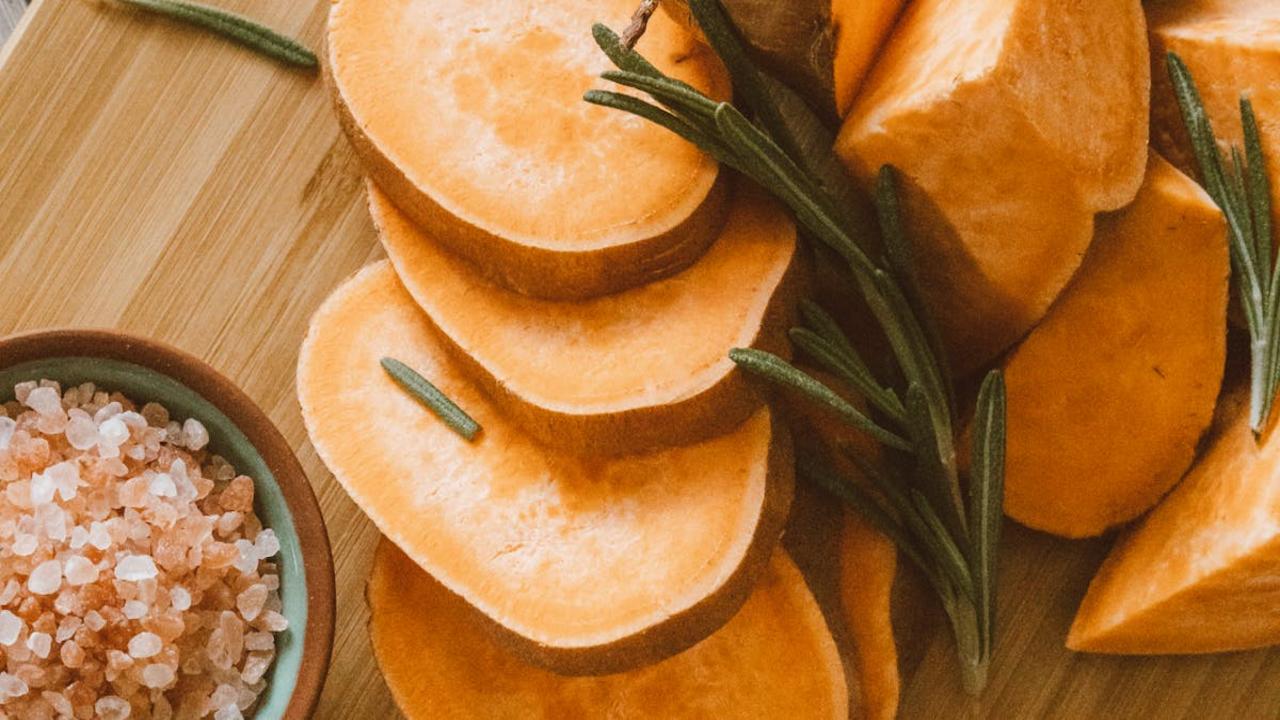
You know what makes me smile every time I walk through the produce section? Those beautiful, burgundy-skinned sweet potatoes sitting quietly in their bins, practically radiating warmth and comfort. I’ve been cooking with these incredible tubers for years, and they never cease to amaze me with their versatility. Whether I’m roasting them whole for a simple weeknight dinner, mashing them into silky purees for soups, or even spiralizing them into noodle-like strands for a healthy pasta alternative, sweet potatoes bring this natural sweetness that transforms any dish into something special. They’re like nature’s candy, but packed with so much more nutritional power than any processed substitute could ever offer.
What really gets me excited about sweet potatoes is how they work behind the scenes in your body. These gorgeous orange-fleshed beauties are loaded with beta-carotene, which your body converts into vitamin A – think glowing skin and sharp vision. They’re also rich in fiber, potassium, and complex carbohydrates that give you sustained energy without those crazy blood sugar spikes you get from refined foods. I love incorporating them into my global-inspired dishes too – they’re fantastic in Moroccan tagines, Caribbean curries, or even Korean-style roasted with gochujang. The natural sugars caramelize beautifully when roasted, creating these crispy edges that contrast perfectly with their creamy centers, making them the perfect foundation for both sweet and savory preparations.
Bananas

Your humble banana sits quietly in the fruit bowl, but don’t underestimate this golden powerhouse! I reach for bananas constantly in my kitchen—not just for their natural sweetness, but for their incredible ability to transform recipes from ordinary to extraordinary. When you mash them into pancake batter, they create the most tender, fluffy texture while cutting down on processed sugars. I love how they bind ingredients together in my weekend muffins, replacing eggs when needed and adding that subtle tropical note that makes everything taste homemade and nourishing.
Beyond baking, bananas work magic in ways that might surprise you. I blend them into smoothies for instant creaminess without any dairy, and when I freeze slices ahead of time, they turn into the base for the most decadent “nice cream” that rivals any store-bought version. Their natural enzymes help tenderize meat in marinades—a trick I learned from my grandmother’s Caribbean cooking. Plus, those brown spots everyone avoids? That’s when bananas are at their peak for baking, concentrated with natural sugars and ready to make your kitchen smell like pure comfort.