15 Foods People Always Stash for Storm Season and Blackouts
Storm season hits and suddenly everyone scrambles for groceries like it’s the apocalypse. Smart preppers know better—they’ve already filled their pantries with shelf-stable champions that laugh in the face of power outages. No refrigeration? No problem! These 15 foods will keep you nourished when Mother Nature throws a tantrum.
I’ve weathered my share of blackouts, huddled by candlelight, thanking my past self for stashing powdered eggs and instant coffee. There’s something oddly satisfying about creating a decent meal from shelf-stable ingredients while the wind howls outside. Think of it as camping in your own home—minus the fun of actual camping.
Your emergency food stash doesn’t need to be all canned beans and sadness. With items like maple syrup, dried fruits, and nuts in your arsenal, you can create surprisingly tasty meals. The trick is thinking beyond immediate survival to actually enjoying what you eat—because storm days are gloomy enough without horrible food making things worse.
Rolled oats
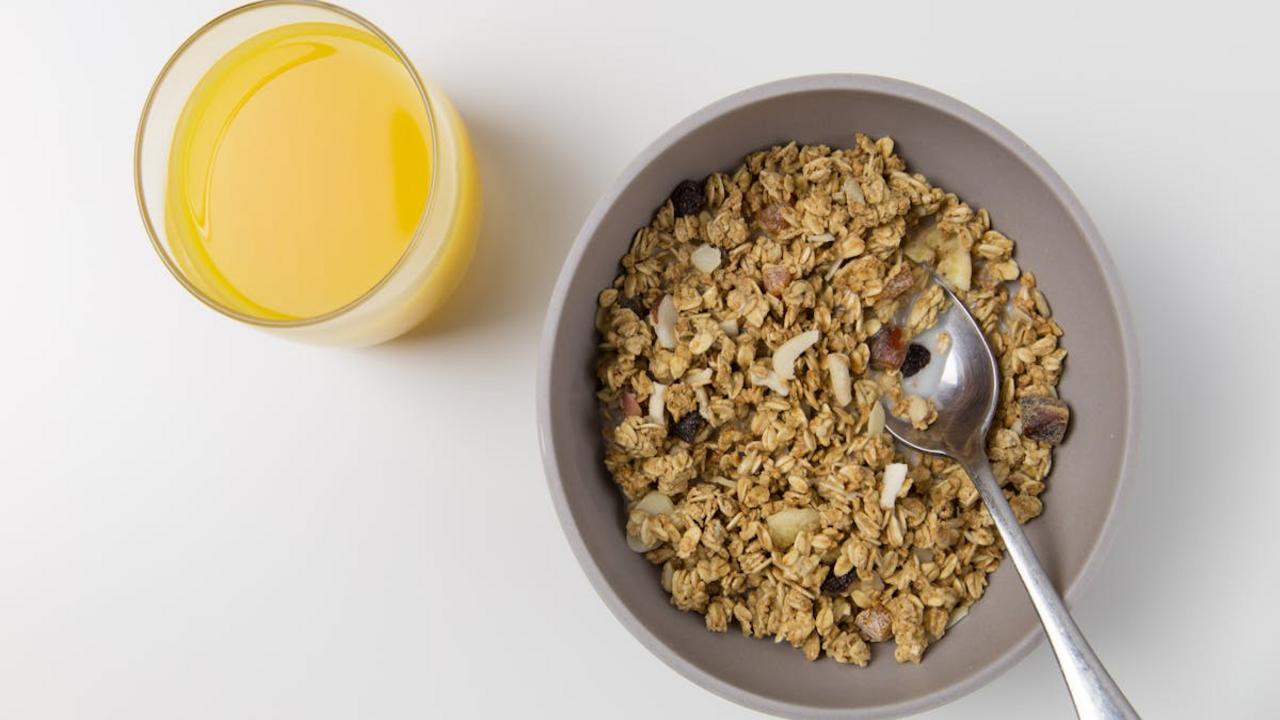
Picture this: the power’s out, your stomach’s growling like an angry bear, and you’re staring into your pantry with the desperation of someone who just realized they’re out of coffee. But wait! There, sitting quietly on the shelf like the dependable friend who always shows up when you need them, are those humble rolled oats. These little flattened grains might not look like much, but they’re basically the Swiss Army knife of storm prep foods. You can eat them cold with milk (if you have it), cook them over a camping stove, or even munch them dry if you’re feeling particularly adventurous or desperate. Fun fact: oats were so valued by ancient Romans that they used them as horse feed – which honestly explains why Secretariat was such an overachiever.
What makes rolled oats pure genius for blackout situations is their incredible versatility and shelf life that would make a Twinkie jealous. We’re talking two years if stored properly! You can transform these plain-Jane oats into overnight oats with whatever fruit you have lying around, mix them with peanut butter for instant energy balls, or even use them to thicken soups when you’re cooking over an open flame and feeling like a pioneer. During Hurricane Sandy, my neighbor swore she survived three days on nothing but oatmeal mixed with honey and canned peaches, and she emerged looking surprisingly zen about the whole ordeal. Pro tip: buy the old-fashioned kind, not the instant stuff – they hold up better to creative cooking experiments when you’re operating with limited resources and maximum hunger.
Dried fruits
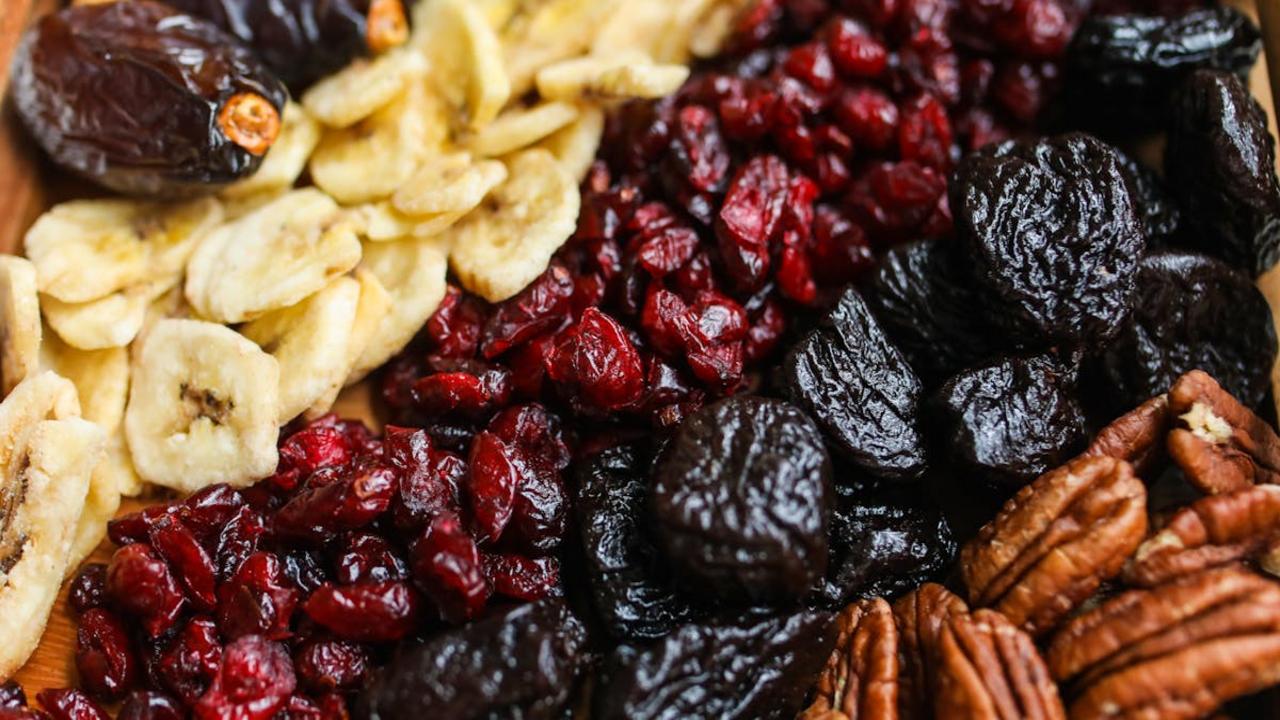
You know what’s absolutely genius about dried fruits during storm season? They’re basically nature’s candy that refuses to quit on you when the power goes out. While your fresh peaches are plotting their dramatic demise in the fridge (which, let’s face it, won’t be cold much longer), dried apricots, raisins, and banana chips sit smugly in your pantry, immune to the chaos outside. These wrinkled little warriors pack serious nutritional punch – we’re talking concentrated vitamins, fiber, and natural sugars that’ll keep your energy levels from crashing harder than your Netflix binge plans.
Here’s the kicker: dried fruits have been humanity’s original energy bars for thousands of years. Ancient travelers stuffed their pockets with dates and figs because they knew these shriveled gems could survive months without refrigeration. Today, you can snag everything from freeze-dried strawberries (which taste like fruity astronaut food) to chewy mango strips that transport you straight to tropical paradise while you’re huddled under blankets. Pro tip: mix dried cranberries with nuts and dark chocolate chips for a trail mix that’ll make you forget you’re rationing flashlight batteries. Just remember to drink plenty of water – these concentrated flavor bombs can be surprisingly thirst-inducing!
Hardtack
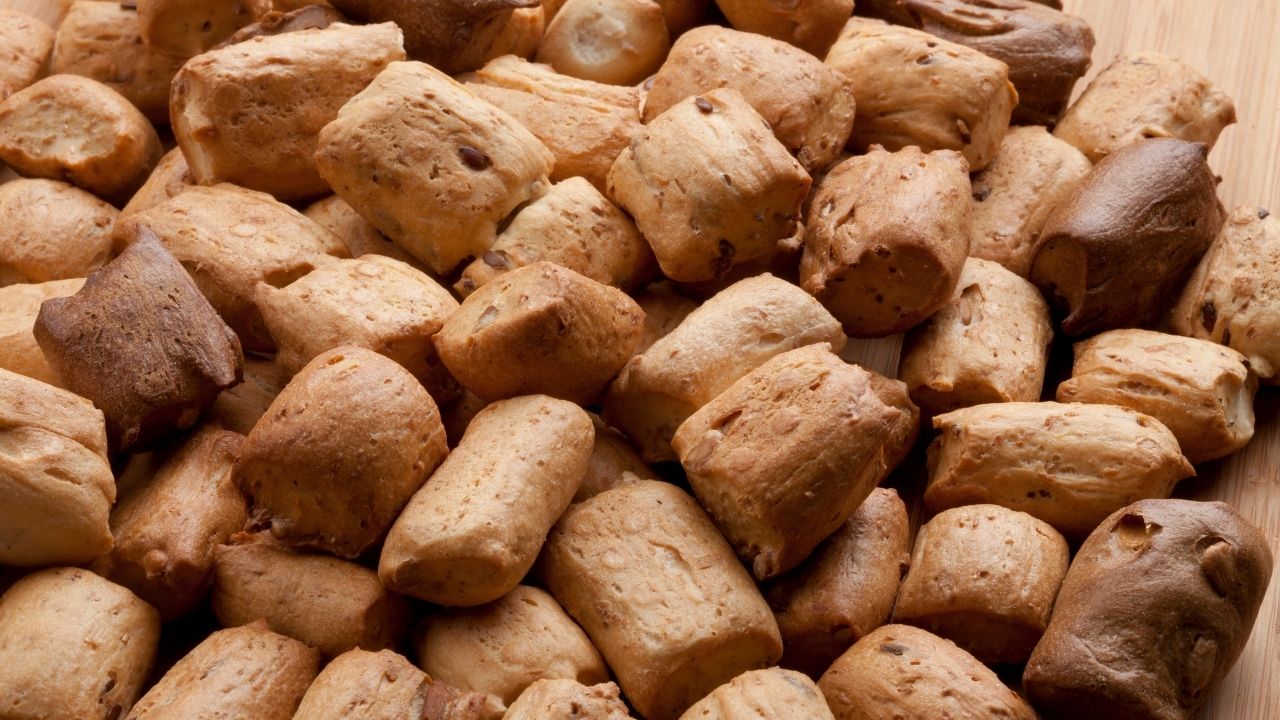
Picture this: you’re channeling your inner Civil War soldier, gnawing on what basically amounts to edible concrete. That’s hardtack, folks – the ultimate “break your teeth but keep you alive” survival food that’s been around since ancient times. This simple combination of flour, water, and salt creates rock-hard biscuits that could probably double as building materials. Sailors nicknamed it “ship’s biscuit” or “pilot bread,” and soldiers colorfully called it “worm castles” (yes, because weevils loved to make themselves at home in these protein-packed crackers). The beauty of hardtack lies in its stubborn refusal to spoil – we’re talking decades of shelf life if you store it properly!
Making hardtack at home is surprisingly therapeutic, like playing with the world’s most boring Play-Doh. Mix two cups flour with just enough water to form a stiff dough, roll it thin, cut into squares, and poke holes every inch or so (those holes aren’t decoration – they prevent the biscuits from puffing up and help with even baking). Bake at 425°F for about 30 minutes until they sound like rocks when you tap them. Modern survivalists swear by this stuff because it packs serious staying power and won’t turn into mush during power outages. Pro tip: soak pieces in coffee, soup, or water before eating unless you enjoy the authentic historical experience of possibly chipping a molar!
Dehydrated vegetables
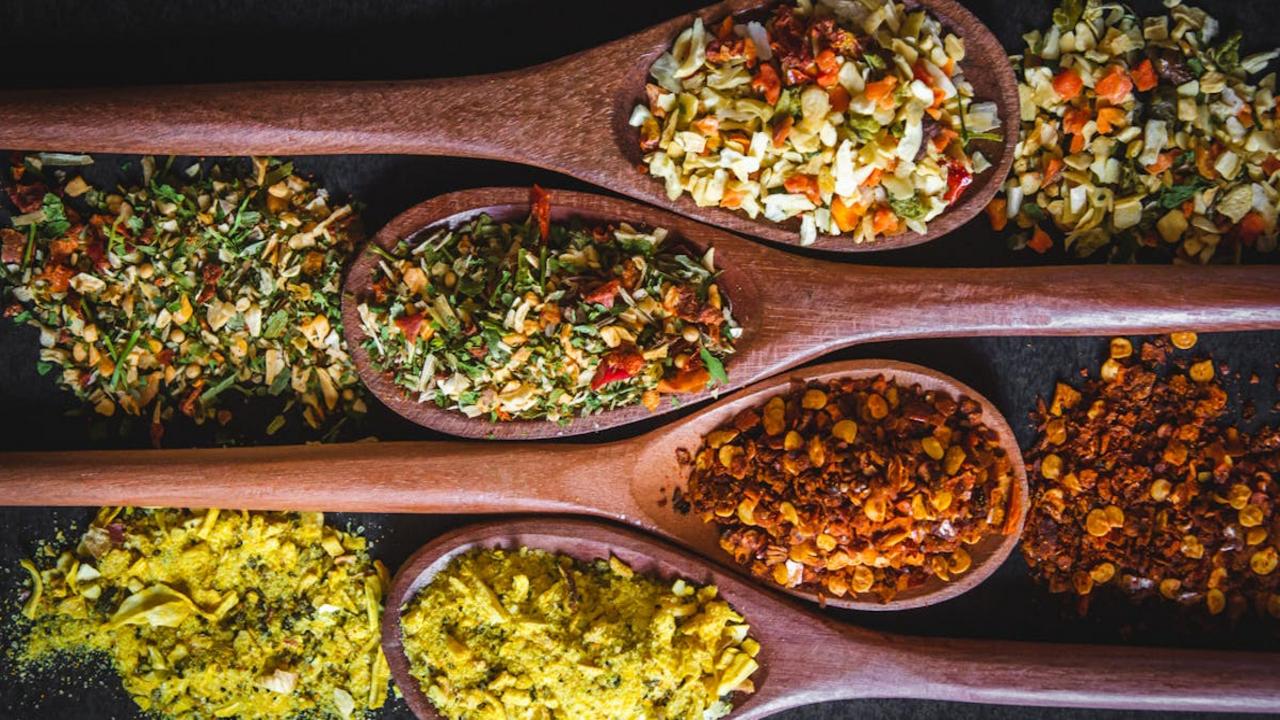
You know what’s absolutely genius about dehydrated vegetables? They’re basically the superheroes of the pantry world – they’ve shed their water weight but kept all their nutritional powers intact! These wrinkled little champions might not win any beauty contests, but boy, do they pack a punch during storm season. I remember my grandmother’s mason jars filled with dried carrots and peas that looked like colorful confetti – turns out she was way ahead of her time. These veggie veterans can sit happily in your cupboard for months, maybe even years, just waiting for their moment to shine when the power goes out and fresh produce becomes as rare as a unicorn.
The magic happens when you toss these shriveled gems into boiling water or broth – suddenly they plump back up like tiny vegetables getting a spa treatment! Dehydrated corn kernels transform into sweet, chewy bites that add texture to soups, while dried bell peppers bring that familiar crunch and vibrant flavor to your storm-day stews. Pro tip: keep a variety pack on hand because mixing dried mushrooms, onions, and tomatoes creates an instant flavor bomb that’ll make you forget you’re eating emergency food. Plus, here’s a fun fact that’ll blow your mind – some dehydrated vegetables actually concentrate their flavors during the drying process, so that dried garlic might be more potent than its fresh cousin!
Maple syrup

You know that friend who claims they only eat “natural” sugars? Well, maple syrup becomes their secret weapon during storm prep, and honestly, they’re onto something brilliant here. This liquid gold doesn’t just sit pretty on pancakes – it transforms into your most versatile pantry hero when the lights go out. I’m talking about stirring it into oatmeal cooked over a camping stove, drizzling it over canned peaches for an instant dessert that feels fancy, or mixing it with peanut butter for energy-packed protein balls that’ll keep you going. Plus, here’s a fun fact that’ll blow your mind: it takes about 40 gallons of maple sap to make just one gallon of syrup, which explains why you guard that bottle like precious treasure during emergencies.
The beauty of maple syrup lies in its ridiculous shelf life – properly stored, this stuff practically lasts forever, making it perfect for your storm stash. Unlike honey that crystallizes or brown sugar that turns into concrete blocks, maple syrup stays smooth and ready for action. I keep mine in glass jars because metal containers can give it a weird taste over time, and trust me, you don’t want your emergency comfort food tasting like pennies. During my last power outage, I discovered that stirring maple syrup into cold milk creates this amazing drink that tastes like liquid pancakes – weird but surprisingly satisfying when you’re craving something sweet and your ice cream has melted into soup.
Salt
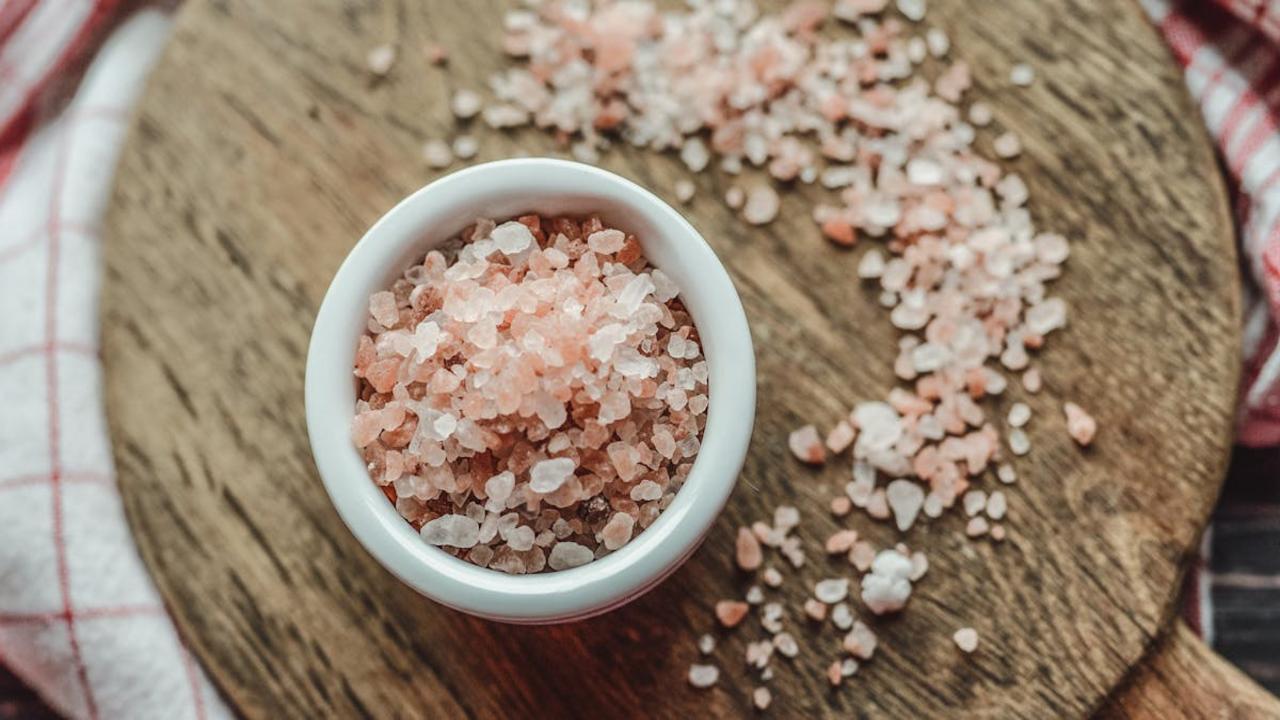
You know that little white mineral sitting innocently in your pantry? That’s your secret weapon when the lights go out and civilization temporarily takes a coffee break. Salt isn’t just the sidekick to pepper – it’s the unsung hero that keeps your emergency food stash from turning into a bland, depressing mess. Without refrigeration, salt becomes your food preservation superhero, drawing moisture out of meats and vegetables like a tiny, crystalline vampire. Ancient civilizations literally built trade routes around this stuff, and Roman soldiers got paid in salt (hence “salary” – your paycheck has salty origins!). During storm season, while everyone’s fighting over the last loaf of bread, smart preppers are quietly stockpiling this mineral gold.
Here’s the kicker: salt doesn’t expire, which makes it the cockroach of the pantry world in the best possible way. You can make your own preserved lemons by packing them in coarse salt, create quick-cured fish that’ll last weeks without power, or simply make your rationed canned beans actually taste like something worth eating. Pro tip from someone who learned the hard way during Hurricane Whatever-It-Was-Called: buy the big boxes, not those tiny shakers that’ll leave you crying into your unseasoned lentils. Kosher salt works great for preservation, but table salt with iodine gives you bonus nutrients when fresh produce becomes a distant memory. Stock up now, because when disaster strikes, you’ll be the neighbor everyone wants to trade with – and your taste buds will thank you later.
Instant coffee
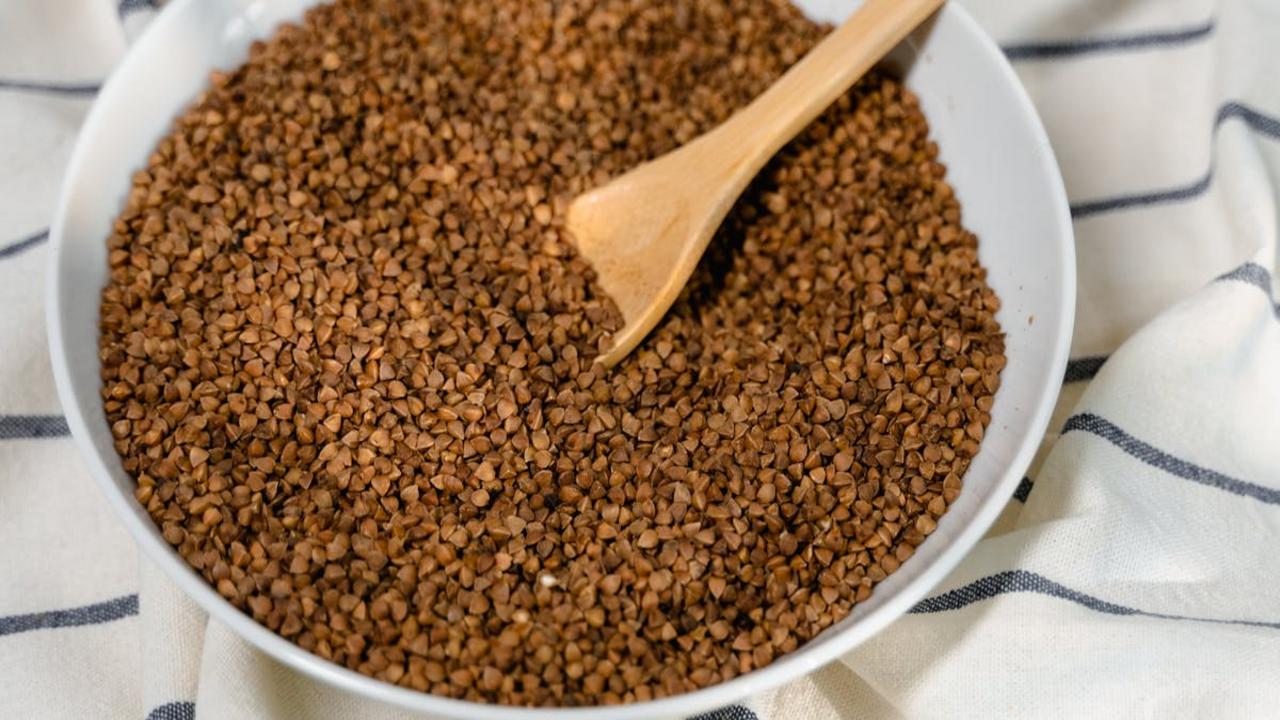
Look, I know what you’re thinking – instant coffee during a power outage sounds about as appealing as eating cardboard with a side of disappointment. But hear me out! When the lights go dark and your precious espresso machine becomes nothing more than an expensive paperweight, that humble jar of freeze-dried granules transforms into liquid gold. You can make it with just hot water from your camp stove, fireplace kettle, or even that emergency candle warmer you forgot you owned. Plus, instant coffee has a shelf life longer than most Hollywood marriages – we’re talking two to twenty years if stored properly, which means you can buy it once and forget about it until Mother Nature decides to throw her next tantrum.
Here’s the kicker: instant coffee actually packs more antioxidants per cup than regular brewed coffee because of how it’s processed. Who knew survival could be so healthy? I keep several jars stashed away because caffeine withdrawal during a blackout is nobody’s friend – trust me, I learned this the hard way during Hurricane Sandy when I spent three days feeling like a zombie extra in a B-movie. Pro tip: mix your instant coffee with a little cocoa powder and powdered milk for an emergency mocha that’ll make you forget you’re roughing it. And if you really want to get fancy, add a pinch of cinnamon or vanilla extract from your baking stash. Your storm-weary soul will thank you when you’re sipping something that actually tastes intentional instead of desperate.
Beef jerky
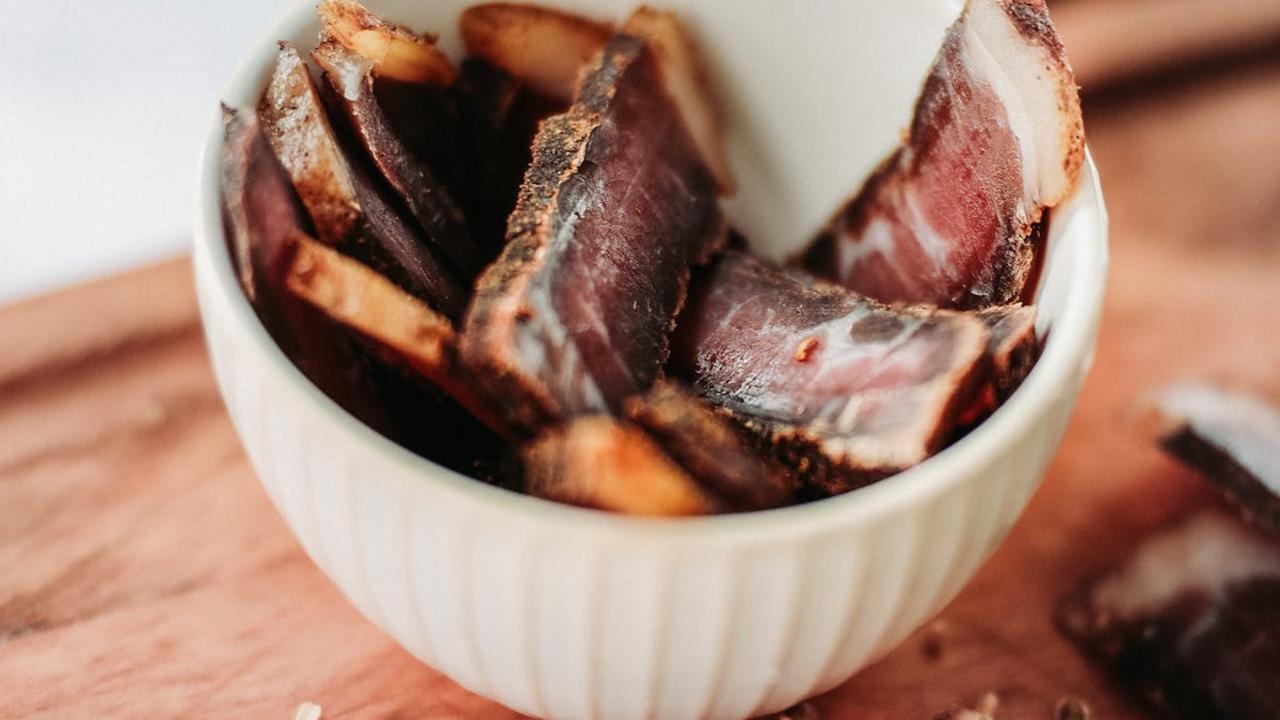
You know that friend who always has their emergency kit perfectly organized? Well, they definitely have beef jerky tucked away in there, and honestly, they’re onto something brilliant. This chewy, salty protein powerhouse laughs in the face of power outages and storms because it doesn’t need refrigeration, won’t spoil for months, and packs enough sodium to make your taste buds do a happy dance. The ancient art of drying meat dates back thousands of years—our ancestors were basically prehistoric preppers who figured out that removing moisture from meat meant they could survive harsh winters without becoming someone else’s dinner.
Modern beef jerky comes in flavors that would make those cave-dwelling pioneers weep with joy: teriyaki, peppered, spicy jalapeño, and even exotic varieties like elk or bison for the truly adventurous storm-riders. One ounce delivers about 9 grams of protein, which means a small bag can fuel you through hours of flashlight-powered board games or generator maintenance. Plus, there’s something oddly satisfying about aggressively chewing jerky while listening to wind howl outside—it’s like you’re channeling your inner caveperson, ready to weather any storm with nothing but dried meat and determination. Just remember to drink plenty of water because this stuff will turn you into a walking salt lick faster than you can say “emergency preparedness.”
Nuts and seeds
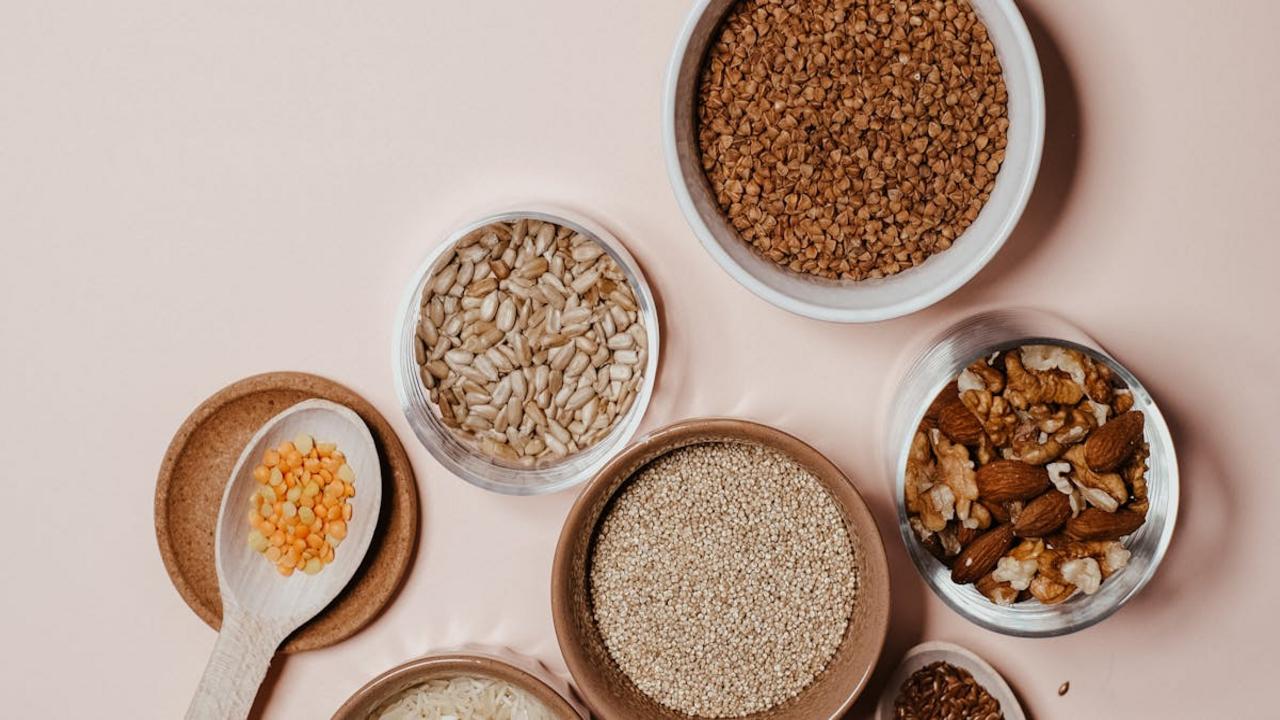
Picture this: the power goes out, your stomach starts grumbling, and you’re rummaging through your pantry like some sort of desperate scavenger. Thank goodness for nuts and seeds – nature’s own little survival packets that laugh in the face of power outages! These crunchy gems pack more protein per ounce than most people realize, and they’ll keep you satisfied when your usual go-to snacks have gone soft or spoiled. Almonds alone contain about 6 grams of protein per ounce, while pumpkin seeds boast a whopping 5 grams plus a hefty dose of magnesium that’ll keep your muscles from cramping during all that candlelit board game action.
Here’s the beautiful thing about your nutty friends – they’re practically indestructible. Walnuts can sit in your pantry for up to a year without turning rancid (though let’s be honest, they never last that long around me). Sunflower seeds? Those little striped beauties will outlast most relationships. Plus, you get variety without the fuss – mix them into trail mix, sprinkle them over canned fruit, or just eat them straight from the bag while you wait for civilization to return. Pro tip: buy them in bulk during non-storm seasons because nothing says “panic buying” like paying premium prices for fancy mixed nuts when everyone else had the same brilliant idea.
Dried beans
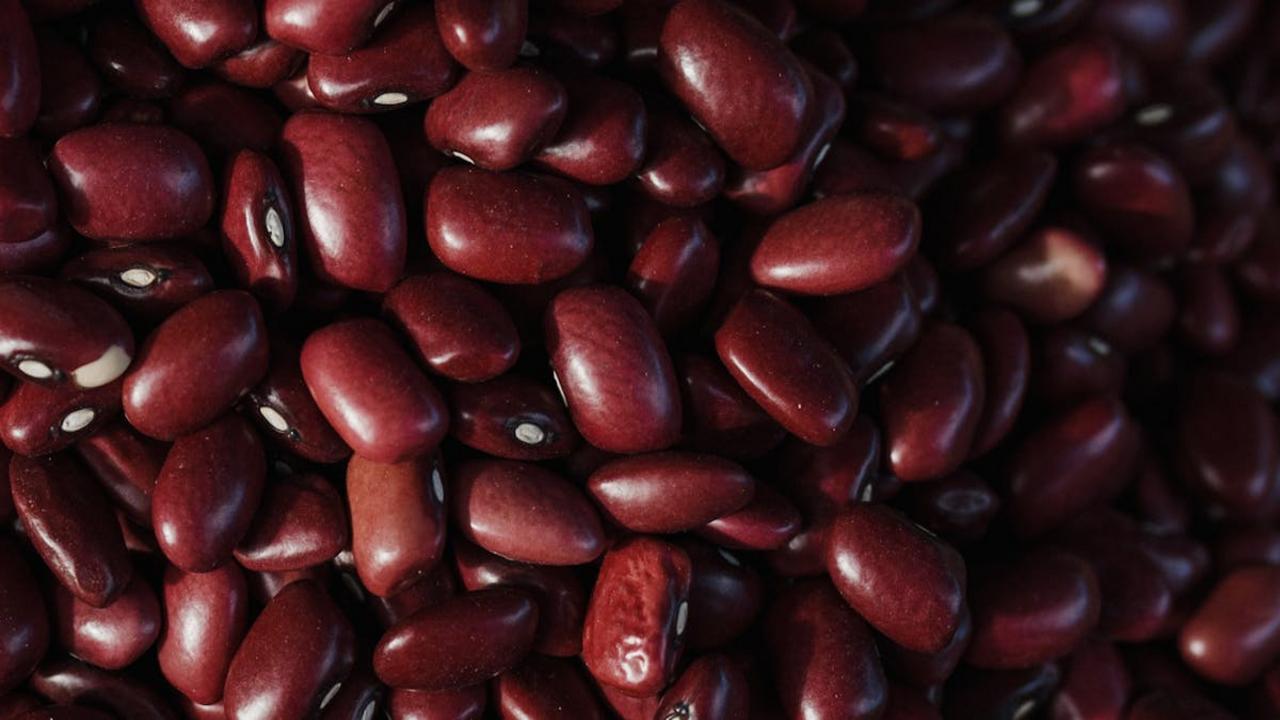
Picture this: the power’s been out for three days, your neighbors are fighting over the last can of SpaghettiOs at the corner store, and you’re sitting pretty with a mason jar full of dried beans that cost you roughly the same as a fancy coffee drink. These humble little nuggets are basically the superheroes of the pantry world – they can transform from rock-hard pebbles into creamy, protein-packed comfort food with nothing more than water and time. Plus, they’ll outlast your great-aunt’s fruitcake, staying good for up to 30 years when stored properly in airtight containers.
Here’s where things get interesting: dried beans don’t need electricity to become dinner magic. You can cook them over a camp stove, wood fire, or even in a thermos with boiling water if you’re feeling particularly resourceful. Black beans become the foundation for hearty soups, kidney beans transform into chili that’ll warm you from the inside out, and navy beans practically beg to be slow-cooked with whatever vegetables you’ve got hanging around. The best part? A single pound of dried beans feeds a small army and costs less than most people spend on their morning latte. Stock up on varieties like pinto, black, cannellini, and chickpeas – your future storm-weathering self will thank you when you’re ladling out steaming bowls of bean-based brilliance while everyone else is eating cold cereal by candlelight.
Hard cheese
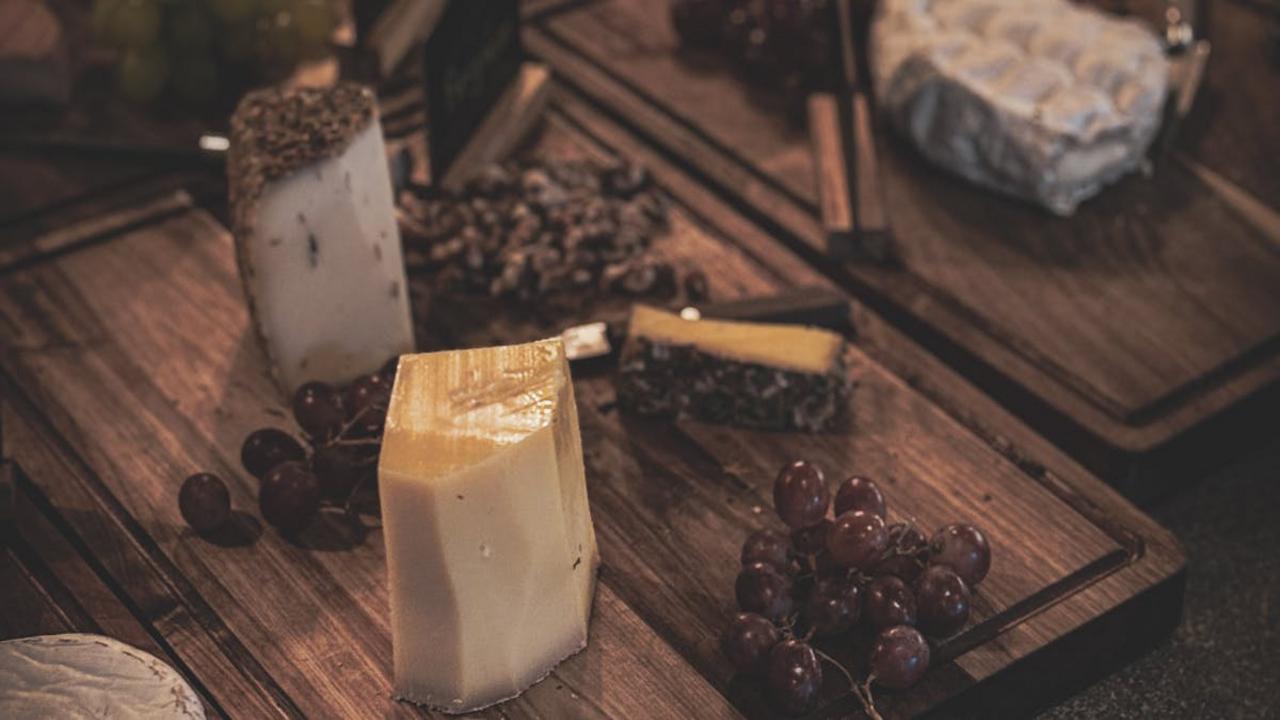
When the lights go out and your refrigerator becomes nothing more than an expensive storage box, hard cheese stands as your dairy knight in shining armor. Unlike its soft, temperamental cousins that spoil faster than gossip spreads through a small town, hard cheese laughs in the face of power outages. Aged cheddar, gouda, parmesan, and swiss can survive without refrigeration for days, sometimes even weeks, depending on how well-aged they are. The secret lies in their low moisture content – moisture breeds bacteria, but these cheese veterans have spent months or years getting rid of excess water during the aging process. Plus, many hard cheeses actually improve at room temperature, becoming more aromatic and developing complex flavors that make your emergency meal feel almost fancy.
You don’t need to limit yourself to sad crackers and cheese either – hard cheese becomes your protein-packed superhero ingredient during storm season. Grate some aged cheddar into scrambled eggs cooked on your camping stove, or create the world’s most satisfying grilled cheese sandwich using your cast iron pan over an open flame. Parmesan transforms simple pasta (cooked with bottled water, of course) into something that doesn’t scream “I’m eating from my emergency stash.” The beauty of hard cheese lies in its versatility and longevity – a good block of aged gouda can last up to six months unopened, and even after opening, it develops character rather than going bad. Stock up on several varieties because variety keeps morale high when you’re living off your pantry reserves.
Pemmican
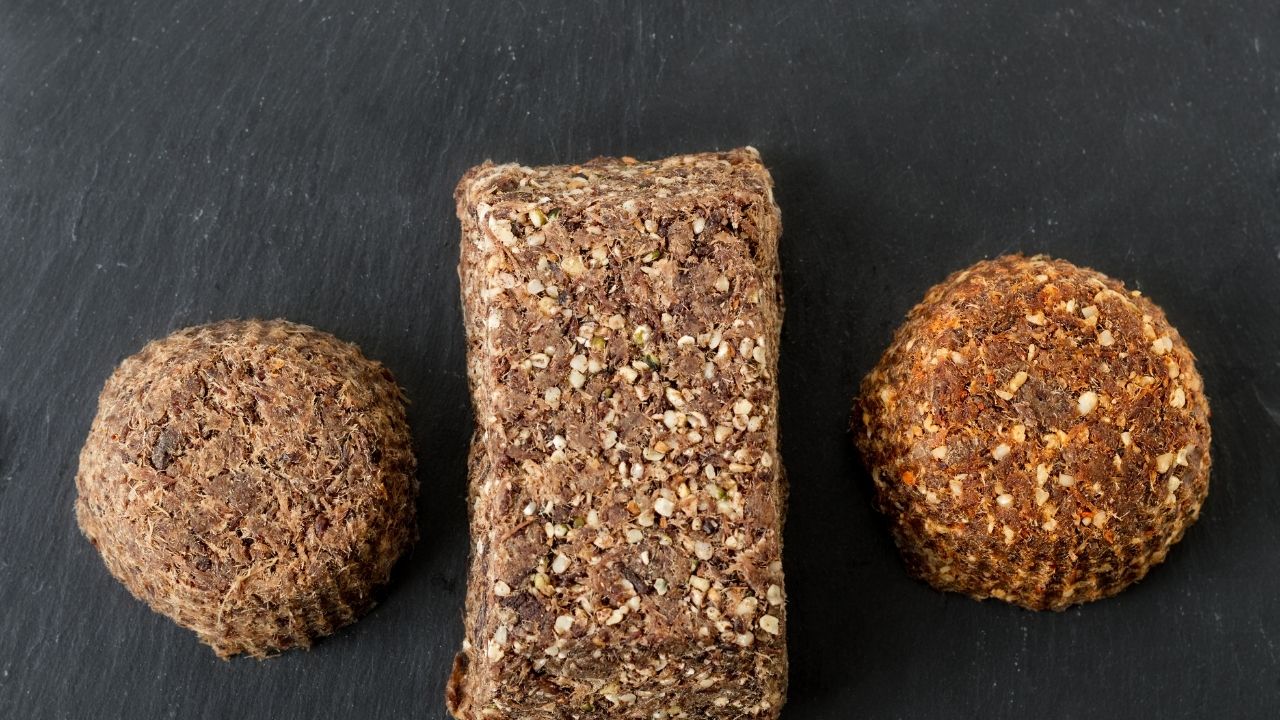
Meet pemmican—the original energy bar that puts your fancy protein snacks to shame! This Indigenous North American creation combines dried meat, rendered fat, and sometimes berries into a dense, long-lasting powerhouse that sustained hunters and explorers for months without refrigeration. Think of it as the Tesla of survival foods, engineered centuries before anyone knew what engineering meant. Native tribes perfected this recipe because they understood something we’re just rediscovering: fat plus protein equals sustained energy that won’t leave you crashed on the couch after an hour.
Making pemmican feels like participating in ancient food magic—you pound dried venison or beef into powder, mix it with melted tallow or lard, then press everything into portable blocks that could survive a zombie apocalypse (or at least a week-long power outage). The beauty lies in its simplicity and shelf stability; properly made pemmican can last for years without spoiling, making it the ultimate storm season investment. Sure, it might not win any Instagram food photography contests, but when the lights go out and your neighbors are fighting over the last can of beans, you’ll be sitting pretty with your homemade survival superfood that actually tastes decent.
Honey

Honey sits in your pantry like liquid gold, just waiting for the lights to go out and civilization to temporarily crumble. This ancient sweetener laughs in the face of expiration dates – archaeologists have found 3,000-year-old honey in Egyptian tombs that’s still perfectly edible! While your fresh bread grows fuzzy green sweaters and your milk turns into science experiments, honey remains unchanged, ready to sweeten your storm-day tea or drizzle over emergency biscuits. You can spread it on crackers, stir it into oatmeal, or eat it straight from the spoon when you’re stress-eating through your third consecutive day of weather alerts.
What makes honey the ultimate blackout buddy? It never spoils thanks to its low moisture content and natural acidity that creates an environment where bacteria simply can’t survive. Plus, it gives you quick energy when you’re hauling generators around or boarding up windows like some kind of suburban survivalist. Keep a few different varieties on hand – wildflower for everyday sweetening, buckwheat for its robust molasses-like flavor that pairs beautifully with peanut butter sandwiches, and maybe some fancy lavender honey for when you want to feel civilized while eating crackers by candlelight. Trust me, when the power’s been out for hours and you’re down to your last phone battery, that jar of honey becomes your most treasured possession.
Dried milk

Dried milk sits in your pantry like that reliable friend who never complains and always shows up when you need them most. This powdery superhero might look unassuming in its plain container, but don’t underestimate its storm-season prowess! While fresh milk spoils faster than gossip in a small town, dried milk laughs in the face of power outages and keeps for months without refrigeration. You can whisk it back to liquid form with just water, or get creative and toss it directly into your coffee, oatmeal, or baking recipes for an instant calcium boost.
Here’s something that’ll blow your mind: astronauts have been chugging reconstituted dried milk since the early space programs because it packs all the nutritional punch of regular milk without the storage headaches. During World War II, dried milk became so popular that housewives treated it like liquid gold, stretching their rations and keeping their families fed when fresh dairy was scarce. Pro tip from someone who’s weathered many storms: mix your dried milk with a splash of vanilla extract and a pinch of sugar before adding water – it transforms from “emergency sustenance” to “surprisingly decent hot chocolate base” faster than you can say “blackout breakfast.”
Powdered eggs

You know that friend who swears powdered eggs are “basically the same thing” as fresh ones? Yeah, they’re lying. But here’s the twist – during a blackout when your fridge has turned into an expensive storage box, those weird yellow flakes become your protein-packed best friend. I remember my grandmother stockpiling cans of this stuff like she was preparing for the apocalypse, and honestly, she wasn’t wrong. One tablespoon of powder plus two tablespoons of water equals one egg, which sounds like witchcraft but actually works. The shelf life on these bad boys stretches for years, making them the cockroaches of the breakfast world – they’ll survive anything.
Now, don’t expect Instagram-worthy scrambled eggs from this powder. Think of it more like egg-flavored Play-Doh that somehow transforms into something edible when you add heat and hope. But throw them into pancake batter, mix them into fried rice, or use them for baking, and suddenly you’re a storm-season genius. I once made surprisingly decent cookies using powdered eggs during a three-day power outage, and my neighbors still ask for the recipe. The secret? Don’t overthink it, and maybe add extra vanilla to mask that slightly cardboard-esque aftertaste. When the lights go out and your stomach starts growling, powdered eggs become less about gourmet dining and more about survival with a side of scrambled dignity.