14 Everyday Foods That Look Harmless But Pack Hidden Calories And Sugars
Those “healthy” snacks in your pantry might not be as innocent as they seem. Many everyday foods marketed as nutritious options hide surprising amounts of sugar and calories. Your morning granola, afternoon trail mix, or post-workout protein bar could sabotage your wellness goals without you even knowing it.
I’ve spent years studying food labels and ingredients lists to uncover the truth about seemingly wholesome choices. From fruit juices packed with added sugars to smoothie bowls loaded with calories, these popular items often pack more of a dietary punch than expected. The good news? Knowledge gives you the power to make smarter choices.
Making informed decisions starts with understanding what’s really in your food. By breaking down 14 common foods that masquerade as healthy options, you’ll learn to spot hidden sugars and calories. These insights will help you pick truly nutritious alternatives that support your health goals.
Light Salad Dressings

You might think you’re making a healthy choice by grabbing that bottle of light salad dressing, but I want you to know what’s really inside. Most light dressings make up for reduced fat content by adding extra sugar, corn syrup, and artificial thickeners. A two-tablespoon serving often contains 8-10 grams of sugar – that’s two teaspoons! The calories can still add up to 100-120 per serving, and many people pour far more than the suggested amount on their salads.
I recommend making your own dressing at home with simple ingredients like olive oil, fresh lemon juice, herbs, and a touch of honey if needed. This gives you complete control over the sugar content while delivering real nutrition from quality ingredients. My go-to mix combines 3 parts olive oil with 1 part acid (lemon juice or vinegar), fresh garlic, Dijon mustard, and herbs. You’ll get healthy fats, bright flavor, and zero hidden additives. Plus, homemade dressing tastes so much better than anything from a bottle!
Reduced Fat Peanut Butter
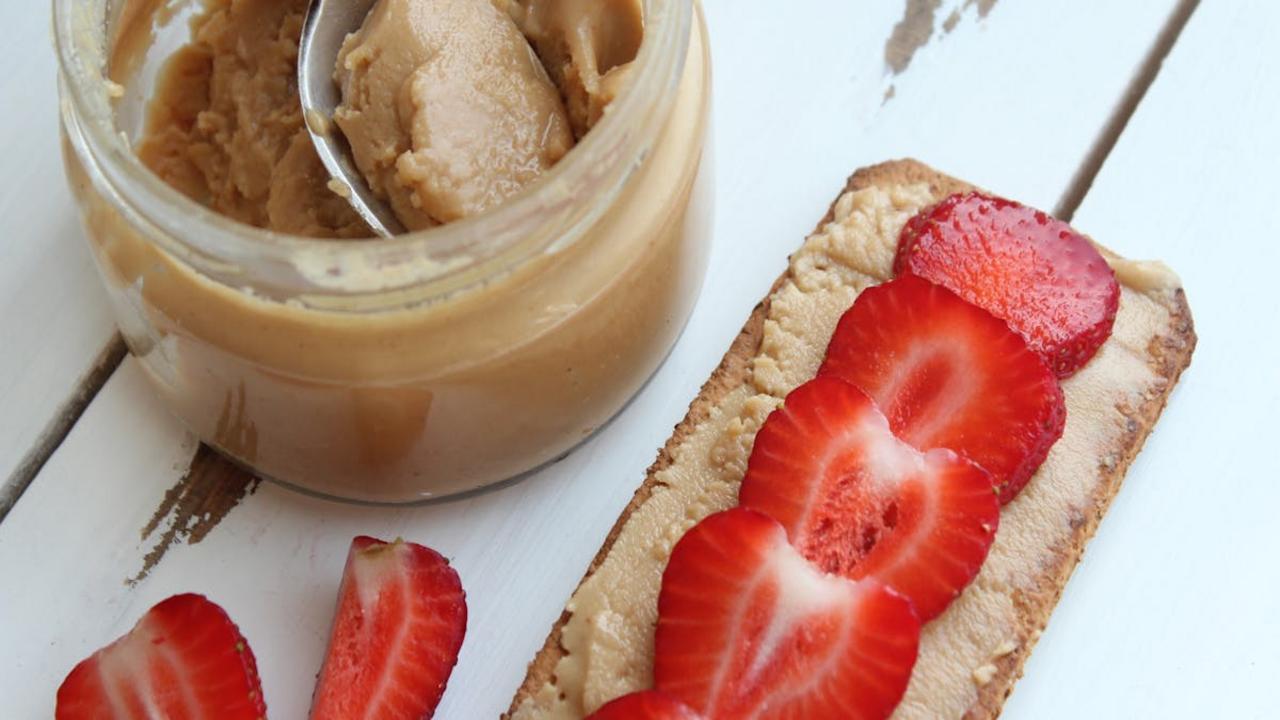
You might think you’re making a smart choice by grabbing that reduced-fat peanut butter, but I need to burst this nutrition bubble. Most reduced-fat versions add extra sugars and fillers to make up for the removed fat, often containing more calories than regular peanut butter. The natural fats in regular peanut butter are actually good for you – they’re heart-healthy monounsaturated fats that help you feel satisfied and maintain stable blood sugar levels.
I recommend sticking to natural peanut butter with just peanuts and maybe a touch of salt. Check the ingredient list – if you see additions like palm oil, corn syrup solids, or hydrogenated oils, put it back on the shelf. These additives boost the calorie count while reducing the nutritional benefits. One serving of reduced-fat peanut butter can pack up to 12 grams of added sugars and 190 calories, compared to 190 calories and just 1-2 grams of natural sugars in plain peanut butter. The math simply doesn’t add up in favor of the reduced-fat version.
Flavored Oatmeal
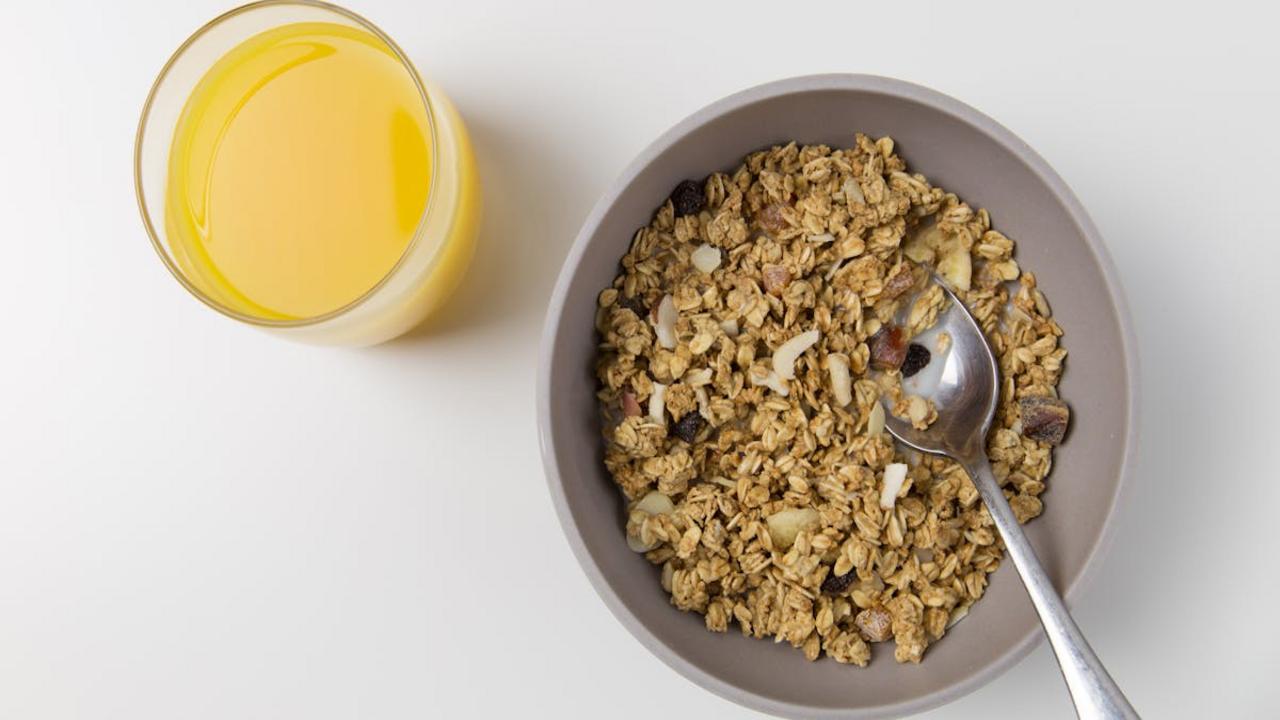
I know you’re trying to make healthy breakfast choices by reaching for that convenient packet of flavored oatmeal, but you might want to take a closer look at what’s inside. Many popular flavored oatmeal brands pack a sneaky 12-15 grams of added sugar per serving – that’s about 3-4 teaspoons! The seemingly innocent maple, brown sugar, or fruit varieties often contain artificial flavors, preservatives, and sodium alongside those hidden sugars, making them more like dessert than a nutritious breakfast.
You can easily create your own healthier oatmeal by starting with plain rolled oats and adding natural sweetness through fresh fruits, a drizzle of pure maple syrup, or a sprinkle of cinnamon. I love mixing in mashed banana, fresh berries, or diced apples for natural sweetness, plus a handful of nuts for protein and healthy fats. This simple switch lets you control the sugar content while getting all the heart-healthy benefits of whole grain oats. Your body will thank you for choosing real ingredients over processed packets!
Gluten Free Snacks
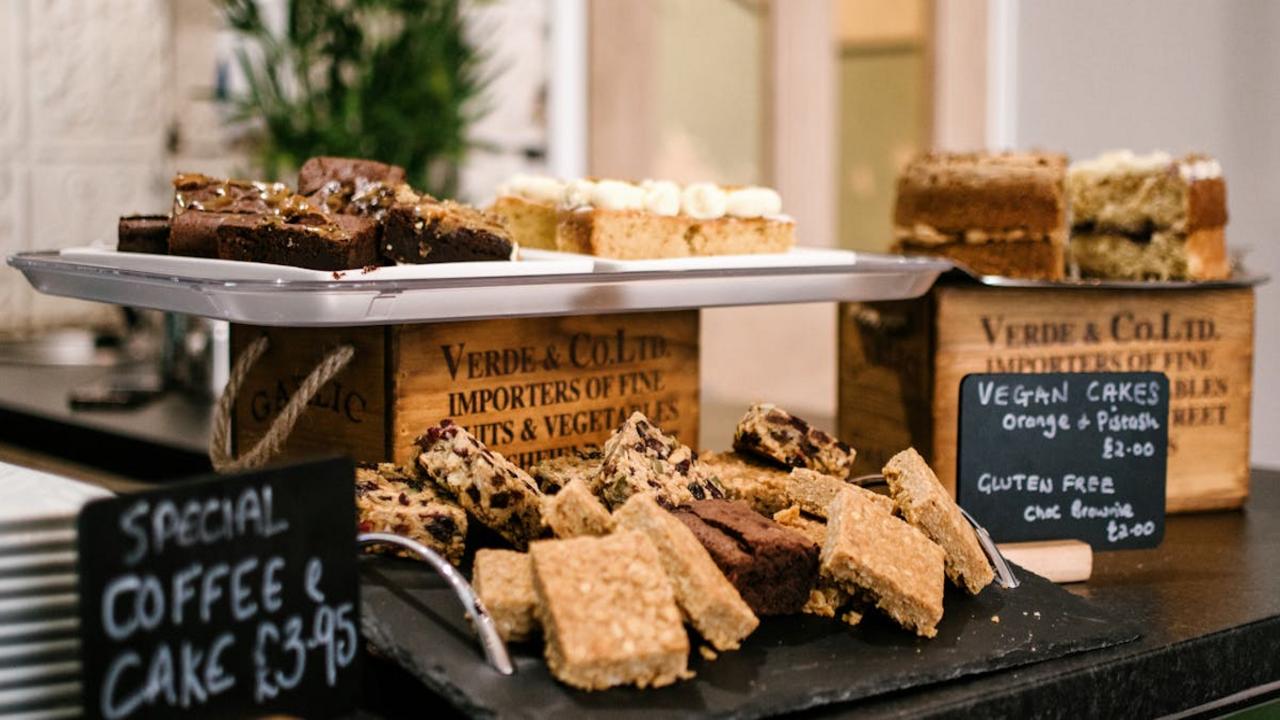
I’ve noticed many of my gluten-sensitive friends reaching for gluten-free alternatives, thinking they’re making a healthier choice. But here’s the truth – many packaged gluten-free snacks contain more calories and sugars than their regular counterparts. Food manufacturers often add extra fats, refined starches, and sweeteners to improve texture and taste. A regular chocolate chip cookie might have 150 calories, while its gluten-free version could pack 200-250 calories plus additional sugars.
Your best bet? Make your own gluten-free snacks at home using whole food ingredients. Mix nuts, seeds, and dried fruits for a filling trail mix, or bake cookies with almond flour and natural sweeteners. I love blending chickpeas with cocoa powder and maple syrup for protein-rich brownies – they’re naturally gluten-free and won’t spike your blood sugar like store-bought options. Remember, “gluten-free” on the label doesn’t automatically mean healthy – always check those nutrition facts!
Dried Fruit
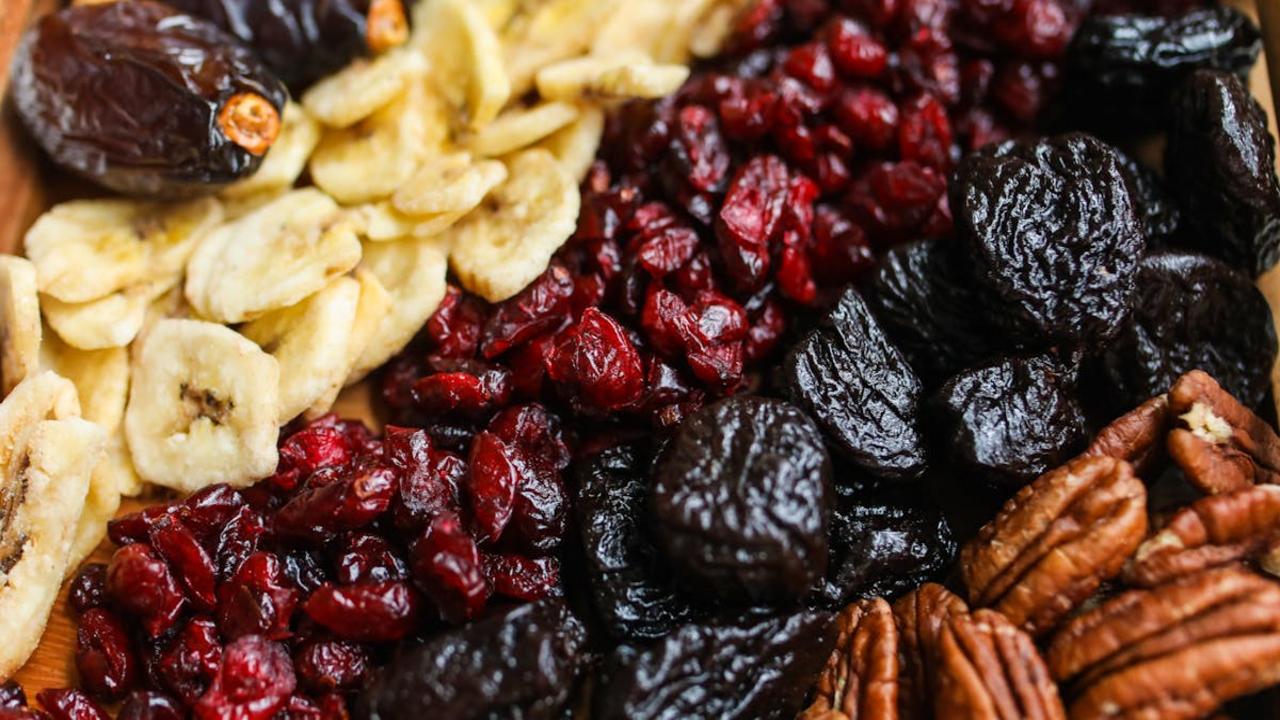
You might think dried fruit makes for a healthy snack – and while it does pack nutrients and fiber, it can also secretly load you up with calories and sugar. Fresh fruit naturally contains water, which helps fill you up. But once dried, that same fruit becomes concentrated into smaller portions, making it much easier to overeat. For example, you’ll get about 60 calories from 20 fresh grapes, but those same grapes dried into raisins will set you back 130 calories – and you’ll likely eat more since they’re so small.
The drying process also affects the sugar content dramatically. Manufacturers often add extra sugar to dried fruits like cranberries, blueberries, and mango to make them taste sweeter. One cup of fresh cranberries has just 4 grams of sugar, but a cup of dried cranberries can pack over 70 grams! If you enjoy dried fruit, measure your portions carefully and look for unsweetened varieties. Better yet, keep fresh fruit on hand for snacking – you’ll get more satisfaction and nutrition from the whole, natural form.
Veggie Chips
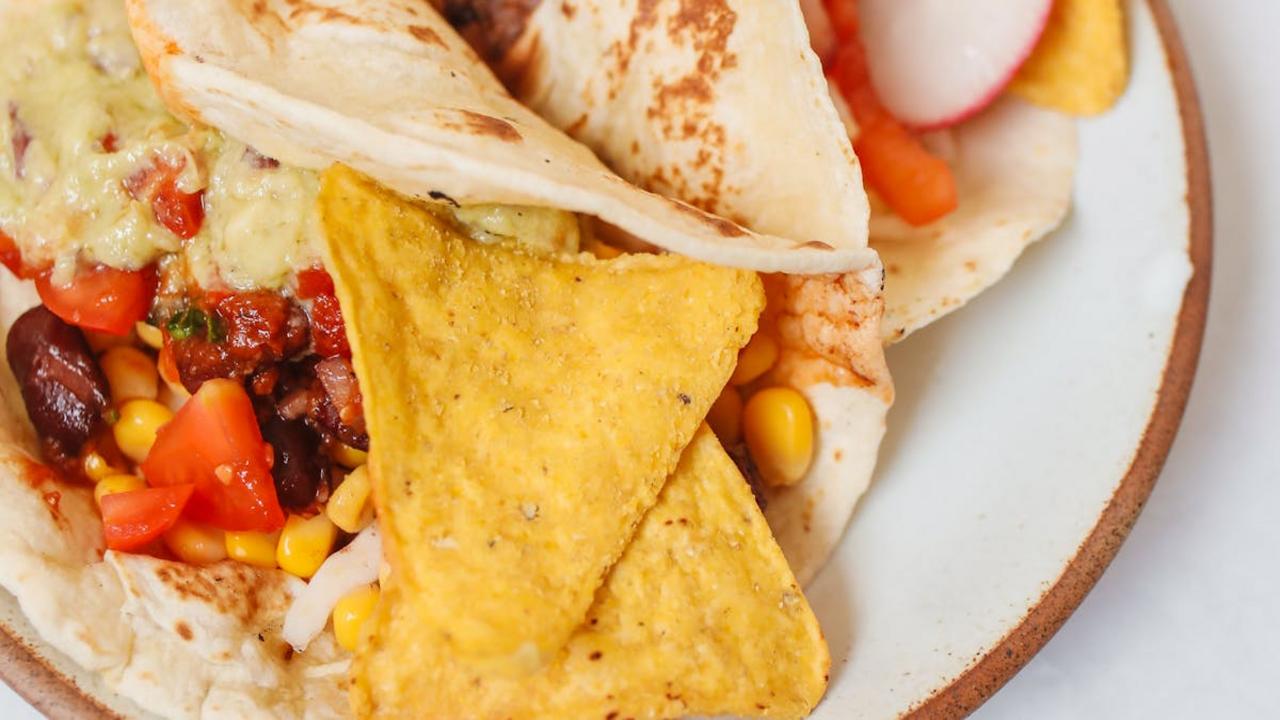
I know you’re reaching for those colorful veggie chips thinking they’re a healthier alternative to regular potato chips. While they might contain some actual vegetables, many commercial veggie chips pack just as many calories as their potato counterparts – around 150 calories per ounce. The processing and frying methods strip away most nutrients, leaving you with a snack that’s basically starch and oil. Plus, manufacturers often add extra salt and seasonings to enhance the flavor, making them just as addictive as traditional chips.
You’ll find more nutrition by eating fresh vegetables or making your own veggie chips at home. Try thinly slicing sweet potatoes, beets, or kale and baking them with a light coating of olive oil and your favorite seasonings. This way, you control the ingredients and cooking method while preserving the vegetables’ natural nutrients. Remember that packaged veggie chips are still processed snacks – they just wear a healthier disguise. Save them for occasional treats rather than making them your go-to healthy snack option.
Smoothie Bowls
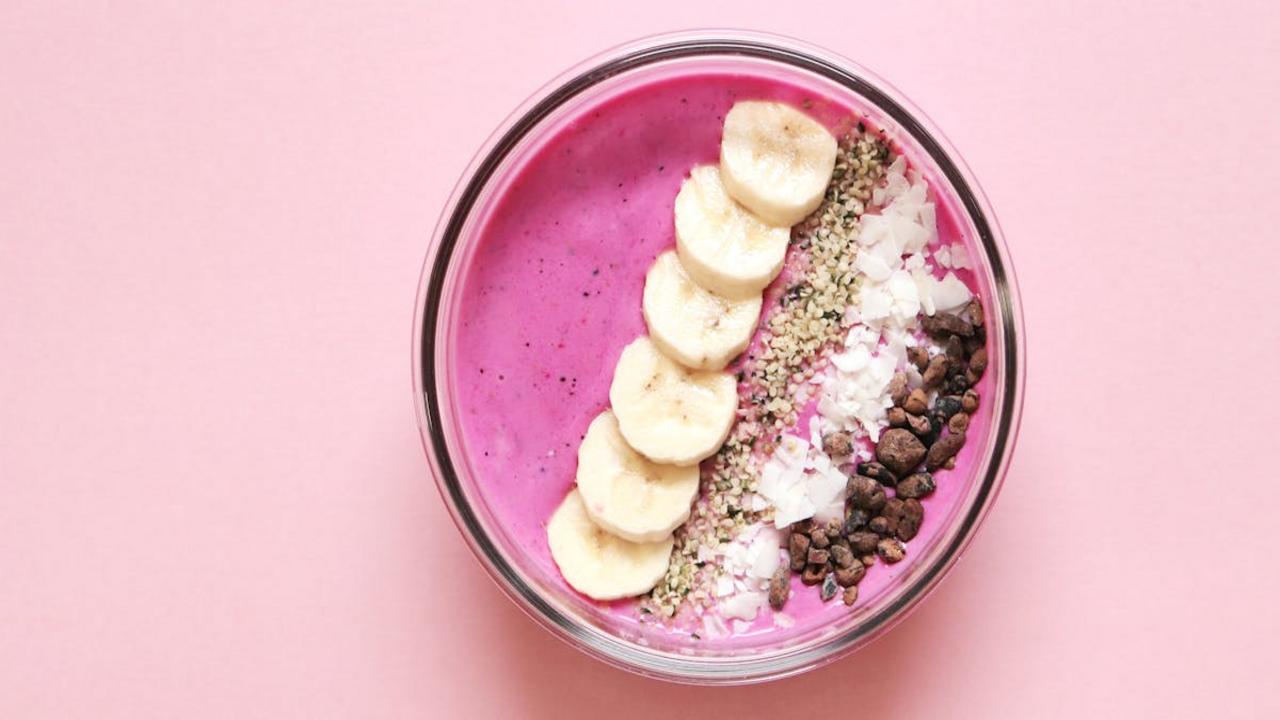
I get it – you grab that colorful smoothie bowl thinking you’re making a super healthy choice for breakfast. But watch out! These Instagram-worthy bowls often hide way more calories than you’d expect. A typical smoothie bowl can pack 500-700 calories, thanks to multiple servings of fruit, generous portions of granola, nuts, coconut flakes, and sweeteners like honey or agave. Plus, many cafes and juice bars add sugary bases like fruit juice or frozen yogurt to achieve that perfect consistency.
The fruit toppings might seem innocent, but they quickly add up – a whole banana, a cup of berries, mango chunks, and then the extras start piling on. Those aesthetic drizzles of nut butter? That’s another 100+ calories per tablespoon. The crunchy granola sprinkle? Often loaded with hidden sugars and oils. Make your bowls at home instead, where you can control portions and ingredients. Stick to 1 cup of fruit max, choose plain Greek yogurt as your base, and measure out those tempting toppings with a light hand.
Rice Cakes
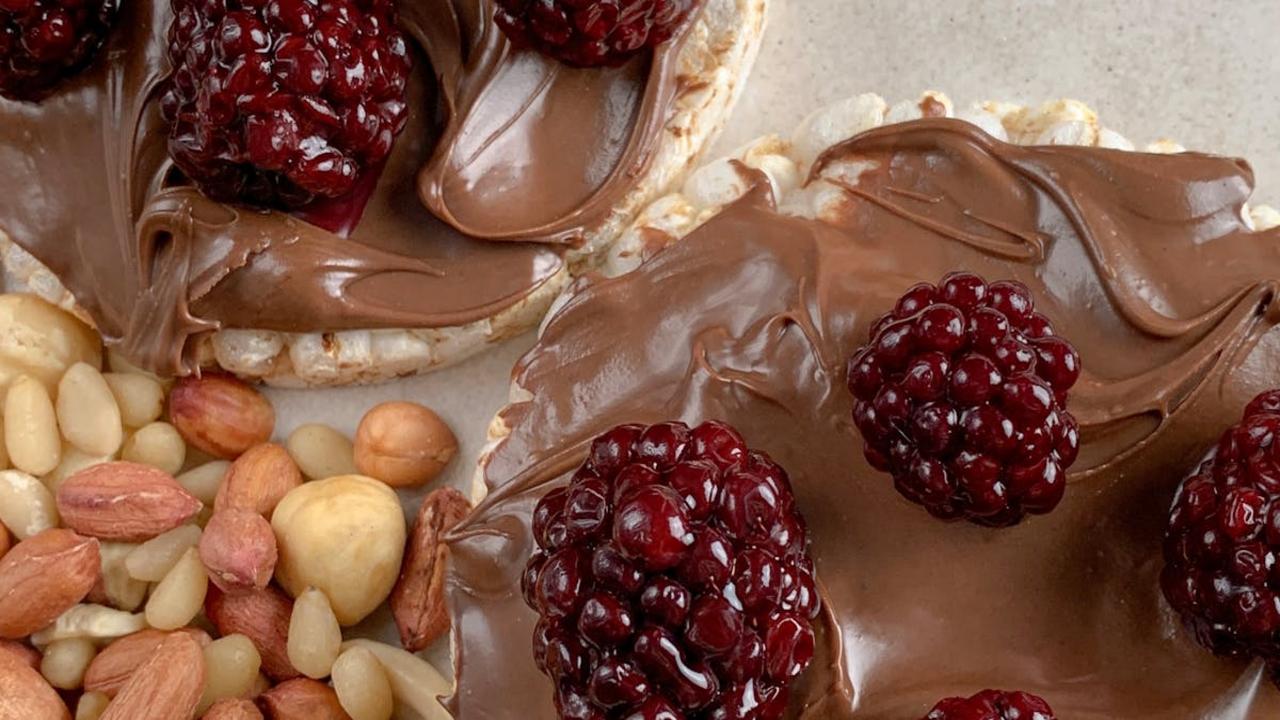
Many people grab rice cakes as a low-calorie snack alternative, but these crunchy discs can quickly become calorie bombs depending on how you dress them up. A plain rice cake contains about 35-40 calories, which seems innocent enough. However, once you start adding toppings like peanut butter, honey, or chocolate spread, the calories can skyrocket to 150-200 per cake. The refined carbohydrates in rice cakes can also spike your blood sugar quickly, leaving you hungry shortly after eating them.
I want you to know that rice cakes aren’t inherently bad – they just need mindful consumption and smart topping choices. Instead of reaching for sugary spreads, try topping your rice cakes with protein-rich options like cottage cheese, a thin layer of mashed avocado, or hummus. These alternatives will keep you satisfied longer and provide more nutritional value. Remember to check the ingredients list too – some flavored varieties contain added sugars and artificial ingredients that can derail your healthy eating goals.
Sports Drinks

You’ll find many athletes reaching for sports drinks to replenish electrolytes during intense workouts, but these beverages often contain shocking amounts of hidden sugars and calories. A typical 20-ounce bottle packs around 34 grams of sugar – that’s more than 8 teaspoons! While marketing suggests these drinks help boost performance, most people don’t need them unless they’re doing high-intensity exercise lasting over an hour.
Instead of grabbing a sports drink, I recommend making your own natural electrolyte replacement at home. Mix coconut water with a pinch of sea salt and fresh lime juice – you’ll get the minerals and hydration without the unnecessary sugar load. For regular gym sessions or casual sports, plain water works perfectly fine. Save those extra calories and sugars for foods that provide real nutritional value to fuel your body properly.
Protein Bars
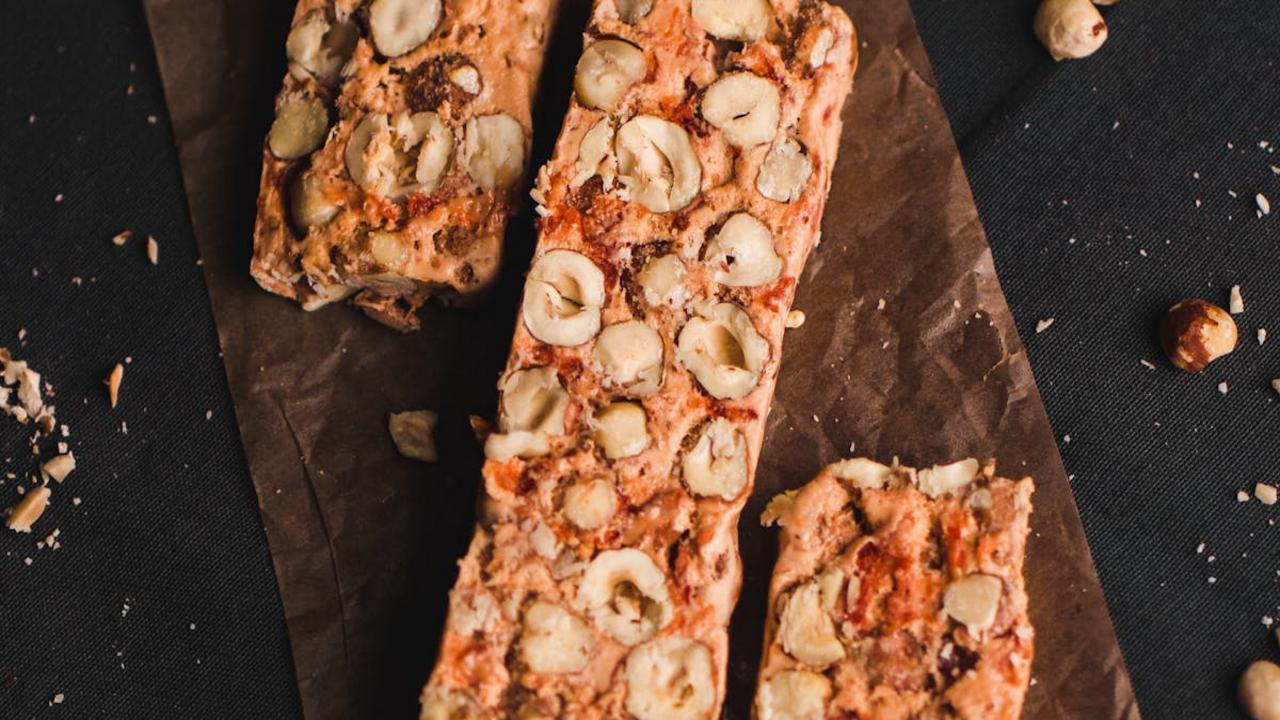
I know how tempting those protein bars can be – they look healthy with their promises of high protein and workout-friendly ingredients. But here’s what I discovered through my own nutrition research and cooking experience: many protein bars pack more calories and sugar than a candy bar! Your average protein bar contains 250-300 calories and 15-20 grams of sugar. The manufacturers often add corn syrup, artificial sweeteners, and sugar alcohols to make them taste better, turning what should be a healthy snack into a dessert in disguise.
If you want a quick protein fix, I recommend making your own protein-rich snacks at home. Mix some Greek yogurt with berries and a drizzle of honey, or spread almond butter on apple slices. You’ll get natural protein without the hidden sugars. Another great option is to batch-prepare protein balls using dates, nuts, and protein powder – store them in your fridge for an instant energy boost. These homemade alternatives give you control over the ingredients while keeping the sugar and calories in check.
Yogurt Parfaits
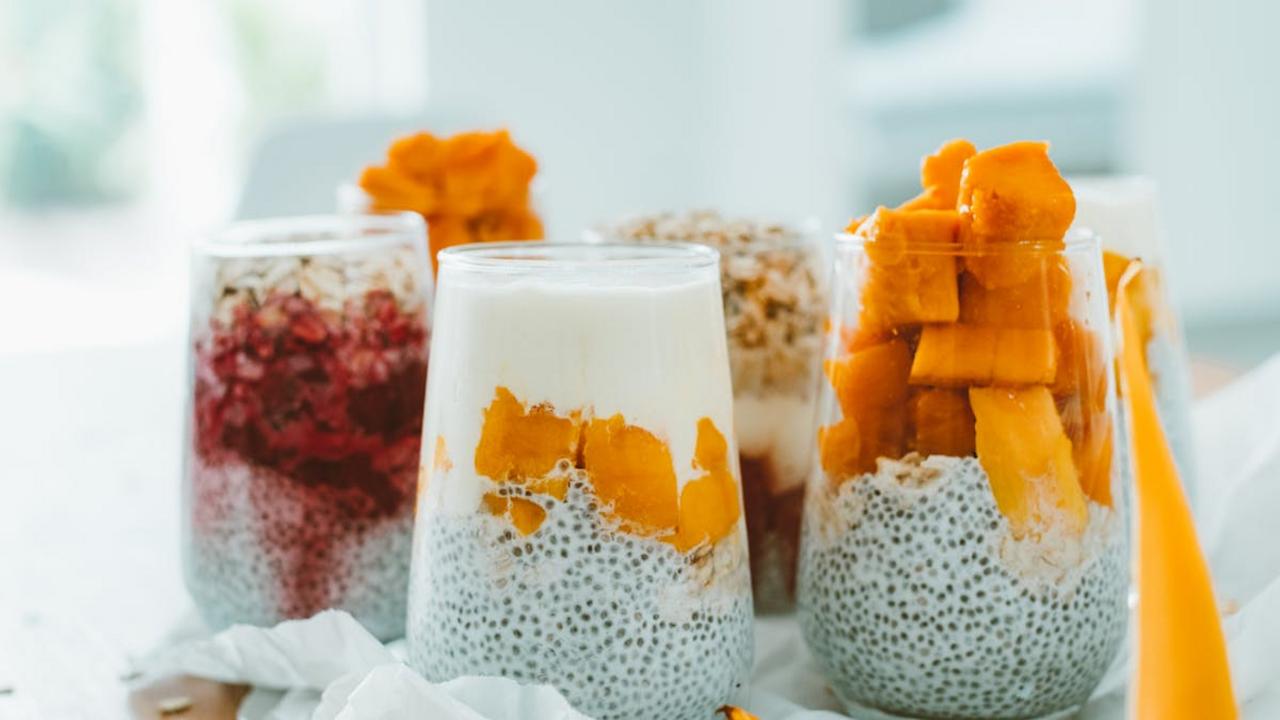
Your morning yogurt parfait might look like a healthy breakfast choice, but many commercial versions hide a sweet secret. A typical pre-made parfait from your local coffee shop can pack 400-500 calories and up to 40 grams of sugar – that’s more sugar than a glazed donut! The granola layer often contains added oils and sweeteners, while the fruit compote swirls usually contain corn syrup or concentrated fruit juices rather than pure fruit.
I recommend making your own parfait at home where you control the ingredients. Start with plain Greek yogurt for protein without added sugars. Add fresh berries or sliced fruit for natural sweetness, and top with a modest portion of homemade granola or chopped nuts. This way, you’ll create a genuinely nutritious breakfast with around 200-250 calories and under 15 grams of sugar. Your body will thank you for the clean protein and fiber without the sugar crash two hours later.
Fruit Juice
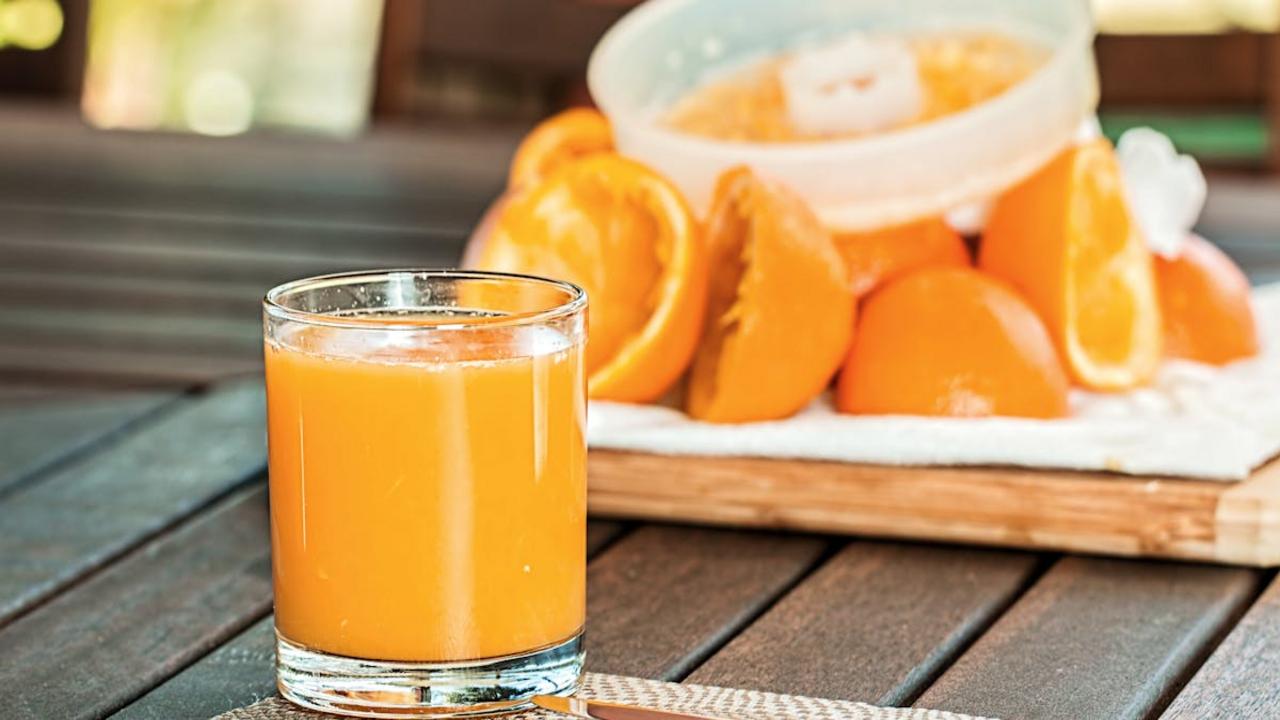
I need to have a heart-to-heart with you about fruit juice. While you might think you’re making a healthy choice by picking up that bottle of orange or apple juice, you’re actually consuming concentrated sugar without the beneficial fiber found in whole fruits. A single 12-ounce glass of apple juice contains around 40 grams of sugar – that’s the same amount you’ll find in a can of cola! Most commercial fruit juices also pack hidden calories, with some varieties containing up to 180 calories per serving.
The real kicker? Your body processes fruit juice differently than whole fruits. When you drink juice, the natural sugars hit your bloodstream quickly since there’s no fiber to slow down absorption. This rapid sugar spike can lead to energy crashes and increased hunger later. If you love the taste of fruit juice, try diluting it with sparkling water or, better yet, eat whole fruits instead. You’ll get all the vitamins and minerals plus the fiber that keeps you feeling full and satisfied longer.
Trail Mix
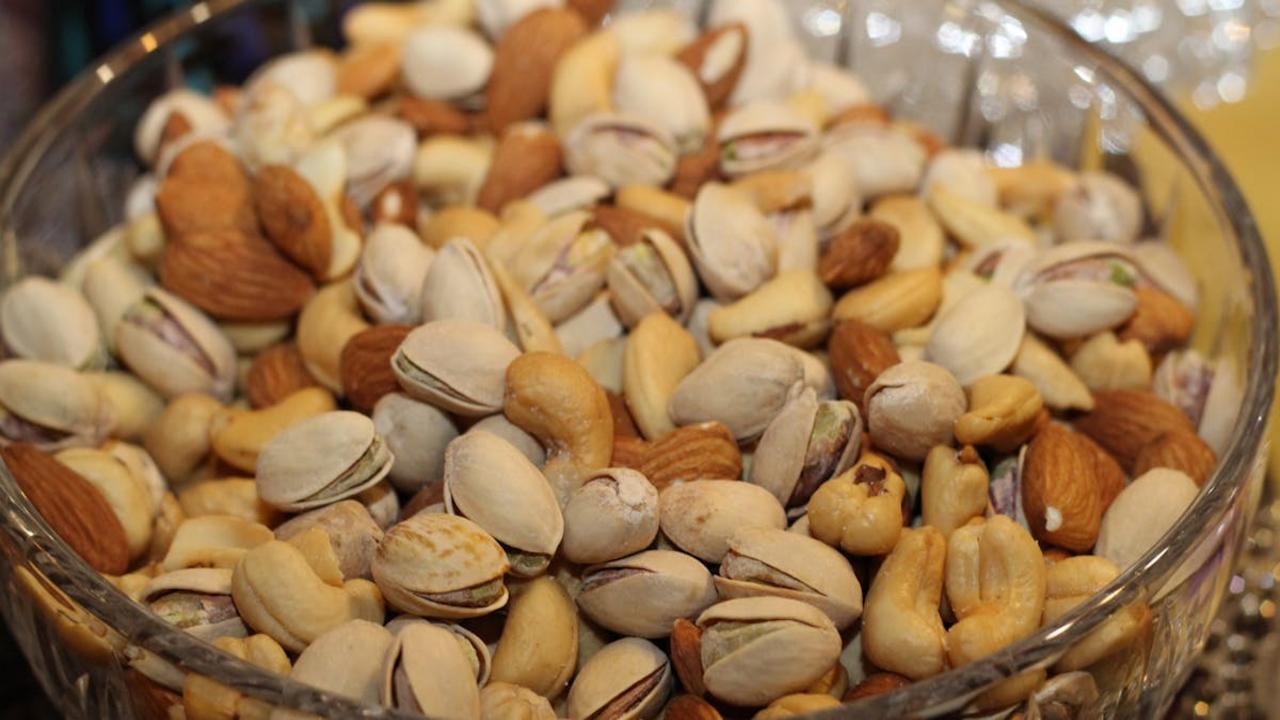
I know trail mix seems like the perfect healthy snack – nuts, dried fruit, and maybe some seeds thrown in for good measure. But watch out! Many store-bought versions pack a serious caloric punch that can derail your nutrition goals. A single cup can contain upwards of 700 calories, and many commercial varieties add chocolate chips, yogurt-covered raisins, and candied fruits that spike the sugar content. Plus, the convenient packaging often encourages mindless munching, making it easy to consume multiple servings without realizing it.
You can create a healthier trail mix at home by carefully selecting and portioning your ingredients. Start with raw, unsalted nuts like almonds and walnuts, then add small amounts of unsweetened dried fruits. Skip the candy pieces and chocolate-covered add-ins entirely. Measure out individual portions into small containers – aim for 1/4 cup servings to keep calories in check while still getting those beneficial nutrients from nuts and fruits. This way, you control exactly what goes into your mix while avoiding those sneaky extra calories and sugars.
Granola
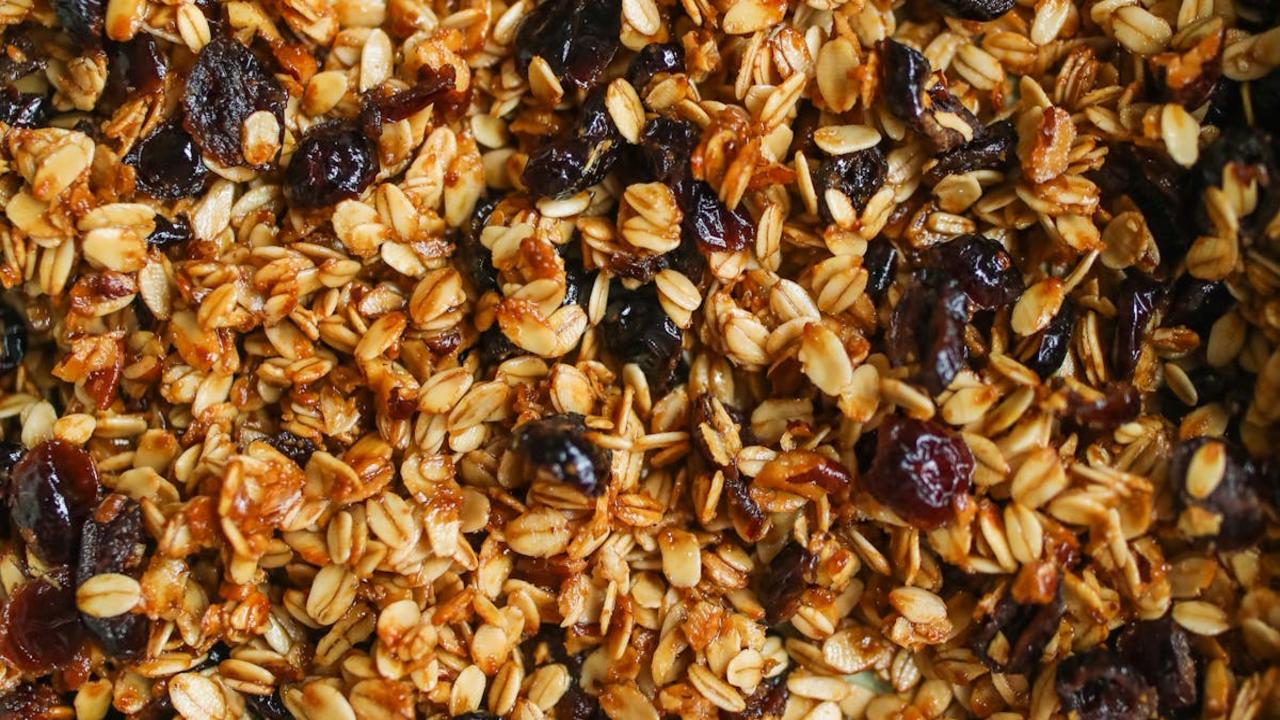
You might think granola makes a healthy breakfast choice, but many store-bought varieties pack way more calories and sugars than you’d expect. A single cup can contain up to 600 calories and 24 grams of sugar – that’s the same as eating two chocolate glazed donuts! The culprits? Those seemingly innocent add-ins like dried fruits, honey, maple syrup, and oils used to bind everything together. Even the nuts and seeds, while nutritious, contribute significant calories due to their high fat content.
I recommend making your own granola at home where you control exactly what goes in. Start with plain rolled oats and add small amounts of raw nuts and seeds. Skip the dried fruits or use fresh berries instead. Replace traditional sweeteners with mashed banana or unsweetened applesauce to bind the ingredients. You’ll get all the satisfying crunch and nutrition without the hidden sugar bomb. Plus, homemade granola costs a fraction of store-bought versions and fills your kitchen with an amazing aroma while baking.