14 Clever Fibs I’ve Told My Kids to Make Veggies Fun
Getting kids to eat their vegetables can feel like an Olympic sport. As a mom of three picky eaters, I’ve discovered that a dash of imagination and playful storytelling can transform dinner battles into magical adventures. Those stubborn broccoli florets? They’re no longer just green trees on a plate – they’re powerful tools for superhuman abilities!
My creative fibs have turned mundane vegetables into extraordinary treasures. Each colorful veggie now holds a special power or secret ability that makes my kids’ eyes light up with wonder. The best part? These silly stories have not only made mealtimes fun but have also helped my little ones develop a genuine love for healthy foods.
From superhero treats to magical communication devices, these 14 creative tales have revolutionized how my family sees vegetables. Sure, they’re not exactly truthful, but watching my kids eagerly munch on bell peppers while searching for hidden treasure maps makes these little white lies worth every bite.
Radishes are keys to unlock hidden fairy doors

I discovered a magical way to make my kids eat radishes – by telling them these crunchy red vegetables are special keys that open hidden fairy doors in our garden! My daughter Sophie now runs outside every morning to check if any new “fairy keys” have sprouted overnight. She nibbles on them right there in the garden, convinced each bite helps reveal secret fairy pathways between the flower beds. The sparkle in her eyes when she finds a fresh radish makes my heart melt.
This playful approach has turned what was once a rejected vegetable into a daily adventure. The crisp, peppery radishes now disappear from their plates without any fuss, and they’ve started requesting them in their lunch boxes too. My kids even started their own little garden patch specifically for growing these “magical keys.” The best part? They’re learning about gardening and healthy eating while chasing fairies around our backyard. Sometimes the simplest stories create the most wonderful memories.
Bell peppers hold hidden treasure maps

I discovered this trick by accident while slicing bell peppers with my daughter Emma one afternoon. The natural lines and ridges inside bell peppers look exactly like treasure maps, complete with “islands” and “secret paths” that spark kids’ imagination. Now, my little ones eagerly grab their “treasure maps” at dinner time, tracing the pepper’s inner lines with their fingers before taking big, adventurous bites. I’ve even started drawing tiny X marks with hummus to show where the “treasure” is buried!
This fun fib has turned our regular bell pepper snacks into exciting treasure hunting adventures. My kids now race to the kitchen when they hear me chopping peppers, hoping to find the next great map that will lead them to imaginary riches. The best part? They’re so focused on following the pepper’s natural patterns that they forget they once claimed to hate vegetables. I mix things up by using different colored peppers, telling them each color leads to different types of treasure – red for rubies, yellow for gold, and green for emeralds.
Zucchini makes you invisible to monsters under the bed

I discovered this magical veggie trick while trying to comfort my youngest daughter about nighttime fears. One evening, she refused to eat her zucchini at dinner, and in a moment of quick thinking, I whispered to her that zucchini had special monster-repelling powers. “The green color acts like a cloaking device,” I explained with a wink. “Once you eat it, monsters can’t see you anymore!” Her eyes widened with wonder, and she immediately stabbed a piece with her fork. Now she requests “invisibility zucchini” regularly before bedtime.
This playful fib has turned into a bedtime ritual in our house. My daughter now reminds me to serve zucchini with dinner, especially if she’s feeling nervous about shadows or strange noises at night. The best part? She’s getting extra vegetables while building confidence. I’ve even caught her explaining to her younger cousins how zucchini keeps the monsters away. Sometimes the simplest stories create the most meaningful changes in our children’s habits – and this little tale about monster-proof zucchini continues to work its green magic at our dinner table.
Kale chips turn your voice into a beautiful song

I discovered this fun fib while trying to get my kids to eat kale chips one afternoon. “These magic kale chips will make your voice sound like an angel singing!” I declared with excitement. To my surprise, my little ones grabbed handfuls of the crispy green snack and started belting out their favorite Disney tunes between bites. The genius part? The crunchy texture of kale chips actually makes them pause between singing, giving them time to properly chew and appreciate the light, salty goodness.
This playful deception has turned our kitchen into a mini concert hall during snack time. My kids now request “singing kale chips” regularly, competing to see who can hold the highest note or create the most melodic tune. The best part is watching them genuinely enjoy this nutritious snack while putting on their musical performances. I’ve even caught them sharing this “secret power” with their friends during playdates, spreading the love for healthy greens one song at a time.
Asparagus tips are antennas to communicate with aliens
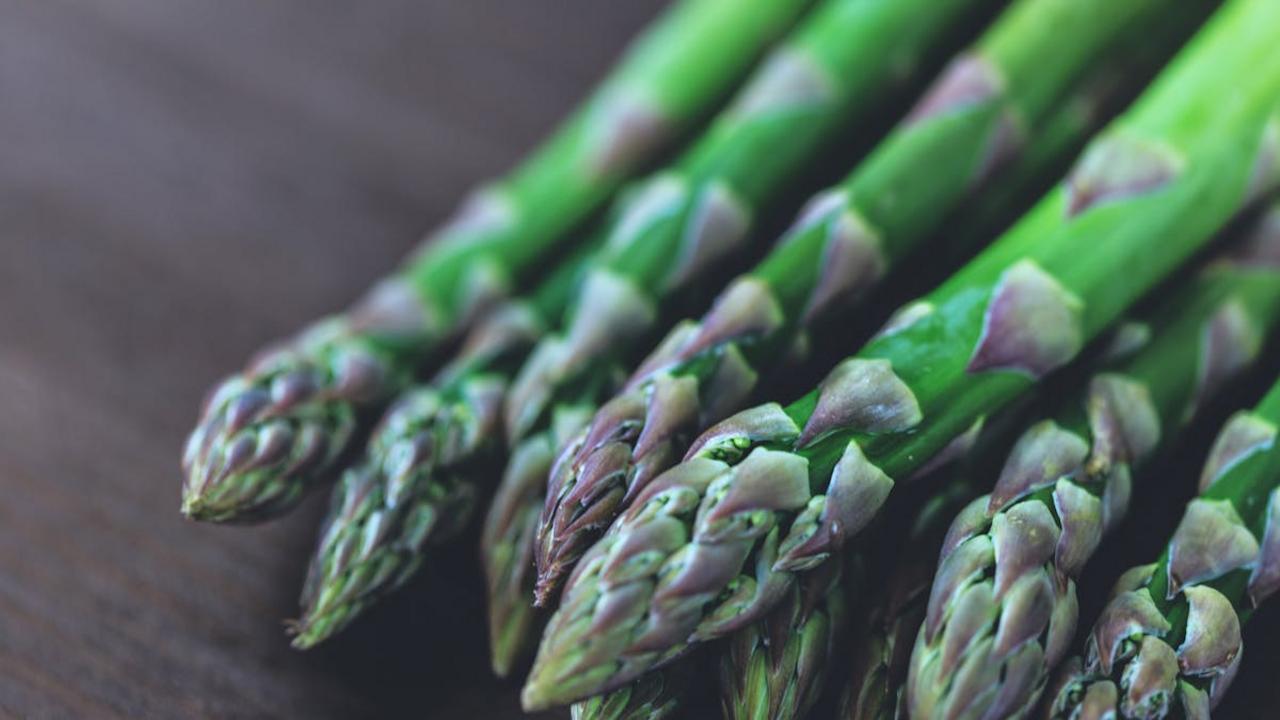
I’ve discovered the most entertaining way to get my kids excited about asparagus – by telling them those pointy green tips actually work as tiny antennas to chat with friendly aliens! My seven-year-old now gobbles up every spear, convinced each bite strengthens her connection to distant galaxies. This playful fib has transformed our dinner table into an imaginative space station, where vegetables become magical tools for interstellar communication. The best part? My kids now ask for “alien antennas” by name and compete to see who can eat the most.
To make this story extra convincing, I’ll point to the sky during dinner and pretend to hear faint beeping sounds whenever they take a bite. Sometimes I’ll even create simple codes with them – two bites means “hello” to our space friends, while three quick munches translate to “we come in peace.” This creative approach has not only made vegetables more appealing but has sparked their interest in space and science. Now they eagerly research real planets and stars, all while naturally developing healthier eating habits.
Celery sticks contain the secrets of the universe

I stumbled upon this creative fib while trying to get my kids to eat their celery sticks at snack time. “Each crunch reveals a tiny piece of cosmic wisdom,” I told them with a playful wink. To my amazement, they started examining their celery with intense focus, taking small bites and claiming they could see stars and galaxies in the stringy patterns. This simple vegetable transformed into an exciting discovery tool, making our afternoon snacks feel like mini space missions.
Now my kids eagerly grab celery from the fridge, convinced they’re uncovering hidden messages from distant planets. The best part? They’ve started creating their own stories about what secrets each stick holds. Last week, my youngest declared her celery showed her how dinosaurs really danced, while my oldest insisted his revealed ancient Egyptian hieroglyphics. Their imagination runs wild, and I get to watch them happily munch on these nutrient-rich green stalks without a single complaint.
Green beans are magic wands that make homework disappear

I discovered this trick during a particularly tough homework session with my kids, and it’s been a game-winner ever since! I tell my little ones that each green bean acts like a magic wand – the more they eat, the faster their homework gets done. My daughter now picks up green beans with her fingers, waves them dramatically in the air while saying “abracadabra,” and then munches them down. She genuinely believes each bite brings her closer to finishing her math problems.
The best part? This simple fib has turned our dinner table into a magical study hall. My kids compete to see who can make their homework “vanish” faster by eating more green beans. I’ve noticed they’re so focused on their vegetable-powered sorcery that they don’t even realize they’re getting an extra dose of vitamins A, C, and fiber. Sometimes I’ll sprinkle a little garlic powder or add a squeeze of lemon juice to their “magic wands” to make them even more special. This playful approach has transformed a once-dreaded vegetable into something they actually request at dinner.
Cauliflower teaches you to speak a secret language

I discovered this fun trick while preparing dinner with my kids one evening – telling them that each bite of cauliflower would teach them a new word in a magical vegetable language! The white florets become special “word tokens,” and with every crunch, they learn how to say things like “hello” or “thank you” in this made-up dialect. My daughter now gobbles up her cauliflower believing she’s becoming fluent in a secret code that only vegetable-eating children understand.
This playful fib has turned our dinner table into an imaginative space where vegetables hold special powers. I make up simple translations on the spot – the bigger florets teach longer phrases while the tiny pieces are for short words. The best part? My kids now ask for cauliflower specifically to “practice their vocabulary.” They’ve even started teaching their friends at school about this special language, creating a ripple effect of healthy eating habits through their social circle.
Brussels sprouts enable you to jump higher than anyone else

I’ve discovered a fun way to get my kids excited about Brussels sprouts – by telling them these mini green powerhouses give them super-jumping abilities! Every time they eat their Brussels sprouts at dinner, I watch their eyes light up as they imagine themselves bouncing higher than their friends at recess. My youngest even created a “sprout dance” where she hops around the kitchen, claiming the vegetables have given her special powers. This playful fib has transformed a once-dreaded vegetable into something they now request regularly.
The beauty of this creative story lies in how it connects with children’s natural love for superhero-like abilities. I’ve noticed my kids now compete to see who can eat the most Brussels sprouts, each believing they’ll gain the highest jump. While they munch away, I secretly smile knowing they’re getting valuable nutrients, fiber, and vitamins that support their growing bodies. Sometimes they’ll even do test jumps before and after eating their sprouts to “measure” their newfound leaping skills. This imaginative approach has made our dinner table more fun and turned Brussels sprouts from feared foe to welcome friend.
Spinach gives you the ability to talk to fish
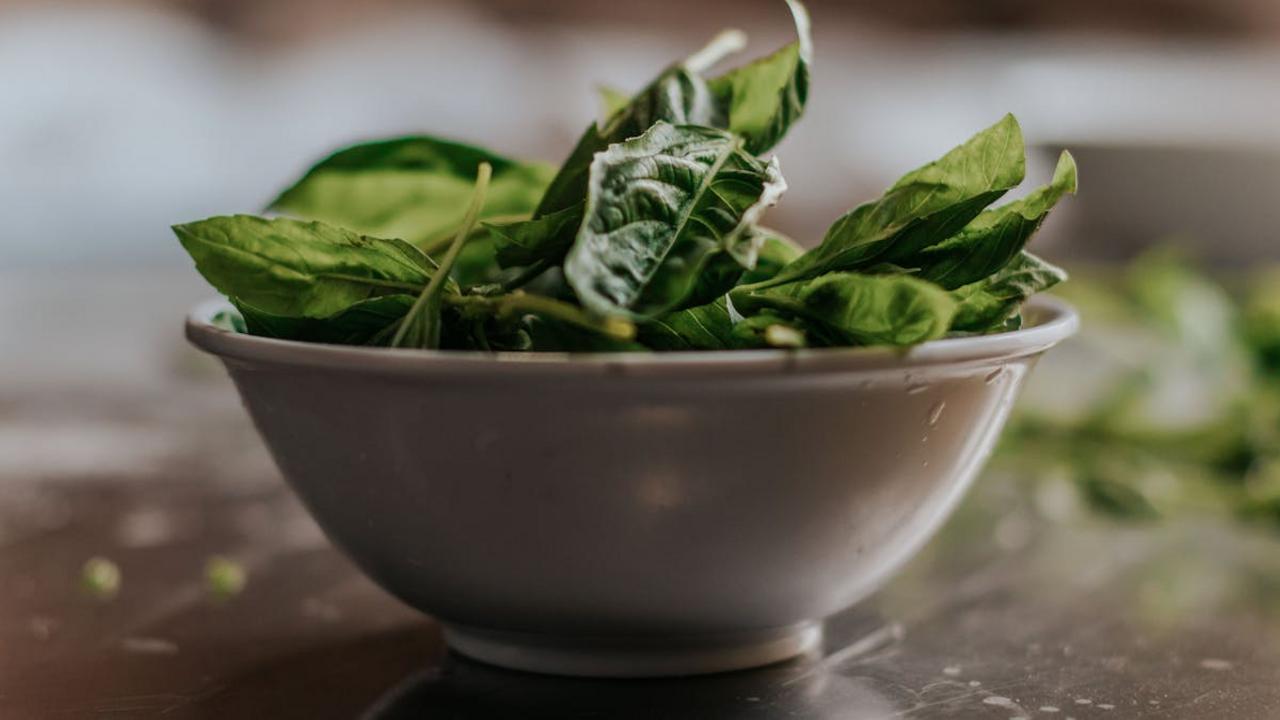
My kids used to push their spinach around the plate until I shared a magical secret with them – eating spinach gives you special powers to communicate with fish! I told them that the green leaves contain special nutrients that help your brain tune into fish frequencies, just like a radio. Now they gobble up their spinach at dinner and spend hours by our backyard pond the next day, convinced they’re having deep conversations with the goldfish. The excitement on their faces when they think they’ve received a “message” from their aquatic friends makes this little fib totally worth it!
This playful story has turned our regular spinach dishes into exciting adventures. I mix fresh spinach into smoothies, which my children now call “fish-talking potions,” and add it to pasta dishes they’ve dubbed “underwater communication fuel.” The best part? They’ve started requesting spinach for lunch to pack in their school meals, hoping to chat with the fish in the classroom aquarium during break time. Sometimes the simplest stories can transform a dreaded vegetable into a gateway for imagination and good nutrition.
Eating peas will make your hair grow faster
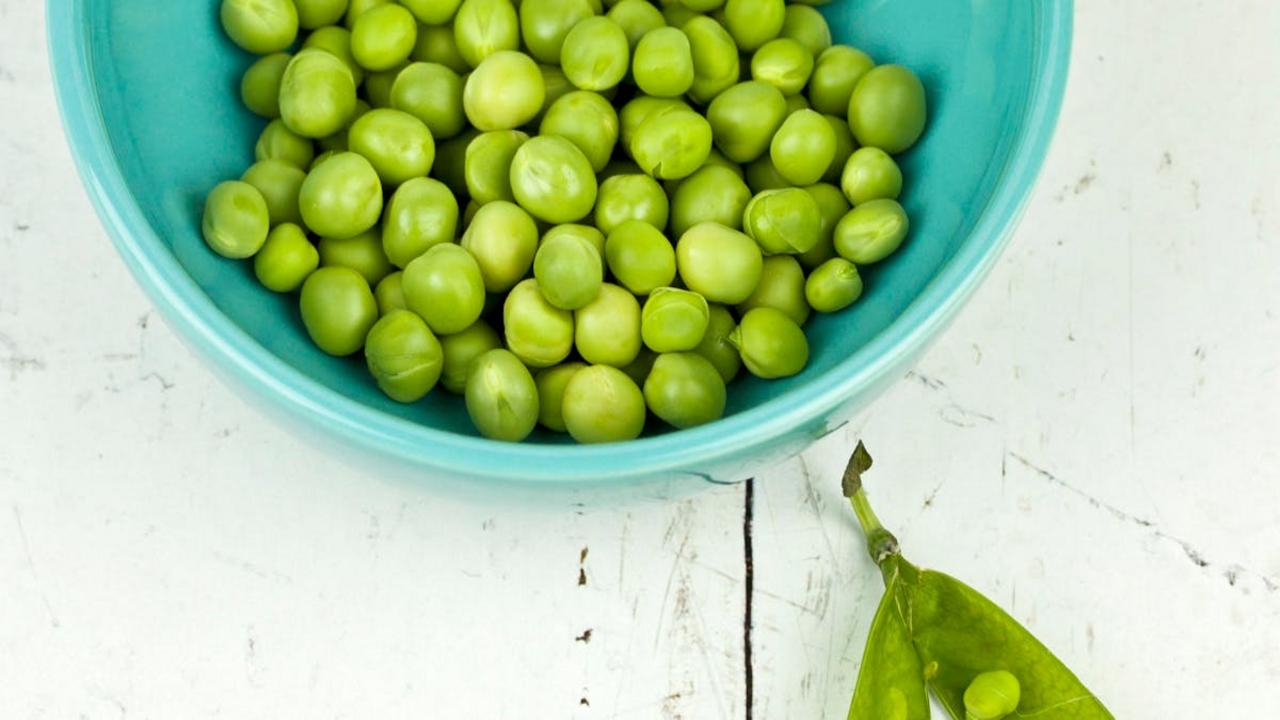
I stumbled upon this clever fib while trying to convince my own daughter to eat more green peas, and it worked like magic! The bright green spheres suddenly became her secret weapon for getting long, princess-worthy hair. While we know peas pack plenty of nutrients that support healthy hair growth – like protein, zinc, and B vitamins – the direct connection to rapid hair growth adds that extra dash of fun motivation kids need. My daughter now proudly announces to everyone that her growing ponytail is thanks to her daily dose of peas.
This playful trick has turned our dinner table negotiations into exciting conversations about hair goals. Other parents have shared how their kids started measuring their hair length after meals, creating their own “pea and hair growth charts.” The best part? Even after learning the truth years later, many kids stick to eating their peas because they’ve developed a genuine liking for these nutritious vegetables. Sometimes a simple, imaginative story can plant the seeds for lasting healthy habits.
Carrots help you hear the thoughts of animals

I love sharing this fun fib with my kids – they get so excited about munching on carrots after I tell them these orange veggies will help them understand what their pets are thinking! This little white lie sparked their imagination and turned our family dog walks into magical adventures. My daughter now carries baby carrots everywhere, convinced she’ll catch snippets of our golden retriever’s inner monologue. The pure joy on her face while crunching carrots and watching our dog’s expressions makes this playful deception totally worth it.
The best part? This creative story has made carrots a daily staple in our home. My kids actively ask for them at snack time, hoping to strengthen their “animal communication powers.” I’ve even caught them sharing this story with their friends during playdates, spreading carrot enthusiasm through the neighborhood. What started as a simple way to encourage vegetable consumption has blossomed into a sweet childhood memory-in-the-making, complete with whispered “conversations” between my children and every squirrel, bird, and neighborhood cat they meet.
Broccoli gives you the power to see in the dark
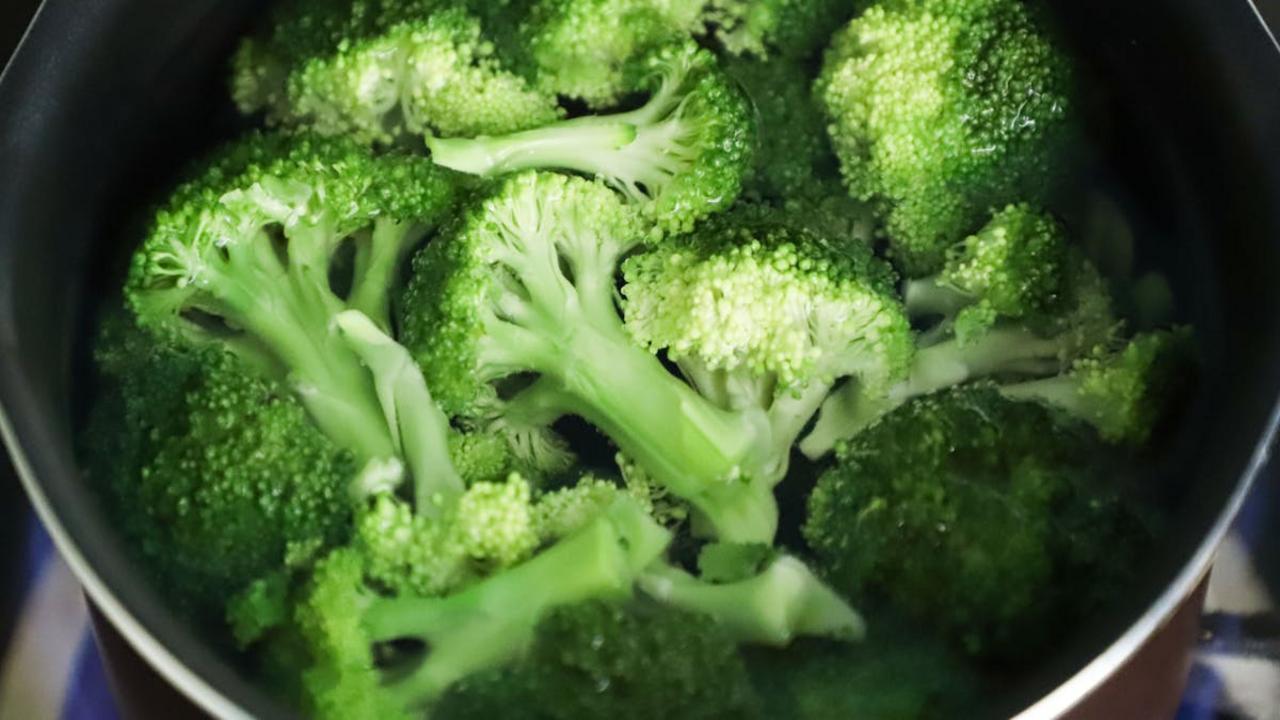
Getting kids to eat their broccoli can feel like an uphill battle, but I’ve found that linking these mini green trees to superhero-like night vision makes the vegetable much more appealing. I tell my kids that the beta carotene and vitamin A in broccoli work together like special goggles, helping their eyes adjust better in low light. The excitement on their faces when they think they’re developing cat-like vision powers through eating their vegetables makes dinner time so much more fun.
This playful fib has turned into a nightly ritual at our dinner table, where my kids now eagerly munch their broccoli and pretend to test their enhanced night vision by closing their eyes between bites. While the superpower claim might be stretching the truth, broccoli does contain valuable nutrients that support healthy eyesight. Plus, this creative approach has helped my children form positive associations with vegetables, making them more likely to choose nutritious foods as they grow older.
Vegetables are special treats reserved for superheroes

I’ve found that turning vegetables into exclusive superhero food creates pure magic at the dinner table! My kids now beg for broccoli because I told them it’s what Captain America eats to maintain his super-strength. The secret lies in making these healthy foods feel like privileged items that only the mightiest heroes get to enjoy. You can start by renaming simple carrots to “Wonder Woman’s Power Sticks” or spinach to “Hulk’s Energy Boost” – watch how quickly your little ones transform into vegetable enthusiasts.
This clever approach works particularly well during mealtimes when you can build entire superhero-themed scenarios. I tell my kids that Superman specifically requested our house to store his special supply of bell peppers, and now they proudly munch on “Superman’s Power Capsules” while pretending to save the world. You can even create a special superhero badge or certificate for kids who eat their veggie portions, making the whole experience feel like an exclusive club membership. This playful deception has turned our daily vegetable servings into exciting moments my children look forward to.