12 Iconic American Foods You’ll Struggle to Find Today
Remember the comfort foods that made family dinners special? Those classic American dishes Mom or Grandma whipped up that satisfied both hunger and nostalgia? Many traditional recipes have disappeared from modern restaurant menus and dinner tables, replaced by quick-service meals and international cuisine.
I’ve been thinking about those disappearing American classics lately – dishes like meatloaf sandwiches and stuffed bell peppers that defined American cooking for generations. These foods tell our cultural story through simple ingredients transformed into hearty, satisfying meals that brought families together around the table.
The following dishes once stood as pillars of American home cooking but have faded from our collective food consciousness. Some need long, slow cooking times that don’t fit modern schedules, while others feature ingredients or flavors that have fallen out of fashion. Let’s rediscover these twelve iconic American foods that deserve a comeback.
Waldorf Salad
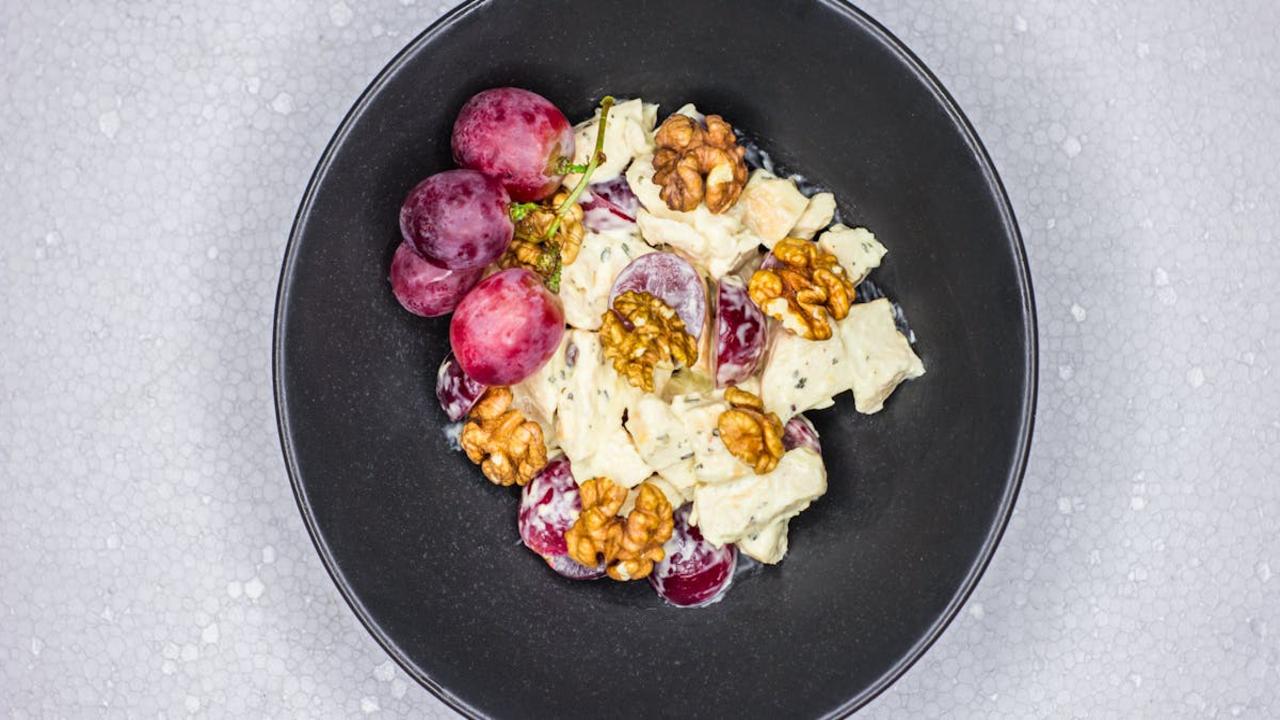
Picture this: you’re at a fancy hotel dining room in 1893, and the maître d’ presents you with a revolutionary creation—crisp apples, celery, and walnuts bound together with mayonnaise. That’s the Waldorf salad, born at New York’s Waldorf Hotel and once considered the height of sophistication. I remember my grandmother making this for special occasions, carefully selecting the crunchiest Granny Smith apples and toasting the walnuts herself. She’d always say the secret was in the balance—enough mayonnaise to bind everything without drowning the fresh flavors, and always adding the apples last to prevent browning.
Today, you’d be hard-pressed to find this classic on restaurant menus, and honestly, I think we’ve lost something beautiful in the process. The original Waldorf represents everything I believe in: simple, whole ingredients transformed into something greater than their parts. When I make it now, I swap traditional mayonnaise for a lighter Greek yogurt-based dressing with a touch of lemon juice and honey. The key is choosing ingredients that speak to each other—sweet-tart apples, mineral-rich celery, and those gorgeous omega-3 packed walnuts. It’s a perfect example of how American cuisine once celebrated fresh, seasonal produce before we got caught up in complicated preparations and processed shortcuts.
Green Bean Casserole
You know that moment when you pull a perfect steak off the grill, and every instinct screams “eat it now”? I get it completely, but here’s where patience becomes your secret weapon. Resting meat isn’t just fancy chef talk—it’s the difference between juicy perfection and a sad, dry disappointment on your plate. When meat cooks, those muscle fibers contract and push all the gorgeous juices toward the center. If you slice immediately, all that flavor runs right onto your cutting board instead of staying where it belongs.
Here’s my foolproof approach: tent your meat loosely with foil and let it rest for about 5-10 minutes for smaller cuts, or up to 20 minutes for larger roasts. I learned this technique from my grandmother, who would wrap her Sunday roasts in clean kitchen towels after covering with foil—the extra insulation keeps everything warm while those fibers relax and reabsorb their juices. The result? Every bite becomes incredibly tender and flavorful. Trust me, this simple step transforms even budget cuts into restaurant-quality meals that will have your family asking for seconds every single time.
Boston Brown Bread
Your knife becomes an extension of your hand when you master proper technique, and I promise this single skill will transform how you approach every recipe. Start with the basic grip: pinch the blade between your thumb and index finger, wrapping your remaining fingers around the handle. This gives you complete control and prevents that awkward chopping motion most home cooks struggle with. Practice the rock-chop method—keep your knife tip on the cutting board and rock the blade down through ingredients while your other hand guides with curved fingers, knuckles forward as a protective barrier.
Sharp knives aren’t just safer—they make cooking genuinely enjoyable and help you create dishes that look restaurant-quality. I keep my knives razor-sharp because dull blades crush delicate herbs instead of cleanly slicing them, bruise tomatoes instead of creating perfect wedges, and turn onion dicing into a teary disaster. Invest time learning to properly dice an onion, julienne carrots, and chiffonade basil. These fundamental cuts create even cooking, beautiful presentation, and consistent flavors throughout your dishes. Once you develop muscle memory for these techniques, prep work becomes meditative rather than tedious, and you’ll find yourself looking forward to that satisfying rhythm of efficient knife work.
Stuffed Bell Peppers
You know what separates good home cooks from great ones? They understand that a brilliant sauce can transform the most ordinary ingredients into something magical. I’ve spent years learning this simple truth: mastering just a few fundamental sauce techniques opens up endless possibilities in your kitchen. Whether you’re whisking together a silky pan sauce from the drippings of your roasted chicken or building layers of flavor in a slow-simmered tomato base, these foundational skills become your secret weapons. The beauty lies in how adaptable these techniques are—once you grasp the science behind emulsification or the balance of acid and fat, you can create countless variations that reflect your own taste preferences and whatever ingredients you have on hand.
Start with the mother sauces if you want to build real confidence, but don’t get intimidated by fancy French names. A basic roux, which is just equal parts fat and flour cooked together, becomes the backbone for creamy gravies, cheese sauces, and hearty stews. Meanwhile, a simple vinaigrette teaches you about balancing oil and acid—knowledge you’ll apply whether you’re making a quick marinade for grilled vegetables or deglazing a pan with wine and stock. I always keep good olive oil, quality vinegar, fresh herbs, and aromatics like garlic and ginger stocked because these form the foundation of so many sauces across different cuisines. Remember, seasoning gradually and tasting as you go prevents any disasters and helps you develop that intuitive sense for flavor balance.
Ham Salad
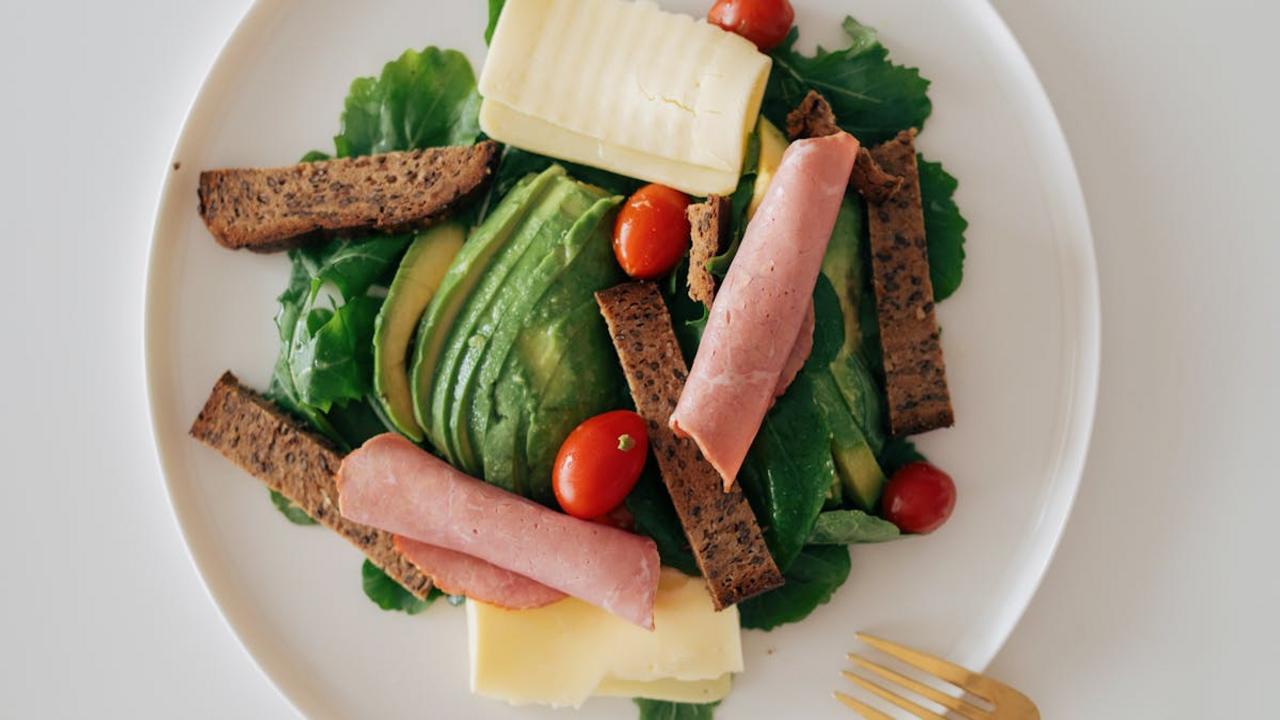
You know that moment when you buy a bundle of fresh herbs for one recipe, then watch the rest wilt away in your fridge? I’ve been there countless times, and it drove me crazy until I discovered this simple trick. Instead of treating herbs like delicate flowers, start thinking of them as flavor powerhouses that can transform any dish. I now buy herbs in bulk and immediately prep them for maximum longevity and impact. The secret lies in proper storage and creative usage that goes beyond the typical garnish mentality.
Here’s what changed everything for me: wash your herbs immediately, dry them thoroughly with paper towels, then store hardy herbs like rosemary and thyme wrapped in slightly damp paper towels in the fridge. For tender herbs like basil and cilantro, treat them like fresh flowers – trim the stems and place them in a glass of water, covering the leaves loosely with a plastic bag. But here’s where the magic happens – don’t just use herbs at the end of cooking. Add woody herbs like rosemary early in the cooking process to infuse oils and build flavor foundations. Save delicate herbs like basil for the final moments, stirring them into hot dishes just before serving to preserve their bright, fresh notes that make every bite sing with life.
Pot Roast
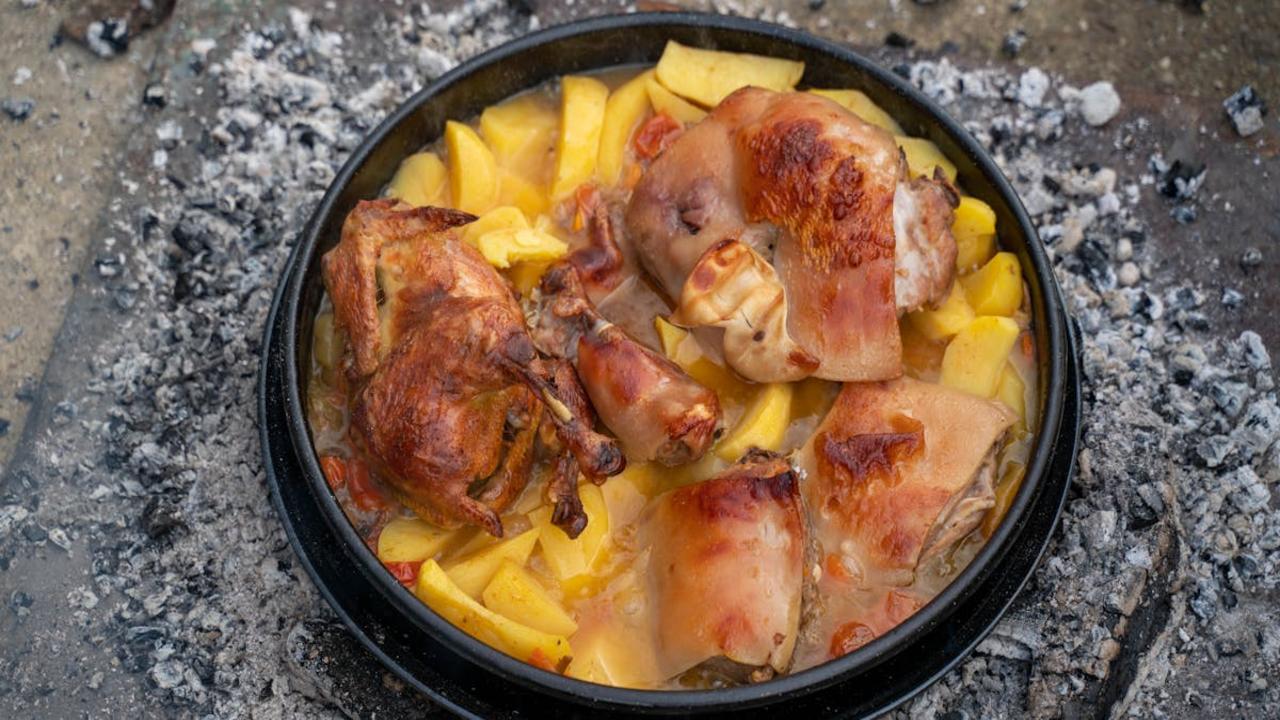
Your pan choice can make or break a dish, and I learned this the hard way after years of wondering why my stir-fries turned out soggy or my proteins stuck like glue. The material, size, and weight of your pan directly impact how heat distributes and how your food cooks. Cast iron holds and radiates heat beautifully for searing steaks or making perfect cornbread, while stainless steel gives you control for delicate sauces without any metallic flavors creeping in. Carbon steel works magic for high-heat cooking like my favorite Korean-style vegetables, and non-stick saves the day when you’re making eggs or fish that would otherwise turn into a mess.
Size matters just as much as material – overcrowd a small pan and you’ll steam instead of sear, leaving you with gray meat and limp vegetables. I keep three sizes handy: a large 12-inch for family meals, a medium 8-inch for everyday cooking, and a small 6-inch for single portions or toasting spices. Match your pan to your cooking method too – shallow sides for stir-frying and sautéing, higher sides for braising and making sauces. Once you start paying attention to which pan you reach for, your cooking will transform overnight, and you’ll wonder how you ever managed with just one beat-up skillet.
Tuna Noodle Casserole
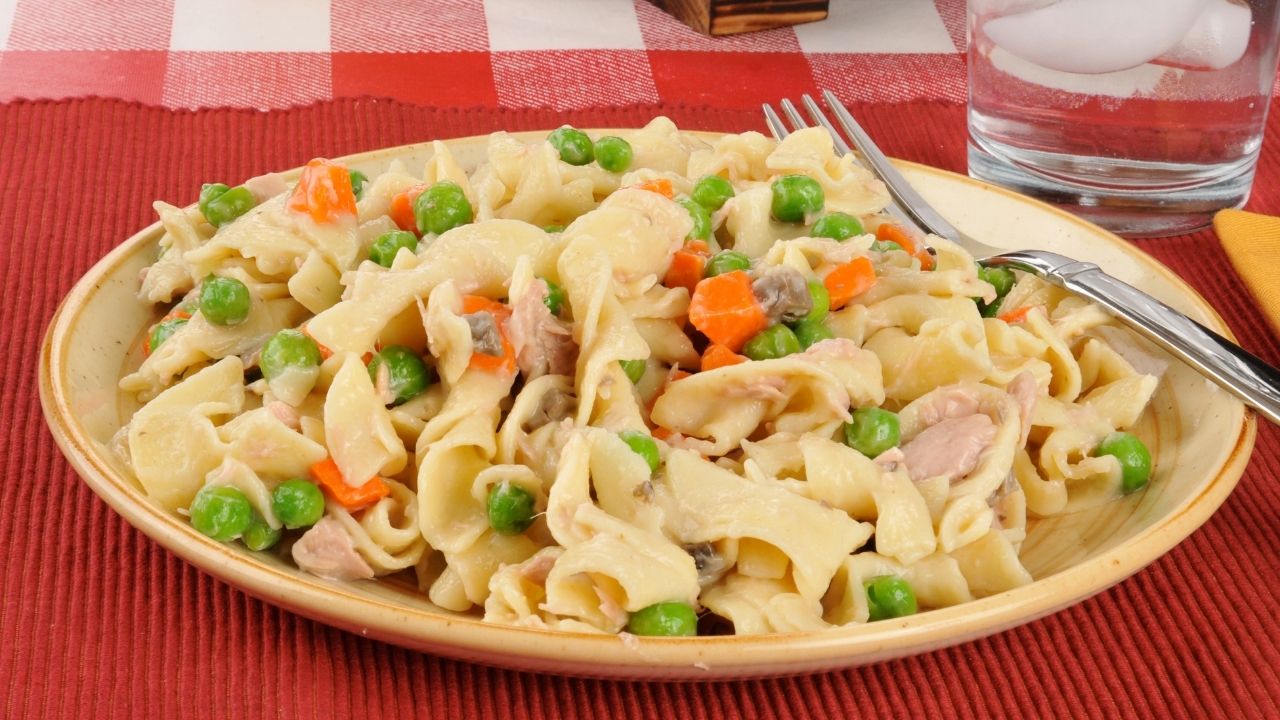
Salt isn’t just a seasoning—it’s your secret weapon for transforming ordinary dishes into extraordinary ones, and timing makes all the difference. I learned this from my grandmother’s kitchen in Mumbai, where she’d salt her vegetables at precisely the right moment to draw out moisture before cooking. When you salt meat 40 minutes before cooking, something magical happens: the salt draws out initial moisture, then that salty liquid gets reabsorbed, carrying flavor deep into the protein fibers. This technique works beautifully with chicken thighs for my weeknight curries or when I’m preparing fish for my favorite coconut-lime marinade.
For vegetables, timing your salt application can make or break your dish. Salt your eggplant slices 30 minutes before cooking to remove bitterness and create that perfect creamy texture I love in my Mediterranean-inspired dishes. With leafy greens like kale or collards, a pinch of salt massaged in just before serving breaks down the tough fibers without making them soggy. But here’s what really changed my cooking: finishing salt applied right before serving creates those bright flavor pops that make people wonder what your secret ingredient is. Try flaky sea salt on roasted vegetables or a pinch of smoked salt on your morning eggs—these small timing adjustments will make your home cooking sing with professional-level flavor depth.
Meatloaf Sandwiches
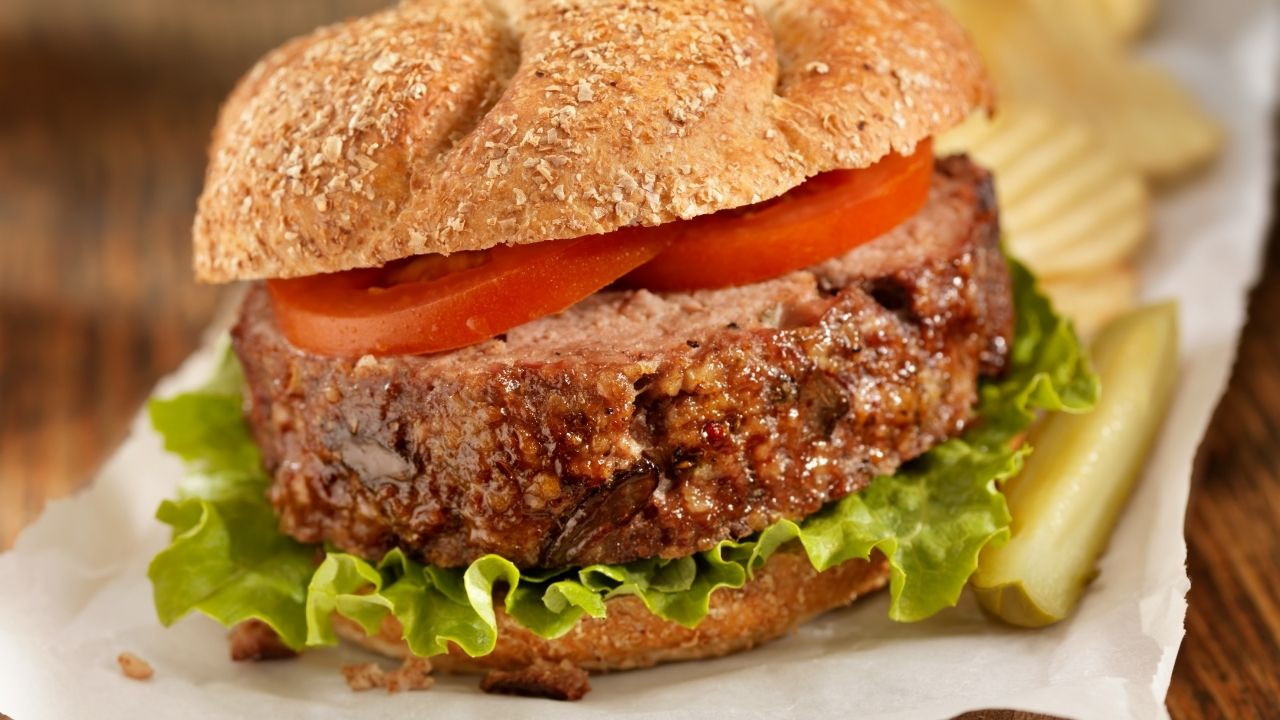
You know that feeling when you bite into something that just makes perfect sense? That’s what a proper meatloaf sandwich used to deliver—tender, seasoned ground meat formed into a loaf, sliced thick, and nestled between two pieces of soft bread with maybe some tangy ketchup or mustard. These weren’t just leftovers thrown together; they were intentional comfort food that diners and lunch counters served with pride. I remember my grandmother talking about how butcher shops would even sell pre-made meatloaf specifically for sandwiches, understanding that this simple combination was pure gold.
Today’s fast-food culture has pushed aside these honest, straightforward sandwiches in favor of processed patties and artificial flavors. But here’s what I love about the concept—you can absolutely bring this back to your kitchen with real ingredients. Mix ground beef (or turkey, or even lentils if you want plant-based) with fresh herbs, diced vegetables, and binding ingredients like oats instead of breadcrumbs. Form it, bake it, let it rest, then slice it for sandwiches that taste like actual food rather than factory-made products. The beauty lies in knowing exactly what goes into every bite.
Creamed Chipped Beef on Toast

You know, there’s something beautifully humble about creamed chipped beef on toast that speaks to my soul as a home cook. This Depression-era dish, affectionately dubbed “S.O.S.” by military folks, represents everything I believe about turning simple ingredients into something nourishing and satisfying. The combination of dried beef rehydrated in a creamy white sauce ladled over crispy toast might sound basic, but it’s pure comfort food magic. I love how this dish taught generations of cooks that you don’t need fancy ingredients to create something that fills both your stomach and your heart.
What breaks my heart is watching this wholesome classic disappear from our tables, replaced by processed convenience foods that lack both soul and nutrition. When I recreate this dish in my kitchen, I always think about those resourceful cooks who understood that real flavor comes from technique, not expensive ingredients. You can still find dried beef in some grocery stores, but most people walk right past it without knowing the treasure they’re missing. I encourage you to seek out this forgotten gem and experience how a simple roux, quality milk, and properly seasoned beef can create something far more satisfying than any packaged alternative.
Liver and Onions
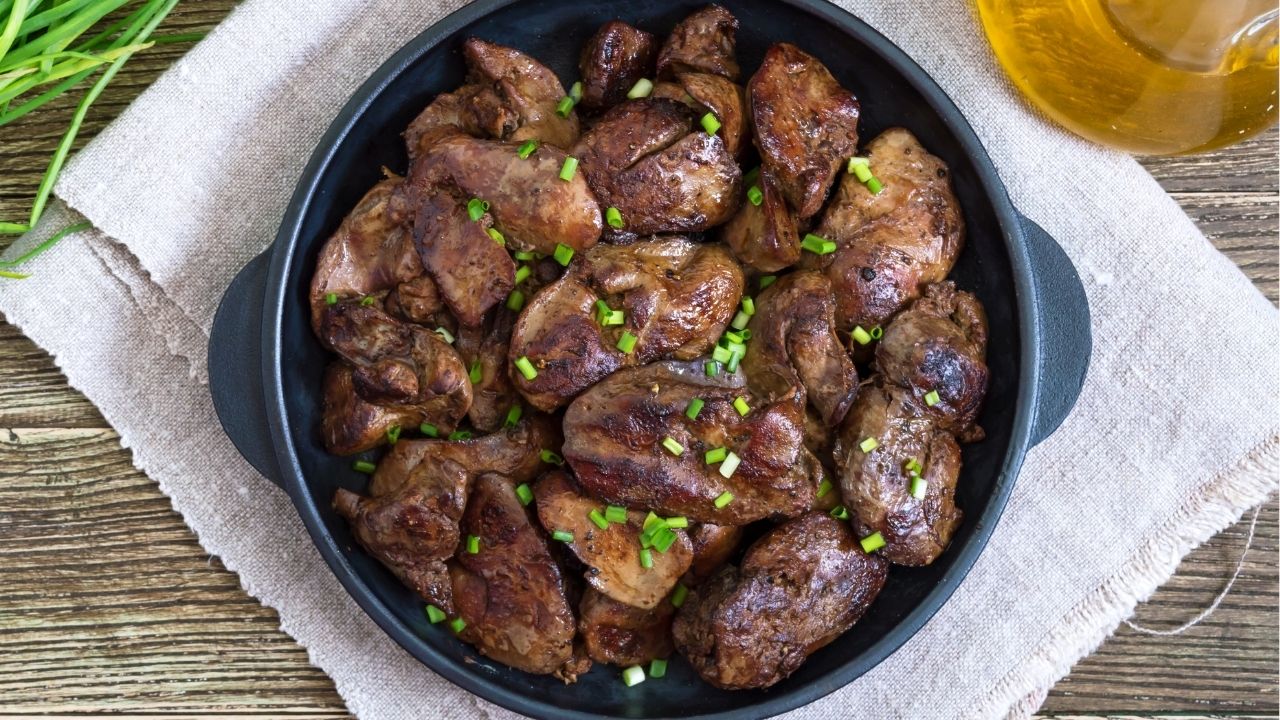
You know, I remember watching my grandmother prepare liver and onions every Sunday, the rich aroma filling her entire kitchen. This dish was once a cornerstone of American dining tables, appearing regularly in households across the country and featured prominently on diner menus from coast to coast. The preparation was simple yet satisfying – tender slices of beef liver sautéed with sweet, caramelized onions, often accompanied by mashed potatoes and gravy. Families viewed liver as an affordable protein source that packed serious nutritional value, rich in iron, vitamins A and B12, and essential minerals that growing bodies needed.
Today, finding liver and onions feels like searching for buried treasure. Modern diners have shifted away from organ meats, often finding the texture and mineral-forward flavor too intense for contemporary palates. Most restaurants have completely removed it from their menus, and even home cooks rarely prepare it anymore. I think there’s something beautiful about reviving this forgotten classic – when you source high-quality, grass-fed liver and pair it with slowly caramelized onions, fresh herbs, and maybe a splash of balsamic vinegar, you create something genuinely nourishing. The key lies in proper preparation: soaking the liver in milk beforehand removes any bitter notes, while cooking it just until pink inside keeps the texture silky rather than tough.
Beef Tongue
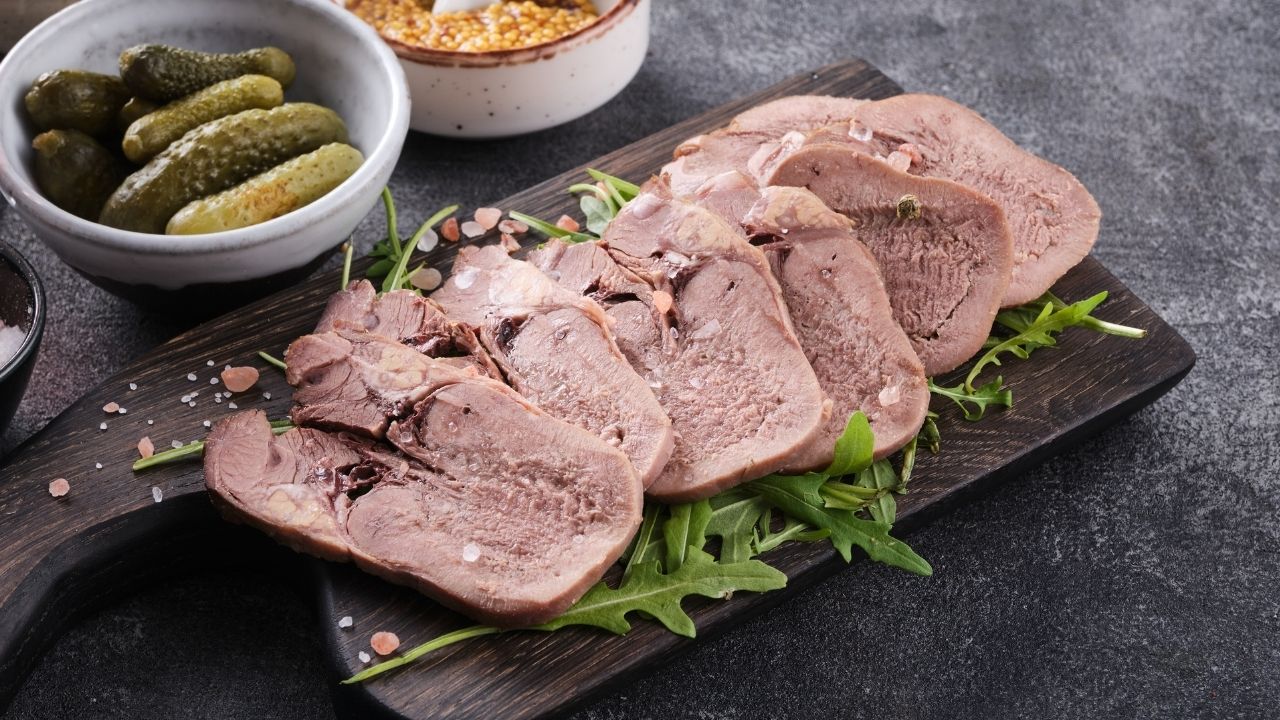
You know, beef tongue used to be a Sunday dinner staple in American kitchens, right up there with pot roast and fried chicken. My grandmother would slow-braise it with onions, garlic, and bay leaves until it became fork-tender and incredibly flavorful. The texture reminds me of the most luxurious beef stew meat you’ve ever had – rich, silky, and absolutely satisfying. I remember watching her peel away the outer skin after cooking, revealing this beautiful, pale pink meat that would melt in your mouth. These days, you’d be hard-pressed to find tongue at your average grocery store, and even fewer home cooks know how to prepare it.
What breaks my heart is that we’ve walked away from such an incredibly nutritious and sustainable protein source. Beef tongue packs more B-vitamins, zinc, and iron than most premium cuts, plus it’s naturally tender when cooked properly. I love preparing it with global spices – maybe some Mexican-inspired chilies and lime, or Middle Eastern za’atar and pomegranate molasses. The key is treating it like any braising cut: low, slow, and with plenty of aromatics. Once you get past any preconceptions, you’ll discover why our ancestors considered this a delicacy. It’s time we brought this wholesome, nose-to-tail cooking back to our tables where it belongs.
Chicken Fried Steak

3