14 Surprising Foods You Shouldn’t Feed Your Kids
Feeding your kids can feel like walking through a minefield of potential hazards. While many common foods bring nutrition and joy to the family table, some seemingly innocent snacks can pose serious risks to young children. As a mom of three, I’ve learned through research and experience which foods need extra caution or should be avoided completely.
From choking hazards to allergy concerns and foodborne illness risks, certain everyday items in your kitchen may threaten your child’s safety. The good news? Simple modifications like cutting foods into smaller pieces or waiting until your child reaches the right age can make many of these foods safe to eat.
This guide breaks down 14 foods that parents should think twice about serving to young children. Whether you’re a new parent or a seasoned caregiver, understanding these risks will help you make informed decisions about your child’s diet while keeping mealtime safe and enjoyable.
Citrus fruits for infants
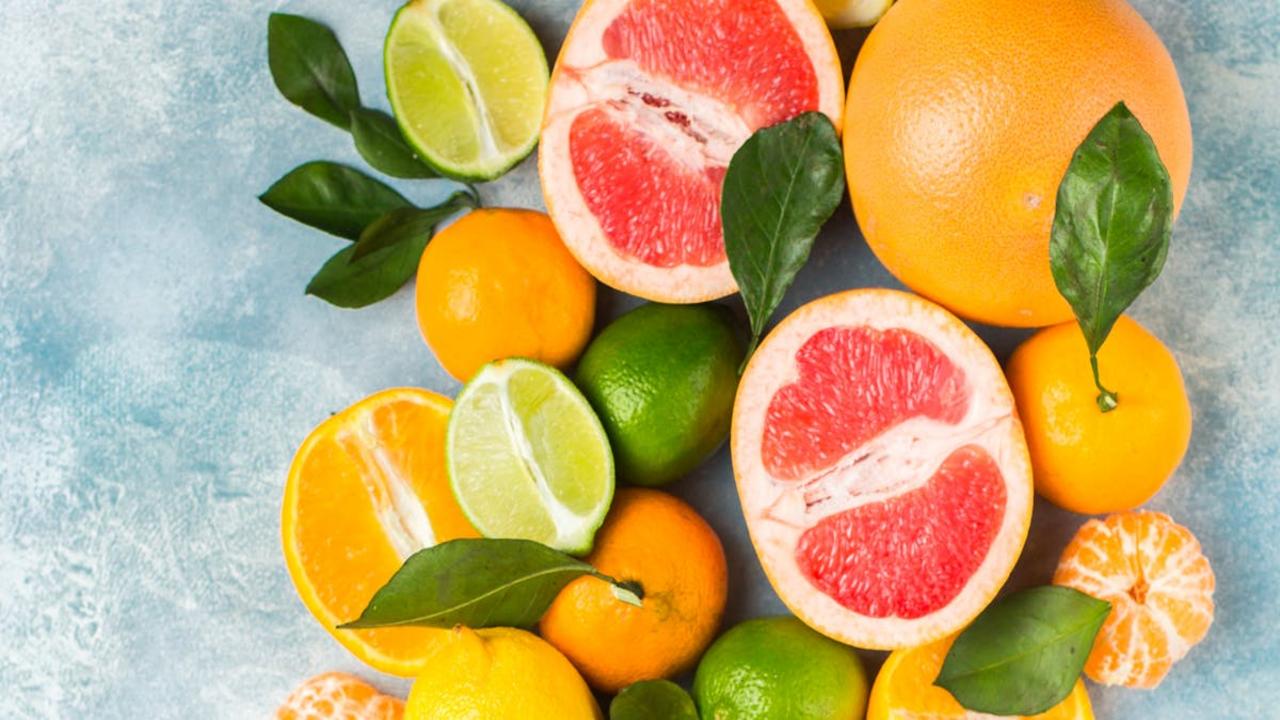
I know you want to give your baby all the healthy fruits possible, but hold off on citrus until they turn one year old! The high acidity in oranges, lemons, limes, and grapefruits can seriously irritate your little one’s developing digestive system. These fruits contain strong acids that might cause painful diaper rash, upset tummy, and even make acid reflux symptoms worse. Your baby’s stomach lining needs time to mature before handling these bold, tangy flavors.
While citrus fruits pack amazing vitamin C and other nutrients, you can find these same benefits in gentler options for your infant. Try mashed bananas, steamed apples, or pureed pears instead – they’ll give your baby the nutrients they need without the digestive troubles. Remember, every baby grows differently, so talk to your pediatrician about the right time to introduce citrus fruits into your little one’s diet. Once they’re ready, start with small amounts of diluted orange juice or tiny pieces of mandarin to watch how they react.
Canned tuna
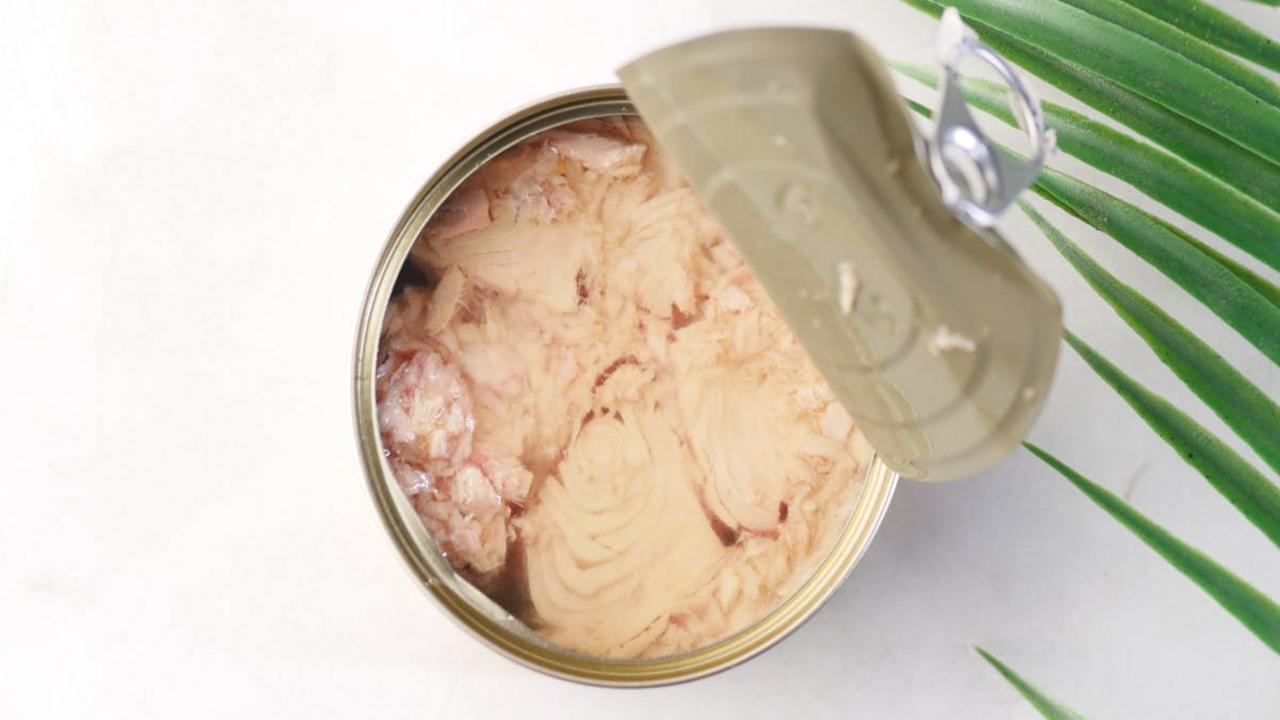
If you’ve got canned tuna in your pantry, you’ll want to think twice before serving it to your little ones. While tuna can pack a powerful protein punch, it contains concerning levels of mercury that could affect your child’s developing nervous system. The FDA recommends limiting tuna consumption in children, with light tuna being a safer choice than white or albacore varieties. I always tell my readers to stick to no more than 1-2 servings per month for young children to stay on the safe side.
Many parents don’t know that mercury builds up in fish as they grow larger, and tuna, being a big fish, accumulates more mercury than smaller fish like salmon or sardines. If you want to include fish in your child’s diet, I recommend opting for low-mercury alternatives like wild-caught salmon, which offers similar omega-3 benefits without the risks. You can make fun salmon patties or fish sticks that your kids will love – I’ve seen even the pickiest eaters gobble these up! Just remember: moderation is your friend when it comes to serving tuna to children.
Unpasteurized milk
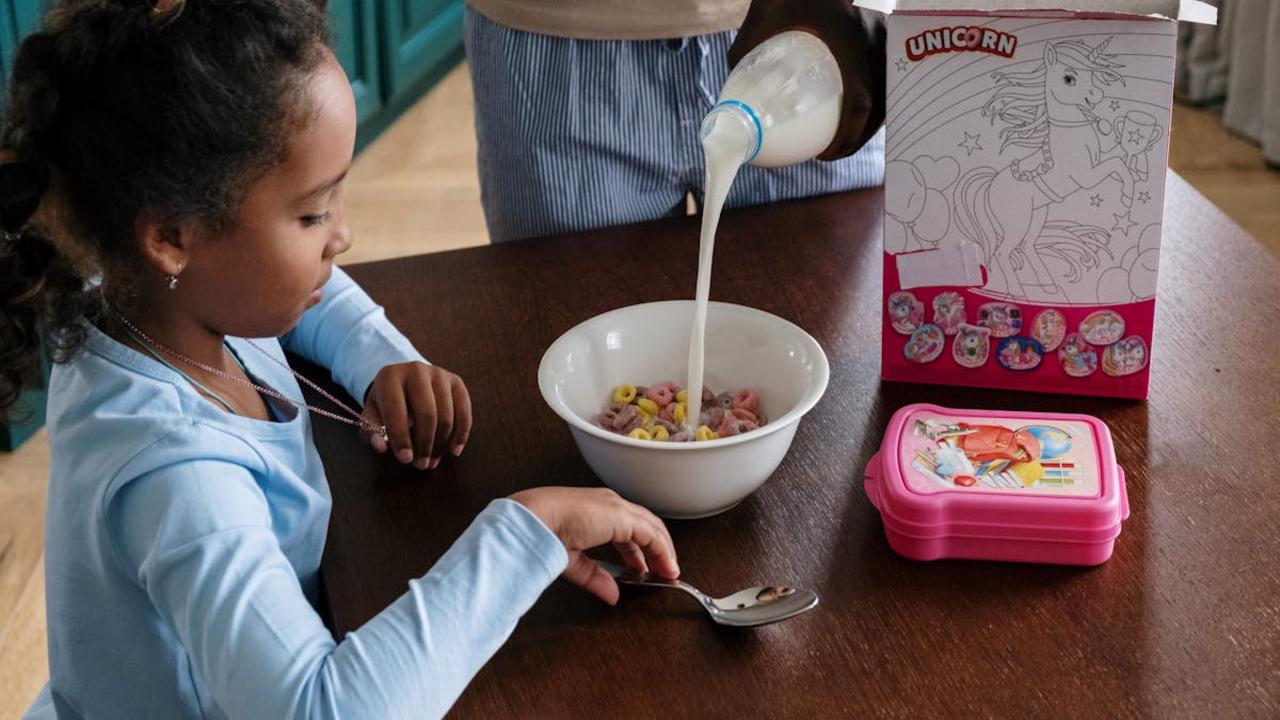
I need to be direct with you about unpasteurized milk – it’s a big no-no for your kids. Raw milk can harbor dangerous bacteria like E. coli, Listeria, and Salmonella that can make your little ones seriously ill. Unlike pasteurized milk that goes through a heating process to kill harmful microorganisms, raw milk skips this safety step. Children’s developing immune systems make them particularly vulnerable to these bacteria, which can lead to severe food poisoning, kidney failure, or even life-threatening conditions.
You might hear claims about unpasteurized milk having more nutrients or being “more natural,” but science doesn’t support these arguments. The pasteurization process keeps almost all the milk’s nutritional benefits intact while making it safe to drink. The FDA and CDC strongly advise against giving raw milk to children, and many states have banned its sale completely. Stick to pasteurized milk products to keep your kids healthy and safe – you’ll get all the calcium, protein, and vitamin D benefits without the dangerous risks.
Soft cheeses
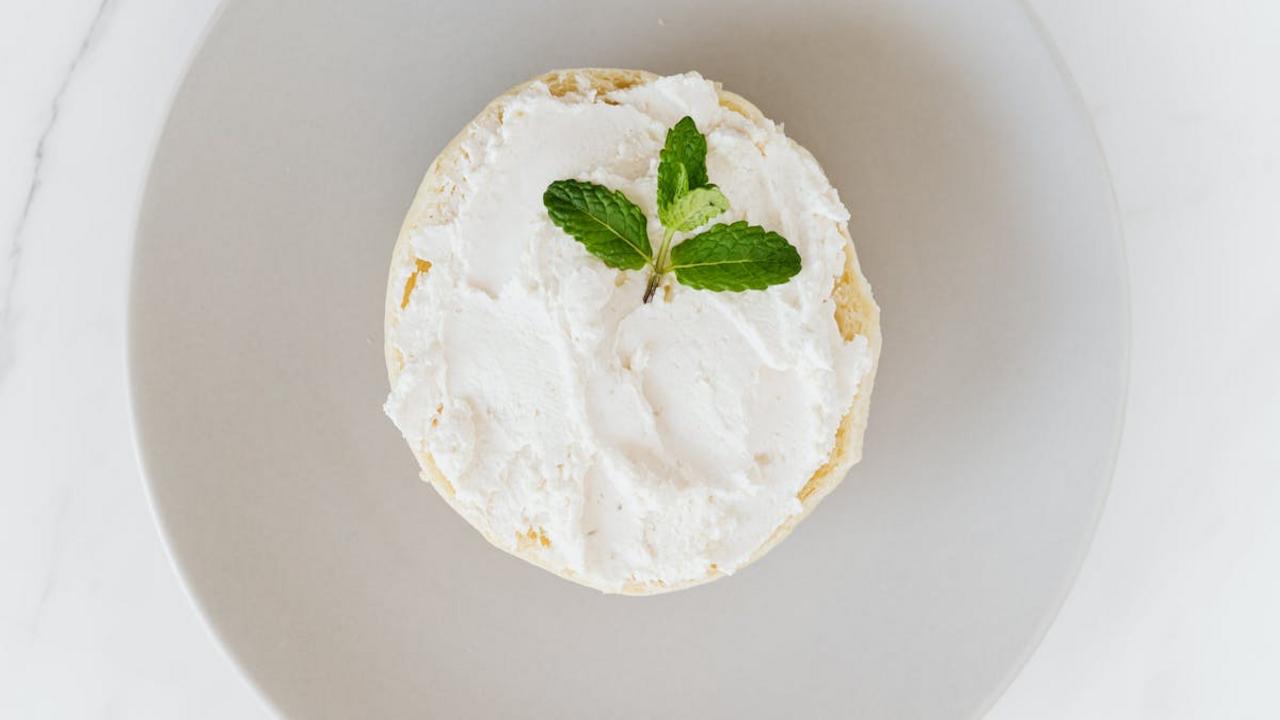
You’ll want to hold off on giving your little ones soft cheeses like brie, camembert, or blue cheese until they’re a bit older. These types of cheese can contain a dangerous bacteria called Listeria, which can cause serious illness in young children. Their developing immune systems aren’t ready to handle these potential risks yet. I know it’s tempting to share your fancy cheese board with your kids, but stick to harder cheeses like cheddar or swiss for now – they’re much safer options!
Many parents don’t realize that raw milk cheeses also fall into this category. Even if you buy them from high-end stores or farmers’ markets, soft unpasteurized cheeses can harbor harmful bacteria. Your child’s health should always be the priority, so save those creamy, soft varieties for the grown-ups at your next dinner party. Good news though – there are plenty of kid-friendly cheese options that are both safe and yummy! Just remember to check the labels and go for pasteurized varieties whenever possible.
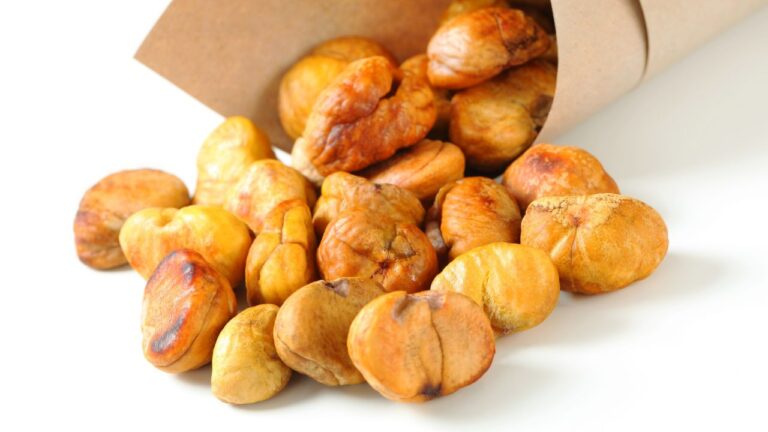
Dried fruits
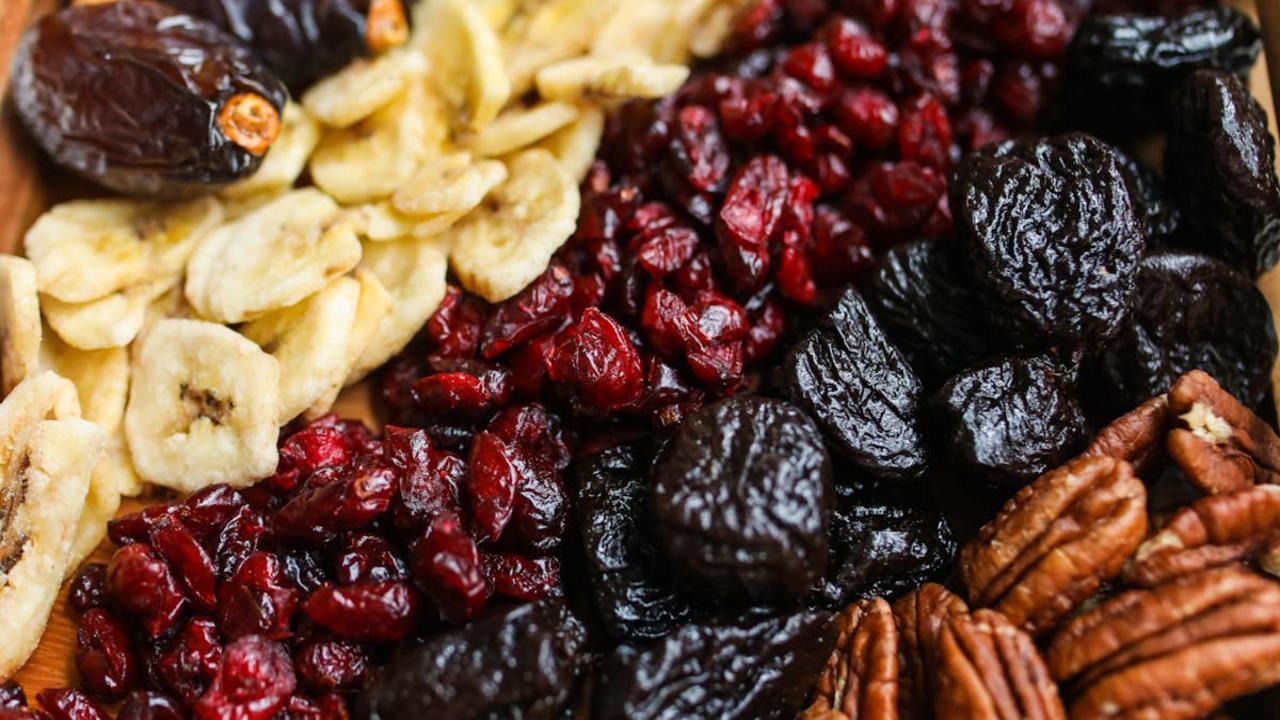
I know dried fruits seem like a healthy snack option for kids, but you’ll want to think twice before tossing those raisins and dried cranberries into your little one’s lunchbox. Despite their natural origins, dried fruits pack a concentrated sugar punch that can wreak havoc on your child’s dental health. The sticky texture makes them cling to teeth, creating the perfect environment for cavity-causing bacteria to thrive. Plus, many commercial dried fruits contain added sugars and preservatives you definitely don’t want in your kid’s diet.
Your kids need whole, fresh fruits instead – they’re nature’s perfect snack with fiber, water content, and nutrients in their original form. If you still want to include dried fruits occasionally, mix a small amount into yogurt or oatmeal rather than serving them alone. Watch out for sulfites in dried fruits too – these preservatives can trigger reactions in sensitive children. I recommend checking labels carefully and opting for unsweetened varieties if you do buy them. Remember, moderation matters most when it comes to these concentrated sweet treats.
Hot dogs
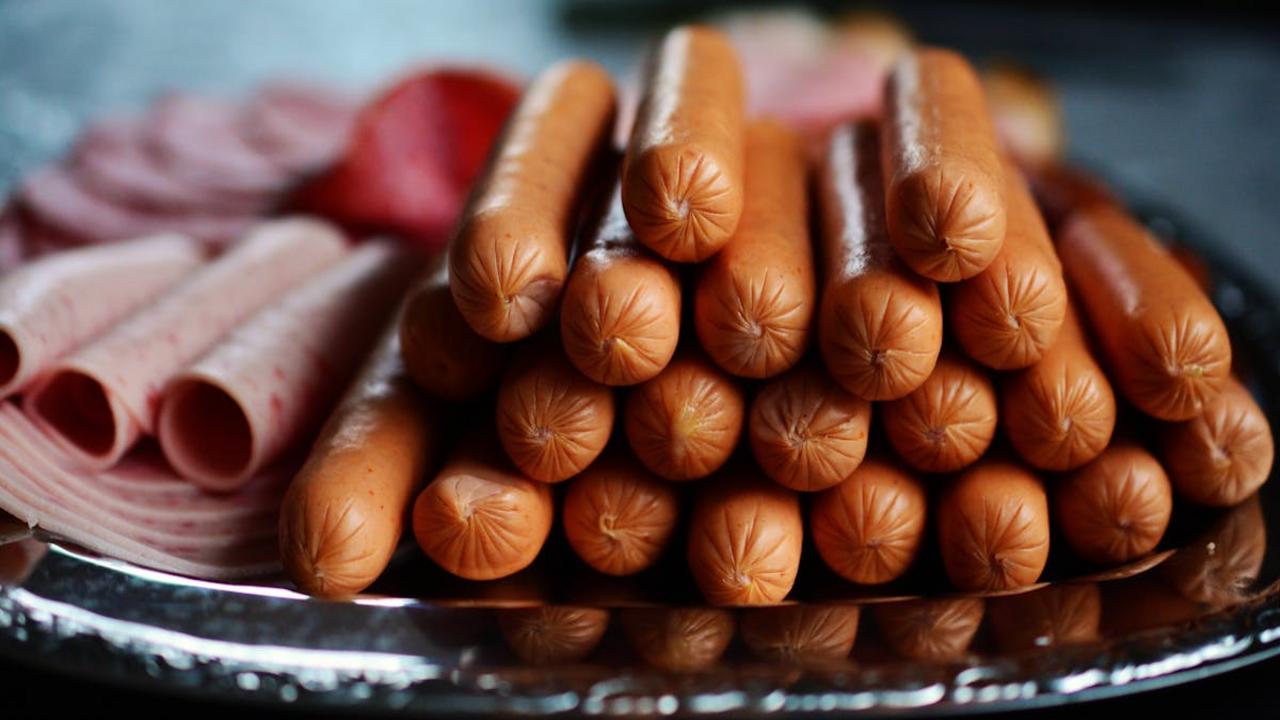
I need to warn you about hot dogs – they rank among the top choking hazards for kids under 4 years old. The shape and texture of hot dogs create a perfect plug that can block a child’s airway completely. Many parents don’t realize that the smooth surface makes it extra difficult for children to break down with their still-developing chewing skills. You’ll want to avoid giving whole hot dogs to your little ones, no matter how much they beg for that classic ballpark treat.
If you decide to serve hot dogs to your children, you must cut them into tiny pieces – and I mean really tiny! Cut them lengthwise first, then into small quarter-inch pieces. This goes for other similar foods like grapes and cherry tomatoes too. Remember that hot dogs also pack high amounts of sodium, nitrates, and saturated fats that aren’t ideal for growing bodies. I recommend switching to healthier protein options like grilled chicken strips or turkey meatballs that provide better nutrition without the choking risk.
Marshmallows

I know marshmallows bring back sweet childhood memories of camping trips and hot cocoa, but you should hold off on giving them to your little ones until they’re at least 5 years old. These soft, squishy treats can become a serious choking hazard, especially for toddlers who might not chew them properly. The sticky texture can lodge in their throat, making it difficult for them to swallow or breathe. Plus, many store-bought marshmallows contain artificial colors, flavors, and high amounts of sugar that offer zero nutritional value for your growing kids.
If your kids love marshmallows, you can try safer alternatives like small pieces of fresh fruit or yogurt bites that provide similar sweetness without the risks. Once your children are older and can properly chew their food, you can introduce marshmallows in moderation. Remember to always supervise young children while they eat and cut marshmallows into smaller pieces. For creative snack ideas, blend Greek yogurt with fruit puree and freeze it in small portions – your kids will love these naturally sweet treats just as much!
Popcorn

I know your kids love popcorn at movie time, but you’ll need to wait until they turn 4 or 5 before sharing this snack. Young children lack the ability to chew and swallow certain foods properly, making popcorn particularly dangerous. The kernels can get stuck in their throat and block their airway, while the hulls might lodge between their teeth and gums. The American Academy of Pediatrics has consistently warned parents about popcorn’s high choking risk for toddlers and young children.
You can still make movie nights special without putting your little ones at risk! Try giving them snacks that dissolve quickly in their mouths, like yogurt melts or small pieces of soft fruits. If your older kids want to enjoy popcorn, watch them closely and remove any unpopped kernels from their portions. Remember to keep the bowl away from younger siblings who might grab a handful when you’re not looking. Your children’s safety always comes first, even if it means finding creative alternatives to traditional movie snacks.
Hard candies
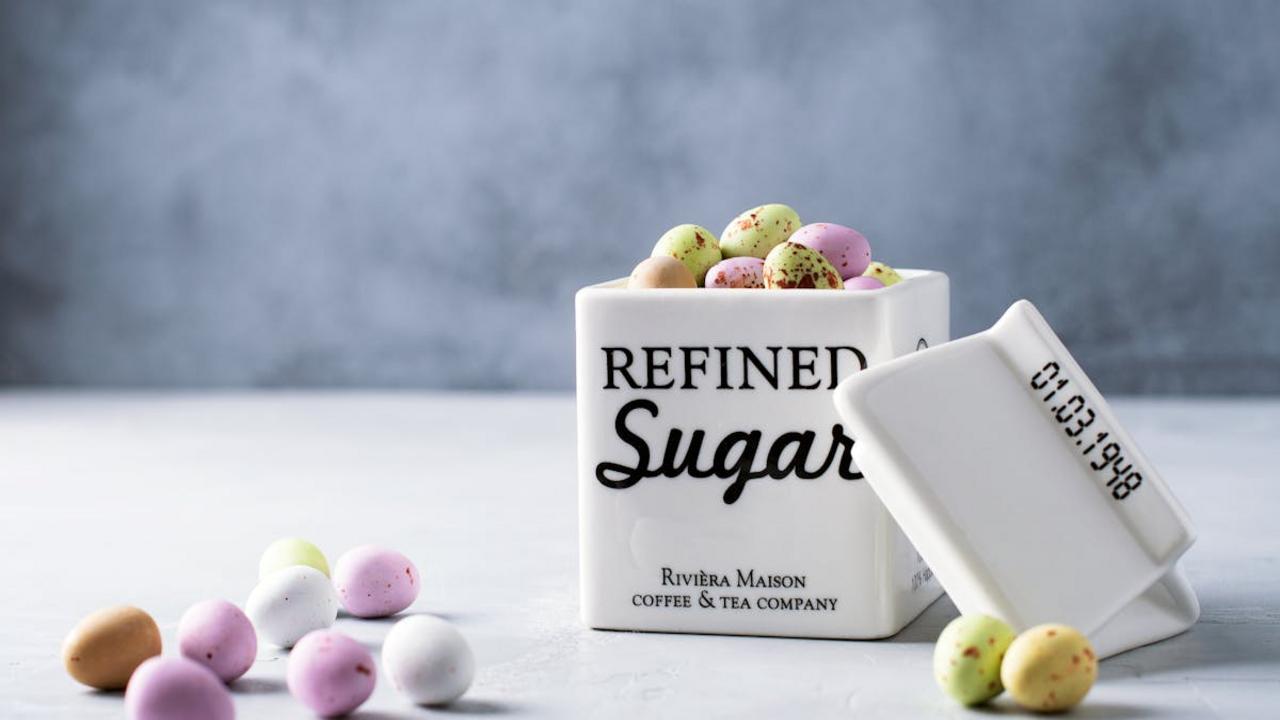
I know how tempting it can be to give your little ones hard candies as treats, but these seemingly innocent sweets carry significant choking risks for children under 4 years old. The smooth, round shape and hard texture make them particularly dangerous since young kids haven’t fully developed their chewing and swallowing abilities. Your child might accidentally inhale the candy while running or laughing, which could lead to a frightening emergency situation.
If you want to offer your kids sweet treats, I recommend choosing safer alternatives like soft fruit snacks, yogurt drops, or small pieces of chocolate that melt quickly in their mouths. You’ll still make snack time fun while keeping your children safe from potential hazards. Many parents don’t realize that hard candies rank among the top choking hazards for young children, right alongside hot dogs and grapes. Always supervise your kids during snack time and break down treats into manageable, age-appropriate sizes.
Whole nuts
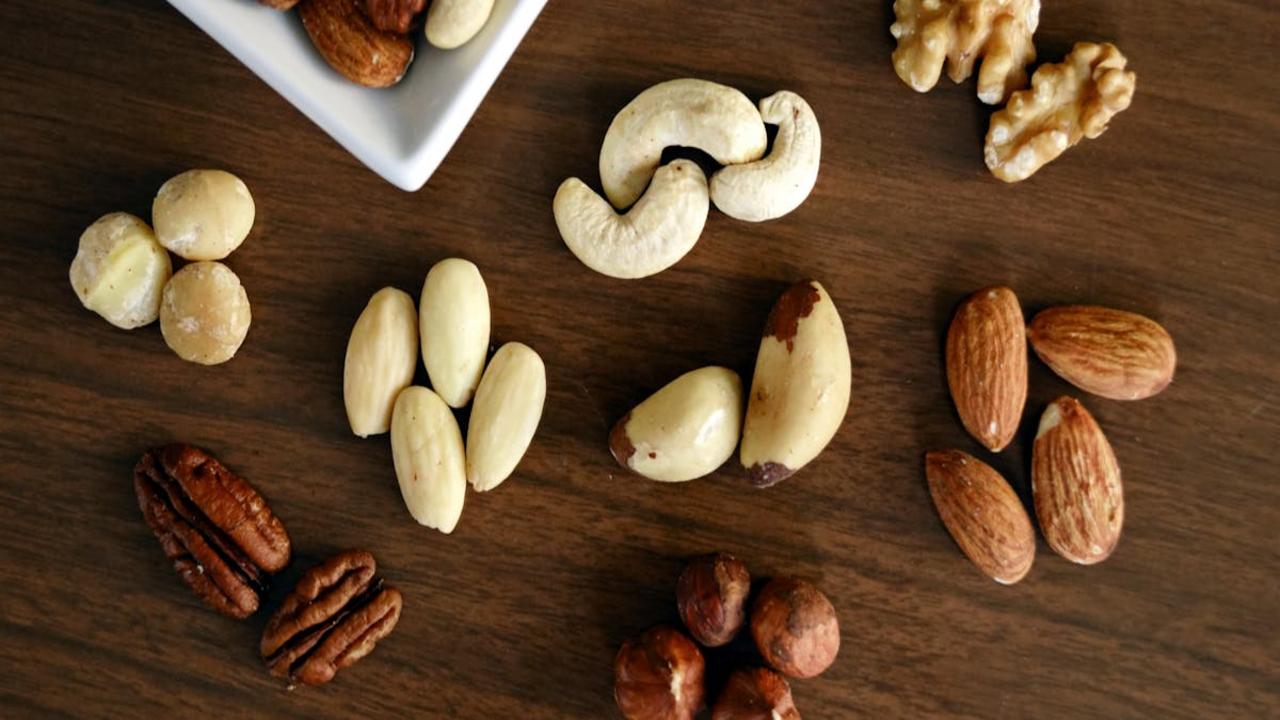
I know your little ones might love the crunch of whole nuts, but you’ll want to hold off on serving these until they’re at least 5 years old. Young children’s airways are smaller and their swallowing skills are still developing, making whole nuts a serious choking risk. Your toddler might struggle to chew nuts properly, and the small, hard pieces can get lodged in their throat. This goes for all types of nuts – from almonds and walnuts to cashews and pecans.
You don’t need to skip nuts entirely though! You can still give your kids the amazing nutritional benefits of nuts in safer ways. Try spreading smooth nut butter thinly on bread or crackers, or mix finely ground nuts into yogurt, oatmeal, or baked goods. Just remember to check if your child’s school or daycare has any nut-free policies – many do because of allergies. Once your kids are older and can chew and swallow safely, you can start introducing whole nuts gradually under close supervision.
Cherry tomatoes
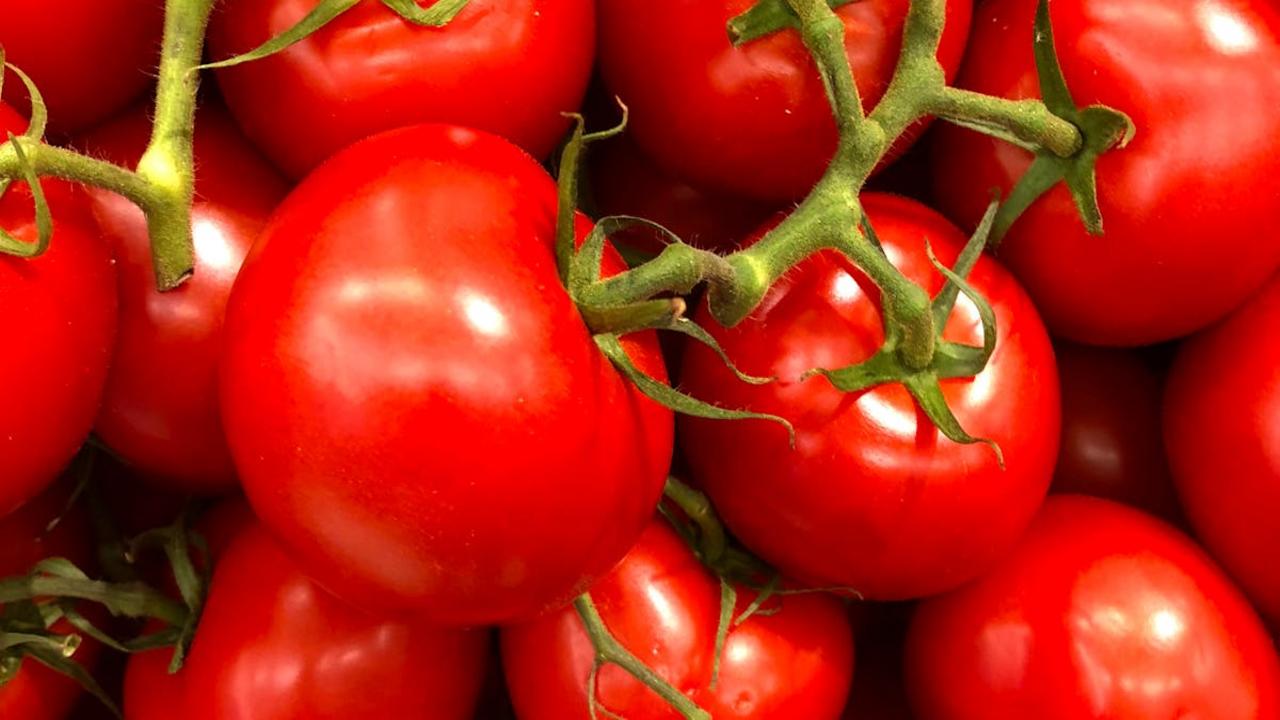
I know how tempting it can be to toss whole cherry tomatoes into your kid’s lunch box – they’re colorful, nutritious, and so convenient! But these tiny fruits actually pose a serious choking risk for children under 4 years old. The firm, round shape and slippery skin make them particularly dangerous since they can easily get lodged in a small child’s throat. The size of cherry tomatoes matches the diameter of a young child’s airway almost perfectly, creating a potentially life-threatening situation.
You don’t need to skip cherry tomatoes altogether though! You can make them safe by cutting them into quarters lengthwise before serving. This simple step transforms them from a hazard into a healthy snack rich in vitamins A and C. I recommend teaching older kids to always cut their cherry tomatoes before eating them too – this helps build good safety habits that will stick with them. If you’re packing them for lunch, pre-cut them and store them in a sealed container to keep them fresh.
Raw honey
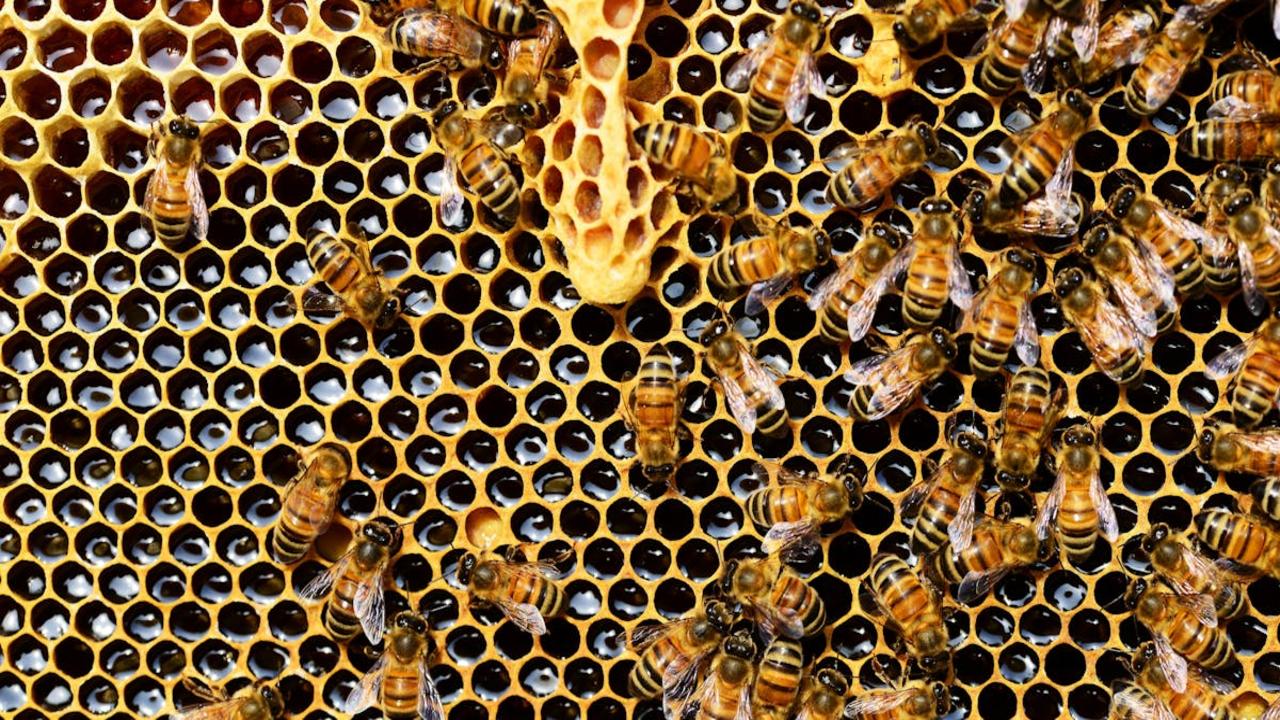
I need to warn you about raw honey and babies under 12 months old – it’s an absolute no-go! The reason? Raw honey can contain tiny spores of Clostridium botulinum bacteria, which could lead to infant botulism, a rare but dangerous illness. Your baby’s digestive system isn’t ready to fight off these bacteria yet, making them particularly vulnerable. While honey is wonderful for older kids and adults, you’ll want to hold off until after your little one’s first birthday.
Many parents ask me about using honey alternatives for their babies, and I totally get it – honey has such great natural sweetness! You can try mashed banana or pure maple syrup instead for that touch of sweetness in your baby’s food. Remember though, babies don’t really need added sweeteners in their diet. Once your child turns one, you can start introducing honey safely into their meals – it makes a yummy addition to morning oatmeal or smoothies. Just make sure you’re buying from reliable sources and storing it properly!
Peanut butter
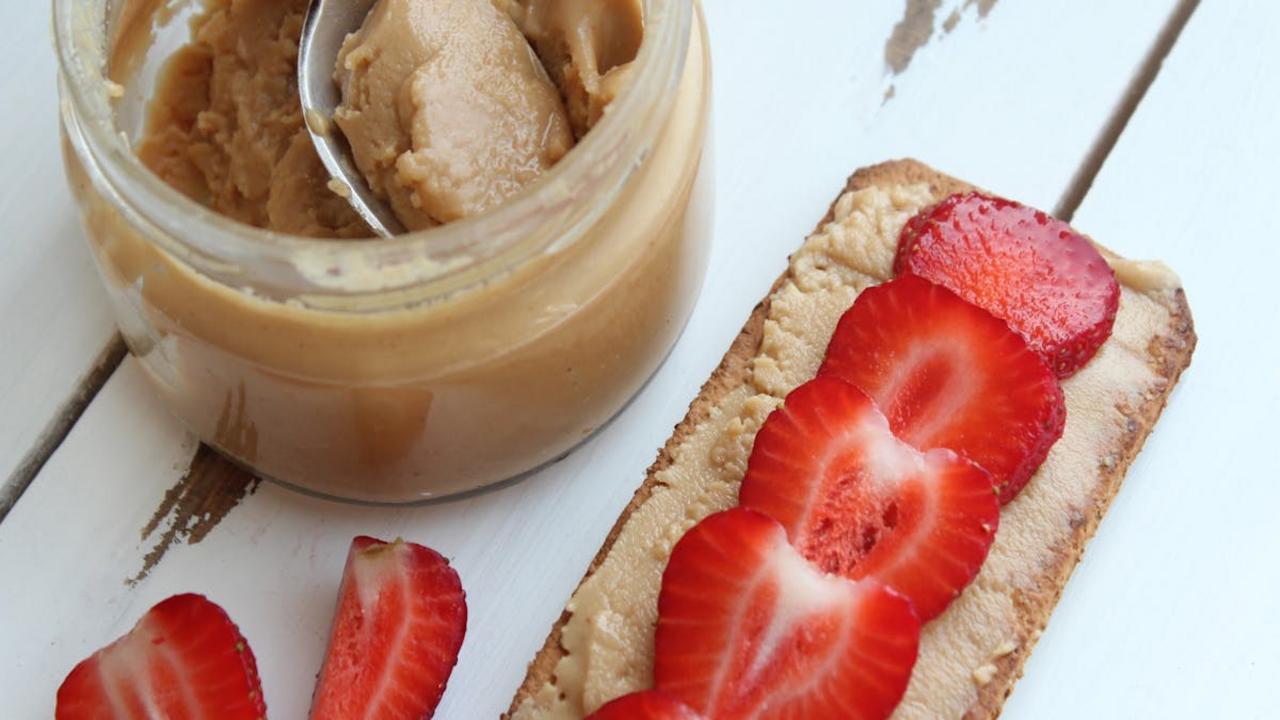
While peanut butter remains a beloved sandwich staple, you should hold off on giving it to your little ones until they reach at least 12 months old. The sticky consistency can make it a choking hazard for babies and young toddlers who haven’t developed proper chewing and swallowing abilities yet. If your family has a history of food allergies, talk to your pediatrician first – they may recommend waiting even longer before introducing peanut butter into your child’s diet.
Once you do start offering peanut butter, make sure to spread it very thinly and never serve it by the spoonful. Mix it into oatmeal or yogurt to make it easier to eat safely. Only buy smooth peanut butter for young children, as chunky varieties increase choking risks. Watch out for other nut butters too – they carry similar risks. Always supervise your child when they eat any nut butter products and keep water nearby. Your careful attention will help prevent dangerous situations while still letting them enjoy this protein-rich food.
Grapes
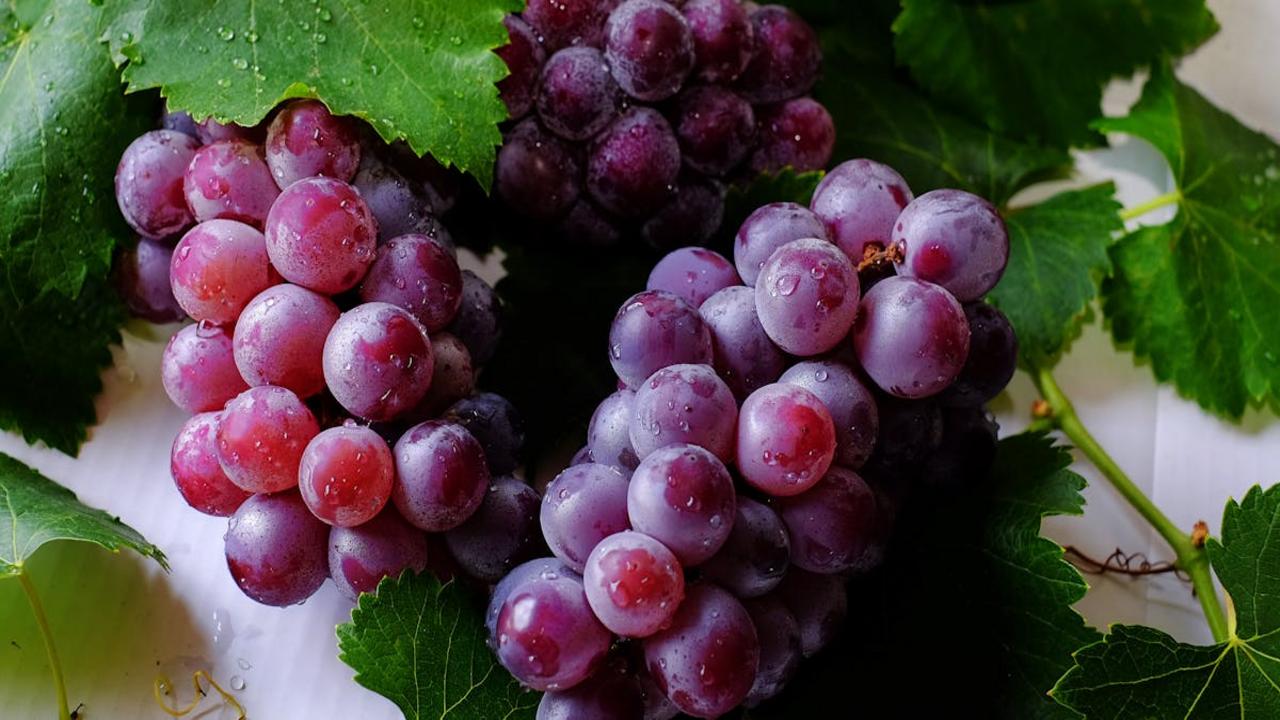
I know grapes make a quick and healthy snack, but you need to be extra careful when giving them to young children. These small, round fruits pose a serious choking risk, especially for kids under 4 years old. The shape and size of grapes can perfectly block a child’s airway, making them one of the most dangerous foods for little ones. Many parents don’t think twice about tossing a handful of grapes into their kid’s lunchbox, but this common fruit ranks high on the list of foods that send children to the emergency room.
You can still include grapes in your child’s diet – just make sure to cut them lengthwise into quarters. This simple step transforms them from a hazard into a safe, nutritious treat. I always remind parents to check that caregivers, grandparents, and babysitters know about proper grape preparation too. Keep in mind that both green and purple varieties need the same careful cutting, and even seedless grapes require this safety measure. By taking these precautions, your kids can enjoy all the vitamin C and antioxidant benefits grapes offer without the risks.