‘They Eat More Than I Do’: Woman Refuses to Subsidize Friend’s Kids at Restaurants
There are certain unwritten rules of social grace we all learn to live by. You don’t show up to a dinner party empty-handed, you send a thank-you note for a thoughtful gift, and you certainly pay your own way. It’s a simple matter of fairness and respect that keeps our social lives running smoothly.
However, one woman recently took to the internet to share a story that proves not everyone follows these fundamental rules of etiquette, especially when it comes to money. She found herself in the deeply uncomfortable position of regularly being expected to subsidise her friend’s children, and she was left wondering if she was the one being unreasonable.

The Incident
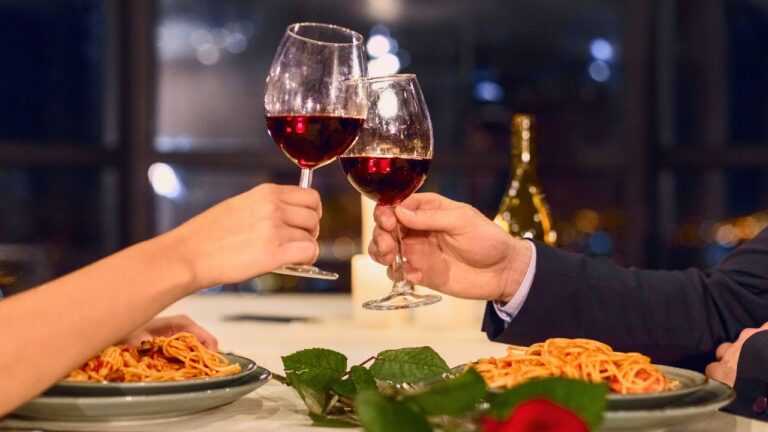
The trouble began, as it so often does, at a restaurant. The woman explained that she often goes out for meals with a friend who has two children, aged nearly nine and eleven. When the bill arrives, her friend has a rather unique way of calculating the split: she believes only the adults should count.
This might have made sense years ago when the children were toddlers nibbling on a few chips, but the woman pointed out that things have changed dramatically. “Her 2 are soon to be 9 and 11 and eat more than I do from the adult menu,” she lamented. Suddenly, a simple meal out meant she was paying a hefty portion of her friend’s family bill.

But the problem didn’t stop at the dinner table. As the weather warmed up and plans were being made for day trips, another friend in their circle displayed the same baffling behaviour. This mother expected others to cover the admission fees for her children, justifying it with a simple, dismissive phrase: “They’re only children.”
The woman who shared the story was clear that she doesn’t mind treating a friend’s child to an ice cream or a small treat now and then. That’s a lovely gesture of friendship. But she confessed, “I draw the line at regularly covering costs.” She was being made to feel like a walking wallet, and the unfairness of it all was beginning to wear her down.
The Internet Reacts
The online community responded with a resounding wave of support, assuring the woman that she was absolutely not in the wrong. The reactions quickly sorted themselves into a few distinct camps, all united against this breach of financial etiquette.
First, there was the “Absolutely Not” crowd. These commenters were furious on the woman’s behalf, shocked by the sheer audacity of the mothers. One person declared it was “poor behaviour” and advised her to “bin friends who take advantage.”

Another was even more blunt, stating, “Even if the kids ate a single grape each, she’s got a nerve expecting anyone else to pay for them.” Many parents chimed in to agree, with one saying, “Bloody cheek, I have two children and I pay for them!” The consensus was clear: friends simply don’t behave this way.
A second group tried to play “Devil’s Advocate,” not to defend the behaviour, but to try and understand where it could possibly come from. One user offered a charitable explanation, wondering if the mother simply hadn’t adjusted her mindset. “Do you think she maybe hasn’t caught up with the age of her kids in her head?” they asked.
“They are still the little tots who used to get in free/ be cheap?” It was a kind thought, but one that didn’t excuse the financial burden being placed on a friend.
Finally, there was the “Practical Advice” crowd, who offered a playbook for dealing with these situations head-on. The suggestions were brilliant in their simplicity. For restaurants, many advised asking for separate bills right at the start of the meal.

As one commenter put it, “You say it to the server not her so it avoids an uncomfortable conversation.” For outings, the advice was to buy your own ticket in advance. The most popular advice, however, was to be direct.
One user provided a perfect script for the “They’re only children” excuse: “Yes – your children. Why do you think you shouldn’t be paying?”
The Etiquette Verdict
Let’s be perfectly clear: this behaviour is not acceptable in polite society. Your children, no matter how wonderful they are, are your financial responsibility. Expecting a friend, particularly one without children, to subsidise your family’s meals and entertainment is a serious violation of friendship and good manners.
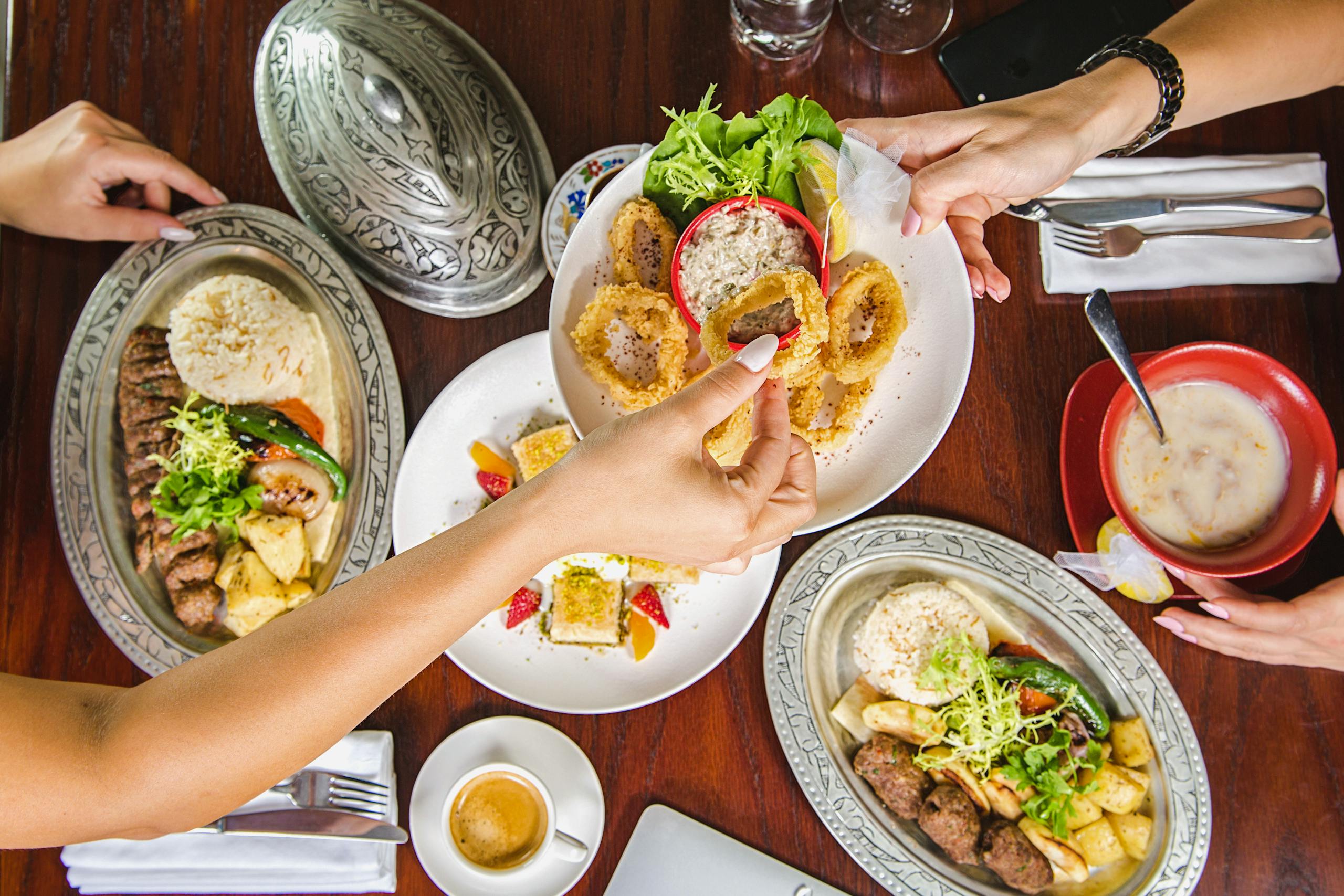
A treat is a gift, freely given without expectation. The moment it becomes an obligation, it’s no longer a treat—it’s an invoice. True friends respect each other’s financial situations and would never dream of taking advantage of someone’s kindness. This situation is a textbook example of someone confusing friendship with a free ride.
What Do You Think?
Is this mother deliberately taking advantage of her friend’s generosity, or is she just completely oblivious to basic financial etiquette? Let us know your thoughts in the comments.
Ready for the next level of insight? Discover more in my latest article here.