Italian Food with a Side of HP? DIL Mortified by Mother-in-Law’s Dining Habit
We all know that good table manners are about more than just which fork to use. They are a sign of respect—for your host, for the chef, and for your fellow diners. You accept what is offered graciously, you engage in pleasant conversation, and you certainly don’t do anything to spoil the meal for others.
However, one woman recently took to the internet to share a story that proves not everyone follows these simple rules. Her mother-in-law’s bizarre and, frankly, disrespectful dining habit has become so unbearable that it’s now threatening to ruin Mother’s Day, and it has everyone asking: how much should you have to tolerate in the name of family peace?

The Incident
The story begins with a simple, yet intense, aversion. The woman who shared her dilemma admits she has a physical reaction to the smell of certain condiments. “I can’t stand the smell of ketchup, barbecue sauce and particularly brown sauce,” she explained. “Greasy spoons and fry ups make me physically wretch.”
For most of her life, this was a manageable problem. But about two years ago, her mother-in-law developed a peculiar new habit: dousing every single meal in either HP sauce or barbecue sauce. This isn’t just a small dollop on the side of the plate. According to her daughter-in-law, the food is completely drowned in it.
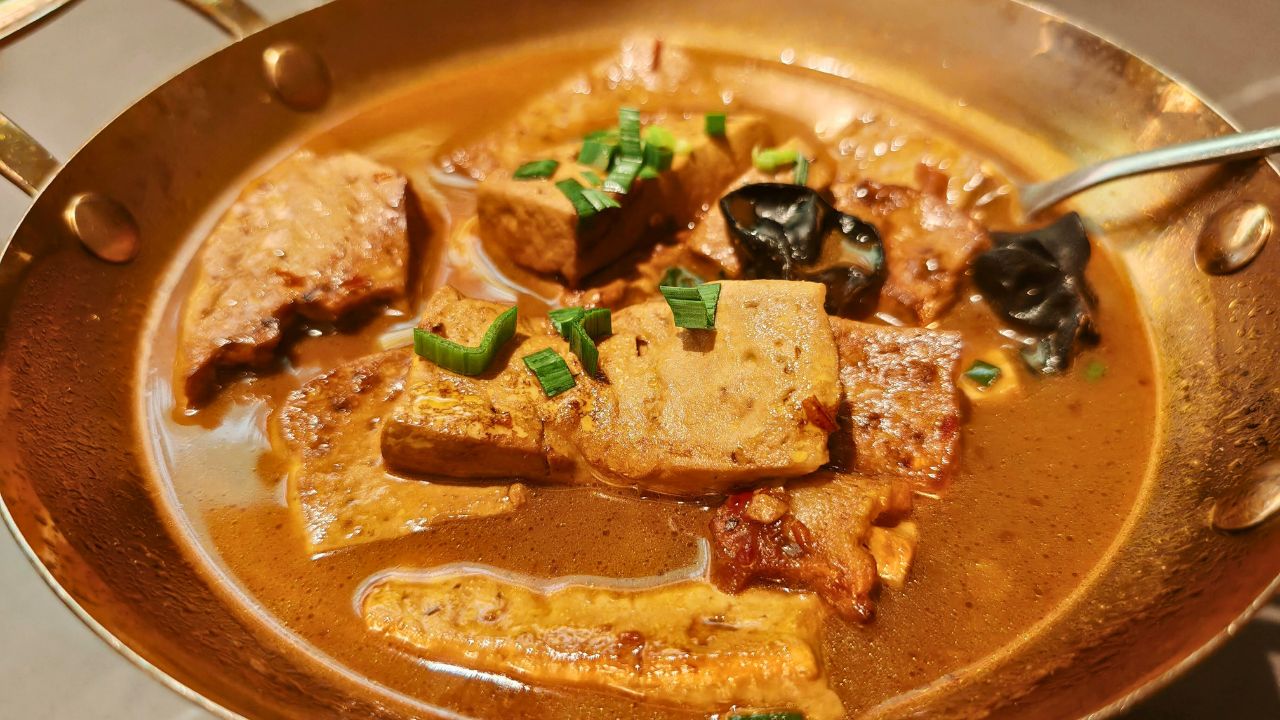
Imagine spending hours preparing a beautiful Sunday roast or a festive Christmas dinner, only to watch your guest smother it in a vinegary brown sauce. The woman says the overpowering smell completely ruins her appetite. “The smell has put me off my food and I can’t eat my meal,” she lamented.
The situation escalates when they dine out. The mother-in-law now brings her own bottle of sauce to restaurants—even “posh” Italian and Indian establishments—and proceeds to pour it all over the chef’s carefully crafted dishes. The daughter-in-law tried hiding the sauce at home, but the mother-in-law simply came prepared with her own supply. When confronted directly by her son, who called the habit rude, the matriarch’s response was a defiant, “well I like it”.
The final straw? An upcoming Mother’s Day dinner. The woman has invited her own mother out but has deliberately excluded her mother-in-law, unable to face another meal ruined by the smell and, in her words, the sheer rudeness of it all.
The Internet Reacts
When she asked if she was being unreasonable, the internet was almost perfectly divided, with a poll showing a 51/49 split. The comments section quickly became a battleground for modern etiquette, separating readers into three distinct camps.

First came the **”Absolutely Not” Crowd**, who were appalled on the woman’s behalf. They felt the mother-in-law’s behavior was childish and deeply disrespectful. One commenter sided firmly with the daughter-in-law, writing, “I’d be really embarrassed to eat out with someone who puts ketchup or HP on all foods like a child… it’s insulting to the chef.”
Another validated her decision to stop inviting her, stating, “There’s also no obligation to go to a nice restaurant with people who won’t appreciate it and spoil the experience for everybody.”
Then there was the **”Devil’s Advocate”** camp, who believed the mother-in-law could do as she pleased. These readers felt the daughter-in-law was being overly sensitive and controlling. “It’s entirely up to her how she chooses to season her food!” one person argued. “You can’t expect others not to enjoy their food the way they like it because of your delicate sensibilities.”
Others questioned the core of her complaint, with many stating that sauces like HP barely have a smell. One user put it bluntly: “I think you are the rude one! … You are being well over the top.”

Finally, a third group offered **Practical (and slightly passive-aggressive) Advice**. They agreed that while the mother-in-law was entitled to her strange habit, the daughter-in-law was equally entitled to protect her own peace and enjoyment.
One person offered a brilliant summary of the situation: “She is entitled to put what she wants on her dinner. But you are entitled to decide you don’t want to sit in a restaurant … with someone who drowns the entire plate in sauce and creates a smell that puts you off your own food.” Another user cheekily suggested she “wear a mask or put Vicks vapour rub at the tip of your nostrils.”
The Etiquette Verdict
Let’s get one thing straight. Every adult has the right to eat their food however they like it—in the privacy of their own home. But dining out, especially as a guest, is a different story. Etiquette exists to ensure that social occasions are pleasant for everyone involved.
Bringing your own condiments to a nice restaurant is a major faux pas. It sends a clear message to the chef and the establishment that you have no respect for their food or their craft. While the daughter-in-law’s sensitivity to smells might be stronger than average, the mother-in-law’s behavior is the root cause of the problem. It is inconsiderate, and frankly, embarrassing for her dining companions.
The golden rule of being a good guest is to be gracious. The mother-in-law is failing that test spectacularly. Therefore, the daughter-in-law is perfectly within her rights to curate her guest list for a more pleasant, and better-smelling, dining experience.
What Do You Think?
This is a tricky family situation with strong opinions on both sides. Where do you stand on this dining dilemma?
Was the daughter-in-law right to exclude her mother-in-law from the celebration, or was she being overly sensitive and controlling?
Ready for the next level of insight? Discover more in my latest article here.