13 Chef Approved Hacks to Instantly Upgrade Your Home Cooking
Your home kitchen can transform from good to extraordinary with a few simple chef techniques. I’ve gathered 13 professional tips that will instantly boost your cooking skills without fancy equipment or hard-to-find ingredients. These practical hacks focus on small adjustments that make big flavor differences in your everyday meals.
Think of these tips as your secret weapons for more flavorful dinners tonight. From organizing your workspace to selecting the right pan, these aren’t complicated techniques but rather fundamental shifts in how you approach cooking. Each hack builds on basic principles professional chefs use daily that you can easily apply at home.
What I love most about these chef-approved methods is how they connect you more deeply to your food. By understanding temperature control, proper salting, and thoughtful ingredient selection, you’ll develop confidence to cook intuitively rather than rigidly following recipes. Your friends and family will notice the difference immediately!
Food Plating Techniques
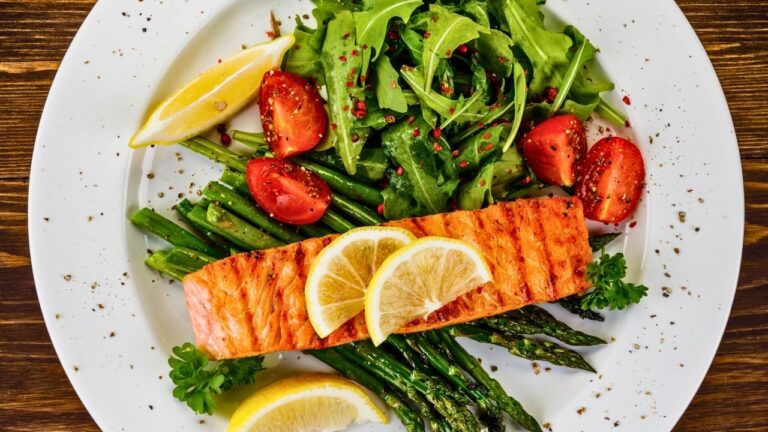
You don’t need fancy restaurant tools to make your food look amazing! I’ve found that placing protein slightly off-center creates a more interesting visual than plopping it right in the middle. Try creating height by leaning components against each other—stack those roasted vegetables or lean that salmon against a mound of quinoa. Use the back of a spoon to create beautiful sauce swooshes across the plate, or dot different sauces for a playful effect. Consider color contrast too; a sprinkle of chopped herbs or microgreens adds vibrant green to almost any dish.
White plates really make food pop, but don’t overlook the charm of rustic wooden boards or colorful ceramics for specific dishes. Think about negative space—leaving some areas of the plate empty actually draws more attention to your food. I always wipe plate edges with a clean cloth before serving, a small step that instantly elevates presentation. Remember, odd numbers look more natural, so arrange three shrimp instead of four or five asparagus spears instead of six. These simple techniques transform everyday meals into something that feels special, even when you’re just cooking for yourself on a Tuesday night!
Ingredient Quality Selection
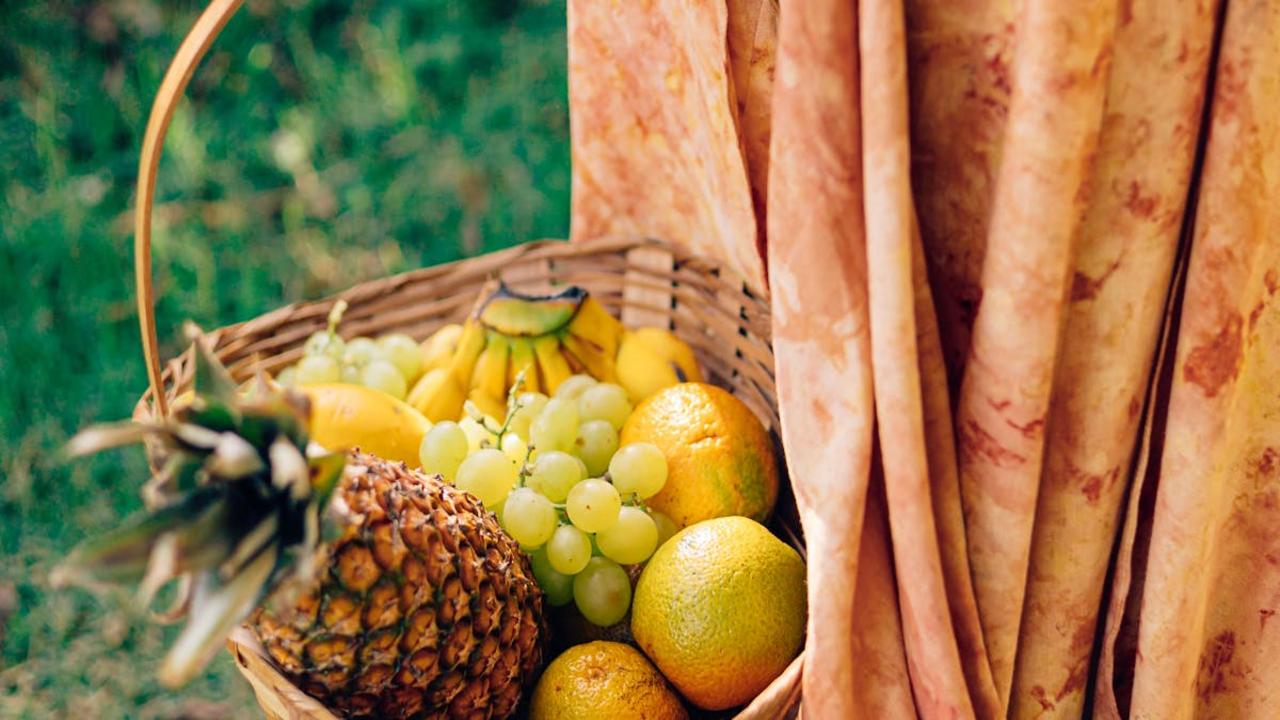
I’ve learned through years of kitchen experiments that your cooking will only be as good as your ingredients. Start by choosing fresh, seasonal produce at farmers markets where you can actually talk to the people who grew your food. They’ll tell you which tomatoes are sweetest or which apples work best for your pie. For proteins, find a reliable local butcher or fishmonger who can guide you toward the freshest options and cut things exactly how you need them.
Your pantry staples deserve the same attention too! Invest in good olive oil, sea salt, and spices that haven’t been sitting on a shelf for years. Taste everything as you go—dip your finger in that olive oil before buying a big bottle, smell those spices to check their intensity. Quality ingredients mean you’ll need fewer additions to make your food taste amazing. The difference between standard supermarket garlic and fresh local garlic is night and day, and your meals will reflect this care in every bite.
Kitchen Tool Maintenance
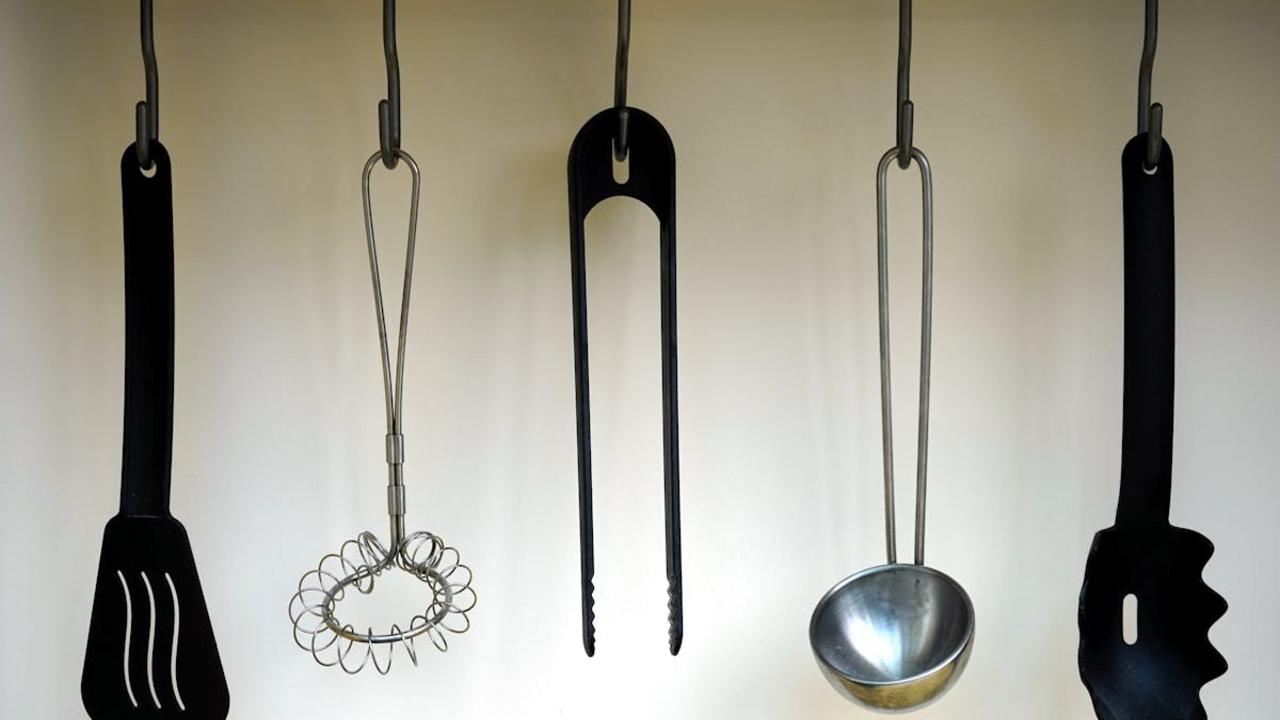
You’ll get the most flavor from your food when your kitchen tools actually work properly! I’m a stickler for maintaining my knives, pans, and gadgets because nothing ruins cooking momentum like a dull knife or a sticky pan. Keep your knives sharp with regular honing (that long rod in your knife block isn’t just for show!) and professional sharpening twice yearly. For cast iron pans, never soak them—instead, scrub with coarse salt, rinse quickly, dry thoroughly, and apply a thin layer of oil after each use. Your wooden cutting boards need monthly mineral oil treatments to prevent warping and cracking.
Clean your blender immediately after use by filling it halfway with warm water and a drop of dish soap, then running it for 30 seconds. For coffee makers, run a vinegar solution through monthly to prevent mineral buildup that affects flavor. I’ve noticed my food processor works dramatically better since I started removing and washing the blade shaft after each use. Paying attention to these small maintenance details might seem fussy, but they’ll extend the life of your equipment by years and actually improve the taste of what you cook. Your future self will thank you when you’re still using that quality chef’s knife a decade from now!
Seasoning Adjustments
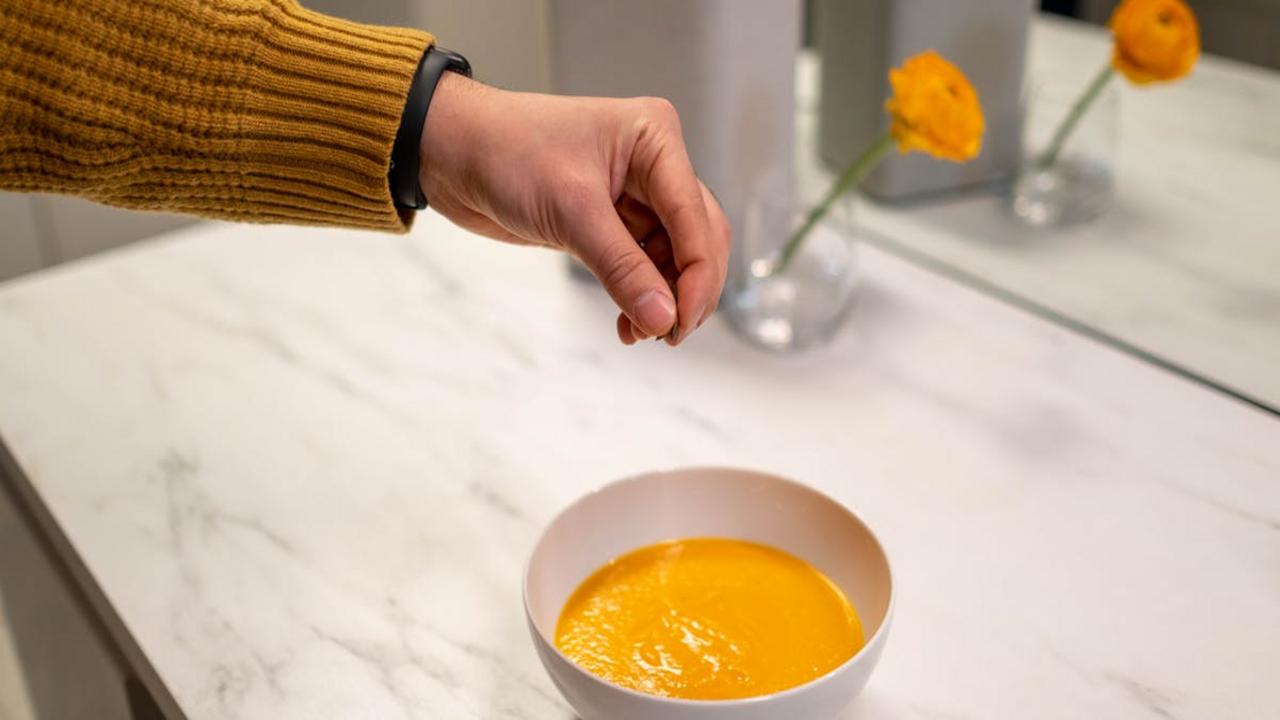
Have you ever followed a recipe but felt something was missing in the flavor? I’ve learned from professional kitchens that real cooking magic happens when you trust your palate and adjust seasonings accordingly! Don’t stick rigidly to measurements—add salt gradually and taste frequently throughout cooking. This builds flavor layers impossible to achieve with one final seasoning. I always keep lemons, vinegars, and hot sauces nearby to brighten dishes that need acidity, and a touch of honey or maple syrup to balance overly acidic or spicy foods.
My kitchen game changed completely when I started understanding flavor balancing rather than just following recipes. If your soup tastes flat despite following directions perfectly, try adding a splash of fish sauce or soy sauce for umami depth without making it salty. Too spicy? Add a pat of butter or splash of coconut milk to mellow the heat. Remember that herbs lose potency in long-cooking methods, so add hardy herbs (rosemary, thyme) early and delicate ones (basil, cilantro) at the end. Your cooking improves dramatically once you develop this flexibility with seasonings!
Flavor Layering
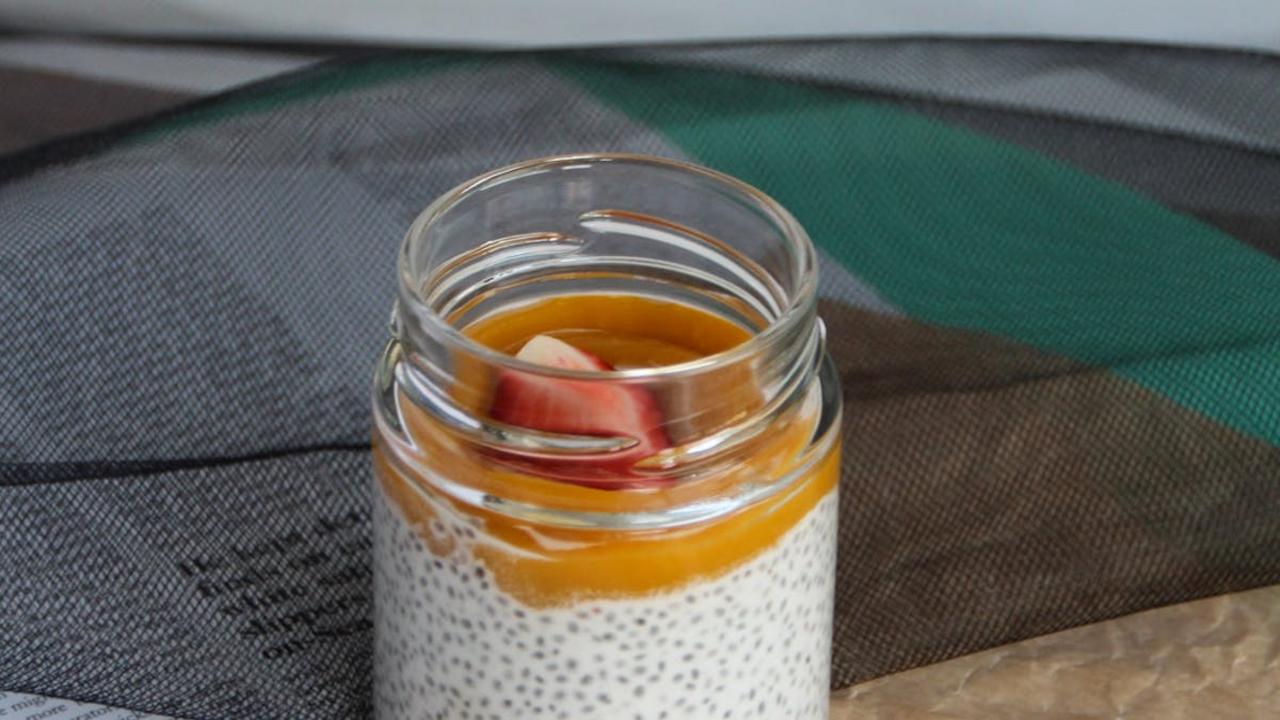
Flavor layering transformed my cooking from basic to brilliant! Think of it as building your dish in delicious stages rather than dumping everything in at once. Start with aromatics like onions and garlic, then add spices at different times to extract maximum flavor. Fresh herbs work differently too—woody herbs like rosemary and thyme go in early, while delicate ones like cilantro and basil shine when added just before serving. This technique creates depth that makes people wonder about your secret ingredient (when really, it’s all about timing).
You can practice this with a simple tomato sauce. First, sauté onions until translucent, add garlic until fragrant, then toast your dried herbs and spices to bloom their oils. Add tomatoes and simmer, adjusting salt throughout the cooking process instead of just at the end. Finish with a splash of acid (lemon juice or vinegar) and perhaps a drizzle of good olive oil. The difference between this method and throwing everything in together is night and day—your food will have distinct flavor notes that complement each other rather than muddling together. Your everyday cooking will instantly taste more thoughtful and complex!
Meat Resting Techniques
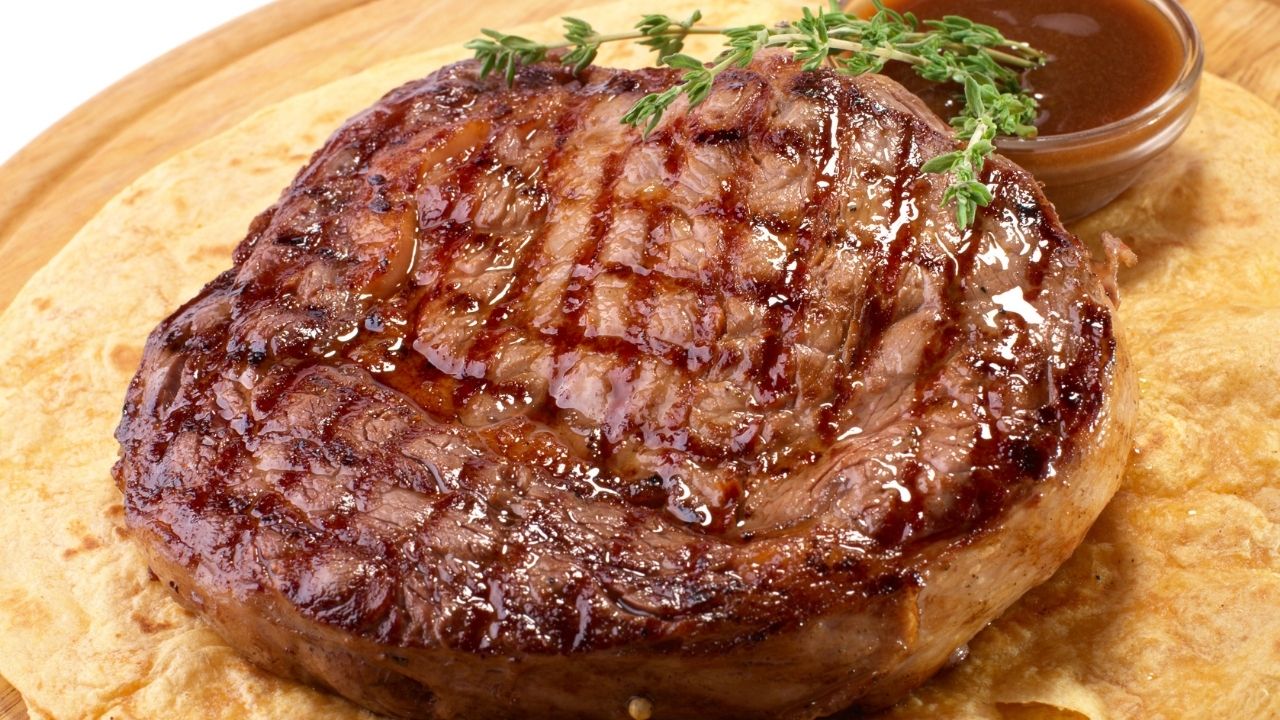
Ever pulled a juicy steak off the grill and immediately sliced into it? You’ve probably watched all those flavorful juices run across your cutting board! I learned this the hard way until chef friends taught me proper meat resting. Simply transfer your cooked meat to a warm plate and tent loosely with foil for about 5-10 minutes per pound. This allows the muscle fibers to relax and reabsorb those juices that would otherwise escape, resulting in significantly more tender and moist meat.
For thick cuts like roasts or whole chickens, try this temperature-maintaining trick: place your rested meat on a wooden cutting board (never plastic or metal—they’ll cool your meat too quickly). To capture those precious juices, create a small “juice moat” by carving a shallow channel around your cutting board’s perimeter. You can then collect and reduce these drippings into an incredible pan sauce while your meat finishes its rest. Your patience during resting rewards you with meat that’s properly relaxed, evenly cooked throughout, and absolutely packed with flavor.
Knife Skills Mastery
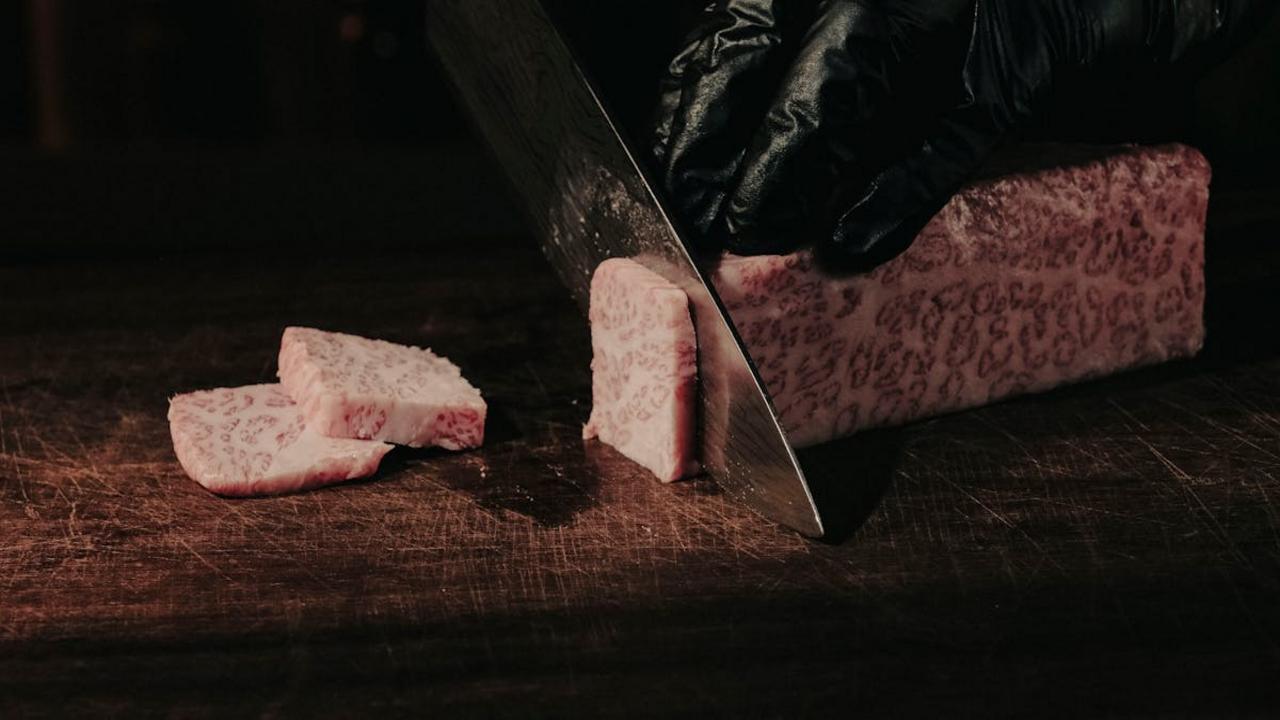
You’ll transform your cooking overnight once you grasp basic knife skills! Start with the pinch grip—hold the blade between your thumb and forefinger with remaining fingers wrapped around the handle. This gives you control for precise chopping, dicing, and mincing. Then practice the rocking motion where your knife tip stays on the board while you rock the blade through herbs or vegetables. Just 15 minutes of practice daily will build muscle memory that makes prep work quicker and safer. Your food will cook more evenly too, since uniformly cut ingredients finish cooking at the same time.
Sharp knives actually prevent accidents, contrary to what many home cooks believe. A dull blade requires more force, increasing slip risk, while a sharp knife glides through food with minimal pressure. Invest in a quality chef’s knife (8-inch works for most home kitchens) and learn proper maintenance. Store knives on a magnetic strip or in a wooden block—never loose in drawers where edges dull from contact with other utensils. Mastering these fundamentals will make cooking more enjoyable and your dishes more professional-looking. Your confidence in the kitchen will grow alongside your skills!
Sauce Making Basics
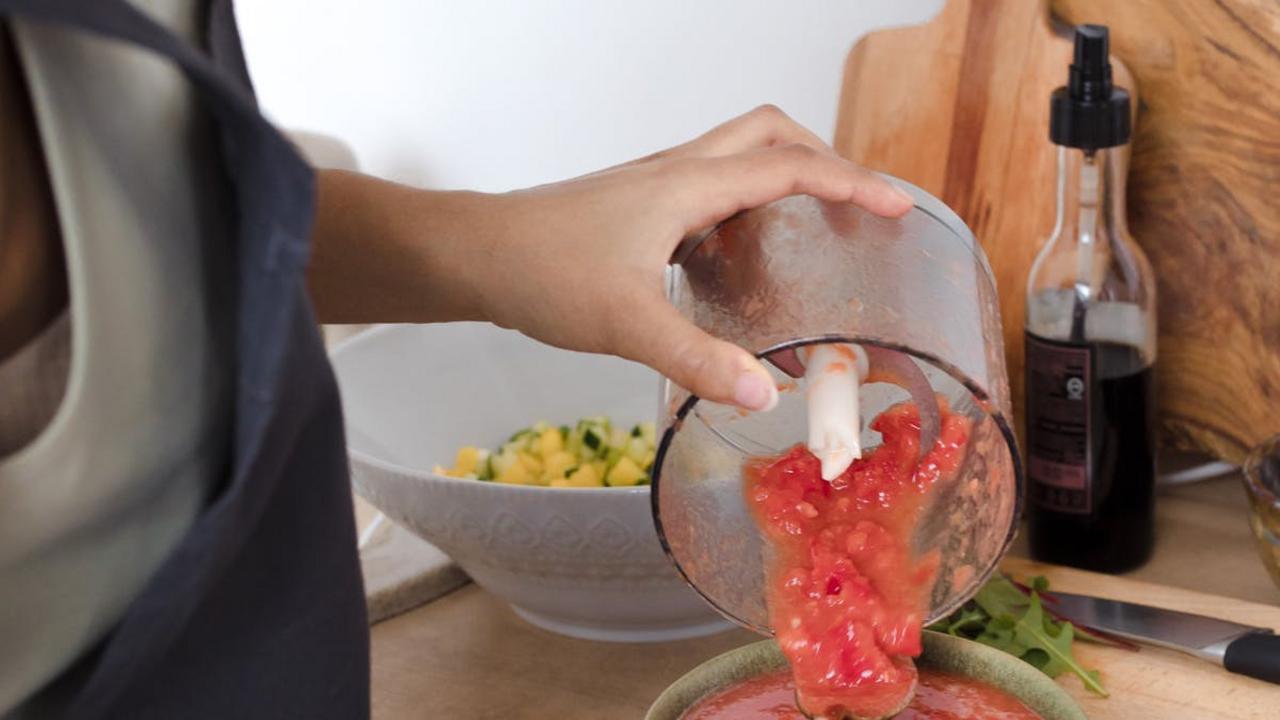
Creating your own sauces transforms ordinary meals into something memorable! I always tell my cooking workshop students that mastering a few basic sauce techniques gives you freedom in the kitchen. Start with the mother sauces—béchamel (milk-based), velouté (light stock-based), espagnole (brown stock-based), tomato, and hollandaise. The secret lies in building flavors gradually: toast your spices first, develop depth with aromatics like onions and garlic, and finish with acids (lemon juice or vinegar) to brighten everything up.
Your homemade sauces will beat store-bought versions every time because you control exactly what goes in them. I recommend keeping a few sauce-making tools handy: a good whisk for smooth blending, a fine-mesh strainer for silky textures, and glass jars for storing extras. Don’t worry about perfection at first—I’ve had plenty of broken sauces that I’ve rescued with a splash of hot water and vigorous whisking! Remember that many sauces freeze beautifully, so make bigger batches when you have time. Soon you’ll develop your signature sauce recipes that friends and family will request by name.
Fresh Herbs Usage
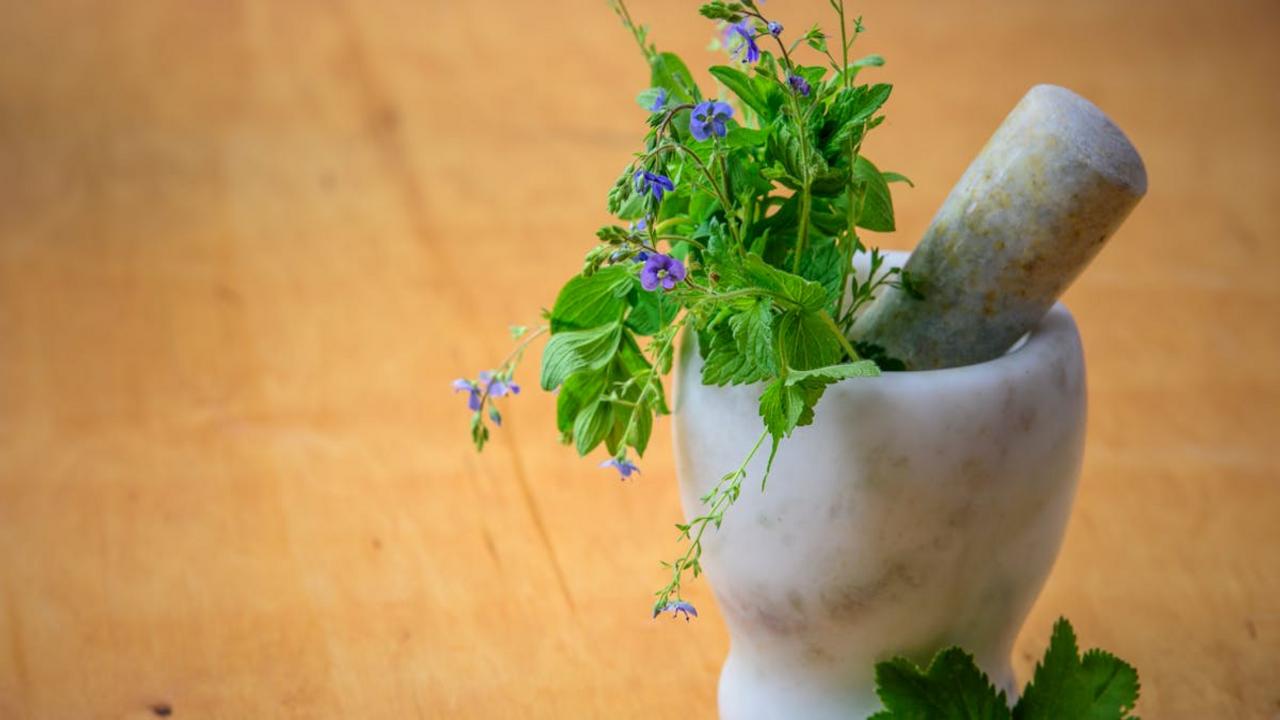
Fresh herbs transform ordinary dishes into extraordinary ones, giving you that burst of flavor that dried versions simply can’t match. I always keep small pots of basil, cilantro, and mint on my kitchen windowsill for easy access. Try adding herbs at different cooking stages for varied effects—woody herbs like rosemary and thyme can withstand longer cooking times, while delicate ones like basil and parsley shine when sprinkled just before serving. You’ll notice how a handful of chopped fresh herbs brightens everything from scrambled eggs to roasted vegetables.
Beyond chopping, try other techniques with your fresh herbs. Make herb oils by blending herbs with olive oil for drizzling over finished dishes. Create herb butter by mixing chopped herbs into softened butter—perfect for melting over steaks or spreading on bread. Don’t waste the stems either! Thyme and rosemary stems can infuse soups and stocks, while cilantro and parsley stems often contain more flavor than the leaves. Store leftover herbs properly by wrapping them in damp paper towels inside a container in the refrigerator, or freeze them in ice cube trays with olive oil for future use.
Proper Pan Selection

You’ll transform your cooking instantly by matching pans to specific tasks! I’ve learned through countless kitchen experiments that the right pan creates more even cooking and better flavors. For example, a cast iron skillet gives you that perfect sear on steaks while a non-stick pan makes delicate fish fillets slide right off without breaking. Your stainless steel pans work wonders for building those delicious browned bits when making sauces, while a heavy-bottomed dutch oven distributes heat slowly and consistently for stews.
I recommend taking inventory of what you cook most often and investing in quality pans for those dishes. If you make lots of stir-fries, a carbon steel wok will change your results dramatically. For morning eggs, a small non-stick pan saves frustration. The temperature response matters too—copper and aluminum heat quickly but cool fast, while cast iron takes time to warm up but maintains steady heat. Your grandmother was right—there’s no single “best pan” for everything, just the right tool for each cooking method!
Salt Timing
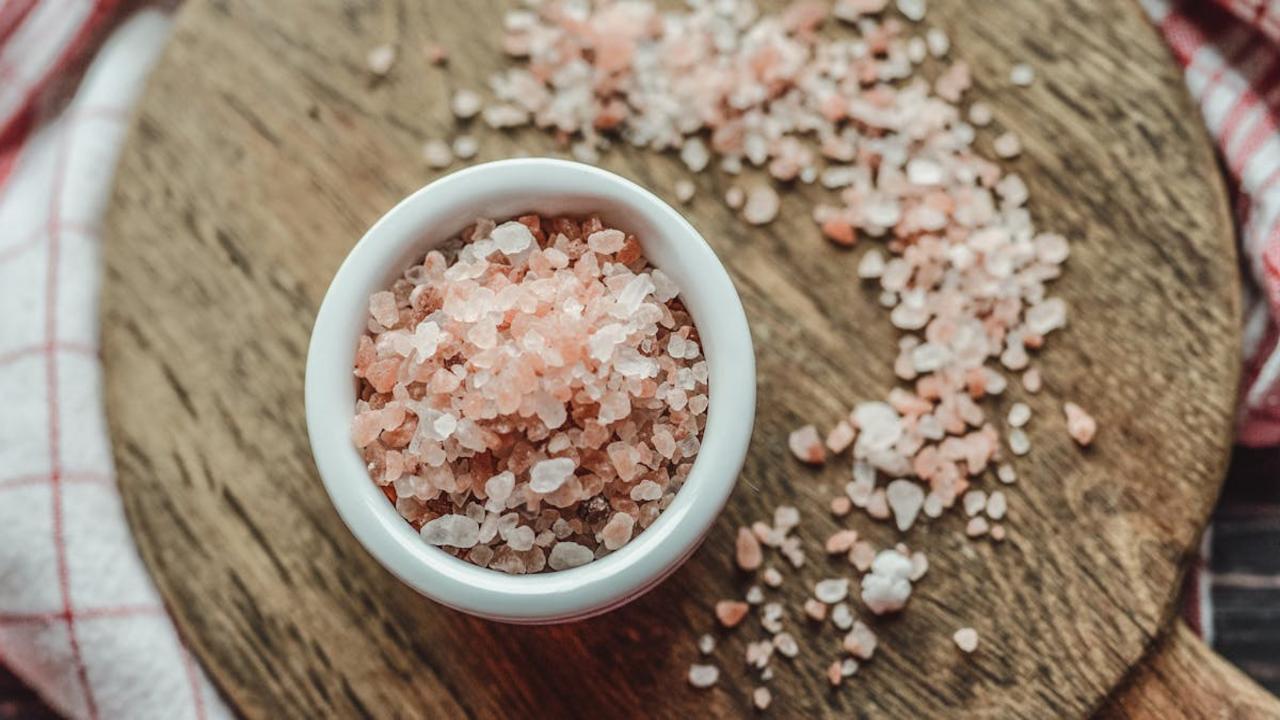
Have you ever noticed how restaurant dishes taste perfectly seasoned throughout? The secret isn’t just how much salt you add, but when you add it. I learned this game-changing technique while cooking alongside my grandmother—season your food in stages rather than all at once at the end. For proteins like chicken or steak, salt them 30-60 minutes before cooking to allow the salt to penetrate deeply. For vegetables, try salting them before roasting to draw out moisture and create better caramelization.
When making soups or stews, add salt in the beginning to season your base ingredients, then taste and adjust just before serving. This layered approach builds flavor complexity that’s impossible to achieve with last-minute seasoning. One caution though: for beans and lentils, add salt only after they’ve softened—early salting can make them tough. Your cooking will transform once you master this timing technique, creating dishes where every bite tastes thoughtfully prepared rather than just surface-seasoned.
Temperature Control
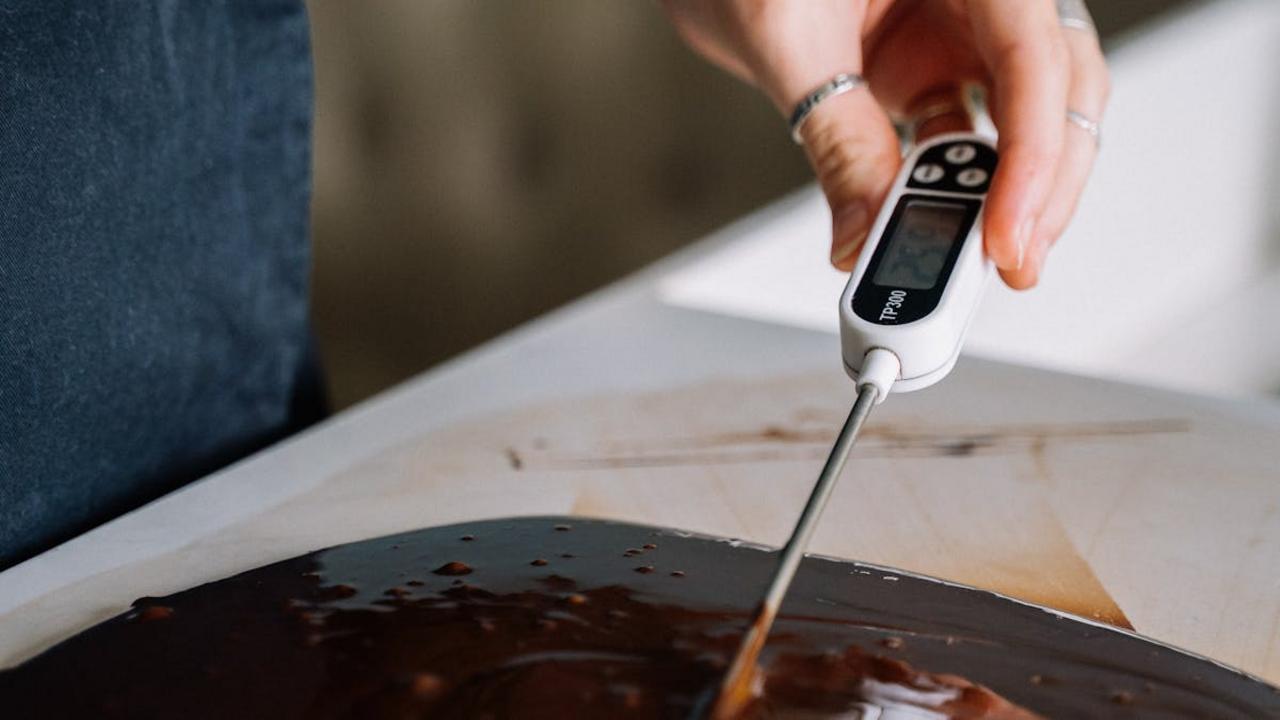
I can’t emphasize enough how much temperature control can transform your cooking! Most home cooks crank the heat too high thinking it speeds things up, but this often leads to burned exteriors and raw interiors. Try cooking meat at a moderate temperature instead of high heat, giving it time to cook through evenly. For perfectly crispy chicken skin, start skin-side down in a cold pan, then gradually increase the heat—this renders the fat slowly and creates that golden crust we all crave.
Your oven temperature matters tremendously too, and most run either hot or cold. Invest $10 in an oven thermometer to verify your actual temperature. This simple tool has saved countless dishes in my kitchen! Also, remember that ingredients cook differently at room temperature versus cold from the fridge. Pull your meats out 30 minutes before cooking, and your eggs before baking. Temperature control isn’t just about heat—it’s about understanding how heat interacts with your food at different stages. Master this, and you’ll notice an immediate improvement in everything from steaks to sauces.
Mise en Place Organization
Organizing before cooking—what professional chefs call “mise en place”—completely transforms how you move through a recipe. I’ve noticed that by simply taking 10 minutes to chop all vegetables, measure spices, and arrange ingredients in small bowls before turning on any heat, my cooking flows more smoothly and dishes turn out better. No more burning onions while frantically chopping garlic! This preparation method also helps you spot missing ingredients before you’re halfway through cooking, saving those panicked grocery store runs.
Try creating a personal mise en place system in your kitchen. I keep a set of various-sized glass prep bowls specifically for this purpose—tiny ones for spices, medium ones for chopped vegetables. Clear off counter space to arrange everything in order of use. You’ll immediately notice reduced cooking stress and better results. My mom always said good cooking starts with organization, and she was right—mise en place isn’t just for restaurant kitchens; it’s the secret behind confident home cooking that feels almost meditative rather than chaotic.