13 Grocery Staples That Could Turn Into Splurges in 2025 as Inflation Bites
Your grocery budget might soon face a shocking reality check. Inflation continues to push prices upward, and many everyday ingredients are transforming from pantry staples into luxury items. I’ve noticed this shift happening gradually, with certain foods becoming noticeably more expensive each shopping trip.
The culprits behind these price hikes vary – climate change affecting crops like coffee and avocados, supply chain disruptions impacting seafood, and increased production costs touching everything from maple syrup to olive oil. These factors combine to create the perfect storm for your wallet in 2025.
Planning ahead becomes crucial as these 13 once-affordable grocery items potentially move into splurge territory. You might need to adjust recipes, find alternatives, or simply budget more carefully for these ingredients that add so much flavor and nutrition to your cooking. Let’s examine what’s driving costs up for each of these soon-to-be luxury items.
Olive Oil
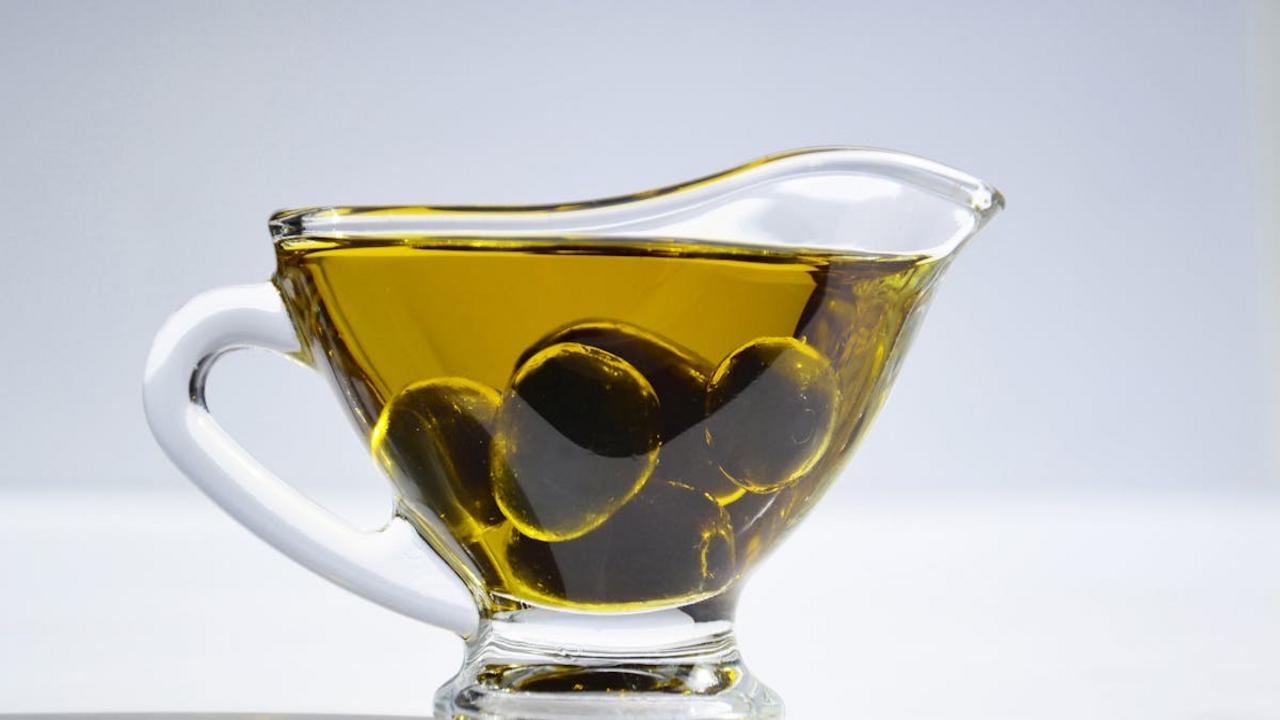
You know that bottle of extra virgin olive oil sitting in your pantry? The one you reach for every single day to sauté vegetables, dress salads, or drizzle over finished dishes? Well, brace yourself – your beloved liquid gold might become significantly more expensive in 2025. Climate change has been wreaking havoc on olive groves across the Mediterranean, with extreme heat waves and unpredictable weather patterns reducing harvests dramatically. Spain and Italy, two of the world’s largest producers, have reported some of their worst yields in decades, and those supply shortages translate directly to higher prices at your local grocery store.
I’ve been cooking with olive oil for years, and I can’t imagine my kitchen without it – from the morning eggs I scramble in a splash of good oil to the evening vegetables I roast with herbs and garlic. But here’s what I’ve learned: you don’t need to pour it with abandon to get incredible flavor. Start buying smaller bottles of high-quality oil instead of large containers that might go rancid, and save your best stuff for finishing touches where you can really taste the difference. For everyday cooking like sautéing onions or making marinades, consider blending olive oil with other healthy fats like avocado oil to stretch your budget while still getting that Mediterranean flavor you crave.
Manuka Honey
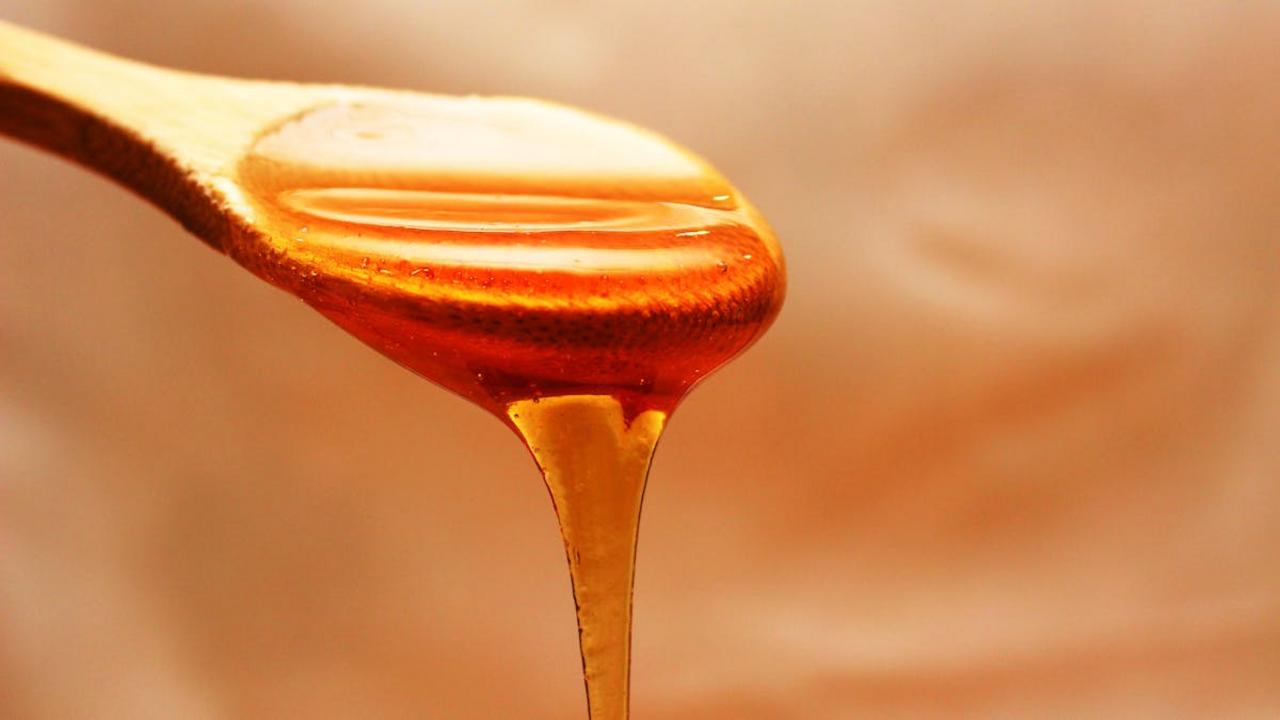
You know that jar of liquid gold sitting on your pantry shelf? That precious Manuka honey you’ve been using sparingly in your morning tea or weekend pancakes? Well, friend, I hate to break it to you, but 2025 might force us to treat it like the luxury item it’s always been. With inflation creeping into every corner of our grocery budgets, this New Zealand treasure is about to become even more of a special-occasion ingredient. I’ve been watching prices climb steadily, and what once felt like a worthwhile splurge for its incredible antibacterial properties and rich, complex flavor is now pricing out many home cooks.
Here’s the thing about Manuka honey – there’s really no substitute that matches its unique medicinal qualities and that distinctive earthy sweetness with hints of herbs and flowers. I’ve tried regular honey, sure, but when you’re making that special batch of honey-cardamom cookies or creating a healing ginger-turmeric elixir, nothing quite compares. My advice? Stock up now if you can find it at a decent price, or start exploring local raw honey varieties that offer their own beautiful complexities. Sometimes the best cooking adventures come from being forced to discover new ingredients right in your own backyard.
White Truffles
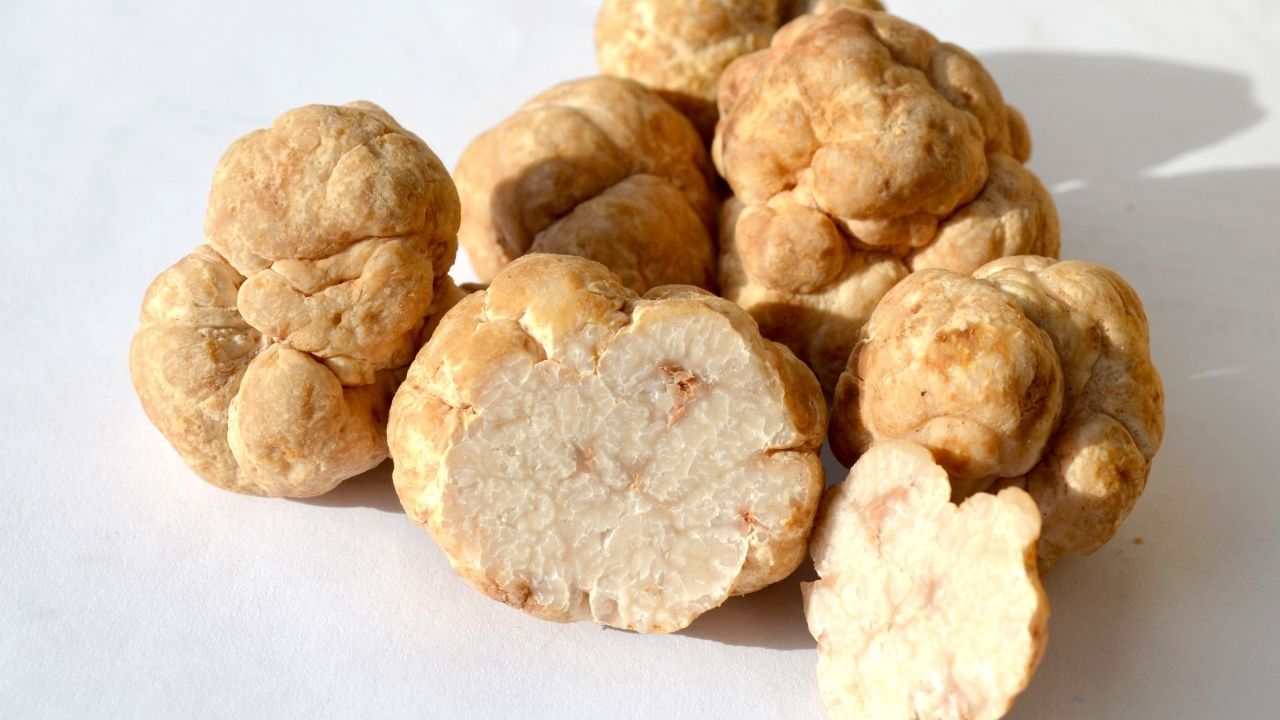
Listen, I need to be honest with you about white truffles – they’ve always been the unicorns of the food world, but 2025 might push them completely out of reach for most home cooks. These precious fungi from Italy’s Piedmont region already command prices that make your wallet weep, often reaching $3,000 per pound during peak season. But with climate change affecting truffle harvests and inflation hitting luxury food imports particularly hard, we’re looking at prices that could soar even higher. The recent droughts in Europe have already impacted truffle production, and shipping costs continue to climb, making these aromatic treasures feel more like fantasy than reality for everyday cooking.
Now, before you completely write off the magic that white truffles bring to a dish, I want you to know there are ways to capture some of that earthy, intoxicating flavor without breaking the bank. Good truffle oil (made with real truffles, not synthetic flavoring) can give you a hint of that luxury, and a little goes a long way when you’re finishing a simple pasta or risotto. I’ve also found that mushroom powder mixed with a touch of garlic can create surprisingly complex flavors that echo truffle’s earthiness. While nothing truly replaces the real thing, these alternatives let you create memorable meals that celebrate those deep, umami-rich flavors we crave without requiring a second mortgage.
Almonds
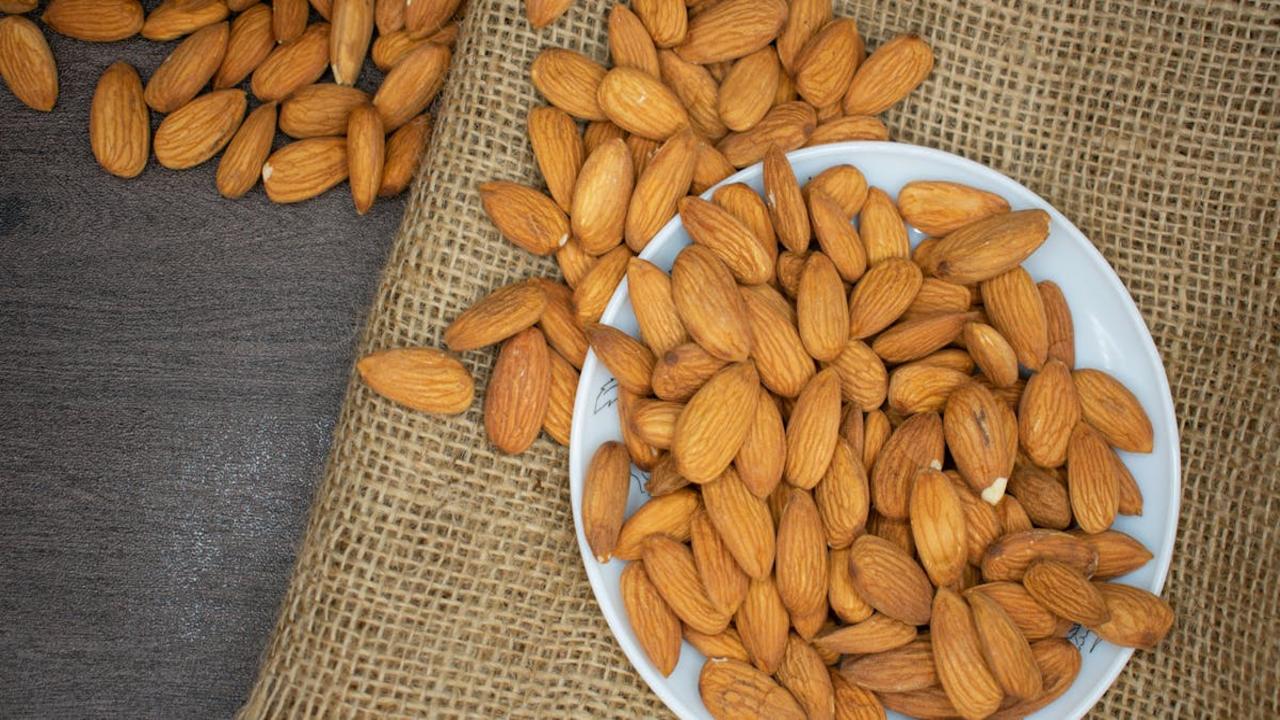
You know that jar of almonds sitting in your pantry right now? Better stock up while you can, because these little nutritional powerhouses are about to get a lot pricier. California produces about 80% of the world’s almonds, and between ongoing drought conditions, rising labor costs, and increased global demand, we’re looking at some serious price jumps in 2025. I’ve been watching almond prices creep up steadily, and my grocery receipts don’t lie – what used to be an affordable protein-packed snack is becoming more of a luxury item.
Here’s what I do to stretch my almond budget without sacrificing flavor: I buy them in bulk when they’re on sale and store them in the freezer to keep them fresh longer. Instead of snacking on whole almonds, I chop them up to sprinkle over salads, yogurt, or my morning oatmeal – you get that satisfying crunch and nutty flavor with fewer nuts per serving. I also make my own almond butter using a food processor, which gives me more control over texture and saves money compared to store-bought versions. Try toasting them with a pinch of smoked paprika or curry powder to make a small handful feel more indulgent and satisfying.
Bluefin Tuna
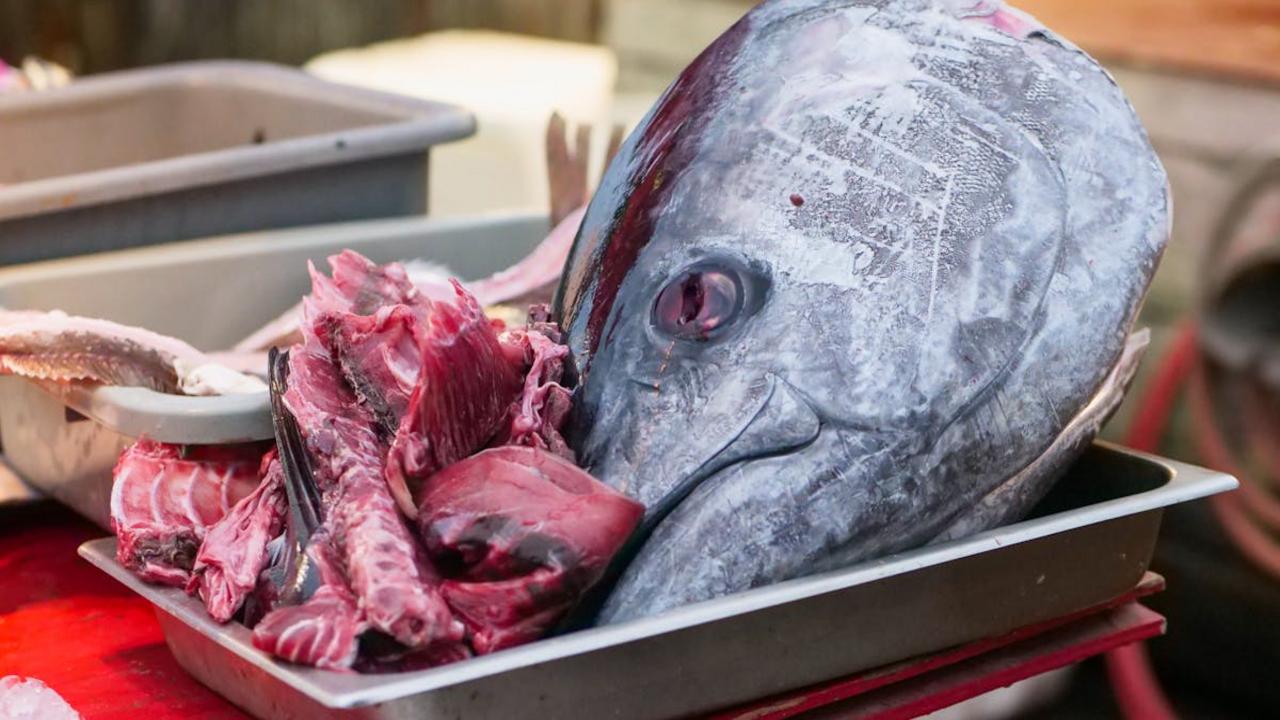
You know that gorgeous bluefin tuna you’ve been eyeing at your local fish counter? Well, friend, we need to talk about what 2025 might bring for this prized fish. Bluefin tuna already commands premium prices due to overfishing concerns and strict quotas, but inflation could push this protein completely out of reach for most home cooks. The combination of rising fuel costs for fishing boats, increased transportation expenses, and the fish’s naturally limited availability creates a perfect storm for price hikes that could make your current grocery budget weep.
Here’s the thing about bluefin tuna – its rich, buttery texture and deep flavor make it irreplaceable in dishes like authentic sashimi or that show-stopping seared tuna you love making for special occasions. But don’t panic! You can absolutely create stunning meals with more affordable alternatives like yellowfin or even skipjack tuna. I’ve found that marinating less expensive tuna varieties in soy sauce, ginger, and a touch of sesame oil transforms them into something truly special. Stock up on canned high-quality tuna now, and consider building relationships with local fishmongers who might offer deals on day-boat catches that didn’t quite make the sushi-grade cut but still shine in cooked preparations.
Coffee Arabica
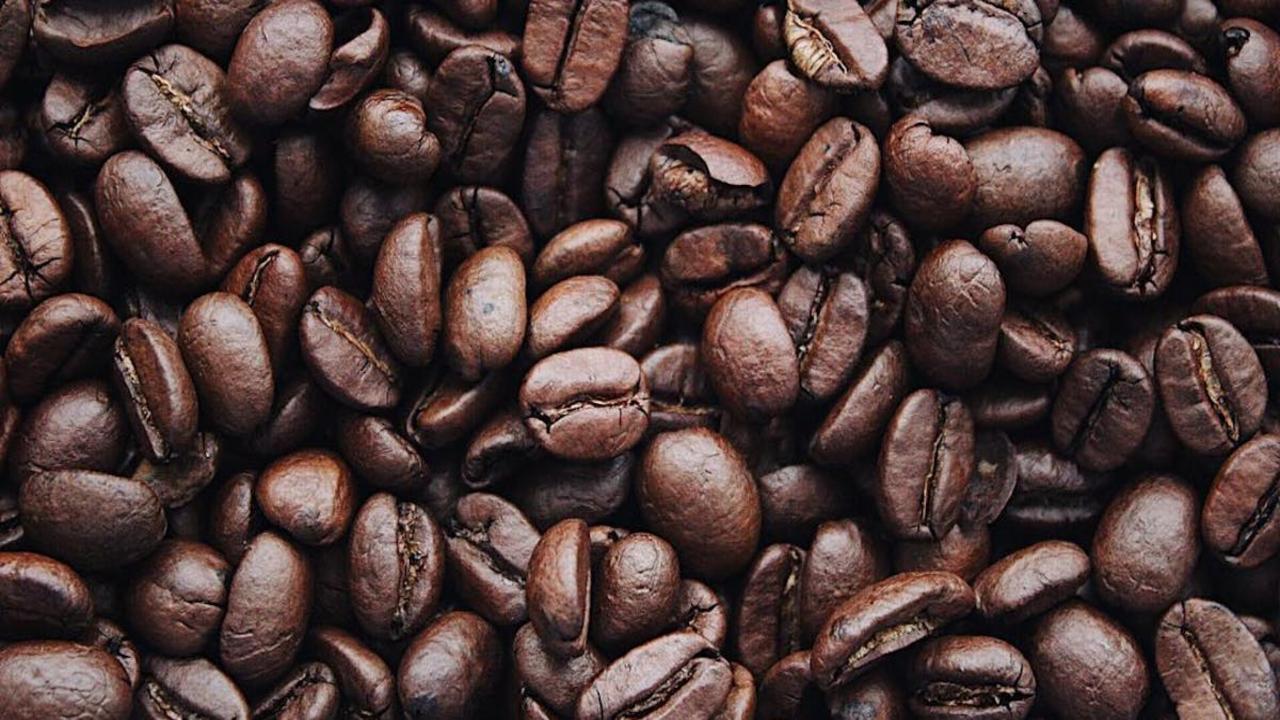
Your morning ritual might become significantly more expensive in 2025, and I’m talking about that precious cup of coffee that starts your day. Arabica coffee beans, which make up about 60% of global coffee production, face mounting pressure from climate change, labor shortages, and supply chain disruptions. Brazil and Colombia, two major producers, have experienced irregular weather patterns that directly impact crop yields. When I think about how coffee connects us to farmers thousands of miles away, it reminds me why supporting fair trade becomes so important during these uncertain times.
If you’re like me and can’t imagine mornings without that perfect brew, now’s the time to get creative with your coffee routine. Consider buying whole beans in bulk when prices dip, then store them properly in airtight containers away from light and heat. I’ve started exploring different brewing methods like cold brew concentrate, which uses more beans upfront but yields multiple servings. You can also stretch your coffee budget by mixing high-quality arabica with a small portion of robusta beans, creating a blend that maintains flavor while reducing costs. Remember, investing in a good grinder and learning proper extraction techniques means you’ll need fewer beans to achieve that rich, satisfying cup you crave.
Avocados
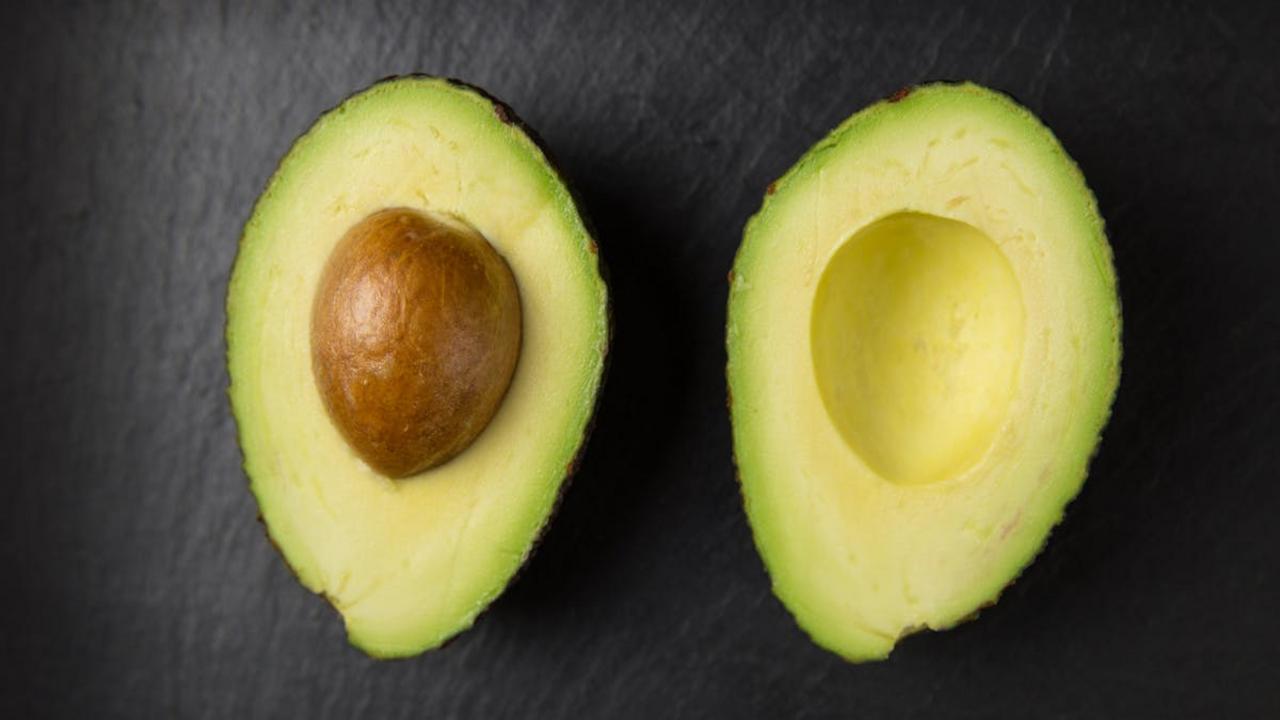
You know that creamy, green goodness we’ve grown to depend on for our morning toast and weekend guacamole? Well, brace yourself – avocados might become a luxury item in 2025. Climate change continues to wreak havoc on major growing regions like California and Mexico, where unpredictable weather patterns and water shortages are forcing farmers to make tough decisions. Add shipping costs and labor shortages to the mix, and you’re looking at prices that could make your wallet weep every time you reach for that perfectly ripe avocado.
But here’s what I’ve learned from cooking around the world – there are brilliant alternatives that can give you similar richness and nutrition. Try mashing ripe bananas with a pinch of lime juice and sea salt for toast, or blend cashews with lemon juice for that creamy texture in salads. I’ve even started using pureed white beans mixed with olive oil and herbs as an avocado substitute in wraps. Sure, it’s not exactly the same, but these swaps keep your meals interesting and your budget happy while still delivering that satisfying, wholesome feeling we crave.
Maple Syrup
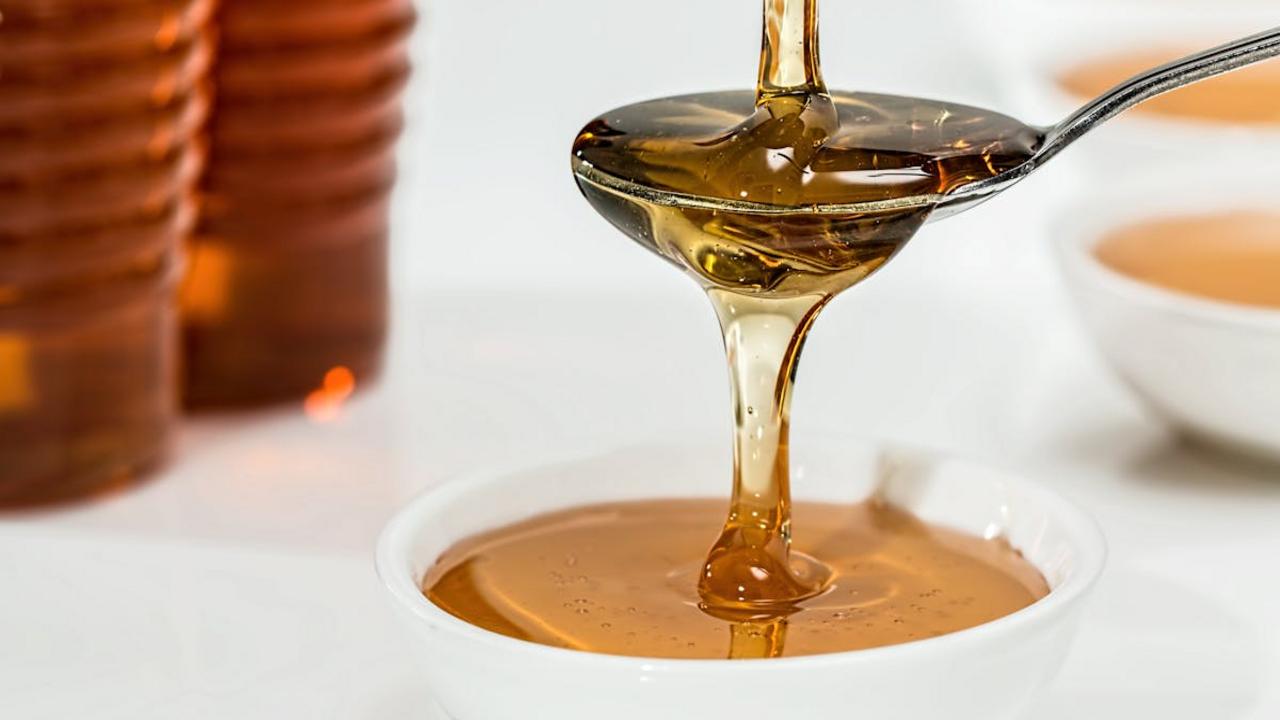
You know that golden bottle of pure maple syrup sitting in your pantry? That liquid gold might become actual gold next year. Climate change has been wreaking havoc on maple trees across North America, with unpredictable temperature swings disrupting the delicate tapping season. When warm days and freezing nights don’t align perfectly, sap production plummets. Add rising labor costs and increased demand for natural sweeteners, and you’re looking at prices that could make your Sunday pancakes feel like a luxury breakfast.
Here’s what I do to stretch my maple syrup without sacrificing flavor: I create my own blends by mixing pure maple syrup with honey or date syrup in a 1:1 ratio. This gives you that rich maple complexity while cutting costs in half. For everyday cooking, I save the good stuff for finishing touches and use these blends in marinades, salad dressings, and baked goods. You can also make maple-infused simple syrup by combining equal parts water, sugar, and a splash of real maple syrup – perfect for cocktails and coffee drinks that still carry that distinctive maple warmth.
Pistachios
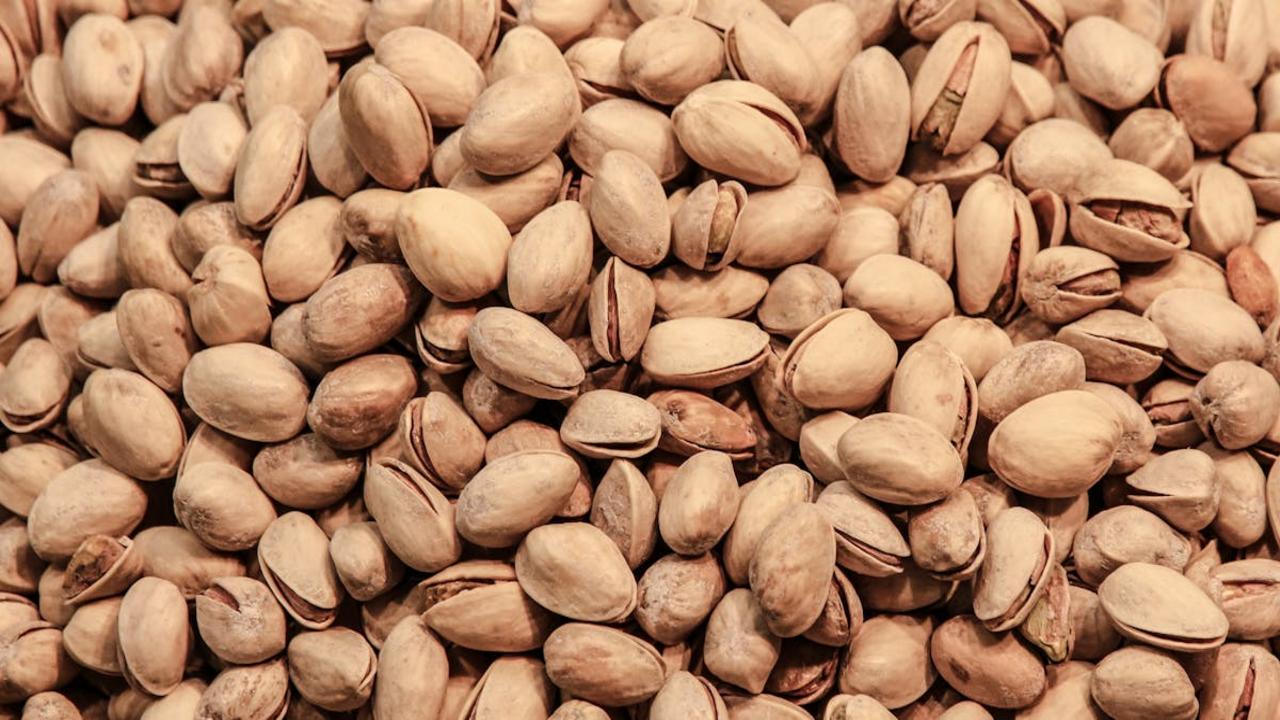
You know that satisfying crack when you split open a pistachio shell? That sound might become a lot more precious in 2025. These vibrant green gems have already seen their prices climb steadily, and with ongoing droughts in California—where most of America’s pistachios grow—we’re looking at potential shortages that could send costs soaring. I’ve watched pistachio prices fluctuate wildly over the years, and right now, all signs point to these nuts becoming a luxury item rather than your go-to snack.
Here’s what I love about pistachios beyond their addictive crunch: they’re incredibly versatile in the kitchen. I grind them into a creamy paste for Middle Eastern-inspired desserts, toss chopped ones into my homemade granola, and use them to crust fish fillets for a beautifully textured dinner. If prices do spike next year, consider buying them in bulk when they’re on sale and storing them in your freezer—they keep beautifully for months. You can also stretch their impact by using them more strategically: instead of mindlessly snacking on handfuls, save them for recipes where their distinctive flavor really shines, like in a Persian rice pilaf or sprinkled over roasted vegetables.
Cacao
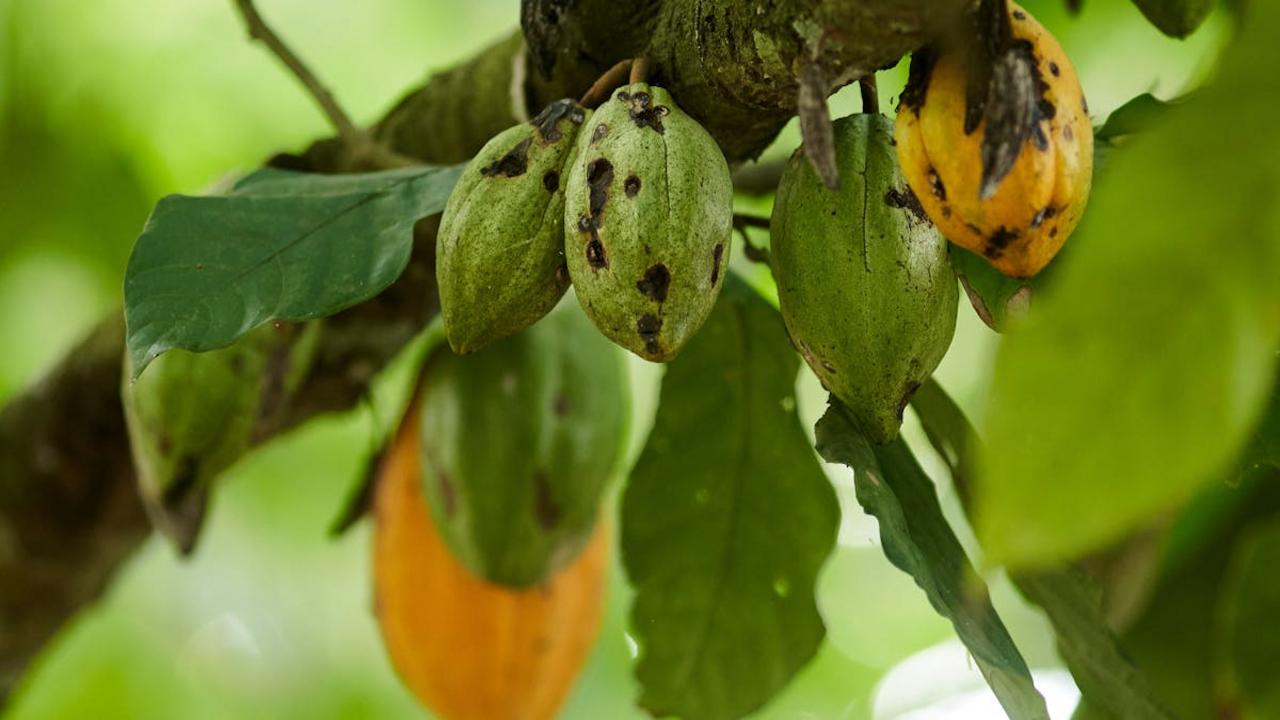
Your beloved dark chocolate bars and morning cocoa might become luxury items sooner than you think. Cacao prices have been climbing steadily, and 2025 could see them reach heights that make your favorite 70% dark chocolate feel like an indulgence rather than a pantry staple. Climate change has hit major cacao-growing regions hard, with Ghana and Côte d’Ivoire – which produce about 60% of the world’s cacao – facing severe weather patterns that devastate crops. Add supply chain disruptions and increased global demand for premium chocolate, and you’ve got a perfect storm brewing in your baking aisle.
But here’s what I want you to know: you don’t have to give up on chocolate entirely. Start experimenting with carob powder as a substitute in your baking – it brings natural sweetness and works beautifully in energy balls and homemade granola. Consider buying cacao in bulk when you find good deals, and store it properly in airtight containers away from heat and light. I’ve been stretching my cacao further by making my own chocolate blends with roasted nuts and seeds, creating rich, complex flavors that satisfy that chocolate craving while using less of the expensive stuff. Think of it as an opportunity to become more creative with your sweet treats rather than a limitation.
Wild Caught Salmon
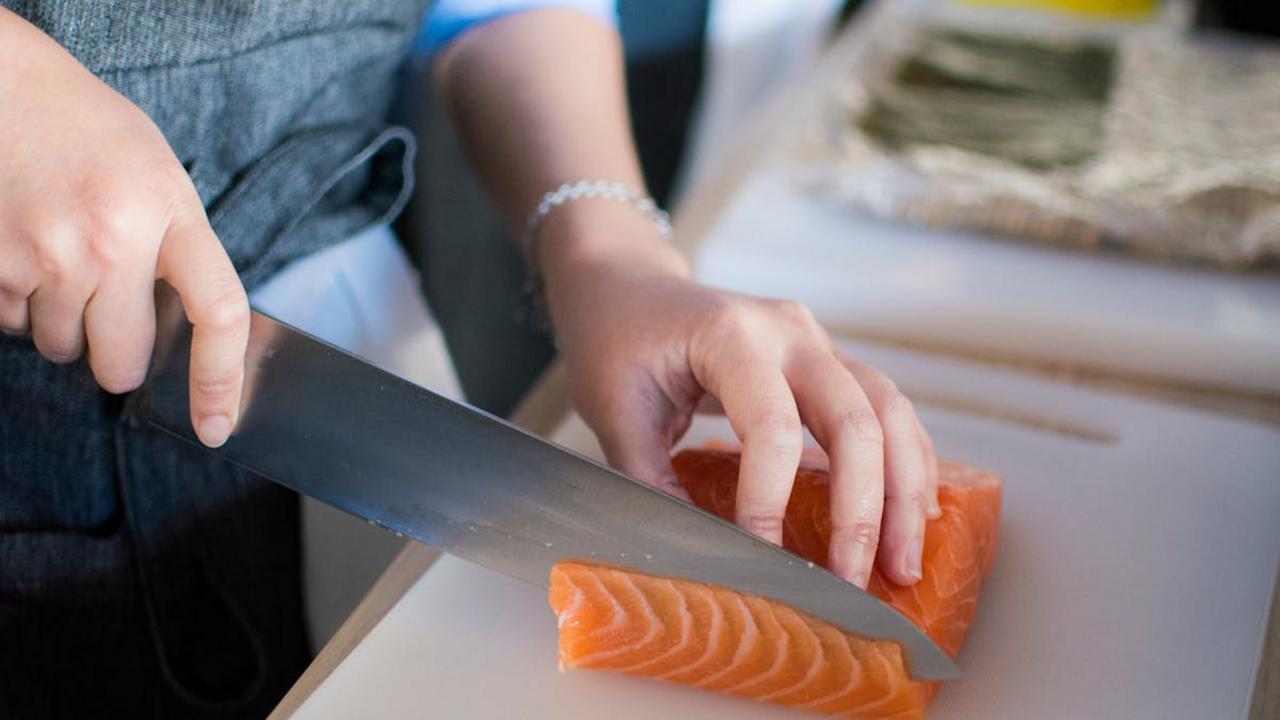
I’ve watched wild caught salmon prices climb steadily over the past few years, and 2025 might be the year this protein powerhouse becomes a true luxury item. Climate change continues to impact salmon runs, while overfishing concerns have led to stricter regulations that limit supply. Add rising fuel costs for fishing boats and increased demand for sustainable seafood, and you’re looking at a perfect storm for price hikes. What used to be my go-to weeknight dinner protein now requires careful budgeting and planning.
But here’s what I’ve learned from cooking with salmon for years – a little goes a long way if you know how to stretch it. I often buy a whole side when it’s on sale, portion it into individual servings, and freeze what I won’t use immediately. Try mixing flaked cooked salmon into grain bowls, pasta dishes, or even scrambled eggs for breakfast. One fillet can easily feed two people when you pair it with hearty vegetables and whole grains. The key is treating salmon as the star ingredient it deserves to be, rather than just another piece of fish on your plate.
Vanilla Beans
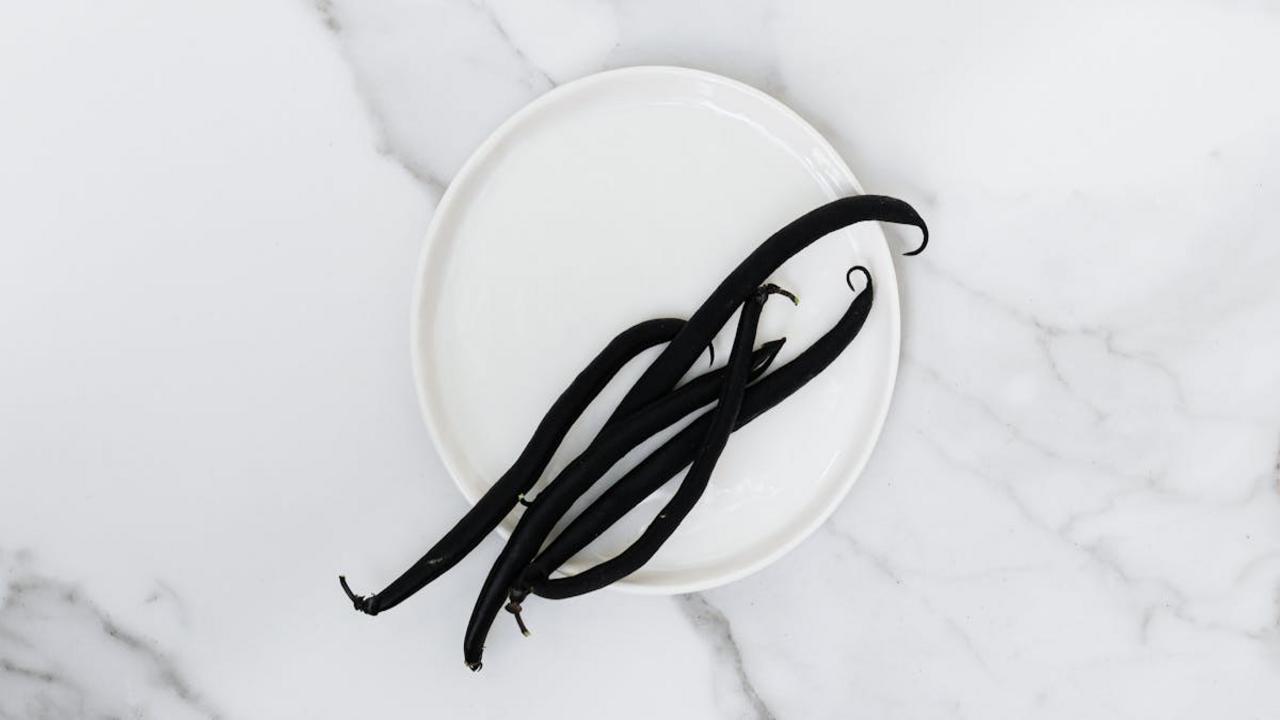
You know that magical moment when you scrape those tiny black specks from a vanilla bean pod? That aromatic treasure might become a luxury we think twice about in 2025. Madagascar supplies about 80% of the world’s vanilla, and climate patterns there have turned unpredictable. Cyclones, droughts, and political instability create the perfect storm for price spikes that could push vanilla beans from $20 per ounce to astronomical heights. I’ve watched vanilla prices swing wildly over the years, but what’s coming feels different.
Here’s what I do to stretch those precious pods: after scraping the seeds, I drop the empty pod into my sugar jar to create vanilla sugar, or simmer it in milk for homemade ice cream base. One bean can flavor multiple recipes when you get creative. Consider building relationships with spice vendors who import directly – they often offer better prices than grocery stores. Stock up during sales, store beans in airtight containers away from light, and remember that pure vanilla extract made at home costs a fraction of store-bought. Your future self will thank you when vanilla becomes the new saffron.
Saffron
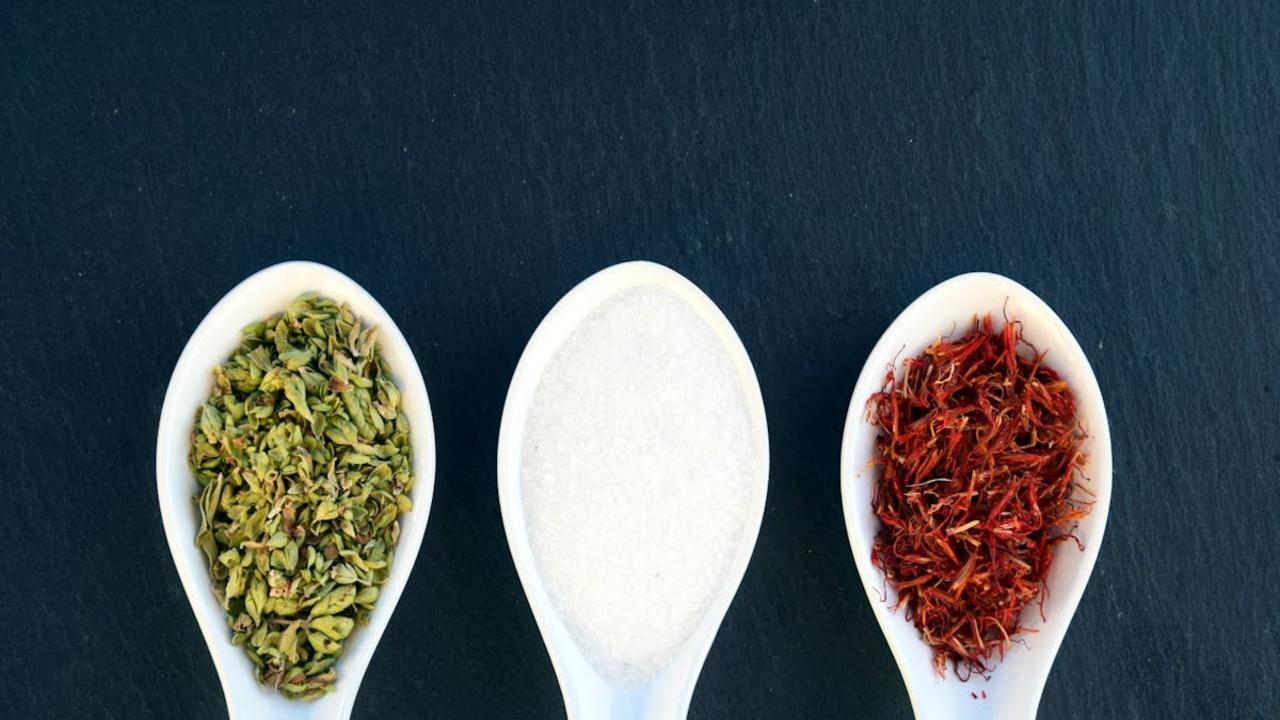
You know that little pinch of golden threads that transforms your paella or biryani from good to absolutely magical? That’s saffron, and friend, it’s about to become even more precious than it already is. This spice has always carried a hefty price tag – we’re talking about something that costs more per ounce than gold – but with inflation creeping into every corner of our grocery bills, that small jar of saffron might soon require its own budget line. I remember the first time I bought real saffron instead of that turmeric-colored impostor; the difference was like comparing a flickering candle to sunrise.
Here’s what makes this situation particularly tricky: there’s no real substitute for authentic saffron’s complex, honey-like aroma and subtle metallic finish. Sure, turmeric gives you color, but it won’t give you that distinctive flavor that makes Persian rice sing or Spanish seafood dishes dance on your palate. My advice? Stock up now if you cook Middle Eastern, Indian, or Mediterranean food regularly, because saffron prices traditionally spike during harvest season anyway. Store those precious threads in a cool, dark place, and remember that a little goes incredibly far – sometimes just 10-15 threads can perfume an entire pot of rice for six people.