15 Pro Tips for Lightning-Fast Asian Dinners Bursting with Flavor
Need to get dinner on the table fast without sacrificing flavor? Asian cooking techniques and ingredients can transform your weeknight meals! You’ll discover how simple tools like a wok and rice cooker paired with powerful flavor-boosting ingredients can create restaurant-quality dishes in minutes. These 15 pro tips will revolutionize your dinner routine.
I’ve gathered the exact shortcuts professional chefs use for creating authentic Asian flavors at home. From the magic combination of soy sauce, rice vinegar, and sesame oil to time-saving techniques like high-heat stir-frying and strategic ingredient prep, you’ll cut your cooking time in half while doubling the flavor impact.
Your kitchen will become a hub for quick, healthy meals that your family will request again and again. Master these simple tips and you’ll never need to order takeout on busy weeknights! The best part? Most of these meals come together in a single pan with minimal cleanup. Ready to transform your dinner game with these lightning-fast Asian cooking secrets?
Sauce Making
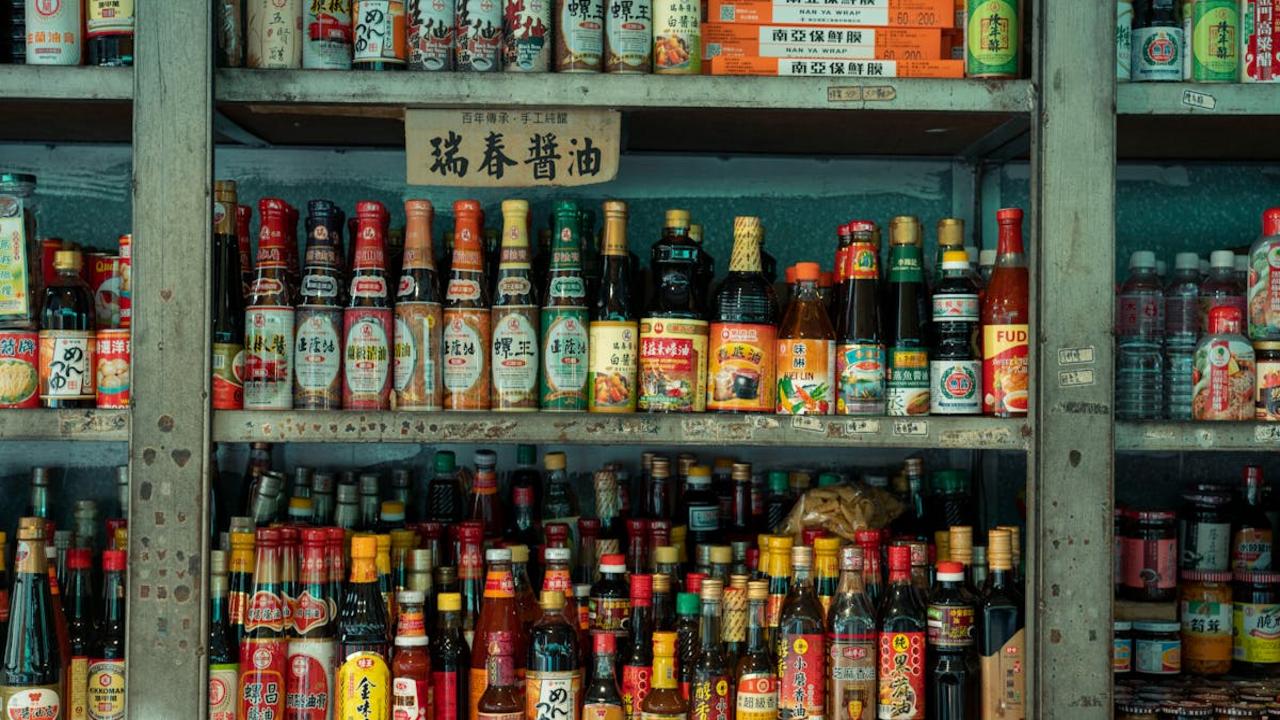
Your Asian dinner success depends heavily on having stellar sauces ready to transform simple ingredients into flavor powerhouses. I always keep a few go-to sauce bases in my fridge because they turn plain rice, noodles, or vegetables into restaurant-quality meals in minutes. Start with a basic stir-fry sauce by whisking together soy sauce, rice vinegar, sesame oil, and a touch of honey or brown sugar. Store this mixture in a jar, and you’ll have an instant flavor boost for any protein or vegetable combination you throw together on busy weeknights.
Take your sauce game up a notch by preparing larger batches of versatile bases like ginger-scallion oil, spicy chili crisp, or creamy tahini-miso dressing on weekends. These condiments keep well in the refrigerator and work magic on everything from grilled chicken to steamed broccoli. Mix different ratios of sweet, salty, sour, and spicy elements to create your signature flavors – maybe extra ginger for warmth, more lime juice for brightness, or a dollop of sambal oelek for heat. Having these flavor bombs ready means you can cook simple proteins and vegetables, then dress them up with complex, layered tastes that make every meal feel special and satisfying.
Ingredient Grouping
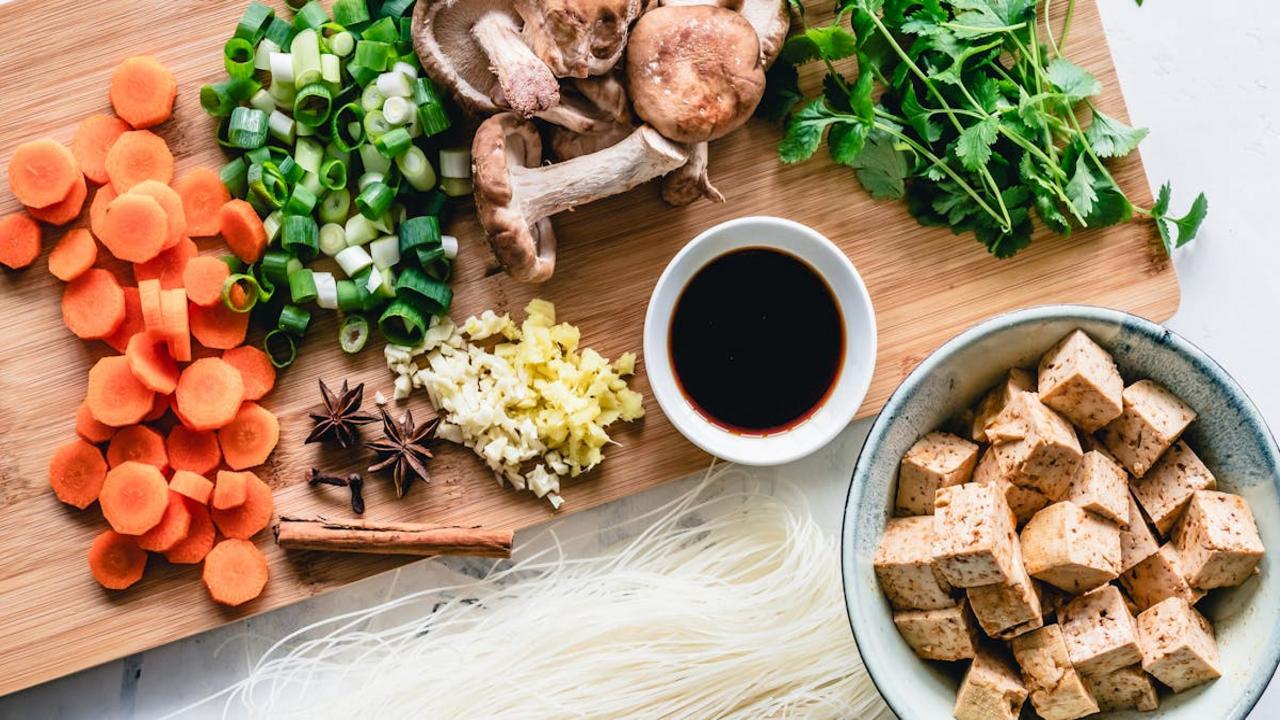
Smart ingredient grouping transforms your Asian cooking from chaotic scrambling to smooth, restaurant-style efficiency. Before you even turn on the stove, arrange your ingredients by cooking time and method – proteins in one area, quick-cooking vegetables like snap peas and bean sprouts in another, and aromatics like garlic, ginger, and scallions ready to go. This professional technique, called mise en place, becomes your secret weapon for those lightning-fast stir-fries where every second counts. You’ll feel confident and in control, knowing exactly what goes into the pan and when.
Take your grouping strategy one step further by organizing ingredients by flavor profiles and sauce components. Keep your soy sauce, rice wine, and cornstarch slurry together for easy access during the cooking frenzy. Group your finishing touches – sesame oil, toasted nuts, fresh herbs – so you can add those final flavor bursts without hunting through cabinets. This method works beautifully for dishes like pad thai or beef and broccoli, where timing makes the difference between perfectly crisp vegetables and mushy disappointment. You’ll discover that this simple preparation step cuts your active cooking time in half while delivering consistently delicious results.
Meal Prep
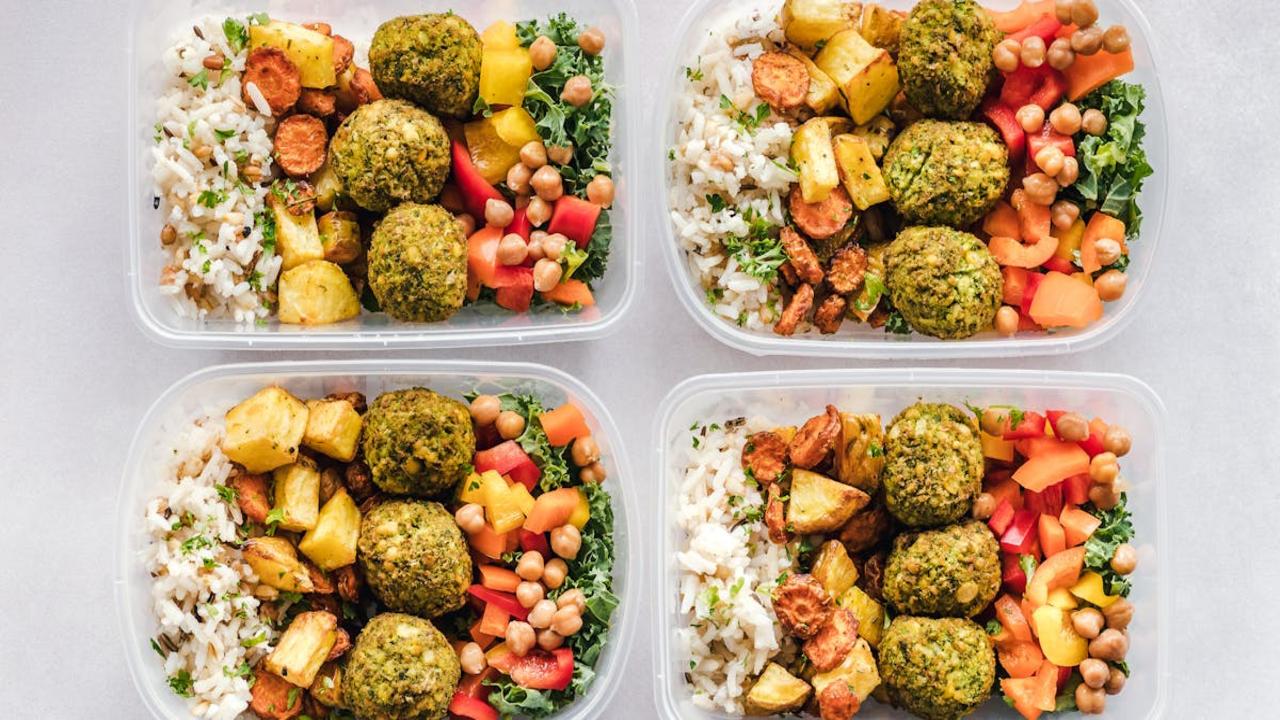
Your weeknight dinner game transforms completely when you dedicate just one Sunday afternoon to Asian-inspired meal prep. I love chopping all my aromatics at once – garlic, ginger, scallions, and chilies – then storing them in small containers that become flavor bombs throughout the week. Pre-cook your proteins like marinated chicken thighs, beef strips, or extra-firm tofu, and portion them into grab-and-go containers. You can even pre-steam rice in your rice cooker and freeze individual portions in freezer bags – they reheat perfectly in just two minutes!
Smart meal prep goes beyond just ingredients though. I always keep homemade sauce blends ready in my fridge – teriyaki, sweet and sour, garlic black bean, and spicy peanut sauce all last for weeks and instantly elevate any stir-fry. Blanch sturdy vegetables like broccoli, snap peas, and carrots until they’re bright and crisp-tender, then shock them in ice water to stop the cooking process. Store these prepped gems in your crisper drawer, and you’ll have restaurant-quality vegetables ready to toss into any hot pan. This prep work means you can have a complete, flavorful Asian dinner on the table in under 15 minutes on even your busiest weeknights.
One Pan Cooking
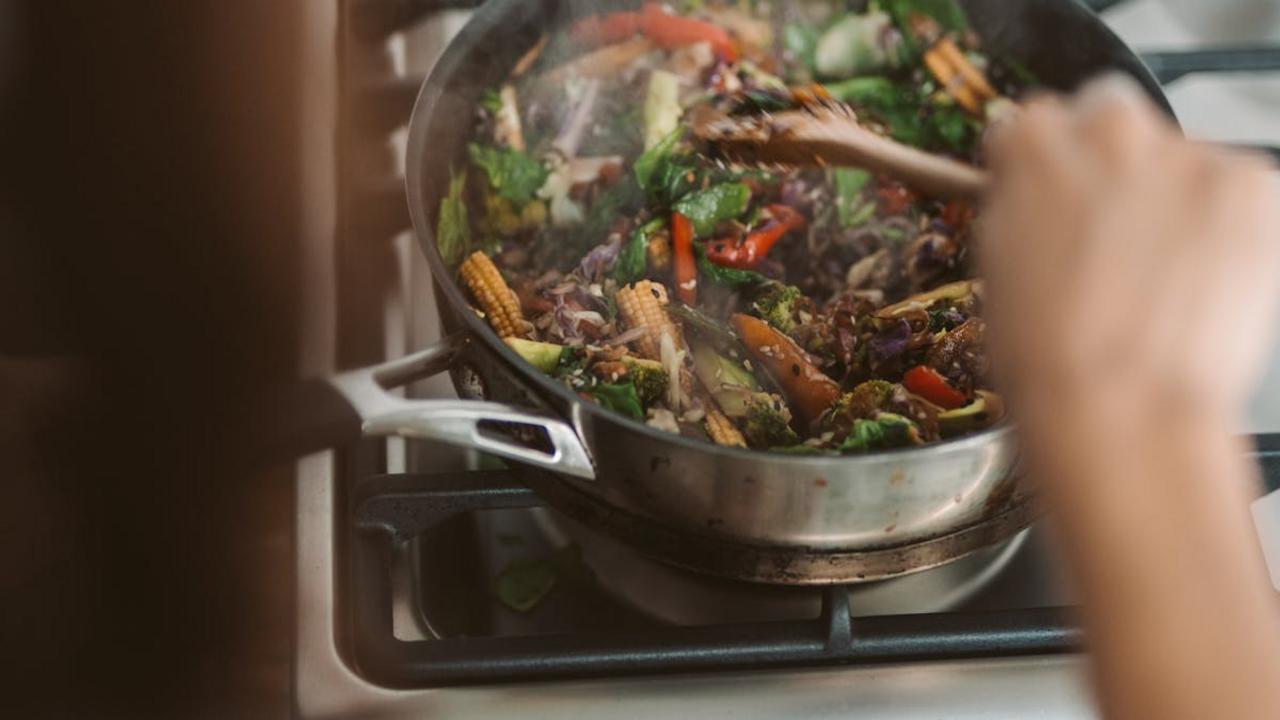
Transform your weeknight dinner routine with the magic of one-pan Asian cooking! This approach saves you precious time while creating incredibly flavorful meals that pack a serious punch. Think teriyaki chicken with snap peas and bell peppers sizzling together in perfect harmony, or shrimp pad thai where everything cooks in sequence right in your trusty skillet. You’ll love how proteins absorb the savory sauces while vegetables maintain their crisp texture, creating layers of flavor that build with each ingredient you add.
Start with aromatics like garlic, ginger, and scallions in hot oil, then add your protein followed by heartier vegetables that need more cooking time. Finish with tender greens, fresh herbs, and your sauce of choice – whether that’s soy-based, coconut curry, or spicy chili garlic. The beauty lies in how ingredients cook together, sharing flavors while you use just one pan for the entire meal. Clean-up becomes a breeze, and you’ll have dinner ready in under 30 minutes with minimal fuss and maximum satisfaction.
Blanching Vegetables
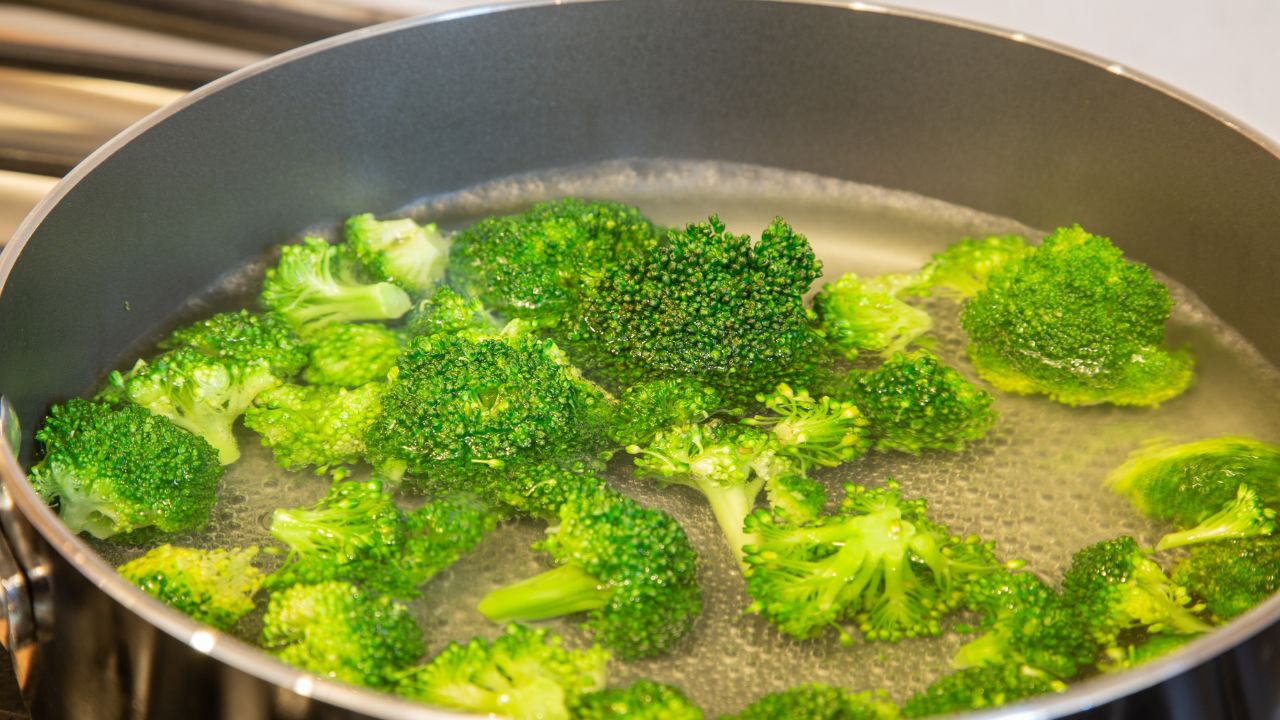
Blanching transforms your vegetables into vibrant, perfectly tender gems that make Asian dinners absolutely shine! You simply drop your veggies into boiling salted water for just 1-2 minutes, then immediately plunge them into an ice bath to stop the cooking process. This technique works magic on broccoli, snap peas, bok choy, and green beans, giving them that brilliant color and crisp-tender texture you see in your favorite restaurant dishes. The best part? You can blanch vegetables hours ahead of time, making weeknight dinner prep a breeze when you’re racing against the clock.
Once your vegetables are blanched and shocked, they become incredibly versatile building blocks for quick Asian meals. Toss them into stir-fries during the last minute of cooking, fold them into fried rice, or arrange them beautifully alongside your protein for an Instagram-worthy plate. The blanching process also helps vegetables retain their nutrients while making them more digestible, so you’re getting maximum nutritional bang for your buck. Keep a container of blanched vegetables in your fridge, and you’ll always be just minutes away from a colorful, healthy dinner that looks like it took hours to prepare!
Steam Method
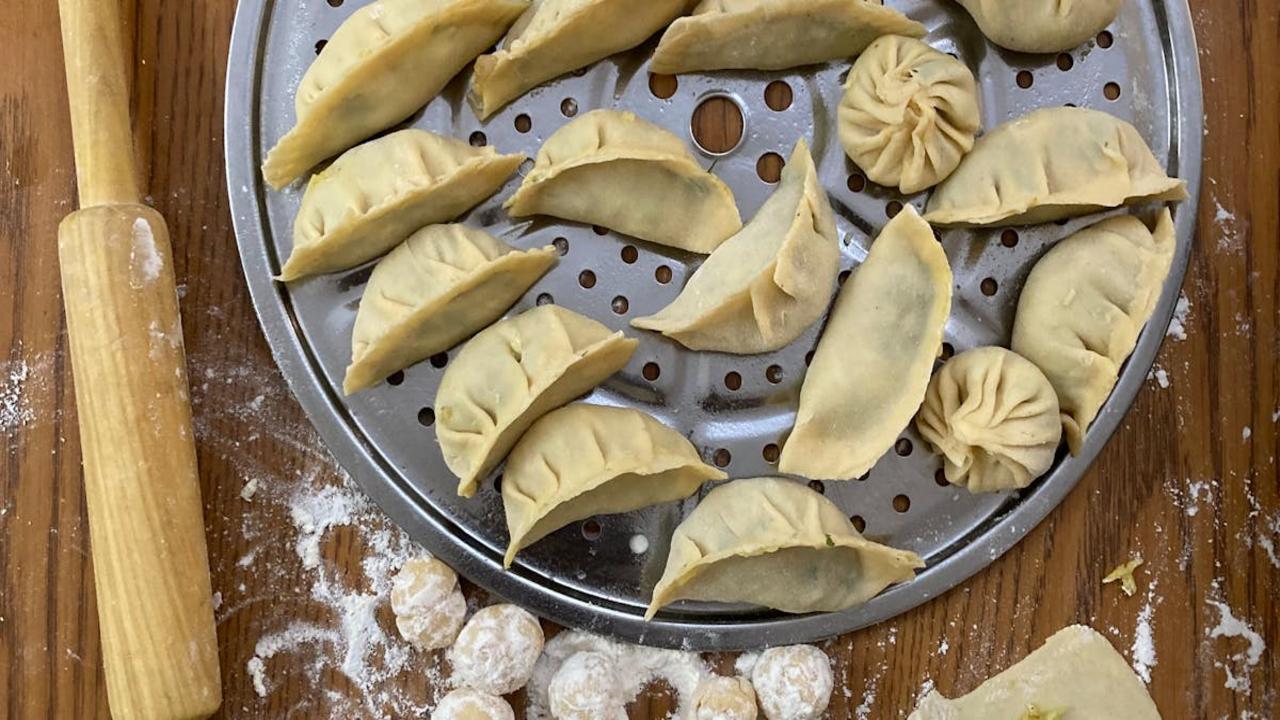
Steaming transforms your weeknight dinner routine into something truly magical! This gentle cooking technique preserves nutrients while infusing your ingredients with pure, concentrated flavors that will make you wonder why you haven’t been doing this all along. You can steam everything from delicate fish fillets to hearty vegetables in just minutes, and the best part? Everything cooks simultaneously in your bamboo steamer or electric steamer. Try layering marinated chicken thighs on the bottom tier, colorful vegetables in the middle, and fluffy jasmine rice on top – dinner practically cooks itself while you catch up on your day.
The secret to lightning-fast steamed meals lies in your prep work and flavor combinations. Marinate proteins for just 15 minutes in soy sauce, ginger, and garlic before steaming, and you’ll get restaurant-quality results every single time. Season your vegetables with sesame oil and a pinch of five-spice powder, then watch them emerge bright, tender, and bursting with personality. Don’t forget to line your steamer with cabbage leaves or parchment paper – this prevents sticking and adds an extra layer of subtle flavor that makes every bite more interesting.
High Heat Stir Frying
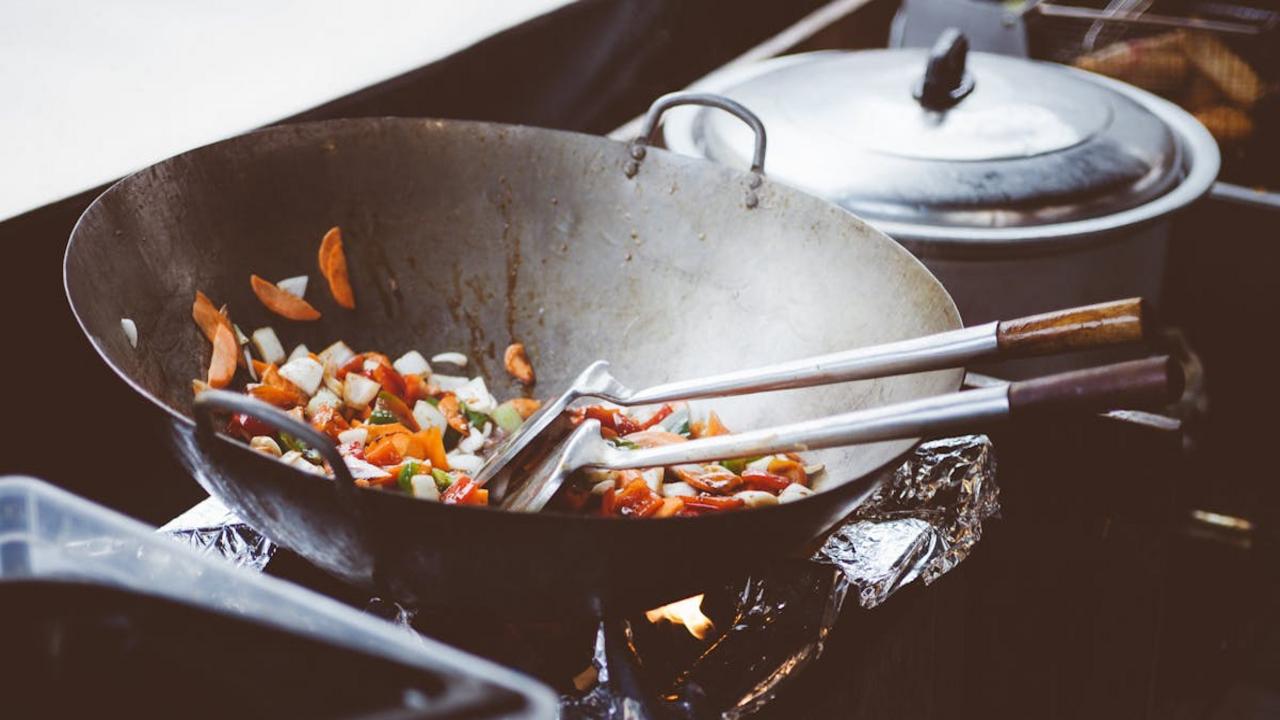
Getting your wok or pan screaming hot transforms ordinary ingredients into extraordinary Asian dishes in minutes! You want that metal so hot it’s almost smoking before you add even a drop of oil. This intense heat creates what Chinese chefs call “wok hei” – that incredible smoky flavor you can only achieve with proper high-temperature cooking. Your vegetables will stay crisp and vibrant, proteins will develop a beautiful sear, and everything cooks so quickly that nutrients stay locked in.
Start by preheating your heaviest pan or wok for at least two minutes on your highest burner setting. Add oil only when the pan is properly heated – it should shimmer and move like water across the surface. Then work fast! Have all your ingredients prepped and ready because once you start cooking, there’s no time to chop or measure. Toss everything constantly to prevent sticking and ensure even cooking. The entire cooking process should take just 3-5 minutes for most stir-fries. This method gives you restaurant-quality results with that perfect balance of tender-crisp textures and concentrated flavors that make Asian food so addictive.
Green Onions
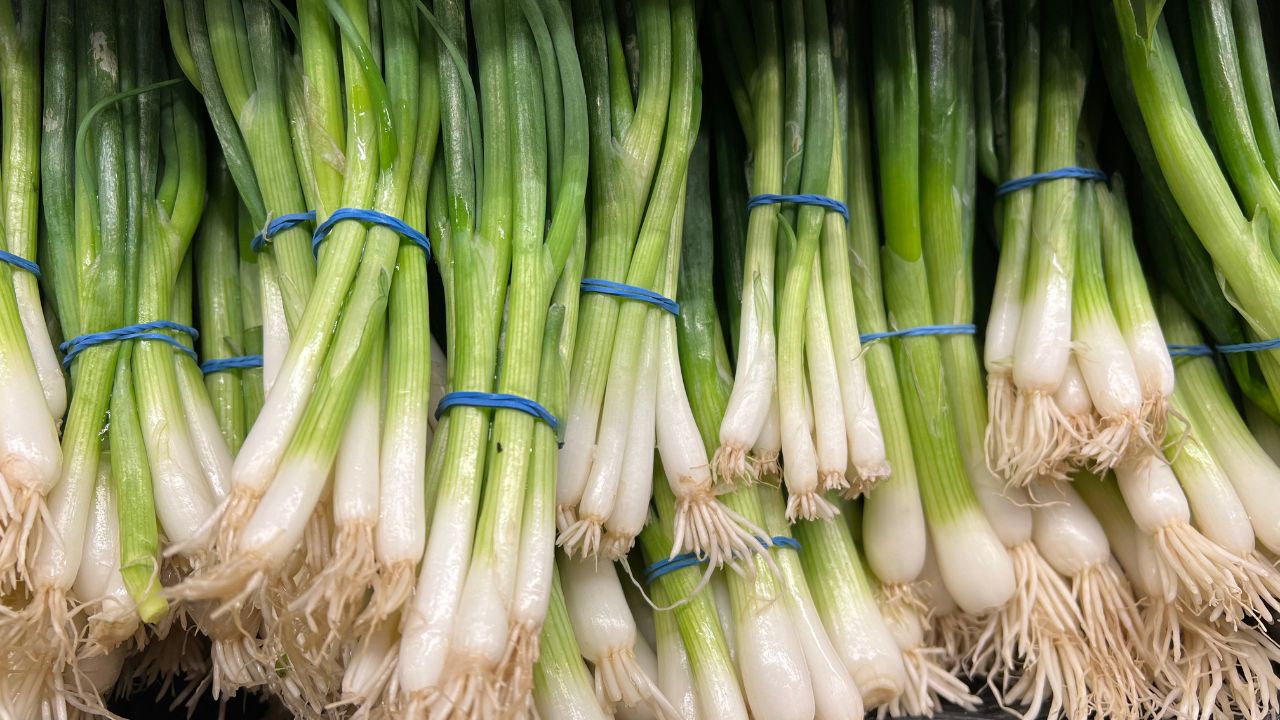
Green onions are your secret weapon for adding instant freshness and mild onion flavor to any Asian dish without the prep time of regular onions. I keep bunches of these beauties in my fridge at all times because they transform everything from fried rice to noodle soups with just a quick chop. The white bulbs pack more punch while the green tops offer a gentler, grassier note – and here’s my favorite trick: you can regrow them on your windowsill by placing the white ends in water!
What makes green onions so perfect for lightning-fast dinners is their versatility and zero cooking time requirement. Toss chopped green onions into your stir-fry during the last 30 seconds, sprinkle them over hot ramen, or fold them into dumpling filling for that classic Asian flavor profile. They’re also budget-friendly superstars that stay fresh for weeks when stored properly in the refrigerator. Pro tip: slice them on the diagonal for a more elegant presentation, and always save some of the green parts for garnishing – they add that pop of color that makes your homemade Asian dishes look restaurant-quality.
Fresh Ginger
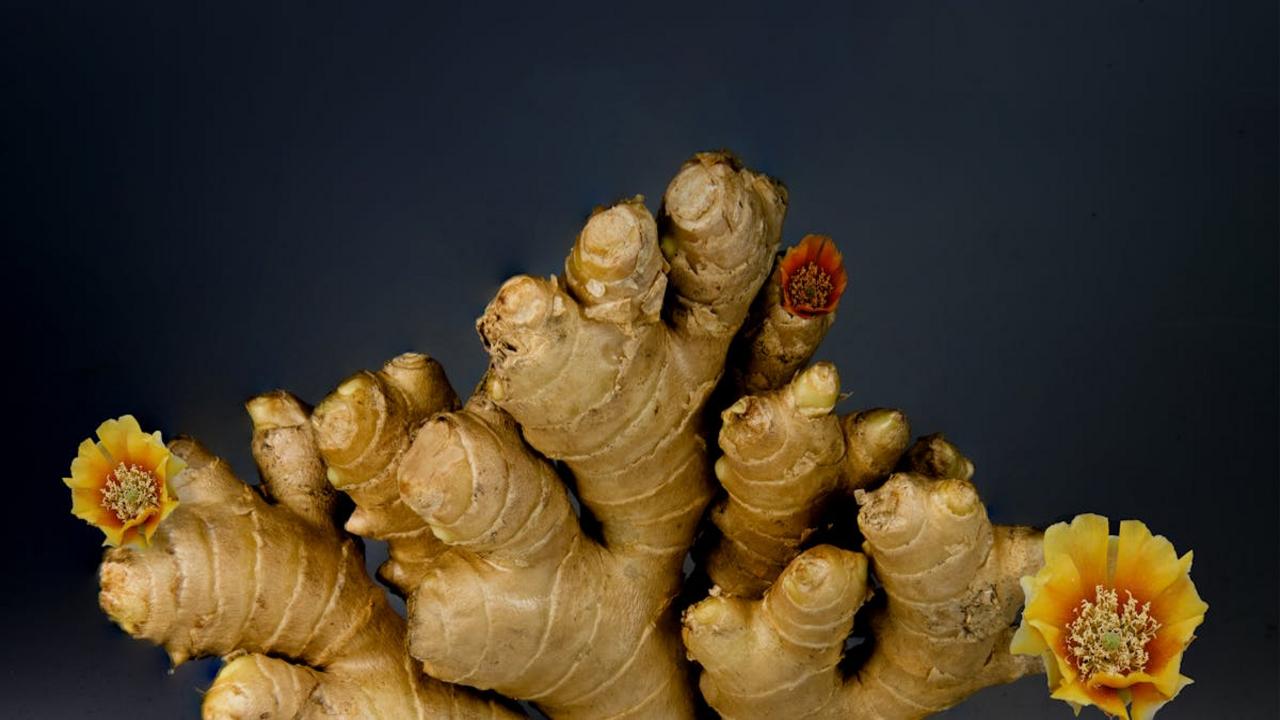
Fresh ginger transforms your Asian dinners from ordinary to absolutely spectacular in seconds! This knobby root packs an incredible punch of heat and brightness that awakens every single flavor in your dish. I keep a chunk of fresh ginger in my freezer at all times because it grates beautifully when frozen and saves you precious prep time during busy weeknight cooking. You can quickly grate it directly into stir-fries, soups, marinades, and sauces without any peeling required. The frozen ginger actually releases more juice and flavor compounds than room temperature ginger, making your dishes more vibrant and aromatic.
Don’t limit yourself to just grating – fresh ginger brings magic to your cooking in multiple ways. Try slicing thin coins for tea, mincing finely for dumpling fillings, or creating thick matchsticks for braised dishes. Young ginger has tender skin you can eat, while mature ginger offers more intense heat and complex flavor notes. Store your fresh ginger in the refrigerator wrapped in paper towels, or freeze whole pieces for up to six months. The next time you’re making fried rice, pad thai, or miso soup, grab that piece of ginger and watch how this simple addition elevates your entire meal with its warming spice and incredible freshness.
Sesame Oil
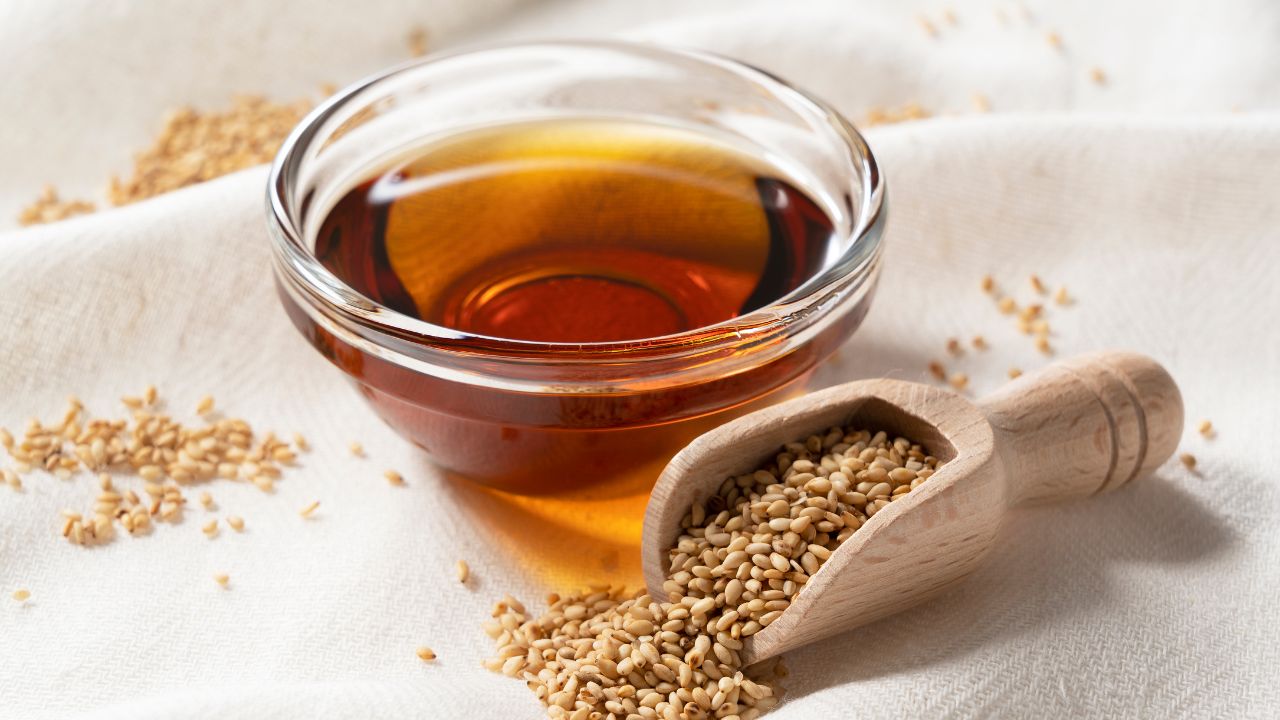
Think of sesame oil as your secret weapon for adding instant depth and richness to any Asian dish! This golden liquid transforms ordinary stir-fries, soups, and marinades into restaurant-quality masterpieces with just a few drops. I keep two types in my pantry: light sesame oil for cooking and dark toasted sesame oil for finishing touches. The toasted variety packs an incredible nutty punch that makes your taste buds sing with joy. You don’t need much – a teaspoon or two goes a long way in creating that authentic Asian flavor profile you’re craving.
Here’s my favorite trick: add dark sesame oil at the very end of cooking to preserve its bold flavor and aromatic qualities. Drizzle it over your finished fried rice, toss it with noodles, or mix it into your dumpling dipping sauce for an instant upgrade. Light sesame oil works beautifully for sautéing vegetables or marinating proteins because it has a higher smoke point and milder taste. Store both oils in your refrigerator after opening to maintain their freshness and prevent them from going rancid. Trust me, once you start using sesame oil regularly, you’ll wonder how you ever cooked Asian food without it!
Fish Sauce
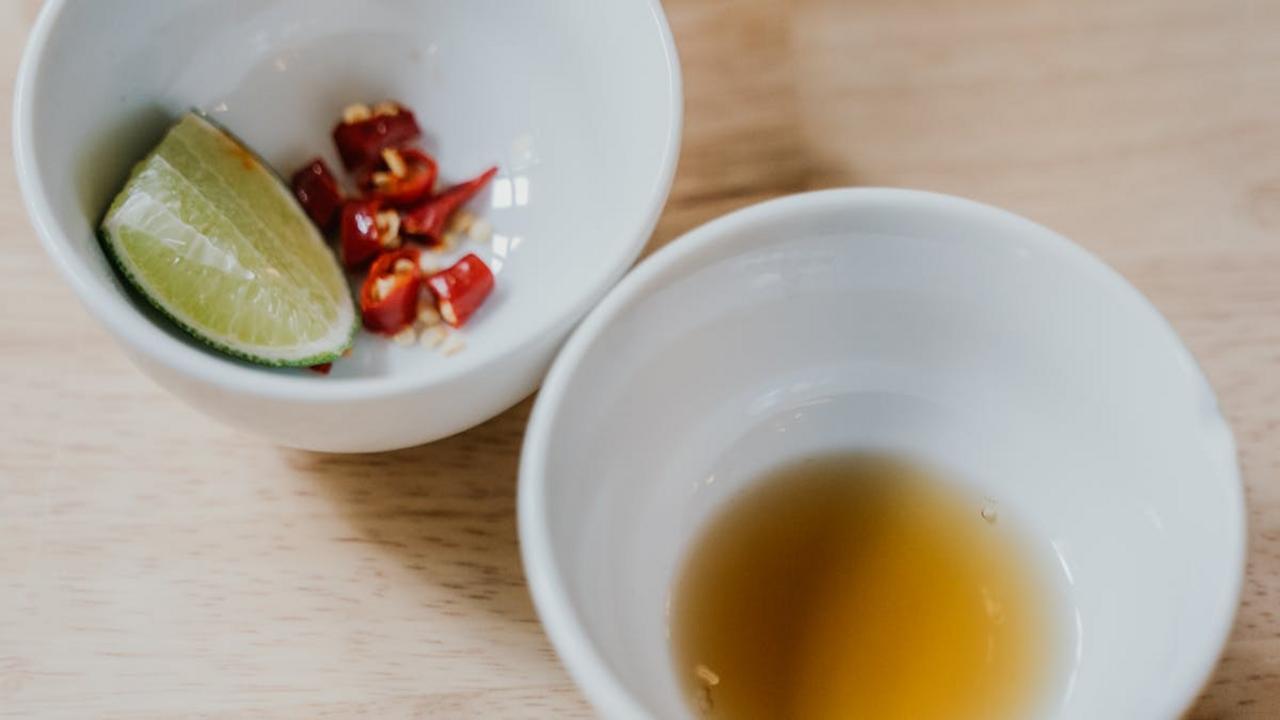
Fish sauce might look intimidating on the shelf, but trust me—this amber liquid gold will transform your Asian cooking instantly. Made from fermented fish and salt, this umami-packed ingredient adds incredible depth that you simply can’t achieve with regular salt or soy sauce alone. I keep a bottle in my pantry at all times because just a few drops can turn bland stir-fries, soups, and marinades into restaurant-quality masterpieces. The funky smell might catch you off guard at first, but once it hits the pan with your other ingredients, it mellows into pure savory magic.
Start with small amounts—maybe half a teaspoon—and taste as you go since fish sauce packs serious flavor punch. I love adding it to Vietnamese pho broth, Thai curry pastes, and even simple fried rice for that authentic restaurant taste. The beauty of fish sauce lies in its ability to enhance other flavors without overwhelming them, creating that mysterious “something special” factor that makes people ask for your recipe. Choose brands like Red Boat or Three Crabs for the best quality, and store your opened bottle in the fridge where it will keep for months, ready to elevate your weeknight dinners whenever inspiration strikes.
Rice Vinegar
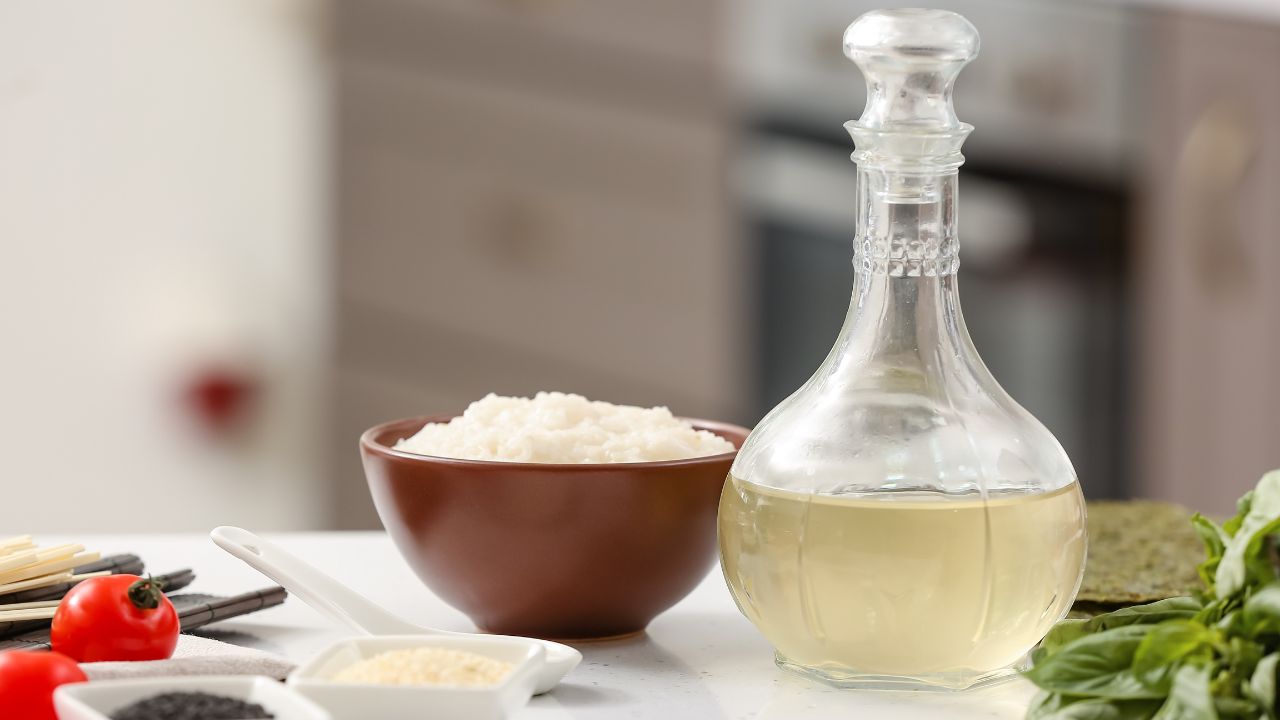
Rice vinegar stands as your secret weapon for creating quick Asian dishes that sing with authentic flavor. This mild, slightly sweet vinegar transforms ordinary weeknight meals into restaurant-quality experiences in minutes. Keep a bottle of seasoned rice vinegar on your counter, and you’ll find yourself reaching for it constantly to brighten stir-fries, dress quick salads, or create instant marinades. The beauty of rice vinegar lies in its gentle acidity that never overpowers delicate ingredients like fresh vegetables or seafood.
You can create lightning-fast sauces by whisking rice vinegar with soy sauce, sesame oil, and a touch of honey for the perfect sweet-and-sour balance. Try splashing it over steamed vegetables while they’re still hot, or use it to deglaze your wok after cooking proteins for an instant pan sauce. Rice vinegar also works magic in cold preparations – toss it with julienned cucumbers and carrots for a refreshing side that comes together in two minutes. Stock both plain and seasoned varieties, as the seasoned version contains added sugar and salt, making it perfect for dishes where you want to skip measuring multiple seasonings.
Soy Sauce
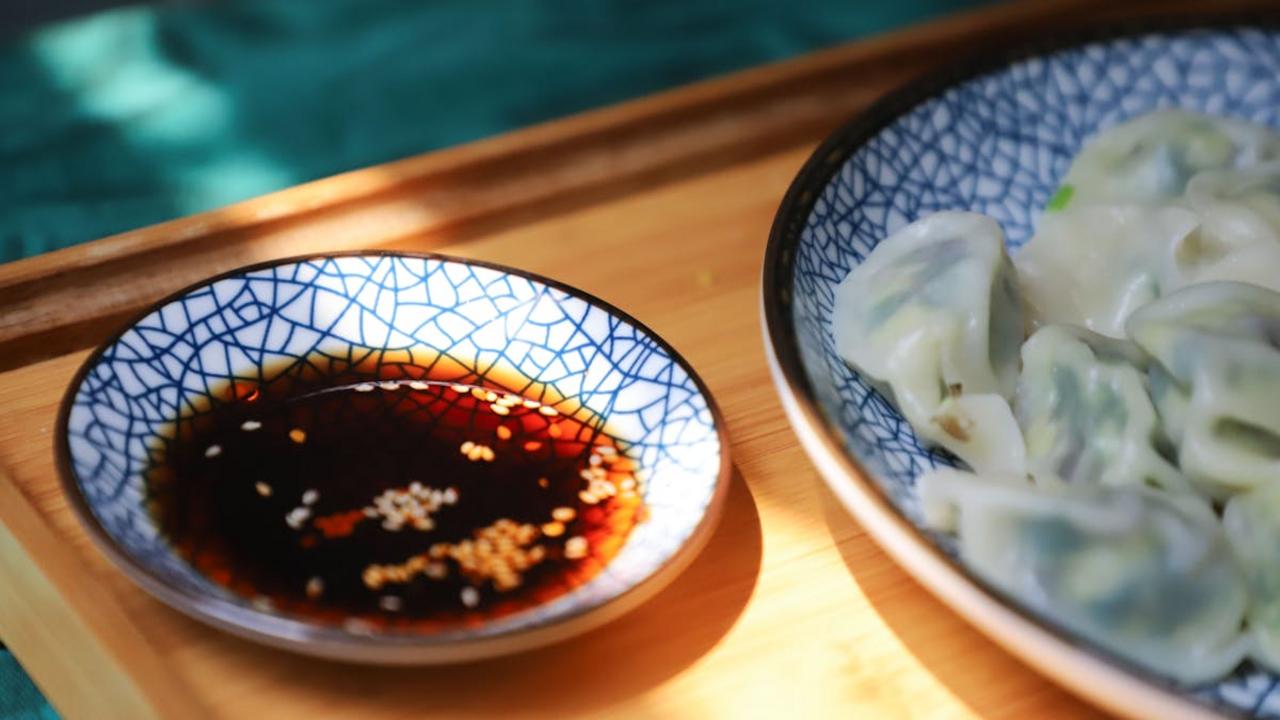
Your pantry’s secret weapon for instant umami magic deserves a prime spot on your counter! Light soy sauce brings that perfect salty-savory depth that transforms simple stir-fries into restaurant-quality dishes in minutes. Dark soy sauce adds rich color and slightly sweet molasses notes that make your noodles look absolutely gorgeous. Keep both varieties handy because they serve different purposes – light for seasoning and marinades, dark for that beautiful caramelized finish you see in your favorite takeout spots.
Here’s my favorite time-saving trick: mix equal parts light soy sauce, rice wine, and cornstarch to create an instant marinade that tenderizes protein in just 15 minutes. You can marinate chicken, beef, or tofu while you prep your vegetables, then everything cooks together seamlessly. For vegetarian dishes, soy sauce becomes your best friend for building layers of flavor – splash it into fried rice, drizzle over steamed vegetables, or whisk with garlic and ginger for a quick sauce that coats noodles beautifully. Quality matters here, so invest in a good brand that doesn’t taste overly salty or artificial.
Rice Cooker

Your rice cooker can become your secret weapon for creating perfect Asian dinners in record time! I use mine for way more than just rice – it’s incredible for steaming vegetables, cooking quinoa, and even preparing one-pot meals. The beauty of a good rice cooker lies in its ability to free up your stovetop while delivering consistently fluffy, perfectly cooked grains every single time. You can start your rice, then focus on stir-frying proteins or prepping fresh garnishes without worrying about timing or burnt bottoms.
Here’s what transforms your rice cooker into a dinner-making powerhouse: try adding coconut milk instead of water for Thai-inspired dishes, or toss in some soy sauce and sesame oil for instant flavor. You can even throw diced vegetables directly into the rice during the last few minutes of cooking for a complete side dish. Many modern rice cookers have different settings that work beautifully for jasmine rice, brown rice, or even sticky rice for sushi bowls. Trust me, once you master these simple techniques, you’ll wonder how you ever managed busy weeknight cooking without this reliable kitchen companion!
Wok
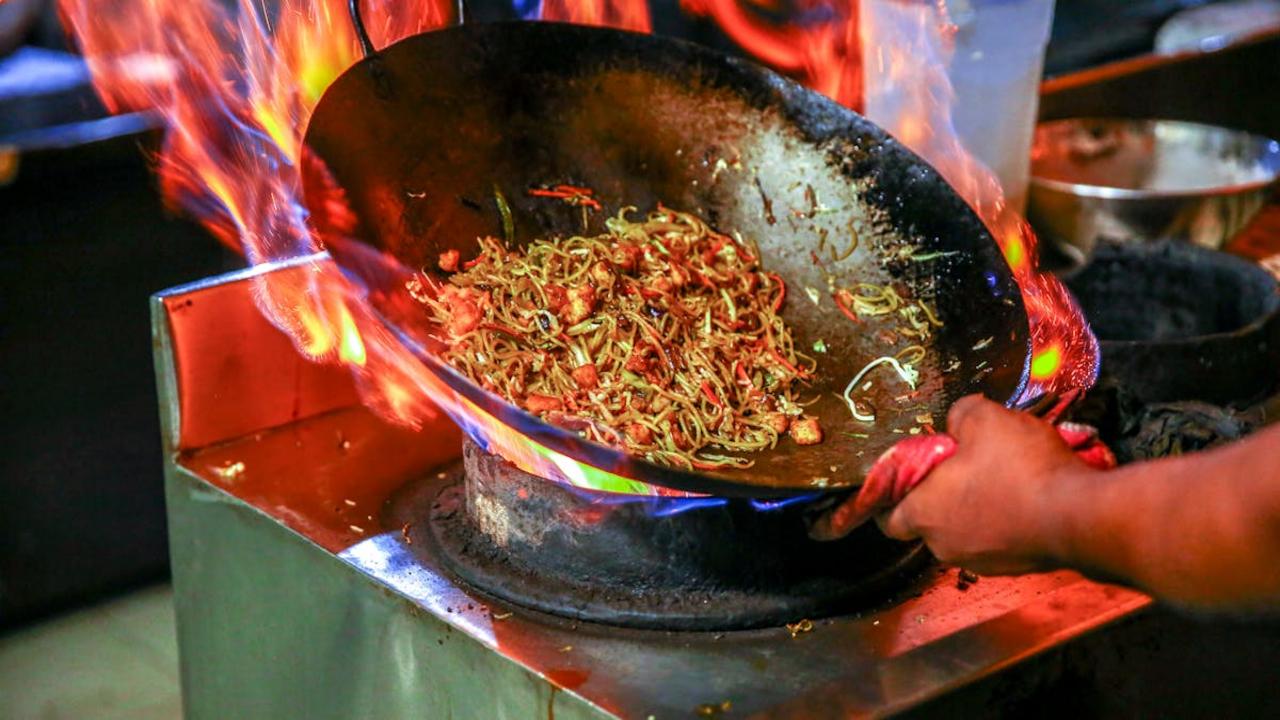
Your trusty wok is the secret weapon that transforms ordinary weeknight cooking into something magical. This bowl-shaped pan distributes heat so efficiently that you can cook at blazing speeds while keeping vegetables crisp and proteins tender. The high, slanted sides create multiple heat zones – scorching hot at the bottom for serious searing, and cooler areas up the sides for gentler cooking. When you master wok cooking, you’re not just making dinner faster; you’re creating those coveted “wok hei” flavors that make restaurant dishes so irresistible.
Here’s what makes wok cooking absolutely brilliant for busy nights: everything happens in one pan, and it happens fast. Preheat your wok until it’s smoking hot, add oil, then toss in ingredients according to cooking time – longest-cooking items first, quick-cooking greens last. The key is keeping everything moving with your spatula or wooden spoon, creating that signature toss-and-flip motion. Your proteins get beautifully caramelized, vegetables stay vibrant and crunchy, and sauces coat everything perfectly. Plus, cleanup is a breeze since you’re only dirtying one pan for your entire meal.