14 Korean Ingredients That Unlock Big Flavor in Your Home Cooking
Korean cooking brings explosive flavors to your kitchen without complicated techniques. The magic lies in the ingredients themselves – most shelf-stable and ready to transform ordinary meals into something extraordinary. I’ve collected 14 essential Korean pantry staples that will add depth, umami, and that distinctive Korean flair to dishes you already love.
You don’t need a specialty market for many of these ingredients anymore. Most supermarkets now stock items like gochujang (red chili paste) and sesame oil in their international aisles. Once these ingredients live in your pantry, you’ll find yourself reaching for them daily – adding a spoonful of fermented soybean paste to soups or a splash of fish sauce to elevate a simple stir-fry.
These ingredients work together beautifully but shine individually too. Start with just three or four from this list and watch how they brighten your cooking. The balance of sweet, salty, spicy and that wonderful fermented complexity will soon become your signature touch in everything from roasted vegetables to marinades for your protein of choice.
Korean Pear
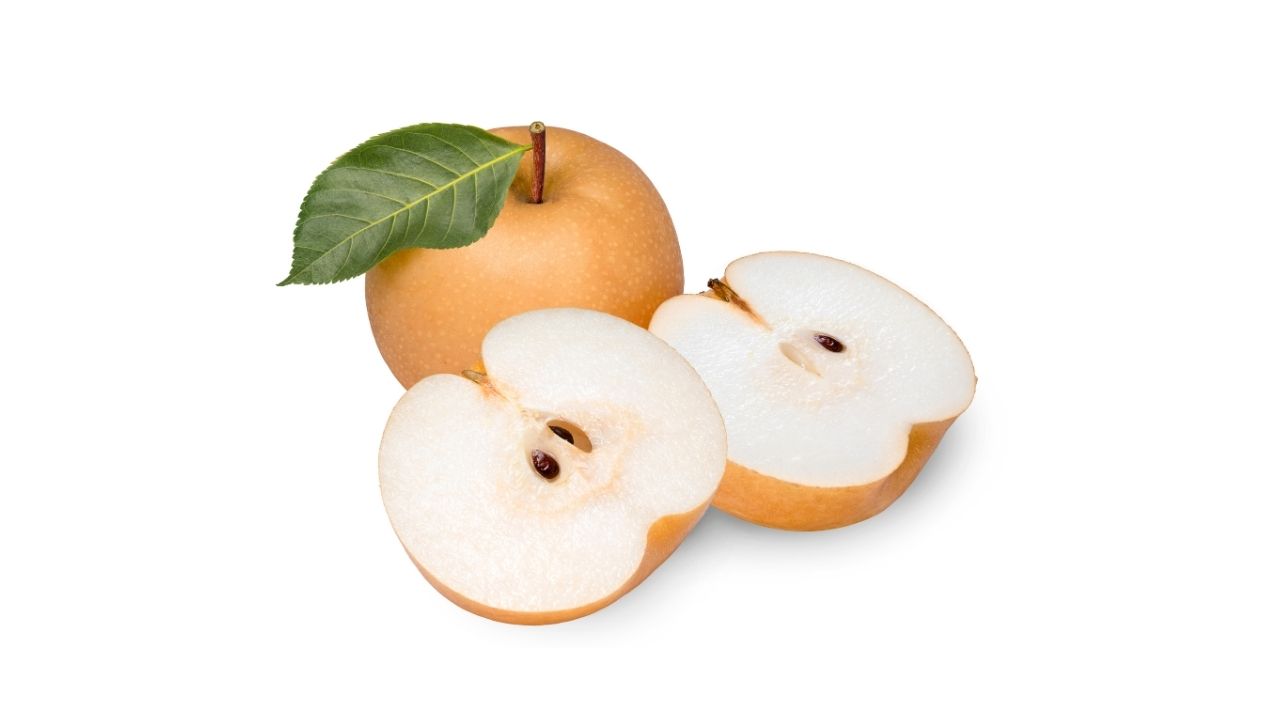
Korean pears bring something magical to your kitchen that regular pears simply can’t match. These crisp, round beauties pack incredible sweetness with a refreshing crunch that stays firm even after cooking. I love how they bridge the gap between fruit and vegetable in Korean cooking – you’ll find them grated into marinades where their natural enzymes work wonders on tough cuts of meat, breaking down proteins while adding subtle sweetness. Their high water content and natural sugars make them perfect for balancing the heat in spicy dishes, and I often reach for them when making bulgogi or galbi marinades.
What makes Korean pears truly special is their versatility beyond traditional Korean recipes. I’ve discovered they work beautifully in salads, adding unexpected texture and mild sweetness that pairs wonderfully with bitter greens and tangy dressings. Try grating them into your next batch of kimchi for added complexity, or slice them thin for a refreshing side dish dressed with sesame oil and a pinch of salt. Their natural enzymes also make them fantastic for tenderizing other proteins – I’ve used grated Korean pear in marinades for chicken and pork with incredible results. Keep them refrigerated and they’ll last for weeks, ready to transform your home cooking.
Napa Cabbage
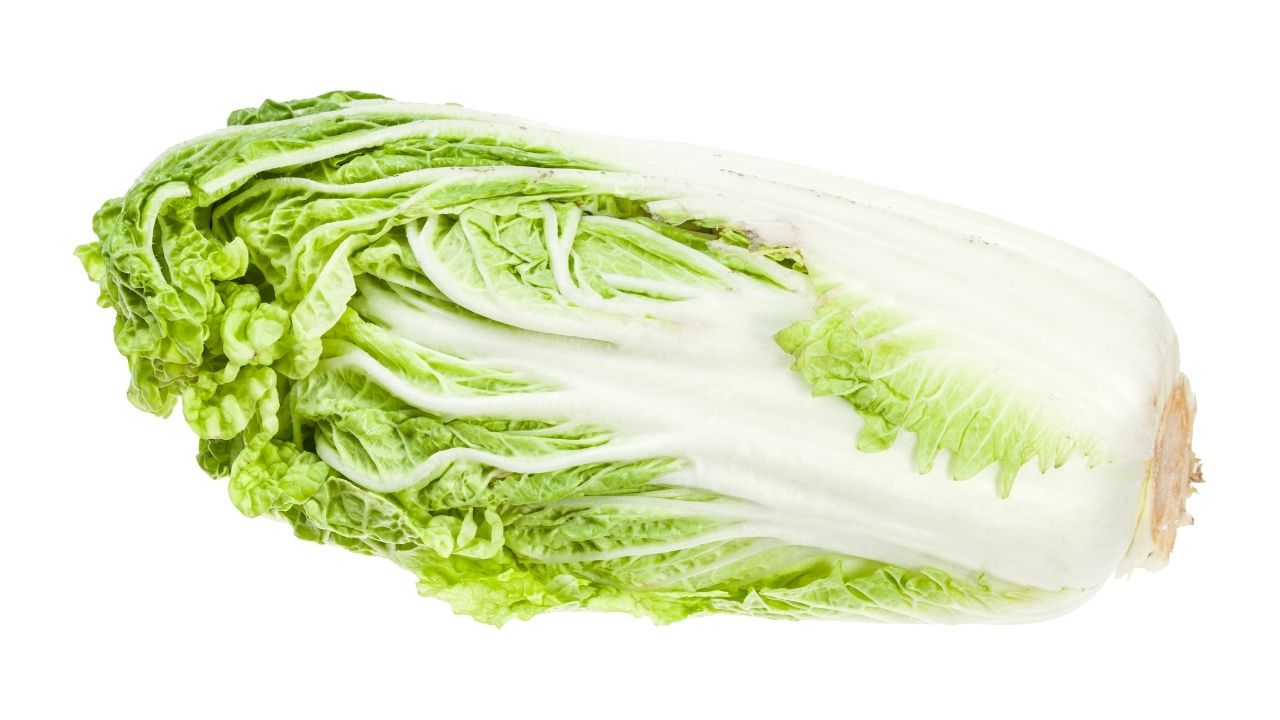
You know that moment when you’re staring at your fridge, wondering how to turn simple ingredients into something magical? Napa cabbage becomes your secret weapon here. This mild, crisp vegetable brings incredible versatility to your Korean cooking adventures. Unlike regular cabbage, napa has tender leaves with a subtle sweetness that soaks up marinades beautifully. I grab it for quick kimchi when I’m craving fermented flavors, toss it into soups for added texture, or simply stir-fry it with garlic and sesame oil for a five-minute side dish that complements any meal.
What I love most about napa cabbage is how it bridges the gap between raw and cooked preparations. You can pickle it lightly with rice vinegar and salt for an instant banchan, or add it to your homemade dumplings for that perfect crunch. The outer leaves work wonderfully for wrapping grilled meats, while the tender inner parts shine in broths and stews. I always keep a head in my refrigerator because it stays fresh for weeks and transforms ordinary weeknight dinners into something that feels intentional and nourishing. Trust me, once you start cooking with napa cabbage regularly, you’ll wonder how you ever managed without it.
Korean Red Chili Powder
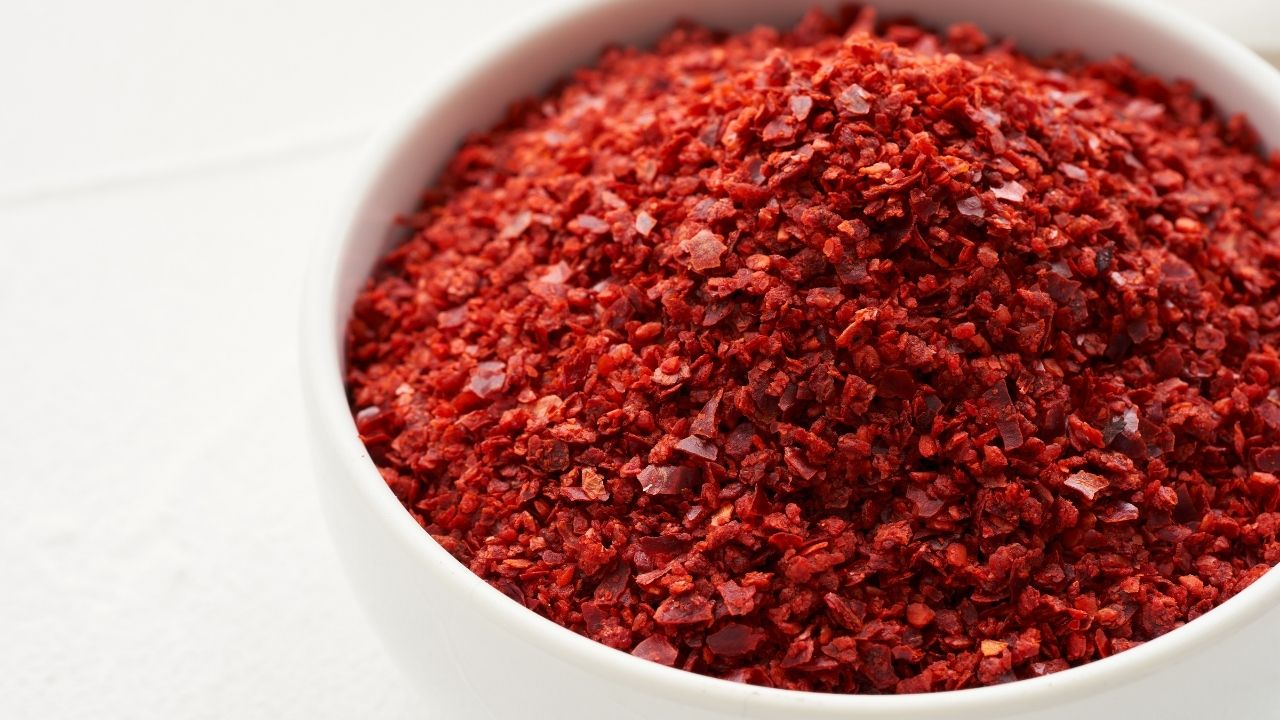
Korean red chili powder, known as gochugaru, stands as one of my most treasured pantry staples. This coarse-ground powder brings a warm, fruity heat that differs completely from the sharp bite of cayenne or paprika. I source mine from Korean markets where the vibrant red flakes shimmer like tiny garnets. The smoky sweetness paired with moderate heat creates depth in everything from simple vegetable stir-fries to complex stews. You can sprinkle it over roasted vegetables, mix it into marinades, or create your own kimchi at home.
What makes gochugaru special lies in its balance – it adds fire without overwhelming other flavors. I keep it in an airtight container away from light to preserve its brilliant color and complex flavor profile. Start with small amounts since different brands vary in heat levels. This powder transforms ordinary dishes into something memorable. Mix it with sesame oil and garlic for a quick dipping sauce, or dust it over popcorn for an unexpected snack. Once you start cooking with gochugaru, you’ll discover its versatility knows no bounds.
Fish Sauce
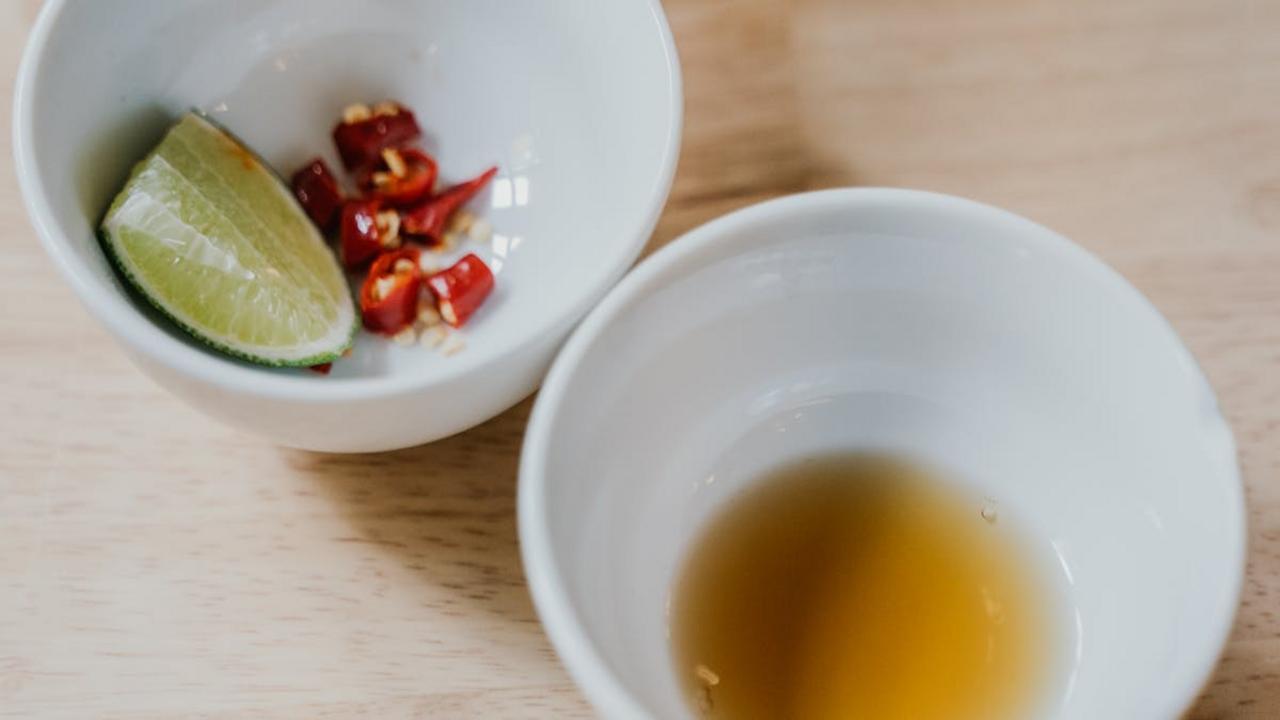
I know what you’re thinking—fish sauce in Korean cooking? Trust me on this one! Korean fish sauce, called myeolchi aekjeot, brings an incredible depth that transforms your dishes from good to unforgettable. Made from fermented anchovies, this golden liquid carries a complex umami punch that’s completely different from its Southeast Asian cousins. Korean fish sauce tends to be cleaner and more subtle, making it perfect for those who want to add serious flavor without overwhelming saltiness. I keep a bottle in my pantry because it works magic in everything from kimchi to soups, and honestly, once you start cooking with it, regular salt feels boring.
What I love most about Korean fish sauce is how it plays well with other ingredients—it never fights for attention but quietly builds layers of flavor that make people ask, “What did you put in this?” I add a splash to my vegetable broths, mix it into marinades for grilled proteins, and use it in my homemade kimchi for that authentic fermented tang. The beauty lies in its versatility; you can substitute it for salt in most recipes and instantly create more complex, satisfying dishes. Start with small amounts—a teaspoon goes a long way—and watch how this simple ingredient transforms your Korean-inspired cooking into something restaurant-worthy.
Rice Vinegar
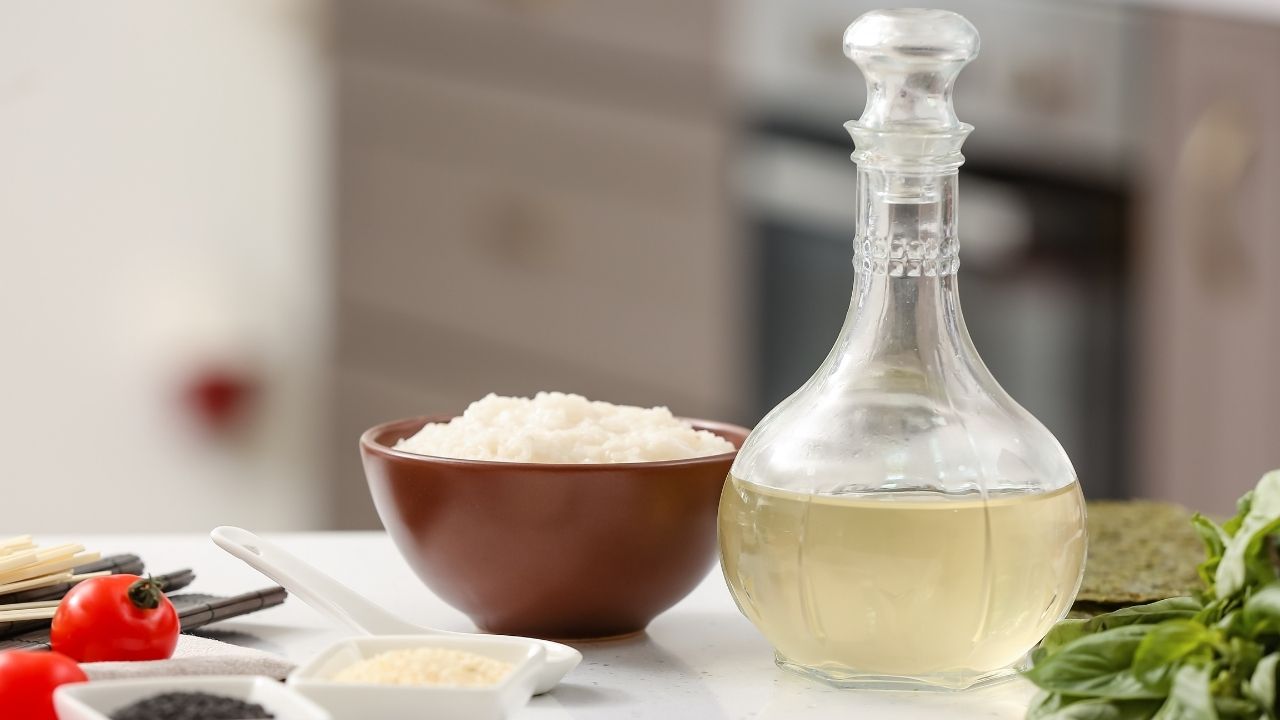
You know that gentle, almost sweet acidity that makes Korean dishes so balanced and bright? That’s rice vinegar working its magic. I keep a bottle of this golden liquid on my counter because it transforms everything it touches without overwhelming your palate. Unlike harsh white vinegar that can make you wince, rice vinegar brings a mellow tartness that actually complements other flavors instead of fighting them. I love how it brightens up marinades, adds depth to dipping sauces, and creates that perfect tang in kimchi recipes.
What really gets me excited about rice vinegar is how it bridges different cooking styles so effortlessly. I’ll splash it into my salad dressings alongside olive oil, use it to pickle quick vegetables for tacos, or mix it with gochujang for an incredible glaze on roasted chicken. The fermented rice base gives it a subtle sweetness that pairs beautifully with ginger, garlic, and soy sauce – creating those complex flavor layers that make people ask “what’s your secret?” The best part? It keeps vegetables crisp in quick pickles and helps break down proteins in marinades, making your meat incredibly tender. Once you start cooking with rice vinegar, you’ll wonder how you ever managed without it.
Toasted Sesame Seeds
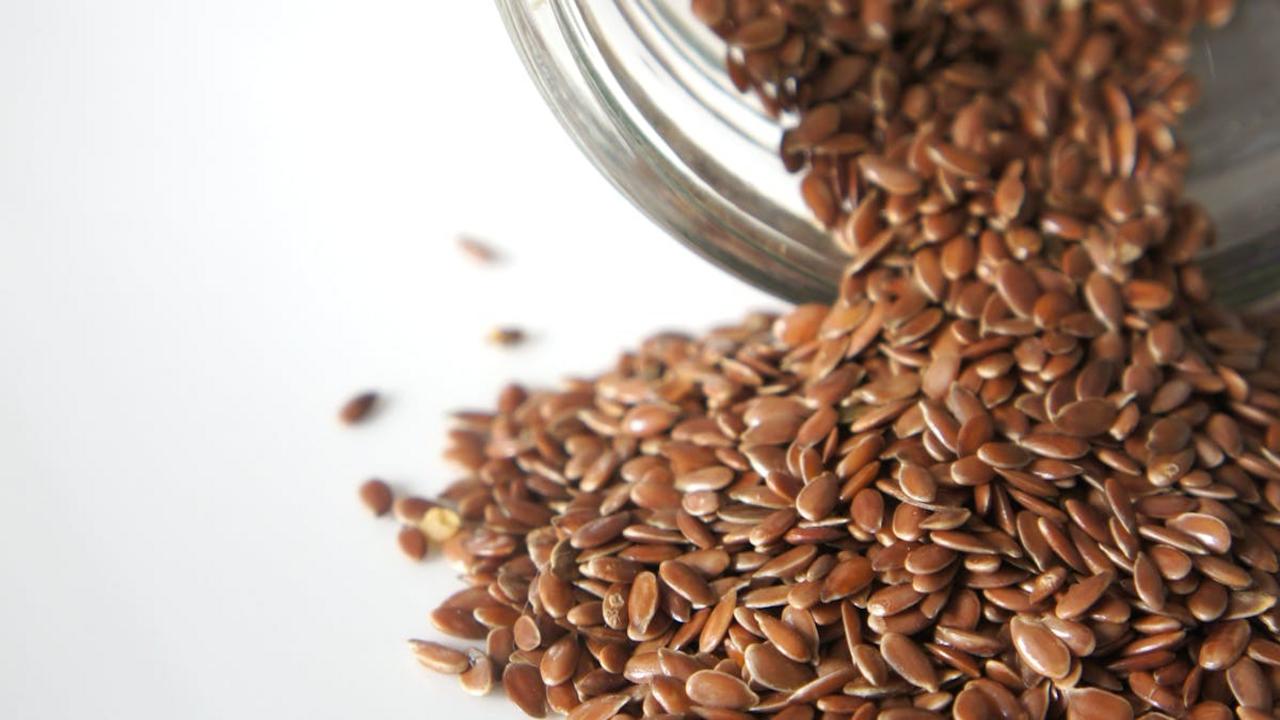
These tiny golden gems transform from bland to brilliant with just a few minutes in a dry pan, and I keep a jar of freshly toasted sesame seeds in my pantry at all times. You simply cannot compare the nutty, rich depth of flavor that comes from toasting your own seeds to the pre-packaged versions sitting on grocery store shelves. I heat a small skillet over medium heat, add raw sesame seeds, and shake the pan frequently until they turn golden brown and smell absolutely incredible—usually about 3-4 minutes.
Once you start sprinkling these aromatic seeds over everything, you’ll wonder how you ever cooked without them. I love adding them to rice bowls, salads, roasted vegetables, and even mixing them into homemade granola for an unexpected twist. They bring texture and a toasty warmth that complements both Korean dishes like bibimbap and fusion creations in my kitchen. The best part? You control the toasting level, so you can go light for subtle nuttiness or darker for more intense flavor. Store them in an airtight container, and they’ll stay fresh and crunchy for weeks.
Green Onions
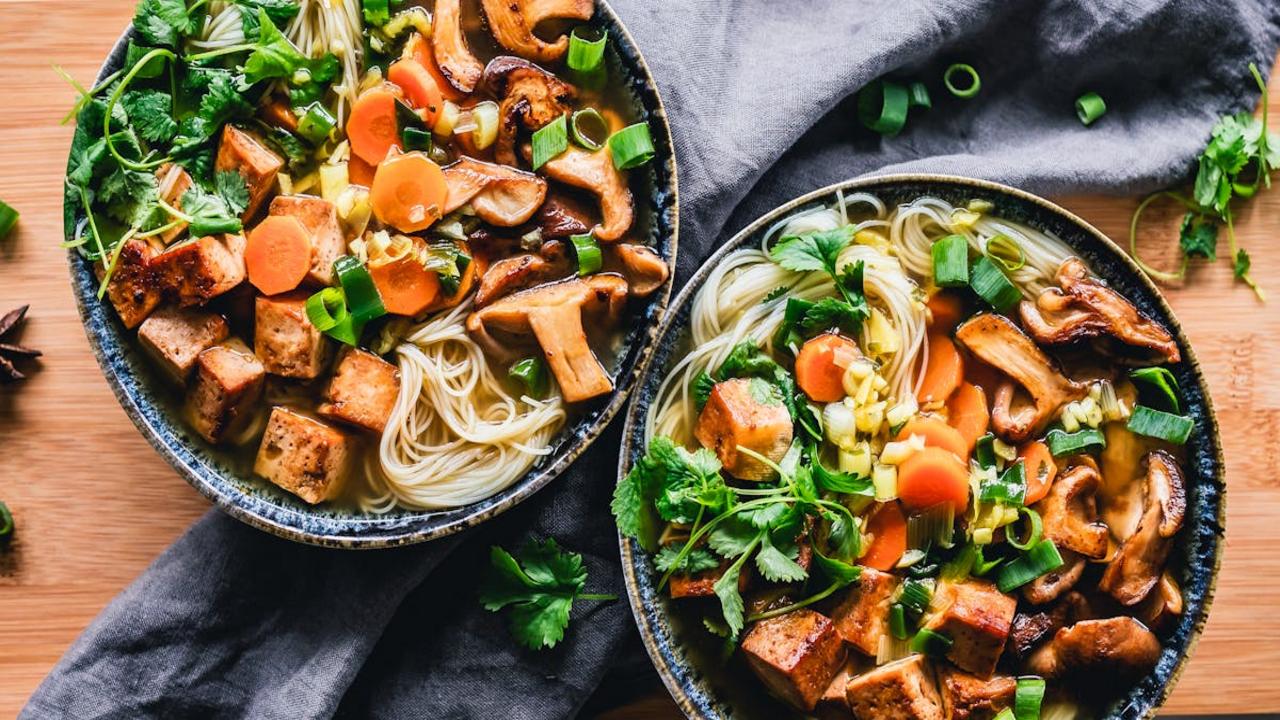
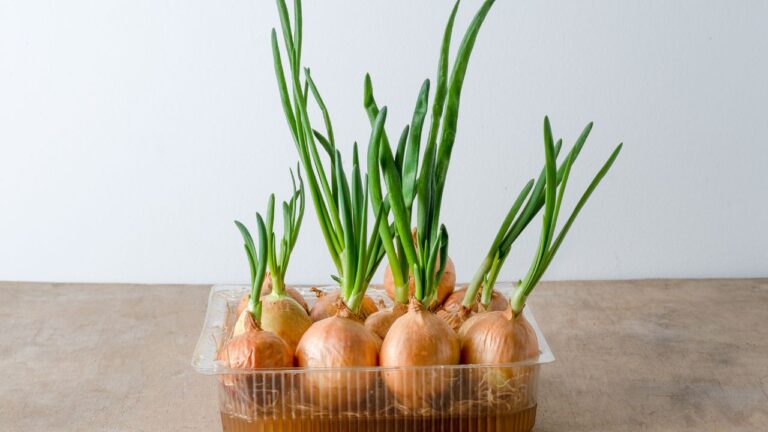
Green onions deserve a permanent spot in your kitchen arsenal, and I can’t imagine cooking Korean food without them. These slender beauties bring a gentle onion flavor that’s never overpowering, plus they add the most gorgeous pop of color to any dish. I always keep a bunch in my refrigerator because they work magic in everything from pajeon (Korean scallion pancakes) to simple scrambled eggs. The white parts offer a sharper bite while the green tops provide a milder, almost grassy sweetness. You can slice them thin for garnishes, chop them roughly for stir-fries, or even grill them whole for a smoky side dish.
What I love most about green onions is how they bridge the gap between raw and cooked flavors in Korean cooking. They’re perfect for finishing dishes—sprinkle them over bibimbap, stir them into hot soup right before serving, or fold them into kimchi fried rice for that fresh contrast. I often use both the white and green parts differently in the same recipe, adding the whites early for deeper flavor and saving the greens for the final moments. They’re incredibly forgiving too—if you accidentally add too many, you won’t ruin your dish. Keep them fresh by storing them like flowers in a glass of water, and they’ll reward you with weeks of reliable flavor.
Ginger
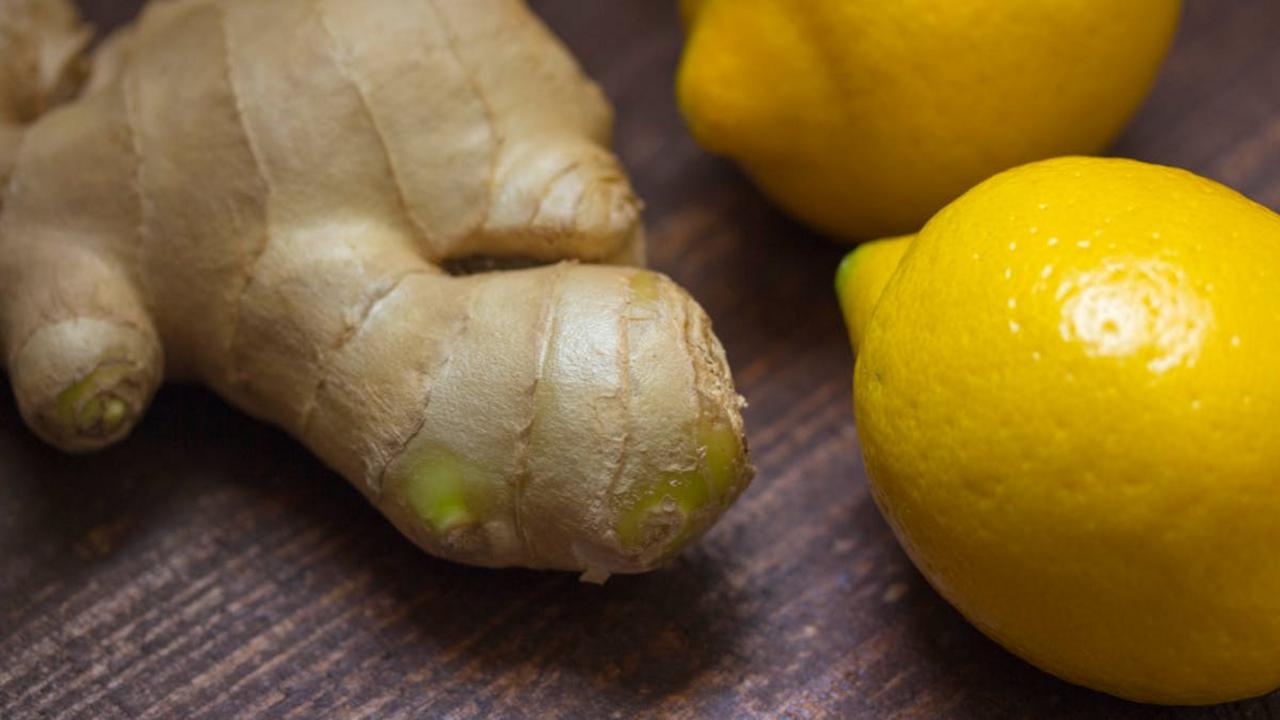
Fresh ginger brings that unmistakable warmth and zing that transforms Korean dishes from good to absolutely incredible. I keep a knob of this golden root in my kitchen at all times because it works magic in everything from hearty jjigae stews to refreshing banchan salads. The sharp, slightly sweet heat of ginger cuts through rich flavors beautifully, which is why you’ll find it grated into marinades for bulgogi or minced into kimchi paste. What I love most about cooking with fresh ginger is how it brightens heavy dishes and adds complexity without overwhelming other ingredients.
You can use ginger in so many ways beyond the typical grated form – try slicing it thin for pickling, smashing whole pieces for broths, or even juicing it for dressings. I often make a simple ginger scallion oil by heating neutral oil with sliced ginger and green onions, then drizzling it over steamed vegetables or rice bowls. The key is using fresh ginger whenever possible since the dried powder just doesn’t deliver that same bright, almost floral quality that makes Korean food so vibrant. Keep your ginger in the freezer and grate it directly from frozen – it actually grates easier this way and saves you from peeling!
Garlic
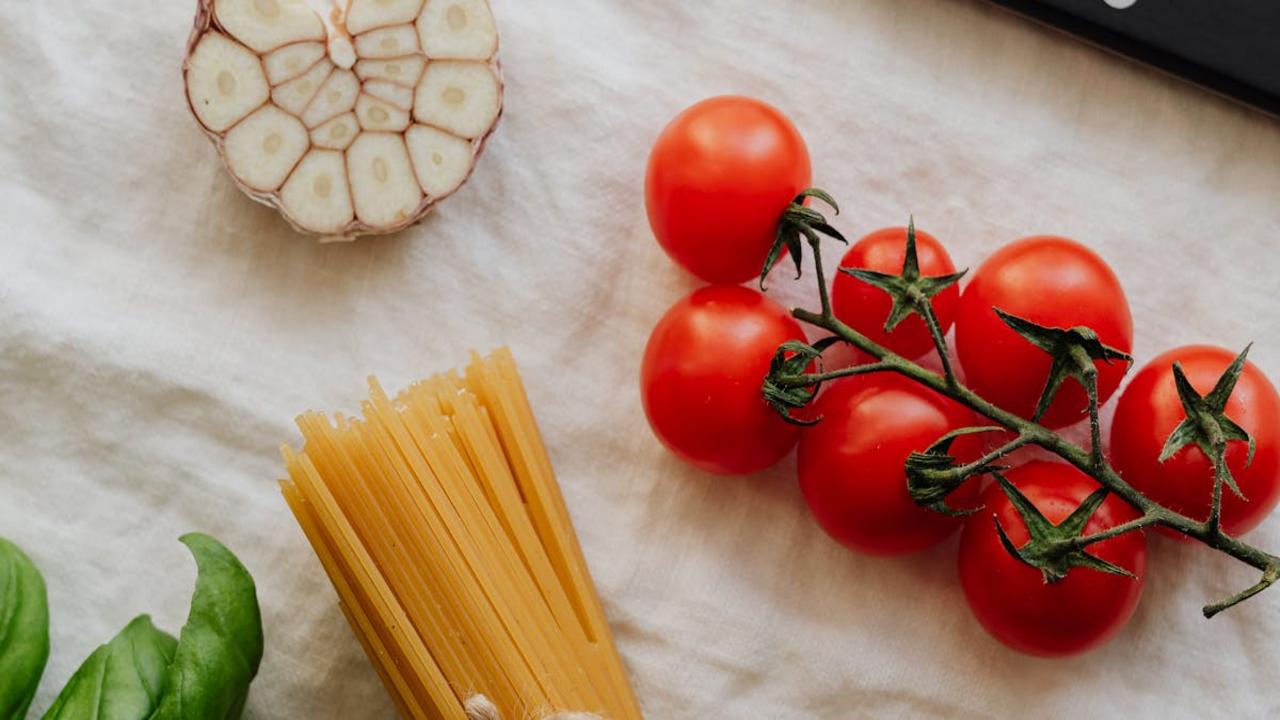
Korean garlic stands apart from its counterparts with its bold, pungent personality that transforms every dish it touches. You’ll notice the difference immediately—Korean garlic tends to be more robust and intense than the milder varieties you might find at your local grocery store. When I first started cooking Korean dishes, I discovered that garlic isn’t just an accent ingredient here; it’s a cornerstone that builds the foundation of authentic flavors. The Koreans use garlic generously, and for good reason—it brings depth and warmth that makes your kitchen smell like pure comfort.
Fresh garlic works beautifully in marinades, stir-fries, and banchan (side dishes), but don’t overlook the magic of fermented black garlic if you can find it. This aged version offers a sweet, molasses-like complexity that adds incredible richness to braises and sauces. I love mincing fresh garlic into my kimchi paste or crushing whole cloves into my bulgogi marinade—the oils release and create layers of flavor that store-bought shortcuts simply can’t match. Keep your garlic at room temperature in a well-ventilated space, and don’t be shy about using more than you think you need. Korean cooking celebrates bold flavors, and garlic delivers that punch every single time.
Fermented Soybean Paste
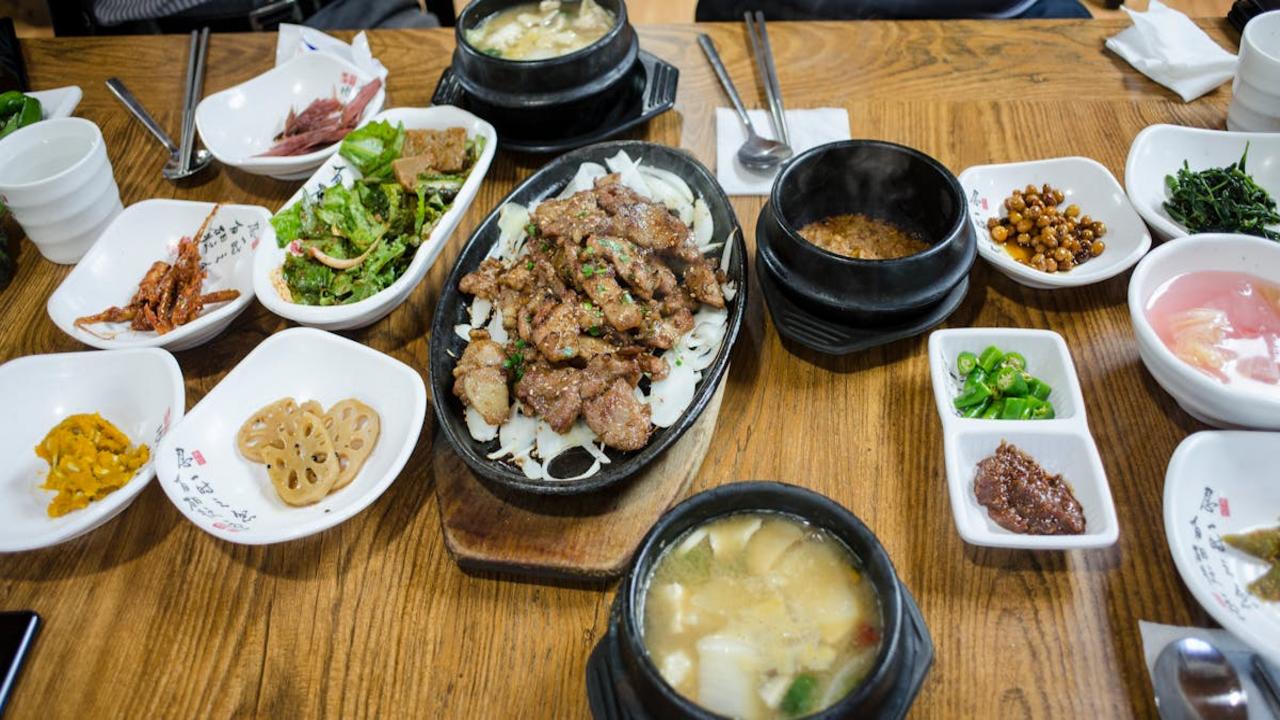
Doenjang holds a special place in my kitchen – this dark, earthy fermented soybean paste brings an incredible depth that transforms ordinary dishes into something memorable. Unlike its Japanese cousin miso, doenjang has a more robust, funky flavor that might catch you off guard at first, but trust me, once you understand how to work with it, you’ll reach for it constantly. I love how just a spoonful can add layers of umami to soups, marinades, and even salad dressings. The fermentation process creates complex flavors that you simply can’t replicate with fresh ingredients.
I always keep a container in my fridge because doenjang works beautifully in both traditional Korean recipes and fusion cooking. Try whisking it into a vinaigrette with sesame oil and rice vinegar for roasted vegetables, or add it to your next pot of chili for an unexpected flavor boost. The paste also makes an incredible base for doenjang jjigae, a comforting stew that’s perfect for cold evenings. When buying doenjang, look for versions with minimal ingredients – the best ones contain just soybeans, salt, and time. Store it properly in the refrigerator, and it will keep for months, becoming more complex and delicious as it ages.
Red Chili Paste
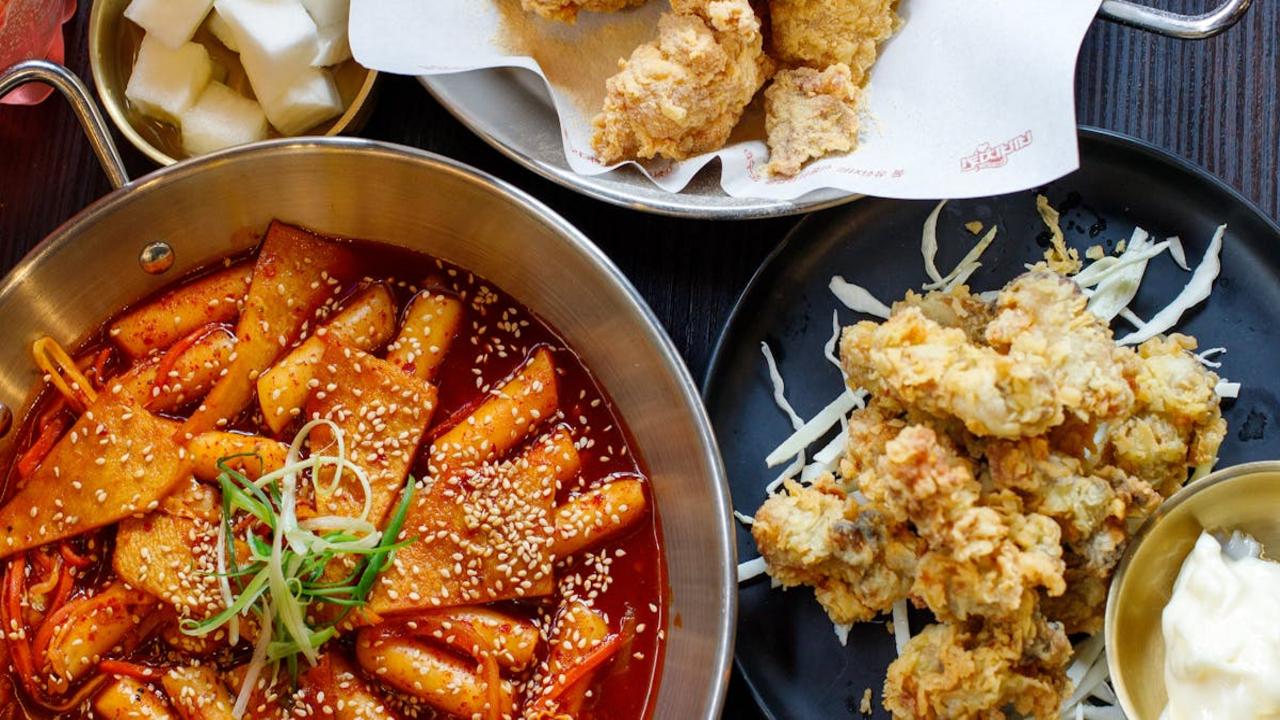
Gochujang transforms everything it touches with its complex layers of sweet, spicy, and umami flavors. This fermented red chili paste brings depth that you simply can’t achieve with regular hot sauce or chili flakes. I keep a container in my fridge at all times because it works magic in both Korean dishes and fusion creations. Mix it into marinades for grilled meats, stir it through noodle dishes, or add a spoonful to your next batch of roasted vegetables. The fermentation process creates this incredible richness that balances heat with subtle sweetness.
What makes gochujang special is how it plays with other ingredients rather than overwhelming them. I love adding it to salad dressings mixed with rice vinegar and sesame oil, or stirring it into mayo for an instant flavor upgrade on sandwiches and burgers. Start with small amounts since the heat builds gradually, and you can always add more. This paste keeps for months in the refrigerator, becoming even more complex over time. Once you start cooking with gochujang, you’ll discover it belongs in far more dishes than traditional Korean recipes alone.
Sesame Oil
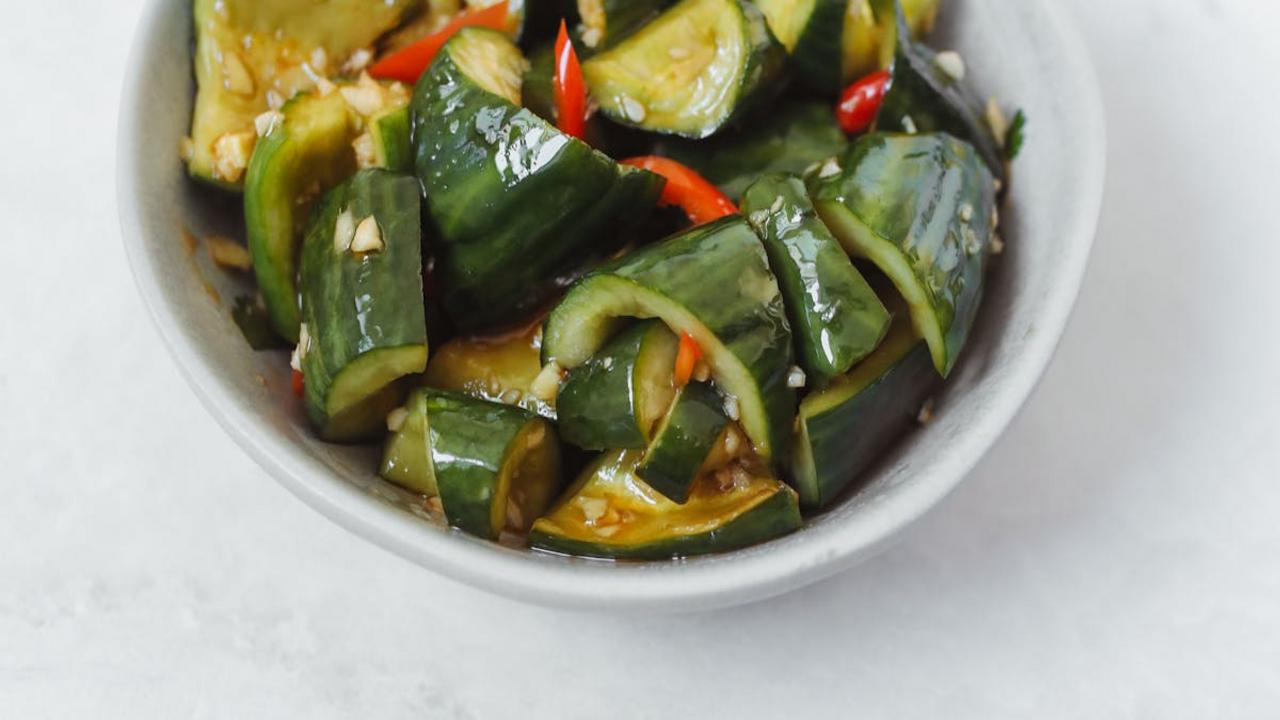
I keep two types of sesame oil in my kitchen, and understanding the difference between them completely transformed how I cook Korean food at home. Light sesame oil works beautifully for sautéing and general cooking, while dark sesame oil—the one made from toasted sesame seeds—acts as my secret weapon for finishing dishes. That deep, nutty aroma hits you the moment you open the bottle, and just a few drops can turn simple steamed vegetables or plain rice into something memorable. I add it to marinades, drizzle it over soups right before serving, and always finish my Korean pancakes with a light brush of this liquid gold.
The key with dark sesame oil is restraint—too much overwhelms everything else on your plate. I learned this lesson the hard way when I first started cooking Korean dishes and would pour it in like regular cooking oil. Now I treat it like a condiment, adding just enough to create that signature Korean flavor without masking the other ingredients. Mix it with soy sauce and rice vinegar for the simplest dipping sauce, or stir a teaspoon into your fried rice at the very end of cooking. Your whole kitchen will smell incredible, and that nutty depth becomes the bridge that connects all your flavors together perfectly.
Rice
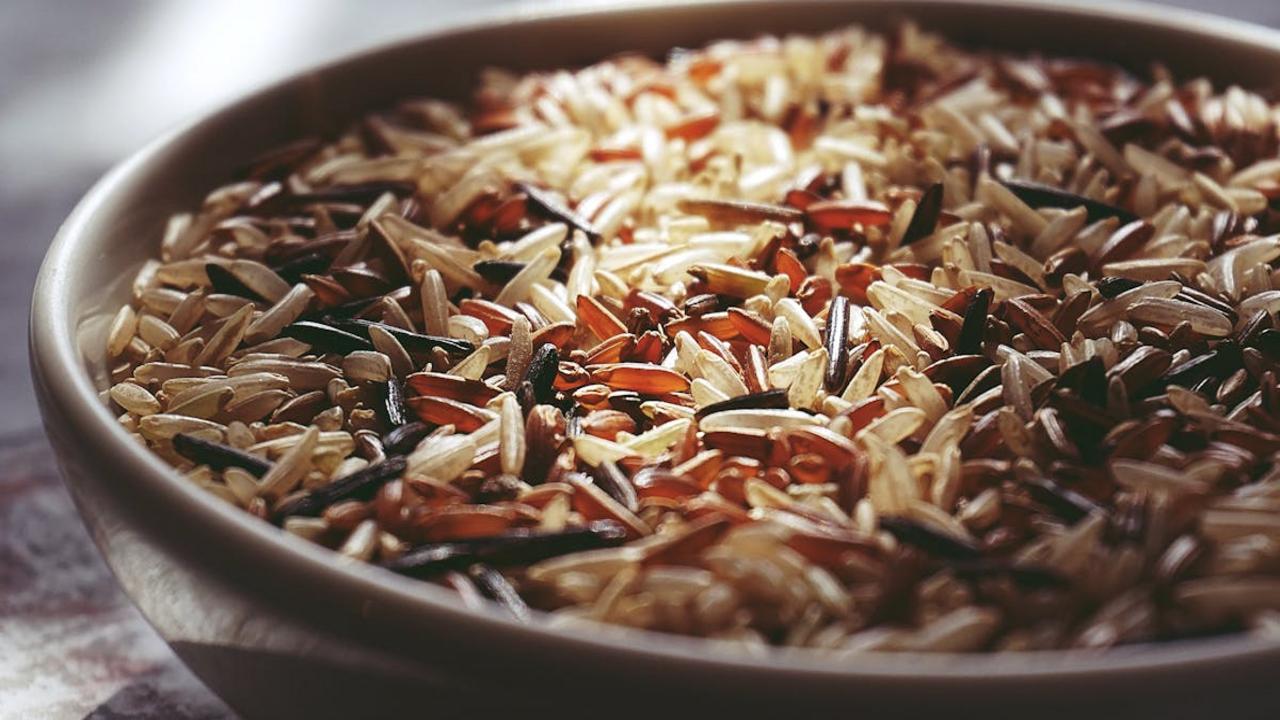
You know how some ingredients seem so basic that we overlook their true potential? Rice falls into that category for me. Korean cooking taught me that rice isn’t just a side dish—it’s the foundation that ties everything together. Short-grain Korean rice has this incredible stickiness and subtle sweetness that makes every bite satisfying. When I cook it properly, with the right water ratio and a gentle steam, it becomes this perfect canvas that soaks up all those beautiful Korean flavors from banchan and stews.
I’ve started treating rice with more respect in my kitchen, and honestly, it changed how I approach meal planning. Korean families often cook a big batch at the beginning of the week, then transform it throughout the days—into fried rice with leftover vegetables, mixed with seaweed for a quick snack, or paired with fermented foods for gut health. The beauty lies in its simplicity and versatility. Now I always keep good-quality short-grain rice in my pantry because it makes every Korean-inspired dish taste more authentic and complete.
Soy Sauce
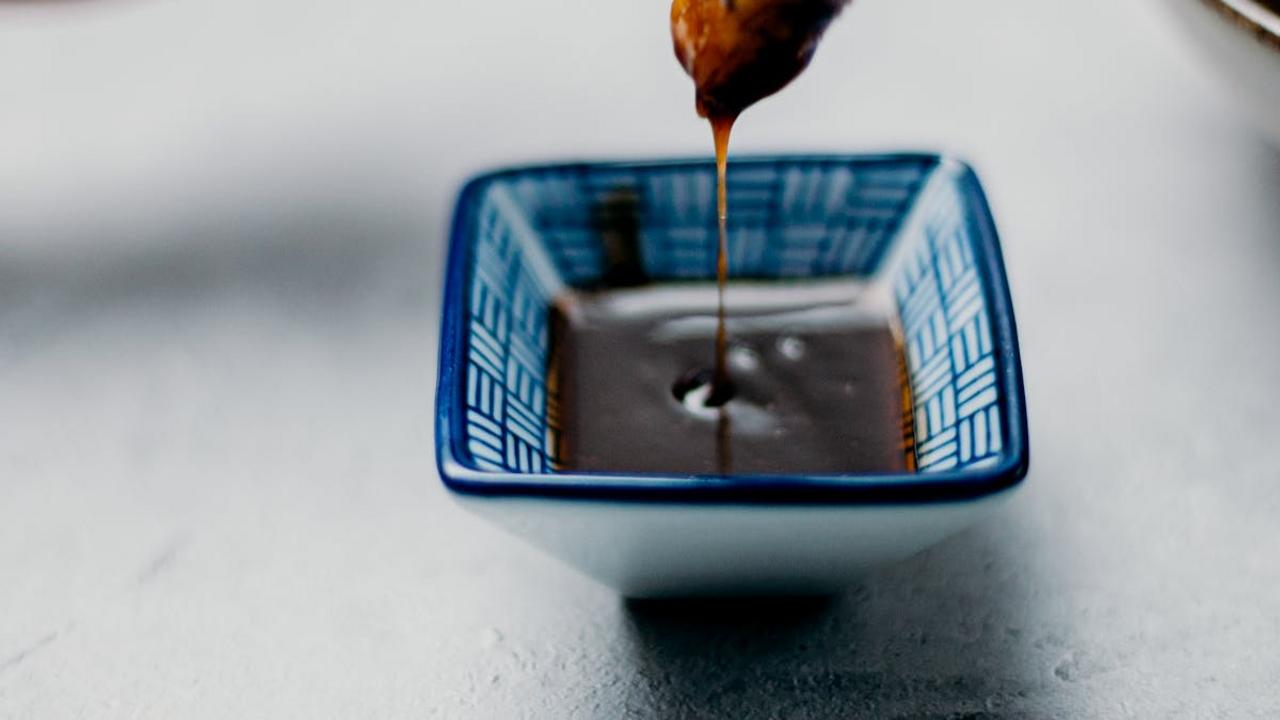
You probably have a bottle sitting in your pantry right now, but Korean soy sauce brings something special to the table that sets it apart from its Japanese counterpart. Korean soy sauce, or ganjang, comes in two main varieties that will transform how you think about this pantry staple. Light soy sauce (jin-ganjang) offers a clean, salty brightness perfect for seasoning soups and marinades, while dark soy sauce (jin-ganjang) delivers deeper, more complex umami notes that anchor braised dishes and stews. I reach for Korean soy sauce whenever I want that perfect balance of saltiness and depth without overwhelming other flavors.
What makes Korean soy sauce brilliant for home cooking is its versatility across cuisines – it doesn’t just belong in Korean dishes. I love using it in my weeknight pasta sauces, where a splash adds instant depth, or mixed with garlic and sesame oil for a quick vegetable stir-fry. The fermentation process creates layers of flavor that processed alternatives simply can’t match, giving your homemade meals that restaurant-quality richness. Try mixing light soy sauce with rice vinegar and a touch of sesame oil for an instant dressing that works on everything from salads to grilled proteins.