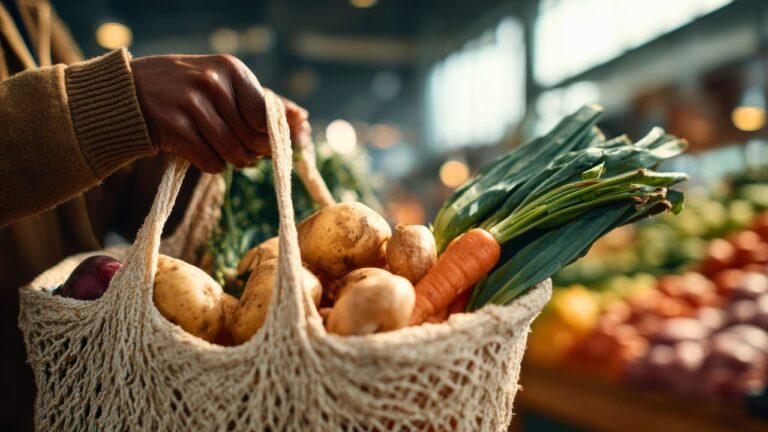
15 Vital Foods Every Emergency Kit Needs
Your emergency food kit needs smart planning – think beyond basic canned goods and granola bars. I’ve curated this list of 15 nutrient-rich foods that will keep you healthy and satisfied during unexpected situations. These ingredients pack maximum nutrition while taking up minimal space in your pantry.
Each item on this list brings unique benefits to your emergency supplies. From protein-rich beans and lentils to versatile grains like quinoa, you’ll find foods that stay fresh for months while providing complete nutrition. I selected options that need minimal preparation and work well together in simple meals.
The best part? Many of these foods make great additions to your everyday cooking too. Stock up on these staples and you’ll be ready for anything – while having excellent ingredients on hand for regular meal prep. Ready to build a smarter emergency food supply? Let’s dive into the must-have items.
Chia seeds
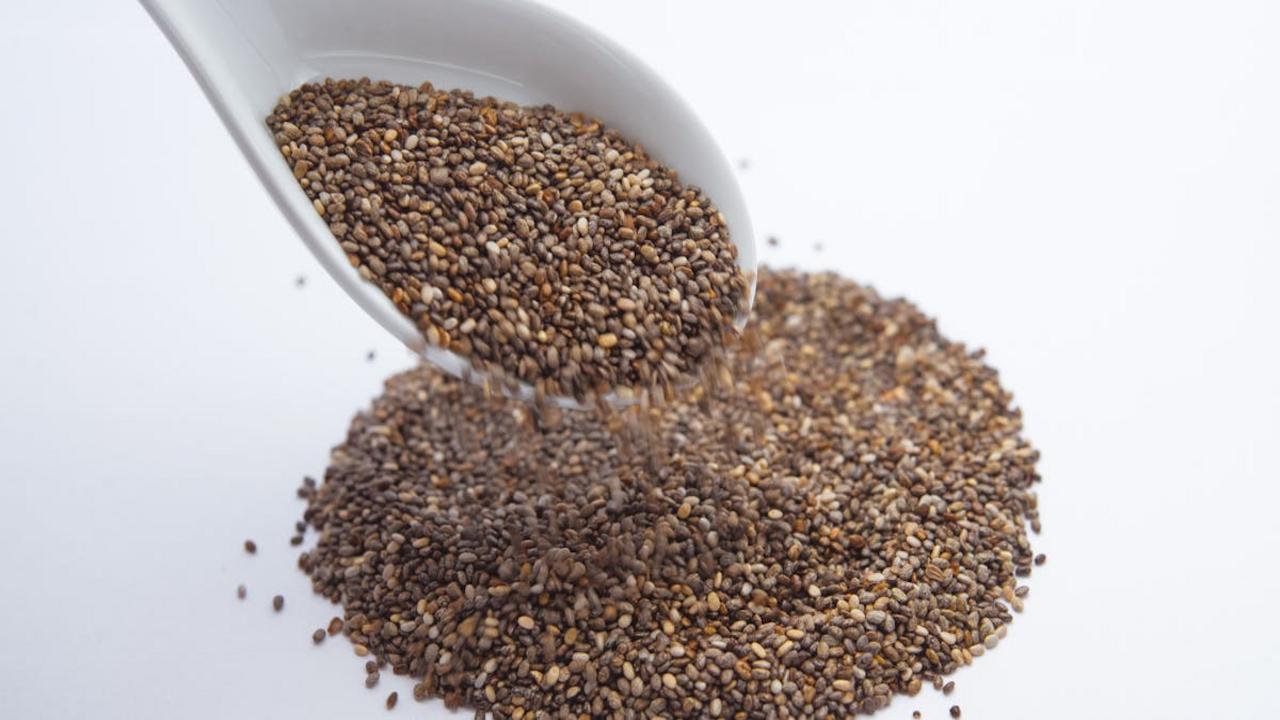
I always keep a good supply of chia seeds in my emergency kit because they pack an incredible nutritional punch in a tiny package. Just one tablespoon gives you protein, fiber, omega-3 fatty acids, and minerals like calcium and phosphorus. These little powerhouses can absorb up to 10 times their weight in water, making them filling and great for staying hydrated during emergencies. Plus, they have a super long shelf life of 4-5 years when stored properly in an airtight container.
You can add chia seeds directly to water bottles for extra nutrients and sustained energy, or mix them into other emergency foods like oatmeal and crackers. I love how versatile they are – you don’t need to cook or prepare them in any special way. During an emergency, having calorie-dense foods that require zero cooking is incredibly valuable. One of my favorite ways to use them is making a simple pudding by combining the seeds with water and letting them gel overnight. This gives you a satisfying breakfast option even without electricity or cooking equipment.
Dried seaweed

You’ll find dried seaweed an unexpected yet brilliant addition to your emergency food stash. This lightweight superfood packs an impressive nutritional punch with high levels of iodine, calcium, iron, and vitamins A, B, and C. I keep several packs of nori, wakame, and kombu in my emergency kit because they take up minimal space while offering maximum nutrients. Plus, dried seaweed stays fresh for years when stored properly in airtight containers away from moisture and direct sunlight.
Beyond its nutritional benefits, dried seaweed brings incredible versatility to emergency meals. You can rehydrate it quickly in water to make soups, wraps, or salads. I love crumbling dried nori over rice or adding wakame to instant noodles for extra minerals and umami flavor. The natural saltiness of seaweed also helps reduce the need for additional salt in your emergency cooking. Remember to store extra portions of dried seaweed in your regular pantry too – you’ll want to practice cooking with it before an emergency happens!
Nutritional yeast
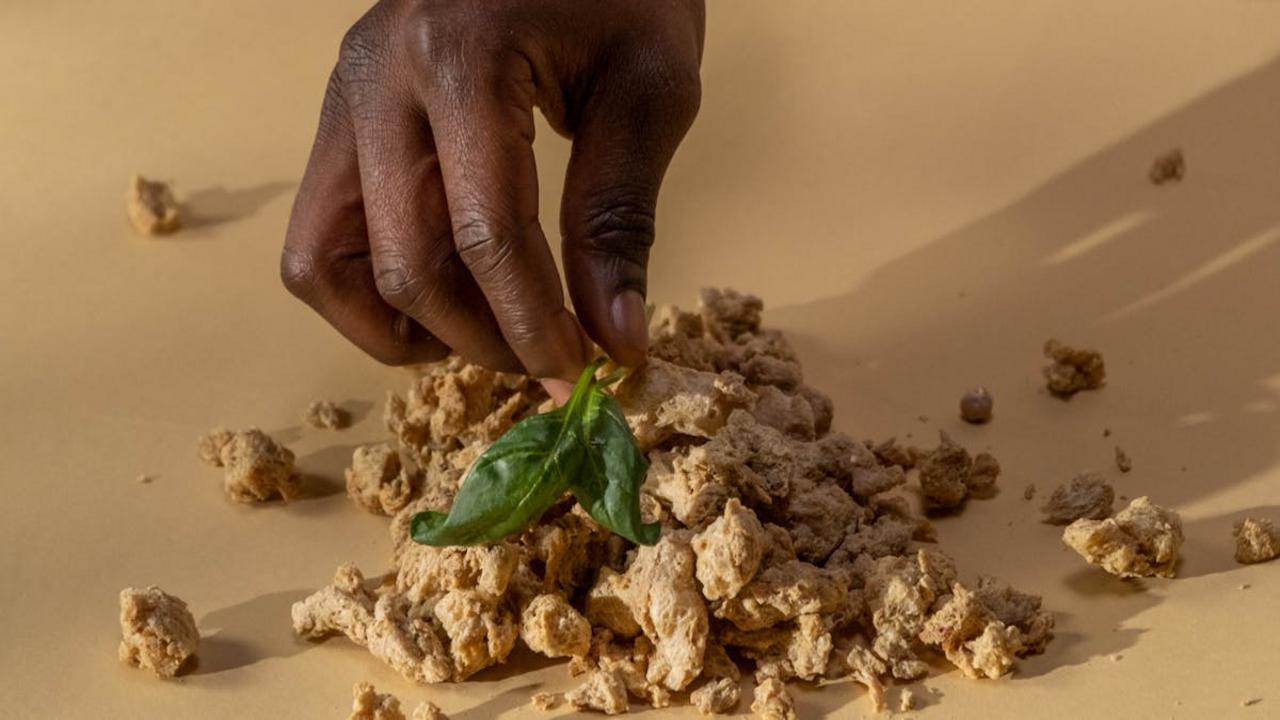
You’ll want to add nutritional yeast to your emergency food stash for its unique savory flavor and outstanding nutritional profile. This deactivated yeast comes packed with complete protein, B-vitamins (including B12), and minerals like zinc and iron. The golden flakes can transform basic emergency meals into something more exciting – sprinkle it on popcorn, stir into soups, or mix into pasta dishes for an instant cheese-like boost. Plus, since it’s dairy-free, it works for everyone in your household regardless of dietary restrictions.
I keep nutritional yeast in my emergency kit because it stays fresh for months in an airtight container and doesn’t need refrigeration. The lightweight, compact nature makes it perfect for storage without taking up much space. During power outages, I’ve used it to add depth to canned beans, rice, and other shelf-stable basics. Just a couple of tablespoons can make bland emergency food taste rich and satisfying. The protein content also helps keep you feeling full longer – something particularly valuable during emergency situations.
Wheat berries
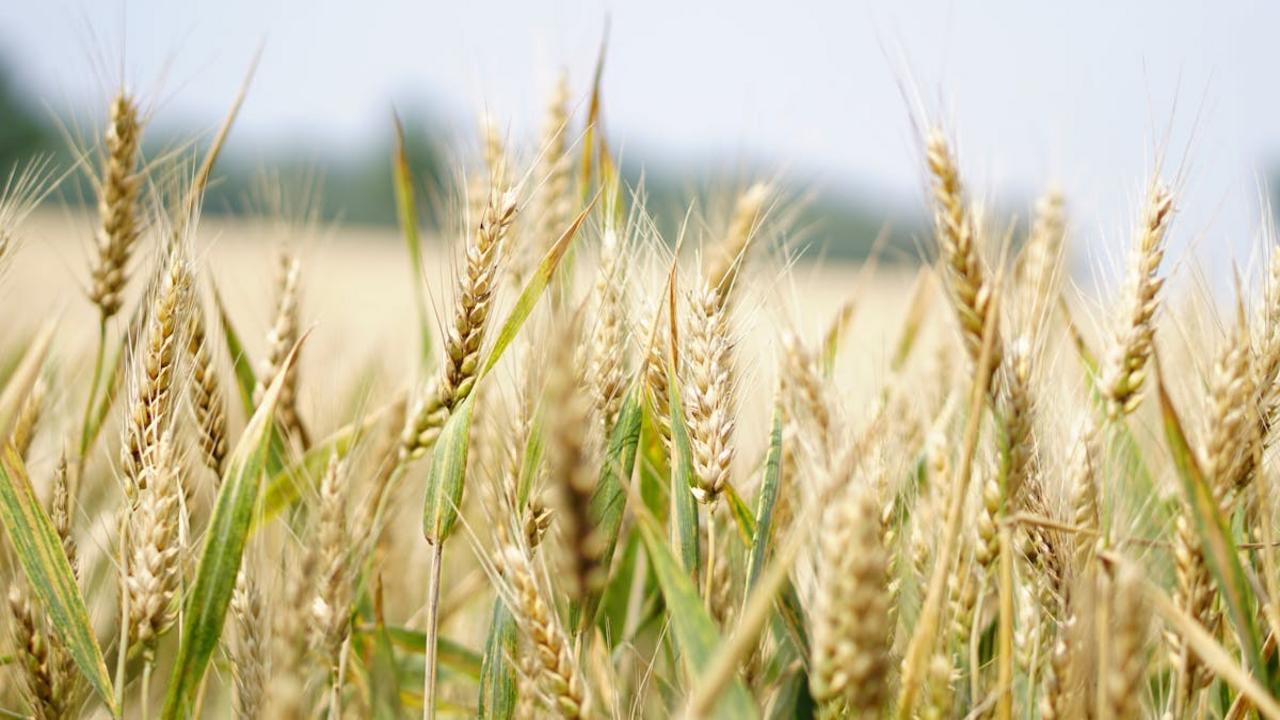
I discovered wheat berries during my quest to stock my emergency food supply with nutrient-dense ingredients that last. These whole, unprocessed wheat kernels pack incredible staying power – they remain fresh for up to 30 years when stored properly in airtight containers away from light and moisture. Beyond their long shelf life, wheat berries offer remarkable versatility in your kitchen. You can grind them into fresh flour for bread, cook them like rice for hearty grain bowls, or sprout them for extra nutrients.
The rich nutritional profile of wheat berries makes them a smart addition to any emergency kit. Each serving delivers protein, fiber, B vitamins, and minerals your body needs during stressful times. I love keeping these little powerhouses on hand because they give me peace of mind – I know I can make everything from basic bread to breakfast porridge if needed. Just remember to store a manual grain mill alongside your wheat berries so you can process them without electricity. A one-pound bag yields about 3 cups of flour, enough for two loaves of bread.
Honey
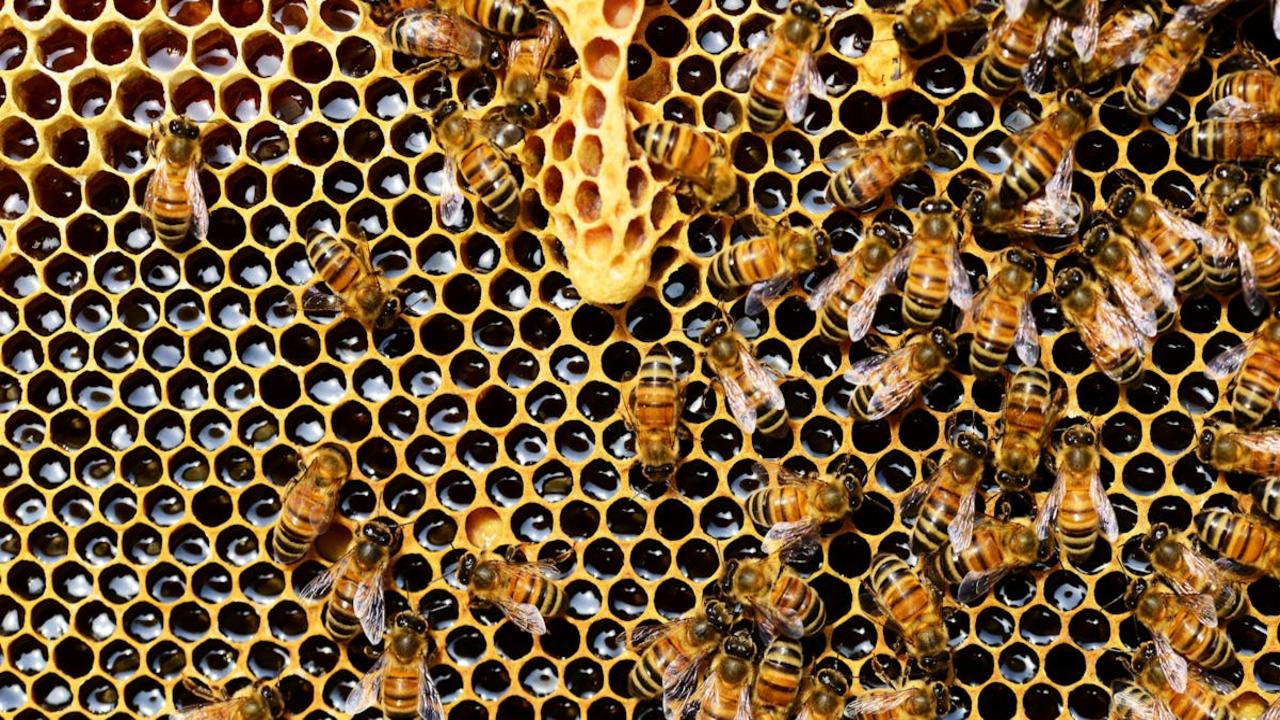
I always keep pure honey in my emergency food supply because it lasts forever – archaeologists have found edible honey in ancient Egyptian tombs! The natural sugars, enzymes, and antimicrobial compounds in honey make it resistant to spoilage when stored properly in an airtight container. Beyond its incredible shelf life, honey gives you quick energy during stressful situations and works magic on scratchy throats and coughs that might pop up during an emergency.
Your emergency kit honey can do double duty as both food and first aid. The natural antibacterial properties help clean and protect minor cuts and burns – just spread a thin layer over the affected area. You can also mix honey into hot water or tea for soothing relief, or eat it straight for an instant boost of natural energy. I recommend storing at least one 16-ounce jar of pure, raw honey in your emergency supplies and checking it yearly to ensure the container remains sealed and undamaged.
Instant oats
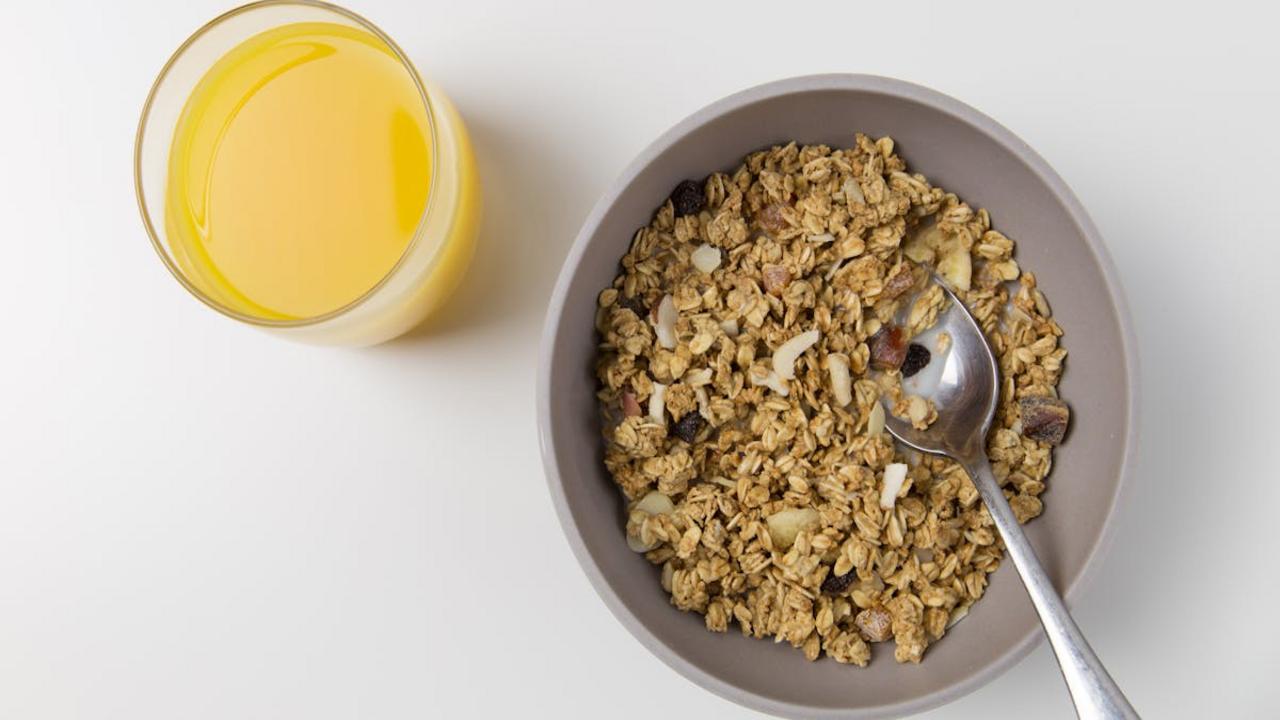
I always keep instant oats in my emergency food stash because they pack incredible nutrition while taking up minimal space. These quick-cooking oats give you complex carbohydrates, fiber, and protein – exactly what you need during stressful situations. You can prepare them with just hot water, making them perfect when cooking options become limited. Plus, they stay fresh in storage for years when kept in airtight containers away from moisture.
You can transform plain instant oats into satisfying meals by adding dried fruits, nuts, or honey from your emergency supplies. I recommend portioning them into individual zip-top bags with your chosen mix-ins ready to go. This makes breakfast prep effortless during power outages or evacuations. The best part? Instant oats fill you up and maintain steady energy levels, which proves invaluable during emergencies. Stock up on both plain and flavored varieties to give yourself options.
Dehydrated vegetables
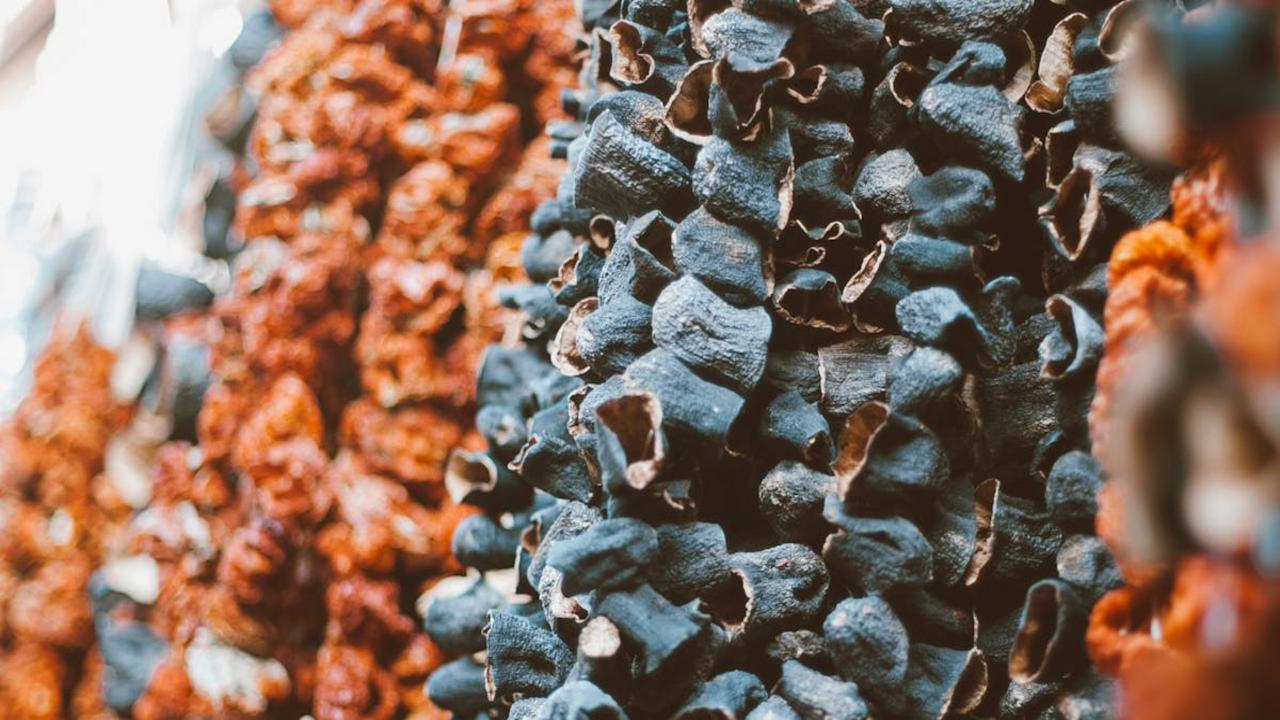
I keep a varied mix of dehydrated vegetables in my emergency food kit because they pack serious nutritional value while taking up minimal storage space. You’ll find everything from carrots and peas to bell peppers and onions in my stash – these vegetables maintain most of their nutrients through the dehydration process while lasting for months or even years when stored properly. The best part? They’re incredibly light and compact, allowing you to stock up on large quantities without overwhelming your storage area.
Rehydrating these vegetables is quick and straightforward – just add hot water and wait about 15-20 minutes. I recommend mixing them into soups, stews, and rice dishes where they’ll absorb the surrounding flavors. Look for vegetables dehydrated at peak ripeness, as they’ll give you the best flavor and nutrition once reconstituted. My go-to brands include Augason Farms and Mother Earth Products, which offer high-quality dehydrated vegetables that have consistently performed well in my emergency meal preparations.
Canned fish

Canned fish belongs at the top of your emergency food supply list – it’s ready to eat, packed with protein, and doesn’t need refrigeration. I stock up on tuna, salmon, sardines, and mackerel since they give you different nutrients and flavors. The omega-3 fatty acids help keep your brain and heart healthy during stressful situations. Plus, you can mix these straight from the can with crackers or eat them plain if needed.
Your emergency stash should include both water-packed and oil-packed varieties. Water-packed options have fewer calories but may taste blander, while oil-packed fish brings more flavor and healthy fats. I recommend rotating your supply every 2-3 years, even though most canned fish lasts 3-5 years. Keep track of expiration dates and use older cans in your regular meals, replacing them with fresh stock. The compact size makes canned fish perfect for grab-and-go situations too.
Shelf-stable tofu
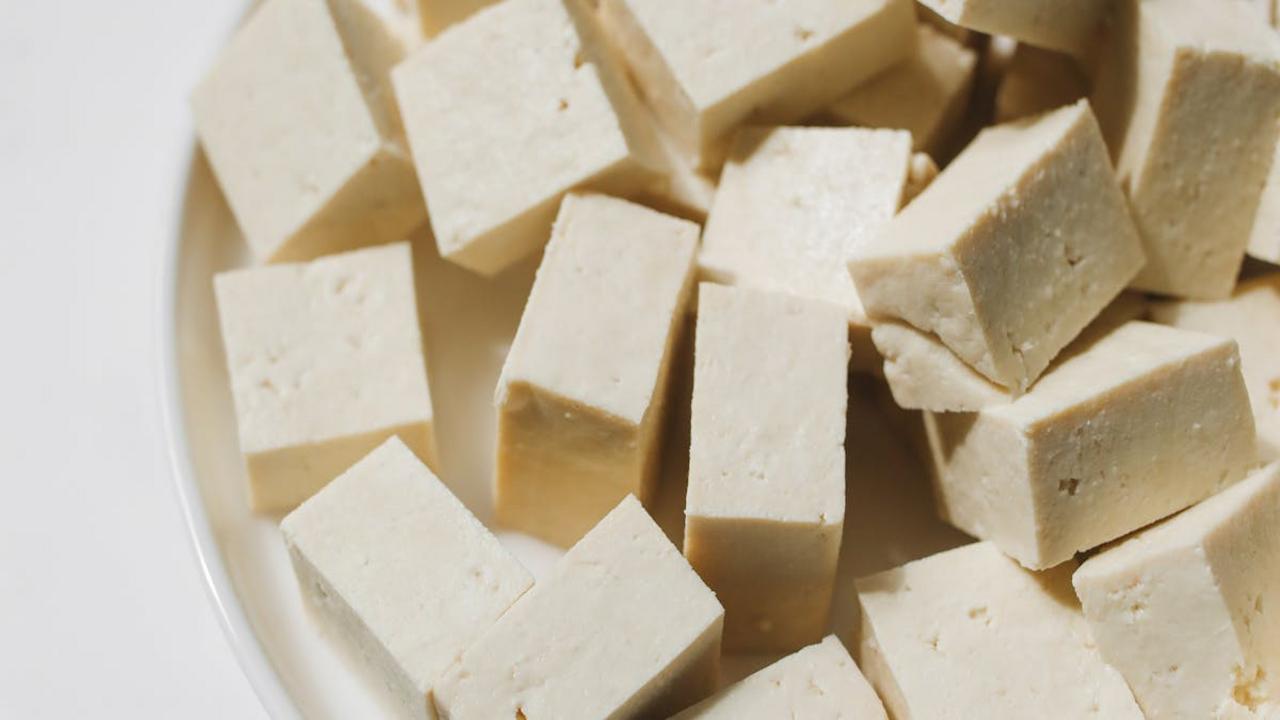
Tofu stands out as one of my top picks for any emergency food stash. This protein-packed staple can sit right in your pantry without refrigeration until opened, making it perfect for your emergency kit. I always keep a few vacuum-sealed packages on hand – they pack a whopping 10 grams of protein per serving and stay fresh for months. The firm varieties work particularly well since they hold their shape better and can substitute for meat in almost any dish you’d make during an emergency.
You’ll want to look specifically for the shelf-stable versions in aseptic packaging, not the refrigerated kind you normally buy. These special packs undergo ultra-high temperature processing that keeps them fresh without refrigeration. During power outages or emergencies, you can eat this tofu straight from the package, crumble it into soups, or add it to any shelf-stable meals you prepare. Its neutral flavor soaks up whatever seasonings you pair it with, making it adaptable to different meal options even with limited ingredients.
Coconut oil

I always keep coconut oil front and center in my emergency food stash because it’s such a powerhouse ingredient. Unlike many other oils that go rancid quickly, coconut oil stays fresh for up to two years when stored properly at room temperature. You can use it for cooking, baking, or even as a butter substitute in your favorite recipes. The high smoke point makes it perfect for frying foods when you need to prepare meals without electricity, and its antimicrobial properties help preserve other foods longer.
What I love most about coconut oil is its versatility beyond just cooking. You can use it as a natural moisturizer, lip balm, or even make emergency candles if needed. The medium-chain triglycerides (MCTs) in coconut oil give you quick energy during stressful situations, and its compact size means you can pack a lot of caloric value into a small space. I recommend storing it in a dark, cool place and getting both refined and unrefined varieties – each serves different purposes in emergency cooking.
Powdered milk
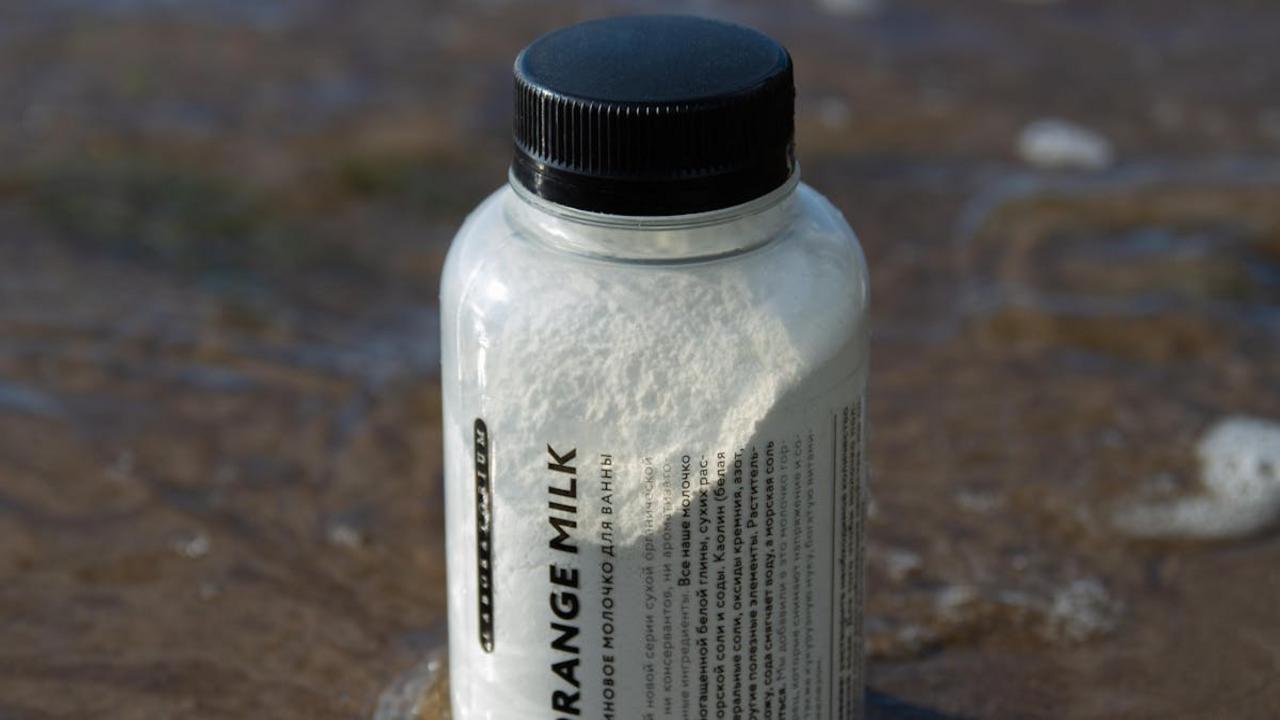
You’ll want powdered milk in your emergency kit since it brings real milk nutrition without needing refrigeration. I recommend buying non-fat dry milk powder because it lasts longer than whole milk powder – up to 10 years when stored properly in airtight containers away from heat and light. Mix it with cool water whenever you need milk for drinking, cooking, or baking during an emergency. The powder adds protein, calcium, and vitamin D to your diet when fresh dairy isn’t available.
Keep your powdered milk supply in several smaller containers rather than one large one. This way, you can open what you need without exposing the rest to moisture and air. While the taste may differ slightly from fresh milk, you can improve it by mixing the powder with very cold water and letting it chill for a few hours before drinking. I suggest storing about a week’s worth per person, calculating roughly 3 quarts of prepared milk per person. Remember to check expiration dates yearly and rotate your stock.
Almonds
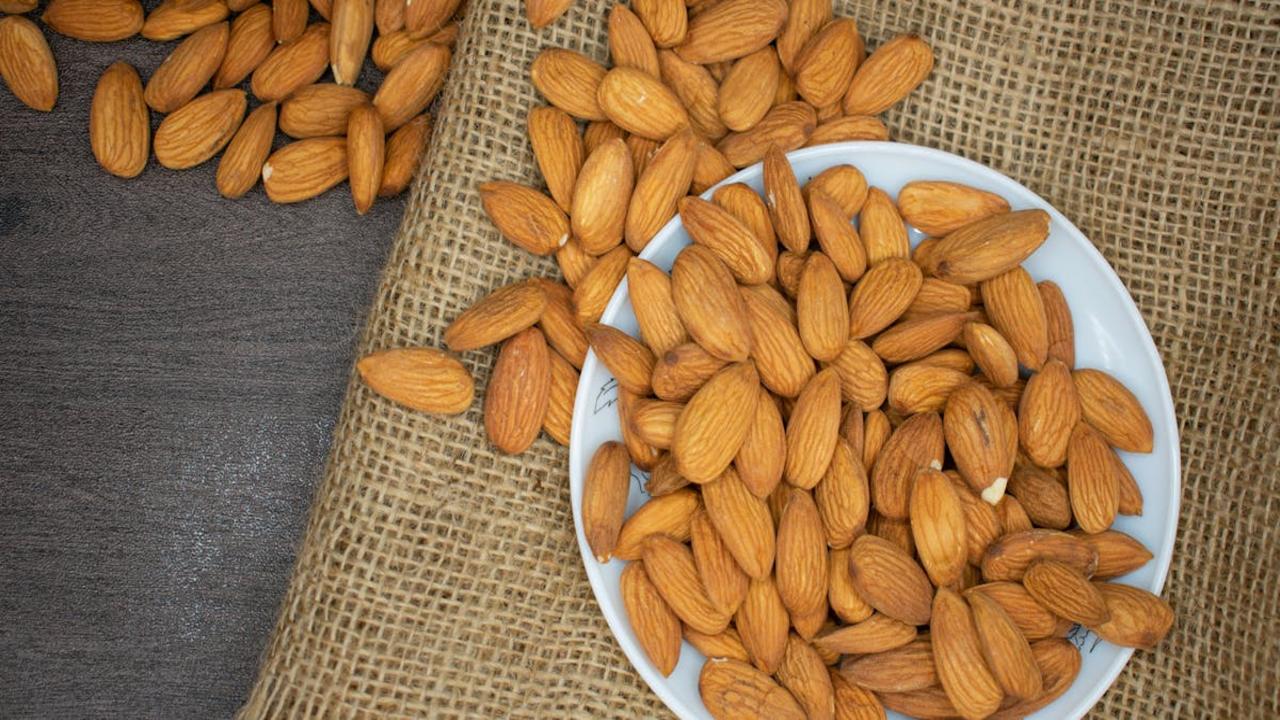
I always keep a stash of almonds in my emergency food kit because they pack such a powerful nutritional punch in a compact form. These little powerhouses give you protein, healthy fats, fiber, vitamin E, and minerals like magnesium and calcium – all critical nutrients during an emergency situation. Raw almonds stay fresh for up to two years when stored properly in an airtight container in a cool, dark place. Plus, they require zero preparation, making them an ideal grab-and-go option when you need quick energy.
The versatility of almonds makes them extra valuable in your emergency supplies. You can eat them plain as a snack, crush them to add texture to other foods, or grind them into butter for spreading. I recommend portioning them into small sealed bags – about 1/4 cup per serving – to help control portions and maintain freshness once opened. The dense calorie content means a small handful goes a long way toward keeping you satisfied. Just remember to rotate your stock every 18-24 months, even though properly stored almonds can last longer.
Quinoa
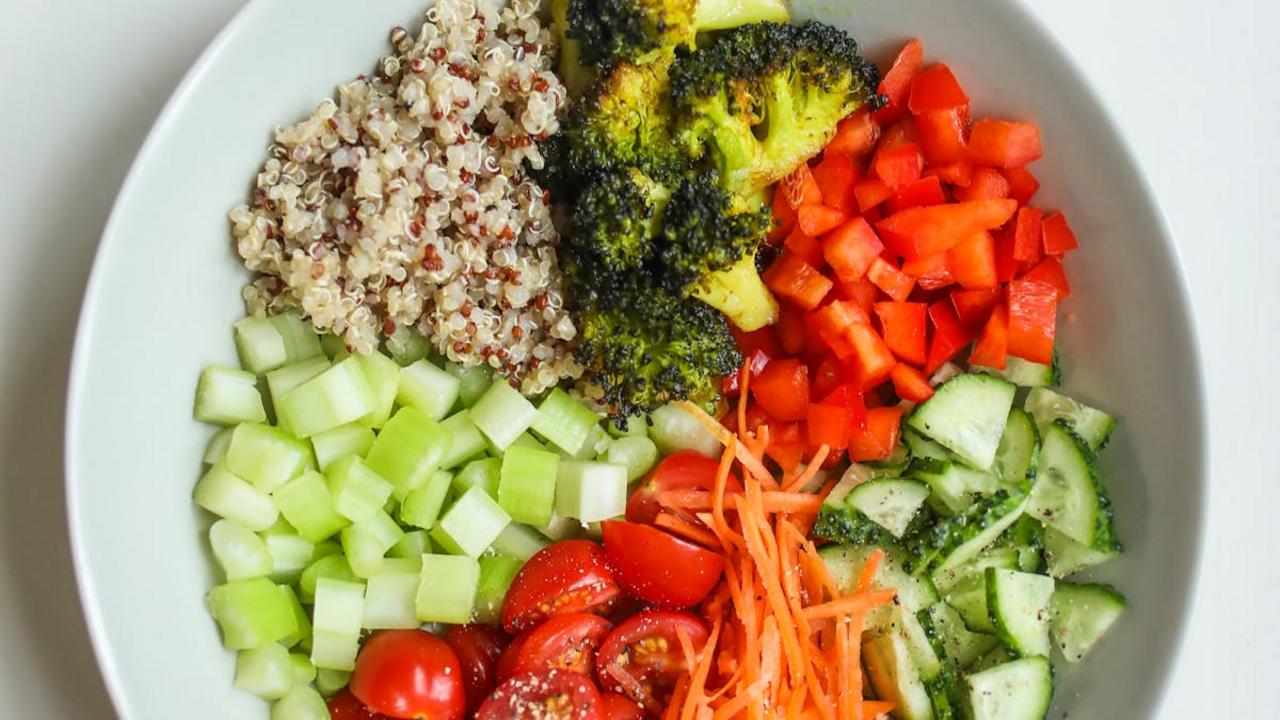
I can’t say enough good things about quinoa in your emergency food supply! This protein-rich ancient grain will keep you going strong when times get tough. Unlike many other grains, quinoa contains all nine amino acids your body needs, making it a complete protein source. You’ll get loads of fiber, iron, and magnesium too. The best part? Quinoa has a shelf life of 2-3 years when stored properly in an airtight container away from heat and moisture.
You’ll find quinoa incredibly quick and simple to prepare – just add water and cook for about 15 minutes. It’s super versatile in your emergency meals – eat it hot or cold, mix it with canned vegetables, or add it to soups for extra substance. I recommend stocking both white and red quinoa varieties. The white has a fluffier texture perfect for side dishes, while red quinoa holds its shape better in cold preparations. Buy it in bulk to save money and store in smaller portions using vacuum-sealed bags or mason jars.
Dried lentils
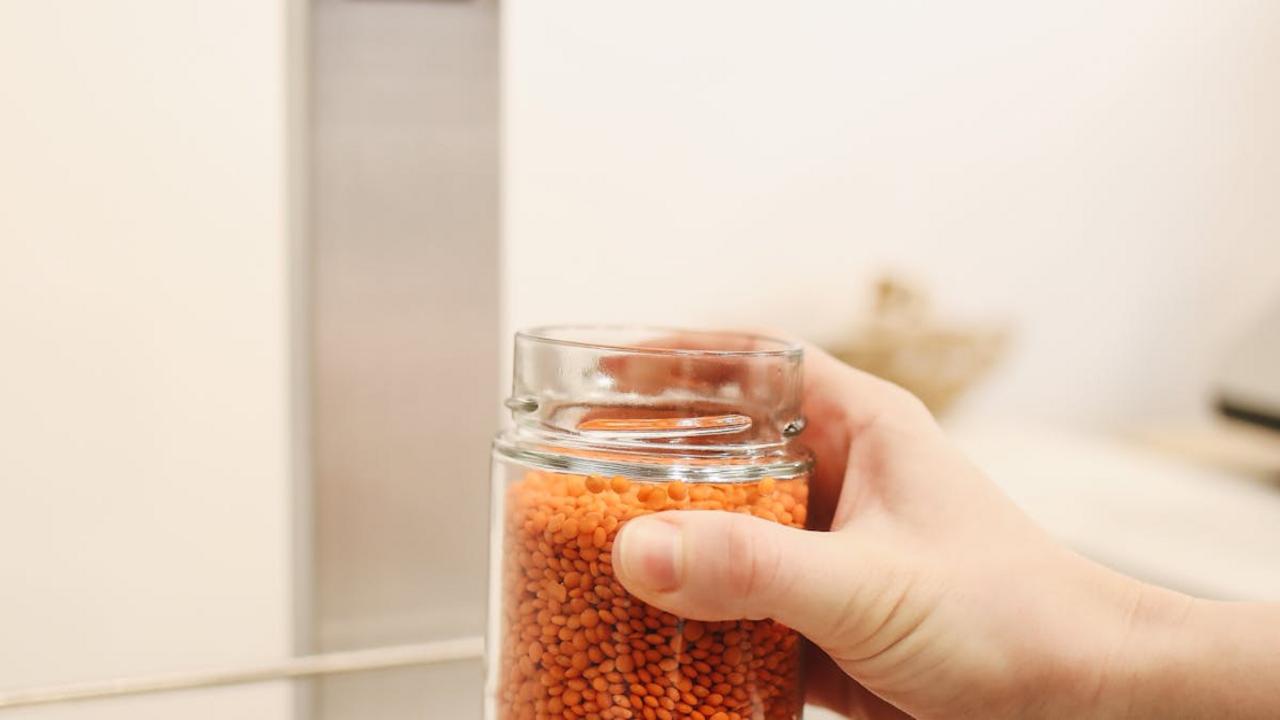
I always keep dried lentils in my emergency food stash because they pack incredible nutrition and stay fresh for years when stored properly. These tiny powerhouses contain loads of protein, fiber, and iron – making them a smart choice during emergencies when you need sustained energy. The best part? You don’t need fancy equipment to cook them – just water and heat will transform them into a filling meal. Plus, dried lentils take up minimal space in your emergency kit compared to canned goods.
Red, green, or brown lentils each bring their own cooking benefits to emergency situations. Red lentils cook fastest and break down into a smooth consistency – perfect for quick soups. Green and brown varieties hold their shape better, working great in cold salads if you have limited cooking fuel. I recommend storing different types in airtight containers with oxygen absorbers. A pound of dried lentils yields about 5 cups cooked, providing multiple meals for your family. Mix them with rice, seasonings, or any shelf-stable ingredients you have on hand for varied, nutritious dishes during tough times.
Canned beans
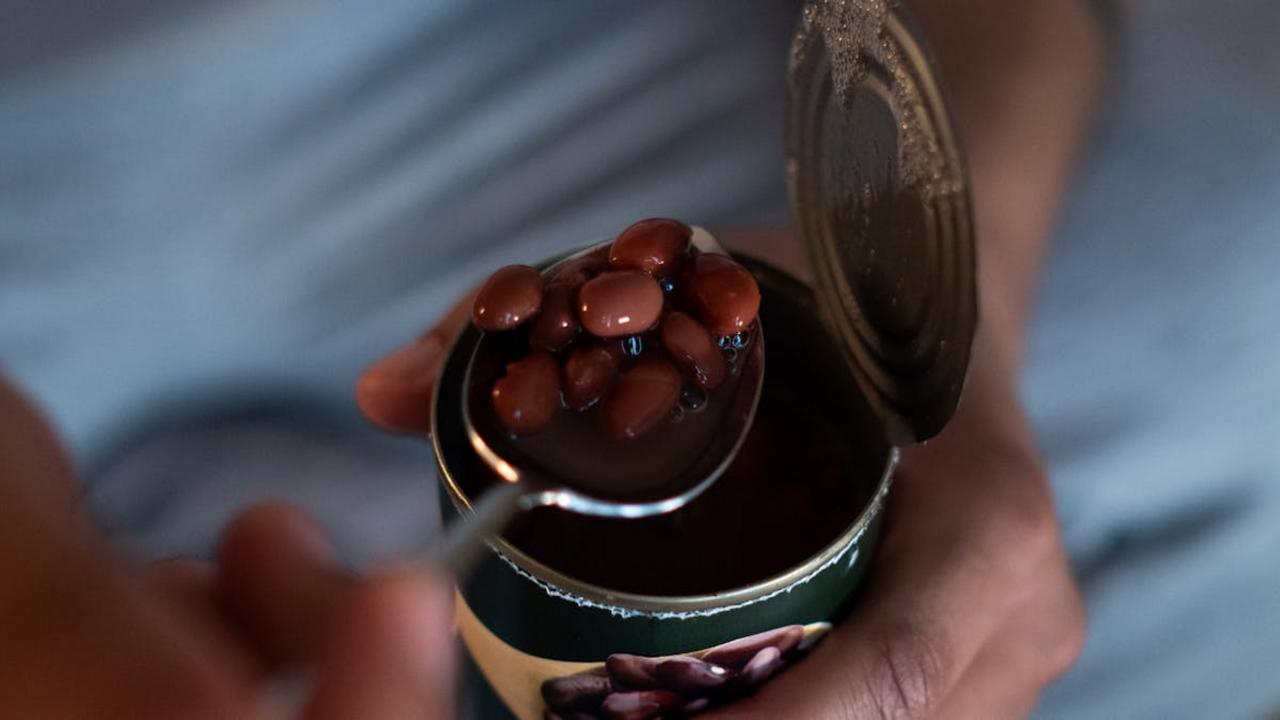
Adding canned beans to your emergency food supply will give you a fantastic source of plant-based protein, fiber, and complex carbohydrates that can keep you going through tough times. Black beans, kidney beans, chickpeas, and pinto beans pack serious nutritional value while taking up minimal space in your pantry. I recommend stocking up on low-sodium varieties to maintain better control over your salt intake during emergencies. The beauty of canned beans lies in their versatility – you can eat them straight from the can if needed or heat them up for a quick, filling meal.
Your canned beans will stay good for 2-5 years past their “best by” date if stored properly in a cool, dry place. Make sure to rotate your stock periodically and check the cans for any signs of damage, rust, or bulging. I suggest buying beans in different sizes – larger cans work great for family meals while smaller ones reduce waste when cooking for one or two people. Remember to keep a manual can opener with your supplies since electric ones won’t help during power outages. Pro tip: rinse your beans before eating to remove excess sodium and improve digestibility.