15 Foods That Are Actually Safe to Eat After the Expiration Date
Ever tossed perfectly good food because the date on the package passed? You’re not alone! Many expiration dates actually indicate quality, not safety. Understanding which foods remain safe beyond their printed date can save you money and reduce waste in your kitchen.
I’ve discovered through years of cooking that certain ingredients maintain their integrity long after their “best by” dates. Foods like honey, which naturally preserves itself, or properly stored white rice can last for years. Hard cheeses and unopened canned vegetables often remain perfectly edible with simple quality checks.
Your pantry likely contains numerous items with remarkable staying power. Salt never spoils, dried pasta stays good for years, and pure maple syrup needs only a quick check for mold. The trick is knowing what signs to look for—unusual odors, changes in texture, or visible spoilage—rather than relying solely on printed dates.
Instant Coffee
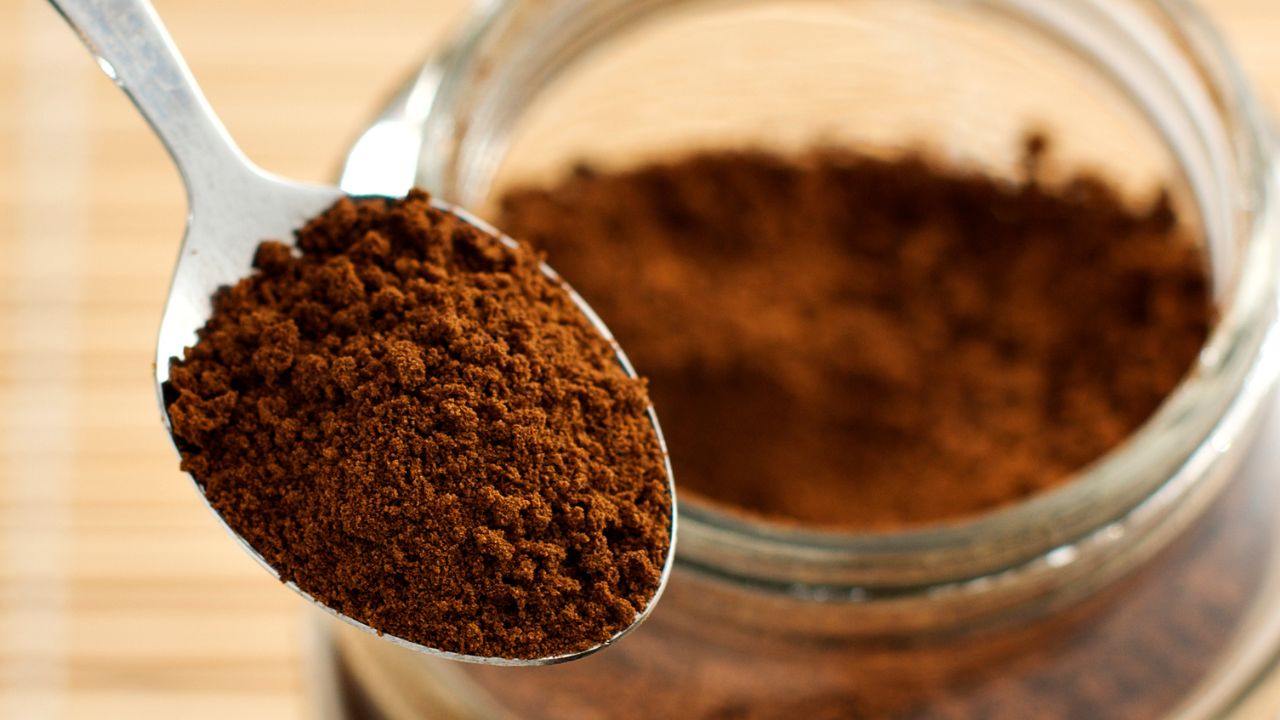
That jar of instant coffee hiding at the back of your pantry might still be good to use! Unlike ground coffee which loses its flavor quickly, instant coffee maintains its quality far beyond the printed date on the package. I’ve personally kept unopened jars for 2-3 years with no noticeable drop in quality. Once opened, your instant coffee remains perfectly safe to consume for about a year, especially if you store it in a cool, dry place with the lid tightly closed.
The drying process used to make instant coffee naturally extends its shelf life by removing moisture that would otherwise lead to spoilage. You’ll know your instant coffee has gone bad if you notice clumping (from moisture exposure) or if it develops an off smell different from its normal aroma. I recommend transferring your instant coffee to an airtight container if you’ve broken the original seal and plan to keep it for months. This simple step preserves both safety and flavor, letting you enjoy your morning cup without worry about that expiration date!
Granulated Sugar
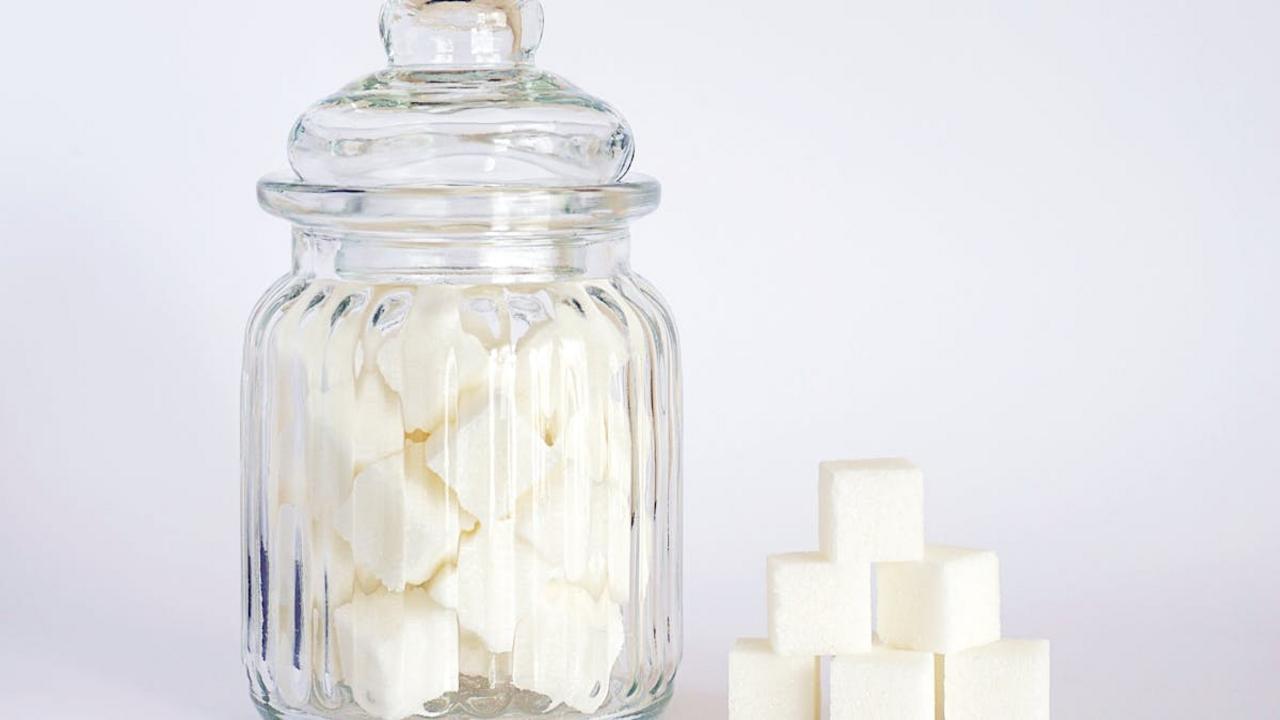
Granulated sugar keeps its quality practically forever due to its extremely low moisture content. I’ve had sugar in my pantry for years beyond the date on the package, and it works perfectly fine in everything from my morning coffee to complex baking projects. The only issue you might encounter is hardening if moisture gets in, but even then, you can break up the clumps and use it without any safety concerns.
If your sugar does form hard lumps, don’t toss it! Simply place it in a food processor or use a rolling pin to break it down. In my kitchen, I transfer sugar to airtight containers rather than keeping it in the original packaging, which helps prevent moisture absorption. This simple step keeps your sugar flowing freely for years. Remember, bacteria need moisture to grow, and with virtually none present in granulated sugar, it remains one of the most shelf-stable items in your pantry.
Unopened Bottled Water
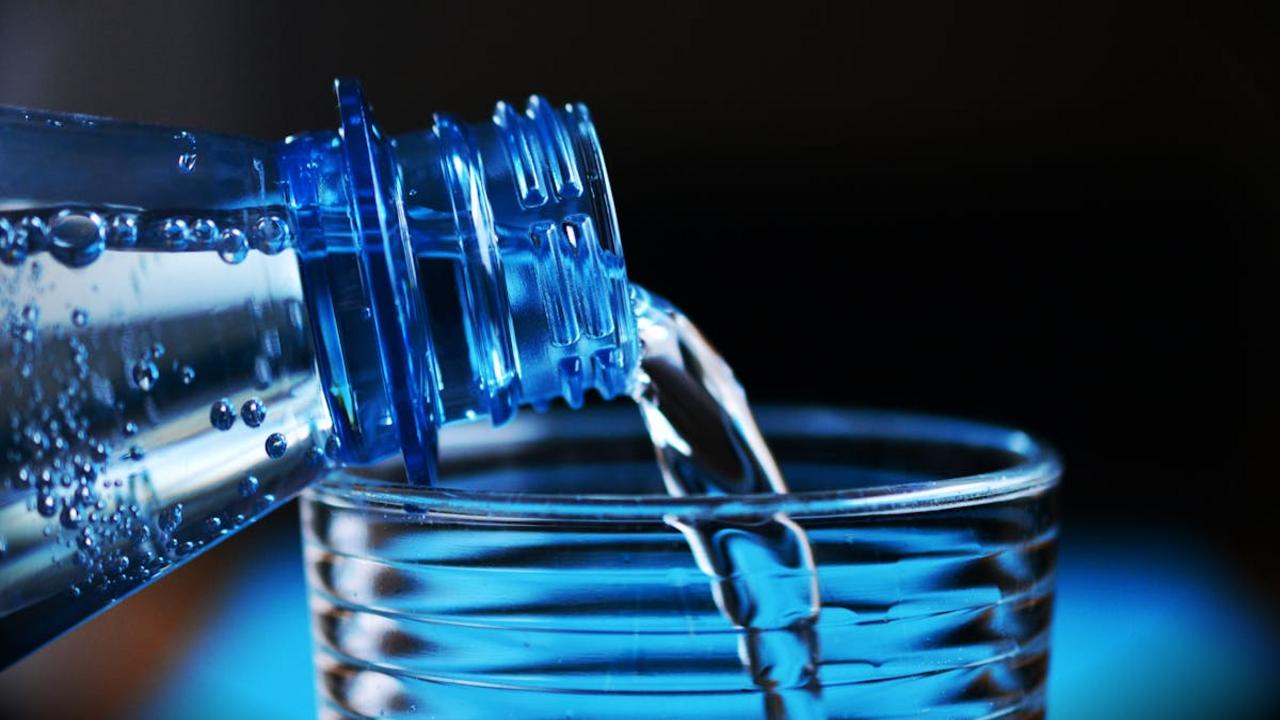
Bottled water might be the most forgiving packaged item in your pantry. Unlike perishable foods, unopened bottled water doesn’t actually go bad—those expiration dates you see are primarily for inventory and regulatory purposes, not safety indicators. The FDA doesn’t even require bottled water to carry an expiration date! You can confidently drink bottled water years after its printed date, as long as you’ve stored it properly away from heat and direct sunlight, which can potentially leach chemicals from the plastic into the water.
I keep a case of bottled water in my emergency kit that’s gone well beyond its stamped date, and it tastes completely fine. The only real concern comes from the plastic bottle itself, which can gradually degrade over many years (we’re talking 5+ years). If you notice any changes in taste or if the bottle appears damaged or warped, that’s your cue to replace it. Otherwise, your old bottled water remains just as hydrating and safe as the day you bought it—making it a practical item to stock up on without worrying about waste.
Dried Spices
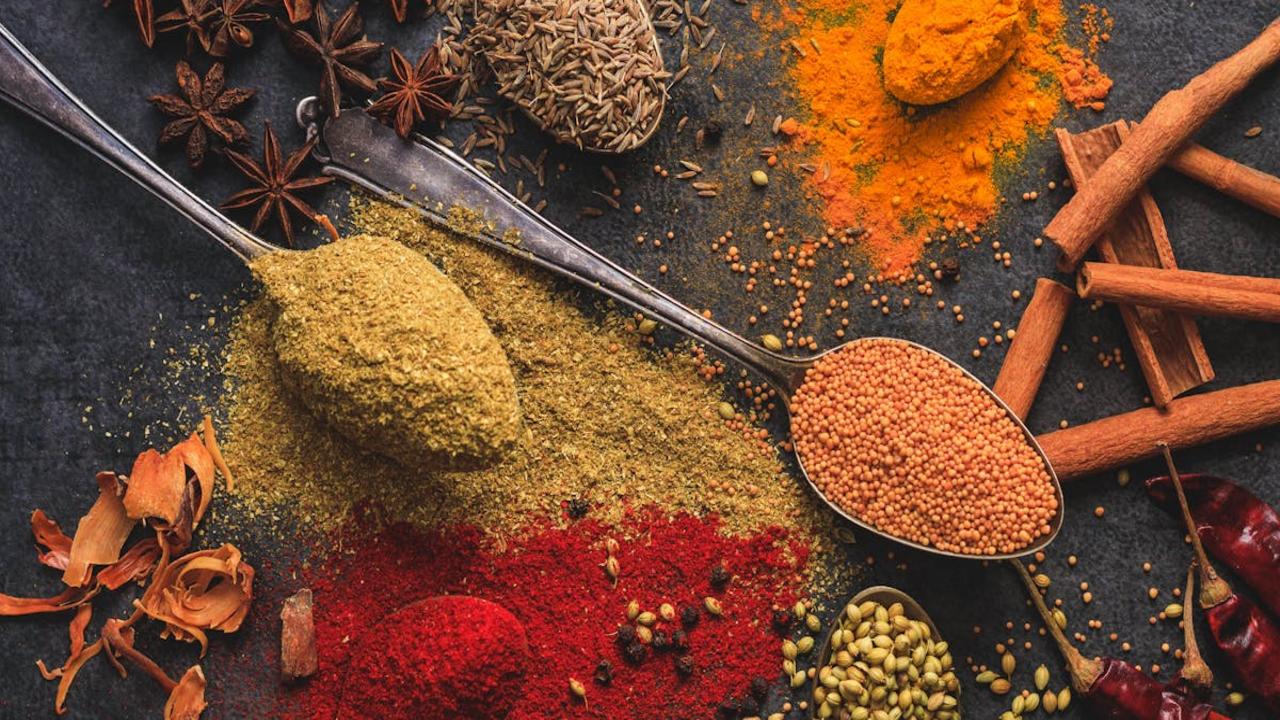
Dried spices are true kitchen warriors that don’t actually “expire” in the traditional sense. Your cinnamon, cumin, oregano, and other dried herbs typically remain safe to use for years beyond their printed dates! While manufacturers suggest replacing them after 1-3 years, this recommendation reflects quality loss rather than safety concerns. I’ve personally used spices that were 5+ years old without any issues—they just gradually lose their aromatic intensity and flavor punch over time.
You can easily test if your spices are still worth keeping in your rotation. Crush a small amount between your fingers and take a good sniff—if there’s still a noticeable aroma, they’ll still contribute flavor to your cooking. For maximum shelf life, store your spice collection in airtight containers away from heat, light, and moisture. A cool, dark cabinet works perfectly! If your older spices seem a bit faded in potency, simply increase the amount you use in recipes to compensate. Your wallet and the environment will thank you for not unnecessarily tossing perfectly good spices.
Pure Maple Syrup
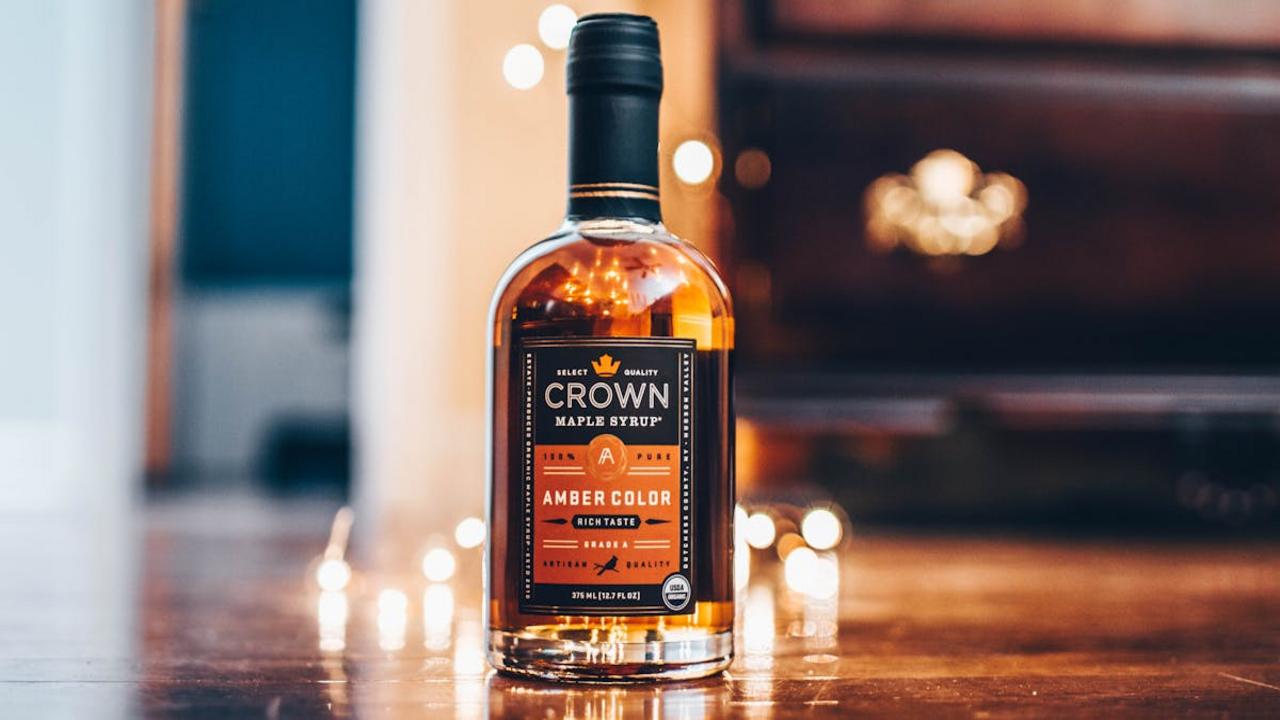
Pure maple syrup is one of those pantry treasures that can actually outlast its expiration date by a significant margin. Thanks to its high sugar content, which naturally prevents bacterial growth, an unopened bottle of pure maple syrup can stay good for years beyond what the label suggests. Unlike the artificial syrups made with corn syrup and additives, real maple syrup contains natural preservative properties that help maintain its quality long-term. You’ll notice true maple syrup might develop sugar crystals over time, but don’t worry – this isn’t spoilage, just a natural process that doesn’t affect taste or safety.
Once you’ve opened your maple syrup bottle, storing it properly becomes important. Keep it refrigerated to extend its life significantly – I’ve kept opened maple syrup for up to a year this way with zero issues! If you notice any mold forming on the surface (which can happen if moisture gets inside), you don’t necessarily need to toss the entire bottle. Simply remove the mold completely, then bring the syrup to a quick boil, skim off any remaining impurities, and return it to a clean container. The heat kills any potential contaminants while preserving that rich, complex sweetness that makes pure maple syrup worth every penny.
Peanut Butter
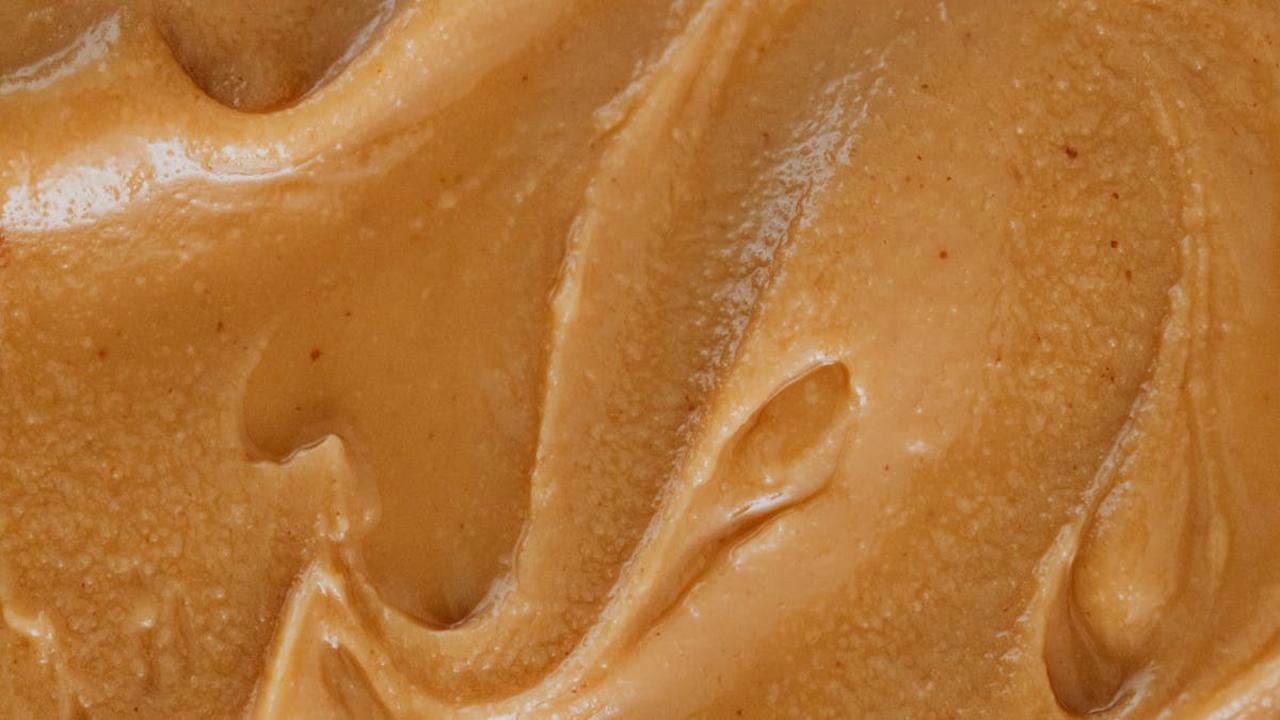
Your jar of peanut butter is much more forgiving than most foods in your pantry! Commercial peanut butter can last 3-6 months past its printed date when stored properly. The high oil and low moisture content creates an environment where bacteria struggle to grow. I’ve found unopened jars sitting in my cabinet for nearly a year that still tasted perfectly fresh when I finally cracked them open. The natural oils might separate over time (just stir them back in), but that doesn’t mean your PB has gone bad.
You’ll know your peanut butter has truly expired when it develops an off smell, unusual darkness, or hard, dry texture. Natural peanut butters (the ones you need to refrigerate after opening) will go rancid faster than commercial varieties with stabilizers. If you’re concerned about extending shelf life, keep your opened jar in the refrigerator rather than the pantry. This slows oil separation and preserves that fresh, nutty flavor you love in your morning toast or afternoon apple slices.
Dried Pasta
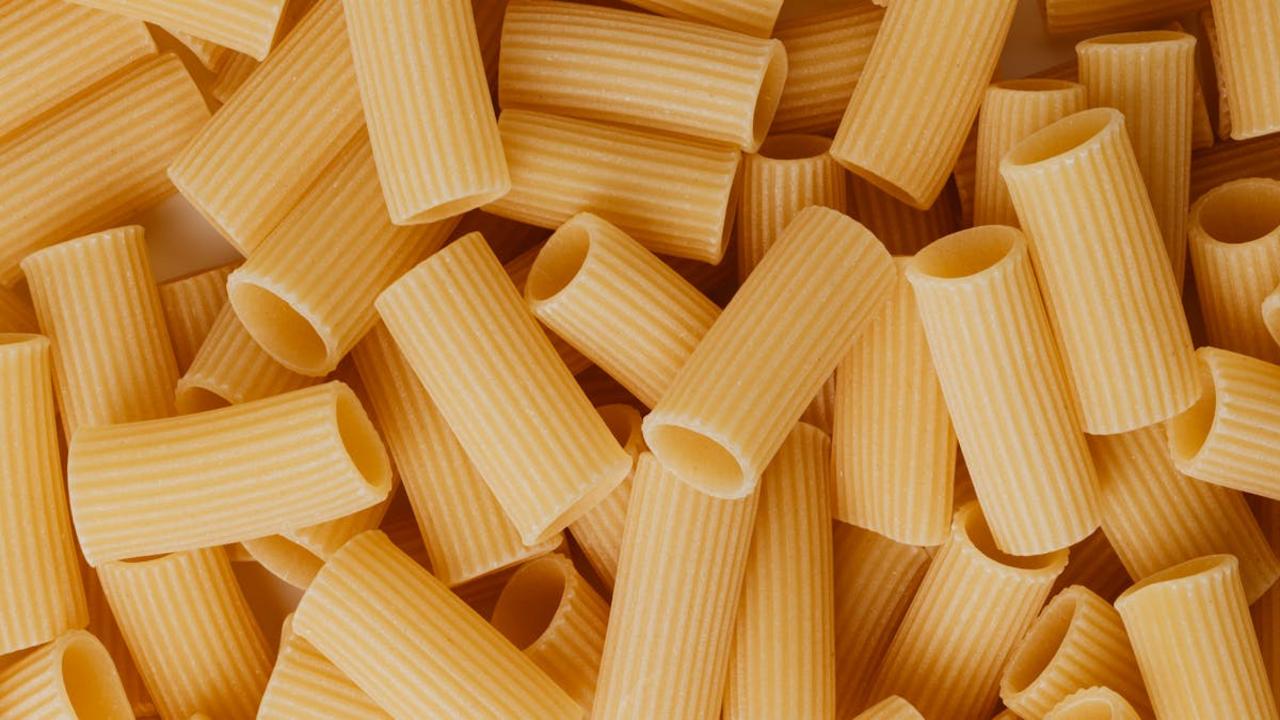
Your pantry likely has a box or two of dried pasta with a “best by” date that passed months ago. Good news – you can still cook it! Dried pasta has an incredibly long shelf life and remains safe to eat years past its expiration date. The only change you might notice is a slight decrease in quality over extended periods, where the pasta might lose some of its structure and break more easily during cooking. But safety-wise? It’s completely fine to use that forgotten spaghetti lurking in the back of your cabinet.
I keep dried pasta in airtight containers to maximize its longevity. The key is proper storage – keep it in a cool, dry place away from moisture and sunlight. This simple step prevents any mold growth or pest issues. While fresh pasta needs refrigeration and has a much shorter lifespan, dried pasta is essentially dehydrated food with minimal moisture content, making it naturally resistant to spoilage. Next time you find an “expired” box of penne or fettuccine, go ahead and make that pasta dish – just check for any unusual odors or signs of moisture damage before cooking.
Sugar
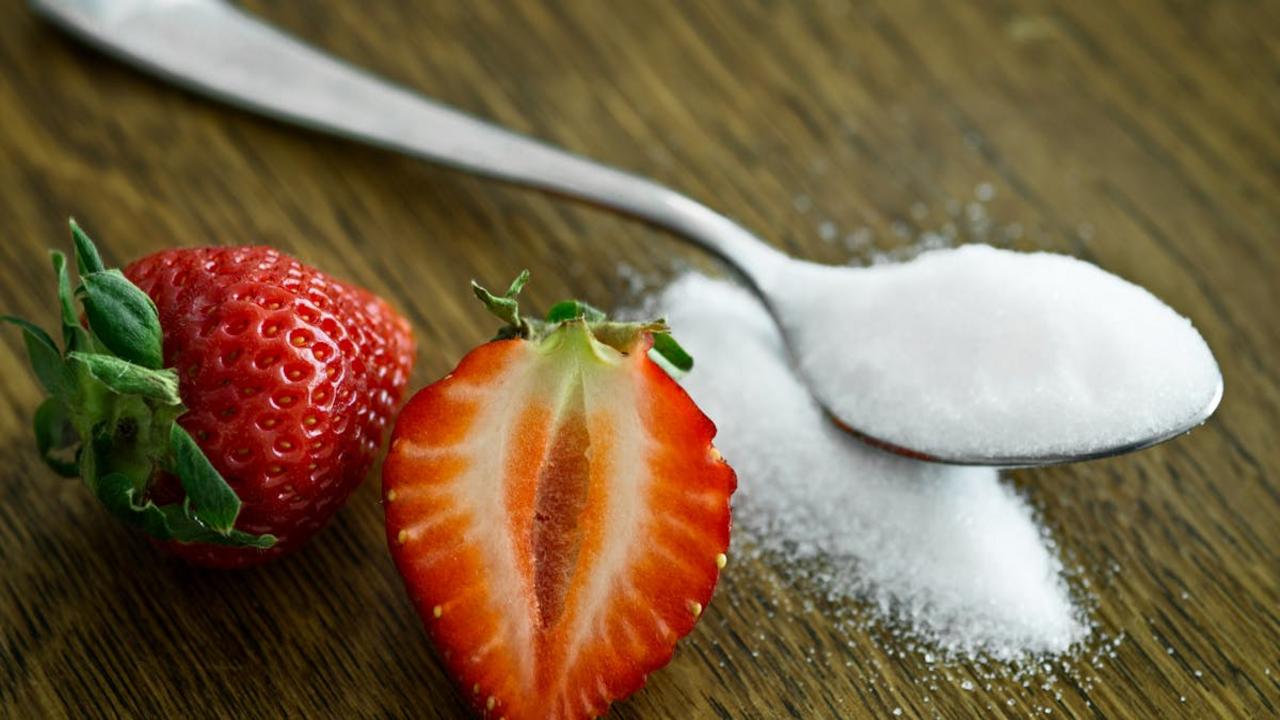
Sugar might just be the ultimate pantry staple with incredible longevity! You can keep granulated sugar practically forever with zero safety concerns since bacteria can’t grow in it. The dry, crystalline structure creates an environment where microorganisms simply cannot survive or multiply. Even if your sugar has hardened into clumps after sitting in your pantry for years, you can easily break these up or put them through a food processor to restore its free-flowing texture.
I’ve found that brown sugar also lasts indefinitely, though it might dry out and become hard over time. No worries there—just place a slice of bread or a damp paper towel in the container overnight, and your brown sugar will soften right up. Powdered sugar follows the same rules, staying safe for consumption long past any date printed on the package. The only real concern with old sugar is quality rather than safety—it might pick up odors from your kitchen if not stored in an airtight container. Keep your sugar in a cool, dry place, and you’ll have this sweetener ready whenever inspiration strikes!
Salt
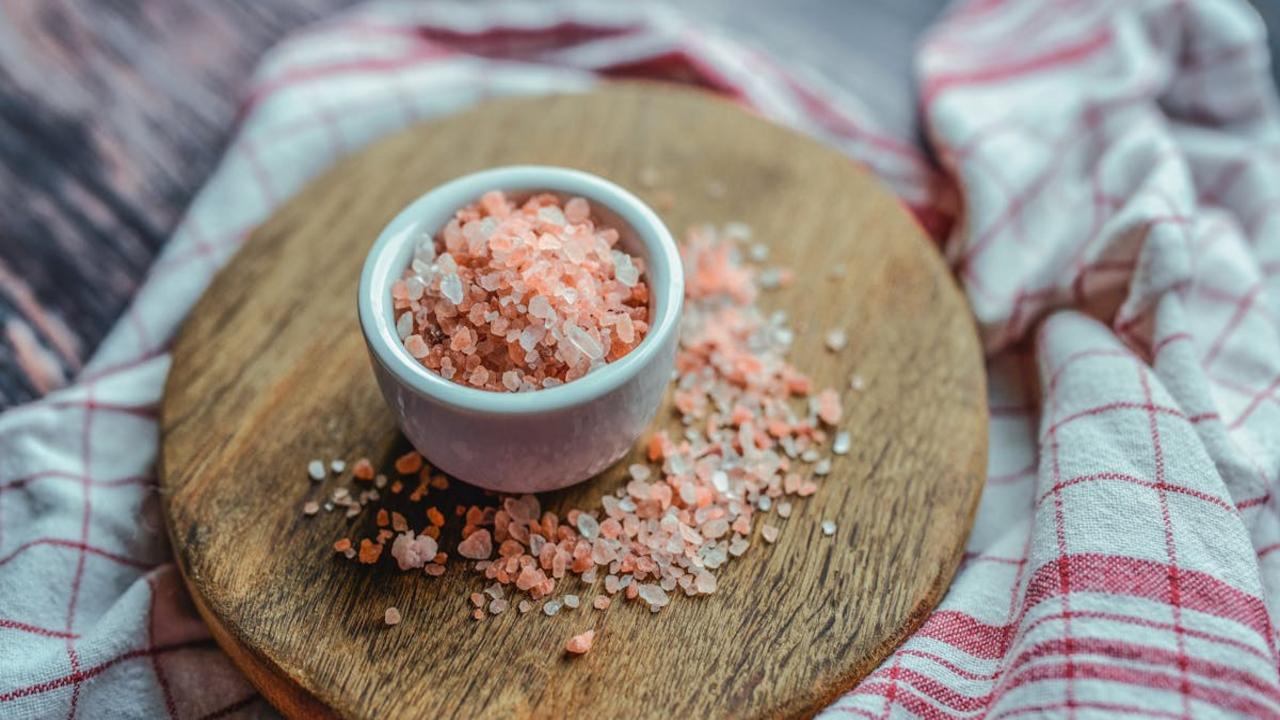
Salt is basically immortal in your pantry, friends! That expiration date on your salt container? You can completely ignore it. Salt is a mineral, not an organic substance, which means it won’t deteriorate or become unsafe to eat no matter how long you’ve had it. The only issue you might encounter with older salt is that it could absorb moisture and clump together, especially in humid environments, but this doesn’t affect its safety or flavor at all.
I keep different varieties of salt in my kitchen—table salt, kosher salt, sea salt, pink Himalayan—and rotate through them depending on what I’m cooking. For everyday cooking, I grab my kosher salt, while I save my fancy finishing salts for sprinkling on completed dishes. If your salt has hardened into clumps, simply break it apart with a spoon or store it with a few grains of uncooked rice to absorb excess moisture. Your salt will remain perfectly good forever, making it one of the few truly eternal pantry staples!
Vinegar
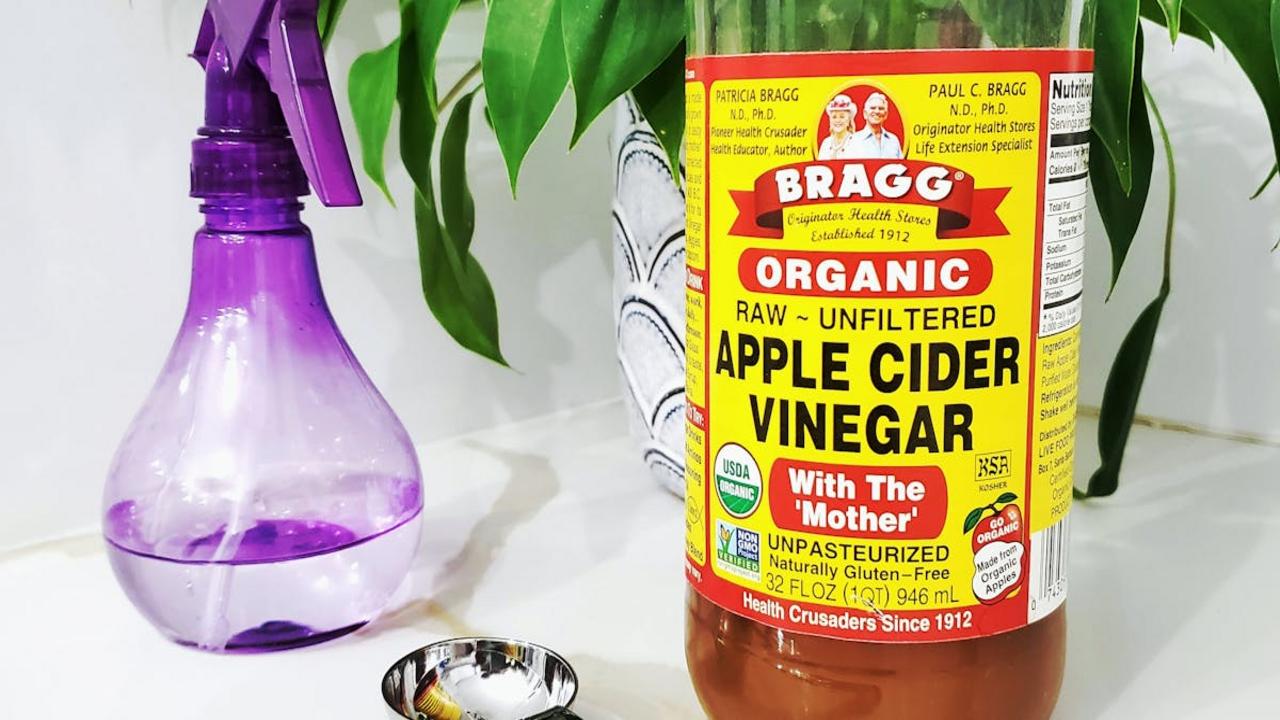
Your vinegar might be the most immortal ingredient in your pantry! The acidic nature of vinegar actually makes it self-preserving, with an almost indefinite shelf life. I’ve kept apple cider vinegar, balsamic, and rice vinegar in my cupboard for years beyond their printed dates without any safety concerns. You might notice some changes in the liquid – a cloudy appearance or the formation of a substance called “mother” (especially in raw, unfiltered varieties) – but these are completely natural and don’t affect the vinegar’s usability.
The high acidity creates an environment where harmful bacteria simply cannot grow. This makes vinegar one of those rare pantry staples you can keep practically forever. I recommend storing your vinegar bottles in a cool, dark place to maintain optimal quality. While the flavor might mellow slightly over extended periods, the functionality remains unchanged. You’ll still get that perfect tang in your homemade dressings, marinades, and quick pickles regardless of how long ago that “best by” date passed. Just give it a quick sniff – if it still smells like vinegar, you’re good to go!
Soy Sauce
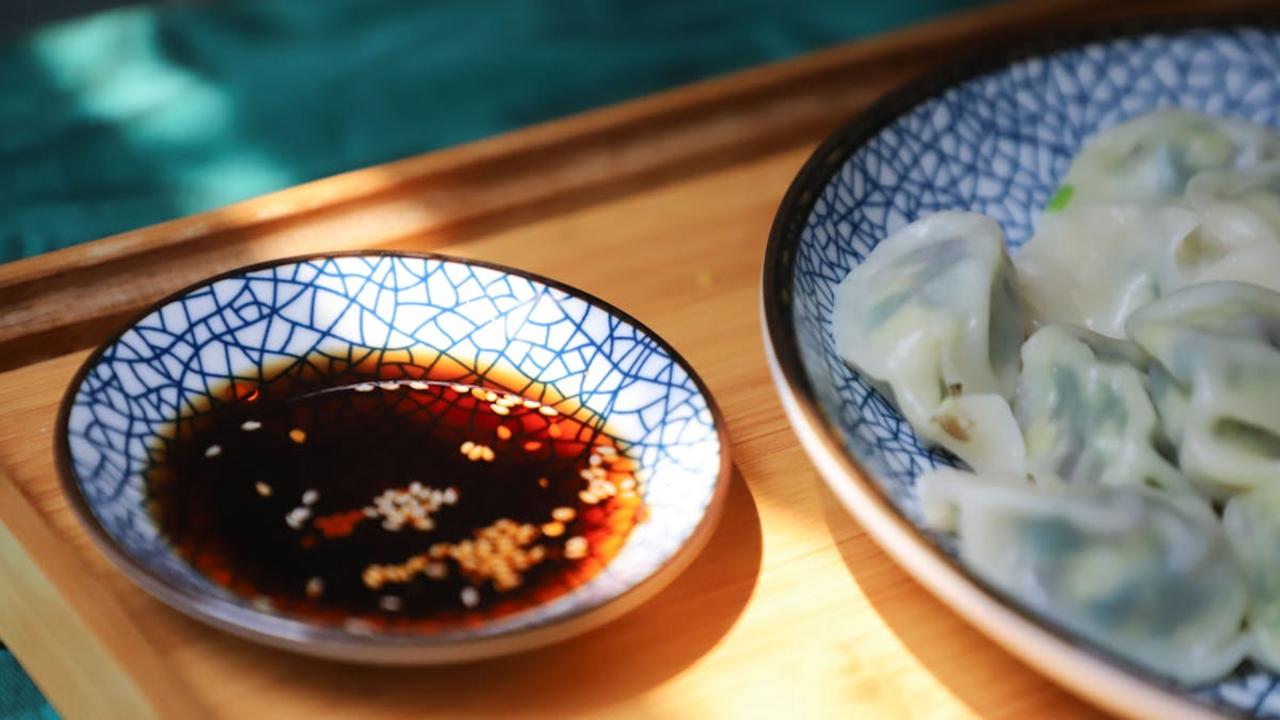
Soy sauce is a remarkable pantry staple that stays good far beyond its expiration date thanks to its high salt content, which acts as a natural preservative. I’ve kept opened bottles in my refrigerator for 2-3 years with zero issues! The fermentation process that creates soy sauce already makes it resistant to bacterial growth, and most commercial varieties contain preservatives for extra longevity. You’ll notice that properly stored soy sauce rarely shows signs of spoilage—no mold, off smells, or color changes.
Your bottle might develop small salt crystals around the cap or slight darkening over time, but these don’t indicate spoilage. Store your soy sauce in the refrigerator after opening to maximize its quality. While unopened bottles can last indefinitely in a cool, dark pantry, refrigeration after opening preserves flavor compounds better. Trust your senses—if your aged soy sauce looks normal, smells normal, and a tiny taste doesn’t reveal any off-flavors, you can confidently continue using it in your stir-fries, marinades, and dipping sauces without worry.
Canned Vegetables
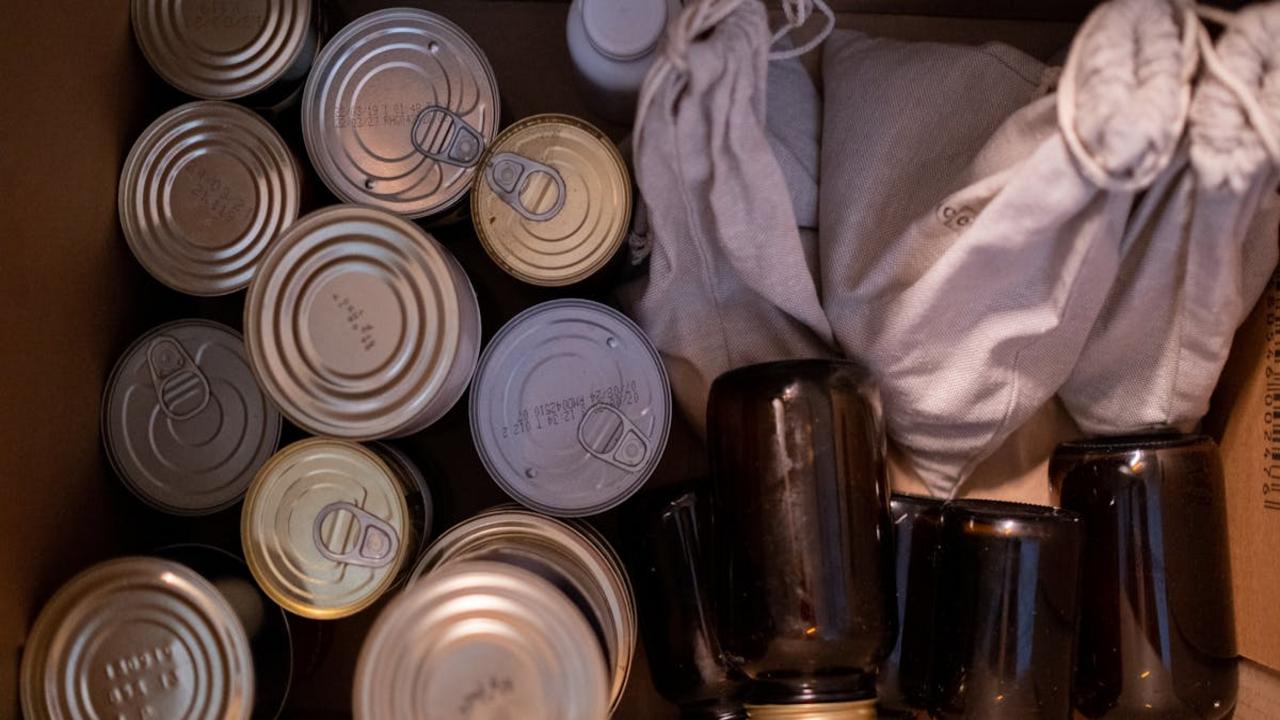
Canned vegetables rank high on my list of pantry heroes! The expiration date on canned veggies typically represents peak quality rather than safety concerns. You can safely consume properly stored canned vegetables 1-2 years beyond their “best by” date, provided the can remains undamaged. The canning process involves heat-treating vegetables at high temperatures, effectively killing bacteria and creating a sealed environment that prevents spoilage. Just remember to check that your cans don’t have dents, rust, or bulging lids – these signal potential contamination.
I always keep canned corn, green beans, and tomatoes stocked in my kitchen for quick meal solutions. After opening a can past its date, trust your senses – look for unusual discoloration, smell for off odors, and note any strange textures. The liquid might look a bit cloudier than usual in older cans, but this generally doesn’t indicate spoilage. Pour the contents into a bowl before using to give everything a proper inspection. Rinse canned vegetables with water to remove excess sodium if you’re watching your salt intake. This simple step makes these convenient, long-lasting foods even healthier additions to your meals!
Hard Cheese
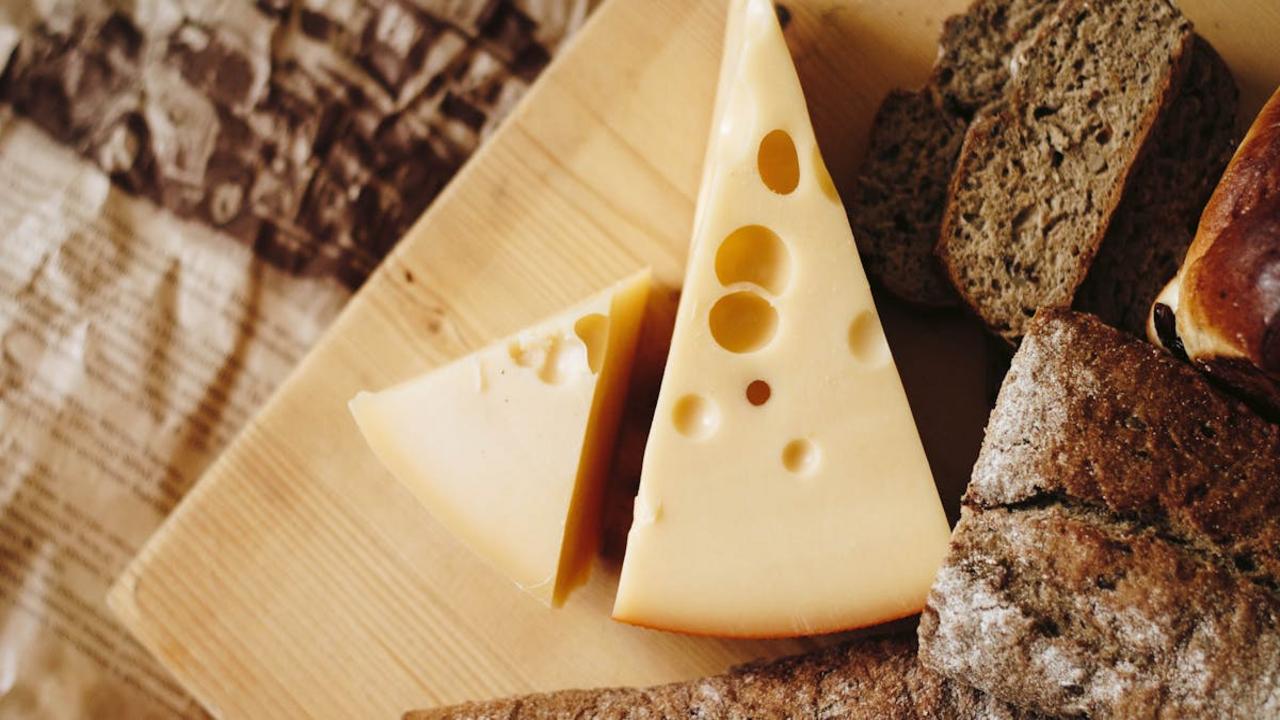
Hard cheeses like Parmesan, aged cheddar, and Pecorino Romano are surprisingly forgiving well past their expiration dates. You can safely enjoy these aged beauties for weeks or even months after the printed date. The aging process that creates their firm texture and complex flavors also naturally preserves them. Just trim away any mold that might appear on the surface—unlike with soft cheeses, the dense structure of hard cheese prevents mold from penetrating deeply into the cheese.
I regularly keep Parmesan chunks in my refrigerator for months, especially those expensive imported wedges that deserve to be used completely! The flavor actually continues developing over time, often becoming more intense and nuanced. Store your hard cheeses properly by wrapping them in parchment or cheese paper rather than plastic wrap, which allows them to breathe while maintaining humidity. Keep them in your refrigerator’s cheese drawer or vegetable bin where the temperature remains most consistent. You’ll know when hard cheese has truly gone bad—it will smell ammoniated or rancid rather than pleasantly sharp.
White Rice
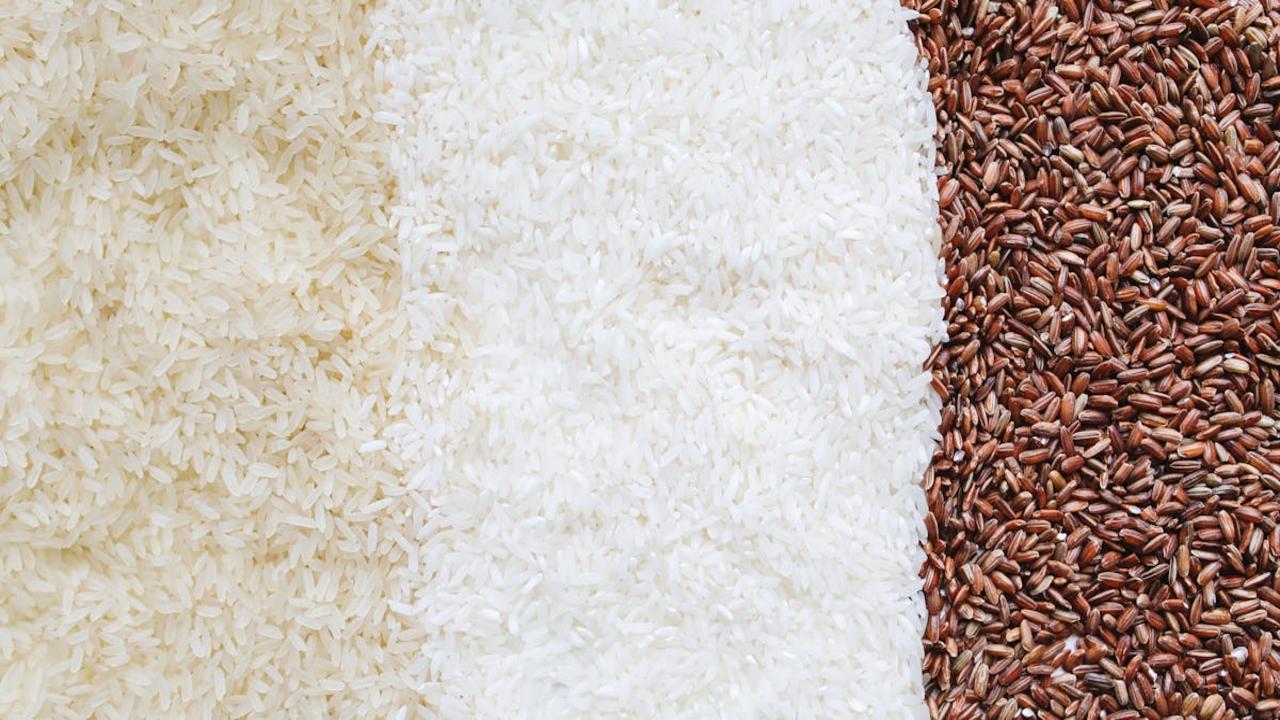
White rice stays good far beyond its expiration date when stored properly! I keep mine in airtight containers in a cool, dry pantry, where it remains perfectly edible for years. The key advantage of white rice is that its husk, bran, and germ have been removed, which eliminates most of the natural oils that would otherwise go rancid. You’ll know your rice has gone bad if it develops an off smell, changes color, or shows signs of moisture or bugs – but this rarely happens with proper storage.
Your nose will be your best guide with white rice. If it smells normal and looks dry and intact, you can confidently cook it regardless of what that date on the package says. I’ve personally used white rice that was 2-3 years past its “best by” date with absolutely no difference in taste or quality. Just make sure you transfer it from its original packaging to something more secure for long-term storage. Glass jars or food-grade plastic containers with tight-fitting lids work wonderfully to maintain freshness and keep unwanted pests away.
Honey
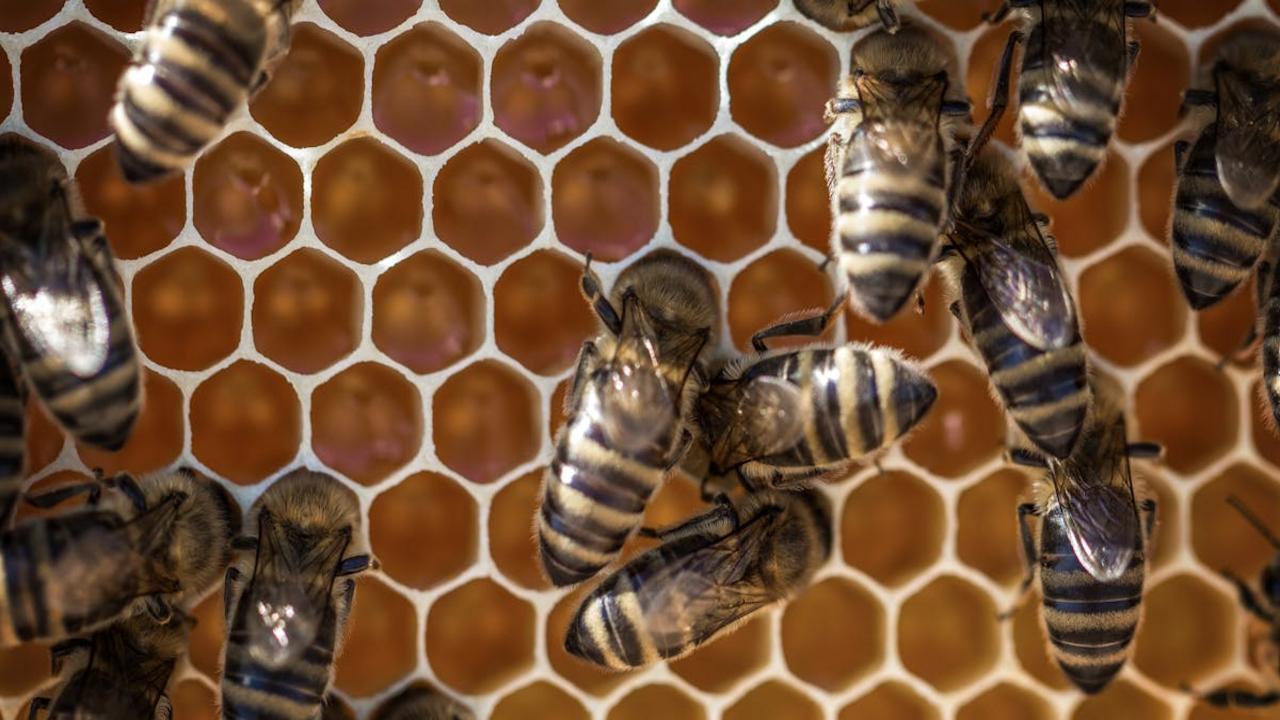
Did you know honey is one of the most shelf-stable foods on earth? When stored properly in a sealed container, this golden sweetener can last indefinitely! I’ve kept honey in my pantry for years beyond its “best by” date with zero quality issues. The natural antibacterial properties prevent spoilage, making expiration dates on honey containers more of a quality suggestion than a safety warning.
If your honey crystallizes (which isn’t spoilage, just a natural process), simply place the jar in warm water to restore its liquid state. I’ve found raw, unfiltered honey particularly resilient over time. The flavor profiles might evolve slightly as honey ages—developing deeper, more complex notes—but it remains perfectly safe to consume. This makes honey an excellent pantry staple you can stock up on without worry about waste!