12 Timeless American Recipes That Never Go Out of Style
There’s something magical about American comfort food that speaks directly to your heart. I grew up cooking these classic dishes in my grandmother’s kitchen, watching her transform simple ingredients into meals that brought our family together. These 12 timeless recipes have survived decades because they deliver pure satisfaction with every bite.
You’ll find these dishes on dinner tables across America because they work perfectly every time. From the golden, flaky crust of a homemade apple pie to the crispy, juicy perfection of Southern fried chicken, these recipes connect us to our shared food heritage. I’ve tweaked each one slightly over the years, but their souls remain unchanged.
The beauty of these American classics lies in their honesty – real ingredients combined with straightforward techniques create food that makes people happy. Whether you’re making a bubbling mac and cheese on a weeknight or baking chocolate chip cookies with your kids, these recipes build traditions and memories. They’ve earned their permanent spot in our kitchens for good reason.
Chocolate Chip Cookies
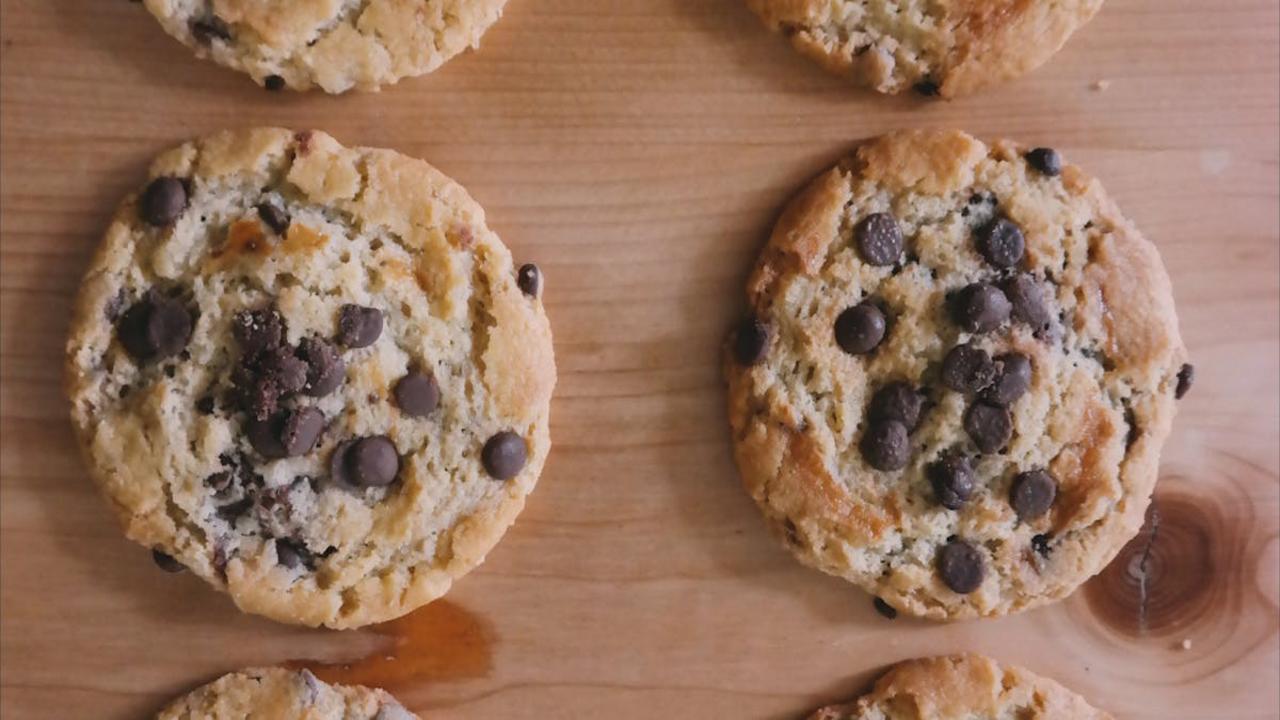
Oh, these American icons are a simple, pure comfort in cookie form! I’ve tweaked countless chocolate chip cookie recipes over the years, and I always return to the basics: a perfect balance of white and brown sugars for that caramelized edge, high-quality vanilla, and a mix of chocolate chips (some chopped chunks work wonders too). The magic happens when you let your dough rest overnight in the fridge—this gives the flour time to hydrate and the flavors to meld into something truly extraordinary.
Every family has their own twist—some like them crispy-edged with soft centers, others prefer them cake-like or completely crisp. My grandmother taught me to underbake them slightly, pulling them from the oven when the centers still look a touch raw. They’ll finish cooking on the hot baking sheet and remain perfectly chewy for days (though they rarely last that long in my house). Add nuts, swap chocolates, or sprinkle with sea salt—chocolate chip cookies welcome your personal touch while remaining thoroughly, wonderfully American.
Cornbread
Ever pulled a juicy steak off the grill and immediately sliced into it? You’ve probably watched all those flavorful juices run across your cutting board! I learned this the hard way until chef friends taught me proper meat resting. Simply transfer your cooked meat to a warm plate and tent loosely with foil for about 5-10 minutes per pound. This allows the muscle fibers to relax and reabsorb those juices that would otherwise escape, resulting in significantly more tender and moist meat.
For thick cuts like roasts or whole chickens, try this temperature-maintaining trick: place your rested meat on a wooden cutting board (never plastic or metal—they’ll cool your meat too quickly). To capture those precious juices, create a small “juice moat” by carving a shallow channel around your cutting board’s perimeter. You can then collect and reduce these drippings into an incredible pan sauce while your meat finishes its rest. Your patience during resting rewards you with meat that’s properly relaxed, evenly cooked throughout, and absolutely packed with flavor.
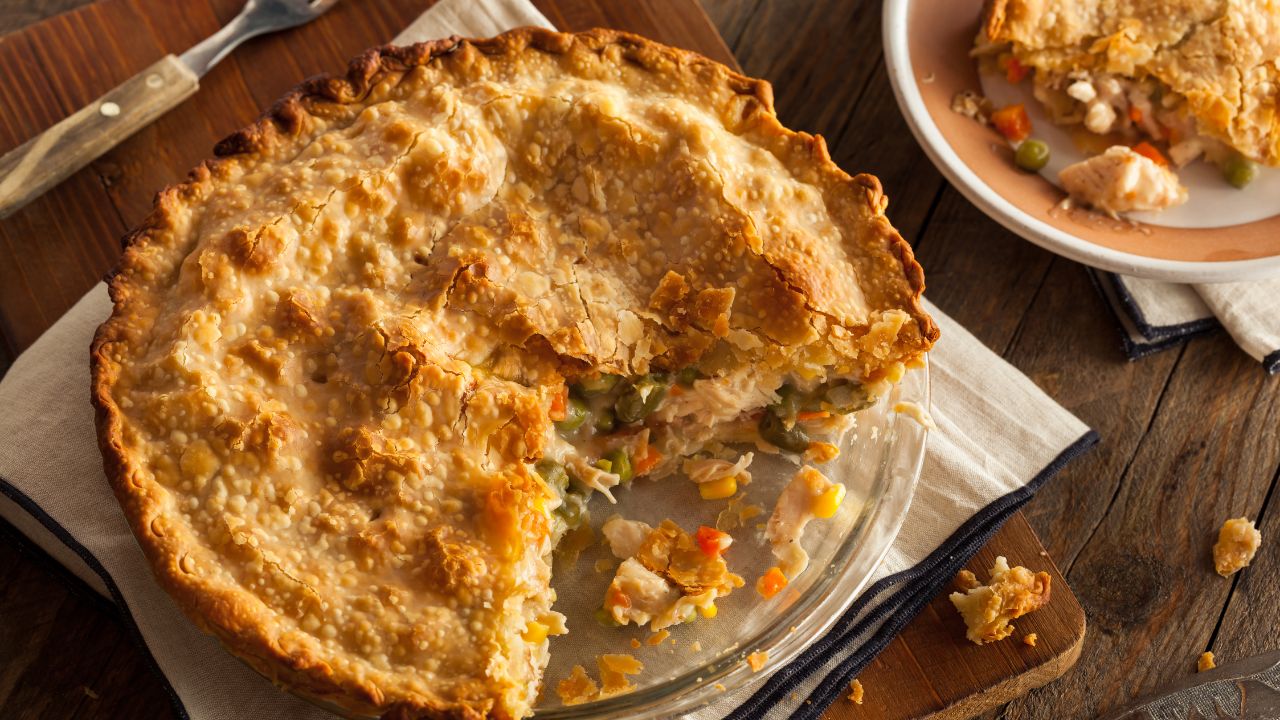
Chicken Pot Pie
You’ll transform your cooking overnight once you grasp basic knife skills! Start with the pinch grip—hold the blade between your thumb and forefinger with remaining fingers wrapped around the handle. This gives you control for precise chopping, dicing, and mincing. Then practice the rocking motion where your knife tip stays on the board while you rock the blade through herbs or vegetables. Just 15 minutes of practice daily will build muscle memory that makes prep work quicker and safer. Your food will cook more evenly too, since uniformly cut ingredients finish cooking at the same time.
Sharp knives actually prevent accidents, contrary to what many home cooks believe. A dull blade requires more force, increasing slip risk, while a sharp knife glides through food with minimal pressure. Invest in a quality chef’s knife (8-inch works for most home kitchens) and learn proper maintenance. Store knives on a magnetic strip or in a wooden block—never loose in drawers where edges dull from contact with other utensils. Mastering these fundamentals will make cooking more enjoyable and your dishes more professional-looking. Your confidence in the kitchen will grow alongside your skills!
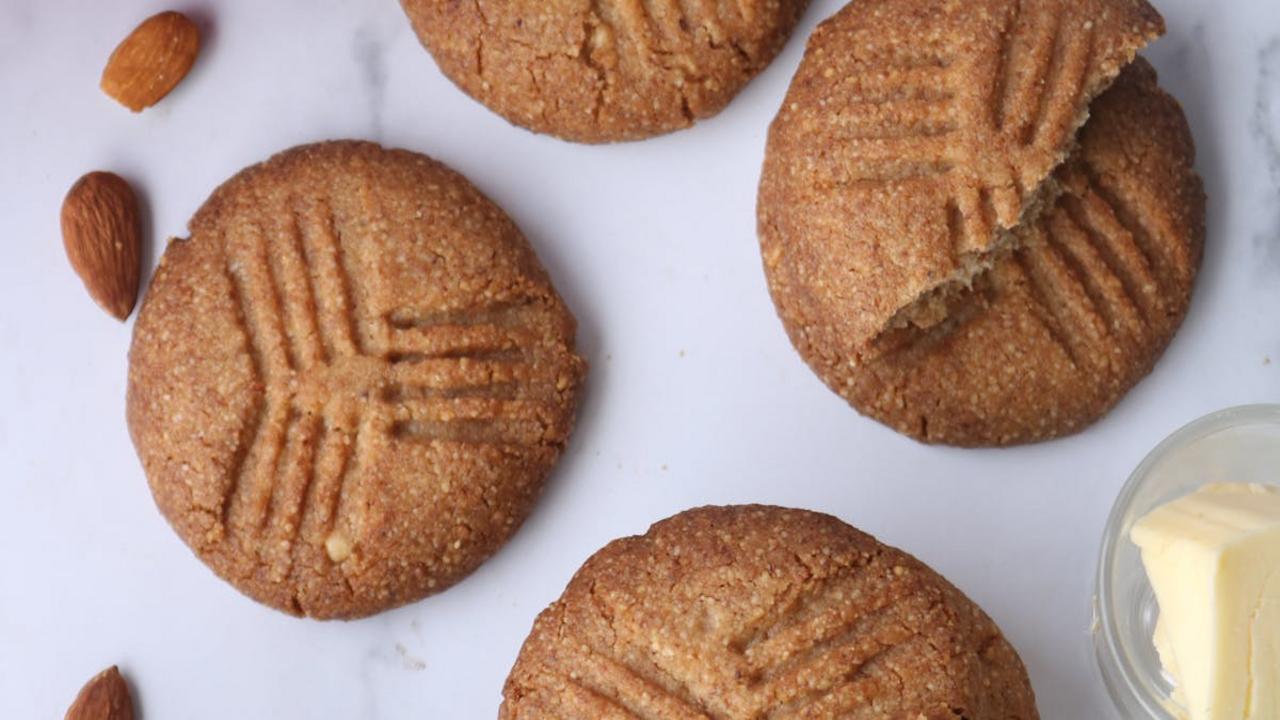
Peanut Butter Cookies
Creating your own sauces transforms ordinary meals into something memorable! I always tell my cooking workshop students that mastering a few basic sauce techniques gives you freedom in the kitchen. Start with the mother sauces—béchamel (milk-based), velouté (light stock-based), espagnole (brown stock-based), tomato, and hollandaise. The secret lies in building flavors gradually: toast your spices first, develop depth with aromatics like onions and garlic, and finish with acids (lemon juice or vinegar) to brighten everything up.
Your homemade sauces will beat store-bought versions every time because you control exactly what goes in them. I recommend keeping a few sauce-making tools handy: a good whisk for smooth blending, a fine-mesh strainer for silky textures, and glass jars for storing extras. Don’t worry about perfection at first—I’ve had plenty of broken sauces that I’ve rescued with a splash of hot water and vigorous whisking! Remember that many sauces freeze beautifully, so make bigger batches when you have time. Soon you’ll develop your signature sauce recipes that friends and family will request by name.
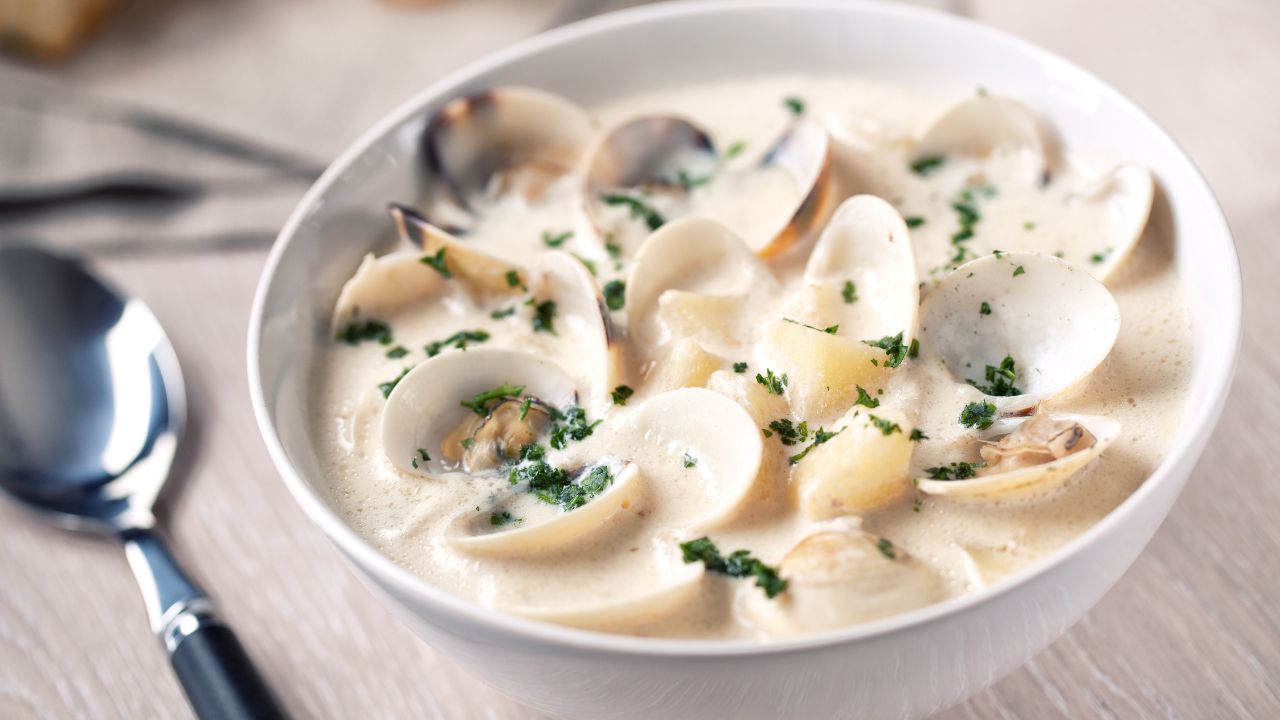
Clam Chowder
Fresh herbs transform ordinary dishes into extraordinary ones, giving you that burst of flavor that dried versions simply can’t match. I always keep small pots of basil, cilantro, and mint on my kitchen windowsill for easy access. Try adding herbs at different cooking stages for varied effects—woody herbs like rosemary and thyme can withstand longer cooking times, while delicate ones like basil and parsley shine when sprinkled just before serving. You’ll notice how a handful of chopped fresh herbs brightens everything from scrambled eggs to roasted vegetables.
Beyond chopping, try other techniques with your fresh herbs. Make herb oils by blending herbs with olive oil for drizzling over finished dishes. Create herb butter by mixing chopped herbs into softened butter—perfect for melting over steaks or spreading on bread. Don’t waste the stems either! Thyme and rosemary stems can infuse soups and stocks, while cilantro and parsley stems often contain more flavor than the leaves. Store leftover herbs properly by wrapping them in damp paper towels inside a container in the refrigerator, or freeze them in ice cube trays with olive oil for future use.
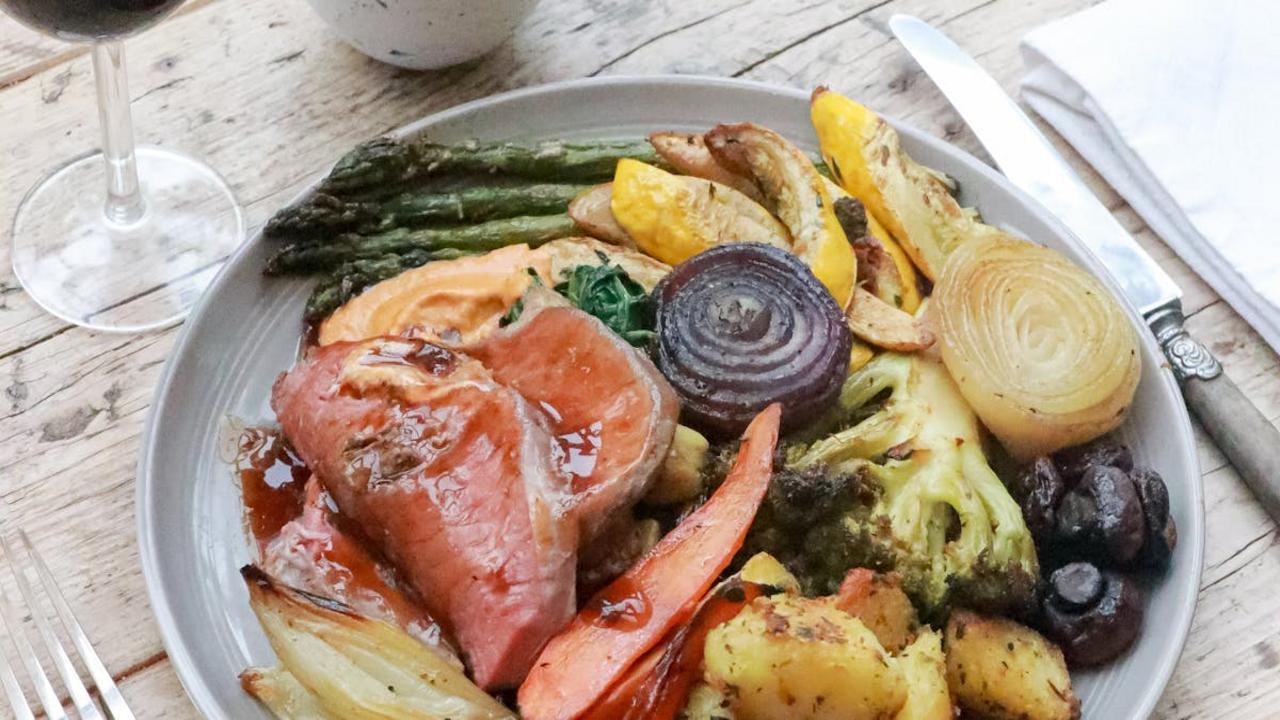
Pot Roast with Root Vegetables
You’ll transform your cooking instantly by matching pans to specific tasks! I’ve learned through countless kitchen experiments that the right pan creates more even cooking and better flavors. For example, a cast iron skillet gives you that perfect sear on steaks while a non-stick pan makes delicate fish fillets slide right off without breaking. Your stainless steel pans work wonders for building those delicious browned bits when making sauces, while a heavy-bottomed dutch oven distributes heat slowly and consistently for stews.
I recommend taking inventory of what you cook most often and investing in quality pans for those dishes. If you make lots of stir-fries, a carbon steel wok will change your results dramatically. For morning eggs, a small non-stick pan saves frustration. The temperature response matters too—copper and aluminum heat quickly but cool fast, while cast iron takes time to warm up but maintains steady heat. Your grandmother was right—there’s no single “best pan” for everything, just the right tool for each cooking method!
Green Bean Casserole
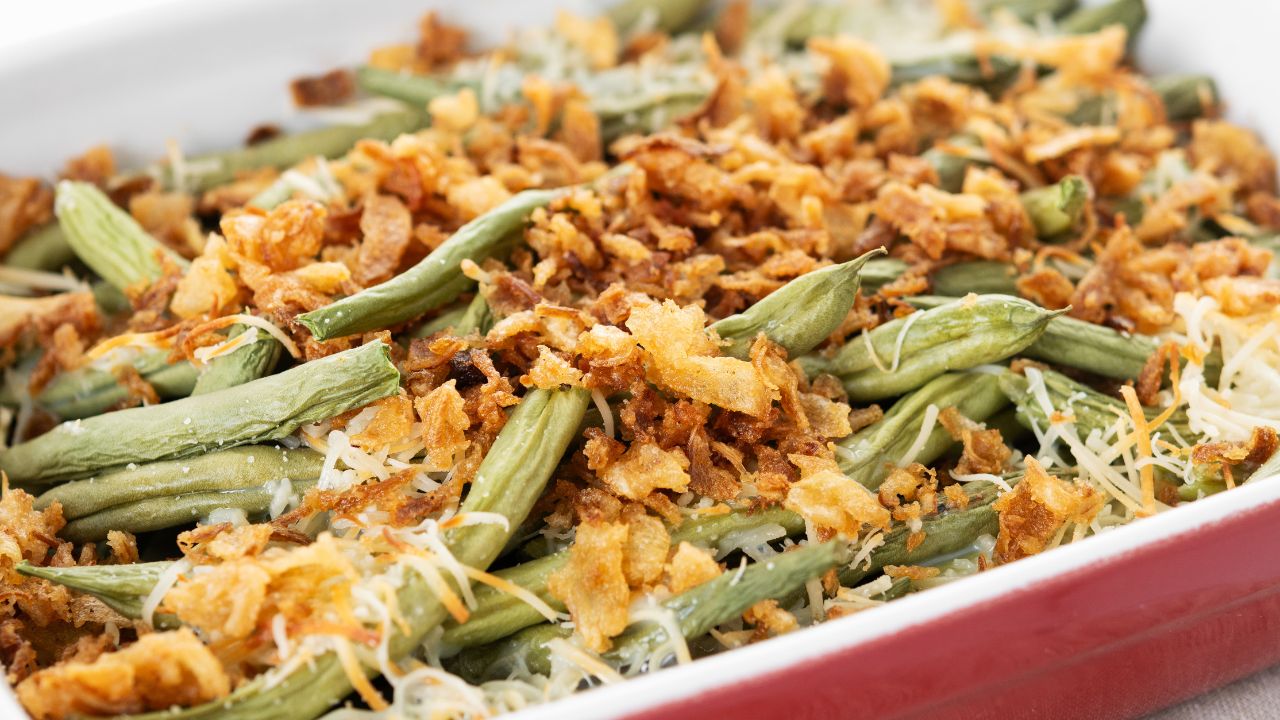
Have you ever noticed how restaurant dishes taste perfectly seasoned throughout? The secret isn’t just how much salt you add, but when you add it. I learned this game-changing technique while cooking alongside my grandmother—season your food in stages rather than all at once at the end. For proteins like chicken or steak, salt them 30-60 minutes before cooking to allow the salt to penetrate deeply. For vegetables, try salting them before roasting to draw out moisture and create better caramelization.
When making soups or stews, add salt in the beginning to season your base ingredients, then taste and adjust just before serving. This layered approach builds flavor complexity that’s impossible to achieve with last-minute seasoning. One caution though: for beans and lentils, add salt only after they’ve softened—early salting can make them tough. Your cooking will transform once you master this timing technique, creating dishes where every bite tastes thoughtfully prepared rather than just surface-seasoned.
Buttermilk Biscuits

Nothing captures the heart of American comfort food quite like buttermilk biscuits. The perfect biscuit balances simplicity with technique – soft, flaky layers that pull apart with just the right touch. My grandmother taught me her method when I was barely tall enough to see over the countertop, emphasizing two key principles: keep your butter cold and handle the dough gently. I’ve since discovered that a touch of honey adds warmth without overwhelming the subtle tang from real buttermilk.
You can make these versatile staples your own by adding cheddar and chives or brushing the tops with garlic butter. Southern cooks debate whether to use lard or butter, but I find a combination creates the ideal texture. Make sure your baking powder is fresh for maximum rise, and don’t twist your biscuit cutter—press straight down to keep those edges clean. Whether you’re serving them alongside fried chicken, smothered in sausage gravy, or simply split and slathered with jam, homemade buttermilk biscuits bring immediate comfort to any meal.
Meatloaf with Brown Gravy
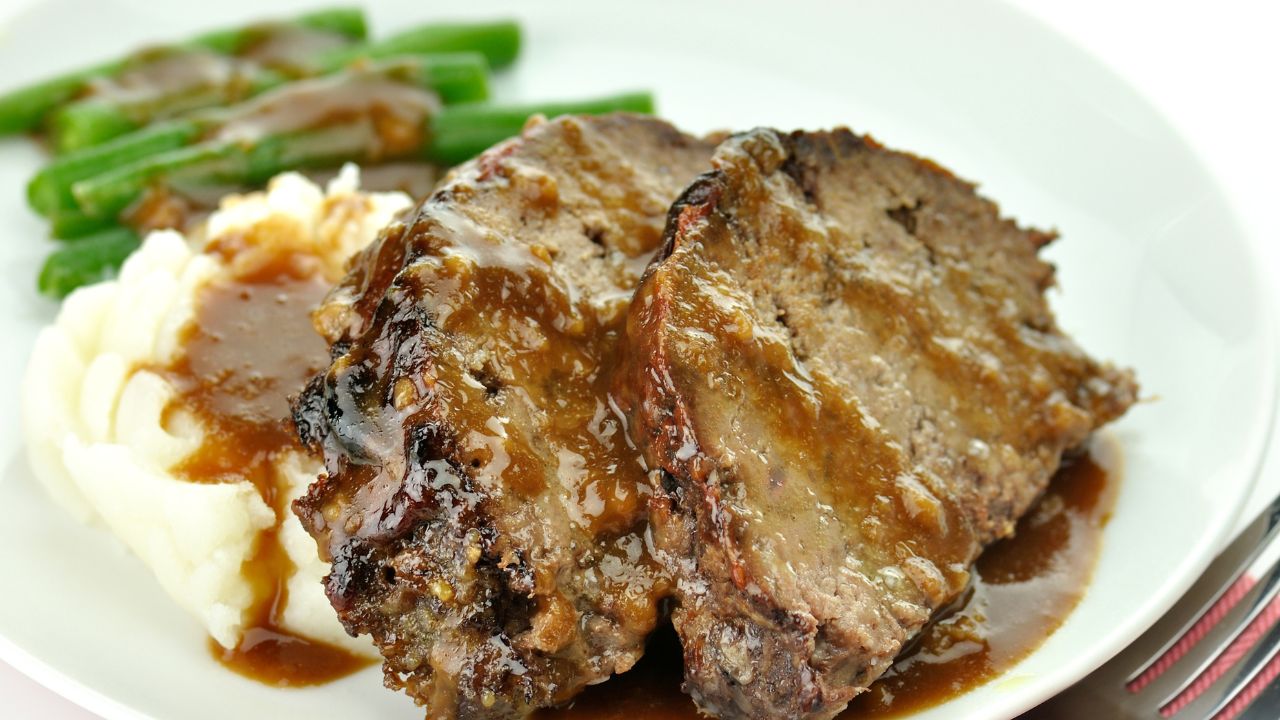
Few American recipes feel as homey and comforting as a well-made meatloaf with rich brown gravy. I mix ground beef with breadcrumbs, onions, bell peppers, and eggs, then season it with herbs and spices that remind me of my grandmother’s kitchen. The magic happens when you form this mixture into a loaf and bake it until the outside gets slightly crispy while the inside stays juicy and tender. For an extra touch that transforms this dish, I create a savory brown gravy using the drippings from the meat, adding beef broth and a splash of Worcestershire sauce for depth.
You can customize your meatloaf countless ways – add bacon on top, mix in different cheeses, or swap ground turkey for beef if you prefer. I’ve found that letting the meatloaf rest for 10 minutes after baking makes slicing much easier and keeps all those delicious juices inside. The brown gravy isn’t just an afterthought – it’s an essential partner that completes this classic American dish. Pour it generously over each slice and serve with mashed potatoes and green beans for a dinner that brings everyone to the table with smiles. This recipe has remained popular across generations because it delivers consistent comfort with every bite.
Southern Fried Chicken
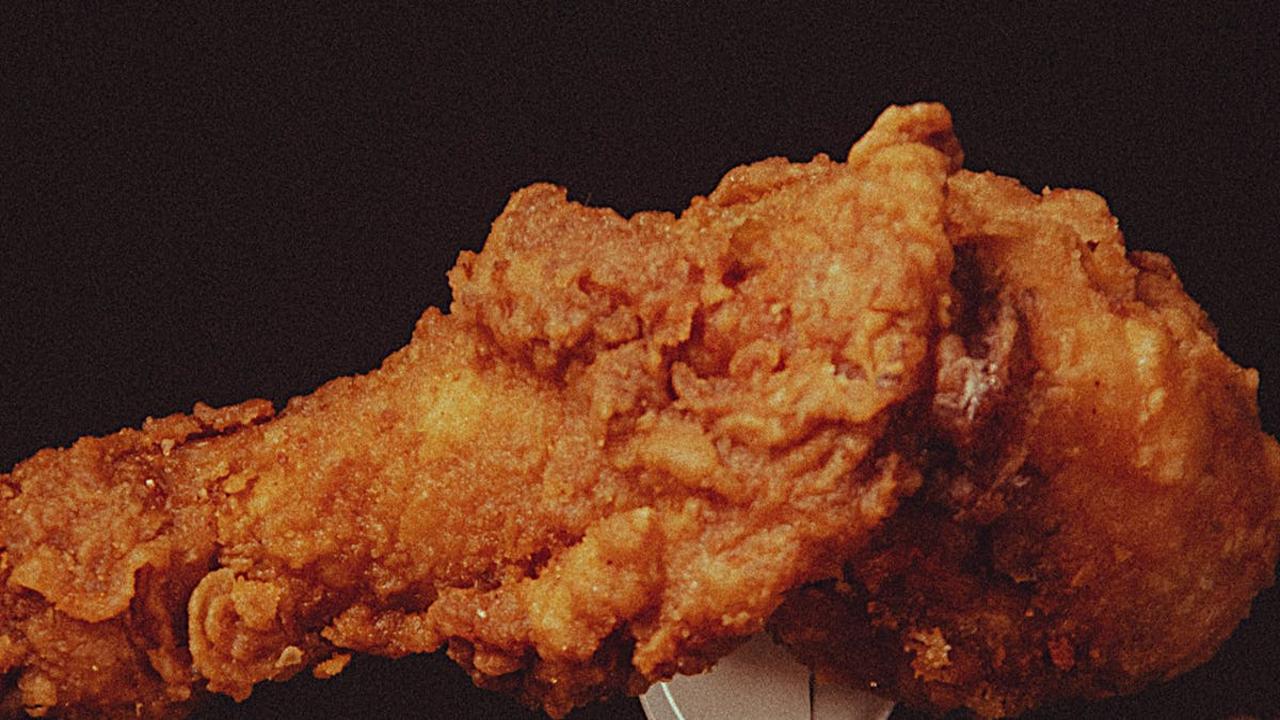
Southern fried chicken remains a cornerstone of American comfort food for good reason! The magic happens in that perfect crust—crispy, golden-brown, and seasoned just right—giving way to juicy, tender meat underneath. I’ve found the secret lies in a buttermilk soak (at least overnight if you can manage) and double-dredging your chicken in seasoned flour. Your spice blend matters too; my grandmother taught me to mix paprika, garlic powder, onion powder, and a hint of cayenne for that signature Southern warmth without overwhelming heat.
What makes this dish truly timeless is how it brings people together. I remember Sunday gatherings where platters of fried chicken would disappear within minutes, with everyone claiming a favorite piece. Cast iron skillets work best for frying—they maintain heat beautifully and add that touch of tradition. Don’t rush the process! Fry at a steady 325°F, turning occasionally until each piece reaches deep golden perfection. The beauty of Southern fried chicken is its simplicity: quality ingredients, proper technique, and patience create an American classic that satisfies generation after generation.
Mac and Cheese
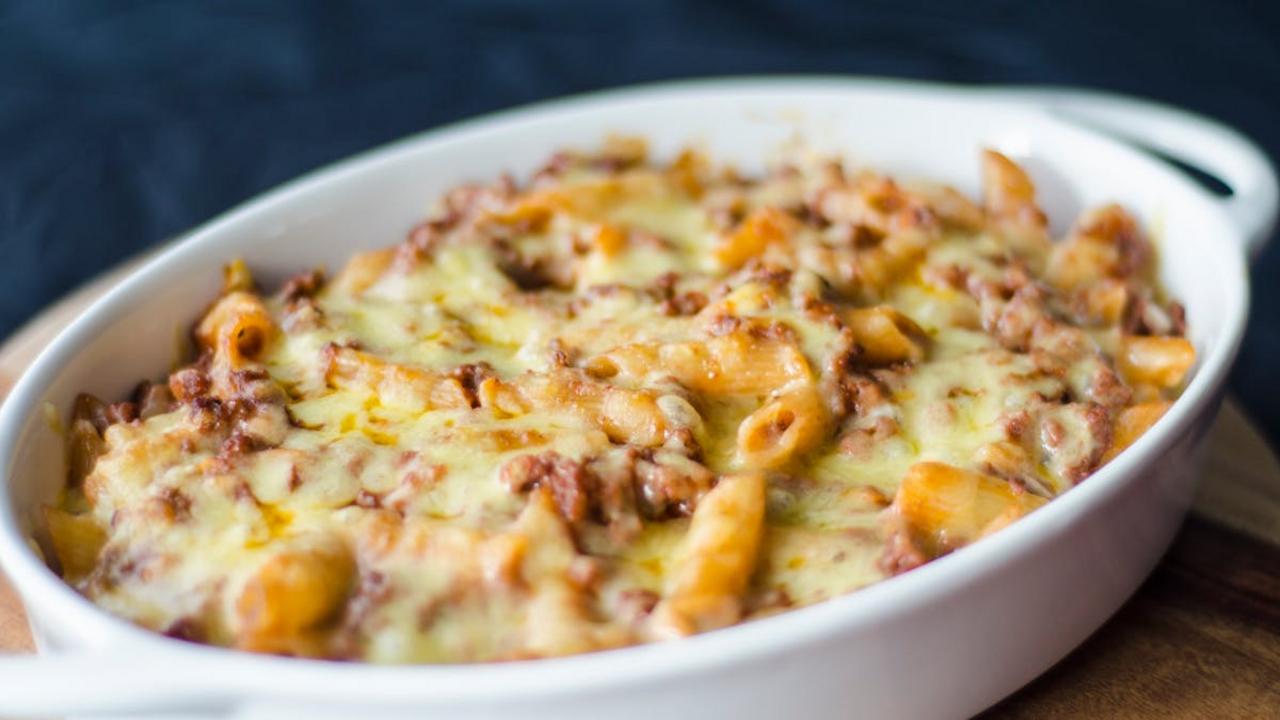
Mac and cheese holds a special place in American kitchens—I can’t count how many times this dish saved my dinner plans! This comfort classic transforms basic ingredients (pasta and cheese) into a satisfying meal that both kids and adults crave. You’ll find countless variations across the country, from stovetop quick versions to baked casseroles with crispy breadcrumb toppings. My personal touch? I add a dash of smoked paprika and mix in sharp cheddar with creamy Monterey Jack for depth without fancy ingredients.
The beauty of mac and cheese lies in its flexibility. You can keep it simple with a basic cheese sauce or elevate it with add-ins like crispy bacon, roasted broccoli, or caramelized onions. I recommend trying the Southern baked version with a custard-like texture or the Northern stovetop method for ultimate creaminess. Either way, make your cheese sauce from scratch—just butter, flour, milk and cheese—and you’ll understand why this dish has remained a fixture on American tables for generations. Nothing brings everyone to the table faster than that bubbling dish of cheesy goodness!
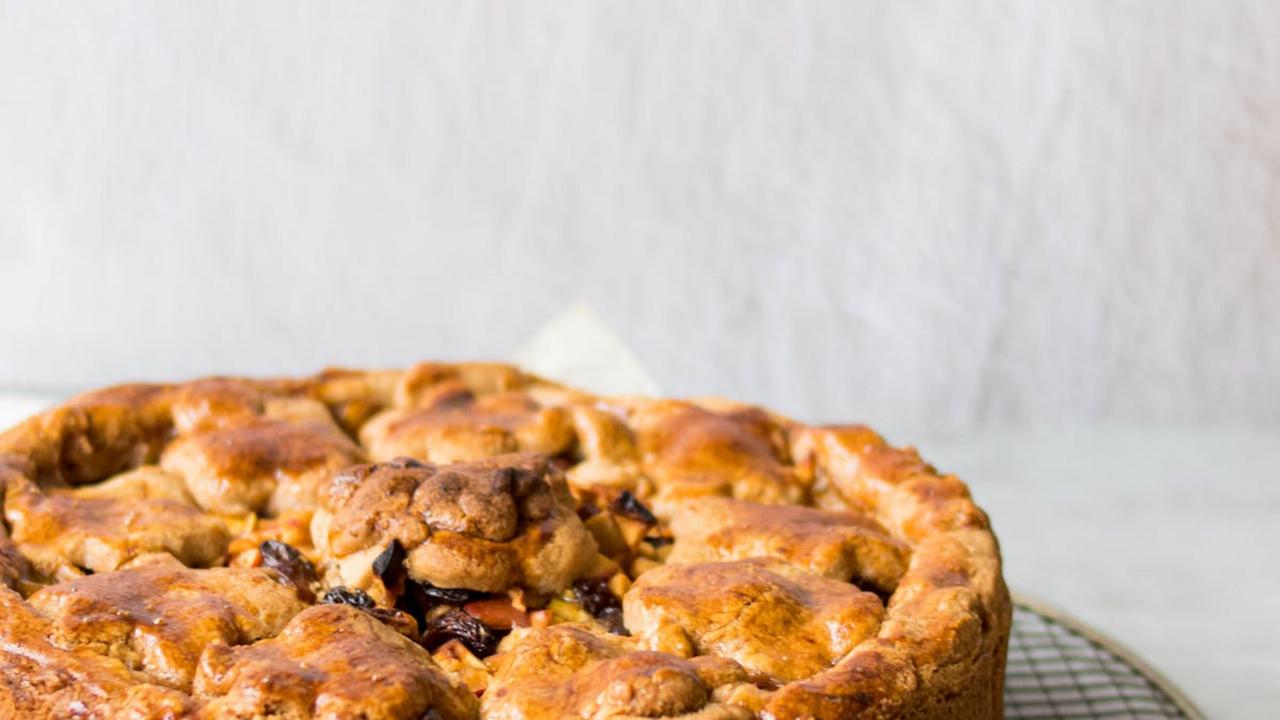
Classic Apple Pie
3