14 Foods That Changed the World and Shaped the Way We Eat
Think about the foods sitting in your pantry right now. That bag of rice? It’s fed more humans throughout history than any other crop. The garlic bulb tucked in your vegetable drawer? Ancient Egyptians worshipped it. Your morning coffee? It sparked revolutions, literally. These fourteen foods didn’t just nourish billions—they redrew maps, toppled empires, and created economies that still power nations today.
Wars have been fought over sugar. Explorers sailed off the edge of known maps hunting for spices. Chocolate once served as currency for the Aztecs, and vanilla remains more valuable per ounce than silver in some markets. Each bite of your potato chips connects you to the Incan farmers who first domesticated this tuber in the Andes mountains over 7,000 years ago.
These ingredients shaped migration patterns, transformed landscapes, and built the global food system we know today. From the humble tomato that Italians once feared as poisonous to the peppers that set taste buds ablaze across continents, these fourteen foods wrote history one meal at a time. Ready to discover how your favorite dishes became world-changers?
Vanilla
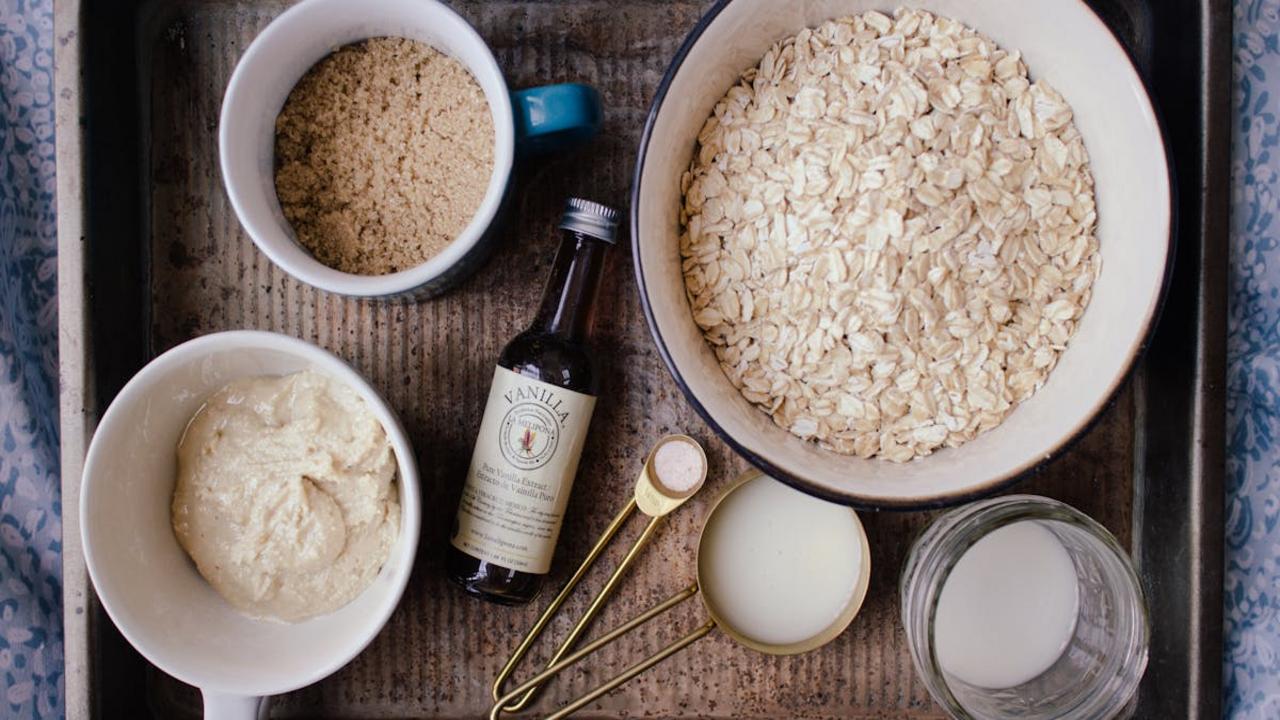
Vanilla is one of those ingredients that’s everywhere—in your ice cream, your cookies, your coffee—but most people have no idea it comes from an orchid. Yes, that’s right: vanilla beans are the fermented seed pods of the Vanilla planifolia orchid, which is native to Mexico. The Totonac people were the first to cultivate it, and when the Aztecs conquered them, they added vanilla to their chocolate drinks (because they knew what was up). The Spanish brought it back to Europe in the 16th century, where it became an instant hit. But here’s the kicker: vanilla orchids are incredibly finicky. They only bloom for one day, and they need a specific type of bee to pollinate them. When Europeans tried growing vanilla elsewhere, the plants wouldn’t produce beans—until someone figured out they could hand-pollinate the flowers. That’s right, every single vanilla bean you’ve ever enjoyed was likely the result of someone painstakingly pollinating an orchid by hand.
This labor-intensive process is why real vanilla is so expensive—it’s the second most costly spice in the world after saffron. Madagascar now produces about 80% of the world’s vanilla, and the work is grueling. After hand-pollination, the beans must be harvested at just the right time, then cured through a months-long process of sweating, drying, and conditioning. The result? Those gorgeous, fragrant beans that can cost more per ounce than silver. Most of the “vanilla” you encounter today is actually vanillin, a synthetic compound that mimics the flavor but lacks the complexity of the real thing. Real vanilla has over 250 flavor compounds, giving it notes of caramel, tobacco, and even a hint of spice. Once you’ve baked with genuine vanilla extract or scraped the seeds from a fresh bean into your custard, there’s no going back. Vanilla transformed desserts from simple sweetness into something extraordinary—a testament to what happens when you take something rare and make it accessible (with a lot of hard work, of course).
Garlic
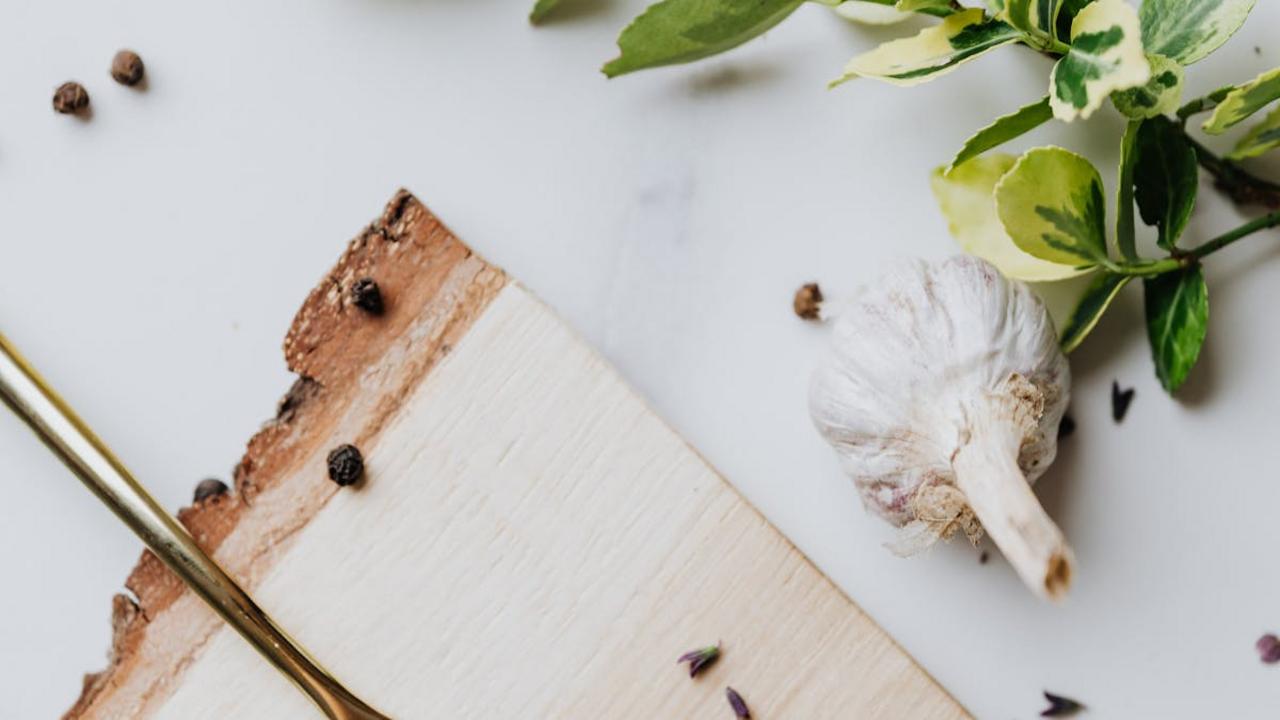
Garlic is one of those ingredients that sneaks into nearly every dish you make, and honestly, where would we be without it? This pungent little bulb has been around for over 7,000 years, starting its aromatic journey in Central Asia before spreading across the globe like the world’s best-kept secret. Ancient Egyptians fed it to workers building the pyramids because they believed it gave them strength and endurance—imagine showing up to construct a massive monument and your boss hands you a clove of garlic instead of a protein shake. The Romans gave it to their soldiers before battle, the Greeks banned Olympic athletes from eating it (apparently it was considered cheating?), and throughout history, people have hung it in doorways to ward off vampires, evil spirits, and presumably annoying neighbors.
Today, garlic is the backbone of countless cuisines, from Italian pasta sauces to Korean kimchi, Chinese stir-fries to Mexican salsas. It’s that magic ingredient that transforms bland into brilliant with just a quick sauté in olive oil. Roast a whole head of it in the oven until it’s soft and sweet, and you’ve got spreadable gold that’ll make even the driest bread sing. Raw garlic packs a punch that’ll clear your sinuses and possibly the room, but cooked garlic becomes mellow, sweet, and downright addictive. Scientists have confirmed what cooks have known forever: garlic contains allicin, a compound with serious health benefits, from boosting your immune system to potentially lowering blood pressure. So go ahead and add that extra clove to your recipe—your body will thank you, even if your date might not.
Quinoa
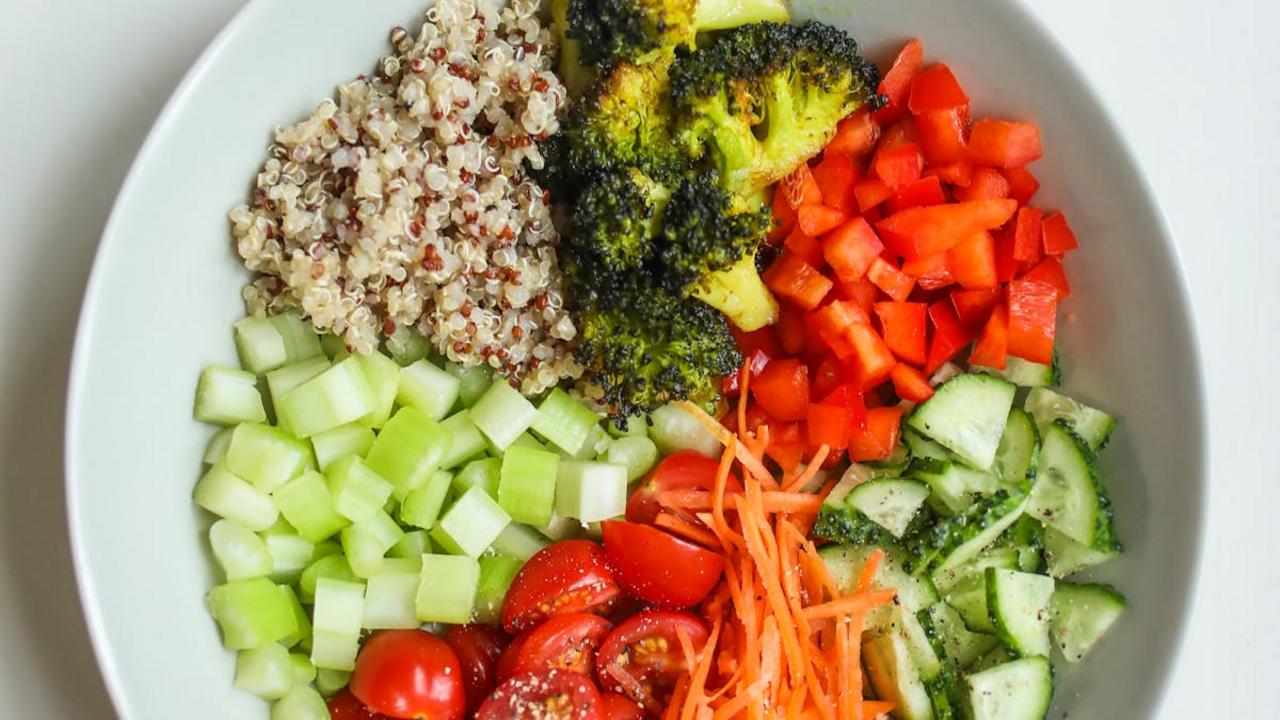
Quinoa—the tiny grain that looks like birdseed but eats like heaven—has gone from ancient Incan superfood to modern health-food darling faster than you can say “gluten-free.” This little powerhouse contains all nine essential amino acids, making it a complete protein, which is basically unheard of in the plant world. The Incas called it “the mother of all grains,” and honestly, they weren’t exaggerating. It’s been feeding people in the Andean highlands for over 5,000 years, thriving in conditions that would make most crops wither and die. When Spanish conquistadors arrived, they actually tried to suppress quinoa cultivation because it was so central to indigenous religious ceremonies. Joke’s on them—now it’s everywhere from Brooklyn brunch spots to Silicon Valley meal-prep containers.
What makes quinoa truly magical is its versatility and that satisfying pop when you bite into it. You can toss it in salads, turn it into breakfast porridge, stuff it in peppers, or even make it into burger patties. The best part? It cooks in about 15 minutes and absorbs whatever flavors you throw at it like a tiny, nutritious sponge. Pro tip: always rinse quinoa before cooking to remove the natural coating called saponin, which tastes bitter and soapy (nature’s way of protecting seeds from birds, but definitely not appetizing for humans). Whether you’re team white, red, or black quinoa, this grain has earned its spot on dinner tables worldwide, proving that sometimes the healthiest option actually tastes pretty darn good.
Corn
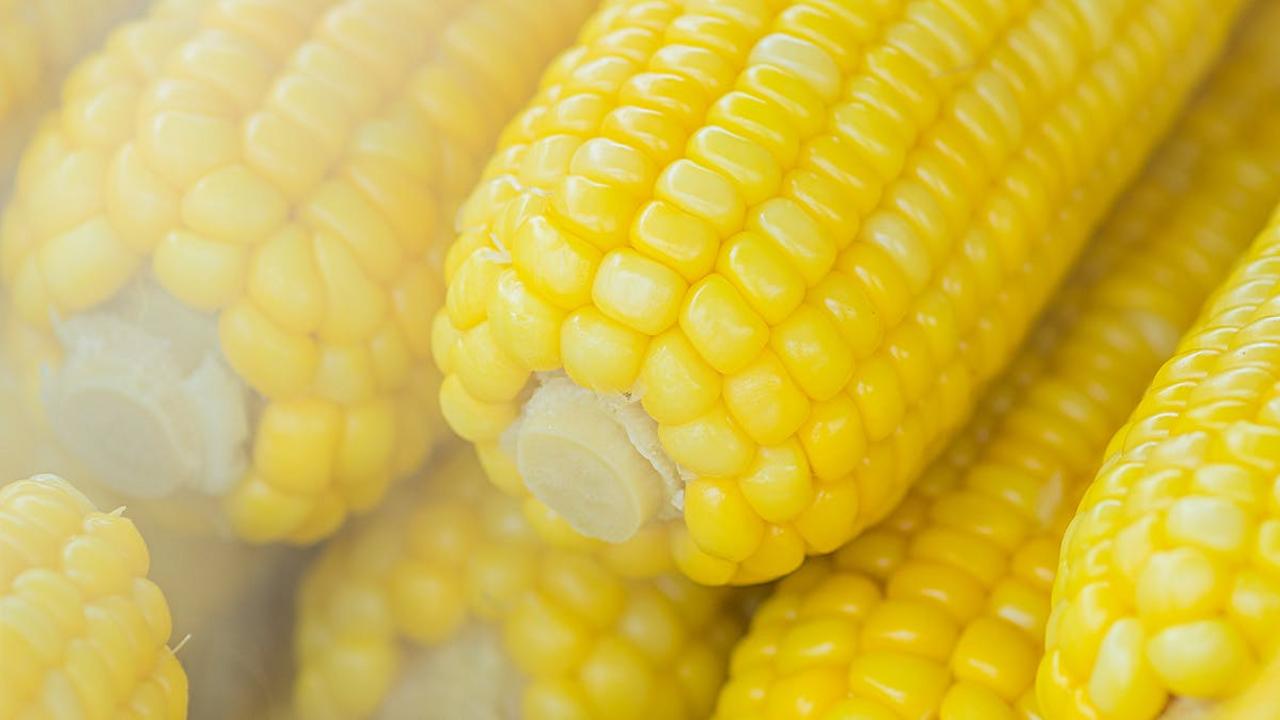
Corn is the ultimate chameleon of the food world—this golden kernel has wormed its way into practically everything you eat, whether you realize it or not. Originally domesticated by indigenous peoples in southern Mexico around 10,000 years ago from a wild grass called teosinte, corn spread throughout the Americas faster than gossip in a small town. The Mayans and Aztecs revered it so deeply they had entire creation myths centered around it, believing humans were literally made from cornmeal. When European colonizers arrived, they quickly recognized corn’s versatility and brought it back across the ocean, where it became a global superstar. Today, corn production has exploded to astronomical levels, with the United States alone growing over 15 billion bushels annually. Walk down any grocery store aisle and you’ll spot corn derivatives everywhere: corn syrup sweetening your soda, cornstarch thickening your soup, corn oil frying your chips, and even cornmeal creating your favorite breakfast cereal.
What makes corn truly revolutionary is its remarkable adaptability—this crop grows in practically every climate from tropical lowlands to high-altitude mountains, feeding more of the world’s population than almost any other grain. Beyond human consumption, corn feeds livestock, fuels cars as ethanol, and serves as the foundation for thousands of industrial products including biodegradable plastics, adhesives, and even fireworks. The economic impact is staggering: corn supports entire industries and employs millions of people worldwide. But here’s the kicker—despite being everywhere, most people have no idea just how much corn they consume daily. That innocent-looking chicken breast? The bird ate corn. Your leather shoes? Corn-based tanning agents. Even your toothpaste probably contains corn derivatives. This humble grain transformed from a regional staple into an omnipresent ingredient that quietly revolutionized global agriculture, international trade, and modern food production as we know it.
Olives
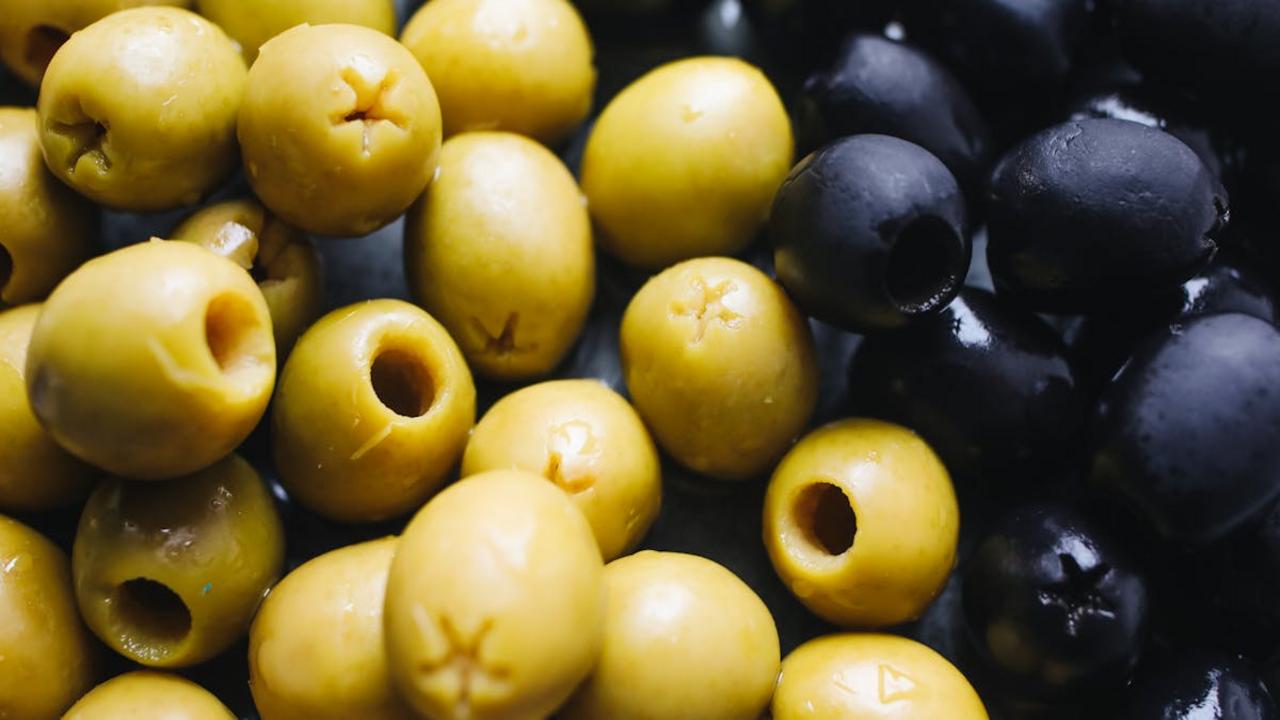
Olives are those weird little ovals that somehow convinced humanity they’re worth celebrating—and honestly? They’re absolutely right. Whether you’re Team Green or Team Black, whether you like them briny enough to make your face scrunch up or stuffed with garlic and herbs, olives have been humanity’s favorite salty snack for about 6,000 years. Ancient Greeks considered them a gift from Athena herself (literally—there’s a whole myth about it), and Mediterranean civilizations basically built their economies around these wrinkly fruits. They’re technically drupes, which sounds like something a wizard would say, but it just means they’re stone fruits like peaches, except infinitely more controversial at parties.
The real magic happens when you press olives into liquid gold—olive oil, baby! This stuff powered lamps before electricity, anointed kings, and now makes everything you cook taste instantly fancier. Want to feel like you’re dining in a Greek taverna? Drizzle good olive oil over fresh bread with sea salt. That’s it. That’s the recipe. Romans loved olives so much they spread olive trees everywhere their empire reached, which is why you can now enjoy them from Spain to California. Fun fact: olives straight from the tree taste absolutely horrendous—bitter and completely inedible—which makes you wonder who was desperate enough to figure out the whole curing process. Thank goodness they did, because now we have tapenade, martini garnishes, and pizza toppings that spark heated debates. Olives turned preservation into an art form and gave us a reason to argue about pimento versus pits at every gathering.
Rice
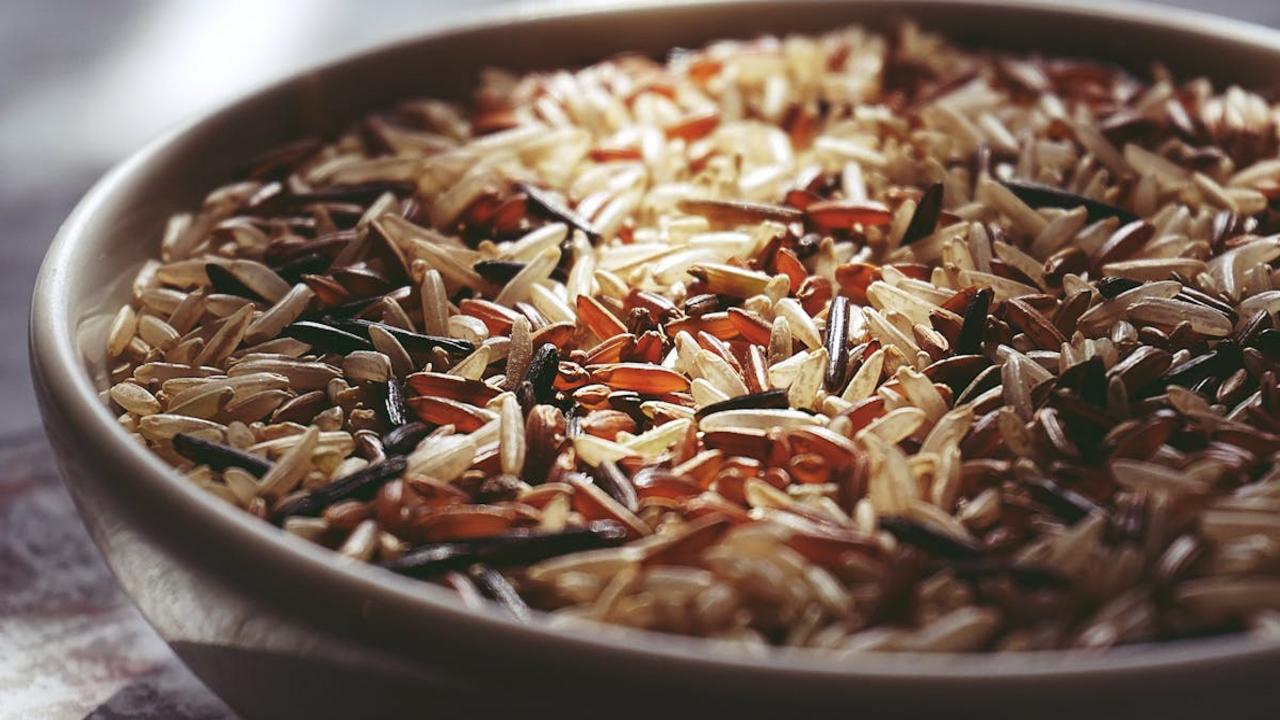
Rice feeds more than half the planet, making it one of the most important crops in human history. This humble grain has been cultivated for over 10,000 years, originating in the river valleys of China and India before spreading across Asia and eventually reaching every corner of the globe. Without rice, entire civilizations would never have flourished the way they did. The grain’s ability to grow in flooded paddies made it perfect for monsoon climates, and its high yield meant communities could support larger populations. Rice became so central to Asian culture that in many languages, the word for rice is synonymous with food itself—saying “let’s eat rice” literally means “let’s have a meal.” That’s how deeply woven this grain is into daily life.
What makes rice truly remarkable is its versatility. You can steam it, fry it, grind it into flour, ferment it into wine, or shape it into noodles. Sushi wouldn’t exist without perfectly seasoned short-grain rice. Spanish paella demands bomba rice to soak up all that saffron-infused goodness. Indian biryani layers fragrant basmati with spices and meat for a dish that’s pure magic. Even desserts get the rice treatment—think creamy rice pudding or sticky mango sticky rice. Different varieties serve different purposes: jasmine rice perfumes your kitchen with its floral aroma, while arborio creates that creamy risotto texture everyone craves. Rice doesn’t just fill your belly—it shapes entire cuisines and brings people together around the table, one steaming bowl at a time.
Potatoes
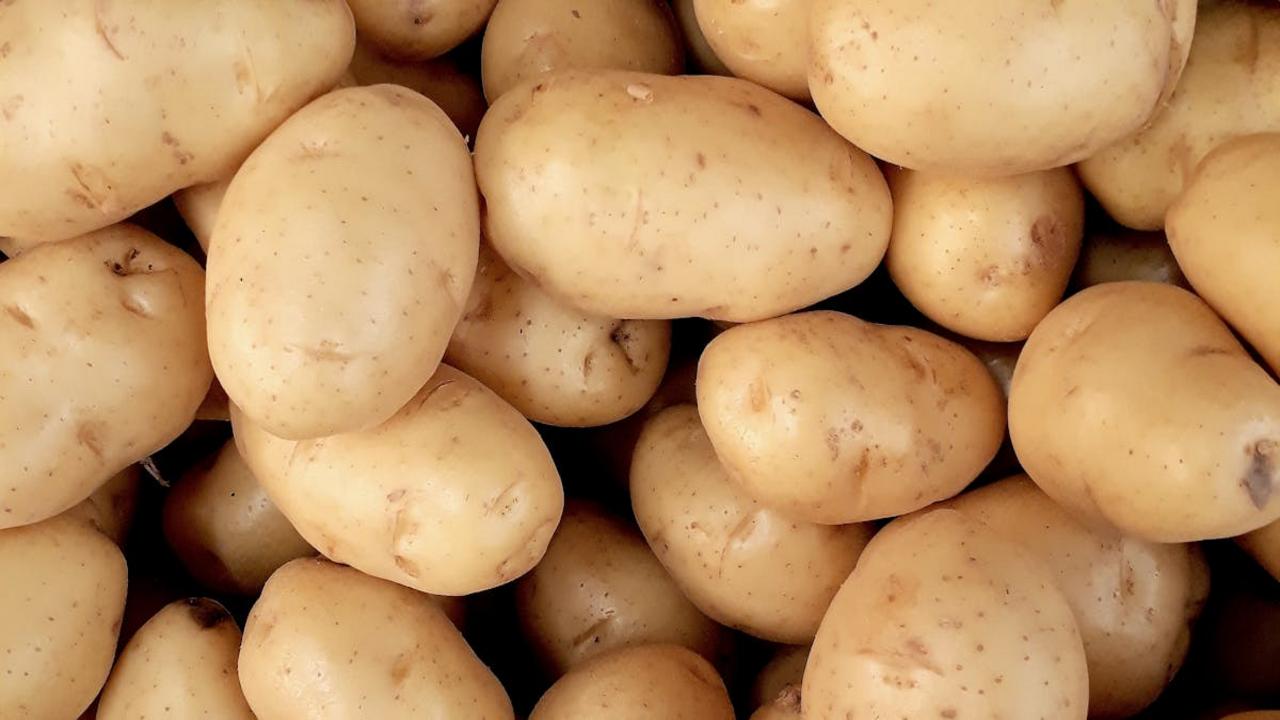
The potato—humble, starchy, and absolutely unstoppable. This underground tuber started its journey in the Andes mountains of South America, where ancient civilizations like the Inca treated it like edible gold. When Spanish conquistadors brought potatoes back to Europe in the 16th century, folks were suspicious. People actually thought they caused leprosy and were only fit for pigs! It took Marie Antoinette wearing potato flowers in her hair to make them fashionable. Once Europe got over its ridiculous fears, the potato became a staple that literally fueled the Industrial Revolution. Workers needed cheap, filling food, and potatoes delivered big time. They grew in terrible soil, survived harsh climates, and kept bellies full through long factory shifts.
Today, potatoes are everywhere—mashed, fried, baked, roasted, turned into chips, vodka, and even used in beauty products. The versatility is bonkers! You can transform one ingredient into a thousand different dishes, from crispy Belgian frites to creamy Indian aloo gobi. Ireland’s tragic potato famine in the 1840s showed just how dependent entire nations had become on this crop, causing mass starvation and emigration that changed demographics forever. But the potato bounced back stronger than ever. Modern agriculture produces over 370 million tons annually, making it the world’s fourth-largest food crop. Whether you’re team french fry or team loaded baked, you can’t deny that this unassuming vegetable changed everything about how humans eat and survive.
Tomatoes
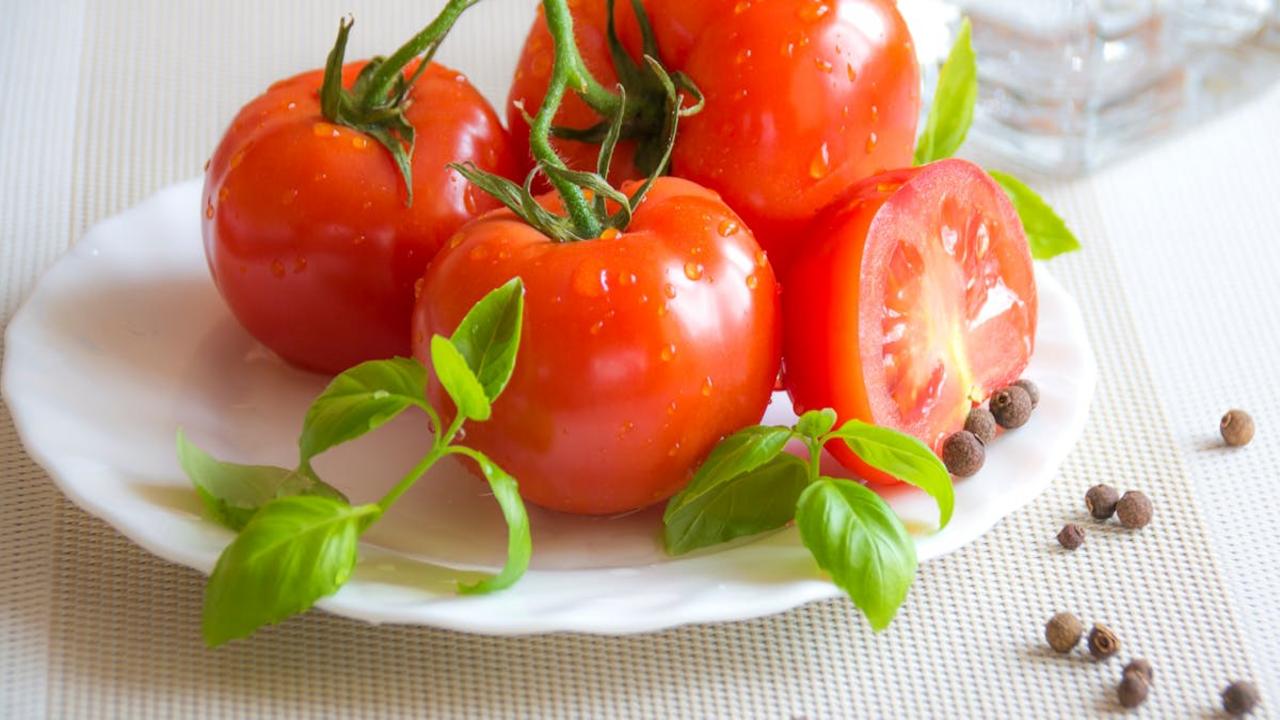
Remember when people thought tomatoes were poisonous? Yeah, that happened. For centuries, Europeans grew these glossy red beauties purely as ornamental plants, convinced they’d drop dead if they took a bite. The wealthy ate off pewter plates, and the acid in tomatoes would leach lead from the metal—so they did drop dead, just not because of the tomato itself. Talk about a case of mistaken identity! It wasn’t until the 1800s that Americans finally wised up and started treating tomatoes like the food gods they are. Now? We can’t imagine life without them. Pizza would be tragic, pasta sauce wouldn’t exist, and summer salads would lose their entire purpose.
These little red powerhouses transformed global cuisine in ways few other ingredients can claim. From Italian marinara to Mexican salsa, Indian curry to Chinese stir-fry, tomatoes snuck into nearly every food tradition on the planet. They’re technically a fruit, which makes ketchup a smoothie (I don’t make the rules). Rich in lycopene and vitamin C, they’re also ridiculously good for you, which is a nice bonus when you’re drowning your fries in ketchup or inhaling a Margherita pizza. Whether you’re team heirloom, cherry, or beefsteak, tomatoes prove that sometimes the best things in life are the ones people initially feared.
Spices
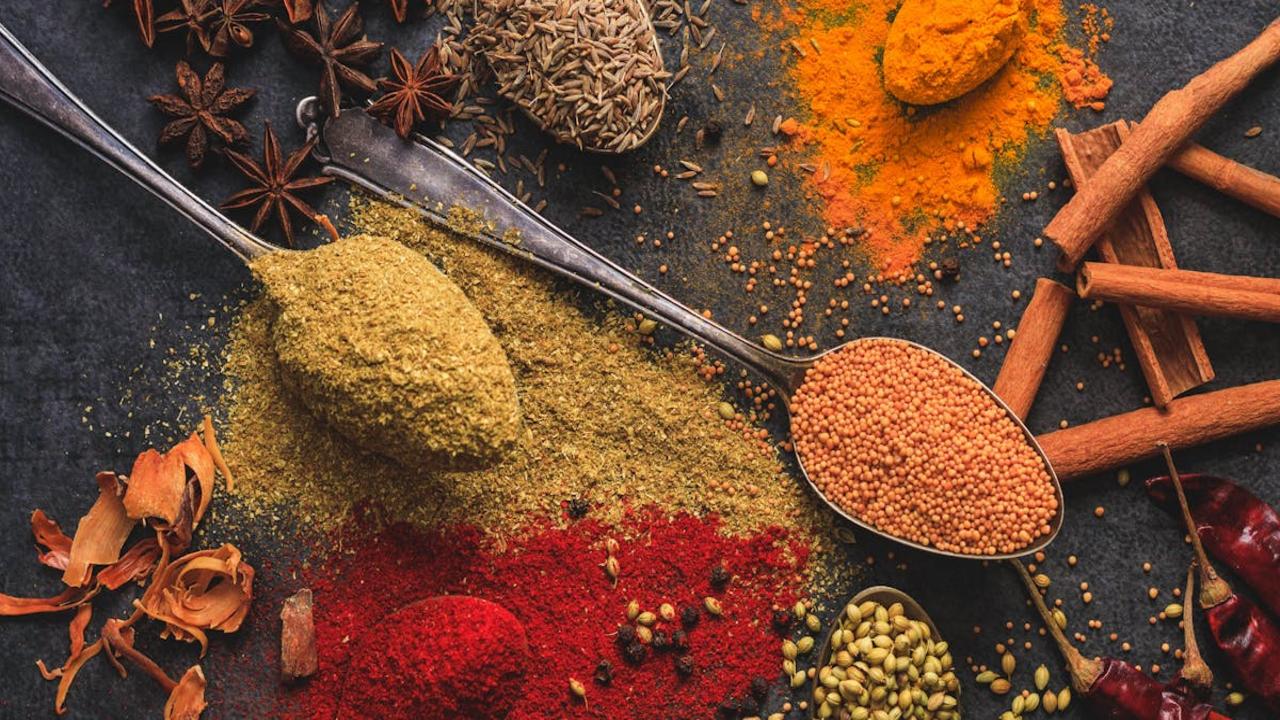
Spices didn’t just change the world—they basically built it. Wars were fought over them, empires rose and fell trying to control their trade routes, and Christopher Columbus accidentally stumbled onto an entire continent while searching for a shortcut to the good stuff. Pepper, cinnamon, cloves, and nutmeg were once worth more than gold, and people literally died for the chance to bring them back from distant lands. These tiny flavor bombs transformed bland European cuisine into something worth eating, preserved food before refrigeration existed, and made questionable meat palatable enough to swallow. The spice trade connected continents, sparked exploration, and basically created globalization before anyone knew what that word meant.
Today we casually grab turmeric or cardamom from the grocery store without thinking twice, but our ancestors would’ve lost their minds at that kind of accessibility. The Dutch East India Company became one of history’s most powerful corporations by controlling the spice flow, and the British literally colonized half the planet partly because they wanted better access to seasonings for their roast beef. Spices gave us curry, gingerbread, pumpkin pie, and countless other dishes that define entire cultures. They’re antimicrobial, anti-inflammatory, and packed with antioxidants—basically medicine disguised as flavor enhancers. Next time you’re sprinkling cinnamon on your morning oatmeal or adding cayenne to your scrambled eggs, remember you’re participating in a tradition that shaped human history more than almost any other food category.
Chocolate
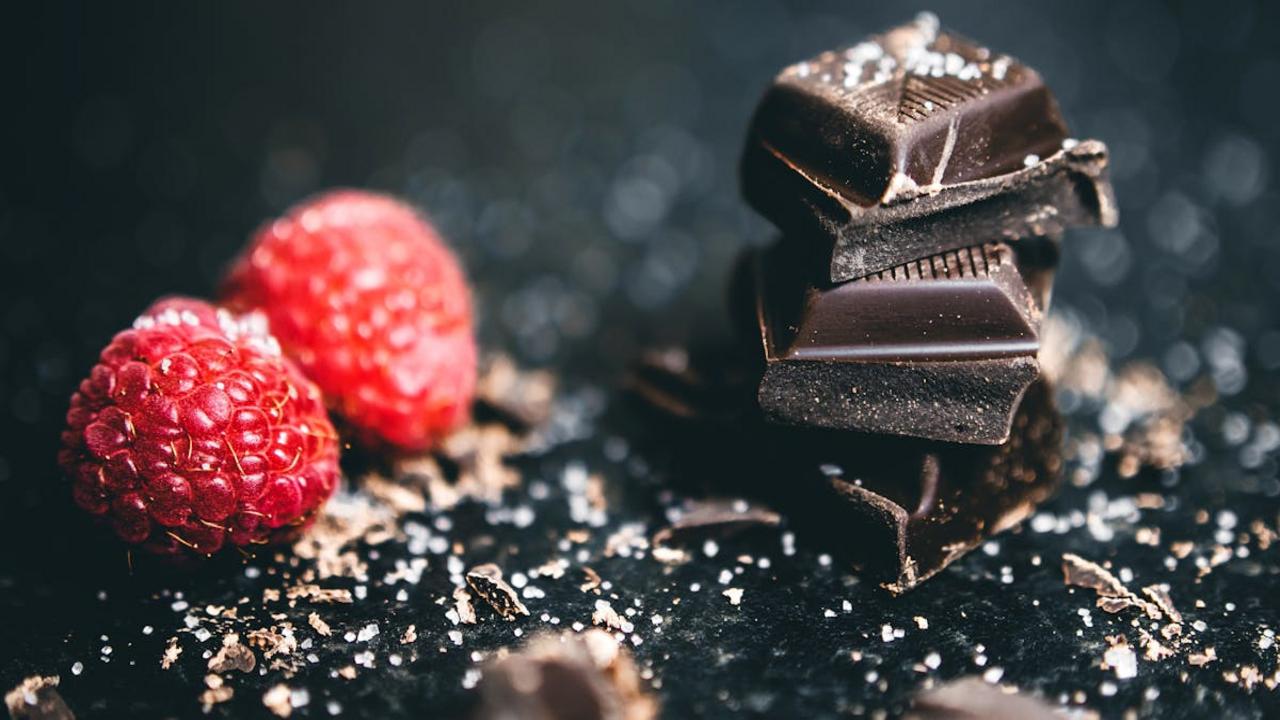
Chocolate isn’t just a sweet treat—it’s proof that the Mayans and Aztecs knew what was up centuries before the rest of us caught on. Originally consumed as a bitter, frothy drink mixed with chili peppers and cornmeal, chocolate was reserved for royalty and warriors who needed a caffeine-like boost before heading into battle. The cacao bean was so valuable that it doubled as currency, which means you could literally buy your groceries with chocolate. Talk about a currency I could get behind! When Spanish conquistadors brought cacao back to Europe in the 16th century, they added sugar to tame the bitterness, and suddenly everyone from French aristocrats to British housewives wanted in on the action.
Fast forward to today, and chocolate has morphed into everything from silky truffles to mass-produced candy bars that fuel midnight cravings and breakup recovery sessions. The Swiss perfected milk chocolate in the 1800s, the Belgians elevated pralines to an art form, and Americans gave us the iconic Hershey’s bar that tastes like nostalgia wrapped in silver foil. Whether you’re team dark chocolate with its antioxidant bragging rights or team milk chocolate with its creamy comfort, there’s no denying that cacao transformed from ancient ritual drink to global obsession. These days, chocolate shows up in everything from mole sauce to fancy cocktails, proving that this ingredient isn’t just dessert—it’s a lifestyle.
Tea
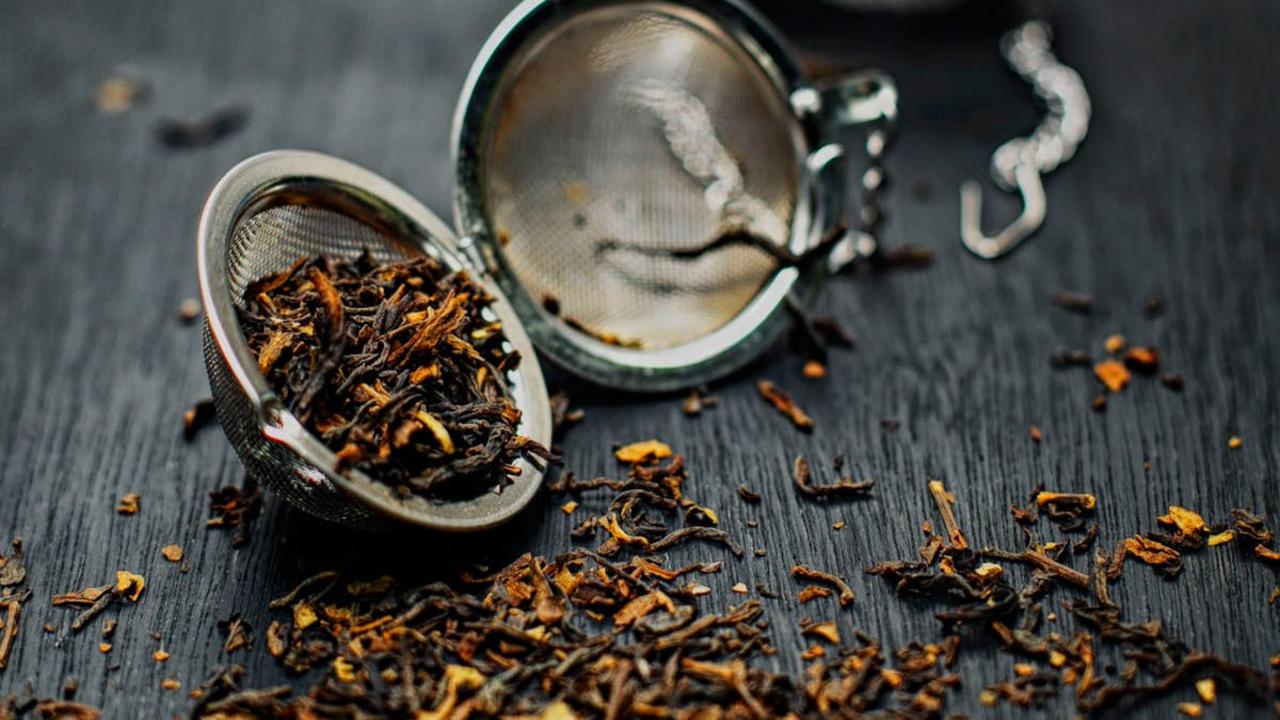
Picture this: a Chinese emperor sitting under a tree in 2737 BCE, minding his own business while his servant boils water nearby. A leaf drifts down from the branches above, plops into the pot, and boom—tea is born. Whether this story is fact or folklore doesn’t really matter because tea went on to become the second most consumed beverage on the planet after water. That’s right, your morning cup of Earl Grey has some serious street cred. From the elaborate tea ceremonies of Japan to the milk-soaked chai of India, tea has woven itself into the fabric of cultures worldwide. The British basically built an empire while sipping the stuff, and Americans threw it into Boston Harbor to start a revolution. Talk about a beverage with influence.
Tea’s impact goes way beyond just quenching thirst or providing that much-needed caffeine jolt. The global tea trade shaped economies, sparked wars, and even led to the construction of the fastest sailing ships ever made—the tea clippers—because nobody wanted to wait months for their fix. Today, you can find tea in more varieties than you can shake a teaspoon at: green, black, white, oolong, pu-erh, and countless herbal infusions. Whether you’re Team Sugar, Team Honey, or Team “I-like-it-bitter-thanks,” there’s a tea out there with your name on it. Scientists keep discovering new health benefits too, from antioxidants to metabolism boosters, making your daily tea break feel like a wellness ritual rather than procrastination.
Peppers
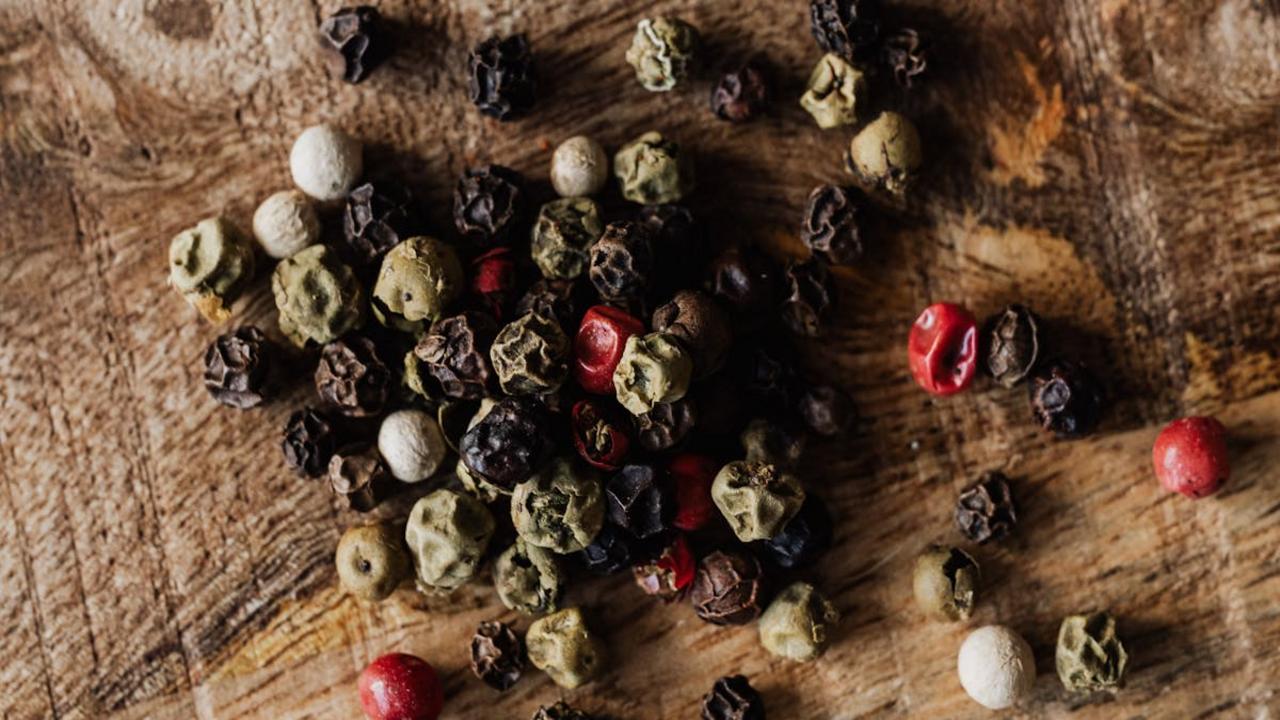
Peppers are the spice royalty that took over the planet, and honestly, can you imagine a world without them? From the fiery habanero that makes you question your life choices to the sweet bell pepper that’s basically a vegetable pretending to be friendly, these little capsicum wonders have been causing chaos and flavor explosions since the Americas shared them with the rest of humanity. The Aztecs were grinding them up centuries before anyone else even knew they existed, and when Columbus stumbled upon them during his confused attempt to find India, he thought he’d hit the jackpot of black pepper’s cousin. Spoiler alert: he was totally wrong, but that mistake gave us the word “pepper” for these colorful gems anyway. Now they’re everywhere from Thai curries to Hungarian goulash, from Mexican salsas to Indian vindaloo, and they’ve made themselves completely indispensable.
What makes peppers genuinely fascinating is their sneaky chemical warfare tactics—capsaicin, the compound that makes hot peppers hot, literally tricks your brain into thinking your mouth is on fire. Your body panics, releases endorphins, and suddenly you’re addicted to the pain like some kind of masochist at the dinner table. Meanwhile, sweet peppers decided to skip the drama entirely and just be nutritious overachievers packed with vitamin C. You can roast them, stuff them, pickle them, dry them into powder, or eat them raw while pretending you enjoy the crunch. They’ve transformed dishes across every continent, turned bland foods into flavor bombs, and created entire cuisines around their heat levels. Some people collect hot sauces like trophies, others grow ghost peppers in their backyard for bragging rights, and somewhere right now, someone’s crying into their Pad Thai because they ordered it “Thai spicy” and actually meant it.
Sugar
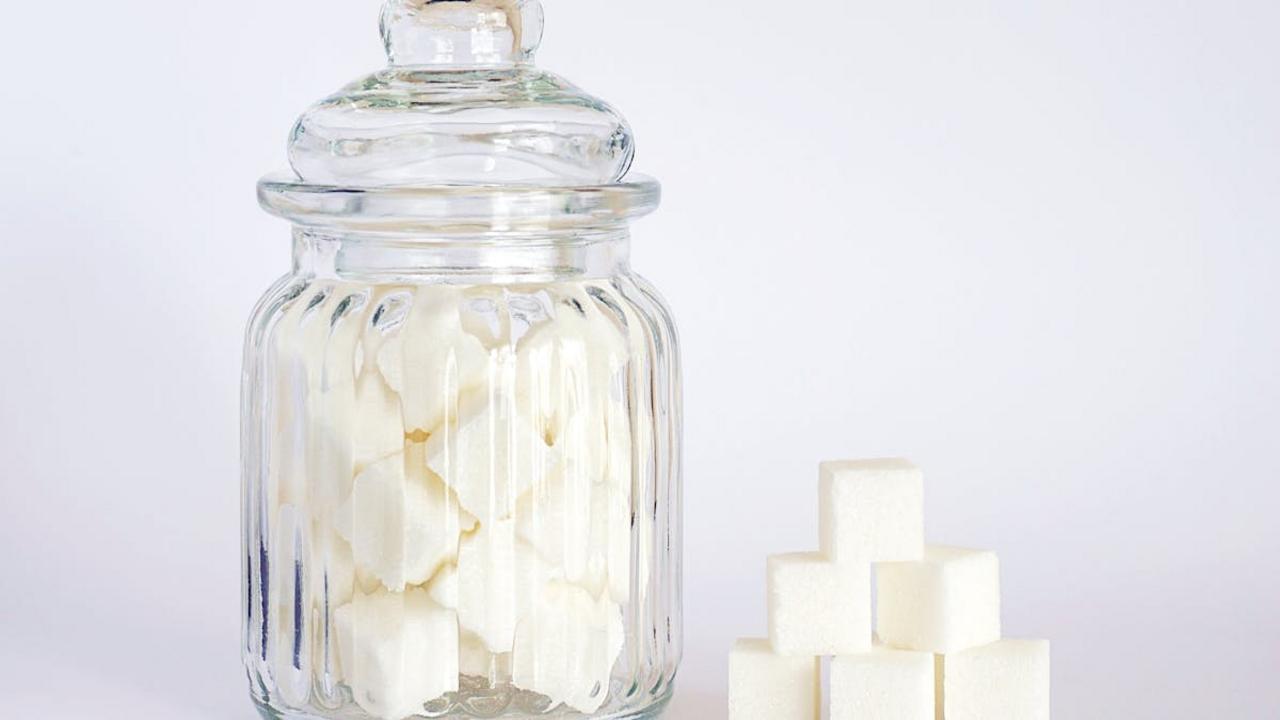
Sugar didn’t just sweeten our lives—it reshaped entire economies, fueled empires, and sparked revolutions. Originally harvested from sugarcane in New Guinea around 8000 BCE, this crystalline commodity started as a luxury for the wealthy elite before becoming the household staple we know today. The European appetite for sugar drove colonialism, created devastating plantation systems, and fundamentally altered global trade routes. By the 18th century, sugar had become so valuable that some economists dubbed it “white gold,” and British sailors received rum rations (made from sugar) as part of their daily pay. The stuff literally changed the map of the world, and most of us sprinkle it into our coffee without a second thought about its dramatic history.
Today, sugar hides in approximately 74% of packaged foods—from your “healthy” granola bars to that supposedly savory marinara sauce. Americans consume an average of 17 teaspoons daily, which is roughly triple the recommended amount, and we’ve become so accustomed to sweetness that unsweetened products often taste strange to modern palates. The substance that once required an entire empire to produce now costs pennies per pound, but its impact on public health has sparked new debates about regulation, taxation, and personal responsibility. From candy stores to soda fountains, from birthday cakes to holiday cookies, sugar has become so woven into our food culture that imagining life without it feels almost impossible—even though our great-great-grandparents managed just fine with honey and occasional fruit.
Coffee
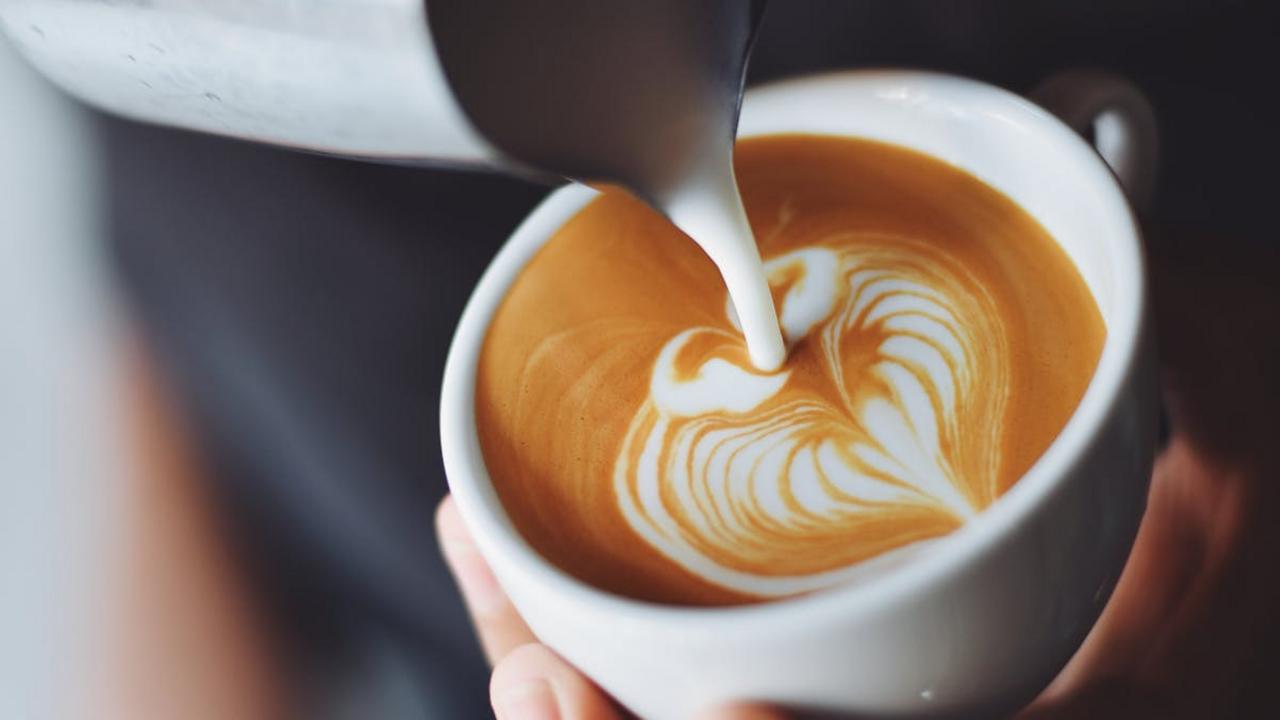
Coffee isn’t just a beverage—it’s the reason half the world manages to function before 10 a.m. This dark, aromatic magic originated in Ethiopia, where legend says a goat herder named Kaldi noticed his goats bouncing around like they’d won the lottery after munching on certain berries. Smart guy that he was, Kaldi tried the berries himself and discovered what would become humanity’s favorite legal stimulant. From those humble beginnings in the Ethiopian highlands, coffee spread to the Arabian Peninsula, where Sufi monks used it to stay awake during late-night prayers. The Ottomans opened the first coffeehouses in Constantinople, creating social hubs where people gathered to gossip, debate, and—most importantly—caffeinate themselves into productivity.
Today, coffee is the second-most traded commodity on Earth after oil, which tells you everything about our collective priorities as a species. The drink revolutionized work culture, giving rise to coffee breaks, business meetings over lattes, and the entire concept of morning routines. Different cultures have made it their own: Italians perfected the espresso, Turks developed a thick, sweet version that doubles as fortune-telling material in the cup’s grounds, and Americans supersized it into buckets you can drink while driving. Coffee shops transformed from simple drink stations into third spaces between home and work, where freelancers camp out for hours nursing a single cappuccino while occupying tables meant for four people. Whether you take it black, loaded with cream and sugar, or as some fancy twenty-ingredient concoction topped with foam art, coffee has become the liquid that literally fuels modern civilization, one cup at a time.