10 Surprising Dishes You Had No Idea Were Invented in the U.S.
Think that Chinese takeout favorite General Tso’s Chicken came straight from Beijing? Or that fortune cookies are an ancient Asian tradition? Get ready to have your mind blown! Some of the most iconic “international” dishes actually got their start right here in the USA, created by creative cooks who put their own spin on traditional recipes.
From the late-night comfort of Buffalo wings to the sweet satisfaction of chocolate chip cookies, American food innovation has given us some unexpected culinary hits. You might be questioning everything you thought you knew about your favorite foods – and trust me, that’s just the beginning.
The stories behind these American-born dishes reveal a fascinating mix of accident, necessity, and pure genius. Each recipe carries its own unique tale of how it became a beloved part of our food culture. Ready to discover which of your go-to meals are actually all-American inventions?
Green Bean Casserole
Would you believe that one of America’s most beloved holiday side dishes came straight from a Campbell’s Soup test kitchen? Back in 1955, home economist Dorcas Reilly created green bean casserole while working at Campbell’s, aiming to make a quick and budget-friendly recipe using pantry staples most Americans already had. The combination of cream of mushroom soup, green beans, and crispy fried onions became an instant hit – so much that Campbell’s now estimates 20 million American homes serve this dish each Thanksgiving!
The original recipe card Reilly wrote now sits in the National Inventors Hall of Fame at the Smithsonian Institution, right alongside other groundbreaking American innovations. The genius lies in its simplicity: just six ingredients that transformed plain vegetables into a creamy, crunchy sensation. Reilly never earned royalties from her creation, but her legacy lives on in countless family gatherings. Next time you scoop up that comforting blend of beans and mushroom soup topped with those addictive crispy onions, remember – you’re enjoying a true American invention that changed holiday tables forever!
Nachos
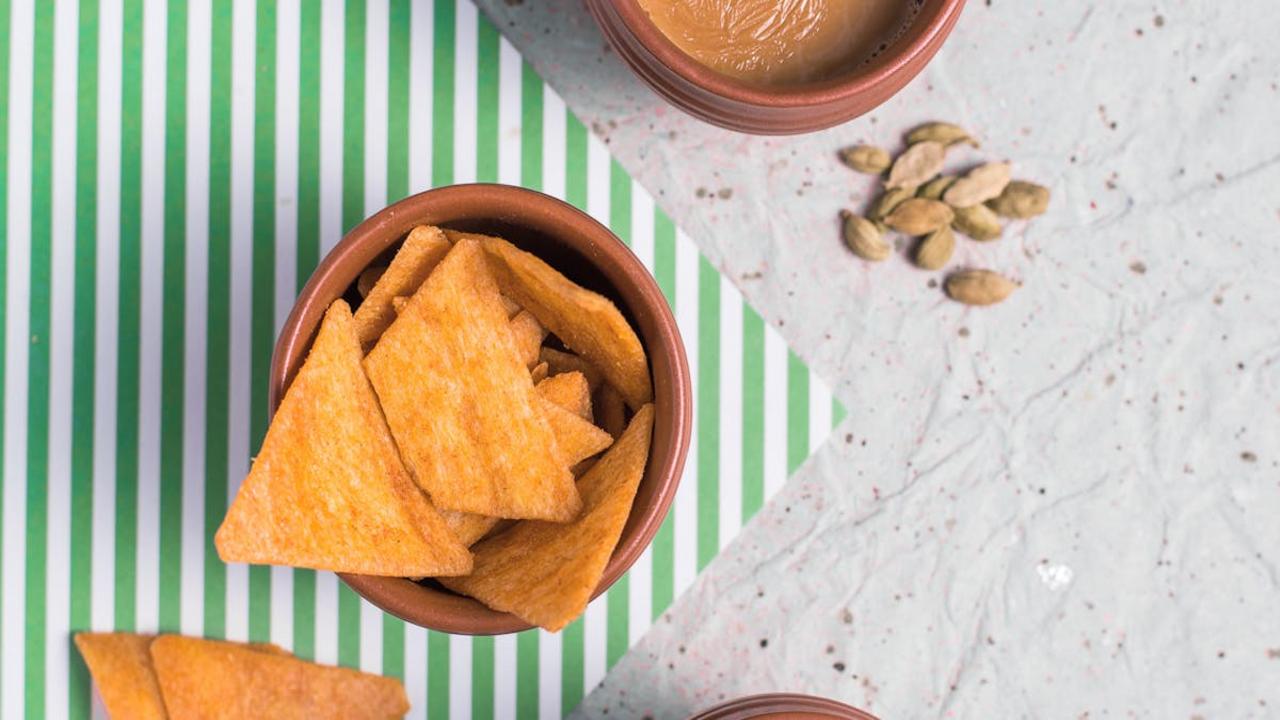
Would you believe that one of Mexico’s most famous exports wasn’t actually created in Mexico at all? Nachos were born in 1943 when a group of U.S. military wives walked into a restaurant in Piedras Negras, Mexico, just across the border from Texas. The maître d’, Ignacio “Nacho” Anaya, couldn’t find the cook, so he threw together a quick dish using tortilla chips, cheese, and jalapeños. The wives loved his impromptu creation so much that word spread quickly, and soon “Nacho’s special” became a hit.
The original recipe was simple – just fried corn tortilla triangles topped with melted Wisconsin cheddar and pickled jalapeños. But it wasn’t until 1976 during a Texas Rangers baseball game that sportscaster Howard Cosell popularized the term “nachos” nationwide. Frank Liberto modified Anaya’s recipe by creating a cheese sauce that didn’t need heating, making nachos perfect for stadium concessions. Today, you’ll find endless variations loaded with everything from pulled pork to lobster, but the genius behind this crowd-pleasing snack was an American creation born from a moment of quick thinking.
Apple Pie
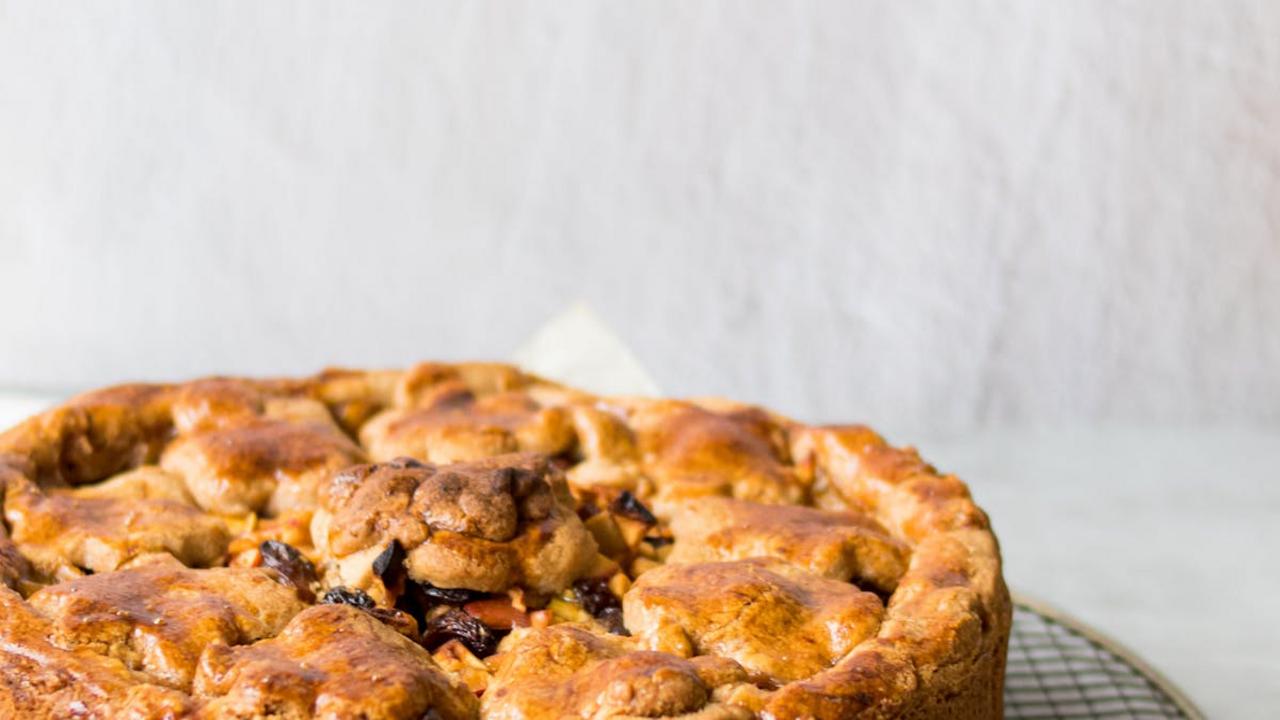
Here’s a mind-bending fact that might shake your American identity to its core: apple pie wasn’t born in the USA! While we’ve claimed this dessert as our national symbol (you know, “as American as apple pie”), the truth is we just made it better. The first American cookbook, published in 1796 by Amelia Simmons, included not one but two recipes for apple pie. But unlike its European predecessors, which were often sugar-free and made with tough, bitter apples, American bakers added their own twist by using sweeter varieties and that now-iconic flaky, buttery crust.
The real American innovation came from the early colonists who brought apple seeds and growing techniques to the New World. Johnny Appleseed (yes, he was real!) helped spread apple trees across the frontier, though his apples were mostly for making hard cider, not pies! By the 1800s, American bakers had transformed the humble European pie into something uniquely American by adding cinnamon, nutmeg, and that signature lattice top. The dessert became so popular that during World War II, soldiers would proudly declare they were fighting “for Mom and apple pie,” cementing its status as America’s favorite dessert.
Philly Cheesesteak
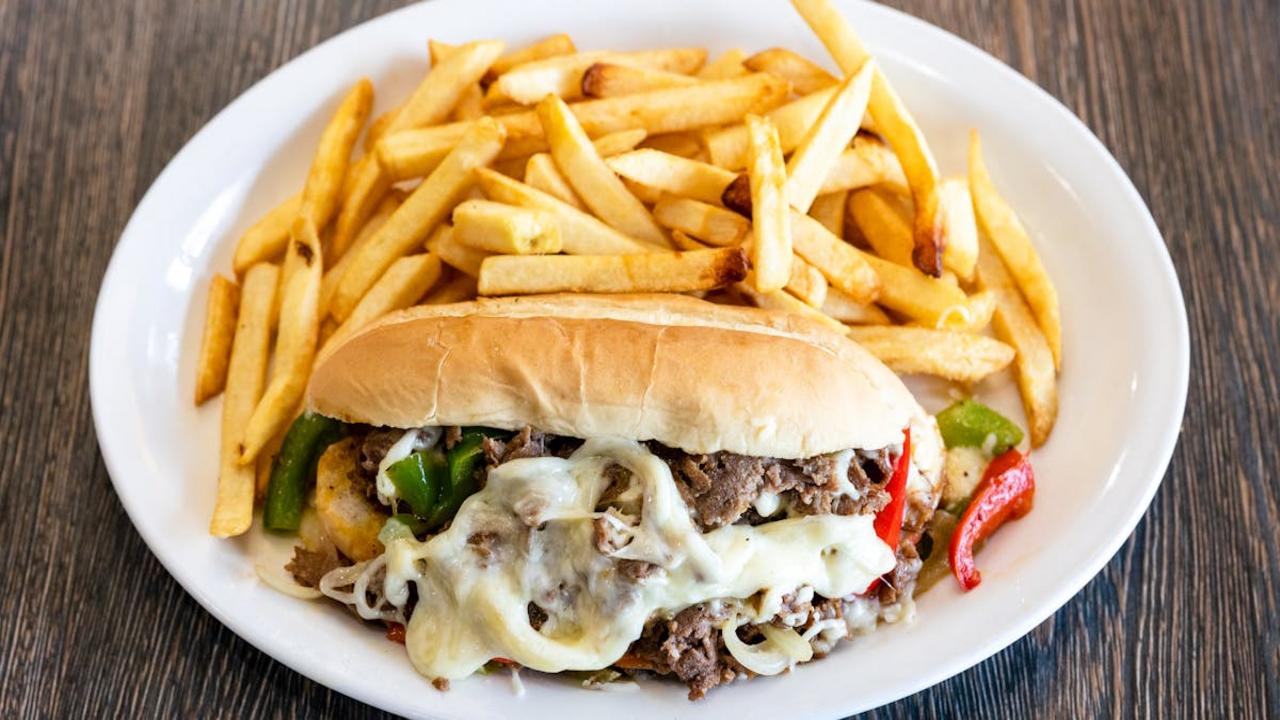
You might think Philadelphia’s most famous sandwich has ancient roots dating back to colonial times, but the iconic Philly cheesesteak only made its debut in 1930. Pat and Harry Olivieri, two hot dog vendors, decided to shake up their menu by grilling some thinly sliced beef with onions and stuffing it into a roll. A passing cab driver caught a whiff, demanded one for himself, and the rest became sandwich history. The cheese – now an essential part of the sandwich – didn’t join the party until the 1940s when Pat’s employee Joe “Cocky Joe” Lorenza added provolone to the mix.
The original stand, Pat’s King of Steaks, still operates 24/7 at the same South Philly corner where it all began. Today, you’ll find countless variations across the city, sparking fierce debates about the “right” way to make one. Should you use Cheez Whiz or provolone? Do peppers belong? The rivalry between Pat’s and Geno’s (located right across the street) has raged since the 1960s, creating two passionate camps of devotees. The ordering process even has its own special lingo – saying “wit” or “witout” indicates whether you want onions, and you better know your preference before reaching the window!
Chocolate Chip Cookies
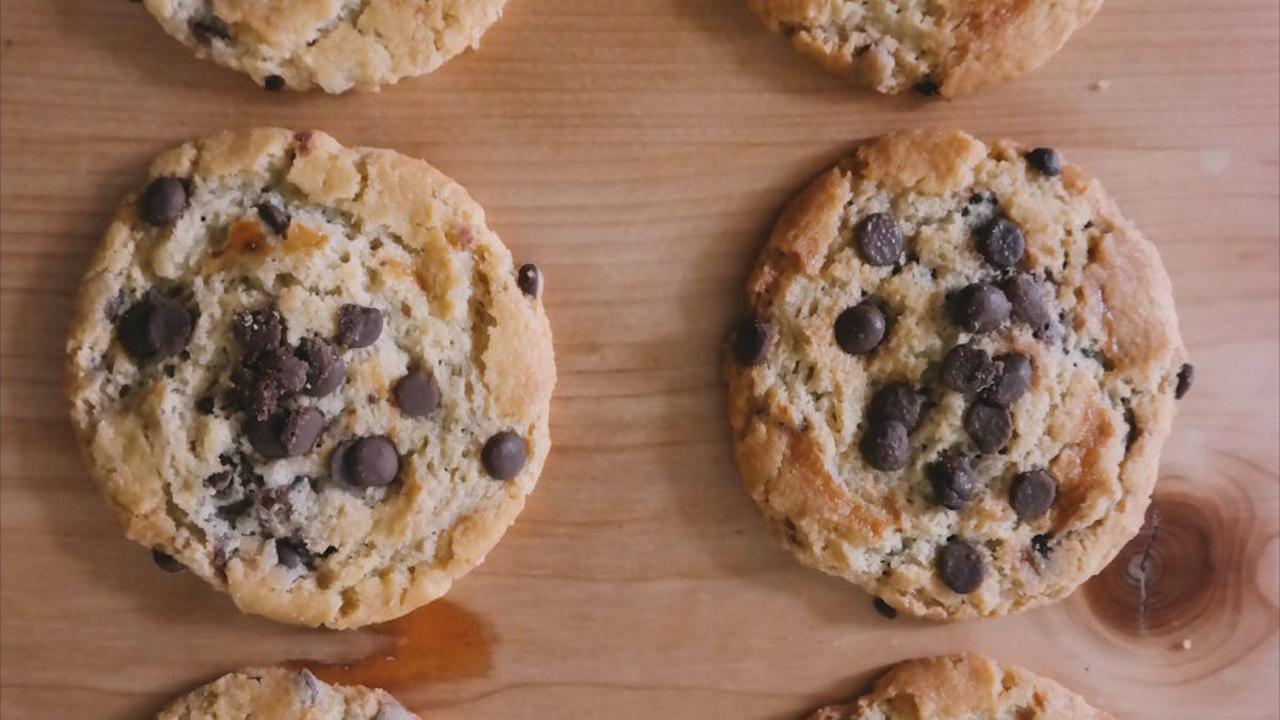
Would you believe America’s most beloved cookie happened by accident? In 1938, Ruth Wakefield was baking her regular batch of butter cookies at the Toll House Inn in Whitman, Massachusetts, when she ran out of baker’s chocolate. In a pinch, she chopped up a Nestlé semi-sweet chocolate bar, thinking it would melt and spread throughout the dough. Instead, the chunks stayed intact, creating the first-ever chocolate chip cookies. Her guests went wild for these new treats, and soon the recipe spread across the region like wildfire.
The story gets even sweeter! Nestlé caught wind of Ruth’s creation and struck a deal with her – they could print her recipe on their chocolate bar packages, and she would receive a lifetime supply of chocolate. The company then started pre-scoring their chocolate bars to make them easier to break into pieces for baking. By 1941, they began producing the tiny teardrop-shaped morsels we know today. Ruth’s original handwritten recipe remains locked in a vault at Nestlé’s headquarters, though you’ll find variations of her accidental masterpiece in nearly every American household cookbook.
Ranch Dressing
Would you believe America’s favorite salad dressing got its start at a dude ranch in California? Steve Henson, a plumber turned ranch owner, created this creamy concoction in the 1950s while working in Alaska. He mixed buttermilk, herbs, and spices to make a dressing that would get his crew to eat their vegetables. When he and his wife opened Hidden Valley Ranch near Santa Barbara, the dressing became such a hit with guests that they started packaging it in bottles for visitors to take home.
The demand for this tangy, herb-packed dressing grew so wild that Henson started a mail-order business, shipping out thousands of spice packets that customers could mix with mayo and buttermilk. In 1972, he sold the brand to Clorox for $8 million – not bad for a simple ranch dressing! Today, ranch reigns supreme as the most popular dressing in the U.S., with Americans slathering it on everything from pizza to french fries. The original recipe remains a closely guarded secret, though countless home cooks have tried to replicate its addictive flavor.
Buffalo Wings
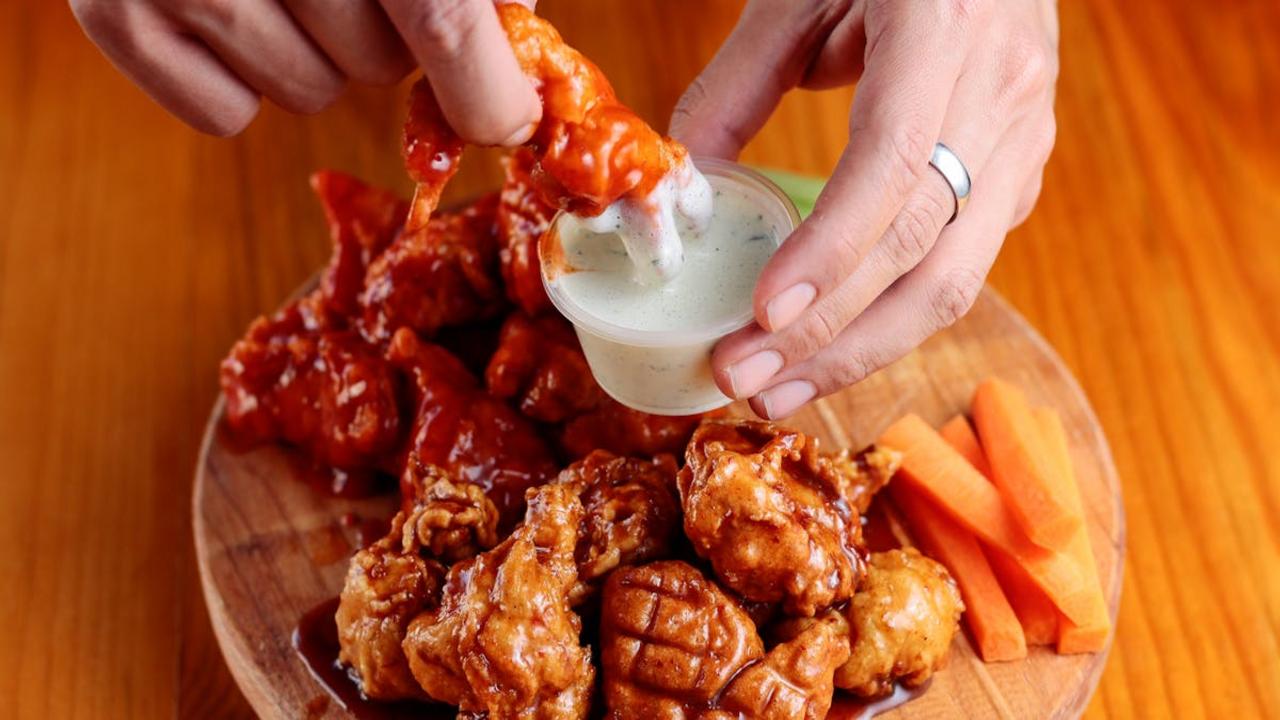
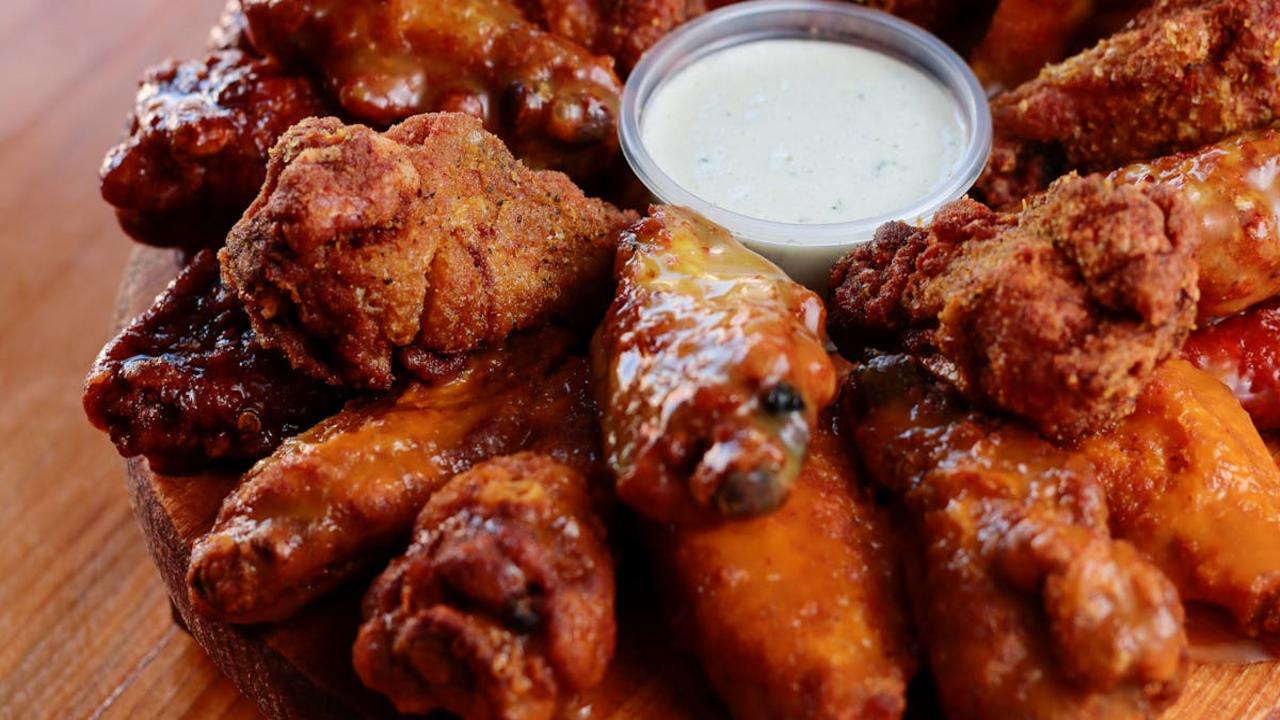
Would you believe that one of America’s most beloved bar snacks was born from a late-night improvisation in 1964? The creation of Buffalo wings happened at the Anchor Bar in Buffalo, New York, when Teressa Bellissimo needed to feed her son’s hungry friends at midnight. She took some chicken wings (usually destined for the soup pot), deep-fried them, tossed them in a spicy cayenne pepper sauce, and served them with celery sticks and blue cheese dressing. What started as a quick fix became an instant hit among the late-night crowd.
The popularity of Buffalo wings exploded beyond the Anchor Bar’s walls, spreading across New York and eventually nationwide. Today, Americans consume over 1.4 billion wings during Super Bowl weekend alone! While many restaurants claim to serve authentic Buffalo wings, true aficionados know the original recipe calls for Frank’s RedHot sauce mixed with melted butter – nothing fancy, just pure finger-licking goodness. The Anchor Bar still operates in Buffalo, serving up thousands of wings daily to tourists and locals who want to experience the genuine article where it all began.
Fortune Cookies
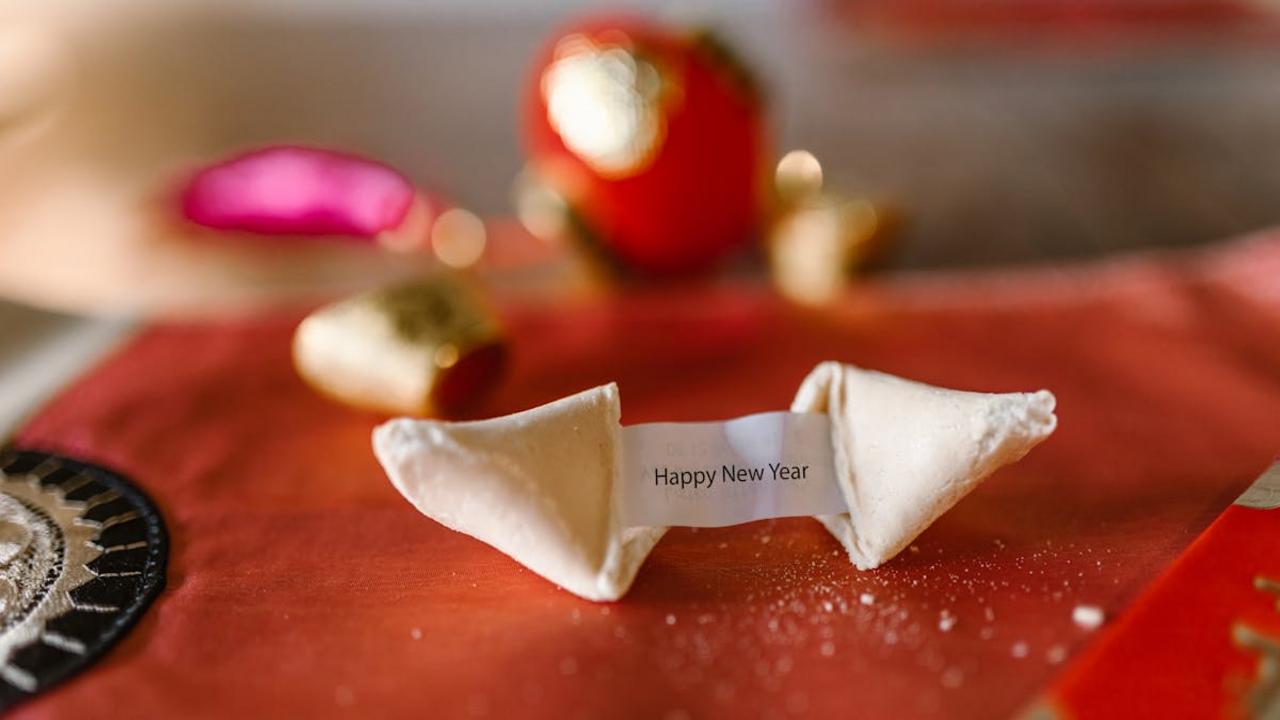
Would you believe those prophetic little cookies you crack open at Chinese restaurants actually got their start in California? Despite their association with Chinese cuisine, fortune cookies are 100% American – specifically born in San Francisco during the early 1900s. Japanese immigrant Makoto Hagiwara first served these crispy, folded treats at the Golden Gate Park’s Japanese Tea Garden, though several other California-based Japanese bakers also claim credit for creating them.
The real plot twist? Traditional Chinese people had never even seen fortune cookies until American tourists started asking for them in China! The modern fortune cookie industry took off during World War II when Chinese restaurants jumped in to fill the void after Japanese-American bakers were sent to internment camps. Today, Brooklyn-based Wonton Food Inc. churns out over 4 million fortune cookies daily. Each cookie contains exactly 107 calories – though I doubt anyone’s counting when they’re busy reading their fortune and planning their lucky numbers for the lottery.
Chop Suey
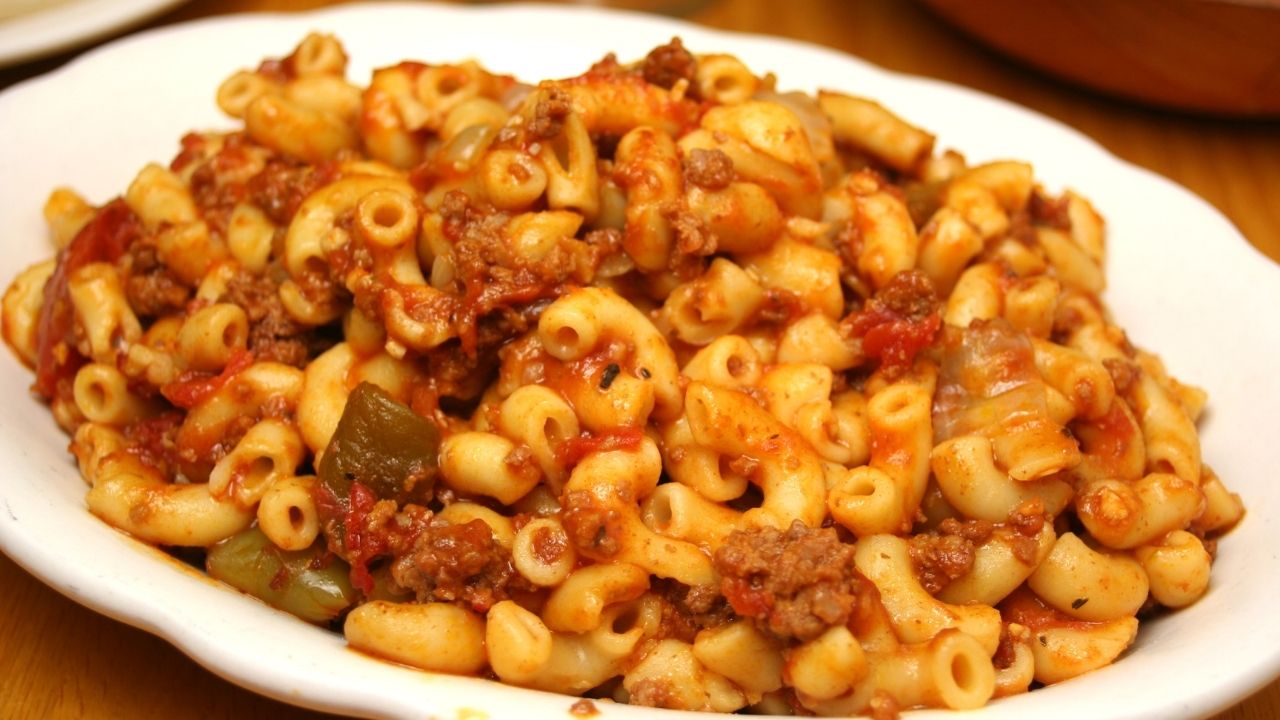
You might think Chop Suey originated in China, but this saucy mix of meat and vegetables actually got its start right here in America! The most popular origin story traces back to 1896 in New York City, when Chinese chef Li Hung created this dish late one night for some rowdy miners. He tossed together leftover vegetables, meat, and sauce, calling it “chop suey” – which roughly means “odds and ends” in Cantonese. The miners loved it so much, they kept coming back for more, making it a staple of Chinese-American restaurants.
The beauty of Chop Suey lies in its adaptability – you can throw in practically any vegetables or protein you want, making it the perfect clean-out-the-fridge meal. While traditional recipes often include bean sprouts, celery, onions, and meat in a savory brown sauce, modern versions run the gamut from vegetarian to seafood-packed variations. Though many Chinese-American restaurants now focus on more authentic regional dishes, Chop Suey remains a beloved reminder of how immigrant communities adapted their cooking to American ingredients and preferences, creating something uniquely delicious in the process.
General Tso Chicken
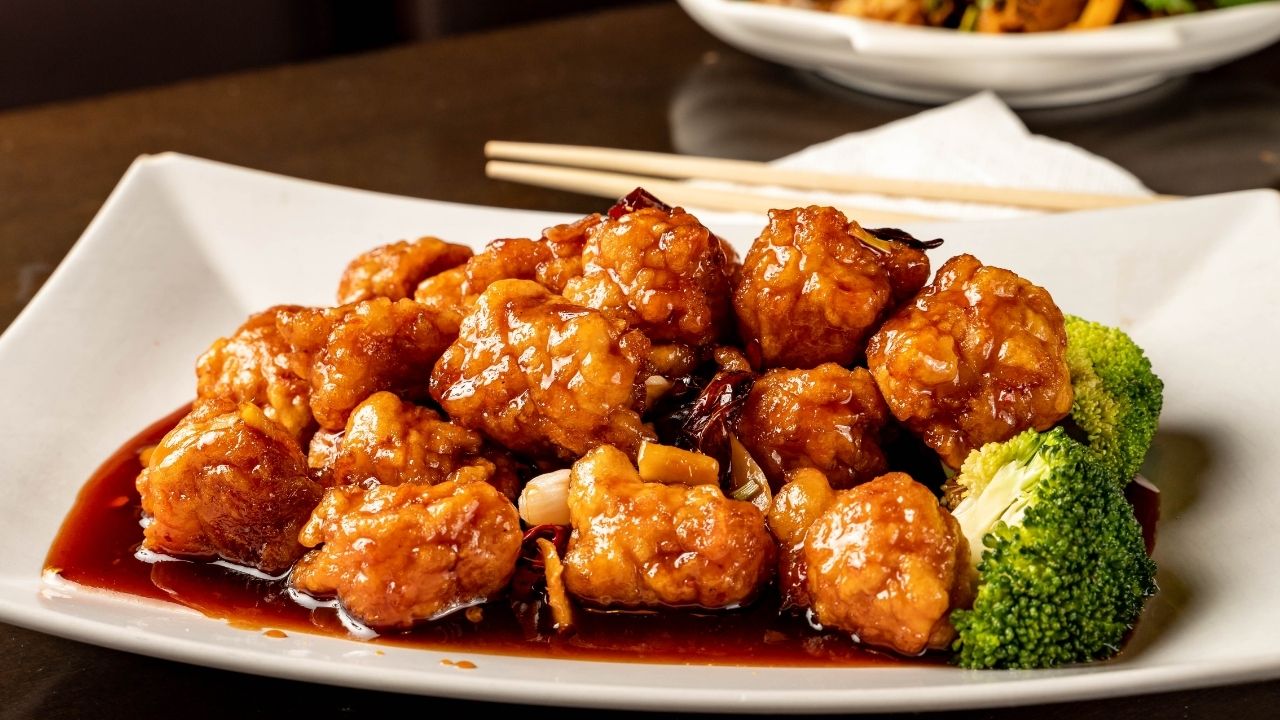
Here’s a plot twist that might shock your Chinese takeout-loving heart – General Tso’s Chicken was created right here in America! Chef Peng Chang-kui whipped up this sweet and spicy dish in New York City during the 1970s, naming it after a Chinese military leader from his hometown. The irony? The real General Tso never tasted a single bite of this crispy, sauce-laden chicken that bears his name. The original recipe featured darker, richer flavors and less sugar than today’s American-Chinese restaurant version.
The dish quickly became a phenomenon in American-Chinese restaurants, with each chef adding their own spin to the recipe. While Chef Peng’s creation featured hot chilis, garlic, and a complex blend of seasonings, modern interpretations lean heavily into the sweet-and-sour territory that Americans adore. If you order this dish in China, you’ll get blank stares – it simply doesn’t exist there! The combination of deep-fried chicken chunks in a sticky-sweet sauce with broccoli on the side represents a perfect example of how Chinese immigrants adapted their cooking to American preferences.