14 Shocking Hidden Costs of Convenience Foods You Didn’t Realize
I get it – grabbing ready-made meals and packaged snacks makes life easier when you’re rushing between work, family, and everything else. But convenience foods pack more than just quick calories – they carry hidden costs that affect your health, wallet, and the environment in ways you might not expect.
From excess sodium and hidden sugars to preservatives that disrupt your gut health, these seemingly innocent shortcuts can lead to serious long-term health issues. Plus, the real price goes beyond what you see on the receipt. The more we rely on processed foods, the more we lose traditional cooking knowledge and create demand that turns neighborhoods into food deserts.
Through my years of cooking and recipe development, I’ve discovered simple ways to make fresh, wholesome meals that don’t take hours. Understanding these hidden costs of convenience foods can help you make informed choices about what goes on your plate – and inspire you to rediscover the satisfaction of cooking from scratch.
Encouragement of Overconsumption
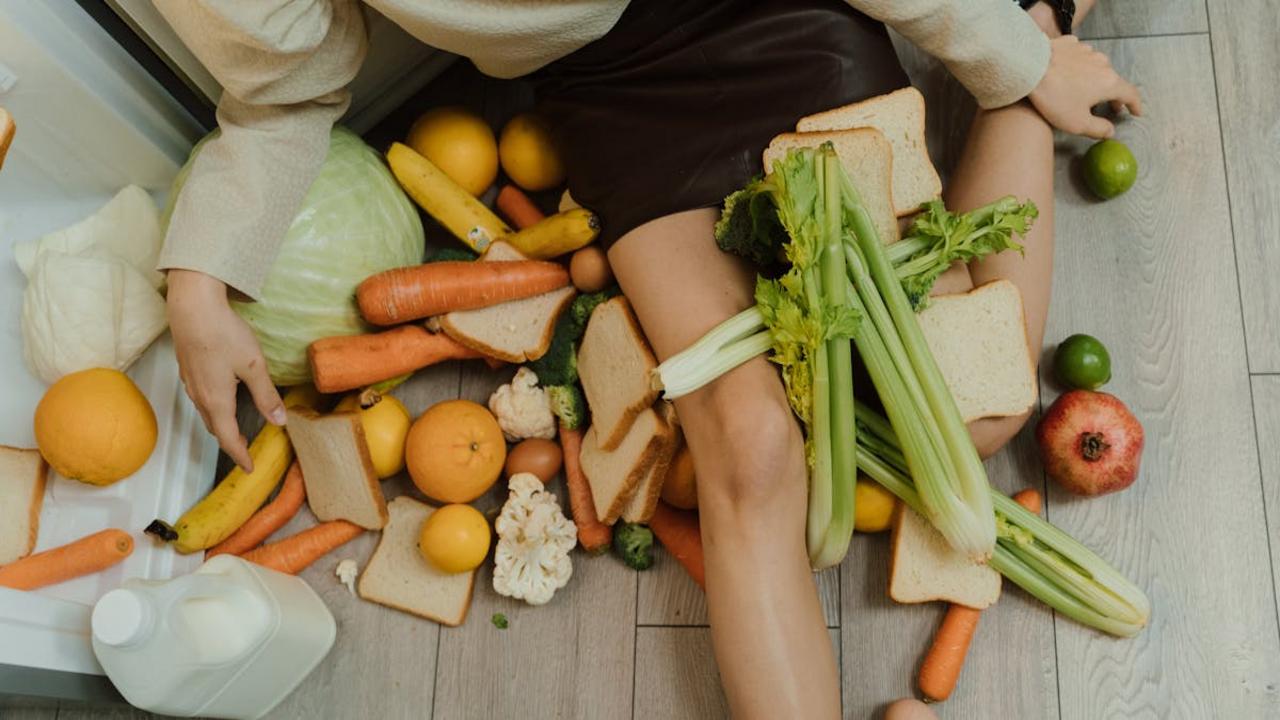
I’ve noticed how convenience foods can trick you into eating way more than you planned. Those packaged snacks and ready meals often come in portions that seem reasonable but actually contain 2-3 servings per container. The marketing on these items makes you think it’s normal to eat the whole thing in one sitting. Plus, manufacturers load these foods with extra salt, sugar, and fat – ingredients that make you crave more and override your body’s natural fullness signals.
Your brain gets less satisfaction from these processed convenience foods compared to whole, home-cooked meals. You’ll keep reaching for more because they lack the fiber, protein, and complex nutrients that help you feel truly satisfied. I’ve found this firsthand with my clients – when they switch from convenience foods to cooking with whole ingredients, they naturally eat smaller portions and feel fuller longer. The real cost isn’t just financial – it’s the impact on your health and relationship with food. Making simple meals from scratch helps you stay connected to proper portion sizes and actually enjoy what you’re eating.
Monotony of Diet
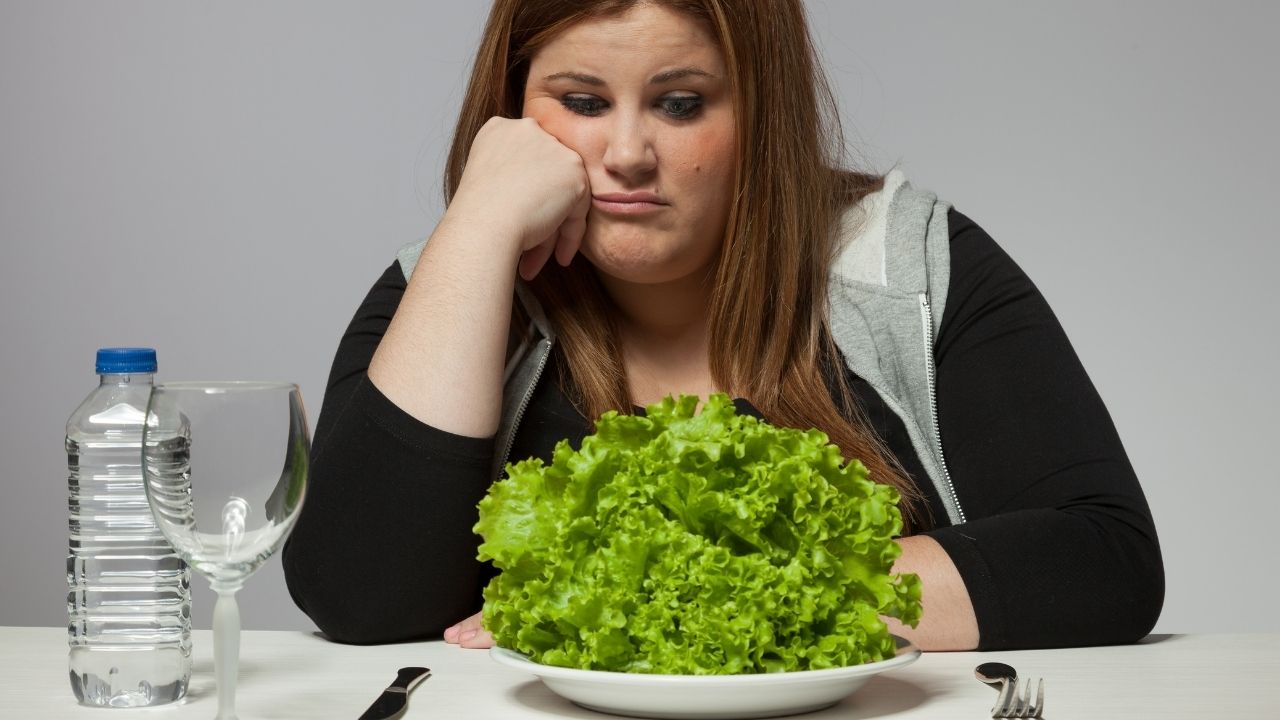
You might not notice it at first, but eating convenience foods can trap you in a bland, repetitive cycle of meals. I’ve seen many of my cooking students fall into this pattern – grabbing the same frozen dinners, packaged snacks, and instant meals week after week. Your body misses out on the natural variety of nutrients from different whole foods, and your taste buds become dulled to subtle flavors. The limited selection of processed foods available means you’ll likely rotate through the same 5-10 meals repeatedly.
Breaking free from convenience food monotony opens up an incredible world of flavors and textures. Instead of another microwaved mac and cheese, you could whip up a quick coconut curry with fresh vegetables, or transform simple ingredients into homemade black bean tacos with zingy lime slaw. By cooking from scratch, you’ll discover new ingredients and combinations while giving your body a wider spectrum of nutrients. Your meals become an exciting chance to experiment rather than a boring routine of the same processed options.
Decreased Meal Satisfaction

You know that feeling when you grab a frozen dinner, heat it up, and eat it quickly while scrolling through your phone? I’ve noticed how these convenience meals often leave me feeling unsatisfied and disconnected from my food, despite being physically full. There’s real science behind this – your brain processes pre-made meals differently than home-cooked ones. Without engaging your senses in the cooking process through chopping, stirring, and smelling the ingredients come together, you miss out on building anticipation that makes meals more rewarding.
I’ve seen this firsthand in my cooking classes – students who switch from convenience foods to cooking fresh meals report feeling more content and satisfied after eating. Making your own food creates an emotional connection through the time and effort you invest. Your brain releases more pleasure chemicals when you’ve participated in meal preparation versus just reheating something. Plus, home cooking lets you adjust seasonings and portions to your exact preferences, which naturally leads to greater enjoyment. The extra 15-20 minutes of cooking pays off in how much more fulfilling your meal becomes.
Encouragement of Food Deserts
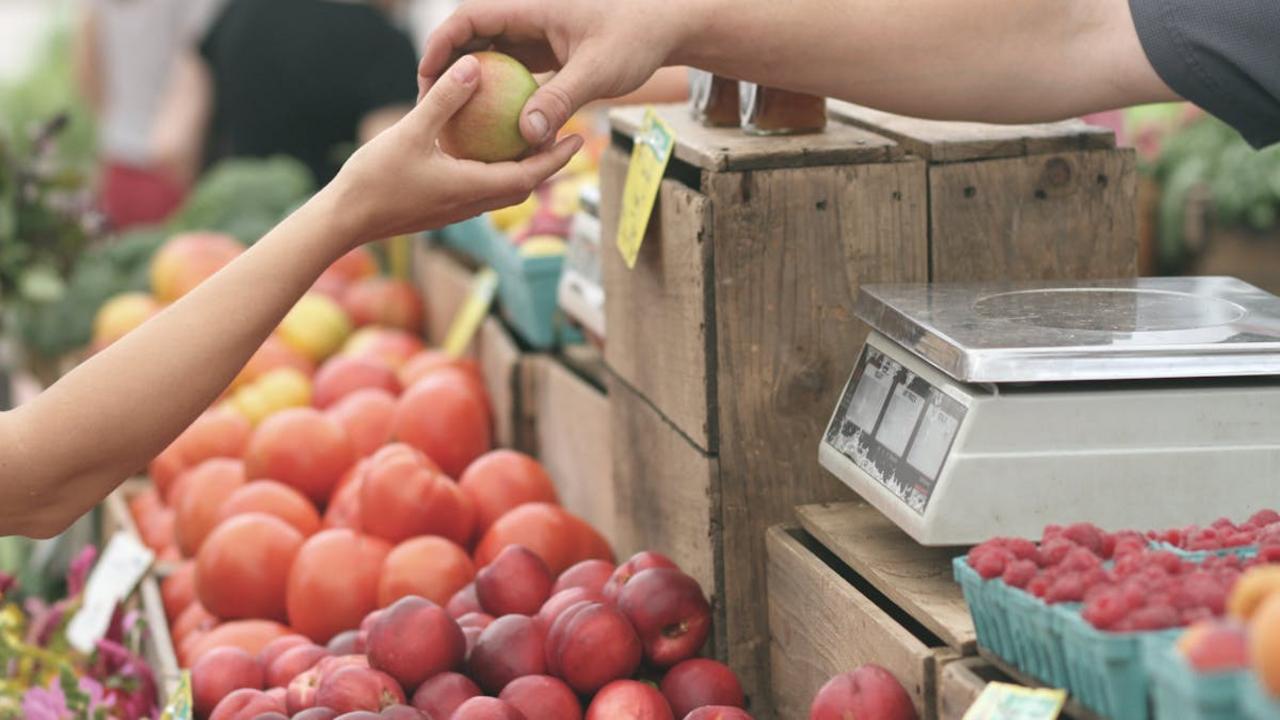
I’ve seen firsthand how the rise of convenience foods has made grocery stores less motivated to open in lower-income neighborhoods. Why stock fresh produce and whole ingredients when you can fill shelves with processed items that never spoil? This creates a vicious cycle where communities have limited access to nutritious food options. Many residents end up relying on corner stores and mini-marts stocked primarily with packaged snacks, frozen meals, and sugary drinks – not because they want to, but because that’s all they can find within walking distance.
The real impact hits hard when you look at the health outcomes in these food desert communities. Without regular access to fresh fruits, vegetables, whole grains, and lean proteins, people struggle to maintain balanced diets. I’ve talked to many families who want to cook healthy meals from scratch but can’t find basic ingredients in their neighborhoods. Meanwhile, big food companies continue profiting from selling processed convenience foods to captive consumers who lack better options. We need more programs supporting local grocery stores and farmers markets in underserved areas to break this damaging pattern.
Loss of Cooking Skills
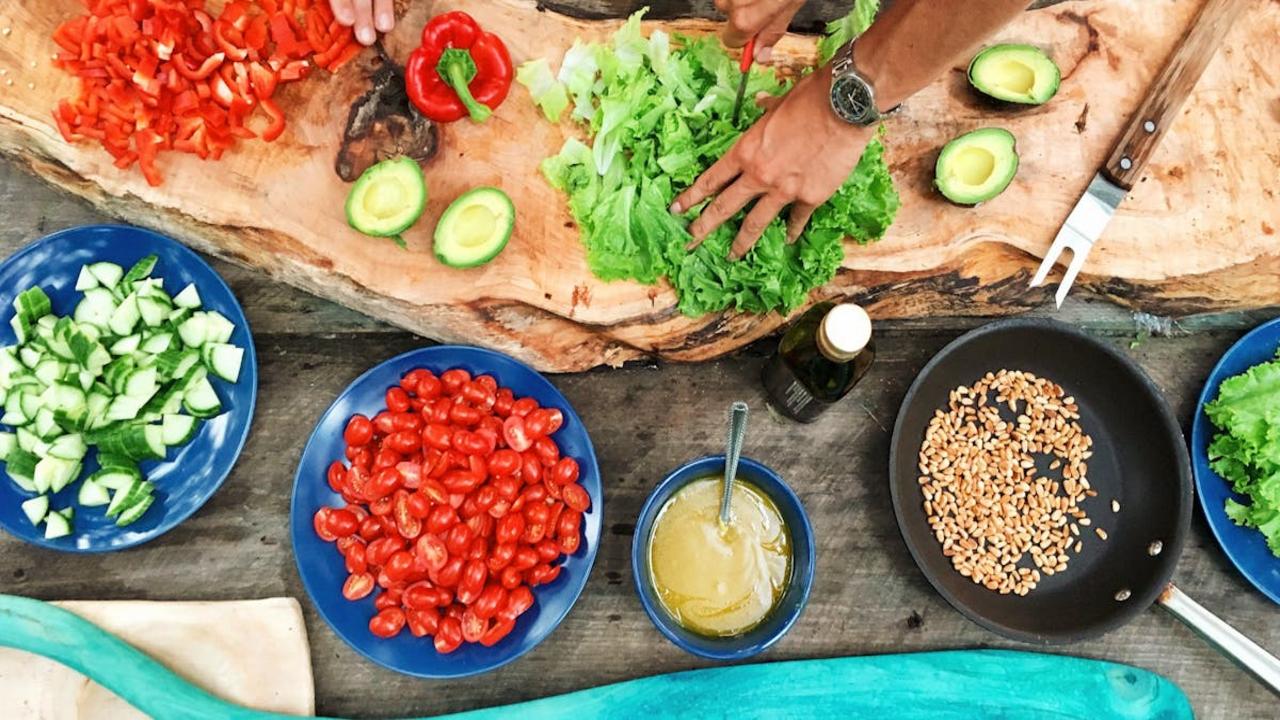
I’ve noticed a concerning trend among my cooking students – many have lost basic kitchen skills after relying too heavily on convenience foods. Your knife skills, seasoning intuition, and understanding of ingredient combinations can fade if you don’t practice them regularly. When you depend on pre-made meals, you miss opportunities to develop kitchen confidence and the ability to create nourishing food from raw ingredients. This erosion of cooking knowledge ripples through generations as fewer parents cook with their children.
The real cost goes beyond just lost abilities – it impacts your relationship with food and health. Without cooking skills, you become dependent on companies to feed you, limiting your control over ingredients, portions, and nutrition. I see this firsthand when students can’t make simple dishes like rice or roasted vegetables without detailed instructions. By choosing convenience over cooking, you trade valuable life skills for short-term time savings. Investing time to learn basic techniques pays dividends through better meals, lower grocery bills, and the satisfaction of feeding yourself and others well.
Long Term Health Costs

Hey there! I need to talk with you about something serious – the real cost convenience foods have on your health over time. All those quick frozen meals, packaged snacks, and ready-to-eat items might save you minutes now, but they’ll cost you years of wellbeing later. The high levels of sodium, refined sugars, and artificial preservatives in these foods directly link to chronic conditions like high blood pressure, diabetes, and heart disease. Your body will eventually pay the price through medical bills, medications, and reduced quality of life.
You know what really gets me? Many people don’t factor these future health expenses into their grocery budget calculations. That $3 frozen dinner might seem cheap today, but the accumulated inflammation and nutritional deficiencies from regularly eating processed foods can lead to thousands in medical costs down the road. I’ve seen this firsthand with family members who relied heavily on convenience foods – they now spend significant money managing diet-related health issues. Making fresh, whole food meals at home isn’t just about better nutrition – it’s an investment in your long-term health and financial security.
Packaging Waste
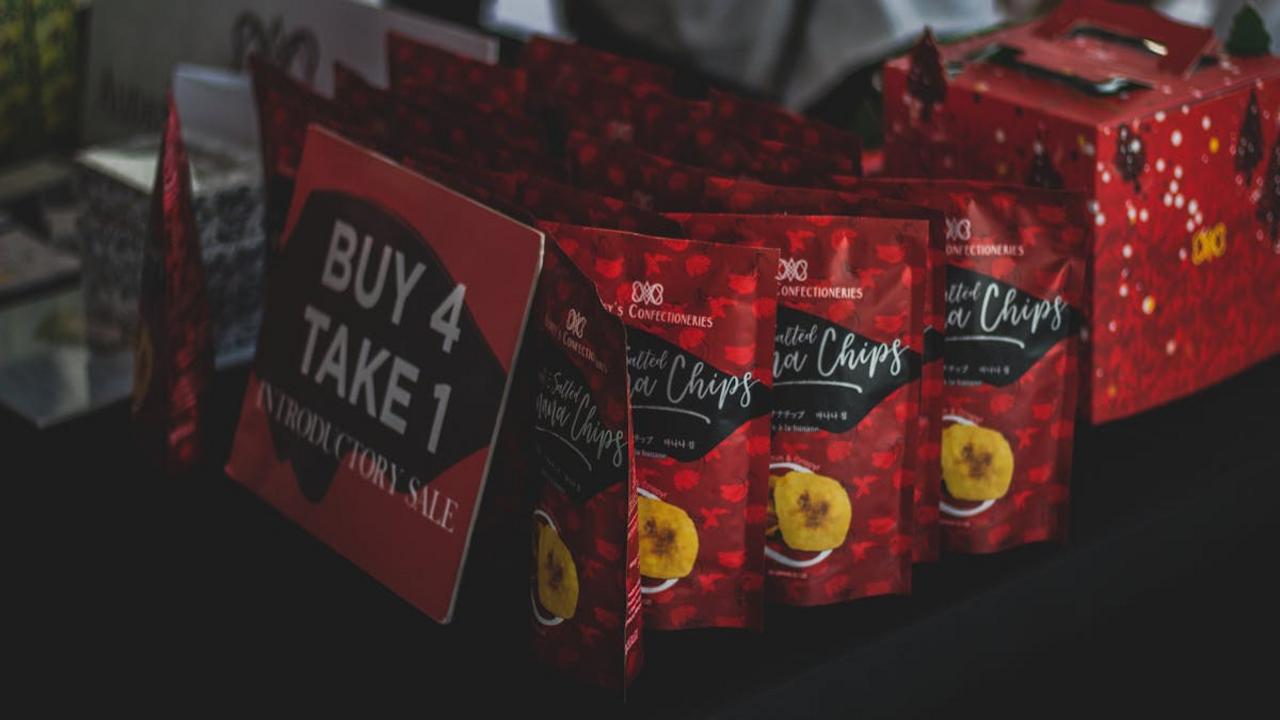
Every time you buy convenience foods, you’re buying more than just the food – you’re also buying layers of plastic, cardboard, and mixed materials that’ll end up in our landfills. I noticed this reality hit home when I cleaned out my kitchen pantry last month. The mountain of empty frozen dinner trays, single-serve snack wrappers, and drink containers filled three garbage bags! Think about it: a homemade sandwich creates almost zero waste with reusable containers, while a pre-packaged one comes with plastic wrap, a cardboard box, and sometimes extra plastic dividers.
The environmental impact goes beyond your trash can. Most convenience food packaging contains multiple materials bonded together, making them impossible to recycle. Your frozen pizza box might have a cardboard exterior, plastic wrap, and a non-recyclable cooking tray – all for one meal! By cooking fresh ingredients at home, you’ll dramatically reduce your household’s packaging waste. Plus, you can store leftovers in reusable glass containers, which last for years and keep food fresher than disposable alternatives. Making this simple switch not only saves money but helps protect our environment for future generations.
Environmental Impact

Every time you grab that plastic-wrapped frozen dinner or individually packaged snack, you’re adding to a massive environmental burden. The convenience food industry creates millions of tons of packaging waste annually – from those plastic trays and cardboard boxes to the aluminum foil and plastic films. This waste often ends up in landfills or oceans, taking hundreds of years to break down. Plus, the manufacturing and transportation of these products burn through fossil fuels, releasing greenhouse gases that speed up climate change.
Your daily food choices impact the planet more than you might think. The processing plants that make convenience foods use enormous amounts of water and energy, while the artificial preservatives and chemicals they contain can seep into soil and water systems. The long-distance shipping of these products across countries and continents leaves a significant carbon footprint. By choosing fresh, local ingredients instead, you’ll drastically reduce your environmental impact and support sustainable food systems that work in harmony with nature.
Increased Risk of Allergies

I’ve noticed through my years of cooking and teaching that many convenience foods contain hidden allergens you wouldn’t expect. Food manufacturers often use common allergens like soy, dairy, and wheat as cheap fillers, stabilizers, and preservatives – even in products where you wouldn’t think to find them. For example, you might find milk proteins in processed meats, soy derivatives in canned soups, or wheat-based thickeners in frozen meals that don’t appear to contain any grains.
This widespread use of allergenic ingredients creates real risks, especially for kids whose immune systems are still developing. Research suggests regular exposure to highly processed foods containing multiple allergens may increase sensitivity over time. I always recommend reading labels carefully and cooking from scratch when possible. By controlling your ingredients, you’ll know exactly what goes into your food and can avoid unnecessary exposure to potential allergens that hide in convenience products.
Impact on Gut Health

I’ve noticed a concerning pattern with my clients who regularly eat convenience foods – their gut health takes a serious hit. These processed items often lack the fiber and beneficial bacteria your digestive system needs to function properly. Many contain artificial preservatives, emulsifiers, and other additives that can disrupt your gut microbiome balance. The high sugar content and refined carbohydrates in these foods can feed harmful bacteria while starving the good bacteria your body depends on.
Your gut health directly influences your immune system, mental wellbeing, and overall health. When you swap convenience foods for whole ingredients, you’ll give your body the diverse nutrients and natural compounds it needs to maintain healthy digestion. I recommend incorporating fermented foods like kimchi, yogurt, and sauerkraut into your meals. Fresh vegetables, fruits, whole grains, and legumes provide the fiber that beneficial gut bacteria thrive on. Making this switch may take more time initially, but your body will thank you with improved digestion and enhanced nutrient absorption.
Preservatives and Additives
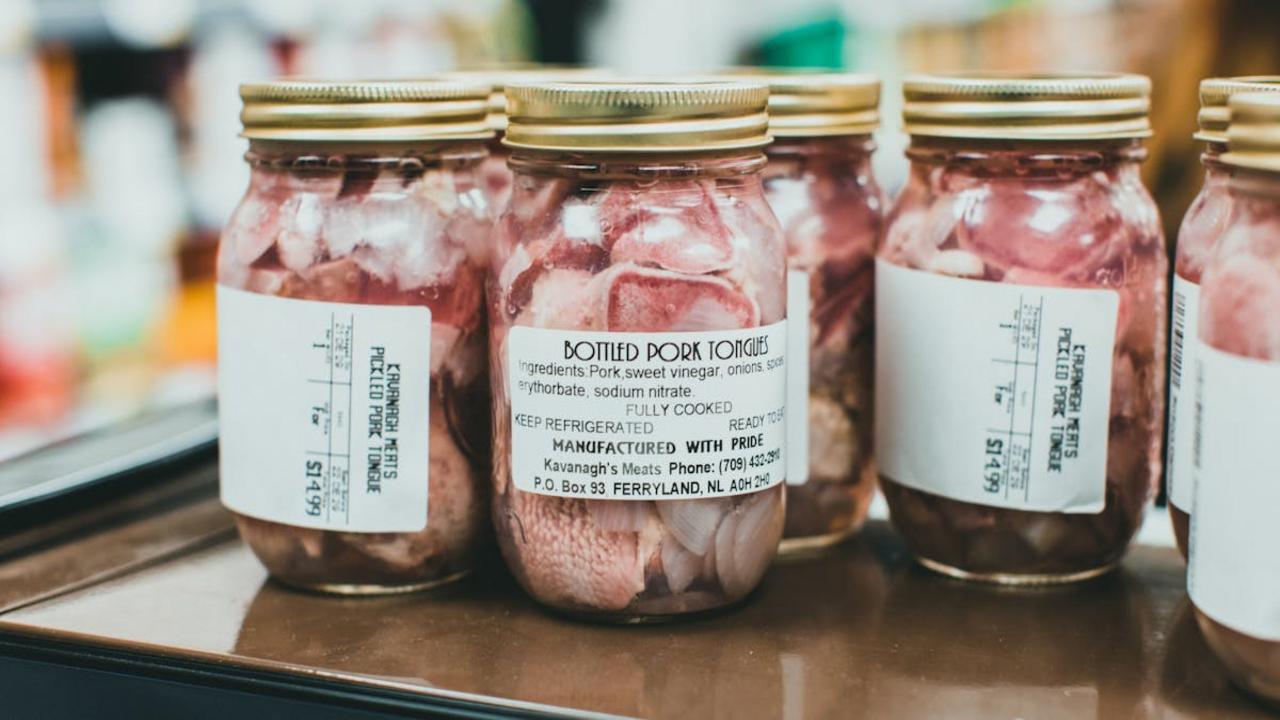
Your favorite convenience foods might seem like a bargain, but those preservatives and additives pack a hidden financial punch. Many processed food manufacturers add synthetic preservatives, artificial colors, flavor enhancers, and stabilizers to extend shelf life and make products look more appealing. These chemical additions make the actual production costs much lower for companies, yet they charge premium prices for “enhanced” products. You’re basically paying extra for ingredients that add zero nutritional value while potentially causing health issues down the line.
I’ve found that making food from scratch not only saves money but also eliminates exposure to these unnecessary additives. For example, homemade tomato sauce costs about $2-3 per batch and contains just tomatoes, herbs, and olive oil. The store-bought version often runs $4-5 and includes modified food starch, calcium chloride, citric acid, and other preservatives. By choosing whole ingredients, you’ll avoid paying the markup on artificial additives while getting better nutrition and flavor. Your wallet and body will thank you for ditching the preservative-laden convenience foods.
Hidden Sugars
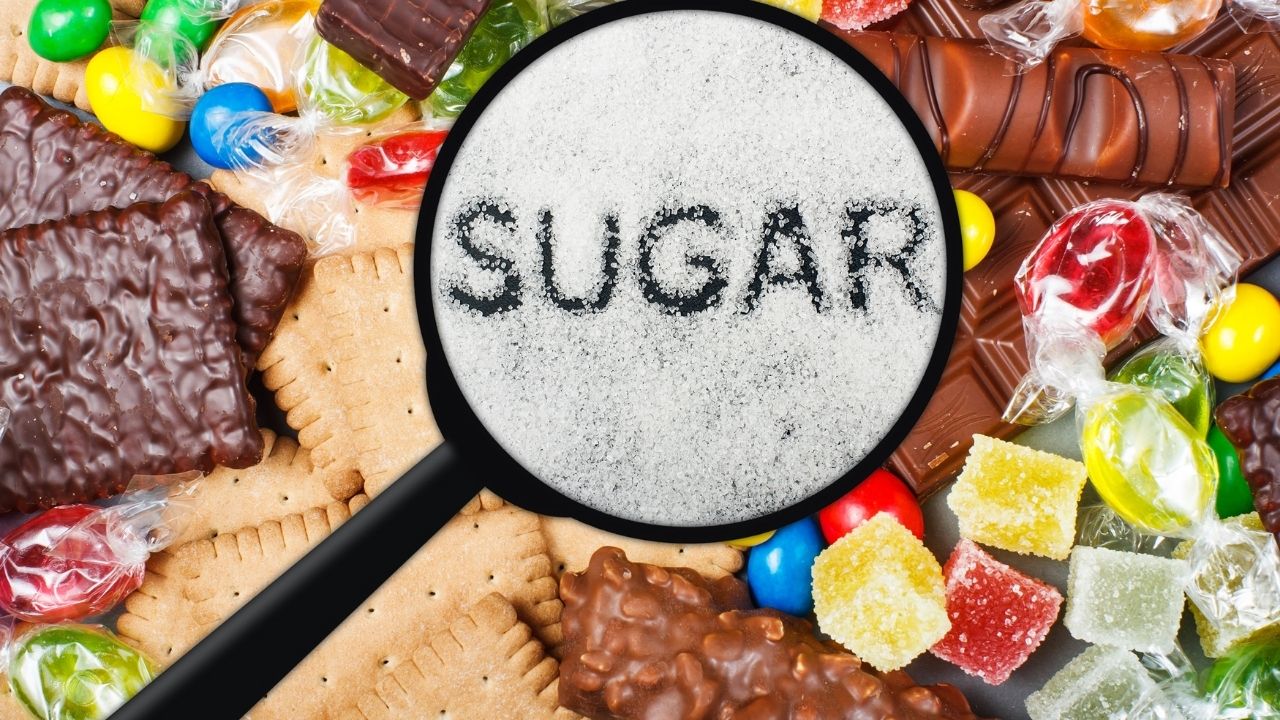
Your convenience foods may contain way more sugar than you’d expect. Food manufacturers often sneak in refined sugars under dozens of different names like corn syrup, dextrose, or maltodextrin. I’ve found shocking amounts of added sugars in seemingly healthy items like instant oatmeal packets, bottled smoothies, and even savory foods like pasta sauce and bread. Just one serving of flavored instant oatmeal can pack 12 grams of sugar – that’s 3 teaspoons worth!
Reading ingredient labels closely has opened my eyes to these sneaky sugars. Many processed food companies add extra sweeteners to make their products more appealing, even when they market them as “natural” or “healthy.” Take granola bars for example – a single bar might contain 4-5 different types of sugar. This hidden sugar adds empty calories and can spike your blood sugar levels. You’ll serve yourself better by choosing whole, unprocessed ingredients and controlling the sweetness in your own cooking. Mix plain oats with fresh fruit for breakfast or make your own trail mix with raw nuts and a small amount of dried fruit.
Elevated Sodium Levels
I can’t believe how much sodium lurks in those convenient packaged foods! Every time I check the nutrition label on frozen meals, canned soups, or instant noodles, the numbers shock me. A single serving of many convenience foods can pack 30-50% of your daily sodium limit. Your body only needs about 2,300mg of sodium per day, but one frozen pizza could push you way over that threshold. This high sodium content makes your body retain water, raises blood pressure, and puts extra strain on your heart.
During my years of cooking from scratch, I’ve discovered you can create the same satisfying flavors without relying on excessive salt. Instead of reaching for that instant mac and cheese loaded with sodium, try making your own cheese sauce with fresh ingredients and herbs. Your food will taste better and your body will thank you. Fresh vegetables, lean proteins, and whole grains give you complete control over sodium content while delivering real nutrition. Small changes like rinsing canned beans or choosing “no salt added” products can make a big difference in your daily sodium intake.
Nutritional Deficiency

I’ve seen so many people grab those quick convenience meals without realizing they’re missing out on key nutrients their bodies need. Most processed convenience foods lack the vitamins, minerals, and antioxidants you’d get from whole, fresh ingredients. Think about it – a frozen pizza might fill you up, but it won’t give you the same nutritional benefits as a homemade version loaded with fresh vegetables, lean proteins, and whole grain dough. Your body deserves better than empty calories and artificial ingredients.
Through my years of cooking, I’ve noticed how replacing convenience foods with fresh ingredients makes a real difference in how you feel. The nutrients in whole foods work together naturally to keep your immune system strong, your energy levels high, and your body running at its best. Those packaged meals might save you 15 minutes, but they could cost you important nutrients like fiber, omega-3 fatty acids, and B vitamins that your body needs daily. Making simple switches to fresh ingredients will nourish your body properly while still keeping meal prep manageable.