14 Overhyped Food Trends We’re Ready to Retire
Have you noticed how your social media feeds keep flooding with foods that look better than they taste? The food world cycles through trends faster than I swap out seasonal ingredients! As a home cook who values substance over style, I’ve watched some food fads overstay their welcome in our kitchens and on our screens.
You won’t find me adding gold leaf to my weeknight dinners or turning perfectly good hummus into a dessert. Many of these trends prioritize Instagram aesthetics over flavor, nutrition, or common sense. Remember when everyone made cloud eggs for breakfast? I tried them once and went straight back to my simple scramble.
Food should bring joy, not confusion or an empty wallet. The following 14 trends started with creative sparks but quickly burned out—yet somehow they’re still hanging around. Let’s collectively agree to move on from these exhausted food gimmicks and return to what matters: good food that actually satisfies.
Charcuterie in a jar
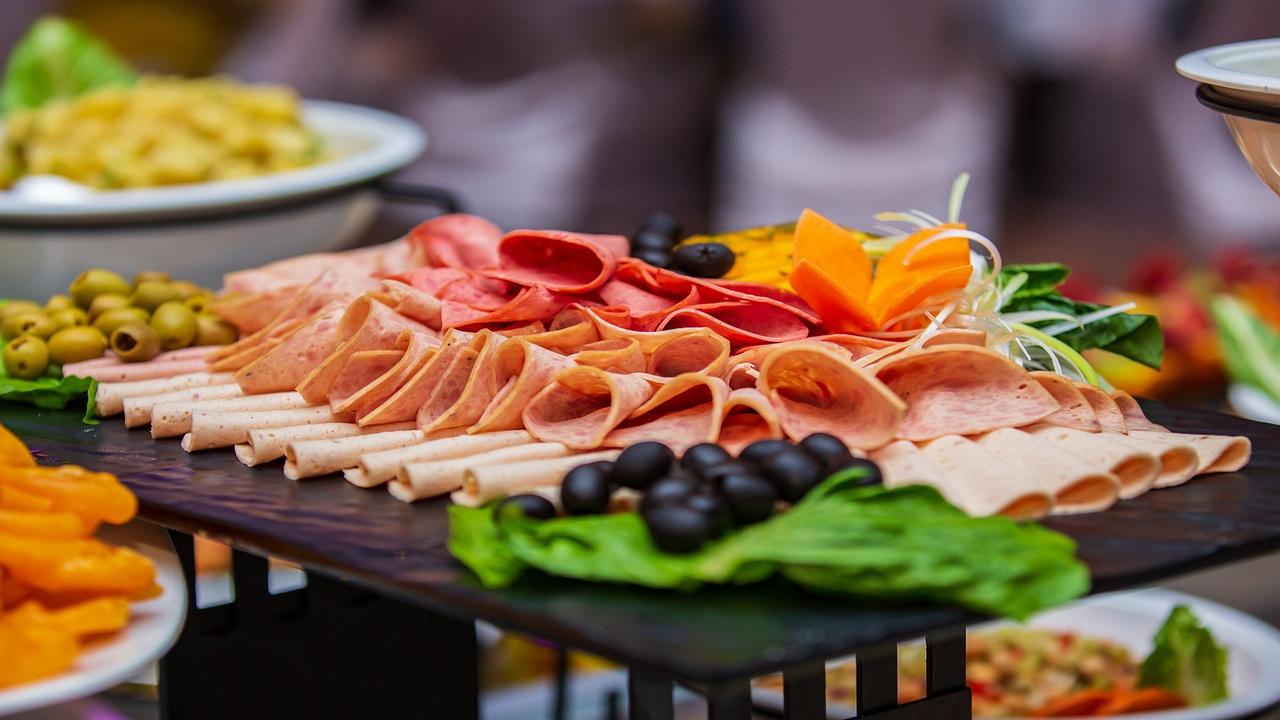
I need to speak plainly here—charcuterie in a jar has gone too far! What started as a cute, portable idea has become a $15 mockery of what makes charcuterie special in the first place. The whole joy of a charcuterie board lies in its sprawling, abundant nature and the way you can arrange meats, cheeses, and accompaniments with artistic freedom. Stuffing all that into a mason jar not only makes it harder to access your food (hello, awkwardly fishing out a folded prosciutto slice), but it ruins the textural integrity of crackers and crisps that inevitably turn soggy.
The pandemic may have sparked this trend with its focus on individual servings, but we can move beyond it now. I’ve watched friends struggle to enjoy these overpriced, impractical jars at picnics and parties. You’re essentially paying a premium for less food with more inconvenience. If you want portable charcuterie, consider using small food storage containers with compartments or simply wrapping components separately. Your crackers will stay crisp, your cheeses won’t sweat, and your wallet will thank you for skipping this unnecessary trend that values Instagram aesthetics over actual eating pleasure.
Dessert hummus
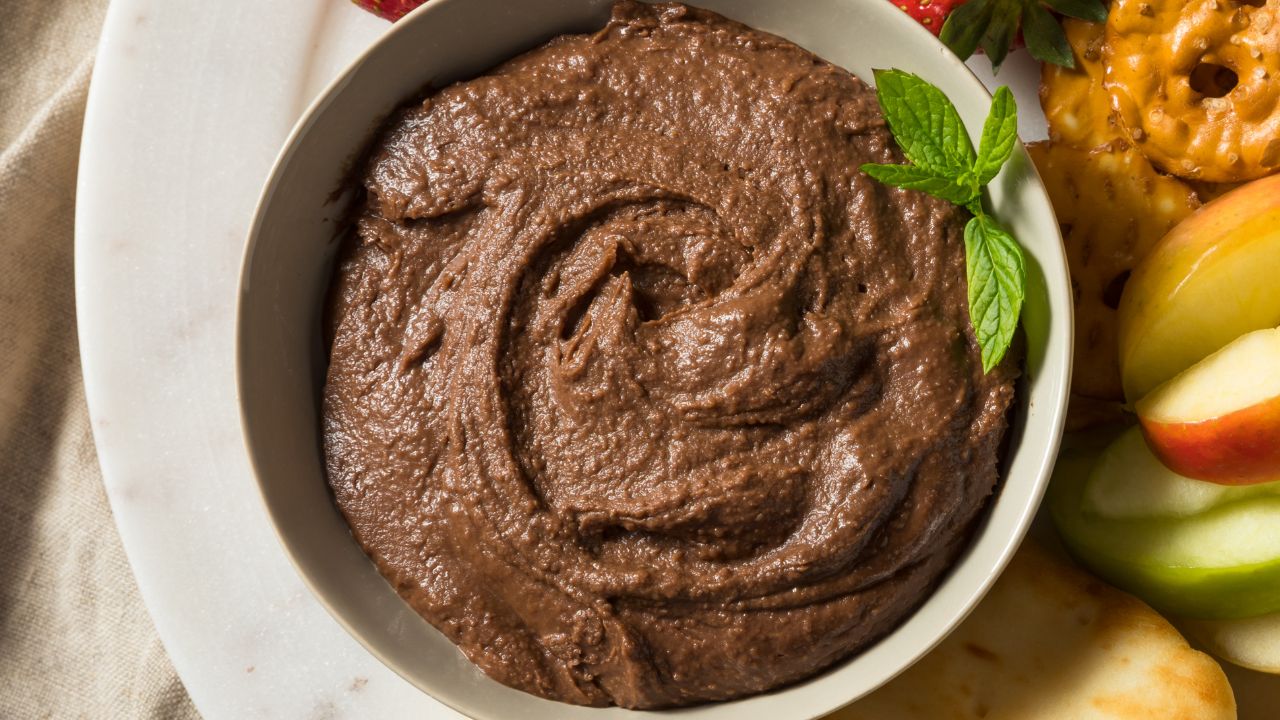
Whoever decided to transform our beloved chickpea dip into dessert form created a food trend that quickly took over grocery shelves. Sweet hummus variations like chocolate, snickerdoodle, and even birthday cake flavor emerged with promises of healthier alternatives to traditional desserts. I tried making these at home too, thinking my kids would love them. The truth? They’d rather have actual hummus or actual dessert—not this confusing in-between that doesn’t fully satisfy either craving. The textural combination of chickpeas with sweet flavors simply doesn’t work for most palates.
You’re better off making a simple dark chocolate avocado mousse if you want a healthier dessert option with hidden nutrients. Dessert hummus tries too hard to make something healthy that mimics an indulgence, but it falls short on both fronts. The grainy texture paired with overwhelming sweetness creates an odd eating experience that few genuinely enjoy. While I appreciate food innovation, this is one trend I’m happy to see fade away. Your regular hummus deserves better than being dressed up with cocoa powder and called dessert—and your dessert cravings deserve something that actually delivers satisfaction!
Avocado lattes
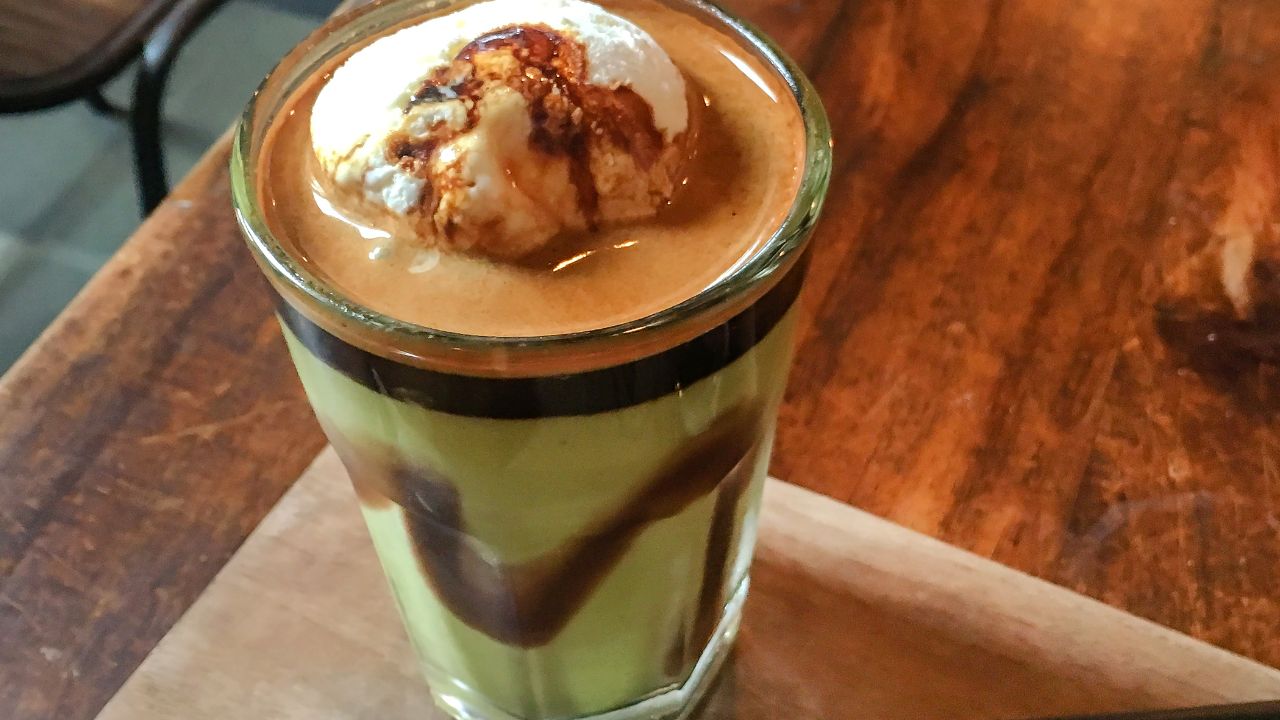
Remember when someone decided pouring lattes into hollowed-out avocados was a good idea? This Instagram-bait trend hit peak ridiculous around 2017 and thankfully faded faster than you can say “overpriced coffee.” I never understood the appeal—you got a cooling coffee (because avocados aren’t heat-resistant) plus the bonus of avocado bits floating in your drink. The combination makes zero culinary sense, offering nothing beyond the opportunity for a social media photo that screams “I paid too much for this impractical beverage.”
The avocado latte perfectly captures our collective food madness period where presentation completely overtook practicality and taste. You couldn’t actually carry these creations without spilling everywhere, and they created unnecessary food waste during an avocado shortage. If you want avocado, enjoy it on toast. If you want coffee, drink it from a mug. Sometimes simple really is better! I’m so ready to leave this particular food stunt firmly in the past where it belongs.
24K gold leaf dishes
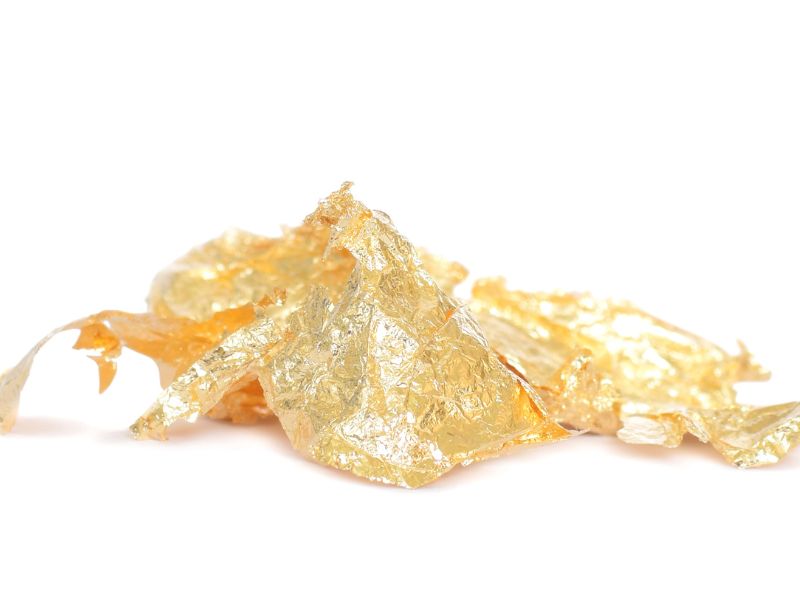
Let’s talk about the 24K gold leaf food trend that has infiltrated your social media for years now. Gold leaf on desserts, sushi, burgers, and even drinks became a symbol of luxury dining, but honestly? It adds zero flavor to your food. You’re literally paying extra money to eat something that passes through your body unchanged. I’ve watched countless restaurants add these shiny flakes to mediocre dishes just to jack up the price by $50 or more.
I’ve experimented with gold leaf in my home kitchen once, and I can confirm it’s purely for showing off. The texture is slightly unpleasant—a papery feeling that distracts from the actual food. What makes a dish truly special isn’t a flashy, tasteless topping, but quality ingredients and skillful preparation. Your hard-earned money deserves better than this edible bling that brings nothing to the table except Instagram likes. Next time you see gold-flecked food on a menu, skip it and order something that actually tastes good!
Extreme food challenges
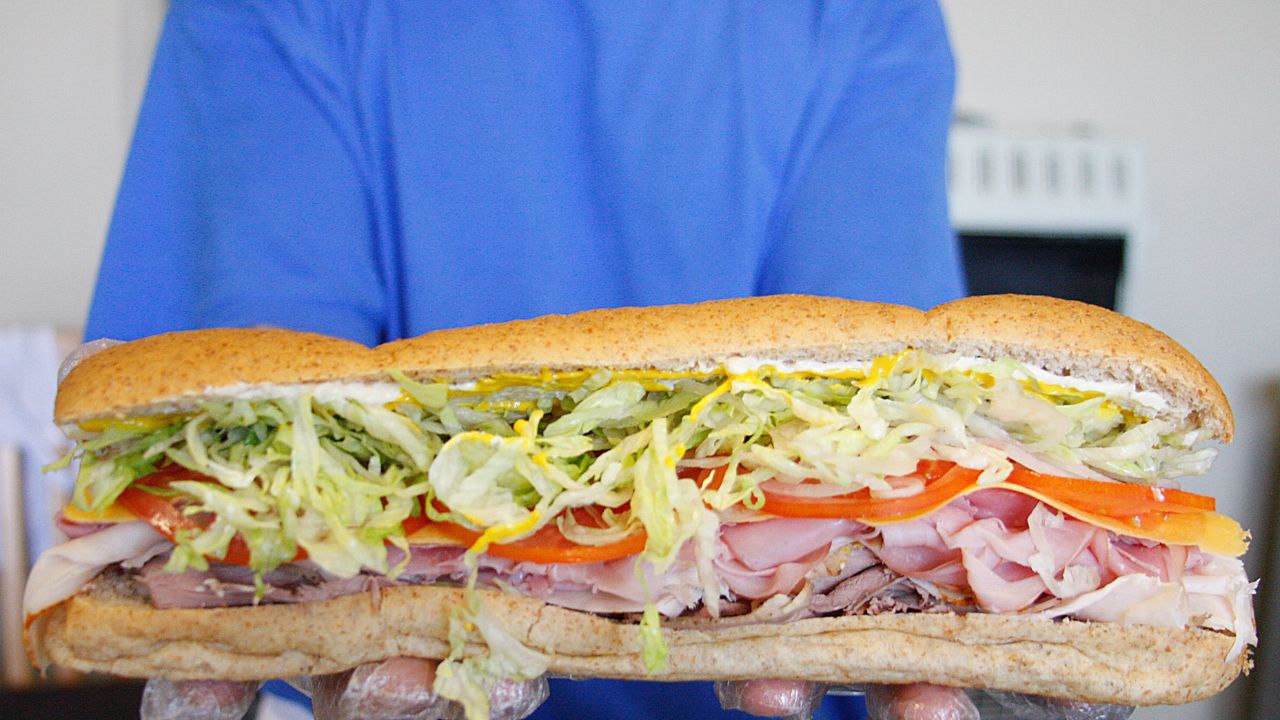
Remember those restaurant challenges that had you gulping down a 72-ounce steak in under an hour or suffering through the world’s spiciest wings? I’m ready to say goodbye to these extreme food stunts that prioritize quantity over quality. These viral sensations make for entertaining TV, but they’ve turned eating into a competition rather than an opportunity to savor flavors and textures. The massive burgers taller than your head or ice cream sundaes with 25 scoops miss the point of what makes food special—the care, craft, and connection we build around the table.
In my kitchen, I’ve learned that food brings the most joy when we focus on balance and thoughtfulness. Extreme food challenges often lead to massive waste and promote unhealthy relationships with eating. Instead of cheering on someone downing ghost peppers until they cry, I’d rather celebrate the subtle heat that enhances a homemade curry or the perfect balance of a properly seasoned dish. Let’s move past this trend and return to appreciating food for its ability to nourish both body and soul, not as a battleground for bragging rights on social media.
CBD-infused foods
Remember when CBD was in everything from cookies to cocktails? I initially tried CBD gummies hoping they’d help with my anxiety before bed, but honestly, I couldn’t tell if they did anything beyond making my wallet lighter. The problem with this trend is that CBD-infused foods often contain such minimal amounts that you’re not getting any meaningful benefits—just paying premium prices for regular food with fancy marketing.
I’ve watched friends drop $15 on CBD chocolates that taste exactly like regular chocolate but cost three times more. The FDA hasn’t even properly regulated these products, so you never really know what you’re consuming. Many restaurants and cafes jumped on this bandwagon without understanding the science behind CBD or proper dosing. I’m ready to say goodbye to this trend and stick with real, whole foods that deliver actual nutrition instead of vague promises about “wellness” at inflated prices.
Zero-carb everything
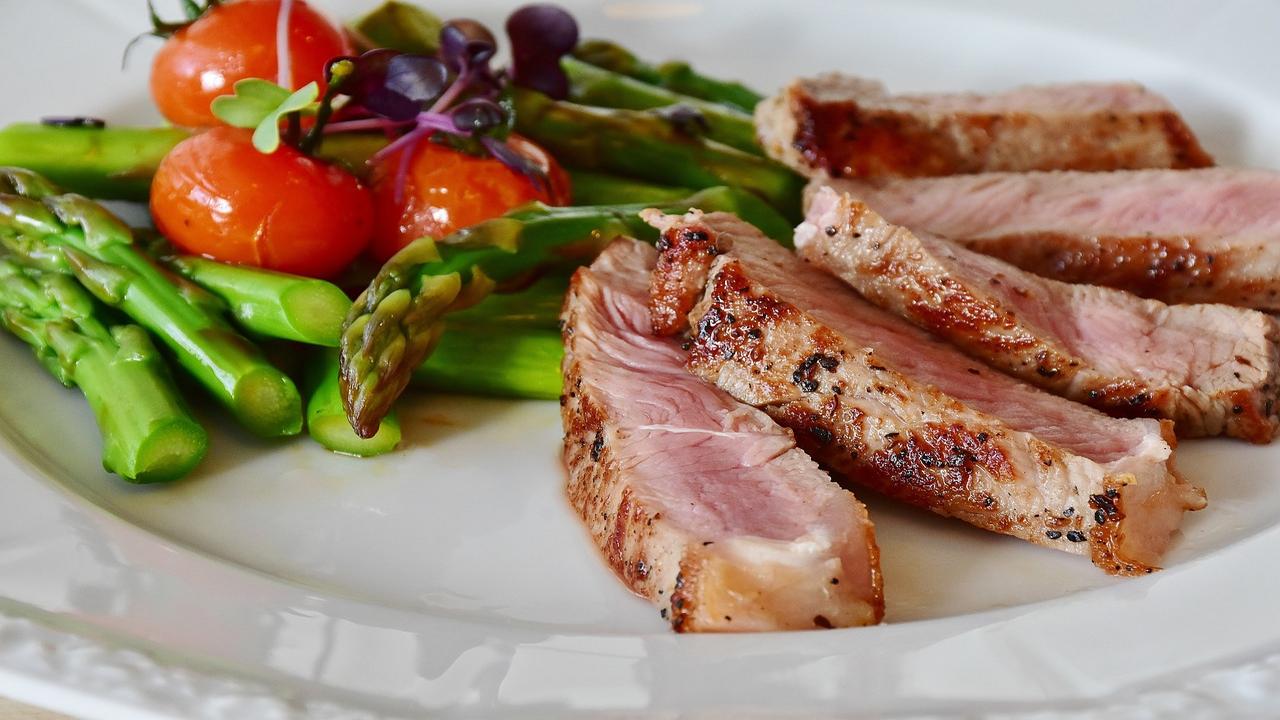
I’ve watched the zero-carb craze sweep through kitchens with promises of instant weight loss and better health, but honestly? I’m ready to see it go. You don’t need to demonize an entire macronutrient! Your body actually needs carbohydrates for energy, brain function, and overall wellbeing. The marketing of cauliflower everything, egg white “bread,” and vegetable-only pasta alternatives has gone too far, creating foods that often lack flavor, satisfaction, and nutritional balance.
What bothers me most is how this trend encourages an unhealthy relationship with food. Instead of enjoying moderate portions of real, whole-grain carbohydrates that provide fiber and nutrients, people torture themselves with bland substitutes. I’ve tested countless zero-carb recipes in my kitchen, and the truth is most leave you unsatisfied and craving the real thing anyway. Let’s move toward balanced eating instead – savor that slice of sourdough bread, enjoy a small portion of actual pasta, and stop pretending zucchini spirals are the same thing!
Cloud eggs
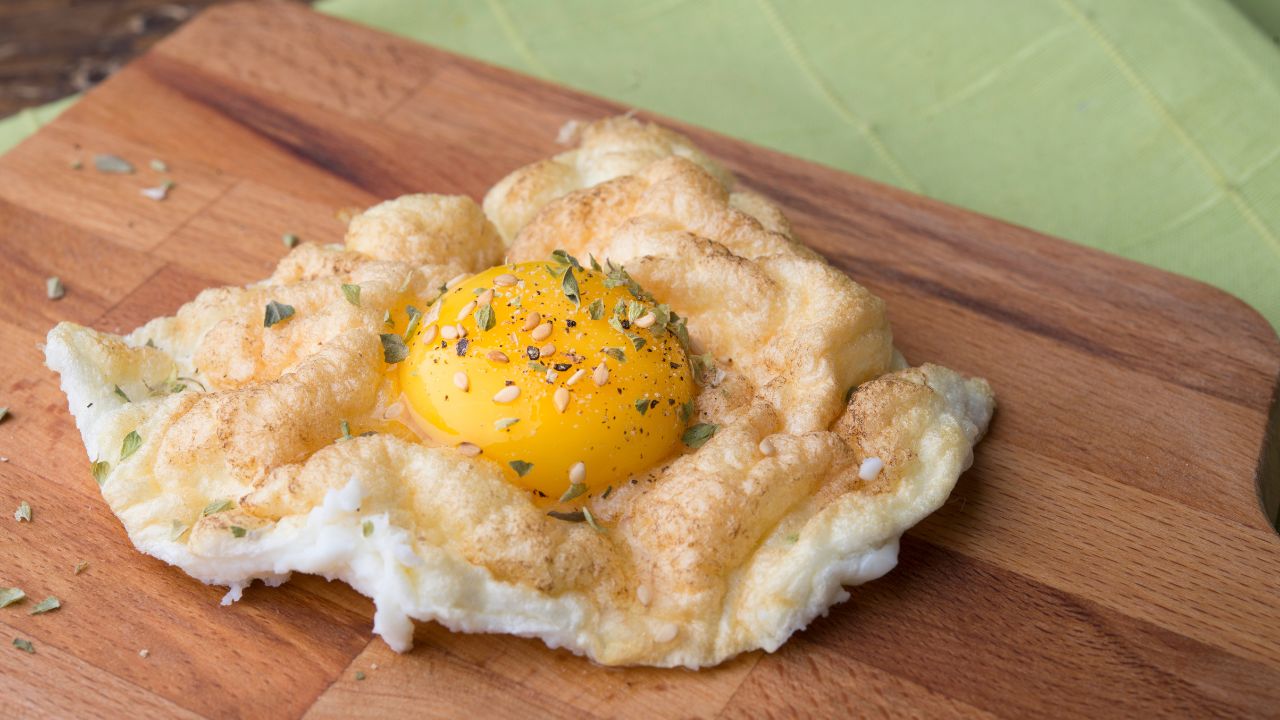
Remember those fluffy cloud eggs that took over Instagram around 2017? You’d separate the whites from the yolks, whip the whites into stiff peaks, form a little nest, bake them, then add the yolk back in for a final cook. The result looked like a puffy cloud with a sunny center. I tried making them several times and found them completely underwhelming—a lot of work for what’s basically a deconstructed fried egg with a meringue-like texture that honestly feels weird in your mouth at breakfast.
The trouble with cloud eggs goes beyond their fussy preparation. They cool down incredibly fast, leaving you with a cold, rubbery white by the time you’ve taken your Instagram photo. And let’s be honest—they don’t actually taste better than a simple fried or poached egg. I’d much rather spend that extra whisking energy on a proper omelet or frittata where the effort translates to actual flavor. Some food trends deserve to fade away, and I think we can all agree that cloud eggs should float off into the sunset.
IV drip cocktails
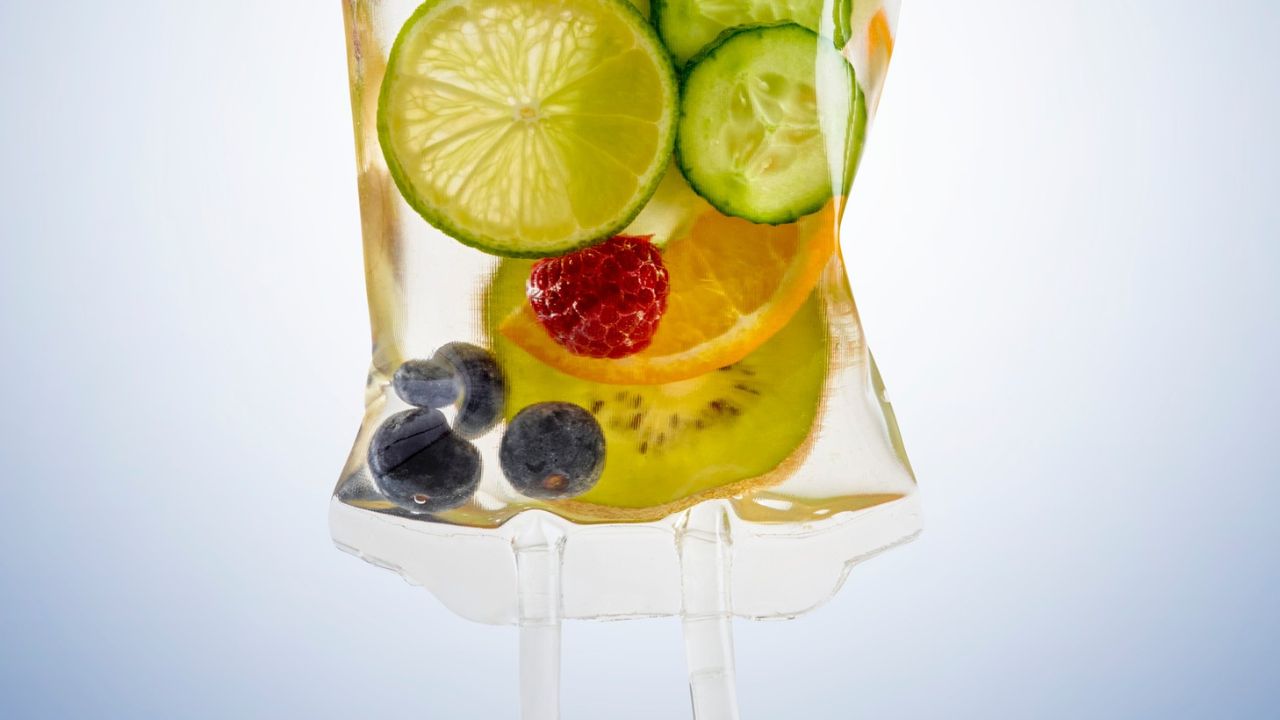
IV drip cocktails—those elaborate drinks served in IV bags with tubes—might look cool on Instagram, but I’ve had enough of them crowding my feed. They’re expensive, gimmicky, and honestly? You can’t even properly smell the cocktail before drinking it, which is half the sensory experience! Most bartenders I know roll their eyes at these contraptions because they prioritize spectacle over craftsmanship and flavor development. The medical aesthetic also feels a bit tasteless when you think about people who need actual IVs for health reasons.
I’ve noticed these trendy concoctions popping up in upscale bars charging $25+ for what’s essentially a basic cocktail in medical equipment. Beyond the initial “wow” factor, they’re impractical—you can’t set them down easily, they’re awkward to carry, and the plastic waste is considerable. Good cocktails need thoughtful presentation that enhances the drinking experience, not distracts from it. If you want a memorable drink, look for bars focusing on quality ingredients and proper technique instead of medical props. Your wallet and taste buds will thank you!
Activated charcoal in food
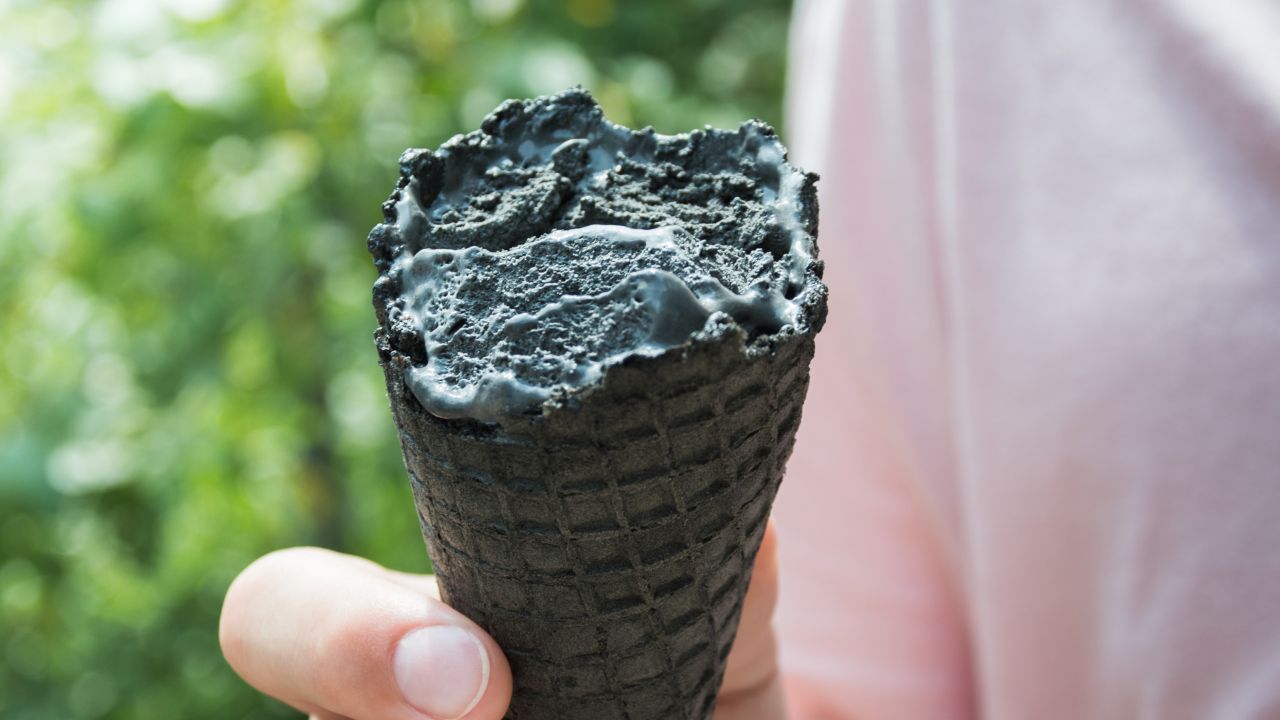
Remember when everything turned pitch black? From ice cream to burger buns, activated charcoal transformed your favorite foods into gothic versions of themselves – all while promising detoxifying benefits. Let’s be real – this trend brought nothing but Instagram likes and potential medication issues. The FDA even issued warnings about how activated charcoal can interfere with prescription drugs! My kitchen experiments confirmed what many suspected: it adds zero flavor while staining everything it touches (including your teeth and tongue).
You’re better off getting actual health benefits from real food ingredients instead of this questionable additive. I’ve watched countless home cooks waste money on charcoal powder that sits unused after a single social media post. Plus, most activated charcoal products lack meaningful amounts to deliver any significant health impact anyway. Next time you want something visually striking, try naturally colorful ingredients like butterfly pea flower for blues or beet powder for vibrant reds – they bring both beauty and actual flavor to your cooking.
Super-sized milkshakes
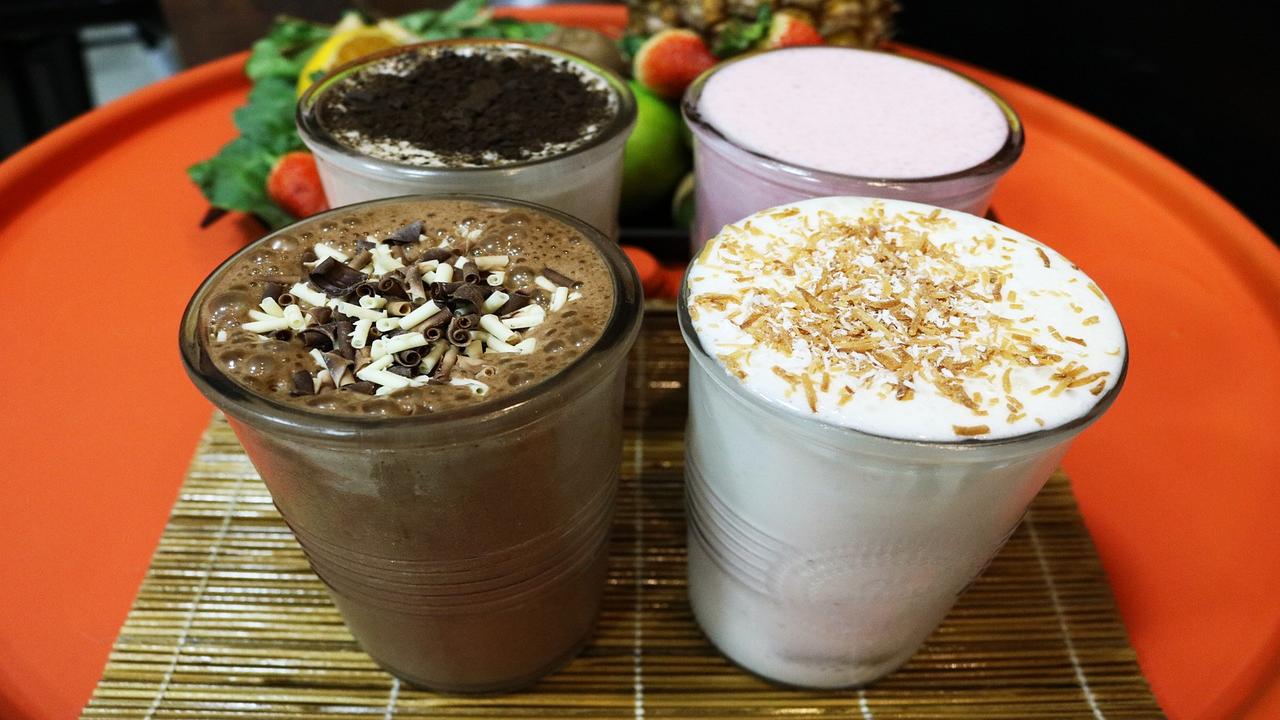
Remember those Instagram-worthy, tower-high milkshakes with mountains of donuts, cookies, cotton candy, and chocolate sauce dripping everywhere? Yeah, I’m ready to say goodbye to those. While they looked spectacular in photos, these mega milkshakes quickly became more about showmanship than taste. You’d need five friends just to finish one, and honestly, who wants a lukewarm, melting ice cream disaster with soggy toppings sliding off by the time you’ve taken enough pictures for social media?
The sugar rush from these monstrosities left me feeling awful every time. One shake packed more calories than most people need in an entire day! I much prefer returning to quality over quantity – give me a perfectly crafted, moderately-sized milkshake with fresh ingredients and thoughtful flavor combinations. Let’s focus on creating balanced treats that actually satisfy our sweet tooth without the Instagram circus. Simple pleasures don’t need to be supersized to be special, and your body will thank you for skipping the sugar overload.
Unicorn food
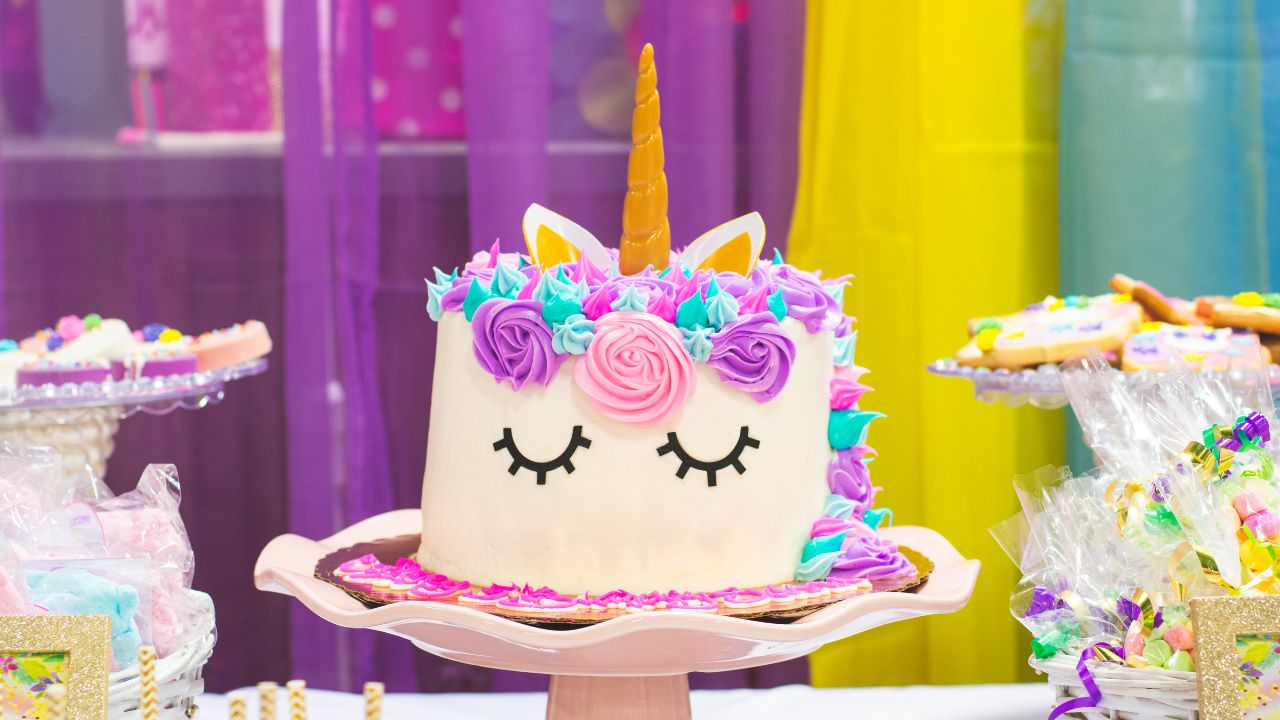
Remember when we couldn’t scroll through Instagram without seeing rainbow-colored everything? Unicorn food swept through our feeds like a glittery tornado, turning everything from toast to lattes into pastel, sprinkle-covered monstrosities. I admit I got caught up in it too – spending hours mixing natural food dyes to create those perfect purple and blue swirls in my morning smoothie bowl. But let’s be honest – most unicorn food tasted exactly like regular food, just with unhealthy amounts of food coloring and sugar.
The trend pushed us toward valuing appearance over substance, creating dishes that looked magical in photos but disappointed in reality. Those unicorn frappuccinos? Mostly sugar and artificial flavors with very little coffee. The rainbow bagels? Often stale by the time you finished taking the perfect shot. I’m ready for food that prioritizes flavor and nutrition over Instagram likes. Let’s leave the unicorn aesthetic to children’s birthday parties and focus on creating beautiful food that actually nourishes our bodies without requiring seven different food dyes in the process.
Edible glitter
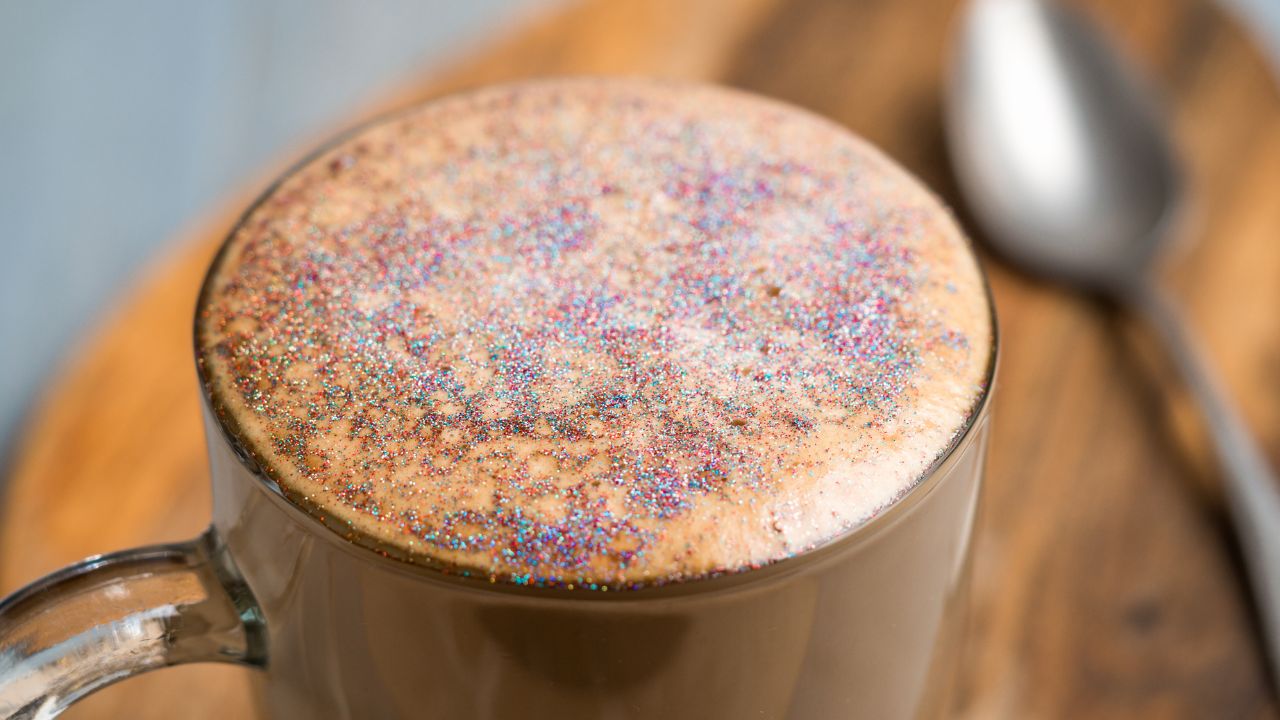
Look, I love sparkly things as much as anyone, but I draw the line at putting glitter in my food. You know what I’m talking about—those shimmery rainbow flakes sprinkled on cupcakes, mixed into cocktails, and somehow finding their way into coffee drinks. While technically “edible,” most of these products contain artificial dyes and preservatives that completely contradict the whole-food cooking philosophy many of us strive for. Plus, I’ve never bitten into a glitter-topped donut and thought, “Wow, this tastes so much better with plastic-like particles in my teeth!”
The truth is, edible glitter represents everything problematic about Instagram food trends—sacrificing flavor and quality for a fleeting visual moment. If you want natural sparkle in your cooking, try alternatives like crystal sugar, which at least adds sweetness, or experiment with natural ingredients like dried flower petals for visual interest. Food should bring joy through taste first, not through questionable additives that serve no purpose beyond generating likes. Let’s return to celebrating ingredients that contribute actual flavor instead of just photogenic sparkle that ultimately ends up… well, you know where.
Deconstructed dishes
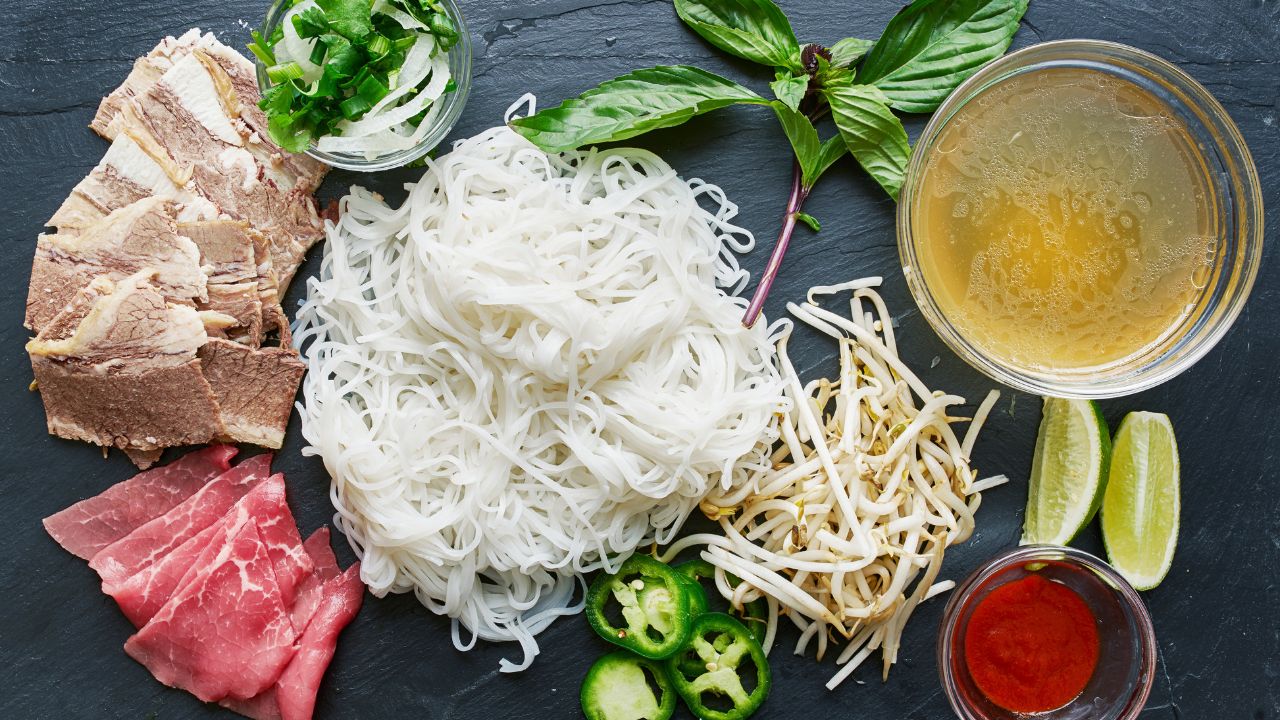
I’ve seen one too many “deconstructed” dishes that charge premium prices for what’s basically ingredients plated separately. You know what I’m talking about—a deconstructed cheesecake that’s just a puddle of cream, crumbled cookies, and fruit scattered artistically across a wooden board. Or a deconstructed lasagna where you’re essentially eating individual components with none of the magical transformation that happens when they’re actually cooked together.
The magic of cooking happens when ingredients combine and transform into something greater than their parts. A properly constructed dish creates flavors and textures that can’t exist when everything’s kept separate. I’d much rather eat a perfectly executed traditional dish than pay extra for the chef to skip the final assembly step. The whole “deconstruction” trend feels like style over substance—and frankly, I want my food to be delicious first and Instagram-worthy second. Let’s get back to actually cooking our food rather than just arranging ingredients.