15 Power-Packed Nutrients to Enhance Longevity and Promote Vibrant Aging
Your body needs specific nutrients to stay healthy and vibrant as you age. I’ve spent years researching and writing about the most powerful nutrients that can help you live longer and feel fantastic. Today, I’m sharing my top 15 picks that pack the biggest punch for longevity and healthy aging.
From omega-3s that support brain health to antioxidant-rich polyphenols that fight free radicals, these nutrients work together to keep your body running at its best. Each one plays a unique role in maintaining your health, from cellular repair to immune system support.
Adding these nutrients to your daily diet doesn’t have to be complicated. You’ll find many of them in common foods like fatty fish, colorful vegetables, nuts, and seeds. Whether through food sources or supplements, incorporating these powerhouse nutrients can make a real difference in how you age.
Potassium
I can’t say enough good things about potassium – it’s a superstar nutrient that your body needs for healthy aging! This mineral keeps your heart beating strong, helps maintain steady blood pressure, and supports your muscles and nerves. You’ll find plenty of potassium in bananas, sweet potatoes, avocados, and leafy greens. The best part? Adding these foods to your daily meals can help prevent age-related muscle loss and keep your bones strong.
Your cells need potassium to function properly, and it works hand-in-hand with other minerals like sodium to maintain proper fluid balance in your body. Research shows that getting enough potassium through your diet can lower your risk of stroke and heart disease – two conditions that become more common as we age. I recommend aiming for 2,500-3,500mg of potassium daily through natural food sources. Start your morning with a banana smoothie, snack on an avocado toast, or roast some sweet potatoes for dinner to boost your intake of this longevity-promoting mineral.
Protein
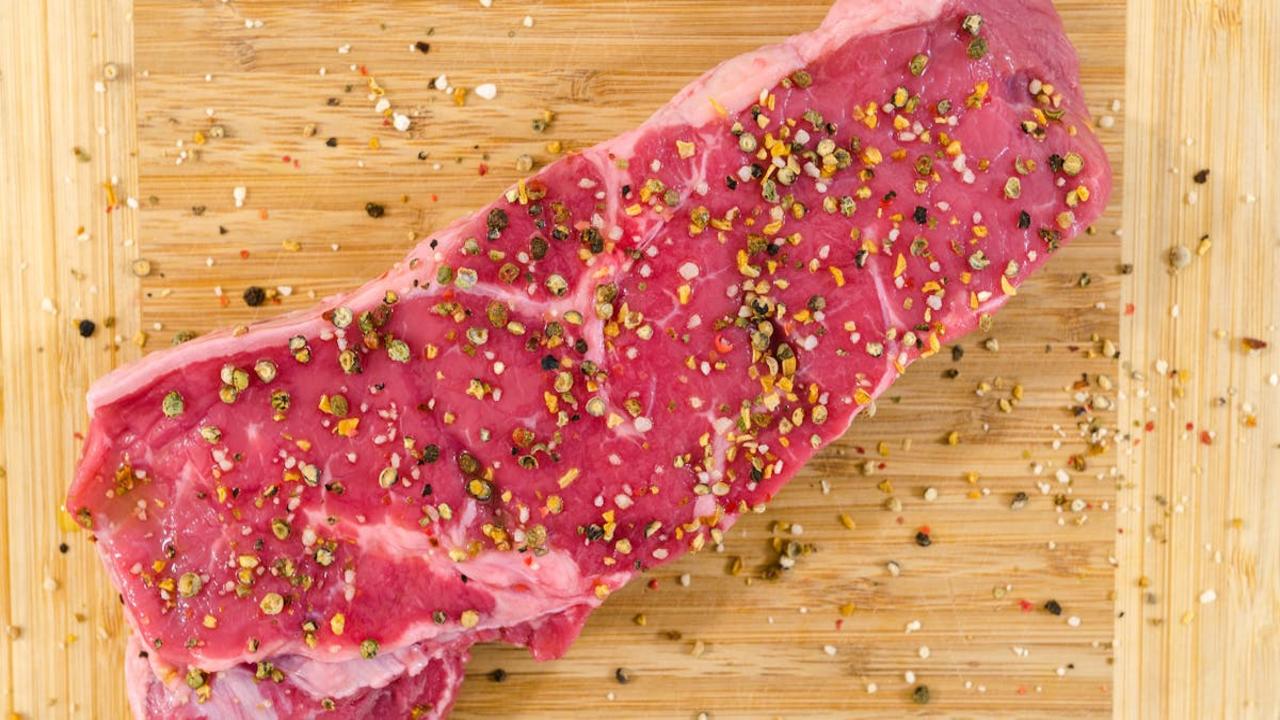
I can’t stress enough how much your body needs protein – it’s like the building blocks that keep your muscles strong and your body functioning at its best! Your body uses protein to repair tissues, create enzymes, and maintain everything from your hair to your immune system. As you age, getting enough protein becomes even more critical since your body naturally starts losing muscle mass. You’ll want to aim for lean sources like chicken, fish, eggs, beans, and Greek yogurt to keep your strength and energy levels high.
What many people don’t know is that timing your protein intake throughout the day can make a big difference in how your body uses it. Instead of loading up all at once, try spreading your protein consumption across your meals and snacks. This strategy helps your body maintain steady muscle synthesis and repair. I recommend starting your day with protein-rich breakfast options like a smoothie with protein powder or eggs with whole grain toast. Your future self will thank you for making protein a priority in your daily nutrition plan!
Fiber
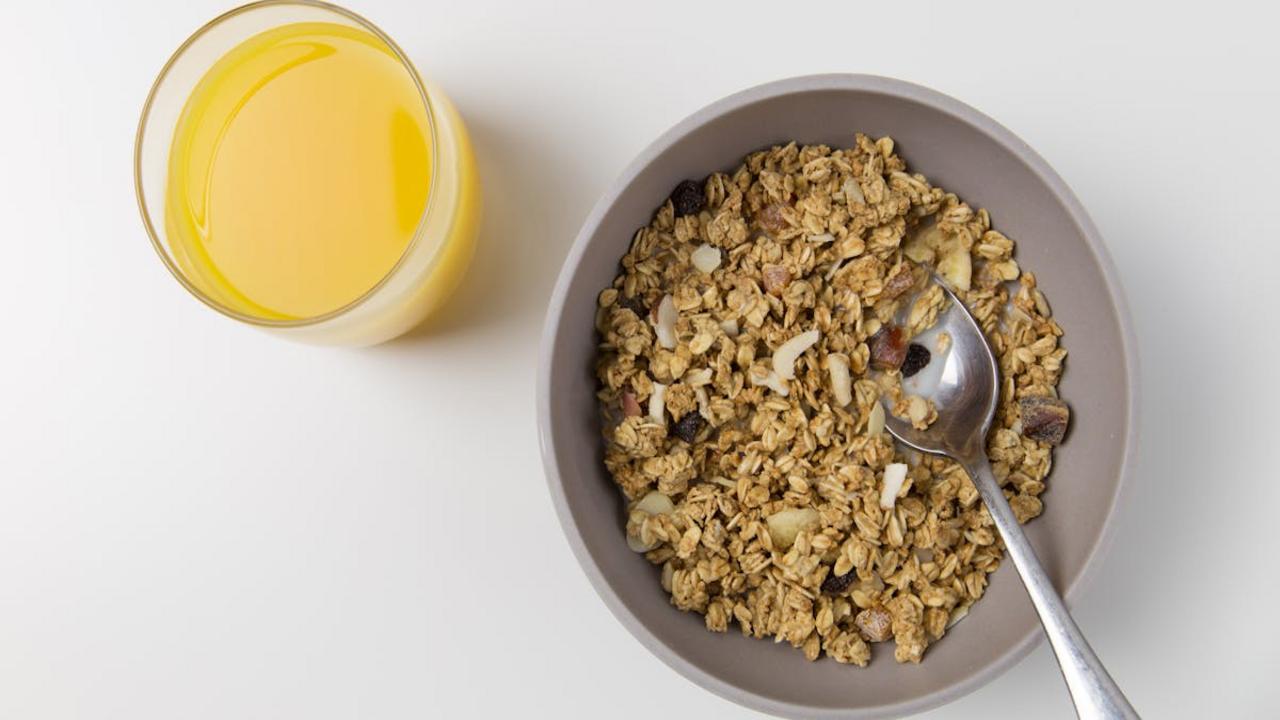
I can’t stress enough how much your body needs fiber! This incredible nutrient acts like your digestive system’s best friend, sweeping through your intestines and keeping everything moving smoothly. You’ll find two types of fiber – soluble and insoluble – each playing their own role in your health. Soluble fiber, found in oats and beans, helps control blood sugar and cholesterol levels, while insoluble fiber from whole grains and vegetables adds bulk to your stool and prevents constipation.
Want to boost your longevity? Add more fiber-rich foods to your daily meals! Research shows that people who eat plenty of fiber have a lower risk of heart disease, certain cancers, and type 2 diabetes. I recommend starting your day with a bowl of oatmeal topped with berries, snacking on apple slices with almonds, and loading up your dinner plate with colorful vegetables. Aim for 25-30 grams of fiber each day, but increase your intake gradually and drink plenty of water to help your body adjust to the extra roughage.
B Complex Vitamins
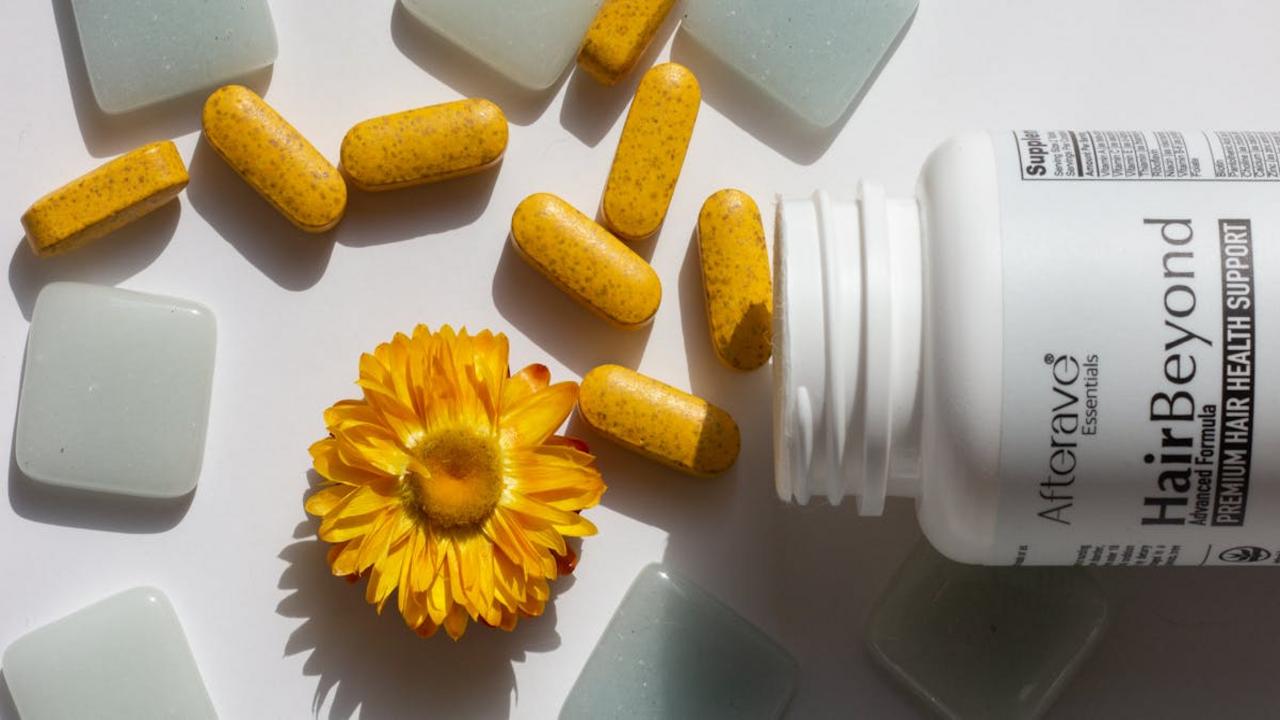
I absolutely love recommending B complex vitamins to my readers – they’re like your body’s personal energy-making team! Think of B vitamins as the spark plugs that keep your mental clarity sharp and your nervous system running smoothly. Your body needs eight different B vitamins, including B1 (thiamine), B2 (riboflavin), B3 (niacin), B5 (pantothenic acid), B6 (pyridoxine), B7 (biotin), B9 (folate), and B12 (cobalamin). Each one plays a unique role in turning your food into fuel and maintaining your DNA health.
You’ll find these powerhouse nutrients in many everyday foods – and I always suggest getting them through your diet first! Load up on whole grains, leafy greens, eggs, dairy, and lean meats to boost your B vitamin intake naturally. For my plant-based friends, nutritional yeast is a fantastic source of B vitamins – I sprinkle it on everything from popcorn to roasted vegetables. If you’re over 50, you might want to chat with your doctor about B12 supplements since our bodies become less efficient at absorbing this vitamin as we age. Remember, these vitamins work together, so getting the complete B complex will give you the best results for your long-term health.
Curcumin
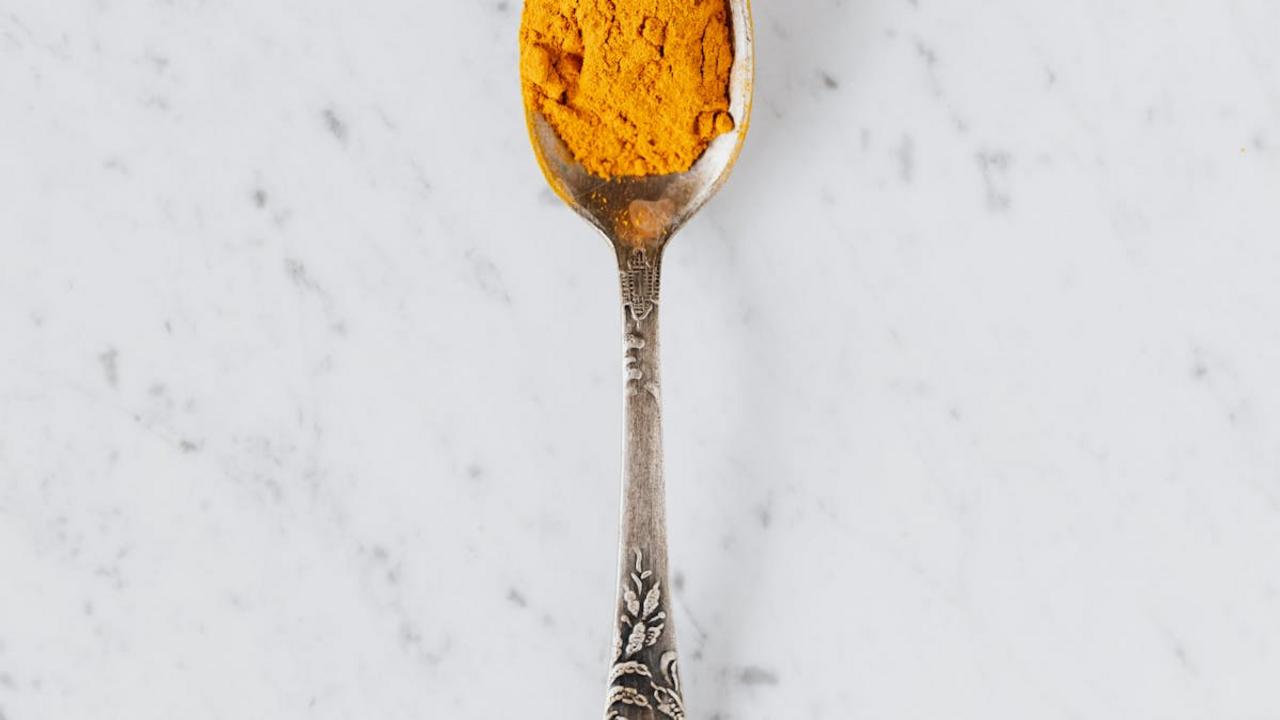
I can’t help but get excited about curcumin, the vibrant golden compound found in turmeric that packs a serious punch for your health! This powerful antioxidant has caught my attention for its remarkable anti-inflammatory properties and its ability to boost brain function. You’ll find curcumin working hard in your body to fight free radicals, support your joints, and even help maintain healthy blood sugar levels. Plus, research shows it may play a role in preventing age-related cognitive decline, making it a must-have for anyone looking to stay sharp as they age.
Here’s a fun tip from my kitchen: I love adding a pinch of black pepper whenever I use turmeric in my recipes because it enhances curcumin absorption by up to 2000%! You can easily incorporate this golden spice into your daily routine through warming golden milk lattes, curry dishes, or even smoothies. I recommend aiming for 500-1000mg of curcumin daily, either through food sources or supplements. Just remember to check with your doctor first, especially if you’re taking any medications, as curcumin can interact with certain drugs.
Resveratrol
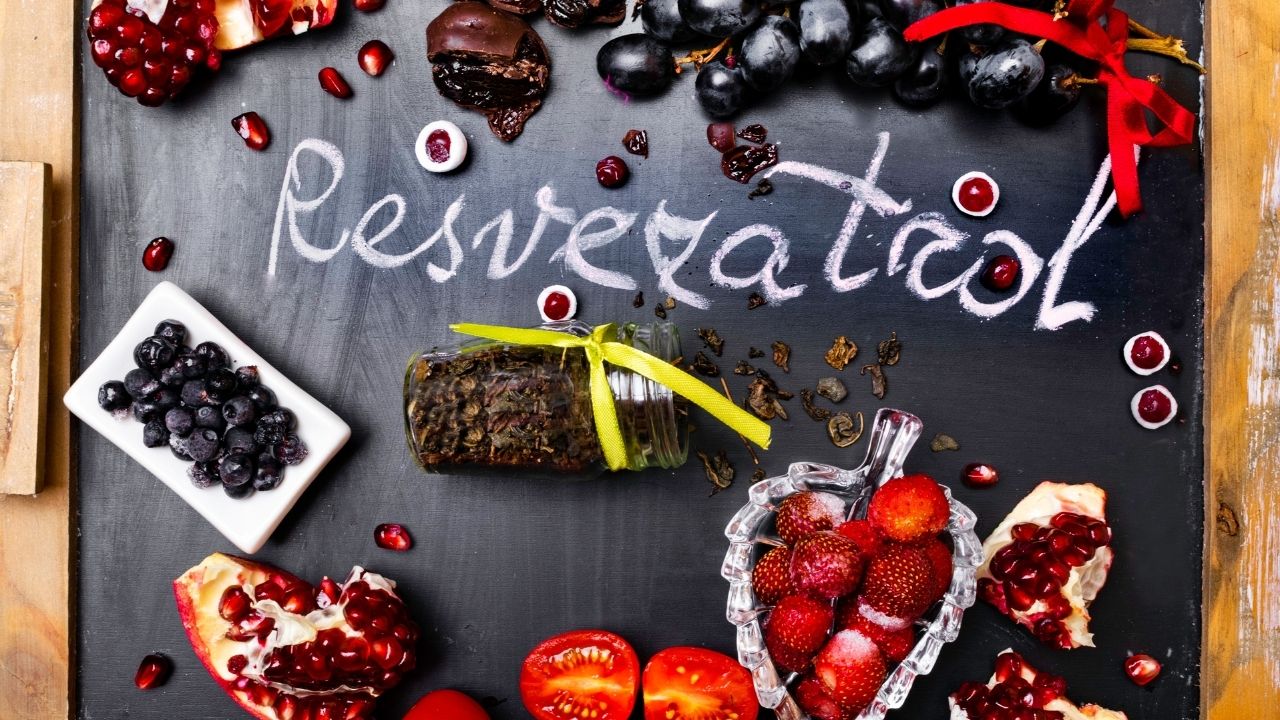
I can’t help but get excited about resveratrol, a powerful antioxidant compound that’ll make you want to pour yourself a glass of red wine! Found abundantly in grape skins, red wine, berries, and dark chocolate, this nutrient has captured my attention for its remarkable ability to protect your cells from damage and support healthy aging. Research shows that resveratrol helps reduce inflammation throughout your body and may boost your heart health by improving blood flow and lowering blood pressure.
What I love most about resveratrol is how it activates specific genes linked to longevity – the same ones that respond to calorie restriction! You can easily add more resveratrol to your daily meals by snacking on fresh blueberries, enjoying a square of dark chocolate, or sipping a moderate amount of red wine (if you choose to drink alcohol). You’ll also find this compound in peanuts and Japanese knotweed, making it accessible through various food sources. Remember, consistency with these foods matters more than occasional large amounts!
Selenium
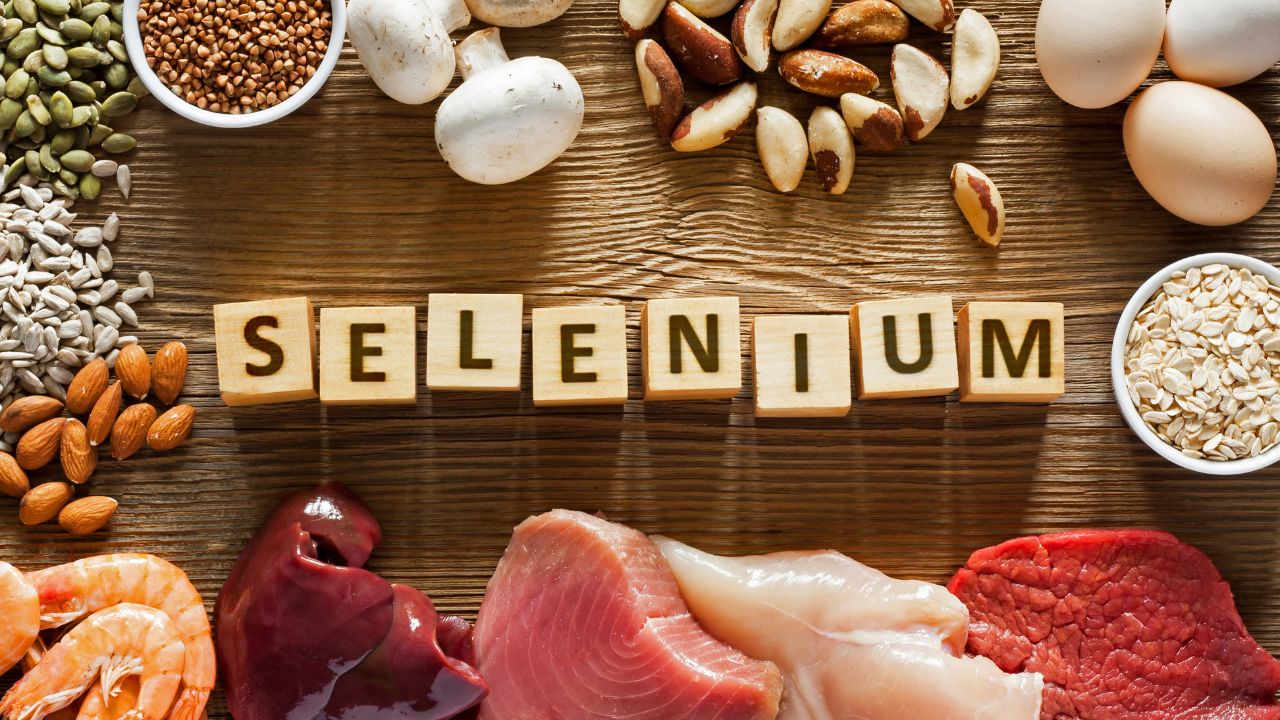
I get excited every time I talk about selenium because it’s such a mighty mineral that packs a powerful punch for your health and longevity! Your body needs selenium to create antioxidant enzymes that protect your cells from damage. You’ll find this amazing mineral in Brazil nuts, seafood, and organ meats. Just one Brazil nut gives you your daily selenium needs! I love adding a few chopped Brazil nuts to my morning yogurt or sprinkling them on salads for an easy selenium boost.
The connection between selenium and aging really caught my attention during my research – this mineral helps maintain your DNA’s integrity and supports your immune system as you get older. Low selenium levels link to cognitive decline, so keeping up your intake becomes extra important with age. I recommend mixing selenium-rich foods into your daily meals – try tuna on whole grain crackers for lunch, or add mushrooms to your dinner stir-fry. Remember, your body can’t make selenium on its own, so including these foods in your diet makes a real difference in how you age.
Zinc
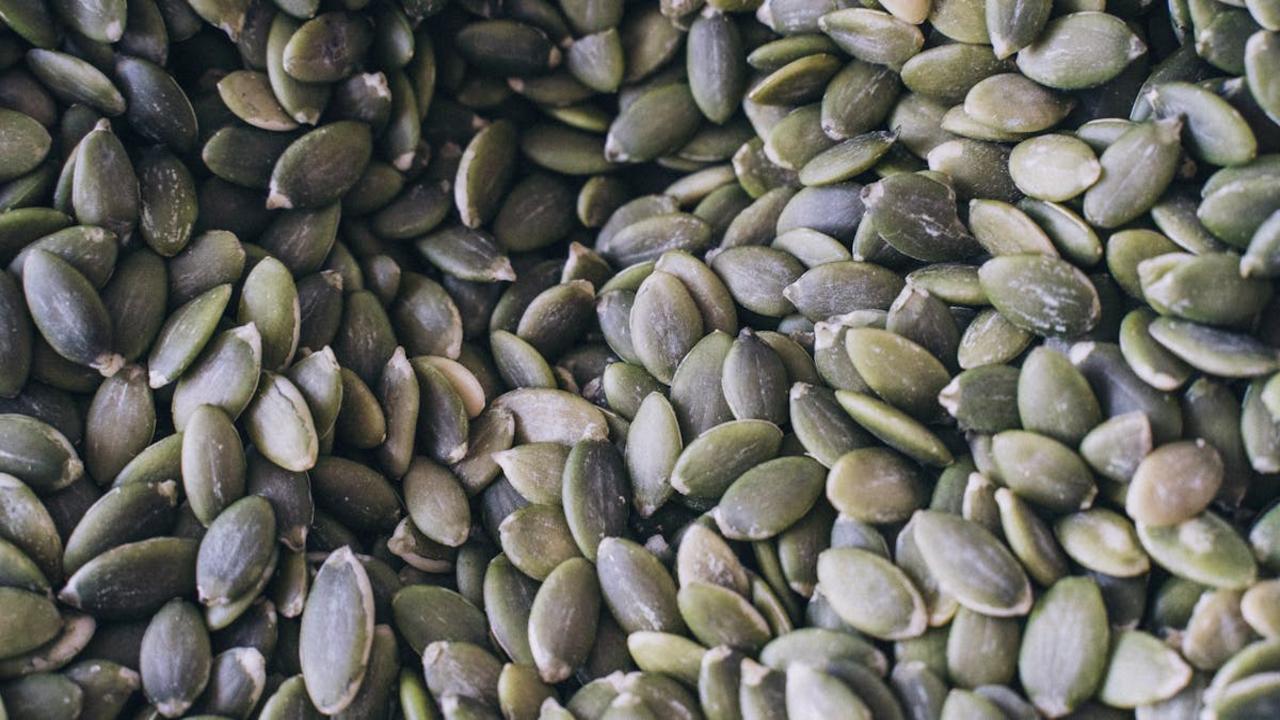
I can’t say enough good things about zinc – it’s like your body’s secret weapon for aging gracefully! This mighty mineral helps build proteins, supports your immune system, and keeps your DNA in top shape. You’ll find zinc working hard behind the scenes to heal wounds faster and maintain your sense of smell and taste. The best part? You can easily add more zinc to your daily meals through foods like oysters, beef, pumpkin seeds, and legumes.
Your body needs zinc to create new cells and keep your skin glowing, which becomes extra important as you get older. Research shows that people who maintain good zinc levels often have stronger immune systems and better cognitive function in their later years. I recommend aiming for 8-11mg of zinc daily – you can hit this target by throwing some cashews into your morning oatmeal or adding lean beef to your dinner plate. Just remember that too much zinc can interfere with other nutrients, so stick to food sources unless your doctor suggests supplements.
Vitamin E
I can’t help but get excited about vitamin E – it’s like your body’s personal bodyguard against aging! This powerful antioxidant fights off free radicals that can damage your cells and accelerate aging. You’ll find this youth-preserving nutrient in almonds, sunflower seeds, avocados, and leafy greens. I love sprinkling some chopped almonds on my morning yogurt or tossing sunflower seeds into my salads for an easy vitamin E boost that keeps my skin glowing and my immune system strong.
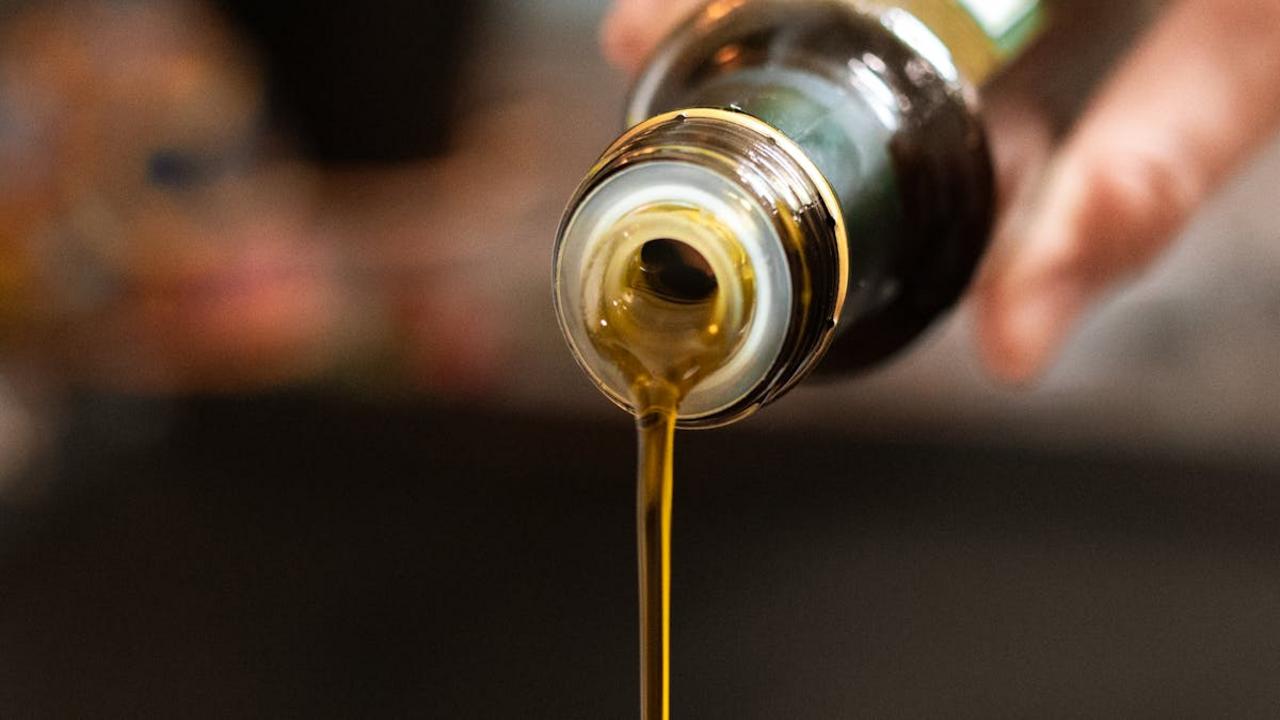
Your brain will thank you for getting enough vitamin E too! Research shows this nutrient helps protect your brain cells and may reduce the risk of cognitive decline as you age. I recommend adding more olive oil to your cooking – it’s rich in vitamin E and heart-healthy fats. Just one tablespoon gives you about 13% of your daily needs. Start your day with an avocado toast sprinkled with sunflower seeds, and you’re already well on your way to meeting your vitamin E requirements while treating your body to delicious, natural protection.
Vitamin C
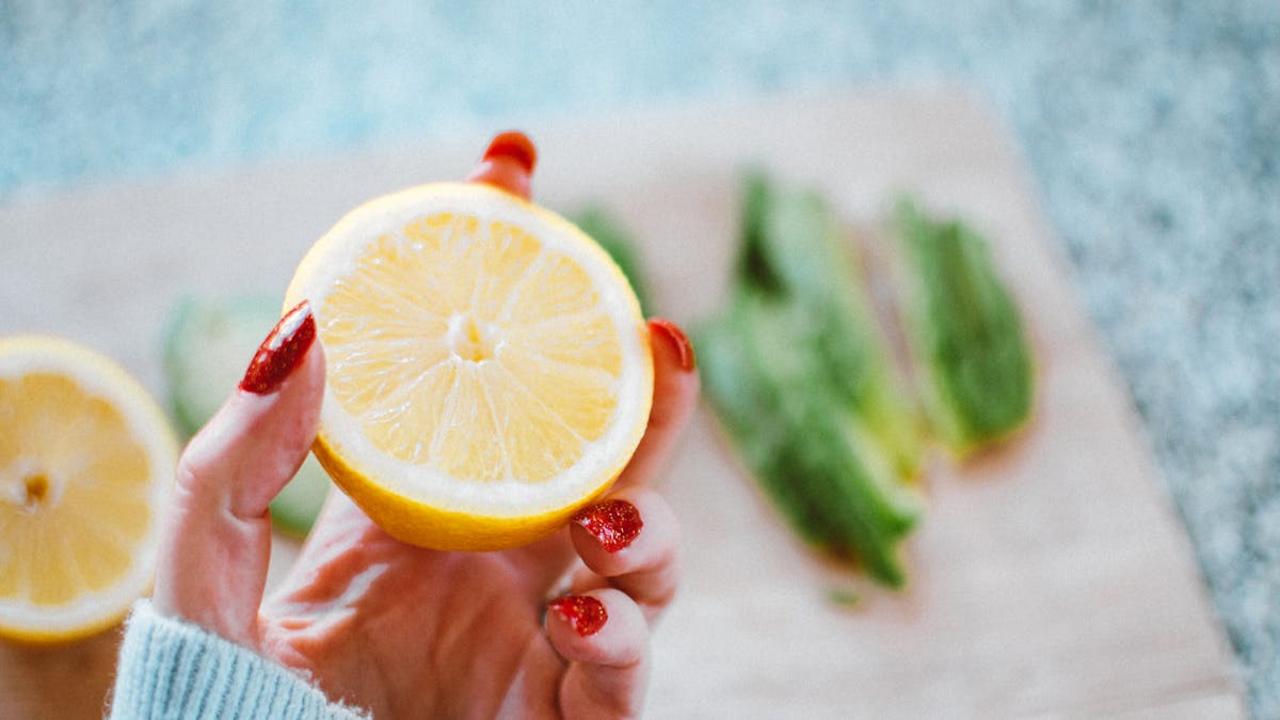
You’ll find Vitamin C everywhere in nature, from juicy oranges to crisp bell peppers, and your body needs it daily for so many amazing functions! This powerful antioxidant helps build collagen, which keeps your skin firm and youthful while supporting healthy joints and blood vessels. I love recommending Vitamin C to my readers because it also strengthens your immune system and helps your body absorb iron better from plant-based foods – a total win for anyone looking to boost their health naturally.
Here’s something cool about Vitamin C – your body can’t store it long-term, so you need fresh sources every day. I pack my diet with colorful fruits and veggies like strawberries, kiwis, broccoli, and tomatoes to get my daily dose. Aim for at least 75-90mg daily – that’s about one large orange or a cup of strawberries. The best part? You can easily add these Vitamin C-rich foods to smoothies, salads, or snacks throughout your day. Your body will thank you with better healing, stronger immunity, and that healthy glow we all want!
Polyphenols
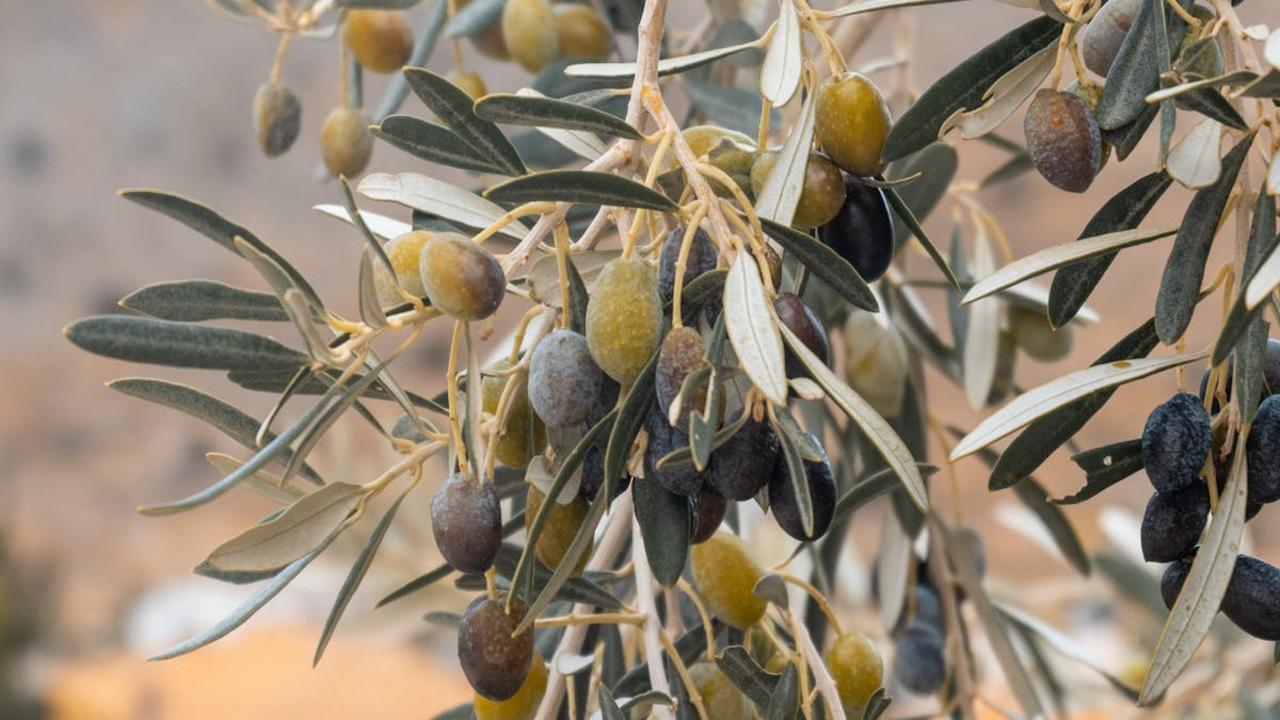
I’m always excited to share my love for polyphenols – those incredible compounds found in colorful fruits, vegetables, tea, coffee, and even dark chocolate! These natural antioxidants work like tiny superheroes in your body, fighting off harmful free radicals and protecting your cells from damage. What makes polyphenols extra special is their ability to reduce inflammation throughout your body, which plays a big role in slowing down the aging process and keeping your heart healthy.
You’ll find different types of polyphenols in various foods, each bringing its own unique benefits to the table. The resveratrol in red wine and grapes supports heart health, while the catechins in green tea boost brain function. I love adding berries to my morning smoothie and sipping on green tea throughout the day to get my polyphenol fix. The best part? These foods not only help you age gracefully but also add delicious flavors and vibrant colors to your meals. Including a rainbow of fruits and vegetables in your diet ensures you get a wide range of these powerful compounds.
Coenzyme Q10
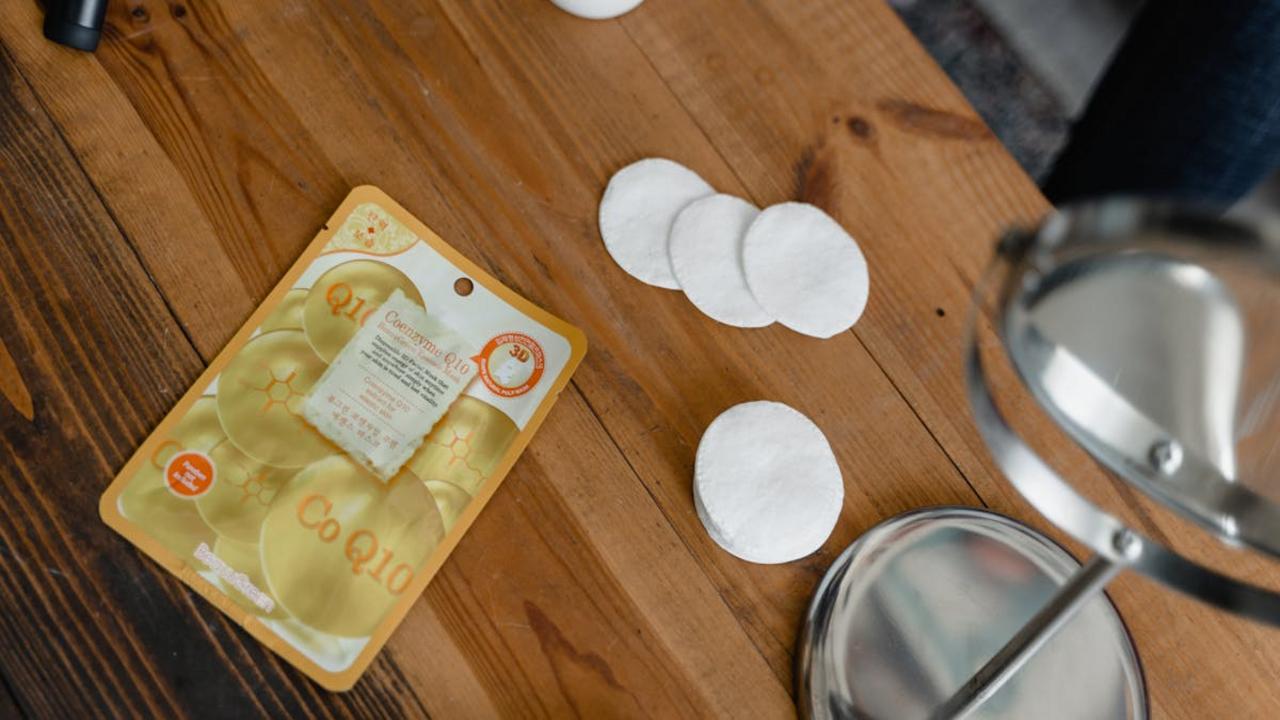
I get so excited talking about Coenzyme Q10 (CoQ10) – it’s like your body’s own little energy powerhouse! This amazing nutrient lives in your cells and helps them create the energy they need to keep you going strong. Your heart particularly loves CoQ10, since it needs tons of energy to keep beating. As you age, your natural CoQ10 levels start dropping, which can make you feel more tired and less energetic. But here’s the good news: you can boost your CoQ10 through foods like fatty fish, organ meats, and whole grains.
What really makes me happy about CoQ10 is how it acts as a powerful antioxidant, protecting your cells from damage that speeds up aging. Think of it as your body’s personal bodyguard, fighting off those pesky free radicals that can harm your cells. I always recommend my readers add CoQ10-rich foods to their daily meals – try sardines in your salad, some grass-fed beef liver pâté (trust me, it’s tastier than it sounds!), or sprinkle some sesame seeds on your morning toast. If you’re over 40, you might want to chat with your doctor about taking a CoQ10 supplement to support your heart health and energy levels.
Magnesium
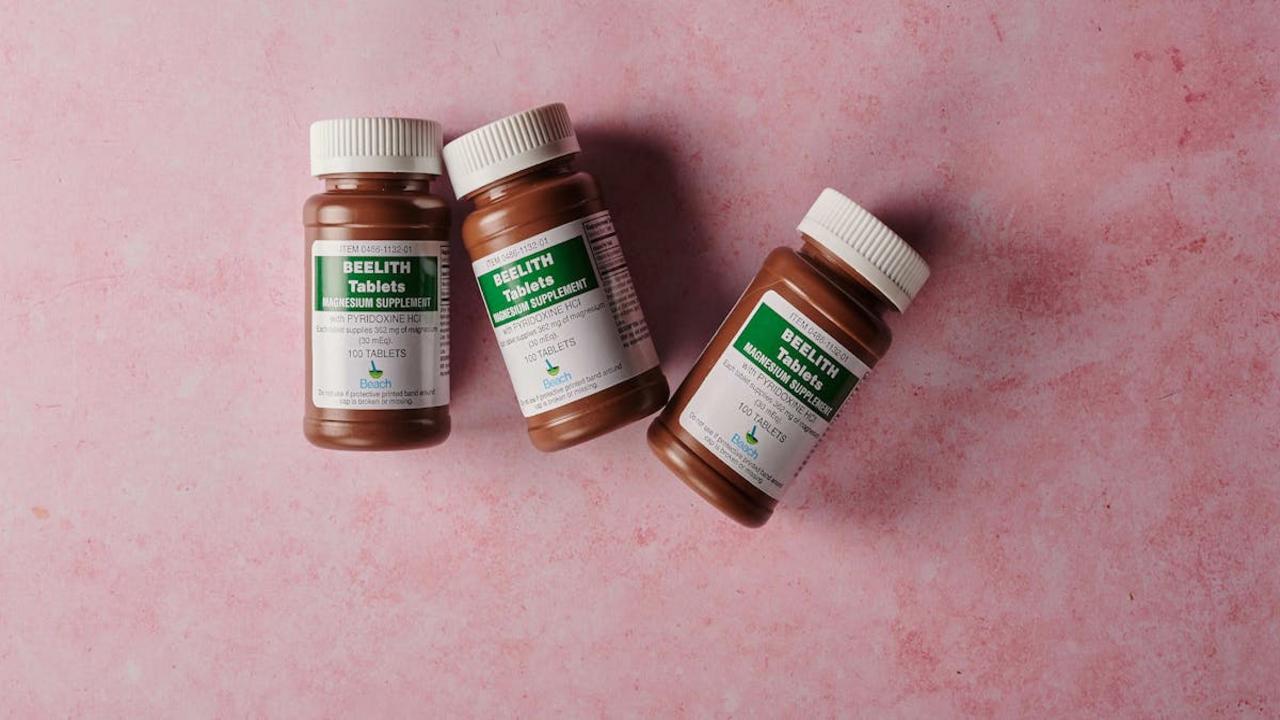
I can’t stop talking about magnesium – it’s like your body’s best friend that keeps everything running smoothly! This mighty mineral plays a role in over 300 different processes in your body, from maintaining strong bones to supporting your heart health and keeping your muscles working properly. You’ll find this powerhouse nutrient in dark leafy greens, nuts (especially almonds), seeds, whole grains, and even dark chocolate. I always recommend adding a handful of pumpkin seeds to your daily meals or sprinkling some almonds on your morning yogurt to boost your magnesium intake.
What makes magnesium extra special for longevity is how it helps manage stress and supports quality sleep – two factors that directly impact how well you age. Research shows that many people don’t get enough magnesium in their diet, which can lead to fatigue, muscle cramps, and even mood changes. I love sharing simple ways to incorporate magnesium-rich foods into everyday meals. Try adding spinach to your smoothies, snacking on Brazil nuts, or preparing quinoa as your grain base. Your body will thank you for these small but powerful additions to your daily menu!
Vitamin D
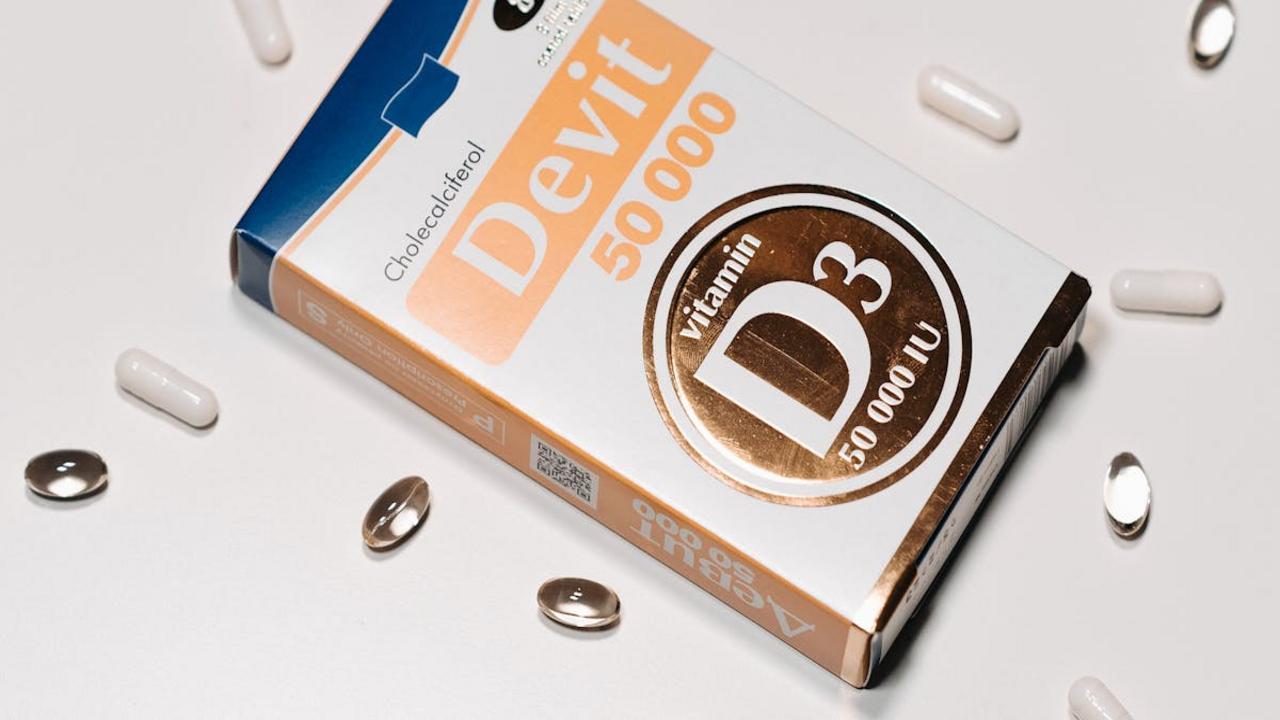
I can’t stress enough how much your body needs vitamin D for healthy aging! Often called the “sunshine vitamin,” your body makes it naturally when sunlight hits your skin. You’ll find this powerful nutrient working hard to keep your bones strong by helping you absorb calcium and phosphorus. But that’s not all – vitamin D also supports your immune system, helps control inflammation, and may even protect against certain age-related diseases. Research shows that many older adults don’t get enough vitamin D, which can lead to weakened bones and increased fall risk.
You can boost your vitamin D levels through several food sources like fatty fish (salmon, mackerel, tuna), egg yolks, and fortified foods such as milk, orange juice, and cereals. If you live in a colder climate or spend most of your time indoors, you might need a supplement to meet your daily needs. I always recommend checking with your doctor to test your vitamin D levels and determine the right amount for you. Getting enough vitamin D can help you maintain strong bones, sharp cognition, and a robust immune system throughout your golden years.
Omega 3 Fatty Acids
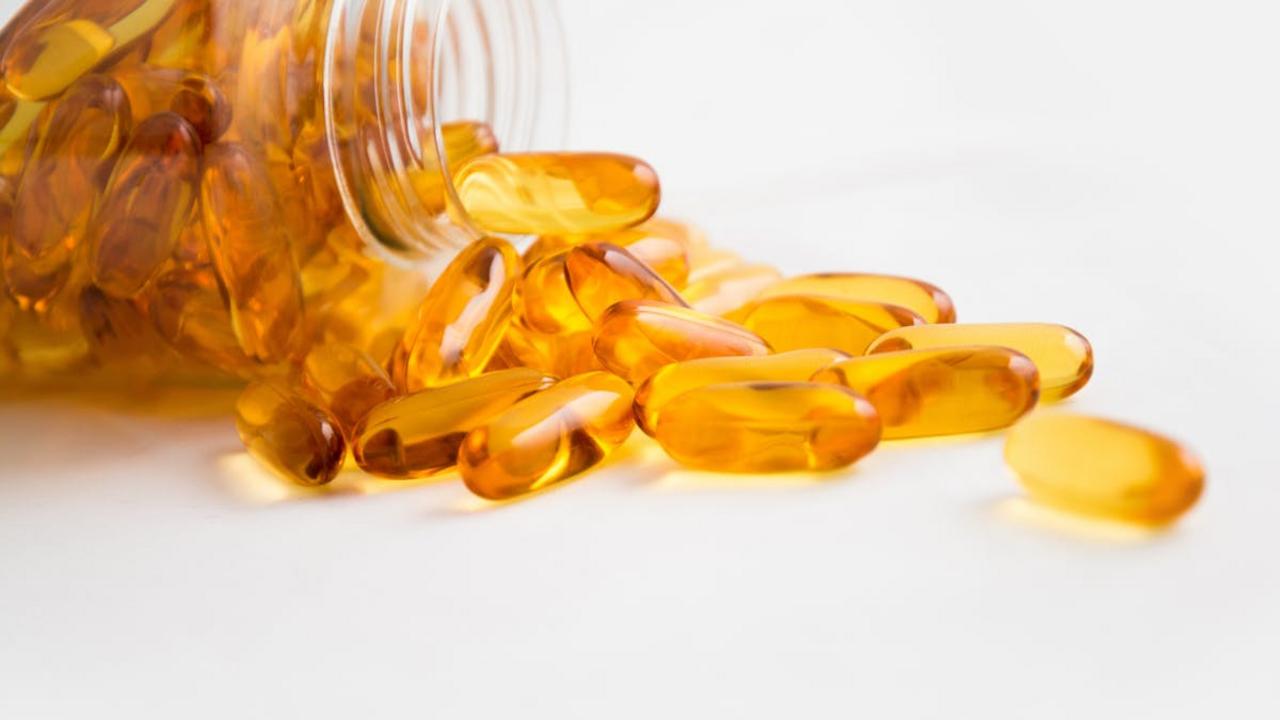
I can’t say enough good things about omega-3 fatty acids – they’re true superstars for your body and brain! You’ll find these healthy fats in fatty fish like salmon, mackerel, and sardines, plus plant sources like flaxseeds, chia seeds, and walnuts. These fats work wonders by reducing inflammation throughout your body, supporting heart health, and keeping your brain sharp as you age. I recommend adding at least two servings of fatty fish to your weekly meal rotation to get the most direct benefits.
What I love most about omega-3s is how they protect your cells from damage and help maintain healthy blood pressure levels. They’re also fantastic for your skin, keeping it moisturized and reducing signs of aging from the inside out. If you’re not a big fish fan, try sprinkling ground flaxseeds on your morning oatmeal or blending chia seeds into your smoothies. A daily omega-3 supplement can help too, but I always suggest getting these nutrients from whole foods first – they’re more effective and delicious that way!