I Refused To Cook For My Picky Stepdaughter And Now My Wife Is Accusing Me of Favoritism
Few things warm a home quite like a home-cooked meal, but the kitchen table can quickly become a bitter battleground when gratitude is replaced by sheer entitlement. It is an act of true love to stand over a hot stove, chopping, stirring, and tasting, all to provide a nourishing dinner for the people you cherish. When you pour your heart, time, and grocery budget into feeding your family, a little basic appreciation goes a very long way.
One dedicated home cook recently found his patience entirely exhausted by a young adult who treated his kitchen like a private, made-to-order restaurant. After months of bending over backward to accommodate a dizzying carousel of dietary demands, he finally put his foot down. The resulting family fallout raises a very delicate question about boundaries, parenting, and basic table manners.
The Incident
The fifty-three-year-old father absolutely loves to cook for his blended family. He happily spends his evenings in the kitchen preparing large, comforting meals for his wife, his twenty-four-year-old son Eric, his fifteen-year-old son David, and his wife’s nineteen-year-old daughter, Liz.
He easily and graciously navigates his younger son’s severe, life-threatening egg allergy, as well as his older son’s mild distaste for blue cheese. However, Liz is an entirely different story. After dropping out of college after just one semester and moving back into the family home, she developed a rotating, wildly inconsistent list of dietary restrictions.
One week she declares herself a strict vegan, the next she is grain-free, pasta-free, or entirely oil-free. The frustrated father shared that he would debate with her for hours, begging her to simply tell him what she wanted for dinner so he could accommodate her needs alongside his son’s actual allergies.
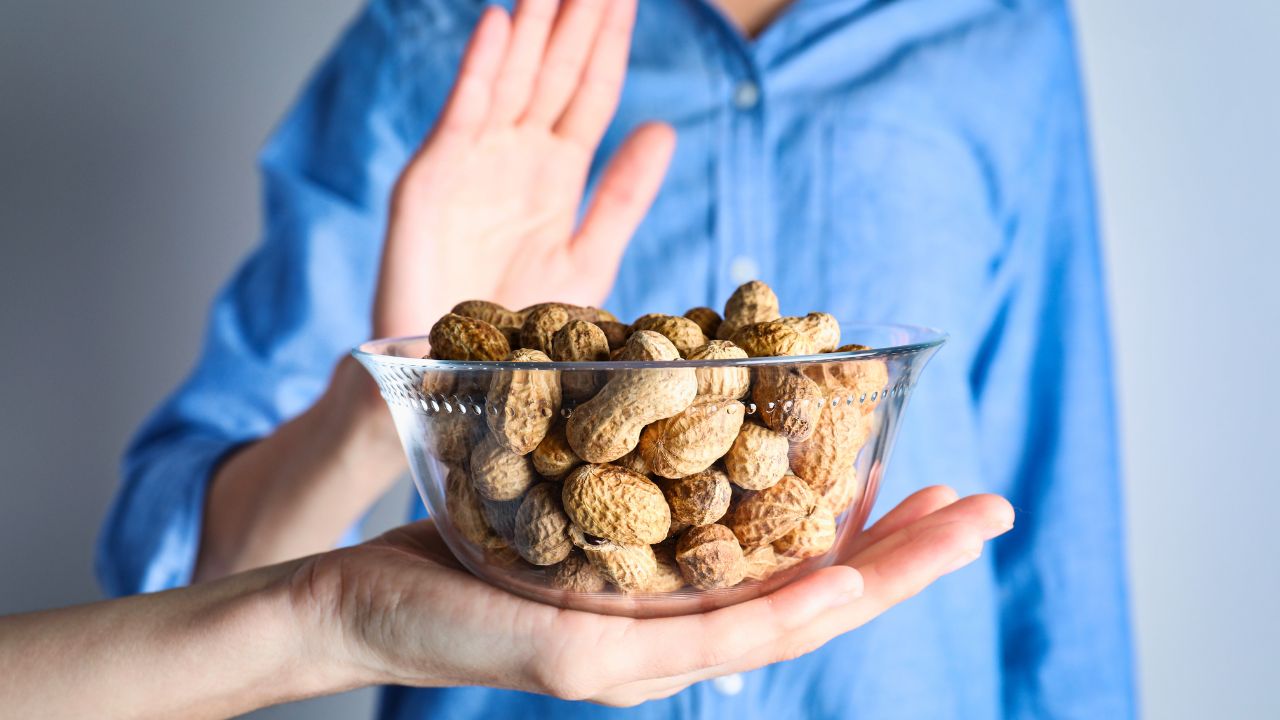
The breaking point arrived two nights ago. He spent the evening cooking a specific dish that Liz had personally pointed out in a recipe book. The rest of the family loved it, but Liz immediately complained. She claimed she didn’t realize there were peanuts in the recipe, declaring them unhealthy and demanding he return to the stove to make her something else.
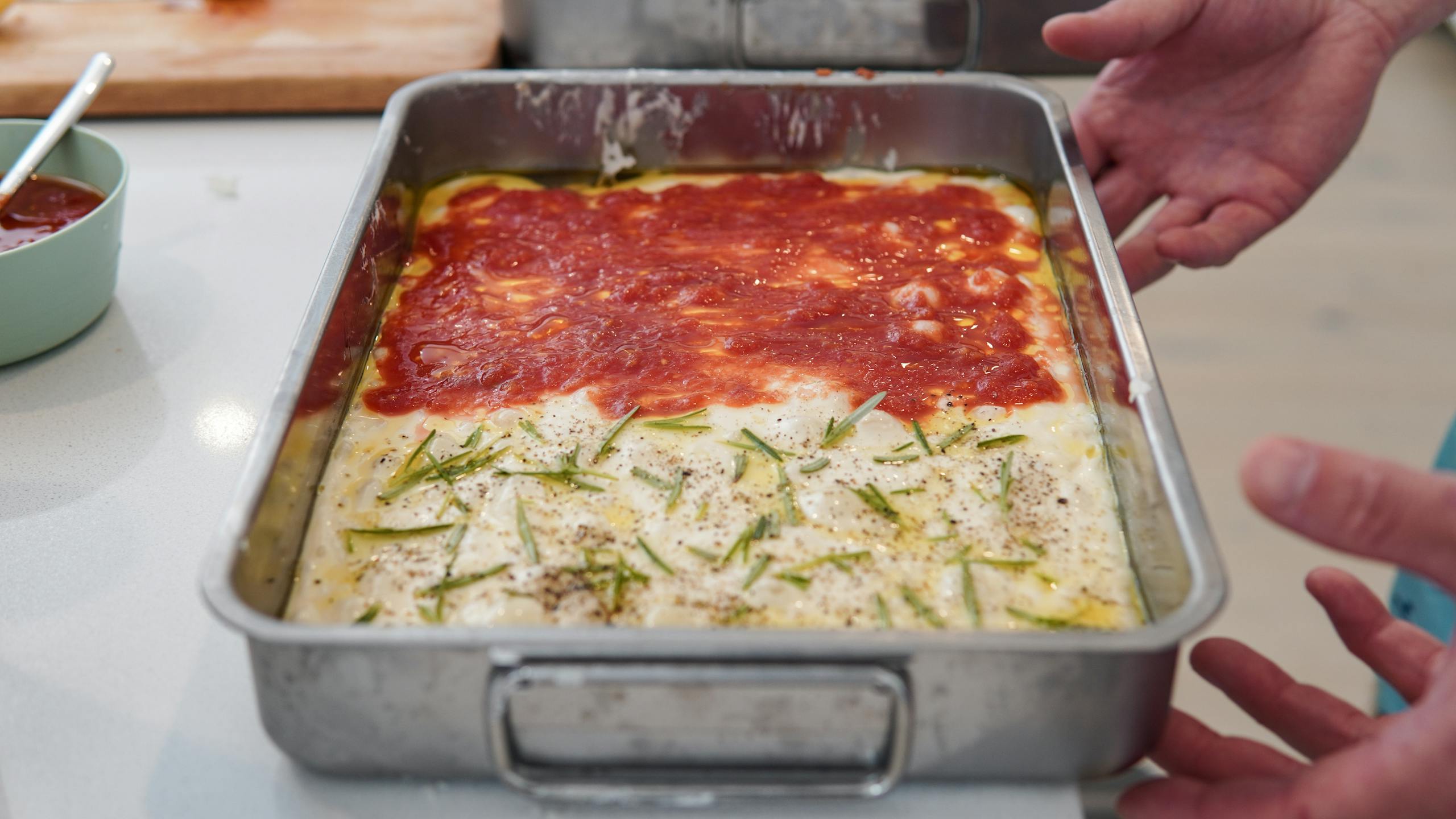
He finally snapped. He told her she could eat the meal or eat nothing, stating, “I am done having to deal with your pickiness and criticism of my cooking. I will no longer be taking any of your feedback.” When Liz began crying, his wife quickly took her daughter’s side. She accused him of being mean and showing favoritism, a claim he rightfully called “b.llsh.t,” noting that his other son’s allergy could literally kill him, which is vastly different from Liz simply vetoing every single meal.
The Internet Reacts
Many readers were furious on the father’s behalf, appalled by the teenager’s sheer entitlement and lack of respect. They felt that a nineteen-year-old woman is more than capable of feeding herself if she dislikes what is served.
One commenter perfectly captured this frustration, writing, “Because dietary restrictions are not the same as preferences. Eric couldn’t eat certain food. Liz wouldn’t.” Another reader sharply added, “If the daughter is so picky, she can literally cook something for herself. I mean I would be delighted if someone cooks for me.” They firmly believed the wife was entirely out of line for enabling her daughter’s bratty behavior.
However, a very vocal segment of readers looked past the rude behavior and saw glaring red flags for a severe mental health crisis. Many suspected that Liz’s sudden, rotating restrictions and tears were a clever cover for an eating disorder.
One empathetic user pointed out, “The peanuts is a dead giveaway. They’re definitely not unhealthy. But people with eating disorders see the fat percentage compared to carbs/protein and it suddenly becomes unhealthy in their mind.” Another warned that the mother needs to step up immediately, as these rotating diets are often a heartbreaking way to disguise not eating at all.
For those who have dealt with ungrateful eaters in their own homes, the solution was incredibly simple: put her to work. They suggested giving the teenager a harsh but necessary dose of reality.
One user shared their own parenting victory, writing, “Miss, if you don’t like my cooking then you’ll have to do it yourself as you’re grown up now. You have three options: eat what’s cooked, manage your own food or stay hungry.” Another reader recommended forcing the daughter to cook for the entire family twice a week, noting, “It was amazing how little she complained after she realized how much work it is to make a meal for everybody.”
The Etiquette Verdict
As someone who deeply cherishes the tradition of a shared family meal, my heart completely goes out to this exhausted father. The golden rule of being cooked for is incredibly simple: you express gratitude, or you politely decline and handle your own hunger. It is never acceptable to treat a generous family member like a short-order cook, especially when you selected the menu yourself.
That being said, the sudden onset of these intense, irrational food fears is deeply concerning. The mother should absolutely stop pointing fingers at her husband and start paying very close attention to her daughter’s mental health before this suspected eating disorder spirals out of control.
Your Thoughts
We want to hear from you. Was this father completely justified in banning his stepdaughter’s endless food complaints, or was he too harsh on a young woman who might be quietly struggling with her mental health? Share your thoughts in the comments below.