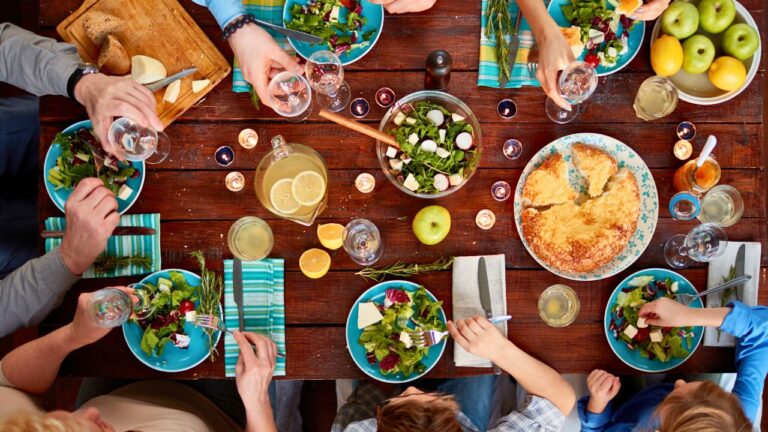
10 Hilarious Food Rules My Kids Insist Are True
Kids have the most amazing way of interpreting food! Their little minds create the funniest theories about what we eat, and honestly, some of their logic makes me smile every single day. As someone who spends countless hours in the kitchen experimenting with wholesome ingredients, I’ve learned that children see food through such a different lens than we adults do.
These food “facts” my kids have shared with me over the years never fail to crack me up. From their scientific explanations about cheese origins to their color-based flavor theories, they approach meals with such creativity and wonder. Their innocent observations remind me why cooking should always feel joyful and fun, even when we’re focusing on balanced, nutritious meals.
Today I’m sharing ten of the most hilarious food rules my children have declared as absolute truth. You’ll probably recognize some of these from your own little food critics at home! Get ready to laugh and maybe see your dinner plate through fresh, imaginative eyes.
Chocolate Milk Comes from Brown Cows
Your little one spots a brown cow in the pasture and suddenly everything clicks into place – of course that’s where chocolate milk comes from! This adorable misconception ranks among my favorite kid food theories because it makes perfect logical sense in their minds. White cows produce regular milk, brown cows must make chocolate milk, and strawberry cows (if they existed) would clearly be responsible for that pink stuff in the dairy aisle. The simplicity of this reasoning always makes me smile, and honestly, wouldn’t farming be so much easier if nature worked this way?
While we adults know that chocolate milk gets its rich flavor from cocoa powder or syrup mixed into regular cow’s milk, I love how this innocent belief shows kids naturally connecting food sources to their origins. Next time you’re making homemade chocolate milk together, you can share the real magic – showing them how a splash of pure cocoa transforms plain milk into their favorite treat. Mix in some wholesome ingredients like a touch of vanilla or even a pinch of cinnamon, and you’ll create something far more delicious than any mythical brown cow could produce. These moments become perfect opportunities to teach them about real food sources while keeping that sense of wonder alive.
Pasta Shapes Change the Taste
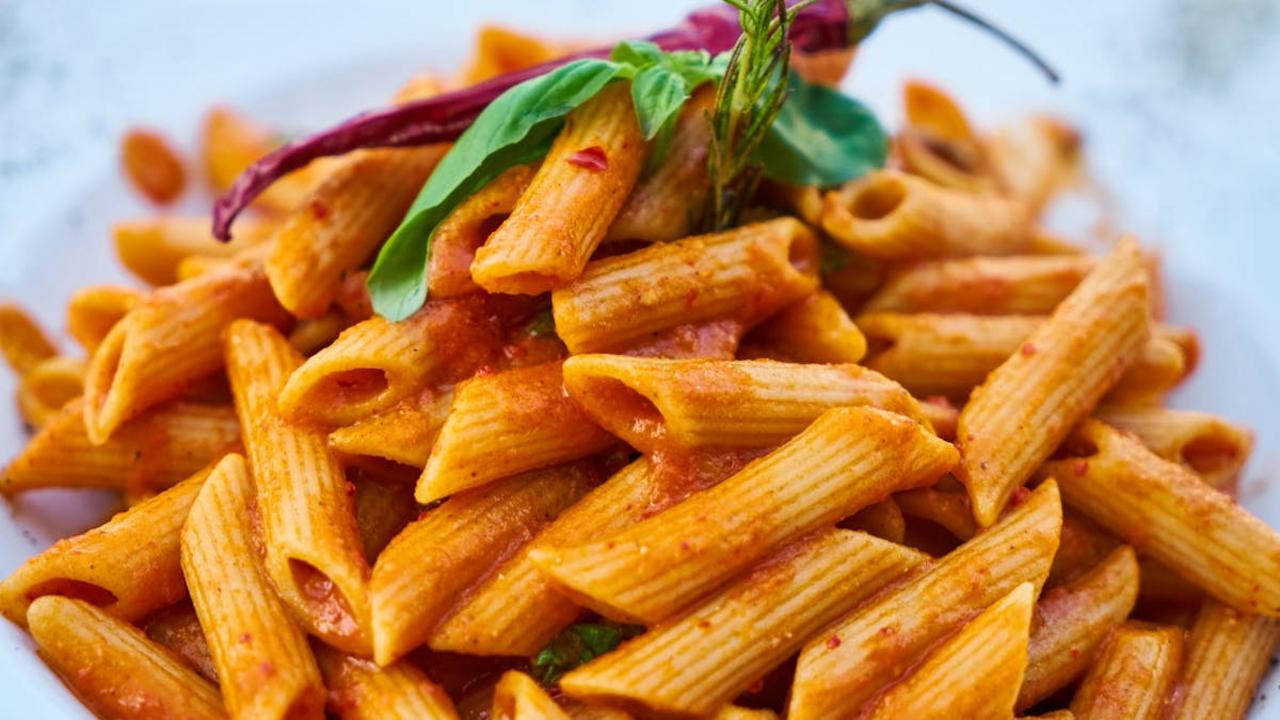
You know what? Your kids might actually be onto something here! While we adults understand that the pasta dough itself remains the same regardless of shape, children experience food with their whole beings – and honestly, I think they’re picking up on something we’ve forgotten. Different pasta shapes do create unique eating experiences that can genuinely affect how we perceive flavor. Think about it: when you twirl spaghetti around your fork, you’re getting a completely different mouthful than when you scoop up shells or bite into a tube of penne.
The magic happens in how each shape holds sauce, how it feels against your tongue, and even how much air gets incorporated with each bite. Shells cradle creamy sauces in their curves, while ridged rigatoni grabs onto chunky tomato pieces in ways that smooth pasta simply can’t. Your little ones are experiencing these textural differences firsthand, and their developing palates are registering these variations as distinct tastes. Next time your child insists that bow ties taste different from elbows, remember they’re not being picky – they’re being incredibly observant food scientists! I always keep multiple pasta shapes in my pantry because sometimes the same sauce really does need a different vehicle to shine.
Carrots Help You See in the Dark
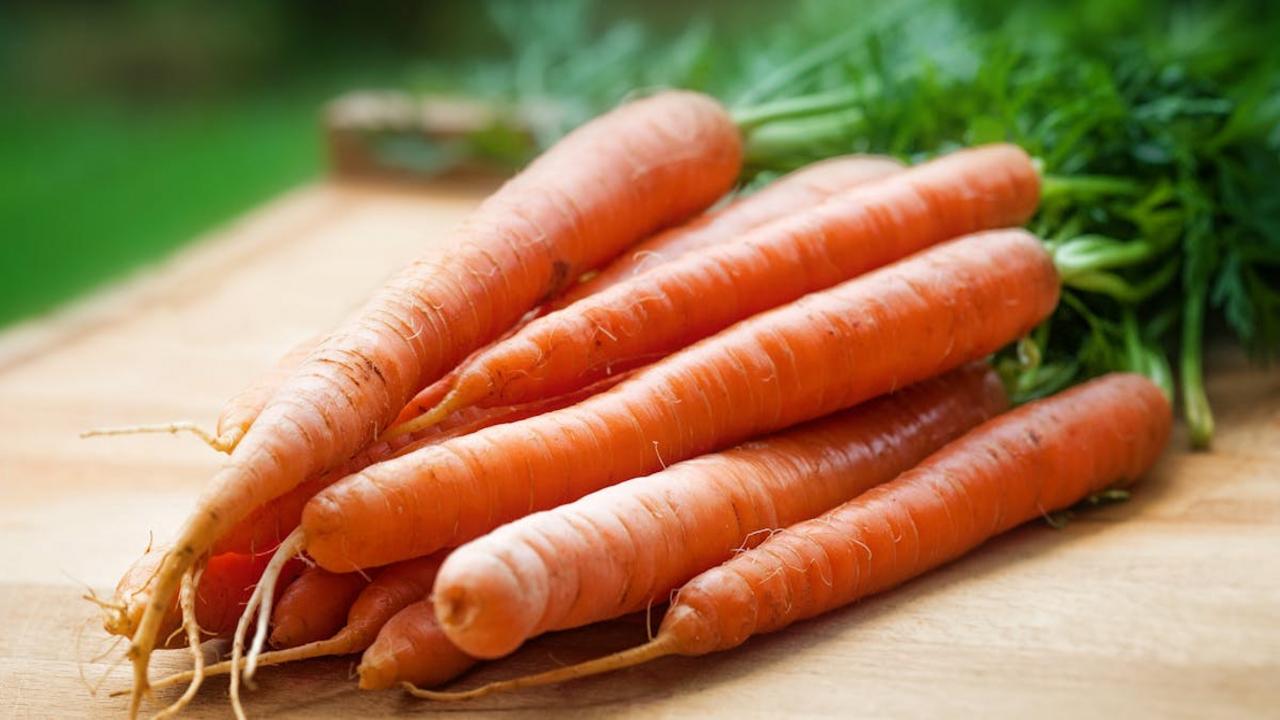
Your kids might insist that munching on carrots will give them superhero night vision, and honestly, this myth has some pretty solid roots! During World War II, British propaganda spread this story to hide their new radar technology from enemies. They claimed their pilots’ incredible night accuracy came from eating loads of carrots. The truth? Carrots do contain beta-carotene, which your body converts to vitamin A – and vitamin A does support healthy eyesight. But sorry kids, you won’t suddenly develop owl-like powers after dinner!
Here’s what I love about this food rule: it actually gets children excited about eating their veggies! While carrots won’t transform your little ones into nighttime ninjas, they’re still nutritional powerhouses packed with fiber, antioxidants, and that vision-supporting vitamin A. I always keep a bag of baby carrots in my fridge for quick snacks, and when my nephews visit, I tell them they’re “super vision sticks.” They gobble them up! Try roasting carrots with a drizzle of honey and fresh thyme, or add them to soups and stews. Your family gets amazing nutrition, and the kids get to believe in a little kitchen magic.
Smoothies are Just Fancy Milkshakes
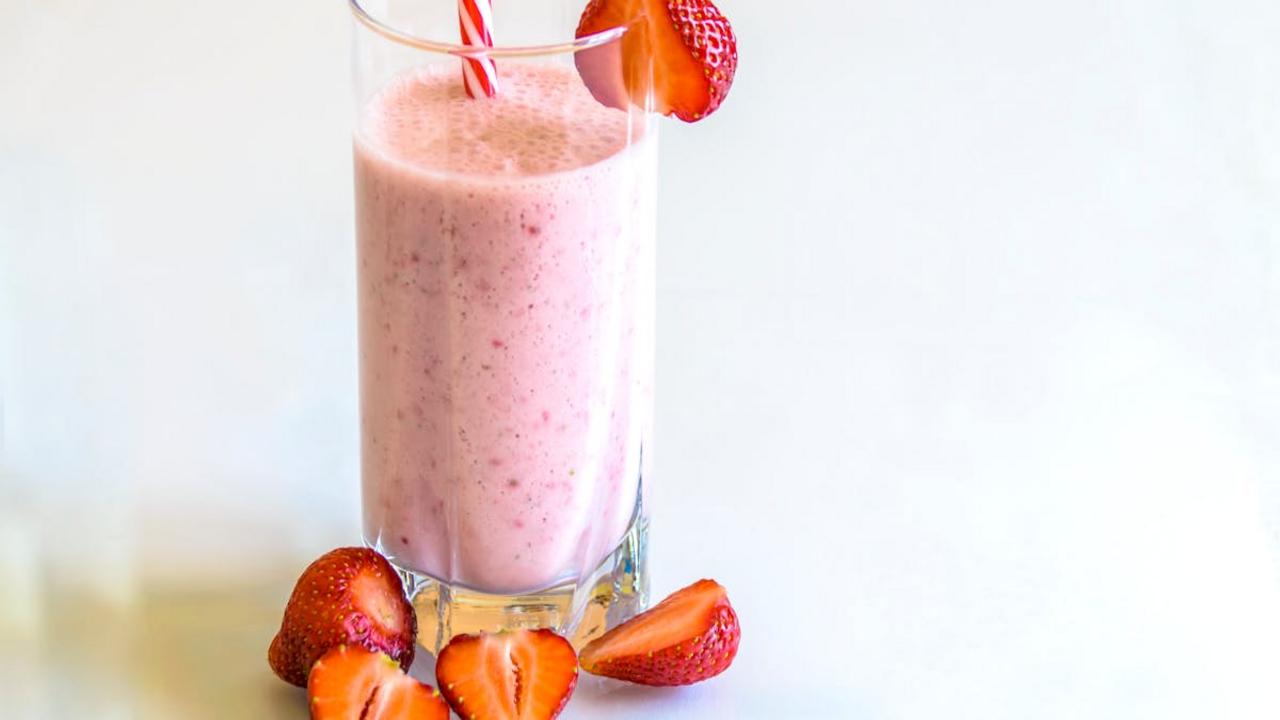
Your kids have cracked the code on one of adulthood’s biggest marketing schemes! They see right through our attempts to make smoothies sound sophisticated and healthy. In their minds, if you blend fruit with milk or yogurt and it tastes sweet and creamy, you’ve basically made a milkshake with some colorful add-ins. And honestly? They’re not entirely wrong. Both drinks share that same satisfying, thick texture that makes you want to slurp them through a straw.
The beauty of this kid logic lies in how it strips away our adult pretensions about food categories. While we adults get caught up in differentiating between “health drinks” and “treats,” kids focus on what really matters – does it taste good and make them happy? Their perspective actually opens up wonderful opportunities for sneaky nutrition. You can absolutely create smoothies that satisfy their milkshake expectations while packing in spinach, protein powder, or chia seeds. Sometimes the simplest approach wins: blend frozen bananas with milk and a touch of vanilla, and watch them drink up what they consider the ultimate fancy milkshake.
Ice Cubes Make Drinks Taste Colder
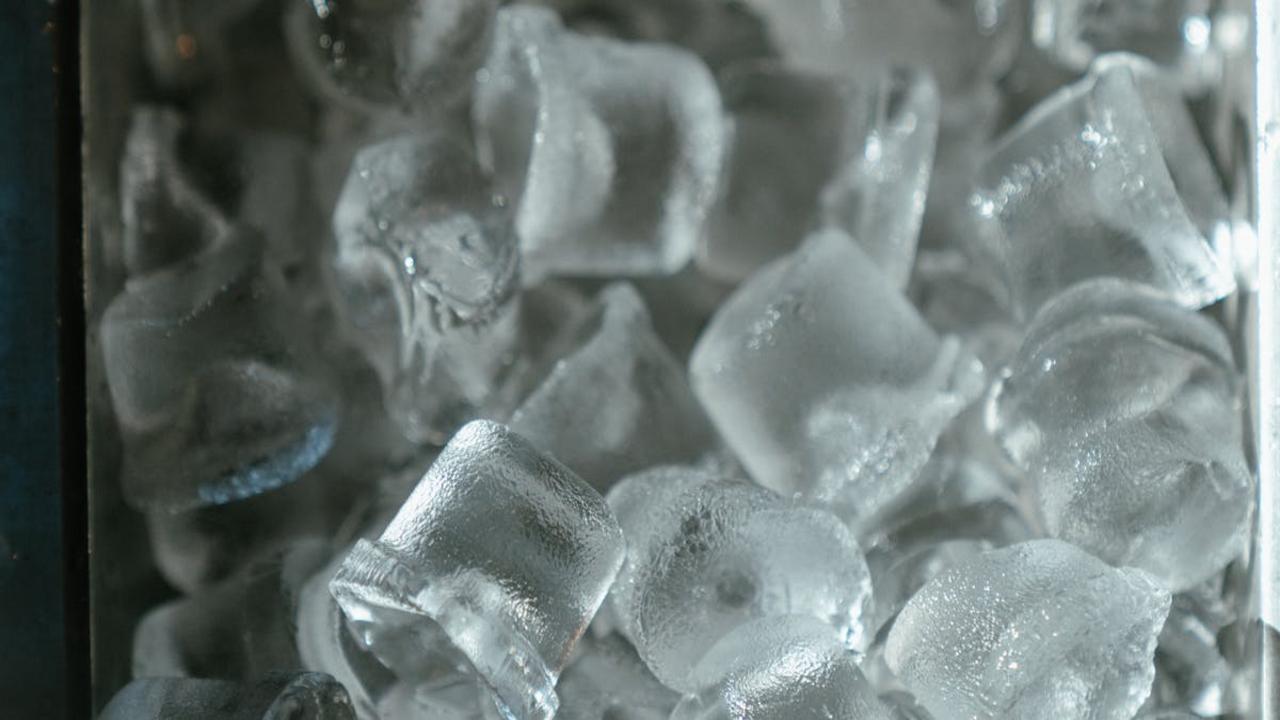
Oh my goodness, this one cracks me up every single time! My seven-year-old daughter insists that ice cubes don’t just make drinks cold – they actually make them “taste colder,” which she claims is completely different from regular cold. According to her expert analysis, water from the tap tastes like “warm cold,” but add those magical frozen squares and suddenly it becomes “ice cold taste.” She’s so convinced of this theory that she refuses any drink without at least three ice cubes, even in winter when I’m bundling her up in sweaters!
You know what though? Kids might be onto something here that we adults have forgotten in our rush to be logical. Temperature absolutely affects how we perceive flavor – that’s why a perfectly chilled white wine tastes crisp and refreshing while the same wine at room temperature might taste flat. Cold temperatures can dull certain flavors while making others more pronounced. So maybe my little scientist isn’t wrong after all – perhaps ice cubes really do create their own unique “cold taste” that goes beyond simple temperature. Next time you pour yourself a glass of water, try it with and without ice. You might discover what your kids have known all along!
Food Changes Flavor Based on Color
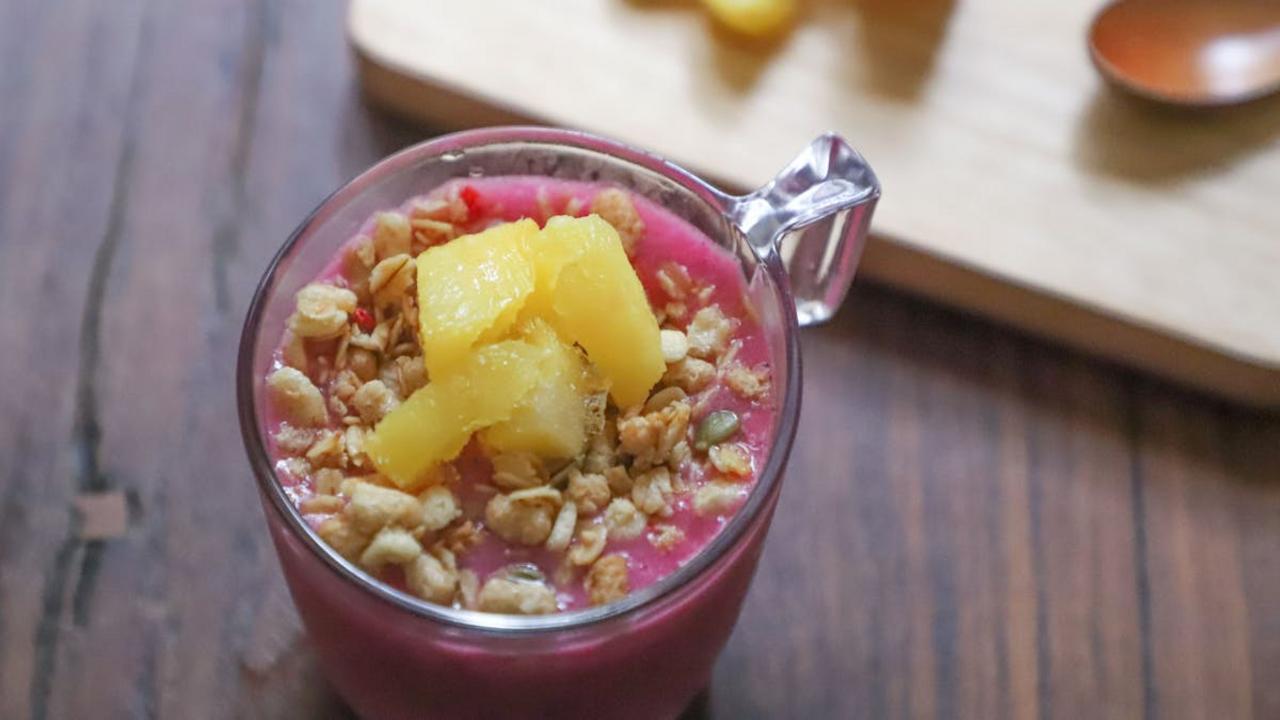
Your kids have cracked the code on something food scientists actually study! According to my little ones, red foods automatically taste sweeter, green foods are inherently bitter, and anything blue or purple must be magical (and therefore extra delicious). I watch them sort their dinner plates like tiny color theorists, convinced that the red bell pepper strips will taste completely different from the yellow ones – even though they came from the same bag. They’ll happily munch on red strawberries while declaring that white strawberries “probably taste like nothing” because they lack the proper color coding.
What makes me smile is how this rule actually connects to real sensory science. Our brains do associate colors with specific flavors, and your children are picking up on these natural connections without even realizing it. I’ve started playing along with this theory in my kitchen, creating colorful rainbow meals that satisfy their scientific approach to eating. When I serve purple cauliflower alongside regular white cauliflower, they genuinely believe they’re experiencing two completely different vegetables. This color-flavor philosophy has actually made them more adventurous eaters – they’re willing to try new foods simply because the color promises a unique flavor experience.
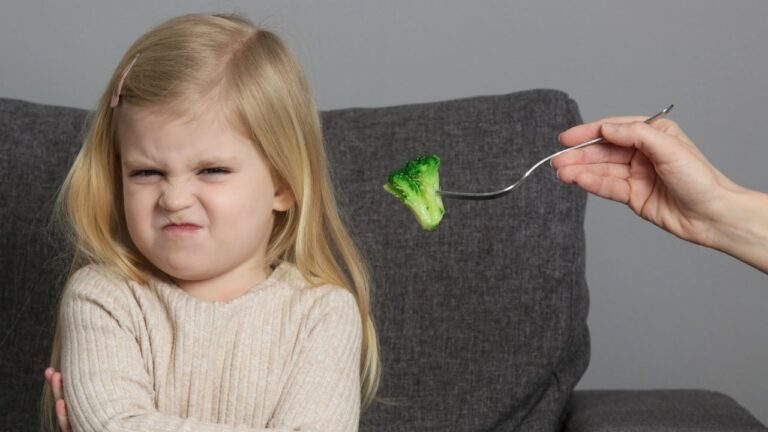
Green Foods Should Be Avoided
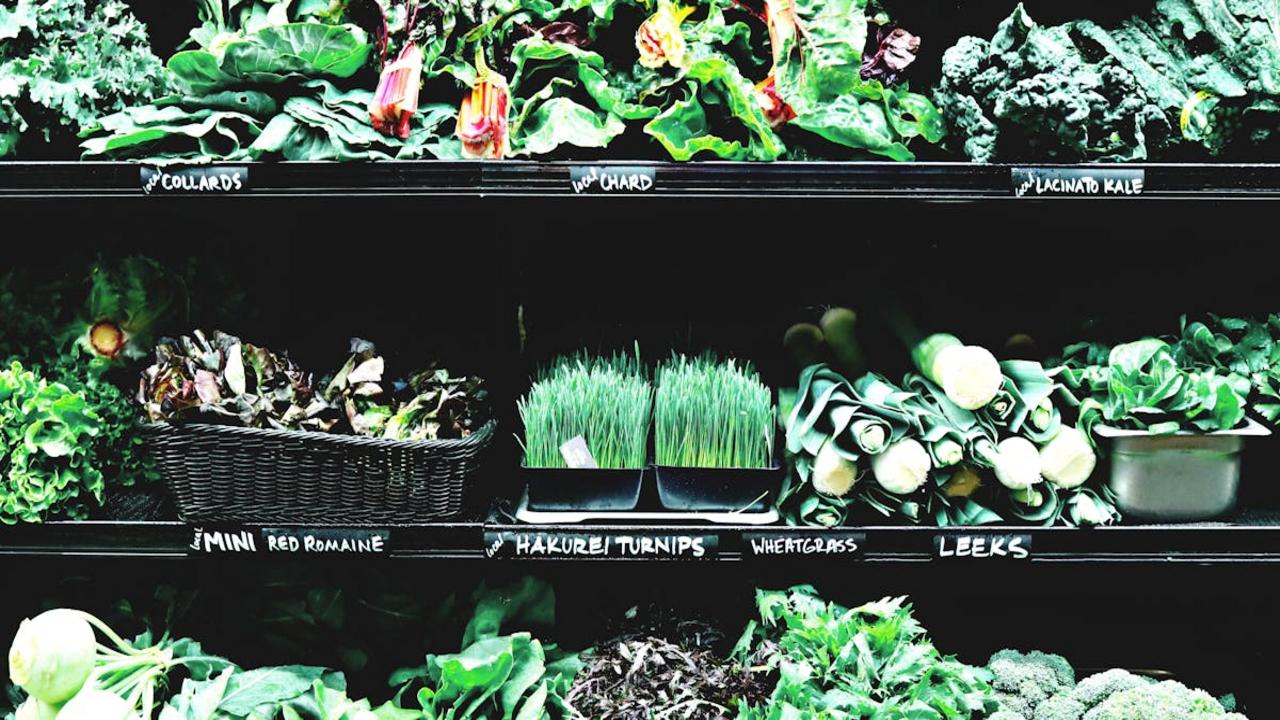
Oh my goodness, if I had a dollar for every time one of my kids declared that anything green automatically equals “yucky,” I could probably fund their college education! This hilarious food rule seems to be universal among little ones, and honestly, watching them carefully inspect their plates for any hint of green is both amusing and slightly heartbreaking. My youngest once spent ten minutes picking microscopic bits of parsley off her pasta, convinced that these tiny green flecks would somehow ruin her entire meal. The dedication they show to avoiding anything remotely verdant is truly impressive – they become food detectives, scrutinizing every bite with the intensity of a crime scene investigator.
What cracks me up most about this green food phobia is how inconsistent it can be. The same child who refuses to eat a single pea will happily munch on green apple slices or lime-flavored popsicles without batting an eyelash. I’ve learned that sometimes it’s all about presentation and creativity in the kitchen. Blending spinach into fruit smoothies or mixing finely chopped herbs into their favorite sauces often works like magic. Sure, there might be some initial skepticism when they spot something green on their plate, but I’ve discovered that involving them in the cooking process helps break down these arbitrary color barriers. Who knows, maybe one day they’ll actually request broccoli – but I won’t hold my breath!
Spices are Just Confetti for Food
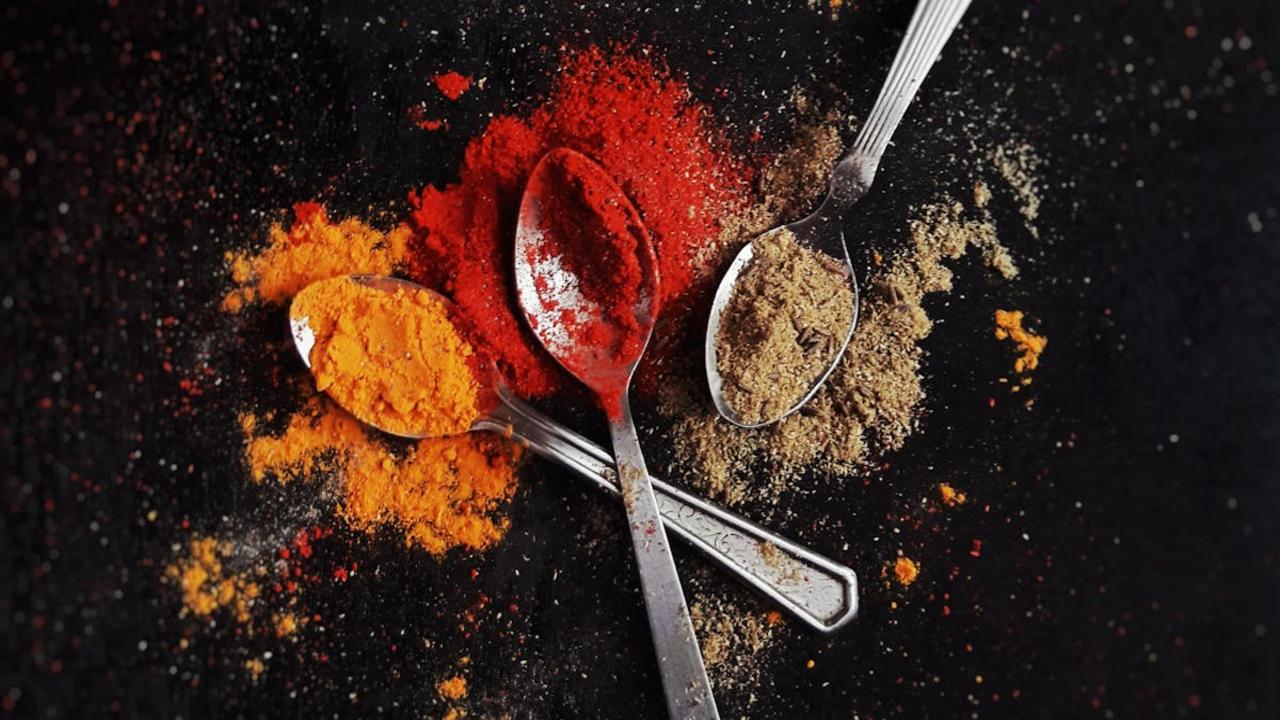
My eight-year-old daughter announced this profound wisdom while watching me season our dinner last Tuesday. According to her expert analysis, spices serve no actual purpose other than making food look festive. She compared my careful sprinkle of paprika to party decorations – pretty to look at, but completely unnecessary for the main event. When I tried explaining how cumin adds warmth to our black bean soup, she rolled her eyes and declared that food should taste like food, not like “fancy dust.”
This “confetti theory” has led to some interesting dinner negotiations in our house. She’ll grudgingly accept salt because it’s “clear like good confetti should be,” but anything colorful gets the suspicious side-eye. I’ve learned to add most seasonings during cooking rather than at the table, because watching me “throw glitter on perfectly good chicken” apparently ruins her appetite. The irony? She loves my “plain” roasted vegetables, which I secretly coat with herbs and olive oil before roasting. Sometimes the best teaching moments happen when kids think they’re outsmarting us in the kitchen.
Cheese is Just Melted Ice Cream
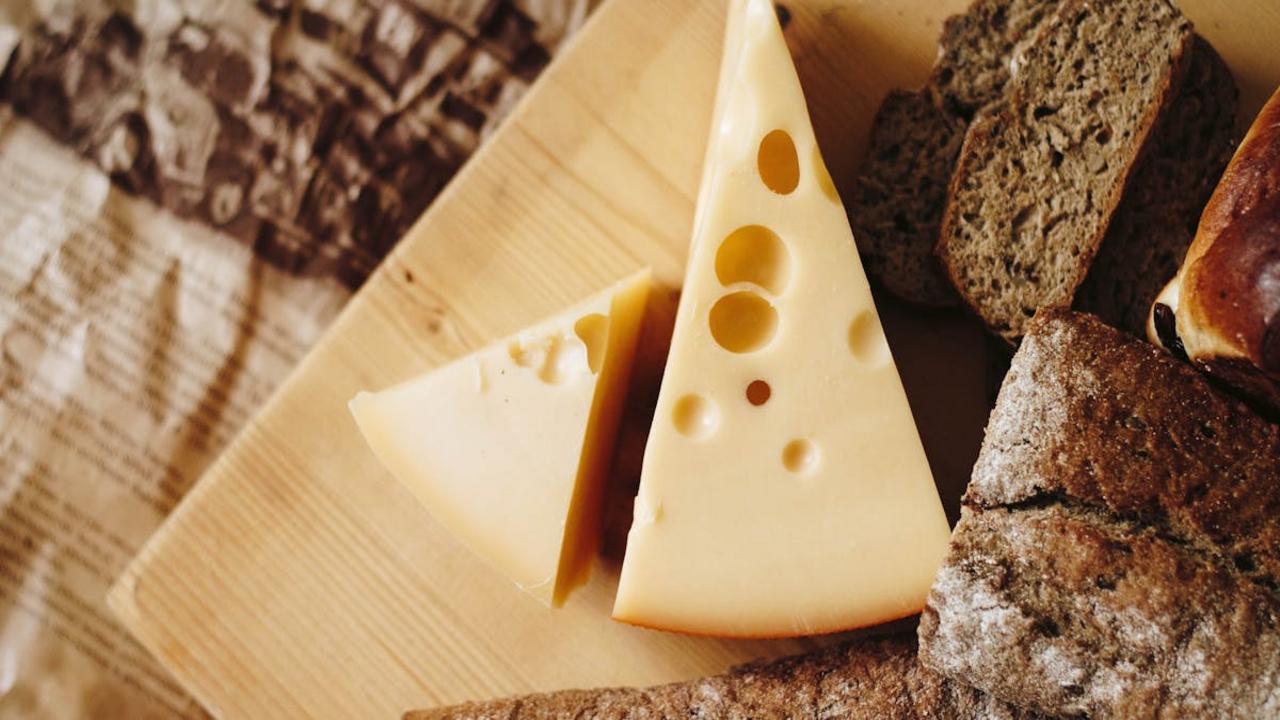
My six-year-old daughter dropped this bombshell during last week’s grilled cheese making session, and honestly, I couldn’t stop laughing! She watched the cheddar transform in the pan and declared with complete confidence that cheese must be ice cream that got too warm. According to her logic, both are creamy, both are dairy, and both make everything better – so obviously they’re the same thing in different states of matter. I tried explaining the fermentation process and how cheese cultures work their magic, but she just nodded knowingly and said, “See? Ice cream just needs those special germs too!”
What I love about this particular food rule is how it actually sparked some wonderful kitchen conversations about dairy products and where our food comes from. We spent the afternoon making homemade ice cream and fresh mozzarella, comparing textures and talking about how milk can become so many different delicious things. Sure, the science might be a little off, but her enthusiasm for understanding food connections is absolutely precious. Now every time we have cheese night, she asks if we’re having “savory ice cream” – and you know what? I’m totally here for that description!
Broccoli Tastes Like Trees
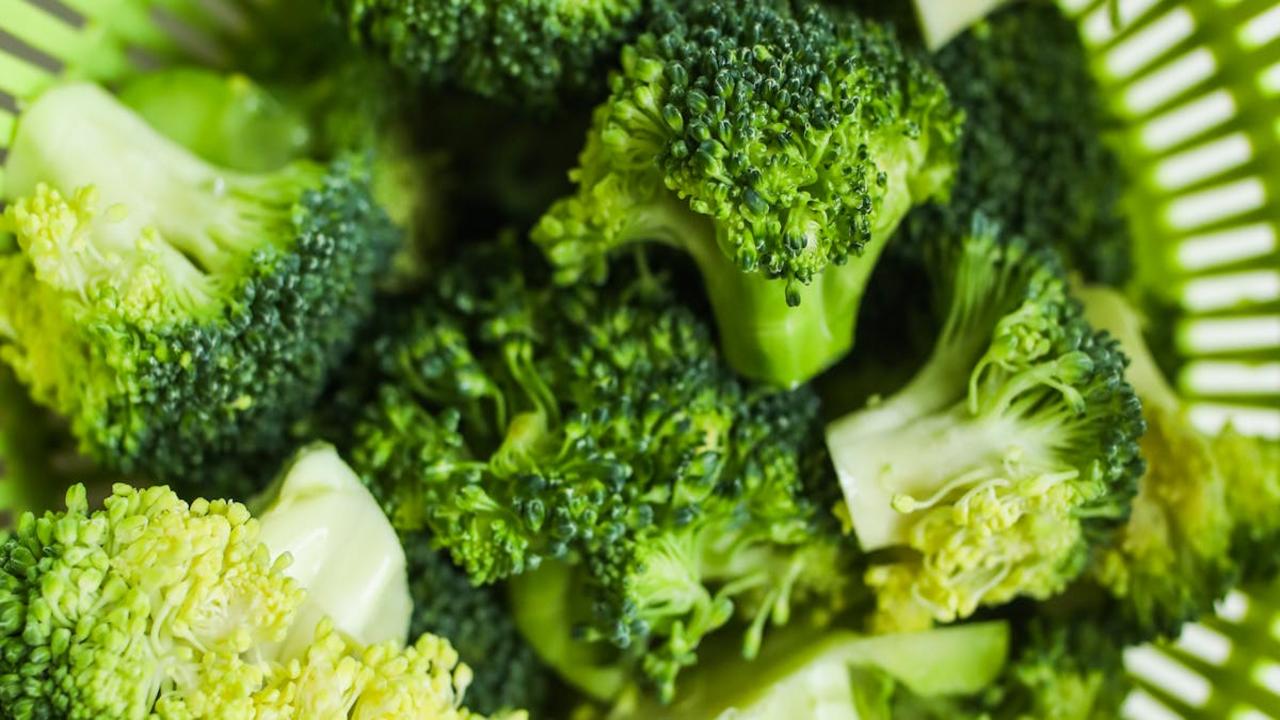
Your little ones have declared broccoli tastes exactly like trees, and honestly, I can’t argue with their logic! Those tiny green florets do look remarkably similar to miniature tree tops, and kids have this amazing ability to make connections we adults completely miss. While you might roll your eyes at this comparison, there’s actually something genius about how children view food through their imaginative lens. Instead of fighting this tree theory, why not lean into it and make broccoli more appealing by playing along with their creative description?
Turn this “tree” situation into a fun kitchen adventure by creating a whole forest on their plate! Steam those broccoli trees until they’re bright green and tender, then arrange them like a tiny woodland scene alongside other colorful vegetables. You can even tell stories about forest creatures while they munch away, making each bite part of an exciting narrative. Adding a sprinkle of cheese or a drizzle of their favorite sauce can transform these “trees” into something they actually look forward to eating. Sometimes the best way to introduce healthy foods is by meeting kids exactly where their imagination takes them.