I Got Advance Permission to Bring My Own Sandwich. My Host Retaliated With ‘Genuine Disdain’.
We’ve all been taught that when someone invites you into their home for a meal, the polite thing to do is accept graciously and eat what is served. It’s a cornerstone of good manners, a sign of respect for your host’s effort and generosity.
However, one young woman recently shared a story online that challenges this long-held tradition, sparking a fascinating debate about hospitality, friendship, and personal boundaries.
The Incident
A 19-year-old woman, who described herself as a lifelong “picky eater,” explained that her relationship with food was shaped by a childhood eating disorder. While she is now fully recovered and healthy, she still has a limited number of “safe foods” that allow her to eat without anxiety. To avoid being a burden on others, she has a simple, considerate system in place: she always brings her own food.
For years, this has been her standard practice with friends and family. “The way I see food is so hyper specific that it’s just easier for me to make sure I have something I can eat,” she explained. She believed this was a “win-win” situation, freeing her hosts from the stress of catering to her specific needs.
Recently, however, this system fell apart. She was invited to a friend’s house for the night and, as usual, politely declined the offer of dinner, explaining she would bring her own sandwiches. She even double-checked the day before that this was acceptable, and her friend seemed fine with it. But when she arrived, the atmosphere was chilly. She was met with “genuine disdain” from her friend, who made a cutting comment about how “silly” her behavior was.
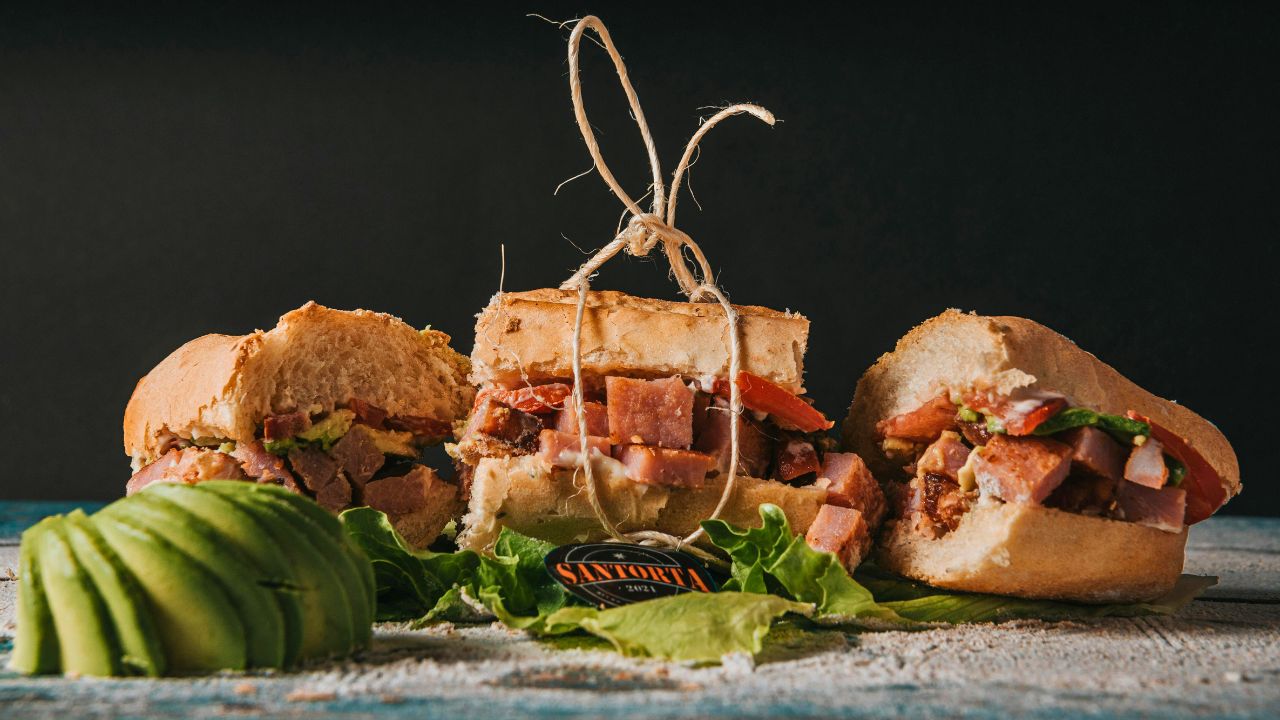
The young woman was stunned. She sat and chatted with her friend while they cooked, and ate her sandwich at the table with them during their meal, trying to be as sociable as possible. But the look of annoyance from her friend left her deeply shaken. “It just shocked me,” she wrote, “because I’d never considered that other people cared or even noticed that much. It’s made me worry that maybe I’ve been upsetting other people too.”
The Internet Reacts
The story clearly struck a nerve, and people from all walks of life chimed in with their opinions. The reactions quickly sorted into a few distinct camps.
First came the “Absolutely Not” crowd, who were furious on the young woman’s behalf. They saw the friend’s behavior as completely out of line. One person put it bluntly: “Your job in life is not to ensure that your dietary choices are acceptable to others. You are managing your situation on your own; you don’t need the interference of uninformed people with unhelpful opinions.”
Another added, “A true friend isn’t going to judge or make you feel uncomfortable.” For this group, the friend’s lack of empathy was the real problem.
Then there was the “Devil’s Advocate” camp. These commenters didn’t excuse the friend’s rudeness, but they did try to explain the cultural significance of sharing food. “Food and the sharing of food is something that has all kinds of deeply rooted cultural connotations for people,” one insightful person wrote. “The whole ‘breaking bread together’, treatment of guests, ‘no one leaves my house hungry’ stew of behaviors.”
Another agreed, admitting, “As a host, it can feel very rewarding to feed your guests and have them compliment the food. If I invited someone over for dinner and they brought their own food, I’d certainly be disappointed.” These folks suggested the friend might have felt rejected, not because of the food itself, but because of what sharing a meal represents: connection and care.
Finally, the “Been There, Done That” crowd offered practical advice from their own experiences. One woman shared a similar story of a friend’s father getting frustrated with her for not eating a meal they’d prepared. Her solution now is to be upfront from the start. “The best thing I’ve been able to do is put the information out there early,” she advised, suggesting a simple script to let hosts know she’ll be bringing her own food. This group understood that navigating social situations with dietary restrictions requires clear communication to prevent hurt feelings on both sides.
The Etiquette Verdict
Let’s be perfectly clear. While sharing a meal is a beautiful tradition, true hospitality is about making your guests feel comfortable, respected, and welcome in your home. The young woman in this story did everything right: she communicated in advance, she was polite, and she made a tremendous effort not to inconvenience her host. She was a model guest.
Her friend, on the other hand, was a poor host. To meet a guest’s vulnerability with “disdain” and judgment is the very definition of bad manners. The golden rule of hosting is that your guest’s comfort comes first. A host’s desire to cook should never trump a guest’s well-being, especially when that guest is managing the delicate after-effects of an eating disorder.
Your Thoughts
This situation certainly gives us all something to think about when it comes to modern manners. It makes you wonder what you would do in that situation.
Was the friend right to feel slighted, or was her judgmental reaction simply inexcusable?
Ready for the next level of insight? Discover more in my latest article here.