15 European Cities Foodies Can’t Miss for Street Food, Markets, and Michelin Magic
I’ve walked through Europe’s back alleys and grand boulevards with one mission: finding the most mouthwatering bites. These 15 cities aren’t just places to visit—they’re where food tells stories through every crispy falafel, bubbling cheese, and fresh-shucked oyster.
From Paris’s perfect pastries to Istanbul’s sizzling kebabs, each destination offers something unique. You’ll find yourself chatting with local vendors in Lisbon’s markets, squeezing into tiny tapas bars in San Sebastián, and hunting for the perfect pizza slice in Naples—all experiences that connect you directly to centuries of food traditions.
Pack stretchy pants! Whether you’re budget-conscious or splurging on Michelin stars, these cities satisfy every craving. The best part? That moment when a single bite of something simple—a warm croissant, a perfect meatball, a just-caught fish—makes you stop and appreciate how food brings us together.
Budapest Hungary

Budapest feeds your soul in ways you never expect! Walking through the Great Market Hall feels like stepping into a foodie wonderland where vendors sell everything from hand-rolled lángos topped with sour cream and cheese to artisanal sausages that smell like heaven. I always head straight to the paprika stalls first – Hungarian paprika transforms any dish from ordinary to extraordinary, and you can find varieties here that simply don’t exist anywhere else. The thermal baths might draw tourists, but the food scene keeps me coming back. Street vendors serve up chimney cake (kürtőskalács) that’s crispy on the outside and pillowy soft inside, perfect for dunking into hot chocolate on chilly mornings.
What really gets me excited about Budapest is how the city balances traditional Hungarian flavors with modern innovation. You’ll find Michelin-starred restaurants reimagining classic goulash with techniques that honor the original while adding contemporary flair. But honestly, some of my favorite meals happen at tiny family-run spots tucked away in residential neighborhoods, where grandmothers still make schnitzel the way their mothers taught them. The wine bars serve natural Hungarian wines that pair beautifully with local cheeses, and every meal feels like a celebration of ingredients grown in Hungarian soil. This city teaches you that great food doesn’t need fancy presentation – it just needs love, good ingredients, and recipes passed down through generations.
Prague Czech Republic

Prague’s food scene feels like discovering a hidden treasure chest in your grandmother’s attic – full of surprises that make you wonder why you waited so long to look. I find myself constantly amazed by how this city balances hearty traditional dishes with modern innovation, creating a food landscape that speaks to both comfort and creativity. The famous goulash here isn’t just a tourist attraction; it’s a masterclass in slow-cooking techniques that transforms simple beef and vegetables into something deeply satisfying. You can taste the patience in every spoonful, and as someone who believes in the magic of time and low heat, I appreciate how Czech cooks understand that good food can’t be rushed.
The street food markets, particularly at Wenceslas Square and the farmers’ markets, showcase how fresh, local ingredients can create extraordinary flavors without fancy techniques. I love watching vendors prepare trdelník – those spiral pastries that smell like cinnamon dreams – because they remind me that the best recipes often come from the simplest combinations. Prague’s beer culture also teaches us something valuable about pairing: how the right drink can elevate even the most straightforward meal. When you bite into a perfectly grilled klobása while sipping a cold Pilsner, you understand why Czech cuisine focuses on quality ingredients rather than complicated preparations. This approach mirrors my own cooking philosophy – let great ingredients shine without overcomplicating them.
Stockholm Sweden

Stockholm transforms your perspective on Scandinavian food beyond the stereotypical meatballs and pickled herring. I discover something magical happens when you wander through Östermalms Saluhall, where local vendors showcase pristine ingredients that make my home cook heart sing. The quality of seafood here rivals anything I’ve experienced – think glistening salmon so fresh it practically jumps from the ice, and those tiny Nordic shrimp that pack incredible flavor into every bite. You can grab a smörrebröd topped with gravlax and dill, then watch how the vendors prepare everything with such care and attention to detail.
What really excites me about Stockholm’s food scene is how they balance tradition with innovation without losing their soul. Street food here means reindeer hot dogs from indigenous Sami traditions, served alongside modern interpretations that respect the original flavors. I love how Swedish cooks minimize processed ingredients and focus on clean, simple preparations that let each component shine. The city’s Michelin-starred restaurants like Frantzén push boundaries while staying true to Nordic principles – using foraged ingredients, preserving techniques, and seasonal cooking that connects you directly to the landscape. You’ll find yourself appreciating how Swedish food culture prioritizes sustainability and local sourcing, creating meals that nourish both body and conscience.
Athens Greece

Athens hits differently when you’re wandering through its ancient streets with the aroma of grilled souvlaki and fresh herbs filling the air. I’ve spent countless mornings in the Central Market, watching vendors expertly fillet fish while their neighbors arrange pyramids of sun-ripened tomatoes and creamy feta. The city’s street food scene feels like a masterclass in simplicity – you’ll find me gravitating toward the gyros stands where lamb slowly rotates on spits, creating those crispy edges that pair beautifully with tangy tzatziki and warm pita bread.
What captivates me most about Athens is how traditional tavernas coexist with innovative restaurants that respect Greek roots while pushing boundaries. You can start your day with koulouri (those sesame-crusted bread rings) from a street vendor, then find yourself at Funky Gourmet in the evening, where Michelin-starred chefs transform humble ingredients like olive oil and wild greens into unexpected symphonies of flavor. The local markets overflow with ingredients that inspire my own cooking – from Kalamata olives to wild honey – and every meal feels connected to thousands of years of Mediterranean wisdom about nourishing the body with pure, unprocessed foods.
Valencia Spain

You know that moment when you bite into something so perfect it stops you mid-chew? That’s exactly what happens when you experience authentic paella in its birthplace. Valencia doesn’t just serve paella – it lives and breathes this iconic dish in ways that will completely transform how you think about rice cookery. Head to the Central Market, where vendors have been perfecting their craft for generations, and watch them build layers of flavor starting with that golden sofrito base. The bomba rice they use here absorbs liquid differently than anything you’ve tried before, creating textures that dance between creamy and al dente in the most magical way.
Beyond the famous rice dishes, Valencia’s street food scene pulses with fresh Mediterranean energy that speaks directly to my soul as someone who believes in cooking from scratch. The horchata stands scattered throughout the city serve this creamy tiger nut drink that’s naturally sweet and incredibly nourishing – no processed sugars needed. Local vendors grill fresh seafood right on the beach, seasoning simply with sea salt and lemon, proving that the best flavors come from respecting your ingredients rather than masking them. Every bite here teaches you something new about building honest, wholesome flavors that honor both tradition and the incredible produce this coastal region provides year-round.
Bruges Belgium
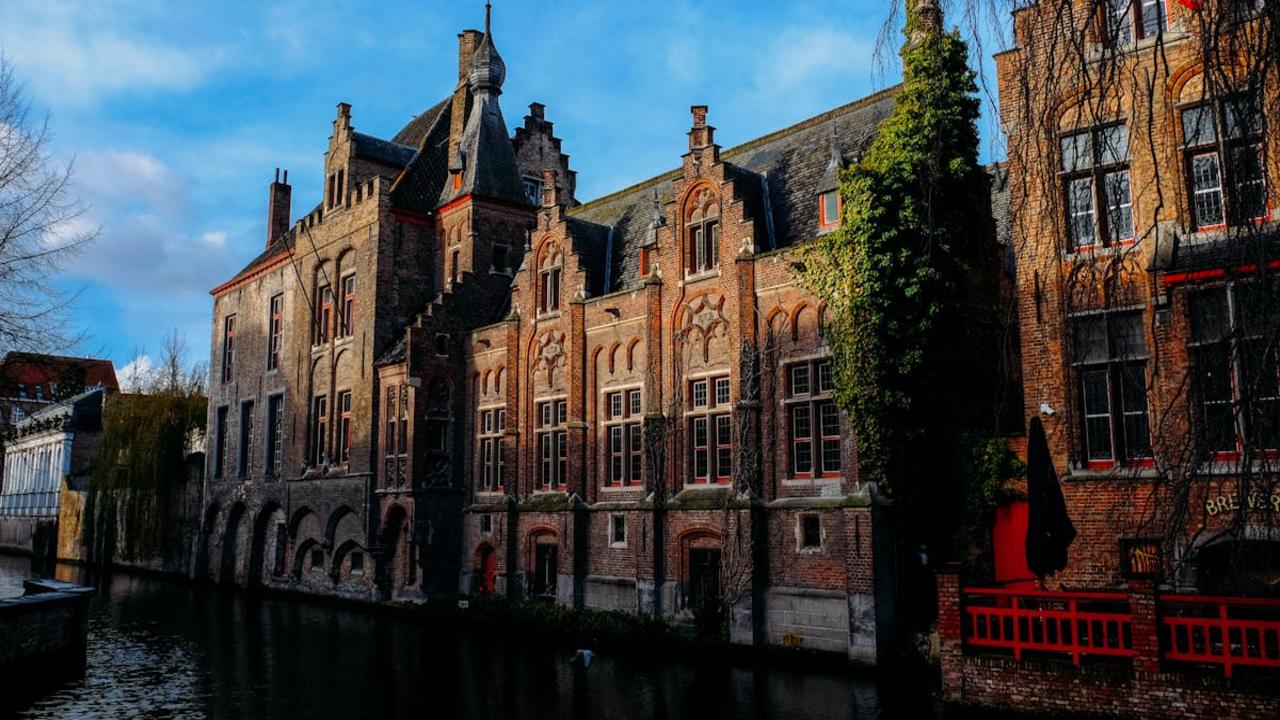
Picture this: you’re wandering through cobblestone streets that look like they jumped straight out of a fairy tale, and suddenly the most incredible aromas hit you. That’s Bruges for you! This medieval gem doesn’t just serve up Instagram-worthy canals – it delivers some of the most soul-satisfying food experiences in Europe. I love how this city takes its time with food, much like how I approach cooking at home. The local markets here remind me why I’m so passionate about fresh, unprocessed ingredients. You’ll find vendors who’ve been perfecting their craft for generations, selling everything from locally-sourced vegetables to artisanal cheeses that will make you rethink everything you thought you knew about dairy.
The street food scene here centers around Belgian waffles and frites, but don’t expect the tourist trap versions you might fear. These vendors take their craft seriously – watch them prepare fresh waffles with that perfect crispy exterior and fluffy interior, or hand-cut potatoes for frites that get double-fried to golden perfection. What really gets me excited is how they balance indulgence with quality ingredients. Even their famous chocolate shops focus on pure cacao and minimal additives. For a more refined experience, Bruges boasts several Michelin-recommended spots where chefs transform local Belgian ingredients into contemporary masterpieces. You’ll taste how they honor traditional flavors while creating something entirely new – exactly the kind of intuitive cooking approach I try to bring to my own kitchen.
Porto Portugal
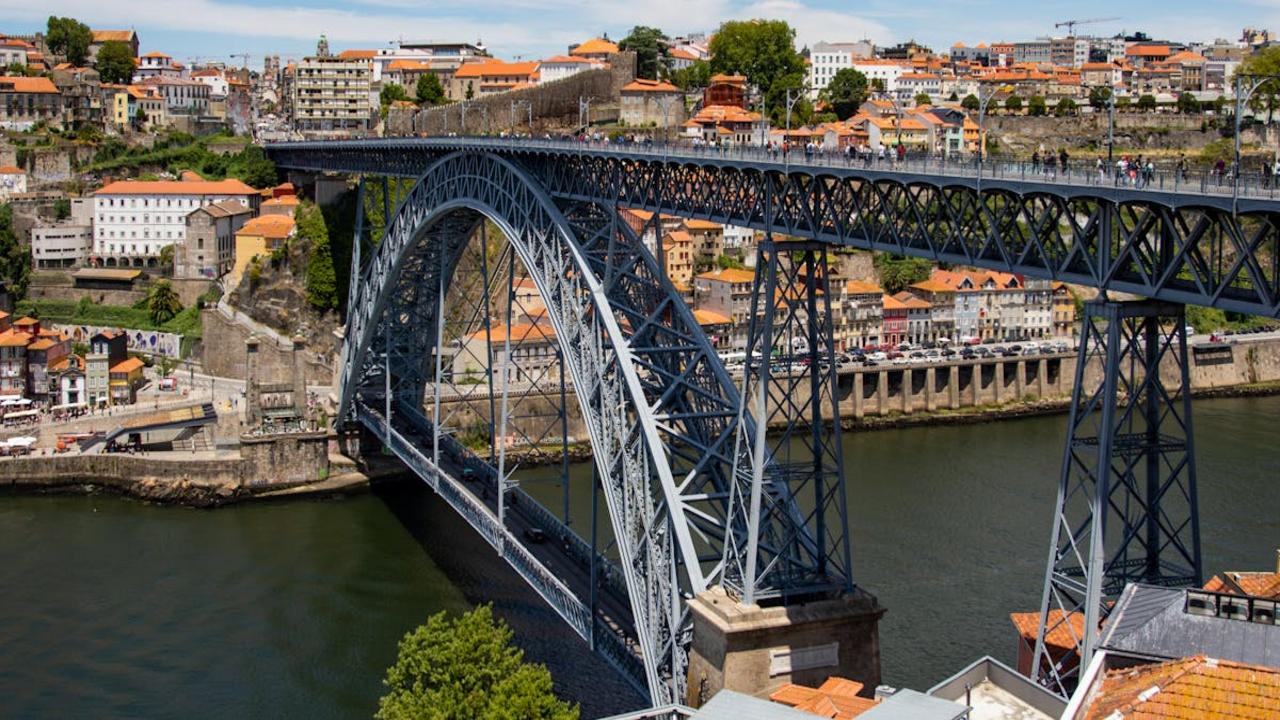
Porto hits differently when you’re walking through its narrow cobblestone streets, and the scent of grilled sardines mingles with the sweet aroma of pastéis de nata from corner bakeries. This northern Portuguese gem serves up authentic flavors that’ll make you rethink everything you thought you knew about Iberian cuisine. The francesinha—a monster sandwich layered with linguiça, fresh sausage, ham, and steak, then smothered in a beer-and-tomato sauce and melted cheese—sounds heavy but somehow feels perfectly balanced when you’re sitting in a local tasca with locals who’ve been perfecting this recipe for generations.
What really gets me excited about Porto is how the city maintains its food traditions while quietly innovating. You’ll find chefs taking fresh Atlantic seafood and preparing it simply—just olive oil, sea salt, and maybe a squeeze of lemon—because when your ingredients are this good, you don’t need to overcomplicate things. The Mercado do Bolhão buzzes with energy as vendors sell vegetables that look like they were just pulled from the earth, and the nearby restaurants turn these same ingredients into soul-warming dishes like caldo verde that remind you why cooking from scratch always wins. Don’t miss the port wine cellars in Vila Nova de Gaia, where you can pair aged wines with local cheeses that showcase how time and patience create the most incredible flavors.
Naples Italy
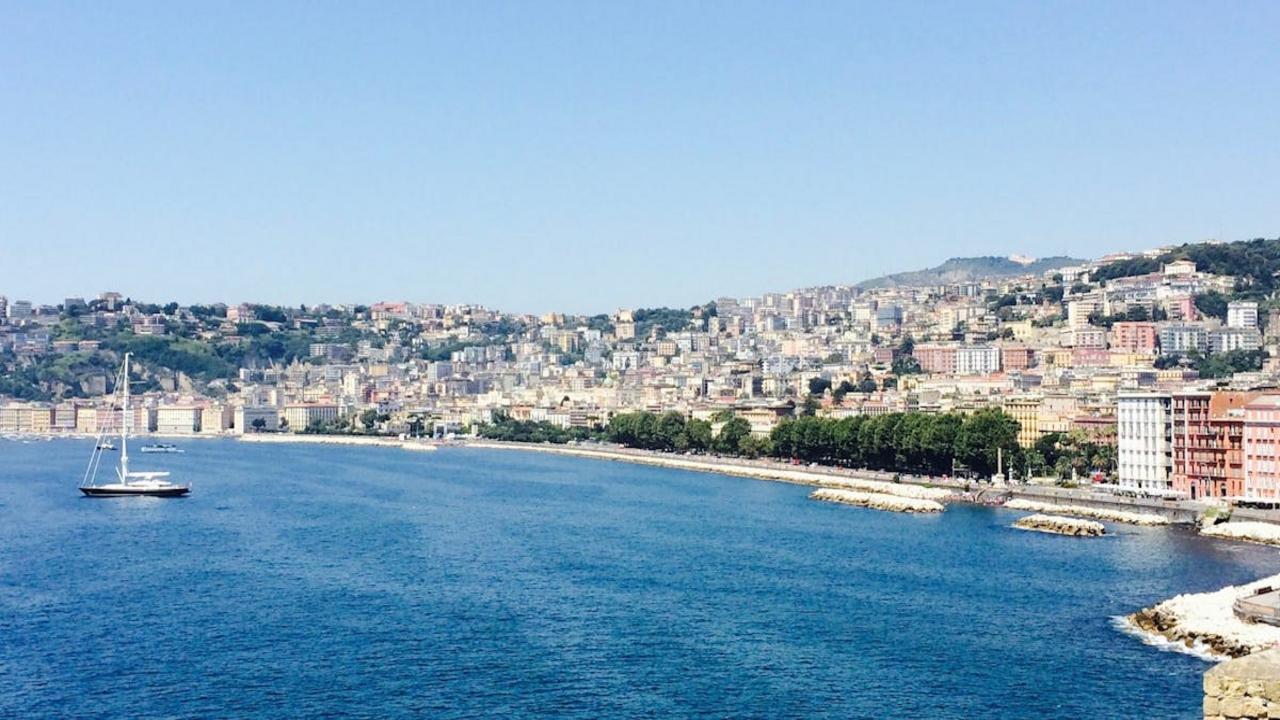
Naples hits different when you’re walking through its narrow streets, and the aroma of fresh pizza dough mingles with espresso and sfogliatelle pastries. This city teaches you that authentic Italian food doesn’t need fancy presentations—it needs soul, tradition, and ingredients that speak for themselves. You can grab a pizza al taglio from a street vendor for just a few euros, and it will blow your mind more than any overpriced restaurant meal. The locals here understand something we often forget in our modern kitchens: simple ingredients, treated with respect, create magic.
The street markets in Naples feel like open-air cooking schools where vendors become your teachers. At Mercato di Porta Nolana, fishmongers will show you how to select the freshest catch, while produce vendors share family secrets about choosing perfect San Marzano tomatoes. I always carry my notebook here because every conversation reveals another technique I want to try at home. The city’s street food culture extends beyond pizza—try cuoppo, those paper cones filled with fried seafood, or grab a tarallo while you wander. Naples reminds you that the best meals happen when you follow your nose, trust local recommendations, and never rush the experience.
Istanbul Turkey

Istanbul grabs you by the senses the moment you step into its bustling streets, where East meets West in the most delicious way possible. Walking through the Grand Bazaar or wandering down to Eminönü, you’ll discover street vendors grilling fresh fish sandwiches right off their bobbing boats, steam rising from döner kebab stands, and the intoxicating aroma of freshly baked simit—Turkey’s answer to the bagel but so much better with its sesame-crusted exterior and chewy interior. I always tell home cooks that Turkish street food teaches us the beauty of simplicity: quality ingredients, minimal processing, and techniques passed down through generations.
The city’s food markets, particularly the Spice Bazaar, offer ingredients that transform your home cooking completely—sumac for tangy brightness, Turkish red pepper flakes that add warmth without overwhelming heat, and pomegranate molasses that brings sweet-tart complexity to everything from roasted vegetables to grilled meats. Istanbul’s Michelin-starred restaurants like Pandeli and Tugra show how traditional Ottoman cuisine evolves while honoring its roots, but honestly, some of my most memorable meals happened at humble lokanta spots where grandmothers ladle out soul-warming stews and stuffed vegetables that remind you why cooking from scratch matters so much.
Lyon France

You know how some cities just speak to your soul through food? Lyon does exactly that for me. This French city sits beautifully between Paris and the Mediterranean, and honestly, it’s where I learned that true French cooking isn’t about fancy plating—it’s about respect for ingredients and tradition. The bouchons (traditional bistros) here serve dishes that feel like warm hugs from French grandmothers. I remember my first coq au vin in a tiny bouchon near Vieux Lyon, where the chef used wine from just outside the city and chicken from a local farm. The sauce had this depth that only comes from slow cooking and quality ingredients, something I now recreate at home using my cast iron Dutch oven.
What makes Lyon special is how it balances street-level authenticity with serious culinary credentials. You can grab incredible saucisson from Les Halles de Lyon food market (Paul Bocuse’s old stomping grounds), then later dine at restaurants that have shaped modern French cuisine. I love how the city’s chefs still shop at these same markets—you’ll spot them early morning, selecting ingredients with the same care I use when I’m planning my weekend meal prep. The praline tart from a local pâtisserie became my inspiration for a healthier version using almond flour and dates. Lyon taught me that great cooking starts with great sourcing, whether you’re making a simple salade lyonnaise or attempting something more complex.
Copenhagen Denmark
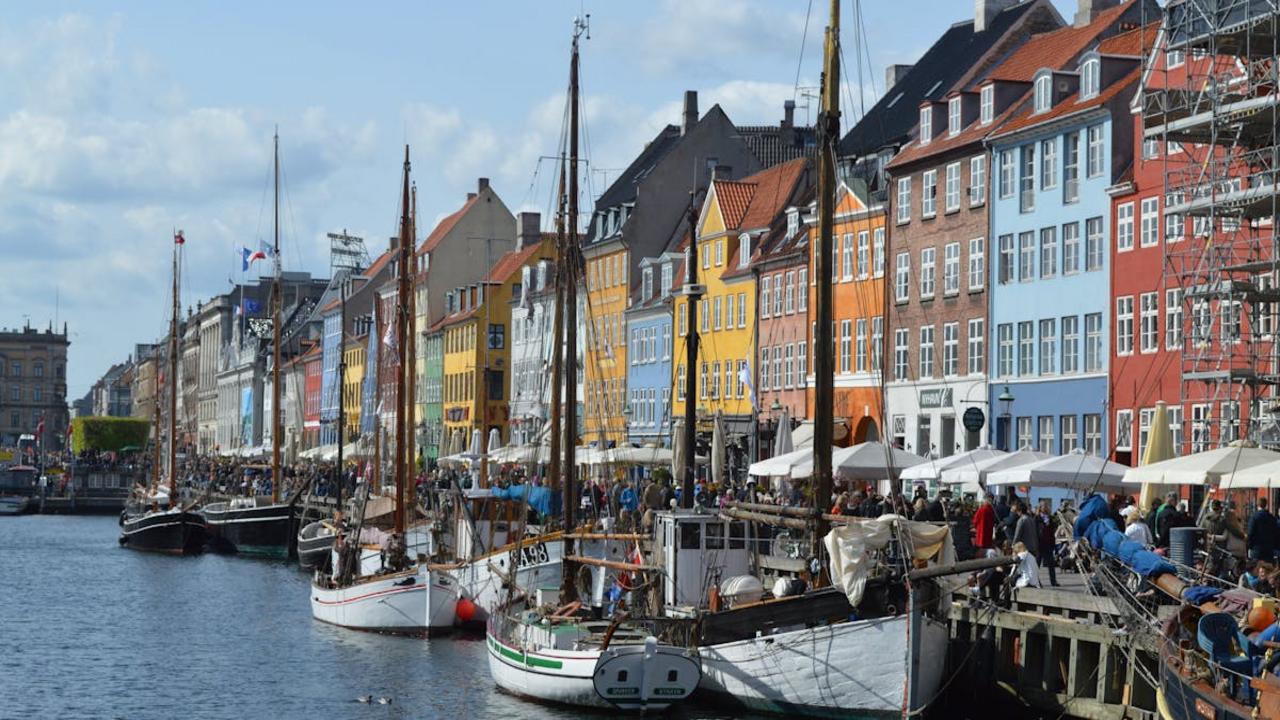
Copenhagen transforms street food into something magical, and I can’t get enough of how this city balances innovation with soul-warming comfort. You’ll discover Reffen, Europe’s largest street food market, where Danish vendors work alongside international cooks creating fusion dishes that somehow make perfect sense. I love how Copenhagen’s food scene doesn’t rely on heavy processing – instead, local producers focus on clean, seasonal ingredients that shine through every bite. The smørrebrød tradition here goes beyond tourist photos; locals create these open-faced sandwiches with house-cured fish, fermented vegetables, and herbs picked that morning from urban gardens.
What strikes me most about Copenhagen’s food culture is how Michelin-starred restaurants like Noma inspire everyday cooking throughout the city. You’ll find market vendors experimenting with foraged ingredients and natural fermentation techniques that trickle down from haute cuisine into accessible street food. The city’s commitment to sustainability means you’re eating ingredients that travel minimal distances, supporting both your health and the environment. Visit Torvehallerne market early morning when vendors arrange their colorful produce displays – I always leave with bags full of root vegetables, wild mushrooms, and artisanal cheeses that become the foundation for my next week of home cooking adventures.
Bologna Italy
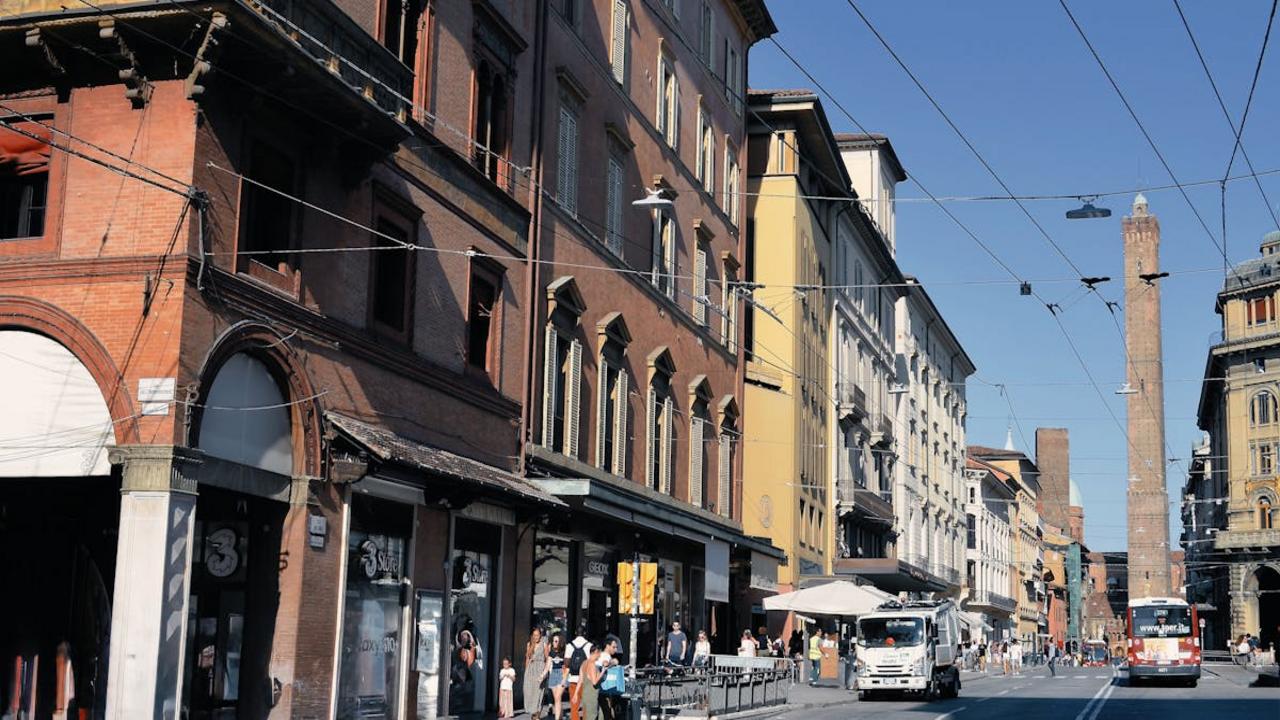
Bologna captures my heart every single time I walk through its medieval streets because this city practically invented comfort food as we know it today. The Emilia-Romagna region birthed legendary dishes like tagliatelle al ragù (the real Bolognese sauce), tortellini in brodo, and mortadella – each recipe passed down through generations of Italian nonnas who understood that food connects souls. You can taste the difference when pasta gets hand-rolled with love instead of mass-produced, and Bologna’s local trattorias still honor these time-honored techniques that transform simple ingredients into pure magic on your plate.
The Quadrilatero market area becomes your playground for discovering incredible local producers who bring fresh parmigiano-reggiano, aged balsamic vinegar from Modena, and seasonal vegetables that inspire spontaneous cooking adventures. I always grab ingredients here for recreating Bologna’s classics at home because the quality speaks for itself – real prosciutto di Parma tastes nothing like processed deli meat, and authentic parmigiano crumbles into crystalline perfection that elevates any dish. Bologna teaches you that exceptional cooking starts with exceptional ingredients, and the city’s dedication to preserving traditional food culture means every meal becomes a masterclass in Italian hospitality and flavor.
San Sebastián Spain

You know that feeling when you discover a place that completely transforms how you think about food? That’s San Sebastián for me. This Basque gem sits proudly along Spain’s northern coast, where the Atlantic meets mountains, creating this incredible microclimate that produces some of the world’s finest ingredients. I spend hours wandering through La Bretxa market, running my fingers over glossy pimientos de padrón and inhaling the ocean-fresh scent of local fish. The vendors here don’t just sell ingredients—they share stories, techniques, and family secrets that have shaped Basque cooking for generations. When you pick up those perfectly marbled txuleta steaks or those tiny, sweet anchovies, you’re holding centuries of tradition.
What makes San Sebastián magical isn’t just its record-breaking concentration of Michelin stars—though dining at places like Arzak or Mugaritz will absolutely change your perspective on what food can be. It’s the pintxos culture that truly captures my heart. Picture this: you hop from bar to bar, each counter displaying these incredible small plates that look like edible sculptures. At Gandarias, I watch chefs build perfect little towers of jamón ibérico and local cheese. At La Cuchara de San Telmo, they serve warm pintxos that blur the line between street food and fine dining. Every bite tells you something about this place—the way they respect ingredients, how they balance tradition with innovation, and their absolute commitment to feeding people well. This isn’t just eating; it’s participating in a living food culture.
Lisbon Portugal
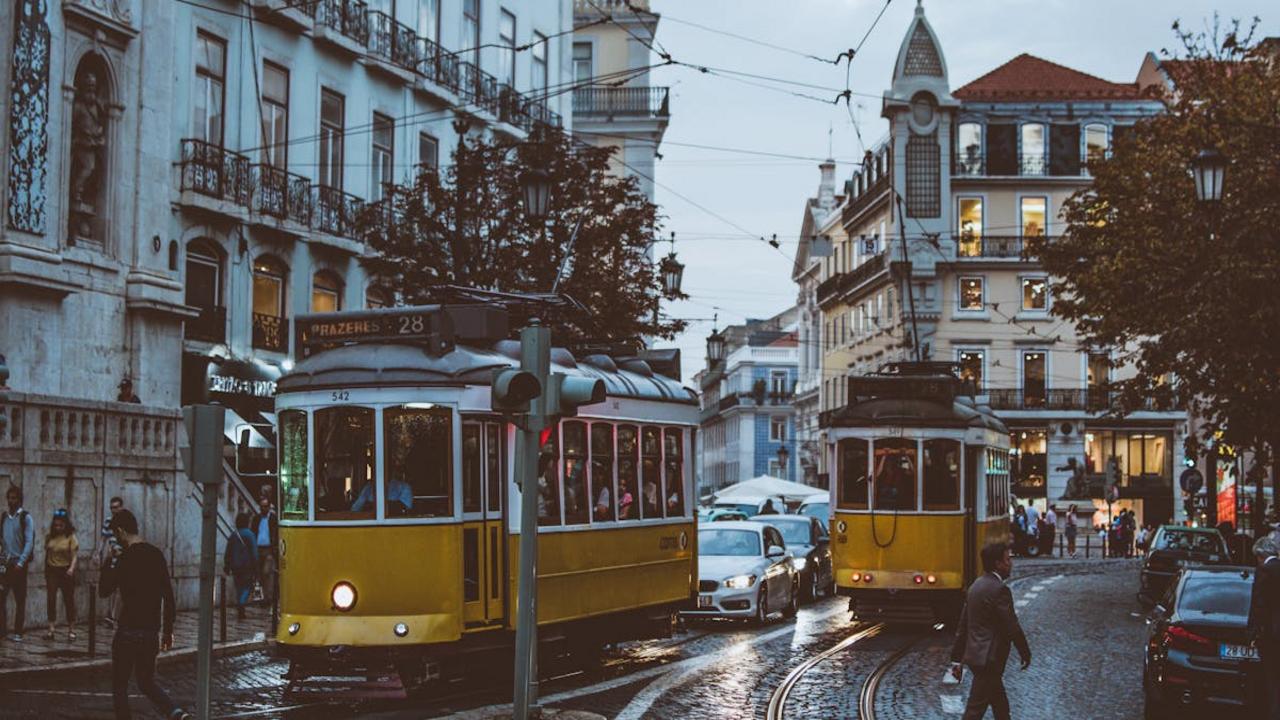
You know what gets me excited about Lisbon? The way this city transforms humble ingredients into pure magic on every corner. Walking through the cobblestone streets, you’ll discover vendors grilling fresh sardines over charcoal braziers, their smoky aroma mixing with the Atlantic breeze. The pastéis de nata alone will change how you think about custard tarts—flaky pastry shells cradling silky egg custard with that perfect caramelized top. I always tell people to skip the touristy spots and head straight to Pastéis de Belém, where they’ve been perfecting this recipe since 1837. The locals line up here for a reason, and once you bite into that warm, creamy center, you’ll understand why.
But Lisbon’s food scene goes way beyond those famous tarts. The Mercado da Ribeira brings together traditional Portuguese flavors with modern creativity under one beautiful roof. You can sample fresh seafood rice that rivals any coastal grandmother’s recipe, then move on to innovative takes on bacalhau that respect tradition while adding contemporary flair. The city’s connection to the sea means you’ll find some of the freshest fish you’ve ever tasted, simply grilled with olive oil, garlic, and sea salt. What I love most is how Lisbon cooks treat food with such respect—no unnecessary complications, just pure flavors that speak for themselves. Every meal feels like a conversation with the ocean, the land, and generations of Portuguese home cooks.
Paris France

You know what gets me excited about Paris? It’s not just the iconic bistros or those perfect croissants (though trust me, they’re incredible). Walk through the Marché des Enfants Rouges, the city’s oldest covered market, and you’ll discover vendors selling everything from fresh Moroccan tagines to Japanese bento boxes. I love how this city has quietly become a melting pot where traditional French techniques meet global flavors. The street food scene here surprises people – you’ll find Lebanese shawarma stands next to Vietnamese bánh mì shops, and somehow it all feels perfectly Parisian.
But here’s where Paris really shines for someone like me who believes in cooking from scratch: those neighborhood markets. The Marché Saint-Germain overflows with seasonal produce that speaks to my soul – heirloom tomatoes in summer, wild mushrooms in autumn, and root vegetables so fresh they still have soil clinging to them. And when you want to see what happens when minimally processed, quality ingredients meet skilled hands, book that Michelin-starred table. These chefs understand what I preach daily: great food starts with respect for the ingredient itself, not masking it with unnecessary additions.