14 Surprising Ways Fast Food Varies Around the Globe
Fast food looks totally different depending on where you eat it! While Americans munch on classic burgers and fries, other countries add their own local flavors and ingredients to create unique menu items you won’t find anywhere else. From vegetarian-only McDonald’s in India to sweet spaghetti in the Philippines, fast food chains adapt their menus to match local tastes and traditions.
These regional variations show how flexible fast food can be. Take Japan’s rice burgers – they swap regular buns for compressed rice patties. Or check out South Korea’s sweet potato fries that give a fresh spin on the standard french fry. Even pizza gets creative twists, like Brazil’s corn-topped pies that locals can’t get enough of.
The global fast food scene proves that comfort food means something different to everyone. Australian burger joints add sliced beetroot to their sandwiches, while British fish and chips remain a beloved takeaway classic. Canadian poutine and maple doughnuts showcase how regional ingredients become fast food favorites.
Maple Doughnuts Canada

Did you know that maple-flavored everything runs through Canadian food culture like a sweet, sticky river? At Tim Hortons, Canada’s most popular fast-food chain, you’ll find maple doughnuts that pack a distinctly local punch. These aren’t your standard glazed treats – they feature real Canadian maple syrup mixed right into the dough and topping, creating a rich, complex sweetness that goes beyond simple sugar. The doughnuts often come topped with candied maple bits or a maple-cream filling that makes them a truly Canadian spin on this classic pastry.
While Americans might reach for chocolate or plain glazed doughnuts, Canadians have made the maple variety their go-to morning indulgence. The maple doughnut tradition links directly to Canada’s role as the world’s largest producer of maple syrup, with Quebec alone making up 70% of global production. This regional pride shows through in how Tim Hortons crafts these treats – they source their maple syrup from local producers, supporting Canadian farmers while delivering that authentic maple flavor that locals and tourists alike now recognize as a true taste of Canada.
Poutine Canada
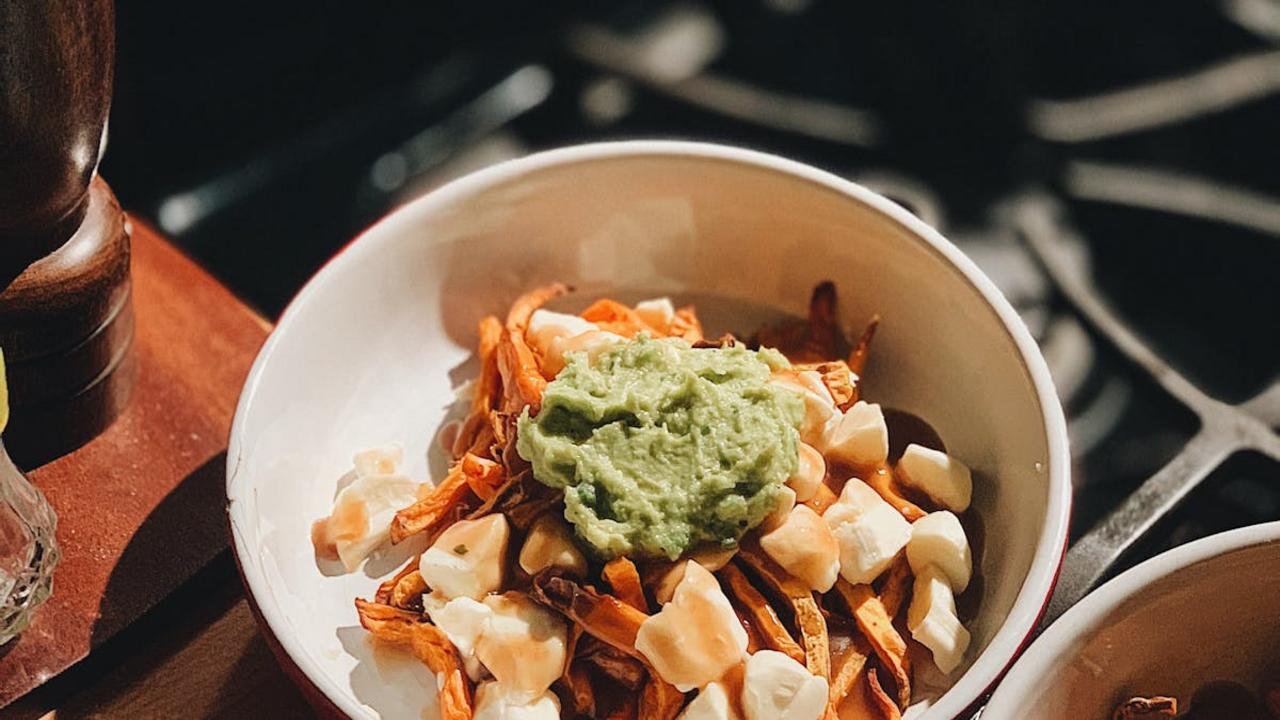
If you’re craving comfort food in Canada, you’ll find McDonald’s and other fast-food chains serving up their version of poutine – a beloved French-Canadian dish. This indulgent creation features crispy golden fries generously topped with rich brown gravy and squeaky cheese curds. The fast-food take on this Canadian staple has become so popular that even international chains like KFC and Burger King have added their own interpretations to their Canadian menus, giving locals and tourists a quick fix of this regional favorite.
Canadian fast-food poutine offers a unique twist on the traditional recipe, with some chains adding their signature touches. Wendy’s tops their poutine with fresh-never-frozen beef, while A&W Canada includes their famous onion rings in the mix. The popularity of fast-food poutine has grown so much that many chains now offer limited-time variations, like pulled pork poutine or bacon cheeseburger poutine, bringing new life to this classic Canadian comfort food that you won’t find in these restaurants anywhere else in the world.
Curry Sauce Fries United Kingdom
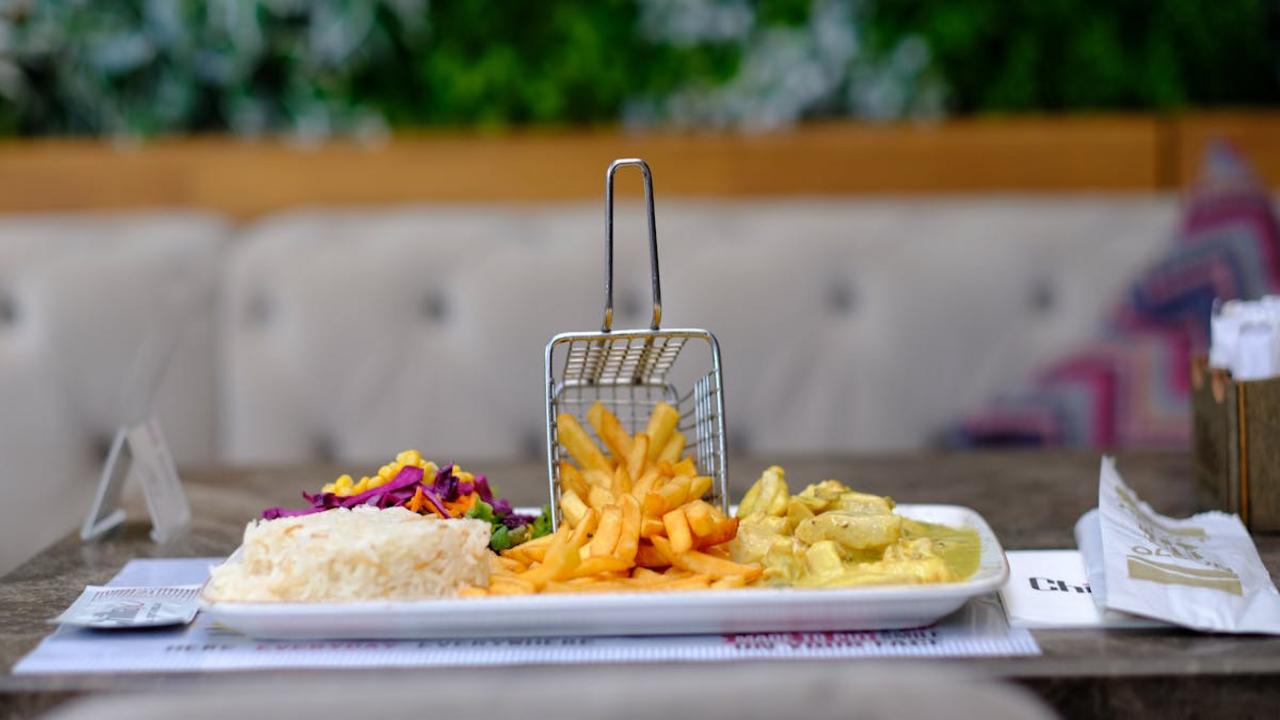
You’ll find a unique twist on classic fries across the United Kingdom – curry sauce fries have become a beloved fast-food staple. This British comfort food pairs crispy, golden fries with a rich, mildly-spiced curry sauce that blends Indian and British influences. The sauce creates a perfect balance of sweet and savory notes, making it an ideal late-night snack or quick lunch option. Many chip shops and fast-food restaurants now consider curry sauce fries their signature dish.
The curry sauce recipe varies from region to region in the UK, with some areas preferring a thicker, more gravy-like consistency while others opt for a lighter, more pourable version. The sauce usually contains a mix of curry powder, turmeric, garlic, onions, and other spices, creating a warm, comforting flavor that complements the salty fries perfectly. This British adaptation shows how global influences shape local fast-food preferences, making curry sauce fries a must-try dish for any food enthusiast visiting the UK.
Fish and Chips United Kingdom
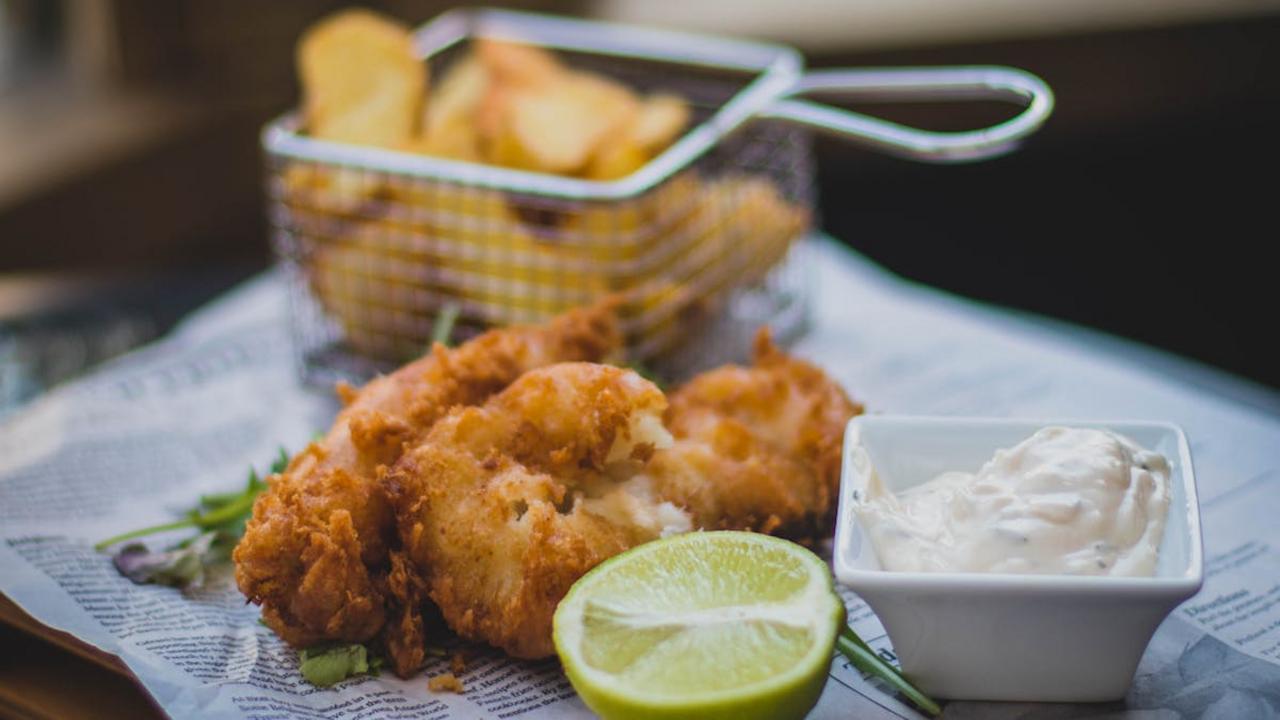
You’ll find fish and chips on nearly every British street corner, but this iconic dish goes far beyond typical fast food. The British have turned this simple combination into a national treasure, wrapping fresh cod or haddock in a light, crispy batter and serving it with thick-cut potato chips (what Americans call fries). What makes British fish and chips unique is the specific preparation – the fish gets a double-dip in the batter for extra crunch, while the chips stay soft inside and crispy outside through a two-stage frying process.
The accompaniments make British fish and chips extra special too. You’ll notice most shops serve it with mushy peas (a bright green puree), curry sauce, or traditional malt vinegar. And here’s something you might not expect – authentic British fish and chips often come wrapped in yesterday’s newspaper! While modern food safety rules mean shops now use food-grade paper printed to look like newspaper, this quirky tradition lives on. The portions are also massive compared to other countries – one serving can easily feed two people!
Meat Pies Australia
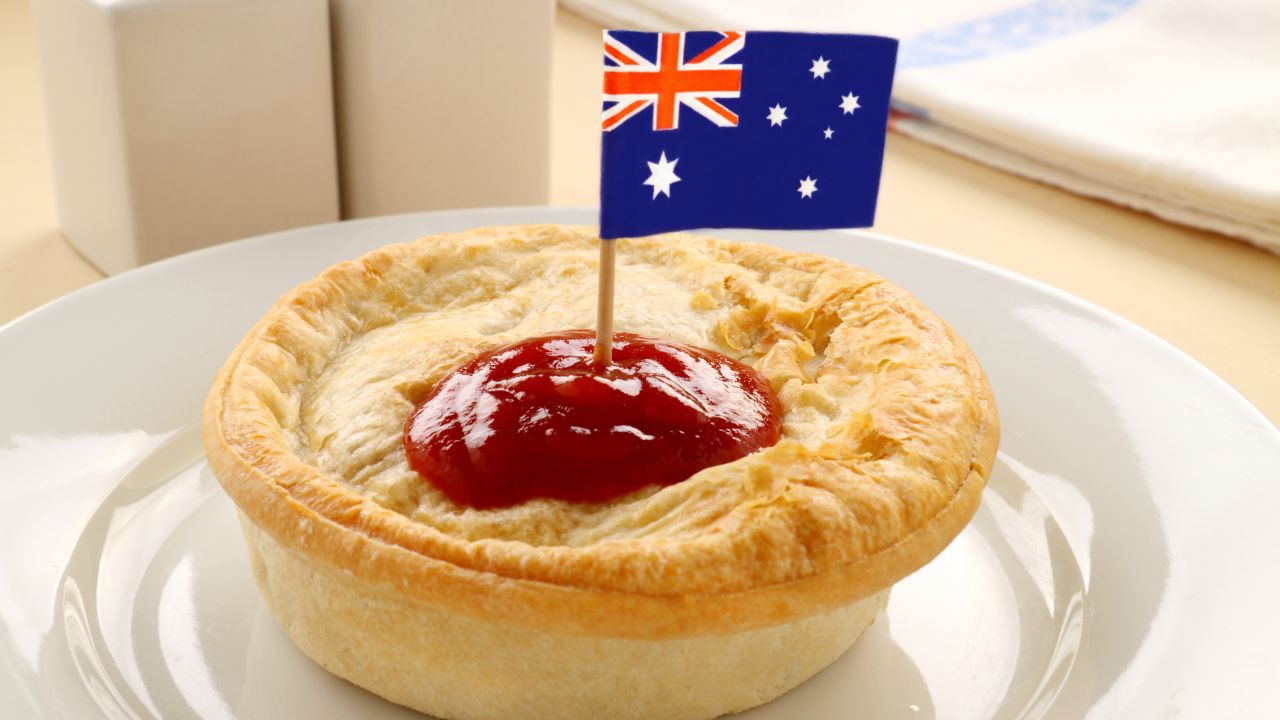
I’ll never forget biting into my first Australian meat pie at a bustling McDonald’s in Sydney – such a different experience from American fast food! These savory pies pack a punch with their golden, flaky pastry filled with minced meat, rich gravy, and a blend of herbs. While Americans reach for burgers and fries, Australians grab these handheld meat pies as their go-to fast food choice. The convenience and portability make them perfect for lunch breaks or quick dinners on busy weeknights.
The best part about Australian fast-food meat pies? Each chain puts its own spin on this classic comfort food. You’ll find versions with cheese, mushrooms, or even curry-spiced fillings. Many Australian fast food spots serve them with tomato sauce (what we call ketchup) in a neat little package. Fun fact: Australians eat an estimated 270 million meat pies annually through fast food spots and local bakeries! These hearty pies have become such a cultural icon that you’ll spot them at sporting events, school cafeterias, and pretty much every street corner in Australia.
Beetroot Burger Australia
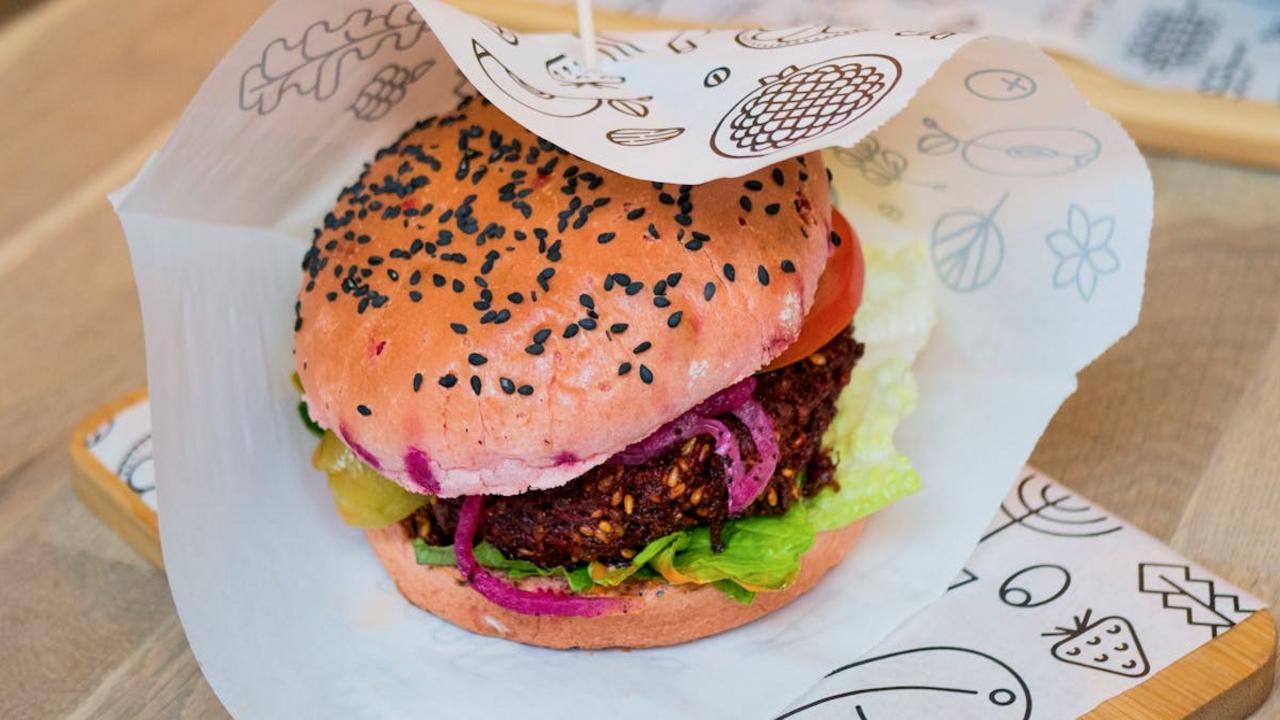
McDonald’s in Australia adds a uniquely local twist to their burgers that you won’t find anywhere else – sliced beetroot! This bright purple root vegetable brings a sweet and earthy flavor that Aussies adore on their burgers. The beetroot burger trend started with local cafes and made its way into fast food chains, becoming such a hit that McDonald’s had to include it on their menu to keep up with Australian tastes. The combination of a juicy beef patty, fresh lettuce, tomato, and that distinctive beetroot slice creates a memorable burger experience.
The beetroot burger represents how fast food chains adapt their menus to match local preferences. While some international visitors find this addition unusual, Australians consider beetroot a natural burger topping, just like Americans view pickles or onions. The vegetable’s natural sweetness balances perfectly with the savory meat and adds an extra moisture level that enhances the overall burger. Plus, the vibrant purple color makes these burgers stand out visually, turning a regular fast food item into something distinctly Australian.
Sweet Spaghetti Philippines
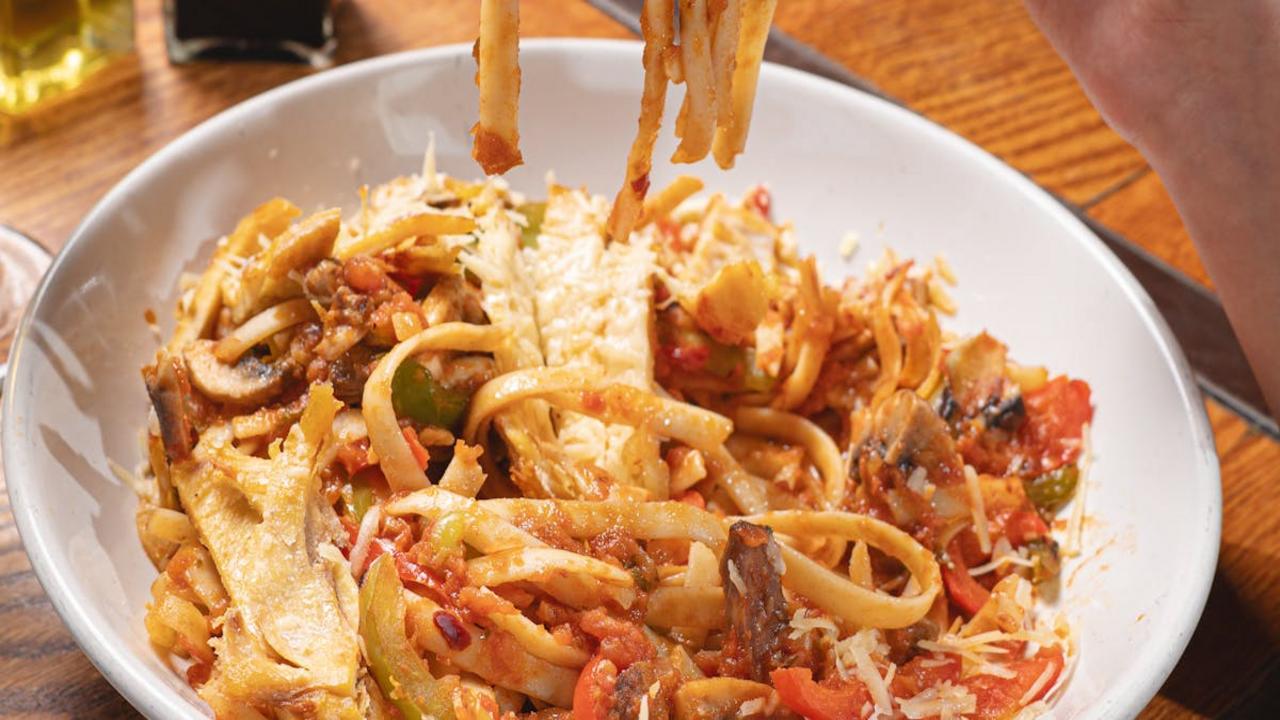
You’ll find an unexpected twist on Italian spaghetti at Jollibee and other fast food spots across the Philippines – it’s sweet! Filipino-style spaghetti blends banana ketchup, ground meat, hot dogs, and a rich tomato sauce that includes sugar or condensed milk. This unique combination creates a dish that perfectly matches Filipino preferences for sweet-savory flavors. The bright red sauce looks similar to traditional marinara, but one bite reveals its distinctly sweet profile that locals absolutely adore.
This beloved fast food variation has deep cultural roots in Filipino cuisine, where many dishes blend sweet and savory elements. Kids especially love this sugary take on pasta, making it a birthday party staple and comfort food favorite. The hot dogs add a salty pop while the sweet sauce coats every noodle. McDonald’s Philippines even created their own version called McSpaghetti to compete with Jollibee’s popular offering. Whether you’re visiting Manila or Cebu, you’ll spot this distinctly Filipino interpretation of spaghetti on nearly every fast food menu.
Fried Chicken with Rice Philippines
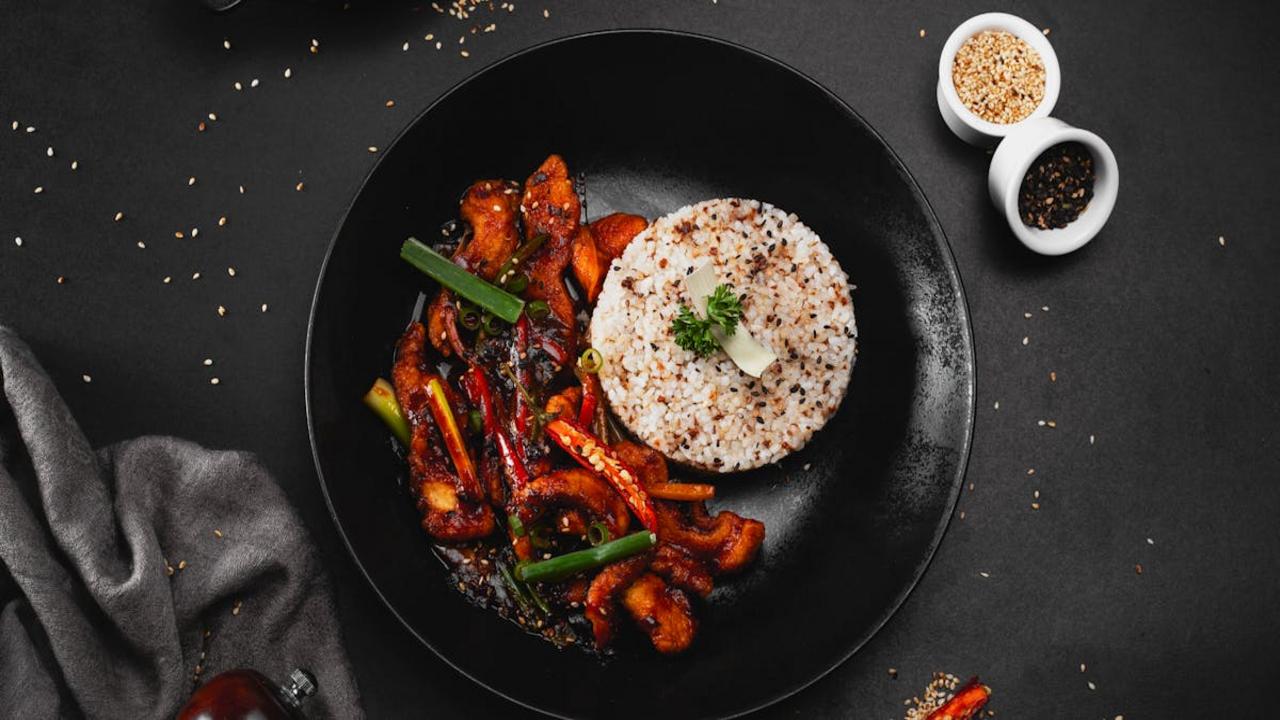
If you’ve visited the Philippines, you’ll notice that fast-food chains serve fried chicken differently than in the West. Filipino fast-food giants like Jollibee and Max’s Restaurant pair their golden, crispy fried chicken with a generous portion of steaming white rice instead of fries or mashed potatoes. The rice acts as the perfect companion to soak up the chicken’s savory juices, while locals often add a splash of banana ketchup – a sweet, bright red condiment unique to Philippine cuisine.
What makes Filipino fast-food fried chicken stand out is its distinctive marinade and breading process. The chicken soaks in a mix of soy sauce, calamansi (a local citrus), garlic, and black pepper before getting coated in a light, crispy breading. Many Filipino restaurants also serve their fried chicken with a side of achara (pickled green papaya) and a small bowl of chicken soup. This combination has become so popular that even international chains like McDonald’s and KFC in the Philippines now offer rice as a standard side option with their chicken meals.
Black Bean Burgers Brazil
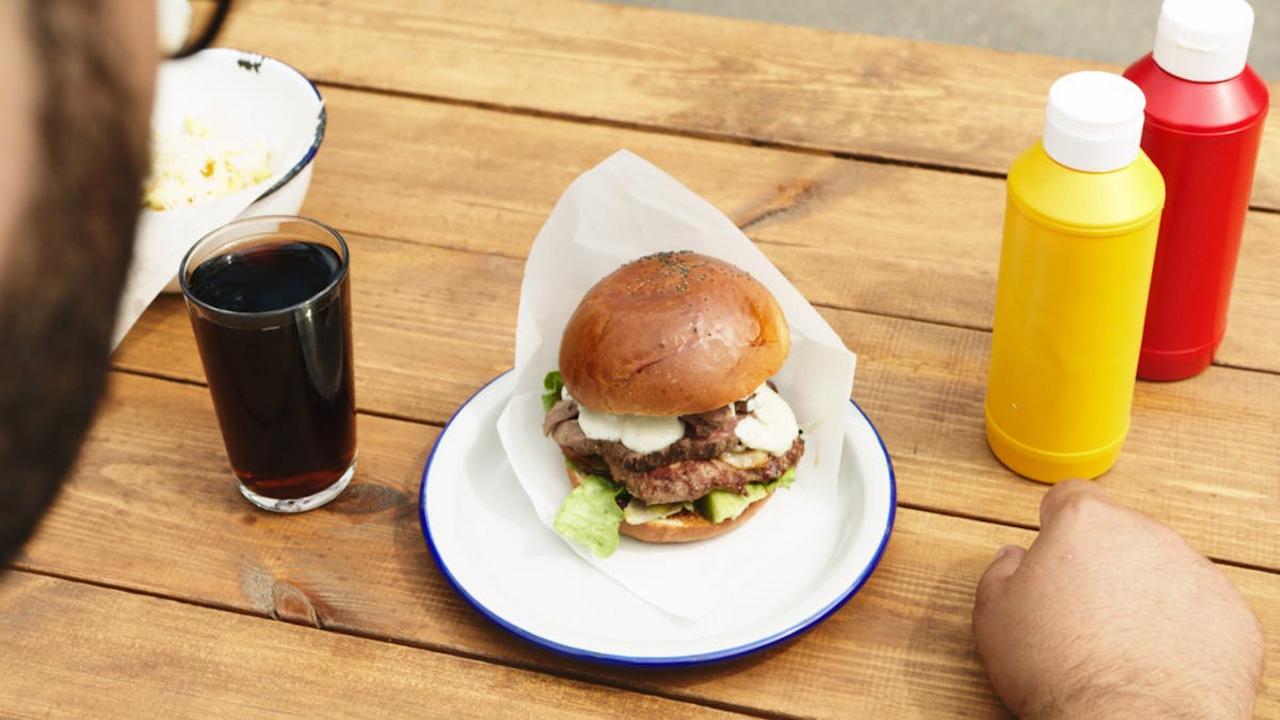
You’ll find an amazing twist on fast food burgers in Brazil – black bean patties that will make you rethink everything you know about quick meals! Brazilian McDonald’s offers a unique black bean burger called the “McVeggie” that perfectly captures local flavors. The rich, hearty patty combines black beans with corn, carrots, and special Brazilian seasonings. This popular menu item shows how global chains adapt to meet regional preferences while creating healthier options.
These black bean burgers have become such a hit that other Brazilian fast food chains now feature their own versions. The combination of beans, fresh vegetables, and local spices creates a satisfying meal that connects with Brazil’s deep appreciation for beans in their daily diet. Many Brazilian customers prefer these plant-based options because they align with traditional ingredients they grew up eating at home. The success of these burgers proves that fast food can be both convenient and culturally meaningful while offering nutritious choices.
Corn on Pizza Brazil
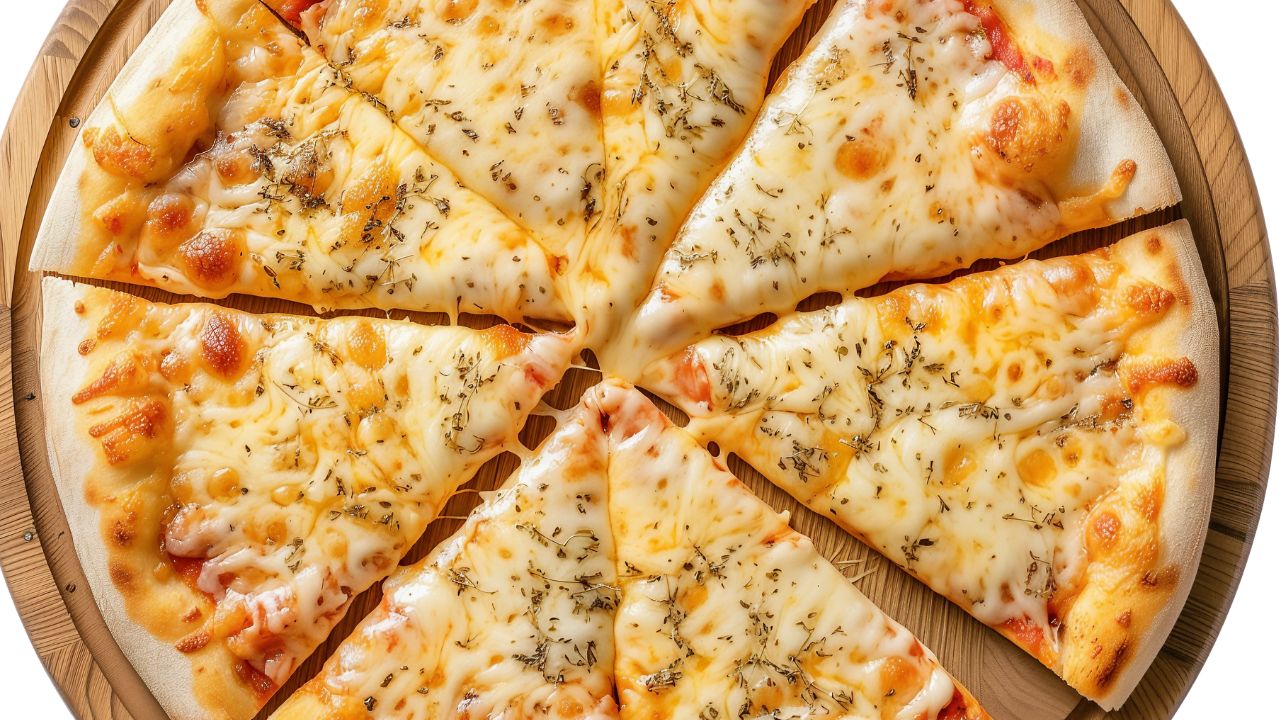
You’ll find a wonderfully unique pizza topping in Brazil that might raise some eyebrows elsewhere – sweet corn kernels scattered generously across cheesy pizzas! This popular addition brings a burst of sweetness and a delightful crunch to every bite. Brazilian pizzerias often pair the corn with creamy catupiry cheese (a soft Brazilian cheese), creating a combination that locals absolutely adore. The sweet-savory mix works particularly well on white sauce pizzas, where the corn’s natural sweetness can really shine through.
The corn-topped pizza trend in Brazil goes beyond just a simple sprinkle of kernels – many establishments make it a star ingredient. You’ll spot it mixed with chicken, paired with bacon, or featured prominently in vegetarian options. Brazilian pizza makers know exactly how to balance the corn’s sweetness with other toppings, creating pizzas that feel distinctly Brazilian. What makes this topping extra special is how it represents Brazil’s love for mixing unexpected ingredients to create something totally new and different from traditional Italian pizza.
Sweet Potato Fries South Korea
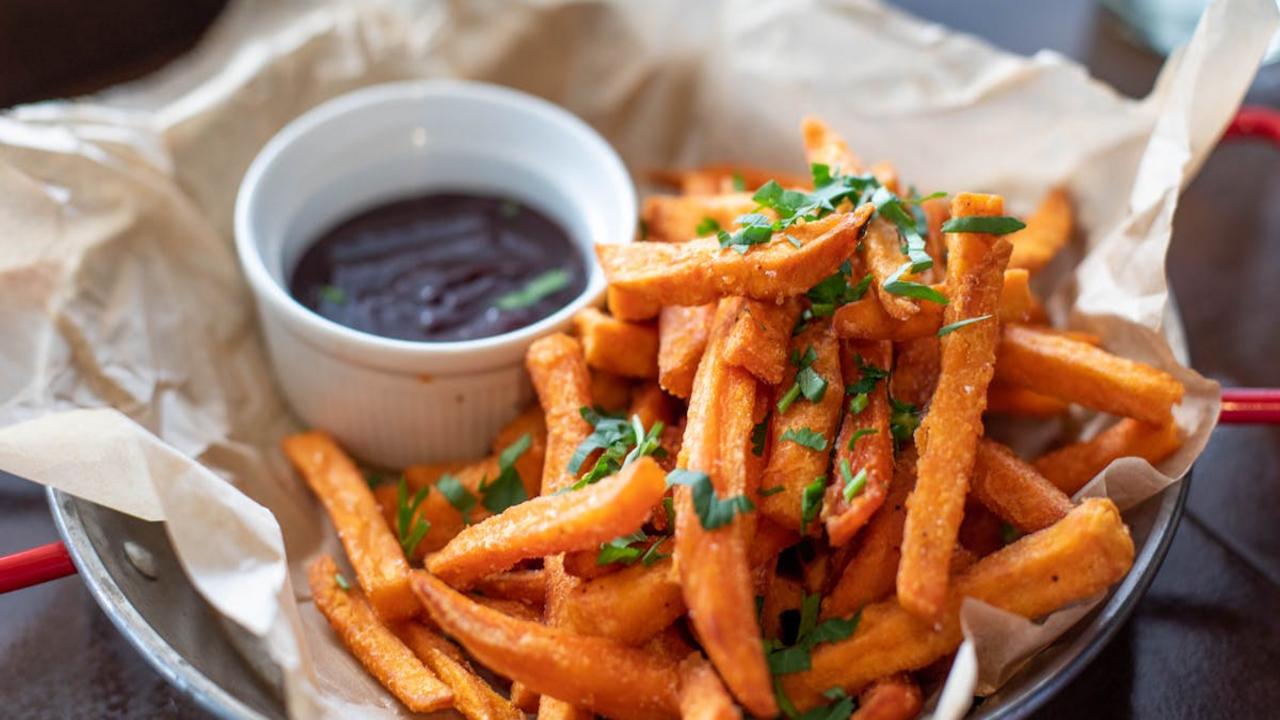
While you’ll find regular French fries at most McDonald’s locations worldwide, South Korean outlets stand out by offering a vibrant orange alternative – sweet potato fries! These crispy, golden-orange beauties have gained massive popularity among local customers who appreciate their natural sweetness and unique flavor profile. South Korean fast-food chains have caught onto this trend too, with Lotteria and Mom’s Touch featuring these delicious fries as permanent menu items.
The sweet potato fries in South Korean fast food restaurants undergo a special preparation process that creates an extra-crunchy exterior while maintaining a soft, creamy interior. Many locations serve them with interesting dipping options like honey mustard sauce or garlic mayo, adding a local spin to this beloved side dish. The combination of sweet and savory makes these fries a hit among both locals and tourists, reflecting South Korea’s knack for putting their own stamp on international fast food favorites.
Bulgogi Burger South Korea
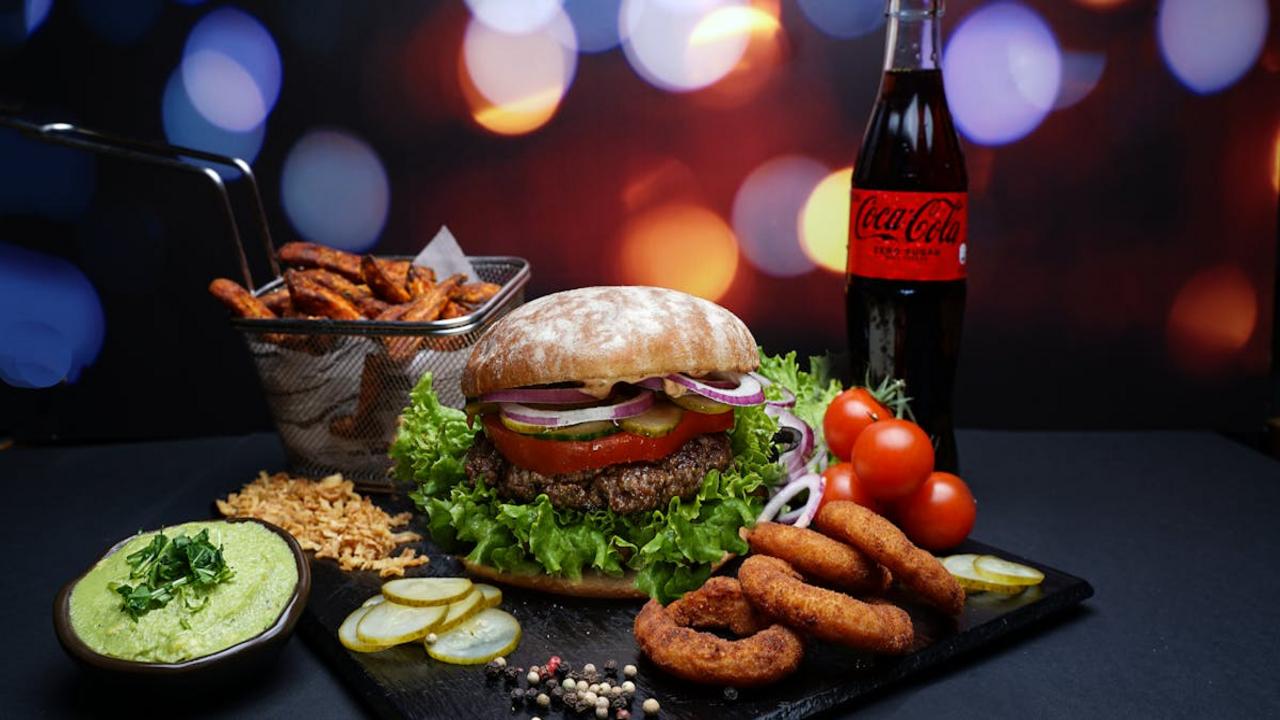
I have to tell you about one of South Korea’s most popular fast food adaptations – the Bulgogi Burger! McDonald’s and Lotte, a major Korean fast food chain, both serve this unique burger that blends Western and Korean flavors perfectly. The patty contains sweet and savory marinated beef, similar to traditional Korean bulgogi, topped with fresh lettuce, mayo, and a special bulgogi sauce. The combination creates a distinctly Korean twist on the classic hamburger that locals and tourists absolutely love.
What makes this burger stand out is how it captures authentic Korean BBQ flavors in a convenient fast food format. The meat has notes of soy sauce, garlic, and Asian pear – key ingredients in traditional bulgogi marinades. The special sauce adds an extra layer of sweetness and umami that you won’t find in regular burgers. Korean fast food chains have mastered the balance between familiar Western comfort food and local flavors that Korean customers crave. You’ll find the Bulgogi Burger prominently featured on menus across South Korea, from busy Seoul streets to small town locations.
Rice Burgers Japan
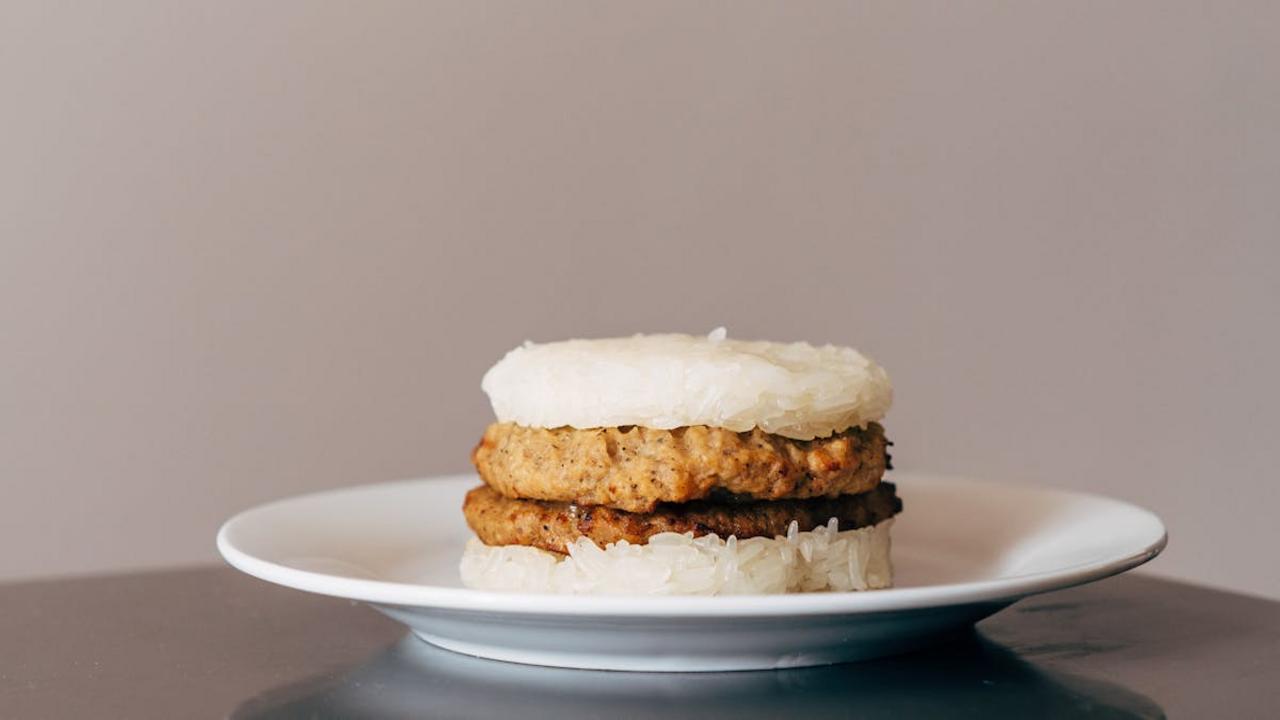
You’ll find an amazing twist on the classic burger in Japan, where rice patties take the place of traditional buns! MOS Burger, a popular Japanese fast-food chain, created this brilliant fusion back in 1987. The rice buns are grilled until crispy on the outside while staying soft and chewy inside. Each bite brings together the familiar comfort of Japanese rice with savory fillings like teriyaki chicken, fish patties, or beef – making it a perfect blend of Eastern and Western flavors.
These rice burgers now appear on menus across several Asian countries, proving how much people love this creative take on fast food. The rice buns hold together remarkably well, thanks to a special compression technique that keeps the grains compact. Many Japanese customers prefer these over regular burgers because they match their rice-based diet. The rice burgers also come with unique Japanese toppings like shiso leaves, pickled vegetables, and wasabi mayo that add extra layers of flavor you won’t find in Western burgers.
Vegetarian McDonalds India
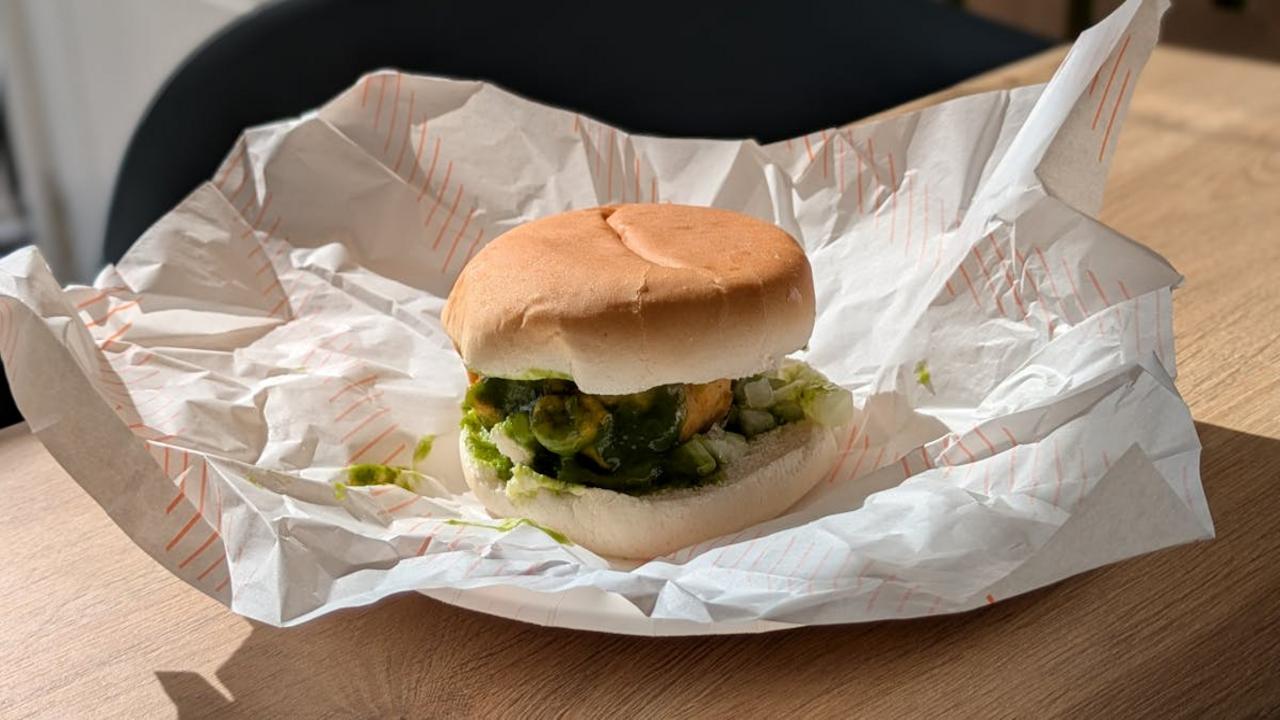
McDonald’s in India stands out from its global counterparts by offering a menu that caters to the country’s large vegetarian population. You’ll find unique items like the McAloo Tikki burger, made with a spiced potato patty, fresh vegetables, and special Indian sauces. The McSpicy Paneer, another popular choice, features a crispy coating around Indian cottage cheese, layered with fresh lettuce and creamy sauces. These adaptations show how McDonald’s has created a menu that respects local food preferences while maintaining its signature fast-food style.
The Indian McDonald’s kitchen follows strict vegetarian protocols, with separate cooking areas and utensils for vegetarian and non-vegetarian foods. Many locations even have two different service windows to maintain this separation. The restaurants use green labels for vegetarian items and brown for non-vegetarian options, making it easy for customers to identify suitable choices. This commitment to vegetarian options has helped McDonald’s win over millions of Indian customers who might otherwise skip traditional fast-food chains.