14 Nuts to Cook With and Snack On from Buttery Pecans to Crunchy Pistachios
Nuts transform any dish from ordinary to extraordinary. I keep my pantry stocked with these powerhouse ingredients because they bring texture, flavor, and nutrition to everything from morning granola to dinner’s finishing touch. Each variety offers something unique—almonds for their versatility, walnuts for their omega-3 richness, pecans for their buttery sweetness.
You can toast them whole for snacking, grind them into flour for baking, or chop them into salads for crunch. I love how nuts bridge different cuisines naturally. Pine nuts elevate Mediterranean dishes, while cashews create creamy sauces in Asian cooking. They’re nature’s perfect convenience food.
From protein-packed peanuts to mineral-rich Brazil nuts, each option serves both your taste preferences and health goals. Keep reading to discover how fourteen different nuts can revolutionize your cooking and snacking routine with simple, wholesome goodness.
Pumpkin Seeds
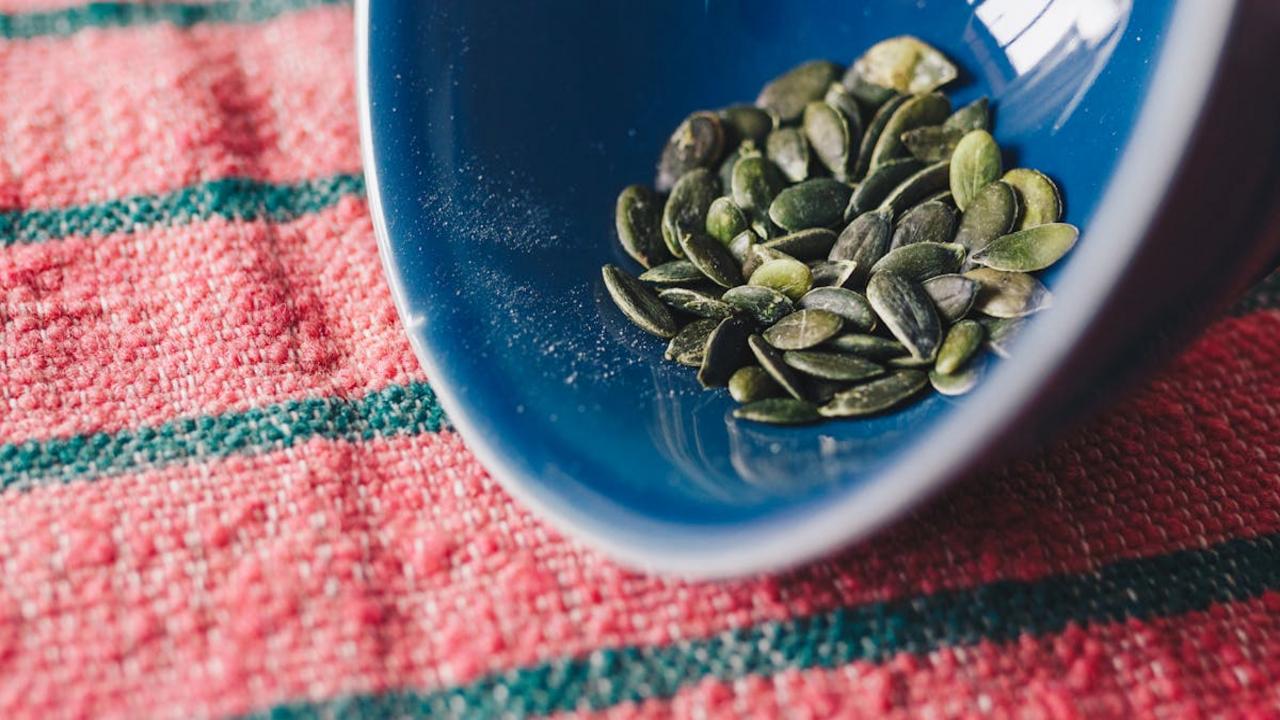
You know what I love about pumpkin seeds? They’re the perfect example of turning kitchen scraps into pure gold. Every time you carve a jack-o’-lantern or roast a butternut squash, you’re holding onto one of nature’s most nutritious snacks. I always save mine, rinse them clean, and transform them into crispy, addictive treats that disappear faster than I can make them. These little green gems pack serious nutritional punch – loaded with magnesium, zinc, and healthy fats that your body craves.
My favorite way to prepare them involves tossing clean, dried seeds with a drizzle of olive oil and whatever spices call to me that day. Sometimes I go Mediterranean with oregano and sea salt, other times I lean into warming Indian spices like turmeric and cumin. Twenty minutes in a 300°F oven, and you’ve got the most satisfying crunch that beats any store-bought snack. They’re incredible sprinkled over salads, stirred into granola, or just eaten by the handful while you’re cooking dinner. Trust me, once you start making your own pumpkin seeds, you’ll never throw away another pumpkin again.
Sunflower Seeds
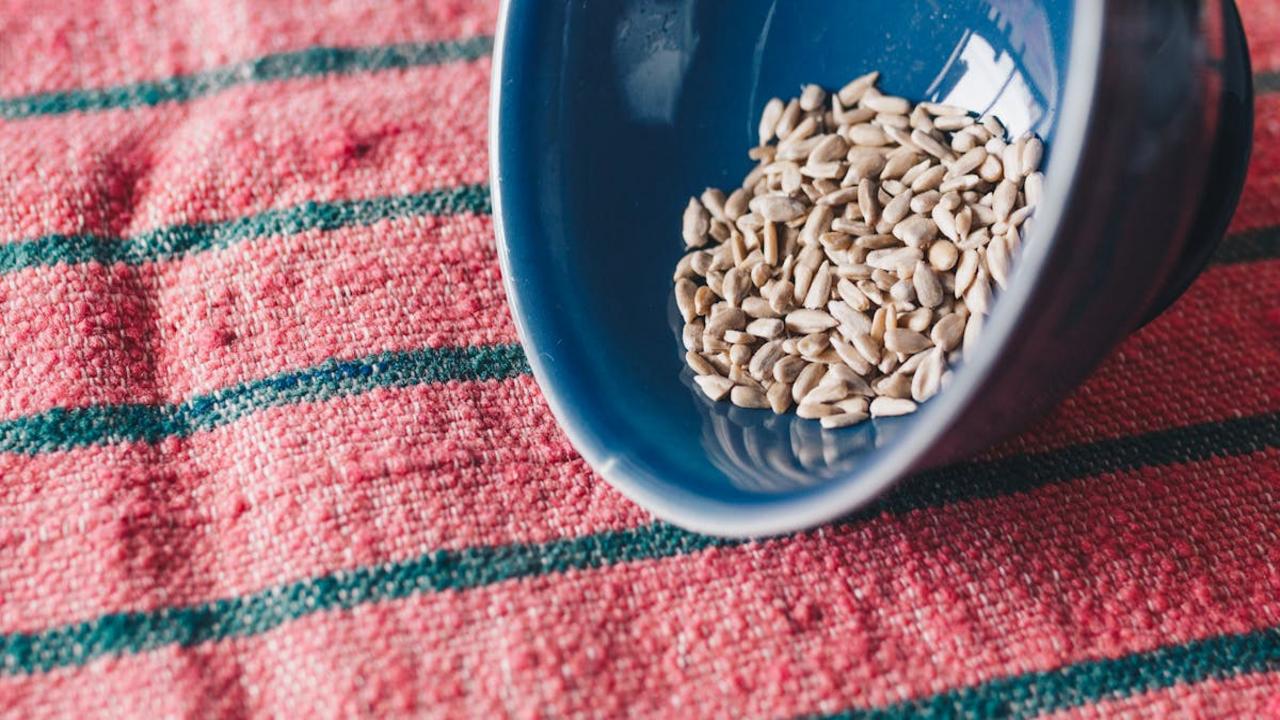
You know what I absolutely love about sunflower seeds? They’re like tiny powerhouses hiding in plain sight! I remember the first time I started incorporating them into my cooking beyond just snacking – it opened up a whole new world of textures and flavors. These little gems pack serious nutritional punch with healthy fats, protein, and vitamin E, plus they add this wonderful nutty crunch to everything from salads to homemade granola. I keep both hulled and unhulled varieties in my pantry because they serve different purposes – the hulled ones blend seamlessly into recipes, while the unhulled make perfect mindful snacking.
In my kitchen, sunflower seeds become the star in so many unexpected ways. I toast them with a pinch of sea salt and cumin for a Middle Eastern-inspired sprinkle that transforms simple roasted vegetables into something special. They also make an incredible base for dairy-free pesto – just blend toasted sunflower seeds with fresh basil, garlic, and olive oil for a creamy, rich sauce that rivals any traditional version. I’ve even ground them into flour for gluten-free baking, adding moisture and depth to muffins and quick breads. The beauty of sunflower seeds lies in their versatility – they adapt to whatever flavor profile you’re creating while adding that satisfying crunch and wholesome nutrition your body craves.
Soy Nuts
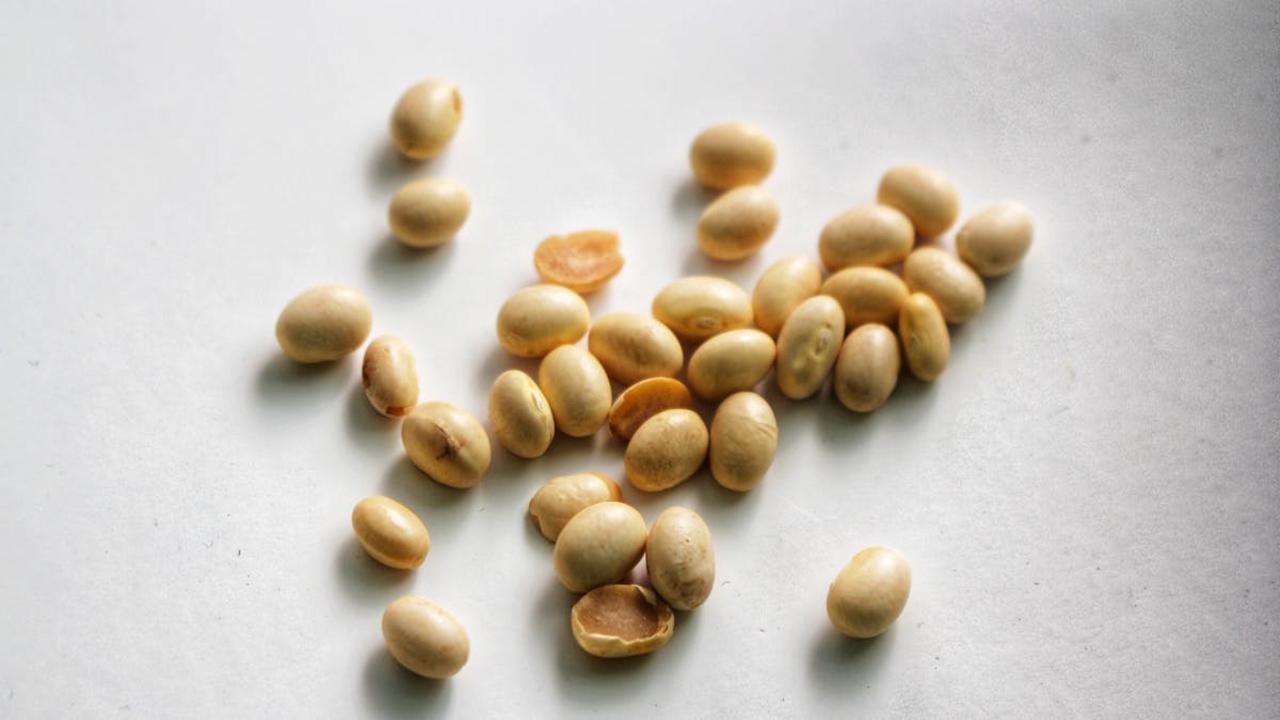
You know what I absolutely adore about soy nuts? They’re actually roasted soybeans, not true nuts at all, but they pack such an incredible protein punch that they’ve earned their place in my pantry alongside almonds and cashews. I keep a jar of these crunchy little powerhouses on hand because they satisfy that mid-afternoon craving while giving me nearly 10 grams of protein per quarter cup. When I’m meal prepping or need something substantial to tide me over, soy nuts deliver that satisfying crunch without any guilt.
In my kitchen, I treat soy nuts like versatile building blocks for both sweet and savory creations. I toss them into homemade trail mix with dried cranberries and dark chocolate chips, or I crush them up to create a protein-rich coating for baked chicken or fish. Sometimes I’ll throw a handful into stir-fries during the last minute of cooking for extra texture, or blend them into my morning smoothies for added substance. Their nutty, slightly savory flavor works beautifully in Asian-inspired dishes too – I love sprinkling them over rice bowls or mixing them into sesame-ginger slaws for that perfect textural contrast.
Peanuts
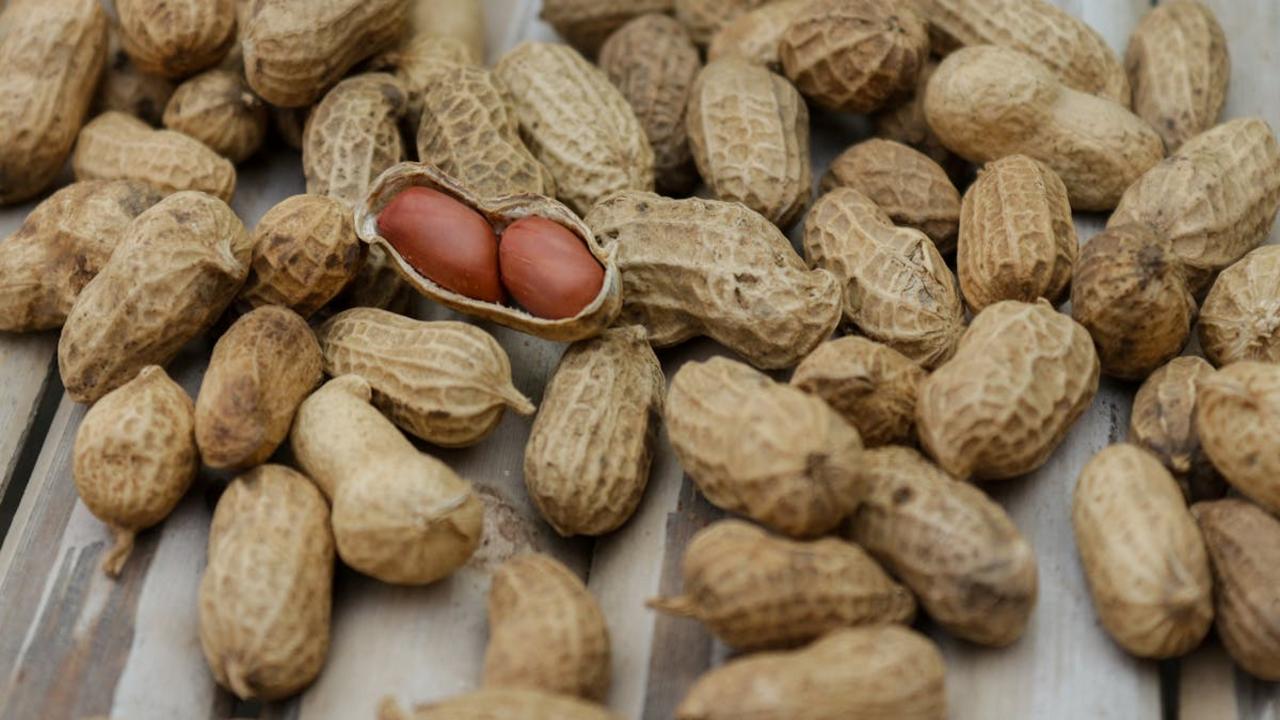
You know what makes me smile? The fact that peanuts aren’t actually nuts at all—they’re legumes that grow underground, cousins to beans and peas! But honestly, who cares about technicalities when these little powerhouses bring so much flavor and versatility to our kitchens? I love how peanuts bridge cultures beautifully, from West African groundnut stews that remind me of my heritage to Thai satay sauces that make weeknight dinners feel special. Raw peanuts become completely different personalities when you roast them yourself—suddenly they’re nutty, toasted, and infinitely more complex than anything you’d buy pre-roasted.
In my kitchen, I treat peanuts like the multitasking champions they are. I’ll toss them into stir-fries for crunch, blend them into homemade peanut butter (trust me, once you make your own, store-bought feels like a distant memory), or grind them into flour for naturally gluten-free baking adventures. What really gets me excited is how peanuts work in both sweet and savory applications—they’re equally at home in my grandmother’s brittle recipe and in a spicy Indonesian gado-gado dressing. Plus, they’re packed with protein and healthy fats, making them perfect for those afternoon energy dips when you need real fuel, not empty calories.
Hazelnuts
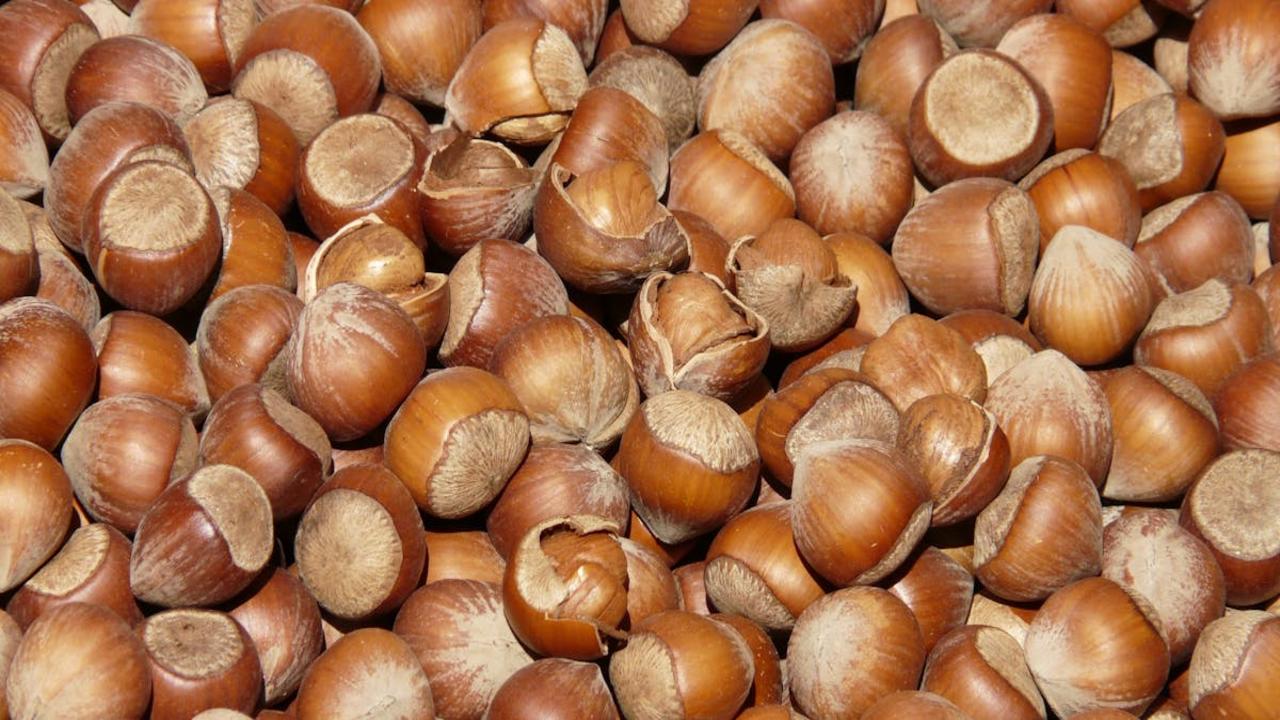
I remember the first time I cracked open fresh hazelnuts from my neighbor’s tree – the sweet, buttery aroma that filled my kitchen instantly transported me back to my grandmother’s stories about foraging in European forests. These golden gems bring such warmth to both sweet and savory dishes, and I love how they add richness without overwhelming other flavors. You can toast them whole for snacking, grind them into flour for gluten-free baking, or blend them into creamy nut butter that rivals any store-bought version.
In my kitchen, hazelnuts become the secret ingredient that transforms ordinary recipes into something special. I fold chopped hazelnuts into morning oatmeal with dried figs and cinnamon, or I create a simple pasta sauce by grinding them with fresh herbs, garlic, and olive oil. Their natural oils make them perfect for dairy-free cooking – I often make hazelnut milk at home by soaking and blending them with dates and vanilla. The beauty of hazelnuts lies in their versatility: they pair beautifully with chocolate in desserts, add crunch to roasted vegetables, and create depth in homemade granola that keeps you reaching for more.
Chestnuts
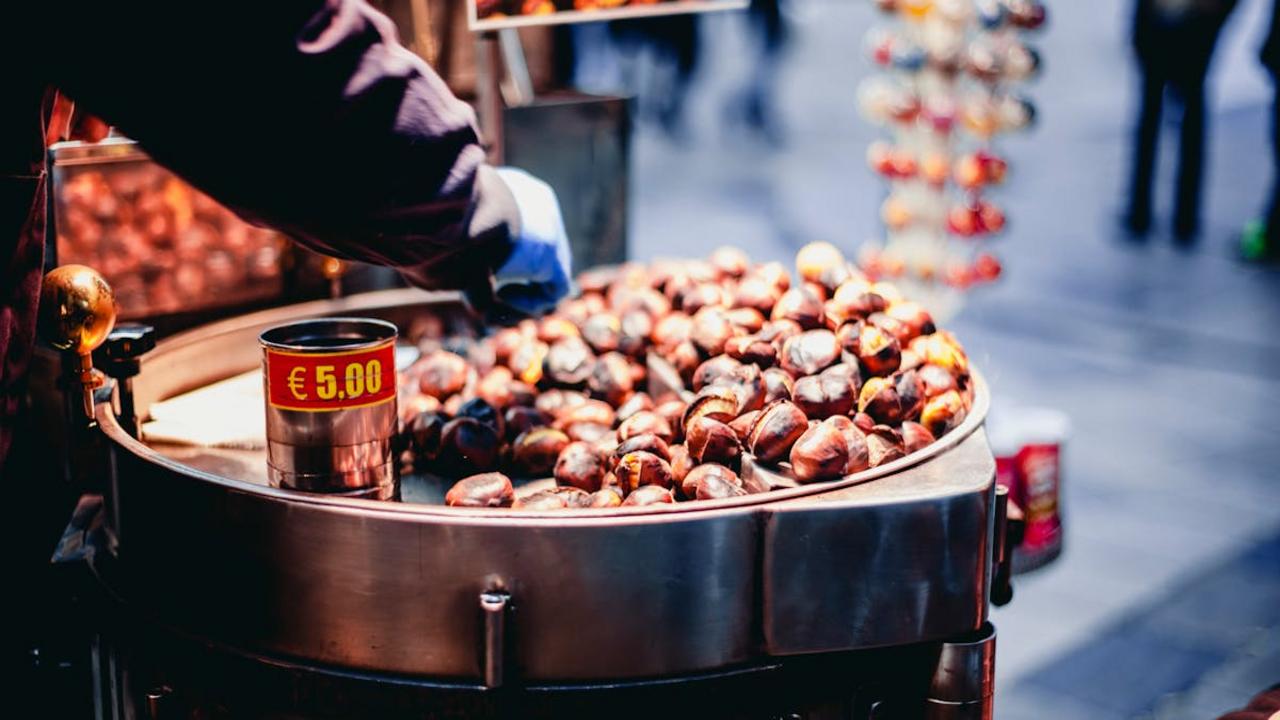
I remember the first time I roasted chestnuts in my tiny apartment kitchen—the nutty, sweet aroma filled every corner and transported me straight to memories of street vendors in European cities. These creamy, starchy nuts offer something completely different from your typical snacking nuts. Unlike their crunchy cousins, chestnuts have a soft, almost potato-like texture when cooked, with a subtle sweetness that makes them incredibly versatile in both savory and sweet applications.
You can roast them whole after scoring an X on each shell, steam them for soups and stuffings, or grind them into flour for gluten-free baking adventures. I love adding roasted chestnuts to winter grain bowls with roasted vegetables and fresh herbs, or folding them into hearty stews where they absorb all those beautiful flavors. Their natural sweetness pairs beautifully with Brussels sprouts, mushrooms, and sage—creating those warming, comfort-food moments that make cold evenings feel special. Fresh chestnuts work best from October through February, so grab them while they’re in season and store them in the refrigerator to keep them from drying out.
Pine Nuts
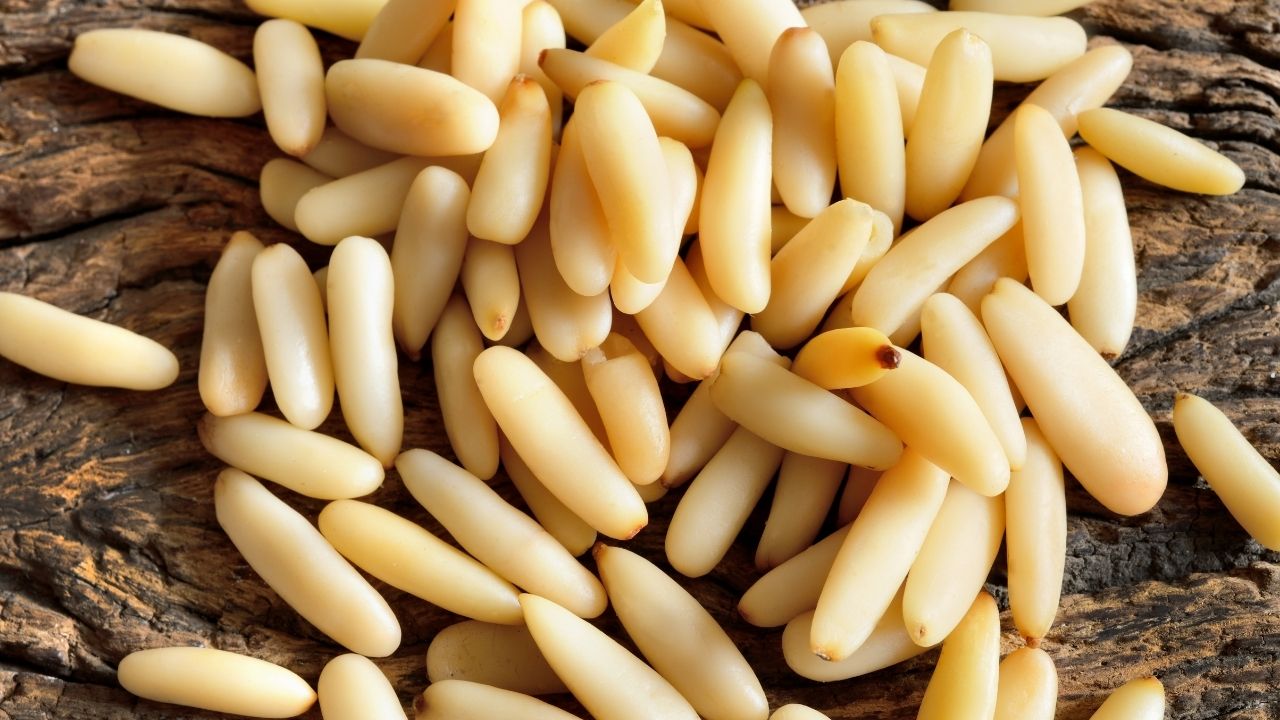
Pine nuts hold a special place in my heart because they remind me that some of the most treasured ingredients require patience and reverence. These delicate, buttery gems come from pine cones and carry an almost creamy richness that transforms any dish they touch. I love how they bridge Mediterranean and Middle Eastern cuisines so effortlessly – you’ll find them scattered through Italian pesto, Lebanese kibbeh, and Spanish romesco sauce. Their subtle sweetness and tender crunch make them perfect for both savory and sweet applications, though I must warn you – once you start snacking on them straight from the jar, it’s nearly impossible to stop.
What fascinates me most about pine nuts is their versatility in healthy cooking. I toast them lightly in a dry pan until they turn golden and fragrant, then toss them into grain bowls, salads, or homemade granola for instant sophistication. They work beautifully in my whole grain pilafs and add unexpected richness to roasted vegetables. While they command a higher price than other nuts, their intense flavor means a little goes far. I store mine in the freezer to prevent them from turning rancid, and I always buy from reputable sources since quality varies dramatically. These little treasures prove that sometimes the most unassuming ingredients create the most memorable dishes.
Brazil Nuts
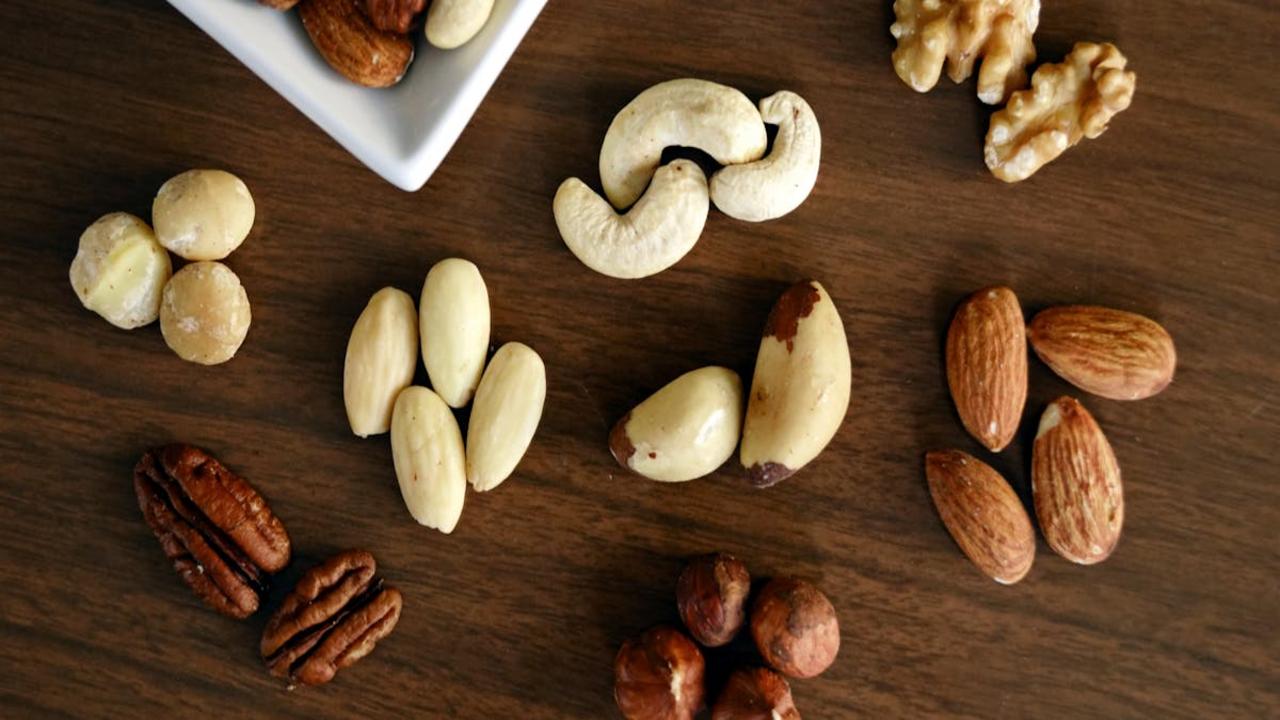
Brazil nuts bring such richness to my kitchen that I always keep a jar on hand. These buttery giants from the Amazon rainforest pack more selenium than any other food I know – just two nuts give you your daily dose of this powerful antioxidant. Their creamy texture and subtle sweetness make them perfect for both sweet and savory applications. I love crushing them into my homemade granola or blending them into silky nut milk that rivals any store-bought version.
What makes Brazil nuts special in my cooking is their ability to add substance without overpowering other flavors. I often toast them lightly in a dry pan until fragrant, then chop them into chunky pieces for topping roasted vegetables or folding into grain salads. Their high fat content means they turn rancid quickly, so I store mine in the refrigerator and buy them in smaller quantities. Try substituting chopped Brazil nuts for pine nuts in your next pesto – the results will surprise you with their earthy depth and satisfying crunch.
Macadamia Nuts
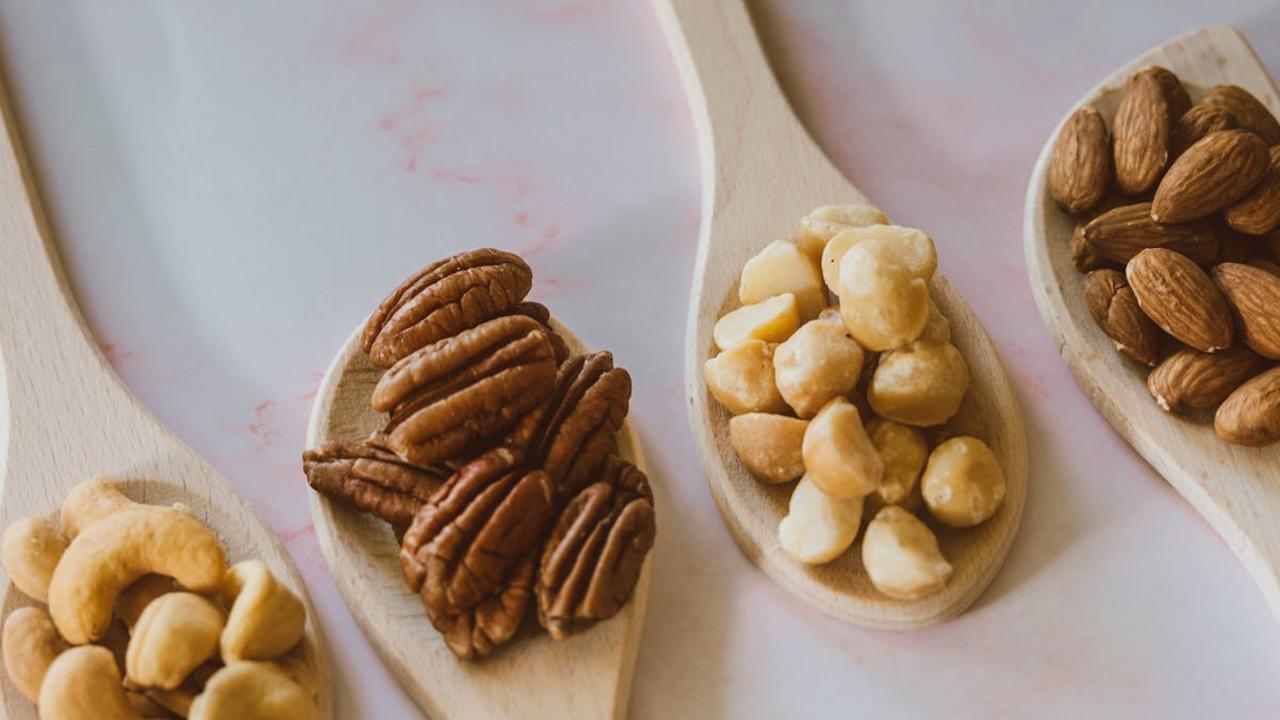
You know that moment when you bite into a macadamia nut and it practically melts on your tongue? That’s the magic I’m talking about! These creamy, buttery gems from Australia bring such richness to both sweet and savory dishes. I love tossing them into my morning granola or chopping them up for a crunchy coating on fish. Their high oil content makes them perfect for creating your own nut butter at home – just pulse them in a food processor until they turn into liquid gold. Trust me, once you make fresh macadamia butter, store-bought versions won’t compare.
In my kitchen, macadamias work beautifully in Asian-inspired dishes too. I often crush them and sprinkle over coconut rice or fold them into Thai-style salads for extra texture. They pair wonderfully with tropical flavors like mango, coconut, and lime. For baking, these nuts transform simple cookies into something special – their natural sweetness means you can actually reduce added sugars in recipes. Just remember to store them properly since their oils can turn rancid quickly. Keep them in the fridge or freezer, and they’ll stay fresh for months, ready whenever inspiration strikes.
Pistachios
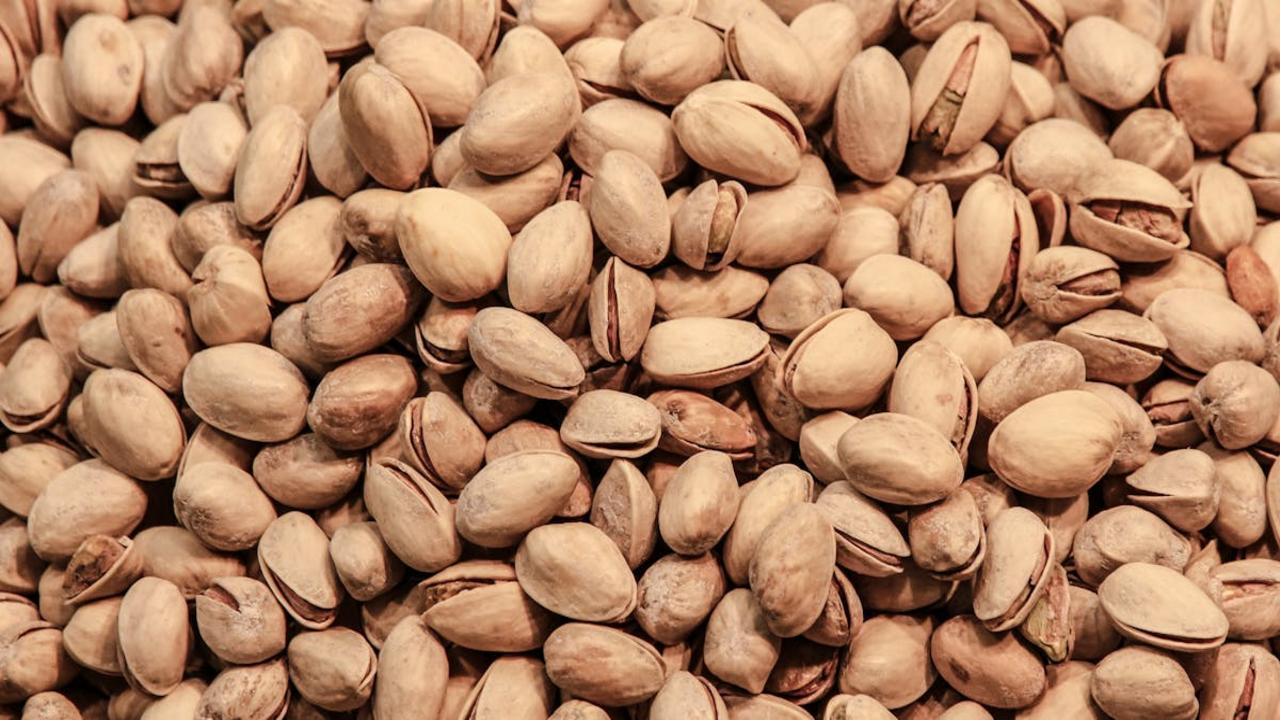
These vibrant green gems bring such joy to my kitchen! I keep a bowl of shelled pistachios on my counter because they disappear so quickly when I’m cooking. Their buttery richness pairs beautifully with both sweet and savory dishes – I love folding them into my homemade baklava or sprinkling them over roasted lamb with pomegranate molasses. The color alone transforms any dish into something special, and that subtle sweetness makes them incredibly versatile for Middle Eastern and Mediterranean recipes I create.
What I adore most about pistachios is how they bridge different flavor profiles effortlessly. I grind them into a paste for Persian rice dishes, toss them whole into salads with fresh herbs and feta, or blend them into my morning smoothies for extra protein and healthy fats. They’re wonderful raw as a snack, but try lightly toasting them with a pinch of sumac or za’atar – the fragrance fills your kitchen with warmth. Unlike other nuts that can overwhelm delicate ingredients, pistachios complement without competing, making them perfect for both bold spice blends and gentle cream-based sauces.
Cashews
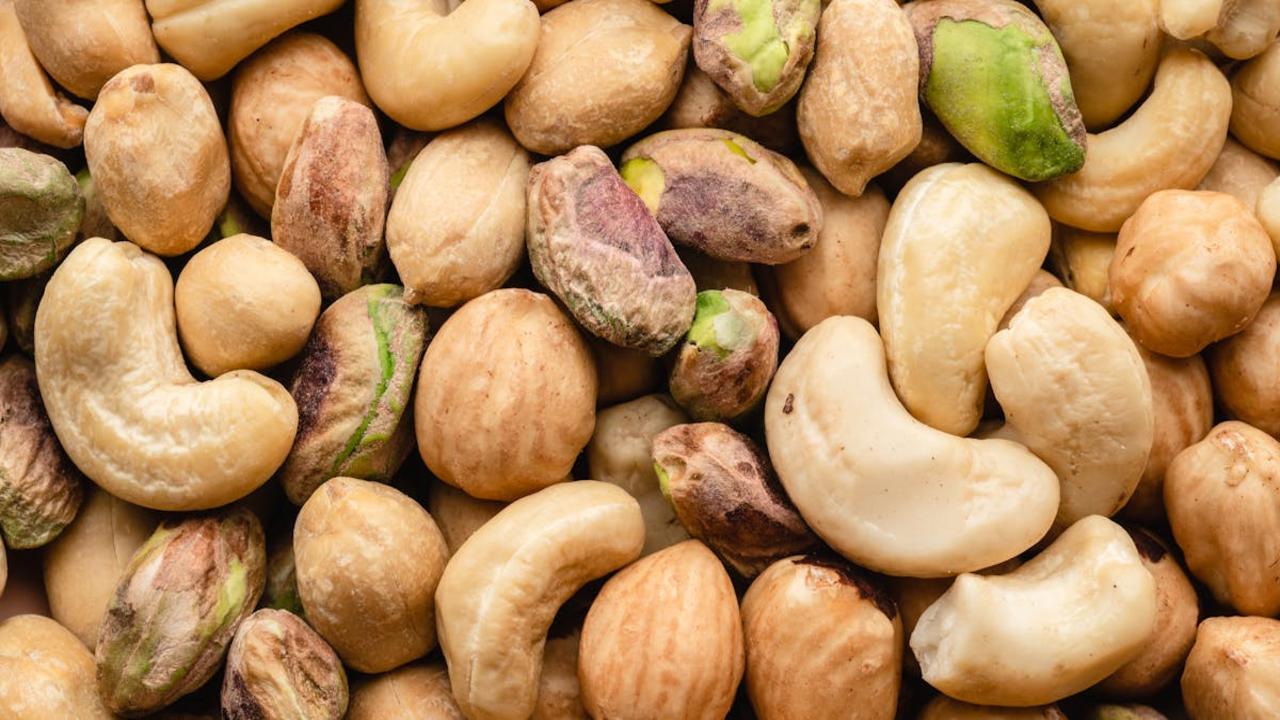
I keep cashews in my pantry year-round because they’re incredibly versatile nuts that work magic in both sweet and savory dishes. These kidney-shaped gems from Brazil originally have this buttery, mild flavor that makes them perfect for creating creamy sauces without dairy. I blend soaked cashews into silky pasta sauces, use them as the base for vegan cheese alternatives, and grind them into flour for gluten-free baking projects. Their neutral taste means they absorb flavors beautifully – whether you’re making a spicy Thai curry or a delicate vanilla cream.
Raw cashews transform completely when you toast them lightly in a dry pan for just a few minutes. The heat brings out their natural oils and creates this amazing nutty aroma that fills your kitchen. I love adding toasted cashews to stir-fries, grain bowls, and salads for that perfect crunch. They’re also fantastic in homemade trail mix or energy balls. Pro tip: buy them raw and unsalted so you control the flavor profile yourself. Store them in an airtight container in your fridge, and they’ll stay fresh for months, ready whenever inspiration strikes.
Pecans
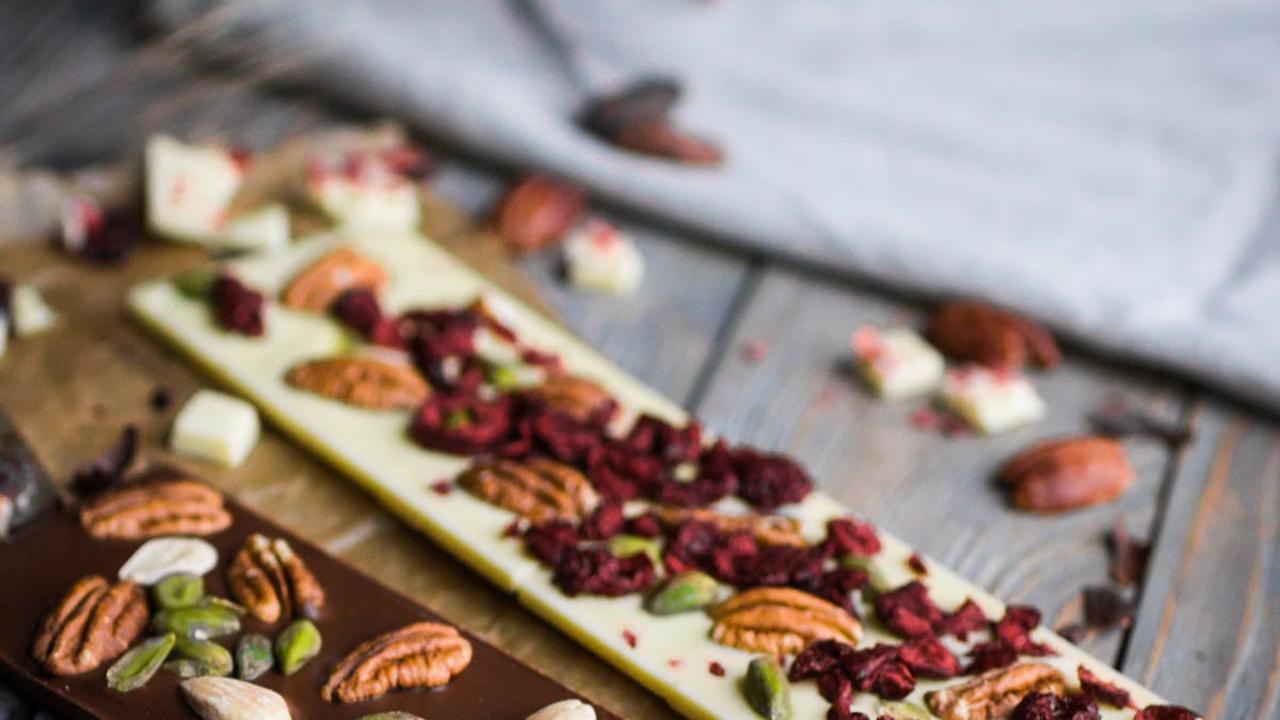
These buttery Southern treasures hold a special place in my kitchen, and I guarantee they’ll transform any dish you add them to. Pecans bring this incredible richness that feels almost luxurious – their natural oils create this melt-in-your-mouth texture that works beautifully in both sweet and savory applications. I love toasting them lightly in a dry pan for about three minutes, which intensifies their nutty flavor and adds this wonderful aromatic depth to whatever I’m cooking.
You can fold toasted pecans into your morning oatmeal with a drizzle of maple syrup, toss them into salads with dried cranberries and goat cheese, or grind them into a coating for fish or chicken. I often make my own pecan butter by processing them with just a pinch of sea salt – it becomes this incredible spread that tastes like pure indulgence but contains only whole ingredients. Their natural sweetness means you need less added sugar in recipes, making them perfect for creating healthier versions of classic desserts without sacrificing that rich, satisfying flavor you crave.
Walnuts
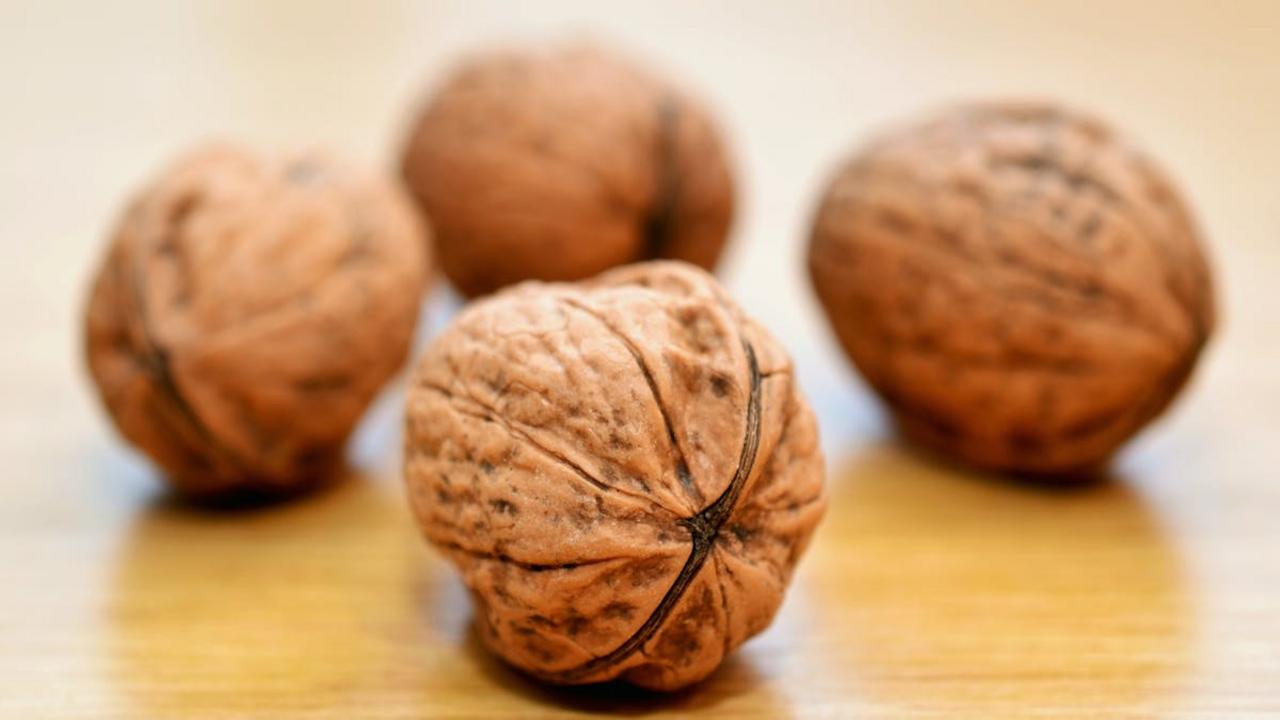
I reach for walnuts almost daily in my kitchen because they bring this beautiful earthy richness that transforms both sweet and savory dishes. Their slightly bitter edge pairs magnificently with honey in my weekend pancakes, but I also love crushing them into my homemade dukkah with za’atar and sumac for a Middle Eastern-inspired sprinkle that elevates roasted vegetables. You can toast them lightly in a dry pan for just two minutes, and suddenly your whole kitchen smells like a cozy autumn afternoon. Fresh walnuts have this creamy texture that’s completely different from the sometimes stale ones you find in stores.
What really excites me about cooking with walnuts is how they act as nature’s butter in plant-based recipes. I blend soaked walnuts into creamy pasta sauces that fool even my most skeptical dinner guests, and they create the most incredible base for raw desserts when combined with dates and a pinch of sea salt. Their omega-3 content makes me feel good about snacking on them straight from the shell while I’m prepping other ingredients. Try folding chopped walnuts into your next batch of homemade bread dough with rosemary and olive oil – the combination creates these pockets of richness that make every slice feel special.
Almonds
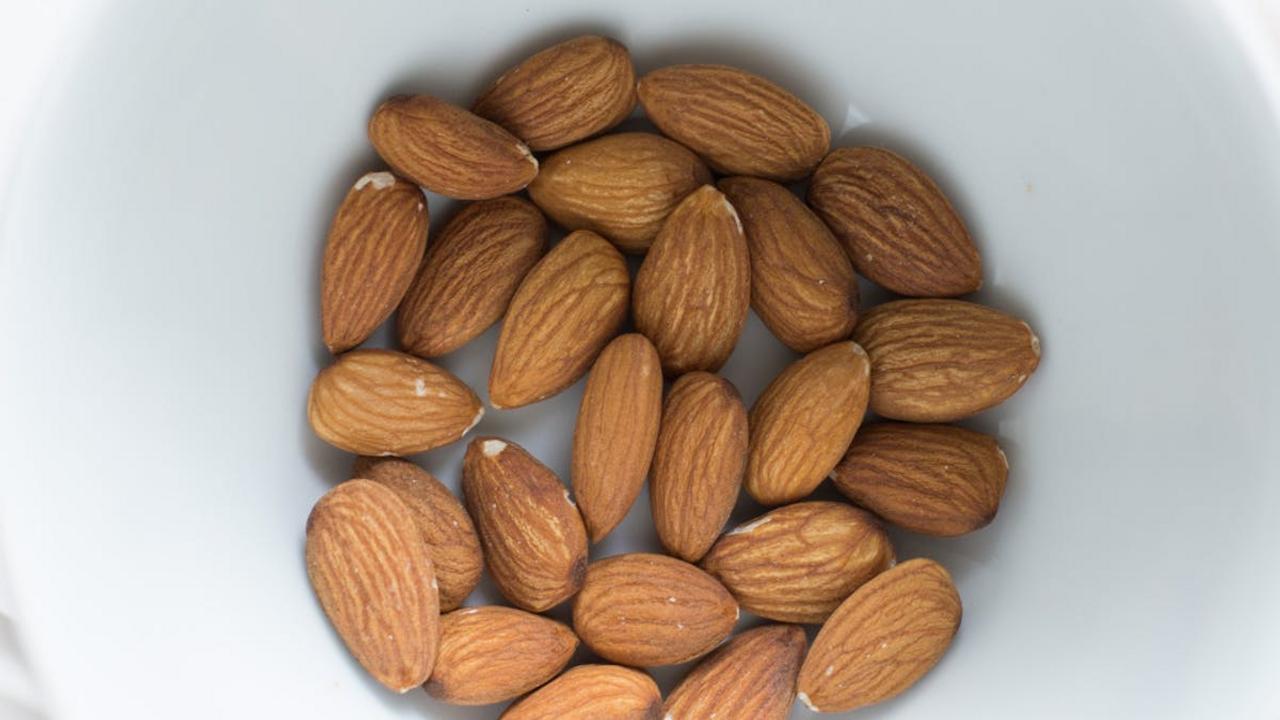
I reach for almonds constantly in my kitchen because they’re like that reliable friend who never lets you down. Whether I’m making my grandmother’s Moroccan tagine or experimenting with a new grain bowl, these versatile nuts bring both substance and subtle sweetness to every dish. Raw almonds give you that satisfying crunch, while toasted ones develop this deep, nutty complexity that transforms simple recipes into something memorable. I love how they bridge different food traditions – equally at home in Middle Eastern rice pilafs, Indian kormas, or simply scattered over my morning yogurt with honey.
What makes almonds special for home cooking is their chameleon-like ability to take on different roles. Sliced almonds create beautiful texture in salads and stir-fries, while ground almonds become the base for flourless cakes or add richness to curry sauces. I keep whole almonds soaked overnight for creamy homemade almond milk, and sometimes I’ll pulse them into rough chunks for granola or trail mix. Their natural oils mean they stay fresh longer than many nuts, and that gentle, almost floral flavor never overpowers other ingredients – it just makes everything taste more complete and nourishing.