15 Omega-3 Rich Foods to Upgrade Your Meals and Snacks
Your body craves omega-3 fatty acids, but you don’t need expensive supplements when nature provides these powerhouse nutrients in delicious, whole foods. I’ve discovered that incorporating these healthy fats transforms not just your meals, but how you feel throughout the day.
From flaky salmon that practically melts in your mouth to crunchy walnuts that add texture to morning oatmeal, omega-3 rich foods bring incredible versatility to your kitchen. These ingredients work beautifully across cuisines—think Mediterranean sardines, Asian seaweed salads, or simply sprinkling hemp seeds over your favorite soup.
Building meals around these fifteen foods means you’re nourishing your brain, heart, and entire body with every bite. The best part? You’ll never feel like you’re eating “health food”—just incredibly satisfying, flavorful dishes that happen to love you back.
Trout
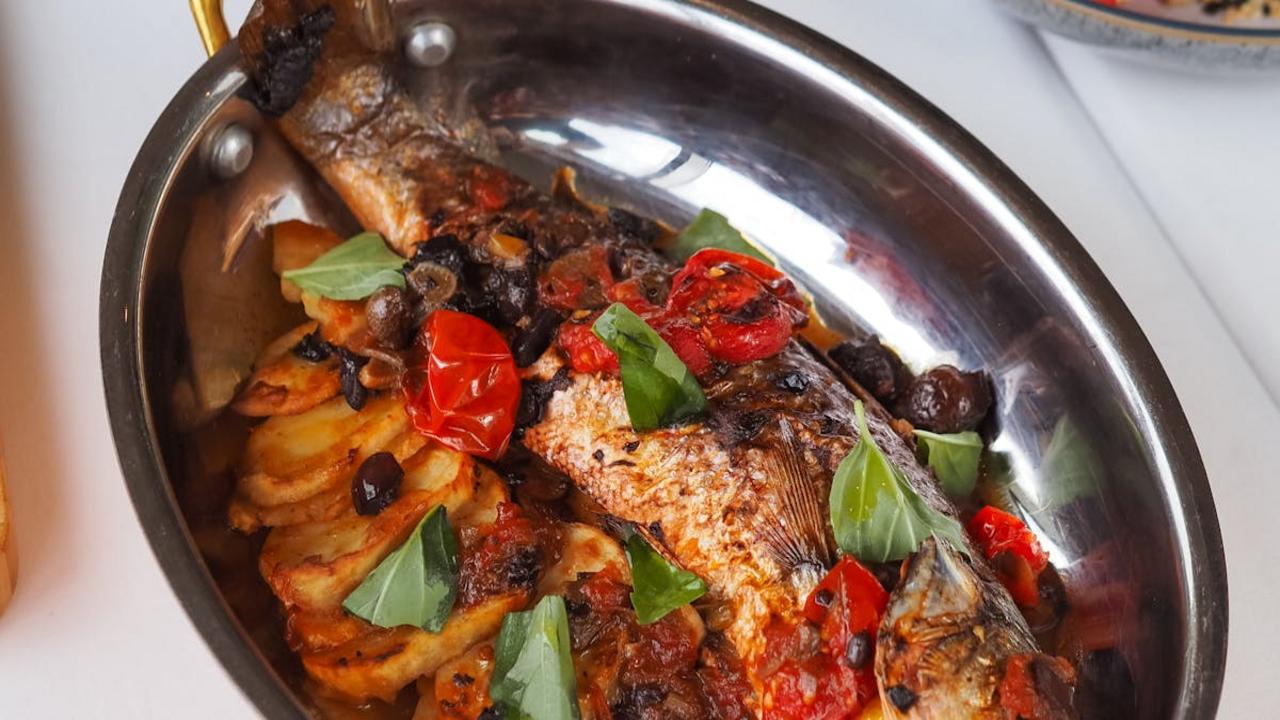
You know that moment when you’re standing at the fish counter, scanning the ice-filled display, and rainbow trout catches your eye? That beautiful, pink-fleshed fish isn’t just gorgeous—it’s packed with omega-3 fatty acids that’ll make your brain and heart sing. I love how trout offers such a delicate, almost buttery flavor that works beautifully whether you’re grilling it whole with herbs from your garden or pan-searing fillets with a simple lemon-garlic finish. The best part? Trout cooks incredibly fast, making it perfect for those weeknight dinners when you want something wholesome but don’t have hours to spend in the kitchen.
What really draws me to trout is how it bridges the gap between accessible and special-occasion cooking. You can stuff it with fresh dill and citrus for a Mediterranean-inspired feast, or simply season it with salt, pepper, and a drizzle of good olive oil for something beautifully minimalist. I often wrap trout in parchment paper with whatever vegetables I have on hand—maybe some cherry tomatoes, zucchini ribbons, and fresh thyme—creating these individual parcels that steam perfectly in the oven. The omega-3s in trout support everything from brain function to reducing inflammation, but honestly, I choose it because it tastes incredible and transforms any ordinary meal into something memorable without any fuss or complicated techniques.
Herring
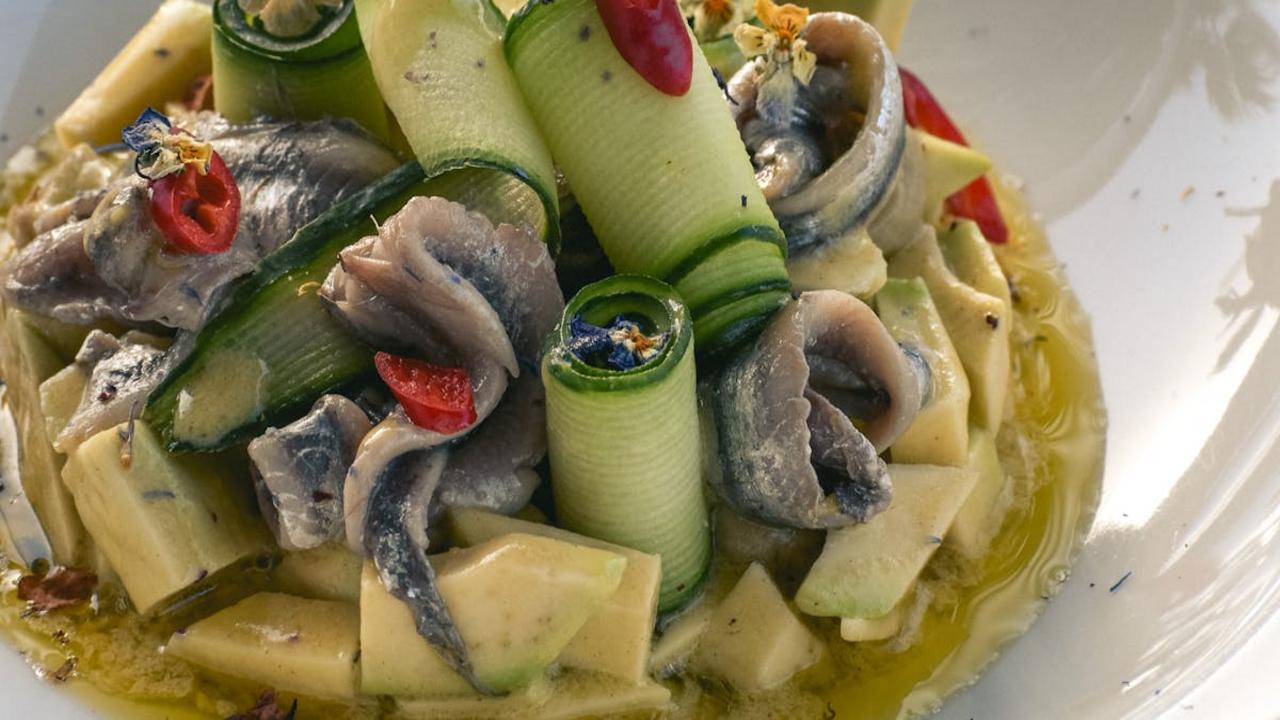
I remember the first time I cooked with fresh herring – this silvery fish completely changed how I think about incorporating omega-3s into everyday cooking. Herring packs an impressive 1,729 milligrams of omega-3 fatty acids per 3-ounce serving, making it one of the most nutrient-dense fish you can find. What I love most about herring is its rich, distinctive flavor that works beautifully in both traditional Nordic preparations and unexpected fusion dishes. You can find herring fresh, canned, or pickled at most grocery stores, and each form opens up different cooking possibilities.
Fresh herring shines when you keep the preparation simple – I often pan-fry fillets with nothing more than salt, pepper, and a squeeze of lemon, then serve them over warm quinoa with fresh herbs. The canned variety becomes your weeknight dinner hero; I mix it into pasta with capers and cherry tomatoes, or fold it into grain bowls with roasted vegetables. Pickled herring brings a tangy punch that transforms simple salads into something special – try it with boiled potatoes, dill, and sour cream for a Scandinavian-inspired side dish that pairs perfectly with grilled meats or roasted chicken.
Hemp Seeds
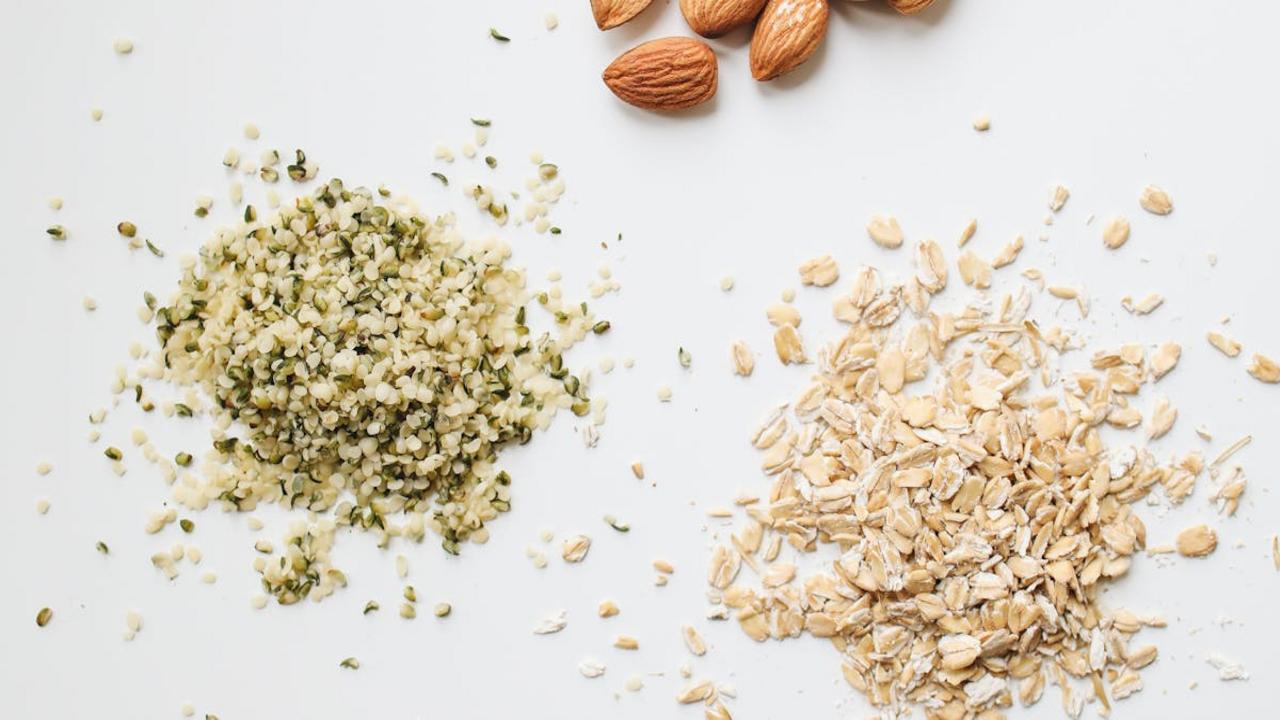
Hemp seeds might sound intimidating if you’re new to them, but trust me—these tiny powerhouses pack more omega-3s than most people realize. With about 2.6 grams of alpha-linolenic acid (ALA) per ounce, they’re one of the most concentrated plant-based sources you can find. What I love most about hemp seeds is their incredibly mild, nutty flavor that never overpowers your dishes. Unlike some seeds that can taste grassy or bitter, hemp seeds blend seamlessly into both sweet and savory recipes without announcing their presence.
I keep a jar of hulled hemp seeds in my pantry at all times because they’re so versatile. Sprinkle them over your morning yogurt or oatmeal, blend them into smoothies for extra creaminess, or toss them into salads for a satisfying crunch. They work beautifully in homemade energy balls mixed with dates and cocoa powder, or you can stir them directly into soups just before serving. The best part? You don’t need to grind or cook them—just eat them straight from the jar. Their soft texture and subtle taste make them perfect for anyone who wants omega-3 benefits without changing the flavor profile of their favorite meals.
Eggs
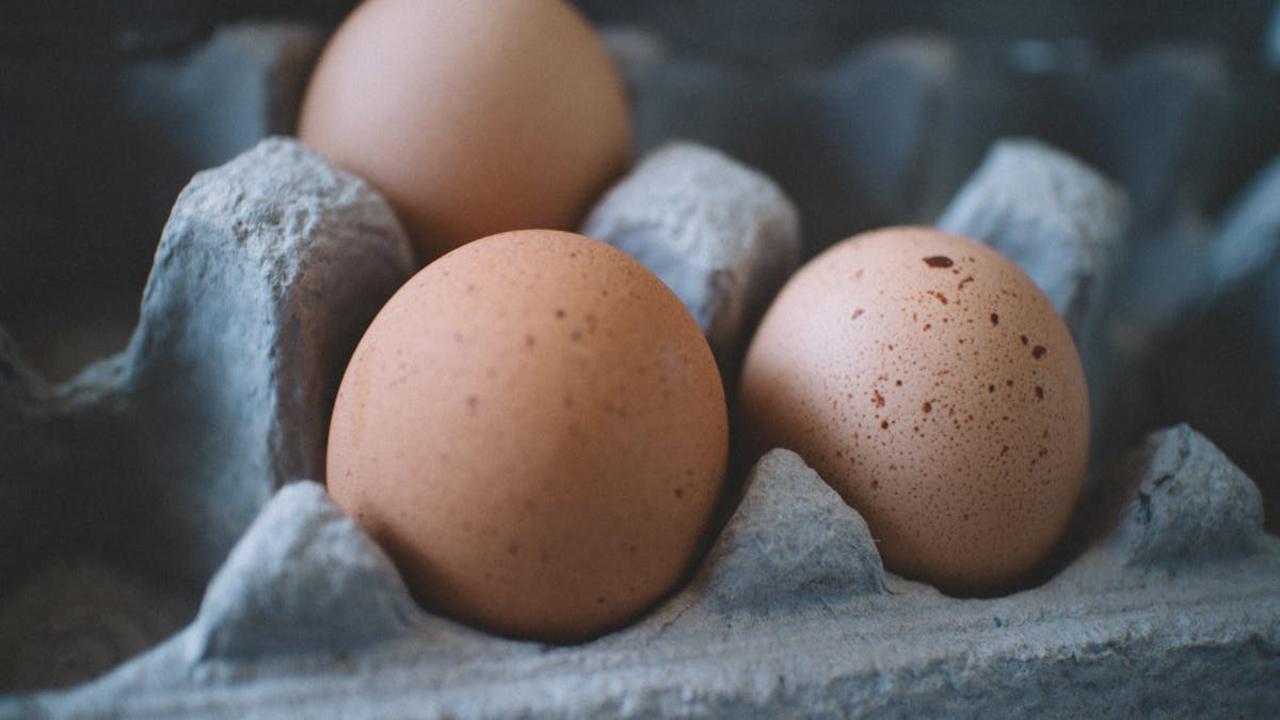
When I crack open eggs from pasture-raised hens in my kitchen, I know I’m adding more than just protein to my meals—I’m incorporating one of nature’s most accessible sources of omega-3 fatty acids. The difference between conventional and pasture-raised eggs is remarkable; hens that roam freely and feast on grass, insects, and seeds produce eggs with significantly higher omega-3 content. You can actually see this difference in the deep orange yolks that practically glow with nutrition. I love how versatile eggs are—whether I’m whisking them into a turmeric-spiced scramble with fresh herbs from my garden or folding them into a shakshuka with North African spices.
What excites me most about cooking with omega-3 rich eggs is how they transform simple ingredients into something extraordinary. I often prepare my favorite weekend breakfast: soft-boiled eggs over avocado toast, drizzled with olive oil and za’atar, creating a perfect marriage of healthy fats. During busy weekdays, I’ll meal prep egg muffins loaded with vegetables, knowing that each bite delivers both convenience and nutrition. The beauty of eggs lies in their ability to bridge cultures—from Korean savoyed egg rice bowls to Mexican huevos rancheros—while consistently providing those beneficial omega-3s your body craves.
Seaweed
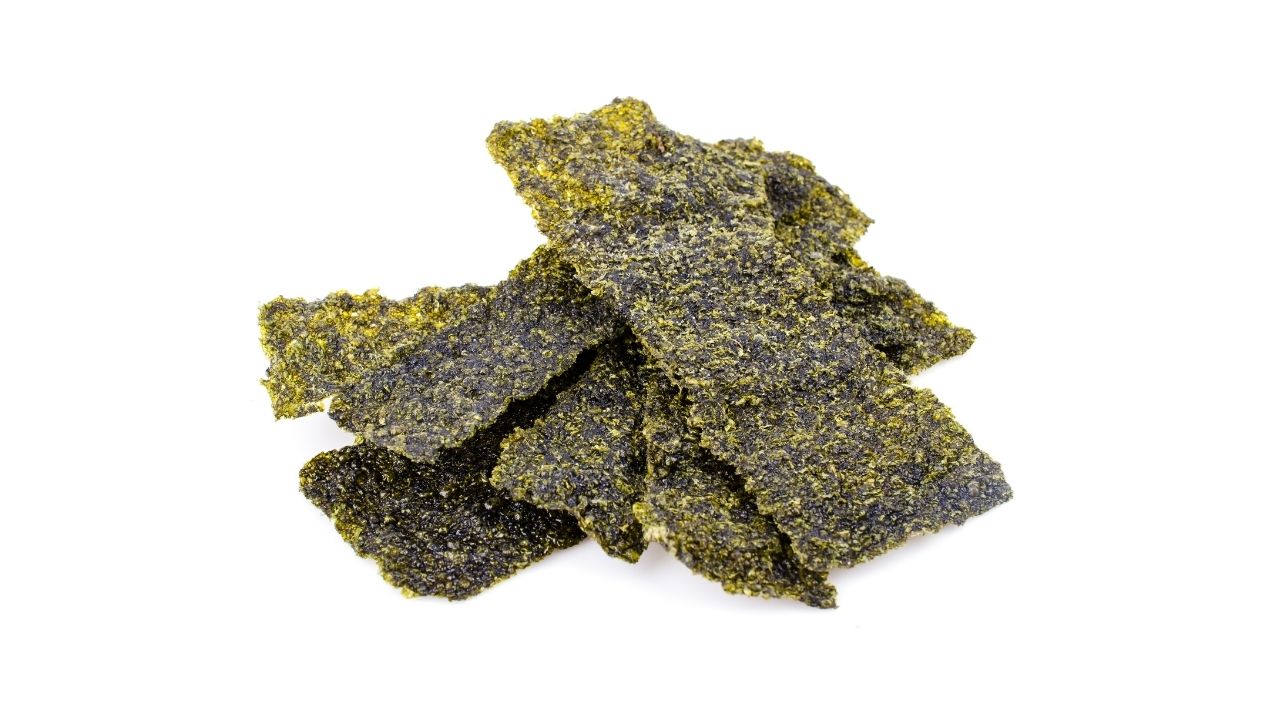
You know how I’m always talking about finding those unexpected ingredients that completely transform your cooking? Seaweed is one of those magical additions that brings both incredible flavor and serious omega-3 power to your table. I started incorporating different varieties like nori, wakame, and dulse into my everyday cooking, and honestly, it opened up a whole new world of umami-rich possibilities. These ocean vegetables pack impressive amounts of EPA and DHA – the same omega-3s you’d get from fish – making them perfect for anyone looking to boost their intake naturally.
What I love most about cooking with seaweed is how versatile it becomes once you start experimenting. I crumble toasted nori over everything from scrambled eggs to roasted vegetables, and it adds this incredible depth that people can never quite identify. Wakame works beautifully in soups and salads, bringing a subtle brininess that pairs surprisingly well with citrus and sesame. You can even blend dried seaweed into homemade spice mixes or use it as a natural flavor enhancer in broths. Start small – maybe sprinkle some seaweed flakes on your next bowl of rice or add a strip of kombu to your cooking water for beans. Your body will thank you for the omega-3s, and your taste buds will discover flavors you never knew existed.
Brussels Sprouts
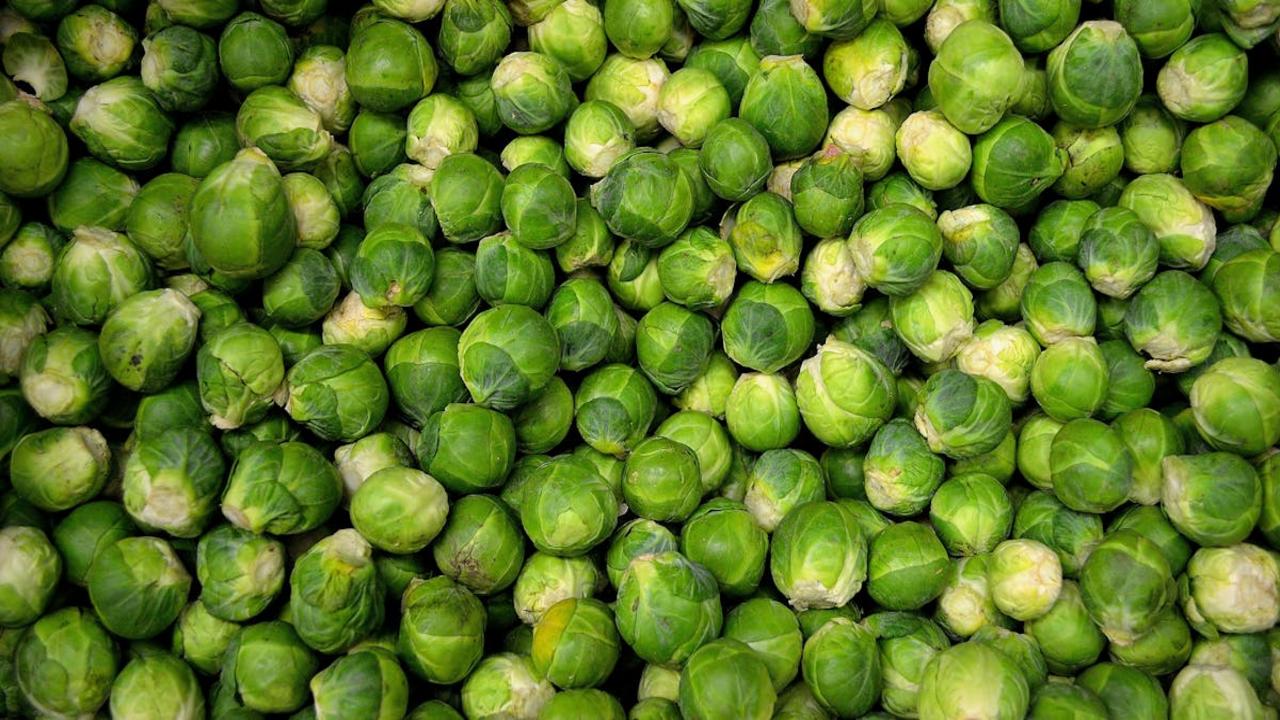
You know what? Brussels sprouts deserve way more credit than they get! These little green powerhouses pack about 135 milligrams of omega-3s per cup, and I’ve watched so many people transform from sprouts-skeptics to absolute converts once they discover the right cooking techniques. The secret lies in bringing out their natural sweetness—when you roast them at high heat until the edges get crispy and caramelized, or when you shred them raw into winter salads, you’re working with a vegetable that wants to shine. I love tossing halved sprouts with olive oil, garlic, and a splash of balsamic vinegar before roasting them until they’re golden brown and slightly charred.
What makes Brussels sprouts particularly exciting in my kitchen is their incredible versatility across different cooking traditions. I’ll often stir-fry shredded sprouts with ginger and soy sauce for an Asian-inspired side dish, or fold them into warm grain bowls with roasted sweet potatoes and tahini dressing. They work beautifully in Mediterranean preparations too—try sautéing them with pine nuts, lemon zest, and a touch of red pepper flakes. The key is understanding that these mini cabbages become sweeter and more complex when exposed to high heat, so don’t be afraid to let them get those beautiful brown edges that signal they’re ready to win over even the most stubborn vegetable doubters.
Soybeans
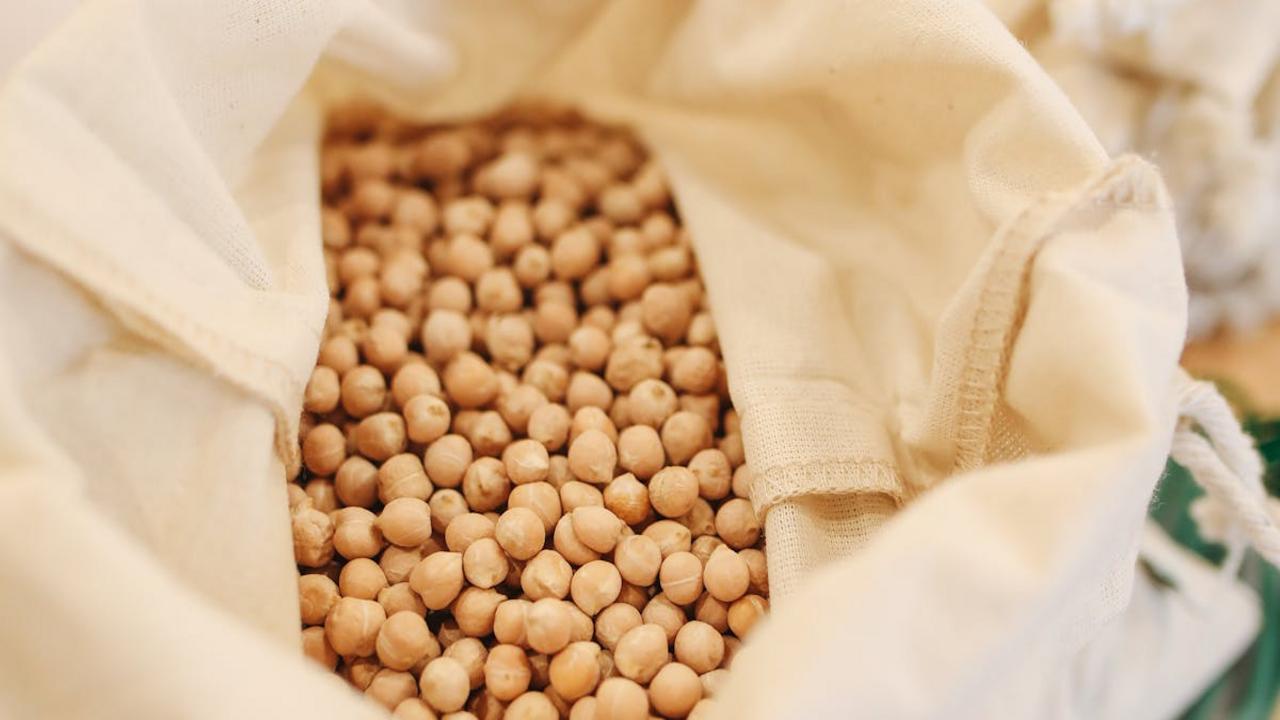
Soybeans might not be the first ingredient you think of when planning your weekly meals, but these protein-packed legumes deserve a spot in your pantry rotation. Fresh soybeans, known as edamame, make an incredible snack straight from the pod with just a sprinkle of sea salt. I love tossing them into grain bowls, stir-fries, or even blending them into creamy soups. The mature dried beans work beautifully in hearty stews and can be cooked down into a rich, satisfying base that absorbs whatever spices and aromatics you throw their way.
What makes soybeans particularly exciting is their omega-3 content combined with their incredible versatility in the kitchen. You can ferment them into tempeh for a nutty, complex flavor that transforms any dish, or blend cooked soybeans into silky smooth sauces that rival any cream-based preparation. I often soak dried soybeans overnight, then simmer them with ginger, garlic, and a touch of tamari for an umami-rich addition to my meals. They pair wonderfully with roasted vegetables, work magic in homemade veggie burgers, and create the most satisfying plant-based protein foundation for any meal you’re creating from scratch.
Walnuts
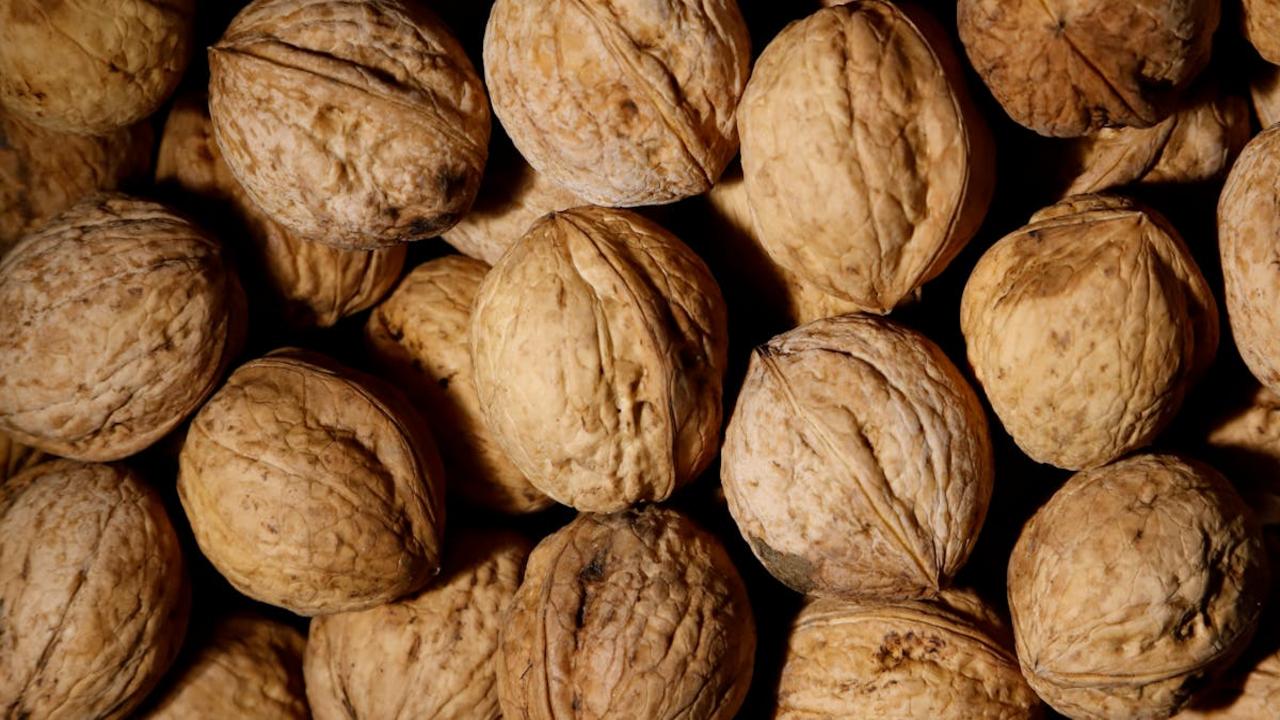
I keep a jar of walnuts on my counter because they’re honestly one of nature’s most perfect omega-3 packages. These brain-shaped beauties pack more alpha-linolenic acid than any other tree nut, and I love how they transform everything from morning oatmeal to evening salads. You can toast them lightly in a dry pan for just two minutes to bring out their rich, buttery flavor—this simple step makes such a difference in whatever dish you’re creating.
What makes walnuts special in my kitchen is their incredible versatility across global cuisines. I fold chopped walnuts into Georgian khachapuri for extra richness, blend them into Persian fesenjan sauce with pomegranate molasses, or simply scatter them over roasted vegetables with a drizzle of good olive oil. They’re also amazing in sweet applications—I make a quick walnut butter by processing them with a pinch of cinnamon and maple syrup. Whether you’re snacking on them straight from the jar or incorporating them into your next homemade granola, walnuts bring both nutrition and incredible flavor to your daily meals.
Flax Seeds
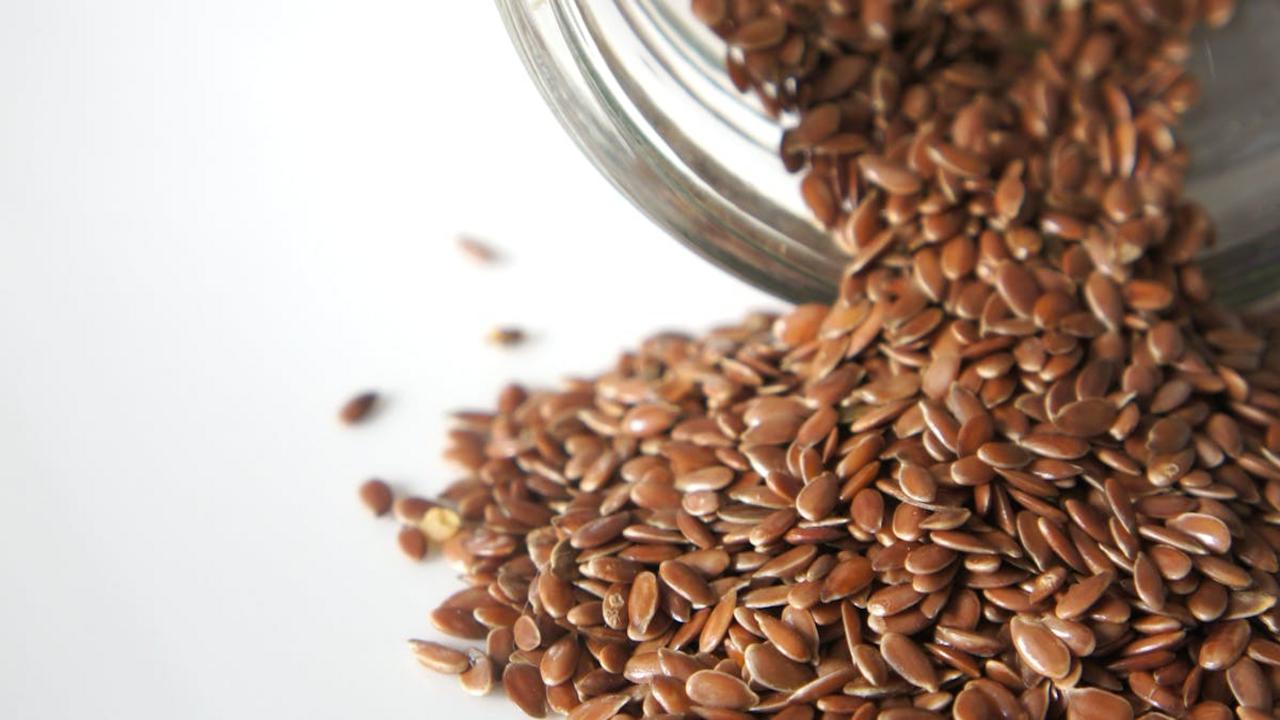
These tiny golden powerhouses pack more omega-3s per tablespoon than most people get in an entire day! I keep ground flaxseed in my kitchen because your body absorbs the nutrients better when they’re pre-ground. The nutty, slightly earthy flavor works beautifully in both sweet and savory dishes. I love sprinkling them over my morning yogurt with fresh berries, or mixing them into homemade granola bars. They also make an incredible egg substitute in baking – just mix one tablespoon of ground flax with three tablespoons of water and let it sit for five minutes until it gets that gel-like consistency.
What makes flax seeds truly special is their versatility in the kitchen. I often toast whole flax seeds in a dry pan for about two minutes to bring out their nutty flavor before grinding them fresh in my spice grinder. They add wonderful texture and nutrition to smoothies, oatmeal, and even homemade bread. Try incorporating them into your salad dressings or mixing them with herbs and spices to create a crust for baked fish. Store ground flaxseed in your refrigerator to keep those precious oils fresh, and remember that a little goes a long way – just one to two tablespoons daily gives you a significant omega-3 boost.
Chia Seeds
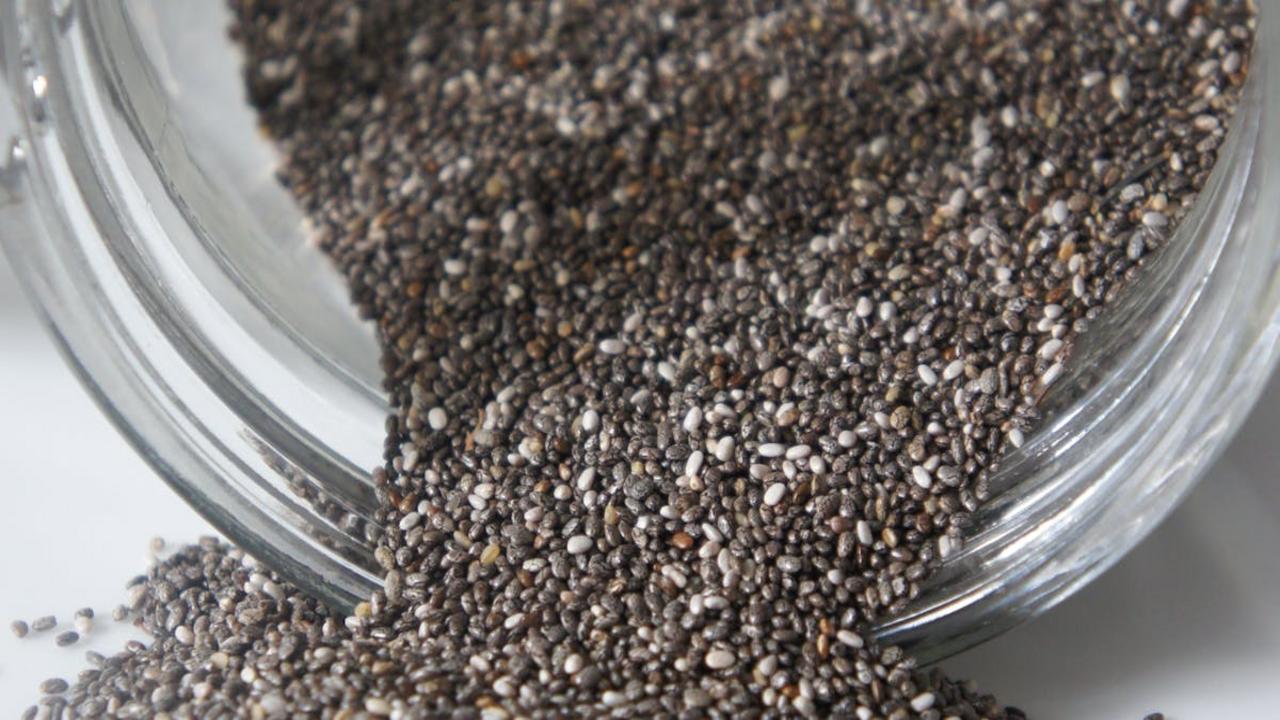
These tiny black seeds pack more omega-3 power than you might expect! Just two tablespoons give you nearly 5 grams of ALA omega-3s, making them one of the richest plant-based sources available. I keep a jar of chia seeds in my pantry because they transform ordinary dishes into nutritional powerhouses without changing the flavor. You can sprinkle them directly onto yogurt, blend them into smoothies, or stir them into oatmeal for an instant health boost.
What makes chia seeds brilliant for home cooks is their gel-forming ability. When you soak them in liquid for 15-20 minutes, they create a pudding-like texture that works beautifully in overnight oats, homemade jams, or egg replacements in baking. I love making chia puddings with coconut milk and fresh fruit – they’re perfect for meal prep and satisfy that dessert craving while delivering serious nutrition. Try mixing different flavors like vanilla-cinnamon or chocolate-banana to keep things interesting. The seeds also add a pleasant crunch to salads and work wonderfully in homemade energy balls with dates and nuts.
Tuna
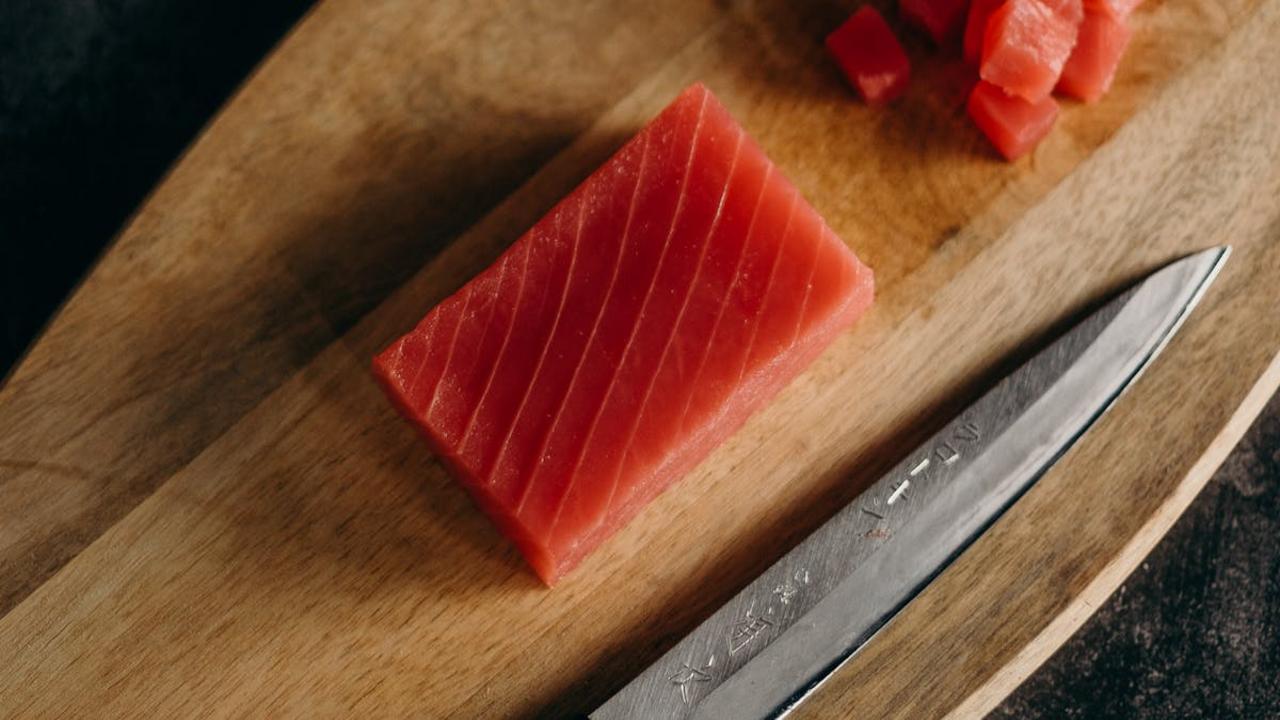
Fresh tuna transforms into something magical when you sear it quickly over high heat, creating that perfect contrast between the crispy outer layer and the tender, ruby-red center. I love working with yellowfin or bluefin tuna steaks—they’re packed with omega-3s and deliver this clean, oceanic flavor that pairs beautifully with Asian-inspired marinades. You can marinate thick tuna steaks in a mixture of soy sauce, fresh ginger, and sesame oil for just 30 minutes before searing. The key is treating tuna like a fine piece of beef: season generously, get your pan screaming hot, and don’t overthink the timing.
Beyond the classic seared preparations, canned tuna opens up a world of possibilities for quick, nutritious meals throughout the week. I always keep several cans of high-quality, sustainably caught tuna in my pantry—look for brands packed in olive oil rather than water for extra richness and omega-3 content. Mix it into warm pasta with capers and cherry tomatoes, or create a Mediterranean-style salad with white beans, red onion, and fresh herbs. Even a simple tuna melt becomes special when you add sliced avocado and a sprinkle of everything bagel seasoning before broiling.
Oysters
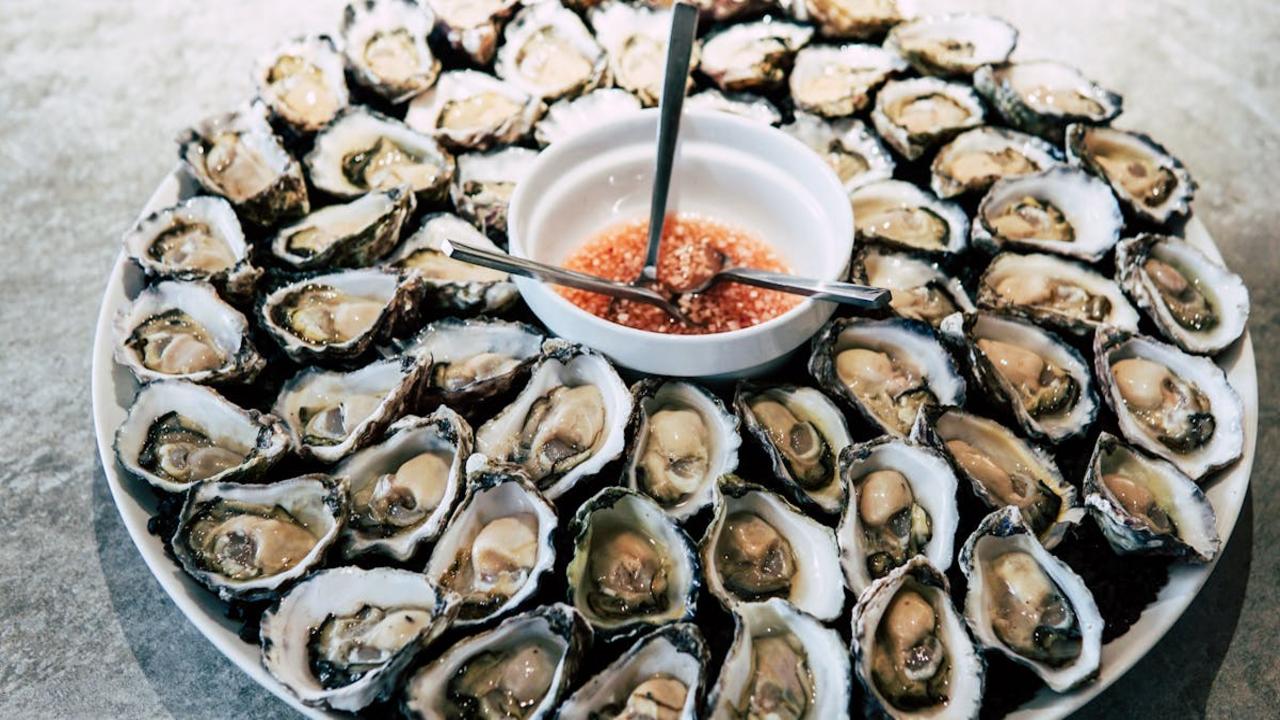
You know what gets me excited about oysters? These little ocean gems pack more omega-3s per serving than most fish! Fresh oysters deliver around 570mg of these brain-boosting fats in just six medium oysters. I love how they bring that briny, mineral-rich flavor that instantly transports you to coastal waters. Beyond their impressive omega-3 content, oysters overflow with zinc, vitamin B12, and copper – nutrients your body craves for immune function and energy production.
Don’t let their reputation intimidate you – oysters work beautifully in so many ways beyond the raw bar. I toss them into pasta dishes for instant umami depth, add them to creamy chowders, or quickly sauté them with garlic and herbs for a weeknight dinner that feels fancy. If you’re new to cooking with oysters, start with canned ones from sustainable sources – they’re budget-friendly and perfect for beginners. Try folding them into scrambled eggs with fresh chives, or mix them into homemade cornbread for a coastal twist on comfort food.
Sardines
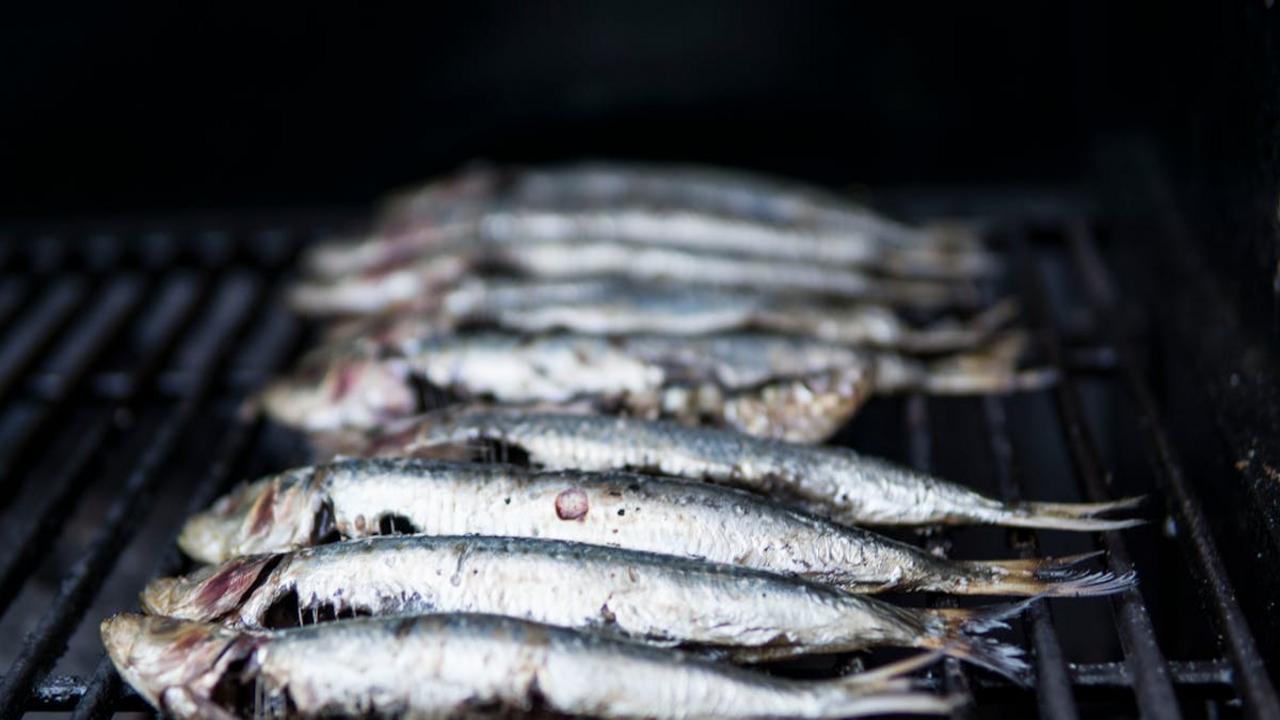
I know sardines might not sound glamorous, but trust me on this one – these tiny fish pack more omega-3s per serving than most expensive supplements ever could. With around 1,400 milligrams of EPA and DHA in just a 3.5-ounce serving, sardines deliver concentrated nutrition that your brain and heart absolutely crave. I love how these little powerhouses come ready to eat, making them perfect for those moments when you need quick, wholesome fuel.
The beauty of sardines lies in their versatility – I toss them into pasta with garlic, lemon, and fresh herbs for a Mediterranean-inspired dinner that takes minutes to prepare. You can mash them with avocado on sourdough toast, fold them into scrambled eggs with capers, or create a vibrant salad with tomatoes, red onion, and olive oil. Their bold, briny flavor transforms simple ingredients into satisfying meals that nourish your body from the inside out. Plus, sardines are one of the most sustainable fish choices, so you’re caring for both your health and the planet with every bite.
Mackerel
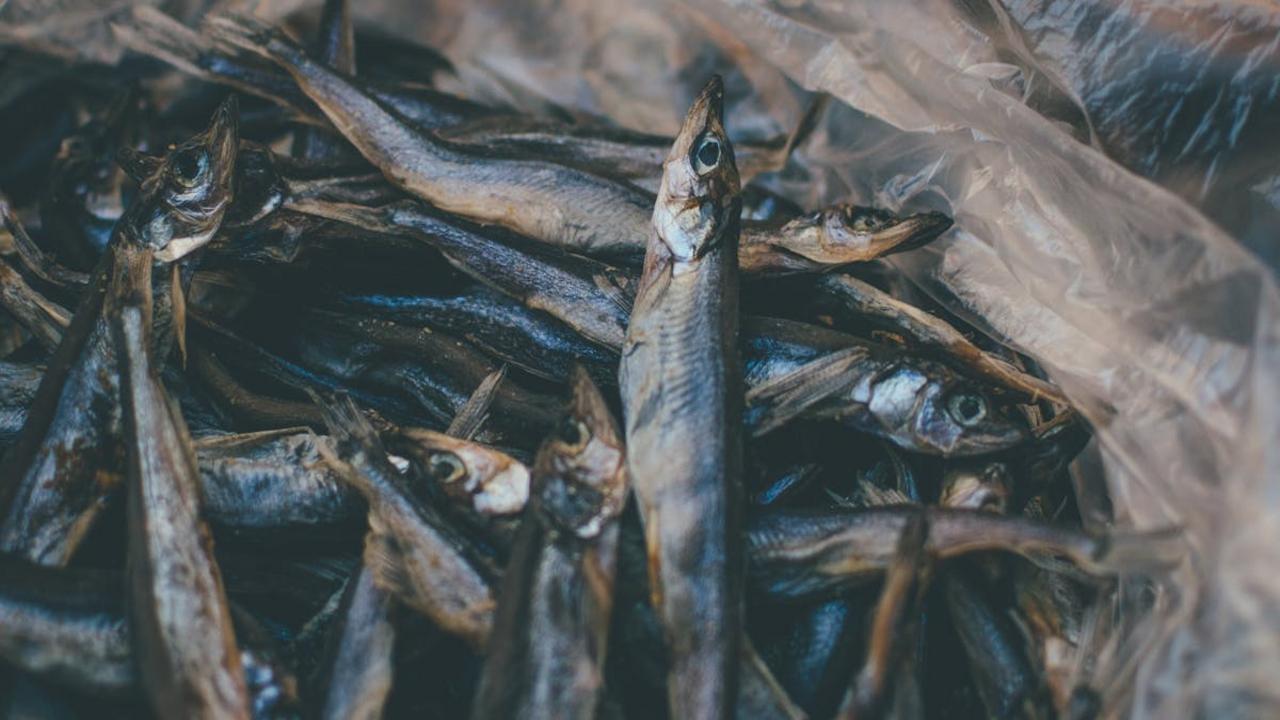
Mackerel sits proudly among the ocean’s most generous gifts, packing more omega-3s per serving than almost any other fish you’ll find at your local market. This silvery beauty delivers around 4,100 milligrams of EPA and DHA in just one fillet – that’s nearly four times your daily omega-3 needs in a single serving! I love how mackerel’s rich, buttery flavor stands up beautifully to bold seasonings from around the world. Whether you’re grilling it with Mediterranean herbs, marinating it in Japanese miso, or smoking it with warming spices, this fish never disappoints.
What makes mackerel even more appealing is its incredible versatility and affordability. You can find it fresh, canned, or smoked, making it accessible year-round for your weekly meal planning. I often reach for canned mackerel when I want to whip up quick fish cakes with fresh herbs and lemon zest, or toss it into pasta with garlic and cherry tomatoes. The key to cooking fresh mackerel is keeping things simple – a quick sear in a hot pan with just salt, pepper, and a squeeze of citrus lets its natural oils shine. Your heart and brain will thank you for choosing this nutrient-dense powerhouse.
Salmon
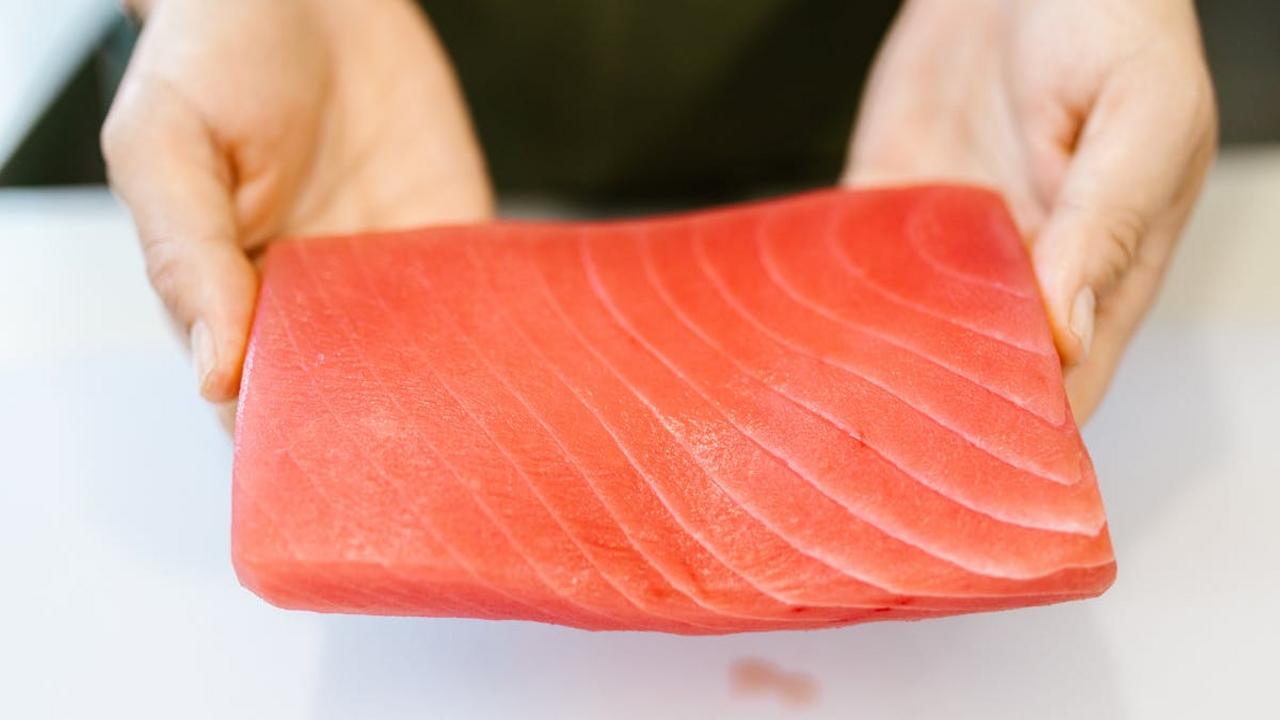
Salmon stands as my absolute favorite omega-3 powerhouse, and I cook with it at least twice a week in my kitchen. This gorgeous pink fish delivers around 2,000 milligrams of EPA and DHA per 3.5-ounce serving – that’s more than most people need in an entire day! Wild-caught varieties like sockeye and coho pack the most punch, but even farm-raised salmon brings impressive nutrition to your plate. I love how salmon’s rich, buttery texture works beautifully with so many flavor profiles.
You can transform salmon into countless dishes that never get boring. I’ll sear it with za’atar and lemon for a Middle Eastern twist, or glaze it with miso and ginger for an Asian-inspired dinner. Sometimes I’ll flake leftover salmon into grain bowls with quinoa and roasted vegetables, or mix it into pasta with fresh herbs from my garden. The key is buying the freshest fish you can find and keeping your cooking methods simple – salmon’s natural richness shines when you don’t overcomplicate things. A quick pan-sear or gentle oven roast brings out its best qualities every single time.