12 Sneaky Supermarket Traps to Skip for Savvier Grocery Shopping
Supermarkets design their layouts to maximize your spending, placing tempting items exactly where you’ll notice them most. Those impulse purchases add up quickly, turning a simple grocery run into an expensive adventure. Smart shoppers recognize these tactics and develop strategies to stick to their budgets while still enjoying quality food.
I’ve spent years wandering grocery aisles, both as a food lover and a budget-conscious shopper. The markup on certain convenience items can be shocking – sometimes 300% more than making or preparing things yourself. Understanding these pricing tricks helps you make informed decisions about where to spend your hard-earned money.
Today I’m sharing twelve common supermarket traps that drain your wallet unnecessarily. You’ll discover which items to skip, what alternatives work better, and how to shop with confidence. These simple swaps and mindful choices will transform your grocery shopping experience, leaving more money in your pocket for the ingredients that truly matter.
Imported cheeses
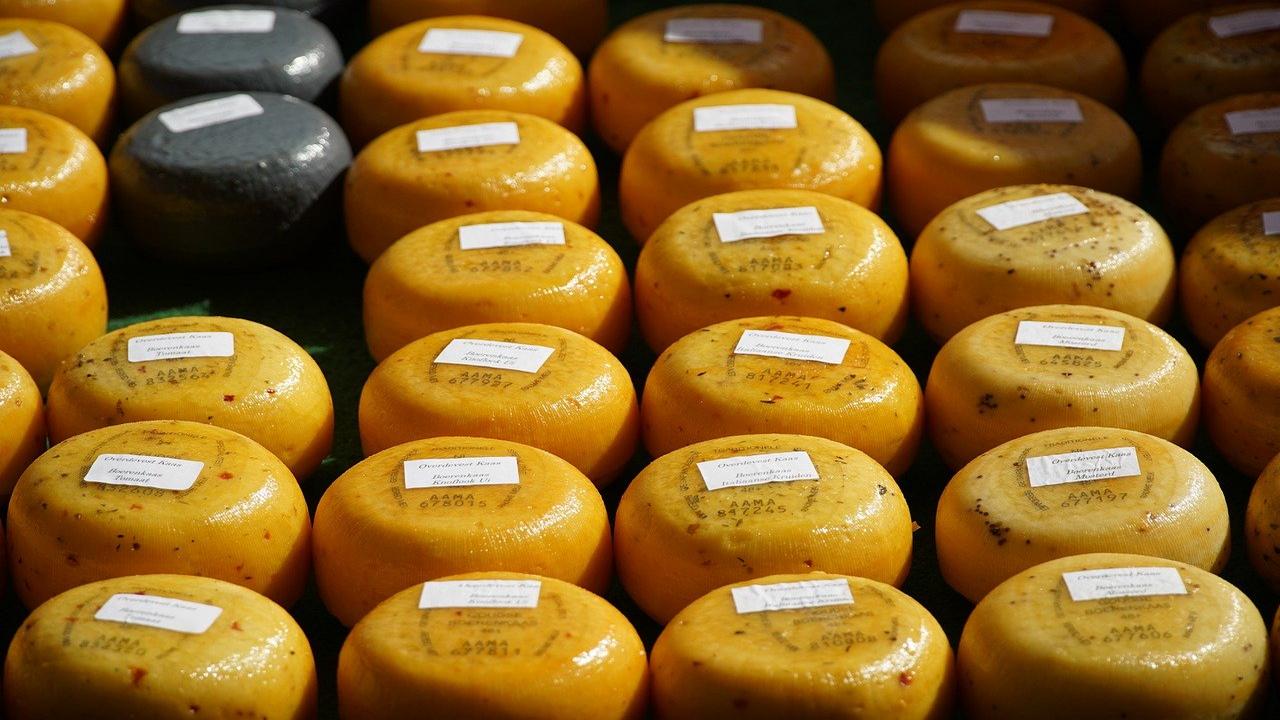
Those fancy imported cheese displays look absolutely gorgeous, don’t they? With their artisanal packaging and exotic origins, they practically scream “sophisticated dinner party.” But here’s what I’ve learned after years of grocery shopping and countless cheese tastings: you’re often paying triple the price for that passport stamp. Many domestic cheese makers now produce varieties that rival their European counterparts in both quality and flavor complexity. Your local creamery might craft an aged cheddar that puts that pricey British import to shame.
Before you reach for that $20 wedge of imported Gruyère, take a moment to compare it with domestic options. I’ve discovered some incredible American-made Swiss-style cheeses that cost half the price and taste just as rich and nutty. The secret lies in reading labels carefully and asking your cheese counter staff about local producers. You’ll find that many small-scale American cheese makers use traditional European techniques passed down through generations. Plus, buying domestic means fresher cheese since it hasn’t traveled thousands of miles to reach your plate. Your wallet and your recipes will thank you for this simple switch.
Meal kits
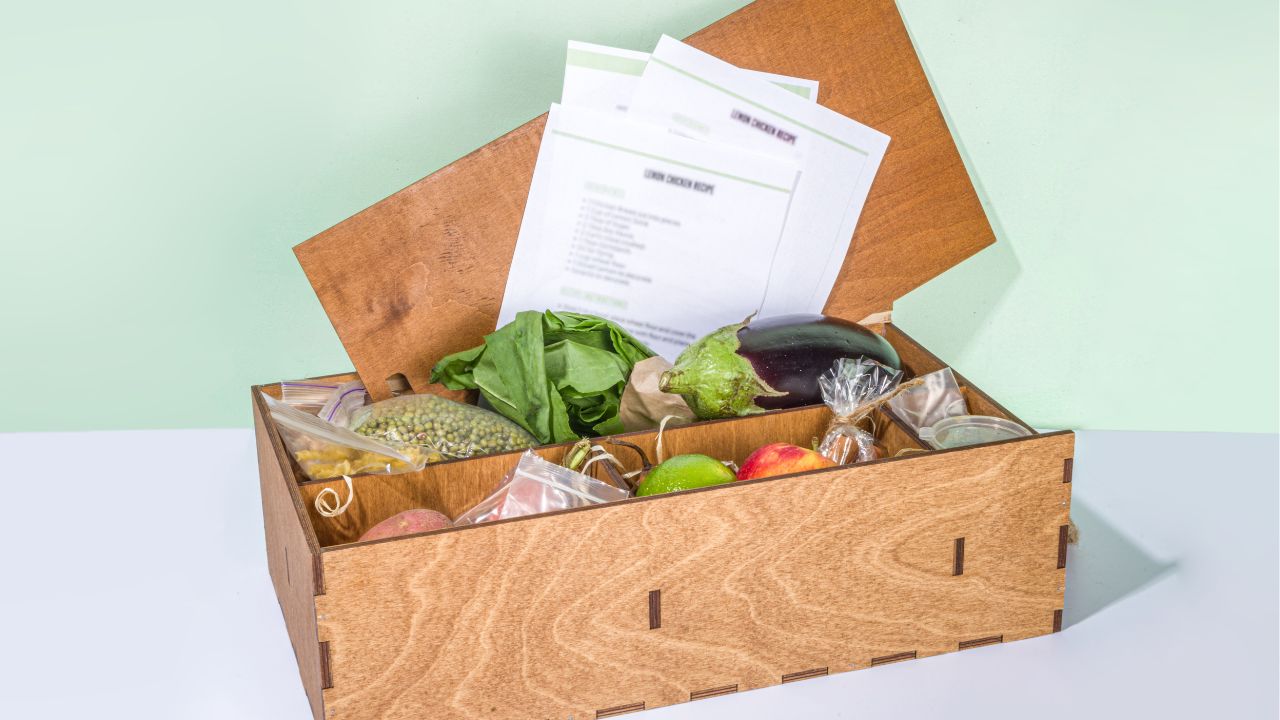
Those colorful meal kit displays near the deli counter might look convenient, but they’re often one of the priciest ways to feed your family. You’re paying premium prices for pre-portioned ingredients and recipe cards that you could easily recreate at home for half the cost. These kits typically mark up simple ingredients by 200-300%, turning a $5 homemade dinner into a $15-20 expense. The portion sizes are usually modest too, leaving hungry families reaching for additional snacks or side dishes.
Instead of falling for this marketing trap, spend 10 minutes planning your own “meal kits” at home. Buy whole ingredients in bulk, portion them yourself, and create your own recipe collection. You’ll discover that most meal kit recipes use basic seasonings and simple techniques that become second nature once you try them a few times. Store your prepped ingredients in glass containers, and you’ll have the same convenience without the inflated price tag. Your wallet will thank you, and you’ll gain confidence in the kitchen by understanding exactly what goes into every dish you create.
In-store bakery goods

Fresh-baked cookies, muffins, and pastries from the grocery store bakery section might smell incredible, but they’re often loaded with refined sugars, unhealthy fats, and preservatives that don’t belong in your weekly meal plan. These treats typically cost significantly more per serving than making similar items at home, and you’re paying premium prices for ingredients you can’t control. Most store bakeries rely heavily on processed mixes and artificial flavors to create that appealing aroma and appearance, which means you’re missing out on the wholesome, natural ingredients that make homemade baked goods so satisfying.
Instead of grabbing that tempting chocolate chip muffin, consider planning a weekend baking session where you control every ingredient that goes into your treats. You can use whole grain flours, reduce sugar content, add fiber-rich ingredients like oats or flaxseed, and create portions that actually satisfy rather than leaving you craving more. Homemade baking doesn’t require professional skills – simple recipes for banana bread, oatmeal cookies, or basic muffins take less time than a grocery store trip and fill your home with genuine, wholesome aromas. Plus, you’ll save money while creating treats that nourish your body and bring joy to your kitchen routine.
Overpriced organic options

You walk into the produce section and immediately spot those pristine organic apples with their premium price tags, and suddenly your grocery budget starts sweating! While organic produce certainly has its benefits, supermarkets often mark up these items by 20-40% more than their conventional counterparts. The truth is, not every fruit and vegetable needs the organic treatment for your health and wallet to stay happy. Focus your organic dollars on the “Dirty Dozen” – items like strawberries, spinach, and bell peppers that tend to have higher pesticide residues – and save money on the “Clean Fifteen” like avocados, sweet corn, and pineapples.
Smart shoppers know that buying organic doesn’t automatically mean buying the store’s premium brand either. Look for store-brand organic options, which can cost significantly less than name-brand alternatives while meeting the same USDA organic standards. You can also stretch your organic budget by shopping seasonal produce, joining a local CSA, or visiting farmers markets where you might snag better deals directly from growers. Remember, a balanced diet filled with plenty of fruits and vegetables – whether organic or conventional – beats an expensive organic apple sitting lonely in your fridge because you couldn’t afford to buy enough produce for the week!
Travel-sized toiletries

Those tiny bottles of shampoo and conditioner sitting near the checkout might seem convenient for your next trip, but they’re actually one of the biggest money traps in the grocery store! You’re paying premium prices for what amounts to just a few uses worth of product. I’ve calculated the cost per ounce on these miniature bottles, and it’s absolutely shocking – sometimes up to ten times more expensive than buying the regular-sized versions. Your wallet will thank you for skipping these overpriced convenience items.
Instead of falling for this marketing trick, grab some small reusable containers from the travel section and fill them with your favorite full-sized products at home. You’ll get the same portability without the hefty price tag, plus you can use products you already know and love. Many drugstores and online retailers sell travel container sets for under five dollars, and they’ll pay for themselves after just one trip. This simple swap puts more money back in your grocery budget while still giving you the convenience you need for travel – it’s a win-win situation that makes perfect financial sense!
Seasonal-themed treats

Those adorable Halloween cookies, Valentine’s chocolates, and Easter candy displays might look irresistible, but they’re strategically placed to grab your attention and your wallet. Supermarkets know exactly how to tug at your heartstrings with festive packaging and limited-time offers that make you feel like you’re missing out if you don’t buy them. The truth is, these seasonal treats often carry premium price tags simply because they wear holiday colors or shapes. You’re paying extra for themed packaging while getting the same basic ingredients you could find year-round at lower costs.
Instead of falling for these seasonal marketing tricks, stock up on your favorite treats during post-holiday clearance sales when prices drop dramatically. You can also create your own festive goodies at home using regular baking supplies and food coloring – it’s more fun, costs less, and you control the quality of ingredients. Keep a small stash of holiday-themed cookie cutters and decorating supplies so you can whip up seasonal treats whenever the mood strikes. Your family will love the homemade touch, and your budget will thank you for skipping those overpriced store-bought alternatives that often contain more preservatives than flavor.
Name-brand spices

You know that moment when you reach for the familiar McCormick oregano because it feels safe and reliable? I totally get it, but here’s what grocery stores don’t want you to know: those name-brand spices are marking up their prices by sometimes 300% compared to generic versions. The spice aisle is designed to make you grab what looks familiar, but the truth is that most store-brand spices come from the exact same suppliers and facilities. Your wallet will thank you for making the switch, and honestly, your food will taste just as amazing.
Here’s my favorite money-saving trick that changed everything for me: buy your spices from the bulk bins or ethnic food sections where prices drop dramatically. A small container of name-brand paprika might cost $4, while the same amount from the international aisle costs under $2. Even better, check out local spice shops or order online in larger quantities – you’ll get fresher products that pack more punch than those dusty bottles that have been sitting on supermarket shelves for months. Trust me, once you start buying quality spices at reasonable prices, you’ll wonder why you ever paid premium prices for basic seasonings.
Bottled water

You walk down that beverage aisle and see rows of gleaming plastic bottles promising pure, crisp refreshment. But here’s what supermarkets don’t want you to know: that $1.50 bottle of water costs you about 1,000 times more than what flows from your kitchen tap! I’m talking about the same H2O, friends. Your municipal water goes through rigorous testing and quality standards that often exceed those fancy bottled brands. Plus, many bottled waters are simply filtered tap water anyway – they’re just charging you premium prices for basic filtration you can do at home.
Instead of filling your cart with plastic bottles, invest in a quality water filter for your home and a reusable bottle you love. You’ll save hundreds of dollars annually while reducing plastic waste. If you’re concerned about taste, try different filter types until you find one that makes your tap water sing. For those times you absolutely need bottled water, buy in bulk from warehouse stores rather than grabbing single bottles at checkout – that’s where supermarkets really get you with convenience pricing. Your wallet and the planet will thank you for this simple switch.
Prepared deli meals

Those gorgeous rotisserie chickens and ready-made pasta salads sitting under the deli’s warm lights might look like dinner heroes, but they’re actually budget villains in disguise! Prepared deli meals typically cost three to four times more than making the same dishes at home. What you’re paying for is convenience, yes, but also markup that can seriously drain your grocery budget. Plus, many of these prepared foods contain high amounts of sodium, preservatives, and hidden sugars that you’d never add to your own cooking.
Instead of grabbing that $12 container of chicken salad, why not buy a whole chicken for the same price and transform it into multiple meals? You can roast it for Sunday dinner, use the leftovers for sandwiches, and simmer the bones into a rich broth for soup later in the week. The same principle applies to those fancy grain bowls and pre-made salads – with just 20 minutes of prep time, you can create fresher, more nutritious versions at home. Your wallet will thank you, and your family will love the homemade flavor that no deli counter can match!
Gourmet condiments

Those fancy mustards, artisanal hot sauces, and imported chutneys gleaming from eye-level shelves can really drain your wallet fast! Supermarkets stock these gourmet condiments right where you can’t miss them, often charging three to five times more than basic versions. While that truffle-infused mayo sounds amazing, you’re mostly paying for pretty packaging and marketing buzz. The truth is, many regular condiments taste just as good and work perfectly in your favorite recipes.
Before you grab that $12 bottle of balsamic glaze, check the ingredients list – you’ll often find it’s just regular balsamic vinegar with added sugar and thickeners. Save your money by making your own gourmet versions at home! Mix regular Dijon with herbs from your garden, add sriracha to plain mayo, or reduce regular balsamic vinegar on your stovetop for that glossy finish. Your homemade versions will taste fresher, cost way less, and you can customize the flavors exactly how you like them. Plus, you’ll have the satisfaction of creating something delicious from scratch!
Pre-sliced fruits and vegetables

Those perfectly packaged pre-cut fruits and veggies might look convenient, but they’re quietly draining your wallet while compromising freshness. You’re paying anywhere from 40-300% more for someone else to do five minutes of knife work! Take pre-sliced apples that cost $4 per pound versus whole apples at $1.50 per pound – the math doesn’t add up in your favor. Beyond the price shock, these pre-cut items lose their nutritional punch faster than you can say “convenience.” Once fruits and vegetables get sliced, they start losing vitamin C and other nutrients while developing that sad, slightly brown appearance nobody wants on their plate.
The real kicker? Pre-sliced produce spoils much faster than whole fruits and vegetables, meaning you’ll likely toss half of what you bought before getting a chance to enjoy it. Instead of falling into this grocery trap, dedicate 10-15 minutes each week to washing and chopping your produce at home. You’ll save serious money, get fresher ingredients, and have complete control over how your food gets handled. Plus, freshly cut vegetables and fruits taste so much better than their pre-packaged counterparts – your family will definitely notice the difference in both flavor and crunch.
Candy at the checkout

You know that moment when you’re waiting in line, feeling pretty good about your healthy grocery haul, and then BAM – those colorful candy displays start calling your name? Supermarkets strategically place these sweet temptations right at eye level (and kid level!) because they know you’re stuck there with time to browse. Your willpower is already running low after making dozens of food decisions throughout your shopping trip, and retailers count on this mental fatigue to boost their impulse sales.
Here’s my favorite trick to beat this sneaky setup: keep a small bag of nuts or dried fruit in your purse or car for those checkout moments when you need something to munch on. If you’re shopping with little ones, try letting them help you count items in your cart or play “I Spy” with healthy foods you’ve selected. You can also choose the self-checkout lanes when possible – they typically have fewer candy displays surrounding you. Remember, those last-minute purchases often cost three times more than the same items in the regular aisles, so your wallet will thank you too!