12 Foods That Spoil Shockingly Fast, Even in the Fridge
You bought groceries yesterday, and already your fridge looks like a science experiment gone wrong. Those beautiful berries you splurged on? Now they’re fuzzy gray disasters. That bunch of fresh basil? Wilted beyond recognition. Your expensive avocados decided to go from rock-hard to mushy overnight, because apparently they have commitment issues.
Here’s the brutal truth: some foods treat your refrigerator like a temporary pit stop rather than a preservation paradise. While you expect that cold environment to buy you time, certain ingredients laugh in the face of proper storage and sprint toward spoilage faster than you can say “food waste.”
Understanding which foods have the shortest shelf lives saves you money and prevents those heartbreaking moments when you discover your perfect peaches have turned into squishy disappointments. These twelve notorious speed-spoilers will surprise you with their determination to go bad, even under optimal conditions.
Tomatoes
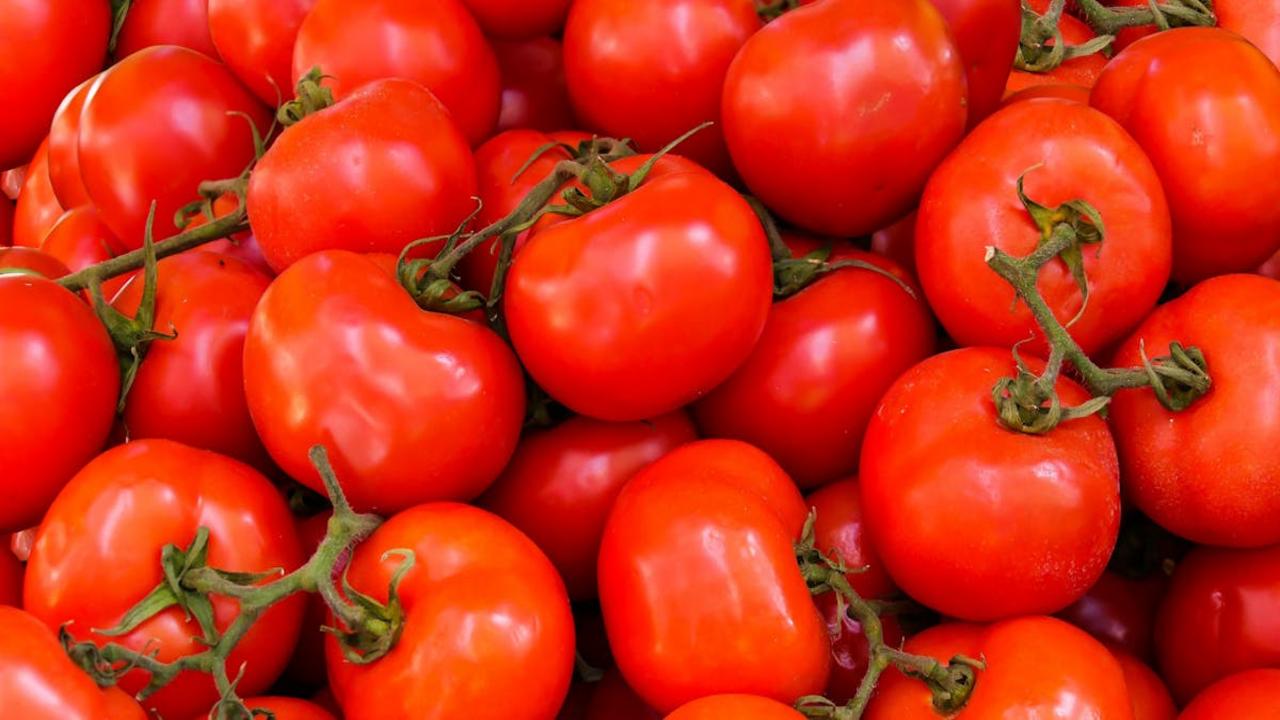
Here’s the thing about tomatoes that’ll blow your mind: these gorgeous red beauties actually hate your refrigerator more than a cat hates bath time! You know that perfect, sun-warmed tomato you picked up at the farmers market? The moment it hits those cold fridge shelves, its flavor compounds start breaking down faster than your New Year’s resolutions. The cold temperature literally destroys the enzymes responsible for that incredible sweet-tart flavor we all crave. I learned this the hard way after wondering why my expensive heirloom tomatoes tasted like sad, mealy disappointments after a few days in cold storage.
Your best bet? Keep those beauties on your counter at room temperature, where they’ll continue ripening and developing flavor for about three to five days max. Once they’re perfectly ripe (you’ll know by that gentle give when you press them), you can pop them in the fridge for maybe two extra days, but use them immediately in cooking where the texture won’t matter as much. Pro tip: if you absolutely must refrigerate them, bring them back to room temperature for at least an hour before eating to wake up whatever flavor survived the cold shock. Trust me, your taste buds will thank you for treating these summer gems with the respect they deserve!
Ripe bananas
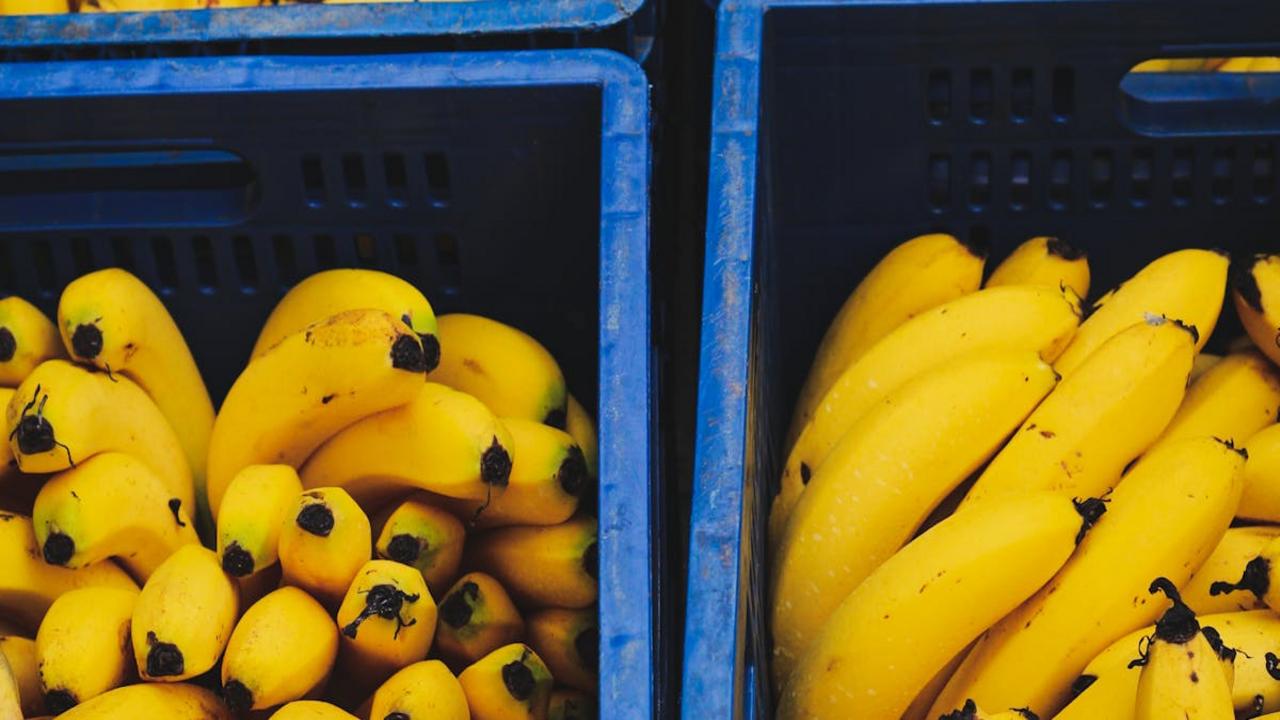
Ripe bananas are basically the drama queens of the fruit world – one day they’re perfectly yellow and Instagram-ready, the next they’re sporting more brown spots than a leopard having an identity crisis. You stick those golden beauties in the fridge thinking you’re being smart, but surprise! The cold actually accelerates their transformation into mushy, sweet surrender. The starches continue converting to sugars even in chilly temperatures, and those beautiful peels turn an alarming shade of brown-black that makes them look like they belong in a compost bin rather than your fruit bowl.
Here’s the kicker: while your bananas might look like they’ve seen better days after just 2-3 days in the fridge, the fruit inside often remains perfectly edible and incredibly sweet. Think of those spotted bananas as nature’s candy – they’re absolutely perfect for banana bread, smoothies, or pancakes. Pro tip: if you’ve got a bunch of ripe bananas staging a rebellion in your fridge, peel them, slice them up, and freeze them in portions. Future you will thank present you when you’re craving a creamy smoothie or need to whip up some impromptu banana bread magic!
Soft cheeses

Oh, soft cheeses! Those creamy, dreamy delights that make your cheese board look fancy and your bank account cry a little. But here’s the thing about brie, camembert, ricotta, and their silky cousins – they’re basically the divas of the dairy world. While your trusty cheddar can hang out in the fridge for months like that reliable friend who never cancels plans, soft cheeses start their dramatic decline almost immediately. That gorgeous wheel of brie you splurged on? It’s got maybe five to seven days before it transforms from “ooh la la” to “oh no no.” The high moisture content and delicate structure that make these cheeses so luxurious also make them perfect playgrounds for bacteria and mold (the bad kind, not the fancy intentional kind).
I learned this lesson the hard way when I bought a beautiful container of fresh mozzarella for a dinner party, then promptly forgot about it for two weeks. When I finally rediscovered it, it had turned into something that belonged in a science experiment rather than on my caprese salad. Fresh cheeses like ricotta, mascarpone, and goat cheese are particularly notorious speed-spoilers because they lack the aging process that gives harder cheeses their staying power. Pro tip: buy these beauties close to when you plan to use them, store them in their original packaging (those containers aren’t just for show), and trust your nose – if it smells funky in a bad way, it’s time to say goodbye.
Fish
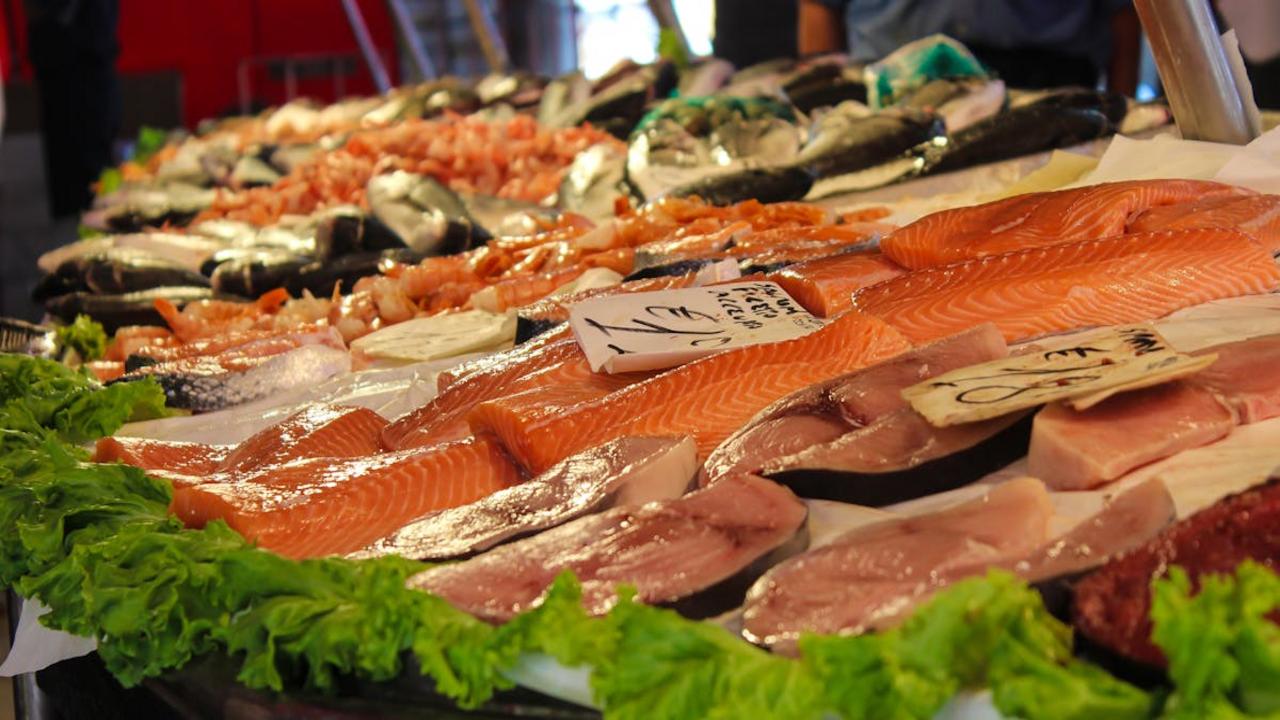
Fresh fish turns into a science experiment faster than you can say “sashimi.” Even in your fridge’s chilly embrace, that beautiful salmon or snapper you bought with such high hopes will start its descent into funkiness within just 1-2 days. The reason? Fish proteins break down rapidly, and those ocean-dwelling creatures carry naturally occurring bacteria that love to party once the temperature rises above freezing. Your nose will be the first to alert you – that fresh, briny smell transforms into something that could clear a room faster than a fire alarm.
Here’s your survival strategy: buy fish the day you plan to cook it, or freeze it immediately if you’re not using it within 24 hours. Store it on ice in your fridge’s coldest spot (usually the bottom shelf), and wrap it loosely in plastic or parchment paper – never airtight, which traps moisture and speeds up spoilage. If you’re feeling adventurous, try the Japanese technique of wrapping fish in seaweed, which naturally preserves it while adding umami flavor. Remember, fresh fish should smell like the ocean breeze, not like the ocean floor, so trust your instincts and don’t risk it with questionable seafood.
Asparagus
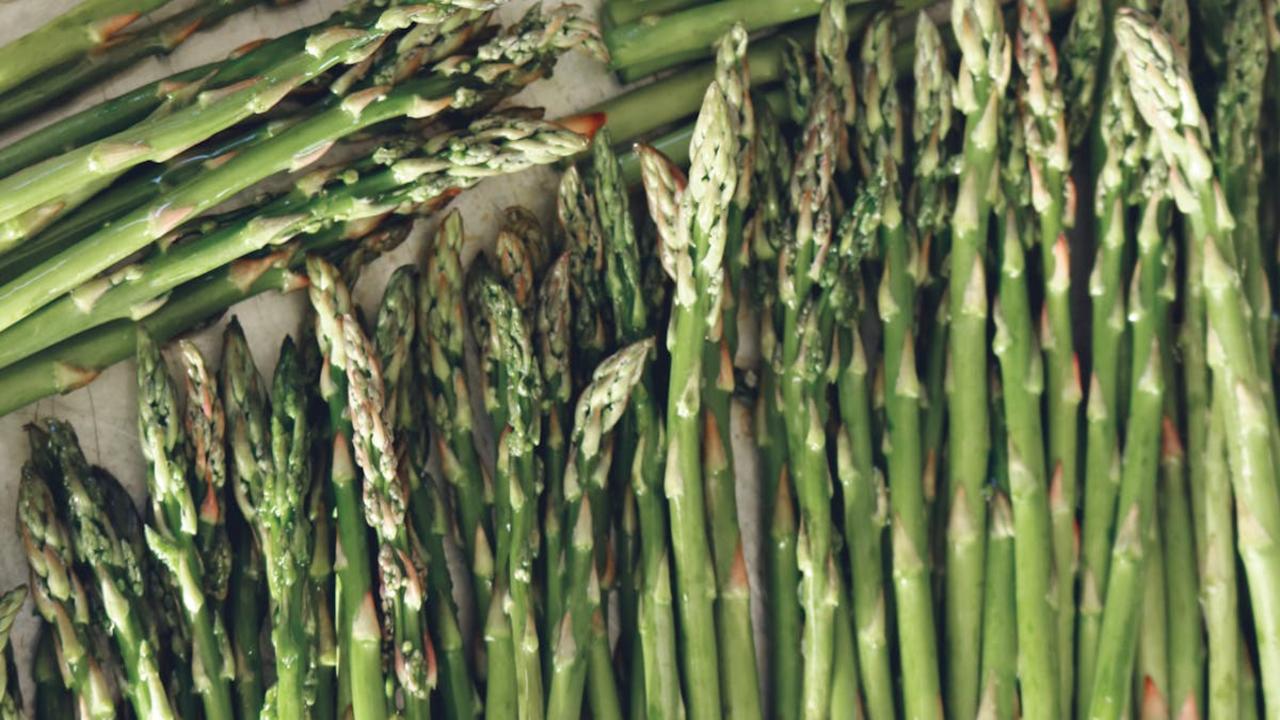
You know that moment when you buy those perfect emerald spears at the grocery store, feeling all fancy and health-conscious? Well, asparagus has about as much staying power as a reality TV romance. These delicate green beauties start their downhill slide faster than you can say “roasted vegetables.” Within just 2-3 days in your fridge, those crisp tips begin to wilt like flowers at a forgotten anniversary, and the stalks develop that telltale slimy texture that makes you question all your life choices. The secret lies in asparagus being nearly 95% water – which sounds refreshing until you realize that water content makes them incredibly fragile.
Here’s the thing about asparagus: they’re basically vegetable drama queens who demand VIP treatment. Store them upright in a glass of water (like a bouquet for your fridge), or wrap the cut ends in damp paper towels before bagging them. Fun fact: asparagus continues growing even after harvest, which explains why they get tough and fibrous so quickly – they’re literally aging before your eyes! If you spot purple-tinged tips or woody stems, don’t panic; just snap off the tough ends and use what’s left. Pro tip: blanch and freeze any asparagus that’s teetering on the edge – frozen asparagus works perfectly in soups, quiches, or that pasta dish you’ll definitely make someday.
Peaches
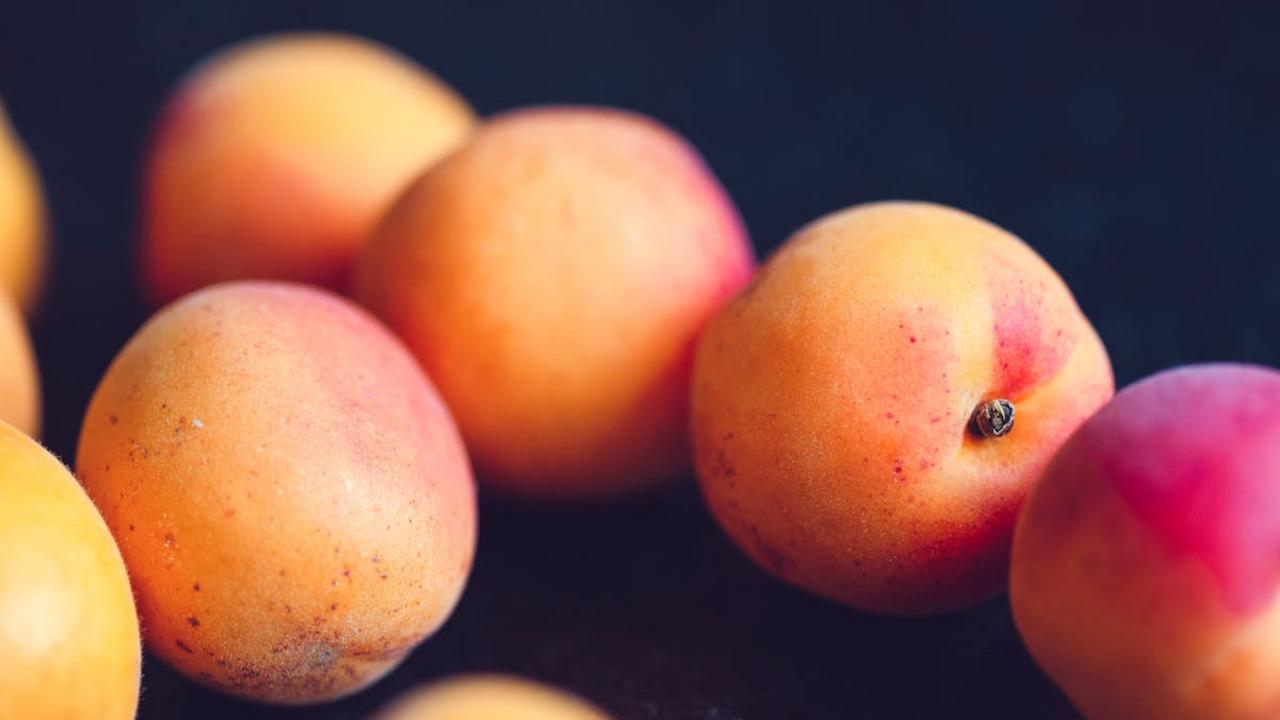
Peaches are basically the divas of the fruit world – gorgeous, sweet, and absolutely impossible to keep happy for more than a hot minute. You buy them rock-hard at the grocery store, wait three days for them to ripen, and then BAM! You’ve got exactly 37 minutes before they turn into fuzzy mush bags. I swear these things have their own internal timer that goes off the moment you’re not looking. The worst part? They seem to ripen from the inside out, so you’ll think you’ve got a perfectly firm peach only to bite into what feels like warm baby food with a side of disappointment.
Here’s the kicker – peaches actually continue ripening even in the fridge, just slower, which means you’re really just buying yourself maybe two extra days before they become science experiments. Pro tip: if your peaches are getting soft but not moldy, slice them up and toss them into a quick cobbler or blend them into smoothies before they cross over to the dark side. I once forgot about a bag of peaches for a week and opened my crisper drawer to what looked like a crime scene. The smell was so intense I’m pretty sure my neighbors three houses down knew I’d failed at fruit management again.
Cucumbers
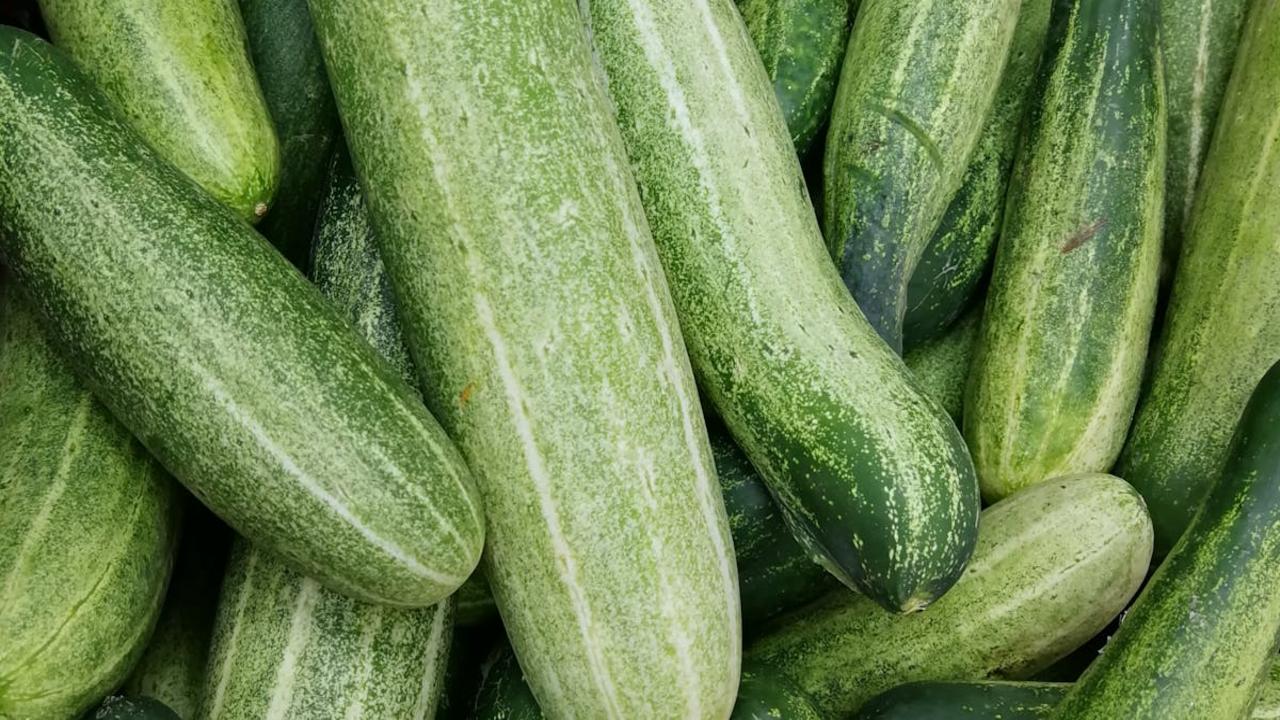
Cucumbers are the prima donnas of the produce drawer, throwing dramatic tantrums faster than you can say “pickle.” These green beauties might look tough on the outside, but they’re actually delicate flowers who wilt at the first sign of adversity. You’ll store them in your crisper drawer thinking you’re doing everything right, only to discover a sad, squishy mess three days later that looks like it went ten rounds with a heavyweight boxer. The secret villain here is ethylene gas – those innocent-looking apples and tomatoes nearby are basically cucumber assassins, pumping out gases that turn your crisp veggies into mushy disappointments.
Here’s the plot twist that’ll blow your mind: cucumbers are actually 96% water, which explains why they turn into expensive green slime so quickly. They’re basically nature’s water balloons masquerading as vegetables! To keep them happy longer, wrap each cucumber individually in paper towels before storing them in the fridge – think of it as giving them their own cozy blanket. Keep them far away from those ethylene-producing troublemakers, and whatever you do, don’t wash them until you’re ready to use them. That extra moisture on their skin is like an express ticket to Soggy Town, and nobody wants to visit that sad place.
Mushrooms
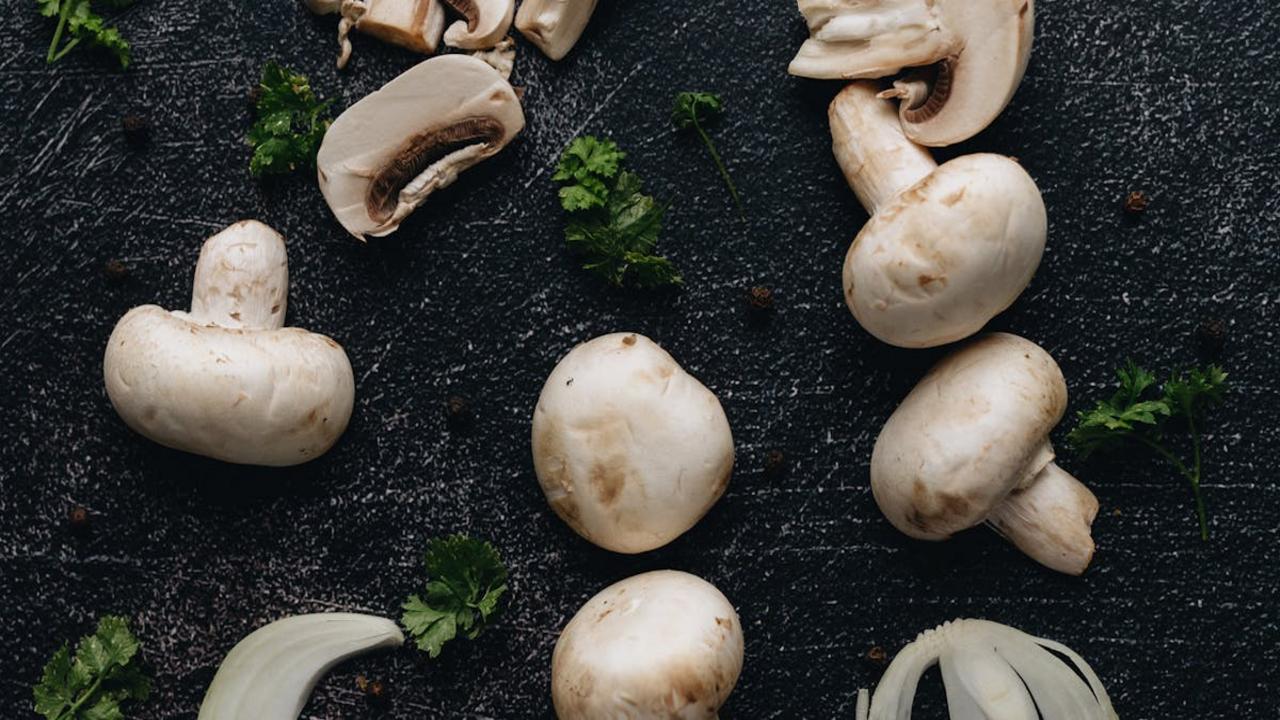
Mushrooms are basically the divas of the produce world – they look gorgeous when you first bring them home, but give them three days in your fridge and they’ll transform into something that belongs in a horror movie. These little fungi friends have zero tolerance for moisture, which is ironic considering they literally grow in damp environments. The moment you seal them in plastic, you’re signing their death warrant. They’ll get slimy faster than you can say “shiitake,” and that weird smell? That’s their way of telling you they’ve officially given up on life.
Your best bet is to treat mushrooms like the high-maintenance houseguests they are. Store them in a paper bag (never plastic!) in your fridge’s main compartment, not the crisper drawer where humidity goes to party. If you notice dark spots appearing or they feel mushy to the touch, toss them immediately – no amount of wishful thinking will bring them back from the fungi afterlife. Pro tip: buy only what you’ll use within three to four days, and if you’re feeling ambitious, slice and freeze them for future cooking adventures. They won’t be perfect for salads anymore, but they’ll work beautifully in soups and stir-fries.
Leafy greens
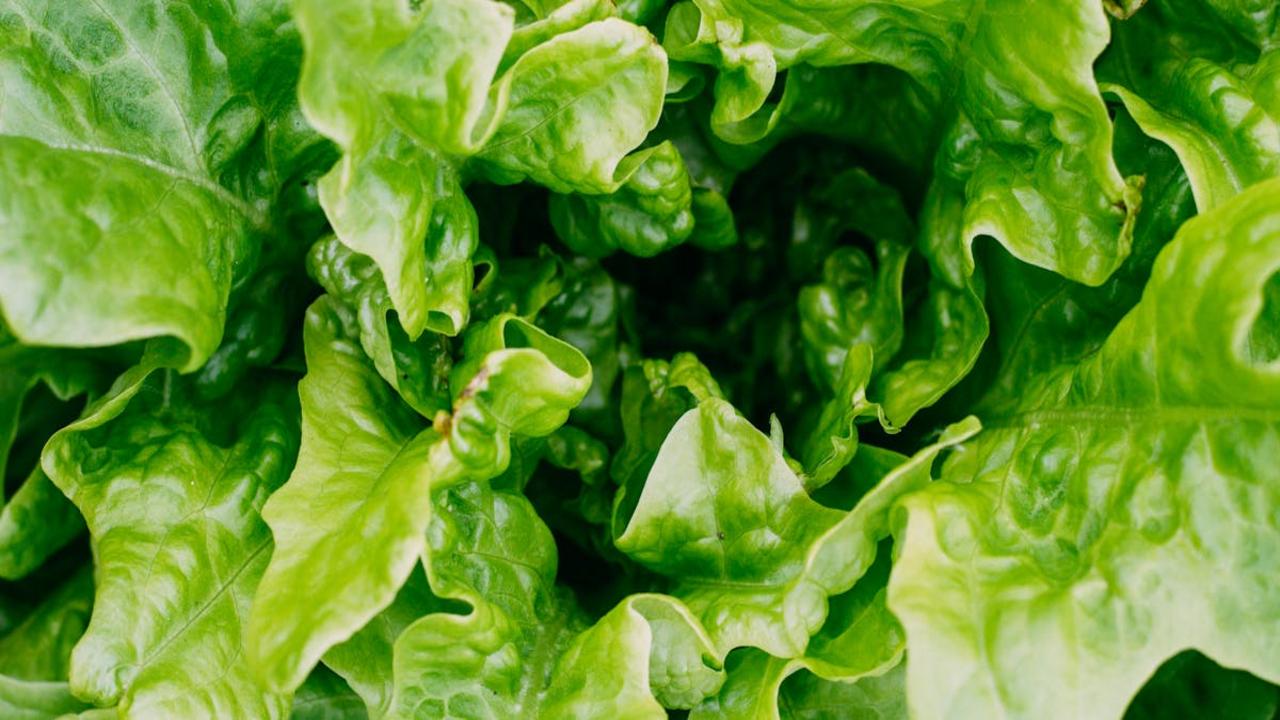
You know that gorgeous bag of spinach you grabbed at the store yesterday? The one that looked so crisp and promising? Well, surprise! It’s probably already plotting its transformation into a slimy, black mess faster than you can say “healthy salad.” Leafy greens are basically the drama queens of the produce world – they look fabulous one day and throw a complete meltdown the next. Even when you tuck them safely into your fridge’s crisper drawer, these delicate leaves start their countdown to doom almost immediately. The problem is their high water content and thin cell walls make them incredibly vulnerable to bacterial breakdown.
Here’s the kicker: pre-washed bagged greens spoil even faster than their unwashed cousins because all that processing damages their protective waxy coating. Those convenient grab-and-go bags of mixed greens might save you time at dinner prep, but they’re racing against the clock at warp speed. Your best bet? Buy whole heads of lettuce or bunches of spinach, wash only what you need, and store the rest wrapped in paper towels inside a perforated plastic bag. Even then, you’ve got maybe five to seven days max before your greens start looking like they belong in a horror movie rather than your salad bowl.
Avocados
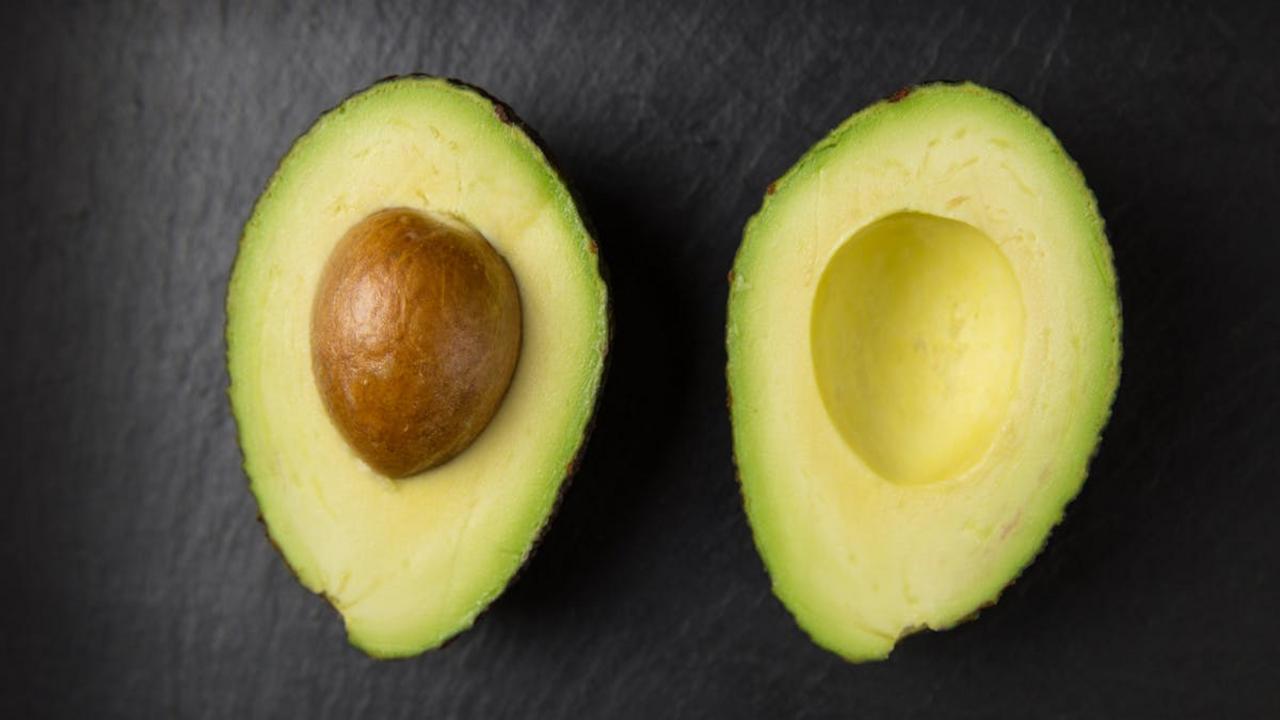
You buy those perfect, rock-hard avocados at the grocery store, thinking you’ve got days to work with them. Wrong! These green gems have mastered the art of deception – they’ll sit stubbornly firm for what feels like forever, then suddenly transform into mushy disappointments overnight. I swear avocados have their own secret timer that goes off the moment you’re not looking. One day you’re planning that Instagram-worthy avocado toast, and the next day you’re staring at what looks like green baby food with brown spots that could double as modern art.
Here’s the kicker: refrigerating avocados won’t save you from their dramatic personality disorder. Cold temperatures slow down the ripening process initially, but once they start going downhill, they crash faster than a sugar rush. Pro tip from someone who’s been burned too many times – buy them at different stages of ripeness and rotate through your stash. Keep the rock-hard ones on the counter, move the slightly-giving ones to the fridge, and use the perfectly ripe ones immediately. Trust me, you don’t want to be the person trying to salvage brown avocado chunks for your guacamole while your guests wait hungrily.
Berries
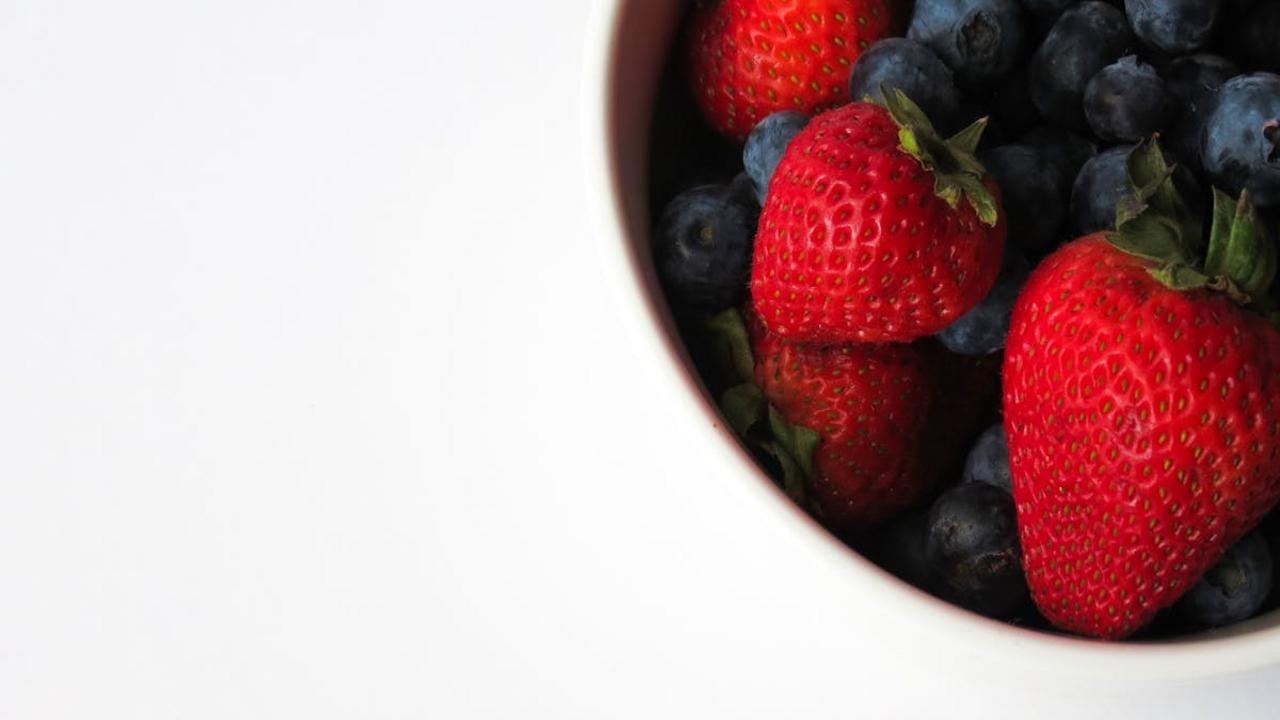
Oh, berries – those gorgeous little jewels that seem to mock you from their plastic containers! You buy a beautiful pint of strawberries on Monday, feeling all virtuous and health-conscious, only to discover them transformed into fuzzy science experiments by Thursday. These delicate fruits are basically the drama queens of the produce world, and they absolutely refuse to play nice with refrigerator storage. The moment you bring them home, they’re already plotting their demise, releasing moisture and creating the perfect breeding ground for mold spores that spread faster than gossip at a high school reunion.
The secret to berry longevity lies in understanding their moisture-loving nemeses. Never wash berries until you’re ready to eat them – water is their kryptonite! Instead, store them in a breathable container lined with paper towels, which act like tiny moisture-absorbing bodyguards. For maximum freshness, do the “one bad berry spoils the bunch” inspection daily, removing any soft or suspicious-looking fruits immediately. Pro tip: if you’re feeling fancy, try the vinegar wash method – a quick dip in diluted white vinegar kills mold spores and can extend their life by several days. Just remember to rinse thoroughly unless you want your morning smoothie to taste like salad dressing!
Fresh herbs
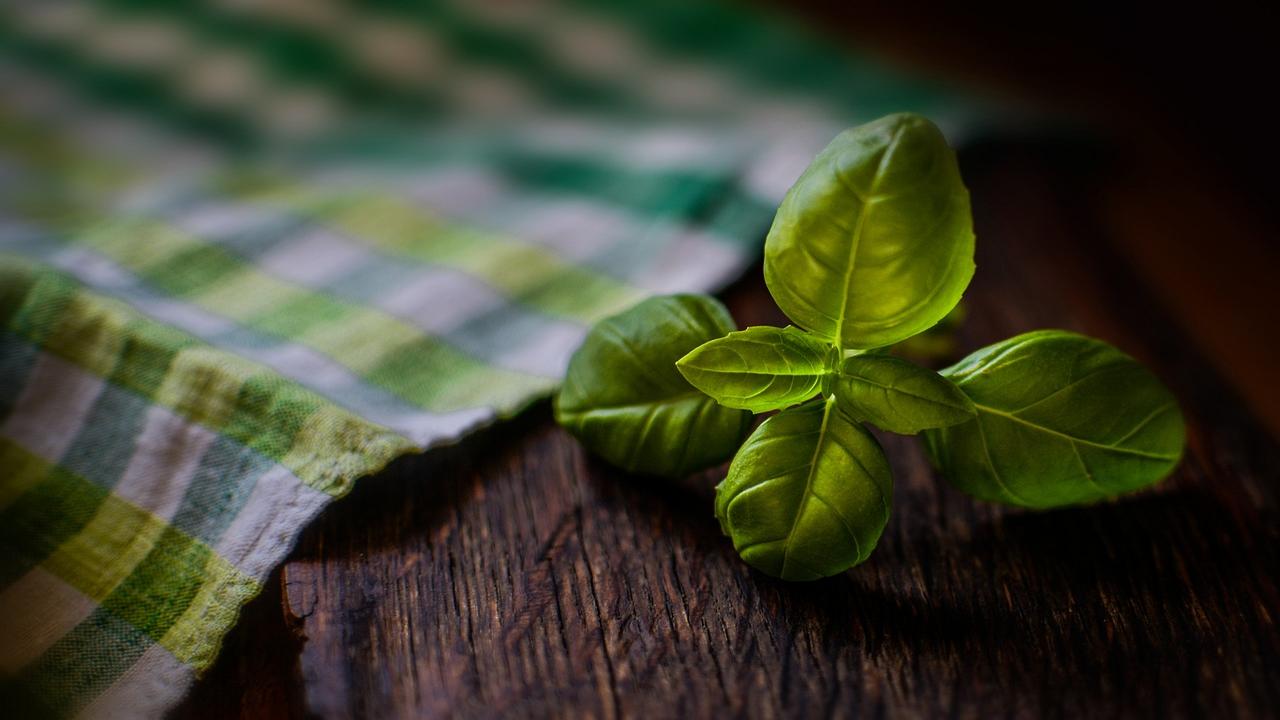
Fresh herbs are like the divas of the refrigerator world—absolutely gorgeous, completely dramatic, and prone to wilting at the first sign of trouble. You bring home that beautiful bunch of basil or cilantro, feeling all chef-like and accomplished, only to open your fridge two days later to find what looks like green confetti scattered across your crisper drawer. These leafy beauties have zero patience for cold temperatures, and most varieties will start their decline within 3-5 days, even with proper storage.
The secret to keeping your herbs happy longer involves treating them like the high-maintenance plants they are. Soft herbs like basil, mint, and cilantro prefer to stand upright in a glass of water on your counter (basil especially hates the cold and will turn black faster than you can say “pesto”). Hardy herbs like rosemary, thyme, and sage can handle the fridge better when wrapped gently in damp paper towels and stored in plastic bags. Pro tip: if your herbs start looking sad, don’t toss them immediately—wilted herbs often work perfectly in cooked dishes, soups, or that emergency herb oil you’ve been meaning to make. Your wallet and your pasta will thank you later!