10 American Sodas Most Loaded With Sugar, Calories, and Additives
American soda aisles overflow with colorful options that pack serious sugar punches. These fizzy favorites might taste amazing, but they’re hiding some shocking nutritional facts that could make you rethink your next convenience store run.
From classic cola variations to energy drinks masquerading as refreshers, many popular beverages contain more sugar than you’d consume in an entire day of balanced meals. The numbers tell a concerning story about what we’re actually drinking.
Understanding which sodas top the charts for sugar, calories, and mysterious additives helps you make smarter choices for your family. Knowledge gives you power to enjoy treats occasionally while protecting your health daily.
Fanta Pineapple

Fanta Pineapple packs a serious sugar punch that might make you think twice about reaching for that bright yellow can. With around 44 grams of sugar per 12-ounce serving, you’re looking at more than 10 teaspoons of sweetness flooding your system in one go. That translates to roughly 160 calories of pure liquid sugar, and trust me, your body processes these calories differently than the fiber-rich sugars you’d get from actual pineapple. The artificial pineapple flavoring gives you that tropical taste without any of the beneficial enzymes, vitamin C, or fiber that real pineapple offers.
What really concerns me about Fanta Pineapple is the cocktail of additives working together to create that unnaturally bright color and intense flavor. You’ll find high fructose corn syrup leading the charge, followed by yellow dye #6 and natural flavors that aren’t so natural after all. The sodium benzoate acts as a preservative, but studies suggest it might form benzene when combined with vitamin C under certain conditions. If you’re craving that tropical pineapple flavor, try infusing sparkling water with fresh pineapple chunks and a squeeze of lime – you’ll get the refreshing taste without the sugar overload and chemical rainbow.
Sprite Lymonade
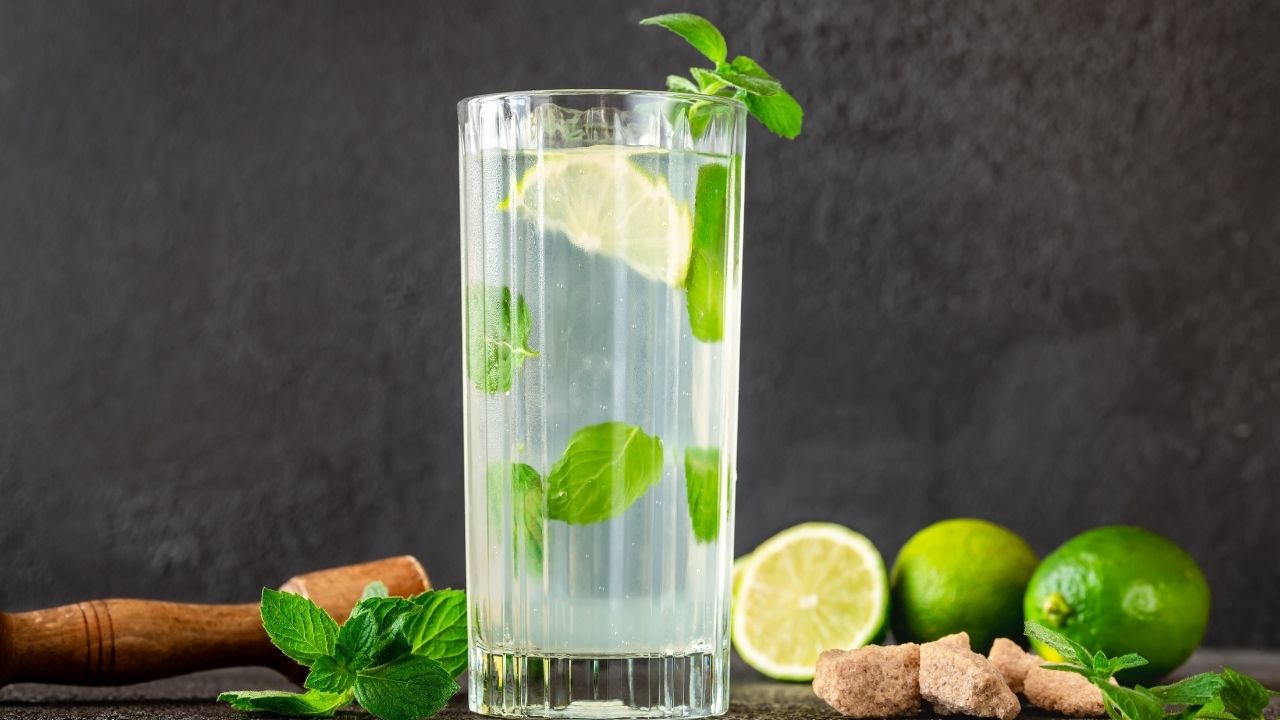
You know that moment when you’re craving something fizzy and refreshing, and Sprite Lymonade catches your eye with its promise of lemon-lime goodness mixed with pink lemonade? Well, friend, I need to share some truth with you about this bubbly beverage. One 20-ounce bottle packs a whopping 64 grams of sugar – that’s more than 16 teaspoons! Your daily sugar intake recommendation gets completely blown out of the water with just one bottle, and we haven’t even talked about the 250 calories that come along for the ride.
What really gets me is how this drink markets itself as a fun, fruity option when it’s loaded with high fructose corn syrup, artificial flavors, and sodium citrate. The bright pink color might look appealing, but it comes from Red 40 – one of those artificial food dyes that I always encourage my readers to limit. Instead of reaching for this sugar bomb, why not try making your own sparkling lemonade at home? Mix fresh lemon juice with sparkling water, add a touch of honey or maple syrup, and throw in some fresh mint. You’ll get that refreshing fizz without the chemical cocktail, and your body will thank you for choosing real ingredients over processed alternatives.
Sunkist Fruit Punch

Sunkist Fruit Punch packs a serious sugar punch that might surprise you! With 42 grams of sugar per 12-ounce can, this vibrant red drink delivers more sweetness than many desserts. That translates to about 10 teaspoons of sugar in a single serving – yikes! The calorie count hits around 160 per can, making it a hefty liquid snack that won’t leave you feeling satisfied like real food would.
What really concerns me about this fruity beverage is how it masquerades as something wholesome while loading your body with high fructose corn syrup and artificial colors like Red 40. The ingredient list reads more like a chemistry experiment than actual fruit punch, with natural and artificial flavors doing the heavy lifting instead of real fruit juice. I always remind my readers that if you’re craving something fruity and refreshing, try making your own punch with fresh fruit, sparkling water, and just a splash of 100% fruit juice – your body will thank you for skipping all those unnecessary additives and excess sugar!
RC Cola
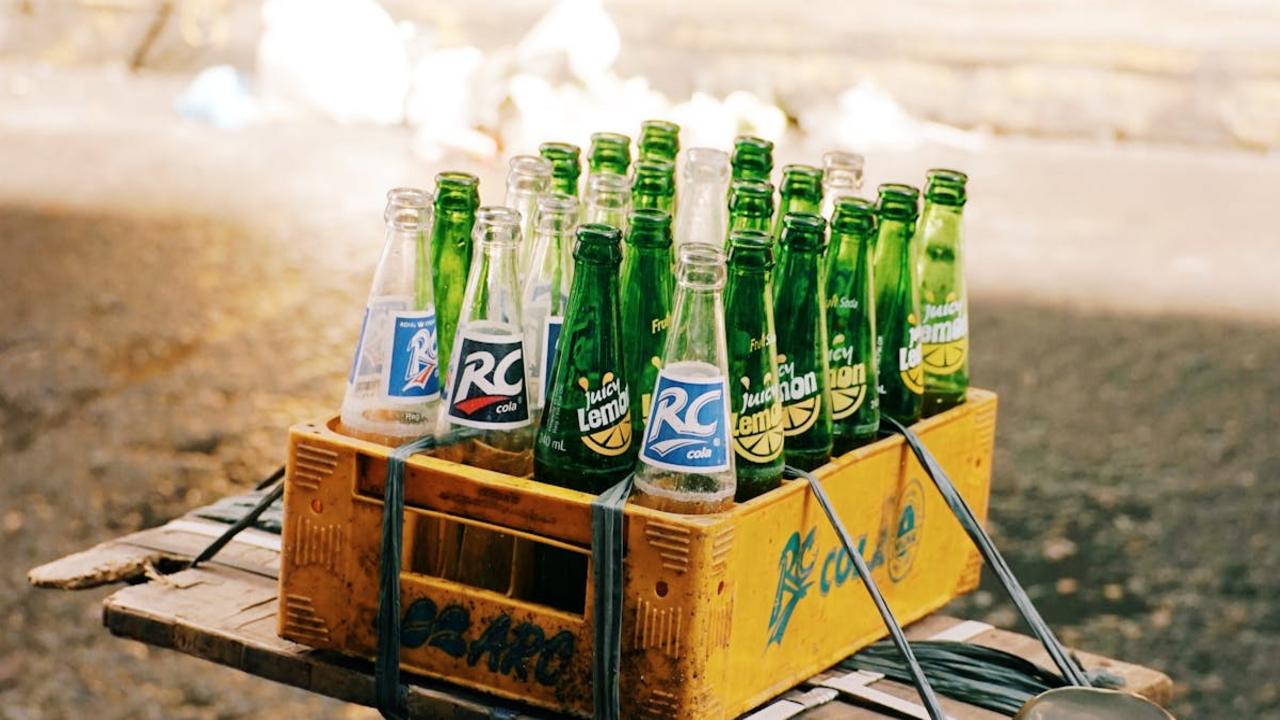
RC Cola might seem like the underdog in the cola wars, but don’t let that fool you – this fizzy favorite packs a serious sugar punch that rivals its more famous competitors. A 12-ounce can delivers around 43 grams of sugar and 160 calories, which means you’re basically drinking the equivalent of nearly 11 teaspoons of pure sugar in one sitting. That’s enough sweetness to make your pancreas work overtime! The high fructose corn syrup takes center stage here, creating that sticky-sweet satisfaction that keeps you reaching for more.
What makes RC Cola particularly sneaky is how it flies under the radar compared to Coke and Pepsi, yet it contains just as many concerning additives. You’ll find phosphoric acid (hello, tooth enamel erosion!), natural flavors that aren’t so natural, and caramel color that adds visual appeal but zero nutritional value. The caffeine content sits at about 43 milligrams per can, giving you that familiar buzz while the sugar crash waits patiently around the corner. If you’re trying to maintain steady energy levels throughout your day, this cola will send you on a roller coaster ride you didn’t sign up for. Consider swapping it for sparkling water with a splash of real fruit juice – your body will thank you for the upgrade!
Surge
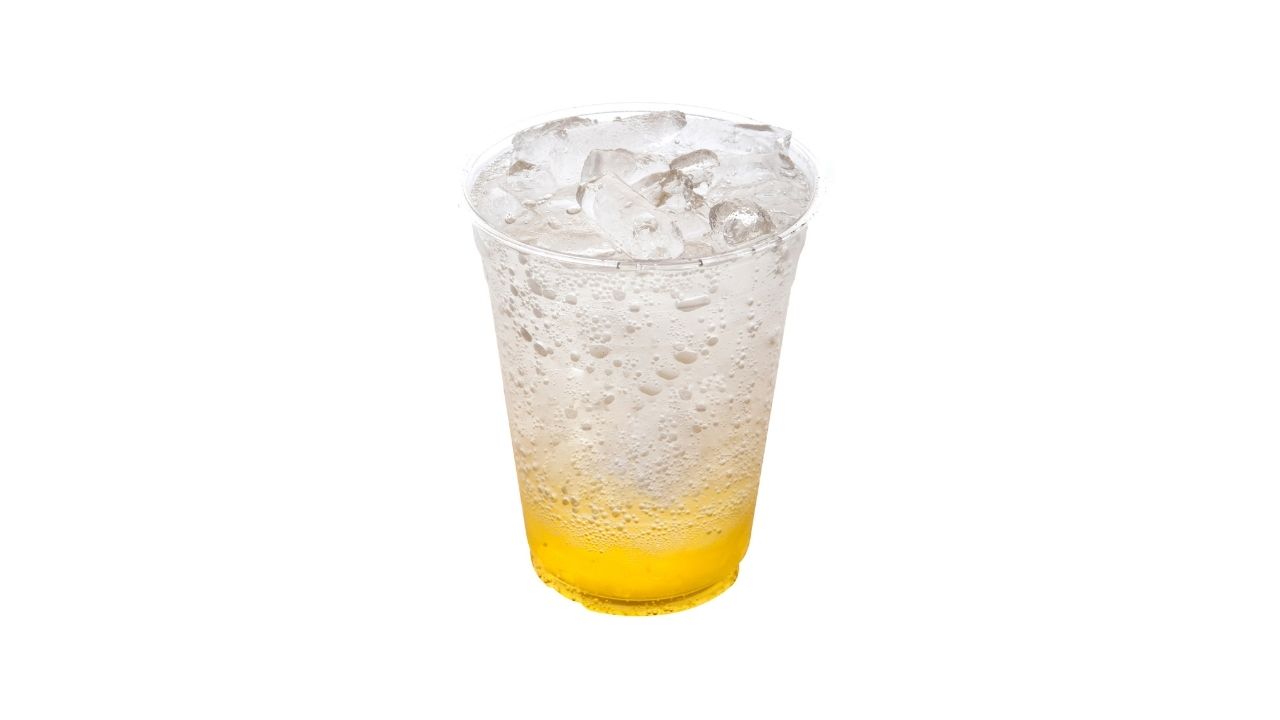
Remember when Surge burst onto the scene in the ’90s as Coca-Cola’s answer to Mountain Dew? This neon-green citrus soda packed such an intense sugar punch that it practically vibrated off store shelves! With 56 grams of sugar and 230 calories per 16-ounce can, Surge didn’t mess around – it delivered exactly what it promised: a serious caffeine and sugar rush that could power you through the most demanding video game sessions. The drink contained high fructose corn syrup, concentrated orange juice, and enough artificial flavoring to create that distinctive electric taste that made your mouth tingle.
What made Surge particularly notorious wasn’t just its sky-high sugar content, but also its aggressive marketing campaign that basically dared you to drink it. The beverage disappeared from most markets in the early 2000s, though devoted fans eventually convinced Coca-Cola to bring it back in limited quantities. If you’re feeling nostalgic and considering a reunion with this sugar bomb, just remember that one can contains more sugar than most people should consume in an entire day. Your pancreas might prefer you channel that ’90s energy into making a refreshing homemade limeade with real fruit and a fraction of the sweetness!
Monster Energy Nitro Super Dry
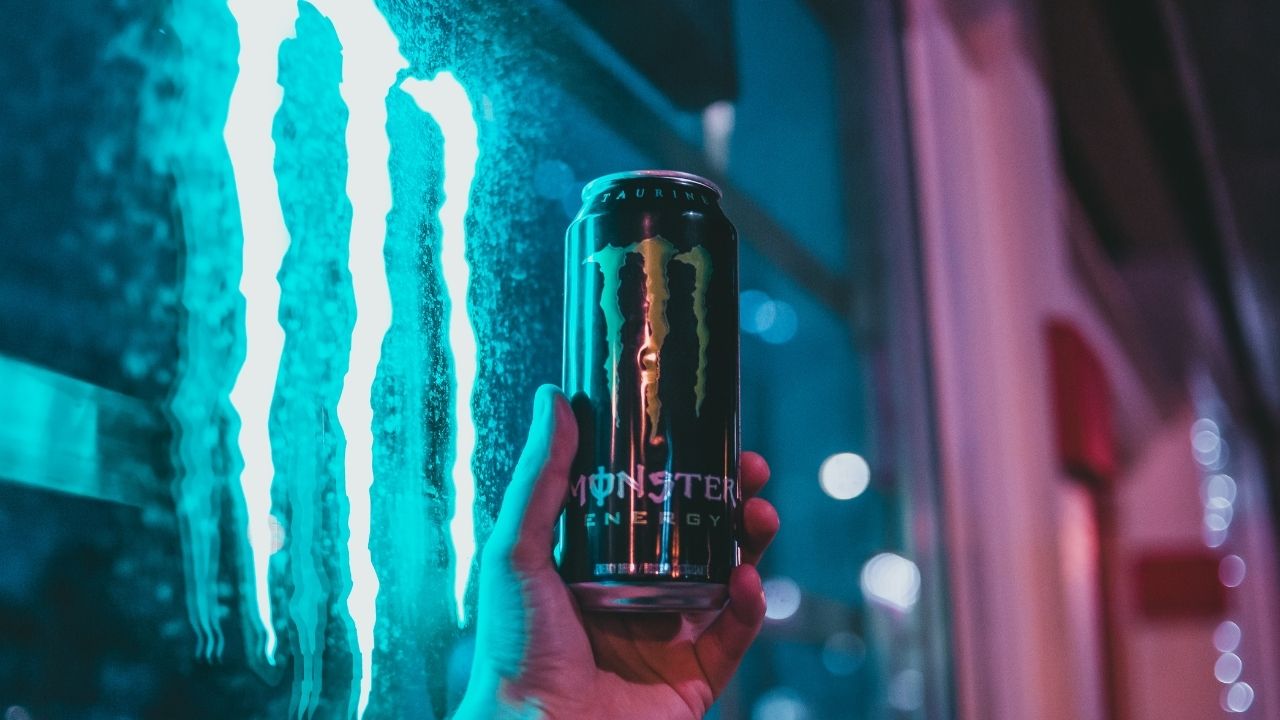
Monster Energy Nitro Super Dry packs a serious punch that goes way beyond what your body actually needs for energy. This carbonated energy drink contains a whopping 160mg of caffeine per 16-ounce can, plus loads of sugar that’ll send your blood glucose levels on a wild roller coaster ride. I’ve seen so many people reach for these thinking they’re getting a quick energy boost, but what they’re really getting is a sugar bomb disguised as performance fuel. The ingredient list reads like a chemistry experiment with artificial flavors, preservatives, and enough synthetic additives to make your head spin.
What really gets me fired up about drinks like this is how they market themselves as performance enhancers when they’re actually working against your body’s natural energy systems. You’ll get that initial rush, sure, but the crash that follows leaves you feeling worse than before you cracked open the can. Instead of reaching for Monster Energy Nitro Super Dry, try making your own energizing drinks at home with green tea, fresh lemon juice, and a touch of honey. Your body will thank you for choosing real ingredients that actually support sustained energy rather than synthetic compounds that stress your system. Trust me, once you start fueling yourself with wholesome options, you’ll never want to go back to these artificial energy bombs.
Dr Pepper & Cream Soda
Dr Pepper & Cream Soda brings together two beloved flavors in one fizzy package, but this combination comes with a hefty sugar load that might make you think twice before reaching for another can. Each 12-ounce serving packs around 150 calories and 38 grams of sugar – that’s nearly 10 teaspoons of sweetness! The drink contains high fructose corn syrup as its primary sweetener, along with caramel color and natural flavors that give it that distinctive creamy vanilla twist on the classic Dr Pepper formula.
While the creamy vanilla notes create an indulgent treat that feels almost dessert-like, your body processes all that sugar quickly, leading to energy spikes followed by crashes that leave you craving more. The artificial additives and preservatives help maintain shelf stability but don’t add any nutritional value to your day. If you’re trying to maintain steady energy levels or watch your sugar intake, consider enjoying this soda as an occasional treat rather than a daily beverage. Try mixing sparkling water with a splash of real vanilla extract and a touch of natural sweetener for a homemade version that satisfies those creamy soda cravings without the sugar overload.
Coca Cola Cinnamon
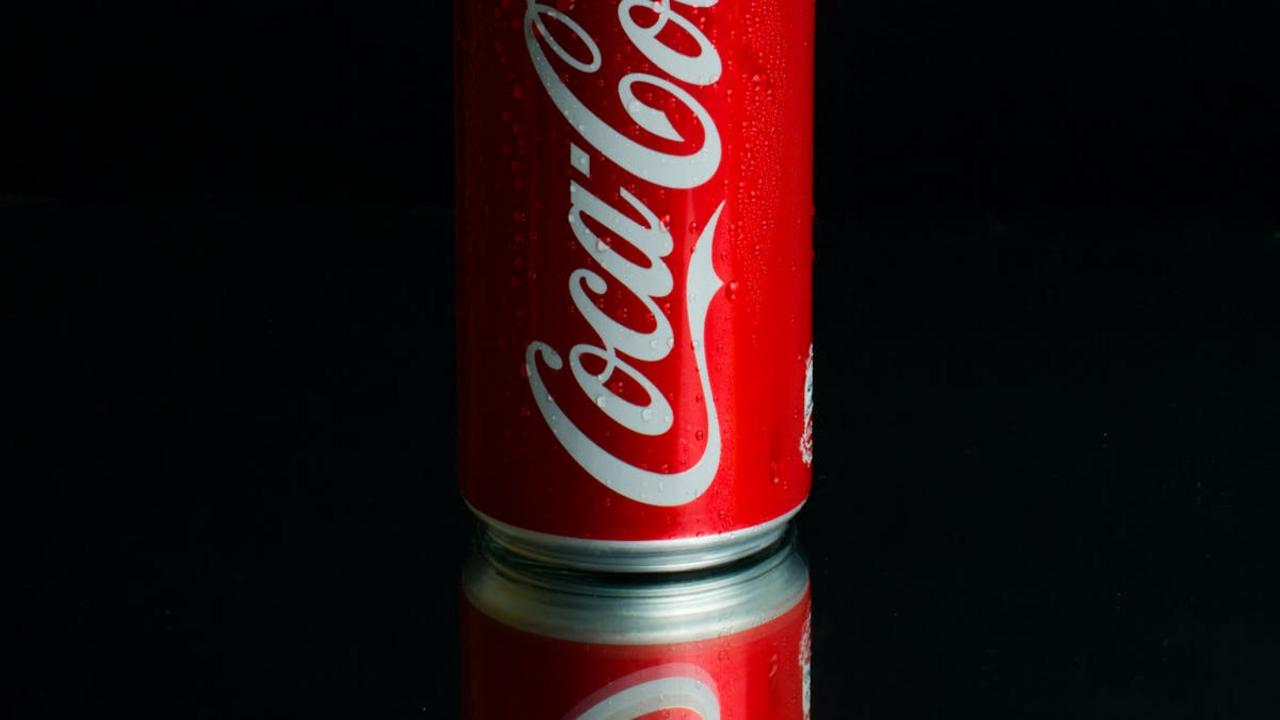
Hey there, health-conscious friends! Let’s talk about Coca Cola Cinnamon, a seasonal soda that packs a serious sugar punch while masquerading as a festive treat. This limited-edition drink contains a whopping 39 grams of sugar per 12-ounce can, which translates to nearly 10 teaspoons of the sweet stuff! The cinnamon flavoring adds a warm, spicy kick that makes you think of cozy holidays, but don’t let that comforting flavor fool you into thinking it’s any better for your body than regular Coke.
What really gets me fired up about this drink is how the added cinnamon extract and natural flavors create an illusion of wholesomeness. You’re still getting all 150 calories from pure sugar, plus phosphoric acid, caramel color, and caffeine – the same lineup of additives that make regular cola so problematic for your health. The cinnamon might remind you of homemade apple pie or warm cookies, but you’re actually consuming more sugar in one can than most people should have in an entire day. If you’re craving that cozy cinnamon flavor, try adding a dash of real cinnamon to sparkling water with a splash of natural fruit juice instead!
Pepsi Wild Cherry
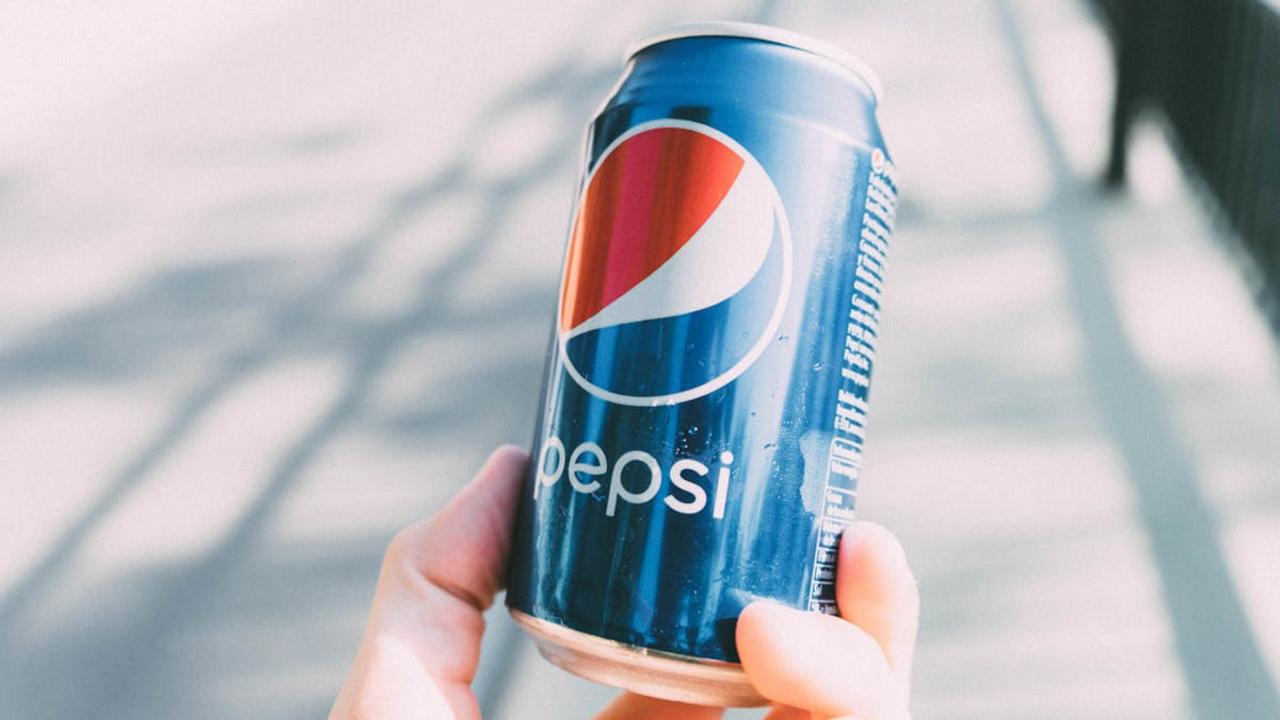
When you grab a can of Pepsi Wild Cherry, you’re looking at a sugar bomb that packs 42 grams of sugar and 160 calories into every 12-ounce serving. That’s more than 10 teaspoons of sugar – nearly three times what the American Heart Association recommends for women in an entire day! The cherry flavoring might taste delicious, but it comes from artificial sources that your body processes differently than natural fruit sugars. I’ve seen so many friends reach for this fizzy treat thinking it’s just a harmless indulgence, but those numbers add up quickly in your daily intake.
The ingredient list reads like a chemistry experiment with high fructose corn syrup taking center stage, followed by caramel color, phosphoric acid, and natural and artificial flavors. These additives work together to create that signature cherry-cola flavor, but they also contribute to blood sugar spikes and energy crashes that leave you craving more. If you’re trying to maintain steady energy levels throughout your day, this carbonated beverage will send you on a rollercoaster ride. Consider swapping it for sparkling water with a splash of 100% cherry juice – you’ll get that fruity fix with significantly less sugar and more nutrients your body can actually use.
Mountain Dew Code Red
Mountain Dew Code Red takes the already sugar-packed original formula and cranks up the sweetness with cherry flavoring that’ll make your teeth ache just thinking about it. This bright red soda contains a whopping 46 grams of sugar per 20-ounce bottle – that’s more sugar than you’d find in three chocolate chip cookies! The combination of high fructose corn syrup and concentrated orange juice might sound somewhat natural, but don’t let that fool you into thinking this drink offers any nutritional benefits.
What really gets me concerned about Code Red is how it targets younger consumers with its bold marketing and intense flavor profile. The 290 calories per bottle can quickly derail your daily nutritional goals, and the artificial colors used to achieve that signature red hue have been linked to hyperactivity in children. Instead of reaching for this sugar bomb, try mixing sparkling water with fresh cherry juice and a splash of lime – you’ll get that fruity kick without the crash that follows. Your body will thank you for choosing real fruit over artificial flavors and excessive sugar that only leaves you craving more.