15 School Lunch Foods You Still Can’t Stand
Remember those cafeteria trays that looked like they belonged in a prison movie? School lunch served up some truly questionable creations that still haunt our adult palates. You’d approach that steam table with equal parts hunger and horror, never quite knowing what mysterious concoction awaited behind those sneeze guards.
The lunch ladies meant well, bless their hairnet-covered hearts, but something got lost between good intentions and those industrial-sized cans. Every school seemed to master the same unfortunate recipes—turning perfectly innocent ingredients into unrecognizable mush that defied both physics and flavor.
These fifteen disasters represent a shared trauma that bonds generations of survivors. From mystery meat that could double as doorstops to pizza that resembled cardboard with cheese-flavored plastic, these cafeteria catastrophes left lasting impressions on our developing minds and stomachs.
Dry Turkey Sandwiches
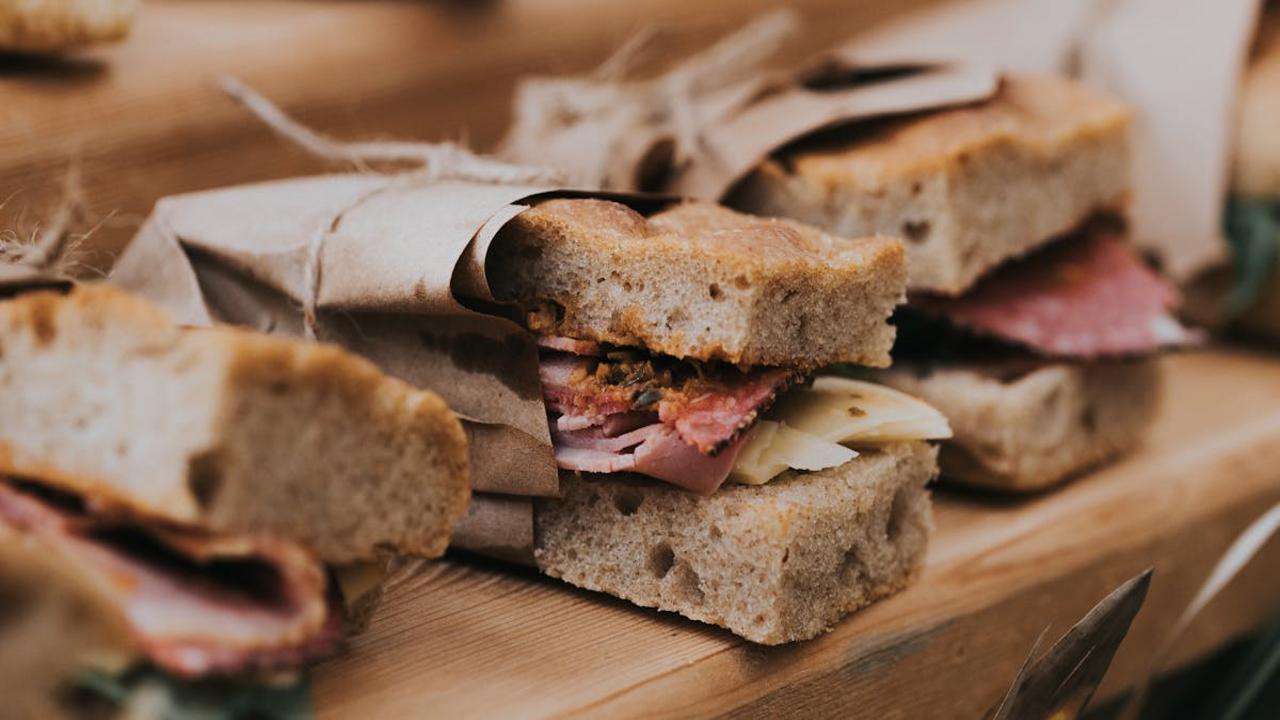
Picture this: you’re eleven years old, standing in the lunch line with high hopes, and there it sits—the infamous dry turkey sandwich. This cafeteria classic looked innocent enough from the outside, usually wrapped in plastic like a sad little present nobody wanted to unwrap. The moment you bit into it, though, your mouth transformed into the Sahara Desert. The turkey slices had all the moisture content of cardboard, sandwiched between two pieces of Wonder Bread that somehow managed to be simultaneously stale and soggy. Fun fact: school cafeterias often bought pre-sliced deli turkey in bulk, storing it under heat lamps for hours, which basically turned it into edible jerky without any of the flavor.
What made these sandwiches particularly tragic was their missed potential. Turkey can be absolutely delicious when treated with respect—think Thanksgiving leftovers with cranberry sauce and stuffing. Instead, cafeteria turkey resembled something you’d find in a gas station vending machine after sitting there since the Clinton administration. The accompaniments didn’t help either: a wilted piece of iceberg lettuce, a translucent tomato slice that had given up on life, and if you were lucky, a packet of mayo that you’d squeeze desperately trying to add some moisture to this culinary crime scene. Many of us learned to bring our own lunch after encountering these protein pucks masquerading as sandwiches.
Processed Cheese Squares
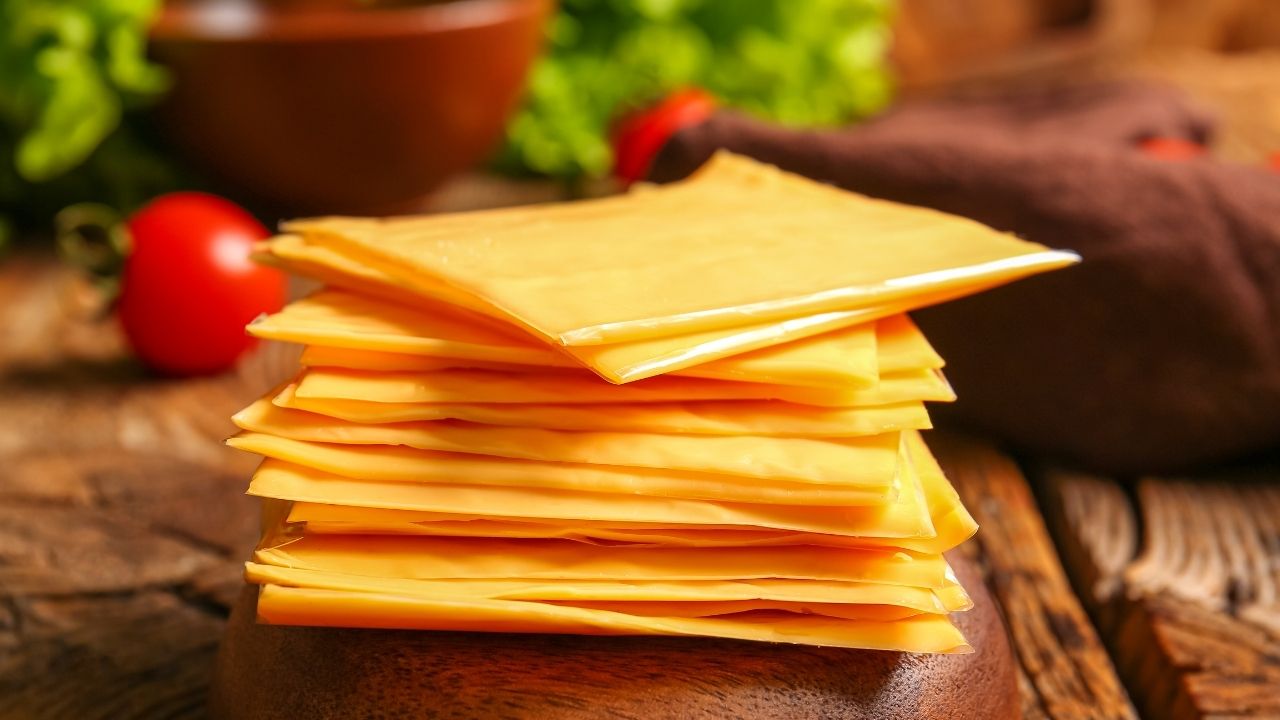
Those perfectly rectangular orange squares that arrived individually wrapped in plastic deserve their own special place in cafeteria infamy. You know the ones I’m talking about – they looked like they’d been manufactured in some dystopian cheese factory where actual dairy cows had never set foot. The texture? Imagine if someone took real cheese, sucked out its soul, and replaced it with the consistency of a rubber eraser that had been left in a hot car. These squares would sit there on your hamburger, refusing to melt properly even under the heat of a thousand cafeteria warming lamps, creating this weird, shiny film that made you question everything you thought you knew about food science.
The most bewildering part was watching these squares transform from solid to liquid without any logical in-between stage – one moment they’d be sitting there like orange Post-it notes, and the next they’d become this mysterious molten substance that somehow tasted less like cheese than before. Fun fact: processed cheese was actually invented in 1916 by James Lewis Kraft, and I’m pretty sure he never intended for his creation to become the stuff of lunch lady nightmares. These squares had about as much relation to actual cheese as a plastic plant has to photosynthesis, yet somehow they became the default topping for every sad cafeteria burger across America, creating a generation of kids who grew up thinking cheese was supposed to taste like salted cardboard with commitment issues.
Powdered Mashed Potato
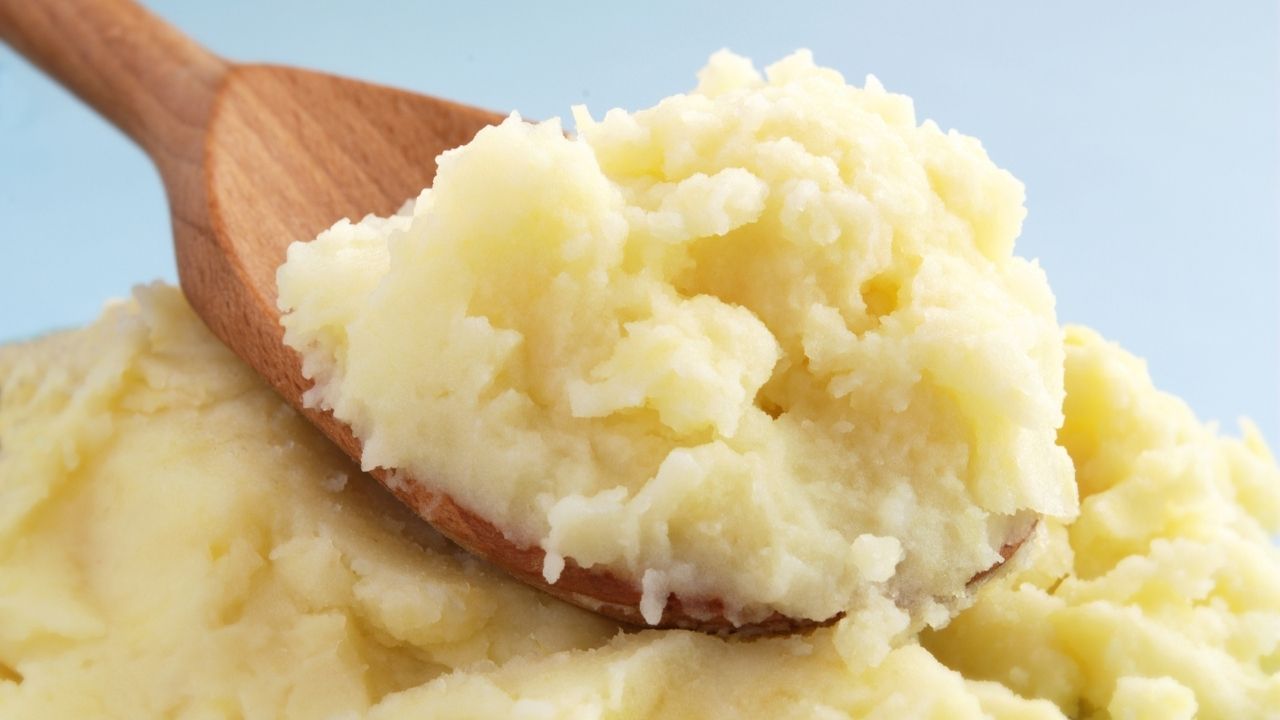
Remember those mysterious white flakes that school cafeteria workers would whisk into what they boldly called “mashed potatoes”? These weren’t your grandmother’s fluffy, buttery clouds of comfort—oh no, these were the culinary equivalent of cardboard that someone had convinced to cosplay as food. The texture? Think paste mixed with regret. The flavor? Well, imagine if a potato had all its personality surgically removed and then forgotten in a basement for six months. You’d take one bite and immediately understand why astronauts complain about space food.
The truly tragic part about powdered mashed potatoes is that they represent everything wrong with institutional cooking. Real potatoes are dirt cheap, incredibly easy to prepare, and actually taste like something a human might want to eat. But somehow, someone in a corporate office decided that dehydrated potato flakes mixed with water and a prayer would be an acceptable substitute. Fun fact: powdered mashed potatoes were actually developed for military rations during World War II, which explains why they taste like they’re designed to survive a nuclear apocalypse rather than please your mouth. Even today, you can buy these packets at the grocery store, though I can’t imagine why anyone would voluntarily subject themselves to that particular brand of disappointment when real potatoes exist in abundance.
Clumpy Rice
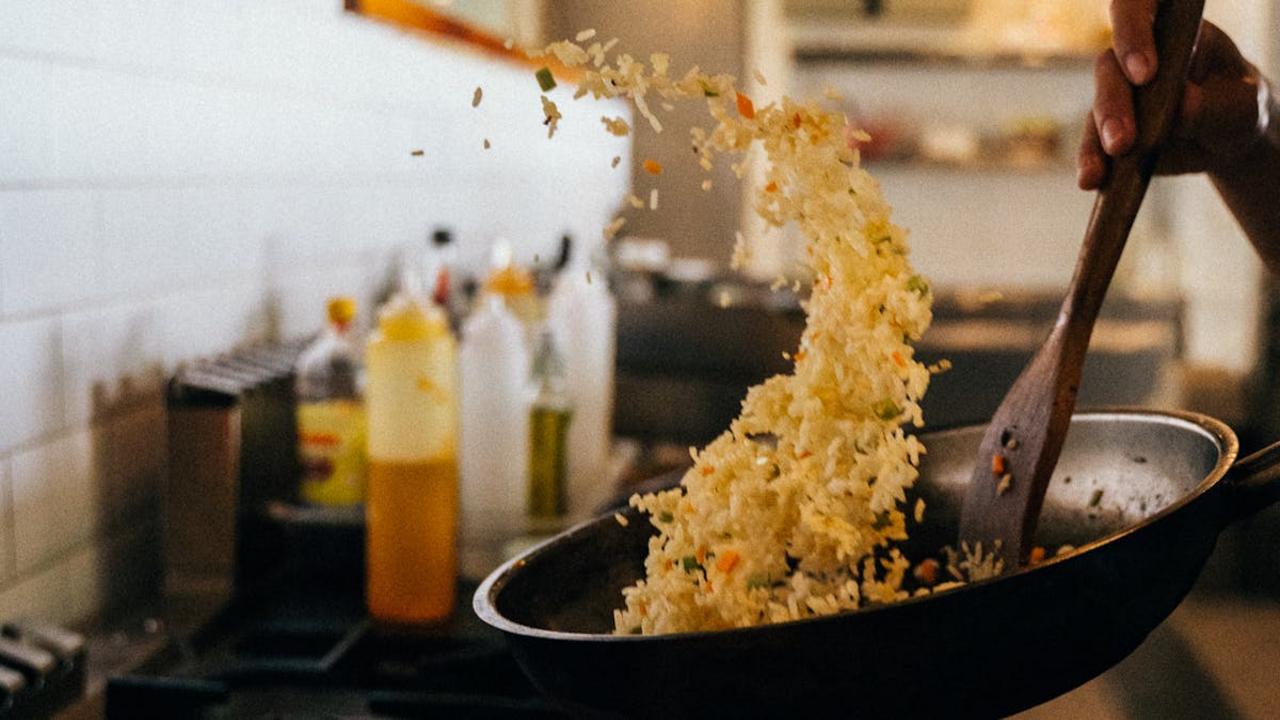
Picture this: you’re standing in the cafeteria line, stomach growling, hoping for something decent to fuel your afternoon classes. Then you see it – that tragic mound of rice that looks like it went through a blender with concrete mix. School lunch rice had this supernatural ability to stick together in ways that defied physics, creating these bizarre, gluey chunks that bounced off your fork like tiny rubber balls. I swear some cafeterias must have used industrial-grade glue instead of water, because no normal cooking method could produce rice that dense and chewy.
The worst part? You’d try to break apart those clumps with your plastic spoon, only to have them spring back into formation like some kind of starchy memory foam. Fun fact: properly cooked rice should have individual grains that are tender but separate – something our lunch ladies apparently never learned. The rice would sit there on your tray, mocking you with its stubborn refusal to behave like actual food. Even drowning it in whatever mystery sauce they served alongside couldn’t save it. That clumpy rice taught us all an important life lesson: sometimes the most basic foods can become the most traumatic when prepared with complete disregard for basic cooking principles.
Soggy Fish Sticks
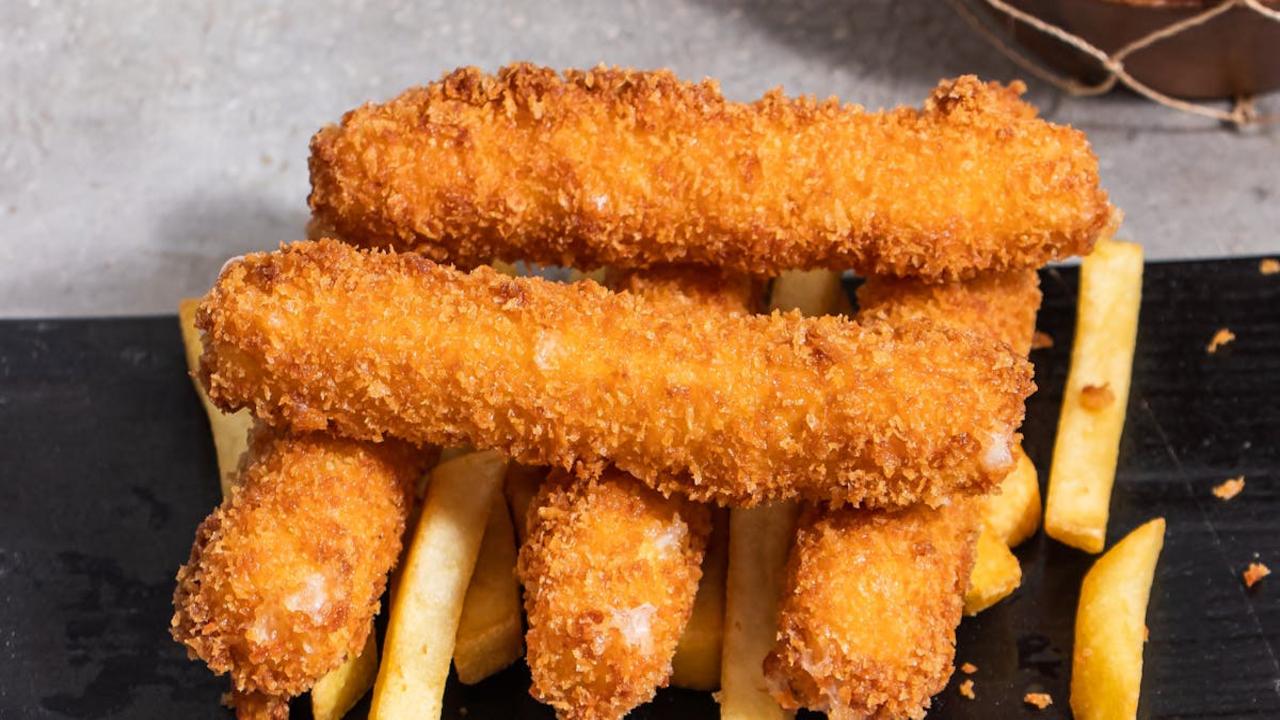
Fish sticks should crisp up beautifully in the oven, creating that perfect golden exterior that gives way to flaky white fish inside. School cafeterias, however, seemed determined to turn this simple frozen food into a mushy disaster that could double as a kitchen sponge. You’d bite into what looked like a promising rectangle of breaded fish, only to discover the coating had absorbed enough moisture to become a soggy, limp mess that fell apart before reaching your mouth. The texture resembled wet cardboard more than actual food, and the fish inside often tasted like it had been swimming in chlorinated pool water rather than the ocean.
The real tragedy here is that fish sticks can actually be quite good when prepared correctly! Originally invented in the 1950s by Gorton’s (yes, the fisherman guy), they were designed to make seafood more appealing to kids who turned their noses up at whole fish. But school lunch ladies seemed to have missed the memo about proper heating techniques, often steaming these poor rectangles into submission rather than giving them the crispy treatment they deserved. If you’re brave enough to attempt redemption, try baking them at 425°F on a wire rack – this allows air circulation and prevents the dreaded sogginess that haunted your elementary school memories.
Canned Fruit Cocktail
You know that mysterious medley of artificially bright fruit chunks swimming in sugary syrup? That’s canned fruit cocktail, and it haunted school lunch trays across America like a sweet, gelatinous specter. Those unnaturally red maraschino cherries bobbed alongside pale peach cubes and grapes that somehow managed to taste like absolutely nothing. The pineapple pieces were always suspiciously uniform, as if they’d been carved by robots programmed to eliminate any hint of natural fruit texture. Every spoonful delivered the same cloying sweetness that made your teeth ache and left you wondering if you’d accidentally consumed liquid candy disguised as healthy produce.
The real tragedy wasn’t just the taste—it was the missed opportunity! Fresh fruit exists, people, and it’s actually delicious when it hasn’t been imprisoned in a tin can for months. Those poor students never got to experience the joy of biting into a crisp apple or savoring the natural sweetness of a perfectly ripe peach. Instead, they got this Frankenstein creation that bore only a passing resemblance to actual fruit. Fun fact: the average can of fruit cocktail contains about 60% pears (the cheapest fruit to process), which explains why every bite tasted like mushy disappointment. No wonder so many kids grew up thinking they didn’t like fruit—their first impression came from this cafeteria catastrophe!
Gooey Macaroni and Cheese
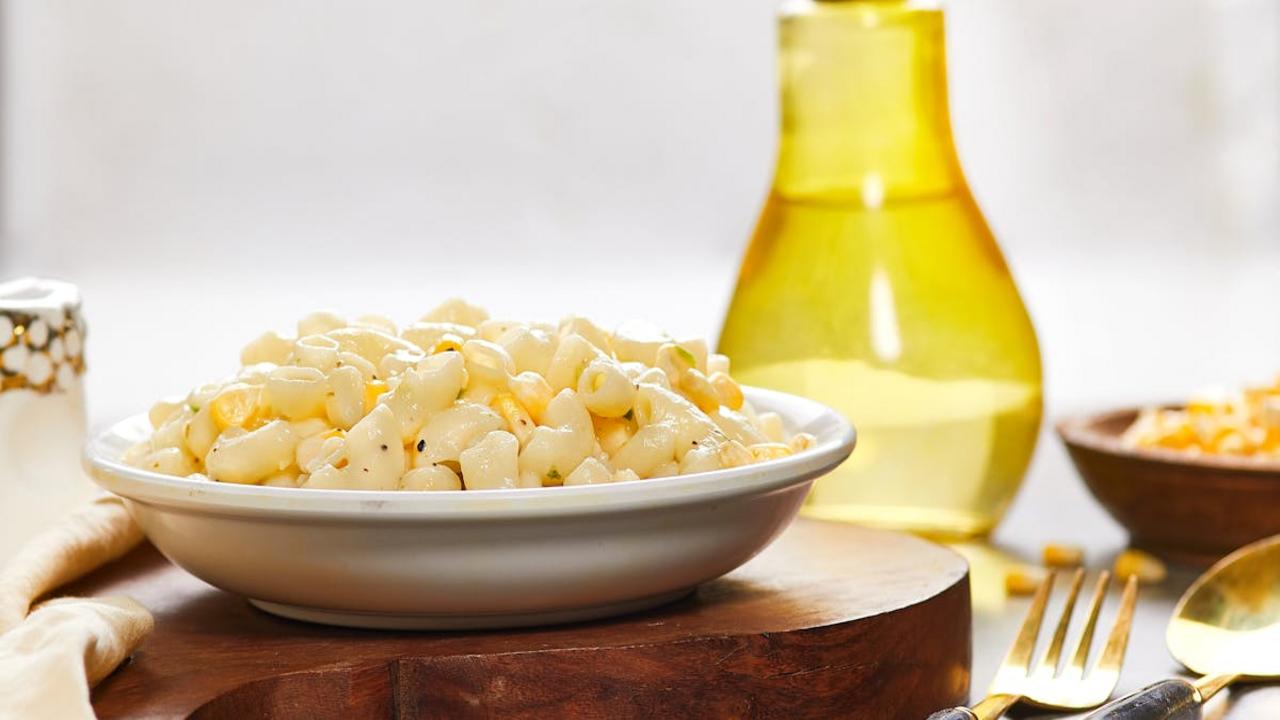
You know that moment when the lunch lady plops a scoop of what’s supposedly macaroni and cheese onto your tray, and it lands with a suspicious *thud*? That fluorescent orange mass defied every law of physics and good taste. The noodles had somehow achieved the texture of wet cardboard while simultaneously drowning in a sauce that glowed brighter than a traffic cone. Fun fact: most school cafeterias used processed cheese powder mixed with milk and butter, creating what food scientists affectionately call “cheese product” – because calling it actual cheese would be false advertising.
The real tragedy wasn’t just the artificial color that could probably be seen from space, but how this abomination managed to be both scalding hot on the outside and mysteriously cold in the center. You’d take that first brave bite and immediately regret every life choice that led you to this moment. The “cheese” would stick to the roof of your mouth like edible cement, while the overcooked elbow macaroni disintegrated at the slightest touch of your fork. Somewhere, an Italian grandmother was definitely crying, and honestly, she had every right to. Real mac and cheese should be creamy, comforting, and golden – not a science experiment gone wrong that haunts your lunch memories forever.
Colorless Jello
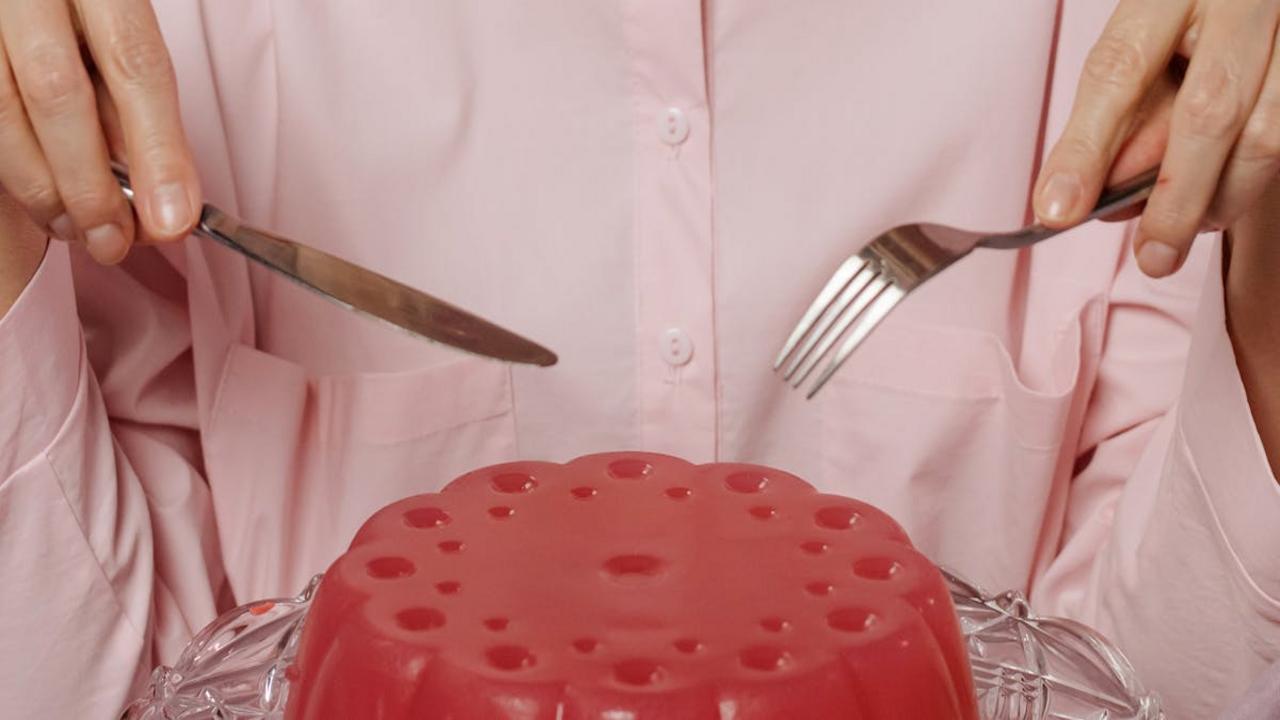
You know that moment when you’re expecting something sweet and fruity, but instead you get handed a bowl of what looks like edible plastic wrap? That’s colorless jello for you – the cafeteria’s most confusing dessert choice. This translucent wobbler defied all logic, sitting there like a sad, flavorless ghost of what jello should be. I spent countless lunch periods staring at mine, wondering if the lunch ladies accidentally forgot the flavor packet or if this was some kind of dietary punishment disguised as dessert. The texture was still that familiar jiggle, but without any color or taste, it felt like eating solidified disappointment.
What made colorless jello even more maddening was how it managed to be simultaneously boring AND mysterious. Was it supposed to be lemon? Lime? Some exotic fruit that lost its identity in the industrial kitchen process? Fun fact: clear gelatin actually contains the same amount of gelatin protein as its colorful cousins, but food companies often strip away artificial colors and flavors to create “healthier” versions. The result? A dessert that looks like something a mad scientist might serve at a very bland dinner party. Even now, decades later, I can’t look at unflavored gelatin without flashbacks to those soul-crushing lunch trays where dessert became an existential crisis.
Watery Mashed Potatoes
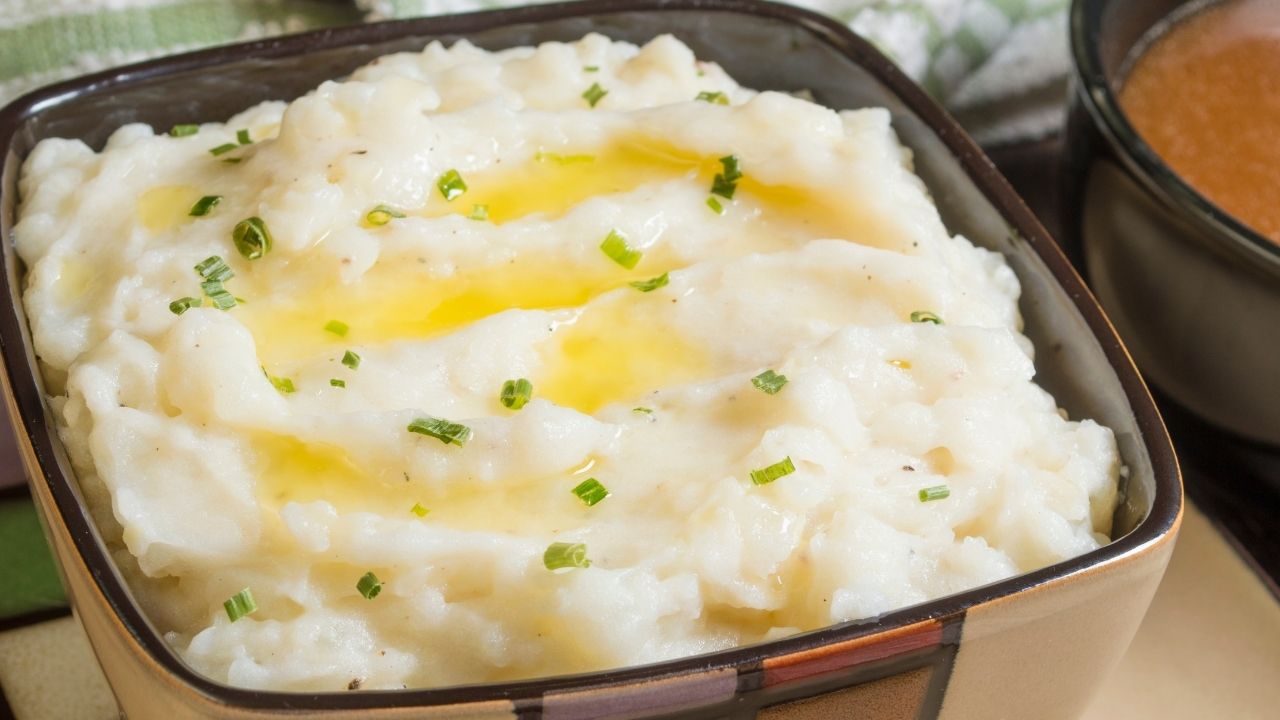
Picture this: you’re standing in that fluorescent-lit cafeteria line, plastic tray in hand, watching the lunch lady plop what appears to be liquid cement onto your compartmentalized plate. Those watery mashed potatoes looked like they’d been through a blender with half a gallon of milk and zero personality. The texture? Somewhere between baby food and wallpaper paste, with all the structural integrity of a wet paper towel. You’d take a bite and wonder if someone had accidentally mixed potato flakes with disappointment and called it a day. The saddest part wasn’t just the taste—it was watching perfectly good potatoes get transformed into this beige soup that somehow managed to be both flavorless and aggressively bland at the same time.
Here’s the thing about mashed potatoes: they’re supposed to be fluffy clouds of comfort, not sad puddles of regret. Real mashed potatoes need butter, cream, maybe some roasted garlic, and definitely someone who cares about their existence. School kitchens seemed to follow the “add water until it moves” philosophy, creating these tragic mountains of mush that would slide off your fork before you could even attempt to eat them. The irony is that potatoes are naturally amazing—they’re basically edible gold when treated right. But somehow, institutional cooking managed to strip away every ounce of potato joy, leaving behind this watery mess that made you question whether you’d ever enjoy mashed potatoes again. Spoiler alert: you would, but only after years of therapy and some serious homemade versions.
Cardboard Tacos
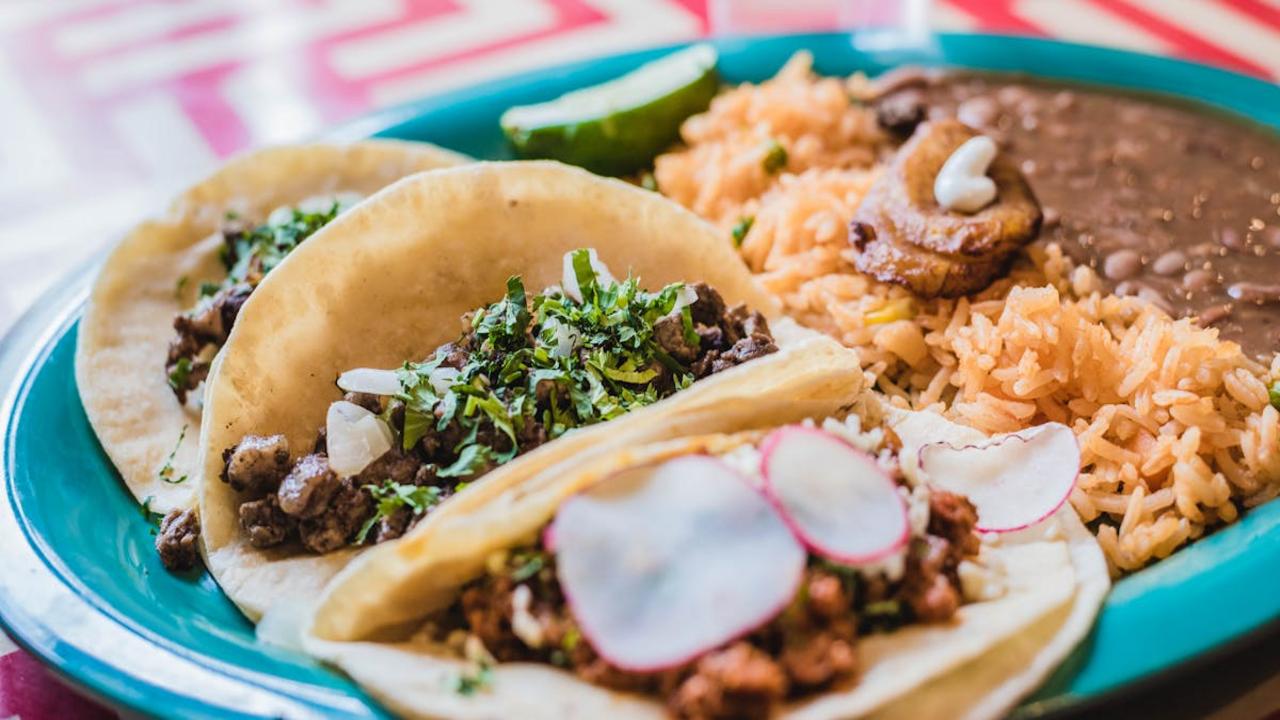
You know that moment when you bite into what should be a crispy, flavorful taco shell and instead get the distinct sensation of chewing on recycled Amazon boxes? Welcome to the school lunch taco experience! Those hard shell tacos had the structural integrity of wet tissue paper yet somehow maintained the texture of construction material. The ground beef filling looked suspiciously like it had been through a blender with some questionable spices, and don’t even get me started on the cheese that refused to melt despite being under heat lamps for what felt like geological eras.
The real tragedy wasn’t just the flavor—or complete lack thereof—but the false hope these tacos represented. You’d see “Taco Tuesday” on the lunch menu and think, “Finally, something that might actually taste good!” But no, the cafeteria staff had mastered the dark art of taking one of the world’s most beloved handheld foods and turning it into something that made you question whether taste buds were really necessary for survival. The lettuce was wilted, the tomatoes were somehow both mushy and flavorless, and that hard shell would inevitably crack the moment you attempted your first bite, sending the sad filling cascading onto your tray like edible confetti at the world’s most disappointing party.
Limp Salad
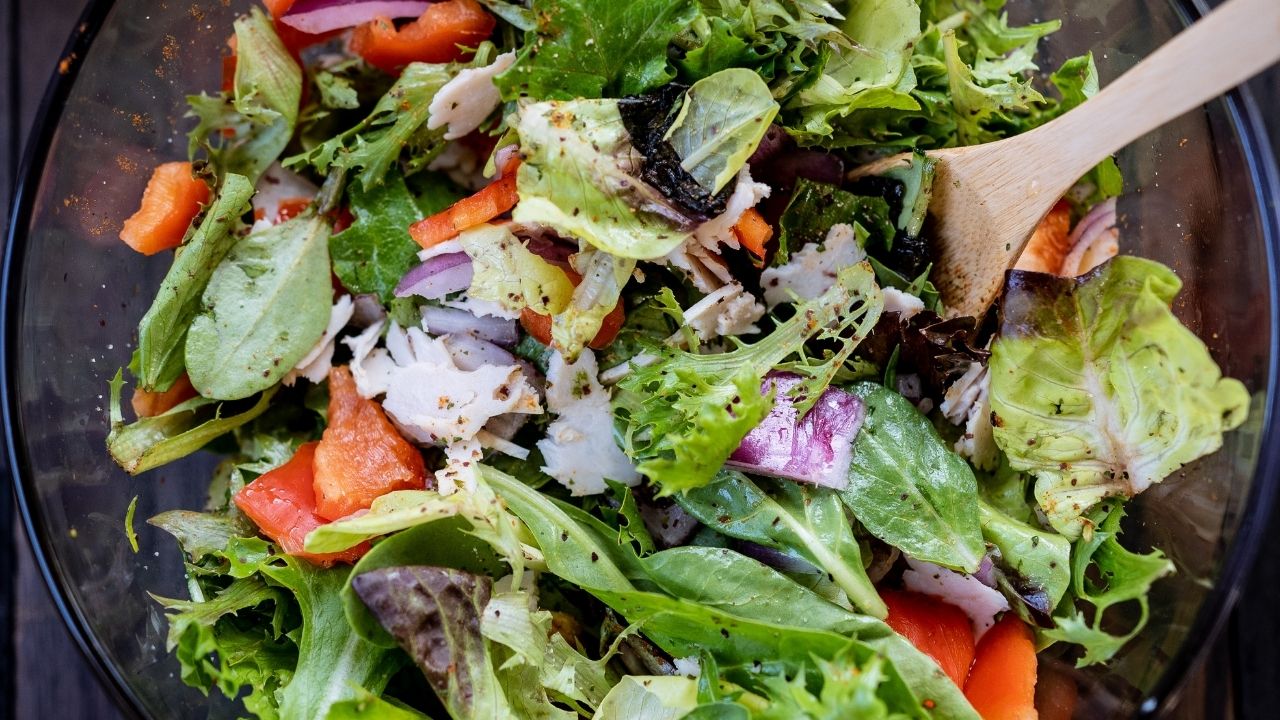
You know that sad, wilted mess they called “salad” in school cafeterias? Those browning lettuce leaves that looked like they’d given up on life sometime around Tuesday, paired with rubbery carrots and questionable cherry tomatoes that had clearly seen better days. The whole concoction sat there under those harsh fluorescent lights, drowning in its own condensation inside those plastic containers that somehow made everything taste like disappointment. I swear those lettuce leaves had the structural integrity of wet tissue paper – one gentle poke with a plastic fork and they’d disintegrate into green mush that bore no resemblance to actual vegetation.
The real tragedy wasn’t just the limp lettuce – it was the missed opportunity to show kids that salad could actually be exciting! Fresh greens can stay crisp for days if you store them properly with a paper towel to absorb moisture, and a little lemon juice keeps things from browning. But apparently, the cafeteria staff never got that memo. Instead, we got what I like to call “defeat salad” – a combination so uninspiring that it probably turned an entire generation away from eating their vegetables. Fun fact: lettuce is 96% water, which explains why those school versions seemed to evaporate the moment you looked at them sideways. No wonder we all reached for the pizza instead!
Brick-like Pizza
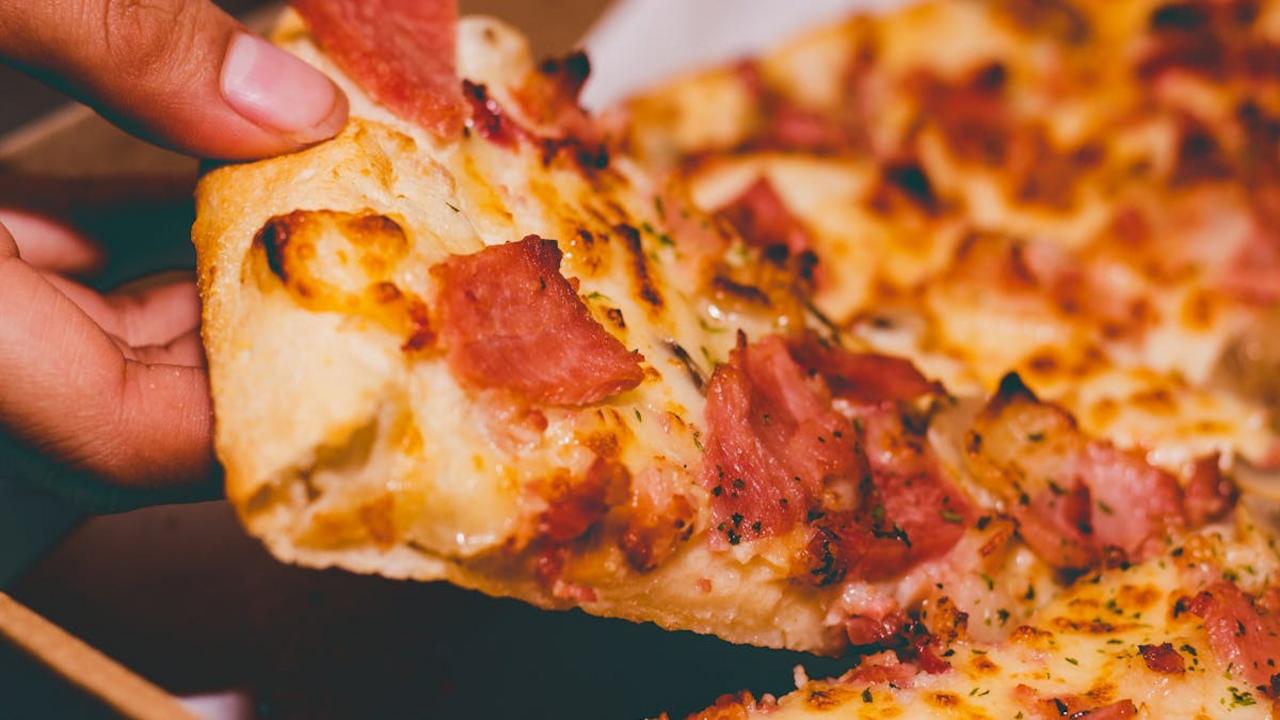
Remember that rectangular slab of supposed “pizza” that could double as a weapon? School cafeteria pizza achieved the impossible feat of making cardboard seem appetizing by comparison. The crust possessed the structural integrity of concrete, requiring the jaw strength of a professional nutcracker just to take a bite. That orange-tinted cheese—if you could even call it cheese—formed a rubbery layer that stretched like taffy when you tried to pull it apart, often launching tomato sauce projectiles across the lunch table. The pepperoni circles looked suspiciously uniform, as if stamped out by some dystopian food machine.
Here’s the wild part: despite tasting like cafeteria floor tiles covered in ketchup, millions of kids somehow survived on this stuff for years. The pizza squares came pre-cut into perfect rectangles, which should have been our first red flag—real pizza doesn’t naturally form geometric shapes! Some brave souls actually looked forward to pizza day, proving that childhood nostalgia can override even the most traumatized taste memories. Fun fact: many school districts still serve versions of this infamous rectangular pizza, though modern versions have thankfully evolved beyond the concrete-like consistency that once required a chisel to eat.
Rubber Chicken
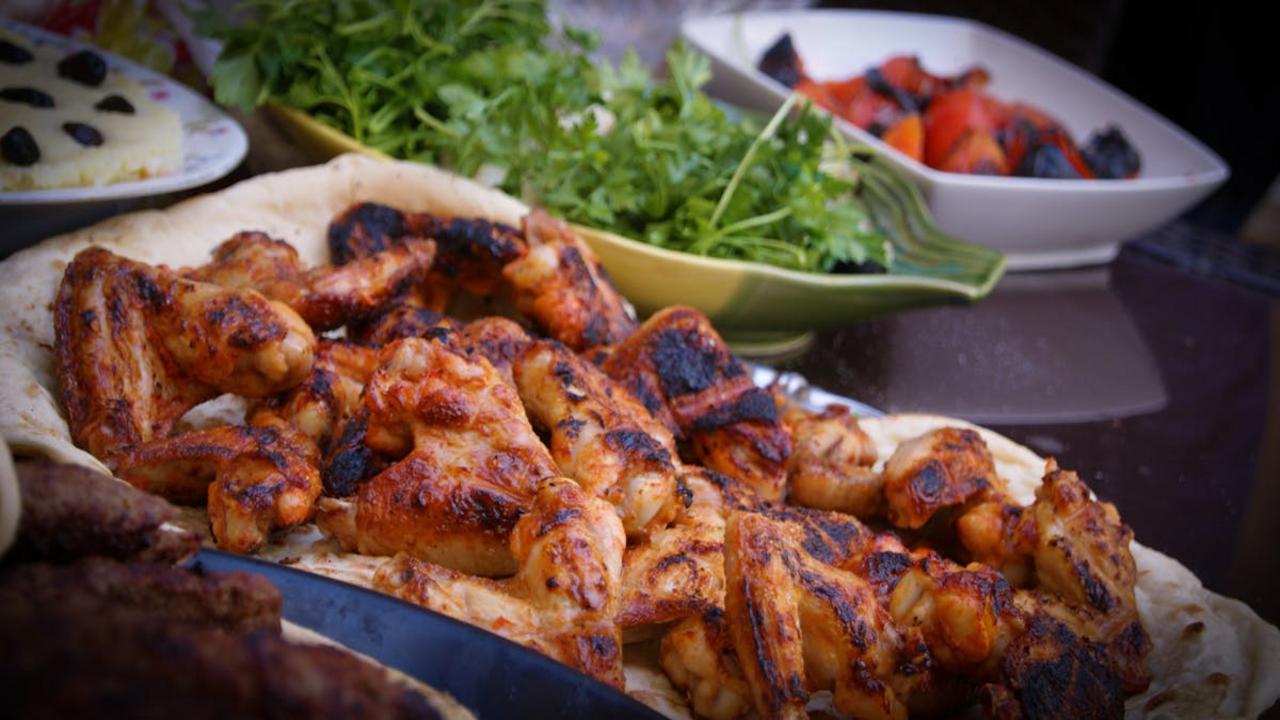
You know that moment when you bite into what’s supposed to be tender, juicy chicken and instead your teeth bounce right off like you’re chewing on a stress ball? Welcome to the legendary rubber chicken of school cafeterias everywhere! This culinary mystery defied all laws of physics – somehow managing to be simultaneously dry as the Sahara desert yet chewy enough to give your jaw a full workout. I swear some of those chicken patties could have doubled as hockey pucks, and honestly, they probably would have performed better on the ice than on our lunch trays.
The real tragedy wasn’t just the texture – it was the complete absence of any chicken-like flavor. These beige, oval-shaped objects tasted like someone took actual chicken, removed every molecule of moisture and seasoning, then compressed it into submission. Fun fact: those weren’t even whole pieces of chicken most of the time, but rather “formed” chicken products made from scraps and held together with binding agents. No wonder they had that distinctive bounce-back quality! Your poor molars never stood a chance against these protein pucks that required more jaw strength to consume than a piece of salt water taffy left in the sun.
Overcooked Spaghetti
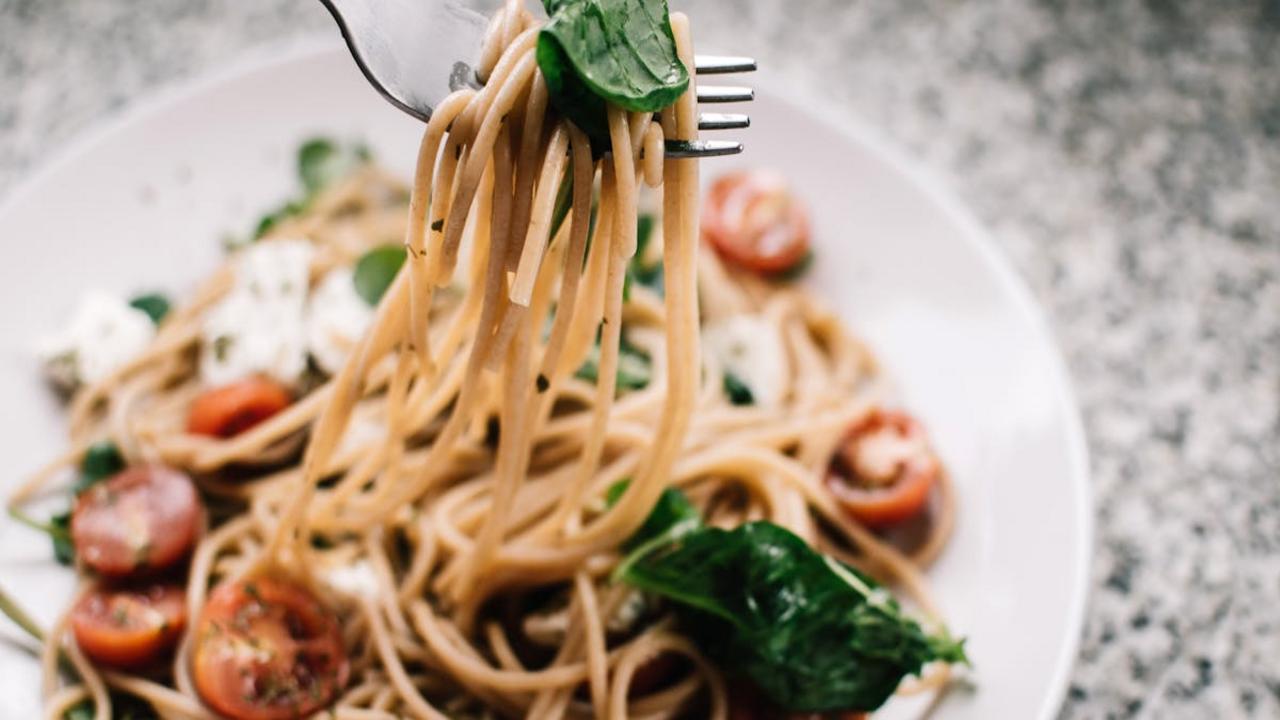
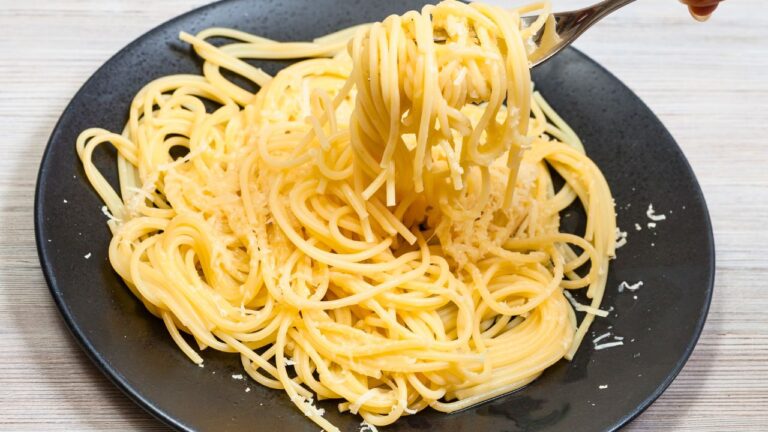
Remember that limp, lifeless spaghetti that slithered around your lunch tray like wet shoelaces? School cafeterias had a special talent for turning perfectly innocent pasta into something that belonged in a science experiment rather than on your plate. The noodles would arrive so overcooked they’d practically disintegrate if you looked at them wrong, clumping together in a sad, starchy mass that defied all logic of what pasta should be. You’d try to twirl it with your plastic fork, only to watch it fall apart like your dreams of enjoying lunch that day.
The tragedy of cafeteria spaghetti wasn’t just the texture—it was the missed opportunity! Properly cooked pasta should have that perfect al dente bite, where each strand maintains its dignity and doesn’t surrender to your fork before you even take a bite. Fun fact: the term “al dente” literally means “to the tooth” in Italian, referring to that slight firmness you feel when you bite down. School lunch spaghetti was more like “al mush”—a consistency that would make Italian grandmothers weep into their marinara. The worst part? That mysterious meat sauce they’d ladle on top, which somehow made the whole soggy situation even more unappetizing.
Mystery Meat
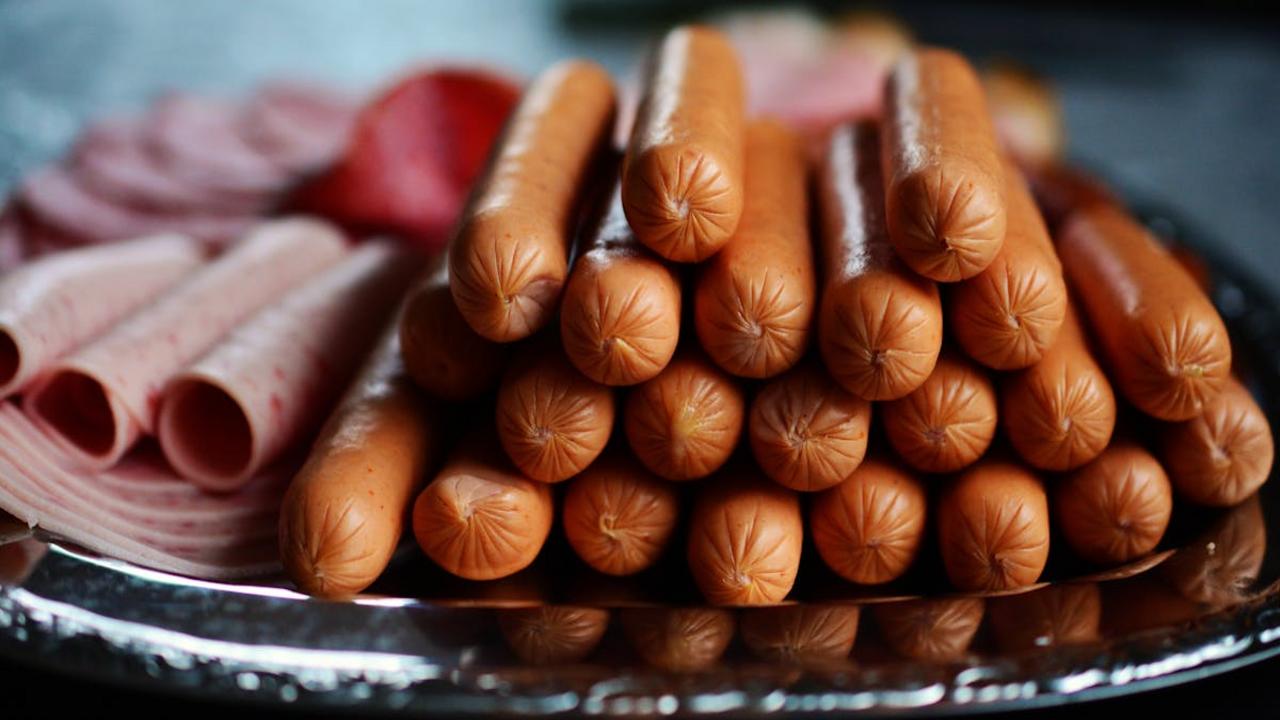
You know that grayish-brown substance that appeared on your lunch tray with all the confidence of real food but none of the actual credentials? That, my friend, was mystery meat – the cafeteria’s greatest unsolved case. This enigmatic protein source defied identification with the skill of a master magician, leaving students worldwide scratching their heads and poking suspiciously at their trays. Was it beef? Chicken? Turkey? Some kind of soy-based science experiment? The lunch ladies weren’t talking, and honestly, we probably didn’t want to know the truth anyway.
The beauty of mystery meat lay not in its flavor (which was decidedly neutral, like eating seasoned cardboard), but in its ability to unite every student in collective bewilderment. Fun fact: most school districts actually used a processed meat product called “textured vegetable protein” mixed with various ground meats, creating this beige masterpiece that could survive nuclear fallout and still maintain its questionable texture. You’d bite into it expecting something familiar, only to discover it had the consistency of dense foam rubber and about as much personality as watching paint dry. Yet somehow, smothered in enough ketchup or that mysterious brown gravy, some of us actually managed to choke it down – though we’re still processing the psychological trauma decades later.