15 Pantry Staples Chefs Swear By for Easy, Delicious Meals Anytime
Your pantry holds the secret to countless memorable meals, and I want to share the fifteen ingredients that transform my cooking daily. These aren’t fancy items—they’re simple, accessible staples that professional chefs rely on because they work. From aromatic garlic to versatile canned tomatoes, each ingredient serves multiple purposes in creating wholesome, satisfying dishes.
What makes these pantry heroes so powerful? They bridge cultures and cuisines while maintaining their individual character. You can create Italian pasta one night, Asian stir-fry the next, all from the same foundation. I’ve discovered that keeping these basics stocked means you’re never more than twenty minutes away from a nourishing meal.
These ingredients represent more than convenience—they’re your gateway to intuitive cooking. You’ll find yourself experimenting, combining flavors spontaneously, and developing confidence in the kitchen. Each item builds upon the others, creating endless possibilities for healthy, scratch-made meals that nourish both body and soul.
Canned Beans
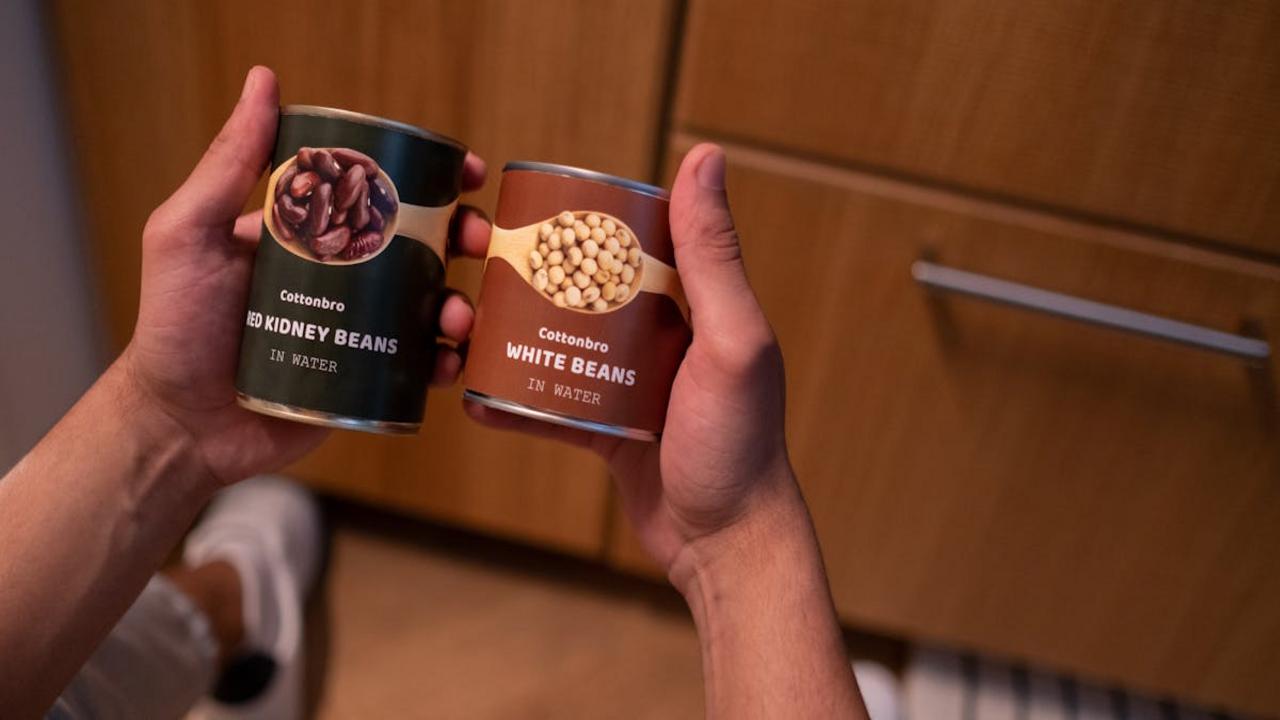
I keep at least five different varieties of canned beans in my pantry because they’re absolute workhorses in the kitchen. Black beans, chickpeas, kidney beans, cannellini beans, and pinto beans each bring their own personality to dishes, and I can transform them into something spectacular within minutes. You’ll find me tossing chickpeas into curries, blending cannellini beans into creamy soups, or mashing black beans for quick veggie burgers. The beauty lies in their versatility – they work in Mediterranean grain bowls, Mexican-inspired rice dishes, or even pureed into hummus for unexpected flavor combinations.
What makes canned beans so brilliant for home cooks is their convenience without sacrificing nutrition. They’re packed with plant-based protein and fiber, making any meal more satisfying and wholesome. I always rinse them thoroughly to remove excess sodium, then I’m ready to create magic. Whether I’m making a hearty three-bean chili on a busy weeknight or folding white beans into a rustic Italian pasta, these pantry heroes never disappoint. They absorb flavors beautifully, so whatever spices or aromatics you’re working with, the beans will soak them up and become part of something greater than the sum of their parts.
Dried Herbs
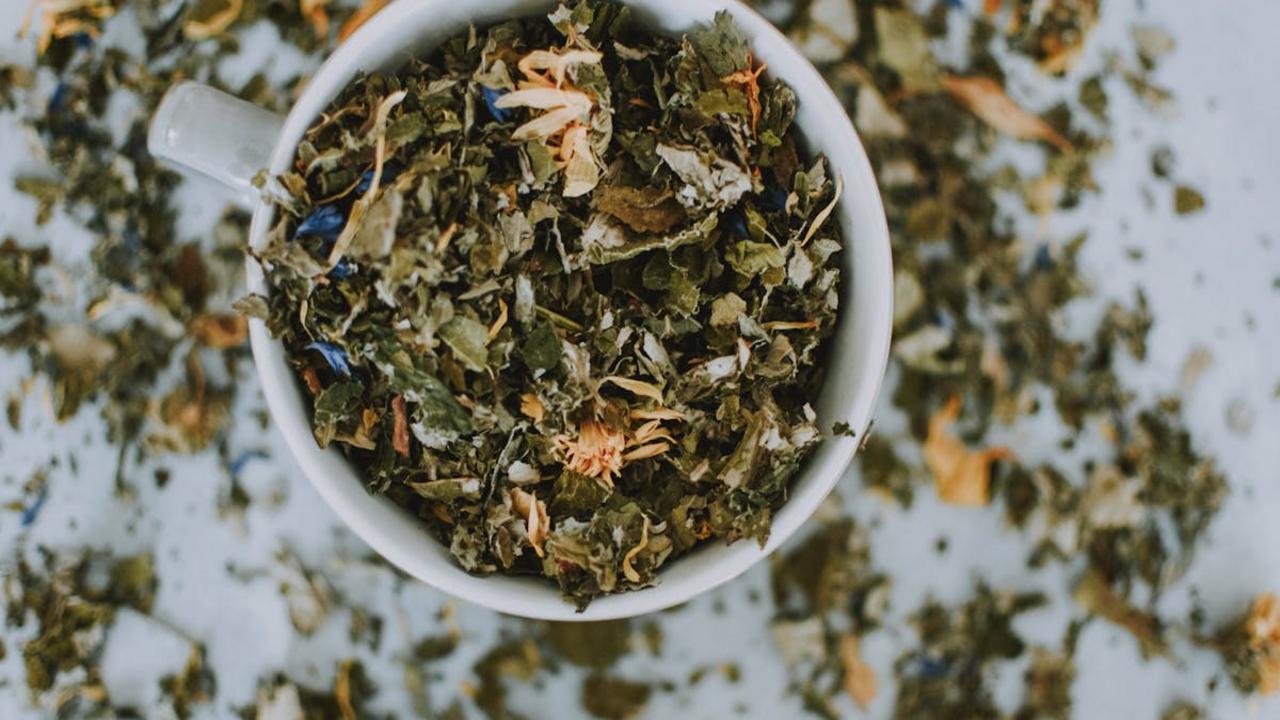
Dried herbs sit in my pantry like tiny treasure chests, each jar holding concentrated flavors that can transform the simplest ingredients into something magical. While fresh herbs shine in their own right, dried varieties offer consistency year-round and pack an intense punch that actually works better in slow-cooked dishes, marinades, and spice blends. I keep oregano for Greek-inspired lentil stews, thyme for French-style roasted vegetables, and dried cilantro for when I’m making quick weeknight curries. The beauty lies in how these little leaves release their oils slowly during cooking, building layers of flavor that fresh herbs sometimes can’t match in longer cooking processes.
What makes dried herbs so valuable in my kitchen is their ability to bridge cultures and seasons effortlessly. I blend dried mint with sumac for Middle Eastern grain bowls, mix dried basil with sun-dried tomatoes for pasta sauces, and create my own za’atar blend using dried thyme, sesame seeds, and sumac. These herbs stay potent for months when stored properly in airtight containers away from heat and light, making them incredibly economical compared to constantly buying fresh herbs that might wilt before you use them. They’re particularly brilliant for rubs, marinades, and one-pot meals where you want deep, integrated flavors throughout.
Vinegar

I keep several bottles of vinegar in my pantry because they transform ordinary dishes into something extraordinary. Rice vinegar brings gentle acidity to Asian-inspired stir-fries and dressings, while apple cider vinegar adds depth to marinades and helps tenderize tough cuts of meat. White wine vinegar brightens Mediterranean salads, and balsamic vinegar—oh, that rich sweetness—turns simple roasted vegetables into restaurant-quality sides. Each type offers its own personality, and I love experimenting with different varieties to see how they change the flavor profile of my cooking.
Beyond flavor enhancement, vinegar works magic in ways most home cooks never realize. I use it to deglaze pans after searing proteins, creating instant pan sauces that would make any chef proud. A splash in bean dishes helps break down fibers for better digestion, while a tablespoon in bread dough creates incredibly tender crumb. When I’m making fresh cheese or want to brighten heavy cream-based soups, vinegar becomes my secret weapon. The acidity cuts through richness and adds complexity that makes people ask, “What’s your secret ingredient?” Now you know—it’s probably sitting right there in your pantry, waiting to elevate your next meal.
Soy Sauce
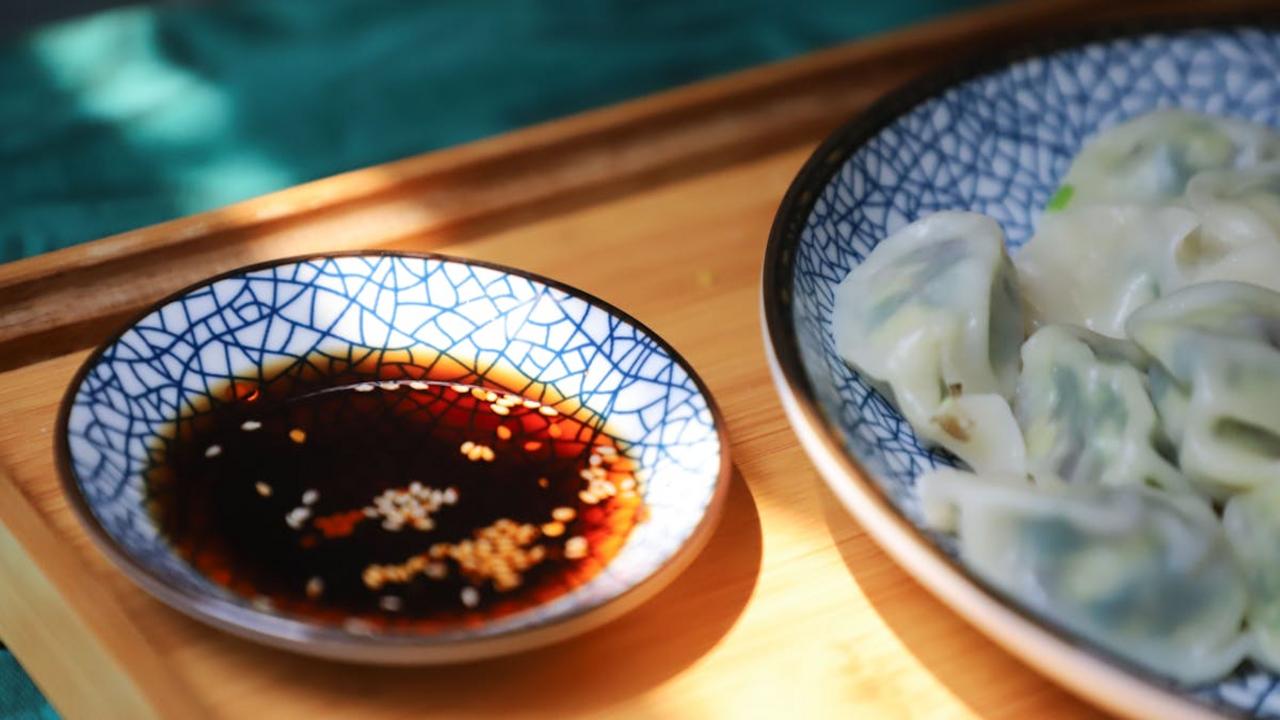
You know that dark, glossy bottle sitting in your pantry right now? That’s pure liquid umami magic waiting to transform your cooking. I keep three types of soy sauce on hand—light soy for seasoning, dark soy for color and depth, and tamari for my gluten-free friends. This fermented wonder doesn’t just belong in Asian dishes; I splash it into my marinades for grilled vegetables, stir it into salad dressings for that savory backbone, and even add a teaspoon to my tomato-based pasta sauces. The complexity it brings is unmatched—salty, sweet, and deeply savory all at once.
What I love most about soy sauce is how it builds layers of flavor without overpowering your ingredients. A tablespoon mixed with olive oil, garlic, and honey creates an instant glaze for roasted Brussels sprouts that’ll make even skeptics believers. I also use it in my homemade bone broth to deepen the richness, and it’s my secret ingredient in mushroom dishes where it amplifies that earthy goodness. Choose naturally brewed versions over chemically processed ones—your taste buds will thank you, and you’ll avoid unnecessary additives while getting all those beneficial amino acids from proper fermentation.
Chicken Stock
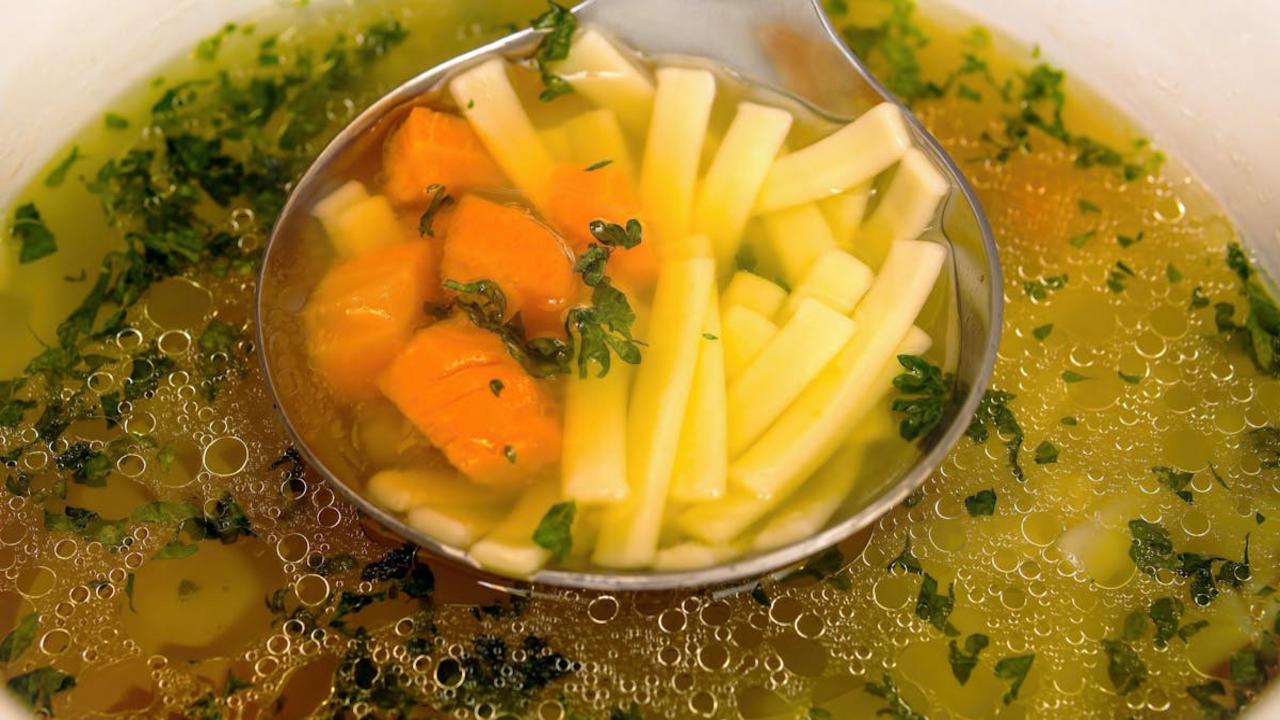
When I open my pantry and see those cartons of good chicken stock lined up, I know I’m just minutes away from transforming simple ingredients into something magical. This liquid gold becomes the foundation for countless dishes in my kitchen – from quick weeknight risottos to comforting soups that warm you from the inside out. I always keep both store-bought and homemade versions on hand because honestly, life gets busy, and having quality stock ready means the difference between ordering takeout and creating a nourishing meal at home.
The beauty of chicken stock lies in how it builds layers of flavor without any heavy lifting from you. I love deglazing pans with it after searing proteins, watching all those caramelized bits transform into glossy sauces that make even the simplest chicken breast taste restaurant-worthy. Whether I’m braising vegetables, cooking grains, or making a quick pan sauce, chicken stock adds that depth and richness that water simply can’t provide. Pro tip: freeze stock in ice cube trays for those moments when you need just a splash to brighten up a dish – it’s one of those small preparations that pays dividends in flavor throughout the week.
Sugar
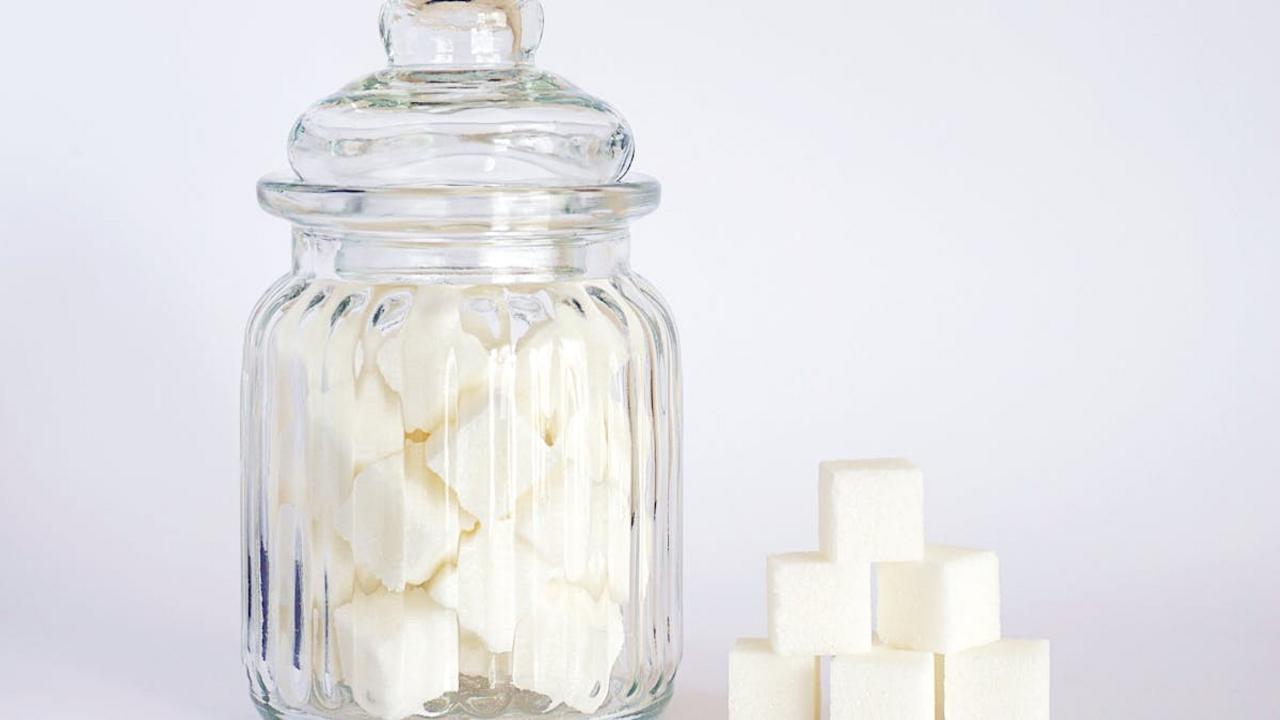
You might think sugar only belongs in desserts, but I keep several types in my pantry because they’re secret weapons for creating depth in savory dishes. White sugar helps balance the acidity in tomato-based sauces and adds that perfect caramelized edge to roasted vegetables. Brown sugar brings molasses notes that transform marinades and glazes, while coconut sugar offers a subtle nuttiness that pairs beautifully with Asian-inspired stir-fries. I even use a pinch of white sugar in my homemade bread to help activate the yeast and create that golden crust we all crave.
The magic happens when you understand sugar’s role beyond sweetness—it’s about creating balance and enhancing other flavors in your dishes. A teaspoon added to caramelizing onions speeds up the process and deepens their golden color, while a small amount in vegetable-heavy curries helps mellow any bitter notes from greens like spinach or kale. I always keep raw honey and maple syrup alongside granulated sugars because they bring their own unique flavor profiles to marinades and dressings. Remember, you’re not making things dessert-sweet; you’re using sugar as a seasoning to create more complex, satisfying meals that taste like they came from a restaurant kitchen.
Flour
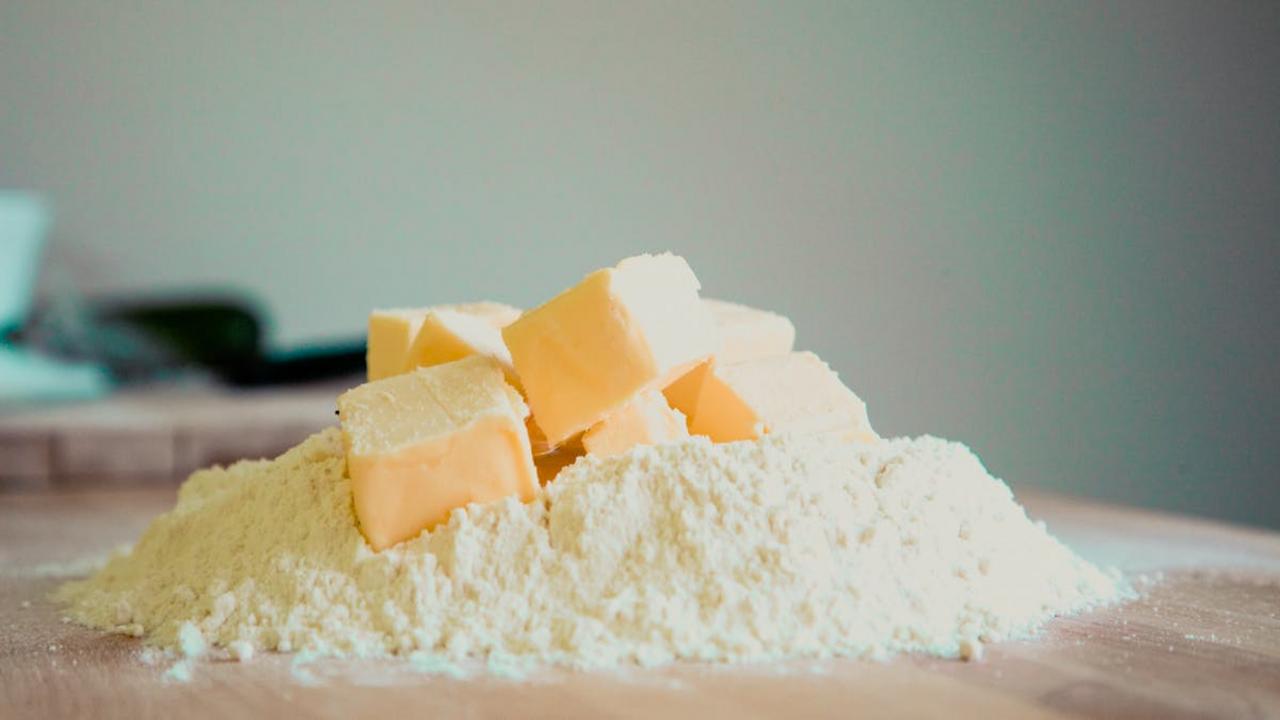
Flour sits quietly in my pantry like a gentle giant, ready to transform into anything I need. I keep at least three types on hand: all-purpose for everyday baking and thickening sauces, whole wheat for heartier breads and pancakes, and rice flour for gluten-free friends who visit. You know what amazes me? How this simple powder becomes the foundation for so many comfort foods across cultures – from Indian rotis to Italian pasta, Mexican tortillas to Ethiopian injera. I’ve learned that good flour makes all the difference, so I buy mine from local mills when possible, storing it in airtight containers to keep it fresh and bug-free.
Beyond baking, flour works magic in my everyday cooking. I dust vegetables before roasting for extra crispiness, create quick roux for creamy soups, and even use it to make fresh pasta on lazy Sunday afternoons. My grandmother taught me to toast flour lightly in a dry pan before adding liquid – this trick eliminates that raw flour taste and adds a nutty depth to gravies and sauces. When I’m feeling creative, I experiment with alternative flours like chickpea or almond flour, each bringing unique flavors and textures to familiar recipes. Having quality flour means I can whip up fresh bread, pizza dough, or dumplings whenever the mood strikes, turning simple ingredients into soul-satisfying meals.
Canned Tomatoes
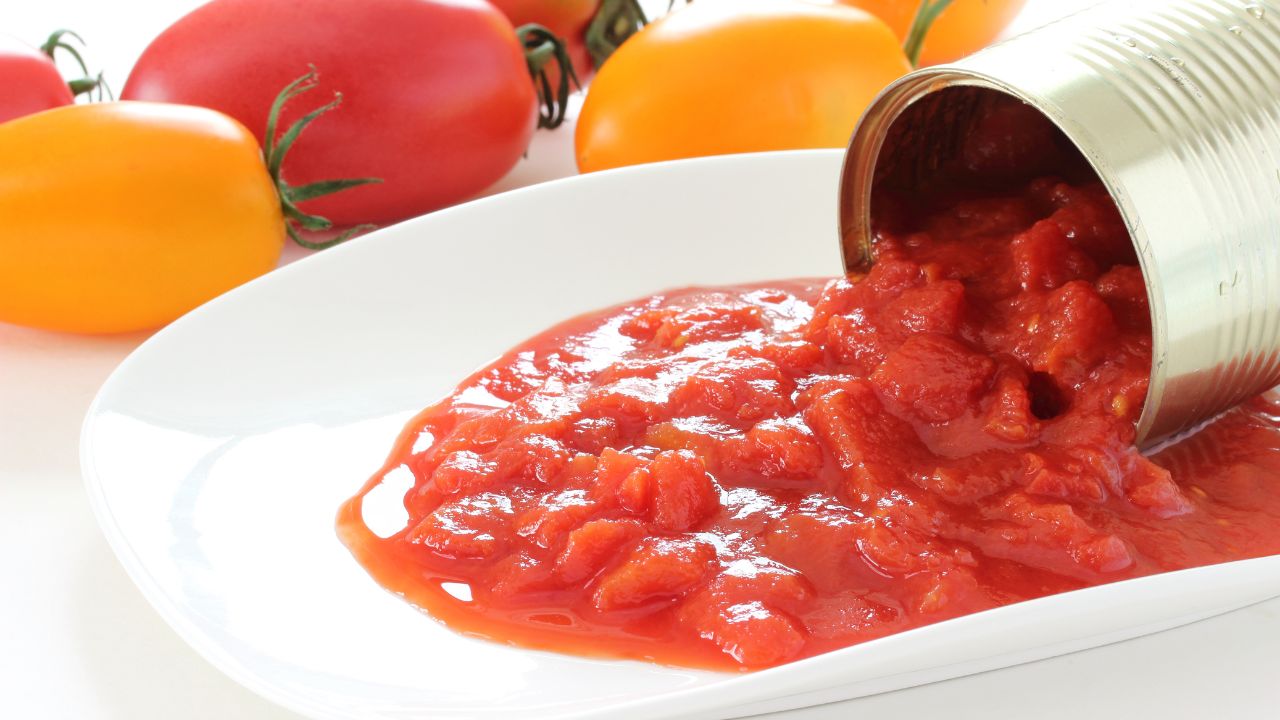
You know that moment when you open your pantry and wonder what magic you can create? Canned tomatoes are your answer to that question every single time. I keep at least three different types on hand—whole San Marzanos for when I want that sweet, complex base for pasta sauces, crushed tomatoes for quick weeknight curries, and tomato paste for building deep, concentrated flavor in stews and braises. These ruby gems transform simple ingredients into restaurant-quality meals faster than you’d imagine.
What I love most about quality canned tomatoes is how they bring summer’s brightness to your kitchen year-round, especially during those dreary winter months when fresh tomatoes taste like cardboard. I’ve learned to read labels carefully—look for brands that list just tomatoes and maybe salt, avoiding those with added citric acid or calcium chloride that can make sauces taste metallic. Whether I’m making a quick marinara that simmers for twenty minutes or a slow-cooked ragu that bubbles away all afternoon, canned tomatoes give me that perfect balance of acidity and sweetness that fresh tomatoes often lack, creating a reliable foundation for countless global dishes from Italian classics to Indian curries to Mexican salsas.
Garlic
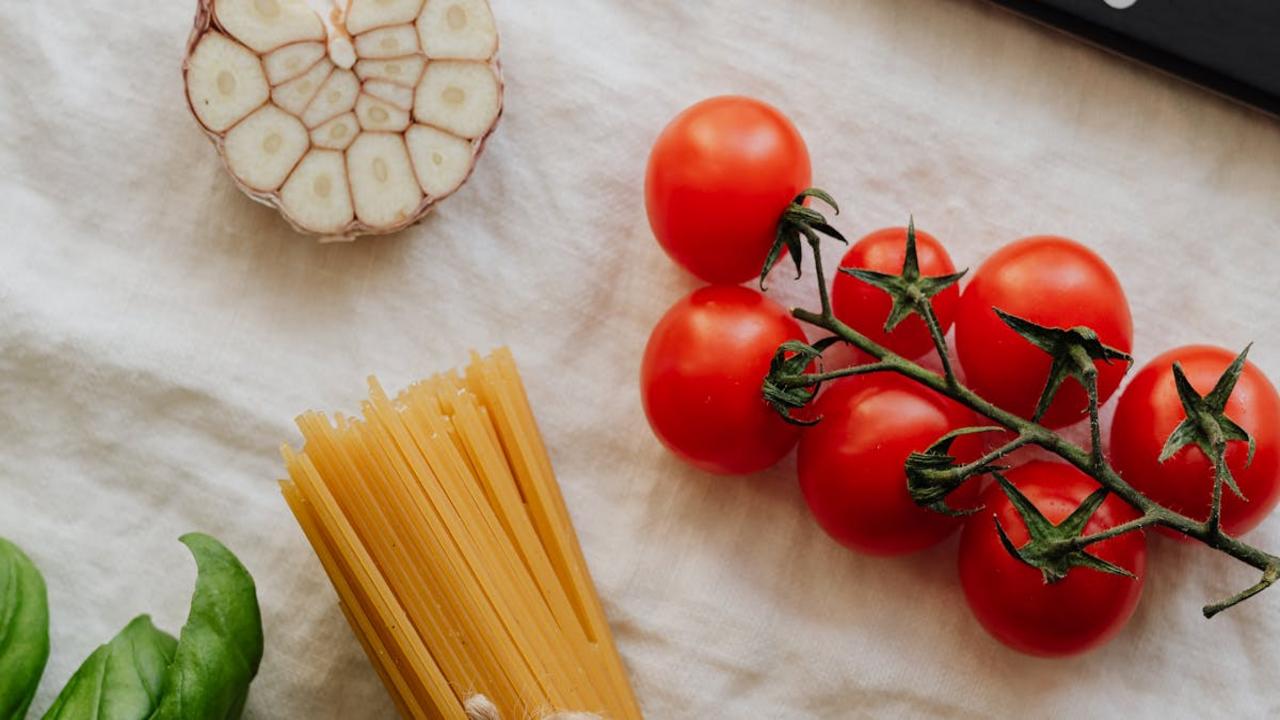
You know that moment when you walk into someone’s kitchen and smell garlic sizzling in oil? That’s pure magic right there. I keep bulbs of garlic everywhere—in my pantry, on my counter, even in my car’s glove compartment because you never know when inspiration will strike. Fresh garlic transforms everything it touches, whether I’m making a simple aglio e olio with pasta, building the base for a Moroccan tagine, or creating my grandmother’s sofrito that forms the backbone of so many Caribbean dishes. The way those cloves release their oils when you crush them with the flat side of your knife—that’s where the real flavor lives.
I’ve learned that different preparations of garlic create completely different flavor profiles in your dishes. Raw garlic punches you with its sharp intensity, perfect for aiolis and pestos. Gently sautéed garlic becomes sweet and mellow, while roasted whole bulbs turn into buttery, caramelized gold that I spread on bread or mash into potatoes. I always buy garlic in bulk because it stores beautifully in a cool, dry place for months. When I’m feeling lazy but want big flavor, I’ll make garlic oil by slowly heating sliced cloves in olive oil—this liquid gold keeps in my fridge and instantly elevates rice, vegetables, or scrambled eggs.
Onions
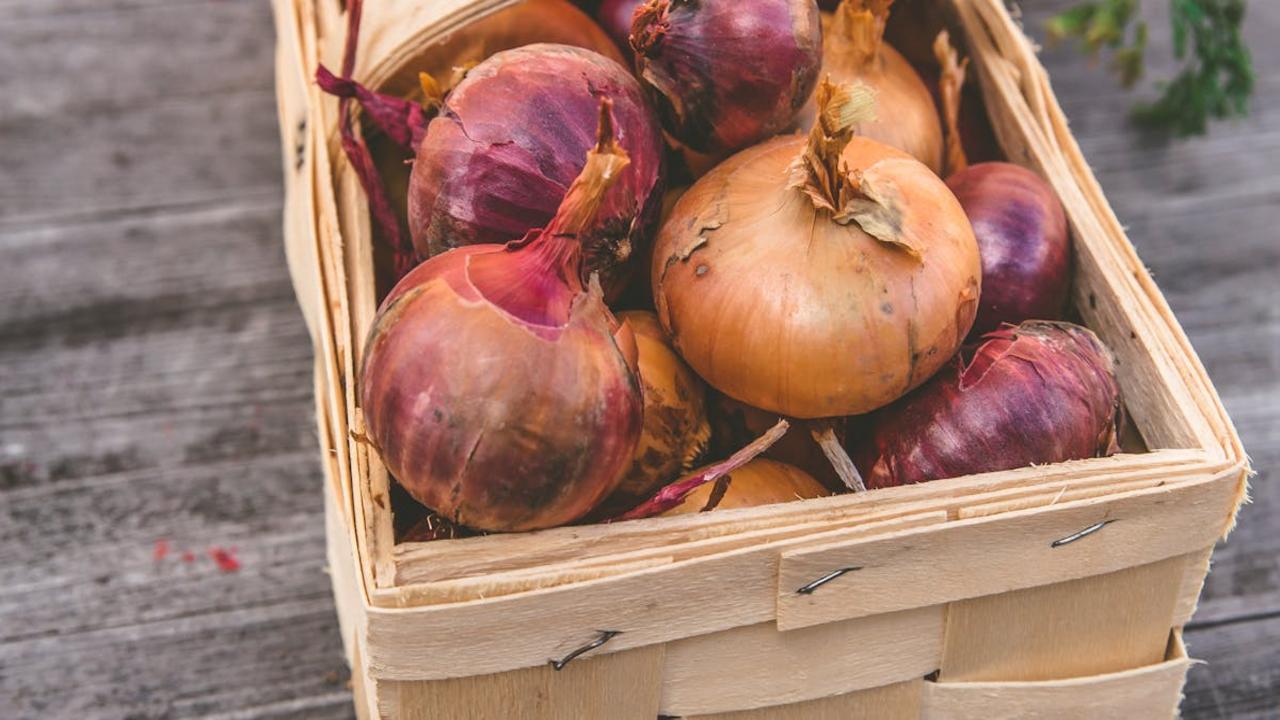
You know that moment when you open your pantry and wonder what magic you can create? Start with onions, my friend. These humble bulbs transform ordinary dishes into something extraordinary. I keep yellow, white, and red onions on hand because each brings its own personality to the table. Yellow onions become sweet and caramelized when cooked low and slow, perfect for French onion soup or as a base for curries. White onions pack more punch and work beautifully in Mexican salsas and Asian stir-fries. Red onions add color and mild bite to salads and sandwiches.
Here’s what I love most about onions – they’re your ticket to building deep, complex flavors without relying on processed seasonings or artificial enhancers. When you sauté onions until they’re golden and fragrant, you’re creating the foundation that makes people ask, “What’s your secret?” Whether you’re making a simple pasta sauce, a hearty stew, or even caramelizing them for pizza toppings, onions give you that rich, savory depth that turns a basic meal into something memorable. Store them in a cool, dry place away from potatoes, and they’ll keep for weeks, ready to elevate whatever you’re cooking.
Pasta
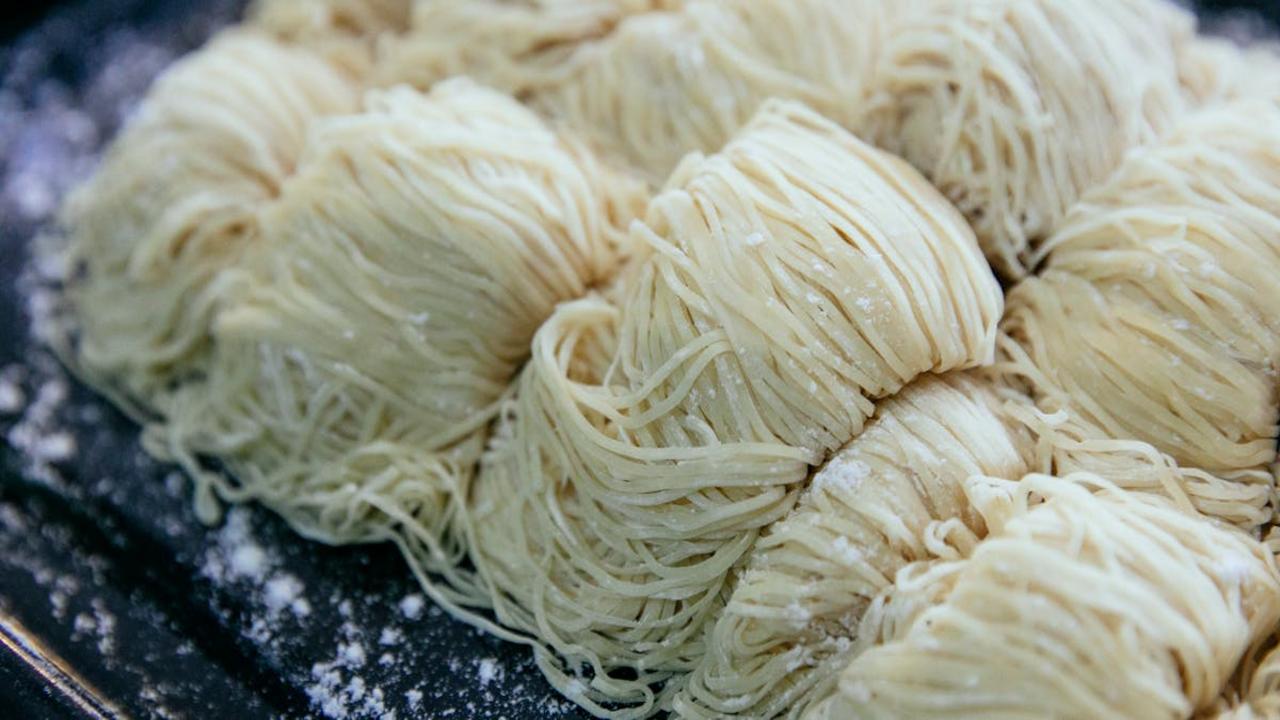
Pasta sits in my pantry like a reliable friend—always ready to transform into something magical with whatever I have on hand. I keep at least three shapes stocked: long strands like spaghetti for simple aglio e olio with garlic and chili flakes, short tubes like penne for heartier vegetable sauces, and delicate angel hair for quick weeknight dinners with fresh herbs. The beauty of dried pasta lies in its versatility and shelf stability, making it perfect for those moments when you need a satisfying meal but didn’t plan ahead.
What I love most about pasta is how it becomes a canvas for global flavors. I toss it with miso butter and roasted vegetables for a Japanese twist, or create a Mediterranean feast with sun-dried tomatoes, olives, and fresh basil from my garden. The key is cooking it just until al dente—that perfect bite with slight resistance—then finishing it directly in your sauce so the flavors marry beautifully. A good pasta dish teaches you about balance: the starch provides comfort, while fresh ingredients bring brightness and nutrition to create something greater than the sum of its parts.
Rice
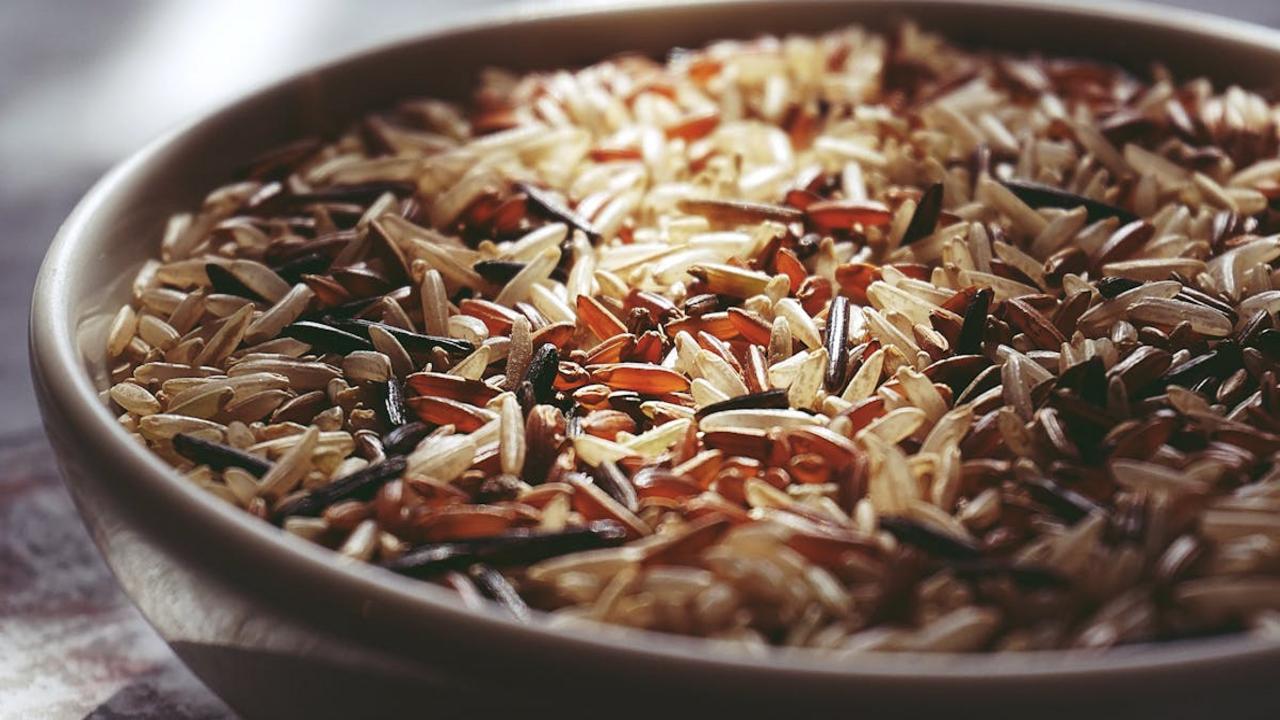
I keep several types of rice in my pantry because this grain transforms into completely different dishes depending on which variety you choose. Short-grain rice becomes creamy risotto when stirred with warm broth, while jasmine rice pairs beautifully with Thai curries and basmati rice makes the perfect base for Indian biryanis. Brown rice brings nuttiness and fiber to grain bowls, and wild rice adds texture to salads. You can cook rice in coconut milk for tropical dishes, toast it first for deeper flavor, or use leftover rice for fried rice the next day.
What I love most about rice is how it stretches your meals and your budget while absorbing whatever flavors you add to it. I often cook a big batch on Sunday and use it throughout the week – mixed into soups to make them heartier, stuffed into bell peppers with herbs and vegetables, or combined with beans and spices for quick burrito bowls. Rice doesn’t judge your cooking skills or demand expensive ingredients to taste good. Sometimes I simply cook it with a bay leaf and a splash of olive oil, and it becomes the perfect canvas for whatever vegetables or proteins I have on hand.
Olive Oil
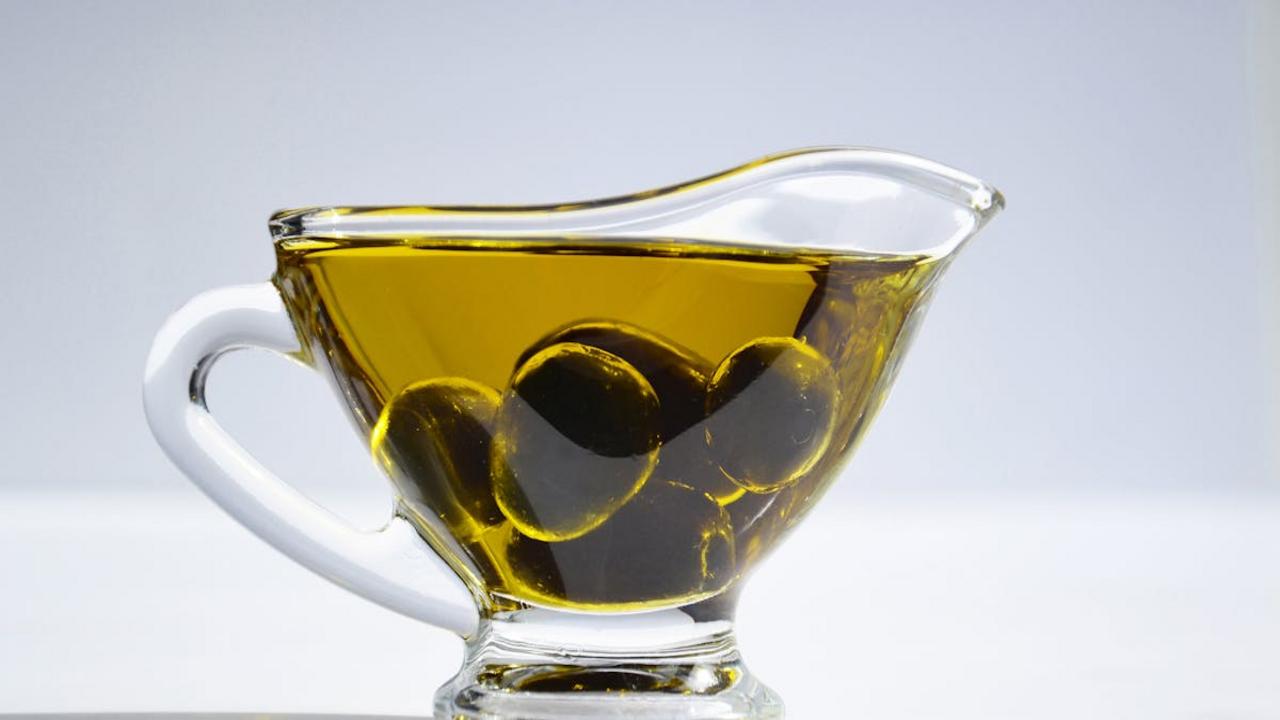
You know that bottle of olive oil sitting in your pantry right now? It’s probably doing way more heavy lifting in your kitchen than you realize. I keep three different types on hand because each one brings something unique to the table. Extra virgin olive oil becomes my finishing touch—I drizzle it over roasted vegetables, swirl it into soups, or use it to make the simplest vinaigrette that transforms any salad into something memorable. Then there’s regular olive oil for everyday cooking, and light olive oil for when I want that silky texture without competing with other flavors.
What I love most about olive oil is how it connects me to cooking traditions from around the world. Whether I’m making a Spanish sofrito, tossing pasta aglio e olio, or preparing Middle Eastern mezze, olive oil becomes the foundation that ties everything together. The quality matters—good olive oil tastes like liquid sunshine with that perfect balance of fruity and peppery notes. I’ve learned to taste my olive oil straight from the spoon because when you start with something this pure and flavorful, your entire dish gets elevated. Plus, those healthy fats help your body absorb all the good nutrients from vegetables, making every meal more nourishing.
Black Pepper
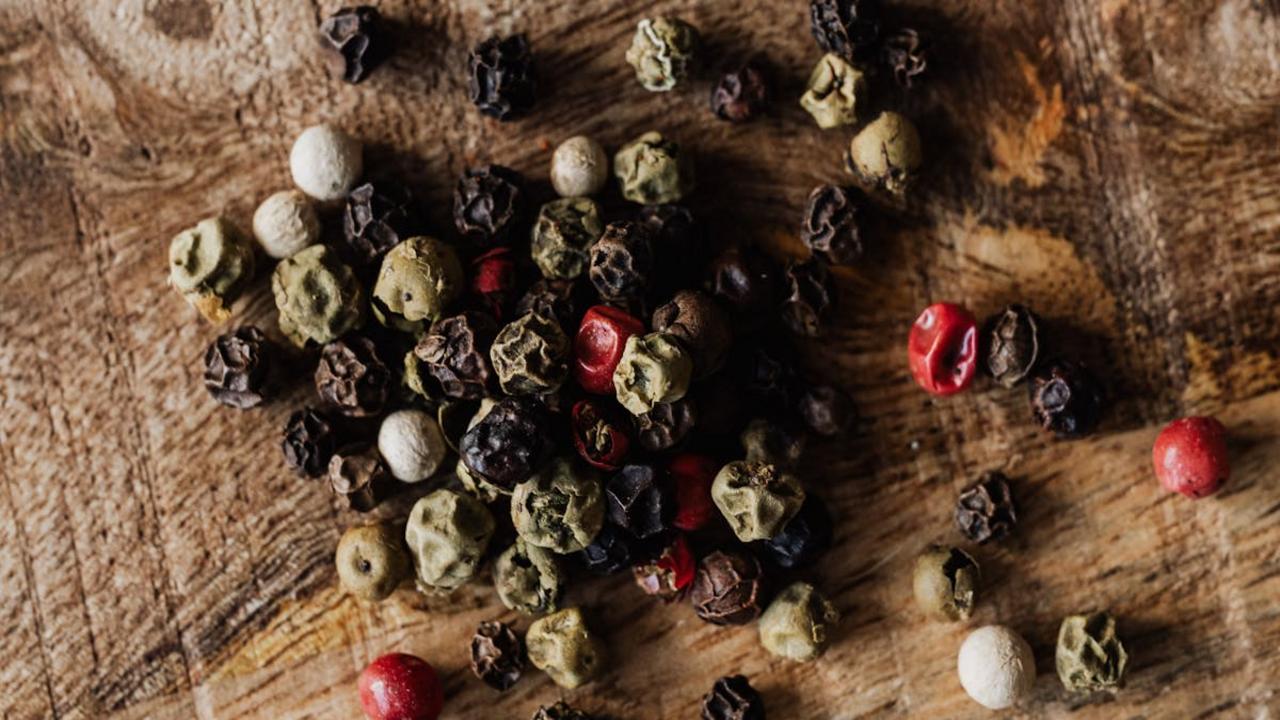
You know that little black spice sitting in your cabinet right now? It’s probably the most underestimated ingredient in your kitchen. Fresh-cracked black pepper transforms everything it touches – from a simple scrambled egg breakfast to an elegant steak dinner. I keep whole peppercorns in my grinder because pre-ground pepper loses its punch faster than you’d imagine. The difference between freshly cracked and store-bought ground pepper is like comparing a live concert to a fuzzy radio recording.
What I love most about black pepper is how it bridges every cuisine I cook. Whether I’m making Indian dal, Italian cacio e pepe, or Middle Eastern za’atar blends, those little peppercorns bring heat and complexity that awakens every other flavor on the plate. I add it to fruit salads with a drizzle of honey, toss it into chocolate desserts for unexpected depth, and always finish my soups with a generous crack. Keep your pepper mill filled with quality whole peppercorns, and you’ll never need to worry about bland food again.
Salt
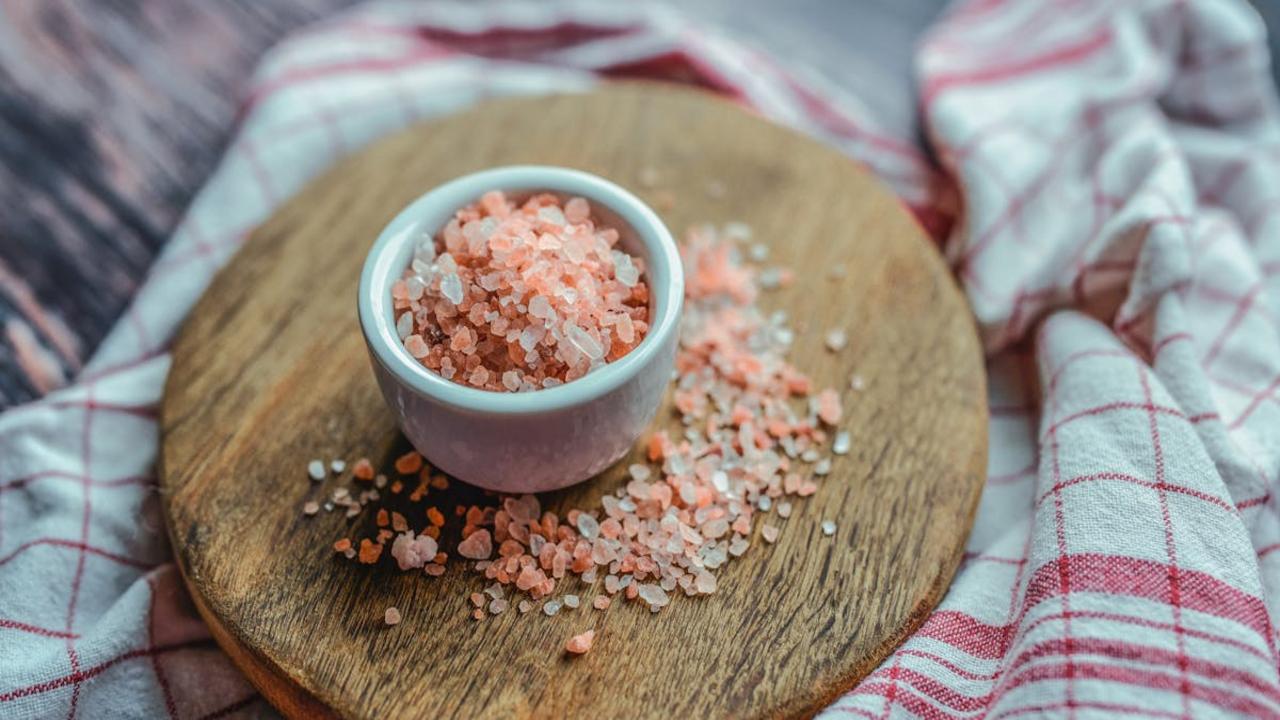
You know that moment when you taste a dish and something just feels off, even though you followed the recipe perfectly? Nine times out of ten, it’s missing salt. I keep three types in my pantry at all times: flaky sea salt for finishing, kosher salt for cooking, and fine salt for baking. Salt doesn’t just make food taste salty—it amplifies every other flavor in your dish, balances sweetness, and brings out the natural characteristics of ingredients. Whether I’m roasting vegetables from my garden or making a quick weeknight stir-fry, salt transforms ordinary ingredients into something memorable.
What many home cooks don’t realize is that salt should be added throughout the cooking process, not just at the end. I salt my pasta water until it tastes like the ocean, season each layer of a soup as I build it, and always finish dishes with a pinch of flaky salt right before serving. This technique, borrowed from professional kitchens worldwide, creates depth and complexity that you simply can’t achieve by salting everything at once. Remember, you can always add more salt, but you can’t take it away—start with less and taste as you go. Your palate will thank you for this simple but transformative approach to seasoning.