14 Everyday Foods That Could Be Poisoning Your Dog and Cat
Your furry friends count on you to keep them safe and healthy, especially when it comes to food. While sharing meals with pets might seem like a loving gesture, many common foods in your kitchen can actually harm or even kill them. What’s perfectly fine for humans could send your dog or cat to the emergency vet.
I’ve spent years researching pet nutrition and working with veterinarians to understand exactly which foods pose risks to our four-legged family members. The list of dangerous items goes beyond the obvious chocolate and includes many surprising everyday ingredients you might not expect.
This guide will help you identify the riskiest foods lurking in your pantry and fridge. By knowing what to avoid, you’ll protect your pets from accidental poisoning while still being able to give them safe, healthy treats they’ll love. Your pets’ safety starts with awareness.
Alcohol

I know we all love to unwind with a glass of wine or beer after a long day, but you should never let your pets have even a tiny sip of alcohol. Your furry friends’ bodies process alcohol very differently from humans – what might give you a mild buzz could cause severe poisoning in dogs and cats. Alcohol can quickly lead to dangerous drops in blood sugar, body temperature, and blood pressure in your pets.
The dangers go beyond just beer and wine – many other products contain alcohol that could harm your pets. Watch out for rum-soaked cakes, wine-based sauces, raw bread dough (which produces alcohol as it ferments), and some mouthwashes or hand sanitizers. If your pet shows signs of alcohol poisoning like vomiting, difficulty walking, or unusual drowsiness, call your vet immediately. Keep all alcoholic beverages and alcohol-containing products safely out of reach of curious paws and noses.
Salt and Salty Snacks

I know how tempting it can be to share your favorite salty snacks with your furry friends – those begging eyes are hard to resist! But you’ll want to keep the salt away from your pets. Too much sodium can cause serious health issues in both cats and dogs, including severe dehydration, increased blood pressure, and in extreme cases, sodium ion poisoning. Your regular chips, pretzels, and other processed snacks contain way more salt than your pets can safely handle.
Beyond the obvious salty treats, you should watch out for foods preserved with salt like deli meats, canned soups, and even raw salt dough. If your pet consumes too much salt, they may show signs like excessive thirst, urination, vomiting, diarrhea, tremors, or seizures. The smaller your pet, the more sensitive they are to salt intake. Keep those salty human snacks for yourself and treat your pets to specially formulated treats made just for them instead. Your veterinarian can recommend safe, healthy options that your four-legged friends will love just as much.
Yeast Dough
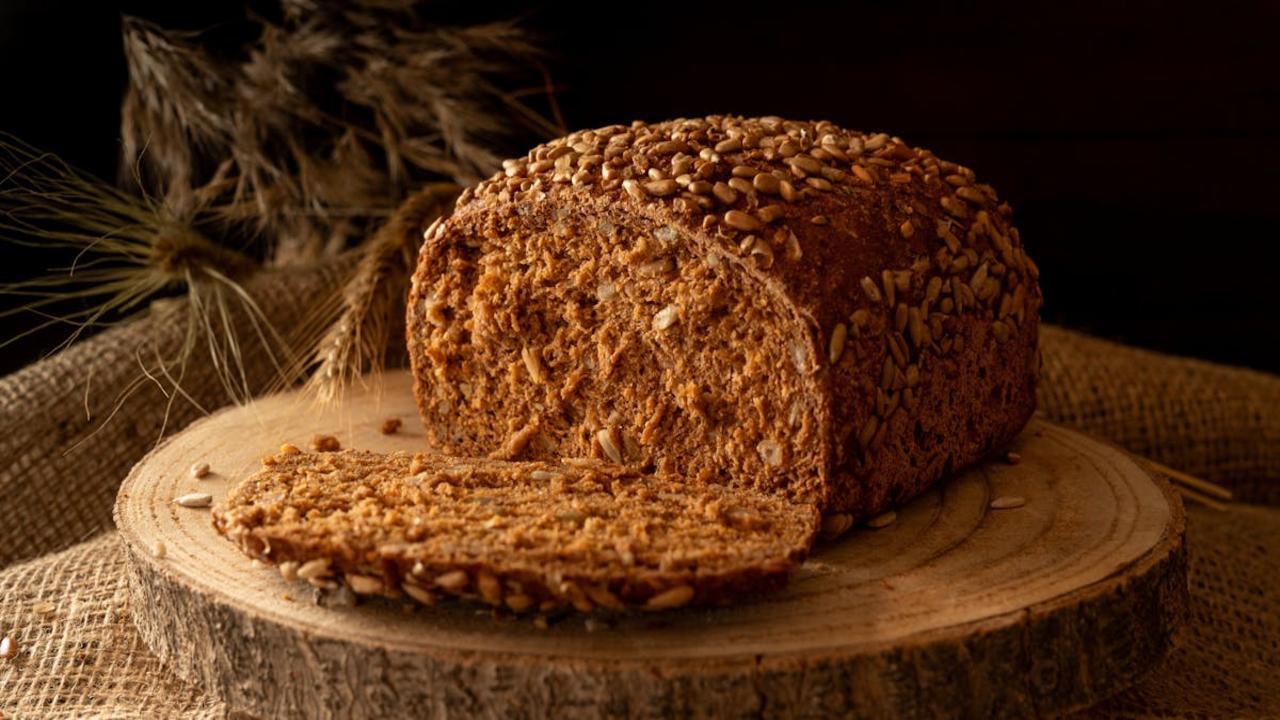
I know many of us love baking fresh bread at home, but you’ll need to keep that raw yeast dough away from your pets! Raw yeast dough can be dangerous for both dogs and cats if they eat it. The warm environment in their stomach creates the perfect conditions for the yeast to multiply and produce alcohol, which can lead to alcohol poisoning. Plus, as the dough rises, it can cause severe bloating and intense stomach pain for your furry friends.
Your pet’s digestive system doesn’t handle yeast dough like ours does. Even a small amount can make them very sick with symptoms including vomiting, weakness, decreased coordination, and in extreme cases, collapse. If you’re baking bread at home, make sure to keep the raw dough in a secure container or on a high counter where your pets can’t reach it. And if you notice your pet has eaten some yeast dough, call your vet right away – quick action can prevent serious complications.
Cooked Bones
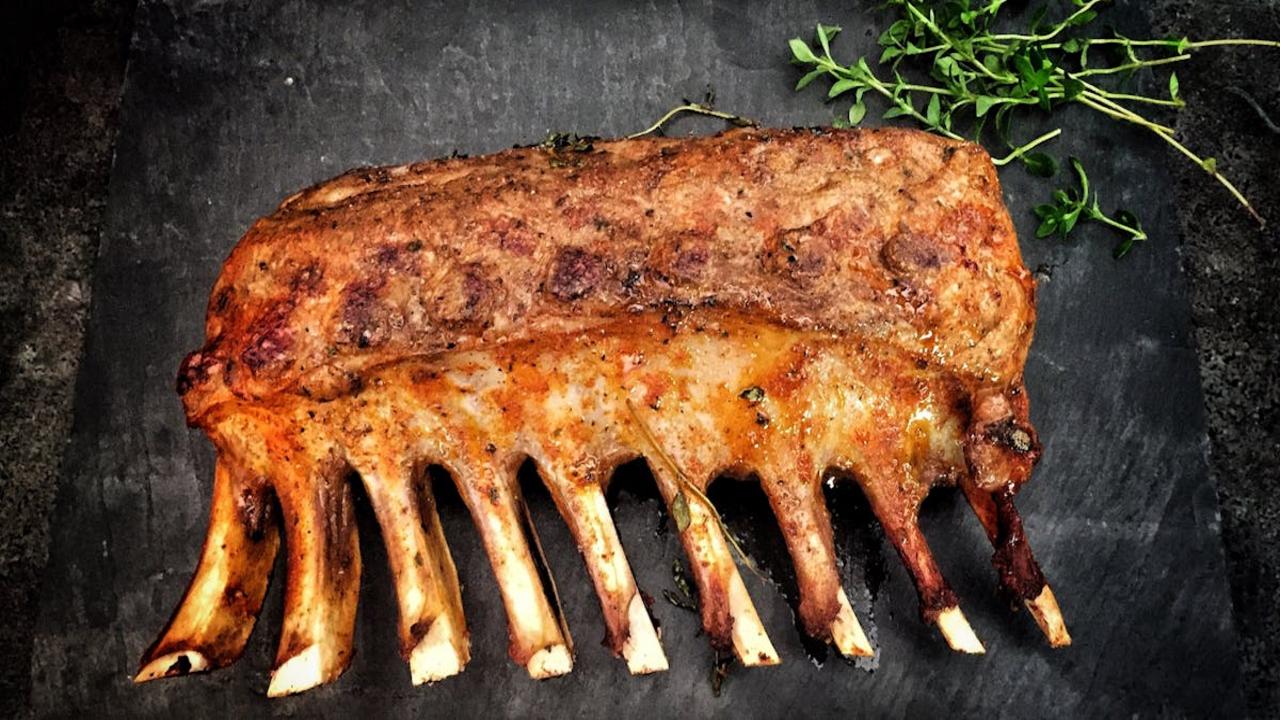
I need to warn you about a common mistake many pet parents make – feeding cooked bones to dogs and cats. While you might think bones make a natural treat, cooking changes their structure completely. The heating process makes bones brittle and prone to splintering, creating sharp fragments that can seriously harm your furry friend. These splinters can tear through your pet’s digestive tract, cause internal bleeding, or create dangerous blockages that require immediate surgery.
Your pets won’t understand the difference between raw and cooked bones, so keep all bones away from their reach after your meals. Instead, I recommend giving your dog specialized dental chews or tough rubber toys designed for their chewing needs. For cats, focus on interactive toys and proper scratching posts to keep them engaged. Remember, the few seconds of joy from chewing a cooked bone aren’t worth the potential thousands in vet bills or, worse, losing your beloved pet to a preventable accident.
Xylitol and Artificial Sweeteners

I want you to be extra careful with artificial sweeteners, especially xylitol, around your pets. This sugar substitute shows up in many “sugar-free” products like gum, candy, peanut butter, and baked goods – and while it’s safe for humans, it can be deadly for dogs and cats. Even a small amount of xylitol can trigger a dangerous drop in your pet’s blood sugar levels within minutes, leading to seizures, liver failure, and potentially death if not treated immediately.
You’ll need to check ingredient labels carefully since manufacturers often list xylitol under different names like “birch sugar” or “wood sugar.” Keep all sugar-free foods securely stored away from curious paws, and never share foods containing artificial sweeteners with your pets. If you suspect your dog or cat has eaten anything with xylitol, don’t wait – contact your vet right away. The faster your pet receives treatment, the better their chances of recovery will be. Consider replacing products containing xylitol with natural alternatives to create a safer home environment for your furry family members.
Dairy Products
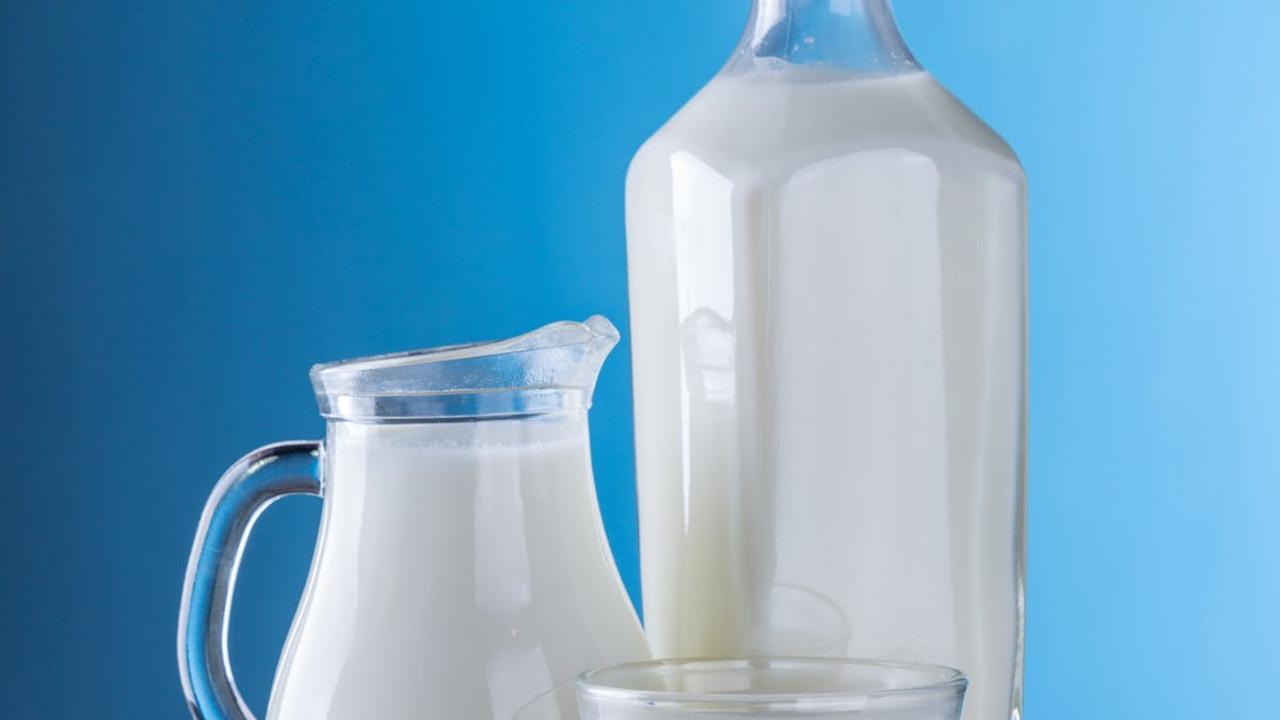
While many of us love sharing our food with our furry friends, dairy products can cause significant digestive issues in both cats and dogs. Most adult pets lack the enzyme lactase, which breaks down lactose in milk and dairy products. This means feeding your pet cheese, milk, ice cream, or yogurt could lead to uncomfortable symptoms like diarrhea, vomiting, and stomach pain. Even small amounts of dairy can trigger these reactions, making it best to avoid giving these treats altogether.
You might notice your pet begging for a lick of ice cream or a bite of cheese, but giving in could result in hours of discomfort for them. Some pets show more severe reactions than others, with symptoms ranging from mild stomach upset to intense gastrointestinal distress. If you want to treat your pet, stick to specially formulated pet treats or ask your veterinarian for safe alternatives. Remember that while kittens and puppies can digest their mother’s milk, they lose this ability as they grow into adults.
Raw Meat and Fish
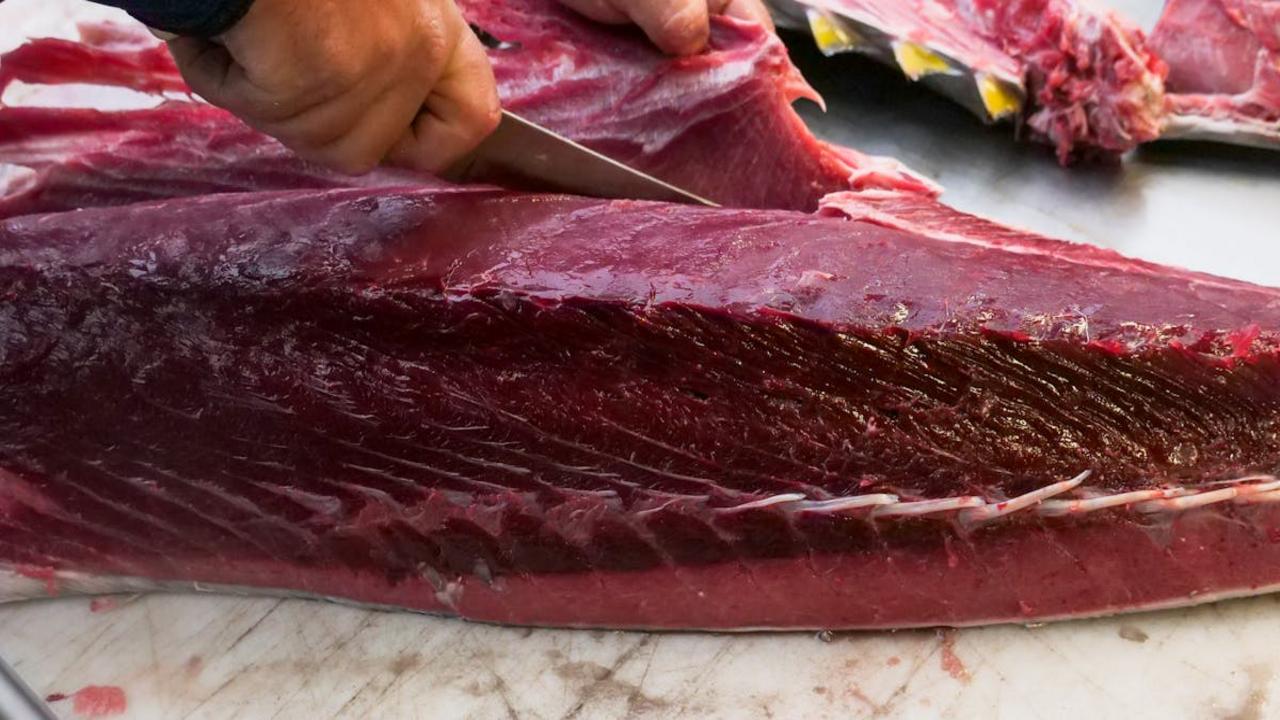
I know many pet parents want to feed their dogs and cats a “natural” diet similar to what their ancestors ate in the wild, but raw meat and fish carry real risks. Raw proteins often contain dangerous bacteria like E. coli, Salmonella, and Listeria that can make your furry friends seriously ill. Your pets can get severe food poisoning with symptoms including vomiting, diarrhea, fever and in some cases, even death. Raw fish also contains an enzyme that breaks down thiamine (vitamin B1), which your pet needs for proper nerve, muscle and heart function.
You’ll protect your pets by thoroughly cooking all meat and fish before serving. The high cooking temperatures kill harmful bacteria and parasites while preserving the protein and nutrients they need. If you’re considering switching to a raw diet, talk to your veterinarian first. They can guide you on the safest food options that meet your pet’s nutritional requirements. Remember – wild animals have much shorter lifespans than our pets, so what worked for their ancestors may not be ideal for domestic dogs and cats today.
Coffee and Caffeine

I know your morning coffee ritual brings comfort and energy, but your pets should never share in this daily pleasure. Coffee and other caffeine-containing products like tea, energy drinks, and chocolate can cause severe health issues for both dogs and cats. The caffeine found in these items affects your pet’s nervous system and heart, leading to rapid breathing, restlessness, heart palpitations, and in extreme cases, even death. A small amount of coffee grounds or a few sips of your latte could send your furry friend to the emergency vet.
Keep your coffee maker, beans, and grounds stored safely away from curious pets who might knock them over or try to sample them. Remember that caffeine toxicity can happen quickly – within 1-2 hours of consumption, your pet could show dangerous symptoms. If you suspect your dog or cat has consumed any coffee products, contact your veterinarian immediately. The earlier you catch and treat caffeine poisoning, the better chance your pet has for a full recovery. Your morning brew should stay in your cup, not anywhere near your four-legged companions.
Macadamia Nuts
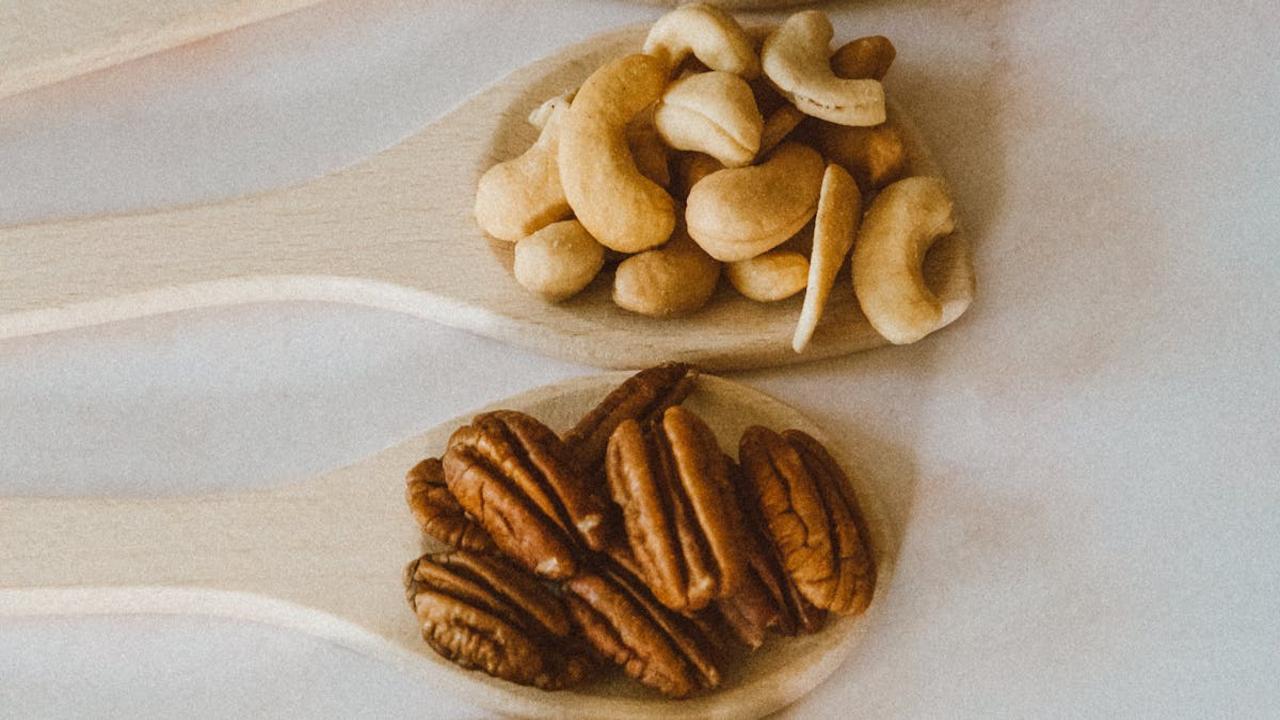
I need to warn you about macadamia nuts – they’re a serious threat to your pets’ health! While these buttery, rich nuts make a perfect snack for humans, they can cause severe problems for dogs. Your furry friend might show symptoms within 12 hours of eating them, including weakness in their back legs, depression, high body temperature, and vomiting. Even a small amount of macadamia nuts can lead to toxic effects in dogs, though cats don’t seem to have the same reaction.
The exact compound that makes macadamia nuts toxic to dogs remains unknown to scientists, but the effects are clear and documented. If your dog eats macadamia nuts, call your vet right away – they’ll likely need medical attention. Most dogs recover within 48 hours with proper treatment, but prevention beats cure every time. Keep your macadamia nuts stored in sealed containers and placed in high cabinets where your pets can’t reach them. Remember to check ingredient lists too – some cookies and baked goods contain these nuts!
Avocados
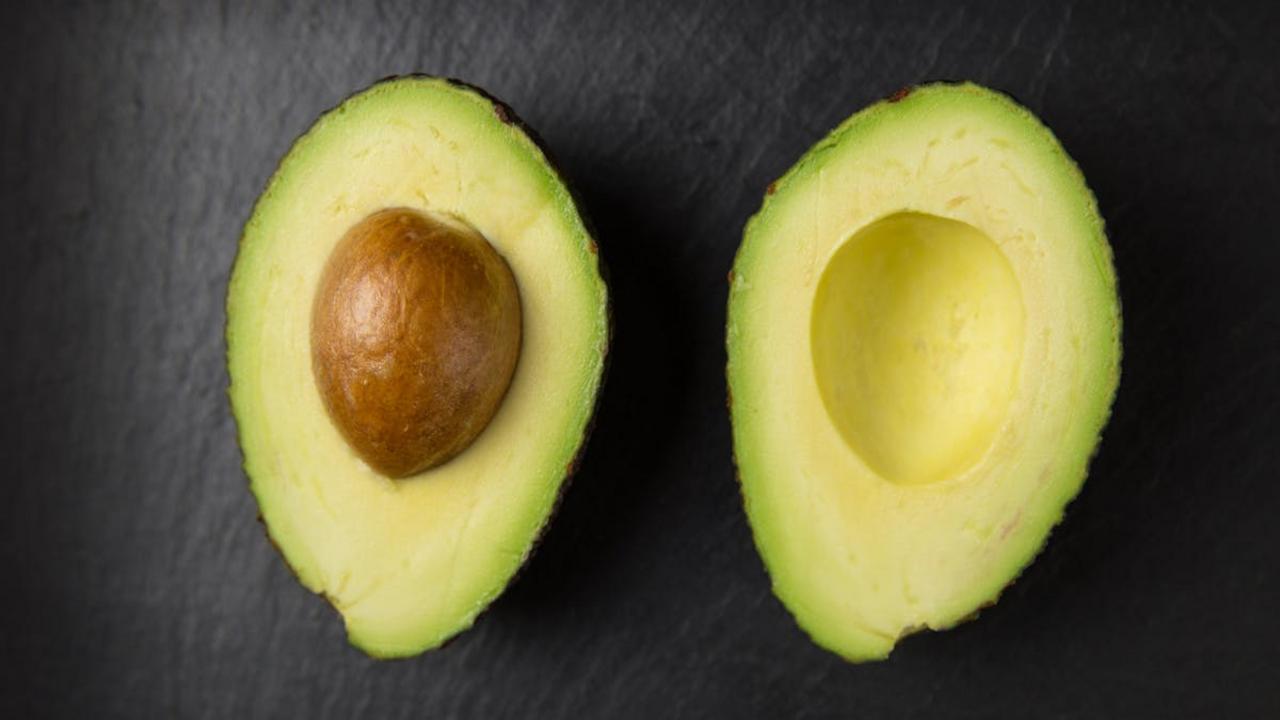
I know you might think avocados are a healthy snack for your pets since they pack nutrients and healthy fats, but these creamy fruits can actually make your furry friends sick. The problem lies in persin, a natural toxin found throughout the avocado – from the pit to the skin, leaves, and flesh. While humans can handle persin just fine, dogs and cats will experience severe digestive issues, breathing problems, and fluid buildup around their heart if they eat any part of an avocado.
Your pets don’t need to eat a large amount of avocado to get sick – even small portions can trigger a bad reaction. Keep those avocado toast ingredients far from your pets and clean up any bits that fall on the floor right away. If you grow avocado trees at home, make sure your dogs and cats can’t access fallen fruit or leaves in the yard. Should your pet consume avocado, call your vet immediately since quick treatment gives them the best chance of recovery.
Garlic
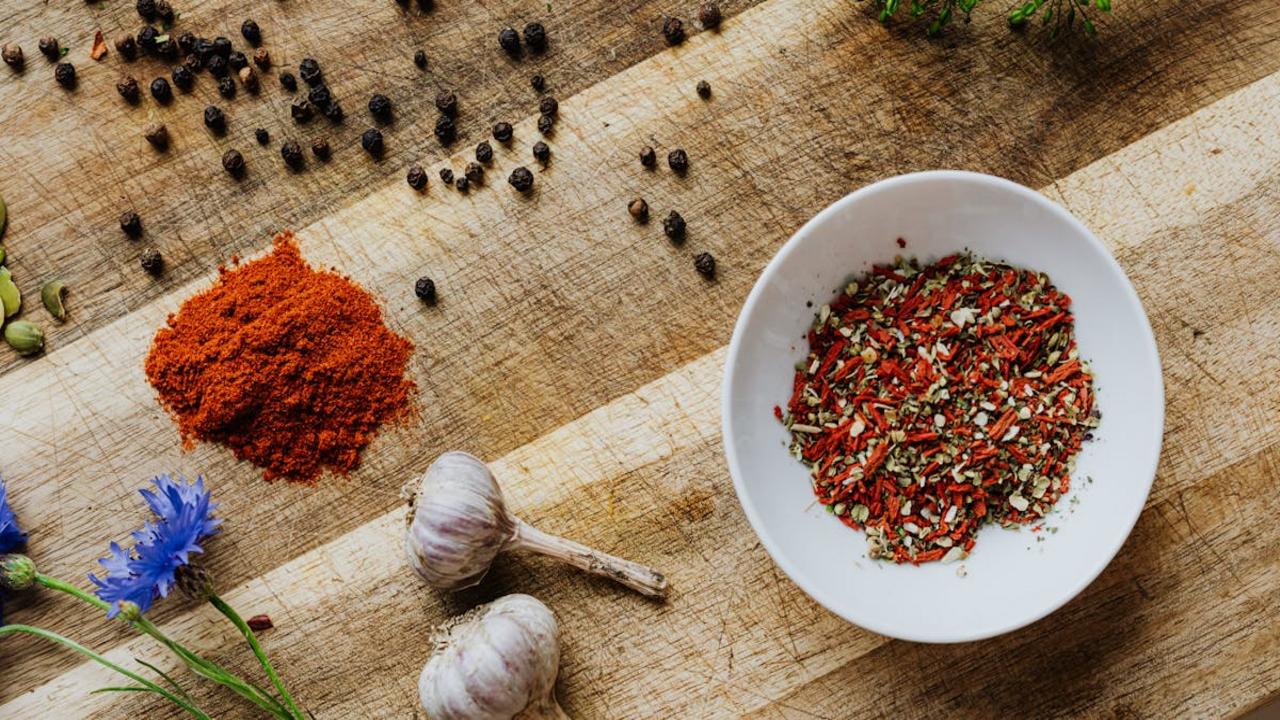
I know garlic adds amazing flavor to many dishes, but you’ll need to keep this ingredient far away from your pets’ food bowls. Just like its cousin onion, garlic contains compounds called thiosulfates that can cause serious damage to your dog’s or cat’s red blood cells, leading to a dangerous form of anemia. Even small amounts can make your pets sick – whether it’s raw, cooked, or in powder form. What many pet owners don’t realize is that the effects might not show up right away, making it harder to connect the symptoms to garlic consumption.
If your furry friend gets into garlic, watch out for signs like weakness, lethargy, pale gums, or dark-colored urine. Your cats face an even higher risk than dogs, needing only a tiny amount to get sick. I’ve heard from several readers who learned this lesson the hard way after sharing garlicky human foods with their pets. Keep those garlic bread pieces, marinara sauce, and seasoned meats strictly for human consumption. If you suspect your pet has eaten garlic, call your vet immediately – quick action can make a big difference in their recovery.
Onions
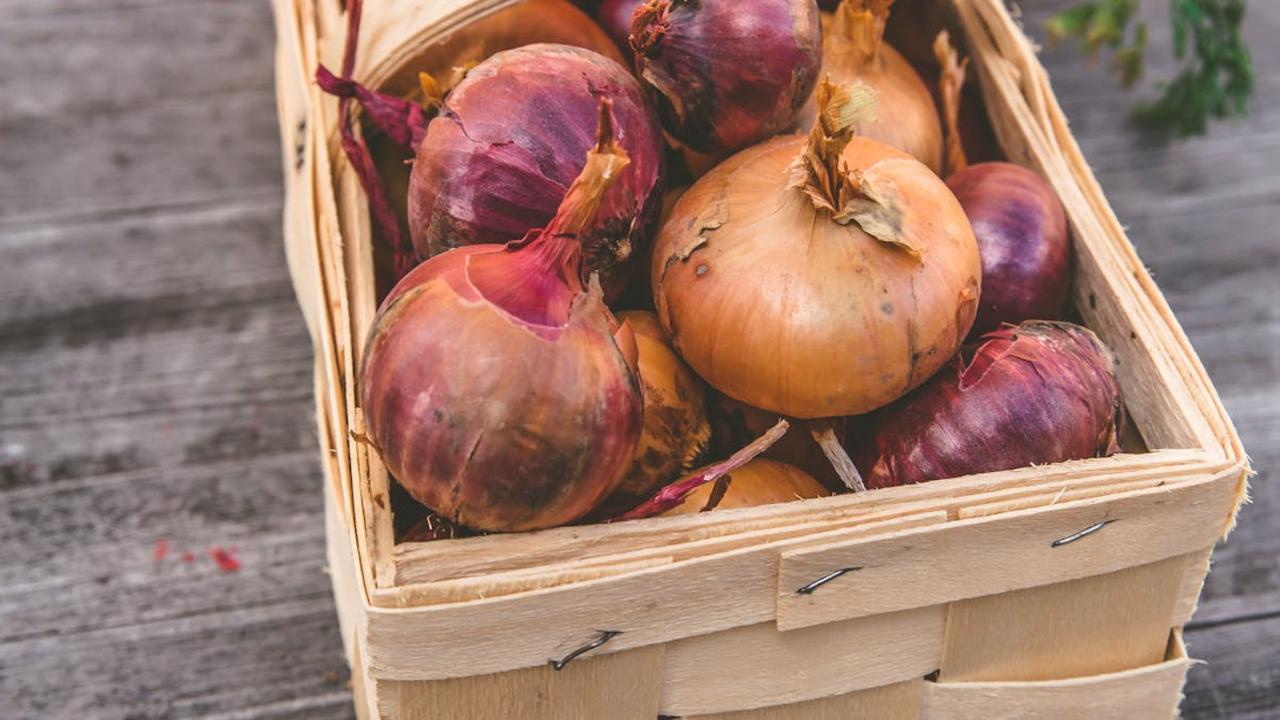
I need to warn you about onions – they’re seriously bad news for your pets! Whether raw, cooked, dehydrated, or powdered, onions contain compounds that can destroy your dog’s or cat’s red blood cells, leading to a dangerous condition called hemolytic anemia. Your furry friend might show signs like weakness, vomiting, or pale gums if they’ve eaten onions. Even a small amount can make them sick, and larger portions could put their life at risk.
You’ll want to keep all forms of onions far away from your pets, including foods that contain onion powder or cooked onions like soups and stews. Many pet owners don’t know that onion powder in baby food or seasoning mixes can harm their pets too. If your dog or cat accidentally eats anything with onions, call your vet right away – quick action can make a big difference. Remember to check ingredient labels carefully and keep those onion-containing leftovers out of reach of your curious pets!
Grapes and Raisins
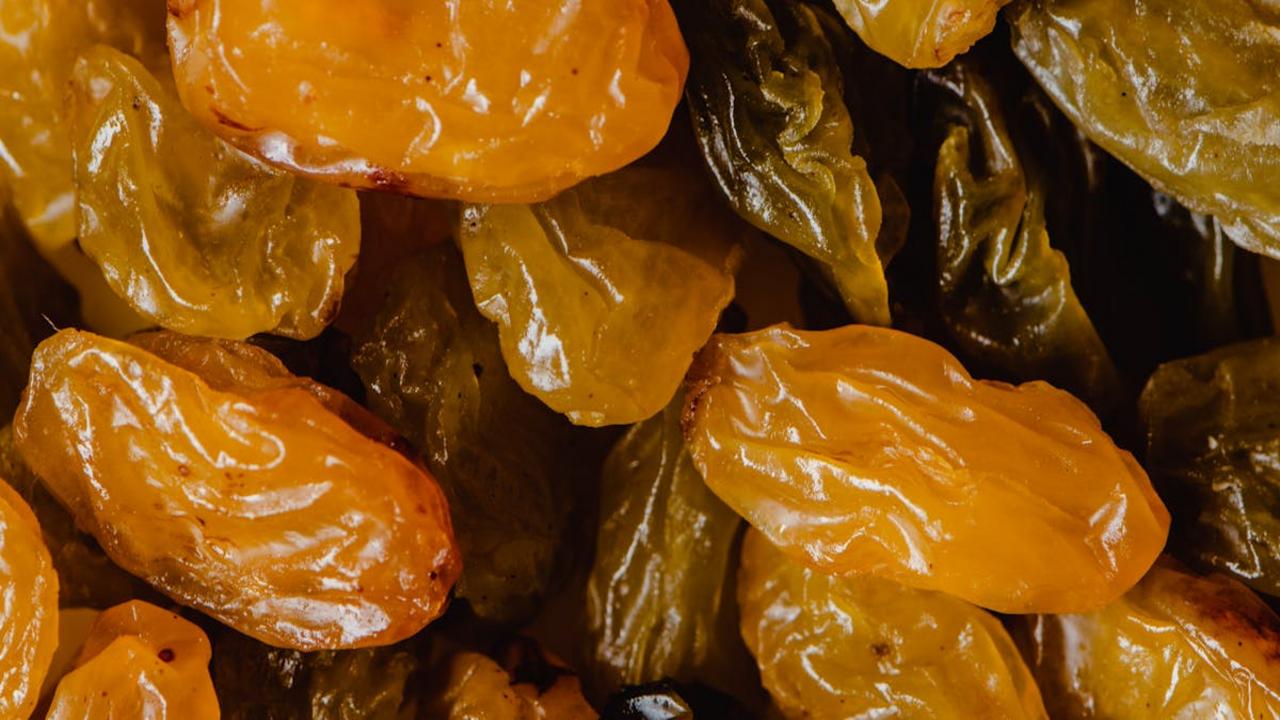
I need to warn you about a common snack that can seriously harm your furry friends – grapes and raisins. While you might love munching on these sweet treats, they can cause sudden kidney failure in both dogs and cats. Even a small amount can make your pet severely ill, leading to vomiting, diarrhea, and lethargy within hours of eating them. The exact toxic substance in grapes remains unknown to scientists, making it extra important to keep these fruits completely away from your pets.
Your best move is to store grapes and raisins in sealed containers high up in your pantry or fridge where curious paws can’t reach them. If you’re snacking on them, make sure not to drop any on the floor where your pet might find them. Remember this rule applies to all grape varieties – red, green, seeded, or seedless – and any foods containing raisins like cookies, cereals, or bread. If your pet accidentally eats any grapes or raisins, call your vet immediately since quick treatment gives them the best chance of recovery.
Chocolate

I know chocolate brings joy to us humans, but this sweet treat can cause serious harm to your beloved pets. The dangerous compounds in chocolate – theobromine and caffeine – can trigger severe reactions in both dogs and cats, leading to rapid heart rate, seizures, and even death. Dark chocolate and baking chocolate contain much higher concentrations of these toxic substances compared to milk chocolate, making them particularly dangerous. Even a small amount of chocolate can make your furry friend incredibly sick.
Your cat or dog could show symptoms like vomiting, diarrhea, increased thirst, restlessness, and muscle tremors within hours of eating chocolate. The scary part? Many pets will eagerly eat chocolate if they find it, since they can’t detect its harmful effects. Keep all chocolate products – including cocoa powder, chocolate chips, candy bars, and baked goods – stored securely where your pets can’t reach them. If you suspect your pet has eaten chocolate, call your veterinarian immediately. The sooner you get help, the better chance your pet has of making a full recovery.