15 Canteen Classics That May Have Ruined Your Love for Food
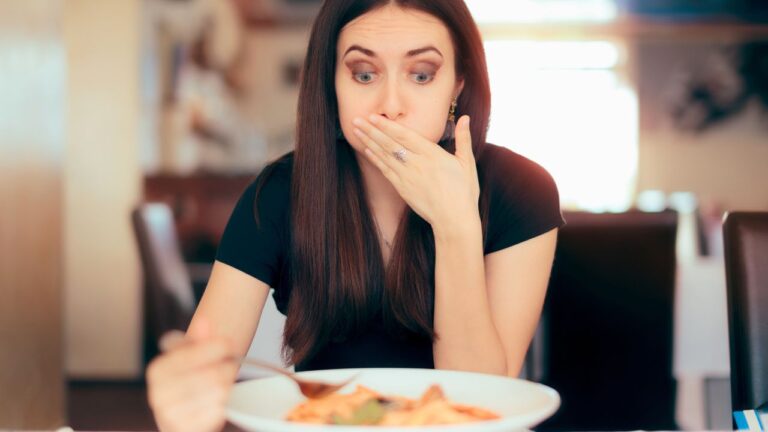
Remember those school cafeteria meals that made you question everything you knew about food? From mysterious meat substances to vegetables that lost their will to live, school lunches have traumatized generations of students. These memorable dishes still haunt many of us, turning some ingredients into permanent entries on our “never again” lists.
The combination of mass production, budget constraints, and questionable cooking methods created an impressive array of culinary disasters. Your childhood memories probably include wrestling with rubbery chicken, navigating through seas of watery mashed potatoes, or trying to identify the original color of that gray-looking vegetable medley.
Looking back at these cafeteria classics brings a mix of nostalgia and mild food-related trauma. While some schools now serve healthier, tastier options, these 15 notorious dishes remain firmly planted in our collective memory – for better or worse. Ready to revisit some meals that might have shaped your current food preferences?
Dry Turkey Sandwiches
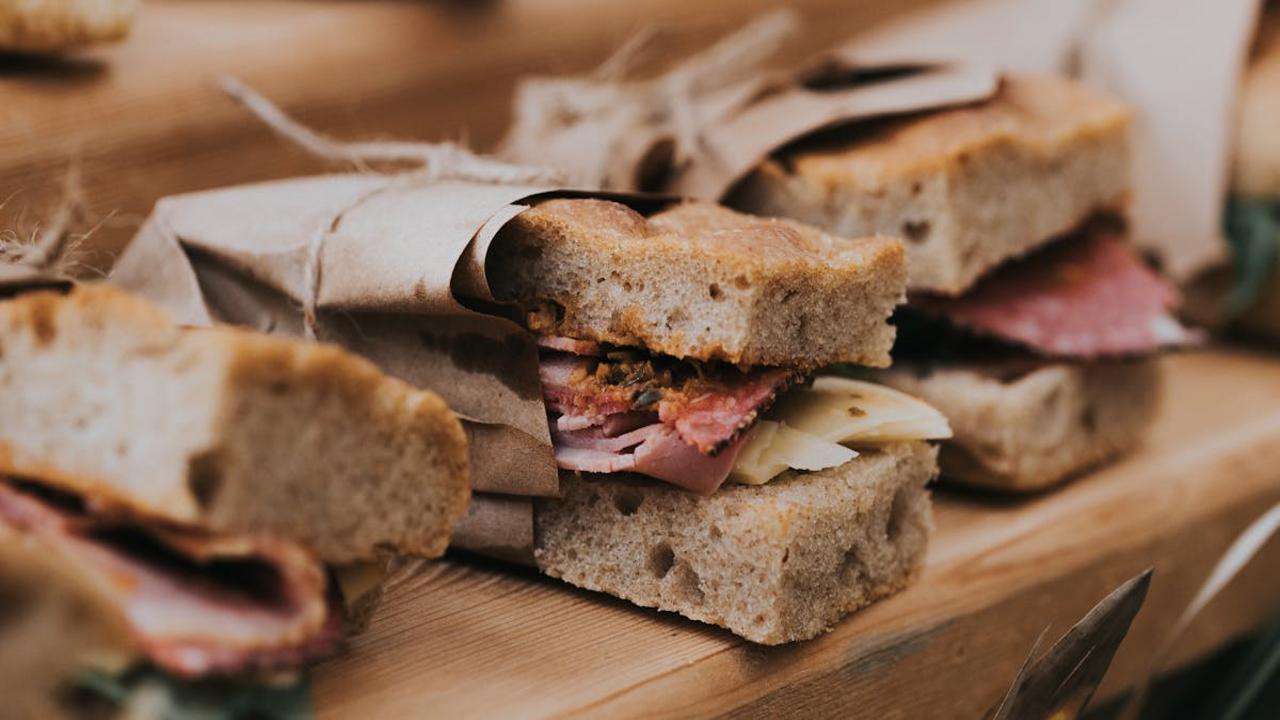
We’ve all experienced that moment in the school cafeteria – unwrapping a sandwich only to find dry, bland turkey slices between two pieces of equally lifeless bread. These sandwiches became the symbol of disappointing lunch breaks, with their paper-thin meat that could barely pass for turkey and that distinct processed flavor that lingered long after the last bite. The bread often stuck to the roof of your mouth, and no amount of tiny mayo packets could salvage the dryness that made every bite feel like a chore.
If these sandwiches were your daily lunch companions, you probably developed a lasting aversion to turkey sandwiches altogether. The memory of those mass-produced, flavorless meals might still make you cringe today. But don’t let those cafeteria nightmares stop you from enjoying a proper turkey sandwich now! Fresh-roasted turkey, quality bread, and real ingredients can transform this lunch staple into something truly delicious. Your adult self deserves to reclaim the joy of a properly made turkey sandwich, far from those cardboard-like versions of your school days.
Processed Cheese Squares
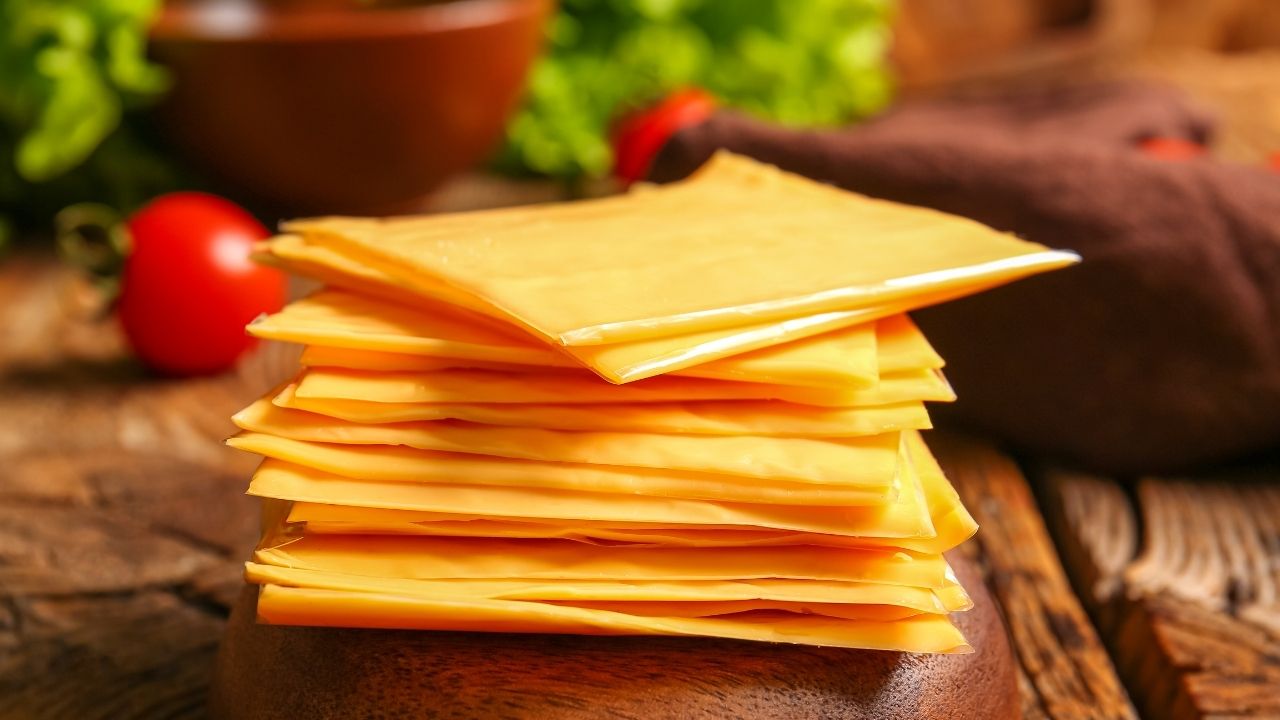
Those bright orange processed cheese squares from your school canteen days still make you shudder, right? I remember those plasticky squares that barely melted, yet somehow found their way into countless sandwiches and burgers. The texture was unlike any real cheese – more like a strange hybrid between rubber and wax. The worst part? These squares often sat out at room temperature for hours, developing a strange sheen that made them look even less appetizing.
The thing about processed cheese squares is that they’re so far removed from actual cheese, they legally can’t even be labeled as “cheese” in many countries. They contain less than 51% real cheese, mixed with emulsifiers, preservatives, and artificial colors. This explains why they tasted nothing like the rich cheddar or creamy mozzarella you know and love today. If these squares were your introduction to cheese, I totally understand why you might have sworn off cheese altogether – but trust me, real cheese is a whole different world that deserves a chance!
Powdered Mashed Potato
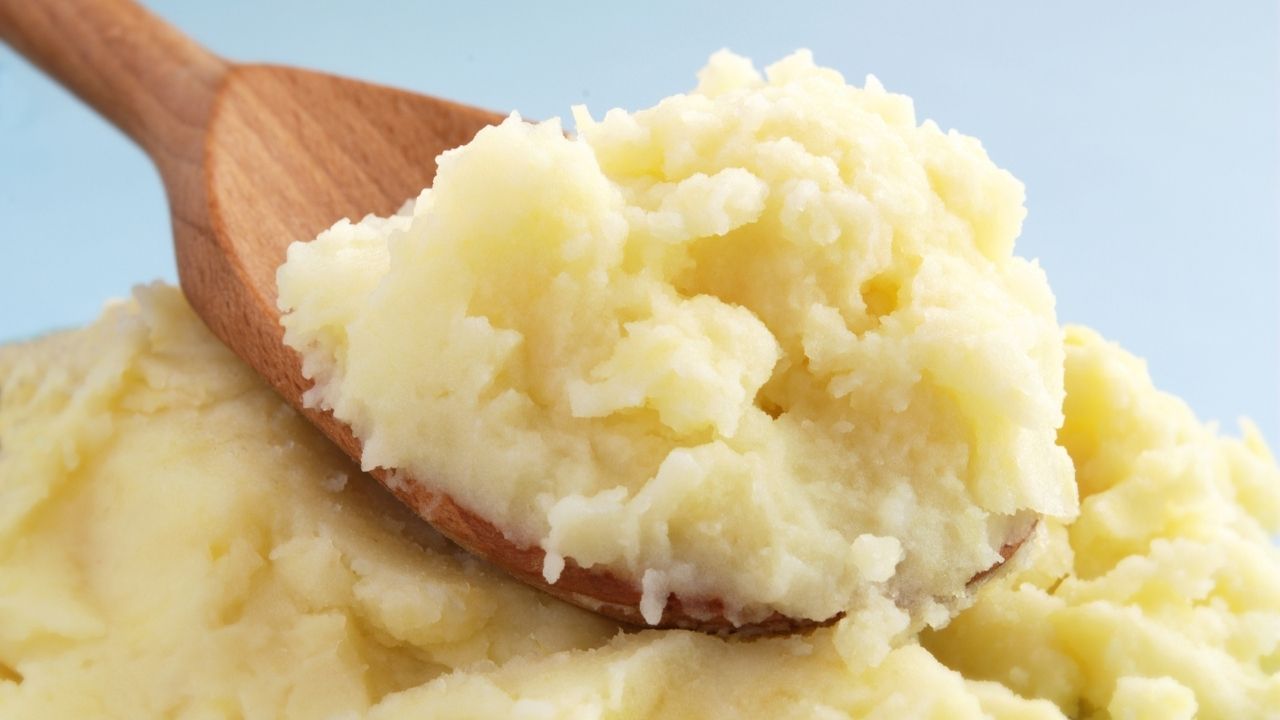
I can still remember the first time I encountered powdered mashed potatoes in my school cafeteria – those pale, lumpy mounds that bore little resemblance to the creamy, homemade version my mom would make. The instant version stripped away everything that makes mashed potatoes comforting and delicious. Instead of rich, buttery smoothness, you’d get a grainy, artificial-tasting mixture that somehow managed to be both too thick and too watery at the same time. The weird chemical aftertaste would linger long after lunch ended.
What makes powdered mashed potatoes particularly disappointing is how they’ve convinced many people that real mashed potatoes are too time-consuming or difficult to make. In reality, you can whip up fresh, fluffy mashed potatoes in under 30 minutes with just a few simple ingredients. The instant version might save a few minutes, but it sacrifices all the natural potato flavor and satisfying texture that make this classic side dish so beloved. If your only experience with mashed potatoes comes from the powdered kind, I really encourage you to try making them from scratch – you’ll notice an incredible difference!
Clumpy Rice
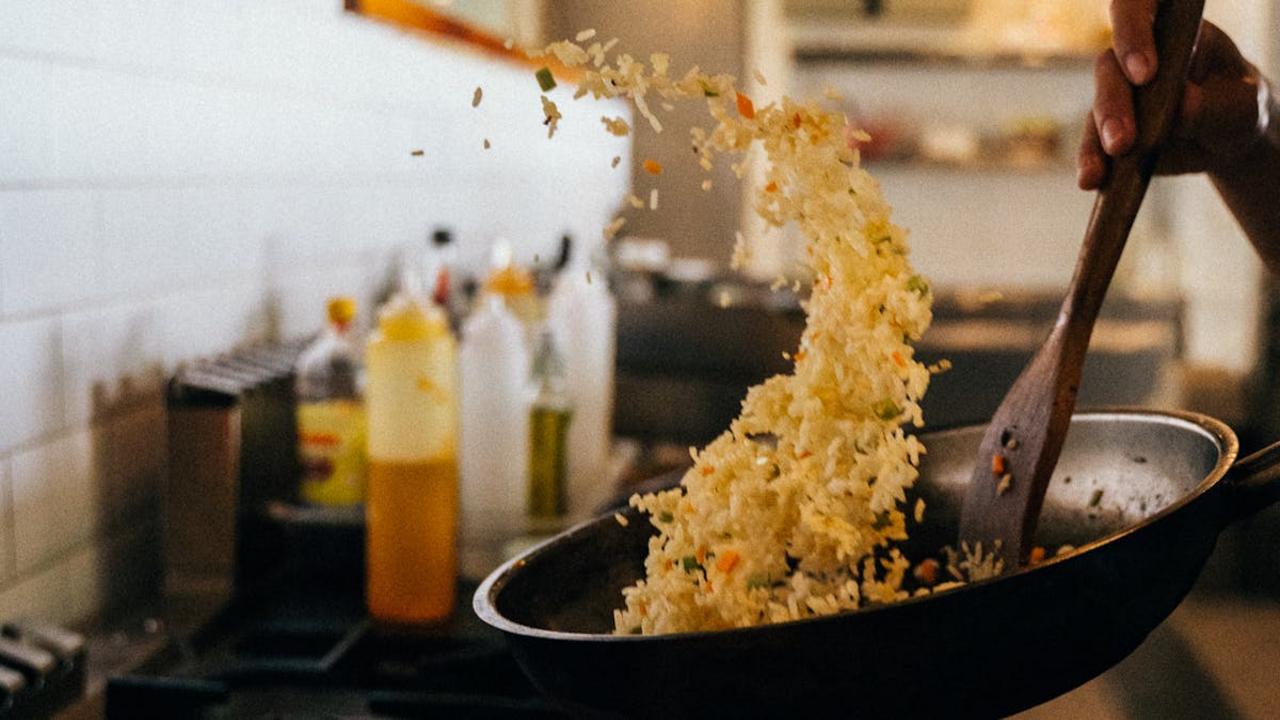
Oh, the dreaded clumpy rice from your school cafeteria! I’ve seen countless students push away their trays in disappointment when faced with this starchy nightmare. Instead of fluffy, individual grains that should glide off your fork, you got sticky clusters that formed a solid mass. The cafeteria staff often cooked huge batches at once and left them sitting in warmers for hours, creating that unmistakable gummy texture that could turn anyone off rice for years.
The real tragedy here lies in how simple it should be to cook perfect rice. A proper rice-to-water ratio, the right heat level, and appropriate resting time make all the difference between light, airy grains and the cement-like substance we endured in school. Many of my readers share memories of trying to break apart these rice clumps with their forks, only to give up and reach for the sandwich line instead. The good news? You can easily fix this at home with just a few basic cooking principles – something our dear lunch ladies might have missed during their morning rush.
Soggy Fish Sticks
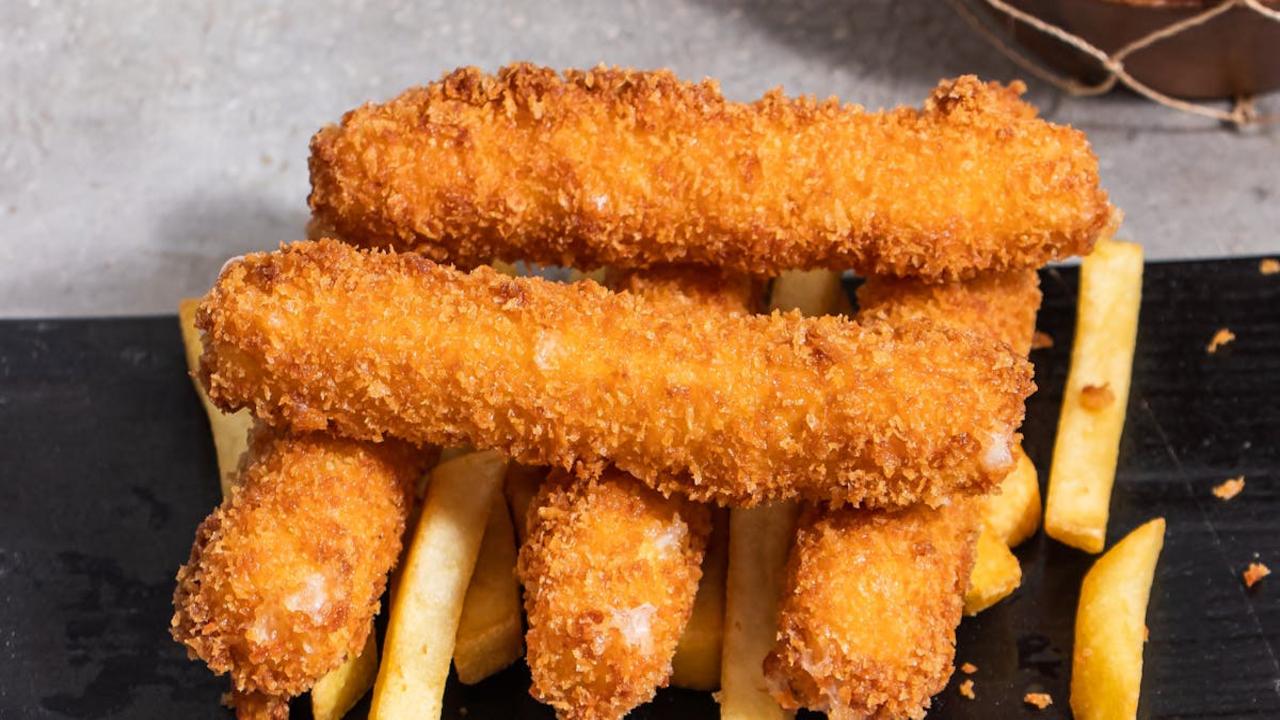
I still remember the disappointment of biting into those mushy fish sticks during my school lunch breaks. What should have been crispy, golden-brown strips of breaded fish often turned into sad, limp rectangles that barely held together. The combination of mass production and steam table storage meant these once-promising protein options became casualties of institutional cooking. The exterior coating would lose its crunch, while the fish inside transformed into a textureless paste that could make anyone question their relationship with seafood.
The tragedy of cafeteria fish sticks went beyond their compromised texture – they often carried a distinct “freezer burn” flavor that no amount of tartar sauce could mask. Many of us developed an aversion to fish after repeated encounters with these pale imitations of proper seafood. It’s a shame because properly prepared fish sticks can actually be delicious! The good news? You can reclaim your love for fish by making your own at home with fresh ingredients and proper cooking techniques. Just keep them away from any steam tables.
Canned Fruit Cocktail
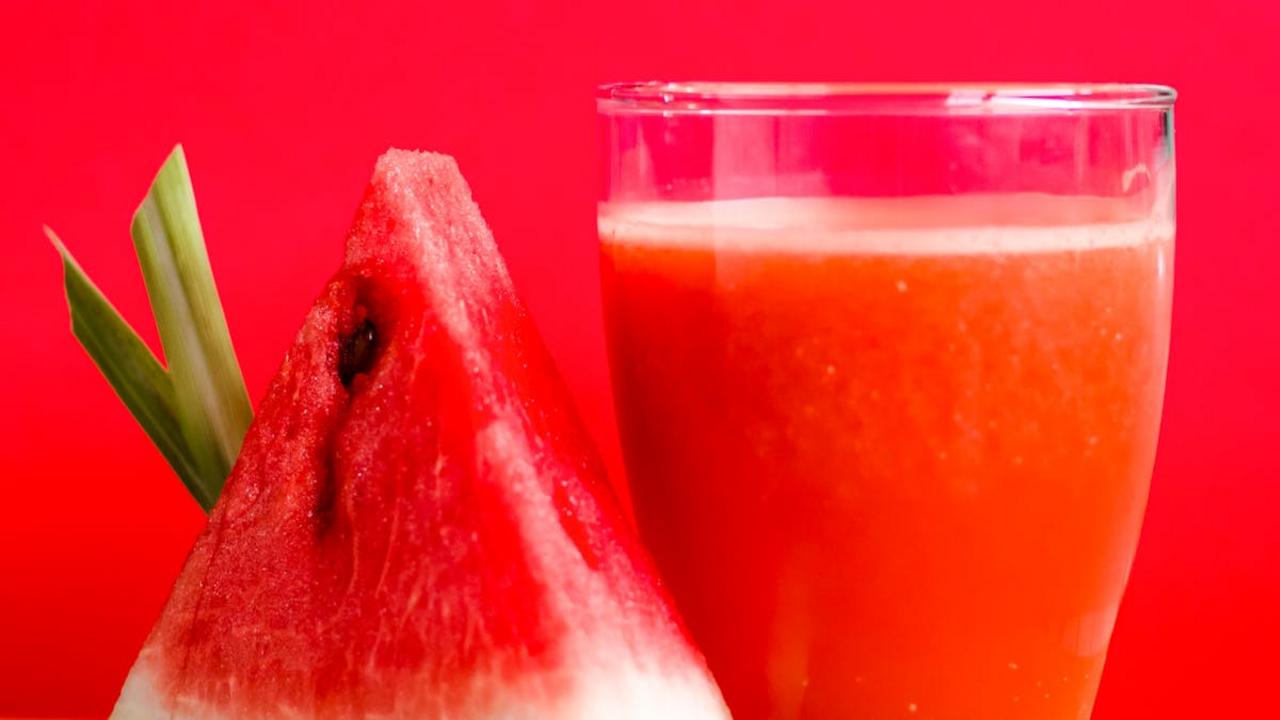
Remember those little cubes of mystery fruits swimming in syrupy liquid? The canned fruit cocktail you got in school cafeterias probably made you question if these were actually fruits at all. The mix usually contained sad, mushy pieces of peaches, pears, grapes, and those artificial-looking cherry halves that tasted nothing like real cherries. The excessive sugar syrup and complete lack of natural fruit texture turned what should have been a healthy dessert into a disappointing cup of sweetened mush.
I still laugh thinking about how my friends and I would pick through the fruit cocktail, competing to find those rare maraschino cherry pieces – the only remotely appealing part of this canned concoction. The watery pears and grainy peaches always ended up pushed to the side of our trays, creating small mountains of rejected fruit. This cafeteria staple single-handedly convinced many kids that they didn’t like fruit, when in reality, they just hadn’t experienced the joy of biting into fresh, juicy peaches or crisp pear slices yet.
Gooey Macaroni and Cheese
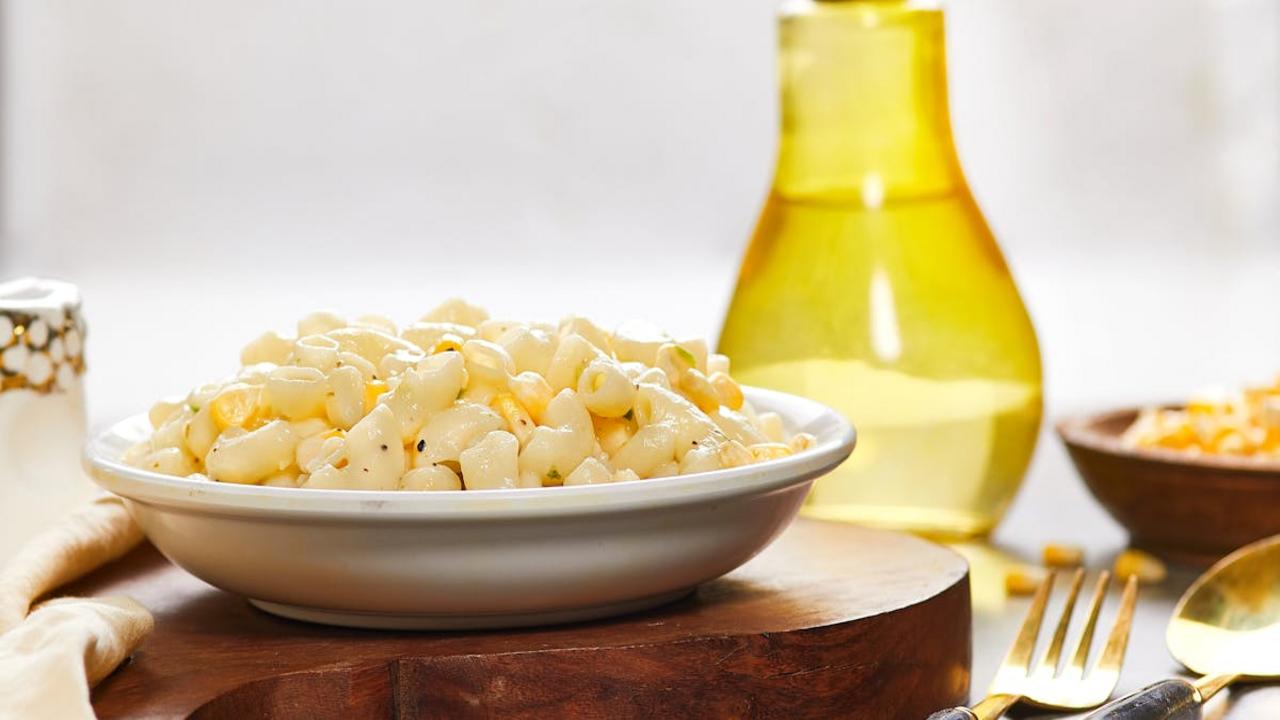
Remember those school lunch breaks where you’d stand in line hoping today’s mac and cheese would be different? The reality often hit hard – a gummy, bland mixture that barely resembled the creamy comfort food you knew from home. The cafeteria version usually sat under heat lamps for hours, turning what should have been a cheesy delight into a sticky, congealed mess that could stretch like rubber bands. Many of us still carry those memories of disappointment, making it hard to order mac and cheese at restaurants without first asking about the cheese blend and preparation method.
The real tragedy lies in how this cafeteria staple has made many people avoid one of America’s most beloved comfort foods. A proper mac and cheese should feature al dente pasta coated in a rich, velvety sauce made from quality cheeses – not that mysterious orange substance that looked more like plastic than dairy. If you’ve sworn off mac and cheese due to your school experiences, I encourage you to give this classic dish another chance by making it at home with sharp cheddar, creamy Gruyere, and perfectly cooked pasta. You’ll rediscover why this dish became a comfort food favorite in the first place.
Colorless Jello
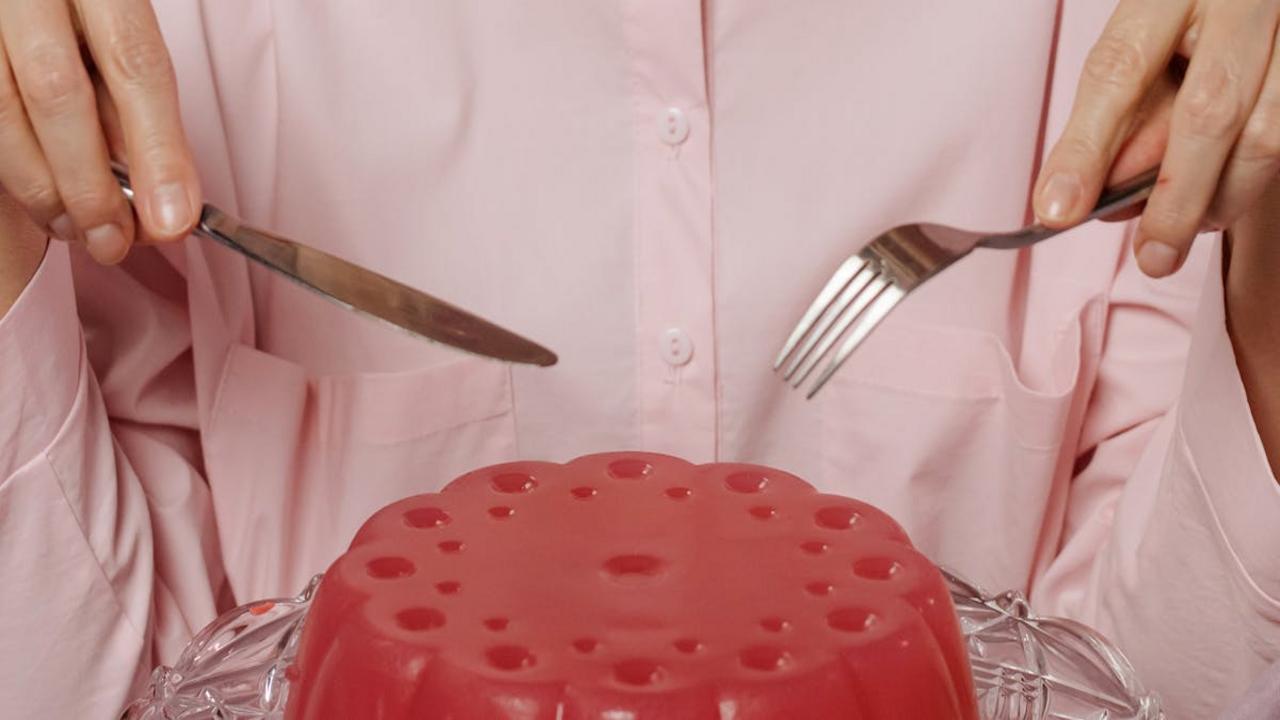
I remember the first time I saw colorless Jello wobbling on my school lunch tray – it looked like a sad, transparent blob that couldn’t make up its mind about what it wanted to be. The cafeteria staff would serve this gelatinous creation without any fruit pieces, flavoring, or even a hint of food coloring, making it look more like a science experiment gone wrong than a dessert. What made it worse was how it would slide around the plate, picking up flavors from whatever food items sat next to it, creating an odd mix of sweet and savory that no kid should have to endure.
The plain, colorless Jello served in school cafeterias across the country has likely turned countless students away from enjoying this otherwise fun and versatile dessert. Unlike the vibrant, fruit-filled versions we make at home, this stripped-down version missed every opportunity to bring joy to lunchtime. The texture often ranged from too firm to oddly runny, and without any visual appeal, you’d find most students pushing it aside or using it as an impromptu rubber ball. If you’ve experienced this culinary disappointment, you’ll understand why many adults still hesitate before adding Jello to their shopping carts.
Watery Mashed Potatoes
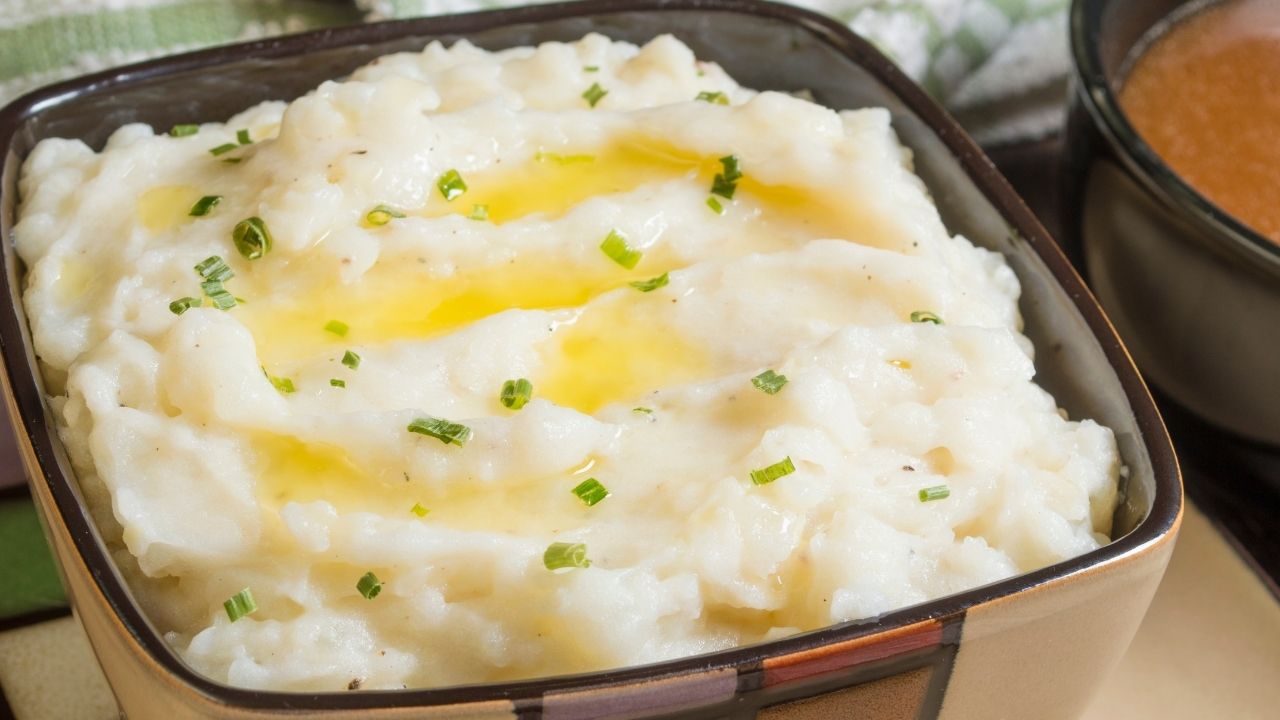
I remember those sad, runny mashed potatoes from my school cafeteria days – they’d slide right off your fork and pool into a puddle on your tray. The kitchen staff would rush through the mashing process, adding way too much milk and not enough butter, creating a soupy mess that barely resembled the creamy comfort food we all know and love. These watery spuds became a running joke among students, with some of us wondering if they were trying to make potato soup instead of proper mashed potatoes.
The real tragedy? These lackluster mashed potatoes turned many kids away from what should be a comforting classic. The secret to perfect mashed potatoes lies in using the right amount of butter and warm milk, plus taking time to properly drain the cooked potatoes. But our cafeteria’s version missed all these marks, serving up a bland, watery mixture that made me avoid ordering mashed potatoes for years. It took homemade, properly prepared mashed potatoes to restore my faith in this beloved side dish and show me what I’d been missing all along.
Cardboard Tacos
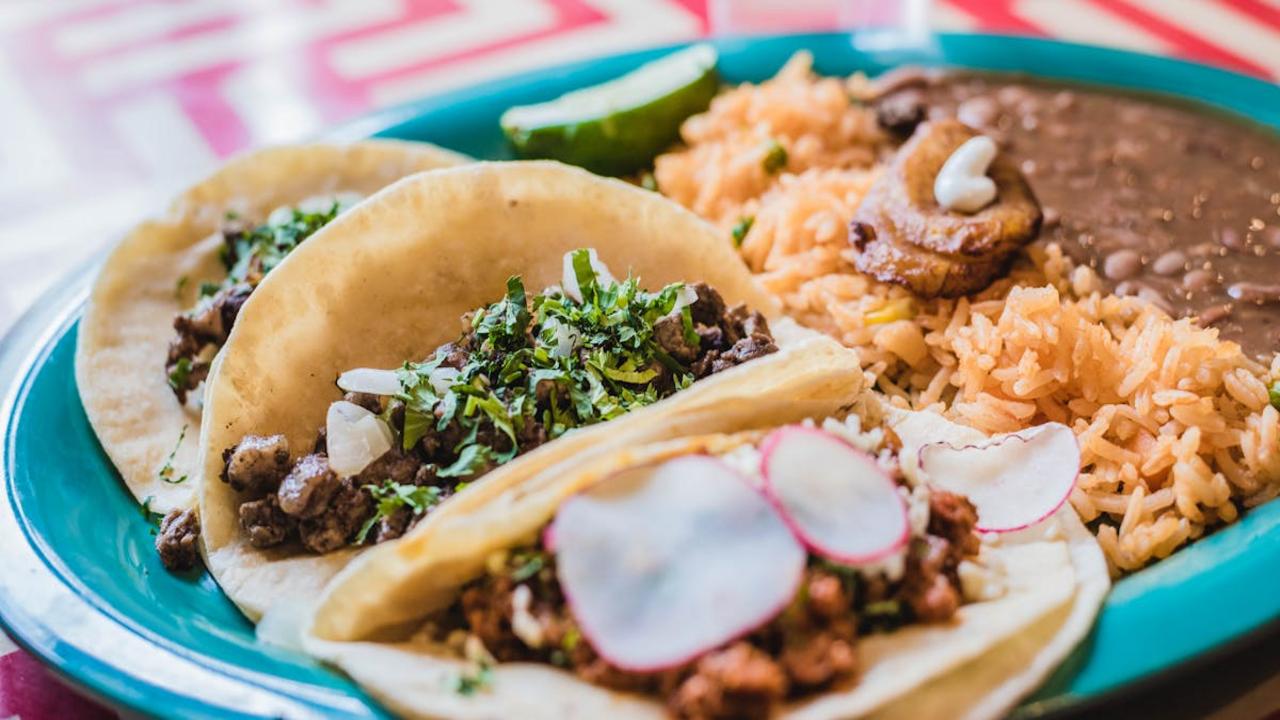
I still remember those sad, hard-shell tacos from my school cafeteria days that could have doubled as actual cardboard. The shells had this peculiar way of shattering into a million pieces the moment you’d take a bite, creating an avalanche of bland ground beef and wilted lettuce onto your tray. The meat inside was usually dry and under-seasoned, with a mysterious grayish tinge that made you question its origins. And don’t get me started on the cheese – those pale yellow shreds that seemed more like plastic than dairy!
These school tacos were such a disappointment compared to the authentic Mexican street tacos I now adore. The cafeteria version featured stale shells that had clearly been sitting in storage for months, topped with diced tomatoes that lacked any hint of ripeness. The sour cream came in tiny packets that were often expired, and the whole creation was just a sad imitation of what real tacos should be. No wonder so many kids developed an aversion to Mexican food – these cardboard-like monstrosities did nothing to showcase the true magic of fresh, properly prepared tacos.
Limp Salad
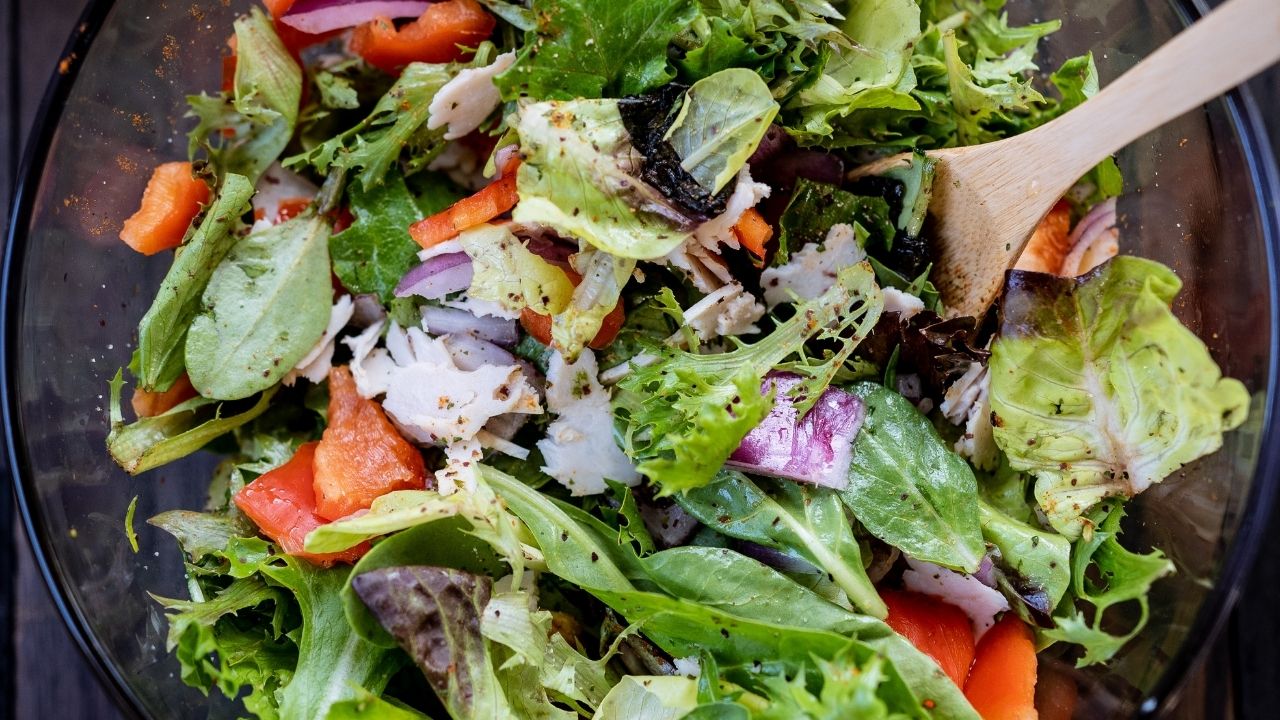
I’ll never forget those sad cafeteria salads from my school days – wilted lettuce leaves drowning in pools of water, cucumber slices that had lost their crunch days ago, and tomatoes that looked like they’d given up on life. The once-vibrant greens turned into a depressing mix that could make anyone question if vegetables were worth eating at all. These limp salads became the reason many of my friends swore off fresh produce for years, associating healthy eating with that sorry excuse for a side dish.
The real tragedy? Making a crisp, fresh salad takes minimal effort and basic ingredients. You just need to store your greens properly, wash them right before serving, and dress them at the last minute. Those cafeteria disasters taught me what NOT to do with salads – I now know better than to prep lettuce hours ahead or drown it in dressing. Fresh, crispy greens should snap when you bite them, not flop sadly onto your fork like wet paper towels. If you’re still haunted by memories of those droopy cafeteria salads, give fresh greens another chance – you’ll be amazed at how different a properly made salad can be.
Brick-like Pizza
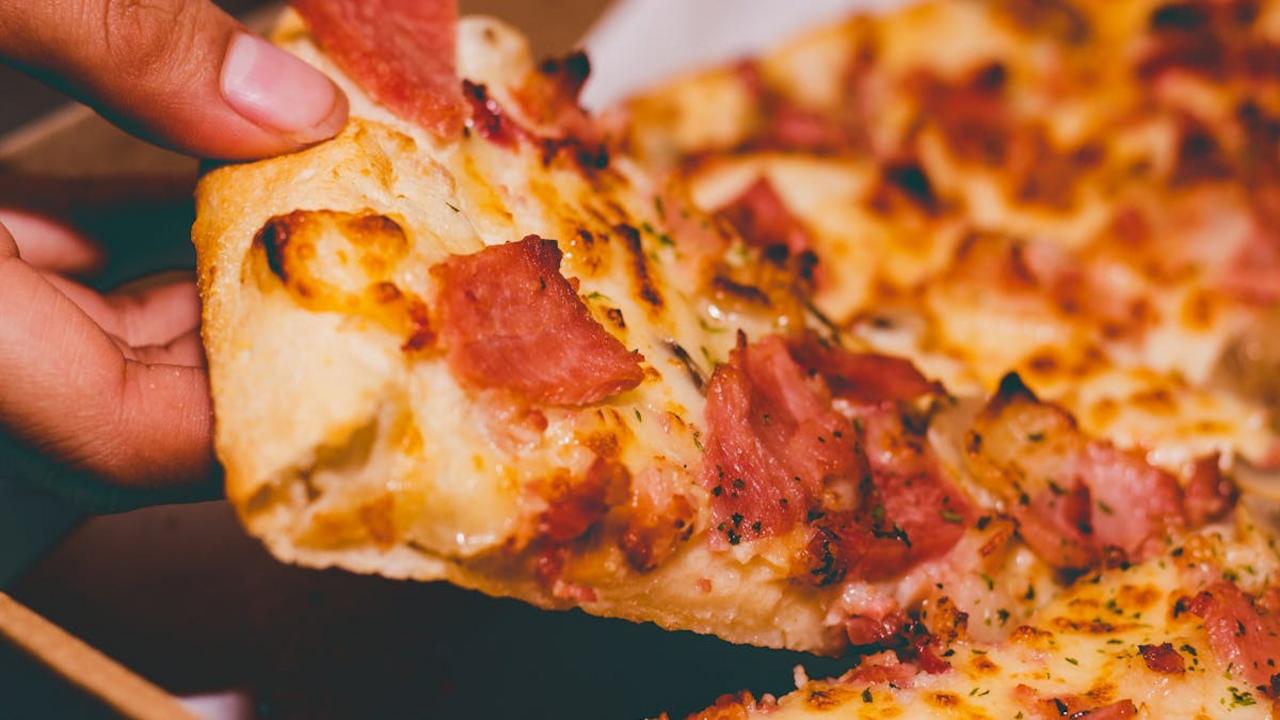
Remember those rock-hard pizza slices from your school cafeteria? Those dense, chewy squares that could double as construction materials still give me nightmares! The sauce tasted like bland tomato paste, and the cheese formed an impenetrable rubber layer that refused to melt properly. Many of us spent our lunch breaks trying to gnaw through these concrete-tough pieces, only to give up halfway through and reach for our milk cartons to wash down the disappointment.
I’ve heard countless stories from friends who blame these cafeteria pizzas for ruining their pizza experience for years. The crust, which should be crispy yet tender, was more like cardboard that had been left out in the rain and then baked to ceramic-like hardness. The toppings, if you were lucky enough to get any, seemed to have been rationed with military precision – three pepperoni circles perfectly spaced apart, or exactly seven pieces of bland mushrooms. No wonder so many of us developed trust issues with school lunch pizza!
Rubber Chicken
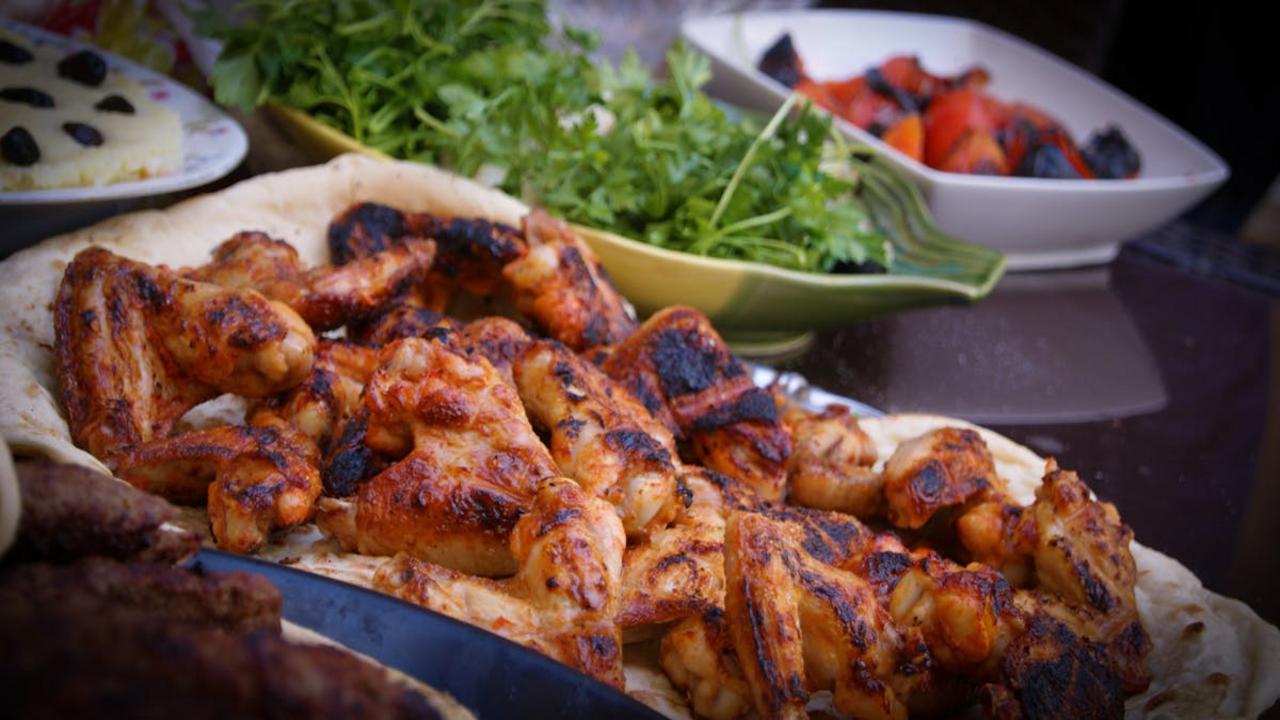
If you went to school in the 80s or 90s, you’ll remember that dreaded chicken dish from your canteen – the one that had the texture of a rubber sole and the flavor of cardboard. The cafeteria’s attempt at serving chicken often resulted in overcooked, dry, and chewy pieces that required superhuman jaw strength to consume. Many of us spent countless lunch breaks sawing through these resilient pieces of protein, questioning if they were actually edible or just props from the drama department.
The preparation method behind this notorious dish involved pre-cooking large batches of chicken and keeping them warm in industrial steamers for hours. This process stripped away any moisture and tenderness, leaving behind meat that could bounce off the floor if dropped. The sad reality was that many students opted to skip the protein altogether, filling up on sides instead. Today, school cafeterias have improved their cooking techniques, but the memory of that elastic-like chicken still haunts many former students who now cook their chicken with extra care to avoid recreating those rubbery school lunch flashbacks.
Overcooked Spaghetti
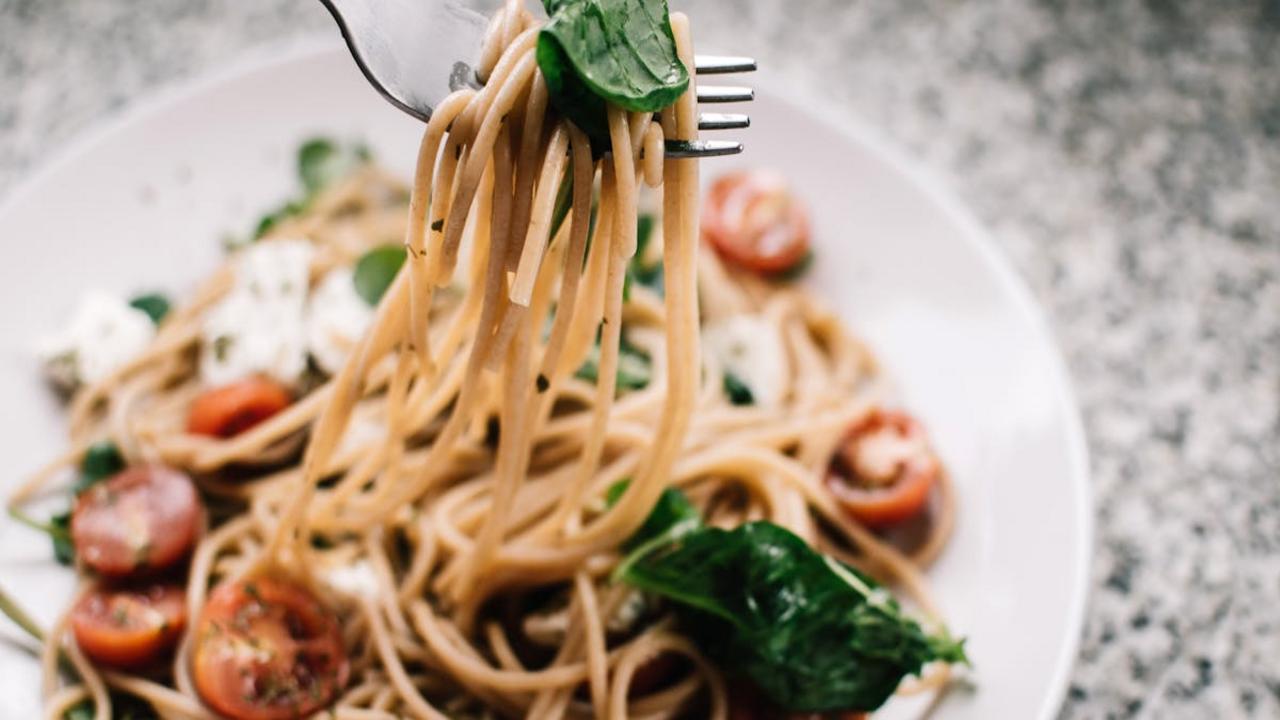
Remember those school lunches where the spaghetti looked more like a sad, mushy blob than actual pasta? I’ve had my fair share of these disappointing encounters with overcooked spaghetti in my school cafeteria days. The noodles would stick together in clumps, creating an almost paste-like texture that made you question if this was really the same delicious Italian dish your mom made at home. The worst part? The sauce would just slide right off those limp noodles, leaving you with a watery mess at the bottom of your plate.
The trauma of overcooked spaghetti can stay with you for years – I know it did for me! It took me a while to rediscover my love for properly cooked pasta after those cafeteria experiences. Now, I always make sure to cook my spaghetti al dente, with just the right amount of bite and texture. If you’ve been scarred by mushy cafeteria pasta too, try cooking your spaghetti for just 8-10 minutes in boiling water. You’ll notice the difference immediately – firm, separate strands that hold their sauce perfectly. This simple change will help you fall back in love with this classic Italian dish.
Mystery Meat
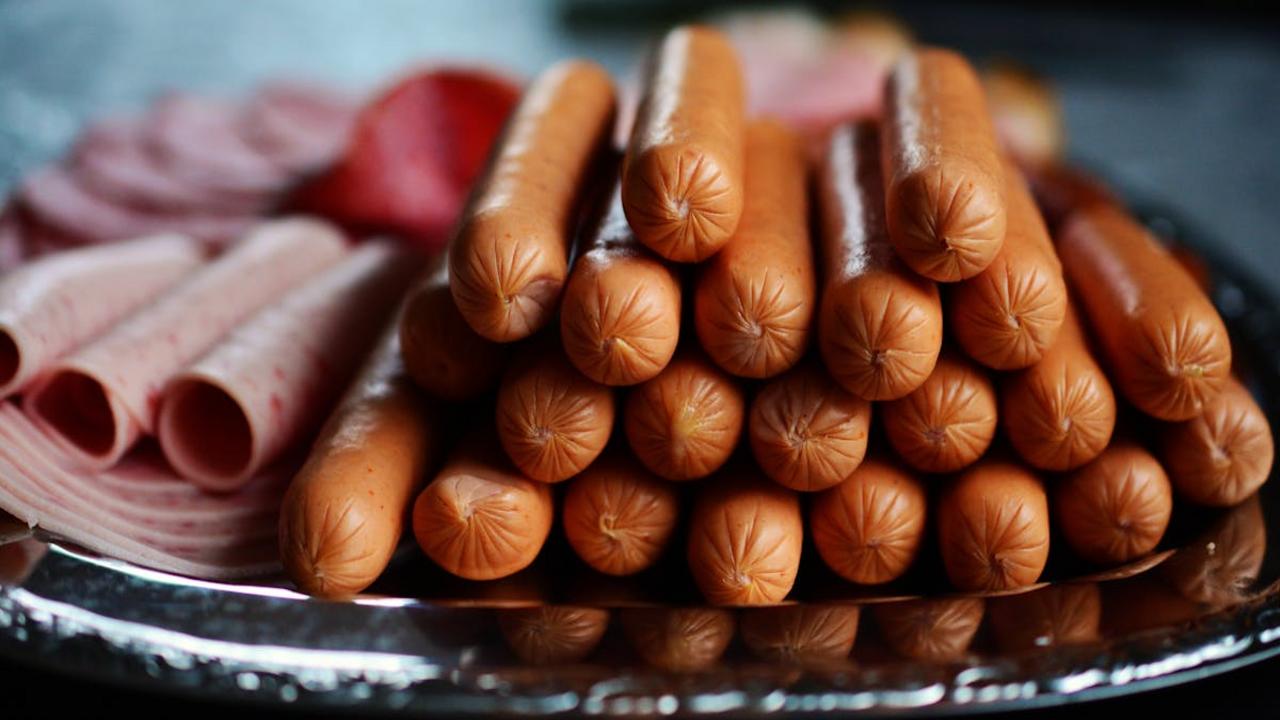
I’ll never forget the sheer dread of standing in the cafeteria line, watching that gray-brown slab of unidentifiable protein land on my tray with a concerning “plop.” The infamous mystery meat haunted many of our school lunch experiences, leaving us to question if we were eating beef, pork, or perhaps something from a completely different food group altogether. The rubbery texture and oddly uniform shape made it clear this wasn’t anything like the home-cooked meals mom made, and the gravy drowning it only added to the uncertainty.
Looking back now as a food writer, I understand why mystery meat became such a notorious symbol of school cafeteria food. The processed nature of these protein portions, often made from lower-grade meat trimmings and fillers, explained the strange consistency and bland flavor that no amount of ketchup could save. Many of my readers share similar memories of pushing this questionable cuisine around their plates, creating elaborate theories about its origins, and eventually making friends with the salad bar instead. This common cafeteria experience has made many of us more conscious about knowing exactly what goes into our food.