14 Controversial Foods You Can Buy Here But Are Banned Elsewhere
Picture this: you’re strolling through your local grocery store, casually tossing a bottle of neon-green Mountain Dew into your cart, completely unaware that this fizzy friend would get you some serious side-eyes in places like Japan and Europe. The American food system operates like that friend who wears socks with sandals—bold, unapologetic, and slightly concerning to outsiders.
What makes our pantries so scandalous? We’re talking about ingredients that sound like they belong in a chemistry lab rather than your lunch box. From rainbow-colored cereals that glow brighter than Vegas neon to chicken pumped with more chemicals than a science experiment, America’s grocery aisles tell quite the story.
These fourteen food rebels have managed to stay cozy on our shelves while getting the boot from countries worldwide. Whether it’s due to health concerns, environmental issues, or just plain “what were they thinking?” moments, these controversial characters spark debates fiercer than pineapple-on-pizza arguments. Ready to discover what makes your shopping cart so internationally infamous?
Raw Milk
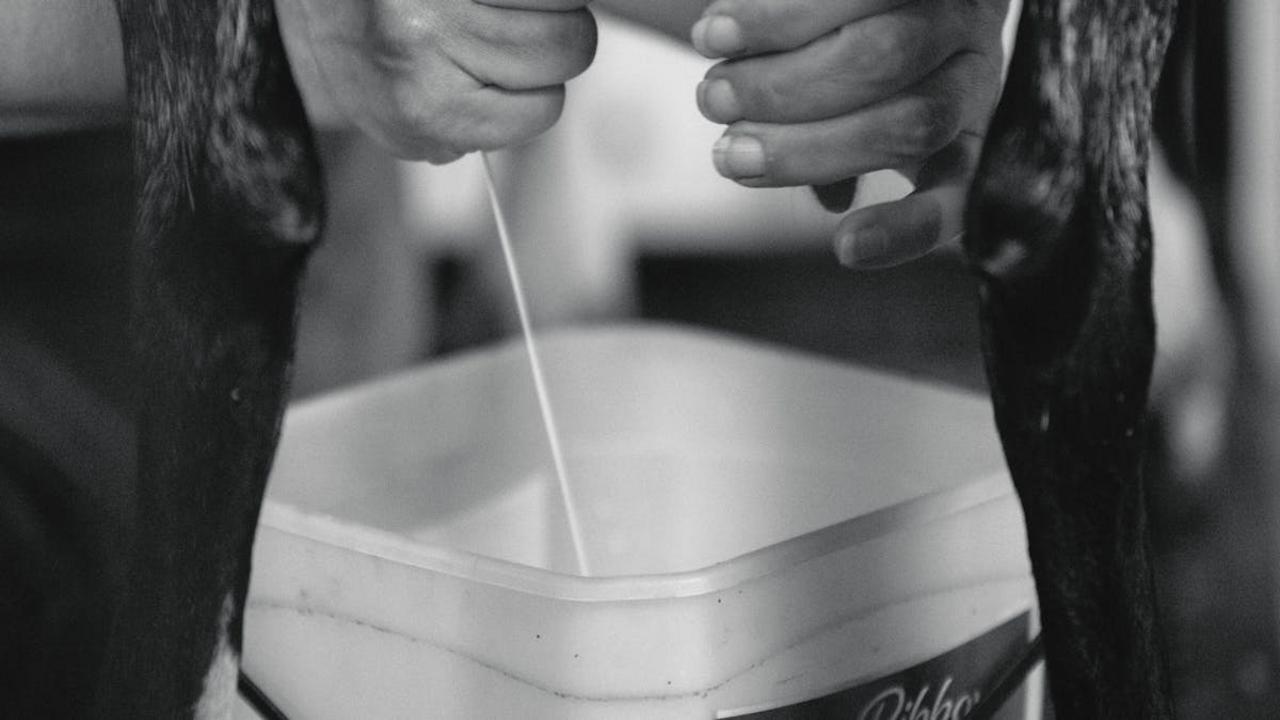
Picture this: you’re sipping what your great-grandmother would recognize as actual milk – straight from the cow, unpasteurized, and packed with all the live cultures that make health enthusiasts go absolutely wild. Raw milk sits in American refrigerators like a rebel without a cause, perfectly legal in many states but treated like contraband across most of Europe, Canada, and Australia. These countries ban the sale of unpasteurized milk faster than you can say “E. coli outbreak,” citing safety concerns that make their health officials break out in cold sweats. Meanwhile, American raw milk devotees swear by its creamy richness and claim it helps with everything from allergies to digestion, though scientists remain skeptical about these supposed superpowers.
The irony? While you can buy raw milk at farmers markets in states like California and Pennsylvania, hop across the border to Canada and you’ll find yourself on the wrong side of the law faster than a lactose-intolerant person fleeing a cheese festival. Raw milk enthusiasts argue that pasteurization strips away beneficial enzymes and probiotics, turning milk into what they dramatically call “dead white liquid.” Critics counter that pasteurization saves lives by killing dangerous bacteria like salmonella and listeria – you know, those party crashers nobody wants at their breakfast table. Whether you see raw milk as liquid gold or a bacterial Russian roulette depends entirely on which side of the controversy your taste buds land, but one thing’s certain: this creamy debate isn’t cooling down anytime soon.
Artificial Sweeteners
Your diet soda might be hiding a scandalous secret! While Americans happily sip their aspartame-laced beverages and sprinkle sucralose on everything, several countries have given these synthetic sugar substitutes the cold shoulder. Japan banned saccharin for decades (though they eventually caved), and the European Union maintains strict limits on various artificial sweeteners that we consume without a second thought. The controversy stems from studies linking these lab-created compounds to everything from headaches to more serious health concerns, though the FDA maintains they’re perfectly safe in normal quantities.
The irony is delicious – we created these zero-calorie miracles to make our food healthier, yet other nations treat them like edible villains. Cyclamate, once America’s sweetener darling, got banned here in 1969 after some questionable rat studies, but it’s still legal in over 130 countries worldwide. Meanwhile, we’re chugging Diet Coke like it’s going out of style while Europeans eye our grocery shelves with suspicion. Next time you grab that sugar-free gum or diet yogurt, remember you’re participating in a global food experiment that half the world isn’t quite ready to join!
Trans Fats
You know that crispy, golden perfection of your favorite fast-food fries? That impossibly smooth texture of certain margarines that spread like butter dreams? Well, my friend, you might be getting cozy with trans fats – those sneaky little molecules that make food taste amazing but have most of the world giving them the cold shoulder. While you can still find these partially hydrogenated oils lurking in American grocery aisles and restaurant kitchens, countries like Denmark, Switzerland, and Austria have shown them the door with strict bans. Even Canada has joined the “not today, trans fats” club, proving that sometimes breaking up with your favorite processed snacks is the healthiest thing you can do.
Here’s the wild thing about trans fats – they’re like that friend who seems perfect on the surface but causes drama behind the scenes. Food manufacturers absolutely adore them because they extend shelf life, create that satisfying mouthfeel we crave, and cost practically nothing to produce. But your arteries? Not so much. These synthetic fats raise bad cholesterol while lowering the good stuff, creating a cardiovascular double whammy that has health experts worldwide shaking their heads. The FDA finally started phasing them out in 2018, but you can still spot them hiding in some packaged baked goods, frozen pizzas, and those irresistible movie theater popcorns. Next time you’re reading labels, keep an eye out for “partially hydrogenated” anything – that’s trans fat code for “proceed with caution, my delicious friend.”
Food Grade Coloring
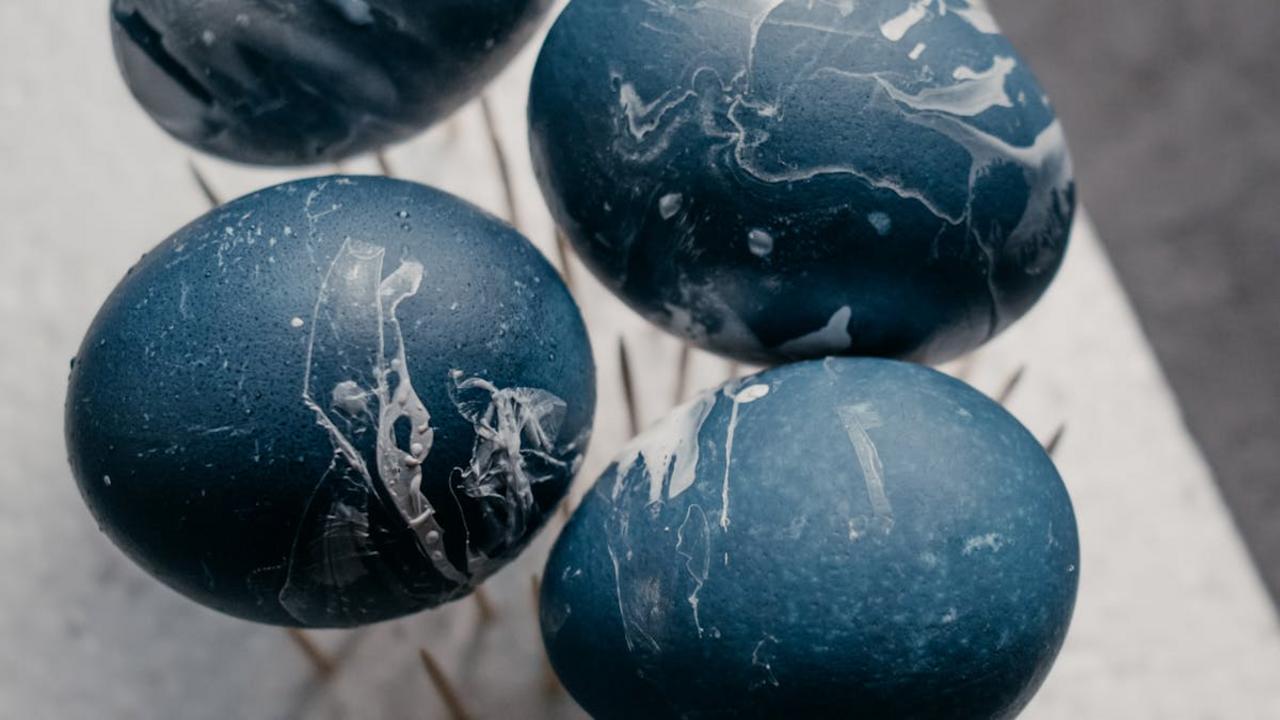
Picture this: you’re munching on a bright blue Popsicle that’s practically glowing with artificial perfection, and somewhere in Europe, a bureaucrat is probably clutching their pearls in horror. Food grade coloring agents like Red Dye 40, Yellow 5, and Blue 1 are sprinkled through American snacks like confetti at a birthday party, but many of these rainbow-makers face serious side-eye across the pond. The European Union requires warning labels on foods containing certain synthetic dyes, claiming they might cause hyperactivity in children, while some countries have banned specific colorings altogether. Meanwhile, here in the US, we’re still painting our cereals every color of the rainbow without batting an eyelash.
The irony hits different once you realize that companies like Kraft actually reformulate their products for European markets, swapping out synthetic dyes for natural alternatives like beetroot juice and turmeric. So your beloved mac and cheese gets its signature orange glow from paprika extract over there, but here? Pure chemical wizardry keeps those noodles looking like tiny traffic cones. The FDA maintains these dyes are safe in approved amounts, but watching a kid bounce off the walls after demolishing a bag of artificially colored gummy bears makes you wonder if maybe those European regulators are onto something. Still, there’s something undeniably American about refusing to give up our right to eat foods that look like they belong in a crayon box.
Food Preservatives
Picture this: you’re munching on your favorite packaged snack, and somewhere across the pond, a European regulator is having a conniption about what’s keeping your treat shelf-stable. Food preservatives like BHA (butylated hydroxyanisole), BHT (butylwhen hydroxytoluene), and TBHQ (tertiary butylhydroquinone) dance through American pantries like uninvited party guests, but they’ve been shown the door in many other countries. These synthetic antioxidants work overtime to prevent your chips from going rancid and your cereals from tasting like cardboard, but they’ve got some serious side-eye from health authorities elsewhere.
The European Union has given these preservatives the cold shoulder, citing potential links to cancer and hormone disruption—basically treating them like that friend who always brings drama to dinner parties. Meanwhile, we’re over here happily crunching away on our TBHQ-laden snacks, blissfully unaware that our beloved preservatives are persona non grata in other places. It’s like we’re living in a parallel universe where different rules apply to keeping food fresh. Next time you grab that bag of crackers, take a peek at the ingredients list—you might spot one of these controversial characters lurking in the fine print, doing their preservation magic while stirring up international food policy debates.
Arsenic Fed Chicken
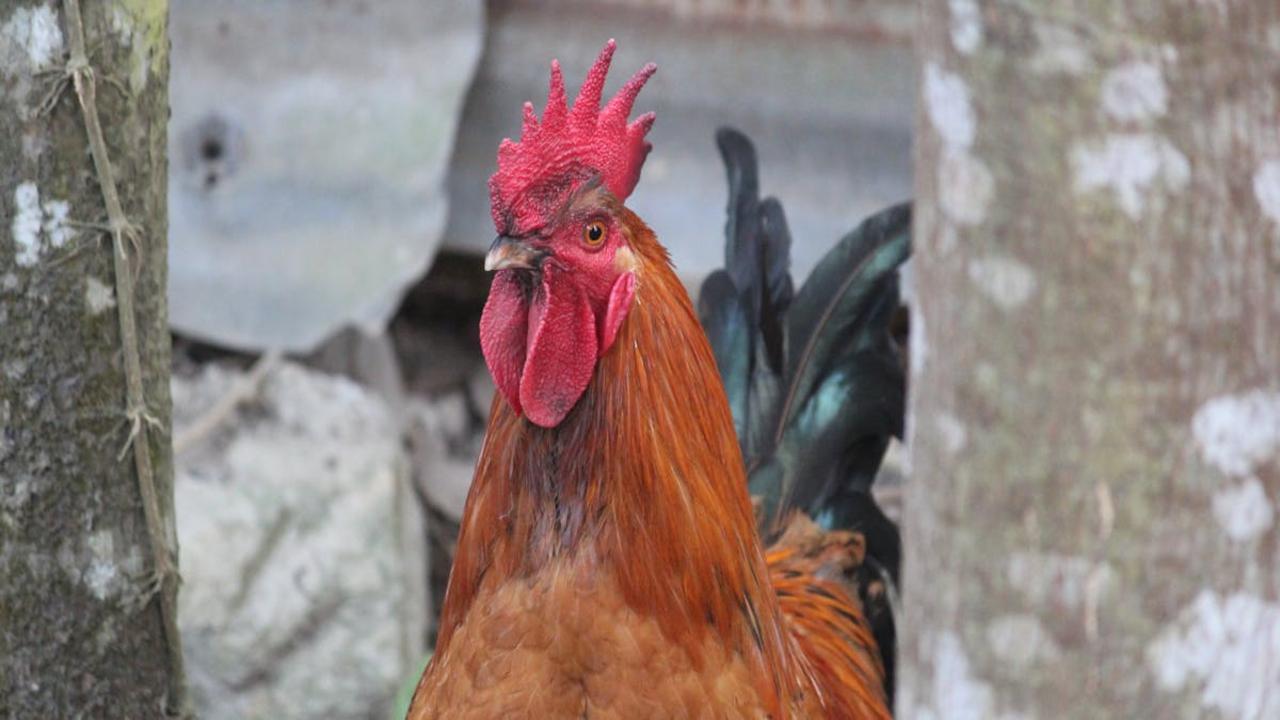
Picture this: you’re biting into a perfectly seasoned piece of fried chicken, and somewhere in the back of your mind, a tiny voice whispers “psst, there might be arsenic in this.” Welcome to American poultry production, where we’ve been feeding chickens arsenic-based drugs for decades! The European Union took one look at this practice and said “absolutely not,” banning arsenic in animal feed back in 1999. Meanwhile, here in the States, we’ve been playing a decades-long game of “it’s probably fine” with our feathered friends’ dinner plates.
The arsenic compounds were originally added to chicken feed to prevent disease, promote growth, and give that appealing pink color to the meat. Think of it as chicken makeup, except instead of mascara, we’re using a heavy metal that’s literally poison. The FDA finally started phasing out these compounds around 2013, but not before millions of Americans spent years unknowingly consuming trace amounts of arsenic with their Sunday dinner. While the levels were deemed “safe” by regulators, countries across Europe, Canada, and Australia decided they’d rather skip the arsenic appetizer altogether. Today, most major US producers have stopped using these additives, but the fact that we ever thought “let’s feed chickens poison” was a reasonable business strategy still makes you wonder what other brilliant ideas are floating around corporate boardrooms.
Genetically Modified Foods
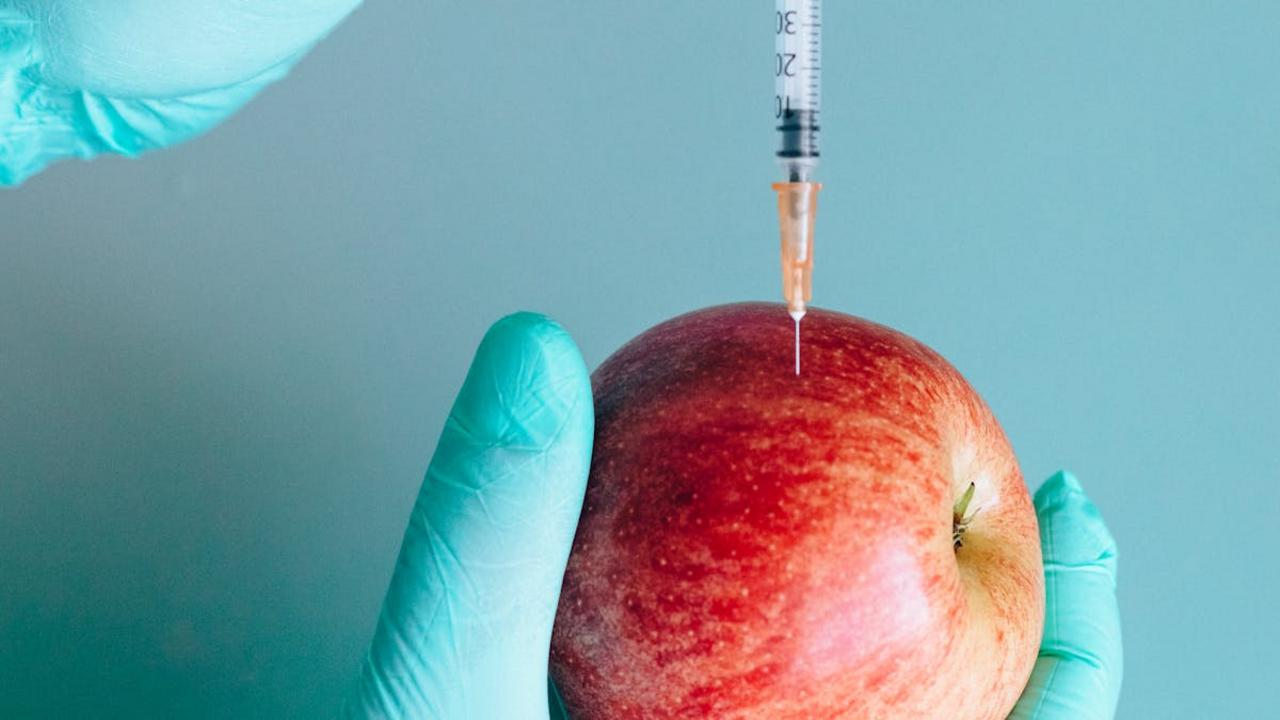
Picture walking down the cereal aisle at your local grocery store, blissfully unaware that you’re surrounded by foods that would make European shoppers run screaming. Those colorful boxes of corn flakes, soy-based snacks, and sugar-sweetened treats? They’re packed with genetically modified ingredients that have been banned or heavily restricted across much of the world. While Americans munch on GM corn, soybeans, and sugar beets without a second thought, over 60 countries have said “absolutely not” to these lab-tweaked crops on their dinner tables.
The irony is delicious – we’re eating foods that scientists have essentially given superpowers to resist pests and herbicides, yet half the planet treats them like edible villains. Russia banned GM corn outright, while the European Union requires labels so intense they practically come with warning sirens. Meanwhile, about 75% of processed foods in American supermarkets contain GM ingredients, and most of us have no clue. Your morning bagel made with GM wheat? Perfectly normal here. That same bagel in France would need more paperwork than adopting a child. It’s like we’re living in parallel food universes where one person’s breakfast is another country’s science experiment.
Meat With Growth Hormones
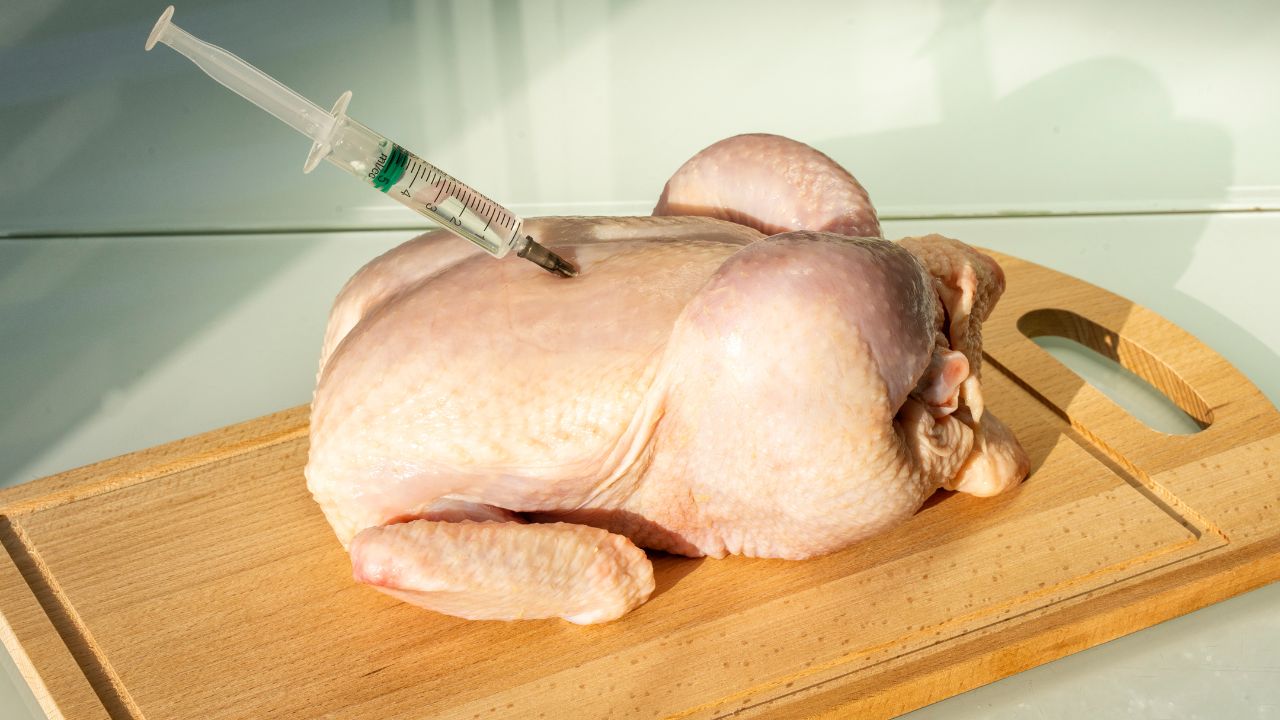
Picture this: you’re at your local grocery store, admiring that perfectly marbled steak that looks like it could feed a small army. What you might not realize is that beautiful piece of beef probably got its impressive size thanks to a cocktail of growth hormones that would make a bodybuilder jealous. Here in the good old US of A, we pump our cattle full of synthetic hormones like estradiol, progesterone, and trenbolone acetate – chemicals that sound more like prescription medications than dinner ingredients. Meanwhile, the European Union took one look at this practice back in 1989 and said “absolutely not,” banning hormone-treated meat faster than you can say “mad cow disease.”
The science behind this agricultural drama reads like a soap opera. American farmers swear these hormones help cattle grow bigger and leaner, producing more meat per animal and keeping your grocery bills from reaching astronomical heights. But Europeans worry about potential links to cancer and early puberty in children, which honestly sounds like a pretty reasonable concern when you think about it. The result? A decades-long trade war that makes family dinner arguments look like friendly debates. If you want to avoid the hormone party, look for labels that say “no hormones added” or go organic – though fair warning, your wallet might feel a little lighter, and your steaks might be a tad smaller than their chemically-enhanced cousins.
Potassium Bromate
You know that pillowy-soft Wonder Bread that practically melts in your mouth? Well, thank potassium bromate for that magical texture! This little chemical compound works like a tiny bread whisperer, strengthening gluten and creating those gorgeous, fluffy loaves that American bakeries have been cranking out for decades. It’s basically the secret ingredient that makes your sandwich bread so perfectly squishy and your burger buns so delightfully bouncy. But here’s the plot twist that’ll make you do a double-take: while we’re happily munching away on our bromate-enhanced bread, countries like Canada, the UK, and most of the European Union have given this additive the boot faster than you can say “sourdough starter.”
The drama unfolds because potassium bromate has this annoying habit of potentially sticking around in your bread instead of completely breaking down during baking like it’s supposed to. Think of it as that party guest who overstays their welcome – except this uninvited leftover might not be great for your health. The FDA still allows it here in the States, but many American bakeries have voluntarily switched to other dough conditioners because, honestly, nobody wants to be the villain in someone’s breakfast story. If you’re curious about avoiding it, check those ingredient labels or seek out bakeries that proudly advertise their bromate-free status – your local artisan bread maker is probably already your best friend in this situation!
Olestra
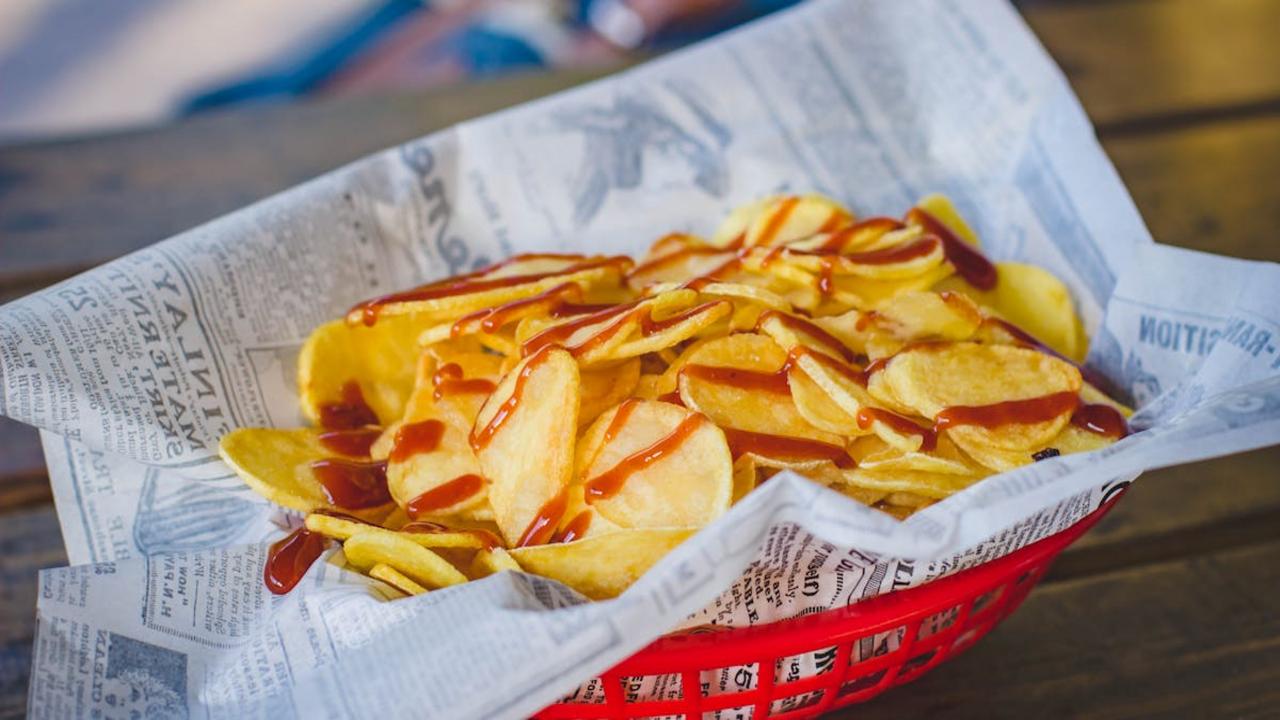
Meet Olestra, the fake fat that fooled America’s snack-loving hearts in the 1990s! This synthetic substitute promised all the crispy, crunchy satisfaction of your favorite chips without any of the actual fat calories. Sounds like magic, right? Well, Procter & Gamble thought so too when they spent 25 years and $200 million developing this molecular marvel. The FDA approved it for use in savory snacks, and suddenly every grocery aisle sparkled with “WOW!” chips that boasted zero fat grams. Europeans, however, took one look at the science and said “absolutely not,” banning this American innovation faster than you can say “artificial additive.”
Here’s where things get interesting (and slightly uncomfortable): Olestra slides through your digestive system like a greased bowling ball, taking fat-soluble vitamins A, D, E, and K along for the ride. The FDA required warning labels about “abdominal cramping and loose stools” – basically corporate speak for “prepare for digestive chaos.” While Canada, the UK, and most of Europe banned Olestra outright due to these delightful side effects, you can still find it lurking in some American snack foods today. Pro tip: if you’re planning a road trip, maybe skip the Olestra-laden munchies unless you enjoy frequent rest stops!
Brominated Vegetable Oil
Picture this: you’re sipping your favorite citrus soda, and floating around in there is something called brominated vegetable oil – basically vegetable oil that’s been treated with bromine, the same stuff you’ll find in flame retardants and hot tub chemicals. Yeah, I know, appetizing right? BVO keeps those citrus flavors suspended in your drink so they don’t float to the top like oil in a salad dressing. Mountain Dew, some Gatorade flavors, and various citrus sodas have used this ingredient for decades, though many brands have quietly started phasing it out after people began asking uncomfortable questions about drinking flame retardant chemicals.
Here’s where it gets interesting: while you can still find BVO in American beverages, the European Union and Japan have banned it completely because studies suggest it might accumulate in your body tissues over time. The FDA has been “reviewing” BVO’s safety status for years, but until recently, they seemed about as decisive as someone choosing what to watch on Netflix. Some people who drink excessive amounts of BVO-containing sodas have actually developed a condition called “bromine poisoning” – symptoms include headaches, fatigue, and loss of coordination. So maybe pace yourself on that Mountain Dew marathon, and check those ingredient labels if you’re curious about what’s keeping your orange soda perfectly mixed!
Artificial Food Dyes
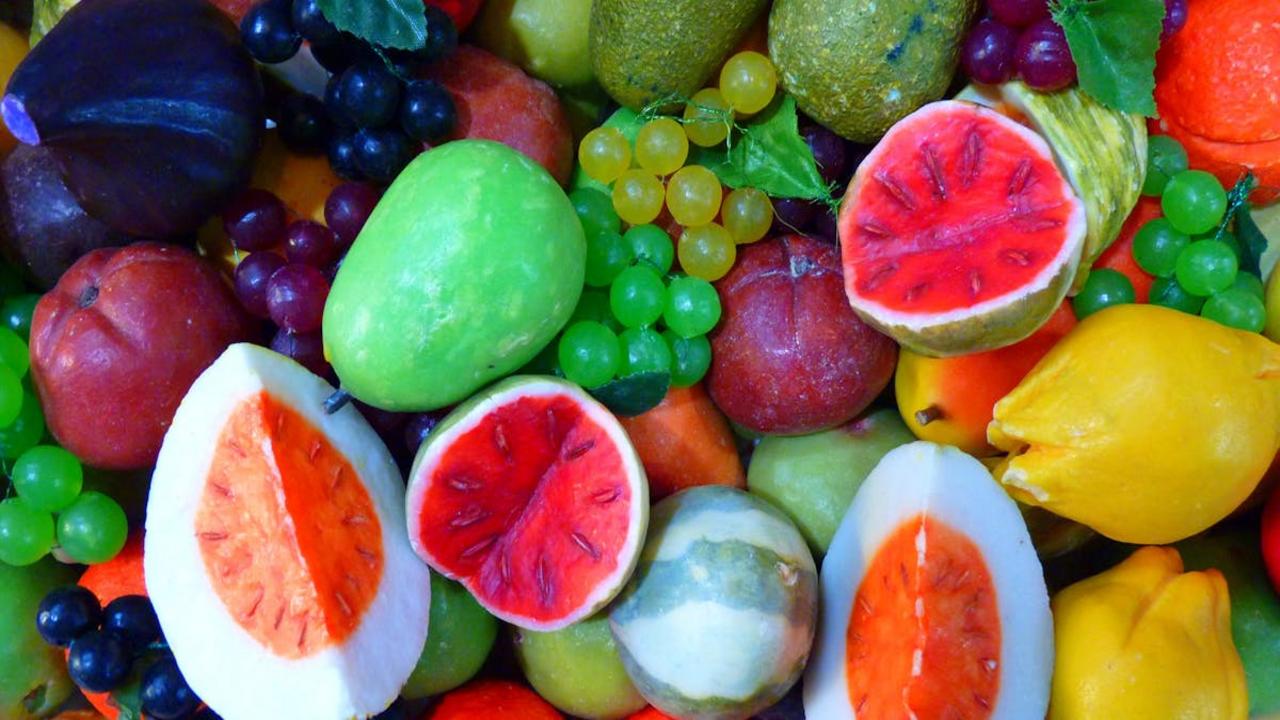
Picture this: you’re strolling down the cereal aisle, mesmerized by boxes that practically glow with electric blues, radioactive reds, and alien greens that make your childhood Saturday mornings feel like a kaleidoscope fever dream. Those vibrant colors screaming from every package? They’re courtesy of artificial food dyes, and while Americans happily munch their way through rainbow-colored everything, much of Europe has essentially shown these synthetic beauties the door. Countries like Norway, France, and the UK have either banned or require warning labels on products containing certain artificial dyes, particularly Red 40, Yellow 5, and Blue 1 – the holy trinity of fake food coloring that makes our snacks look like they belong in a neon art gallery.
What makes these dyes so controversial overseas? Some studies have linked them to hyperactivity in children, turning perfectly normal kids into tiny tornadoes after a bowl of fluorescent cereal. Meanwhile, here in America, we’re still dyeing our mac and cheese orange enough to blind astronauts from space and creating sports drinks that could double as antifreeze. The irony is delicious (pun intended) – we’ve become so accustomed to expecting our strawberry yogurt to be shockingly pink and our pickles to glow green that natural colors look boring by comparison. European kids eat perfectly tasty treats colored with things like beetroot juice and turmeric, while we’re over here living our best artificially-enhanced life, one Day-Glo snack at a time.
Farm Raised Salmon
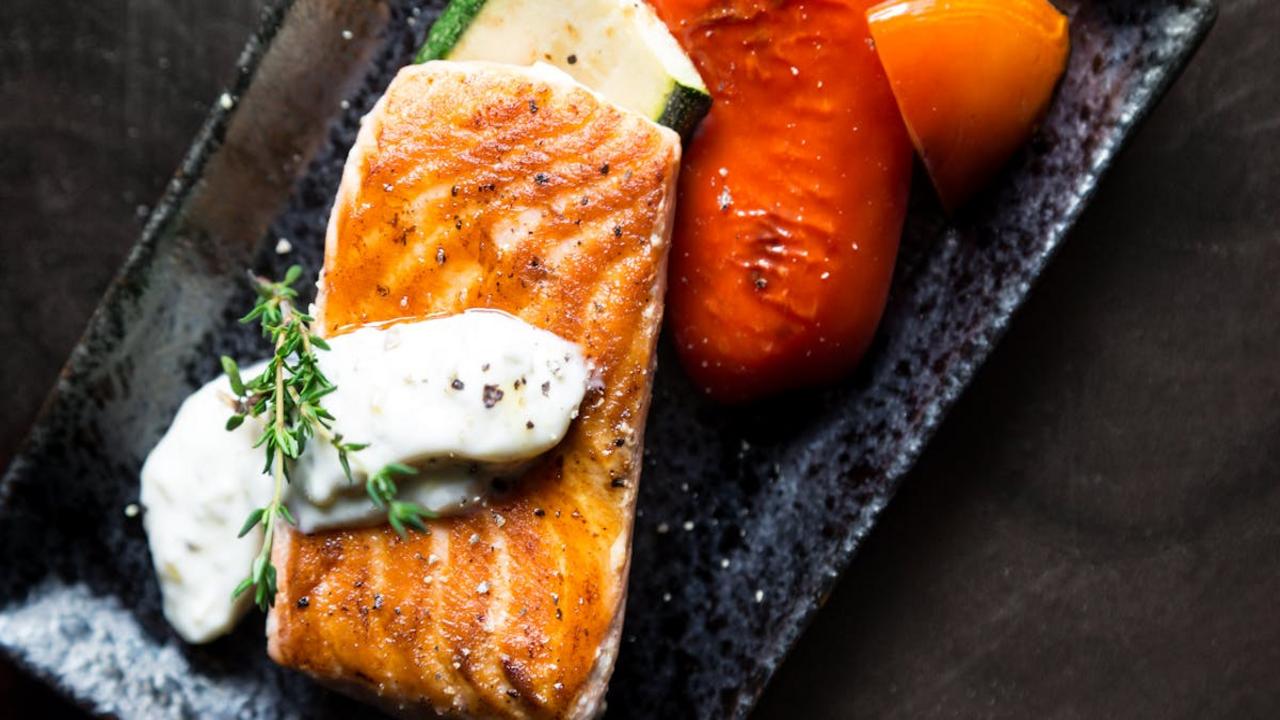
Picture this: you’re standing in your local grocery store, admiring that gorgeous pink salmon fillet behind the glass case. The price tag makes you happy, the color looks appetizing, and you’re already planning tonight’s dinner. But here’s something that might make you pause mid-shopping cart push – that beautiful fish swimming on your plate could land you in hot water if you tried selling it in Australia or New Zealand. These countries have banned farm-raised salmon from certain regions due to concerns about artificial coloring agents and questionable farming practices. The bright pink hue you love? That often comes from synthetic astaxanthin, a color additive that gives farmed salmon their Instagram-worthy appearance since they don’t get the natural pigments wild salmon absorb from their diet of krill and shrimp.
Now, before you swear off salmon forever, let me share a little secret from my own kitchen adventures. I once bought what I thought was “premium Atlantic salmon” only to discover later it was farmed in crowded pens and pumped full of antibiotics to prevent disease outbreaks. The texture was oddly soft, and the flavor lacked that robust, oceanic punch I remembered from wild-caught varieties. Countries like Norway have stricter regulations about what goes into their farmed salmon, but here in the States, we’re more lenient about those farming methods. If you want to keep salmon on your menu without the controversy, look for wild-caught Alaskan varieties or seek out farms that use more natural feeding practices – your dinner guests will taste the difference, and you’ll sleep better knowing your fish lived a happier life before gracing your plate.
Mountain Dew
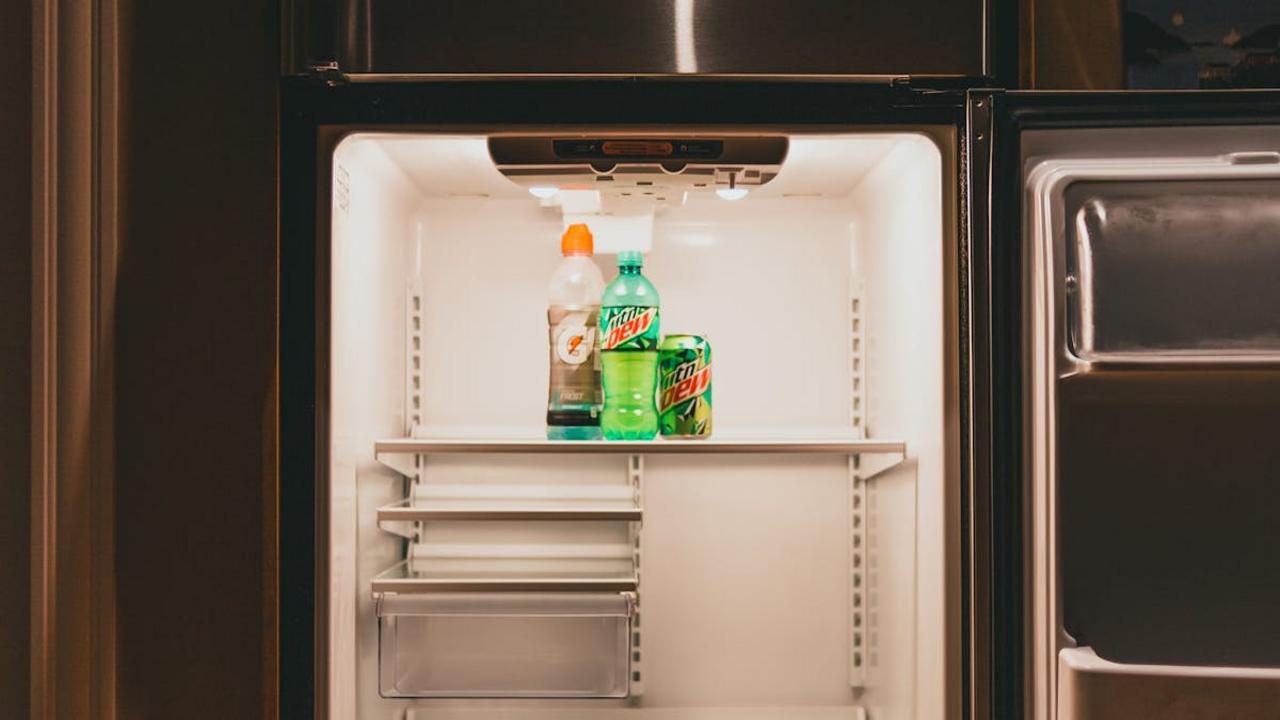
You know that electric green glow that screams “I’m about to pull an all-nighter gaming session”? That’s Mountain Dew, America’s beloved caffeinated chaos in a bottle! While you’re chugging this neon nectar without a second thought, our friends across the pond in Europe are giving it the side-eye. The European Union has banned Mountain Dew because of two sneaky ingredients: brominated vegetable oil (BVO) and Yellow Dye #5. BVO, originally patented as a flame retardant (yes, you read that right), helps keep the citrus flavoring evenly distributed so your Dew doesn’t separate into weird layers. Meanwhile, Yellow Dye #5 gives it that distinctive radioactive appearance that makes it look like it could power a small spacecraft.
The plot thickens when you consider that PepsiCo actually makes a European version of Mountain Dew that ditches these controversial additives, proving they totally know how to make it without the banned stuff. But here in America, we’re still getting the original formula that makes some countries nervous. The irony? Europeans miss out on experiencing the full “Do the Dew” rush because their version tastes completely different without BVO’s texture-enhancing magic. So next time you crack open that familiar green bottle, remember you’re drinking something that’s basically contraband in multiple countries – which honestly makes it taste even more rebellious, doesn’t it?