15 Street Food Classics That Ruled the Roaring Twenties
Step back with me to the buzzing streets of 1920s America, where food vendors created magic from simple carts and stands! While speakeasies got all the fame, street food truly captured the spirit of this wild decade. From bustling Coney Island to city street corners, these portable treats fed a nation racing toward modernity.
You’d find workers grabbing quick bites between shifts, families enjoying weekend treats, and flappers snacking before hitting dance halls. These street eats weren’t just food—they were affordable luxuries during a time of incredible social change and economic boom before the crash.
I’ve rounded up 15 iconic street foods that defined this exciting era. Many remain favorites today, though you might not know their Roaring Twenties connections! These simple, satisfying treats tell us so much about everyday life during this transformative time in American food history.
Frosted Malted Milk
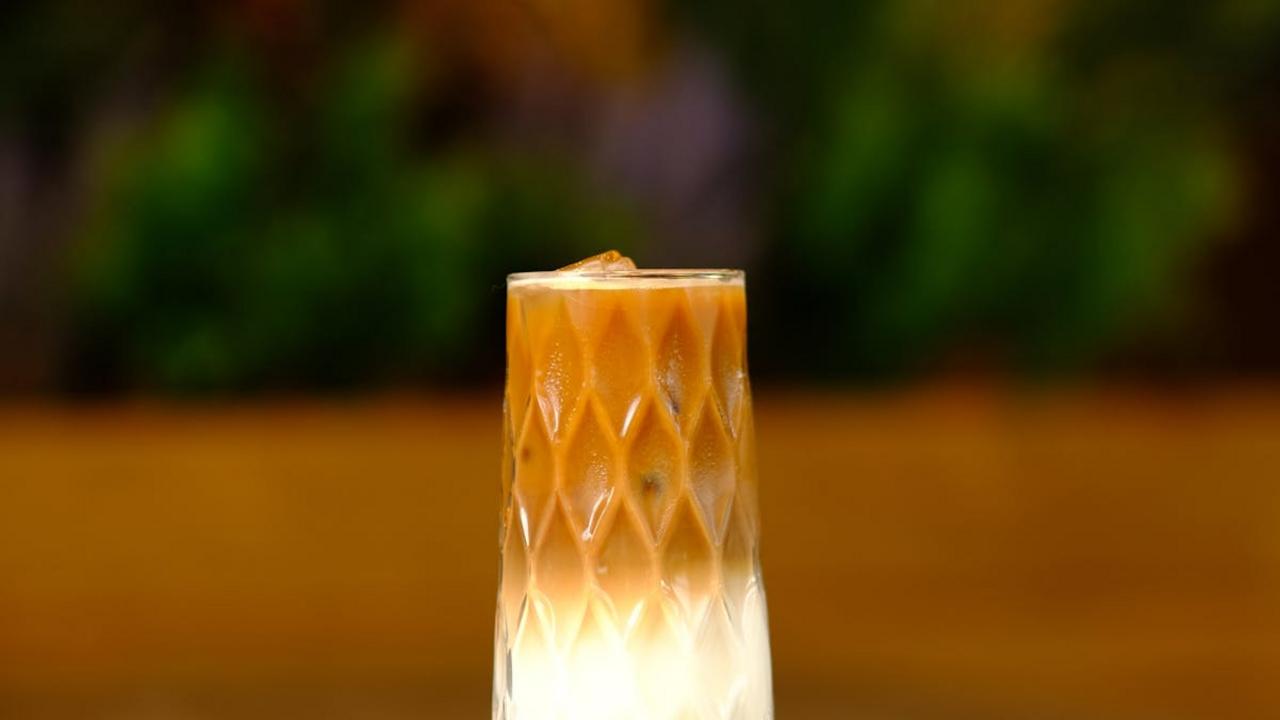
Picture walking down a bustling 1920s street corner and spotting that gleaming soda fountain through the window – that’s where frosted malted milk became the drink that defined an entire generation. This creamy, frothy concoction combined malted milk powder with vanilla ice cream and cold milk, creating something magical that spoke to both sophistication and comfort. The malt powder, made from sprouted barley and wheat, added this distinctive nutty sweetness that made people line up for more. I love how this drink represents the perfect balance between indulgence and nourishment – something we can absolutely recreate today with whole ingredients.
When I make this at home now, I reach for organic malted milk powder and swap in coconut milk or oat milk for a lighter twist that still honors the original’s creamy richness. The beauty lies in the simplicity – just blend your milk of choice with a generous scoop of quality vanilla ice cream and that golden malted powder until it becomes beautifully frothy. You can boost the nutrition by adding a handful of soaked cashews for extra creaminess and protein. The 1920s knew something we’re rediscovering: the most satisfying treats often come from combining just a few quality ingredients and letting them shine together.
Hamburger Sliders
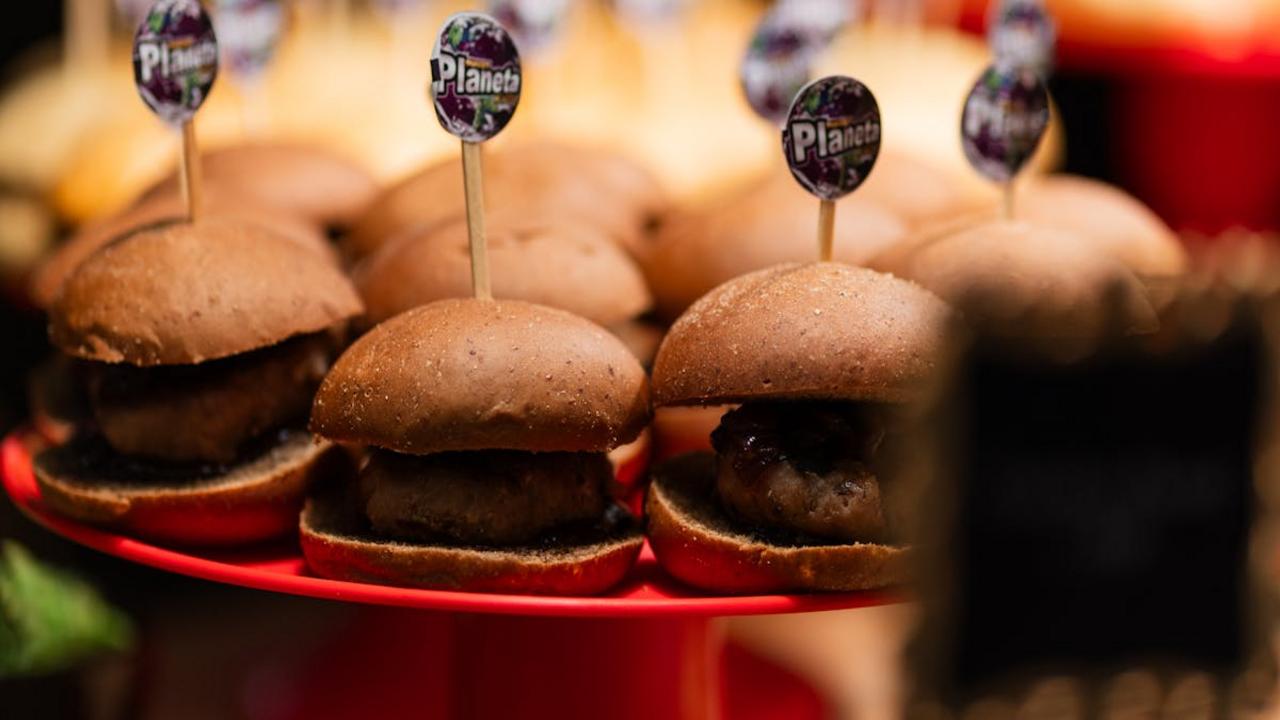
Picture this: you’re walking down a bustling street in 1920s America, and the most incredible aroma hits you—beef patties sizzling on a griddle, onions caramelizing to golden perfection. Hamburger sliders became the ultimate street food because they gave you everything you craved in one perfect, palm-sized package. I love how these mini burgers represented pure ingenuity—vendors could serve more customers faster while keeping costs low. The beauty lies in their simplicity: a small beef patty, maybe some grilled onions, pickles, and a soft bun that soaks up all those gorgeous flavors.
What makes me excited about recreating these 1920s gems today is how you can transform them into something incredibly wholesome. I skip the processed elements and grind my own beef from grass-fed chuck, mixing in fresh herbs and a touch of Worcestershire sauce for depth. The magic happens when you cook them on a cast iron skillet—that beautiful crust forms while the inside stays juicy. You can pile them high with caramelized onions cooked slowly in real butter, add some crisp lettuce, and serve them on whole grain slider buns. They’re proof that sometimes the most satisfying meals come in the smallest packages, bringing people together just like they did nearly a century ago.
Hot Corn on the Cob
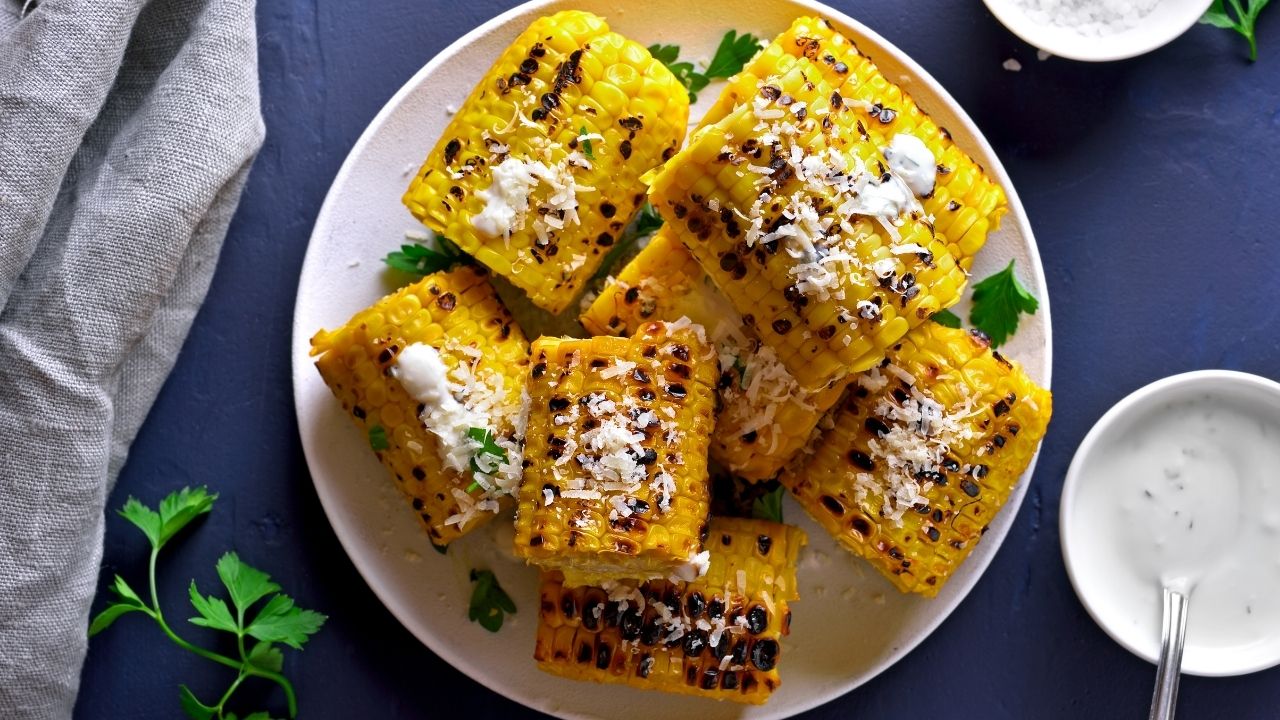
Picture this: you’re walking down a bustling 1920s street, and the aroma of sweet corn hits you like a warm hug. Hot corn on the cob wasn’t just food—it was pure comfort wrapped in husks, sold by vendors who knew exactly how to make your day brighter. These street cart heroes would boil massive pots of fresh corn right there on the sidewalk, then slather each golden ear with butter and sprinkle it with salt. The simplicity was genius, really. No fancy techniques, no complicated seasonings—just corn at its most honest and delicious.
What I love about this classic is how it celebrates the ingredient itself. You can recreate this magic at home by choosing the freshest corn you can find (those kernels should practically burst with sweetness when you press them). Instead of just butter and salt, try brushing your corn with herb-infused olive oil and finishing with a squeeze of lime and a pinch of smoked paprika. The 1920s vendors understood something we sometimes forget today: the best street food comes from treating simple, whole ingredients with respect and letting their natural flavors shine through every single bite.
Cracker Jack
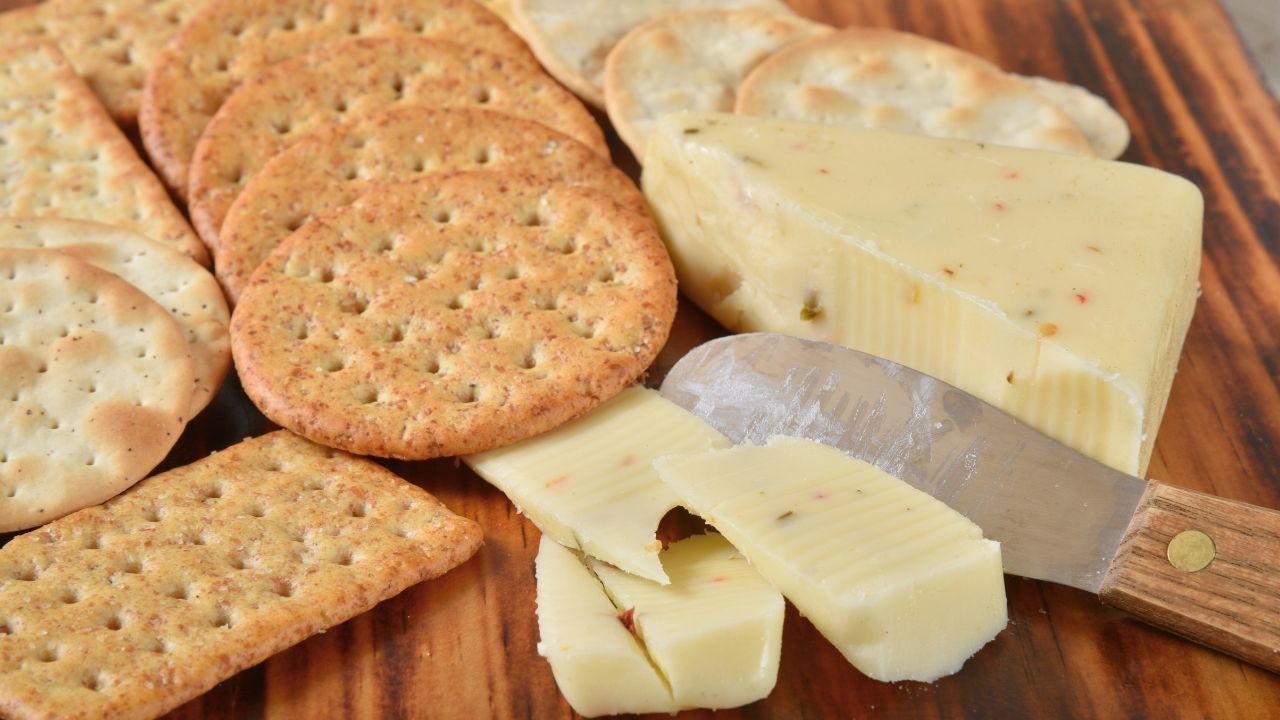
You know that satisfying crunch when you bite into caramelized popcorn and peanuts? That’s pure Cracker Jack magic right there! This sweet-and-salty combination became the ultimate ballpark snack during the 1920s, though it actually debuted at the 1893 World’s Fair. What I love most about this treat is how it captures that perfect balance we crave – the molasses-sweet coating playing beautifully against the roasted nuts and fluffy corn. Back then, vendors would walk through baseball stadiums with boxes strapped to their chests, calling out “Cracker Jack!” to hungry fans who couldn’t resist that iconic red, white, and blue packaging.
Making your own version at home brings such joy to the kitchen – you control every ingredient and skip those mysterious preservatives found in mass-produced versions. I start with fresh-popped corn (never the microwave stuff!), toss in raw peanuts, then create a simple caramel using real butter, brown sugar, and a touch of vanilla. The key is working quickly once that caramel reaches the right temperature, coating everything evenly before it hardens. Sure, you won’t find a tiny toy surprise inside like the original, but you’ll discover something even better – the satisfaction of creating this nostalgic treat with your own hands, using wholesome ingredients your great-grandmother would recognize.
Caramel Corn

Picture this: you’re walking down a bustling 1920s street, and that irresistible sweet-salty aroma hits you from blocks away. Caramel corn became the ultimate portable treat during the Jazz Age, sold from colorful carts and movie theater lobbies where flappers and gents would grab handfuls between dance numbers. What I love about this classic is how it transforms simple popcorn into something magical with just butter, brown sugar, and a touch of vanilla. The beauty lies in its simplicity – you’re taking basic pantry ingredients and creating pure joy.
Making caramel corn at home connects you to those roaring decades while giving you complete control over the ingredients. Skip the processed corn syrup and artificial flavors that dominate modern versions. Instead, I use real butter, coconut sugar, and a pinch of sea salt to create that perfect balance. The key is patience – let that caramel develop its deep amber color slowly, then quickly toss it with freshly popped kernels. Each batch tells a story of transformation, turning humble corn into golden clusters that crack between your teeth with satisfying sweetness. Your kitchen becomes your own 1920s confectionery, minus the questionable additives.
Saltwater Taffy
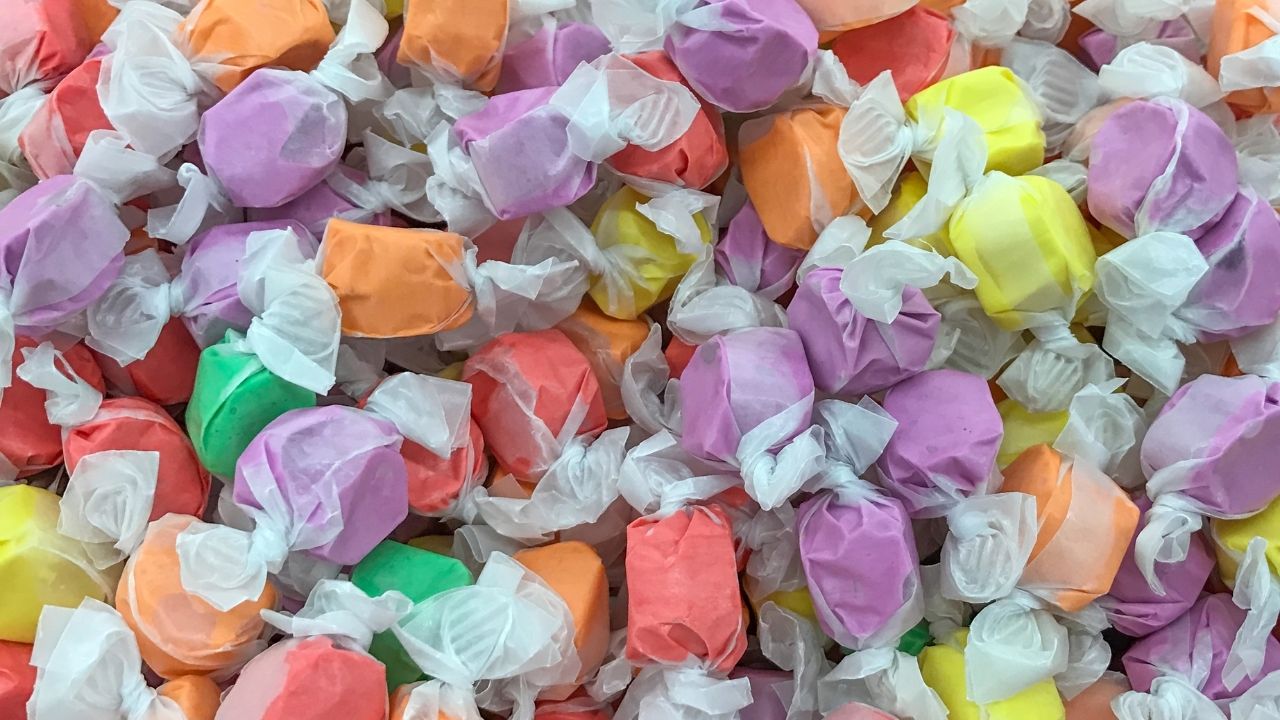
You know what takes me back to those jazz-filled boardwalks of the 1920s? Saltwater taffy! This chewy confection became the sweet soundtrack to seaside adventures, and I’ve got to share why it captured hearts across America. Atlantic City claimed this treasure as their own, though the “saltwater” name was pure marketing magic—no actual seawater went into these colorful pulls of joy. Street vendors would stretch and pull the candy right before your eyes, creating theater as much as treats. The rhythmic pulling motion reminded me of kneading bread dough, that same meditative process that transforms simple ingredients into something extraordinary.
What I love most about traditional taffy is how it celebrates simplicity—just sugar, corn syrup, butter, and flavorings pulled into silky perfection. Making it at home connects you to those 1920s candy makers who understood that patience creates the perfect chew. I always tell people that good taffy teaches you about temperature and timing, much like caramel or any sugar work. The key lies in cooking your mixture to exactly 250°F, then working quickly as it cools. Try natural fruit extracts instead of artificial flavors—fresh vanilla, real peppermint oil, or even lavender create sophisticated versions that honor both tradition and your commitment to wholesome ingredients.
Hot Roasted Peanuts
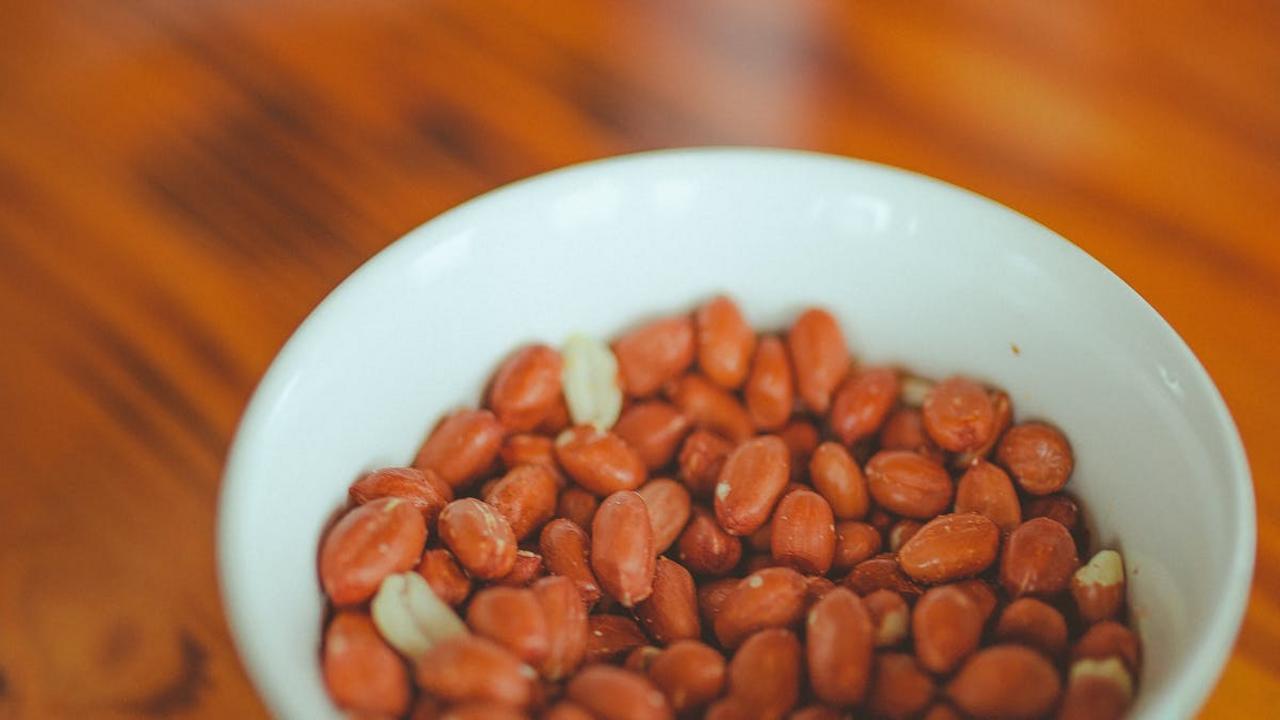
Picture this: you’re walking down a bustling 1920s street corner, and that warm, nutty aroma hits you before you even see the vendor’s cart. Hot roasted peanuts became the ultimate portable snack during the Roaring Twenties, sold by street vendors who’d roast them fresh in small batches throughout the day. These weren’t your modern stadium peanuts – they were hand-selected, slow-roasted over charcoal or wood fires, creating that deep, smoky flavor you just can’t replicate with mass production. The vendors knew their craft, adjusting heat and timing based on the day’s humidity and the peanuts’ natural oils.
What I love most about this simple street food is how it represents everything I believe about cooking: minimal ingredients, maximum flavor, and the magic that happens when you apply heat with intention. A good roasted peanut needs nothing more than the nut itself and careful attention to temperature – no additives, no preservatives, just pure, wholesome nutrition wrapped in that satisfying crunch. You can recreate this magic at home by buying raw peanuts and roasting them slowly in a cast iron skillet, stirring frequently until they develop that golden color and release their natural oils. Trust your nose – when they smell nutty and rich, they’re ready to transport you back to those jazz-filled streets.
Soft Pretzels
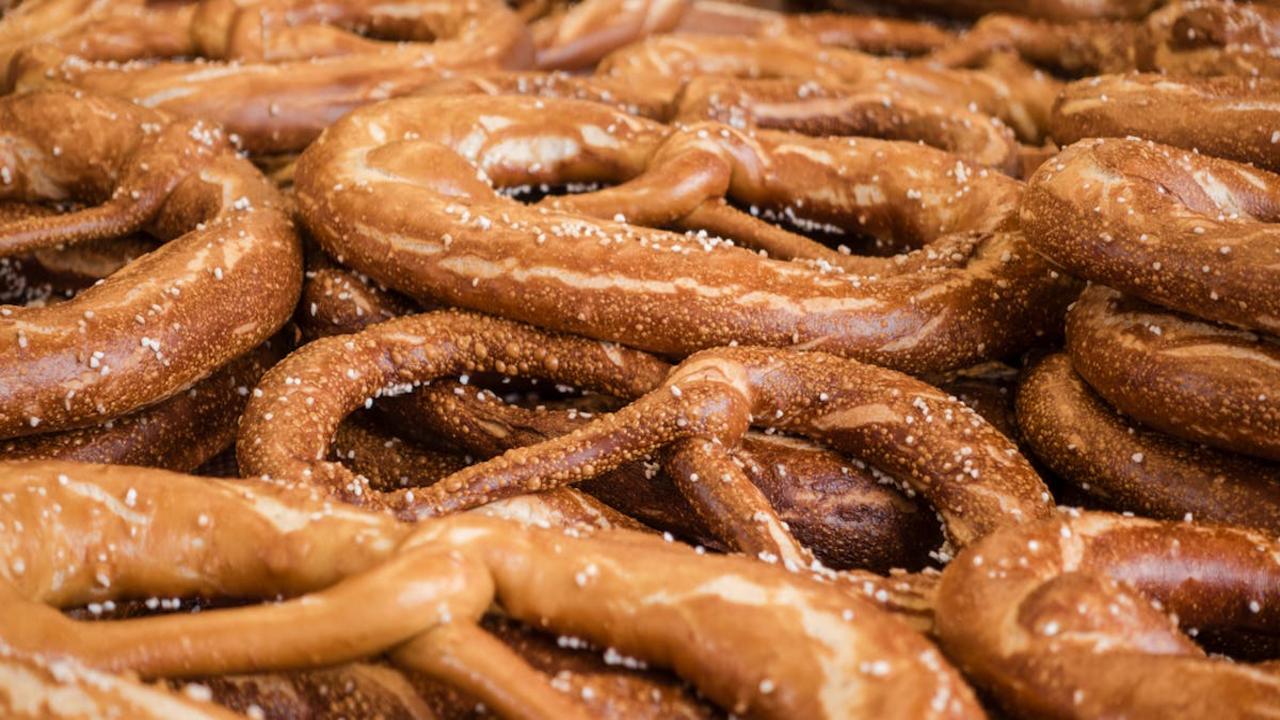
Picture yourself walking down a bustling 1920s street corner, and that warm, yeasty aroma hits you – that’s the magic of soft pretzels calling your name. These twisted beauties became the ultimate grab-and-go snack during the Roaring Twenties, sold from pushcarts by vendors who’d mastered the perfect balance of chewy interior and golden, salt-kissed exterior. You know what I love most about pretzels? They represent everything I believe about wholesome cooking – simple ingredients like flour, water, yeast, and salt transforming into something extraordinary through patience and technique.
Making pretzels from scratch connects you to generations of bakers who understood that the best foods don’t need fancy additives or preservatives. The traditional alkaline bath – usually baking soda dissolved in boiling water – creates that distinctive pretzel skin and deep brown color naturally. I always encourage home cooks to try their hand at pretzel-making because you control every ingredient, avoiding the processed versions loaded with unnecessary chemicals. Plus, there’s something deeply satisfying about shaping that dough, watching it puff up in the oven, and sharing warm pretzels with family – just like those street vendors did nearly a century ago, bringing communities together one twisted treat at a time.
Candied Apples
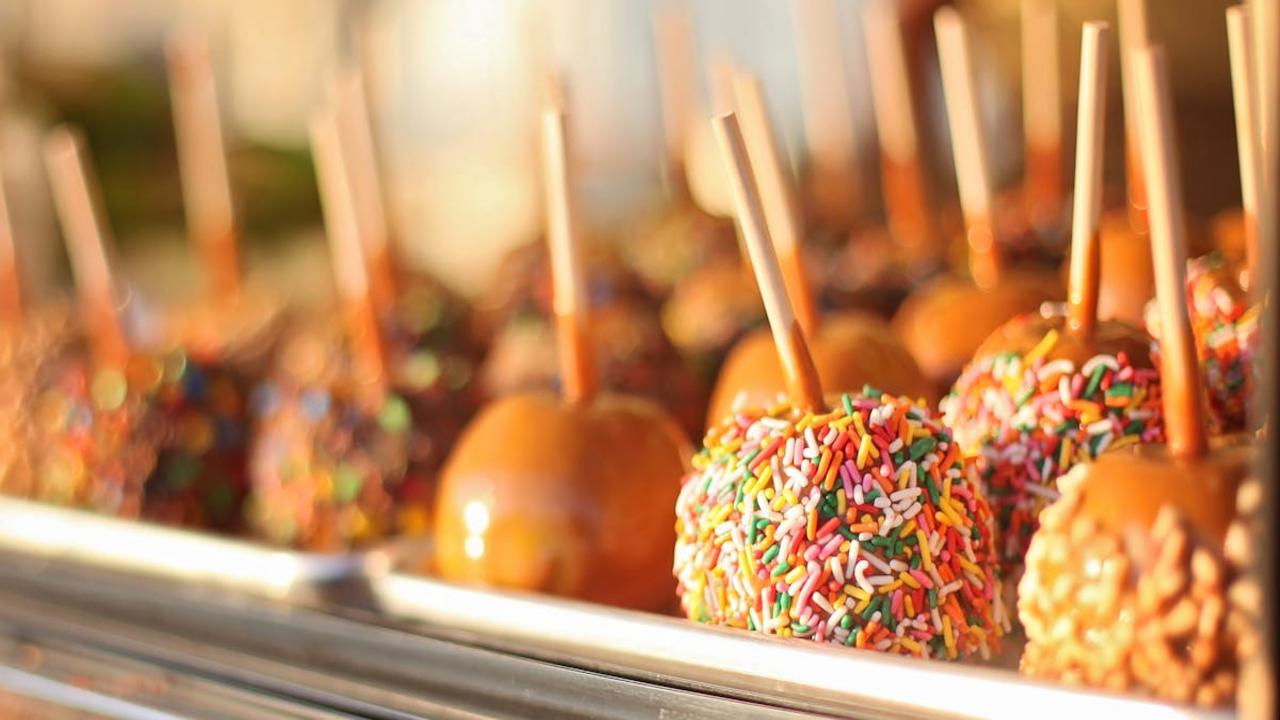
Picture this: you’re walking through a bustling 1920s street fair, jazz music floating through the air, and there’s this vendor with a cart full of gleaming red candied apples on sticks. These weren’t just treats – they were edible jewels that caught the light and made everyone stop in their tracks. The beauty of candied apples lies in their simplicity, something I truly appreciate as someone who believes in letting natural ingredients shine. You take a crisp, seasonal apple – preferably something tart like a Granny Smith that can stand up to all that sweetness – and coat it in a glossy hard candy shell made from sugar, corn syrup, and a touch of red food coloring.
What I love most about making these at home is how the process teaches you patience and precision. You can’t rush the candy coating – it needs to reach exactly 300°F to achieve that perfect crack when you bite through to the juicy apple beneath. I often skip the artificial coloring and create my own natural red hue using beet juice or pomegranate concentrate, staying true to my philosophy of keeping things as wholesome as possible. The contrast between the sweet, crunchy exterior and the tart apple creates this incredible textural experience that never gets old. These treats represent everything wonderful about street food – accessible, delicious, and capable of bringing pure joy with every bite.
Ice Cream Sandwiches
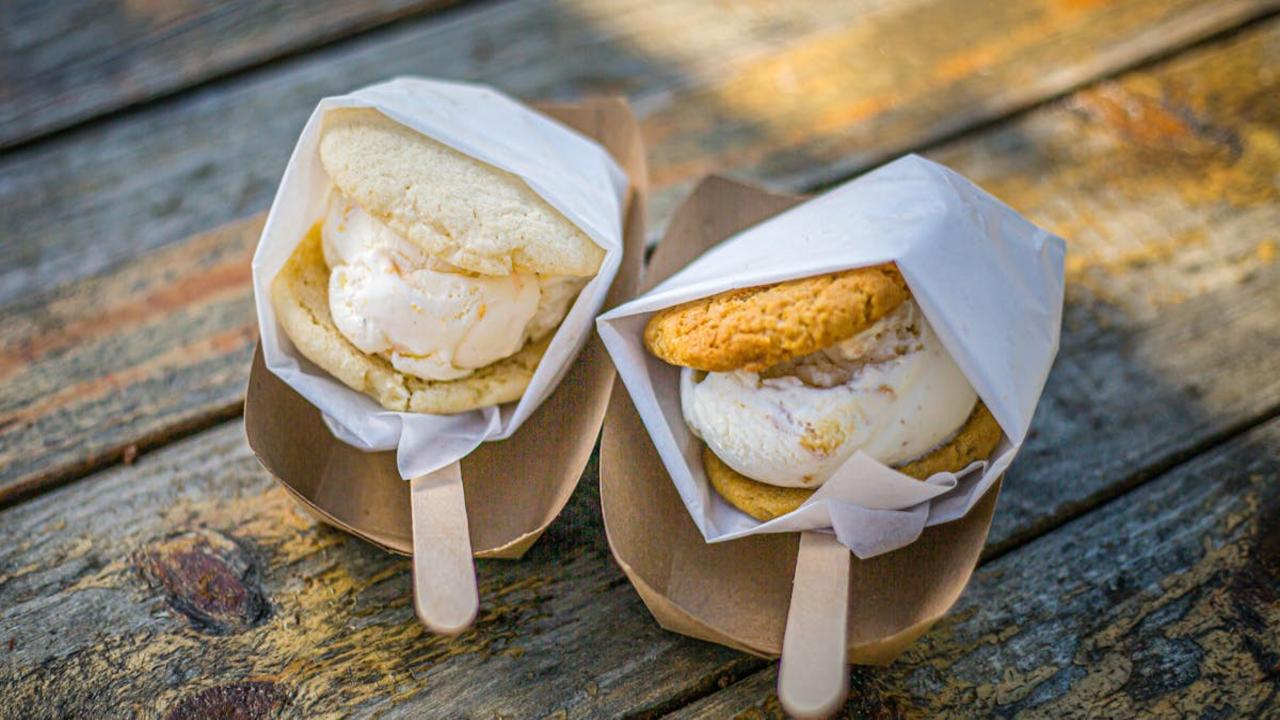
Picture this: you’re walking down a bustling street in 1920s America, and vendors are calling out with their handmade ice cream sandwiches – two soft cookies cradling a generous scoop of vanilla ice cream. These weren’t the mass-produced versions we know today; street vendors made them fresh, often using simple sugar cookies or thin wafers they’d bake themselves. I love recreating this classic at home because you control every ingredient, from the cookie dough to the ice cream filling. Try making your own cookies with real butter, a touch of vanilla, and just enough flour to hold them together – they should be slightly soft so they don’t crack when you bite down.
What makes these sandwiches so special is their simplicity and the way they bring people together. During the Roaring Twenties, families would gather around street carts, children begging for just one more sandwich before heading home. I encourage you to experiment with different cookie combinations – oatmeal cookies with cinnamon ice cream, or chocolate wafers with fresh strawberry. The key is using quality ingredients and making them fresh. Skip the store-bought options when possible; your homemade version will taste infinitely better and you’ll know exactly what goes into every bite. These treats remind us that sometimes the most memorable foods are the ones made with love and shared with others.
Popcorn Balls
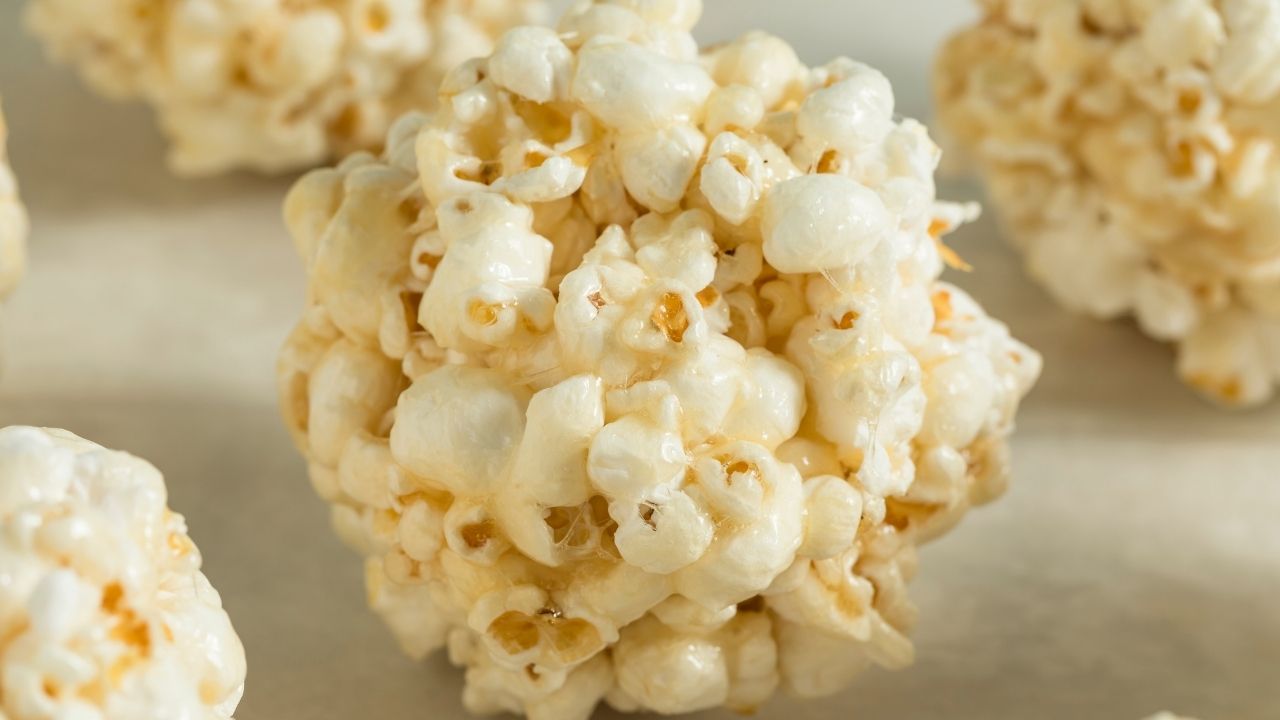
Picture this: you’re walking down a bustling 1920s street, and the sweet aroma of caramelized sugar mixed with freshly popped corn fills the air. Popcorn balls weren’t just snacks during the Roaring Twenties—they were portable celebrations you could hold in your hand! Street vendors would craft these sticky-sweet spheres right before your eyes, combining simple popped kernels with molasses or corn syrup, then rolling them into perfect orbs that satisfied both hunger and sweet cravings. I love how these treats represented the era’s spirit of making something extraordinary from humble ingredients.
What makes popcorn balls so special is their incredible versatility and the fact that you can make them completely from scratch with ingredients you probably have in your pantry right now. Instead of relying on processed corn syrup like those vintage vendors, I prefer using pure maple syrup or honey, which adds depth and keeps things more wholesome. You can mix in chopped nuts, dried fruit, or even a pinch of sea salt to create your own signature version. The magic happens when you work quickly with slightly warm hands, shaping each ball while the mixture is still pliable—it’s messy, fun, and connects you directly to this timeless street food tradition.
Cotton Candy

Picture this: you’re strolling through a 1920s carnival, jazz music floating through the air, and there it is—that magnificent cloud of spun sugar that somehow transforms ordinary granulated sugar into pure magic. Cotton candy became the darling of street vendors during the Roaring Twenties, though most people don’t know it actually started as “Fairy Floss” back in 1897. What I find absolutely fascinating is how this treat represents everything I love about cooking—taking the simplest ingredient and creating something extraordinary through heat and technique.
You know, making cotton candy at home connects you to that same wonder those 1920s carnival-goers experienced. All you need is sugar, food coloring, and a cotton candy machine (yes, they make home versions now!). I sometimes add a pinch of natural vanilla extract or even experiment with coconut sugar for a deeper flavor profile. The process reminds me why I’m passionate about understanding how ingredients transform—watching sugar crystals melt and spin into gossamer threads teaches you patience and respect for the chemistry of cooking. Sure, it’s pure sugar, but there’s something beautiful about creating joy from such basic elements, just like those street vendors did nearly a century ago.
Oyster Stew
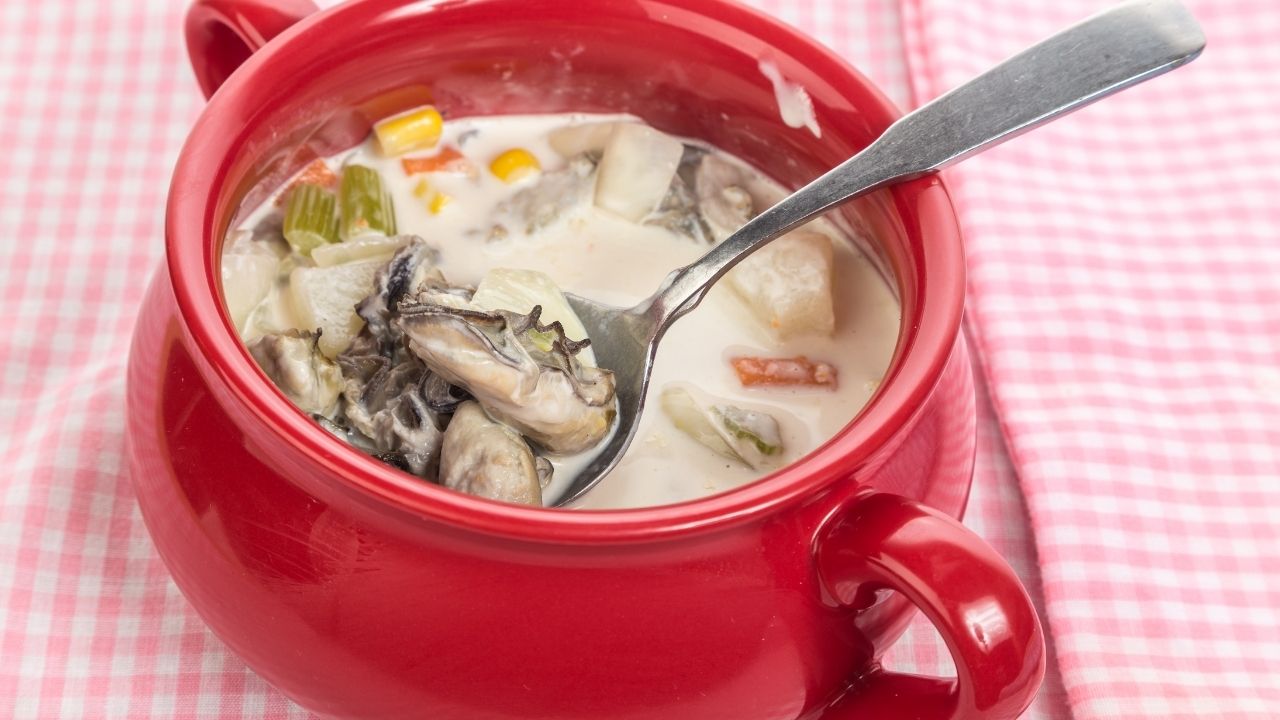
Picture this: you’re walking down a bustling 1920s street corner, and the most incredible aroma hits you—creamy, briny, and absolutely irresistible. That’s oyster stew calling your name! This wasn’t just food; it was pure comfort in a bowl that street vendors ladled out to hungry workers and late-night revelers alike. The beauty of this dish lies in its simplicity—fresh oysters swimming in rich, velvety milk or cream, seasoned with just a whisper of butter, salt, and white pepper. No fancy techniques required, just good ingredients treated with respect.
What I love most about oyster stew is how it teaches us that the best recipes often come from the most straightforward approach. You heat your milk gently (never boiling!), add those plump oysters with their precious liquor, and let them barely cook through—maybe two minutes max. The oysters should still be tender, not rubbery. I often add a bay leaf and a touch of fresh thyme from my garden, then finish with a pat of good butter and a sprinkle of paprika. It’s the kind of dish that reminds you why sometimes the simplest preparations showcase ingredients at their absolute best. Serve it with oyster crackers, and you’ve got pure magic in a bowl.
Roasted Chestnuts
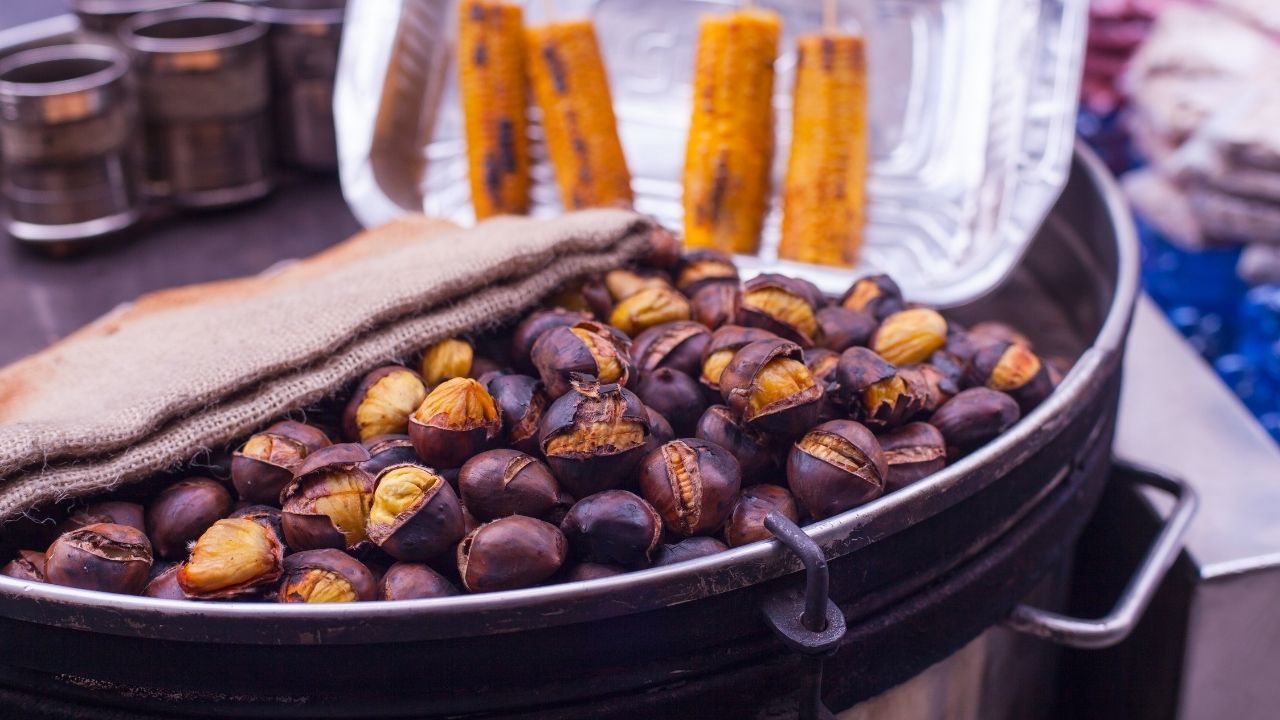
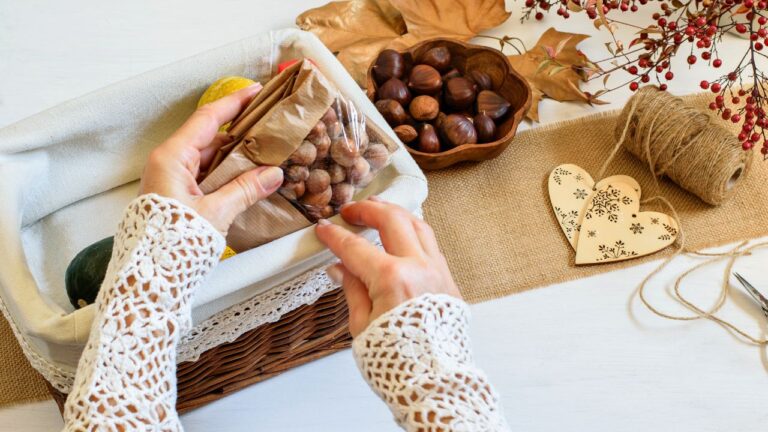
Picture this: you’re walking down a bustling 1920s street corner, and that unmistakable aroma of roasting chestnuts fills the air from a vendor’s cart. These little gems were the ultimate street food comfort during those cold winter months, and honestly, I can understand why they captivated an entire generation. The vendors would score each chestnut with a small knife before roasting them over glowing coals, creating that signature split that made them easy to peel. What strikes me most about chestnuts is how they bridge the gap between sweet and savory—they’re naturally creamy with a subtle sweetness that doesn’t overwhelm your palate.
Now, here’s what I love about incorporating chestnuts into modern cooking: they’re incredibly versatile and pack serious nutritional value. Unlike other nuts, chestnums are lower in fat but rich in vitamin C, fiber, and complex carbohydrates. I often roast them at home by scoring an X into each one, then baking them at 425°F for about 15 minutes until they open up beautifully. Try adding them to your next soup for natural thickening power, or toss them into a warm salad with roasted Brussels sprouts and a simple vinaigrette. The 1920s vendors knew something we’re rediscovering—sometimes the simplest preparations create the most satisfying experiences.
Hot Dogs from Pushcarts
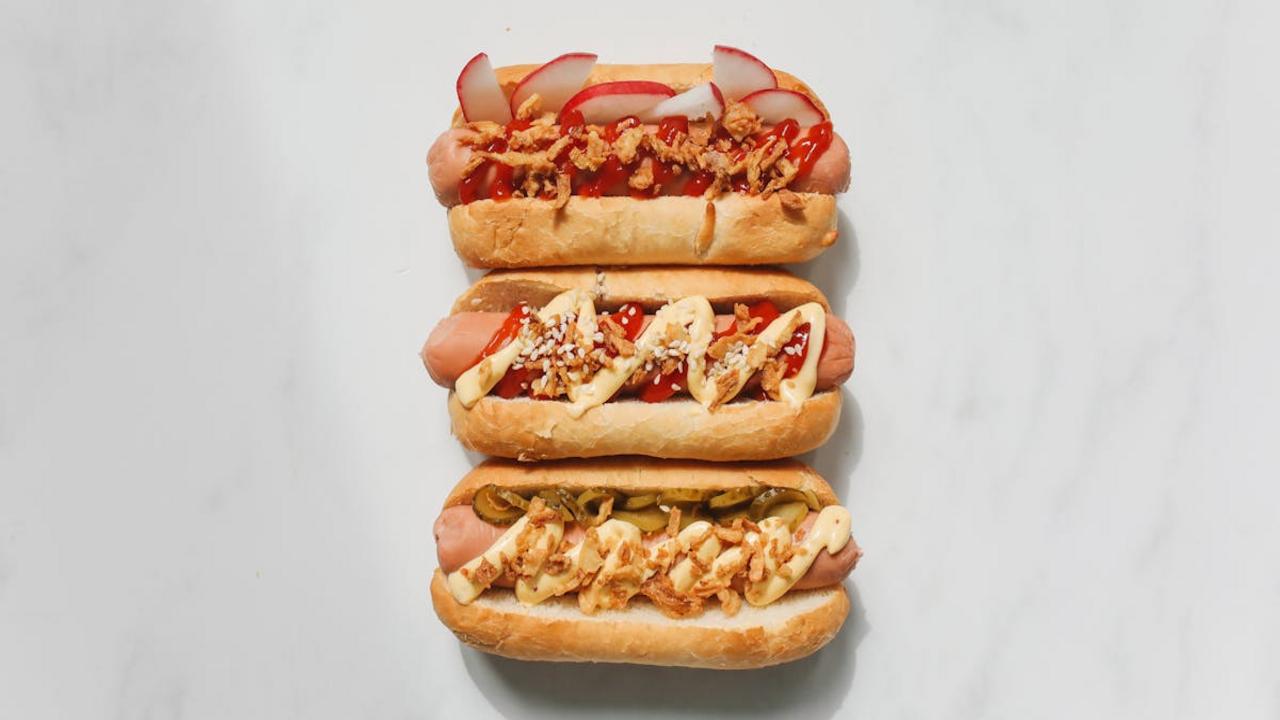
Picture this: steam rising from a weathered pushcart, the vendor’s practiced hands working magic with a simple sausage and bun. Hot dogs from pushcarts became the heartbeat of 1920s street food culture, feeding hungry workers, theater-goers, and late-night revelers across America’s bustling cities. These mobile kitchens represented something beautiful – honest, unpretentious food that brought people together regardless of their social status. I love how these vendors understood what we home cooks know today: sometimes the most satisfying meals come from the simplest ingredients prepared with care and attention.
What strikes me most about these pushcart hot dogs is how they mirror my own cooking philosophy – taking quality ingredients and letting them shine without unnecessary complexity. The vendors would source good sausages, toast their buns just right, and offer fresh toppings like sauerkraut and mustard. They knew that great street food starts with respecting your ingredients and understanding your audience. Today, when I make hot dogs at home, I think about those pushcart vendors – I choose nitrate-free sausages, lightly char them over an open flame, and serve them with homemade pickled vegetables. It’s the same spirit of wholesome, from-scratch cooking that made those 1920s street vendors such beloved figures in their neighborhoods.